Search Result
Results for "
plasma cholesterol
" in MedChemExpress (MCE) Product Catalog:
2
Biochemical Assay Reagents
14
Isotope-Labeled Compounds
| Cat. No. |
Product Name |
Target |
Research Areas |
Chemical Structure |
-
- HY-N0322
-
|
|
Environmental Pollutants
Endogenous Metabolite
Estrogen Receptor/ERR
Bacterial
Liposome
|
Infection
Metabolic Disease
Cancer
|
|
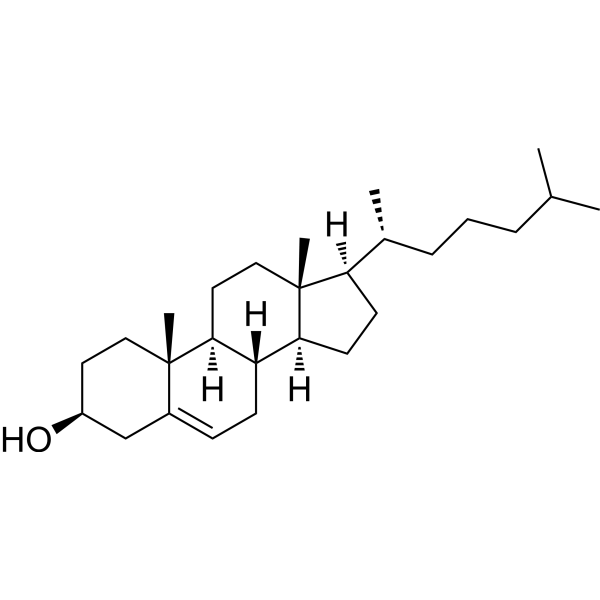
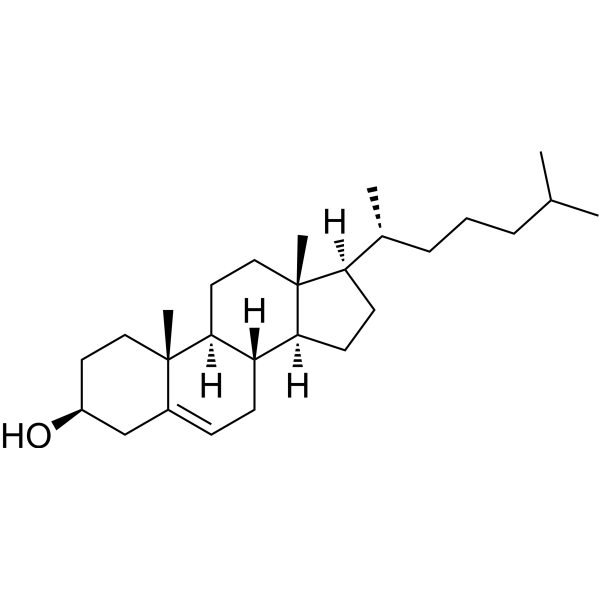
Cholesterol (from animal) is the major sterol in mammals. It is making up 20-25% of structural component of the plasma membrane. Plasma membranes are highly permeable to water but relatively impermeable to ions and protons. Cholesterol (from animal) plays an important role in determining the fluidity and permeability characteristics of the membrane as well as the function of both the transporters and signaling proteins . Cholesterol (from animal) is also an endogenous estrogen-related receptor α (ERRα) agonist .
|
-
-
- HY-17409
-
|
|
Fungal
Antibiotic
Apoptosis
Bacterial
|
Infection
Cancer
|
|
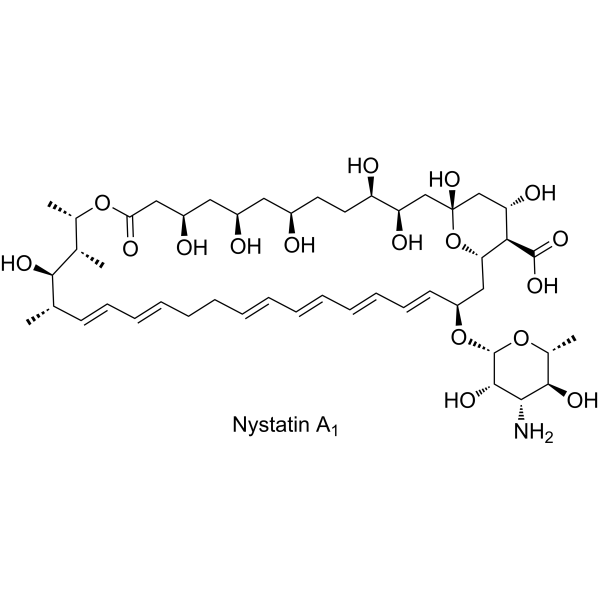
Nystatin is an orally active polyene antifungal antibiotic effective against yeast and mycoplasma. Nystatin increases the permeability of plasma membranes to small monovalent ions, including chloridion . Nystatin is a cholesterol-sequestering agent , partially prevents Oxaliplatin-induced lipid raft aggregation, DR4 and DR5 clustering, and thereby reduces apoptosis .
|
-
-
- HY-N0322A
-
|
|
Liposome
|
Others
|
Cholesterol Water Soluble is a major sterol in mammals, constituting 20-25% of the structural composition of the plasma membrane. The plasma membrane is highly permeable to water but relatively impermeable to ions and protons. Cholesterol Water Soluble plays an important role in determining the fluidity and permeability characteristics of membranes and the function of transporters and signaling proteins. Cholesterol Water Soluble is also an endogenous estrogen-related receptor alpha (ERRα) agonist. Cholesterol Water Soluble can be used to study the effects of cholesterol on potassium currents in inner hair cells .
(Note: This product is a mixture of Cholesterol and Methyl-β-cyclodextrin. The product specifications below only indicate the effective content of Cholesterol.)
|
-

-
- HY-N0322S
-
|
|
Estrogen Receptor/ERR
Endogenous Metabolite
|
Metabolic Disease
|
|
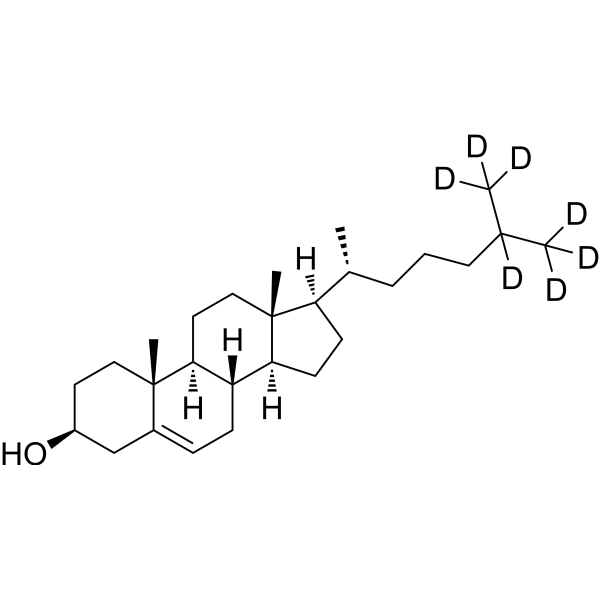
Cholesterol-d7 is the deuterium labeled Cholesterol. Cholesterol is the major sterol in mammals. It is making up 20-25% of structural component of the plasma membrane. Plasma membranes are highly permeable to water but relatively impermeable to ions and protons. Cholesterol plays an important role in determining the fluidity and permeability characteristics of the membrane as well as the function of both the transporters and signaling proteins . Cholesterol is also an endogenous estrogen-related receptor α (ERRα) agonist .
|
-
-
- HY-124265
-
|
|
Endogenous Metabolite
|
Metabolic Disease
|
|
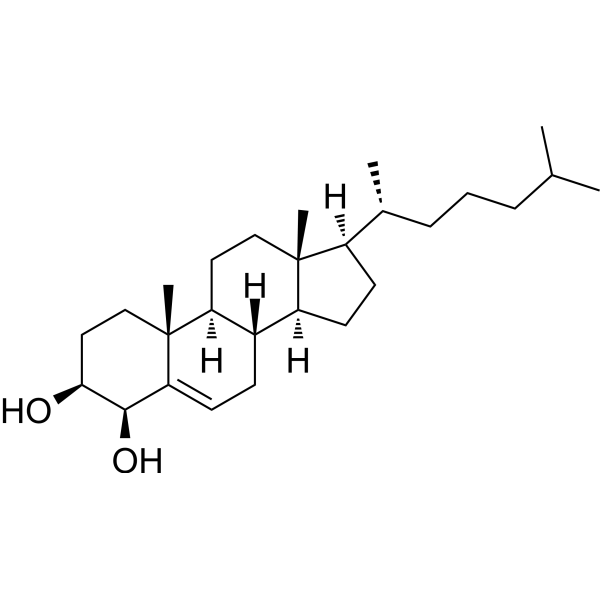
4β-Hydroxycholesterol is a major Cholesterol (HY-N0322) metabolite and a precursor in the synthesis of bile acids that is found in human circulation .
|
-
-
- HY-100313A
-
|
|
Farnesyl Transferase
HCV
|
Infection
Metabolic Disease
|
|
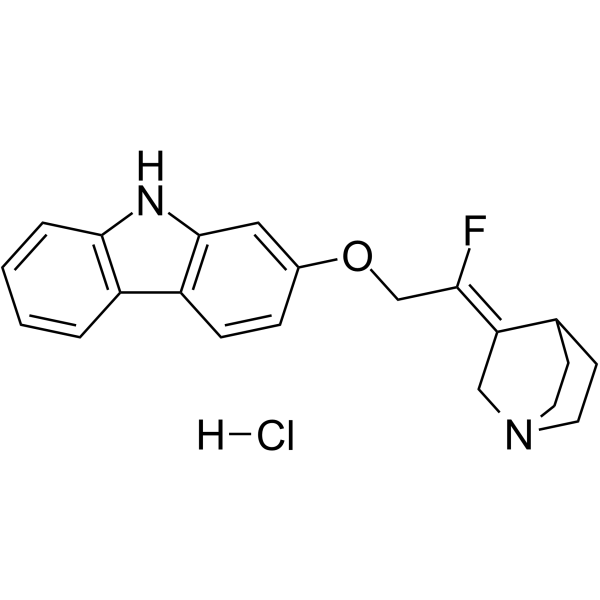
YM-53601, a squalene synthase inhibitor, reduces plasma cholesterol and triglyceride levels in vivo . YM-53601 inhibits squalene synthase derived from human hepatoma cells with an IC50 of 79 nM. Lipid-lowering agent . YM-53601 is also an inhibitor of farnesyl-diphosphate farnesyltransferase 1 (FDFT1) enzyme activity and abrogates HCV propagation .
|
-
-
- HY-N0322R
-
|
|
Liposome
Reference Standards
Estrogen Receptor/ERR
Endogenous Metabolite
Bacterial
|
Metabolic Disease
Cancer
|
|
Cholesterol (Standard) is the analytical standard of Cholesterol. This product is intended for research and analytical applications. Cholesterol is the major sterol in mammals. It is making up 20-25% of structural component of the plasma membrane. Plasma membranes are highly permeable to water but relatively impermeable to ions and protons. Cholesterol plays an important role in determining the fluidity and permeability characteristics of the membrane as well as the function of both the transporters and signaling proteins . Cholesterol is also an endogenous estrogen-related receptor α (ERRα) agonist .
|
-
-
- HY-N0322S5
-
|
|
Estrogen Receptor/ERR
Endogenous Metabolite
|
Metabolic Disease
|
|
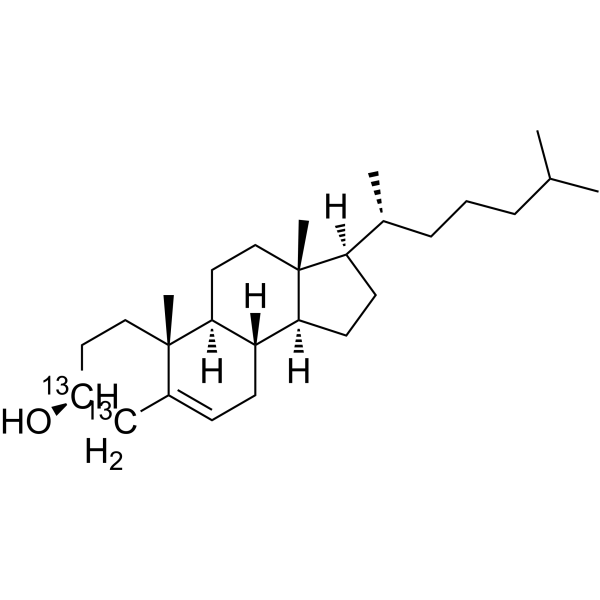
Cholesterol- 13C2 is the 13C labeled Cholesterol. Cholesterol is the major sterol in mammals. It is making up 20-25% of structural component of the plasma membrane. Plasma membranes are highly permeable to water but relatively impermeable to ions and protons. Cholesterol plays an important role in determining the fluidity and permeability characteristics of the membrane as well as the function of both the transporters and signaling proteins . Cholesterol is also an endogenous estrogen-related receptor α (ERRα) agonist .
|
-
-
- HY-113202
-
|
|
Endogenous Metabolite
PKC
GlyT
|
Neurological Disease
Metabolic Disease
|
|
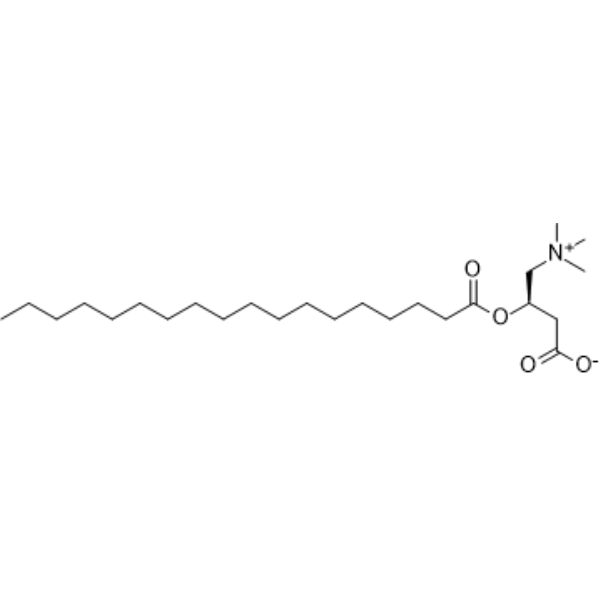
Stearoylcarnitine, a fatty ester lipid molecule, is an endogenous metabolite. Stearoylcarnitine can be used as PKC inhibitor. Stearoylcarnitine accumulates in β cells, leading to arrest of insulin synthesis and energy deficiency in type 2 diabetes mouse. Stearoylcarnitine inhibits lecithin cholesterol acyltransferase (LCAT) in rat and rabbits plasma. Stearoylcarnitine acts as a metabolomics biomarker for Parkinson’s disease. Stearoylcarnitine is a less potent inhibitor of GlyT2 .
|
-
-
- HY-N0322S1
-
|
|
Estrogen Receptor/ERR
Endogenous Metabolite
|
Metabolic Disease
|
|
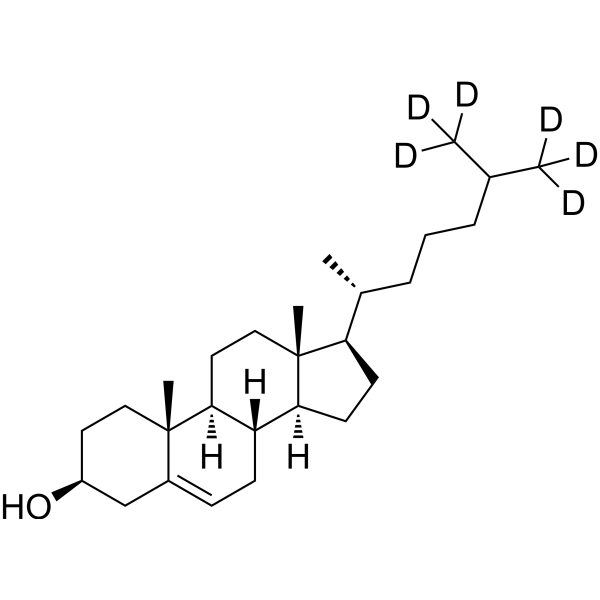
Cholesterol-d6 is the deuterium labeled Cholesterol. Cholesterol is the major sterol in mammals. It is making up 20-25% of structural component of the plasma membrane. Plasma membranes are highly permeable to water but relatively impermeable to ions and protons. Cholesterol plays an important role in determining the fluidity and permeability characteristics of the membrane as well as the function of both the transporters and signaling proteins . Cholesterol is also an endogenous estrogen-related receptor α (ERRα) agonist .
|
-
-
- HY-114297
-
|
|
Endogenous Metabolite
|
Others
|
|
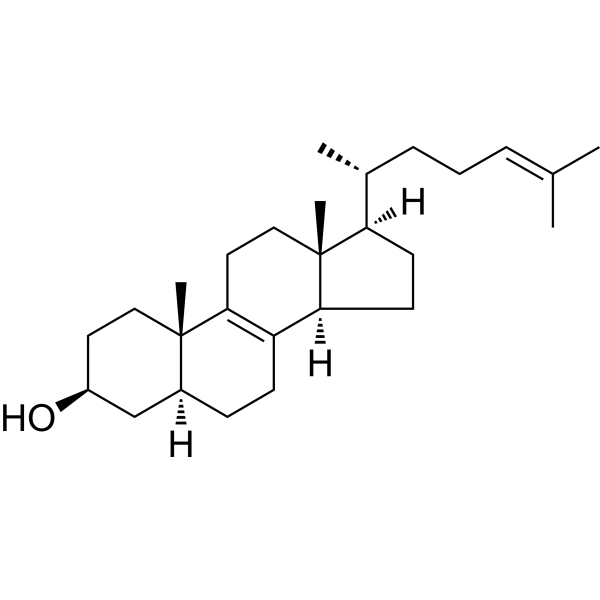
Zymosterol is a Cholesterol (HY-N0322) biosynthesis metabolite. Zymosterol, a precursor of Cholesterol, is found mostly in the plasma membrane. Zymosterol circulates within the cell .
|
-
-
- HY-126573
-
-
-
- HY-12246
-
XEN445
1 Publications Verification
|
Lipase
|
Cardiovascular Disease
Metabolic Disease
Cancer
|
|
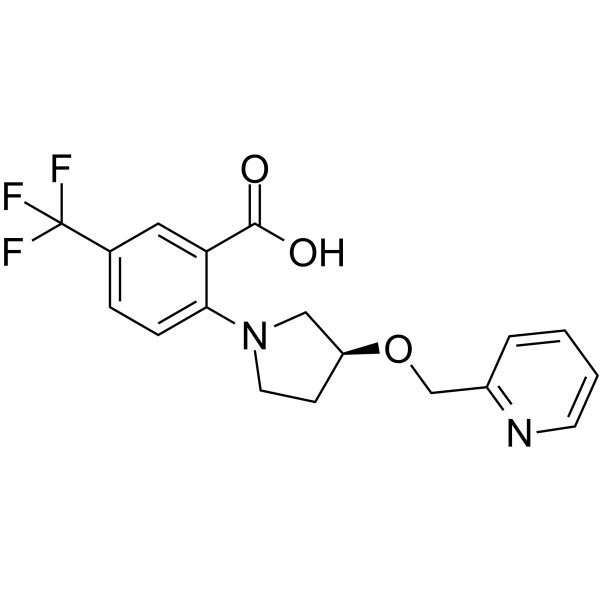
XEN445 is a potent, selective and orally active endothelial lipase (EL) inhibitor with an IC50 value of 0.237 μM. XEN445 selectively inhibits phospholipase enzymatic activity of LIPG. XEN445 raises plasma HDL and cholesterol levles. XEN445 induces G1 cell cycle arrest, reduces cell viability, suppresses cancer stem cell self-renewal, and inhibits tumor formation in LIPG-expressing triple-negative breast cancer cells, while showing no inhibitory effect on invasiveness or cancer stem cell stemness in these cells. XEN445 can be used for the research of cancer and metabolic disease, such as triple-negative breast cancer .
|
-
-
- HY-N0322S2
-
|
|
Isotope-Labeled Compounds
Estrogen Receptor/ERR
Endogenous Metabolite
|
Metabolic Disease
|
|
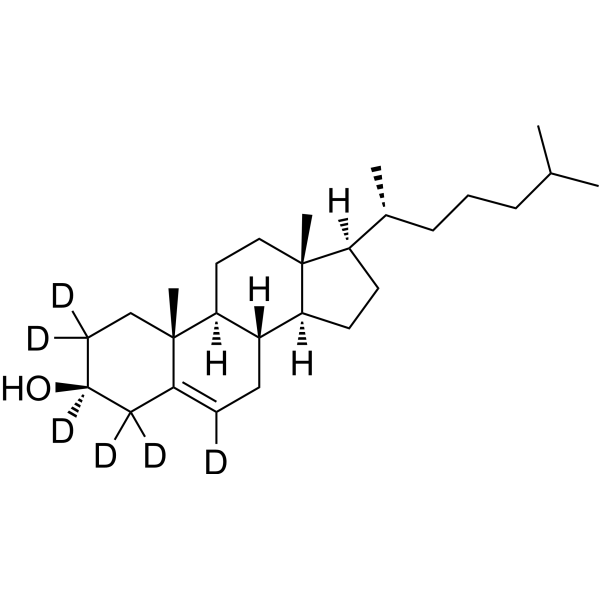
Cholesterol-d6-1 is the deuterium labeled Cholesterol. Cholesterol is the major sterol in mammals. It is making up 20-25% of structural component of the plasma membrane. Plasma membranes are highly permeable to water but relatively impermeable to ions and protons. Cholesterol plays an important role in determining the fluidity and permeability characteristics of the membrane as well as the function of both the transporters and signaling proteins . Cholesterol is also an endogenous estrogen-related receptor α (ERRα) agonist .
|
-
-
- HY-128387
-
|
|
Endogenous Metabolite
|
Cardiovascular Disease
|
|
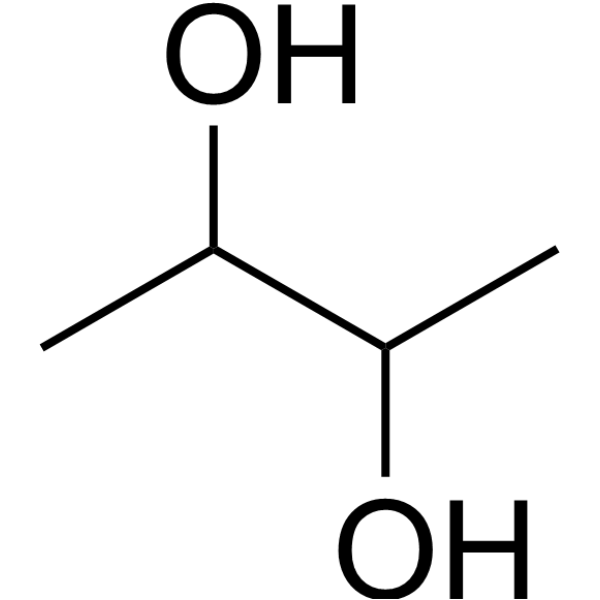
2,3-Butanediol is microbially derived compound that is a discriminating urinary biomarker of Fmo5 -/- mice. 2,3-Butanediol prevents age-related increases in the plasma concentration of cholesterol. 2,3-Butanediol has potential applications in the manufacture of printing inks, perfumes, fumigants, moistening and softening agents, plasticizers, and as a carrier for pharmaceuticals .
|
-
-
- HY-153491
-
|
ISIS 678354; IONIS-APOCIII-LRx; AKCEA-APOCIII-LRx
|
Apolipoprotein
|
Cardiovascular Disease
|
|
Olezarsen (ISIS 678354;IONIS-APOCIII-LRx) is a GalNAc-modified antisense oligonucleotide. Olezarsen binds to APOC3 mRNA and induces its degradation via ribonuclease H1-mediated sense strand cleavage, thereby reducing hepatic apolipoprotein C-III (apoC-III) synthesis. Olezarsen reduces plasma triglyceride, apolipoprotein B and non-high-density lipoprotein cholesterol levels. Olezarsen is applicable to research related to familial chylomicronemia syndrome, hypertriglyceridemia and atherosclerotic cardiovascular disease .
|
-

-
- HY-153491A
-
|
ISIS 678354 sodium; IONIS-APOCIII-LRx sodium; AKCEA-APOCIII-LRx sodium
|
Apolipoprotein
|
Cardiovascular Disease
|
|
Olezarsen (ISIS 678354;IONIS-APOCIII-LRx) sodium is a GalNAc-modified antisense oligonucleotide. Olezarsen sodium binds to APOC3 mRNA and induces its degradation via ribonuclease H1-mediated sense strand cleavage, thereby reducing hepatic apolipoprotein C-III (apoC-III) synthesis. Olezarsen sodium reduces plasma triglyceride, apolipoprotein B and non-high-density lipoprotein cholesterol levels. Olezarsen sodium is applicable to research related to familial chylomicronemia syndrome, hypertriglyceridemia and atherosclerotic cardiovascular disease .
|
-
-
- HY-N0322S4
-
|
|
Estrogen Receptor/ERR
Endogenous Metabolite
|
Metabolic Disease
|
|
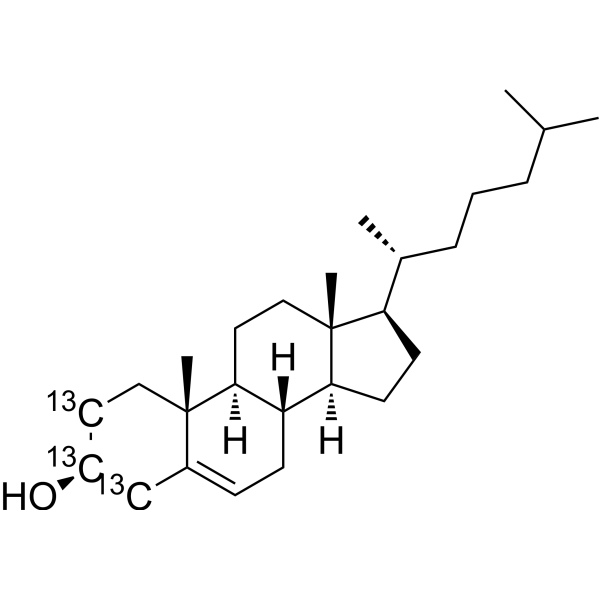
Cholesterol- 13C3 is the 13C-labeled Cholesterol. Cholesterol is the major sterol in mammals. It is making up 20-25% of structural component of the plasma membrane. Plasma membranes are highly permeable to water but relatively impermeable to ions and protons. Cholesterol plays an important role in determining the fluidity and permeability characteristics of the membrane as well as the function of both the transporters and signaling proteins . Cholesterol is also an endogenous estrogen-related receptor α (ERRα) agonist .
|
-
-
- HY-N0322S6
-
|
|
Estrogen Receptor/ERR
Endogenous Metabolite
|
Metabolic Disease
|
|
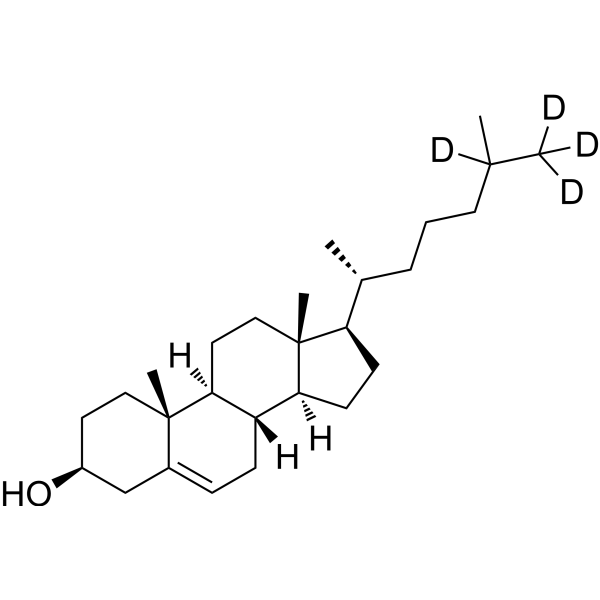
Cholesterol-d4 is deuterium labeled Cholesterol. Cholesterol is the major sterol in mammals. It is making up 20-25% of structural component of the plasma membrane. Plasma membranes are highly permeable to water but relatively impermeable to ions and protons. Cholesterol plays an important role in determining the fluidity and permeability characteristics of the membrane as well as the function of both the transporters and signaling proteins . Cholesterol is also an endogenous estrogen-related receptor α (ERRα) agonist .
|
-
-
- HY-N0322S7
-
|
|
Isotope-Labeled Compounds
Estrogen Receptor/ERR
Endogenous Metabolite
|
Endocrinology
|
|
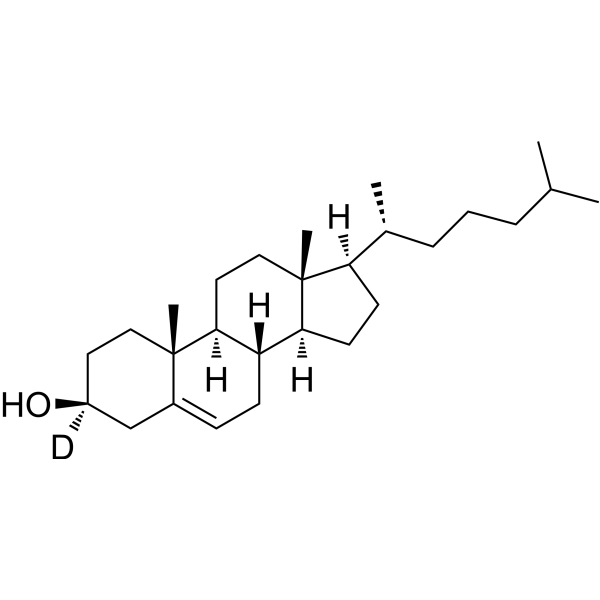
Cholesterol-d1 is the deuterium labeled Cholesterol. Cholesterol is the major sterol in mammals. It is making up 20-25% of structural component of the plasma membrane. Plasma membranes are highly permeable to water but relatively impermeable to ions and protons. Cholesterol plays an important role in determining the fluidity and permeability characteristics of the membrane as well as the function of both the transporters and signaling proteins . Cholesterol is also an endogenous estrogen-related receptor α (ERRα) agonist .
|
-
-
- HY-113955
-
-
-
- HY-117549
-
|
NO-1886
|
Lipase
|
Cardiovascular Disease
|
|
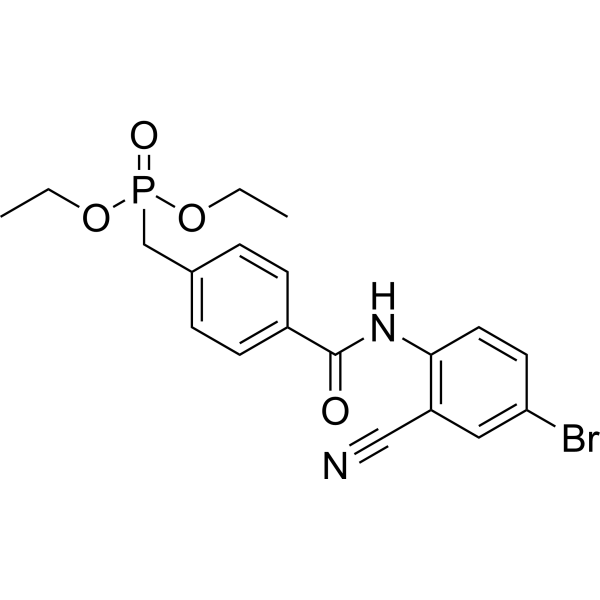
Ibrolipim (NO-1886) is an orally active lipoprotein lipase (LPL)-promoting agent. Ibrolipim decreases plasma triglycerides, increases high-density lipoprotein cholesterol levels. Ibrolipim has renoprotective and hypolipidemic effects .
|
-
-
- HY-12089
-
|
CP-529414
|
CETP
|
Endocrinology
|
|
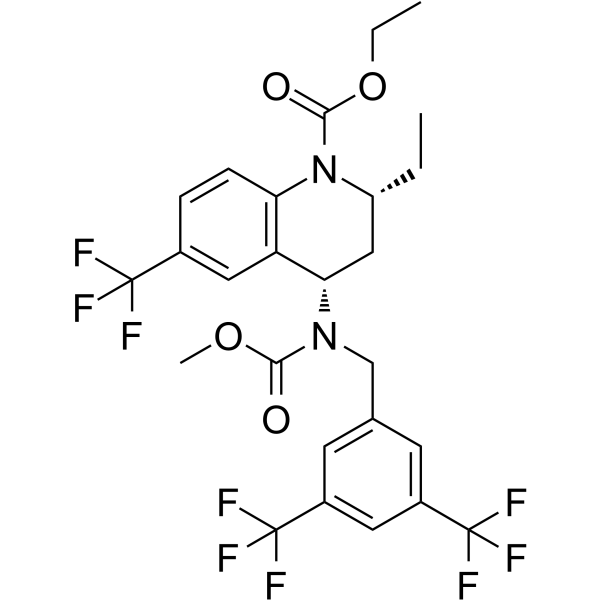
Torcetrapib (CP-529414) is a selective, potent cholesteryl ester transfer protein (CETP) inhibitor. A typical inhibition curve for whole human plasma, having a CETP concentration of 37 nM .
|
-
-
- HY-162562
-
|
|
PCSK9
|
Metabolic Disease
Inflammation/Immunology
|
|
E28362 is an orally active lipid-lowering agent and a selective PCSK9 antagonist. E28362 blocks the interaction between PCSK9 and LDLR, and induces PCSK9 degradation via the ubiquitin-proteasome pathway. E28362 significantly increases the levels of cell surface and total LDLR proteins, enhances low-density lipoprotein uptake, thereby effectively reducing plasma lipids, hepatic cholesterol and triglyceride levels. E28362 shows no obvious cytotoxicity at high concentrations, and significantly attenuates atherosclerotic lesions in animal models. E28362 is an important molecule in research of hyperlipidemia and atherosclerosis .
|
-

-
- HY-153830
-
|
C16 Lactosylceramide (d18:1/16:0)
|
Endogenous Metabolite
|
Neurological Disease
Metabolic Disease
|
|
LacCer (d18:1/16:0) (C16 Lactosylceramide (d18:1/16:0)) is an endogenous bioactive sphingolipid that can form membrane microdomains with Lyn kinase and the αi subunits of inhibitory G protein-coupled receptors (GPCRs). The levels of LacCer (d18:1/16:0) are elevated in the plasma of insulin-resistant cattle. In a mouse model of Niemann-Pick type C1 disease (a neurodegenerative cholesterol-sphingolipid lysosomal storage disorder), the expression of LacCer (d18:1/16:0) is also upregulated. LacCer (d18:1/16:0) can be used in research on metabolic diseases and neurodegenerative diseases .
|
-

-
- HY-100401
-
|
CS-505 free base
|
Acyltransferase
|
Cardiovascular Disease
|
|
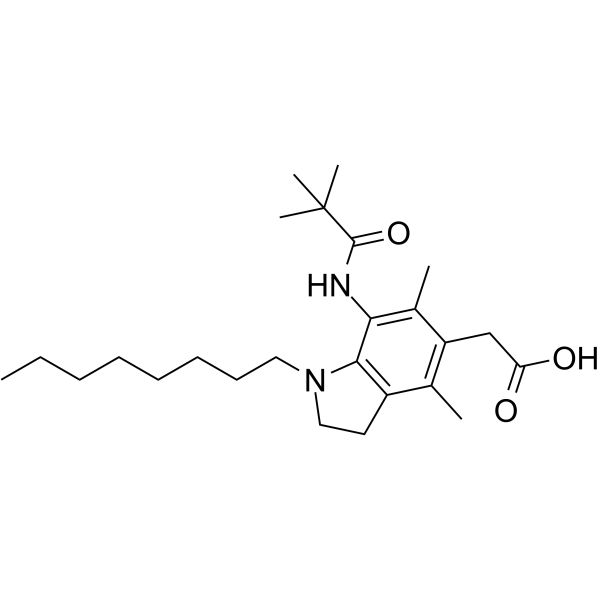
Pactimibe (CS-505 free base) is a dual ACAT1/2 inhibitor with IC50s of 4.9 μM and 3.0 μM, respectively. Pactimibe (CS-505 free base) inhibits ACAT with IC50s of 2.0 μM, 2.7 μM, 4.7 μM in the liver, macrophages and THP-1 cells, respectively . Pactimibe (CS-505 free base) noncompetitively inhibits oleoyl-CoA with a Ki value of 5.6 μM. Moreover, Pactimibe (CS-505 free base) obviously inhibits cholesteryl ester formation with an IC50 of 6.7 μM. Pactimibe (CS-505 free base) possesses anti-atherosclerotic potential with lowering plasma cholesterol activity .
|
-
-
- HY-117912
-
|
|
Endogenous Metabolite
|
Cardiovascular Disease
|
|
TRC210258 is a TGR5 agonist with activity to improve diabetes-associated hyperglycemia and dyslipidemia. TRC210258 promotes energy expenditure by enhancing the release of glucagon-like peptide-1. TRC210258 is able to improve glucose metabolic control in high-fat diet-induced obese mice. TRC210258 also showed improvement in lipid parameters in high-fat-fed hamsters, including reductions in plasma triglyceride and low-density lipoprotein cholesterol levels. TRC210258 improved emerging lipid-related cardiovascular risk parameters including remnant cholesterol and triglyceride clearance .
|
-

-
- HY-100401A
-
|
CS-505
|
Acyltransferase
|
Cardiovascular Disease
|
|
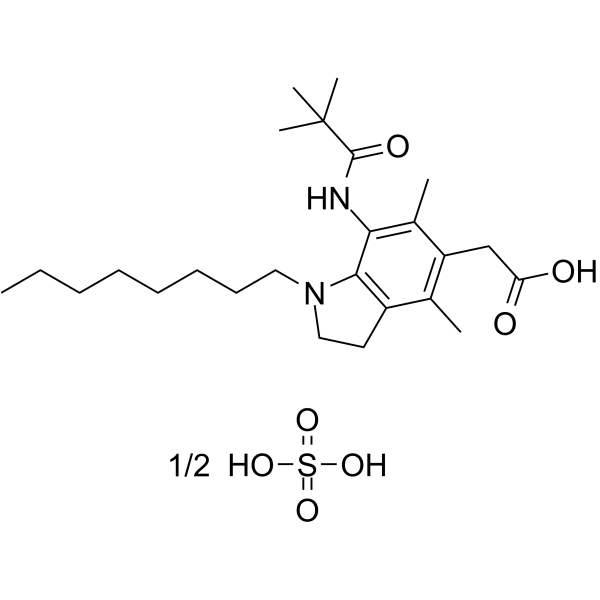
Pactimibe sulfate (CS-505) is a dual ACAT1/2 inhibitor with IC50s of 4.9 μM and 3.0 μM, respectively. Pactimibe sulfate (CS-505) inhibits ACAT with IC50s of 2.0 μM, 2.7 μM, 4.7 μM in the liver, macrophages and THP-1 cells, respectively . Pactimibe sulfate (CS-505) noncompetitively inhibits oleoyl-CoA with a Ki value of 5.6 μM. Moreover, Pactimibe sulfate (CS-505) obviously inhibits cholesteryl ester formation with an IC50 of 6.7 μM. Pactimibe sulfate (CS-505) possesses anti-atherosclerotic potential with lowering plasma cholesterol activity .
|
-
-
- HY-N0857
-
|
|
GLUT
HDAC
Virus Protease
PI3K
AMPK
Akt
Histone Demethylase
MDM-2/p53
IFNAR
Reactive Oxygen Species (ROS)
|
Infection
Metabolic Disease
Inflammation/Immunology
|
|
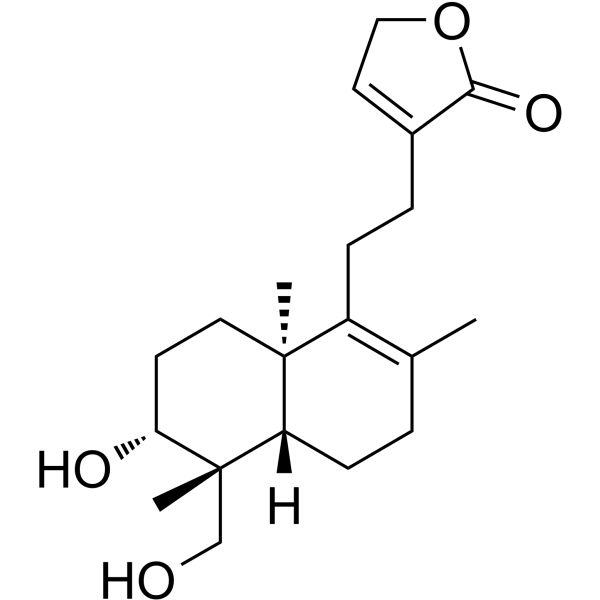
Deoxyandrographolide is an orally active lactone found in the Andrographis paniculata Nees. Deoxyandrographolide shows a KD of 38.4 μM of HDAC1. Deoxyandrographolide enhances GLUT4 plasma membrane translocation, activates PI3K and AMPK-dependent signaling pathways, suppresses fasting blood glucose, serum insulin, triglycerides, and LDL-cholesterol levels. Deoxyandrographolide enhances HDAC1 expression via inhibited ubiquitination degradation, represses H3K4me3, improves chromosome stability, and restrains aging biomarkers p16, p21, γH2A.X, p53 and ROS production. Deoxyandrographolide interacts with Foot-and-Mouth Disease Virus 3Cpro active site, inhibits protease and IFN-antagonist activity, derepresses ISG expression, and inhibits viral replication. Deoxyandrographolide can be used for the researches of type 2 diabetes mellitus, vascular senescence and virus infection .
|
-
-
- HY-100469
-
|
|
LXR
|
Inflammation/Immunology
|
|
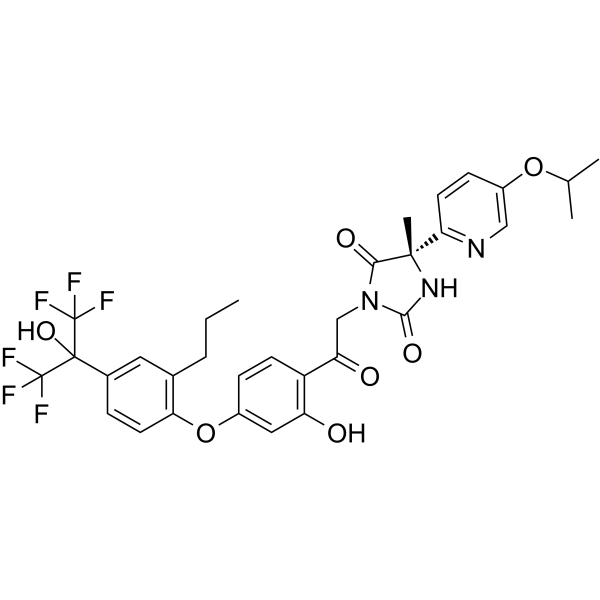
LXRβ agonist-2 is an orally active and selective LXRβ agonist. LXRβ agonist-2 increases high-density lipoprotein cholesterol levels without elevating plasma triglyceride levels. LXRβ agonist-2 decreases lipid accumulation area in the aortic arch. LXRβ agonist-2 can be used for the research of atherosclerosis .
|
-
-
- HY-137318
-
|
|
Drug Derivative
|
Metabolic Disease
|
|
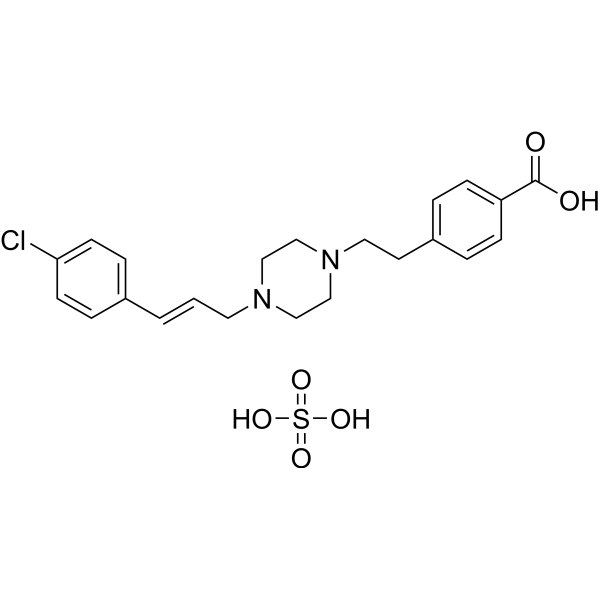
BM 15766 sulfate is an inhibitor of 7-dehydrocholesterol δ7-reductase and reduces plasma cholesterol levels. BM 15766 sulfate is a hypolipidemic agent .
|
-
-
- HY-N0322S3
-
|
|
Estrogen Receptor/ERR
Endogenous Metabolite
|
Metabolic Disease
|
|
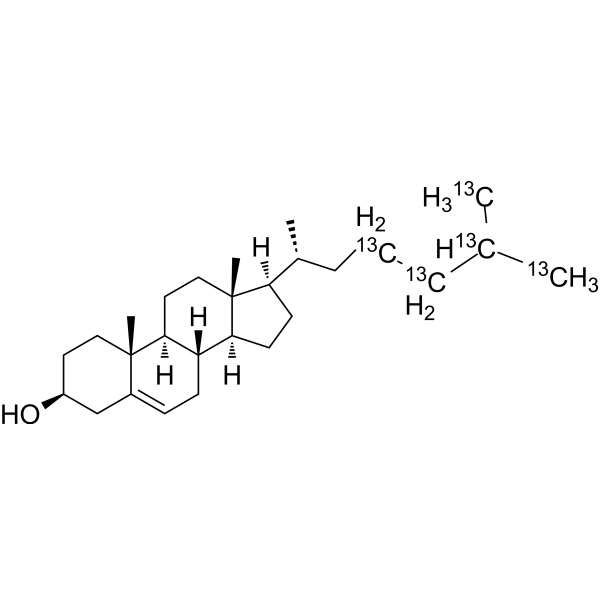
Cholesterol- 13C5 is the 13C-labeled Cholesterol. Cholesterol is the major sterol in mammals. It is making up 20-25% of structural component of the plasma membrane. Plasma membranes are highly permeable to water but relatively impermeable to ions and protons. Cholesterol plays an important role in determining the fluidity and permeability characteristics of the membrane as well as the function of both the transporters and signaling proteins . Cholesterol is also an endogenous estrogen-related receptor α (ERRα) agonist .
|
-
-
- HY-106380
-
|
HR 780
|
HMG-CoA Reductase (HMGCR)
|
Metabolic Disease
|
|
Glenvastatin (HR 780) is an orally active 3-hydroxy-3-methylglutaryl coenzyme A (HMG-CoA) reductase inhibitor. Glenvastatin can reduces plasma total cholesterol and phospholipid levels and liver cholesterol contents. Glenvastatin does not increase the contents of cholesterol and total bile acid in the gallbladder bile. Glenvastatin can be used for the research of hyperlipemia
|
-

-
- HY-113955A
-
-
-
- HY-128387R
-
|
|
Reference Standards
Endogenous Metabolite
|
Cardiovascular Disease
|
|
2,3-Butanediol (Standard) is the analytical standard of 2,3-Butanediol (HY-128387). This product is intended for research and analytical applications. 2,3-Butanediol is microbially derived compound that is a discriminating urinary biomarker of Fmo5 -/- mice. 2,3-Butanediol prevents age-related increases in the plasma concentration of cholesterol. 2,3-Butanediol has potential applications in the manufacture of printing inks, perfumes, fumigants, moistening and softening agents, plasticizers, and as a carrier for pharmaceuticals.
|
-

-
- HY-128387S1
-
|
|
Isotope-Labeled Compounds
Endogenous Metabolite
|
Cardiovascular Disease
|
|
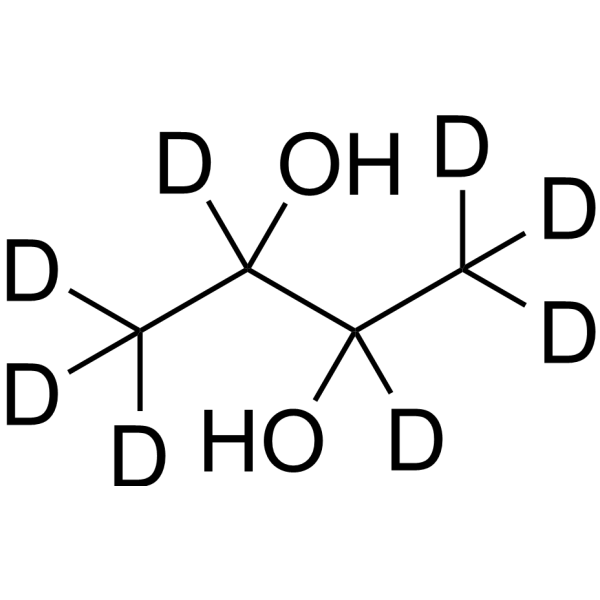
2,3-Butanediol-d8 is the deuterium labeled 2,3-Butanediol (HY-128387) . 2,3-Butanediol is microbially derived compound that is a discriminating urinary biomarker of Fmo5 -/- mice. 2,3-Butanediol prevents age-related increases in the plasma concentration of cholesterol. 2,3-Butanediol has potential applications in the manufacture of printing inks, perfumes, fumigants, moistening and softening agents, plasticizers, and as a carrier for pharmaceuticals .
|
-
-
- HY-E70599
-
|
|
Carboxylesterase (CES)
|
Metabolic Disease
|
|
Human CES2 Enzyme is a carboxylesterase involved in drug metabolism and lipid homeostasis. Human CES2 Enzyme hydrolyzes triglycerides, cholesteryl esters and retinyl esters to regulate lipid metabolism and energy homeostasis. Human CES2 Enzyme improves glucose tolerance and insulin sensitivity, reduces hepatic lipid accumulation, alleviates white adipose tissue steatitis, decreases plasma cholesterol levels, and reduces body weight and white adipose tissue weight. Human CES2 Enzyme can be used in the research of metabolic syndrome .
|
-

-
- HY-159709
-
|
|
Liposome
|
Metabolic Disease
|
|
VL-422 is an ionizable cationic lipid. VL-422 delivers CRISPR complementary single-guide RNA (sgRNA) and Cas9 mRNA to enable in vitro and in vivo gene editing. LNPs containing VL-422 loaded with Cas9 mRNA and sgRNA targeting the ANGPTL3 gene induce the deletion of premature stop codons within the ANGPTL3 gene in the liver of cynomolgus monkeys. Loss-of-function of ANGPTL3 leads to decreased levels of LDL, HDL and cholesterol in plasma. The VL-422 delivery system can be used for the research of gene editing strategies targeting lipid metabolism diseases .
|
-

-
- HY-Y0106
-
|
|
mTOR
Xanthine Oxidase
Apoptosis
|
Cardiovascular Disease
Metabolic Disease
Inflammation/Immunology
|
|
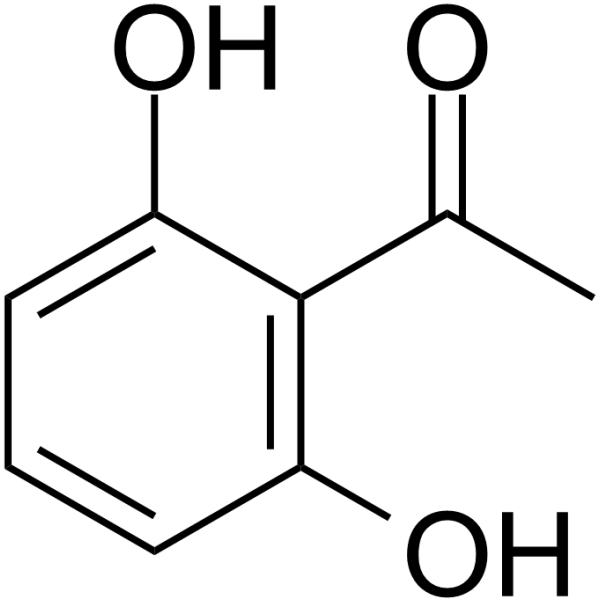
2,6-Dihydroxyacetophenone, a polyphenolic derivative of Acetophenone (HY-Y0989), is an orally active mTOR inhibitor. 2,6-Dihydroxyacetophenone shows antioxidant activity. 2,6-Dihydroxyacetophenone inhibits cell growth and proliferation in CRC cells. 2,6-Dihydroxyacetophenone arrests at G0/G1 phase of cell cycle, induces apoptosis and suppresses cell migration in CRC cells. 2,6-Dihydroxyacetophenone inhibits xanthine oxidase (XOD) with an IC50 of 1.24 mM. 2,6-dihydroxyacetophenone improves uric acid metabolism in hyperuricemia mice, reduces plasma cholesterol in hypercholesterolemic rats, and inhibits lipid accumulation in HFD-induced obese mice. 2,6-Dihydroxyacetophenone can be used for the study of colorectal cancer (CRC), hyperuricemia and hypercholesterolemia .
|
-
-
- HY-100313
-
|
|
Farnesyl Transferase
HCV
|
Metabolic Disease
|
|
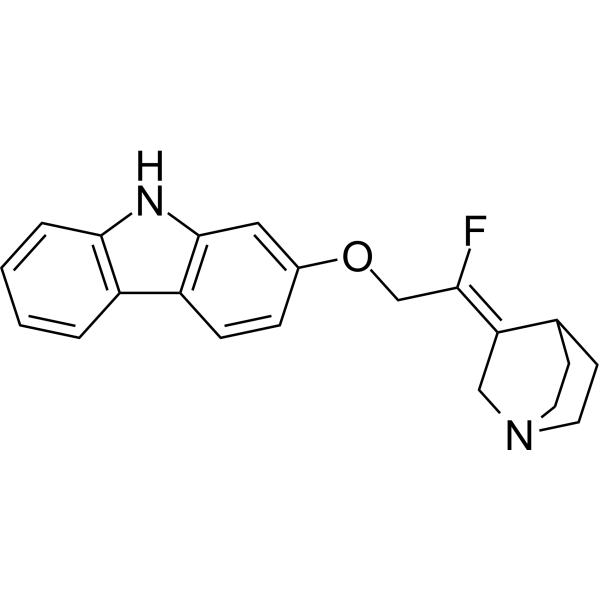
YM-53601 free base, a squalene synthase inhibitor, reduces plasma cholesterol and triglyceride levels in vivo . YM-53601 free base inhibits squalene synthase derived from human hepatoma cells with an IC50 of 79 nM. Lipid-lowering agent . YM-53601 free base is also an inhibitor of farnesyl-diphosphate farnesyltransferase 1 (FDFT1) enzyme activity and abrogates HCV propagation .
|
-
-
- HY-N0322GL
-
|
|
Liposome
Estrogen Receptor/ERR
Endogenous Metabolite
|
Metabolic Disease
Cancer
|
|
Cholesterol (GMP Like) is Cholesterol (HY-N0322) produced by using GMP like guidelines. GMP Like small molecules works appropriately as an auxiliary reagent for cell therapy manufacture. Cholesterol is the major sterol in mammals. It is making up 20-25% of structural component of the plasma membrane. Plasma membranes are highly permeable to water but relatively impermeable to ions and protons. Cholesterol plays an important role in determining the fluidity and permeability characteristics of the membrane as well as the function of both the transporters and signaling proteins . Cholesterol is also an endogenous estrogen-related receptor α (ERRα) agonist .
|
-

-
- HY-113086
-
|
16:1(9Z) CE; 16:1(9Z) cholesterol ester; cholesterol Palmitoleate
|
Endogenous Metabolite
|
Cardiovascular Disease
|
|
CE(16:1(9Z)) (16:1(9Z) CE) is a cholesterol ester. Plasma levels of cholesteryl palmitoleate are increased in ApoE -/- mice exposed to cigarette smoke and in pediatric patients with biliary atresia. Cholesteryl palmitoleate has been used as a standard for the identification of cholesterol esters in human meibomian gland secretions.
|
-

-
- HY-129982
-
|
|
Apical Sodium-Dependent Bile Acid Transporter
|
Metabolic Disease
|
|
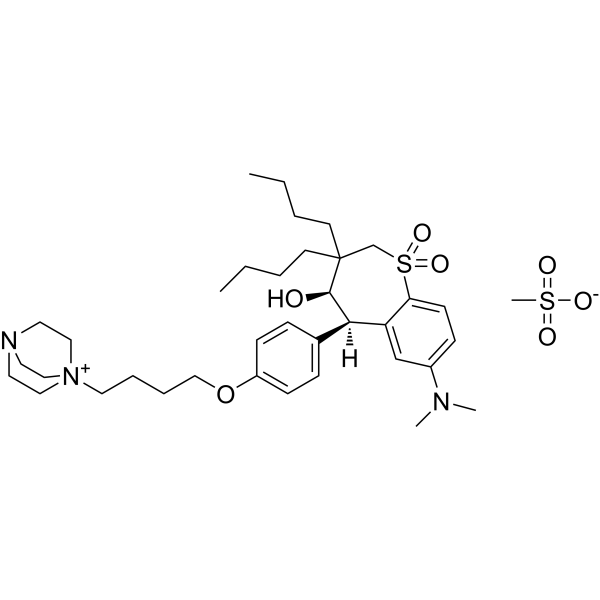
SC-435 is an orally effective apical sodium codependent bile acid transporter (ASBT) inhibitor. SC-435 effectively removes neurotoxic bile acids and ammonia from the blood by inhibiting intestinal ASBT, thereby alleviating liver and brain damage caused by liver failure. SC-435 can alter hepatic cholesterol metabolism and lower plasma low-density lipoprotein-cholesterol concentrations .
|
-
-
- HY-111803
-
|
|
Androgen Receptor
SOD
|
Metabolic Disease
Cancer
|
|
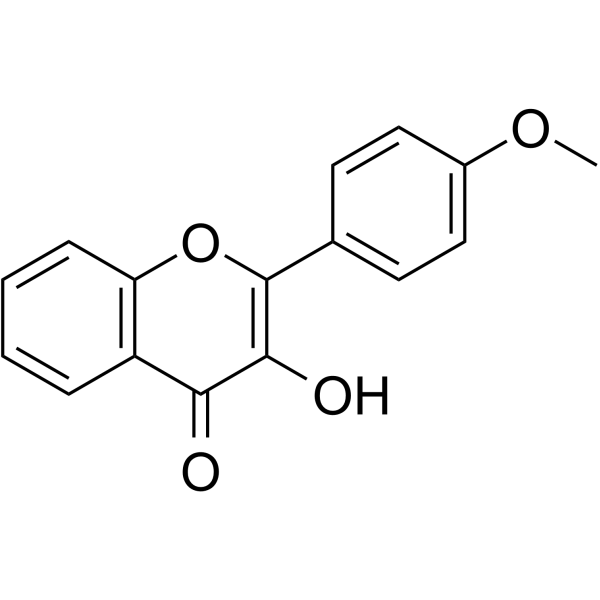
4'-Methoxyflavonol is a flavonol. 4'-Methoxyflavonol reduces androgen receptor and increases SOD. 4'-Methoxyflavonol reduces plasma glucose, cholesterol, and triglycerides. 4'-Methoxyflavonol has anti-stress and antioxidant activities. 4'-Methoxyflavonol can be used in prostate cancer research .
|
-
-
- HY-161939
-
|
|
PCSK9
|
Cardiovascular Disease
|
|
7030B-C5 is a PCSK9 inhibitor (IC50=1.61 μM). 7030B-C5 can significantly reduce plasma cholesterol and triglyceride (TG) levels in vivo and slow the progression of atherosclerosis. 7030B-C5 can be used in the study of cardiovascular diseases .
|
-

-
- HY-N0322S8
-
|
|
Isotope-Labeled Compounds
Estrogen Receptor/ERR
Endogenous Metabolite
|
Metabolic Disease
|
|
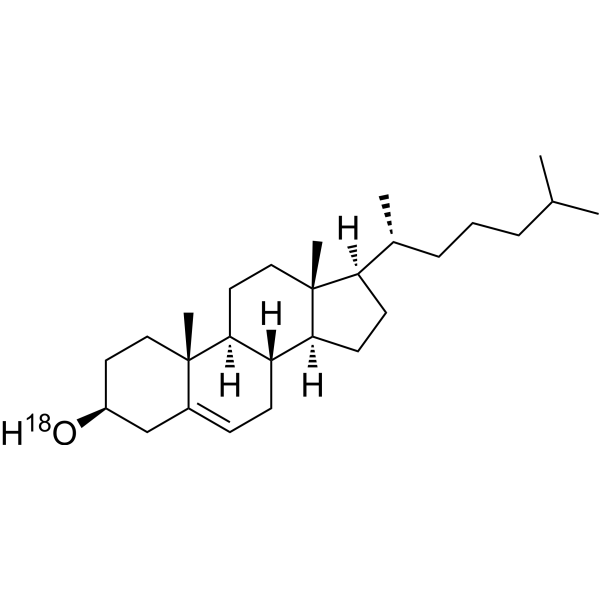
Cholesterol- 18O is the 18O-labeled Cholesterol. Cholesterol is the major sterol in mammals. It is making up 20-25% of structural component of the plasma membrane. Plasma membranes are highly permeable to water but relatively impermeable to ions and protons. Cholesterol plays an important role in determining the fluidity and permeability characteristics of the membrane as well as the function of both the transporters and signaling proteins . Cholesterol is also an endogenous estrogen-related receptor α (ERRα) agonist .
|
-
-
- HY-D2263
-
|
|
Fluorescent Dye
|
Others
|
|
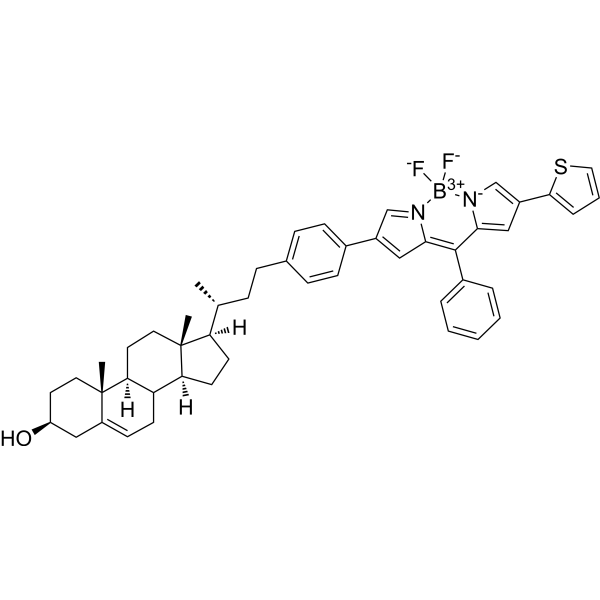
BODIPY-cholesterol conjugate-3 (compound 7) is a cholesterol analogue with a fluorescent BODIPY group. BODIPY-cholesterol conjugate-3 can be used to simultaneously visualize multiple cholesterol pools in cells, as it is primarily localized to the plasma membrane .
|
-
-
- HY-W709553
-
|
Triglyceride
|
Endogenous Metabolite
|
Cardiovascular Disease
Inflammation/Immunology
|
|
Glyceryl Triformate (Triglyceride) is the major form of storage and transport of fatty acids within cells and in the plasma. Glyceryl Triformate forms lipoproteins with cholesterol ester, and participates in the blood circulation. Glyceryl Triformate can lead to hypertriglyceridemia (HTG), which increases the risk of atherosclerotic cardiovascular disease (ASCVD) and pancreatitis .
|
-

-
- HY-113202S
-
|
|
Isotope-Labeled Compounds
Endogenous Metabolite
PKC
GlyT
|
Neurological Disease
Metabolic Disease
|
|
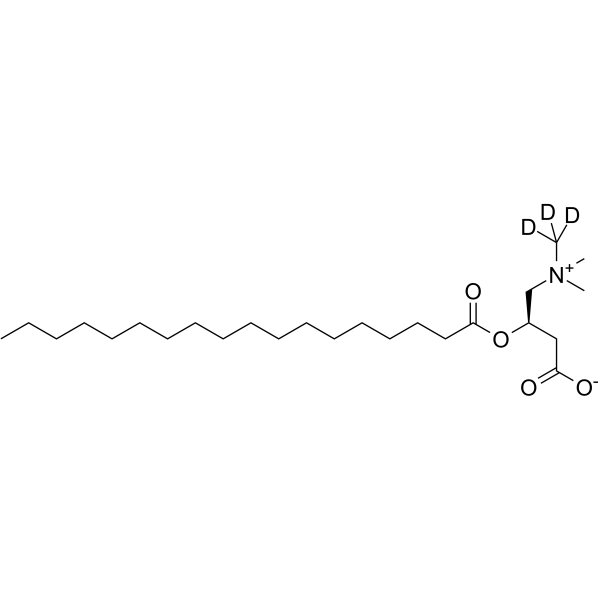
Stearoyl-L-carnitine-d3 is the deuterium labeled Stearoylcarnitine. Stearoylcarnitine, a fatty ester lipid molecule, is an endogenous metabolite. Stearoylcarnitine can be used as PKC inhibitor. Stearoylcarnitine accumulates in β cells, leading to arrest of insulin synthesis and energy deficiency in type 2 diabetes mouse. Stearoylcarnitine inhibits lecithin cholesterol acyltransferase (LCAT) in rat and rabbits plasma. Stearoylcarnitine acts as a metabolomics biomarker for Parkinson’s disease. Stearoylcarnitine is a less potent inhibitor of GlyT2 .
|
-
-
- HY-145549
-
|
N-eicosanoyl-D-erythro-Sphingosylphosphorylcholine; SM(d18:1/20:0)
|
Endogenous Metabolite
|
Endocrinology
|
|
C20 Sphingomyelin (d18:1/20:0) (N-eicosanoyl-D-erythro-Sphingosylphosphorylcholine; SM(d18:1/20:0)) is a naturally occurring sphingolipid. C20 Sphingomyelin (d18:1/20:0) levels are upregulated in the hippocampus of streptozotocin (HY-13753)-induced diabetic rats and in human plasma, positively correlating with insulin resistance in obese humans. C20 Sphingomyelin (d18:1/20:0) is also upregulated in the liver of a mouse model of Niemann-Pick C1 disease, a neurodegenerative cholesterol sphingolipid lysosomal storage disorder.
|
-

- HY-153830S
-
|
C16 Lactosylceramide (d18:1/16:0)-d3
|
Isotope-Labeled Compounds
Endogenous Metabolite
|
Neurological Disease
Metabolic Disease
|
|
LacCer (d18:1/16:0) (C16 Lactosylceramide (d18:1/16:0))-d3 is the deuterium labeled LacCer (d18:1/16:0) (HY-153830). LacCer (d18:1/16:0) is an endogenous bioactive sphingolipid that can form membrane microdomains with Lyn kinase and the αi subunits of inhibitory G protein-coupled receptors (GPCRs). LacCer (d18:1/16:0) are elevated in the plasma of insulin-resistant cattle. LacCer (d18:1/16:0) is also upregulated in a mouse model of Niemann-Pick type C1 disease (a neurodegenerative cholesterol-sphingolipid lysosomal storage disorder). LacCer (d18:1/16:0) can be used in research on metabolic diseases and neurodegenerative diseases .
|
-

- HY-116150
-
|
|
Others
|
Cardiovascular Disease
|
|
Xymedon is a pyrimidine derivative with anti-atherosclerotic effects. Xymedon reducts plasma cholesterol levels and cholesterol esterification in blood vascular cells .
|
-

- HY-119449
-
|
Zanchol
|
Others
|
Inflammation/Immunology
|
|
Florantyrone (Zanchol) is a bile-promoting agent. Florantyrone increases the volume of bile rather than the content of bile acids. Zanchol can stimulate the synthesis of cholesterol in the liver, significantly raising the plasma cholesterol level, increasing the weight of the liver, but has no significant effect on the synthesis of cholesterol in the intestine. Florantyrone can be used in research on biliary motility disorders .
|
-

- HY-124560
-
|
|
LDLR
|
Metabolic Disease
|
|
Lifibrol is a potent and oral activity hypolipidemic agent. Lifibrol decreases the plasma total cholesterol. Lifibrol has the potential for the research of hypercholesterolemia .
|
-

- HY-W140439R
-
-

- HY-105961
-
|
|
LDLR
|
Metabolic Disease
|
|
F 2833 is a lipid-lowering agent. F 2833 can reduce the levels of cholesterol, triglycerides, and plasma phospholipids. F 2833 can be used for research on diseases such as hyperlipidemia .
|
-

- HY-106938
-
|
WAY-ACA 147
|
Acyltransferase
|
Cardiovascular Disease
Metabolic Disease
|
|
Eldacimibe is an ACAT2 inhibitor. Eldacimibe can lower plasma cholesterol levels by blocking cholesterol absorption and can prevent macrophages from turning into foam cells. Eldacimibe can be used in the study of cardiovascular diseases (atherosclerosis), endocrine and metabolic diseases (hypercholesterolemia) .
|
-

- HY-128338
-
|
|
CETP
|
Cardiovascular Disease
|
|
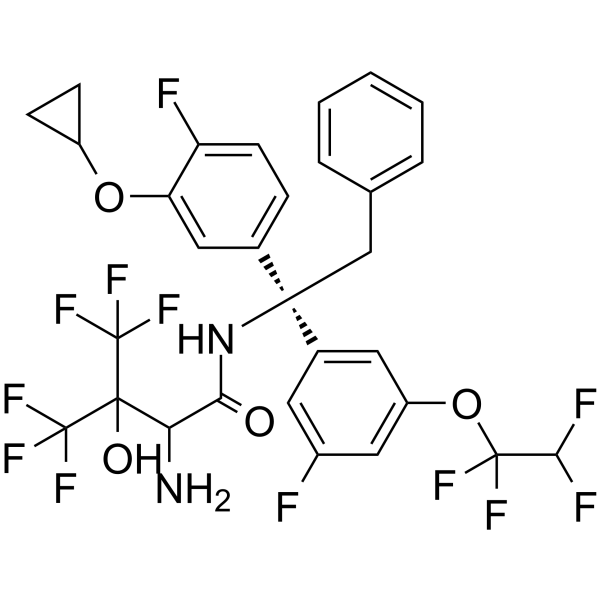
CETP-IN-3 (Compound 13) is an small molecule inhibitor of the plasma glycoprotein cholesterol ester transfer protein (CETP), elevating HDL-C through inhibition of CETP. CETP-IN-3 for the CETP inhibitory activity in the scintillation proximity (SPA) and whole plasma assay (WPA) with IC50s of 0.002 μM and 0.06 μM, respectively .
|
-
- HY-121776
-
|
|
Drug Derivative
|
Cardiovascular Disease
|
|
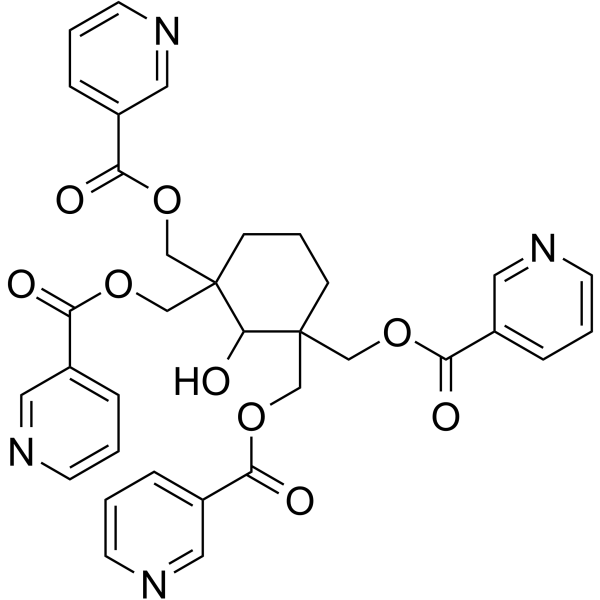
Nicomol is an orally active hypolipidemic agent that can increase the high density lipoprotein cholesterol (HDL-C) level. Nicomol inhibits the rapid rise of plasma free fatty acids .
|
-
- HY-163452
-
|
|
Farnesyl Transferase
|
Metabolic Disease
|
|
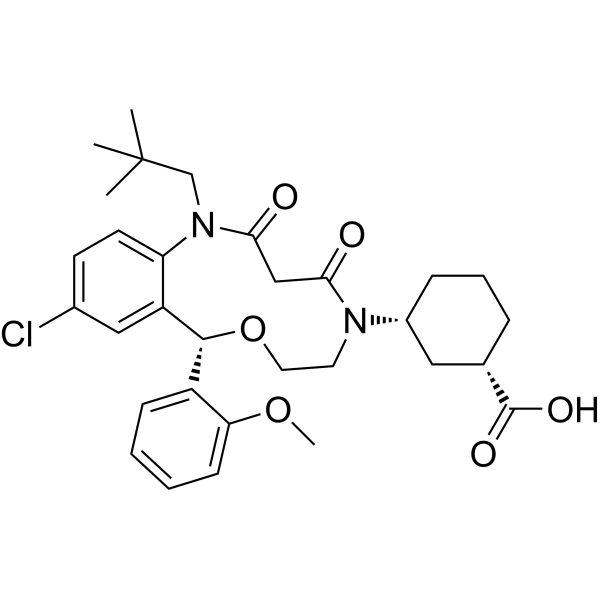
Squalene synthase-IN-2 (comppund isomer A-(1S, 3R)-14i) is an orally active squalene synthase inhibitor with IC50 values of 3.4, 99 nM for squalene synthase and cholesterol synthesis, respectively. Squalene synthase-IN-2 reduces plasma cholesterol and triglyceride .
|
-
- HY-121776R
-
|
|
Drug Derivative
Reference Standards
|
Cardiovascular Disease
|
|
Nicomol (Standard) is the analytical standard of Nicomol. This product is intended for research and analytical applications. Nicomol is an orally active hypolipidemic agent that can increase the high density lipoprotein cholesterol (HDL-C) level. Nicomol inhibits the rapid rise of plasma free fatty acids .
|
-

- HY-100299A
-
|
|
Farnesyl Transferase
|
Cardiovascular Disease
Metabolic Disease
|
|
RPR107393 is an orally active potent selective squalene synthase (SQS) inhibitor. RPR107393 inhibits rat liver microsomal squalene synthase with an IC50 value of 0.8 nM. RPR107393 reduces triglyceride biosynthesis by suppressing fatty acid biosynthesis via an increase in intracellular farnesol and its derivatives. RPR107393 reduces plasma cholesterol in rats and marmosets. RPR107393 can be used for metabolic disease research, such as hypercholesterolemia, hypertriglyceridemia and atherosclerosis .
|
-

- HY-161940
-
|
|
PCSK9
|
Cardiovascular Disease
|
|
PCSK9-IN-30 (Compound 3f) is a PCSK9 inhibitor. PCSK9-IN-30 interacts with a cryptic binding groove of PCSK9, inhibiting the binding of PCSK9 to the low-density lipoprotein receptor (LDLR) (IC50 = 537 nM), restoring the uptake of low-density lipoprotein (LDL) by liver cells, and ultimately reducing plasma cholesterol levels. PCSK9-IN-30 exhibits good bioavailability in mice and can be used for research in the field of cardiovascular diseases .
|
-

- HY-128387S
-
|
|
Isotope-Labeled Compounds
Endogenous Metabolite
|
Infection
|
|
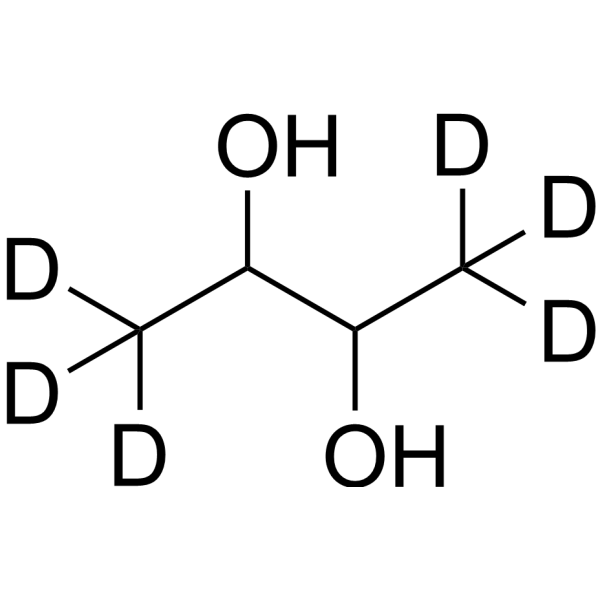
2,3-Butanediol-d6 is the deuterium labeled 2,3-Butanediol (HY-128387) . 2,3-Butanediol is microbially derived compound that is a discriminating urinary biomarker of Fmo5 -/- mice. 2,3-Butanediol prevents age-related increases in the plasma concentration of cholesterol. 2,3-Butanediol has potential applications in the manufacture of printing inks, perfumes, fumigants, moistening and softening agents, plasticizers, and as a carrier for pharmaceuticals .
|
-
- HY-100299
-
|
|
Farnesyl Transferase
|
Cardiovascular Disease
Metabolic Disease
|
|
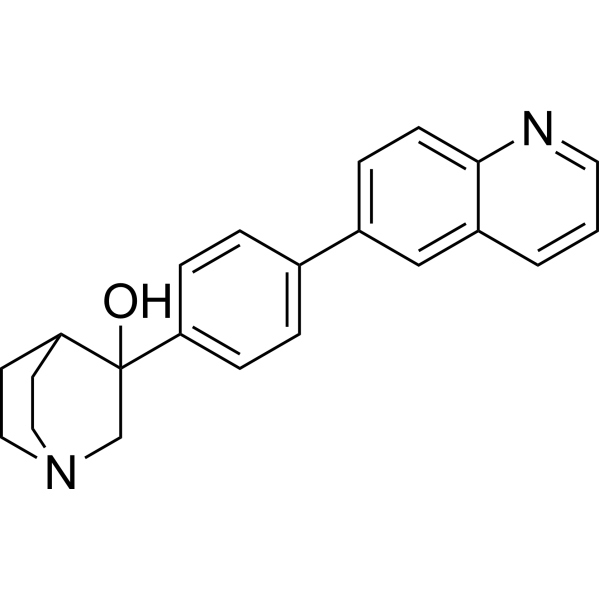
RPR107393 free base is an orally active potent selective squalene synthase (SQS) inhibitor. RPR107393 free base inhibits rat liver microsomal squalene synthase with an IC50 value of 0.8 nM. RPR107393 free base reduces triglyceride biosynthesis by suppressing fatty acid biosynthesis via an increase in intracellular farnesol and its derivatives. RPR107393 free base reduces plasma cholesterol in rats and marmosets. RPR107393 free base can be used for metabolic disease research, such as hypercholesterolemia, hypertriglyceridemia and atherosclerosis [1][2].
|
-
- HY-113202S1
-
|
|
Isotope-Labeled Compounds
GlyT
Endogenous Metabolite
PKC
|
Neurological Disease
Metabolic Disease
|
|
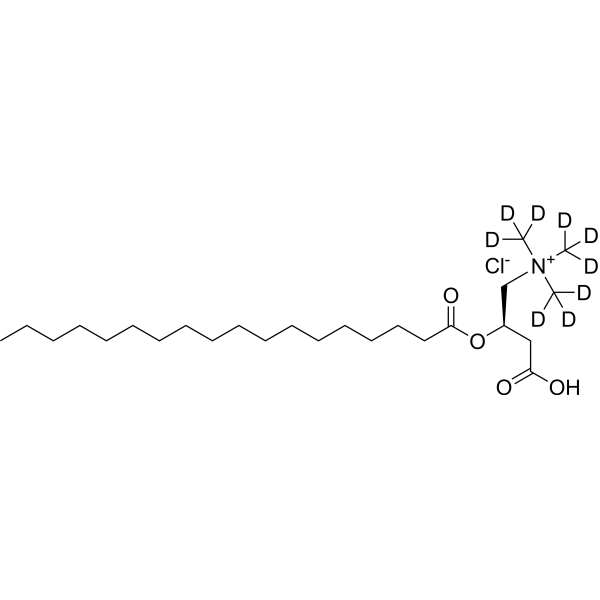
Stearoyl-L-carnitine-d9 chloride is the deuterium labeled Stearoyl-L-carnitine chloride. Stearoyl-L-carnitine chloride, a fatty ester lipid molecule, is an endogenous metabolite. Stearoyl-L-carnitine chloride can be used as PKC inhibitor. Stearoyl-L-carnitine chloride accumulates in β cells, leading to arrest of insulin synthesis and energy deficiency in type 2 diabetes mouse. Stearoyl-L-carnitine chloride inhibits lecithin cholesterol acyltransferase (LCAT) in rat and rabbits plasma. Stearoyl-L-carnitine chloride acts as a metabolomics biomarker for Parkinson’s disease. Stearoyl-L-carnitine chloride is a less potent inhibitor of GlyT2 .
|
-
- HY-137390A
-
|
|
HMG-CoA Reductase (HMGCR)
|
Cardiovascular Disease
Metabolic Disease
|
|
(3S,5R)-Fluvastatin (potassium) is a synthetic hypolipidemic drug that inhibits HMG-CoA reductase activity. (3S,5R)-Fluvastatin (potassium) has similar antioxidative effects on copper ion-induced LDL oxidation compared to its 3R,5S enantiomer. (3S,5R)-Fluvastatin (potassium) and its metabolites demonstrate a potential to exhibit anti-atherosclerotic effects through their antioxidative activities. (3S,5R)-Fluvastatin (potassium) is clinically utilized as part of a racemic mixture for reducing plasma cholesterol levels.
|
-

- HY-14998
-
|
MK 185
|
β-catenin
PPAR
Wnt
|
Endocrinology
|
|
Halofenate, structurally akin to clofibrate, was evaluated in hypertriglyceridemic patients over 6-week periods in a controlled, double-blind crossover trial. It effectively reduced serum triglycerides by 50%, with minimal impact on serum cholesterol levels. Additionally, it lowered serum uric acid by 30% and exhibited uricosuric effects independent of glomerular filtration rate. Halofenate was associated with a significant increase in plasma thyroxine (T4), accompanied by a decrease in protein-bound iodine and T4 by column. In vitro studies confirmed its ability to displace T4 from thyroid-binding proteins, suggesting a thyroxine-displacing effect, which could influence thyroid function in vivo .
|
-

- HY-123765
-
|
|
Acyltransferase
|
Metabolic Disease
|
|
JTT-553 is a DGAT1 inhibitor (IC50: 2.38 nM). JTT-553 reduces plasma concentrations of glucose, insulin, non-esterified fatty acids (NEFA), total cholesterol (TC), and hepatic triglycerides (TG). JTT-553 improves insulin-dependent glucose uptake and glucose intolerance in adipose tissue of DIO mice. JTT-553 reduces TNF-α mRNA levels and increases GLUT4 mRNA levels in adipose tissue of KK-Ay mice. JTT-553 improves adipose tissue insulin resistance and systemic glucose metabolism by reducing body weight. JTT-553 can be used in the study of obesity and type 2 diabetes mellitus (T2DM) .
|
-

- HY-Y0106R
-
|
|
Reference Standards
mTOR
Xanthine Oxidase
Apoptosis
|
Cardiovascular Disease
Metabolic Disease
Inflammation/Immunology
|
|
2,6-Dihydroxyacetophenone (Standard) is the analytical standard of 2,6-Dihydroxyacetophenone (HY-Y0106). This product is intended for research and analytical applications. 2,6-Dihydroxyacetophenone, a polyphenolic derivative of Acetophenone (HY-Y0989), is an orally active mTOR inhibitor. 2,6-Dihydroxyacetophenone shows antioxidant activity. 2,6-Dihydroxyacetophenone inhibits cell growth and proliferation in CRC cells. 2,6-Dihydroxyacetophenone arrests at G0/G1 phase of cell cycle, induces apoptosis and suppresses cell migration in CRC cells. 2,6-Dihydroxyacetophenone inhibits xanthine oxidase (XOD) with an IC50 of 1.24 mM. 2,6-dihydroxyacetophenone improves uric acid metabolism in hyperuricemia mice, reduces plasma cholesterol in hypercholesterolemic rats, and inhibits lipid accumulation in HFD-induced obese mice. 2,6-Dihydroxyacetophenone can be used for the study of colorectal cancer (CRC), hyperuricemia and hypercholesterolemia .
|
-

- HY-100313AR
-
|
|
Farnesyl Transferase
Reference Standards
HCV
|
Infection
Metabolic Disease
|
|
YM-53601 (Standard) is the analytical standard of YM-53601 (HY-100313A). This product is intended for research and analytical applications. YM-53601, a squalene synthase inhibitor, reduces plasma cholesterol and triglyceride levels in vivo . YM-53601 inhibits squalene synthase derived from human hepatoma cells with an IC50 of 79 nM. Lipid-lowering agent . YM-53601 is also an inhibitor of farnesyl-diphosphate farnesyltransferase 1 (FDFT1) enzyme activity and abrogates HCV propagation .
|
-

- HY-19112
-
|
|
Acyltransferase
|
Metabolic Disease
Endocrinology
|
|
447C88 is an acyl-coenzyme A cholesterol acyltransferase (ACAT) inhibitor with an IC50 of 23 nM. 447C88 can reduce plasma cholesterol levels and can be used in the research of endocrine and metabolic diseases such as hyperlipidemia .
|
-

- HY-156192
-
|
|
Drug Derivative
|
Cardiovascular Disease
|
|
CGS 24565, a derivative of the antibiotic Rifamycin (HY-B1907A), is an orally active hypolipidemic agent. CGS 24565 can reduce plasma cholesterol levels in both primate and nonprimate species .
|
-

- HY-16620
-
|
|
Endogenous Metabolite
|
Metabolic Disease
|
|
DF 461 is a sterol synthase inhibitor with significant inhibitory activity. DF 461 shows high selectivity for the liver and can effectively inhibit cholesterol synthesis in rat liver. DF 461 has shown the effect of lowering plasma lipids in repeated dosing studies in non-rodents .
|
-

- HY-18314B
-
|
|
Orphan Nuclear Receptor
Ferroptosis
|
Cardiovascular Disease
|
|
(Z)-GW 441756 is a hepatocyte nuclear factor 4α (HNF4α) activator, with an EC50 of 9.2 μM and a Ka of 4.6 μM in human systems. (Z)-GW 441756 directly interacts with the ligand-binding domain of HNF4α via persistent hydrogen bonds and hydrophobic interactions within the binding pocket. (Z)-GW 441756 reduces the accumulation of triglycerides and total cholesterol. (Z)-GW 441756 inhibits ferroptosis through a non-antioxidant mechanism. (Z)-GW 441756 decreases plasma triglyceride and total cholesterol levels in animal models of hyperlipidemia. (Z)-GW 441756 can be used in studies related to hyperlipidemia .
|
-

- HY-171823
-
|
|
PROTACs
HMG-CoA Reductase (HMGCR)
|
Metabolic Disease
|
|
PROTAC HMGCR Degrader-1 is an orally active HMGCR PROTAC degrader with IC50 of 1.32 μM. PROTAC HMGCR Degrader-1 is a lactone prodrug of PROTAC HMGCR Degrader-2 (HY-181134). PROTAC HMGCR Degrader-1 achieves high plasma exposure of the active ingredient leading to robust HMGCR degradation and demonstrating promising cholesterol-lowering efficacy in vivo. PROTAC HMGCR Degrader-1 can be used for hyperlipidemia research .
|
-

- HY-182014
-
|
|
LXR
|
Cardiovascular Disease
Metabolic Disease
|
|
TLC-2716 is an orally available, gut- and liver-restricted inhibitor against LXRα and LXRβ, with EC50 values of 7 nM and 15 nM, respectively. TLC-2716 represses LXRα/β transcriptional activity, downregulates genes involved in lipogenesis, lipid absorption and lipoprotein metabolism, and preserves peripheral reverse cholesterol transport. TLC-2716 reduces lipid accumulation, suppresses inflammation and fibrotic gene expression, enhances triglyceride-rich lipoprotein clearance, and improves glucose homeostasis and insulin sensitivity. TLC-2716 lowers serum and hepatic triglycerides, plasma cholesterol and other atherogenic lipid profiles in experimental models and humanized liver mice. TLC-2716 can be used for the research of dyslipidemia and related cardiometabolic disorders .
|
-

- HY-100401AR
-
|
CS-505 (Standard)
|
Acyltransferase
Reference Standards
|
Cardiovascular Disease
|
|
Pactimibe (sulfate) (Standard) is the analytical standard of Pactimibe (sulfate) (HY-100401A). This product is intended for research and analytical applications. Pactimibe sulfate (CS-505) is a dual ACAT1/2 inhibitor with IC50s of 4.9 μM and 3.0 μM, respectively. Pactimibe sulfate (CS-505) inhibits ACAT with IC50s of 2.0 μM, 2.7 μM, 4.7 μM in the liver, macrophages and THP-1 cells, respectively . Pactimibe sulfate (CS-505) noncompetitively inhibits oleoyl-CoA with a Ki value of 5.6 μM. Moreover, Pactimibe sulfate (CS-505) obviously inhibits cholesteryl ester formation with an IC50 of 6.7 μM. Pactimibe sulfate (CS-505) possesses anti-atherosclerotic potential with lowering plasma cholesterol activity .
|
-

| Cat. No. |
Product Name |
Type |
-
- HY-N0322GL
-
|
|
Fluorescent Dyes
|
|
Cholesterol (GMP Like) is Cholesterol (HY-N0322) produced by using GMP like guidelines. GMP Like small molecules works appropriately as an auxiliary reagent for cell therapy manufacture. Cholesterol is the major sterol in mammals. It is making up 20-25% of structural component of the plasma membrane. Plasma membranes are highly permeable to water but relatively impermeable to ions and protons. Cholesterol plays an important role in determining the fluidity and permeability characteristics of the membrane as well as the function of both the transporters and signaling proteins . Cholesterol is also an endogenous estrogen-related receptor α (ERRα) agonist .
|
-
- HY-D2263
-
|
|
Fluorescent Dyes
|
|
BODIPY-cholesterol conjugate-3 (compound 7) is a cholesterol analogue with a fluorescent BODIPY group. BODIPY-cholesterol conjugate-3 can be used to simultaneously visualize multiple cholesterol pools in cells, as it is primarily localized to the plasma membrane .
|
| Cat. No. |
Product Name |
Type |
-
- HY-N0322A
-
|
|
Biochemical Assay Reagents
|
Cholesterol Water Soluble is a major sterol in mammals, constituting 20-25% of the structural composition of the plasma membrane. The plasma membrane is highly permeable to water but relatively impermeable to ions and protons. Cholesterol Water Soluble plays an important role in determining the fluidity and permeability characteristics of membranes and the function of transporters and signaling proteins. Cholesterol Water Soluble is also an endogenous estrogen-related receptor alpha (ERRα) agonist. Cholesterol Water Soluble can be used to study the effects of cholesterol on potassium currents in inner hair cells .
(Note: This product is a mixture of Cholesterol and Methyl-β-cyclodextrin. The product specifications below only indicate the effective content of Cholesterol.)
|
-
- HY-N0322GL
-
|
|
Biochemical Assay Reagents
|
|
Cholesterol (GMP Like) is Cholesterol (HY-N0322) produced by using GMP like guidelines. GMP Like small molecules works appropriately as an auxiliary reagent for cell therapy manufacture. Cholesterol is the major sterol in mammals. It is making up 20-25% of structural component of the plasma membrane. Plasma membranes are highly permeable to water but relatively impermeable to ions and protons. Cholesterol plays an important role in determining the fluidity and permeability characteristics of the membrane as well as the function of both the transporters and signaling proteins . Cholesterol is also an endogenous estrogen-related receptor α (ERRα) agonist .
|
| Cat. No. |
Product Name |
Category |
Target |
Chemical Structure |
-
- HY-N0322
-
-
-
- HY-17409
-
-
-
- HY-N0322A
-
|
|
Classification of Application Fields
Other Diseases
Endogenous metabolite
Disease Research Fields
Steroids
Source Classification
|
Liposome
|
Cholesterol Water Soluble is a major sterol in mammals, constituting 20-25% of the structural composition of the plasma membrane. The plasma membrane is highly permeable to water but relatively impermeable to ions and protons. Cholesterol Water Soluble plays an important role in determining the fluidity and permeability characteristics of membranes and the function of transporters and signaling proteins. Cholesterol Water Soluble is also an endogenous estrogen-related receptor alpha (ERRα) agonist. Cholesterol Water Soluble can be used to study the effects of cholesterol on potassium currents in inner hair cells .
(Note: This product is a mixture of Cholesterol and Methyl-β-cyclodextrin. The product specifications below only indicate the effective content of Cholesterol.)
|
-
-
- HY-124265
-
-
-
- HY-N0322R
-
-
-
- HY-113202
-
|
|
Microorganisms
Ketones, Aldehydes, Acids
Endogenous metabolite
Source Classification
|
Endogenous Metabolite
PKC
GlyT
|
|
Stearoylcarnitine, a fatty ester lipid molecule, is an endogenous metabolite. Stearoylcarnitine can be used as PKC inhibitor. Stearoylcarnitine accumulates in β cells, leading to arrest of insulin synthesis and energy deficiency in type 2 diabetes mouse. Stearoylcarnitine inhibits lecithin cholesterol acyltransferase (LCAT) in rat and rabbits plasma. Stearoylcarnitine acts as a metabolomics biomarker for Parkinson’s disease. Stearoylcarnitine is a less potent inhibitor of GlyT2 .
|
-
-
- HY-114297
-
-
-
- HY-126573
-
-
-
- HY-128387
-
-
-
- HY-153830
-
|
C16 Lactosylceramide (d18:1/16:0)
|
Microorganisms
Saccharides
Monosaccharides
Source Classification
|
Endogenous Metabolite
|
|
LacCer (d18:1/16:0) (C16 Lactosylceramide (d18:1/16:0)) is an endogenous bioactive sphingolipid that can form membrane microdomains with Lyn kinase and the αi subunits of inhibitory G protein-coupled receptors (GPCRs). The levels of LacCer (d18:1/16:0) are elevated in the plasma of insulin-resistant cattle. In a mouse model of Niemann-Pick type C1 disease (a neurodegenerative cholesterol-sphingolipid lysosomal storage disorder), the expression of LacCer (d18:1/16:0) is also upregulated. LacCer (d18:1/16:0) can be used in research on metabolic diseases and neurodegenerative diseases .
|
-
-
- HY-N0857
-
|
|
Structural Classification
Acanthaceae
Simsia foetida (Cav.) S.F.Blake
Terpenoids
Diterpenoids
Plants
Source Classification
|
GLUT
HDAC
Virus Protease
PI3K
AMPK
Akt
Histone Demethylase
MDM-2/p53
IFNAR
Reactive Oxygen Species (ROS)
|
|
Deoxyandrographolide is an orally active lactone found in the Andrographis paniculata Nees. Deoxyandrographolide shows a KD of 38.4 μM of HDAC1. Deoxyandrographolide enhances GLUT4 plasma membrane translocation, activates PI3K and AMPK-dependent signaling pathways, suppresses fasting blood glucose, serum insulin, triglycerides, and LDL-cholesterol levels. Deoxyandrographolide enhances HDAC1 expression via inhibited ubiquitination degradation, represses H3K4me3, improves chromosome stability, and restrains aging biomarkers p16, p21, γH2A.X, p53 and ROS production. Deoxyandrographolide interacts with Foot-and-Mouth Disease Virus 3Cpro active site, inhibits protease and IFN-antagonist activity, derepresses ISG expression, and inhibits viral replication. Deoxyandrographolide can be used for the researches of type 2 diabetes mellitus, vascular senescence and virus infection .
|
-
-
- HY-128387R
-
|
|
Structural Classification
Natural Products
Human Gut Microbiota Metabolites
Microorganisms
Endogenous metabolite
Source Classification
|
Reference Standards
Endogenous Metabolite
|
|
2,3-Butanediol (Standard) is the analytical standard of 2,3-Butanediol (HY-128387). This product is intended for research and analytical applications. 2,3-Butanediol is microbially derived compound that is a discriminating urinary biomarker of Fmo5 -/- mice. 2,3-Butanediol prevents age-related increases in the plasma concentration of cholesterol. 2,3-Butanediol has potential applications in the manufacture of printing inks, perfumes, fumigants, moistening and softening agents, plasticizers, and as a carrier for pharmaceuticals.
|
-
-
- HY-Y0106
-
|
|
Classification of Application Fields
Ketones, Aldehydes, Acids
Phenols
Polyphenols
Metabolic Disease
Endogenous metabolite
Disease Research Fields
Source Classification
|
mTOR
Xanthine Oxidase
Apoptosis
|
|
2,6-Dihydroxyacetophenone, a polyphenolic derivative of Acetophenone (HY-Y0989), is an orally active mTOR inhibitor. 2,6-Dihydroxyacetophenone shows antioxidant activity. 2,6-Dihydroxyacetophenone inhibits cell growth and proliferation in CRC cells. 2,6-Dihydroxyacetophenone arrests at G0/G1 phase of cell cycle, induces apoptosis and suppresses cell migration in CRC cells. 2,6-Dihydroxyacetophenone inhibits xanthine oxidase (XOD) with an IC50 of 1.24 mM. 2,6-dihydroxyacetophenone improves uric acid metabolism in hyperuricemia mice, reduces plasma cholesterol in hypercholesterolemic rats, and inhibits lipid accumulation in HFD-induced obese mice. 2,6-Dihydroxyacetophenone can be used for the study of colorectal cancer (CRC), hyperuricemia and hypercholesterolemia .
|
-
-
- HY-100313
-
|
|
Alkaloids
Carbazole Alkaloids
|
Farnesyl Transferase
HCV
|
|
YM-53601 free base, a squalene synthase inhibitor, reduces plasma cholesterol and triglyceride levels in vivo . YM-53601 free base inhibits squalene synthase derived from human hepatoma cells with an IC50 of 79 nM. Lipid-lowering agent . YM-53601 free base is also an inhibitor of farnesyl-diphosphate farnesyltransferase 1 (FDFT1) enzyme activity and abrogates HCV propagation .
|
-
-
- HY-Y0106R
-
|
|
Structural Classification
Ketones, Aldehydes, Acids
Phenols
Polyphenols
Endogenous metabolite
Source Classification
|
Reference Standards
mTOR
Xanthine Oxidase
Apoptosis
|
|
2,6-Dihydroxyacetophenone (Standard) is the analytical standard of 2,6-Dihydroxyacetophenone (HY-Y0106). This product is intended for research and analytical applications. 2,6-Dihydroxyacetophenone, a polyphenolic derivative of Acetophenone (HY-Y0989), is an orally active mTOR inhibitor. 2,6-Dihydroxyacetophenone shows antioxidant activity. 2,6-Dihydroxyacetophenone inhibits cell growth and proliferation in CRC cells. 2,6-Dihydroxyacetophenone arrests at G0/G1 phase of cell cycle, induces apoptosis and suppresses cell migration in CRC cells. 2,6-Dihydroxyacetophenone inhibits xanthine oxidase (XOD) with an IC50 of 1.24 mM. 2,6-dihydroxyacetophenone improves uric acid metabolism in hyperuricemia mice, reduces plasma cholesterol in hypercholesterolemic rats, and inhibits lipid accumulation in HFD-induced obese mice. 2,6-Dihydroxyacetophenone can be used for the study of colorectal cancer (CRC), hyperuricemia and hypercholesterolemia .
|
-
| Cat. No. |
Product Name |
Chemical Structure |
-
- HY-N0322S
-
|
|
|
Cholesterol-d7 is the deuterium labeled Cholesterol. Cholesterol is the major sterol in mammals. It is making up 20-25% of structural component of the plasma membrane. Plasma membranes are highly permeable to water but relatively impermeable to ions and protons. Cholesterol plays an important role in determining the fluidity and permeability characteristics of the membrane as well as the function of both the transporters and signaling proteins . Cholesterol is also an endogenous estrogen-related receptor α (ERRα) agonist .
|
-
-
- HY-N0322S5
-
|
|
|
Cholesterol- 13C2 is the 13C labeled Cholesterol. Cholesterol is the major sterol in mammals. It is making up 20-25% of structural component of the plasma membrane. Plasma membranes are highly permeable to water but relatively impermeable to ions and protons. Cholesterol plays an important role in determining the fluidity and permeability characteristics of the membrane as well as the function of both the transporters and signaling proteins . Cholesterol is also an endogenous estrogen-related receptor α (ERRα) agonist .
|
-
-
- HY-N0322S1
-
|
|
|
Cholesterol-d6 is the deuterium labeled Cholesterol. Cholesterol is the major sterol in mammals. It is making up 20-25% of structural component of the plasma membrane. Plasma membranes are highly permeable to water but relatively impermeable to ions and protons. Cholesterol plays an important role in determining the fluidity and permeability characteristics of the membrane as well as the function of both the transporters and signaling proteins . Cholesterol is also an endogenous estrogen-related receptor α (ERRα) agonist .
|
-
-
- HY-N0322S2
-
|
|
|
Cholesterol-d6-1 is the deuterium labeled Cholesterol. Cholesterol is the major sterol in mammals. It is making up 20-25% of structural component of the plasma membrane. Plasma membranes are highly permeable to water but relatively impermeable to ions and protons. Cholesterol plays an important role in determining the fluidity and permeability characteristics of the membrane as well as the function of both the transporters and signaling proteins . Cholesterol is also an endogenous estrogen-related receptor α (ERRα) agonist .
|
-
-
- HY-N0322S4
-
1 Publications Verification
|
|
Cholesterol- 13C3 is the 13C-labeled Cholesterol. Cholesterol is the major sterol in mammals. It is making up 20-25% of structural component of the plasma membrane. Plasma membranes are highly permeable to water but relatively impermeable to ions and protons. Cholesterol plays an important role in determining the fluidity and permeability characteristics of the membrane as well as the function of both the transporters and signaling proteins . Cholesterol is also an endogenous estrogen-related receptor α (ERRα) agonist .
|
-
-
- HY-N0322S6
-
1 Publications Verification
|
|
Cholesterol-d4 is deuterium labeled Cholesterol. Cholesterol is the major sterol in mammals. It is making up 20-25% of structural component of the plasma membrane. Plasma membranes are highly permeable to water but relatively impermeable to ions and protons. Cholesterol plays an important role in determining the fluidity and permeability characteristics of the membrane as well as the function of both the transporters and signaling proteins . Cholesterol is also an endogenous estrogen-related receptor α (ERRα) agonist .
|
-
-
- HY-N0322S7
-
|
|
|
Cholesterol-d1 is the deuterium labeled Cholesterol. Cholesterol is the major sterol in mammals. It is making up 20-25% of structural component of the plasma membrane. Plasma membranes are highly permeable to water but relatively impermeable to ions and protons. Cholesterol plays an important role in determining the fluidity and permeability characteristics of the membrane as well as the function of both the transporters and signaling proteins . Cholesterol is also an endogenous estrogen-related receptor α (ERRα) agonist .
|
-
-
- HY-N0322S3
-
|
|
|
Cholesterol- 13C5 is the 13C-labeled Cholesterol. Cholesterol is the major sterol in mammals. It is making up 20-25% of structural component of the plasma membrane. Plasma membranes are highly permeable to water but relatively impermeable to ions and protons. Cholesterol plays an important role in determining the fluidity and permeability characteristics of the membrane as well as the function of both the transporters and signaling proteins . Cholesterol is also an endogenous estrogen-related receptor α (ERRα) agonist .
|
-
-
- HY-128387S1
-
|
|
|
2,3-Butanediol-d8 is the deuterium labeled 2,3-Butanediol (HY-128387) . 2,3-Butanediol is microbially derived compound that is a discriminating urinary biomarker of Fmo5 -/- mice. 2,3-Butanediol prevents age-related increases in the plasma concentration of cholesterol. 2,3-Butanediol has potential applications in the manufacture of printing inks, perfumes, fumigants, moistening and softening agents, plasticizers, and as a carrier for pharmaceuticals .
|
-
-
- HY-N0322S8
-
|
|
|
Cholesterol- 18O is the 18O-labeled Cholesterol. Cholesterol is the major sterol in mammals. It is making up 20-25% of structural component of the plasma membrane. Plasma membranes are highly permeable to water but relatively impermeable to ions and protons. Cholesterol plays an important role in determining the fluidity and permeability characteristics of the membrane as well as the function of both the transporters and signaling proteins . Cholesterol is also an endogenous estrogen-related receptor α (ERRα) agonist .
|
-
-
- HY-113202S
-
|
|
|
Stearoyl-L-carnitine-d3 is the deuterium labeled Stearoylcarnitine. Stearoylcarnitine, a fatty ester lipid molecule, is an endogenous metabolite. Stearoylcarnitine can be used as PKC inhibitor. Stearoylcarnitine accumulates in β cells, leading to arrest of insulin synthesis and energy deficiency in type 2 diabetes mouse. Stearoylcarnitine inhibits lecithin cholesterol acyltransferase (LCAT) in rat and rabbits plasma. Stearoylcarnitine acts as a metabolomics biomarker for Parkinson’s disease. Stearoylcarnitine is a less potent inhibitor of GlyT2 .
|
-
-
- HY-153830S
-
|
|
|
LacCer (d18:1/16:0) (C16 Lactosylceramide (d18:1/16:0))-d3 is the deuterium labeled LacCer (d18:1/16:0) (HY-153830). LacCer (d18:1/16:0) is an endogenous bioactive sphingolipid that can form membrane microdomains with Lyn kinase and the αi subunits of inhibitory G protein-coupled receptors (GPCRs). LacCer (d18:1/16:0) are elevated in the plasma of insulin-resistant cattle. LacCer (d18:1/16:0) is also upregulated in a mouse model of Niemann-Pick type C1 disease (a neurodegenerative cholesterol-sphingolipid lysosomal storage disorder). LacCer (d18:1/16:0) can be used in research on metabolic diseases and neurodegenerative diseases .
|
-
-
- HY-128387S
-
|
|
|
2,3-Butanediol-d6 is the deuterium labeled 2,3-Butanediol (HY-128387) . 2,3-Butanediol is microbially derived compound that is a discriminating urinary biomarker of Fmo5 -/- mice. 2,3-Butanediol prevents age-related increases in the plasma concentration of cholesterol. 2,3-Butanediol has potential applications in the manufacture of printing inks, perfumes, fumigants, moistening and softening agents, plasticizers, and as a carrier for pharmaceuticals .
|
-
-
- HY-113202S1
-
|
|
|
Stearoyl-L-carnitine-d9 chloride is the deuterium labeled Stearoyl-L-carnitine chloride. Stearoyl-L-carnitine chloride, a fatty ester lipid molecule, is an endogenous metabolite. Stearoyl-L-carnitine chloride can be used as PKC inhibitor. Stearoyl-L-carnitine chloride accumulates in β cells, leading to arrest of insulin synthesis and energy deficiency in type 2 diabetes mouse. Stearoyl-L-carnitine chloride inhibits lecithin cholesterol acyltransferase (LCAT) in rat and rabbits plasma. Stearoyl-L-carnitine chloride acts as a metabolomics biomarker for Parkinson’s disease. Stearoyl-L-carnitine chloride is a less potent inhibitor of GlyT2 .
|
-
| Cat. No. |
Product Name |
|
Classification |
-
- HY-N0322
-
|
|
|
Cholesterol
Emulsifiers
|
|
Cholesterol (from animal) is the major sterol in mammals. It is making up 20-25% of structural component of the plasma membrane. Plasma membranes are highly permeable to water but relatively impermeable to ions and protons. Cholesterol (from animal) plays an important role in determining the fluidity and permeability characteristics of the membrane as well as the function of both the transporters and signaling proteins . Cholesterol (from animal) is also an endogenous estrogen-related receptor α (ERRα) agonist .
|
-
- HY-N0322A
-
|
|
|
Cholesterol
|
Cholesterol Water Soluble is a major sterol in mammals, constituting 20-25% of the structural composition of the plasma membrane. The plasma membrane is highly permeable to water but relatively impermeable to ions and protons. Cholesterol Water Soluble plays an important role in determining the fluidity and permeability characteristics of membranes and the function of transporters and signaling proteins. Cholesterol Water Soluble is also an endogenous estrogen-related receptor alpha (ERRα) agonist. Cholesterol Water Soluble can be used to study the effects of cholesterol on potassium currents in inner hair cells .
(Note: This product is a mixture of Cholesterol and Methyl-β-cyclodextrin. The product specifications below only indicate the effective content of Cholesterol.)
|
-
- HY-126573
-
|
|
|
Fillers
|
|
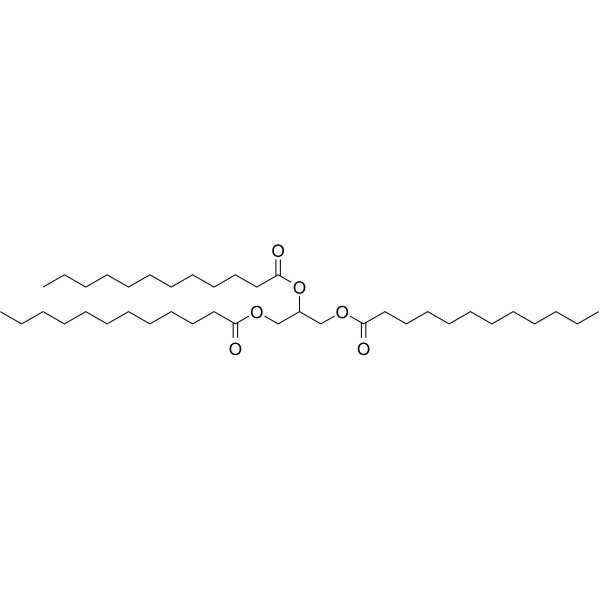
Trilaurin is an orally active triglyceride. Trilaurin inhibits DMBA-induced, croton oil-promoted skin tumor formation in Swiss Webster mice. Trilaurin increases plasma high-density lipoprotein cholesterol and apolipoprotein A-I concentrations. Trilaurin is used as an occlusive skin conditioning agent and/or non-aqueous thickener in cosmetics .
|
-
- HY-153491
-
|
ISIS 678354; IONIS-APOCIII-LRx; AKCEA-APOCIII-LRx
|
|
Antisense Oligonucleotides
|
|
Olezarsen (ISIS 678354;IONIS-APOCIII-LRx) is a GalNAc-modified antisense oligonucleotide. Olezarsen binds to APOC3 mRNA and induces its degradation via ribonuclease H1-mediated sense strand cleavage, thereby reducing hepatic apolipoprotein C-III (apoC-III) synthesis. Olezarsen reduces plasma triglyceride, apolipoprotein B and non-high-density lipoprotein cholesterol levels. Olezarsen is applicable to research related to familial chylomicronemia syndrome, hypertriglyceridemia and atherosclerotic cardiovascular disease .
|
-
- HY-153491A
-
|
ISIS 678354 sodium; IONIS-APOCIII-LRx sodium; AKCEA-APOCIII-LRx sodium
|
|
Antisense Oligonucleotides
|
|
Olezarsen (ISIS 678354;IONIS-APOCIII-LRx) sodium is a GalNAc-modified antisense oligonucleotide. Olezarsen sodium binds to APOC3 mRNA and induces its degradation via ribonuclease H1-mediated sense strand cleavage, thereby reducing hepatic apolipoprotein C-III (apoC-III) synthesis. Olezarsen sodium reduces plasma triglyceride, apolipoprotein B and non-high-density lipoprotein cholesterol levels. Olezarsen sodium is applicable to research related to familial chylomicronemia syndrome, hypertriglyceridemia and atherosclerotic cardiovascular disease .
|
-
- HY-159709
-
|
|
|
Cationic Lipids
|
|
VL-422 is an ionizable cationic lipid. VL-422 delivers CRISPR complementary single-guide RNA (sgRNA) and Cas9 mRNA to enable in vitro and in vivo gene editing. LNPs containing VL-422 loaded with Cas9 mRNA and sgRNA targeting the ANGPTL3 gene induce the deletion of premature stop codons within the ANGPTL3 gene in the liver of cynomolgus monkeys. Loss-of-function of ANGPTL3 leads to decreased levels of LDL, HDL and cholesterol in plasma. The VL-422 delivery system can be used for the research of gene editing strategies targeting lipid metabolism diseases .
|
-
- HY-113086
-
|
16:1(9Z) CE; 16:1(9Z) cholesterol ester; cholesterol Palmitoleate
|
|
Cholesterol
|
|
CE(16:1(9Z)) (16:1(9Z) CE) is a cholesterol ester. Plasma levels of cholesteryl palmitoleate are increased in ApoE -/- mice exposed to cigarette smoke and in pediatric patients with biliary atresia. Cholesteryl palmitoleate has been used as a standard for the identification of cholesterol esters in human meibomian gland secretions.
|
| Cat. No. |
Product Name |
Target |
Research Areas |
Chemical Structure |
-
- HY-N0322GL
-
|
|
Liposome
Estrogen Receptor/ERR
Endogenous Metabolite
|
Metabolic Disease
Cancer
|
|
Cholesterol (GMP Like) is Cholesterol (HY-N0322) produced by using GMP like guidelines. GMP Like small molecules works appropriately as an auxiliary reagent for cell therapy manufacture. Cholesterol is the major sterol in mammals. It is making up 20-25% of structural component of the plasma membrane. Plasma membranes are highly permeable to water but relatively impermeable to ions and protons. Cholesterol plays an important role in determining the fluidity and permeability characteristics of the membrane as well as the function of both the transporters and signaling proteins . Cholesterol is also an endogenous estrogen-related receptor α (ERRα) agonist .
|
-
Your information is safe with us. * Required Fields.
Inquiry Information
- Product Name:
- Cat. No.:
- Quantity:
- MCE Japan Authorized Agent:








