Search Result
Results for "
pulmonary fibrosis model
" in MedChemExpress (MCE) Product Catalog:
| Cat. No. |
Product Name |
Target |
Research Areas |
Chemical Structure |
-
- HY-150298
-
|
CPI-818
|
Itk
|
Inflammation/Immunology
Cancer
|
|
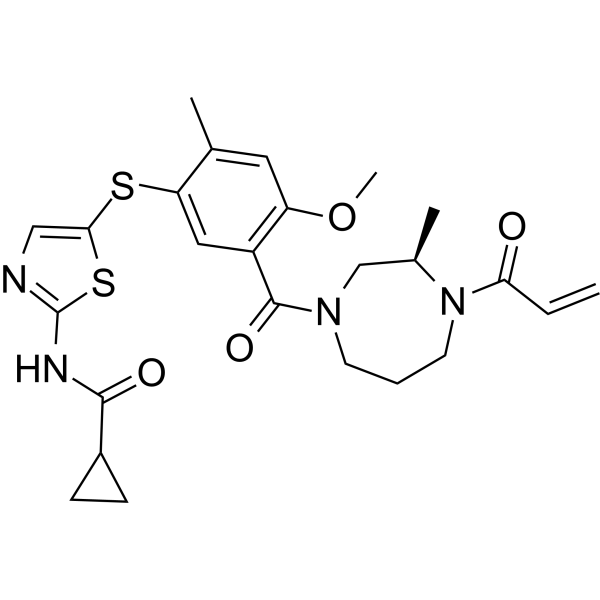
Soquelitinib (CPI-818) is an orally active and highly selective covalent interleukin-2-inducible kinase (ITK) inhibitor. Soquelitinib is active in six different models of T cell-mediated inflammatory and immune disease, including acute and chronic asthma, pulmonary fibrosis, systemic sclerosis (scleroderma), psoriasis, and acute graft versus host disease with Th2 cytokine product inhibition. Soquelitinib increases tumor infiltration of normal CD8 + cells that possess enhanced T effector function .
|
-
-
- HY-174990
-
|
|
15-PGDH
|
Metabolic Disease
Inflammation/Immunology
|
|
HW201877 is a potent and orally active 15-prostaglandin dehydrogenase (15-PGDH) inhibitor with an IC50 of 3.6 nM. HW201877 demonstrates robust cellular efficacy in elevating PGE2 levels in A549 cells and exhibits remarkable efficacy in animal models of tissue injury and fibrosis. HW201877 can be used for the study of inflammatory bowel disease (IBD), idiopathic pulmonary fibrosis (IPF) and Crohn’s disease (CD) .
|
-

-
- HY-P99351
-
|
Anti-MMP9 Reference Antibody (andecaliximab)
|
MMP
|
Cancer
|
|
Andecaliximab is a recombinant chimeric IgG4 monoclonal antibody (mAb) targets matrix metalloproteinase 9 (MMP9). Andecaliximab shows the antifibrotic efficacy in idiopathic pulmonary fibrosis mouse models. Andecaliximab can be used for the research of gastric adenocarcinoma and idiopathic pulmonary fibrosis (IPF) .
|
-

-
- HY-138304
-
|
|
JNK
|
Inflammation/Immunology
|
|
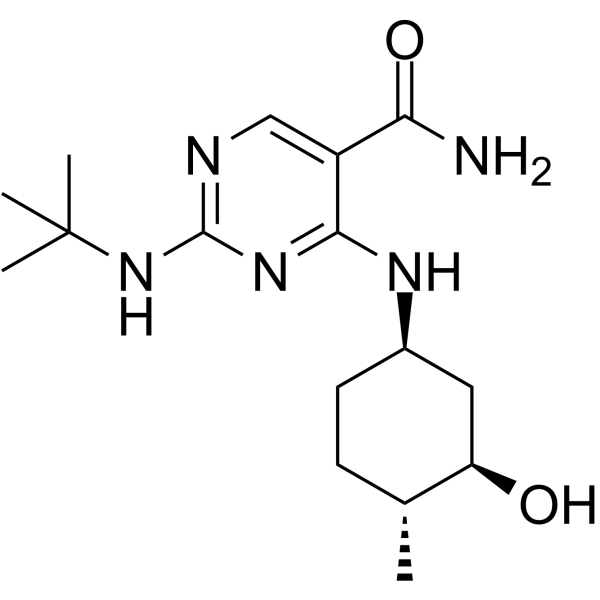
CC-90001 is a potent, selective and orally active inhibitor of c-Jun N-terminal kinase (JNK). CC-90001 shows 12.9-fold selectivity for JNK1 over JNK2 in a cell-based model. CC-90001 can be used for the research of idiopathic pulmonary fibrosis .
|
-
-
- HY-149136
-
|
|
Integrin
TGF-beta/Smad
|
Inflammation/Immunology
|
|
MORF-627 is a highly selective, orally active integrin αvβ6 inhibitor. By blocking TGF-β1 activation and pSMAD2 signaling, MORF-627 significantly reduces collagen deposition, epithelial-mesenchymal transition markers, and structural changes in fibrotic cells. MORF-627 exhibits significant antifibrotic efficacy without genotoxicity in idiopathic pulmonary fibrosis models. However, MORF-627 induces bladder epithelial proliferation and early invasive urothelial carcinoma in cynomolgus monkeys and human cells, and this toxic effect can be reversed by exogenous TGF-β. MORF-627 can be used for studying the pathological mechanisms of pulmonary fibrosis and evaluating drug safety .
|
-

-
- HY-N5074
-
|
|
Apoptosis
|
Inflammation/Immunology
Cancer
|
|
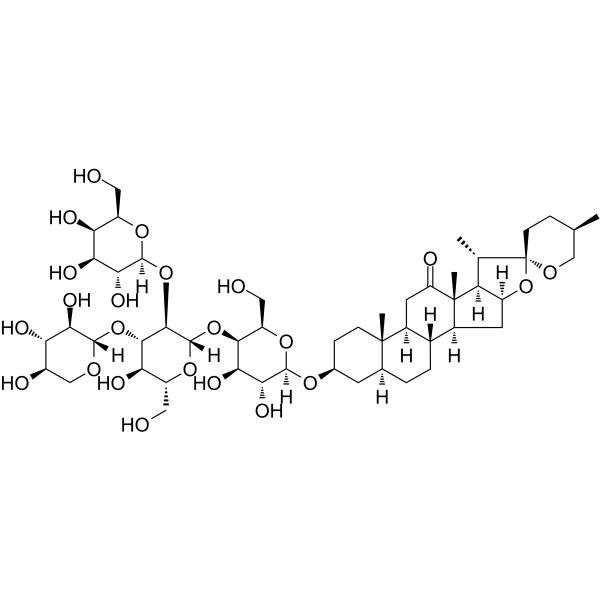
Terrestrosin D is an orally active apoptosis inducer. Terrestrosin D induces cell cycle arrest at the G1 and S phases, reduces mitochondrial membrane potential, and inhibits the growth of cancer cells and endothelial cells. Terrestrosin D is studied in castration-resistant prostate cancer and pulmonary fibrosis .
|
-
-
- HY-P99053
-
-

-
- HY-N7400
-
|
|
NOD-like Receptor (NLR)
Caspase
Insecticide
|
Inflammation/Immunology
|
|
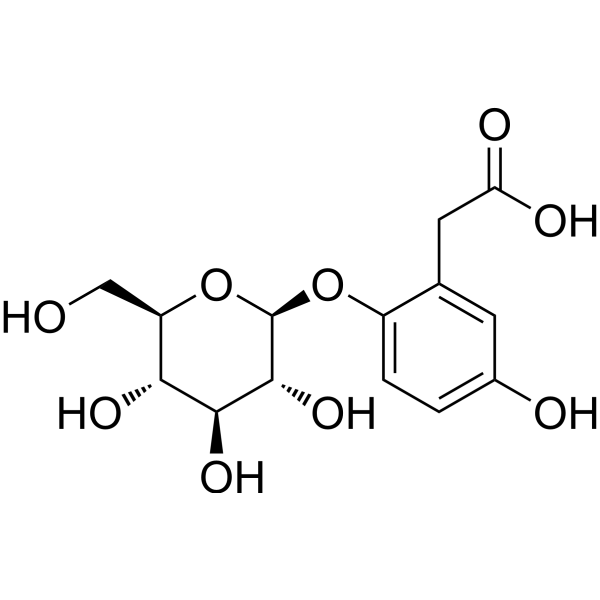
Phaseoloidin is an orally active multi-target inhibitor. Phaseoloidin inhibits the activation of the NLRP3 inflammasome and blocks the caspase-11-GSDMD pyroptosis axis. Phaseoloidin reduces the expression of collagen-degrading enzymes to maintain the integrity of cartilage matrix. Phaseoloidin activates the AMPK/mTOR pathway to enhance autophagic function. Phaseoloidin exerts adverse effects on the growth and development of Manduca sexta and Spodoptera littoralis larvae, inhibits larval growth, and thereby helps Nicotiana attenuata defend against lepidopteran herbivorous insects. Phaseoloidin is applicable to research related to acute gouty arthritis and pulmonary fibrosis .
|
-
-
- HY-132850
-
|
BLD-2660
|
Proteasome
Interleukin Related
|
Infection
Inflammation/Immunology
|
|
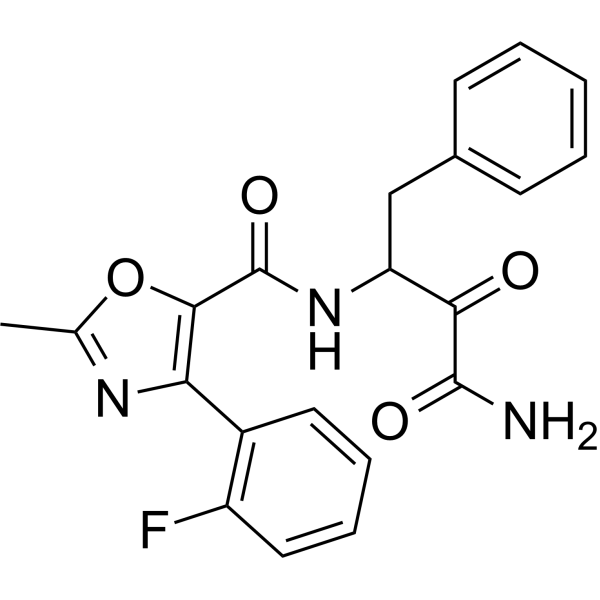
Dazcapistat (BLD-2660) is an orally active small-molecule inhibitor of calpain 1, 2, and 9 (calpain 1, 2, 9). Dazcapistat reduces the expression/production level of IL-6 in injured lung tissue and alleviates fibrosis . Dazcapistat exerts anti-fibrotic effects in various animal models of fibrosis in the skin, liver and lung . Dazcapistat can be used in research related to coronavirus disease 2019 (COVID-19) and idiopathic pulmonary fibrosis .
|
-
-
- HY-P4846
-
|
|
CXCR
Apoptosis
IFNAR
TNF Receptor
Interleukin Related
|
Infection
Inflammation/Immunology
|
|
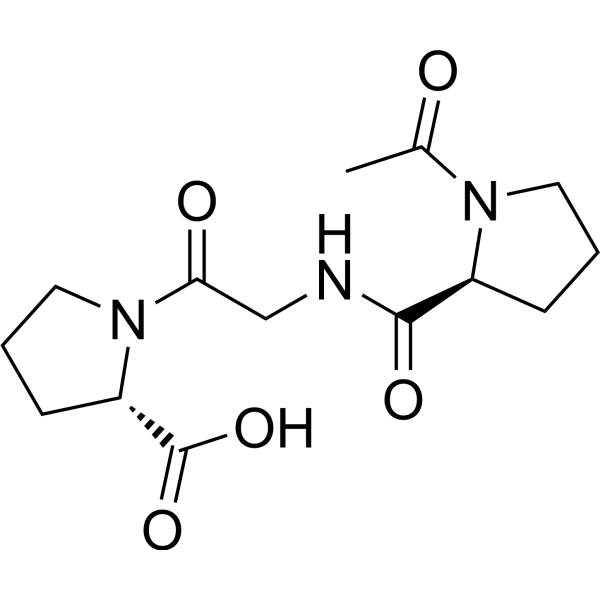
Ac-Pro-Gly-Pro-OH is an endogenous degradation product of extracellular collagen and acts as a CXCR2 agonist . Ac-Pro-Gly-Pro-OH exerts bactericidal activity by generating hydrogen peroxide, inhibits pulmonary inflammation, and reduces immune cell apoptosis (apoptosis). Ac-Pro-Gly-Pro-OH promotes the production of IFN-γ and inhibits the production of TNF-α and IL-6 in leukocytes. Ac-Pro-Gly-Pro-OH increases the survival rate of mice in sepsis models, enhances the bactericidal activity of neutrophils, acts as a neutrophil chemoattractant, induces neutrophil polarization, and regulates inflammatory and repair processes. Ac-Pro-Gly-Pro-OH induces chronic inflammation and tissue remodeling through sustained action. Ac-Pro-Gly-Pro-OH is released via alkaline hydrolysis of corneal proteins in alkali-injured eyes, thereby driving the early infiltration of neutrophils into the cornea. Ac-Pro-Gly-Pro-OH is applicable to research related to sepsis, chronic obstructive pulmonary disease, cystic fibrosis, bronchiolitis obliterans syndrome, severe asthma, idiopathic pulmonary fibrosis, and corneal ulcer .
|
-
-
- HY-146434
-
|
|
TGF-beta/Smad
|
Inflammation/Immunology
|
|
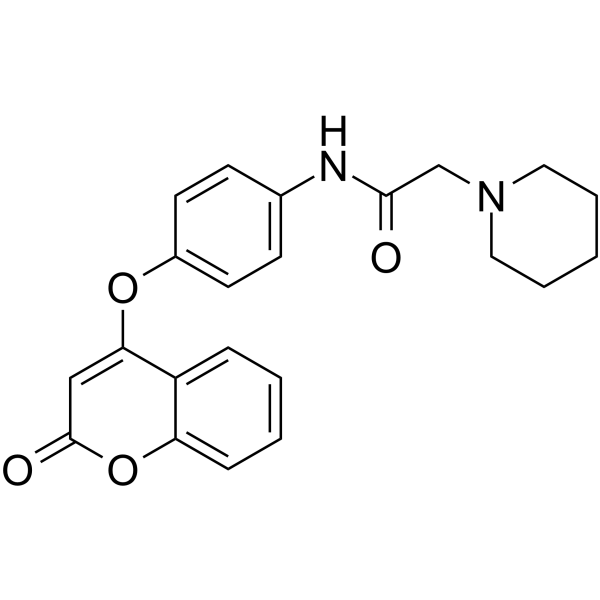
TGFβ-IN-2 is an orally active TGF-β inhibitor. TGFβ-IN-2 suppresses the TGF-β-induced protein expression of COL1A1, α-SMA, and p-Smad3 in vitro. TGFβ-IN-2 demonstrates excellent anti-fibrotic efficacy in Bleomycin (HY-108345)-induced pulmonary fibrosis model. TGFβ-IN-2 can be used for the study of pulmonary fibrosis .
|
-
-
- HY-178821
-
|
|
ROCK
TGF-beta/Smad
STAT
|
Inflammation/Immunology
|
|
ROCK2-IN-12 (Compound A25) is a selective ROCK2 inhibitor with an IC50 of 7.0 nM for ROCK2 over ROCK1. ROCK2-IN-12 has potent antifibrotic effects via the TGF-β/Smad and ROCK2/STAT3 signaling pathways. ROCK2-IN-12 significantly reduces collagen deposition and reverses fibrotic progression in Bleomycin (HY-108345)-induced pulmonary fibrosis (PF) mouse models. ROCK2-IN-12 can be used for lung diseases like pulmonary fibrosis research .
|
-

-
- HY-B1259
-
|
Acexamic acid; 6-Acetamidocaproic acid
|
Drug Metabolite
Drug Intermediate
|
Inflammation/Immunology
Cancer
|
|
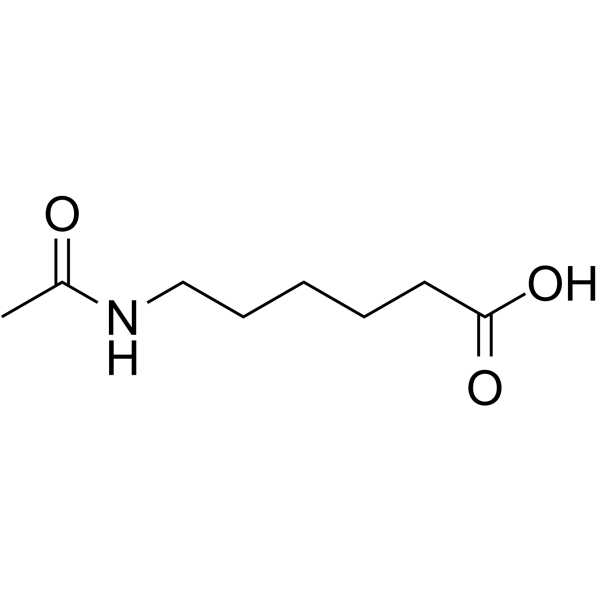
6-Acetamidohexanoic acid (Acexamic acid; 6-Acetamidocaproic acid) is a metabolite of Hexamethylene bisacetamide (HMBA) (HY-124284) with anti-pulmonary fibrosis activity. 6-Acetamidohexanoic acid does not induce differentiation of human promyelocytic leukemia cells, but is taken up by such cells. 6-Acetamidohexanoic acid serves as a carboxylic acid substrate component for constructing carboxylesterase-responsive near-infrared phototheranostic probes. 6-Acetamidohexanoic acid is applicable to research related to pulmonary fibrosis, refractory hypoxemia and cervical cancer .
|
-
-
- HY-124072
-
|
|
Cyclophilin
LPL Receptor
MDM-2/p53
Apoptosis
Reactive Oxygen Species (ROS)
|
Cancer
|
|
HL001 is an orally active small molecule inhibitor of Cyclophilin A (CypA) and a receptor antagonist of Lysophosphatidic acid 1 (LPA1). HL001 induces cell cycle arrest and apoptosis of tumor cells by p53. HL001 stabilizes p53 by down-regulating G3BP1, inducing reactive oxygen species and DNA damage. HL001 disrupts the interaction between MDM2 and p53-72R in a CypA dependent manner. HL001 has antitumor activity. HL001 can also be used to study pulmonary fibrosis .
|
-

-
- HY-167745
-
|
|
Discoidin Domain Receptor
|
Neurological Disease
|
|
DDR1-IN-9 is a selective inhibitor of DDR1 with significant kinase activity suppression, exhibiting a Kd value of 4.7 nM and an IC50 value of 9.4 nM. DDR1-IN-9 demonstrates reduced potency against a diverse panel of 400 nonmutated kinases, indicating its specificity. Additionally, DDR1-IN-9 shows favorable pharmacokinetic properties and potential therapeutic effects in a model of pulmonary fibrosis.
|
-

-
- HY-137992
-
|
|
TGF-beta/Smad
|
Inflammation/Immunology
|
|
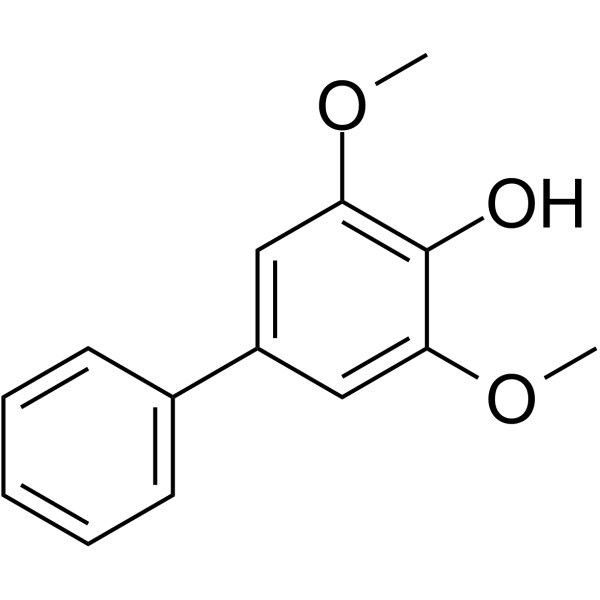
Aucuparin, a natural product found in Sorbus aucuparia, inhibits pulmonary fibrosis in a bleomycin (HY-108345)-induced lung fibrosis mouse model. Aucuparin has anti-inflammatory activity and can inhibit the activation of inflammatory factors by TGF-β .
|
-
-
- HY-171804
-
|
FP-020
|
MMP
|
Inflammation/Immunology
|
|
Linvemastat (Compound FC-4) is an orally active MMP-12 inhibitor (IC50: < 10 nM) with high selectivity of MMP-1, -2, -3, -7, -9, -10 and -14. Linvemastat significantly attenuates lung fibrosis in Bleomycin (HY-108345) induced unilateral lung fibrosis mice model and potently reduces kidney damage, interstitial inflammation or fibrosis in kidney fibrosis model of unilateral ureteral occlusion. Linvemastat can be used for inflammatory diseases research, such as idiopathie pulmonary fibrosis (IPF), inflammatory bowel disease (IBD) and asthma .
|
-

-
- HY-123522
-
|
|
Phosphodiesterase (PDE)
|
Inflammation/Immunology
|
|
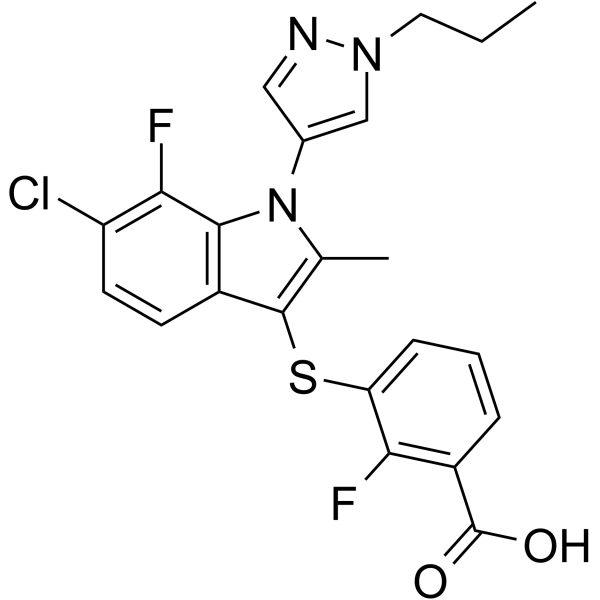
PAT-048 is a potent, selective and orally active autotaxin inhibitor, inhibits IL-6 mRNA expression, but shows no effect on autotaxin protein and pulmonary lysophosphatidic acid (LPA) production in lung fibrosis model. PAT-048 shows an IC50 and IC90 of 20 nM and 200 nM for autotaxin in mouse plasma. PAT-048 reduces dermal fibrosis in vivo .
|
-
-
- HY-176194
-
|
|
Collagen
c-Fms
PDGFR
Src
|
Inflammation/Immunology
|
|
Antifibrotic agent 1 is an orally active anti-idiopathic pulmonary fibrosis (IPF) agent. Antifibrotic agent 1 effectively attenuates IPF-related processes, including TGF-β induced EMT and FMT processes, as well as pro-fibrotic M2 polarization. Antifibrotic agent 1 selectively inhibits CSF-1R, PDGFR-α and Src family kinases (SFKs), while sparing VEGFRs, FGFRs and Abl to minimize off-target toxicity. Antifibrotic agent 1 has potent anti-fibrotic activity in Bleomycin (BLM) (HY-108345)-induced pulmonary fibrosis mice model .
|
-

-
- HY-162630
-
|
|
HDAC
|
Inflammation/Immunology
|
|
HDAC6-IN-44 (compound H10) is a selective HDAC6 inhibitor with an IC50 value of 8.97 nM. HDAC6-IN-44 can inhibit the idiopathic pulmonary fibrosis (IPF) phenotype and exhibits antifibrotic activity. Additionally, HDAC6-IN-44 reduces fibrogenesis in a bleomycin-induced pulmonary fibrosis mouse model and demonstrates good metabolic stability. HDAC6-IN-44 holds promise for research in the field of idiopathic pulmonary fibrosis .
|
-

-
- HY-175537
-
|
|
Phosphodiesterase (PDE)
|
Inflammation/Immunology
|
|
ATX-IN-3 is an orally active autotaxin (ATX) inhibitor with an IC50 of 46 nM. ATX-IN-3 certainly reduces collagen deposition and ameliorates lung fibrosis in the pulmonary fibrosis mouse model. ATX-IN-3 has good metabolic stability and drug-like properties. ATX-IN-3 can used for the study of idiopathic pulmonary fibrosis (IFP) .
|
-

-
- HY-15495B
-
|
(3S)-CC-930 hydrochloride
|
JNK
ERK
p38 MAPK
EGFR
TNF Receptor
|
Inflammation/Immunology
|
|
(3S)-Tanzisertib (hydrochloride) ((3S)-CC-930 (hydrochloride)) is an orally active JNK inhibitor (IC50 values for JNK1, JNK2, and JNK3 are 61, 7, and 6 nM, respectively). (3S)-Tanzisertib (hydrochloride) selectively inhibits ERK1, p38α, and EGFR (IC50 = 0.48, 3.4, and 0.38 μM, respectively). (3S)-Tanzisertib (hydrochloride) inhibits LPS-induced TNFα production in an acute rat PK-PD model. (3S)-Tanzisertib (hydrochloride) can be used in idiopathic pulmonary fibrosis (IPF) research .
|
-

-
- HY-173184
-
|
|
HDAC
|
Inflammation/Immunology
|
|
HDAC6-IN-53 (Compound W28) is an inhibitor targeting histone deacetylase 6 (HDAC6) with an IC50 of 19.65 nM. HDAC6-IN-53 exerts the activity of inhibiting the phenotype of idiopathic pulmonary fibrosis (IPF) by suppressing the collagen expression induced by TGF-β1, and it has demonstrated a good therapeutic effect in a mouse model of pulmonary fibrosis induced by Bleomycin (HY-17565A). HDAC6-IN-53 can be used in the research of idiopathic pulmonary fibrosis and other related pulmonary fibrosis diseases.
|
-

-
- HY-147936
-
|
|
MMP
|
Inflammation/Immunology
|
|
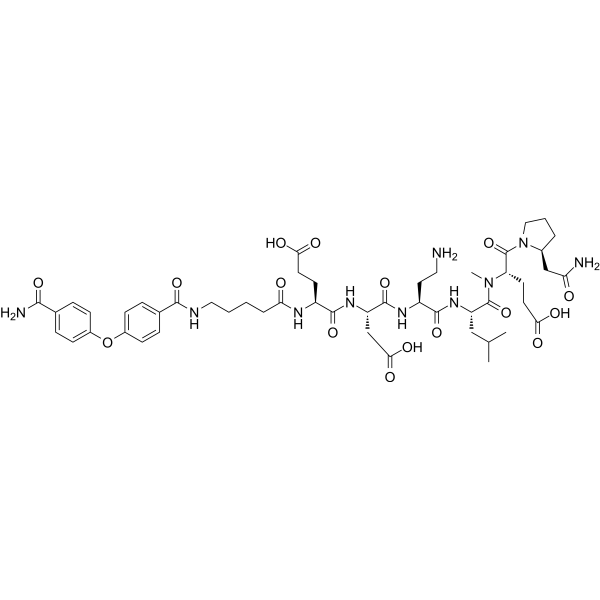
TP0556351 is a potent and selective matrix metalloproteinase-2 (MMP2) inhibitor with an IC50 value of 0.2 nM. TP0556351 reduces the amount of collagen in the lungs of a Bleomycin-induced pulmonary fibrosis mouse model. TP0556351 can be used for researching idiopathic pulmonary fibrosis (IPF) .
|
-
-
- HY-175277
-
|
|
Pim
NF-κB
Interleukin Related
|
Inflammation/Immunology
|
|
PIM1-IN-8 is a PIM1/p65 pathway inhibitor. PIM1-IN-8 suppresses the expression of α-SMA and collagen I in activated fibroblasts and blocks TGF-β induced migration. PIM1-IN-8 alleviates pulmonary fibrosis in a Bleomycin (BLM) (HY-17565A)-induced pulmonary fibrosis mice model. PIM1-IN-8 can be used for the study of idiopathic pulmonary fibrosis (IPF) .
|
-

-
- HY-173483
-
|
|
Phosphodiesterase (PDE)
ERK
JNK
p38 MAPK
|
Inflammation/Immunology
|
|
ATX inhibitor 26 is an Autotaxin (ATX) inhibitor with an IC50 of 57 nM in human plasma. ATX inhibitor 26 inhibits cell migration and collagen gel contraction. ATX inhibitor 26 has significant anti-fibrotic effects, reducing collagen deposition in a Bleomycin (BLM) (HY-108345)-induced pulmonary fibrosis model .
|
-

-
- HY-169963
-
|
|
Phosphodiesterase (PDE)
|
Others
|
|
PDE1-IN-8 (Compound 3f) is the inhibitor for PDE1 with an IC50 of 11 nM. PDE1-IN-8 inhibits cAMP and cGMP signaling pathway, inhibits the differentiation and proliferation of cells into myofibroblast, and exhibits anti-fibrotic efficacy in Bleomycin (HY-17565)-induced rat pulmonary fibrosis model .
|
-

-
- HY-172258
-
|
|
5-HT Receptor
|
Cancer
|
|
5-HT2B antagonist-2 (Compound 19c) is a 5HT2B receptor antagonist with an IC50 of 1.09 nM. 5-HT2B antagonist-2 can downregulate the expression of fibrosis-related genes α-SMA, Timp1, Col1a1, and Col3a1, and significantly reduce the deposition of fibrosis, thereby reducing the fibrotic area and inhibiting the fibrotic process in CCl4-induced liver fibrosis mouse models. 5-HT2B antagonist-2 can be used in the study of immune inflammatory-related diseases, particularly in the research of pulmonary fibrosis diseases .
|
-

-
- HY-168930
-
|
|
Phosphodiesterase (PDE)
|
Inflammation/Immunology
|
|
ATX inhibitor 25 (Compound 29) is an orally active Autotaxin inhibitor with an IC50 of 1.08 nM. ATX inhibitor 25 exhibits excellent in vitro metabolic stability, with a t1/2 of more than 170 minutes. In the bleomycin (HY-108345)-induced pulmonary fibrosis mouse model, orally administered ATX inhibitor 25 shows anti-fibrotic effects .
|
-

-
- HY-172135
-
|
|
p38 MAPK
Phosphodiesterase (PDE)
|
Inflammation/Immunology
|
|
PDE4-IN-26 (Compound A5) is an orally active and highly selective PDE4 inhibitor. PDE4-IN-26 has anti-inflammatory activity and can inhibit the phosphorylation of p38 MAPK. In mouse models of acute lung injury and chronic obstructive pulmonary disease, PDE4-IN-26 can improve pulmonary inflammation, injury and fibrosis, promote sputum secretion and relieve cough in mice. PDE4-IN-26 can be used for the research of lung injury-related diseases .
|
-

-
- HY-175516
-
|
|
FXR
PPAR
|
Inflammation/Immunology
|
|
dual FXR/PPARδ agonist-2 is a FXR/PPARδ dual agonist through hybridation of FXR agonist GW-4064 and PPARδ agonist GW-0742.dual FXR/PPARδ agonist-2 displays potent dual-target activities with a FXR agonistic EC50 of 12.28 nM and 69 % PPARδ activation at 100 nM. dual FXR/PPARδ agonist-2 shows anti-fibrotic effects in pulmonary fibrosis mouse model .
|
-

-
- HY-170846
-
|
|
FGFR
VEGFR
Bcr-Abl
FLT3
Cytochrome P450
|
Inflammation/Immunology
|
|
FGFRs-IN-1 (Compound A16) is the orally active inhibitor for FGFR, that inhibits FGFR1/2/3/4 with IC50s of 2.3, 7, 11, and 163 nM, respectively. FGFRs-IN-1 also inhibits VEGFR1/2/3, Abl, and Flt3 with IC50s of 61, 176, 112, 26, and 353 nM, respectively. FGFRs-IN-1 exhibits weak inhibitory efficacy against CYP enzymes. FGFRs-IN-1 reduces the expression of α-SMA and collagen I, and inhibits epithelial-mesenchymal transition (EMT) in TGF-β1 stimulated A549 cell. FGFRs-IN-1 exhibits anti-inflammatory activity in Bleomycin (HY-17565)-induced mouse pulmonary fibrosis model and CCl4 (HY-Y0298)-induced mouse liver fibrosis model .
|
-

-
- HY-169177
-
|
|
JNK
|
Inflammation/Immunology
|
|
JNK-1-IN-4 (Compound E1) is an inhibitor for JNK, that inhibits JNK-1, JNK-2 and JNK-3 with IC50s of 2.7, 19.0 and 9.0 nM, respectively. JNK-1-IN-4 inhibits the phosphorylation of c-Jun, and reduces the expression of TGF-β1-induced EMT marker proteins, such as fibronectin and α-SMA. JNK-1-IN-4 exhibits good pharmacokinetic characteristics with a bioavailability of 69%. JNK-1-IN-4 exhibits anti-fibrotic effect in Bleomycin (HY-17565)-induced mice idiopathic pulmonary fibrosis models .
|
-

-
- HY-181931
-
|
|
Phosphodiesterase (PDE)
p38 MAPK
LPL Receptor
ERK
JNK
|
Inflammation/Immunology
|
|
Autotaxin-IN-8 (Compound 14E) is an orally active Autotaxin inhibitor with an IC50 of 14.2 nM against hAutotaxin. Autotaxin-IN-8 inhibits Autotaxin activity, MAPK activation, LPAR1 and p-ERK1/2. Autotaxin-IN-8 reduces the phosphorylation levels of JNK and p38. Autotaxin-IN-8 decreases collagen deposition in a mouse model of pulmonary fibrosis. Autotaxin-IN-8 can be used in research related to pulmonary fibrosis .
|
-

-
- HY-P991950
-
|
|
TGF-beta/Smad
|
Inflammation/Immunology
|
|
SHR-1906 is a selective fully humanized monoclonal IgG1 inhibitory antibody targeting CTGF. SHR-1906 specifically binds to CTGF, thereby blocking the interaction between CTGF and TGF-B1 with an inhibition rate of 55%. SHR-1906increases the survival rate in a pulmonary fibrosis model by reducing TGF-β1 levels and inhibiting fibrotic lesions in lung tissue in Bleomycin (HY-108345)-induced pulmonary fibrosis.SHR-1906 can be used for pulmonary fibrosis (IPF) research. Recommend Isotype Controls: Human IgG1 kappa, Isotype Control (HY-P99001) .
|
-

-
- HY-P992066
-
|
|
Discoidin Domain Receptor
|
Inflammation/Immunology
|
|
Anti-Mouse DDR2 Antibody (DAB0065) is a mAb that specifically targets mouse discoidin domain receptor DDR2 without cross-reacting with DDR1. Anti-Mouse DDR2 Antibody (DAB0065) binds to the extracellular domain of native mouse DDR2, induces endocytosis and lysosomal degradation of DDR2, and this process is independent of collagen binding. Anti-Mouse DDR2 Antibody (DAB0065) exhibits significant therapeutic effects in both the unilateral ureteral obstruction (UUO) mouse model of renal fibrosis and the bleomycin (HY-108345)-induced mouse model of pulmonary fibrosis, effectively downregulating the mRNA expression of type I collagen Col1a1 and fibronectin Fn1. Anti-Mouse DDR2 Antibody (DAB0065) can be humanized and has the potential to be developed as a targeted agent for diseases such as idiopathic pulmonary fibrosis and renal fibrosis .
|
-

-
- HY-183442
-
-

-
- HY-179645
-
|
|
Phosphodiesterase (PDE)
PKA
Interleukin Related
TNF Receptor
Collagen
|
Inflammation/Immunology
|
|
Phosphodiesterase-IN-5 is a potent, orally active and selective phosphodiesterase 10A (PDE10A) inhibitor with an IC50 of 6.2 nM. Phosphodiesterase-IN-5 shows >1612-fold selectivity over other PDEs. Phosphodiesterase-IN-5 exhibits potent antifibrotic efficacy in a Bleomycin (BLM) (HY-108345)-induced murine model of pulmonary fibrosis (PF) by blocking myofibroblast differentiation via the cAMP/PKA/CREB signaling pathway. Phosphodiesterase-IN-5 can be used for the research of PF .
|
-

-
- HY-181741
-
|
|
Cathepsin
|
Inflammation/Immunology
|
|
PI3K-001 is a cathepsin B-responsive prodrug and antifibrotic agent. PI3K-001 undergoes cathepsin B-mediated cleavage of the Val-Ala linker in fibrotic lung lesions to release an active PI3K inhibitor payload, while it remains stable in healthy tissues. PI3K-001 improves collagen deposition, tissue collapse and alveolar injury in fibrotic lung tissues. PI3K-001 is applicable for the research of pulmonary fibrosis .
|
-

-
- HY-180556
-
|
|
mTOR
PI3K
|
Inflammation/Immunology
|
PI3K/mTOR-IN-20 is a selective dual PI3K/mTOR inhibitor. PI3K/mTOR-IN-20 demonstrates nanomolar antiproliferative effects with IC50s of 0.380 and 0.090 μM for MRC-5 and Mlg2908 cells. PI3K/mTOR-IN-20 reduces Ashcroft scores, hydroxyproline content, collagen deposition, and downregulates fibrosis-related proteins, while restoring lung architecture in a Bleomycin-induced pulmonary fibrosis model. PI3K/mTOR-IN-20 shows a favorable safety profile with steady weight recovery and no distinct liver or kidney toxicity. PI3K/mTOR-IN-20 can be used for fetal lung fibroblasts research .
|
-

-
- HY-180803
-
|
|
Phosphodiesterase (PDE)
|
Inflammation/Immunology
|
|
LH17, a Kaempferol (HY-14590) derivative, is a potent and selective PDE4 inhibitor (PDE4D2 IC50 = 73 nM, PDE4B2 IC50 = 190 nM). LH17 exhibits remarkable selectivity (>136-fold) against other PDE isoforms (PDE1B/2A/3A/5A/8A/9A/10A) (IC50 > 10000 nM), with the exception of PDE7A1 (IC50 = 300 nM). LH17 distinctly interacts with PDE4 M-pocket. LH17 demonstrates remarkable anti-fibrotic efficacy in both in vitro and in vivo models. LH17 can be used for idiopathic pulmonary fibrosis (IPF) research .
|
-

-
- HY-181439
-
|
|
Wnt
β-catenin
|
Inflammation/Immunology
|
|
SNX3-IN-1 is a sorting nexin 3 (SNX3) inhibitor. SNX3-IN-1 reduces SNX3 protein expression and inhibits SNX3-mediated activation of the Wnt/β-catenin signaling pathway. SNX3-IN-1 inhibits the proliferation and migration of pulmonary fibrosis-related cells, and decreases the expression of fibrosis markers α-SMA and COL-1. SNX3-IN-1 can be used in research related to pulmonary fibrosis .
|
-

-
- HY-182970
-
|
|
PROTACs
HIV
Interleukin Related
|
Inflammation/Immunology
|
|
PROTAC SAMHD1 Degrader-1 is an orally active targeted SAMHD1 PROTAC degrader, with an IC50 of 6.3 μM against the dNTP hydrolase activity of SAMHD1. PROTAC SAMHD1 Degrader-1 binds to SAMHD1 inside cells and mediates its degradation, with low off-target effects. PROTAC SAMHD1 Degrader-1 inhibits the production of pro-inflammatory cytokines and interferes with the cascade amplification process of inflammatory responses. PROTAC SAMHD1 Degrader-1 delays the progression of pulmonary fibrosis and exerts protective effects on lung tissues. PROTAC SAMHD1 Degrader-1 can be used in pulmonary fibrosis-related research. (Pink: SAMHD1 Target protein ligand (HY-182973); Blue: DCAF1 ligand (HY-182974); Black: linker (HY-W067705)) .
|
-

-
- HY-181839
-
|
|
Discoidin Domain Receptor
|
Inflammation/Immunology
|
|
DDR1/2 IN-4 (Compound 37) is a selective dual DDR1 and DDR2 kinase inhibitor, with a pKi of 8.6 for DDR1 and a pKi of 8.2 for DDR2. DDR1/2 IN-4 functionally inhibits the kinase activities of DDR1 and DDR2. DDR1/2 IN-4 inhibits the release of MCP-1. DDR1/2 IN-4 can be used in studies related to idiopathic pulmonary fibrosis .
|
-

-
- HY-D3208
-
|
|
Fluorescent Dye
|
Inflammation/Immunology
|
|
oLOX is a fluorescent activity reporter. oLOX can be activated by lysyl oxidase family (LOXF) enzymes, which in turn releases a luciferin fluorescent product that reports LOXF enzyme activity. After oLOX is activated in in vitro fibrotic lung tissues, the fluorescence intensity increases, enabling real-time detection of fibrotic activity. oLOX can be used in studies related to pulmonary fibrosis .
|
-

| Cat. No. |
Product Name |
Type |
-
- HY-D3208
-
|
|
Fluorescent Dyes
|
|
oLOX is a fluorescent activity reporter. oLOX can be activated by lysyl oxidase family (LOXF) enzymes, which in turn releases a luciferin fluorescent product that reports LOXF enzyme activity. After oLOX is activated in in vitro fibrotic lung tissues, the fluorescence intensity increases, enabling real-time detection of fibrotic activity. oLOX can be used in studies related to pulmonary fibrosis .
|
| Cat. No. |
Product Name |
Target |
Research Area |
-
- HY-P4846
-
|
|
CXCR
Apoptosis
IFNAR
TNF Receptor
Interleukin Related
|
Infection
Inflammation/Immunology
|
|
Ac-Pro-Gly-Pro-OH is an endogenous degradation product of extracellular collagen and acts as a CXCR2 agonist . Ac-Pro-Gly-Pro-OH exerts bactericidal activity by generating hydrogen peroxide, inhibits pulmonary inflammation, and reduces immune cell apoptosis (apoptosis). Ac-Pro-Gly-Pro-OH promotes the production of IFN-γ and inhibits the production of TNF-α and IL-6 in leukocytes. Ac-Pro-Gly-Pro-OH increases the survival rate of mice in sepsis models, enhances the bactericidal activity of neutrophils, acts as a neutrophil chemoattractant, induces neutrophil polarization, and regulates inflammatory and repair processes. Ac-Pro-Gly-Pro-OH induces chronic inflammation and tissue remodeling through sustained action. Ac-Pro-Gly-Pro-OH is released via alkaline hydrolysis of corneal proteins in alkali-injured eyes, thereby driving the early infiltration of neutrophils into the cornea. Ac-Pro-Gly-Pro-OH is applicable to research related to sepsis, chronic obstructive pulmonary disease, cystic fibrosis, bronchiolitis obliterans syndrome, severe asthma, idiopathic pulmonary fibrosis, and corneal ulcer .
|
| Cat. No. |
Product Name |
Target |
Research Area |
Image |
-
- HY-P99351
-
|
Anti-MMP9 Reference Antibody (andecaliximab)
|
MMP
|
Cancer
|
|
Andecaliximab is a recombinant chimeric IgG4 monoclonal antibody (mAb) targets matrix metalloproteinase 9 (MMP9). Andecaliximab shows the antifibrotic efficacy in idiopathic pulmonary fibrosis mouse models. Andecaliximab can be used for the research of gastric adenocarcinoma and idiopathic pulmonary fibrosis (IPF) .
|
-

(5)
-
- HY-P99053
-
-
(5)
-
- HY-P991950
-
|
|
TGF-beta/Smad
|
Inflammation/Immunology
|
|
SHR-1906 is a selective fully humanized monoclonal IgG1 inhibitory antibody targeting CTGF. SHR-1906 specifically binds to CTGF, thereby blocking the interaction between CTGF and TGF-B1 with an inhibition rate of 55%. SHR-1906increases the survival rate in a pulmonary fibrosis model by reducing TGF-β1 levels and inhibiting fibrotic lesions in lung tissue in Bleomycin (HY-108345)-induced pulmonary fibrosis.SHR-1906 can be used for pulmonary fibrosis (IPF) research. Recommend Isotype Controls: Human IgG1 kappa, Isotype Control (HY-P99001) .
|
-
(5)
-
- HY-P992066
-
|
|
Discoidin Domain Receptor
|
Inflammation/Immunology
|
|
Anti-Mouse DDR2 Antibody (DAB0065) is a mAb that specifically targets mouse discoidin domain receptor DDR2 without cross-reacting with DDR1. Anti-Mouse DDR2 Antibody (DAB0065) binds to the extracellular domain of native mouse DDR2, induces endocytosis and lysosomal degradation of DDR2, and this process is independent of collagen binding. Anti-Mouse DDR2 Antibody (DAB0065) exhibits significant therapeutic effects in both the unilateral ureteral obstruction (UUO) mouse model of renal fibrosis and the bleomycin (HY-108345)-induced mouse model of pulmonary fibrosis, effectively downregulating the mRNA expression of type I collagen Col1a1 and fibronectin Fn1. Anti-Mouse DDR2 Antibody (DAB0065) can be humanized and has the potential to be developed as a targeted agent for diseases such as idiopathic pulmonary fibrosis and renal fibrosis .
|
-
(5)
| Cat. No. |
Product Name |
Category |
Target |
Chemical Structure |
Your information is safe with us. * Required Fields.
Inquiry Information
- Product Name:
- Cat. No.:
- Quantity:
- MCE Japan Authorized Agent:








