From 11:00 pm to 12:00 pm EST ( 8:00 pm to 9:00 pm PST ) on January 6th, the website will be under maintenance. We are sorry for the inconvenience. Please arrange your schedule properly.
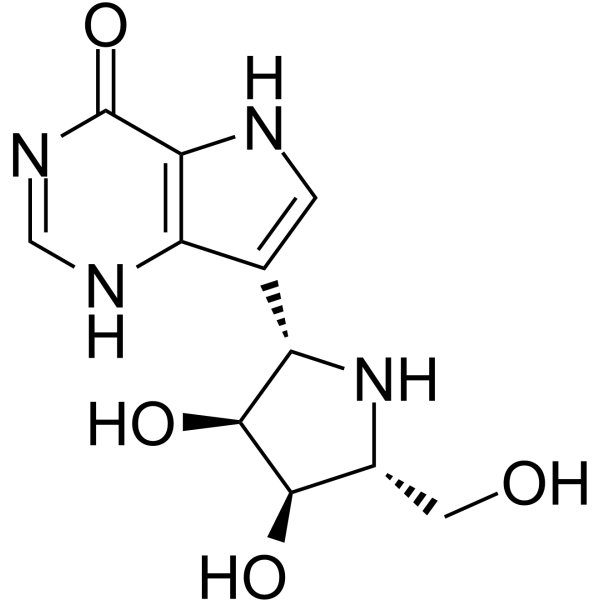
Forodesine (BCX-1777) is a highly potent and orally active purine nucleoside phosphorylase (PNP) inhibitor with IC50 values ranging from 0.48 to 1.57 nM for human, mouse, rat, monkey and dog PNP. Forodesine is a potent human lymphocyte proliferation inhibitor. Forodesine could induce apoptosis in leukemic cells by increasing the dGTP levels .
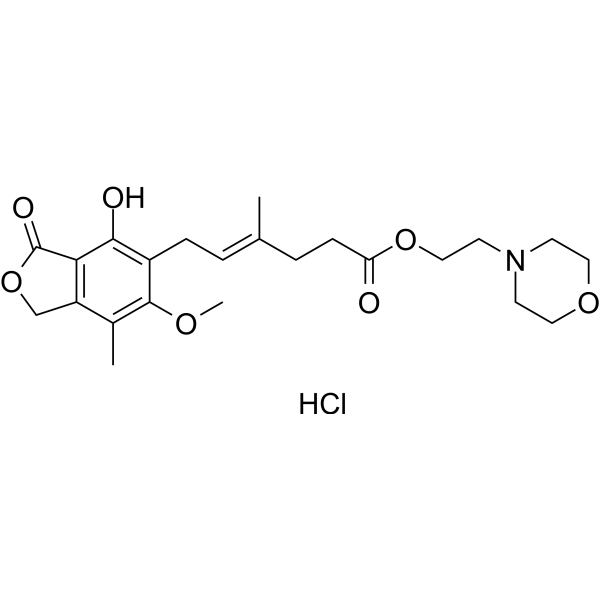
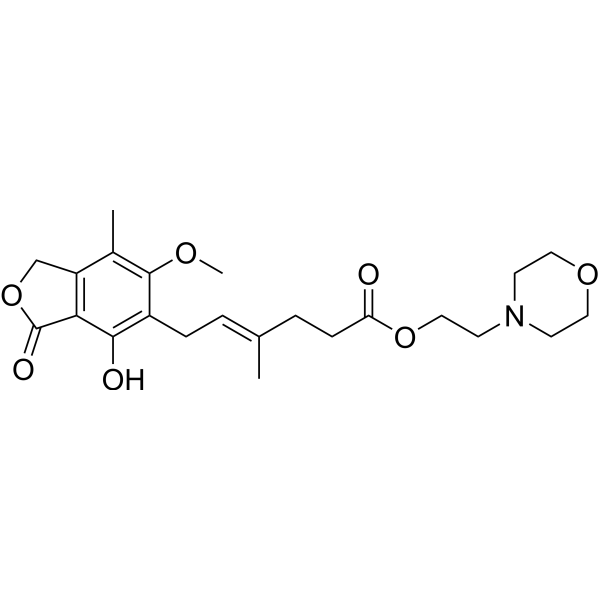
Mycophenolate mofetil (RS 61443; TM-MMF) hydrochloride is an orally active antimetabolic immunosuppressant with antiproliferative and anti-inflammatory properties. Mycophenolate mofetil hydrochloride significantly inhibits the production of B, Tlymphocytes and the proliferation of smooth muscle cells by selectively blocking the de novo purine synthesis pathway. Mycophenolate mofetil hydrochloride effectively reduces adventitial inflammation, medial necrosis and intimal thickening in rat aortic allografts, and decreases the number of lymphocytes expressing the IL-2 receptor, thereby delaying xenograft rejection. Mycophenolate mofetil hydrochloride shows certain toxicity in a hamster-to-rat limb xenotransplantation model when used in combination with FK506 (HY-13756). Mycophenolate mofetil hydrochloride is widely used in studies related to allograft arteriosclerosis (chronic rejection) .
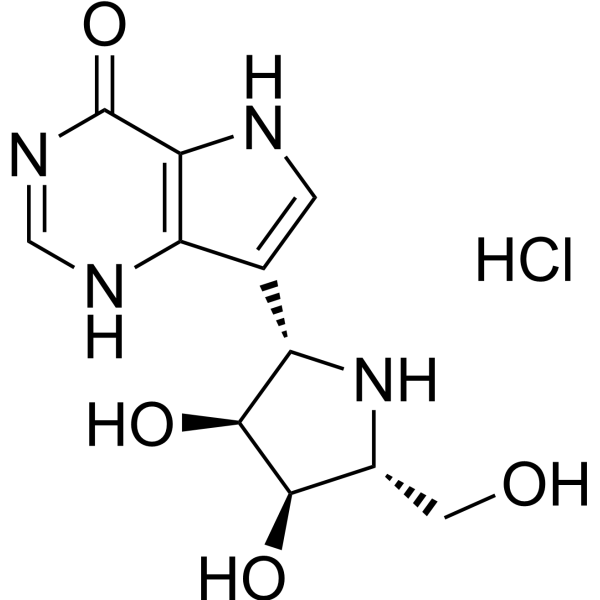
Forodesine hydrochloride (BCX-1777 hydrochloride) is a highly potent and orally active purine nucleoside phosphorylase (PNP) inhibitor with IC50 values ranging from 0.48 to 1.57 nM for human, mouse, rat, monkey and dog PNP. Forodesine hydrochloride is a potent human lymphocyte proliferation inhibitor. Forodesine hydrochloride could induce apoptosis in leukemic cells by increasing the dGTP levels .
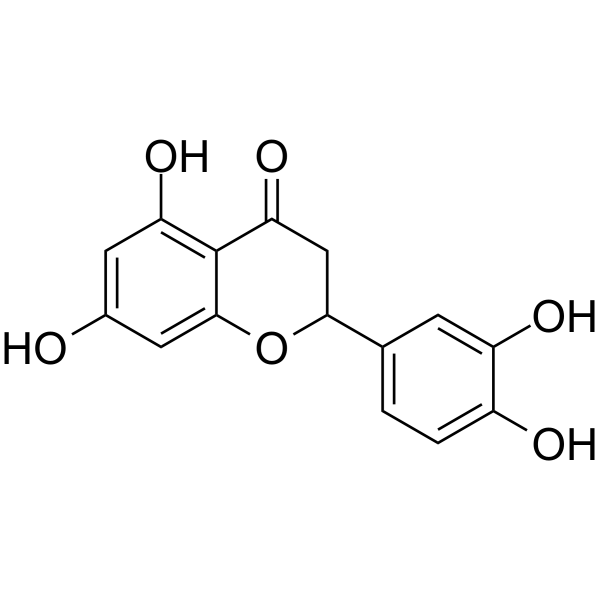
(±)-Eriodictyol ((±)-Huazhongilexone; Dihydroluteolin) is an orally active TRPV1 receptor antagonist (IC50=44-47 nM, rTRPV1) with antioxidant and anti-inflammatory activities. (±)-Eriodictyol effectively inhibits lipid peroxidation and the release of proinflammatory cytokines by specifically antagonizing the TRPV1 receptor and activating the Nrf2 signaling pathway. (±)-Eriodictyol reduces the levels of ICAM-1, VEGF, eNOS and TNF-α in the retina and maintains the integrity of the blood-retinal barrier. (±)-Eriodictyol alleviates oxidative stress-induced apoptosis and hyperalgesia, enhances the activity and cytotoxicity of immune cells (such as B lymphocytes, NK cells and macrophages), and increases the levels of antioxidant enzymes simultaneously. (±)-Eriodictyol can be used in the research of diabetic retinopathy, acute lung injury and various pain-related diseases .
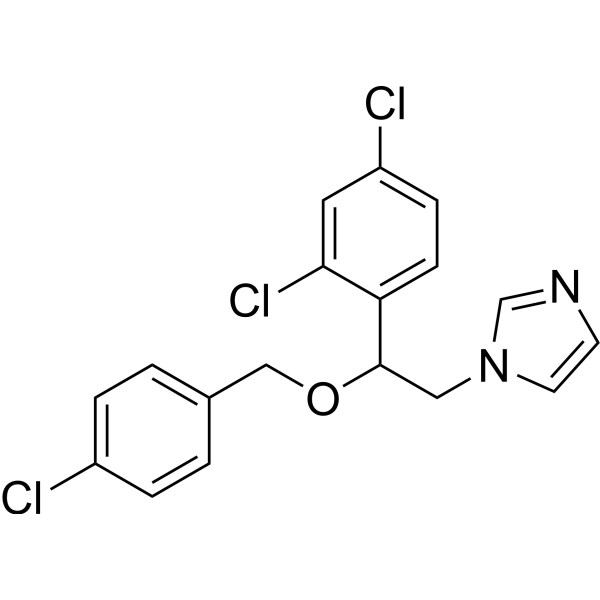
Econazole ((±)-Econazol) is an orally active imidazole antifungal agent, as well as a cytochrome P-450 inhibitor and a blocker of calcium and manganese ion uptake. Econazole is active against a variety of fungi and some Gram-positive bacteria, but has no significant activity against Gram-negative bacteria. Econazole can inhibit the synthesis of prostaglandins and can also induce liver damage .
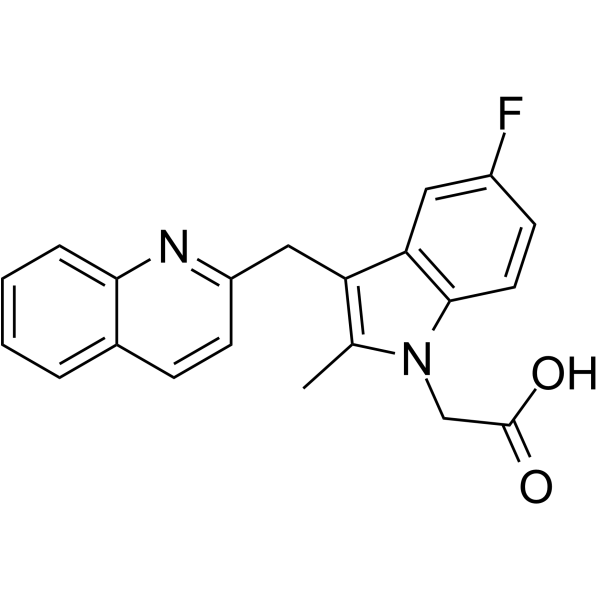
Timapiprant (OC000459) is a potent, selective, and orally active D prostanoid receptor 2 (DP2, also known as CRTH2) antagonist. Timapiprant (OC000459) potently displaces [ 3H] PGD2 from human recombinant DP2 (Ki=13 nM), rat recombinant DP2 (Ki=3 nM), and human native DP2 (Ki=4 nM). Timapiprant (OC000459) inhibits mast cell activation of Th2 lymphocytes and eosinophils .
Lotus tetragonolobus lectin (LTL) is a plant lectin that specifically recognizes and binds to α-L-fucopyranosyl residues, a sugar structure serving as the key terminal glycosyl group of human blood type O antigen (H antigen). Lotus tetragonolobus lectin exerts macrophage migration inhibitory activity in monomeric form. Lotus tetragonolobus lectin labels and identifies renal proximal tubular epithelial cells to evaluate histopathological changes of sepsis-induced acute kidney injury. Lotus tetragonolobus lectin is applicable to studies in glycobiology, immunology and renal pathology .
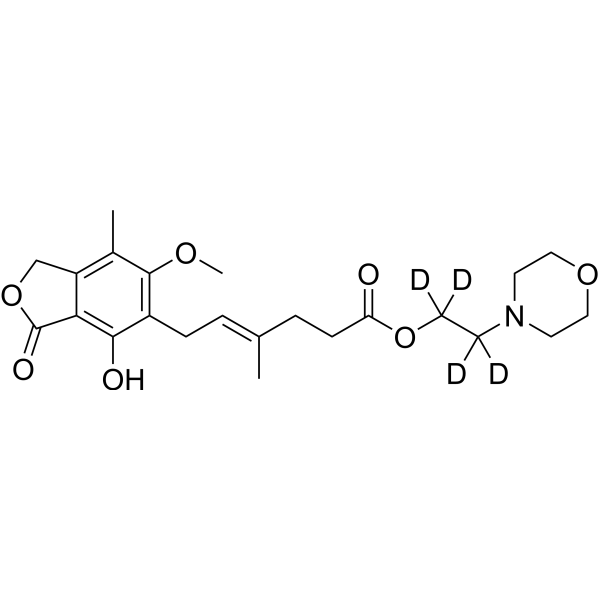
Mycophenolate Mofetil-d4 is the deuterium labeled Mycophenolate Mofetil. Mycophenolate mofetil (RS 61443; TM-MMF) hydrochloride is an orally active antimetabolic immunosuppressant with antiproliferative and anti-inflammatory properties. Mycophenolate mofetil hydrochloride significantly inhibits the production of B, Tlymphocytes and the proliferation of smooth muscle cells by selectively blocking the de novo purine synthesis pathway. Mycophenolate mofetil hydrochloride effectively reduces adventitial inflammation, medial necrosis and intimal thickening in rat aortic allografts, and decreases the number of lymphocytes expressing the IL-2 receptor, thereby delaying xenograft rejection. Mycophenolate mofetil hydrochloride shows certain toxicity in a hamster-to-rat limb xenotransplantation model when used in combination with FK506 (HY-13756). Mycophenolate mofetil hydrochloride is widely used in studies related to allograft arteriosclerosis (chronic rejection) .
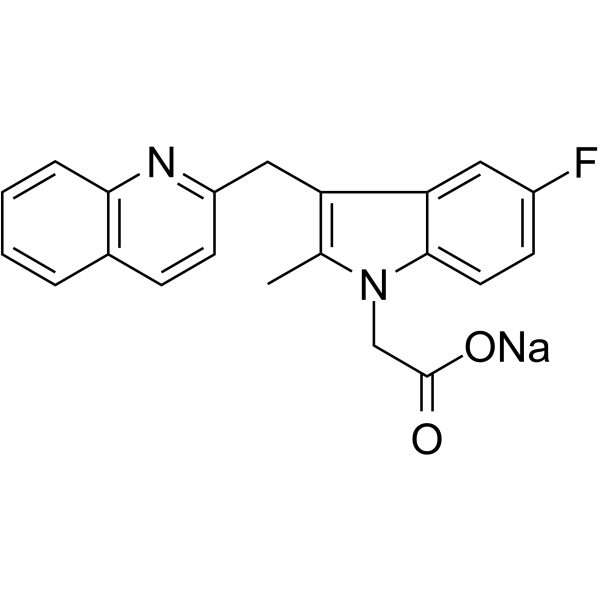
Timapiprant sodium (OC000459 sodium) is a potent, selective, and orally active D prostanoid receptor 2 (DP2, also known as CRTH2) antagonist. Timapiprant sodium (OC000459 sodium) potently displaces [ 3H] PGD2 from human recombinant DP2 (Ki=13 nM), rat recombinant DP2 (Ki=3 nM), and human native DP2 (Ki=4 nM). Timapiprant sodium (OC000459 sodium) inhibits mast cell activation of Th2 lymphocytes and eosinophils .
Mycophenolate Mofetil (Standard) is the analytical standard of Mycophenolate Mofetil. This product is intended for research and analytical applications. Mycophenolate mofetil (RS 61443; TM-MMF) hydrochloride is an orally active antimetabolic immunosuppressant with antiproliferative and anti-inflammatory properties. Mycophenolate mofetil hydrochloride significantly inhibits the production of B, Tlymphocytes and the proliferation of smooth muscle cells by selectively blocking the de novo purine synthesis pathway. Mycophenolate mofetil hydrochloride effectively reduces adventitial inflammation, medial necrosis and intimal thickening in rat aortic allografts, and decreases the number of lymphocytes expressing the IL-2 receptor, thereby delaying xenograft rejection. Mycophenolate mofetil hydrochloride shows certain toxicity in a hamster-to-rat limb xenotransplantation model when used in combination with FK506 (HY-13756). Mycophenolate mofetil hydrochloride is widely used in studies related to allograft arteriosclerosis (chronic rejection) .
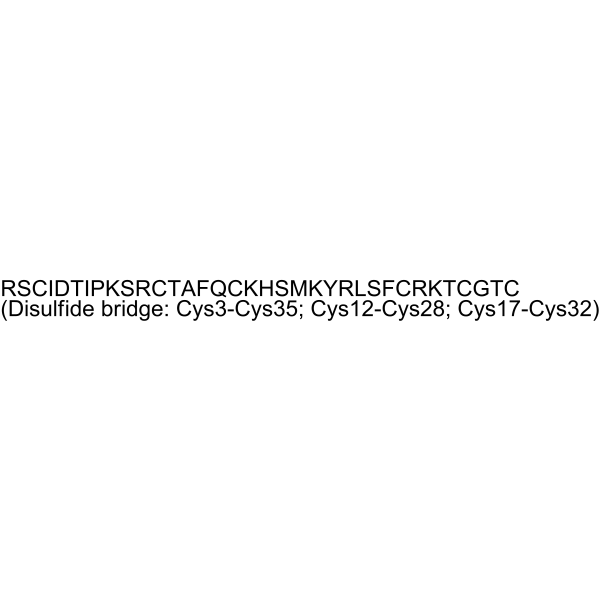
ShK toxin blocks voltage-dependent potassium channel (Kv1.3 channel). ShK toxin can be isolated from the whole body extract of the Caribbean sea anemone (Stichodactylu helianthus). ShK toxin competes with dendrotoxin I and α-dendrotoxin for binding to synaptosomal membranes of rat brain, facilitates acetylcholine release. ShK toxin suppresses K+ currents in cultured rat dorsal root ganglion neurons. ShK toxin also inhibits T lymphocyte proliferation .
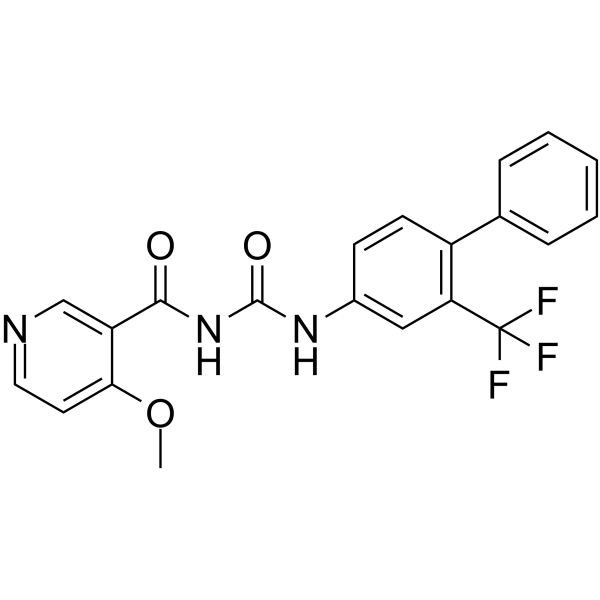
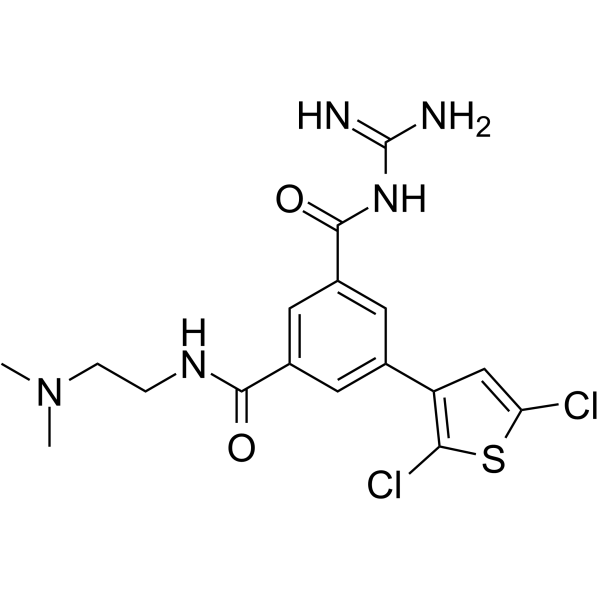
S1P1 agonist III is an orally active hS1P1 agonist with an EC50 value of 18 nM. S1P1 agonist III shows limited activity against hS1P3. S1P1 agonist III can be used in the research of multiple sclerosis .
Anti-Mouse CD18 Antibody (M18/2) is a rat-derived IgG2a κ type antibody inhibitor, targeting to mouse CD18. Anti-Mouse CD18 Antibody (M18/2) can neutralize lymphocyte function-associated antigen 1 (LFA-1). Anti-Mouse CD18 Antibody (M18/2) can be used for the researches of immunology, such as heart transplantation .
FR183998 free base is a potent Na +/H +-exchange inhibitor, with IC50s of 0.3 nM, 3.1 nM and 6.5 nM by measurement of pHi change in ratlymphocytes, rat and human platelets, respectively.
Anti-Rat CD2 Antibody (OX-34) is mouse-derived IgG2a κ type antibody inhibitor, targeting to ratCD2. Anti-Rat CD2 Antibody (OX-34) can block CD2 and inhibit the mixed lymphocyte reaction. Anti-Rat CD2 Antibody (OX-34) can be used for the researches of cancer, inflammation and immunology, such as RNK-16 tumor and arthritis .
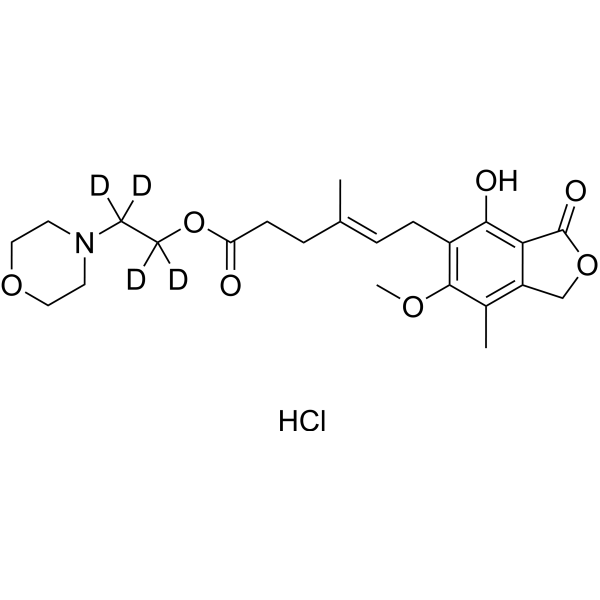
Mycophenolate Mofetil-d4 hydrochloride is deuterated labeled Mycophenolate mofetil hydrochloride (HY-B0199A). Mycophenolate mofetil (RS 61443; TM-MMF) hydrochloride is an orally active antimetabolic immunosuppressant with antiproliferative and anti-inflammatory properties. Mycophenolate mofetil hydrochloride significantly inhibits the production of B, Tlymphocytes and the proliferation of smooth muscle cells by selectively blocking the de novo purine synthesis pathway. Mycophenolate mofetil hydrochloride effectively reduces adventitial inflammation, medial necrosis and intimal thickening in rat aortic allografts, and decreases the number of lymphocytes expressing the IL-2 receptor, thereby delaying xenograft rejection. Mycophenolate mofetil hydrochloride shows certain toxicity in a hamster-to-rat limb xenotransplantation model when used in combination with FK506 (HY-13756). Mycophenolate mofetil hydrochloride is widely used in studies related to allograft arteriosclerosis (chronic rejection) .
ShK toxin TFA (Stichodactyla helianthus neurotoxin TFA) is a neurotoxin. ShK toxin TFA blocks voltage-dependent potassium channel (Kv1.3 channel). ShK toxin TFA can be isolated from the whole body extract of the Caribbean sea anemone (Stichodactylu helianthus). ShK toxin TFA competes with dendrotoxin I and α-dendrotoxin for binding to synaptosomal membranes of rat brain, facilitates acetylcholine release. ShK toxin TFA suppresses K + currents in cultured rat dorsal root ganglion neurons. ShK toxin TFA also inhibits T lymphocyte proliferation .
ELAAWCRWGFLLALLPPGIAG (P5) is derived from rat HER2/neu protein with 21 amino acid length (aa 5-25). ELAAWCRWGFLLALLPPGIAG can induce cytotoxic T lymphocyte (CTL) responses in mice bearing HER2-positive tumours .
ELAAWCRWGFLLALLPPGIAG TFA (P5) is derived from rat HER2/neu protein with 21 amino acid length (aa 5-25). ELAAWCRWGFLLALLPPGIAG TFA can induce cytotoxic T lymphocyte (CTL) responses in mice bearing HER2-positive tumours .
Anti-Mouse CD11a Antibody (FD441.8) is an anti-mouse CD11a IgG2b antibody inhibitor derived from the host Rat. Anti-Mouse CD11a Antibody (FD441.8) can neutralize CD11a also known as LFA-1α (lymphocyte function-associated antigen 1 alpha). Anti-Mouse CD11a Antibody (FD441.8) can be used for the researches of inflammation, immunology and cancer, such as transplant and leukemia .
AMG 369 is an orally active and potent dual S1P1/S1P5 agonist with limited activity at S1P3 and no activity at S1P2/S1P4. AMG 369 reduces blood lymphocyte counts. AMG 369 delays onset and reduces severity of experimental autoimmune encephalomyelitis in rat .
Anti-Rat CD45RC Antibody (OX22) reacts with rat CD45RC. CD45RC molecule is involved in lymphocyte signaling and is associated with inflammatory responses. Recommend Isotype Controls: Mouse IgG1 kappa, Isotype Control (HY-P99977) .
FR183998 free base (Standard) is the analytical standard of FR183998 free base (HY-100302). This product is intended for research and analytical applications. FR183998 free base is a potent Na+/H+-exchange inhibitor, with IC50s of 0.3 nM, 3.1 nM and 6.5 nM by measurement of pHi change in ratlymphocytes, rat and human platelets, respectively.
Anti-Mouse BTLA/CD272 Antibody (PJ196) reacts with mouse B- and T-lymphocyte attenuator (BTLA). BTLA is an Ig superfamily member. Recommend Isotype Controls: Rat IgG2a kappa, Isotype Control (HY-P990679) .
Anti-Mouse CD3E Antibody (500A2) is an antibody targeting mouse CD3ε, which specifically binds to the region on CD3ε adjacent to the T cell receptor binding site. Anti-Mouse CD3E Antibody (500A2) triggers functional signal transduction in immature T cells and activates naive T cells. When cross-linked, Anti-Mouse CD3E Antibody (500A2) induces a rapid, robust and transient increase in cytoplasmic calcium concentration, acting as a potent calcium flux inducer. Anti-Mouse CD3E Antibody (500A2) is suitable for multiple experimental techniques such as flow cytometry, immunoprecipitation and EMARS reactions. It can be used to detect CD3E expression on thymocytes, mature T lymphocytes and NK-T cells from different mouse strains, or to identify membrane cluster components of the TCR complex, and shows no cross-reactivity with rat leukocytes .
Anti-Mouse BTLA/CD272 Antibody (PK18.6) reacts with mouse B- and T-lymphocyte attenuator (BTLA). BTLA is an Ig superfamily member. Recommend Isotype Controls: Rat IgG1 kappa, Isotype Control (HY-P99979) .
Anti-Rat CD4 Antibody (W3/25) reacts with ratCD4. Anti-Rat CD4 Antibody (W3/25) inhibits CD4+ T cell activation by downregulating the CD4 molecule on the surface of lymphocytes. Anti-Rat CD4 Antibody (W3/25) inhibits antigen-induced T cell proliferation and IL2 production in MLR experiments. Anti-Rat CD4 Antibody (W3/25) can be used for the study of experimental allergic encephalomyelitis (EAE). Recommend Isotype Controls: Mouse IgG1 kappa, Isotype Control (HY-P99977) .
BTS 72664 is a broad-spectrum, non-sedating, orally effective anticonvulsant. Its anticonvulsant effect mainly arises from enhancing GABAA receptor (GABAA receptor)-mediated chloride channel currents, while it exerts weak blocking effects on Na + channels (Ki = 350 μM) and NMDA receptors (NMDA receptor) (IC50 = 43 μM). BTS 72664 prevents the elevation of extracellular glutamate, glycine and serine concentrations in neurons, reduces cerebral infarct size, promotes functional recovery, prevents multiple types of epileptic seizures, and has low sedative potential. BTS 72664 can be used for the research of epilepsy, stroke and migraine .
Sotrastaurin (AEB071) acetate is a selective, orally active PKC inhibitor. Sotrastaurin acetate inactivates NF-κB by inhibiting PKC α, β, θ, γ subtypes, thereby reducing the transcription levels of immune response-related genes. Sotrastaurin acetate effectively inhibits alloreactive T cell proliferation, conventional T cell activation, as well as the production of pro-inflammatory cytokines and B lymphocytes. Sotrastaurin acetate also maintains the functional and phenotypic stability of regulatory T cells, enhances Foxp3 expression and restores the balance of helper T lymphocytes. Sotrastaurin acetate can prolong the survival time of allografts, and alleviate inflammatory responses and myasthenic symptoms by reducing anti-AChR antibody levels. Sotrastaurin acetate is widely used in studies related to kidney transplantation, psoriasis and myasthenia gravis .
Lck-IN-6 (Compound 12g) is a Lck inhibitor with an IC50 of 3 nM. Lck-IN-6 inhibits the production of IL-2. Lck-IN-6 can be used in the research of rheumatoid arthritis and inflammatory bowel disease .
Lotus tetragonolobus lectin (LTL) is a plant lectin that specifically recognizes and binds to α-L-fucopyranosyl residues, a sugar structure serving as the key terminal glycosyl group of human blood type O antigen (H antigen). Lotus tetragonolobus lectin exerts macrophage migration inhibitory activity in monomeric form. Lotus tetragonolobus lectin labels and identifies renal proximal tubular epithelial cells to evaluate histopathological changes of sepsis-induced acute kidney injury. Lotus tetragonolobus lectin is applicable to studies in glycobiology, immunology and renal pathology .
ShK toxin blocks voltage-dependent potassium channel (Kv1.3 channel). ShK toxin can be isolated from the whole body extract of the Caribbean sea anemone (Stichodactylu helianthus). ShK toxin competes with dendrotoxin I and α-dendrotoxin for binding to synaptosomal membranes of rat brain, facilitates acetylcholine release. ShK toxin suppresses K+ currents in cultured rat dorsal root ganglion neurons. ShK toxin also inhibits T lymphocyte proliferation .
ShK toxin TFA (Stichodactyla helianthus neurotoxin TFA) is a neurotoxin. ShK toxin TFA blocks voltage-dependent potassium channel (Kv1.3 channel). ShK toxin TFA can be isolated from the whole body extract of the Caribbean sea anemone (Stichodactylu helianthus). ShK toxin TFA competes with dendrotoxin I and α-dendrotoxin for binding to synaptosomal membranes of rat brain, facilitates acetylcholine release. ShK toxin TFA suppresses K + currents in cultured rat dorsal root ganglion neurons. ShK toxin TFA also inhibits T lymphocyte proliferation .
ELAAWCRWGFLLALLPPGIAG (P5) is derived from rat HER2/neu protein with 21 amino acid length (aa 5-25). ELAAWCRWGFLLALLPPGIAG can induce cytotoxic T lymphocyte (CTL) responses in mice bearing HER2-positive tumours .
ELAAWCRWGFLLALLPPGIAG TFA (P5) is derived from rat HER2/neu protein with 21 amino acid length (aa 5-25). ELAAWCRWGFLLALLPPGIAG TFA can induce cytotoxic T lymphocyte (CTL) responses in mice bearing HER2-positive tumours .
Anti-Mouse CD18 Antibody (M18/2) is a rat-derived IgG2a κ type antibody inhibitor, targeting to mouse CD18. Anti-Mouse CD18 Antibody (M18/2) can neutralize lymphocyte function-associated antigen 1 (LFA-1). Anti-Mouse CD18 Antibody (M18/2) can be used for the researches of immunology, such as heart transplantation .
Anti-Rat CD2 Antibody (OX-34) is mouse-derived IgG2a κ type antibody inhibitor, targeting to ratCD2. Anti-Rat CD2 Antibody (OX-34) can block CD2 and inhibit the mixed lymphocyte reaction. Anti-Rat CD2 Antibody (OX-34) can be used for the researches of cancer, inflammation and immunology, such as RNK-16 tumor and arthritis .
Anti-Mouse CD11a Antibody (FD441.8) is an anti-mouse CD11a IgG2b antibody inhibitor derived from the host Rat. Anti-Mouse CD11a Antibody (FD441.8) can neutralize CD11a also known as LFA-1α (lymphocyte function-associated antigen 1 alpha). Anti-Mouse CD11a Antibody (FD441.8) can be used for the researches of inflammation, immunology and cancer, such as transplant and leukemia .
Anti-Rat CD45RC Antibody (OX22) reacts with rat CD45RC. CD45RC molecule is involved in lymphocyte signaling and is associated with inflammatory responses. Recommend Isotype Controls: Mouse IgG1 kappa, Isotype Control (HY-P99977) .
Anti-Mouse BTLA/CD272 Antibody (PJ196) reacts with mouse B- and T-lymphocyte attenuator (BTLA). BTLA is an Ig superfamily member. Recommend Isotype Controls: Rat IgG2a kappa, Isotype Control (HY-P990679) .
Anti-Mouse CD3E Antibody (500A2) is an antibody targeting mouse CD3ε, which specifically binds to the region on CD3ε adjacent to the T cell receptor binding site. Anti-Mouse CD3E Antibody (500A2) triggers functional signal transduction in immature T cells and activates naive T cells. When cross-linked, Anti-Mouse CD3E Antibody (500A2) induces a rapid, robust and transient increase in cytoplasmic calcium concentration, acting as a potent calcium flux inducer. Anti-Mouse CD3E Antibody (500A2) is suitable for multiple experimental techniques such as flow cytometry, immunoprecipitation and EMARS reactions. It can be used to detect CD3E expression on thymocytes, mature T lymphocytes and NK-T cells from different mouse strains, or to identify membrane cluster components of the TCR complex, and shows no cross-reactivity with rat leukocytes .
Anti-Mouse BTLA/CD272 Antibody (PK18.6) reacts with mouse B- and T-lymphocyte attenuator (BTLA). BTLA is an Ig superfamily member. Recommend Isotype Controls: Rat IgG1 kappa, Isotype Control (HY-P99979) .
Anti-Rat CD4 Antibody (W3/25) reacts with ratCD4. Anti-Rat CD4 Antibody (W3/25) inhibits CD4+ T cell activation by downregulating the CD4 molecule on the surface of lymphocytes. Anti-Rat CD4 Antibody (W3/25) inhibits antigen-induced T cell proliferation and IL2 production in MLR experiments. Anti-Rat CD4 Antibody (W3/25) can be used for the study of experimental allergic encephalomyelitis (EAE). Recommend Isotype Controls: Mouse IgG1 kappa, Isotype Control (HY-P99977) .
Mycophenolate mofetil (RS 61443; TM-MMF) hydrochloride is an orally active antimetabolic immunosuppressant with antiproliferative and anti-inflammatory properties. Mycophenolate mofetil hydrochloride significantly inhibits the production of B, Tlymphocytes and the proliferation of smooth muscle cells by selectively blocking the de novo purine synthesis pathway. Mycophenolate mofetil hydrochloride effectively reduces adventitial inflammation, medial necrosis and intimal thickening in rat aortic allografts, and decreases the number of lymphocytes expressing the IL-2 receptor, thereby delaying xenograft rejection. Mycophenolate mofetil hydrochloride shows certain toxicity in a hamster-to-rat limb xenotransplantation model when used in combination with FK506 (HY-13756). Mycophenolate mofetil hydrochloride is widely used in studies related to allograft arteriosclerosis (chronic rejection) .
(±)-Eriodictyol ((±)-Huazhongilexone; Dihydroluteolin) is an orally active TRPV1 receptor antagonist (IC50=44-47 nM, rTRPV1) with antioxidant and anti-inflammatory activities. (±)-Eriodictyol effectively inhibits lipid peroxidation and the release of proinflammatory cytokines by specifically antagonizing the TRPV1 receptor and activating the Nrf2 signaling pathway. (±)-Eriodictyol reduces the levels of ICAM-1, VEGF, eNOS and TNF-α in the retina and maintains the integrity of the blood-retinal barrier. (±)-Eriodictyol alleviates oxidative stress-induced apoptosis and hyperalgesia, enhances the activity and cytotoxicity of immune cells (such as B lymphocytes, NK cells and macrophages), and increases the levels of antioxidant enzymes simultaneously. (±)-Eriodictyol can be used in the research of diabetic retinopathy, acute lung injury and various pain-related diseases .
Mycophenolate Mofetil (Standard) is the analytical standard of Mycophenolate Mofetil. This product is intended for research and analytical applications. Mycophenolate mofetil (RS 61443; TM-MMF) hydrochloride is an orally active antimetabolic immunosuppressant with antiproliferative and anti-inflammatory properties. Mycophenolate mofetil hydrochloride significantly inhibits the production of B, Tlymphocytes and the proliferation of smooth muscle cells by selectively blocking the de novo purine synthesis pathway. Mycophenolate mofetil hydrochloride effectively reduces adventitial inflammation, medial necrosis and intimal thickening in rat aortic allografts, and decreases the number of lymphocytes expressing the IL-2 receptor, thereby delaying xenograft rejection. Mycophenolate mofetil hydrochloride shows certain toxicity in a hamster-to-rat limb xenotransplantation model when used in combination with FK506 (HY-13756). Mycophenolate mofetil hydrochloride is widely used in studies related to allograft arteriosclerosis (chronic rejection) .
BTLA/CD272 protein inhibits antigen receptor signaling via PTPN6/SHP-1 and PTPN11/SHP-2. It regulates immune responses through cis and trans interactions with TNFRSF14. In cis, it maintains resting state in naive T cells, while in trans, it supports survival signals in effector T cells. BTLA/CD272 interacts with PTPN6/SHP-1, PTPN11/SHP-2, and TNFRSF14/HVEM. BTLA/CD272 Protein, Rat (HEK293, mFc) is the recombinant rat-derived BTLA/CD272 protein, expressed by HEK293 , with C-mFc labeled tag.
LAG-3 (lymphocyte activation gene 3) protein is an inhibitory receptor on antigen-activated T cells, which transmits inhibitory signals by binding to ligands such as FGL1. LAG-3 is associated with CD3-TCR at the immune synapse, hinders T cell activation, and may cooperate with PDCD1/PD-1 to act as a co-receptor for PD-1. LAG-3 Protein, Rat (HEK293, His) is the recombinant rat-derived LAG-3 protein, expressed by HEK293 , with C-His labeled tag.
CTLA-4 protein inhibits T-cell responses by binding strongly to CD80 and CD86 receptors, surpassing CD28. This affinity allows CTLA-4 to effectively regulate T-cell activation and immune responses. The balance between inhibitory and stimulatory signals controlled by CTLA-4 and its ligands modulates T-cell-mediated immune reactions. CTLA-4 Protein, Rat (HEK293, His) is the recombinant rat-derived CTLA-4 protein, expressed by HEK293 , with C-His labeled tag.
CTLA-4 protein inhibits T-cell responses by binding strongly to CD80 and CD86 receptors, surpassing CD28. This affinity allows CTLA-4 to effectively regulate T-cell activation and immune responses. The balance between inhibitory and stimulatory signals controlled by CTLA-4 and its ligands modulates T-cell-mediated immune reactions. CTLA-4 Protein, Rat (HEK293, Fc) is the recombinant rat-derived CTLA-4 protein, expressed by HEK293 , with C-hFc labeled tag.
IL-4 Protein, Rat (CHO,His) is a potent CHO cell derived lymphoid cell growth factor, which stimulates the growth and survivability of B-cells and T-cells.
B7-1/CD80 Protein, Rat (HEK293, His) is not only expressed on APCs, but also is expressed on T cells. B7-1:PD-L1 interaction can inhibit T cell proliferation and cytokine production.
The IL-17A protein has important heterodimerization and homodimerization activities and is involved in a variety of processes, including responses to glucocorticoid stimulation and the regulation of cell death and transcription. IL-17A is present in the cytoplasm and extracellular space and has been implicated in diseases such as pancreatitis, inflammatory bowel disease, renal disease, and periodontal disease, and may serve as a biomarker. IL-17A Protein, Rat (CHO) is the recombinant rat-derived IL-17A protein, expressed by CHO , with tag free.
The NKp46/NCR1 protein is a key cytotoxic activating receptor that increases the efficiency of activated natural killer (NK) cells, particularly in targeting tumor cell lysis. Through interactions with CD3Z and FCER1G, NKp46/NCR1 orchestrates important connections that enhance the ability of NK cells to destroy tumor cells. NKp46/NCR1 Protein, Rat (HEK293, Fc) is the recombinant rat-derived NKp46/NCR1 protein, expressed by HEK293 , with C-hFc labeled tag.
B7-1/CD80, a type I membrane protein, is a member of the B7 family, with an extracellular immunoglobulin constant-like domain and a variable-like domain required for receptor binding.CD80 is also a transmembrane glycoprotein and a member of the Ig superfamily.CD80 has a crucial role in modulating T-cell immune function as a checkpoint protein at the immunological synapse.Its binding to CD28 or CTLA-4 receptors is integral to inducing T-cell proliferation and cytokine production.B7-1/CD80 Protein, Rat (HEK293, Fc) is the recombinant rat-derived B7-1/CD80 protein, expressed by HEK293 , with C-hFc labeled tag.
Mycophenolate Mofetil-d4 is the deuterium labeled Mycophenolate Mofetil. Mycophenolate mofetil (RS 61443; TM-MMF) hydrochloride is an orally active antimetabolic immunosuppressant with antiproliferative and anti-inflammatory properties. Mycophenolate mofetil hydrochloride significantly inhibits the production of B, Tlymphocytes and the proliferation of smooth muscle cells by selectively blocking the de novo purine synthesis pathway. Mycophenolate mofetil hydrochloride effectively reduces adventitial inflammation, medial necrosis and intimal thickening in rat aortic allografts, and decreases the number of lymphocytes expressing the IL-2 receptor, thereby delaying xenograft rejection. Mycophenolate mofetil hydrochloride shows certain toxicity in a hamster-to-rat limb xenotransplantation model when used in combination with FK506 (HY-13756). Mycophenolate mofetil hydrochloride is widely used in studies related to allograft arteriosclerosis (chronic rejection) .
Mycophenolate Mofetil-d4 hydrochloride is deuterated labeled Mycophenolate mofetil hydrochloride (HY-B0199A). Mycophenolate mofetil (RS 61443; TM-MMF) hydrochloride is an orally active antimetabolic immunosuppressant with antiproliferative and anti-inflammatory properties. Mycophenolate mofetil hydrochloride significantly inhibits the production of B, Tlymphocytes and the proliferation of smooth muscle cells by selectively blocking the de novo purine synthesis pathway. Mycophenolate mofetil hydrochloride effectively reduces adventitial inflammation, medial necrosis and intimal thickening in rat aortic allografts, and decreases the number of lymphocytes expressing the IL-2 receptor, thereby delaying xenograft rejection. Mycophenolate mofetil hydrochloride shows certain toxicity in a hamster-to-rat limb xenotransplantation model when used in combination with FK506 (HY-13756). Mycophenolate mofetil hydrochloride is widely used in studies related to allograft arteriosclerosis (chronic rejection) .
Western blot analysis of extracts from THP-1(lane 2(20μg), Jurkat (lane 3(20μg) and NIH3T3(lane 4(20μg) using FOXO1A (HY-P80132) Rabbit mAb. Proteins were transferred
to a PVDF membrane and blocked with 5% non-fat milk in TBST for 2 hour at room temperature. The primary antibody (1/1000) and Loading control antibody (Beta Actin, HY-P80438, 1/10000) was
used in 5% non-fat milk in TBST at 4°C overnight. Goat Anti-Mouse/Rabbit IgG-HRP Secondary Antibody (1/10000) was used for 1 hour at room temperature.
Western blot analysis of extracts from THP-1(lane 2(20μg), Jurkat (lane 3(20μg) and NIH3T3(lane 4(20μg) using FOXO1A (HY-P80132) Rabbit mAb. Proteins were transferred
to a PVDF membrane and blocked with 5% non-fat milk in TBST for 2 hour at room temperature. The primary antibody (1/1000) and Loading control antibody (Beta Actin, HY-P80438, 1/10000) was
used in 5% non-fat milk in TBST at 4°C overnight. Goat Anti-Mouse/Rabbit IgG-HRP Secondary Antibody (1/10000) was used for 1 hour at room temperature.
Western blot analysis of extracts from THP-1(lane 2(20μg), Jurkat (lane 3(20μg) and NIH3T3(lane 4(20μg) using FOXO1A (HY-P80132) Rabbit mAb. Proteins were transferred
to a PVDF membrane and blocked with 5% non-fat milk in TBST for 2 hour at room temperature. The primary antibody (1/1000) and Loading control antibody (Beta Actin, HY-P80438, 1/10000) was
used in 5% non-fat milk in TBST at 4°C overnight. Goat Anti-Mouse/Rabbit IgG-HRP Secondary Antibody (1/10000) was used for 1 hour at room temperature.
Western blot analysis of extracts from THP-1(lane 2(20μg), Jurkat (lane 3(20μg) and NIH3T3(lane 4(20μg) using FOXO1A (HY-P80132) Rabbit mAb. Proteins were transferred
to a PVDF membrane and blocked with 5% non-fat milk in TBST for 2 hour at room temperature. The primary antibody (1/1000) and Loading control antibody (Beta Actin, HY-P80438, 1/10000) was
MedchemExpress Validation 03
Western blot analysis of extracts from THP-1(lane 2(20μg), Jurkat (lane 3(20μg) and NIH3T3(lane 4(20μg) using FOXO1A (HY-P80132) Rabbit mAb. Proteins were transferred
MedchemExpress Validation 04
Western blot analysis of extracts from THP-1(lane 2(20μg), Jurkat (lane 3(20μg) and NIH3T3(lane 4(20μg) using FOXO1A (HY-P80132) Rabbit mAb. Proteins were transferred
to a PVDF membrane and blocked with 5% non-fat milk in TBST for 2 hour at room temperature. The primary antibody (1/1000) and Loading control antibody (Beta Actin, HY-P80438, 1/10000) was
used in 5% non-fat milk in TBST at 4°C overnight. Goat Anti-Mouse/Rabbit IgG-HRP Secondary Antibody (1/10000) was used for 1 hour at room temperature.
MedchemExpress Validation
Western blot analysis of extracts from THP-1(lane 2(20μg), Jurkat (lane 3(20μg) and NIH3T3(lane 4(20μg) using FOXO1A (HY-P80132) Rabbit mAb. Proteins were transferred
to a PVDF membrane and blocked with 5% non-fat milk in TBST for 2 hour at room temperature. The primary antibody (1/1000) and Loading control antibody (Beta Actin, HY-P80438, 1/10000) was
used in 5% non-fat milk in TBST at 4°C overnight. Goat Anti-Mouse/Rabbit IgG-HRP Secondary Antibody (1/10000) was used for 1 hour at room temperature.
Western blot analysis of extracts from THP-1(lane 2(20μg), Jurkat (lane 3(20μg) and NIH3T3(lane 4(20μg) using FOXO1A (HY-P80132) Rabbit mAb. Proteins were transferred
to a PVDF membrane and blocked with 5% non-fat milk in TBST for 2 hour at room temperature. The primary antibody (1/1000) and Loading control antibody (Beta Actin, HY-P80438, 1/10000) was
used in 5% non-fat milk in TBST at 4°C overnight. Goat Anti-Mouse/Rabbit IgG-HRP Secondary Antibody (1/10000) was used for 1 hour at room temperature.
MedchemExpress Validation
Western blot analysis of extracts from THP-1(lane 2(20μg), Jurkat (lane 3(20μg) and NIH3T3(lane 4(20μg) using FOXO1A (HY-P80132) Rabbit mAb. Proteins were transferred
to a PVDF membrane and blocked with 5% non-fat milk in TBST for 2 hour at room temperature. The primary antibody (1/1000) and Loading control antibody (Beta Actin, HY-P80438, 1/10000) was
used in 5% non-fat milk in TBST at 4°C overnight. Goat Anti-Mouse/Rabbit IgG-HRP Secondary Antibody (1/10000) was used for 1 hour at room temperature.
MedchemExpress Validation
Western blot analysis of extracts from THP-1(lane 2(20μg), Jurkat (lane 3(20μg) and NIH3T3(lane 4(20μg) using FOXO1A (HY-P80132) Rabbit mAb. Proteins were transferred
to a PVDF membrane and blocked with 5% non-fat milk in TBST for 2 hour at room temperature. The primary antibody (1/1000) and Loading control antibody (Beta Actin, HY-P80438, 1/10000) was
used in 5% non-fat milk in TBST at 4°C overnight. Goat Anti-Mouse/Rabbit IgG-HRP Secondary Antibody (1/10000) was used for 1 hour at room temperature.
MedchemExpress Validation
Western blot analysis of extracts from THP-1(lane 2(20μg), Jurkat (lane 3(20μg) and NIH3T3(lane 4(20μg) using FOXO1A (HY-P80132) Rabbit mAb. Proteins were transferred
to a PVDF membrane and blocked with 5% non-fat milk in TBST for 2 hour at room temperature. The primary antibody (1/1000) and Loading control antibody (Beta Actin, HY-P80438, 1/10000) was
used in 5% non-fat milk in TBST at 4°C overnight. Goat Anti-Mouse/Rabbit IgG-HRP Secondary Antibody (1/10000) was used for 1 hour at room temperature.
MedchemExpress Validation
Western blot analysis of extracts from THP-1(lane 2(20μg), Jurkat (lane 3(20μg) and NIH3T3(lane 4(20μg) using FOXO1A (HY-P80132) Rabbit mAb. Proteins were transferred
to a PVDF membrane and blocked with 5% non-fat milk in TBST for 2 hour at room temperature. The primary antibody (1/1000) and Loading control antibody (Beta Actin, HY-P80438, 1/10000) was
used in 5% non-fat milk in TBST at 4°C overnight. Goat Anti-Mouse/Rabbit IgG-HRP Secondary Antibody (1/10000) was used for 1 hour at room temperature.
MedchemExpress Validation
Western blot analysis of extracts from THP-1(lane 2(20μg), Jurkat (lane 3(20μg) and NIH3T3(lane 4(20μg) using FOXO1A (HY-P80132) Rabbit mAb. Proteins were transferred
to a PVDF membrane and blocked with 5% non-fat milk in TBST for 2 hour at room temperature. The primary antibody (1/1000) and Loading control antibody (Beta Actin, HY-P80438, 1/10000) was
used in 5% non-fat milk in TBST at 4°C overnight. Goat Anti-Mouse/Rabbit IgG-HRP Secondary Antibody (1/10000) was used for 1 hour at room temperature.
MedchemExpress Validation
Western blot analysis of extracts from THP-1(lane 2(20μg), Jurkat (lane 3(20μg) and NIH3T3(lane 4(20μg) using FOXO1A (HY-P80132) Rabbit mAb. Proteins were transferred
to a PVDF membrane and blocked with 5% non-fat milk in TBST for 2 hour at room temperature. The primary antibody (1/1000) and Loading control antibody (Beta Actin, HY-P80438, 1/10000) was
used in 5% non-fat milk in TBST at 4°C overnight. Goat Anti-Mouse/Rabbit IgG-HRP Secondary Antibody (1/10000) was used for 1 hour at room temperature.
MedChemExpress values your privacy and your trust is important to us. We use cookies to enhance your website experience. Some cookies are necessary to run the website.
Privacy and Cookie Policy