Search Result
Results for "
serum+level
" in MedChemExpress (MCE) Product Catalog:
1
Biochemical Assay Reagents
4
Isotope-Labeled Compounds
| Cat. No. |
Product Name |
Target |
Research Areas |
Chemical Structure |
-
- HY-147305
-
|
ARGX-113
|
Fc Receptor (FcR)
|
Inflammation/Immunology
|
|
Efgartigimod alfa (ARGX-113) is a reversibility, humanized Fc receptor antagonist . Efgartigimod alfa is a anti FcRn monoclonal immunoglobulin G (IgG1) Fc fragment. Efgartigimod reduces serum levels of total IgG, including pathogenic autoantibodies, by blocking FcRn function without permanent impairment. Efgartigimod alfa can be used for generalised myasthenia gravis (gMG) and primary immune thrombocytopenia research .
|
-

-
- HY-B0504S
-
|
NSC13123-d3
|
Isotope-Labeled Compounds
Endogenous Metabolite
iGluR
GABA Receptor
|
Metabolic Disease
Cancer
|
|
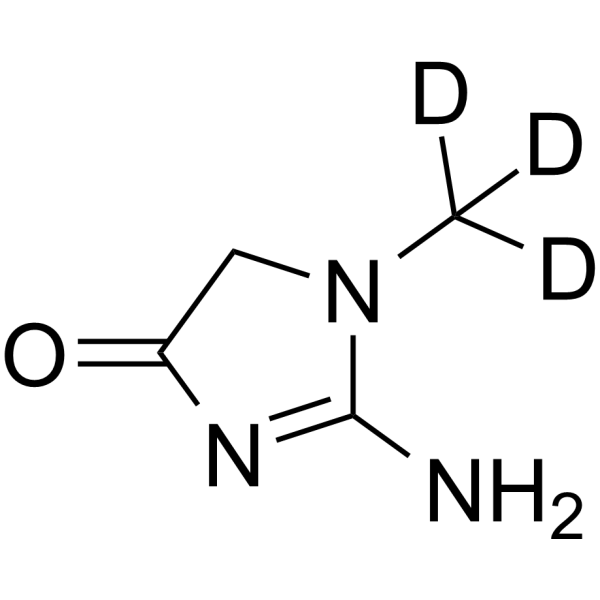
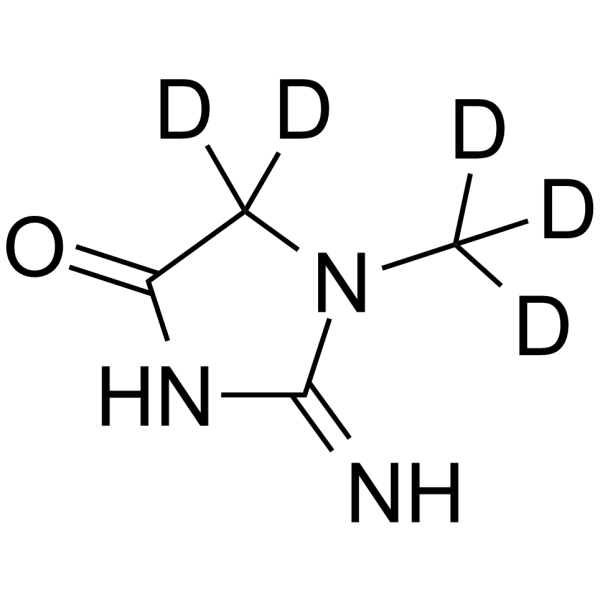
Creatinine-d3 is a deuterium labeled Creatinine. Creatinine (NSC13123) is an orally active, blood-brain barrier-permeable modulator of GABAA and NMDA receptors, with activities of antioxidation and metabolic regulation. Creatinine is generated via non-enzymatic conversion of creatine and phosphocreatine in muscle. Creatinine serum levels correlate with muscle mass, glomerular filtration rate, and extrarenal clearance, serving as an evaluation biomarker for renal function, muscle mass, and clinical outcomes, and used for perioperative renal risk assessment. In addition, Creatinine can induce specific Cryptococcus species to produce creatinine deiminase and act as their nitrogen source, while it can be secreted via renal tubules. Creatinine is widely used in research related to various diseases such as neurodegenerative diseases, psychiatric disorders, acute kidney injury, chronic kidney disease, and renal failure .
|
-
-
- HY-126995
-
|
|
Endogenous Metabolite
|
Metabolic Disease
|
|
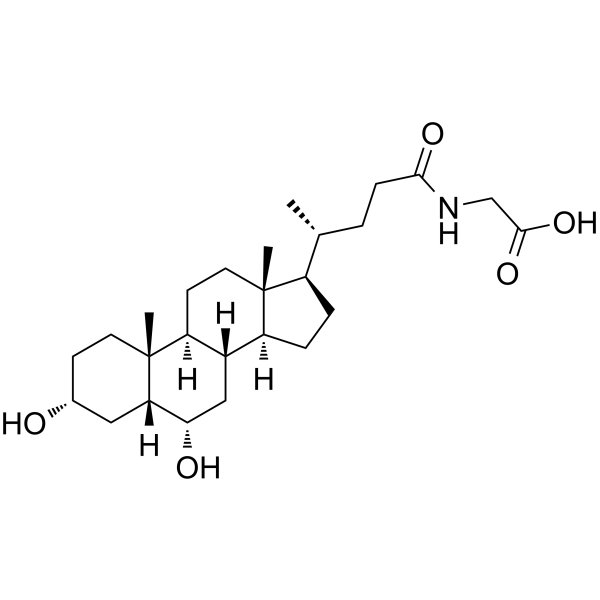
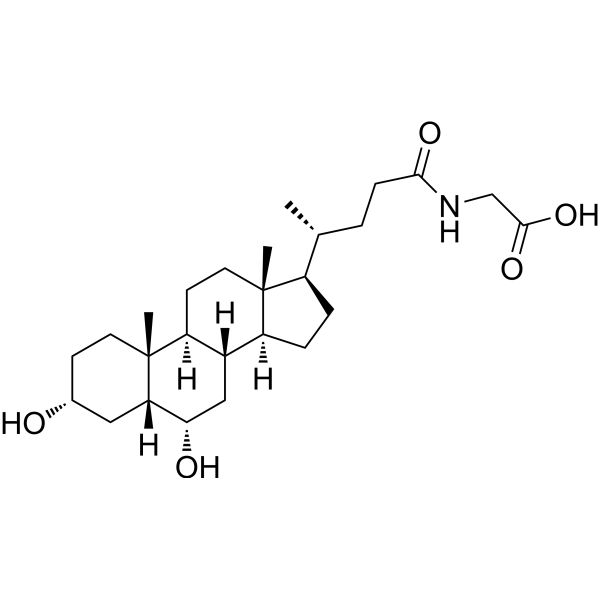
Glycohyodeoxycholic acid is a glycine-conjugated bile acid and also a metabolite of Hyodeoxycholic acid (HY-N0169). The serum level of Glycohyodeoxycholic acid is negatively correlated with the severity of non-alcoholic fatty liver disease. Glycohyodeoxycholic acid can be used in research related to non-alcoholic fatty liver disease .
|
-
-
- HY-154918
-
|
|
Drug Metabolite
|
Metabolic Disease
|
|
LysoPE (18:2/0:0) is a lysophosphatidylethanolamine implicated in phospholipid metabolism. LysoPE (18:2/0:0) shows significantly altered serum levels in mice exposed to a combination of DEHP (HY-B1945) and Aroclor 1254, which is associated with disturbed phospholipid metabolism. LysoPE (18:2/0:0) can be used for the research of endocrine-disrupting compound-induced metabolic disorders and lipid metabolism disturbance. LysoPE (18:2/0:0) is identified as a potential biomarker for the combined toxicity of DEHP and Aroclor 1254 .
|
-

-
- HY-B0504
-
|
NSC13123
|
Endogenous Metabolite
GABA Receptor
iGluR
|
Infection
Neurological Disease
Metabolic Disease
Cancer
|
|
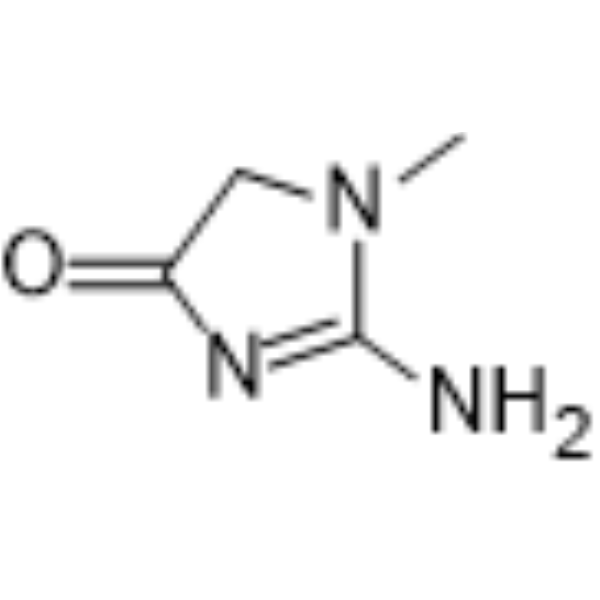
Creatinine (NSC13123) is an orally active, blood-brain barrier-permeable modulator of GABAA and NMDA receptors, with activities of antioxidation and metabolic regulation. Creatinine is generated via non-enzymatic conversion of creatine and phosphocreatine in muscle. Creatinine serum levels correlate with muscle mass, glomerular filtration rate, and extrarenal clearance, serving as an evaluation biomarker for renal function, muscle mass, and clinical outcomes, and used for perioperative renal risk assessment. In addition, Creatinine can induce specific Cryptococcus species to produce creatinine deiminase and act as their nitrogen source, while it can be secreted via renal tubules. Creatinine is widely used in research related to various diseases such as neurodegenerative diseases, psychiatric disorders, acute kidney injury, chronic kidney disease, and renal failure .
|
-
-
- HY-N0407
-
|
6'-Cinnamoylcatalpol
|
STAT
|
Inflammation/Immunology
|
|
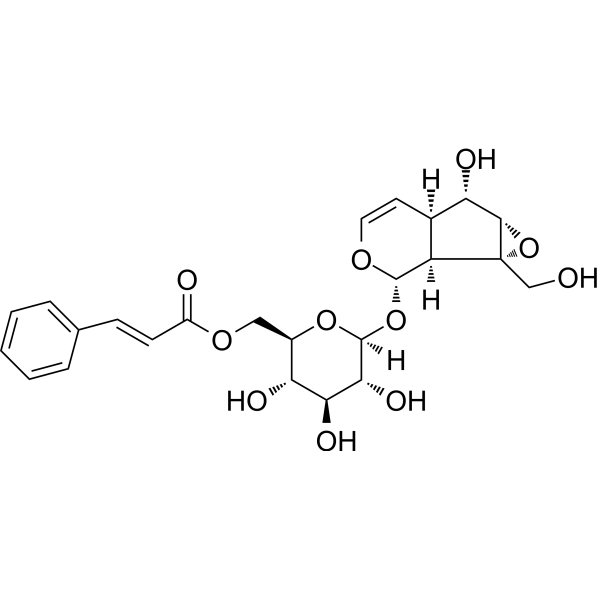
Picroside I is the major ingredient of Picrorhiza scrophulariiflora. Picrorhiza scrophulariiflora is a high value medicinal herb due to rich source of hepatoprotective metabolites, Picroside-I and Picroside-II . Picroside I is a promising agent for the management of asthma. Picroside I reduces the inflammation significantly at its higher dose. Picroside I also downregulates pSTAT6 and GATA3 expressions. Picroside I dose-dependently increases the serum levels of IFN-γ .
|
-
-
- HY-12642
-
|
|
Parasite
Bacterial
TNF Receptor
Interleukin Related
|
Infection
Metabolic Disease
Inflammation/Immunology
|
|
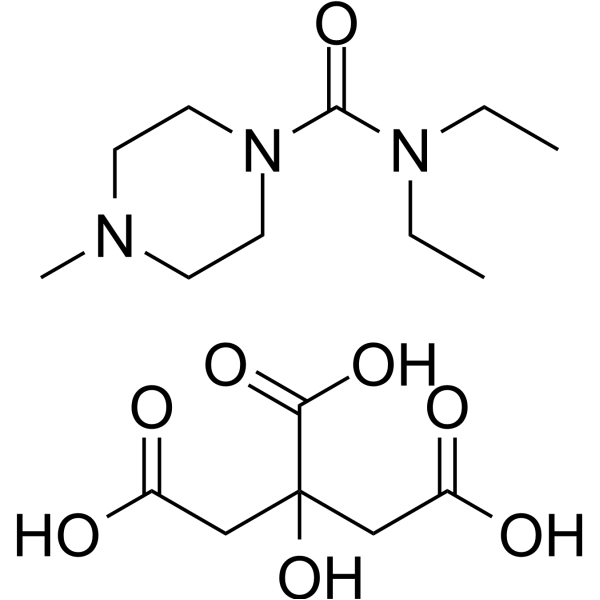
Diethylcarbamazine citrate is an orally active microfilaricidal agent used originally in onchocerciasis and lymphatic filiariasis. Diethylcarbamazine citrate reduces eosinophil trafficking to the lung tissue and exerts anti-allergic effects. Diethylcarbamazine citrate reduces serum levels of leptin, TNF-α, IL-6, MCP-1, glucose, insulin, and triglycerides, and ameliorates insulin resistance without altering body, liver, or adipose tissue weights. Diethylcarbamazine citrate enhances reactive oxygen intermediate expression by polymorphonuclear neutrophils, increases lymphocyte proliferation, and inhibits actinomycetoma lesion development. Diethylcarbamazine citrate can be used for the researches of bronchial asthma, insulin resistance and infection .
|
-
-
- HY-W140439
-
|
18:1 Lyso PC
|
Endogenous Metabolite
|
Inflammation/Immunology
|
|
1-Oleoyl-sn-glycero-3-phosphocholine (18:1 Lyso PC), a lysophospholipid, is a GPR82 inhibitor. 1-Oleoyl-sn-glycero-3-phosphocholine abrogates constitutive Gi-coupled GPR82 activity, shifts active/inactive equilibrium to inactive, suppresses Gi protein activation, increases cAMP production, and decreases GTPγS binding to Gαi proteins. 1-Oleoyl-sn-glycero-3-phosphocholine contributes to adipocyte lipolysis regulation.1-Oleoyl-sn-glycero-3-phosphocholine exhibits reduced serum levels in mouse models of steatohepatitis, linked to hepatic Lpcat 1-4 up-regulation .
|
-

-
- HY-B0504S2
-
|
NSC13123-d5
|
Isotope-Labeled Compounds
Endogenous Metabolite
iGluR
GABA Receptor
|
Metabolic Disease
|
|
Creatinine-d5 is the deuterium labeled Creatinine. Creatinine (NSC13123) is an orally active, blood-brain barrier-permeable modulator of GABAA and NMDA receptors, with activities of antioxidation and metabolic regulation. Creatinine is generated via non-enzymatic conversion of creatine and phosphocreatine in muscle. Creatinine serum levels correlate with muscle mass, glomerular filtration rate, and extrarenal clearance, serving as an evaluation biomarker for renal function, muscle mass, and clinical outcomes, and used for perioperative renal risk assessment. In addition, Creatinine can induce specific Cryptococcus species to produce creatinine deiminase and act as their nitrogen source, while it can be secreted via renal tubules. Creatinine is widely used in research related to various diseases such as neurodegenerative diseases, psychiatric disorders, acute kidney injury, chronic kidney disease, and renal failure .
|
-
-
- HY-114360
-
|
|
Endogenous Metabolite
COX
Interleukin Related
Glutathione Peroxidase
TNF Receptor
|
Neurological Disease
Metabolic Disease
Inflammation/Immunology
Cancer
|
|
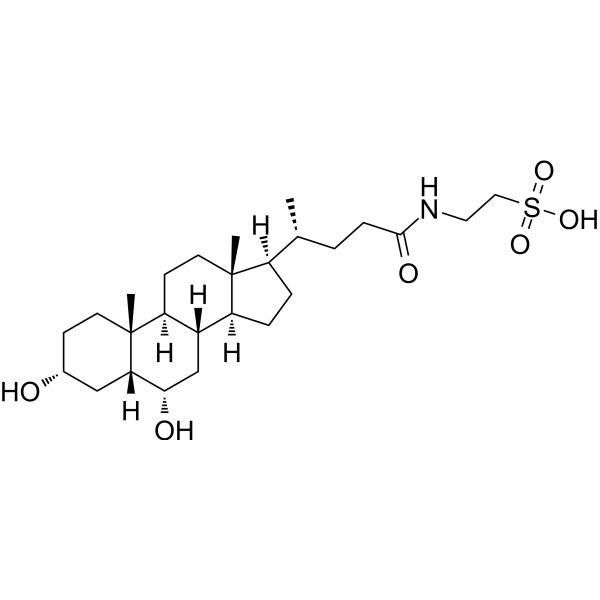
Taurohyodeoxycholic acid is an orally active 6 alpha-hydroxylated bile acid. Taurohyodeoxycholic acid decreases colonic MPO activity, TNF-α, lL-6 serum levels and the expression of COX-2. Taurohyodeoxycholic acid alleviates trinitrobenzene sulfonic acid induced ulcerative colitis via regulating Th1/Th2 and Th17/Treg cells balance. Taurohyodeoxycholic acid ameliorates high-fat diet-induced nonalcoholic fatty liver disease in mice. Taurohyodeoxycholic acid prevents Taurochenodeoxycholic acid (HY-N2027)-induced hepatotoxicity in bile fistula rats. Taurohyodeoxycholic acid can be used for the study of nonalcoholic fatty liver disease (NAFLD), colitis and biliary fistula .
|
-
-
- HY-10199A
-
|
MK-677 free base; MK-0677 free base
|
GHSR
Insulin Receptor
|
Neurological Disease
Metabolic Disease
|
|
Ibutamoren (MK-677 free base; MK-0677 free base) is an orally active non-peptide growth hormone secretagogue receptor agonist. Ibutamoren activates signal cascades by mimicking endogenous ligands, triggers pulsatile release of growth hormone from the pituitary gland, and increases serum levels of IGF-1 and insulin-like growth factor-binding protein 3. Ibutamoren not only increases the frequency of growth hormone pulses in male individuals, but also promotes elevated bone formation markers in female individuals with postmenopausal osteoporosis. The combination of Ibutamoren with Alendronate sodium hydrate (HY-11101) significantly increases bone mineral density at the femoral neck. However, Ibutamoren may cause mild, reversible adverse reactions such as increased appetite, fluid retention, and elevated fasting blood glucose. Ibutamoren has been widely used in studies related to idiopathic growth hormone deficiency, sarcopenia, Alzheimer's disease, and osteoporosis .
|
-

-
- HY-159688
-
|
|
Antibiotic
Bacterial
Penicillin-binding protein (PBP)
Interleukin Related
|
Infection
|
|
Cefditoren is a broad-spectrum oral active cephalosporin that acts as a penicillin-binding protein (PBP) inhibitor. Cefditoren binds to specific PBPs in Gram-positive and Gram-negative bacteria, thereby inhibiting cell wall synthesis. Cefditoren also reduces serum levels of the inflammatory biomarkers IL-6 and KL-6. Cefditoren can be used in research related to acute exacerbation of chronic bronchitis, pharyngitis-tonsillitis, uncomplicated skin and skin structure infections, respiratory tract infections, acute pyelonephritis, and enterococcal endocarditis .
|
-

-
- HY-B0504R
-
|
NSC13123 (Standard)
|
Reference Standards
Endogenous Metabolite
iGluR
GABA Receptor
|
Metabolic Disease
Cancer
|
|
Creatinine (Standard) is the analytical standard of Creatinine. This product is intended for research and analytical applications. Creatinine (NSC13123) is an orally active, blood-brain barrier-permeable modulator of GABAA and NMDA receptors, with activities of antioxidation and metabolic regulation. Creatinine is generated via non-enzymatic conversion of creatine and phosphocreatine in muscle. Creatinine serum levels correlate with muscle mass, glomerular filtration rate, and extrarenal clearance, serving as an evaluation biomarker for renal function, muscle mass, and clinical outcomes, and used for perioperative renal risk assessment. In addition, Creatinine can induce specific Cryptococcus species to produce creatinine deiminase and act as their nitrogen source, while it can be secreted via renal tubules. Creatinine is widely used in research related to various diseases such as neurodegenerative diseases, psychiatric disorders, acute kidney injury, chronic kidney disease, and renal failure .
|
-

-
- HY-W341625
-
|
|
Endogenous Metabolite
|
Neurological Disease
Metabolic Disease
Cancer
|
|
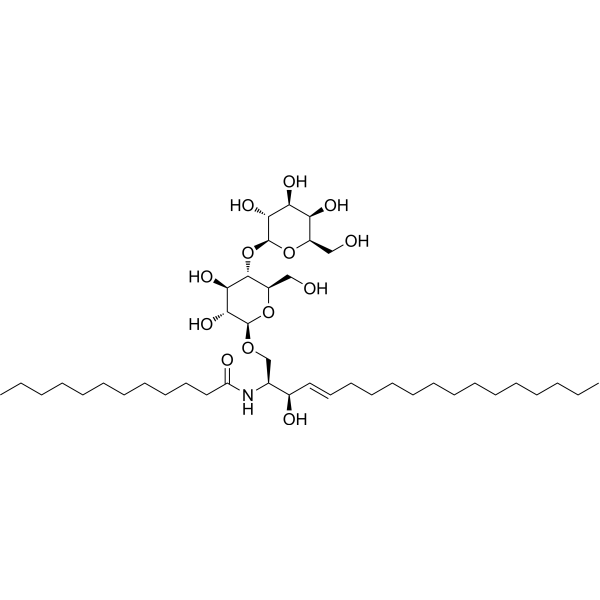
Trihexosylceramide (d18:1/12:0) is a glycosphingolipid and mood-related compound. Trihexosylceramide (d18:1/12:0) is characterized by elevated serum levels in Mus musculus fed a high-fat diet, and its levels are positively correlated with mood Z-scores. Accumulation of Trihexosylceramide (d18:1/12:0) in tissues is considered the etiology of angiokeratoma corporis diffusum. Trihexosylceramide (d18:1/12:0) can be used in studies related to high-fat diet-induced mood disorders .\n
|
-
-
- HY-17657
-
|
5-Androstenediol 3-sulfate sodium
|
Drug Intermediate
|
Metabolic Disease
|
|
Androst-5-enediol sulfate (5-Androstenediol 3-sulfate) sodium salt is an adrenal Δ5-steroid sulfate that synthesized by zona reticularis of adrenal depending on the lyase and Cytochrome b5 type A (CYB5A) activity. Androst-5-enediol sulfate sodium salt is a precursor hormone and can be desulfated to produce more potent androgens, including testosterone, in peripheral tissues like skin and liver. The serum level of Androst-5-enediol sulfate sodium salt has an age-related increase .
|
-

-
- HY-139410
-
|
|
c-Fms
|
Inflammation/Immunology
|
|
Sodium caseinates is a kind of sodium salts of major milk proteins, which act as protein-based biopolymers and innate immune system activators. Sodium caseinates induce granulopoiesis, activation and differentiation, promote the production of M-CSF, and increase serum levels of G-CSF and GM-CSF. Sodium caseinates inhibit the proliferation and reduce the viability of leukemia macrophage-like cells, thereby significantly improving the survival rate of mice inoculated with leukemia cells. Sodium caseinates can serve as carriers for probiotics in edible films and exhibit anti-Listeria activity. Sodium caseinates effectively protect vitamin A from degradation, enhance its stability, bioaccessibility and bioavailability, and regulate protein digestibility when complexed with vitamin A. Sodium caseinates can be applied to research related to acute monocytic leukemia and vitamin A deficiency .
|
-
-
- HY-B0504S1
-
|
NSC13123-13C
|
Isotope-Labeled Compounds
Endogenous Metabolite
iGluR
GABA Receptor
|
Metabolic Disease
|
|
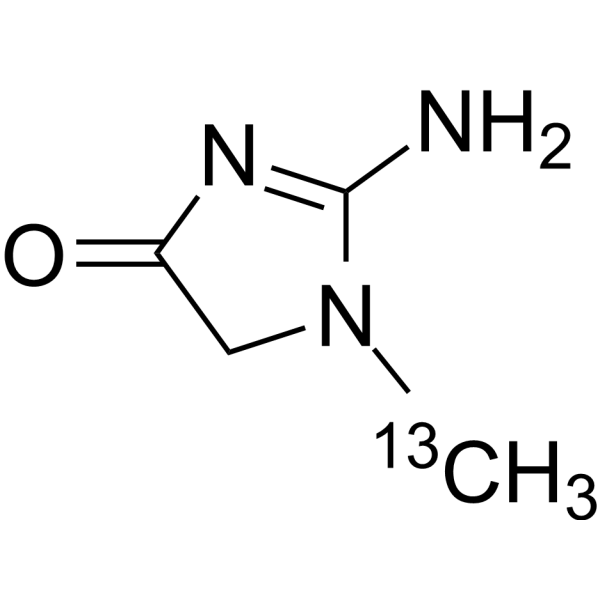
Creatinine- 13C is the 13C-labeled Creatinine. Creatinine (NSC13123) is an orally active, blood-brain barrier-permeable modulator of GABAA and NMDA receptors, with activities of antioxidation and metabolic regulation. Creatinine is generated via non-enzymatic conversion of creatine and phosphocreatine in muscle. Creatinine serum levels correlate with muscle mass, glomerular filtration rate, and extrarenal clearance, serving as an evaluation biomarker for renal function, muscle mass, and clinical outcomes, and used for perioperative renal risk assessment. In addition, Creatinine can induce specific Cryptococcus species to produce creatinine deiminase and act as their nitrogen source, while it can be secreted via renal tubules. Creatinine is widely used in research related to various diseases such as neurodegenerative diseases, psychiatric disorders, acute kidney injury, chronic kidney disease, and renal failure .
|
-
-
- HY-130675A
-
|
15(S)-hydroxy-Eicosapentaenoic acid; 15(S)-hydroxy EPA
|
Lipoxygenase
|
Inflammation/Immunology
|
|
15(S)-HEPE is a monohydroxy fatty acid. 15(S)-HEPE is biosynthesized from eicosapentaenoic acid by 15-lipoxygenase (15-LO). Serum levels of 15(S)-HEPE are elevated in patients with asthma.
|
-

-
- HY-108288
-
|
Pivsulbactam; CP 47904
|
Beta-lactamase
Antibiotic
Bacterial
|
Infection
|
|
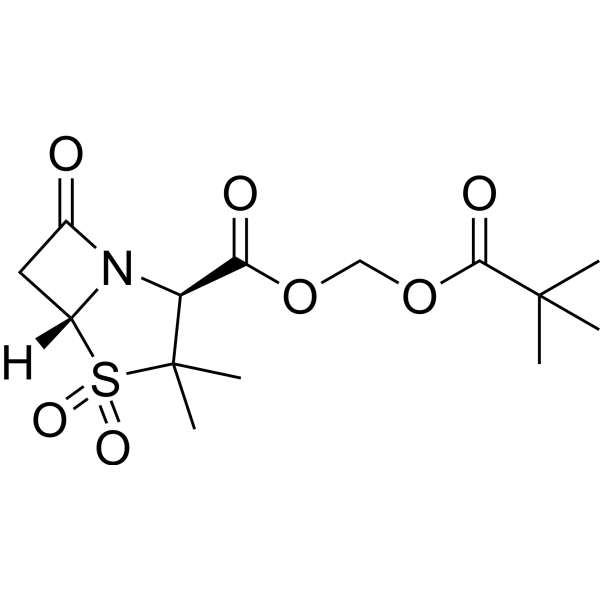
Sulbactam pivoxil (Pivsulbactam) is a prodrug of Sulbactam (HY-B0334) with oral activity. Sulbactam is a β-lactamase inhibitor with antibacterial activity. Sulbactam pivoxil is better absorbed than Sulbactam and results in higher serum levels after oral administration .
|
-
-
- HY-12642A
-
|
|
Parasite
Bacterial
TNF Receptor
Interleukin Related
|
Infection
Metabolic Disease
Inflammation/Immunology
|
|
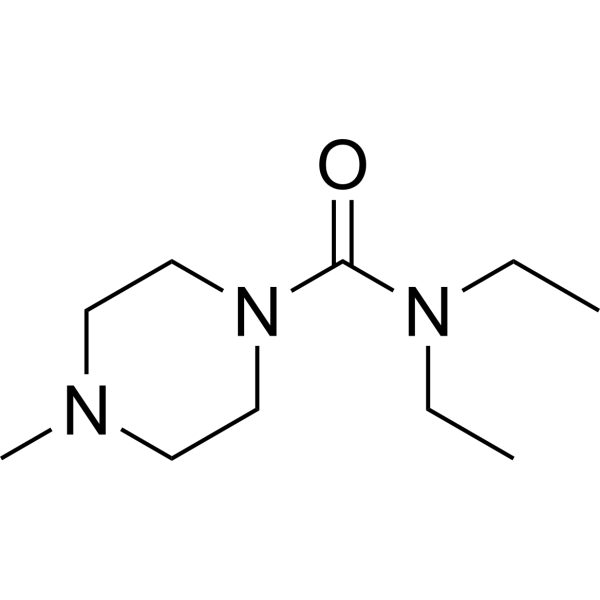
Diethylcarbamazine is an orally active microfilaricidal agent used originally in onchocerciasis and lymphatic filiariasis. Diethylcarbamazine reduces eosinophil trafficking to the lung tissue and exerts anti-allergic effects. Diethylcarbamazine reduces serum levels of leptin, TNF-α, IL-6, MCP-1, glucose, insulin, and triglycerides, and ameliorates insulin resistance without altering body, liver, or adipose tissue weights. Diethylcarbamazine enhances reactive oxygen intermediate expression by polymorphonuclear neutrophils, increases lymphocyte proliferation, and inhibits actinomycetoma lesion development. Diethylcarbamazine can be used for the researches of bronchial asthma, insulin resistance and infection .
|
-
-
- HY-100485
-
-

-
- HY-126995R
-
|
|
Reference Standards
Endogenous Metabolite
|
Metabolic Disease
|
|
Glycohyodeoxycholic acid (Standard) is the analytical standard of Glycohyodeoxycholic acid. This product is intended for research and analytical applications. Glycohyodeoxycholic acid is a glycine-conjugated bile acid and also a metabolite of Hyodeoxycholic acid (HY-N0169). The serum level of Glycohyodeoxycholic acid is negatively correlated with the severity of non-alcoholic fatty liver disease. Glycohyodeoxycholic acid can be used in research related to non-alcoholic fatty liver disease.
|
-
-
- HY-105184
-
|
|
Cytochrome P450
|
Endocrinology
|
|
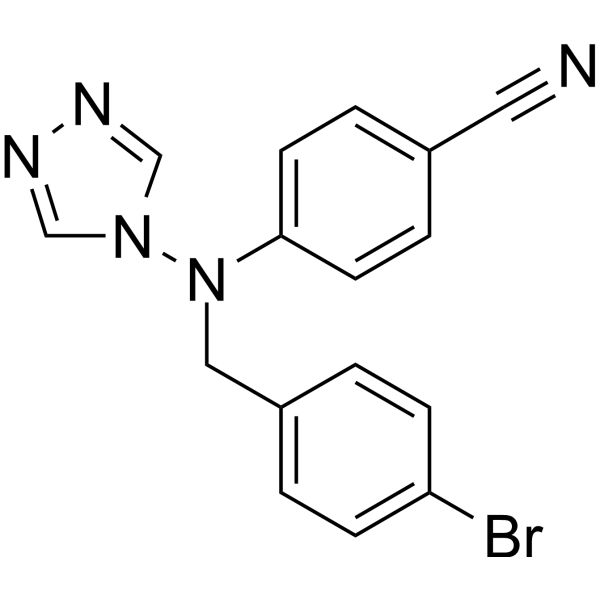
YM511 is a highly specific non-steroidal aromatase inhibitor. YM511 inhibits aromatase activities in microsomes from rat ovary and human placenta competitively (IC50s of 0.4 and 0.12 nM, respectively). YM511 slightly inhibits production of other steroid hormones. YM511 has the potential for suppressing estrogen-dependent action research without affecting serum levels of other steroid hormones .
|
-
-
- HY-B0504S5
-
|
NSC13123-15N
|
Isotope-Labeled Compounds
Endogenous Metabolite
iGluR
GABA Receptor
|
Metabolic Disease
Cancer
|
|
Creatinine- 15N (NSC13123- 15N) is the 15N-labeled Creatinine (HY-B0504). Creatinine (NSC13123) is an orally active, blood-brain barrier-permeable modulator of GABAA and NMDA receptors, with activities of antioxidation and metabolic regulation. Creatinine is generated via non-enzymatic conversion of creatine and phosphocreatine in muscle. Creatinine serum levels correlate with muscle mass, glomerular filtration rate, and extrarenal clearance, serving as an evaluation biomarker for renal function, muscle mass, and clinical outcomes, and used for perioperative renal risk assessment. In addition, Creatinine can induce specific Cryptococcus species to produce creatinine deiminase and act as their nitrogen source, while it can be secreted via renal tubules. Creatinine is widely used in research related to various diseases such as neurodegenerative diseases, psychiatric disorders, acute kidney injury, chronic kidney disease, and renal failure .
|
-

-
- HY-N2638
-
|
|
Apoptosis
|
Cardiovascular Disease
|
|
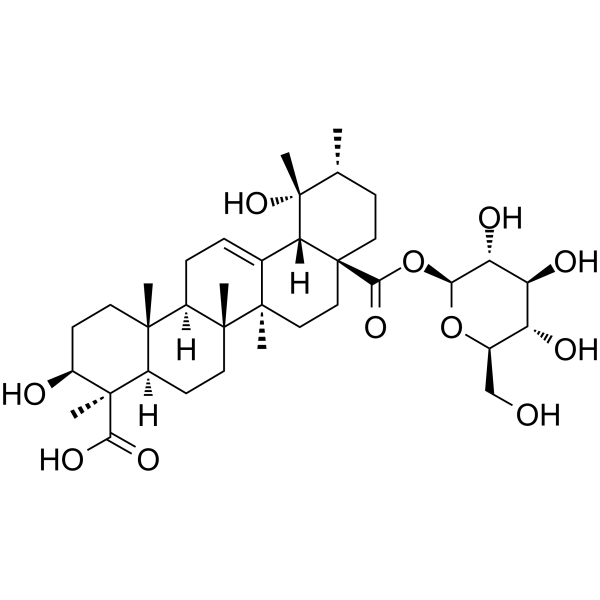
Ilexsaponin A, isolated from the root of Ilex pubescens, attenuates ischemia-reperfusion-induced myocardial injury through anti-apoptotic pathway. Ilexsaponin A can reduce myocardial infarct size, lower the serum levels of LDH, AST and CK-MB, increase cellular viability and inhibit apoptosis in hypoxia/reoxygenation cardiomyocytes .
|
-
-
- HY-108288R
-
|
Pivsulbactam (Standard); CP 47904 (Standard)
|
Beta-lactamase
Reference Standards
Antibiotic
Bacterial
|
Infection
|
|
Sulbactam pivoxil (Standard) (Pivsulbactam (Standard)) is the analytical standard of Sulbactam pivoxil (HY-108288). This product is intended for research and analytical applications. Sulbactam pivoxil (Pivsulbactam) is a prodrug of Sulbactam (HY-B0334) with oral activity. Sulbactam is a β-lactamase inhibitor with antibacterial activity. Sulbactam pivoxil is better absorbed than Sulbactam and results in higher serum levels after oral administration .
|
-

-
- HY-N16527
-
|
|
TNF Receptor
Interleukin Related
NADPH Oxidase
Reactive Oxygen Species (ROS)
NF-κB
COX
NO Synthase
JNK
AP-1
TGF-β Receptor
|
Metabolic Disease
|
|
7-O-Galloyl-D-sedoheptulose is an orally effective polyphenolic compound. 7-O-Galloyl-D-sedoheptulose lowers the serum levels of glucose, leptin, insulin, C-peptide, resistin, TNF-α, IL-6, and increases the serum level of adiponectin. 7-O-Galloyl-D-sedoheptulose significantly reduces the levels of ROS and lipid peroxidation products (TBARS) by down-regulating the protein expression of NADPH oxidase subunit Nox-4 and p22phox. 7-O-Galloyl-D-sedoheptulose down-regulates NF-κB and related pro-inflammatory factors (COX-2, iNOS), inhibits the phosphorylation of JNK and the activity of its downstream AP-1. 7-O-Galloyl-D-sedoheptulose reduces the expression of TGF-β1 and fibronectin, indicating its potential in anti-tissue fibrosis. 7-O-Galloyl-D-sedoheptulose can be used for the study of type 2 diabetes and its hepatic and pancreatic complications .
|
-

-
- HY-N0407R
-
|
6'-Cinnamoylcatalpol (Standard)
|
Reference Standards
STAT
|
Inflammation/Immunology
|
|
Picroside I (Standard) is the analytical standard of Picroside I. This product is intended for research and analytical applications. Picroside I is the major ingredient of Picrorhiza scrophulariiflora. Picrorhiza scrophulariiflora is a high value medicinal herb due to rich source of hepatoprotective metabolites, Picroside-I and Picroside-II . Picroside I is a promising agent for the management of asthma. Picroside I reduces the inflammation significantly at its higher dose. Picroside I also downregulates pSTAT6 and GATA3 expressions. Picroside I dose-dependently increases the serum levels of IFN-γ .
|
-

-
- HY-141635
-
|
|
Endogenous Metabolite
|
Metabolic Disease
|
|
cis-11,14-Eicosadienoic acid methyl ester is a more lipid soluble form of the ω-6 C20-2 fatty acid 11(Z),14(Z)-eicosadienoic acid, a naturally occurring PUFA. 11(Z),14(Z)-Eicosadienoic acid competitively inhibits inosine 5’-monophosphate dehydrogenase (Ki=3.1 μM) and inhibits the binding of LTB4 to its receptor on neutrophils (Ki=3.0 μM). Also, serum levels of eicosadienoic acids negatively correlate with degree of sleep disturbance.3 Eicosadienoic acids are converted by desaturases, in vivo, to eicosatrienoic acids, which are potent vasodilators.
|
-

-
- HY-145521
-
|
5(S)-Hydroxy-6E,8Z,11Z-eicosatrienoic acid
|
Endogenous Metabolite
|
Cardiovascular Disease
|
|
5(S)-HETrE is a metabolite of the ω-6 fatty acid γ-linolenic acid. 5(S)-HETrE can be elevated in serum levels in an obesity mouse model .
|
-

-
- HY-W011711R
-
|
|
Reference Standards
URAT1
|
Metabolic Disease
|
|
Benzarone (Standard) is the analytical standard of Benzarone. This product is intended for research and analytical applications. Benzarone is a potent human uric acid transporter 1 (hURAT1) inhibitor, with an IC50 of 2.8 μM in oocyte. Benzarone could lower uric acid serum levels .
|
-

-
- HY-149429
-
|
|
PPAR
|
Metabolic Disease
|
|
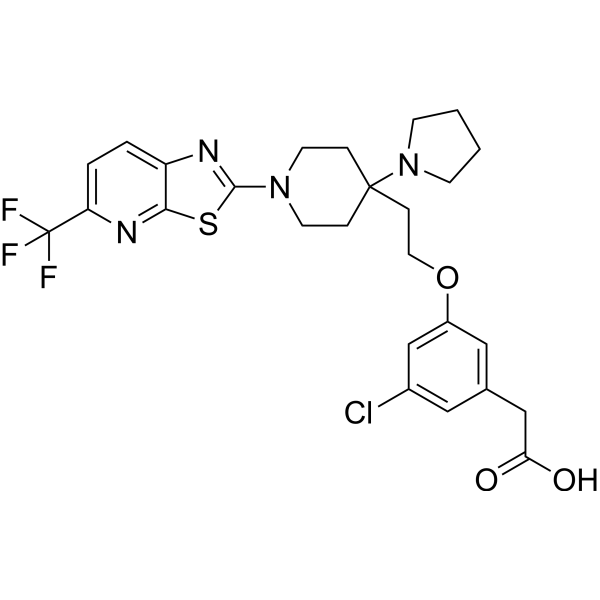
PPARδ agonist 9 (compound 21) is a PPARδ agonist (EC50: 3.6 nM). PPARδ agonist 9 has in vivo efficacy, reducing serum levels of MCP-1 in mice and significantly inhibiting atherosclerosis progression in the LDLr-KO model (inhibition rate: 50-60%) .
|
-
-
- HY-162622
-
|
|
Epigenetic Reader Domain
|
Inflammation/Immunology
|
|
BET-IN-26 (compound 13a) is a potent, selective and orally active BD1 inhibitor with IC50 values of 0.0055, 9.0 µM for BD1, BD2, respectively. BET-IN-26 decreases LPS (HY-D1056) induced serum levels of IL-6 and MCP-1 .
|
-

-
- HY-143294
-
|
|
Epoxide Hydrolase
|
Cardiovascular Disease
|
|
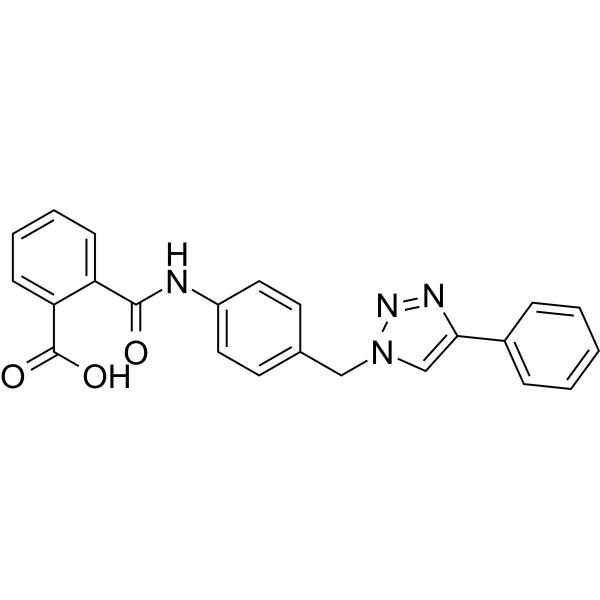
sEH inhibitor-2 (compound 5l) is an orally active (predicted percentage absorption: 71.2-88.4%) soluble epoxide hydrolase (sEH) inhibitor, with an IC50 of 0.9 nM. sEH inhibitor-2 can maintain epoxyeicosatrienoic acids (EETs) serum level in high concentrations. sEH inhibitor-2 can be used in study of cardiovascular protection .
|
-
-
- HY-N2638R
-
|
|
Reference Standards
Apoptosis
|
Cardiovascular Disease
|
|
Ilexsaponin A (Standard) is the analytical standard of Ilexsaponin A. This product is intended for research and analytical applications. Ilexsaponin A, isolated from the root of Ilex pubescens, attenuates ischemia-reperfusion-induced myocardial injury through anti-apoptotic pathway. Ilexsaponin A can reduce myocardial infarct size, lower the serum levels of LDH, AST and CK-MB, increase cellular viability and inhibit apoptosis in hypoxia/reoxygenation cardiomyocytes .
|
-

-
- HY-113777
-
|
22-Hydroxy Docosahexaenoic acid; 22-OH DHA
|
Cytochrome P450
|
Metabolic Disease
|
|
22-HDHA (22-Hydroxy Docosahexaenoic acid) is an oxidation product of docosahexaenoic acid. In vitro, it is formed upon incubation of rat liver microsomes with DHA and NADPH and also by the human cytochrome P450 (CYP) isoform CYP4F3B in BTI-TN-5B1-4 microsomes. Serum levels of 22-HDHA increase following dietary DHA supplementation in humans.
|
-

-
- HY-145547
-
|
14:0 Lyso PE; 1-Myristoyl-2-hydroxy-sn-glycero-3-PE; 1-Tetradecanoyl-sn-glycero-3-phosphoethanolamine
|
Liposome
|
Metabolic Disease
|
|
1-Myristoyl-2-hydroxy-sn-glycero-3-phosphoethanolamine (14:0 Lyso PE) is a lysophospholipid with a phosphoethanolamine head and a myristoyl tail. The free amine group can conjugate with NHS active ester or coupled with carboxylic acid in the presence of a coupling agent. It also induces transient increases in intracellular calcium in PC12 cells . Serum levels of 1-Myristoyl-2-hydroxy-sn-glycero-3-phosphoethanolamine are elevated in patients with malignant breast cancer compared to healthy controls .
|
-

-
- HY-175637
-
|
|
COX
MyD88
|
Neurological Disease
Inflammation/Immunology
|
|
COX-2-IN-57 is an orally active COX-2 inhibitor with an IC50 value of 0.02 μM. COX-2-IN-57 reduces MyD88 expression and decreases serum levels of COX-2, PGE2, and COX-1 in Cisplatin (HY-17394)/radiation-induced neuropathy rat model. COX-2-IN-57 demonstrates superior antinociceptive efficacy in hot plate, cold allodynia, and Randall-Selitto tests, along with hepato-/renal protection. COX-2-IN-57 can be used for the study of inflammation .
|
-

-
- HY-113513
-
|
|
Others
|
Cancer
|
|
5(S)-HEPE is an active metabolite of eicosapentaenoic acid. It is formed from EPA by 5-lipoxygenase (5-LO). 5(S)-HEPE is an agonist of G protein-coupled receptor 119 (GPR119). It increases cAMP accumulation in CHO-K1 cells expressing human GPR119 when used at a concentration of 10 μM. 5(S)-HEPE increases glucose-induced insulin secretion from MING6 insulinoma pancreatic islets and glucagon-like peptide 1 (GLP-1) secretion from HuTu 80 adenocarcinoma cells when used at a concentration of 10 μM. Serum levels of 5(S)-HEPE are elevated in patients with hyperlipidemia.
|
-

-
- HY-12642AR
-
|
|
Reference Standards
Parasite
Bacterial
TNF Receptor
Interleukin Related
|
Infection
Metabolic Disease
Inflammation/Immunology
|
|
Diethylcarbamazine (Standard) is the analytical standard of Diethylcarbamazine (HY-12642A). This product is intended for research and analytical applications. Diethylcarbamazine is an orally active microfilaricidal agent used originally in onchocerciasis and lymphatic filiariasis. Diethylcarbamazine reduces eosinophil trafficking to the lung tissue and exerts anti-allergic effects. Diethylcarbamazine reduces serum levels of leptin, TNF-α, IL-6, MCP-1, glucose, insulin, and triglycerides, and ameliorates insulin resistance without altering body, liver, or adipose tissue weights. Diethylcarbamazine enhances reactive oxygen intermediate expression by polymorphonuclear neutrophils, increases lymphocyte proliferation, and inhibits actinomycetoma lesion development. Diethylcarbamazine can be used for the researches of bronchial asthma, insulin resistance and infection .
|
-

-
- HY-12642R
-
|
|
Reference Standards
Parasite
Bacterial
TNF Receptor
Interleukin Related
|
Infection
Metabolic Disease
Inflammation/Immunology
|
|
Diethylcarbamazine citrate (Standard) is the analytical standard of Diethylcarbamazine citrate (HY-12642). This product is intended for research and analytical applications. Diethylcarbamazine citrate is an orally active microfilaricidal agent used originally in onchocerciasis and lymphatic filiariasis. Diethylcarbamazine citrate reduces eosinophil trafficking to the lung tissue and exerts anti-allergic effects. Diethylcarbamazine citrate reduces serum levels of leptin, TNF-α, IL-6, MCP-1, glucose, insulin, and triglycerides, and ameliorates insulin resistance without altering body, liver, or adipose tissue weights. Diethylcarbamazine citrate enhances reactive oxygen intermediate expression by polymorphonuclear neutrophils, increases lymphocyte proliferation, and inhibits actinomycetoma lesion development. Diethylcarbamazine citrate can be used for the researches of bronchial asthma, insulin resistance and infection .
|
-

-
- HY-P0037
-
|
Org 30850ANT
|
GnRH Receptor
|
Endocrinology
|
|
Org-30850 is a potent LHRH antagonist designed for treating hormone-dependent disorders. In animal studies, a single subcutaneous dose effectively inhibited ovulation in rats and significantly reduced testosterone levels in male rats for up to 48 hours post-administration. Daily doses of Org-30850 in female rats suppressed estrous cycles, decreased uterine and ovarian weights, and lowered estradiol and FSH serum levels. In male rats, prolonged treatment resulted in reversible reductions in gonadal function and testosterone levels, with almost complete recovery observed after cessation of treatment. Unlike comparable LHRH antagonists, Org-30850 exhibited minimal injection site irritation and no edematous reactions, suggesting a more favorable therapeutic profile .
|
-

-
- HY-N15378
-
|
|
IAP
Bcl-2 Family
COX
TNF Receptor
Caspase
Apoptosis
|
Inflammation/Immunology
Cancer
|
|
β-carotene-15,15ʹ-epoxide is a XIAP antagonist with apoptosis-inducing and antitumor activity, found in the leaves of Spondias mombin. In a DMBA (HY-W011845)-induced rat model of breast cancer, β-carotene-15,15ʹ-epoxide binds to the BIR3 domain of the anti-apoptotic protein XIAP, blocking its interaction with caspase-9 and thereby promoting tumor cell apoptosis. In addition, β-carotene-15,15ʹ-epoxide significantly downregulates the expression of BCL-2, COX-2, and TNF-α in tumor tissues, reduces MDA levels, increases catalase activity, and modulates serum levels of LDH, ALP, and ALT, demonstrating strong antioxidant, anti-inflammatory, and metabolic protective effects. β-carotene-15,15ʹ-epoxide may be used in research on inflammation-related conditions and cancers such as breast cancer .
|
-

-
- HY-N19253
-
|
|
Endogenous Metabolite
|
Metabolic Disease
|
|
9,12-Hexadecadienoylcarnitine is an acylcarnitine. The level of 9,12-Hexadecadienoylcarnitine increases during mild weight loss induced by a 12-week low-calorie diet. The serum level of 9,12-Hexadecadienoylcarnitine is upregulated in models of reduced intrinsic capacity. 9,12-Hexadecadienoylcarnitine can be used in studies related to overweight and reduced intrinsic capacity .
|
-

-
- HY-183764
-
|
|
COX
Lipoxygenase
TNF Receptor
Interleukin Related
MMP
|
Inflammation/Immunology
|
|
COX-2/5-LOX-IN-8 is an orally active dual COX-2/5-LOX inhibitor, with an IC50 of 6.30 μM against sheep-derived COX-2 and an IC50 of 8.09 μM against 5-LOX. COX-2/5-LOX-IN-8 acts as a membrane stabilizer that stabilizes erythrocyte membranes against hypotonicity-induced hemolysis. COX-2/5-LOX-IN-8 functions as a protein stabilizer that inhibits heat-induced denaturation of bovine serum albumin. COX-2/5-LOX-IN-8 reduces paw swelling, improves hind limb weight-bearing function, decreases serum levels of pro-inflammatory cytokines (TNF-α, IL-1β, IL-6, CRP), and lowers serum levels of cartilage degradation biomarkers (COMP, MMP-3, CTX-II). COX-2/5-LOX-IN-8 can be used in the research of osteoarthritis .
|
-

-
- HY-105184R
-
|
|
Cytochrome P450
Reference Standards
|
Endocrinology
|
|
YM511 (Standard) is the analytical standard of YM511 (HY-105184). This product is intended for research and analytical applications. YM511 is a highly specific non-steroidal aromatase inhibitor. YM511 inhibits aromatase activities in microsomes from rat ovary and human placenta competitively (IC50s of 0.4 and 0.12 nM, respectively). YM511 slightly inhibits production of other steroid hormones. YM511 has the potential for suppressing estrogen-dependent action research without affecting serum levels of other steroid hormones .
|
-

-
- HY-178721
-
|
|
Drug Derivative
Ephrin Receptor
Interleukin Related
IFNAR
|
Inflammation/Immunology
|
|
Lithocholic amide-C2-N(didecane) (Compound LC10) is a Lithocholic acid (HY-B0172) analogue. Lithocholic amide-C2-N(didecane) can form lipid nanoparticles spontaneously in the aqueous milieu, permeate through the skin, penetrate the deeper dermal layers, and exert anti-inflammatory effects against psoriasis-like chronic skin inflammations. Lithocholic amide-C2-N(didecane) can inhibit abnormal proliferation of keratinocytes, downregulate the mRNA expression of the psoriasis-associated receptor EphA2 and reduce serum levels of multiple pro-inflammatory factors such as IL-1α, IL-1β, and IFN-γ by inhibiting activation of the Th17/Th2 inflammatory pathway .
|
-

| Cat. No. |
Product Name |
Type |
-
- HY-139410
-
|
|
Biochemical Assay Reagents
|
|
Sodium caseinates is a kind of sodium salts of major milk proteins, which act as protein-based biopolymers and innate immune system activators. Sodium caseinates induce granulopoiesis, activation and differentiation, promote the production of M-CSF, and increase serum levels of G-CSF and GM-CSF. Sodium caseinates inhibit the proliferation and reduce the viability of leukemia macrophage-like cells, thereby significantly improving the survival rate of mice inoculated with leukemia cells. Sodium caseinates can serve as carriers for probiotics in edible films and exhibit anti-Listeria activity. Sodium caseinates effectively protect vitamin A from degradation, enhance its stability, bioaccessibility and bioavailability, and regulate protein digestibility when complexed with vitamin A. Sodium caseinates can be applied to research related to acute monocytic leukemia and vitamin A deficiency .
|
| Cat. No. |
Product Name |
Target |
Research Area |
-
- HY-P0037
-
|
Org 30850ANT
|
GnRH Receptor
|
Endocrinology
|
|
Org-30850 is a potent LHRH antagonist designed for treating hormone-dependent disorders. In animal studies, a single subcutaneous dose effectively inhibited ovulation in rats and significantly reduced testosterone levels in male rats for up to 48 hours post-administration. Daily doses of Org-30850 in female rats suppressed estrous cycles, decreased uterine and ovarian weights, and lowered estradiol and FSH serum levels. In male rats, prolonged treatment resulted in reversible reductions in gonadal function and testosterone levels, with almost complete recovery observed after cessation of treatment. Unlike comparable LHRH antagonists, Org-30850 exhibited minimal injection site irritation and no edematous reactions, suggesting a more favorable therapeutic profile .
|
| Cat. No. |
Product Name |
Target |
Research Area |
Image |
-
- HY-147305
-
|
ARGX-113
|
Fc Receptor (FcR)
|
Inflammation/Immunology
|
|
Efgartigimod alfa (ARGX-113) is a reversibility, humanized Fc receptor antagonist . Efgartigimod alfa is a anti FcRn monoclonal immunoglobulin G (IgG1) Fc fragment. Efgartigimod reduces serum levels of total IgG, including pathogenic autoantibodies, by blocking FcRn function without permanent impairment. Efgartigimod alfa can be used for generalised myasthenia gravis (gMG) and primary immune thrombocytopenia research .
|
-

(5)
| Cat. No. |
Product Name |
Category |
Target |
Chemical Structure |
-
- HY-126995
-
-
-
- HY-B0504
-
|
NSC13123
|
Infection
Structural Classification
Natural Products
Classification of Application Fields
Disease markers
Endocrine diseases
Metabolic Disease
Nervous System Disorder
Endogenous metabolite
Disease Research Fields
Source Classification
|
Endogenous Metabolite
GABA Receptor
iGluR
|
|
Creatinine (NSC13123) is an orally active, blood-brain barrier-permeable modulator of GABAA and NMDA receptors, with activities of antioxidation and metabolic regulation. Creatinine is generated via non-enzymatic conversion of creatine and phosphocreatine in muscle. Creatinine serum levels correlate with muscle mass, glomerular filtration rate, and extrarenal clearance, serving as an evaluation biomarker for renal function, muscle mass, and clinical outcomes, and used for perioperative renal risk assessment. In addition, Creatinine can induce specific Cryptococcus species to produce creatinine deiminase and act as their nitrogen source, while it can be secreted via renal tubules. Creatinine is widely used in research related to various diseases such as neurodegenerative diseases, psychiatric disorders, acute kidney injury, chronic kidney disease, and renal failure .
|
-
-
- HY-N0407
-
-
-
- HY-114360
-
-
-
- HY-B0504R
-
|
NSC13123 (Standard)
|
Infection
Structural Classification
Natural Products
Microorganisms
Disease markers
Endocrine diseases
Nervous System Disorder
Endogenous metabolite
Source Classification
|
Reference Standards
Endogenous Metabolite
iGluR
GABA Receptor
|
|
Creatinine (Standard) is the analytical standard of Creatinine. This product is intended for research and analytical applications. Creatinine (NSC13123) is an orally active, blood-brain barrier-permeable modulator of GABAA and NMDA receptors, with activities of antioxidation and metabolic regulation. Creatinine is generated via non-enzymatic conversion of creatine and phosphocreatine in muscle. Creatinine serum levels correlate with muscle mass, glomerular filtration rate, and extrarenal clearance, serving as an evaluation biomarker for renal function, muscle mass, and clinical outcomes, and used for perioperative renal risk assessment. In addition, Creatinine can induce specific Cryptococcus species to produce creatinine deiminase and act as their nitrogen source, while it can be secreted via renal tubules. Creatinine is widely used in research related to various diseases such as neurodegenerative diseases, psychiatric disorders, acute kidney injury, chronic kidney disease, and renal failure .
|
-
-
- HY-17657
-
|
5-Androstenediol 3-sulfate sodium
|
Structural Classification
Endogenous metabolite
Steroids
Source Classification
|
Drug Intermediate
|
|
Androst-5-enediol sulfate (5-Androstenediol 3-sulfate) sodium salt is an adrenal Δ5-steroid sulfate that synthesized by zona reticularis of adrenal depending on the lyase and Cytochrome b5 type A (CYB5A) activity. Androst-5-enediol sulfate sodium salt is a precursor hormone and can be desulfated to produce more potent androgens, including testosterone, in peripheral tissues like skin and liver. The serum level of Androst-5-enediol sulfate sodium salt has an age-related increase .
|
-
-
- HY-126995R
-
-
-
- HY-N2638
-
-
-
- HY-N16527
-
|
|
Structural Classification
Cornaceae
Cornus officinalis Sieb. et Zucc.
Phenols
Polyphenols
Plants
Source Classification
|
TNF Receptor
Interleukin Related
NADPH Oxidase
Reactive Oxygen Species (ROS)
NF-κB
COX
NO Synthase
JNK
AP-1
TGF-β Receptor
|
|
7-O-Galloyl-D-sedoheptulose is an orally effective polyphenolic compound. 7-O-Galloyl-D-sedoheptulose lowers the serum levels of glucose, leptin, insulin, C-peptide, resistin, TNF-α, IL-6, and increases the serum level of adiponectin. 7-O-Galloyl-D-sedoheptulose significantly reduces the levels of ROS and lipid peroxidation products (TBARS) by down-regulating the protein expression of NADPH oxidase subunit Nox-4 and p22phox. 7-O-Galloyl-D-sedoheptulose down-regulates NF-κB and related pro-inflammatory factors (COX-2, iNOS), inhibits the phosphorylation of JNK and the activity of its downstream AP-1. 7-O-Galloyl-D-sedoheptulose reduces the expression of TGF-β1 and fibronectin, indicating its potential in anti-tissue fibrosis. 7-O-Galloyl-D-sedoheptulose can be used for the study of type 2 diabetes and its hepatic and pancreatic complications .
|
-
-
- HY-N0407R
-
|
6'-Cinnamoylcatalpol (Standard)
|
Structural Classification
Iridoids
Terpenoids
Scrophulariaceae
Plants
Picrorhiza scrophulariiflora Pennell
Source Classification
|
Reference Standards
STAT
|
|
Picroside I (Standard) is the analytical standard of Picroside I. This product is intended for research and analytical applications. Picroside I is the major ingredient of Picrorhiza scrophulariiflora. Picrorhiza scrophulariiflora is a high value medicinal herb due to rich source of hepatoprotective metabolites, Picroside-I and Picroside-II . Picroside I is a promising agent for the management of asthma. Picroside I reduces the inflammation significantly at its higher dose. Picroside I also downregulates pSTAT6 and GATA3 expressions. Picroside I dose-dependently increases the serum levels of IFN-γ .
|
-
-
- HY-N2638R
-
-
-
- HY-113513
-
|
|
Microorganisms
Source Classification
|
Others
|
|
5(S)-HEPE is an active metabolite of eicosapentaenoic acid. It is formed from EPA by 5-lipoxygenase (5-LO). 5(S)-HEPE is an agonist of G protein-coupled receptor 119 (GPR119). It increases cAMP accumulation in CHO-K1 cells expressing human GPR119 when used at a concentration of 10 μM. 5(S)-HEPE increases glucose-induced insulin secretion from MING6 insulinoma pancreatic islets and glucagon-like peptide 1 (GLP-1) secretion from HuTu 80 adenocarcinoma cells when used at a concentration of 10 μM. Serum levels of 5(S)-HEPE are elevated in patients with hyperlipidemia.
|
-
-
- HY-N15378
-
|
|
Structural Classification
Natural Products
Spondias mombin L.
Plants
Anacardiaceae
Source Classification
|
IAP
Bcl-2 Family
COX
TNF Receptor
Caspase
Apoptosis
|
|
β-carotene-15,15ʹ-epoxide is a XIAP antagonist with apoptosis-inducing and antitumor activity, found in the leaves of Spondias mombin. In a DMBA (HY-W011845)-induced rat model of breast cancer, β-carotene-15,15ʹ-epoxide binds to the BIR3 domain of the anti-apoptotic protein XIAP, blocking its interaction with caspase-9 and thereby promoting tumor cell apoptosis. In addition, β-carotene-15,15ʹ-epoxide significantly downregulates the expression of BCL-2, COX-2, and TNF-α in tumor tissues, reduces MDA levels, increases catalase activity, and modulates serum levels of LDH, ALP, and ALT, demonstrating strong antioxidant, anti-inflammatory, and metabolic protective effects. β-carotene-15,15ʹ-epoxide may be used in research on inflammation-related conditions and cancers such as breast cancer .
|
-
-
- HY-N19253
-
|
|
Structural Classification
Endogenous metabolite
Lipid
Source Classification
|
Endogenous Metabolite
|
|
9,12-Hexadecadienoylcarnitine is an acylcarnitine. The level of 9,12-Hexadecadienoylcarnitine increases during mild weight loss induced by a 12-week low-calorie diet. The serum level of 9,12-Hexadecadienoylcarnitine is upregulated in models of reduced intrinsic capacity. 9,12-Hexadecadienoylcarnitine can be used in studies related to overweight and reduced intrinsic capacity .
|
-
| Cat. No. |
Product Name |
Chemical Structure |
-
- HY-B0504S
-
5 Publications Verification
|
|
Creatinine-d3 is a deuterium labeled Creatinine. Creatinine (NSC13123) is an orally active, blood-brain barrier-permeable modulator of GABAA and NMDA receptors, with activities of antioxidation and metabolic regulation. Creatinine is generated via non-enzymatic conversion of creatine and phosphocreatine in muscle. Creatinine serum levels correlate with muscle mass, glomerular filtration rate, and extrarenal clearance, serving as an evaluation biomarker for renal function, muscle mass, and clinical outcomes, and used for perioperative renal risk assessment. In addition, Creatinine can induce specific Cryptococcus species to produce creatinine deiminase and act as their nitrogen source, while it can be secreted via renal tubules. Creatinine is widely used in research related to various diseases such as neurodegenerative diseases, psychiatric disorders, acute kidney injury, chronic kidney disease, and renal failure .
|
-
-
- HY-B0504S2
-
|
|
|
Creatinine-d5 is the deuterium labeled Creatinine. Creatinine (NSC13123) is an orally active, blood-brain barrier-permeable modulator of GABAA and NMDA receptors, with activities of antioxidation and metabolic regulation. Creatinine is generated via non-enzymatic conversion of creatine and phosphocreatine in muscle. Creatinine serum levels correlate with muscle mass, glomerular filtration rate, and extrarenal clearance, serving as an evaluation biomarker for renal function, muscle mass, and clinical outcomes, and used for perioperative renal risk assessment. In addition, Creatinine can induce specific Cryptococcus species to produce creatinine deiminase and act as their nitrogen source, while it can be secreted via renal tubules. Creatinine is widely used in research related to various diseases such as neurodegenerative diseases, psychiatric disorders, acute kidney injury, chronic kidney disease, and renal failure .
|
-
-
- HY-B0504S1
-
|
|
|
Creatinine- 13C is the 13C-labeled Creatinine. Creatinine (NSC13123) is an orally active, blood-brain barrier-permeable modulator of GABAA and NMDA receptors, with activities of antioxidation and metabolic regulation. Creatinine is generated via non-enzymatic conversion of creatine and phosphocreatine in muscle. Creatinine serum levels correlate with muscle mass, glomerular filtration rate, and extrarenal clearance, serving as an evaluation biomarker for renal function, muscle mass, and clinical outcomes, and used for perioperative renal risk assessment. In addition, Creatinine can induce specific Cryptococcus species to produce creatinine deiminase and act as their nitrogen source, while it can be secreted via renal tubules. Creatinine is widely used in research related to various diseases such as neurodegenerative diseases, psychiatric disorders, acute kidney injury, chronic kidney disease, and renal failure .
|
-
-
- HY-B0504S5
-
|
|
|
Creatinine- 15N (NSC13123- 15N) is the 15N-labeled Creatinine (HY-B0504). Creatinine (NSC13123) is an orally active, blood-brain barrier-permeable modulator of GABAA and NMDA receptors, with activities of antioxidation and metabolic regulation. Creatinine is generated via non-enzymatic conversion of creatine and phosphocreatine in muscle. Creatinine serum levels correlate with muscle mass, glomerular filtration rate, and extrarenal clearance, serving as an evaluation biomarker for renal function, muscle mass, and clinical outcomes, and used for perioperative renal risk assessment. In addition, Creatinine can induce specific Cryptococcus species to produce creatinine deiminase and act as their nitrogen source, while it can be secreted via renal tubules. Creatinine is widely used in research related to various diseases such as neurodegenerative diseases, psychiatric disorders, acute kidney injury, chronic kidney disease, and renal failure .
|
-
| Cat. No. |
Product Name |
|
Classification |
-
- HY-W140439
-
|
18:1 Lyso PC
|
|
Phospholipids
|
|
1-Oleoyl-sn-glycero-3-phosphocholine (18:1 Lyso PC), a lysophospholipid, is a GPR82 inhibitor. 1-Oleoyl-sn-glycero-3-phosphocholine abrogates constitutive Gi-coupled GPR82 activity, shifts active/inactive equilibrium to inactive, suppresses Gi protein activation, increases cAMP production, and decreases GTPγS binding to Gαi proteins. 1-Oleoyl-sn-glycero-3-phosphocholine contributes to adipocyte lipolysis regulation.1-Oleoyl-sn-glycero-3-phosphocholine exhibits reduced serum levels in mouse models of steatohepatitis, linked to hepatic Lpcat 1-4 up-regulation .
|
-
- HY-145547
-
|
14:0 Lyso PE; 1-Myristoyl-2-hydroxy-sn-glycero-3-PE; 1-Tetradecanoyl-sn-glycero-3-phosphoethanolamine
|
|
Phospholipids
|
|
1-Myristoyl-2-hydroxy-sn-glycero-3-phosphoethanolamine (14:0 Lyso PE) is a lysophospholipid with a phosphoethanolamine head and a myristoyl tail. The free amine group can conjugate with NHS active ester or coupled with carboxylic acid in the presence of a coupling agent. It also induces transient increases in intracellular calcium in PC12 cells . Serum levels of 1-Myristoyl-2-hydroxy-sn-glycero-3-phosphoethanolamine are elevated in patients with malignant breast cancer compared to healthy controls .
|
Your information is safe with us. * Required Fields.
Inquiry Information
- Product Name:
- Cat. No.:
- Quantity:
- MCE Japan Authorized Agent:








