
1. Search Result
Search Result
Pathways Recommended: Neuronal Signaling JAK/STAT Signaling
Results for "

signal transmission

" in MedChemExpress (MCE) Product Catalog:

48

Inhibitors & Agonists

1

Fluorescent Dyes

1

Biochemical Assay Reagents

3

Peptides

7

Natural
Products

2

Isotope-Labeled Compounds

1

GMP Molecules

Targets Recommended:
Cat. No. Product Name Target Research Areas Chemical Structure
  • HY-13755
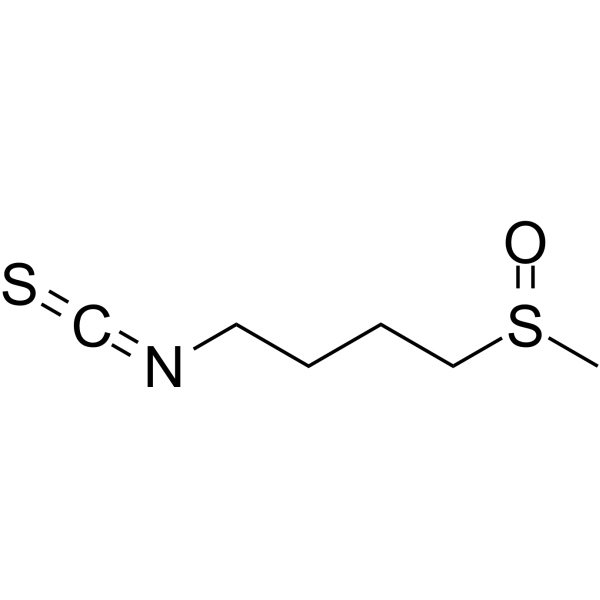
    Sulforaphane
    65+ Cited Publications

    HDAC Keap1-Nrf2 Apoptosis Bcl-2 Family Caspase Reactive Oxygen Species (ROS) Inflammation/Immunology Cancer
    Sulforaphane is an orally active inducer of the Keap1/Nrf2/ARE pathway. Sulforaphane promotes the transcription of tumor-suppressing proteins and effectively inhibits the activity of HDACs. Through the activation of the Keap1/Nrf2/ARE pathway and further induction of HO-1 expression, Sulforaphane protects the heart. Sulforaphane suppresses high glucose-induced pancreatic cancer through AMPK-dependent signal transmission. Sulforaphane exhibits both anticancer and anti-inflammatory properties .
    Sulforaphane
  • HY-16900
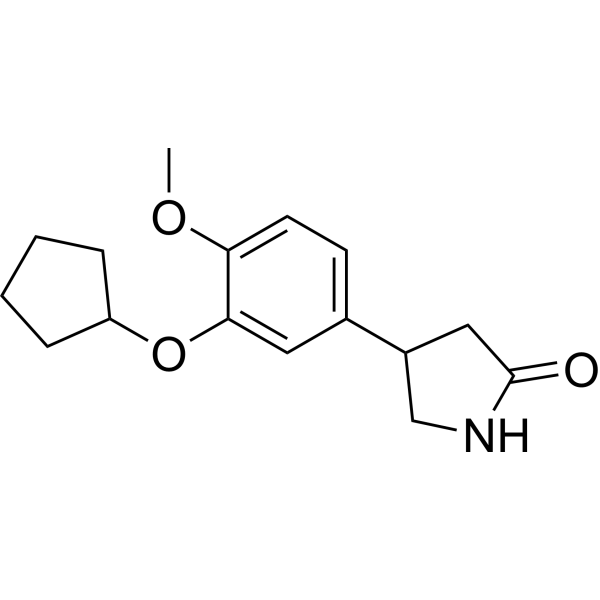
    Rolipram
    15+ Cited Publications

    (R,S)-Rolipram; (±)-Rolipram; ZK 62711

    Bacterial HIV Phosphodiesterase (PDE) Epigenetic Reader Domain Amyloid-β Infection Neurological Disease Cancer
    Rolipram is a PDE4 inhibitor, with blood-brain barrier permeability, that reverses β-amyloid-induced learning and memory impairment in rats. Rolipram elevates intracellular cAMP and clevels and regulates the cAMP/CREB signaling pathway, thereby alleviating neuroinflammation and apoptotic responses. Rolipram promotes neuronal differentiation of human bone marrow mesenchymal stem cells and inhibits Methamphetamine- and morphine-induced hyperlocomotion in mice. Rolipram also reduces the viability of glioblastoma stem-like cells and enhances Bevacizumab (HY-P9906)-induced cell death. Rolipram inhibits the expression of proinflammatory cytokines and enhances central noradrenergic transmission. Rolipram is mainly used in studies related to various central nervous system diseases including Alzheimer's disease, major depressive disorder, glioblastoma multiforme, and multiple sclerosis .
    Rolipram
  • HY-110252

    Opioid Receptor Neurological Disease Inflammation/Immunology
    Salvinorin B is a selective and brain-penetrant kappa opioid receptor (KOPr) agonist with an EC50 of 248 nM and Ki of 2.95 μM. Salvinorin B activates downstream signaling pathways by binding to KOPr, inhibits pain transmission and reduces inflammatory response. Salvinorin B can be used for the researches of inflammation, immunology and neurological disease, such as neuropathic pain, multiple sclerosis and anxiety .
    Salvinorin B
  • HY-P2860

    ACHE; EC 3.1.1.7

    Cholinesterase (ChE) Neurological Disease
    Acetylcholinesterase, Fly head (ACHE; EC 3.1.1.7) is a cholinergic enzyme mainly found in neuromuscular junctions and cholinergic type chemical synapses used in biochemical research. Acetylcholinesterase, Fly head catalyzes the breakdown or hydrolysis of acetylcholine and some other choline esters that act as neurotransmitters into acetate and choline. Acetylcholinesterase, Fly head's main role is to terminate neuronal transmission and signaling between synapses to prevent ACh spread and activation of nearby receptors .
    Acetylcholinesterase, Fly head
  • HY-P2860A

    Cholinesterase (ChE) Neurological Disease
    Acetylcholinesterase, Electric eel is a cholinergic enzyme that is mainly found in neuromuscular junctions and cholinergic chemical synapses and is often used in biochemical research. Acetylcholinesterase, Electric eel can catalyze the decomposition or hydrolysis of acetylcholine and some other choline esters that act as neurotransmitters into acetic acid and choline. The main function of Acetylcholinesterase, Electric eel is to terminate neuronal transmission and signal conduction between synapses to prevent ACh diffusion and activation of nearby receptors .
    Acetylcholinesterase, Electric eel
  • HY-107794
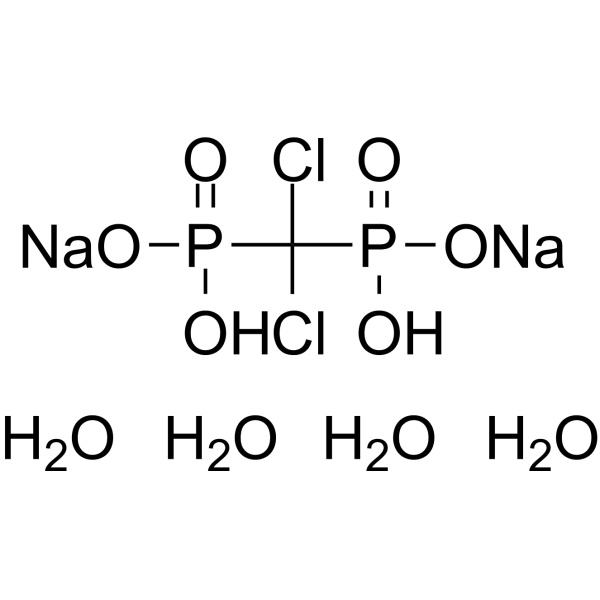
    Clodronate disodium tetrahydrate
    4 Publications Verification

    Disodium clodronate tetrahydrate

    Apoptosis Neurological Disease Inflammation/Immunology Cancer
    Clodronate disodium tetrahydrate (Disodium clodronate tetrahydrate) is first-generation bisphosphonate, with anti-osteoporotic, anti-inflammatory and analgesic effects. Clodronate disodium tetrahydrate is a selective, potent, reversible and Cl - competitive vesicular nucleotide transporter (VNUT) inhibitor, with an IC50 of 15.6 nM. Clodronate disodium tetrahydrate inhibits vesicular ATP release from neurons and reduces chronic neuropathic and inflammatory pain .
    Clodronate disodium tetrahydrate
  • HY-151520

    Wnt Cancer
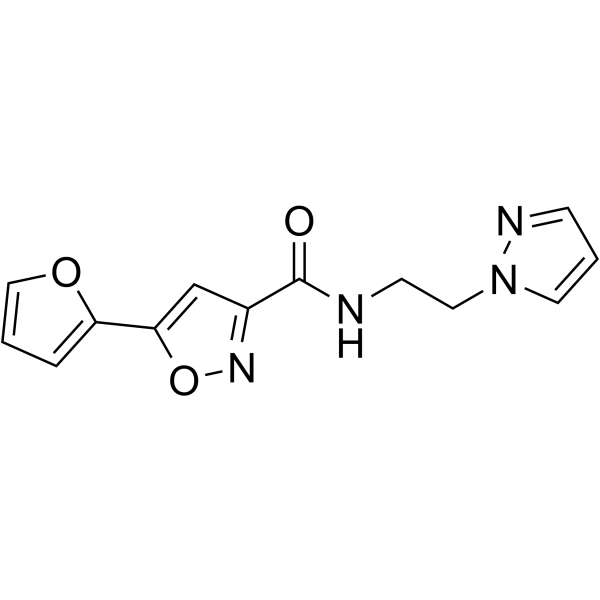
    Wnt/β-catenin agonist 4 (Derivative 83) is an agonist of Wnt that activates Wnt/β-catenin signal transmission .
    Wnt/β-catenin agonist 4
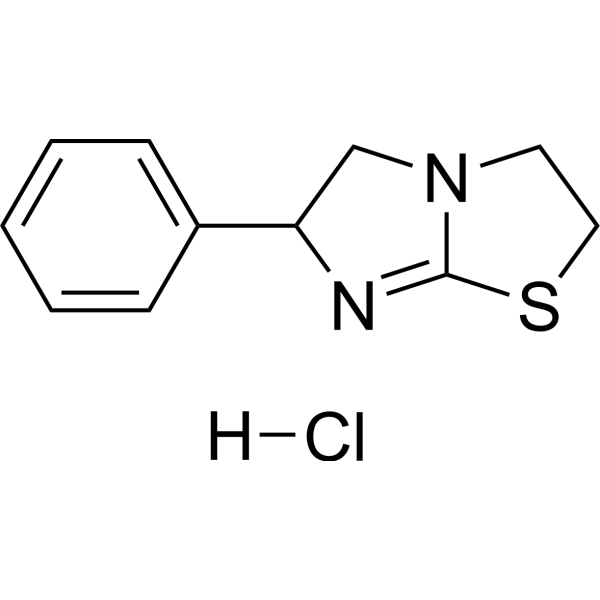
  • HY-B1194

    (±)-Tetramisole hydrochloride; DL-Tetramisole hydrochloride; R-829

    Potassium Channel Parasite PKA Infection Cardiovascular Disease
    Tetramisole hydrochloride is an orally active, selective inward rectifier potassium channel agonist with an EC50 of approximately 30 μM for the Kir2.1 subunit. Tetramisole hydrochloride is also an anti-nematode agent that blocks neuromuscular transmission by non-competitive depolarization. Tetramisole hydrochloride promotes the forward transport of Kir2.1 channels, hyperpolarizes the resting potential (RP), shortens the action potential duration (APD), inhibits intracellular calcium overload and the PKA signaling pathway, and exerts anti-arrhythmic and anti-myocardial remodeling activities. Tetramisole hydrochloride can be used in cardiac electrophysiology research and research related to myocardial ischemia and heart failure .
    Tetramisole hydrochloride
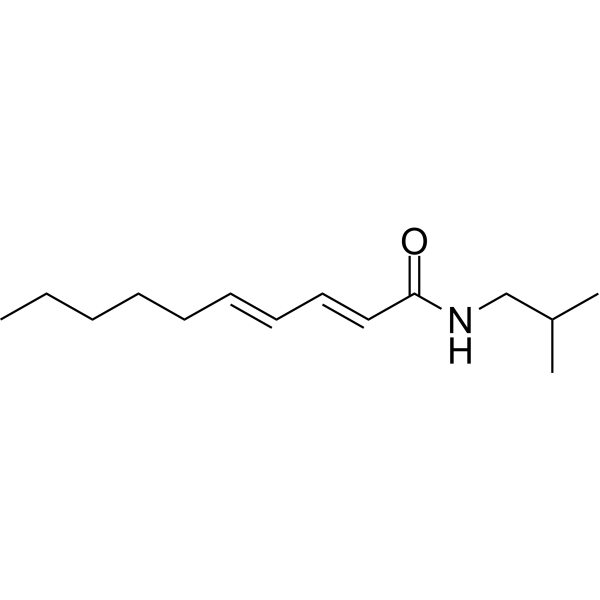
  • HY-N3097

    TRP Channel Amyloid-β Toll-like Receptor (TLR) Keap1-Nrf2 Heme Oxygenase (HO) Dihydroorotate Dehydrogenase Ferroptosis PAI-1 NF-κB ERK Proton Pump Glutathione Peroxidase Thrombin Insecticide Bacterial Infection Cardiovascular Disease Neurological Disease Inflammation/Immunology Cancer
    Pellitorine is a bioactive natural amide compound. Pellitorine can competitively antagonize the activation of TRPV1 by Capsaicin (HY-10448), thereby reducing pain signal transmission. Pellitorine improves cognitive dysfunction by upregulating the BDNF-ERK1/2-CREB and Nrf2-HO-1 pathways. Pellitorine exerts anti-inflammatory and anti-sepsis effects by inhibiting the release of high mobility group protein B1 (HMGB1) and the expression of RAGE/TLR4. Pellitorine exerts its antithrombotic effect by prolonging the clotting time, inhibiting the activity of clotting factors and thrombin. Pellitorine inhibits lipid peroxidation and resists ferroptosis by upregulating GPX4 and DHODH. Pellitorine kills Aedes aegypti mosquito larvae by inhibiting V-type H⁺-ATPase and aquaporin 4 (AaAQP4). Pellitorine exhibits anti-cancer activity (e.g., leukemia and breast cancer) and has inhibitory effects on certain bacteria .
    Pellitorine
  • HY-66012
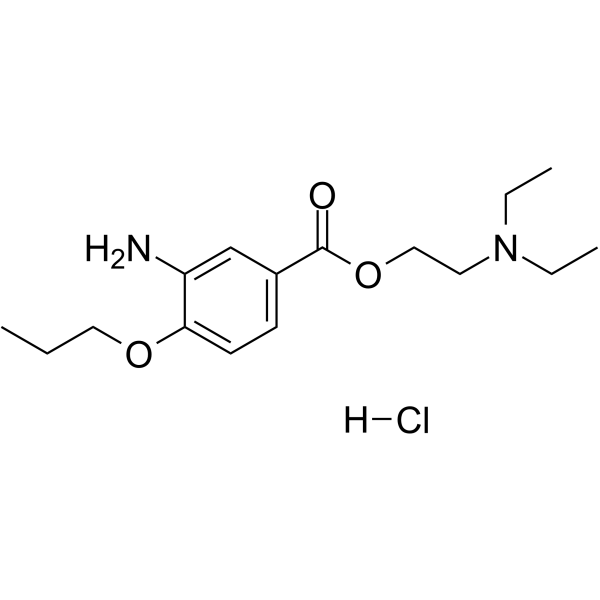
    Proparacaine hydrochloride
    2 Publications Verification

    Proxymetacaine hydrochloride

    Sodium Channel Neurological Disease
    Proparacaine (Proxymetacaine) hydrochloride is a local anesthetic. Proparacaine hydrochloride blocks voltage-gated sodium channels on neuronal cell membranes, thereby inhibiting signal conduction and nociceptive signal transmission. Proparacaine hydrochloride blocks nociceptive signals in the eye and induces ocular muscle relaxation to reduce eye movement during surgery. Proparacaine hydrochloride is used in research related to cataracts .
    Proparacaine hydrochloride
  • HY-136832

    Serotonin Transporter Potassium Channel Arrestin Opioid Receptor Cardiovascular Disease Neurological Disease
    Noribogaine hydrochloride is an orally active, blood-brain barrier permeable SERT inhibitor (IC50=50-300 nM) and hERG channel blocker. Noribogaine hydrochloride enhances serotonergic transmission, activates the κ-opioid receptor (OPRK) G protein signaling pathway and inhibits β-arrestin recruitment. Meanwhile, Noribogaine hydrochloride blocks the μ-opioid receptor (OPRM) signaling pathway as well as ion channels associated with cardiac repolarization. Noribogaine hydrochloride induces neuritogenesis, upregulates GDNF mRNA expression, and modulates opioid tolerance. Noribogaine hydrochloride reduces alcohol-seeking behavior in experimental animals, and is widely used in studies related to depression, addiction, alcoholism, and cardiotoxicity .
    Noribogaine hydrochloride
  • HY-B0653A
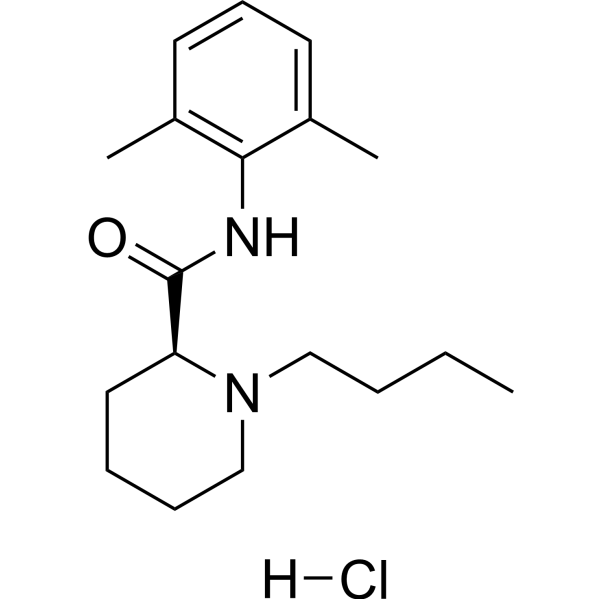
    Levobupivacaine hydrochloride
    2 Publications Verification

    (S)-(-)-Bupivacaine monohydrochloride

    Sodium Channel Ferroptosis Cardiovascular Disease Neurological Disease Cancer
    Levobupivacaine hydrochloride ((S)-(-)-Bupivacaine monohydrochloride) is a long-acting amide local agent that can suppress or relieve pain. Levobupivacaine hydrochloride exerts agent that can suppress or relieve pain. and analgesic effects through reversible blockade of neuronal sodium channel. Levobupivacaine hydrochloride can inhibit impulse transmission and conduction in cardiovascular and other tissues, possessing certain cardiac and CNS toxicity. Levobupivacaine hydrochloride is metabolized by hepatic cytochrome P450 (CYP450) enzymes in vivo. Levobupivacaine hydrochloride can also induce ferroptosis by miR-489-3p/SLC7A11 signaling in gastric cancer .
    Levobupivacaine hydrochloride
  • HY-164795

    Neurotensin Receptor Arrestin iGluR ERK Sodium Channel Neurological Disease
    SBI-810 is a blood-brain barrier-permeable NTSR1 modulator. SBI-810 promotes the recruitment of β-arrestin-2 to NTSR1 and antagonizes NTSR1-mediated Gq activation. SBI-810 inhibits excitatory synaptic transmission, NMDA receptor and extracellular signal-regulated kinase (ERK) signaling in spinal nociceptive neurons, reduces surface expression of Nav1.7 and action potential firing in primary sensory neurons, and attenuates C-fiber responses. SBI-810 effectively alleviates acute and chronic pain in various rodent models through peripheral and central modulation. SBI-810 is applicable to research related to multiple pain disorders .
    SBI-810
  • HY-164795A

    Neurotensin Receptor Arrestin iGluR ERK Sodium Channel Neurological Disease
    SBI-810 hydrochloride is a blood-brain barrier-permeable NTSR1 modulator. SBI-810 hydrochloride promotes the recruitment of β-arrestin-2 to NTSR1 and antagonizes NTSR1-mediated Gq activation. SBI-810 hydrochloride inhibits excitatory synaptic transmission, NMDA receptor and extracellular signal-regulated kinase (ERK) signaling in spinal nociceptive neurons, reduces surface expression of Nav1.7 and action potential firing in primary sensory neurons, and attenuates C-fiber responses. SBI-810 hydrochloride effectively alleviates acute and chronic pain in various rodent models through peripheral and central modulation. SBI-810 hydrochloride is applicable to research related to multiple pain disorders .
    SBI-810 hydrochloride
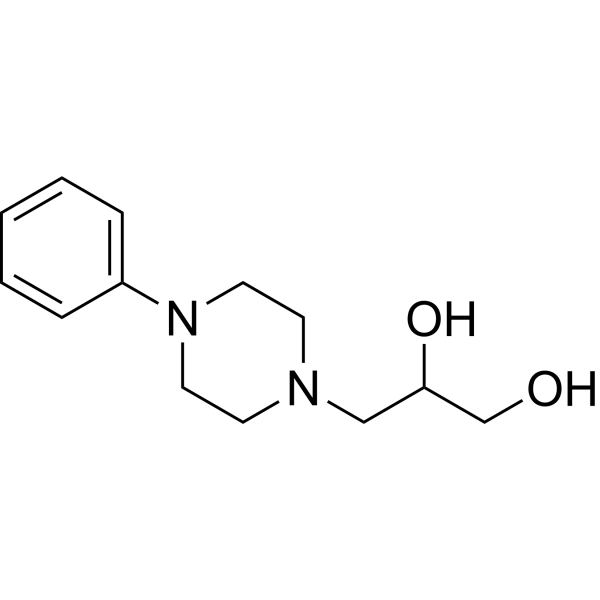
  • HY-B1032

    (±)-Dropropizine; UCB-196

    Histamine Receptor Neurological Disease
    Dropropizine ((±)-Dropropizine; UCB-196) is an orally effective, peripherally selective antitussive that inhibits the activity of peripheral receptors and afferent nerves in the respiratory tract. Dropropizine acts on the cough reflex pathway, does not pass the blood-brain barrier, and has no central nervous system side effects. Dropropizine mainly regulates the level of sensory neuropeptides and inhibits the afferent signal transmission of the cough reflex, thereby alleviating the symptoms of dry cough, and has both mild local anesthetic and antihistamine activity. Dropropizine is mainly used for symptomatic research on dry cough caused by respiratory diseases .
    Dropropizine
  • HY-141873
    Wnt/β-catenin agonist 2
    1 Publications Verification

    Wnt β-catenin Others
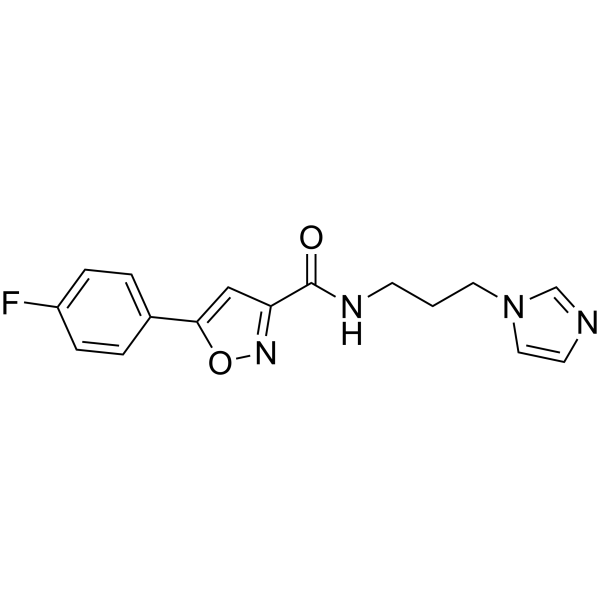
    Wnt/β-catenin agonist 2 is a potent Wnt agonist. Wnt/β-catenin agonist 2 activates Wnt/β-catenin signaling and can be used in the research of diseases related to the signal transduction . (From patent WO2007078113A1, compound 39)
    Wnt/β-catenin agonist 2
  • HY-148055

    Wnt β-catenin Cardiovascular Disease
    Wnt/β-catenin agonist 3 (compound 98) is a Wnt/β-catenin signalling pathway agonist. Wnt/β-catenin agonist 3 can be used for the research of osteoporosis .
    Wnt/β-catenin agonist 3
  • HY-145153

    Cannabinoid Receptor Neurological Disease
    S-777469 is a selective and orally available cannabinoid type 2 receptor (CB2) agonist with a Ki of 36 nM. S-777469 significantly suppresses compound 48/80-induced scratching behavior in mice in a dose-dependent manner. S-777469 produces its antipruritic effects by inhibiting itch signal transmission through CB2 agonism .
    S-777469
  • HY-P10234A
    Poneratoxin acetate
    3 Publications Verification

    Sodium Channel Neurological Disease
    Poneratoxin acetate is the acetate salt form of Poneratoxin (HY-P10234). Poneratoxin acetate is the modulator for voltage-gated sodium channel (NaV, EC50 for NaV1.6 and NaV1.7 is 97 nM and 2.3 µM), that lowers the voltage threshold for activation and inhibits the inactivation of channels, enhances the excitability of neurons, and leads to the transmission of pain signals .
    Poneratoxin acetate
  • HY-P3828

    Fluorescent Dye Neurological Disease
    Biotin-myelin basic protein (94-102) is a peptide fragemt. Myelin basic protein is responsible for adhesion of the cytosolic surfaces of multilayered compact myelin, it plays an important role in the process of myelination of nerves in the nervous system. Myelin basic protein also acts as a membrane actin-binding protein, which might allow it to participate in transmission of extracellular signals to the cytoskeleton in oligodendrocytes and tight junctions in myelin .
    Biotin-myelin basic protein (94-102)
  • HY-B0653
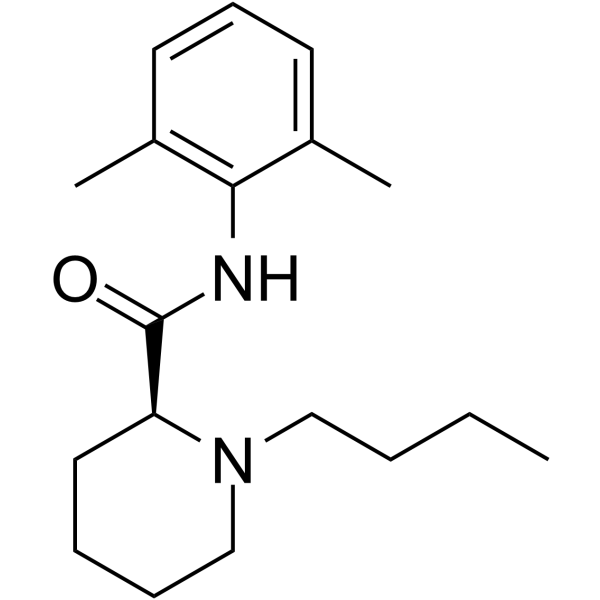
    Levobupivacaine
    2 Publications Verification

    (S)-(-)-Bupivacaine

    Sodium Channel Ferroptosis Neurological Disease Cancer
    Levobupivacaine ((S)-(-)-Bupivacaine) is a long-acting amide local agent that can suppress or relieve pain. Levobupivacaine exerts agent that can suppress or relieve pain. and analgesic effects through reversible blockade of neuronal sodium channel. Levobupivacaine can inhibit impulse transmission and conduction in cardiovascular and other tissues, possessing certain cardiac and CNS toxicity. Levobupivacaine is metabolized by hepatic cytochrome P450 (CYP450) enzymes in vivo. Levobupivacaine can also induce ferroptosis by miR-489-3p/SLC7A11 signaling in gastric cancer .
    Levobupivacaine
  • HY-175042

    Ins(1,3,4,5,6)P5 ammonium salt; 1,3,4,5,6-IP5 ammonium salt

    Akt Cancer
    D-myo-Inositol-1,3,4,5,6-pentaphosphate (ammonium salt) (Ins(1,3,4,5,6)P5 (ammonium salt)) is an isomer of inositol phosphate that acts as a small and soluble second messenger in the transmission of cellular signals. D-myo-Inositol-1,3,4,5,6-pentaphosphate (ammonium salt) can bind to the PH domain of Grp1 with a Kd of 590 nM. D-myo-Inositol-1,3,4,5,6-pentaphosphate (ammonium salt) can inhibit the phosphorylation and kinase activity of Akt/PKB, inducing apoptosis in ovarian, lung, and breast cancer cells. D-myo-Inositol-1,3,4,5,6-pentaphosphate (ammonium salt) exhibits antiangiogenic activity in vitro and blocks capillary tube formation of HUVEC. D-myo-Inositol-1,3,4,5,6-pentaphosphate (ammonium salt) exerts antitumor effects against cancer xenografts in nude mice .
    D-myo-Inositol-1,3,4,5,6-pentaphosphate ammonium salt
  • HY-148250

    iGluR Neurological Disease
    TP-050, a chemical probe, is a potent, orally active and selective NMDAR agonist with an EC50 value of 0.51 μM and 9.6 μM for GluN2A and GluN2D, respecticely. TP-050 can cross the blood-brain barrier (BBB). TP-050 induces hippocampal long-term (LPT) potentiation enhancemen and enhances neuronal signal transmission .
    TP-050
  • HY-P10234

    Sodium Channel Neurological Disease
    Poneratoxin is the modulator for voltage-gated sodium channel (NaV, EC50 for NaV1.6 and NaV1.7 is 97 nM and 2.3 µM), that lowers the voltage threshold for activation and inhibits the inactivation of channels, enhances the excitability of neurons, and leads to the transmission of pain signals .
    Poneratoxin
  • HY-N6609

    nAChR Others
    Magnocurarine is a neuromuscular junction blocker that inhibits muscle contraction by functionally blocking signal transmission without directly damaging nerve or muscle tissues. In frog, mouse and rabbit models, Magnocurarine exerts a dose-dependent paralytic effect, which progresses gradually from limb weakness and loss of righting reflex to respiratory depression and even cardiac arrest. Although high doses cause complete cessation of movement, Magnocurarine does not affect the spinal multineuronal reflex in frogs. Magnocurarine exhibits biological activity similar to that of tubocurarine (HY-125901) in various animal models .
    Magnocurarine
  • HY-W701218

    Reactive Oxygen Species (ROS) Cancer
    Sulforaphane-d8 is the deuterium labeled Sulforaphane (HY-13755). Sulforaphane is an orally active inducer of the Keap1/Nrf2/ARE pathway. Sulforaphane promotes the transcription of tumor-suppressing proteins and effectively inhibits the activity of HDACs. Through the activation of the Keap1/Nrf2/ARE pathway and further induction of HO-1 expression, Sulforaphane protects the heart. Sulforaphane suppresses high glucose-induced pancreatic cancer through AMPK-dependent signal transmission. Sulforaphane exhibits both anticancer and anti-inflammatory properties .
    Sulforaphane-d8
  • HY-16900R

    (R,S)-Rolipram (Standard); (±)-Rolipram (Standard); ZK 62711 (Standard)

    Reference Standards Bacterial HIV Phosphodiesterase (PDE) Epigenetic Reader Domain Amyloid-β Neurological Disease Cancer
    Rolipram (Standard) is the analytical standard of Rolipram (HY-16900). This product is intended for research and analytical applications. Rolipram is a PDE4 inhibitor, with blood-brain barrier permeability, that reverses β-amyloid-induced learning and memory impairment in rats. Rolipram elevates intracellular cAMP and clevels and regulates the cAMP/CREB signaling pathway, thereby alleviating neuroinflammation and apoptotic responses. Rolipram promotes neuronal differentiation of human bone marrow mesenchymal stem cells and inhibits Methamphetamine- and morphine-induced hyperlocomotion in mice. Rolipram also reduces the viability of glioblastoma stem-like cells and enhances Bevacizumab (HY-P9906)-induced cell death. Rolipram inhibits the expression of proinflammatory cytokines and enhances central noradrenergic transmission. Rolipram is mainly used in studies related to various central nervous system diseases including Alzheimer's disease, major depressive disorder, glioblastoma multiforme, and multiple sclerosis .
    Rolipram (Standard)
  • HY-W788583

    Calcium Channel Metabolic Disease
    Inositol 1,3-bisphosphate sodium is one of the many inositol phosphate (InsP) isomers that could act as small, soluble second messengers in the transmission of cellular signals .
    Inositol 1,3-bisphosphate sodium
  • HY-66012R

    Proxymetacaine hydrochloride (Standard)

    Reference Standards Sodium Channel Neurological Disease
    Proparacaine (Hydrochloride) (Standard) is the analytical standard of Proparacaine (Hydrochloride). This product is intended for research and analytical applications. Proparacaine hydrochloride is a local anesthetic. Proparacaine hydrochloride blocks voltage-gated sodium channels on neuronal cell membranes, thereby inhibiting signal conduction and nociceptive signal transmission. Proparacaine hydrochloride blocks nociceptive signals in the eye and induces ocular muscle relaxation to reduce eye movement during surgery. Proparacaine hydrochloride is used in research related to cataracts.
    Proparacaine hydrochloride (Standard)
  • HY-W787880

    Ins(1,2)P2 sodium

    Calcium Channel Metabolic Disease
    D-myo-Inositol-1,2-diphosphate (Ins(1,2)P2) sodium is one of the many inositol phosphate (InsP) isomers that could act as small, soluble second messengers in the transmission of cellular signals .
    D-myo-Inositol-1,2-diphosphate sodium
  • HY-120857

    PD 158294

    EGFR Others
    BPIQ-II is a linear imidazoloquinazoline that potently inhibits the tyrosine kinase activity of the epidermal growth factor receptor (EGFR; IC50=8 pM). It is selective for EGFR over an assortment of other tyrosine and serine/threonine kinases. Cellular studies indicate that BPIQ-II can enter cells and very selectively shut down EGF-stimulated signal transmission by binding competitively at the ATP site of EGFR.
    BPIQ-II hydrochloride
  • HY-14266A

    Apoptosis Reverse Transcriptase Autophagy HIV Infection
    Dapivirine hydrochloride is a non-nucleoside reverse transcriptase inhibitor with antitumor activity. Dapivirine hydrochloride attenuates the proliferation of glioblastoma cells and induces apoptosis. Dapivirine hydrochloride modulates autophagy and activates Akt, Bad, and SAPK/JNK signaling pathways. Dapivirine hydrochloride has shown inhibitory effects on glioma cell growth both in vitro and in vivo. Dapivirine hydrochloride is also a promising drug candidate for topical microbial agents for the prevention of sexual transmission of HIV-1 .
    Dapivirine hydrochloride
  • HY-15308B

    Parasite Chloride Channel Neurological Disease
    Δ²-Avermectin B₁ₐ (Compound 3) is an antiparasitic agent targeting glutamate-gated chloride channels (GluCls) in the neuromuscular system of invertebrates. Δ²-Avermectin B₁ₐ enhances chloride ion influx, leading to hyperpolarization of the neuromuscular cell membrane, inhibition of neural signal transmission, and ultimately paralysis and death of parasites. Δ²-Avermectin B₁ₐ is promising for research of agricultural pests .
    Δ2-Avermectin B1a
  • HY-108578

    Potassium Channel Neurological Disease
    RuBi-4AP, a derivative of 4-aminopyridine (4AP; HY-B0604), is a caged Kv channel blocker. RuBi-4AP contains a photolabile protecting group, allowing its effect to be controlled precisely in both space and time with light. RuBi-4AP can be used for the research of neuronal excitability, synaptic transmission, and signal propagation .
    RuBi-4AP
  • HY-107794R

    Disodium clodronate tetrahydrate (Standard)

    Others Reference Standards Neurological Disease Inflammation/Immunology Cancer
    Clodronate (disodium tetrahydrate) (Standard) is the analytical standard of Clodronate (disodium tetrahydrate). This product is intended for research and analytical applications. Clodronate disodium tetrahydrate (Disodium clodronate tetrahydrate) is first-generation bisphosphonate, with anti-osteoporotic, anti-inflammatory and analgesic effects. Clodronate disodium tetrahydrate is a selective, potent, reversible and Cl-competitive vesicular nucleotide transporter (VNUT) inhibitor, with an IC50 of 15.6 nM. Clodronate disodium tetrahydrate inhibits vesicular ATP release from neurons and reduces chronic neuropathic and inflammatory pain .
    Clodronate disodium tetrahydrate (Standard)
  • HY-B1194A

    Potassium Channel Parasite PKA Infection Cardiovascular Disease
    Tetramisole is an orally active, selective inward rectifier potassium channel agonist with an EC50 of approximately 30 μM for the Kir2.1 subunit. Tetramisole is also an anti-nematode agent that blocks neuromuscular transmission by non-competitive depolarization. Tetramisole promotes the forward transport of Kir2.1 channels, hyperpolarizes the resting potential (RP), shortens the action potential duration (APD), inhibits intracellular calcium overload and the PKA signaling pathway, and exerts anti-arrhythmic and anti-myocardial remodeling activities. Tetramisole can be used in cardiac electrophysiology research and research related to myocardial ischemia and heart failure .
    Tetramisole
  • HY-B1194R

    (±)-Tetramisole hydrochloride (Standard); DL-Tetramisole hydrochloride (Standard); R-829 (Standard)

    Reference Standards Potassium Channel Parasite PKA Infection Cardiovascular Disease
    Tetramisole hydrochloride (Standard) is the analytical standard of Tetramisole (hydrochloride). This product is intended for research and analytical applications. Tetramisole hydrochloride is an orally active, selective inward rectifier potassium channel agonist with an EC50 of approximately 30 μM for the Kir2.1 subunit. Tetramisole hydrochloride is also an anti-nematode agent that blocks neuromuscular transmission by non-competitive depolarization. Tetramisole hydrochloride promotes the forward transport of Kir2.1 channels, hyperpolarizes the resting potential (RP), shortens the action potential duration (APD), inhibits intracellular calcium overload and the PKA signaling pathway, and exerts anti-arrhythmic and anti-myocardial remodeling activities. Tetramisole hydrochloride can be used in cardiac electrophysiology research and research related to myocardial ischemia and heart failure .
    Tetramisole hydrochloride (Standard)
  • HY-B0653AS

    (S)-(–)-Bupivacaie-d9hydrochloride

    Isotope-Labeled Compounds Ferroptosis Sodium Channel Cardiovascular Disease Neurological Disease Cancer
    Levobupivacaine-d9 ((S)-(–)-Bupivacaie-d9) hydrochloride is deuterium labeled Levobupivacaine hydrochloride (HY-B0653A). Levobupivacaine hydrochloride ((S)-(-)-Bupivacaine monohydrochloride) is a long-acting amide local agent that can suppress or relieve pain. Levobupivacaine hydrochloride exerts agent that can suppress or relieve pain. and analgesic effects through reversible blockade of neuronal sodium channel. Levobupivacaine hydrochloride can inhibit impulse transmission and conduction in cardiovascular and other tissues, possessing certain cardiac and CNS toxicity. Levobupivacaine hydrochloride is metabolized by hepatic cytochrome P450 (CYP450) enzymes in vivo. Levobupivacaine hydrochloride can also induce ferroptosis by miR-489-3p/SLC7A11 signaling in gastric cancer .
    Levobupivacaine-d9 hydrochloride
  • HY-N3097R

    Reference Standards TRP Channel Amyloid-β Toll-like Receptor (TLR) Keap1-Nrf2 Heme Oxygenase (HO) Dihydroorotate Dehydrogenase Ferroptosis PAI-1 NF-κB Proton Pump Glutathione Peroxidase Thrombin Insecticide Bacterial Infection Cardiovascular Disease Neurological Disease Inflammation/Immunology Cancer
    Pellitorine (Standard) is the analytical standard of Pellitorine (HY-N3097). Pellitorine is a bioactive natural amide compound. Pellitorine can competitively antagonize the activation of TRPV1 by Capsaicin (HY-10448), thereby reducing pain signal transmission. Pellitorine improves cognitive dysfunction by upregulating the BDNF-ERK1/2-CREB and Nrf2-HO-1 pathways. Pellitorine exerts anti-inflammatory and anti-sepsis effects by inhibiting the release of high mobility group protein B1 (HMGB1) and the expression of RAGE/TLR4. Pellitorine exerts its antithrombotic effect by prolonging the clotting time, inhibiting the activity of clotting factors and thrombin. Pellitorine inhibits lipid peroxidation and resists ferroptosis by upregulating GPX4 and DHODH. Pellitorine kills Aedes aegypti mosquito larvae by inhibiting V-type H⁺-ATPase and aquaporin 4 (AaAQP4). Pellitorine exhibits anti-cancer activity (e.g., leukemia and breast cancer) and has inhibitory effects on certain bacteria.
    Pellitorine (Standard)
  • HY-182244

    Serotonin Transporter 5-HT Receptor Endocrinology
    SERT/NET-IN-1 is a blood-brain barrier-permeable SERT and NET inhibitor, with an IC50 of 11.2 nM against human SERT and an IC50 of 32.0 nM against human NET. SERT/NET-IN-1 blocks 5-HT reuptake to enhance serotonergic signaling. SERT/NET-IN-1 also blocks norepinephrine reuptake to enhance central noradrenergic transmission and inhibits the ejaculatory reflex. SERT/NET-IN-1 prolongs ejaculatory latency, reduces ejaculation frequency and preserves sexual function. SERT/NET-IN-1 exhibits cross-species microsomal metabolic stability, shows acceptable oral brain exposure in rats, and has favorable safety profiles. SERT/NET-IN-1 can be used in studies related to premature ejaculation .
    SERT/NET-IN-1
  • HY-184140

    Insecticide nAChR Cholinesterase (ChE) Others
    AChE-IN-117 is an AChE/nAChR inhibitor with larvicidal activity against Culex pipiens third-instar larvae. AChE-IN-117 forms stable catalytic site interactions to disrupt cholinergic signaling. AChE-IN-117 binds to its receptor via hydrogen bonding and π-cation interactions to interfere with cholinergic synaptic transmission. AChE-IN-117 induces neurotoxic symptoms including hyperactivity, erratic movement, tremors, paralysis, and larval mortality. AChE-IN-117 can be used for the research of mosquito-borne infectious diseases .
    AChE-IN-117
  • HY-66012A

    Proxymetacaine

    Sodium Channel Neurological Disease
    Proparacaine (Proxymetacaine) is a local anesthetic. Proparacaine blocks voltage-gated sodium channels on neuronal cell membranes, thereby inhibiting signal conduction and nociceptive signal transmission. Proparacaine blocks nociceptive signals in the eye and induces ocular muscle relaxation to reduce eye movement during surgery. Proparacaine is used in research related to cataracts .
    Proparacaine
  • HY-W788039A

    Ins(1,3,5)P3 sodium; 1,3,5-IP3 sodium

    Endogenous Metabolite Others
    D-myo-Inositol-1,3,5-triphosphate (Ins(1,3,5)P3) sodium is a member of the inositol phosphate (InsP) family of second messengers that play a critical role in the transmission of cellular signals .
    D-myo-Inositol-1,3,5-triphosphate sodium
  • HY-W783593

    Parasite Infection
    Avermectin A1a is a potent and broad-spectrum antiparasitic agent. Avermectin A1a targets nematodes and arthropods by binding to their glutamate-gated chloride channels to block nerve signal transmission and induce paralysis. Avermectin A1a can be used for the study of parasitic infection .
    Avermectin A1a
  • HY-183857

    TRP Channel Neurological Disease
    DD-161515 is a TRPV1/VR1 inhibitor with an IC50 of 0.7 μM in rats. DD-161515 binds to an allosteric site of TRPV1 distinct from that of capsaicin, blocks channel opening, inhibits receptor-mediated calcium ion influx, reduces the excitability of peripheral sensory nerve fibers, and thereby inhibits nociception induced by heat and transmission of chemically induced pain signals. DD-161515 can be used in studies related to inflammatory pain .
    DD-161515
  • HY-N6609B

    nAChR Cardiovascular Disease
    Magnocurarine chloride is a neuromuscular junction blocker that inhibits muscle contraction by functionally blocking signal transmission without directly damaging nerve or muscle tissues. In frog, mouse and rabbit models, Magnocurarine chloride exerts a dose-dependent paralytic effect, which progresses gradually from limb weakness and loss of righting reflex to respiratory depression and even cardiac arrest. Although high doses cause complete cessation of movement, Magnocurarine chloride does not affect the spinal multineuronal reflex in frogs. Magnocurarine chloride exhibits biological activity similar to that of tubocurarine (HY-125901) in various animal models .
    Magnocurarine chloride
  • HY-182707

    nAChR Interleukin Related TNF Receptor NF-κB Neurological Disease
    JWX-A0108 is a selective human α7 nAChR positive allosteric modulator with an EC50 of 4.35 μM. JWX-A0108 potentiates α7 nAChR currents only in the presence of acetylcholine, with no direct activating effect or alteration of desensitization. JWX-A0108 enhances hippocampal GABAergic synaptic transmission by increasing spontaneous inhibitory postsynaptic currents. JWX-A0108 reduces the brain expression levels of IL-1β, TNF-α, and IL-6 by blocking the NF-κB signaling pathway, and reduces microglial activation by downregulating Iba1. JWX-A0108 effectively improves cognitive deficits, neuroinflammation, and hippocampal neuronal damage in mouse models of schizophrenia and Alzheimer's disease. JWX-A0108 can be used for research related to schizophrenia and Alzheimer's disease .
    JWX-A0108
  • HY-16900G

    Phosphodiesterase (PDE) Epigenetic Reader Domain Amyloid-β Neurological Disease Inflammation/Immunology Cancer
    Rolipram GMP is Rolipram (HY-16900) produced by using GMP guidelines. GMP small molecules works appropriately as an auxiliary reagent for cell therapy manufacture. Rolipram is a PDE4 inhibitor, with blood-brain barrier permeability, that reverses β-amyloid-induced learning and memory impairment in rats. Rolipram elevates intracellular cAMP and clevels and regulates the cAMP/CREB signaling pathway, thereby alleviating neuroinflammation and apoptotic responses. Rolipram promotes neuronal differentiation of human bone marrow mesenchymal stem cells and inhibits Methamphetamine- and morphine-induced hyperlocomotion in mice. Rolipram also reduces the viability of glioblastoma stem-like cells and enhances Bevacizumab (HY-P9906)-induced cell death. Rolipram inhibits the expression of proinflammatory cytokines and enhances central noradrenergic transmission. Rolipram is mainly used in studies related to various central nervous system diseases including Alzheimer's disease, major depressive disorder, glioblastoma multiforme, and multiple sclerosis .
    Rolipram

Inquiry Online

Your information is safe with us. * Required Fields.

Salutation


Country or Region *

Applicant Name *


Organization Name *

Department *


Email Address *


Product Name *

Cat. No.


Requested quantity *

Phone Number *


Remarks

Inquiry Online

Inquiry Information

Product Name:
Cat. No.:
Quantity:
MCE Japan Authorized Agent:

