1. Search Result
Search Result
Results for "

small+intestine

" in MedChemExpress (MCE) Product Catalog:

49

Inhibitors & Agonists

2

Biochemical Assay Reagents

8

Peptides

7

Natural
Products

2

Recombinant Proteins

6

Isotope-Labeled Compounds

2

Antibodies

Cat. No. Product Name Target Research Areas Chemical Structure
  • HY-N0169
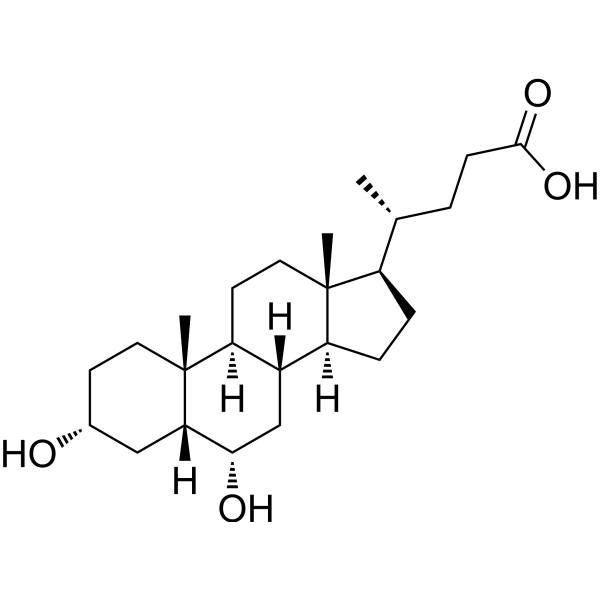
    Hyodeoxycholic acid
    5+ Cited Publications

    HDCA

    G protein-coupled Bile Acid Receptor 1 Endogenous Metabolite Metabolic Disease
    Hyodeoxycholic acid is a secondary bile acid formed in the small intestine by the gut flora, and acts as a TGR5 (GPCR19) agonist, with an EC50 of 31.6 µM in CHO cells.
    Hyodeoxycholic acid
  • HY-B0411
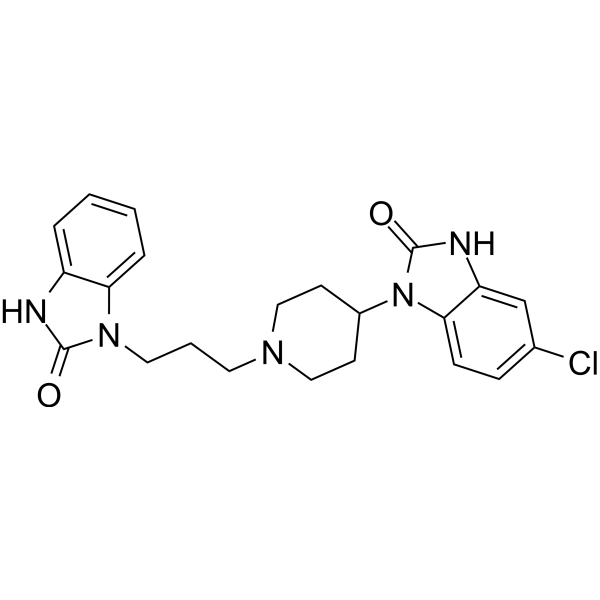
    Domperidone
    Maximum Cited Publications
    6 Publications Verification

    R33812

    Dopamine Receptor Neurological Disease
    Domperidone (R33812) is an orally active and selective dopamine-2 receptor antagonist. Domperidone acts as an antiemetic and a prokinetic agent through its effects on the chemoreceptor trigger zone and motor function of the stomach and small intestine .
    Domperidone
  • HY-P2802
    α-Glucosidase, Yeast
    1 Publications Verification

    α-D-Glucosidase, Yeast

    Glycosidase Metabolic Disease
    α-Glucosidase, Yeast (α-D-Glucosidase, Yeast), a carbohydrate hydrolyzing enzyme, catalyzes the liberation of α-glucose from the non-reducing end of the substrate. α-Glucosidase can facilitate the absorption of glucose by the small intestine. Inhibition of α-Glucosidase is an effective management of non-insulin-dependent diabetes mellitus (NIDDM) .
    α-Glucosidase, Yeast
  • HY-B1278
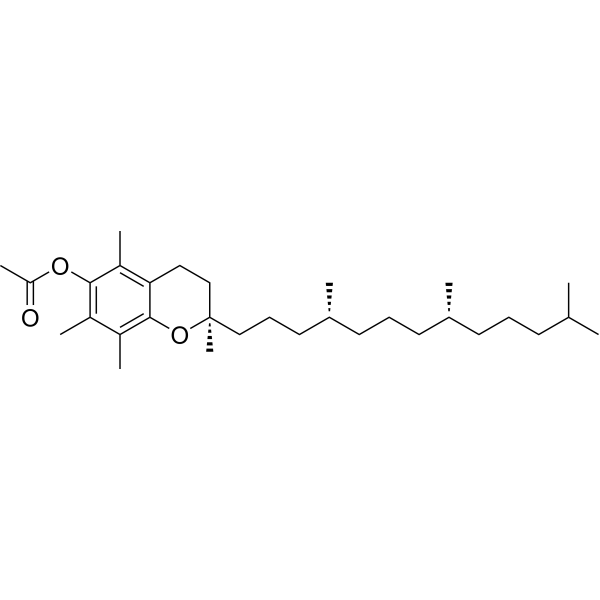
    D-α-Tocopherol acetate
    1 Publications Verification

    D-Vitamin E acetate

    Environmental Pollutants Endogenous Metabolite NF-κB Interleukin Related Metabolic Disease Inflammation/Immunology Cancer
    D-α-Tocopherol acetate (D-Vitamin E acetate) can be hydrolyzed to d-alpha-tocopherol (VE) and absorbed in the small intestine .
    D-α-Tocopherol acetate
  • HY-B1731

    Bacterial Neurological Disease
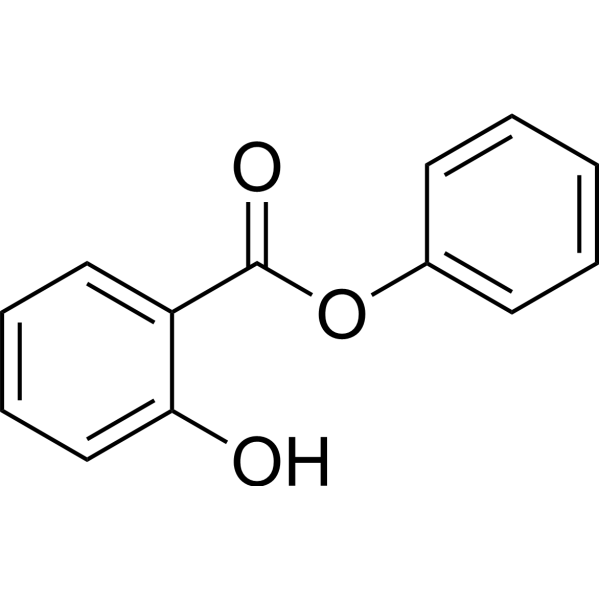
    Phenyl salicylate (PS) has antibacterial activity when hydrolyzed in small intestine and is often used as nervous system inhibitor and intestinal preservative .
    Phenyl salicylate
  • HY-P2990

    TMPRSS15

    Ser/Thr Protease Metabolic Disease
    Enteropeptidase (TMPRSS15), a type II transmembrane serine protease and a physiological activator of trypsinogen. Enteropeptidase is associated with the brush border membrane (BBM) of the enterocytes in the upper small intestine. Trypsinogen is the primary substrate for Enteropeptidase. Enteropeptidase is involved in digestion in humans and animals .
    Enteropeptidase
  • HY-B0411A
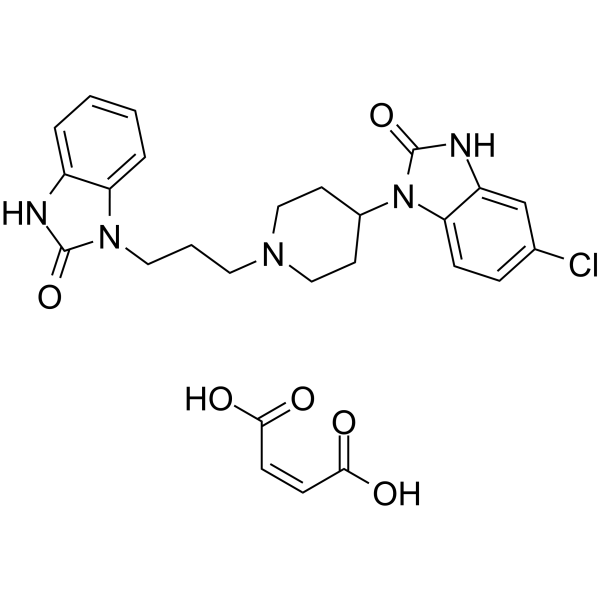
    Domperidone monomaleate
    Maximum Cited Publications
    6 Publications Verification

    R33812 monomaleate

    Dopamine Receptor Neurological Disease
    Domperidone (R33812) monomaleate is an orally active and selective dopamine-2 receptor antagonist. Domperidone monomaleate acts as an antiemetic and a prokinetic agent through its effects on the chemoreceptor trigger zone and motor function of the stomach and small intestine .
    Domperidone monomaleate
  • HY-N0169R

    HDCA (Standard)

    Reference Standards Endogenous Metabolite G protein-coupled Bile Acid Receptor 1 Metabolic Disease
    Hyodeoxycholic acid (Standard) is the analytical standard of Hyodeoxycholic acid. This product is intended for research and analytical applications. Hyodeoxycholic acid is a secondary bile acid formed in the small intestine by the gut flora, and acts as a TGR5 (GPCR19) agonist, with an EC50 of 31.6 µM in CHO cells.
    Hyodeoxycholic acid (Standard)
  • HY-P2317

    Bacterial Endogenous Metabolite Infection
    Cecropin P1, porcine is an antibacterial peptide that can be isolated from the upper part of the small intestine of the pig. Cecropin P1, porcine shows antibacterial activity against Gram-negative bacteria. Cecropin P1, porcine shows antiviral activity and inhibits PRRSV infection .
    Cecropin P1, porcine
  • HY-154912

    Chloride Channel Inflammation/Immunology
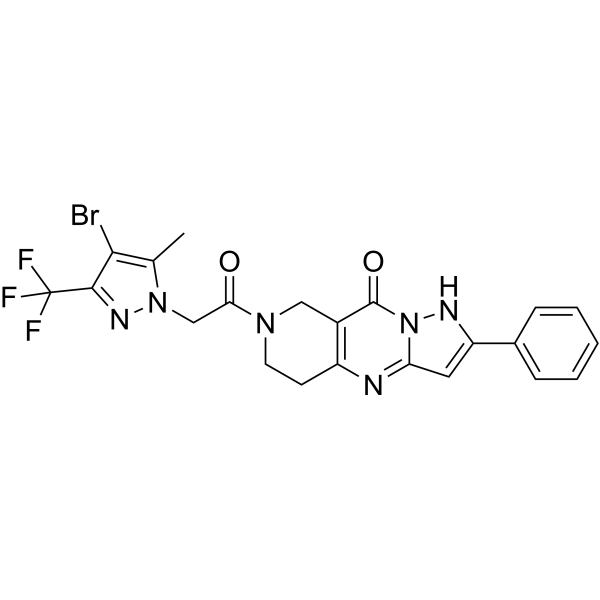
    PAT1inh-B01 is a selective SLC26A6 inhibitor. PAT1inh-B01 inhibits PAT1 (a Cl -/HCO3 - exchanger)-mediated anion exchange (IC50: 350 nM). PAT1inh-B01 blocks fluid absorption in small intestine. PAT1inh-B01 can be used for research of small intestinal hyposecretory disorders .
    PAT1inh-B01
  • HY-139201E

    PDLHB (MW 150000-300000)

    CaSR 5-HT Receptor Metabolic Disease
    Poly-D-lysine hydrobromide (MW 150000-300000) is a synthetic polymer composed of D-lysine residues and is one of the most widely used matrices in neural cell culture applications. Poly-D-lysine hydrobromide (MW 150000-300000) can be used as a non-specific cell adhesion enhancer. Poly-D-lysine hydrobromide (MW 30000-70000) is an orally active CaSR agonist peptide that indirectly activates the 5-HT₃ receptor signaling pathway, delaying gastric emptying and thereby slowing the rate at which glucose enters the small intestine and is absorbed .
    Poly-D-lysine hydrobromide (MW 150000-300000)
  • HY-P1276A
    Men 10376 TFA
    1 Publications Verification

    Neurokinin-2 receptor antagonist TFA

    Neurokinin Receptor Endocrinology
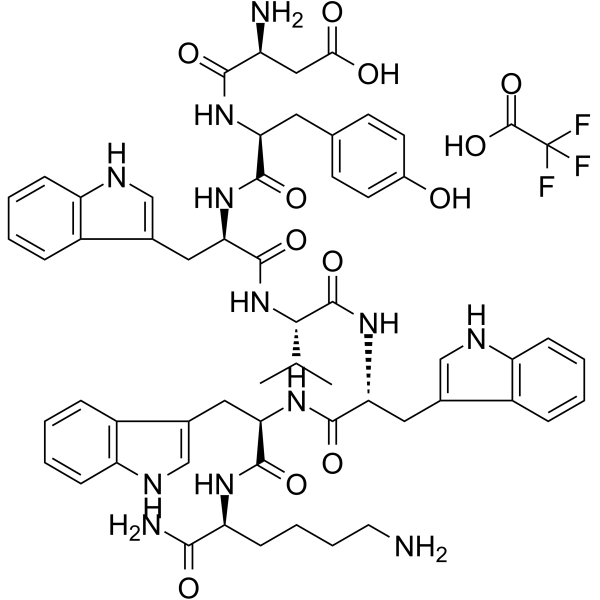
    Men 10376 TFA is a selective tachykinin NK-2 receptor antagonist, with a Ki of 4.4 μM for rat small intestine NK-2 receptor .
    Men 10376 TFA
  • HY-B1278S1

    Isotope-Labeled Compounds Endogenous Metabolite Metabolic Disease Cancer
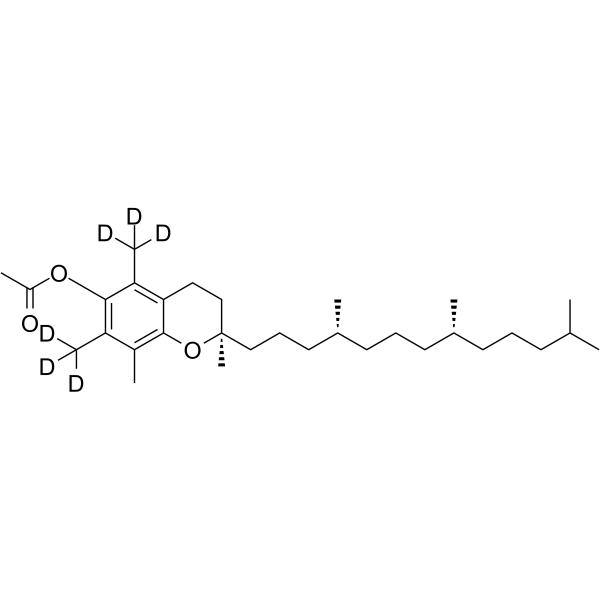
    α-Tocopherol-d6 (acetate) is the deuterium labeled D-α-Tocopherol acetate. D-α-Tocopherol acetate (D-Vitamin E acetate) can be hydrolyzed to d-alpha-tocopherol (VE) and absorbed in the small intestine .
    α-Tocopherol-d6 acetate
  • HY-N15777

    Biochemical Assay Reagents Metabolic Disease
    Tauro-3α,6α,7α,12α-tetrahydroxy bile acid sodium is a type of bile acid, belonging to biomolecules synthesized by the liver using cholesterol as a raw material. Bile acids play a critical role in the digestion and absorption of lipids in the small intestine .
    Tauro-3α,6α,7α,12α-tetrahydroxy bile acid sodium
  • HY-154912A

    Chloride Channel Inflammation/Immunology
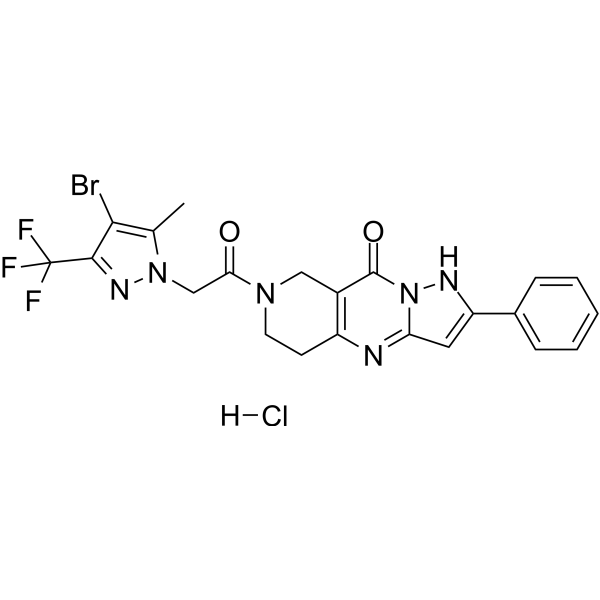
    PAT1inh-B01 hydrocholide is a selective SLC26A6 inhibitor. PAT1inh-B01 hydrocholide inhibits PAT1 (a Cl -/HCO3 - exchanger)-mediated anion exchange (IC50: 350 nM). PAT1inh-B01 hydrocholide blocks fluid absorption in small intestine. PAT1inh-B01 hydrocholide can be used for research of small intestinal hyposecretory disorders .
    PAT1inh-B01 hydrochloride
  • HY-N10526

    Gala-3Galb-4Glc

    Others Others
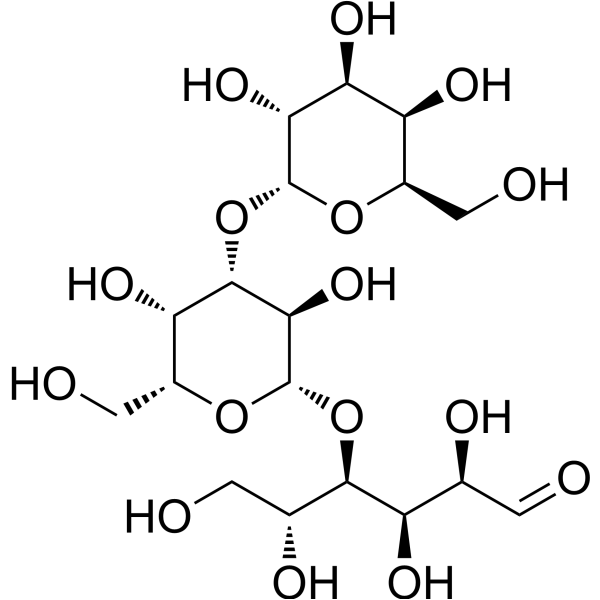
    Isoglobotriaose (Gala-3Galb-4Glc) is a glycosphingolipid found in mammalian tissues. Isoglobotriaose is an analogue of Globotriaose, the ganglioside derivatives of them locate in difference position of small intestine, isoglobotriaosylceramide is restricted to the nonepithelial residue, while globotriaosylceramide is in both compartments .
    Isoglobotriaose
  • HY-P1276

    Neurokinin-2 receptor antagonist

    Neurokinin Receptor Endocrinology
    Men 10376 is a selective tachykinin NK-2 receptor antagonist, with a Ki of 4.4 μM for rat small intestine NK-2 receptor.
    Men 10376
  • HY-N0169S

    HDCA-d5

    Isotope-Labeled Compounds Endogenous Metabolite G protein-coupled Bile Acid Receptor 1 Metabolic Disease
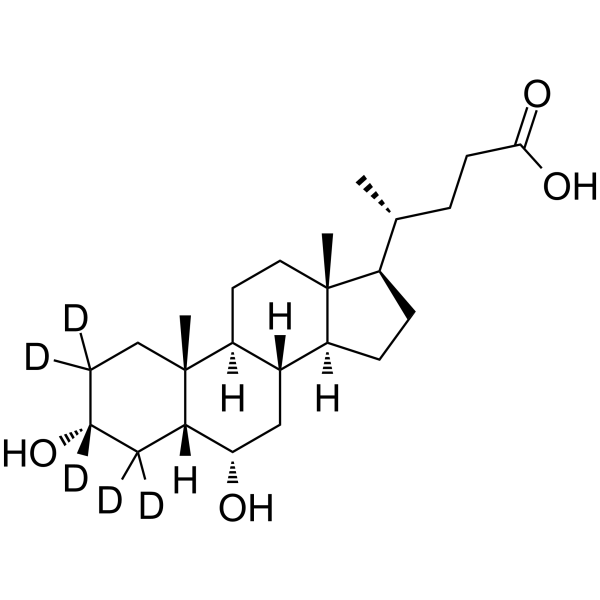
    Hyodeoxycholic acid-d5 is the deuterium labeled Hyodeoxycholic acid. Hyodeoxycholic acid is a secondary bile acid formed in the small intestine by the gut flora, and acts as a TGR5 (GPCR19) agonist, with an EC50 of 31.6 µM in CHO cells.
    Hyodeoxycholic acid-d5
  • HY-W436428

    Na+/K+ ATPase Bacterial Infection
    V-161 is the orally active inhibitor for Na +-V-ATPase with an IC50 of 144 nM. V-161 inhibits Enterococcus hirae and Vancomycin-resistant Enterococcus faecium (VRE) under alkaline condition with MIC of 4 µg/mL and 4 µg/mL. V-161 inhibits colonization of VRE in mouse small intestine .
    V-161
  • HY-W752502

    Dopamine Receptor Vasopressin Receptor Adrenergic Receptor Cardiovascular Disease
    Docarpamine is an orally active dopamine prodrug that can be hydroxylated in the small intestine and liver to form active dopamine. Docarpamine mainly activates D1-like receptors in peripheral blood vessels to lower blood pressure and heart rate in a state of spontaneous hypertension. Docarpamine exerts a pressor and tachycardic effect by activating D1-like receptors, vasopressin V1 receptors, and α-adrenergic receptors in normal blood pressure conditions. Docarpamine can be used for research on renal vascular dilation and diuresis .
    Docarpamine
  • HY-156964

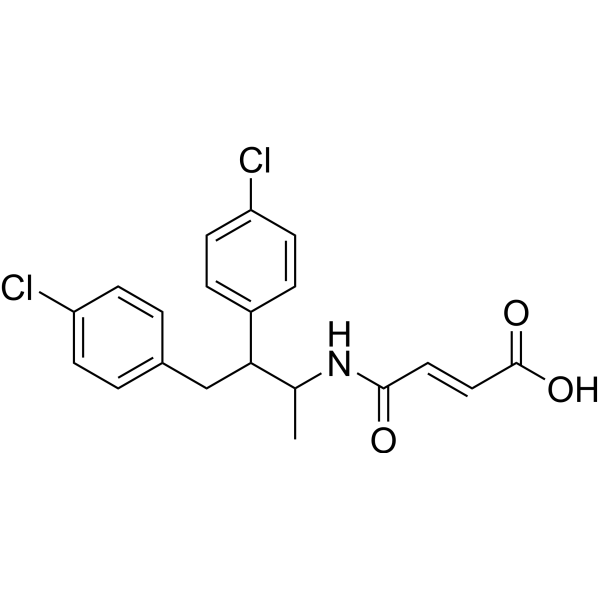
    Bacterial Endogenous Metabolite Cancer
    Benzmalecene is a Krebs cycle inhibitor, and inhibits the active absorption of taurocholate by the small intestine in vivo and in vitro .
    Benzmalecene
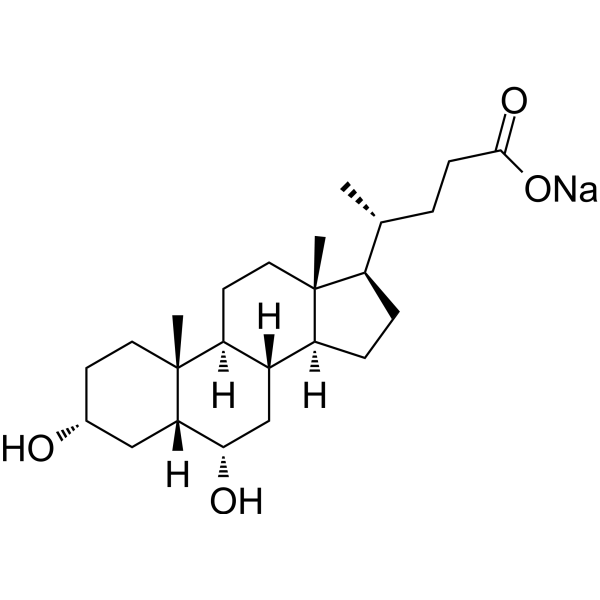
  • HY-N0169A

    HDCA sodium

    G protein-coupled Bile Acid Receptor 1 Endogenous Metabolite Metabolic Disease
    Hyodeoxycholic acid sodium is a secondary bile acid formed in the small intestine by the gut flora, and acts as a TGR5 (GPCR19) agonist, with an EC50 of 31.6 µM in CHO cells .
    Hyodeoxycholic acid sodium
  • HY-B1731R

    Reference Standards Bacterial Neurological Disease
    Phenyl salicylate (Standard) is the analytical standard of Phenyl salicylate. This product is intended for research and analytical applications. Phenyl salicylate (PS) has antibacterial activity when hydrolyzed in small intestine and is often used as nervous system inhibitor and intestinal preservative .
    Phenyl salicylate (Standard)
  • HY-12824R

    Reference Standards Antibiotic Bacterial Infection
    Phenyl salicylate (Standard) is the analytical standard of Phenyl salicylate. This product is intended for research and analytical applications. Phenyl salicylate (PS) has antibacterial activity when hydrolyzed in small intestine and is often used as nervous system inhibitor and intestinal preservative .
    RNPA1000 (Standard)
  • HY-145316

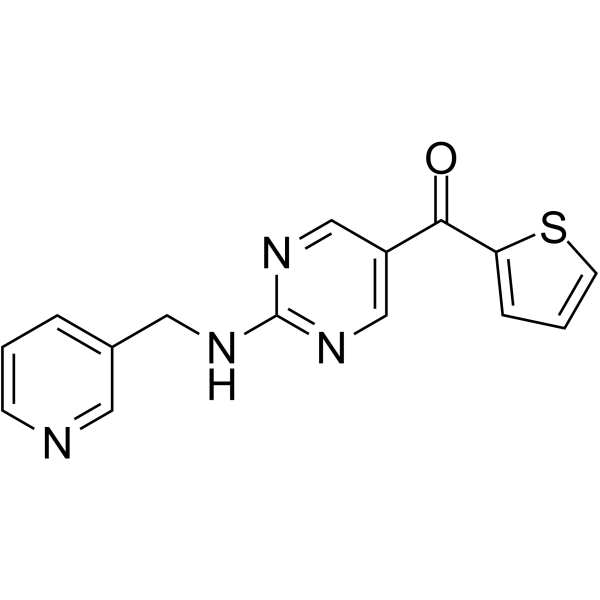
    Pantetheinase Metabolic Disease
    Vanin-1-IN-2 is a potent vanin-1 inhibitor with an IC50 of 162 nM. Vanin-1 is a cell-surface-associated, glycosylphosphatidyl inositol (GPI)-anchored protein which is expressed at high levels in the kidney, liver, and small intestine .
    Vanin-1-IN-2
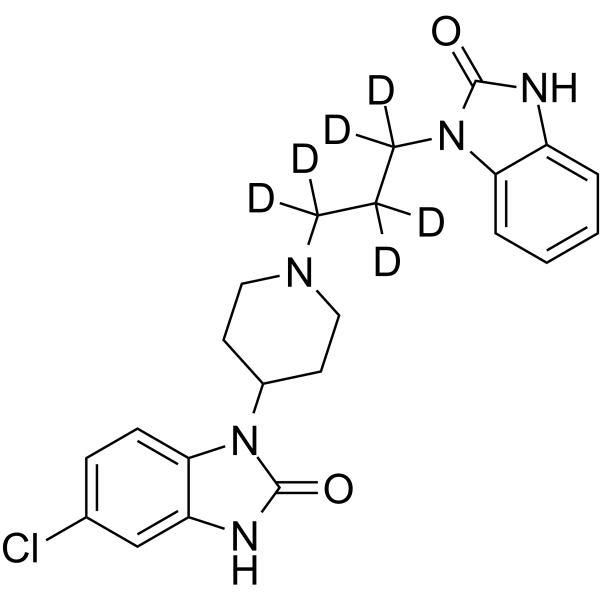
  • HY-B0411S

    Isotope-Labeled Compounds Dopamine Receptor Neurological Disease
    Domperidone-d6 is the deuterium labeled Domperidone. Domperidone (R33812) is a selective dopamine-2 receptor antagonist. Domperidone acts as an antiemetic and a prokinetic agent through its effects on the chemoreceptor trigger zone and motor function of the stomach and small intestine .
    Domperidone-d6
  • HY-P2317A

    Bacterial Endogenous Metabolite Infection
    Cecropin P1, porcine acetate is an antibacterial peptide that can be isolated from the upper part of the small intestine of the pig. Cecropin P1, porcine acetate shows antibacterial activity against Gram-negative bacteria. Cecropin P1, porcine acetate shows antiviral activity and inhibits PRRSV infection .
    Cecropin P1, porcine acetate
  • HY-P1142

    Apoptosis Others
    GLP-2(rat) is an intestinal growth factor. GLP-2(rat) stimulates cell proliferation and inhibits apoptosis. GLP-2(rat) enhances mucosal mass and function in residual small intestine after massive small bowel resection (MSBR) .
    GLP-2(rat)
  • HY-B0411R

    R33812 (Standard)

    Reference Standards Dopamine Receptor Neurological Disease
    Domperidone (Standard) is the analytical standard of Domperidone. This product is intended for research and analytical applications. Domperidone (R33812) is an orally active and selective dopamine-2 receptor antagonist. Domperidone acts as an antiemetic and a prokinetic agent through its effects on the chemoreceptor trigger zone and motor function of the stomach and small intestine .
    Domperidone (Standard)
  • HY-P1142A

    Apoptosis Others
    GLP-2(rat) TFA is an intestinal growth factor. GLP-2(rat) TFA stimulates cell proliferation and inhibits apoptosis. GLP-2(rat) TFA enhances mucosal mass and function in residual small intestine after massive small bowel resection (MSBR) .
    GLP-2(rat) TFA
  • HY-B0411S2

    R33812-13C6

    Isotope-Labeled Compounds Dopamine Receptor Neurological Disease
    Domperidone- 13C6 (R33812- 13C6) is 13C labeled Domperidone. Domperidone (R33812) is an orally active and selective dopamine-2 receptor antagonist. Domperidone acts as an antiemetic and a prokinetic agent through its effects on the chemoreceptor trigger zone and motor function of the stomach and small intestine .
    Domperidone-13C6
  • HY-B0411AR

    R33812 monomaleate (Standard)

    Reference Standards Dopamine Receptor Neurological Disease
    Domperidone (monomaleate) (Standard) is the analytical standard of Domperidone (monomaleate). This product is intended for research and analytical applications. Domperidone (R33812) monomaleate is an orally active and selective dopamine-2 receptor antagonist. Domperidone monomaleate acts as an antiemetic and a prokinetic agent through its effects on the chemoreceptor trigger zone and motor function of the stomach and small intestine .
    Domperidone monomaleate (Standard)
  • HY-142957

    Sodium Channel Sodium Phosphate Cotransporter Others
    NaPi2b-IN-1 is a potent and orally active inhibitor of sodium-dependent phosphate transport protein 2b (NaPi2b) with an IC50 of 64 nM. NaPi2b is primarily expressed in the small intestine, lungs, and testes and plays an important role in phosphate homeostasis. NaPi2b-IN-1 has the potential for the research of hyperphosphatemia .
    NaPi2b-IN-1
  • HY-P1142S

    Isotope-Labeled Compounds Others
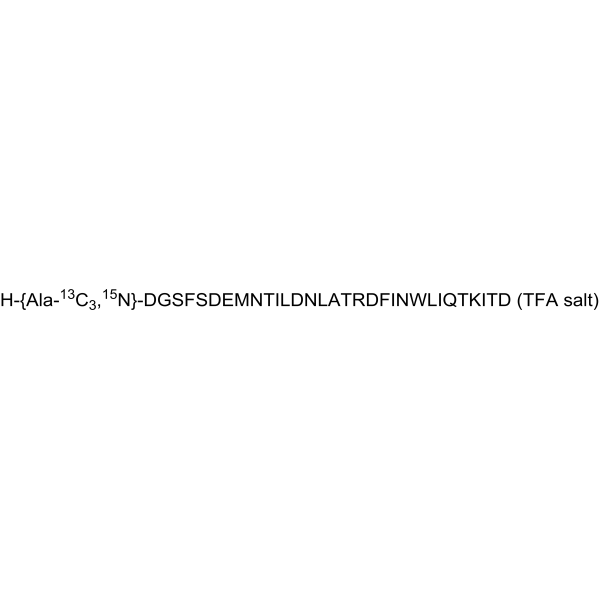
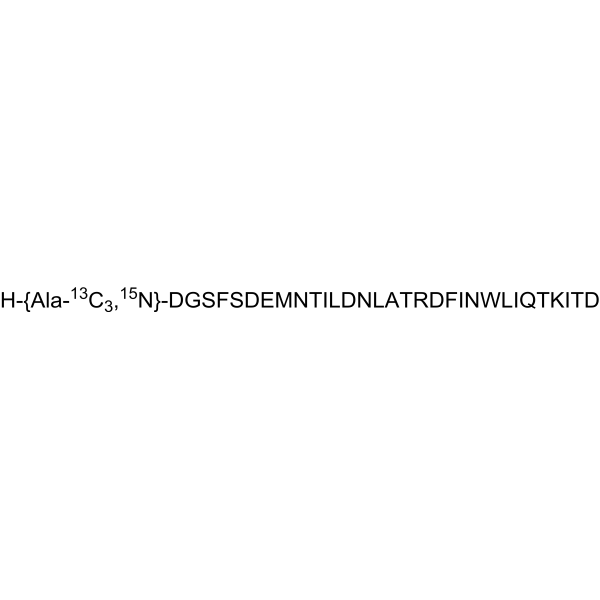
    GLP-2(rat) (Ala- 13C3, 15N) is 13C and 15N labeled GLP-2(rat) (HY-P1142). GLP-2(rat) is an intestinal growth factor. GLP-2(rat) stimulates cell proliferation and inhibits apoptosis. GLP-2(rat) enhances mucosal mass and function in residual small intestine after massive small bowel resection (MSBR).
    GLP-2(rat) (Ala-13C3,15N)
  • HY-P1142S1

    Isotope-Labeled Compounds Apoptosis Others
    GLP-2(rat) (Ala- 13C3, 15N) TFA is 13C and 15N labeled GLP-2(rat) (HY-P1142). GLP-2(rat) is an intestinal growth factor. GLP-2(rat) stimulates cell proliferation and inhibits apoptosis. GLP-2(rat) enhances mucosal mass and function in residual small intestine after massive small bowel resection (MSBR).
    GLP-2(rat) (Ala-13C3,15N) TFA
  • HY-173309

    MDM-2/p53 Toll-like Receptor (TLR) Apoptosis MyD88 Bcl-2 Family Interleukin Related Cancer
    P53/TLR2 modulator-1 (Compound Z9) is a modulator that targets both the P53 pathway and TLR2 simultaneously, exhibiting anti-radiation activity. P53/TLR2 modulator-1 reduces apoptosis by inhibiting the radiation-induced expression of P53 and Bax. At the same time, it activates the TLR2 pathway, upregulates the expression of downstream proteins MyD88 and P65, and promotes the secretion of cytokines such as IL-6, thus exerting an anti-radiation effect. P53/TLR2 modulator-1 shows significant anti-radiation activity against both AHH-1 cells and HUVECs. It can also increase the survival rate of C57BL/6J mice irradiated with a lethal dose of radiation and reduce the damage to their hematopoietic system, the villous structure of the small intestine, and the spleen caused by radiation. P53/TLR2 modulator-1 can be used in the research of radiation injury-related diseases .
    P53/TLR2 modulator-1
  • HY-E70962

    Endogenous Metabolite Metabolic Disease
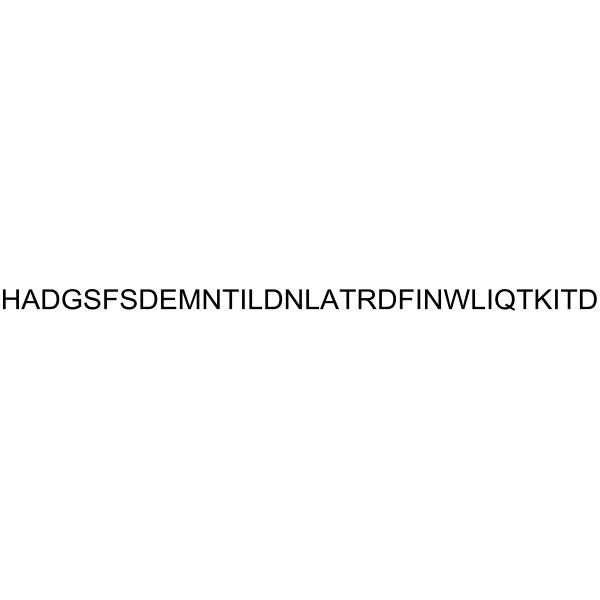
    Pancreozymin, Porcine is a stimulant of the secretion of pancreatic enzymes in extracts of the small intestine .
    Pancreozymin, Porcine
  • HY-P2766B

    Endogenous Metabolite Metabolic Disease
    Trehalase, Porcine (EC 3.2.1.28) is a glycoside hydrolase enzyme located in on the brush border of the small intestine that catalyzes the conversion of trehalose to glucose.
    Trehalase, Porcine
  • HY-P2857B

    Endogenous Metabolite Cardiovascular Disease
    Amyloglucosidase, Rhizopus sp. (EC 3.2.1.3) is an enzyme located on the brush border of the small intestine that hydrolyzes terminal (1→4) linked α-D-glucose residues to release β-D-glucose.
    Amyloglucosidase, Rhizopus sp.
  • HY-P2802H

    Endogenous Metabolite Metabolic Disease
    α-Glucosidase, Saccharomyces cerevisiae (EC 3.2.1.20), is a glucosidase located at the brush border of the small intestine, acting on 1,4-α-glycosidic bonds. α-Glucosidase breaks down starch and disaccharides into glucose.
    α-Glucosidase, Saccharomyces cerevisiae
  • HY-P2802E

    Endogenous Metabolite Metabolic Disease
    α-Glucosidase, Escherichia coli (EC 3.2.1.20), is a glucosidase located at the brush border of the small intestine, acting on 1,4-α-glycosidic bonds. α-Glucosidase breaks down starch and disaccharides into glucose.
    α-Glucosidase, Escherichia coli
  • HY-148479

    Biochemical Assay Reagents Infection
    Bixalomer is a phosphate binder. Bixalomer can improve hyperphosphatemia in chronic kidney disease (CKD) rat model. Bixalomer reduces plasma phosphorus level in CKD rat models through binding phosphate in small intestine and reduces phosphate absorption. Bixalomer can be studied in research on hyperphosphatemia .
    Bixalomer
  • HY-N19827

    Biochemical Assay Reagents Inflammation/Immunology
    Monodesmoside saponin C is an absorption enhancer. Monodesmoside saponin C promotes the absorption of poorly absorbable β-lactam antibiotics in the small intestine and rectum of rats. Monodesmoside saponin C has the ability to chelate Ca 2+. The absorption-enhancing activity of Monodesmoside saponin C is inhibited by coexisting Ca 2+ ions. Monodesmoside saponin C can be used in studies on absorption enhancement of β-lactam antibiotics .
    Monodesmoside saponin C
  • HY-P2775A

    Glycosidase Metabolic Disease
    β-Glucosidase(thermostable) is a glucosidase enzyme located in on the brush border of the small intestine that acts upon β1->4 bonds linking two glucose or glucose-substituted molecules (i.e., the disaccharide cellobiose). β-Glucosidase(thermostable) is an exocellulase with specificity for a variety of beta-D-glycoside substrates. It catalyzes the hydrolysis of terminal non-reducing residues in beta-D-glucosides with release of glucose.
    β-Glucosidase(thermostable)
  • HY-P2763A

    Glycosidase Metabolic Disease
    β-Glucanase 2(thermostable) is a glucosidase enzyme located in on the brush border of the small intestine that acts upon β1->4 bonds linking two glucose or glucose-substituted molecules (i.e., the disaccharide cellobiose). β-Glucanase 2 (thermostable) is an exocellulase with specificity for a variety of beta-D-glycoside substrates. It catalyzes the hydrolysis of terminal non-reducing residues in beta-D-glucosides with release of glucose.
    β-Glucanase 2(thermostable)
  • HY-P2763B

    Glycosidase Metabolic Disease
    β-Glucanase 1(thermostable) is a glucosidase enzyme located in on the brush border of the small intestine that acts upon β1->4 bonds linking two glucose or glucose-substituted molecules (i.e., the disaccharide cellobiose). β-Glucanase 1 (thermostable) is an exocellulase with specificity for a variety of beta-D-glycoside substrates. It catalyzes the hydrolysis of terminal non-reducing residues in beta-D-glucosides with release of glucose.
    β-Glucanase 1(thermostable)
  • HY-N17717

    Flavosativaside

    Glycosidase Metabolic Disease
    Vitexin-2''-O-glucoside (Flavosativaside) is a potent and selective alpha-glucosidase inhibitor found in hawthorn leaf flavonoids. Vitexin-2''-O-glucoside can reversibly inhibit the α-glucosidase activity on the brush border of the small intestine, and its inhibitory effect is superior to that of the Acarbose (HY-B0089). Vitexin-2''-O-glucoside can be used for the research of type 2 diabetes .
    Vitexin-2''-O-glucoside
  • HY-129878

    AD-41

    Endogenous Metabolite Cancer
    N-Trifluoroacetyladriamycin (AD-41) is a chemotherapeutic compound with antitumor activity. N-Trifluoroacetyladriamycin exhibits the highest fluorescence and radioactivity levels in the small intestine and liver, indicating its significant accumulation in these tissues. N-Trifluoroacetyladriamycin also shows significant accumulation in the kidney, spleen, large intestine, lung, and heart. N-Trifluoroacetyladriamycin is a metabolite of Valrubicin, which is used to inhibit bladder cancer. The presence of N-Trifluoroacetyladriamycin and its derivatives may be related to the biotransformation of the compound and its antitumor mechanism .
    N-Trifluoroacetyladriamycin
  • HY-182268

    Bacterial Interleukin Related TNF Receptor Infection Inflammation/Immunology
    Antibiofilm agent-21 is an orally active prodrug of Antibiofilm agent-20 (HY-182268) with glucuronidation. Antibiofilm agent-21 avoids absorption in the small intestine via reduced membrane permeability, improving colon delivery rate, and converts to its active form in the colon. Antibiofilm agent-21 increases colon length and reduces IL-17 and TNF-α levels in a murine DSS (HY-116282C)-induced colitis model. Antibiofilm agent-21 can be used for the research of inflammatory bowel disease .
    Antibiofilm agent-21

Inquiry Online

Your information is safe with us. * Required Fields.

Salutation


Country or Region *

Applicant Name *


Organization Name *

Department *


Email Address *


Product Name *

Cat. No.


Requested quantity *

Phone Number *


Remarks

Inquiry Online

Inquiry Information

Product Name:
Cat. No.:
Quantity:
MCE Japan Authorized Agent: