

Search Result
Results for "
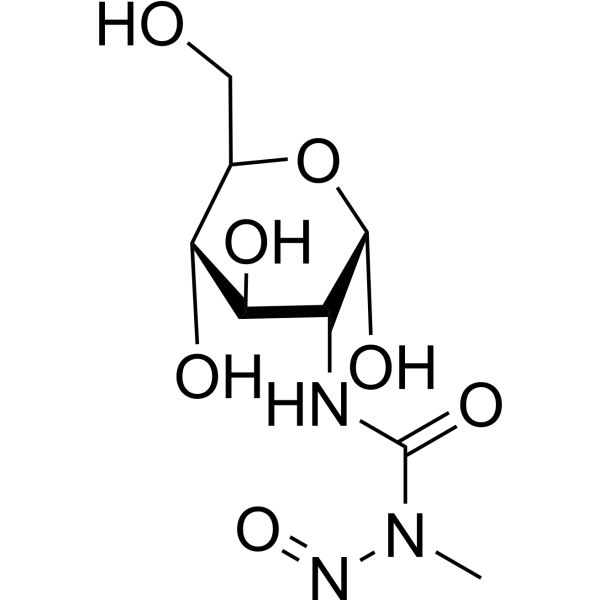
streptozotocin
" in MedChemExpress (MCE) Product Catalog:
4
Biochemical Assay Reagents
1
Isotope-Labeled Compounds
| Cat. No. |
Product Name |
Target |
Research Areas |
Chemical Structure |
-
- HY-13753
-
-
-
- HY-10863
-
-
-
- HY-W004544
-
|
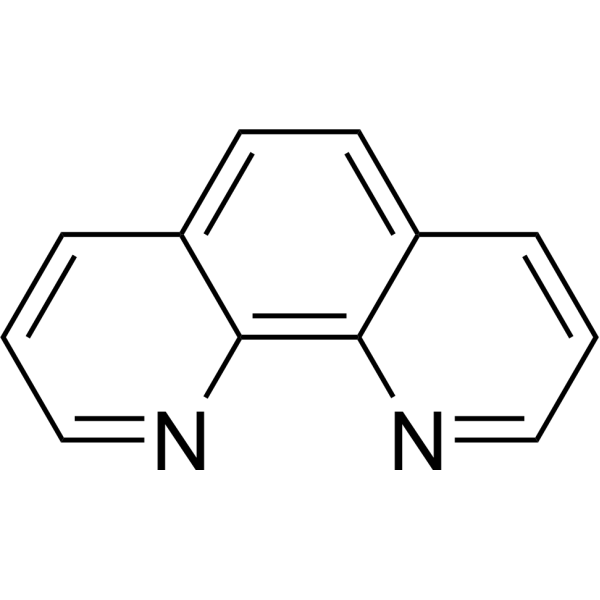
1,10-Phenanthroline
|
Environmental Pollutants
MMP
|
Others
|
|
o-Phenanthroline (1,10-Phenanthroline), a metal chelator, prevents the induction of chromosomal aberrations in streptozotocin-treated cells. o-Phenanthroline (1,10-Phenanthroline) forms a red chelate with Fe 2+ that absorbs maximally at 510 nm. o-Phenanthroline (1,10-Phenanthroline) is also a MMP inhibitor .
|
-
-
- HY-Y1841
-
|
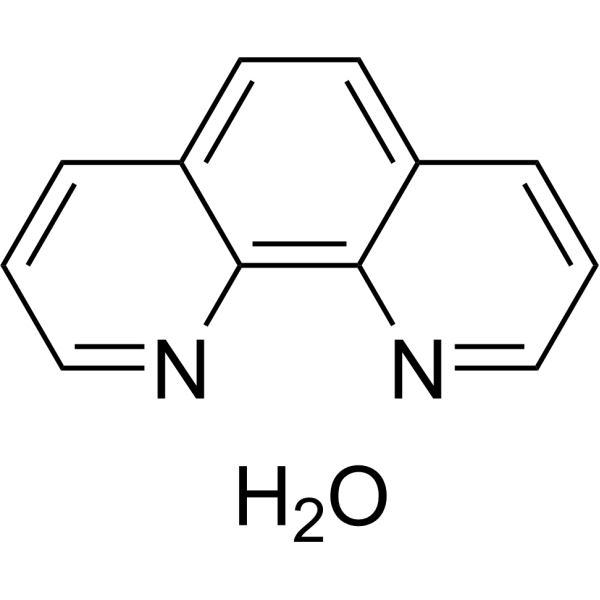
1,10-Phenanthroline monohydrate
|
MOFs
MMP
|
Others
|
|
o-Phenanthroline (1,10-Phenanthroline) monohydrate, a metal chelator, prevents the induction of chromosomal aberrations in streptozotocin-treated cells. o-Phenanthroline monohydrate forms a red chelate with Fe 2+ that absorbs maximally at 510 nm. o-Phenanthroline (1,10-Phenanthroline) monohydrate is also a MMP inhibitor .
|
-
-
- HY-160186
-
20-SOLA
1 Publications Verification
|
Cytochrome P450
|
Cardiovascular Disease
Metabolic Disease
Endocrinology
|
|
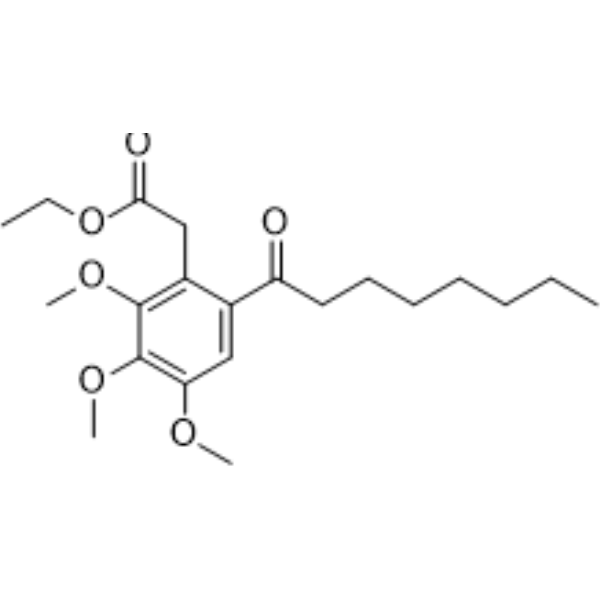
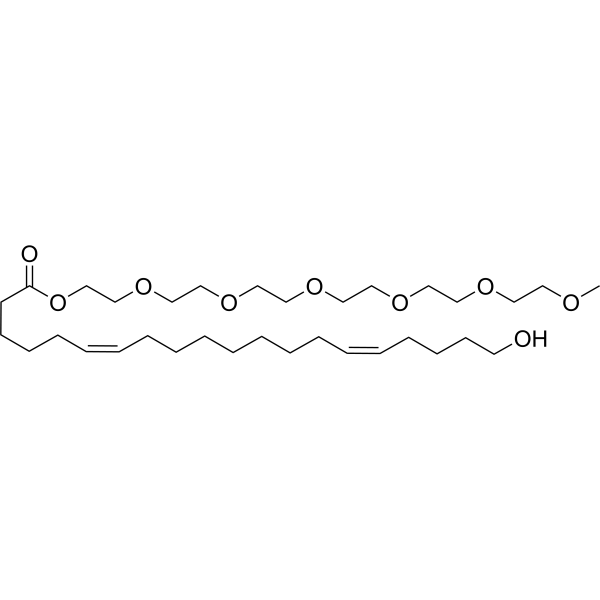
20-SOLA is an orally active 20-HETE antagonist. 20-SOLA greatly ameliorates changes in blood pressure and renal injury associated with a Streptozotocin (STZ) (HY-13753)-diabetic mouse model. 20-SOLA facilitates the restoration of coronary collateral growth (CCG) after ischemic injury. 20-SOLA can be studied for research in cardiovascular diseases and diabetes .
|
-
-
- HY-13981
-
|
LGD-4033
|
Androgen Receptor
Apoptosis
Insulin Receptor
Caspase
|
Metabolic Disease
Endocrinology
|
|
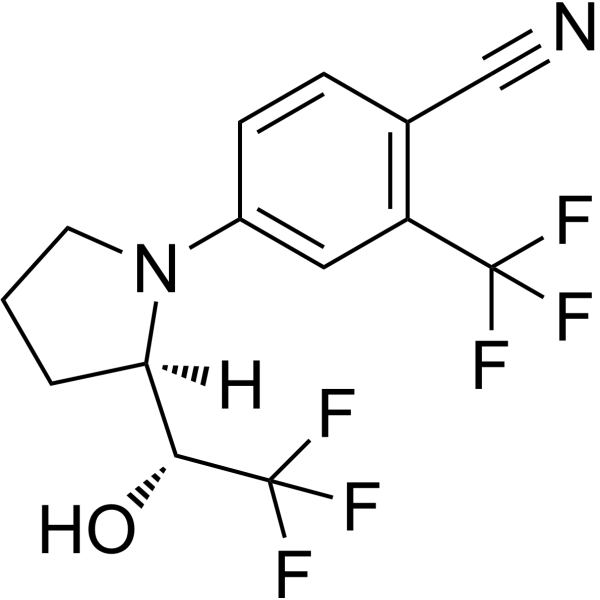
Ligandrol is an orally active, selective androgen receptor (AR) agonist. Ligandrol enhances protein synthesis, inhibits muscle breakdown and oxidative stress, improves muscle cell viability and bone tissue microstructure, and reduces Cisplatin (HY-17394)-induced muscle toxicity and apoptosis. Ligandrol promotes muscle growth, protects bone structure, and has anti-diabetic, anti-apoptotic and antioxidant effects. Ligandrol can antagonize Streptozotocin (HY-13753) damage to pancreatic islets and improve the symptoms of type 2 diabetes .
|
-
-
- HY-117626
-
|
|
AAK1
Cyclin G-associated Kinase (GAK)
SARS-CoV
|
Infection
Neurological Disease
Inflammation/Immunology
|
|
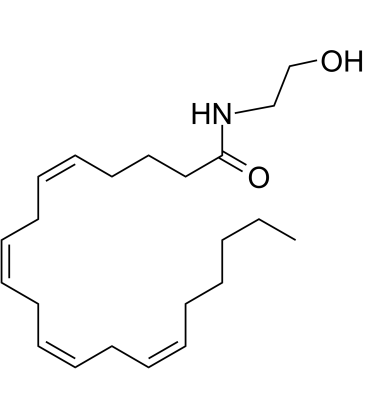
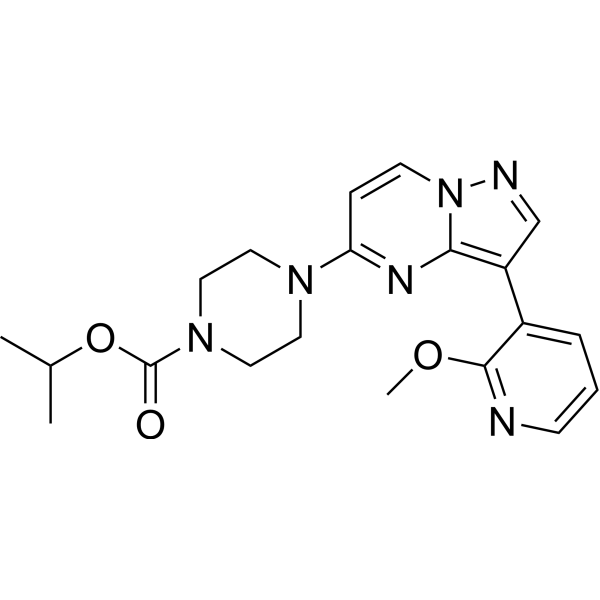
LP-935509 is an orally active, potent, selective, ATP-competitive and brain-penetrant inhibitor of adaptor protein-2 associated kinase 1 (AAK1) with an IC50 of 3.3 nM and a Ki of 0.9 nM, respectively. LP-935509 is also a potent inhibitor of BIKE (IC50=14 nM) and a modest inhibitor of GAK (IC50=320 nM). LP-935509 shows antinociceptive activity. LP-935509 can be used for neuropathic pain and SARS-CoV-2 research .
|
-
-
- HY-103290
-
|
|
Bradykinin Receptor
|
Others
|
|
R715 is a selective bradykinin B1 receptor antagonist. R715 significantly attenuates the hyperalgesic effect developed in Streptozotocin(HY-13753)-diabetic mice .
|
-
-
- HY-126144
-
|
|
GSK-3
|
Metabolic Disease
Cancer
|
|
GSK-3β inhibitor 1 (compound 3a) inhibits GSK-3β with an IC50 of 4.19 nM. GSK-3β inhibitor 1 demonstrates high antidiabetic efficacy in obese Streptozotocin (HY-13753)-treated rats .
|
-
-
- HY-18555
-
TMPA
3 Publications Verification
|
Nuclear Hormone Receptor 4A/NR4A
AMPK
|
Metabolic Disease
Inflammation/Immunology
Cancer
|
|
TMPA is a high-affinity Nur77 antagonist that binds to Nur77 leading to the release and shuttling of LKB1 in the cytoplasm to activate AMPKα. TMPA effectively lowers blood glucose and attenuates insulin resistance in type II db/db, high-fat diet and streptozotocin-induced diabetic mice. TMPA reduces RICD (restimulation-induced cell death) in human T cells, can also be used in studies of cancer and T-cell apoptosis dysregulation .
|
-
-
- HY-10851
-
|
|
JNK
Reactive Oxygen Species (ROS)
|
Neurological Disease
|
|
JNK-9L (Compound 9l) is a BBB-penetrable and ATP-competitive JNK inhibitor with IC50s of 0.099 and 0.148 μM for JNK1 and JNK3, respectively. JNK-9L significantly inhibits c-jun phosphorylation and Streptozotocin (HY-13753)-induced ROS generation with an IC50 of 0.8 nM. JNK-9L can be used for neurodegenerative disorders like Parkinson’s disease research .
|
-
-
- HY-P99959
-
|
MT-3921; rH116A3
|
TGF-β Receptor
|
Neurological Disease
|
|
Unasnemab (MT-3921) is a humanised IgG1 monoclonal antibody that binds to repulsive guidance molecule A (RGMa). Unasnemab improves locomotor function and promotes neuroregeneration. Unasnemab exerts ameliorative effects on hippocampal neurogenesis impairment and cognitive decline in db/db mice, Streptozotocin (STZ) (HY-13753)-induced type 1 diabetic and bilateral common carotid artery stenosis (BCAS)-induced mice. Unasnemab can be used for the research of spinal cord injury, diabetes-induced neurological impairments .
|
-
-
- HY-N3015
-
|
|
Others
|
Metabolic Disease
|
|
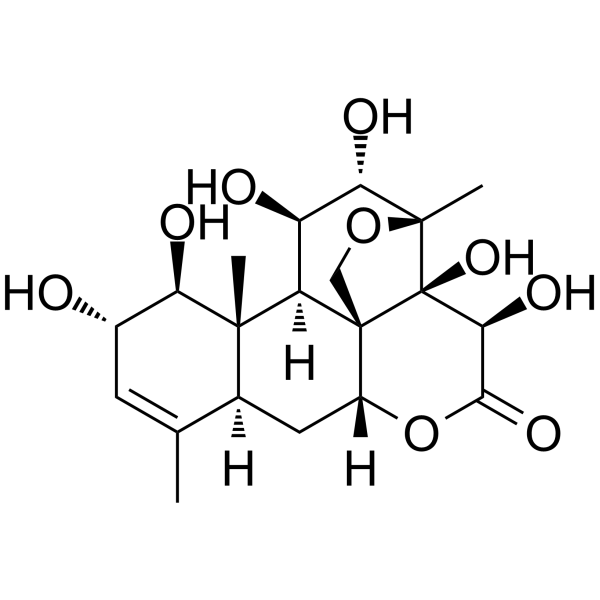
Bruceine E is a quassinoid from seeds of Brucea javanica (L.) Merr, exhibiting hypoglycemia effect . Bruceine E exhibits blood glucose lowering effect in both nondiabetic mice and Streptozotocin (STZ (HY-13753))-induced diabetic rats at lower dose .
|
-
-
- HY-164605
-
|
|
Aldehyde Dehydrogenase (ALDH)
|
Metabolic Disease
|
|
(6S)-CP-470711 (Compound 8) is an inhibitor for sorbitol dehydrogenase, that inhibits human and rat SDH with IC50 of 19 nM and 27 nM. (6S)-CP-470711 ameliorates the Streptozotocin (HY-13753)-induced diabetes in rats models .
|
-
-
- HY-163853
-
|
|
GLUT
Akt
|
Metabolic Disease
|
|
Antidiabetic agent 6 (Compound 19) is an antidiabetic Agent. Antidiabetic agent 6 stimulates GLUT4 translocation by activation of the PI3K/AKT-dependent signaling pathway. Antidiabetic agent 6 reduces blood glucose levels in Streptozotocin (HY-13753)-induced diabetic rats .
|
-
-
- HY-116005
-
|
|
Adenosine Kinase
|
Neurological Disease
Inflammation/Immunology
|
|
A-286501 is an orally active and potent carbocyclic nucleoside adenosine kinase inhibitor with an IC50 value of 0.47 nM, which shows analgesic and anti-inflammatory effects. A-286501 reduces nociception in animal models of acute (thermal), inflammatory (formalin and carrageenan) and neuropathic (L5/L6 nerve ligation and streptozotocin-induced diabetic) pain. A-286501 also reduces Carrageenan (HY-125474)-induced paw edema and myeloperoxidase activity in the injured paw. A-286501 is promising for research of analgesic and anti-inflammatory agents .
|
-
-
- HY-W127391
-
|
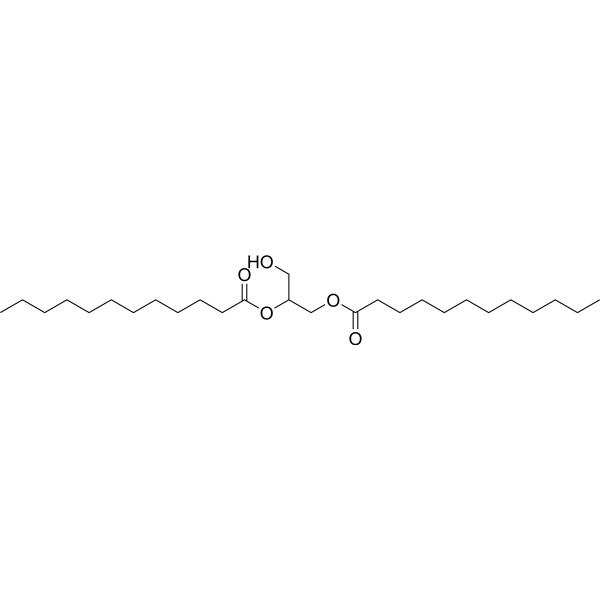
(Rac)-1,2-Didodecanoylglycerol
|
Biochemical Assay Reagents
|
Others
|
|
1,2-Dilaurin is a diacylglycerol containing lauric acid at the sn-1 and sn-2 positions. It has been used as an internal standard for the quantification of diglycerides in rat desheathed sciatic nerves. [1] Monomolecular films containing 1,2-dilauroyl-rac-glycerol have been used as substrates to measure surface pressure and the effect of pancreatic procolipase and colipase on porcine pancreatic lipase activity. [2] References: [1]. Zhu, X. and Eichberg, J. 1,2-Diacylglycerol content and its arachidonyl-containing molecular species are reduced in the sciatic nerve of streptozotocin-induced diabetic rats. J. Neurochemistry. 55(3), 1087-1090 (1990).[2]. Wieloch, T., Borgstr m, B., Piéroni, G. et al. Porcine trypsinogen and its trypsin-activated form: lipid binding and lipase activation on monomolecular membranes. FEBS Express. 128(2), 217-220 (1981).
|
-
-
- HY-19415B
-
|
|
Phospholipase
|
Metabolic Disease
|
|
SB-435495 ditartrate is a potent, selective, reversible, non-covalent and orally active Lp-PLA2 inhibitor with an IC50 of 0.06 nM .
|
-
-
- HY-17451
-
-
-
- HY-Q40876
-
|
|
Calcium Channel
|
Metabolic Disease
|
|
BBT is an enhancer of impaired glucose-stimulated insulin secretion (GSIS). BBT exhibits anti-hyperglycemia activity, and protects β-cells from cytokine- or streptozotocin (STZ (HY-13753))-induced cell death in type 2 diabetes models. BBT acts function via cAMP/PKA and long-lasting (L-type) voltage-dependent Ca2+ channel/CaMK2 pathway .
|
-
-
- HY-106915
-
|
SPR 210
|
Aldose Reductase
|
Neurological Disease
Metabolic Disease
|
|
SG-210 (SPR 210) is an orally active and selective aldose reductase (AR) inhibitor. SG-210 has IC50 values of 9.5 nM and 10 nM for AR from porcine lens and human placenta, respectively. SG-210 can inhibit sorbitol accumulation and ameliorate diabetic neuropathy and retinopathy in Streptozotocin (HY-13753)-induced diabetic rats. SG-210 can be used in the research of diseases such as diabetes-related complications .
|
-
-
- HY-174829
-
|
|
Protease Activated Receptor (PAR)
NF-κB
Reactive Oxygen Species (ROS)
Calcium Channel
Akt
ERK
p38 MAPK
PKC
|
Cardiovascular Disease
Metabolic Disease
|
|
7,4'-Dimethoxy-3-hydroxyflavone is an orally active PAR4 antagonist. 7,4'-Dimethoxy-3-hydroxyflavone inhibits PAR4-mediated human platelet aggregation with an IC50 of 1.4 μM. 7,4'-Dimethoxy-3-hydroxyflavone inhibits PAR4-mediated human platelet aggregation and PAR4 signaling pathways, including NF-κB, Ca 2+/protein kinase C, Akt, ERK and p38. 7,4'-Dimethoxy-3-hydroxyflavone prevents vascular PAR4 expression, endothelial dysfunction and ameliorates oxidative stress in Streptozotocin (STZ) (HY-13753)-induced diabetic mice.
7,4'-Dimethoxy-3-hydroxyflavone prevents thrombosis in mice without affecting bleeding time [1][2].
|
-
-
- HY-124244
-
|
PPARδ/γ agonist 1
|
PPAR
|
Neurological Disease
|
|
DB-959 (PPARδ/γ agonist 1) is a potent PPAR agonist targeting PPARδ/γ. DB-959 improves spatial learning and memory in mice induced by Streptozotocin (HY-13753) and has the potential to improve Alzheimer's disease (AD). .
|
-
-
- HY-174419
-
-
-
- HY-161682
-
|
|
GPR84
|
Neurological Disease
|
|
GPR84 antagonist 9 (compound 320) is an orally active GPR84 antagonist with the IC50 of 0.012 μM. GPR84 antagonist 9 can be used for study of inflammatory-driven pain diseases .
|
-
-
- HY-145549
-
|
N-eicosanoyl-D-erythro-Sphingosylphosphorylcholine; SM(d18:1/20:0)
|
Endogenous Metabolite
|
Endocrinology
|
|
C20 Sphingomyelin (d18:1/20:0) (N-eicosanoyl-D-erythro-Sphingosylphosphorylcholine; SM(d18:1/20:0)) is a naturally occurring sphingolipid. C20 Sphingomyelin (d18:1/20:0) levels are upregulated in the hippocampus of streptozotocin (HY-13753)-induced diabetic rats and in human plasma, positively correlating with insulin resistance in obese humans. C20 Sphingomyelin (d18:1/20:0) is also upregulated in the liver of a mouse model of Niemann-Pick C1 disease, a neurodegenerative cholesterol sphingolipid lysosomal storage disorder.
|
-
-
- HY-178447
-
|
|
PPAR
Glutathione Peroxidase
SOD
TNF Receptor
Interleukin Related
NF-κB
|
Infection
Metabolic Disease
Endocrinology
|
|
PPARγ agonist 20 is a potent, orally active PPAR-γ agonist. PPARγ agonist 20 effectively increases antioxidant defenses (SOD, GSH) and reduces lipid peroxidation. PPARγ agonist 20 can upregulate of Pparg, Glut4, and AdipoQ, suppresses of TNF-α, IL-6, and NF-κB p65. PPARγ agonist 20 significantly lowers fasting blood glucose, improving glucose tolerance, and restoring metabolic balance in Streptozotocin (HY-13753)-Nicotinamide (HY-B0150)-induced diabetic rats. PPARγ agonist 20 can be used for the study of type 2 diabetes .
|
-
-
- HY-P60234A
-
|
|
Dipeptidyl Peptidase
GLP Receptor
|
Metabolic Disease
|
|
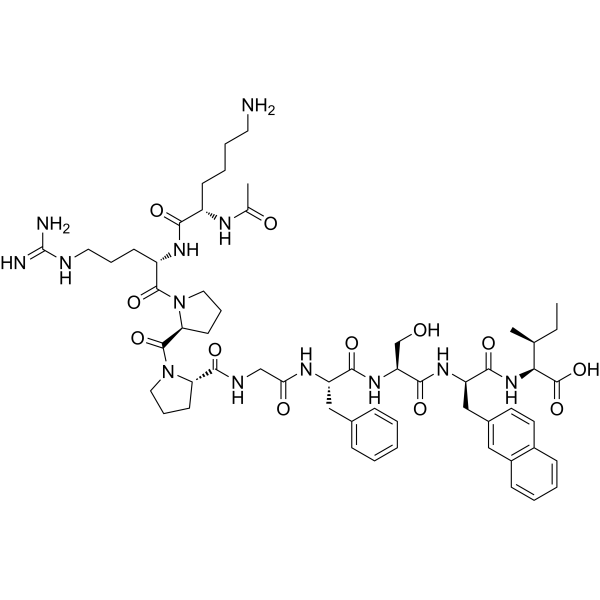
AGFAGDDAPR is a bioactive peptide that is a competitive and orally effective inhibitor of dipeptidyl peptidase-IV (DPP-IV). AGFAGDDAPR can enhance the level of GLP-1 in the body by inhibiting DPP-IV, thereby stimulating insulin secretion, improving β-cell function, and inhibiting abnormal proliferation of α-cells, exerting anti-diabetic effects. AGFAGDDAPR can be used for research on type 2 diabetes .
|
-
-
- HY-178958
-
|
|
PPAR
Adenosine Receptor
Fatty Acid Synthase (FASN)
Endogenous Metabolite
|
Metabolic Disease
Inflammation/Immunology
Endocrinology
|
|
PPAR agonist 7 is an orally active pan-PPAR agonist, demonstrating potent activation of all three subtypes, PPARα (EC50 = 1.51 μM), PPARδ (EC50 = 1.11 μM), and PPARγ (EC50 = 3.14 μM). PPAR agonist 7 significantly enhances glucose uptake in adipocytes while exhibiting minimal adipogenic activity. PPAR agonist 7 can suppress PPARγ Ser273 phosphorylation in white adipose tissue and upregulate insulin-sensitizing genes. PPAR agonist 7 does not cause weight gain or fluid retention in high-fat diet (HFD)/
Streptozotocin (HY-13753) (STZ)-induced type 2 diabetes mellitus (T2DM) models. PPAR agonist 7 has selective modulation of PPAR signaling pathways without activation of adipogenic gene programs. PPAR agonist 7 can be used for the study of diabetes .
|
-
-
- HY-103567
-
|
|
mGluR
|
Neurological Disease
|
|
Desmethyl-YM-298198 hydrochloride is a high-affinity, selective, and noncompetitive mGluR1 antagonist (IC50: 16 nM). Desmethyl-YM-298198 hydrochloride has analgesic effect in Streptozotocin (HY-13753)-induced hyperalgesic mice .
|
-
-
- HY-103567A
-
|
|
mGluR
|
Neurological Disease
|
|
Desmethyl-YM-298198 is a high-affinity, selective, and noncompetitive mGluR1 antagonist (IC50: 16 nM). Desmethyl-YM-298198 has analgesic effect in Streptozotocin (HY-13753)-induced hyperalgesic mice .
|
-
-
- HY-151138
-
|
|
Glycosidase
|
Metabolic Disease
|
|
α-Glucosidase-IN-16 is a potent and orally active α-glucosidase inhibitor with an IC50 value of 3.28 μM. α-Glucosidase-IN-16 can reduce the level of blood glucose in Streptozotocin (HY-13753)-induced diabetic rats. Antidiabetic activity .
|
-
-
- HY-111327
-
|
|
Glycosidase
|
Metabolic Disease
|
|
Valibose is analpha-glucosidaseinhibitor, and ameliorates the metabolic disorder of glucose and lipids and the nephropathy in Streptozotocin (HY-13753)-induced diabetic rats .
|
-
-
- HY-131542
-
|
|
Aldose Reductase
Apoptosis
|
Metabolic Disease
|
|
APPA is an aldose reductase inhibitor. APPA can effectively prevent apoptosis and the symptoms of Streptozotocin (HY-13753)-induced diabetes by inhibiting the polyol pathway in rats. APPA has the potential for diabetic nephropathy (DN) research .
|
-
-
- HY-Y1841R
-
|
|
Reference Standards
MMP
|
Others
|
|
o-Phenanthroline (1,10-Phenanthroline) monohydrate, a metal chelator, prevents the induction of chromosomal aberrations in streptozotocin-treated cells. o-Phenanthroline monohydrate forms a red chelate with Fe2+ that absorbs maximally at 510 nm. o-Phenanthroline (1,10-Phenanthroline) monohydrate is also a MMP inhibitor .
|
-
-
- HY-19415A
-
|
|
Phospholipase
|
Metabolic Disease
|
|
SB-435495 hydrochloride is a potent, selective, reversible, non-covalent and orally active Lp-PLA2 inhibitor with an IC50 of 0.06 nM .
|
-
-
- HY-168719
-
|
|
PPAR
|
Inflammation/Immunology
|
|
PPARγ agonist 16 (Compound 4G) is the agonist for PPARγ, that competitively binds to LBD domain of PPARγ with IC50 of 1790 nM. PPARγ agonist 16 inhibits the ear swelling in mouse model, and exhibits anti-hyperglycemic in Streptozotocin (HY-13753)-induced mouse diabetes mellitus model .
|
-
-
- HY-17451R
-
|
|
Reference Standards
Potassium Channel
|
Metabolic Disease
|
|
Glibornuride (Standard) is the analytical standard of Glibornuride. This product is intended for research and analytical applications. Glibornuride is a blocker of ATP-sensitive K+ channels (KATP channel) with a pKi of 5.75 . Antidiabetic agent .
|
-
-
- HY-W004544S
-
|
1,10-Phenanthroline-d8
|
Isotope-Labeled Compounds
MMP
|
Others
|
|
o-Phenanthroline-d8 is the deuterium labeled o-Phenanthroline. o-Phenanthroline (1,10-Phenanthroline), a metal chelator, prevents the induction of chromosomal aberrations in streptozotocin-treated cells. o-Phenanthroline (1,10-Phenanthroline) forms a red chelate with Fe2+ that absorbs maximally at 510 nm. o-Phenanthroline (1,10-Phenanthroline) is also a MMP inhibitor .
|
-
-
- HY-163005
-
|
|
Glycosidase
|
Metabolic Disease
|
|
α-Glucosidase-IN-43 (compound AS14) is an α-glucosidase inhibitor (IC50: 4.32 μM) with acute hypoglycemic activity. α-Glucosidase-IN-43 exhibits safety and in vivo efficacy, is nontoxic to normal mouse fibroblasts, and is able to rescue streptozotocin (HY-13753)-induced diabetic rats. α-Glucosidase-IN-43 can be used to study postprandial hyperglycemia in diabetic patients .
|
-
-
- HY-162639
-
|
|
Glycosidase
Cholinesterase (ChE)
|
Neurological Disease
Metabolic Disease
|
|
α-Glucosidase-IN-68 (Compound 2) is an inhibitor for α-Glucosidase, AChE, and BChE, with IC50 of 0.251, 0.774 and 0.793 μM, respectively. α-Glucosidase-IN-68 exhibits antioxidant efficacy, with IC50 of 0.69 μM and 0.02 μM, in DPPH and ABTS experiments. α-Glucosidase-IN-68 exhibits antidiabetic effect in Streptozotocin (HY-13753)-induced diabetic rat models .
|
-
-
- HY-169404
-
|
|
PPAR
|
Metabolic Disease
|
|
PPARγ agonist 15 (Compound 7c) is an agonist for PPARγ. PPARγ agonist 15 inhibits the expression of alpha-amylase (HPA) and alpha-glucosidase (HLAG) with IC50 of 28.35 µM and 26.21 µM. PPARγ agonist 15 enhances glucose uptake in the L6 myotube cell. PPARγ agonist 15 improves glucose homeostasis, insulin sensitivity, and lipid metabolism in rat Streptozotocin (HY-13753)-induced diabetes model .
|
-
-
- HY-159962
-
|
|
Glutaminase
|
Metabolic Disease
|
|
TGase2-IN-1 (Compound 22) is an orally active inhibitor for TGase2 with an IC50 of 1.12 μM. TGase2-IN-1 inhibits TGase2 in human retinal microvascular endothelial cells with an IC50 of 0.07 μM. TGase2-IN-1 exhibits 74.6% oral bioavailability. TGase2-IN-1 inhibits retinal vascular leakage in mouse Streptozotocin (HY-13753)-induced diabetic model .
|
-
-
- HY-107510
-
|
|
mGluR
|
Neurological Disease
|
|
YM-230888 is an orally active, selective and allosteric mGlu1 receptor antagonist with a Ki of 13 nM. YM-230888 inhibits mGlu1-mediated inositol phosphate production in rat cerebellar granule cells with an IC50 of 13 nM. YM-230888 shows antinociceptive response in Streptozotocin (HY-13753)-induced hyperalgesia models. YM-230888 significantly reduces pain parameters in complete Freund's adjuvant (HY-153808)-induced arthritic pain models .
|
-
-
- HY-162681
-
|
|
Cholinesterase (ChE)
Interleukin Related
|
Neurological Disease
|
|
eeAChE-IN-3 (compound YS3g) is an orally active, potent EeAChE and IL-6 inhibitor with IC50s of 0.54 μM, 0.49 μM, 8.54 μM and 0.57 μM for EeAChE, RatAChE, RatBuChE and IL-6, respectively. eeAChE-IN-3 improves STZ (HY-13753) (Streptozotocin; HY-13753)-induced learning and memory impairment in mice. eeAChE-IN-3 has the potential for Alzheimer's disease (AD) research .
|
-
-
- HY-168214
-
|
|
Potassium Channel
|
Neurological Disease
|
|
Kv7.2/Kv7.3 agonist 1 (Compound 16) is an orally active agonist for KV7.2/7.3 channel (KCNQ2/3) with an EC50 of 1.03 μM. Kv7.2/Kv7.3 agonist 1 exhibits analgesic efficacy in mice chronic constriction injury (CCI) model and mice Streptozotocin (HY-13753)-induced diabetic peripheral neuropathic pain (DPNP) model, with ED50 of 12.02 and 9.63 mg/kg .
|
-
-
- HY-175590
-
|
|
Dipeptidyl Peptidase
|
Metabolic Disease
|
|
DPP-4-IN-17 is an orally active and selective dipeptidyl peptidase-4 (DPP-4) inhibitor with an IC50 value of 0.12 nM. DPP-4-IN-17 increases the enzyme's Km value (75.73 μM vs. 27.18 μM of substrate alone) and reduces catalytic efficiency. DPP-4-IN-17 reduces blood glucose levels and reverses weight loss in Streptozotocin (STZ) (HY-13753)/Nicotinamide (NA) (HY-B0150)-induced diabetic rats. DPP-4-IN-17 can be used for the study of type 2 diabetes mellitus (T2DM) .
|
-
-
- HY-W041672
-
|
|
PARP
|
Cancer
|
|
PD128763 is a selective poly(ADP-ribose) polymerase inhibitor. PD128763 results in an enhancement of Streptozotocin (HY-13753)-induced cytotoxicity. PD128763 can be used in leukemia research .
|
-
-
- HY-122075
-
|
|
Others
|
Metabolic Disease
|
|
FR 78844 is a potent and orally active bone resorption inhibitor. FR 78844 has the potential for the research of diabetes associated osteopenia .
|
-
-
- HY-169117
-
|
|
Glycosidase
|
Metabolic Disease
|
|
α-Glucosidase-IN-74 (Compound 7d), an isatin-thiazole derivative, is a α-glucosidase inhibitor. α-Glucosidase-IN-74 exhibits antidiabetic activity by decreasing glycaemia and triglyceride levels in Streptozotocin (HY-13753)-induced diabetic animals .
|
-
- HY-N17761A
-
|
|
Others
|
Metabolic Disease
|
|
Tetrandrine 2'-N-β-oxide is an anti-hyperglycemic dibenzylisoquinoline alkaloid. At a dose of 1 mg/kg, Tetrandrine 2'-N-β-oxide can reduce hyperglycemia levels in streptozotocin (HY-13753)-induced diabetic mice to nearly 50% of their original levels. Tetrandrine 2'-N-β-oxide is primarily used in research related to the anti-hyperglycemic of type 2 diabetes.
|
-
- HY-181335
-
|
|
Arrestin
|
Metabolic Disease
Inflammation/Immunology
|
|
SKL1223 is an orally effective thioredoxin-interacting protein (TXNIP) inhibitor with an IC50 of 0.64 µM. SKL1223 interacts with the E-box region of the TXNIP promoter to inhibit TXNIP transcription and related signaling pathways. SKL1223 reduces hepatic glucose output. SKL1223 exerts hypoglycemic effects by regulating the action of glucagon, and modulates blood glucose levels in Streptozotocin (HY-13753)-induced and obesity-induced diabetic mice. SKL1223 can be used in the research of type 1 diabetes and type 2 diabetes .
|
-
- HY-180784
-
|
|
Drug Derivative
Dipeptidyl Peptidase
SGLT
GLUT
|
Metabolic Disease
|
|
Hypoglycemic agent 4 (Compound 5b) is a tetrahydroacridine derivative with orally active hypoglycemic activity. Hypoglycemic agent 4 has a good binding affinity for the key diabetic targets: DPP-IV, SGLT1, and GLUT2. Hypoglycemic agent 4 can inhibit glucose diffusion. Hypoglycemic agent 4 can reduce fasting blood sugar in Streptozotocin (HY-13753)-induced diabetic rats and its effect is comparable to Gliclazide (HY-B0753). Hypoglycemic agent 4 can be used for research of type 2 diabetes .
|
-
- HY-180400
-
|
|
nAChR
Calcium Channel
|
Neurological Disease
|
|
PAM-2 is a potent, orally active, CNS-penetrant selective α7 nAChR positive allosteric modulator (human α7 nAChR EC50: 39 μM, rat α7 nAChR EC50: 12 μM) with anti-nociceptive and anti-inflammatory activity. PAM-2 exhibits selectivity over α9α10 nAChR (IC50 = 174 μM) and CaV2.2 channel (IC50 = 89 μM). PAM-2 decreases Streptozotocin (STZ) (HY-13753)- and Oxaliplatin (HY-17371)-inducned nuroparhic pain in mice by α7 nAChR potentiation. PAM-2 can be used for the research of neuropathic pain .
|
-
- HY-164111
-
|
|
JAK
|
Neurological Disease
|
|
JNK-IN-17 (Compound 9J) is a selective and potent JNK inhibitor with IC50 values of 0.039, 0.079 μM for JNK1 and JNK3. JNK-IN-17 can inhibit c-Jun phosphorylation with an IC50 of 0.082 μM in Streptozotocin (HY-13753)-infuced INS-1 pancreatic islet β cells. JNK-IN-17 shows inhibition rate ≤ 33% on the four main P450 subtypes (2C9, 2D6, 3A4, 1A2) in human liver microsomes, indicating a relatively low risk of drug interactions. JNK-IN-17 can be used for researches of neurological and metabolic disease, such as Parkinson's disease .
|
-
- HY-160475
-
|
|
Aldehyde Dehydrogenase (ALDH)
Apoptosis
Autophagy
|
Cardiovascular Disease
Metabolic Disease
|
|
AD-9308 is a highly selective and orally active ALDH2 activator. AD-9308 activates ALDH2 to promote the clearance of 4-HNE, inhibiting myocardial fibrosis, inflammation and cell apoptosis. AD-9308 improves mitochondrial function, sarcoplasmic reticulum/ endoplasmic reticulum calcium transport and regulates autophagy, restoring intracellular homeostasis. AD-9308 improves the diastolic and systolic function of the heart in diabetic mice and reverses ventricular mal-reconstruction. AD-9308 can be used for the study of diabetic cardiomyopathy .
|
-
- HY-E71360
-
|
|
Glycosidase
|
Others
|
|
O-GlcNAcase, Clostridium perfringens is a glycosidase derived from Clostridium perfringens, which functions in bacterial nutrient metabolism, host interaction and virulence regulation. O-GlcNAcase is a core enzyme in the cellular signal regulatory network and serves as a key target for various major and chronic diseases. O-GlcNAcase, Clostridium perfringens can be used for basic research and drug development of O-GlcNAcase due to its high conservation in catalytic mechanism and structure with human-derived enzymes .
|
-
| Cat. No. |
Product Name |
Type |
-
- HY-W004544
-
|
1,10-Phenanthroline
|
Biochemical Assay Reagents
|
|
o-Phenanthroline (1,10-Phenanthroline), a metal chelator, prevents the induction of chromosomal aberrations in streptozotocin-treated cells. o-Phenanthroline (1,10-Phenanthroline) forms a red chelate with Fe 2+ that absorbs maximally at 510 nm. o-Phenanthroline (1,10-Phenanthroline) is also a MMP inhibitor .
|
-
- HY-Y1841
-
|
1,10-Phenanthroline monohydrate
|
Biochemical Assay Reagents
|
|
o-Phenanthroline (1,10-Phenanthroline) monohydrate, a metal chelator, prevents the induction of chromosomal aberrations in streptozotocin-treated cells. o-Phenanthroline monohydrate forms a red chelate with Fe 2+ that absorbs maximally at 510 nm. o-Phenanthroline (1,10-Phenanthroline) monohydrate is also a MMP inhibitor .
|
-
- HY-W127391
-
|
(Rac)-1,2-Didodecanoylglycerol
|
Biochemical Assay Reagents
|
|
1,2-Dilaurin is a diacylglycerol containing lauric acid at the sn-1 and sn-2 positions. It has been used as an internal standard for the quantification of diglycerides in rat desheathed sciatic nerves. [1] Monomolecular films containing 1,2-dilauroyl-rac-glycerol have been used as substrates to measure surface pressure and the effect of pancreatic procolipase and colipase on porcine pancreatic lipase activity. [2] References: [1]. Zhu, X. and Eichberg, J. 1,2-Diacylglycerol content and its arachidonyl-containing molecular species are reduced in the sciatic nerve of streptozotocin-induced diabetic rats. J. Neurochemistry. 55(3), 1087-1090 (1990).[2]. Wieloch, T., Borgstr m, B., Piéroni, G. et al. Porcine trypsinogen and its trypsin-activated form: lipid binding and lipase activation on monomolecular membranes. FEBS Express. 128(2), 217-220 (1981).
|
-
- HY-Y1841R
-
|
|
Biochemical Assay Reagents
|
|
o-Phenanthroline (1,10-Phenanthroline) monohydrate, a metal chelator, prevents the induction of chromosomal aberrations in streptozotocin-treated cells. o-Phenanthroline monohydrate forms a red chelate with Fe2+ that absorbs maximally at 510 nm. o-Phenanthroline (1,10-Phenanthroline) monohydrate is also a MMP inhibitor .
|
| Cat. No. |
Product Name |
Target |
Research Area |
-
- HY-103290
-
|
|
Bradykinin Receptor
|
Others
|
|
R715 is a selective bradykinin B1 receptor antagonist. R715 significantly attenuates the hyperalgesic effect developed in Streptozotocin(HY-13753)-diabetic mice .
|
-
- HY-P60234A
-
|
|
Dipeptidyl Peptidase
GLP Receptor
|
Metabolic Disease
|
|
AGFAGDDAPR is a bioactive peptide that is a competitive and orally effective inhibitor of dipeptidyl peptidase-IV (DPP-IV). AGFAGDDAPR can enhance the level of GLP-1 in the body by inhibiting DPP-IV, thereby stimulating insulin secretion, improving β-cell function, and inhibiting abnormal proliferation of α-cells, exerting anti-diabetic effects. AGFAGDDAPR can be used for research on type 2 diabetes .
|
| Cat. No. |
Product Name |
Target |
Research Area |
Image |
-
- HY-P99959
-
|
MT-3921; rH116A3
|
TGF-β Receptor
|
Neurological Disease
|
|
Unasnemab (MT-3921) is a humanised IgG1 monoclonal antibody that binds to repulsive guidance molecule A (RGMa). Unasnemab improves locomotor function and promotes neuroregeneration. Unasnemab exerts ameliorative effects on hippocampal neurogenesis impairment and cognitive decline in db/db mice, Streptozotocin (STZ) (HY-13753)-induced type 1 diabetic and bilateral common carotid artery stenosis (BCAS)-induced mice. Unasnemab can be used for the research of spinal cord injury, diabetes-induced neurological impairments .
|
-
(5)
| Cat. No. |
Product Name |
Category |
Target |
Chemical Structure |
| Cat. No. |
Product Name |
Chemical Structure |
-
- HY-W004544S
-
|
|
|
o-Phenanthroline-d8 is the deuterium labeled o-Phenanthroline. o-Phenanthroline (1,10-Phenanthroline), a metal chelator, prevents the induction of chromosomal aberrations in streptozotocin-treated cells. o-Phenanthroline (1,10-Phenanthroline) forms a red chelate with Fe2+ that absorbs maximally at 510 nm. o-Phenanthroline (1,10-Phenanthroline) is also a MMP inhibitor .
|
-
Your information is safe with us. * Required Fields.
Inquiry Information
- Product Name:
- Cat. No.:
- Quantity:
- MCE Japan Authorized Agent:

