Search Result
Results for "
synthetic+peptide
" in MedChemExpress (MCE) Product Catalog:
| Cat. No. |
Product Name |
Target |
Research Areas |
Chemical Structure |
-
- HY-P0202
-
|
ET-1 (swine, human)
|
Endothelin Receptor
|
Metabolic Disease
Inflammation/Immunology
|
|
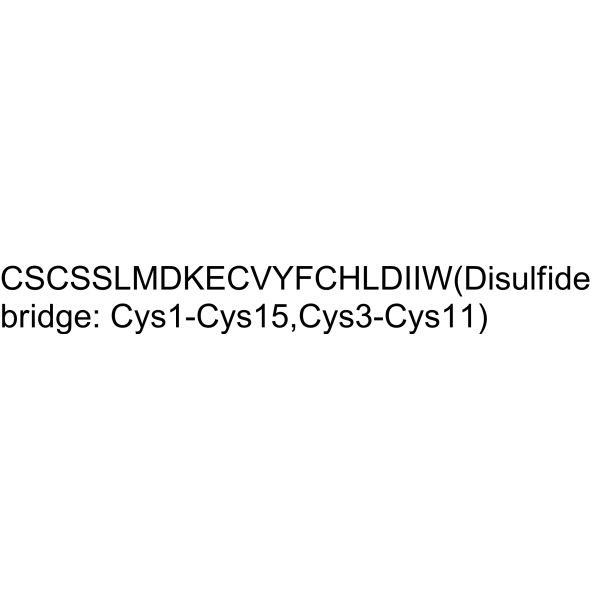
Endothelin 1 (swine, human) (ET-1) is a synthetic peptide with the sequence of human and swine Endothelin 1, which is a potent endogenous vasoconstrictor. Endothelin 1 acts through two types of receptors ETA and ETB .
|
-
-
- HY-P3211
-
|
LR12
|
TREM receptor
NF-κB
NOD-like Receptor (NLR)
Interleukin Related
Apoptosis
|
Cardiovascular Disease
Inflammation/Immunology
|
|
Nangibotide (LR12) is a synthetic peptide and TREM-1 receptor inhibitor. Nangibotide inhibits NF-κB and NLRP3 inflammasome activation and reduces the release of pro-inflammatory factors (such as IL-1β, IL-8). Nangibotide inhibits Apoptosis. Nangibotide reduces excessive inflammatory responses and protects tissues (liver, lung) from damage. Nangibotide can be used in the researches for myocardial ischemia-reperfusion injury, septic shock, acute lung injury, osteoarthritis, and acute liver failure .
|
-

-
- HY-P3211A
-
|
LR12 TFA
|
TREM receptor
NF-κB
NOD-like Receptor (NLR)
Interleukin Related
Apoptosis
|
Cardiovascular Disease
Inflammation/Immunology
|
|
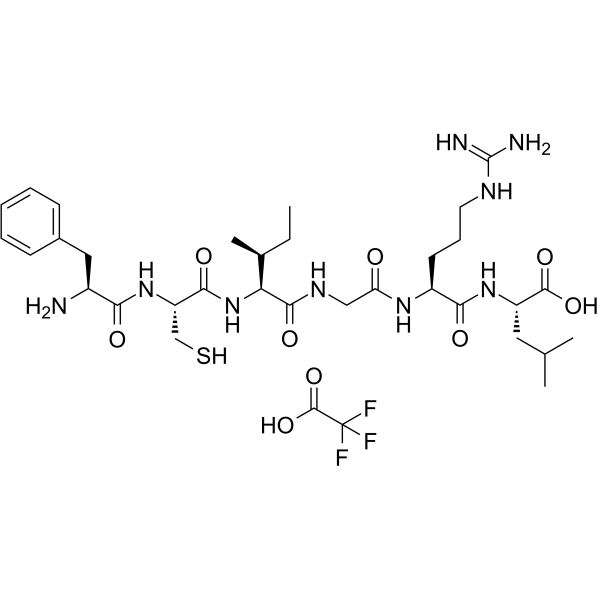
Nangibotide TFA (LR12 TFA) is a synthetic peptide and TREM-1 receptor inhibitor. Nangibotide TFA inhibits NF-κB and NLRP3 inflammasome activation and reduces the release of pro-inflammatory factors (such as IL-1β, IL-8). Nangibotide TFA inhibits Apoptosis. Nangibotide TFA reduces excessive inflammatory responses and protects tissues (liver, lung) from damage. Nangibotide TFA can be used in the researches for myocardial ischemia-reperfusion injury, septic shock, acute lung injury, osteoarthritis, and acute liver failure .
|
-

-
- HY-P1034
-
DAPTA
4 Publications Verification
D-Ala-peptide T-amide; Adaptavir
|
CCR
HIV
|
Infection
Endocrinology
|
|
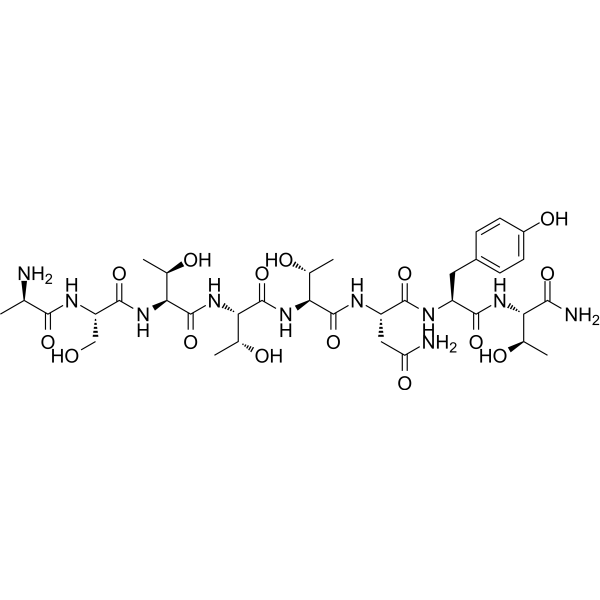
DAPTA is a synthetic peptide, functions as a viral entry inhibitor by targeting selectively CCR5, and shows potent anti-HIV activities.
|
-
-
- HY-P5766
-
|
|
nAChR
|
|
|
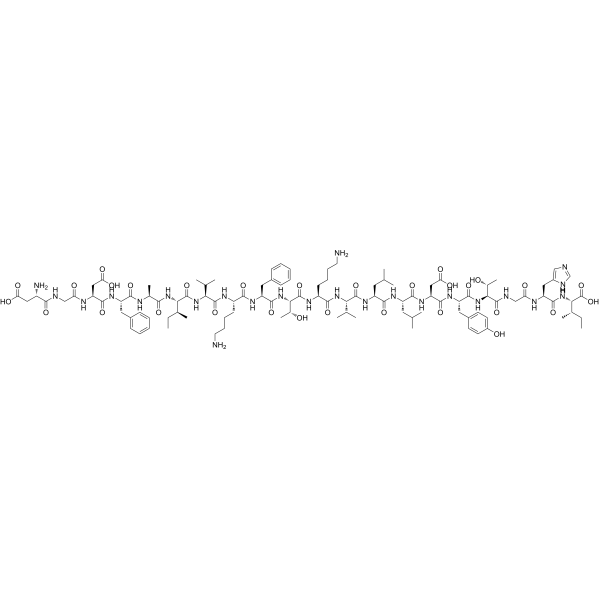
AChRα(97-116) is a synthetic peptide corresponding to the 97-116 region of the rat acetylcholine receptor α-subunit, and also an inducer of autoimmune diseases. AChRα(97-116) can be used in studies related to experimental autoimmune myasthenia gravis .
|
-
-
- HY-P1146
-
Semax
1 Publications Verification
|
Amyloid-β
|
Cardiovascular Disease
Neurological Disease
Inflammation/Immunology
|
|
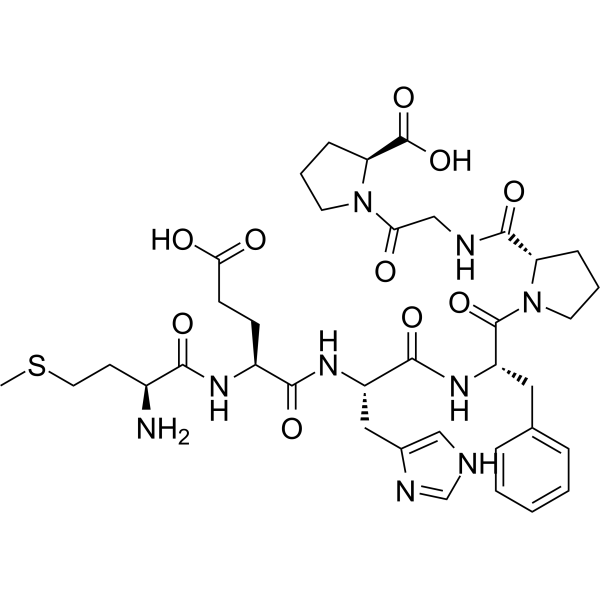
Semax is a BBB-penetrable adrenocorticotropic hormone-like peptide and can form stable complexes with Cu 2+. Semax is a synthetic peptide analog of Adrenocorticotropic hormone (ACTH) (4-10). Semax has immunomodulatory, nootropic and neuroprotective activities. Semax can be used in the research of central nervous system diseases such as Alzheimer's disease and cerebral ischemia .
|
-
-
- HY-P1821
-
|
MHP4-14
|
PKC
|
Neurological Disease
|
|
Myelin Basic Protein (MHP4-14), a synthetic peptide comprising residues 4-14 of myelin basic protein, is a very selective PKC substrate (Km=7 μM). Myelin Basic Protein is not phosphorylated by cyclic AMP-dependent protein kinase, casein kinases I and II, Ca 2+/calmodulin-dependent protein kinase II, or phosphorylase kinase, and can be routinely used for the assay of protein kinase C with low background in the crude tissue extracts .
|
-

-
- HY-P0064
-
|
Palmitoyl Tetrapeptide-7
|
Interleukin Related
|
Inflammation/Immunology
|
|
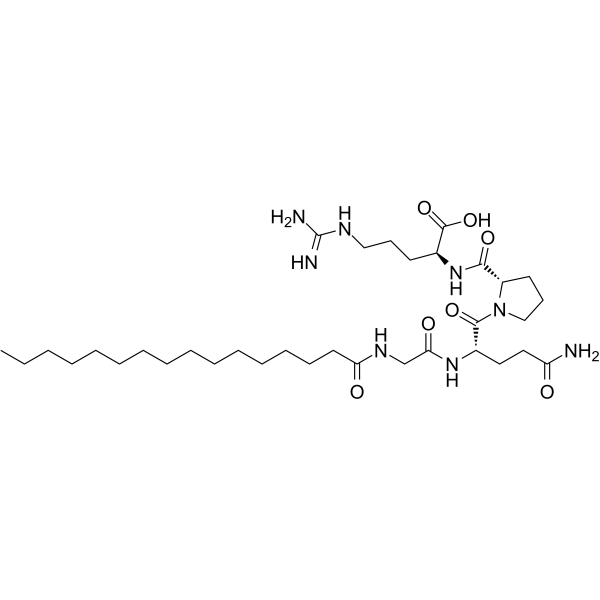
Palmitoyl Tetrapeptide-3 (Palmitoyl Tetrapeptide-7) is a synthetic peptide corresponding to amino acids 341-344 of the human immunoglobulin heavy chain, with the ability to stimulate phagocytosis. Palmitoyl tetrapeptide-3 reduces interleukin-6 (IL-6) secretion in keratinocytes and inhibits the UVB radiation-exposure inflammatory response of skin. Palmitoyl tetrapeptide-3 It also has anti-inflammatory and anti-aging effects, reducing skin wrinkles by promoting the production of elastic fibers in the papillary dermis .
|
-
-
- HY-114426A
-
-
-
- HY-P0222
-
|
|
PKA
|
Others
|
|
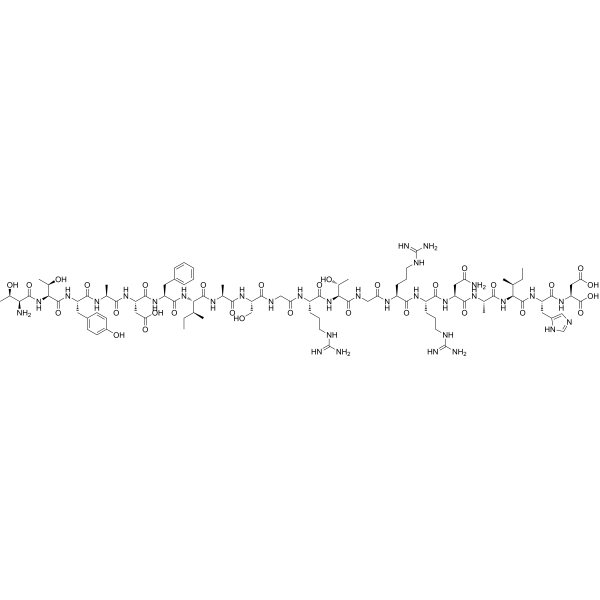
PKI(5-24) is a potent, competitive, and synthetic peptide inhibitor of PKA (cAMP-dependent protein kinase), with a Ki of 2.3 nM. PKI(5-24) corresponds to residues 5-24 in the naturally occurring heat-stable protein kinase inhibitor .
|
-
-
- HY-P1626
-
|
|
Opioid Receptor
|
Neurological Disease
|
|
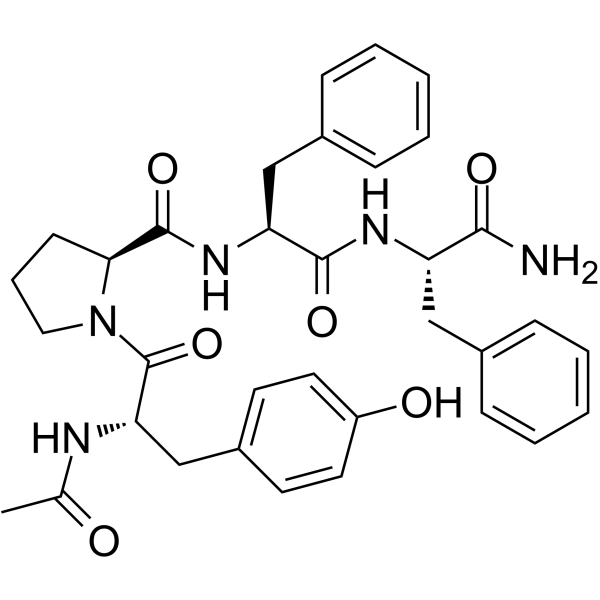
Acetyl tetrapeptide-15 is a synthetic peptide. Acetyl tetrapeptide-15 is derived from endomorphin-2 (Tyr-Pro-Phe-Phe-NH2), a human μ-opioid agonist with selective anti-nociceptive effect. Acetyl tetrapeptide-15 reduces skin hyperreactivity producing inflammatory, chronic and neuropathic pain, by increasing the threshold of neuronal excitability in μ-opioid receptor via an endorphin-like pathway. Acetyl tetrapeptide-15 is used in the cosmetics for sensitive skin .
|
-
-
- HY-W129161
-
|
|
Amino Acid Derivatives
|
Metabolic Disease
|
|
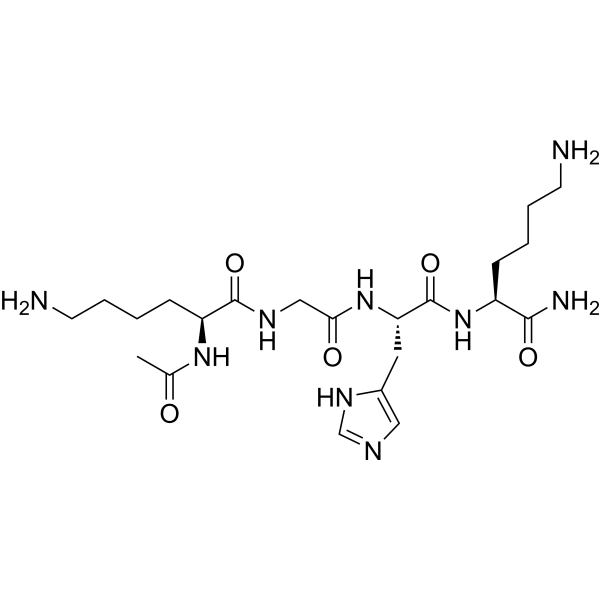
Acetyl tetrapeptide-3 is a synthetic peptide. Acetyl tetrapeptide-3 enhances the adhesion of hair follicles to the scalp but also promotes the development of new hair follicles. Acetyl tetrapeptide-3 stimulates the synthesis of collagen III in hair follicles. Acetyl tetrapeptide-3 combined with Biochanin A (HY-14595) and ginseng extracts, can stimulate dermal papilla extracellular matrix (ECM) proteins by increasing hydroxyproline, Collagen Type 3, and laminin, yielding a significant improvement in hair follicle size and hair anchoring .
|
-
-
- HY-P1155
-
|
rGHRH(1-29)NH2
|
GHSR
|
Cancer
|
|
GRF (1-29) amide (rat) is a synthetic peptide which can stimulate the growth hormone (GH) secretion.
|
-

-
- HY-P0312
-
|
|
c-Myc
|
Cancer
|
|
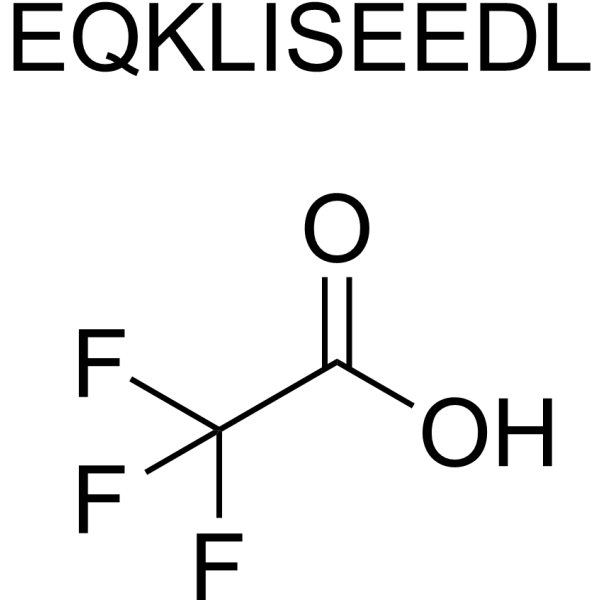
c-Myc Peptide (TFA) is a synthetic peptide corresponding to the C-terminal amino acids (410-419) of human c-myc protein, and participates in regulation of growth-related gene transcription.
|
-
-
- HY-P1701
-
|
|
Opioid Receptor
|
Cardiovascular Disease
Neurological Disease
|
|
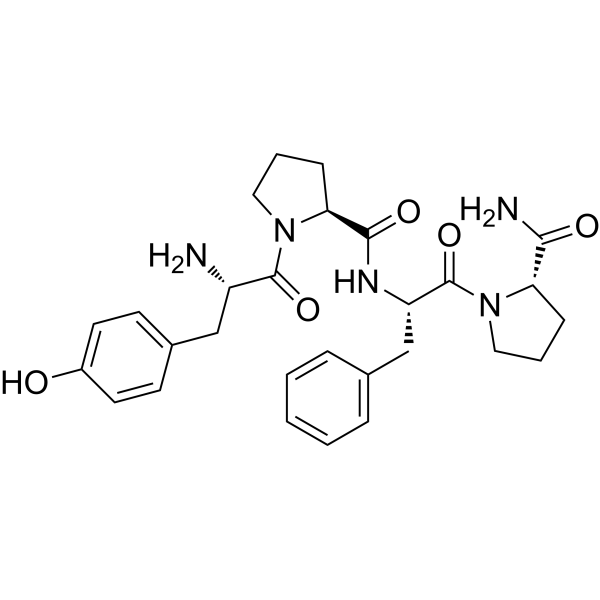
Morphiceptin is a potent and specific agonist for morphine (μ) receptors. Morphiceptin, as a synthetic peptide, is the amide of a fragment of the milk protein β-casein. Morphiceptin has morphinelike activities and is highly specific for morphine (μ) receptors but not for Enkephalin receptors .
|
-
-
- HY-P1146A
-
|
|
Amyloid-β
|
Cardiovascular Disease
Neurological Disease
Inflammation/Immunology
|
|
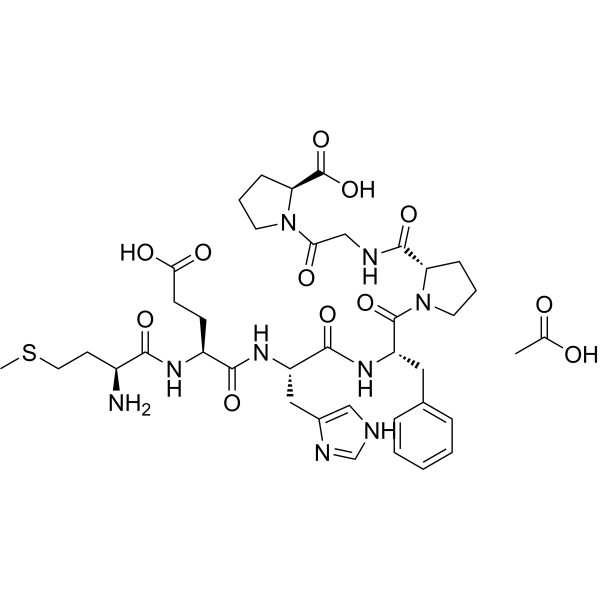
Semax acetate is a BBB-penetrable adrenocorticotropic hormone-like peptide and can form stable complexes with Cu 2+. Semax acetate is a synthetic peptide analog of Adrenocorticotropic hormone (ACTH) (4-10). Semax acetate has immunomodulatory, nootropic and neuroprotective activities. Semax acetate can be used in the research of central nervous system diseases such as Alzheimer's disease and cerebral ischemia .
|
-
-
- HY-P10551
-
|
|
Transmembrane Glycoprotein
NF-κB
TNF Receptor
|
Cardiovascular Disease
|
|
ApoA-I mimetic peptide 5A is a synthetic peptide molecule designed based on the structure and function of naturally occurring apolipoprotein A-I (Apo A-I). ApoA-I mimetic peptide 5A can promote the efflux of cholesterol from cells and help reduce the accumulation of cholesterol in cells. ApoA-I mimetic peptide 5A also shows anti-inflammatory activity and can reduce inflammatory markers in blood and tissues. ApoA-I mimetic peptide 5A can be used in the study of cardiovascular diseases .
|
-

-
- HY-P4371
-
|
|
Biochemical Assay Reagents
|
Inflammation/Immunology
|
|
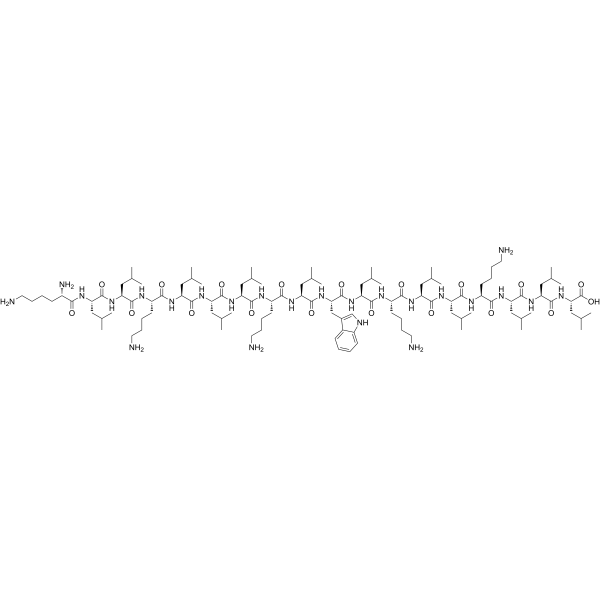
Hel 13-5 is a monomeric, lipophilic, basic amphipathic α-helical synthetic peptide composed of 18 amino acid residues. Hel 13-5 is designed as a substitute for proteins in artificial pulmonary surfactants, and it mimics the interaction between the N-terminal fragment of human pulmonary surfactant protein B and lipids. Hel 13-5 can bind to phospholipids for the development of pulmonary surfactant model systems. Hel 13-5 can be used in studies related to respiratory distress syndrome .
|
-
-
- HY-116819
-
|
|
GCGR
|
Neurological Disease
Metabolic Disease
|
|
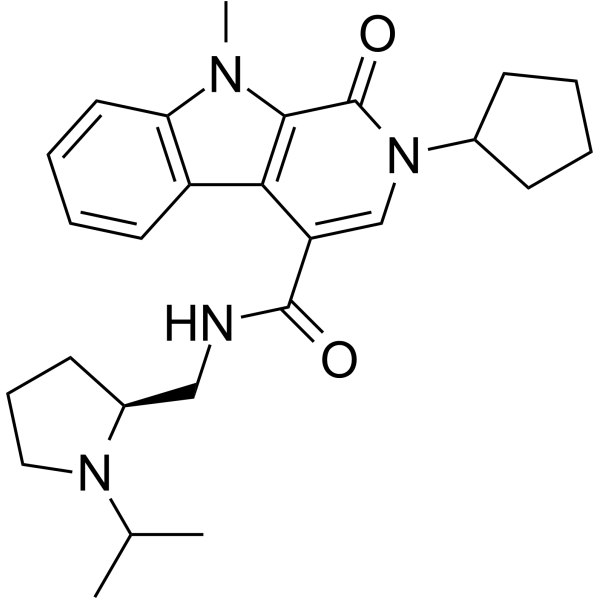
VU0453379 is a blood-brain barrier permeable GLP-1R positive allosteric modulator (PAM) with an EC50 value of 1.3 μM. VU0453379 potentiates the actions of endogenous GLP-1 and synthetic peptide agonists, and promotes GLP-1 receptor internalization. VU0453379 stimulates insulin secretion from primary mouse islets. VU0453379 enhances the function of endogenous GLP-1R and reverses catalepsy in animal models. VU0453379 is useful for research on Parkinson's disease and type 2 diabetes .
|
-
-
- HY-P0202A
-
|
ET-1 (swine, human) TFA
|
Endothelin Receptor
|
Cardiovascular Disease
|
|
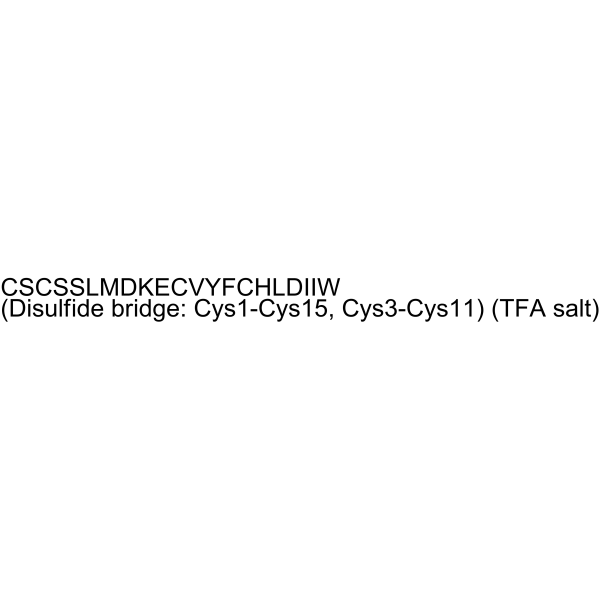
Endothelin 1 (swine, human) (ET-1) TFA is a synthetic peptide with the sequence of human and swine Endothelin 1, which is a potent endogenous vasoconstrictor. Endothelin 1 TFA acts through two types of receptors ETA and ETB .
|
-
-
- HY-P3601
-
|
FGF basic (1-24)
|
Bacterial
HBV
|
Infection
Inflammation/Immunology
|
|
Brain Derived Basic Fibroblast Growth Factor (1-24) (FGF basic 1-24) is a synthetic peptide, shows anti-bacterial and anti-HBV activities. Brain Derived Basic Fibroblast Growth Factor (1-24) can be used in infection disease and immune disease research .
|
-

-
- HY-P3615
-
|
|
Endothelin Receptor
|
Cardiovascular Disease
|
|
[Asn18] Endothelin-1 swine, human is a structural analogue of Endothelin 1 (swine, human) (HY-P0202), with the Asp amino acid at position 18 mutated to Asn. Endothelin 1 (swine, human) is a synthetic peptide with human and porcine endothelin 1 sequences and is a potent endogenous vasoconstrictor .
|
-
![[Asn18] Endothelin-1 (swine, human)](//file.medchemexpress.com/product_pic/hy-p3615.gif)
-
- HY-P3560
-
|
TV 4710
|
Apoptosis
|
Inflammation/Immunology
|
|
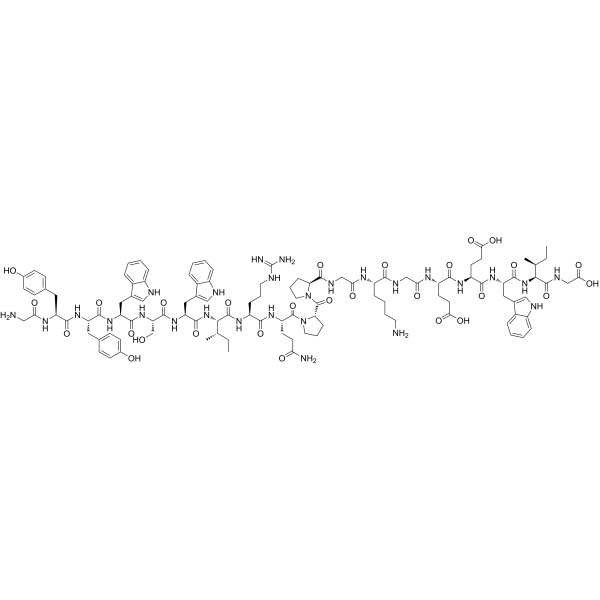
Edratide (TV 4710) is a synthetic peptide of 19 amino acid based on the complementarity-determining region 1 (CDR1) of a human anti-DNA antibody that expresses a major idiotype denoted 16/6 Id. Edratide reduces the rates of apoptosis (Apoptosis) and down-regulates of caspase-8 and caspase-3, up-regulates Bcl-xL. Edratide has the potential for the research of systemic lupus erythematosus (SLE) .
|
-
-
- HY-P5203
-
|
EntK1
|
Bacterial
|
Infection
|
|
Enterocin K1 (EntK1) is a bacteriocin. Enterocin K1 is a ribosomal synthetic peptide. Enterocin K1 specifically targets Enterococcus faecalis via the Eep protein on the bacterial membrane. Enterocin K1 displays a potent antibacterial activity against VRE. Enterocin K1 can be used for related studies of VRE infections .
|
-

-
- HY-P3386A
-
|
Cpne7-DP acetate
|
Calcium Channel
|
Metabolic Disease
|
|
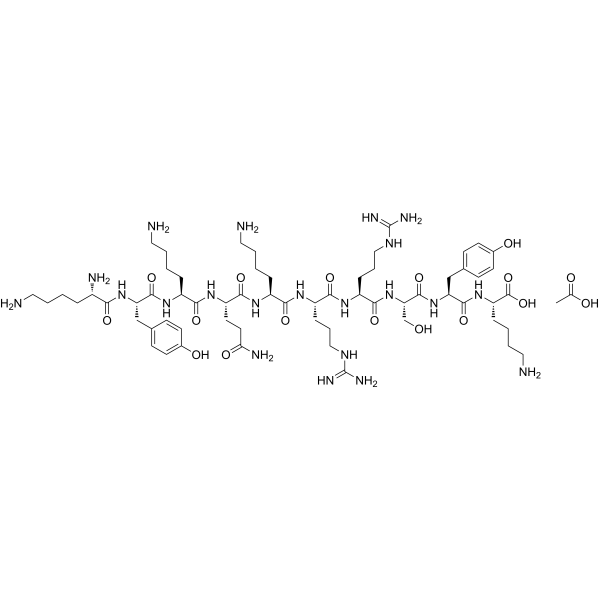
Selcopintide (Cpne7-DP) acetate consists of a synthetic peptide corresponding to the 10 amino acid residue 344-353 fragment of the hCPNE7 protein. Selcopintide acetate highly reproduces the in vitro effects of CPNE7 by upregulating odontoblast marker genes, DSPP, and Nestin. Selcopintide acetate promotes dentin regeneration in dentinal defects of various degrees and that the regenerated hard tissue demonstrates the characteristics of true dentin .
|
-
-
- HY-P5485
-
|
|
Bacterial
|
Others
|
|
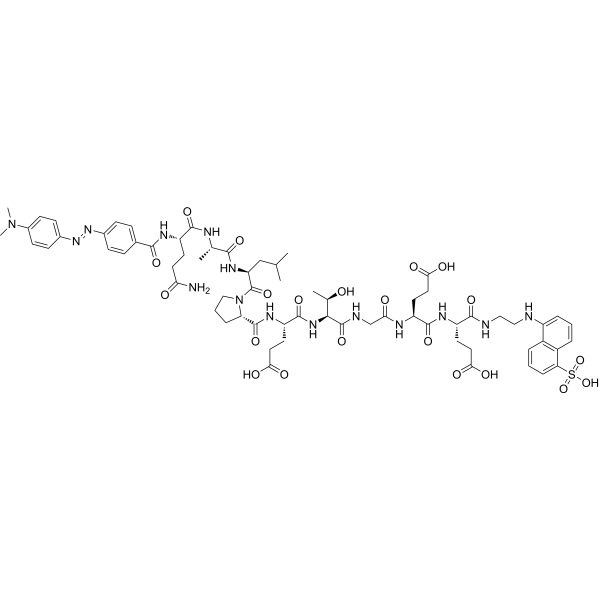
Dabcyl-QALPETGEE-Edans is a synthetic peptide substrate for fluorescence resonance energy transfer (FRET) detection of Sortase A (SrtA) enzymatic activity. Dabcyl-QALPETGEE-Edans is labeled at both ends with the fluorescent group Edans (donor) and the quencher Dabcyl (acceptor), respectively. Dabcyl-QALPETGEE-Edans's central sequence contains a conserved motif specifically recognized by SrtA. Dabcyl-QALPETGEE-Edans demonstrates high sensitivity in vitro assays, enabling precise determination of the half-maximal inhibitory concentration of SrtA .
|
-
-
- HY-P10941A
-
|
|
Integrin
FAK
ERK
|
Inflammation/Immunology
Cancer
|
|
VSLRGDTRG acetate is a synthetic peptide containing the RGD motif from cadherin 17 (CDH17), which binds to α2β1 integrin and activates its signaling pathway. VSLRGDTRG acetate promotes the high-affinity conformational change of β1 integrin through the RGD motif, enhancing cell adhesion and phosphorylation of FAK and ERK1/2, thereby driving tumor proliferation and metastasis. VSLRGDTRG acetate can be used in research on cancers expressing CDH17, such as colon cancer and pancreatic cancer .
|
-

-
- HY-P4336
-
|
|
Carboxypeptidase
|
Others
|
|
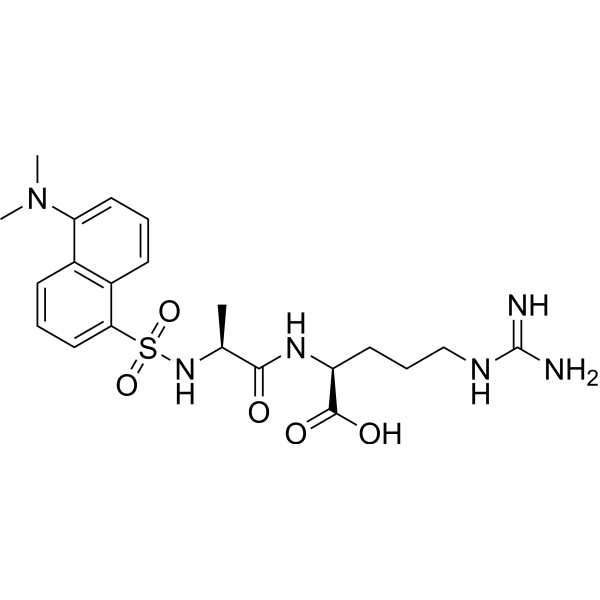
Dansyl-Ala-Arg is a synthetic peptide. Dansyl-Ala-Arg can be used for various biochemical studies .
|
-
-
- HY-114426
-
-
-
- HY-P3386
-
|
Cpne7-DP
|
Calcium Channel
|
Metabolic Disease
|
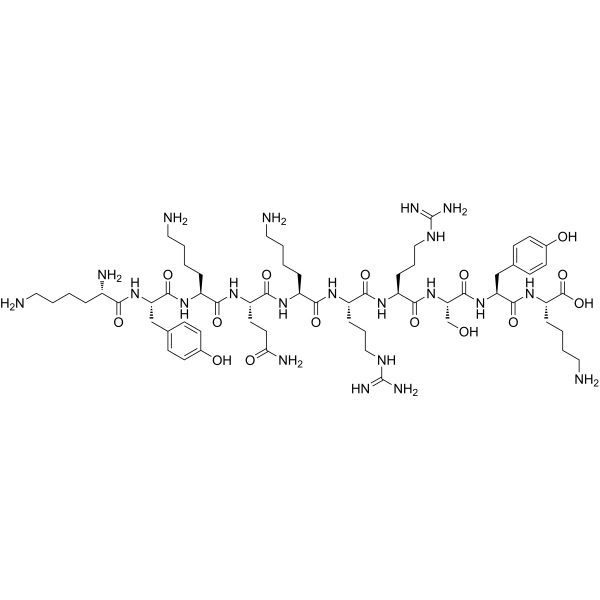
|
Selcopintide (Cpne7-DP) consists of a synthetic peptide corresponding to the 10 amino acid residue 344-353 fragment of the hCPNE7 protein. Selcopintide highly reproduces the in vitro effects of CPNE7 by upregulating odontoblast marker genes, DSPP, and Nestin. Selcopintide promotes dentin regeneration in dentinal defects of various degrees and that the regenerated hard tissue demonstrates the characteristics of true dentin .
|
-
-
- HY-P1821A
-
|
MHP4-14 TFA
|
PKC
|
Neurological Disease
|
|
Myelin Basic Protein (MHP4-14) TFA, a synthetic peptide comprising residues 4-14 of myelin basic protein, is a very selective PKC substrate (Km=7 μM). Myelin Basic Protein TFA is not phosphorylated by cyclic AMP-dependent protein kinase, casein kinases I and II, Ca 2+/calmodulin-dependent protein kinase II, or phosphorylase kinase, and can be routinely used for the assay of protein kinase C with low background in the crude tissue extracts .
|
-

-
- HY-P10529
-
|
|
Trk Receptor
|
Infection
|
|
Ganglioside GM1-binding peptide p3 is a synthetic peptide that can specifically bind to the pentasaccharide part of GM1 ganglioside. The dynamic transformation of Ganglioside GM1-binding peptide p3 may play an important role in the function of GM1 as a multiple receptor, such as in the classical pathway of cholera toxin infection. Ganglioside GM1-binding peptide p3 can be used to study the interaction between GM1 and its ligands .
|
-

-
- HY-P10941
-
|
|
Integrin
FAK
ERK
|
Inflammation/Immunology
Cancer
|
|
VSLRGDTRG is a synthetic peptide containing the RGD motif from cadherin 17 (CDH17), which binds to α2β1 integrin and activates its signaling pathway. VSLRGDTRG promotes the high-affinity conformational change of β1 integrin through the RGD motif, enhancing cell adhesion and phosphorylation of FAK and ERK1/2, thereby driving tumor proliferation and metastasis. VSLRGDTRG can be used in research on cancers expressing CDH17, such as colon cancer and pancreatic cancer .
|
-

-
- HY-P1344A
-
|
|
DAPK
|
Cancer
|
|
DAPK Substrate Peptide TFA is a synthetic peptide substrate for death associated protein kinase (DAPK), with a Km of 9 μM .
|
-

-
- HY-P5884A
-
|
|
PKC
|
Others
|
|
PKCθ pseudosubstrate peptide inhibitor, myristoylated TFA is a synthetic peptide that can be used to study the mechanism of action of PKCθ .
|
-

-
- HY-P3912A
-
|
|
Interleukin Related
|
Infection
|
|
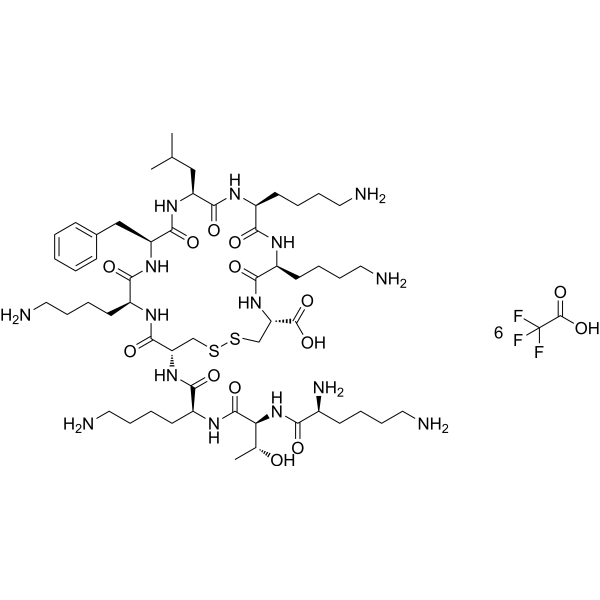
Endotoxin inhibitor TFA is a synthetic peptide that binds lipid A with high affinity, thereby detoxifying LPS (HY-D1056) and preventing LPS-induced cytokine release in vivo. Endotoxin inhibitor TFA inhibits the febrile response to LPS with very low toxicity and lethality .
|
-
-
- HY-138143
-
|
Chromozym-TH
|
Fluorescent Dye
|
Others
|
|
N-(p-Tosyl)-GPR-pNA acetate (Chromozym-TH) is a chromogenic substrate targeting the synthetic peptides Hirunorm IV and Hirunorm V and can be used to detect the dissociation constants (KI) of both peptides. Hirunorm IV and Hirunorm V are reversible inhibitors of amidolytic thrombin activity. By varying the peptide concentration at a fixed concentration of the chromogenic substrate N-(p-Tosyl)-GPR-pNA acetate, the dissociation constants determined were 0.134 nM (Hirunorm IV) and 0.245 nM (Hirunorm V) .
|
-

-
- HY-P3523
-
|
|
Integrin
|
Others
|
|
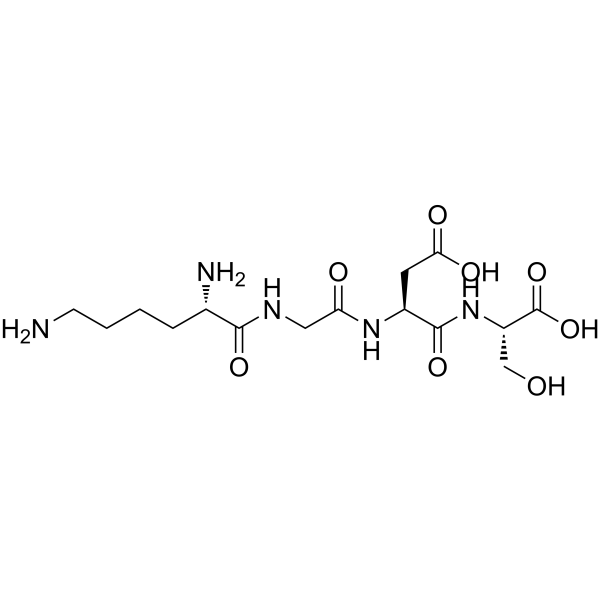
KGDS is synthetic peptides, targeting integrin GPIIb-IIIa located on the membrane of human activated platelets. Amino acid sequence: Lys-Gly-Asp-Ser .
|
-
-
- HY-P2641
-
|
|
MMP
|
Cancer
|
|
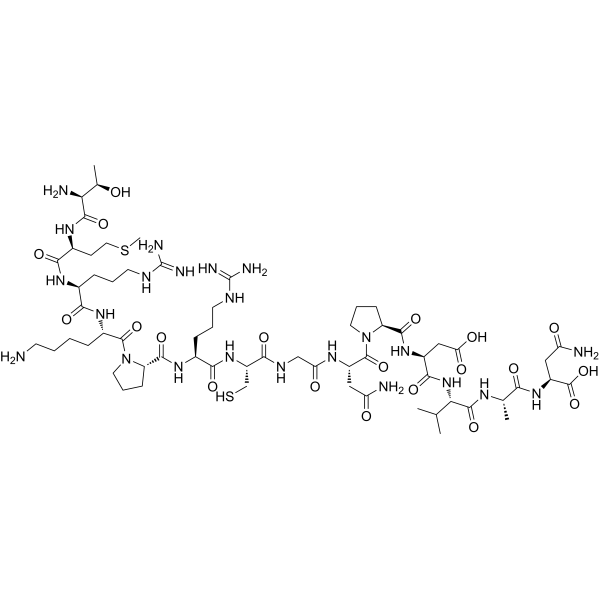
Peptide 74 is a synthetic peptide containing the prodomain sequence of matrix metalloproteinase (MMP). Peptide 74 inhibits the activated form of the 72-kDa type IV collagenase in vitro .
|
-
-
- HY-P3912
-
|
|
COX
Interleukin Related
|
Infection
|
|
Endotoxin inhibitor a synthetic peptide that binds lipid A with high affinity, thereby detoxifying LPS (HY-D1056) and preventing LPS-induced cytokine release in vivo. Endotoxin inhibitor inhibits the febrile response to LPS with very low toxicity and lethality .
|
-
-
- HY-W142064
-
|
|
Antibiotic
|
Others
|
|
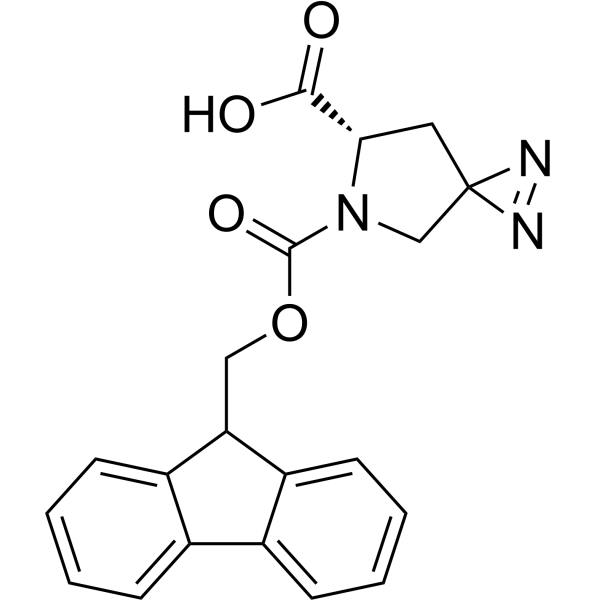
Fmoc-L-photo-proline is a photo-crosslinking amino acid which can be incorporated into synthetic peptides using solid-phase Fmoc chemistry. Fmoc-L-photo-proline can synthesis of cyclic peptidomimetic antibiotic and be used for preparation of diverse peptide-based photoaffinity probes research .
|
-
-
- HY-106156
-
|
|
MHC
|
Cardiovascular Disease
Inflammation/Immunology
|
|
Allotrap 07 is a synthetic peptide composed of residues 75-84 of HLA-B7, a class I MHC molecule. Allotrap 07 combined with Cyclosporin A (HY-B0579) induces donor-specific tolerance in rat cardiac allografts, significantly prolonging graft survival .
|
-

-
- HY-P11122
-
|
|
IFNAR
Interleukin Related
|
Inflammation/Immunology
|
MSP-1 P2 is a synthetic peptide of merozoite surface protein-1 (MSP-1). MSP-1 P2 stimulates umbilical cord blood lymphocytes to produce IFN-γ and IL-13, and this immune response is primarily mediated by CD4+ T cells. MSP-1 P2 can be used as a specific antigen stimulus to detect T cell responses and cytokine levels .
|
-

-
- HY-P1459
-
|
|
Bacterial
|
Infection
|
|
Sphistin Synthetic Peptide (12-38, Fitc in N-Terminal-Fluorescently Labeled Peptide) is a truncated fragments of Sphistin Synthetic Peptide that shows potent antimicrobial activity.
|
-

-
- HY-P1758
-
|
IRRP1
|
IFNAR
STAT
Influenza Virus
|
Infection
|
|
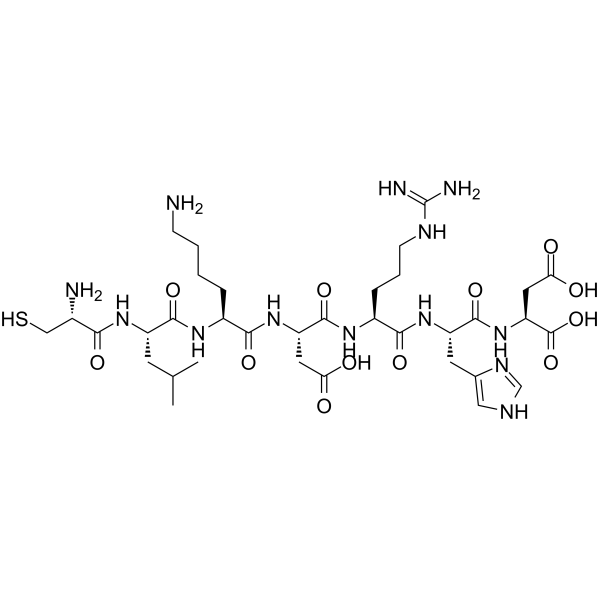
IFN-α Receptor Recognition Peptide 1 (IRRP1) is an amino acid synthetic peptide and also a regulator of IFN-α Receptor. IFN-α Receptor Recognition Peptide 1 binds to IFNAR2, enhances the binding capacity of IFN-α receptor, and slightly increases the IFN-α-induced growth inhibitory activity. IFN-α Receptor Recognition Peptide 1 inhibits IFN-α-induced STAT1 phosphorylation and STAT-DNA binding by blocking the activation of IFNAR by IFN-α. IFN-α Receptor Recognition Peptide 1 increases the occupancy of IFN-α on cell surface receptors, enhances the phosphorylation activation of ISGF3, and elevates IFN-α-induced antiviral activity. IFN-α Receptor Recognition Peptide 1 can be used in studies related to encephalomyocarditis virus infection .
|
-
-
- HY-P4514
-
|
|
Proteasome
|
Others
|
|
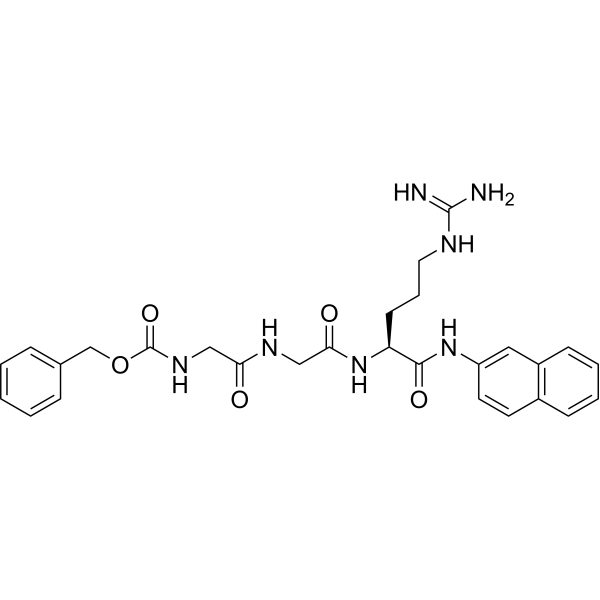
Z-Gly-Gly-Arg-βNA is the synthetic peptide substrate of trypsin-like activities of the proteasome .
|
-
-
- HY-P3590
-
|
|
HCV
|
Others
|
|
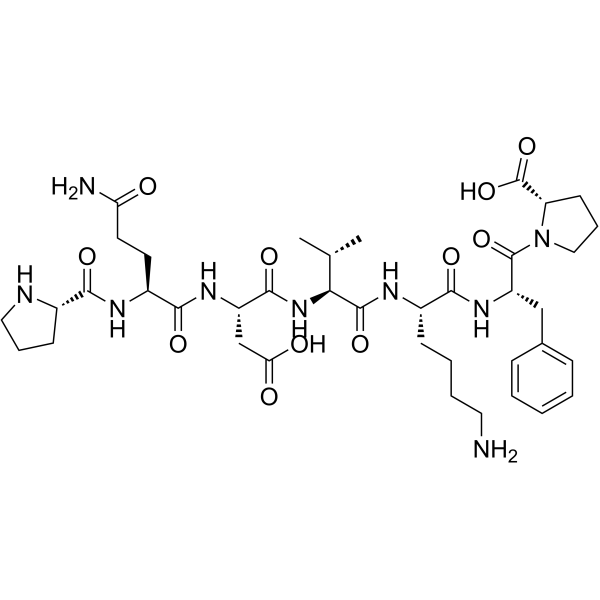
PQDVKFP is a synthetic peptide, recognizing antigenic domains within the hepatitis C virus (HCV) core protein .
|
-
-
- HY-P1344
-
|
|
DAPK
|
Cancer
|
|
DAPK Substrate Peptide is a synthetic peptide substrate for death associated protein kinase (DAPK), with a Km of 9 μM .
|
-

-
- HY-P5884
-
|
|
PKC
|
Others
|
|
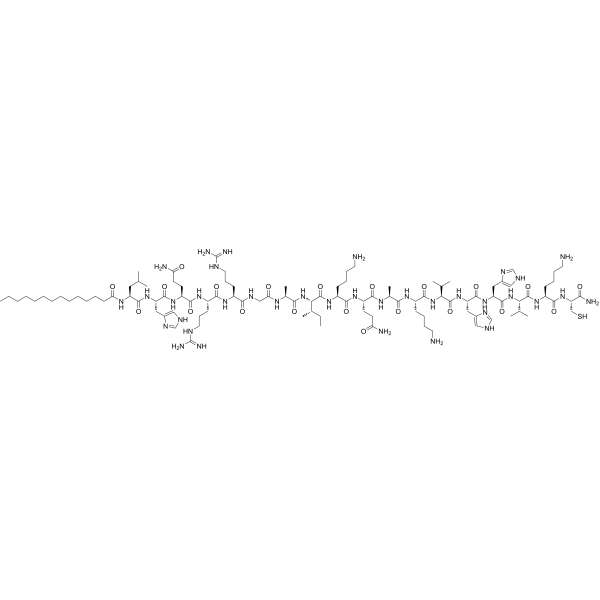
PKCθ pseudosubstrate peptide inhibitor, myristoylated is a synthetic peptide that can be used to study the mechanism of action of PKCθ .
|
-
-
- HY-P0181
-
|
|
Tau Protein
|
Neurological Disease
|
|
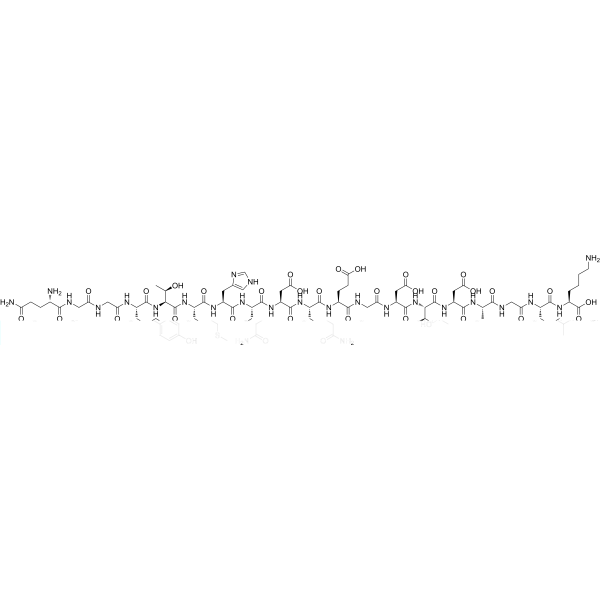
Microtubule-associated protein tau (26-44) is a synthetic peptide chain with an amine group attached to glutamine and an carboxyl group attached to lysine.
|
-
- HY-P5998
-
|
|
Myosin
|
Cancer
|
|
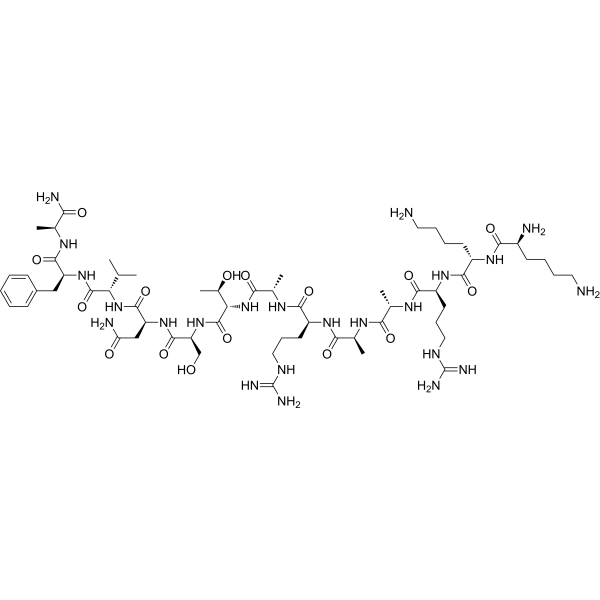
Myosin Light Chain Kinase Substrate (smooth muscle) is a smooth muscle myosin light chain kinase (MLCK) synthetic peptide substrate .
|
-
- HY-P10082
-
|
|
Caspase
|
Others
|
|
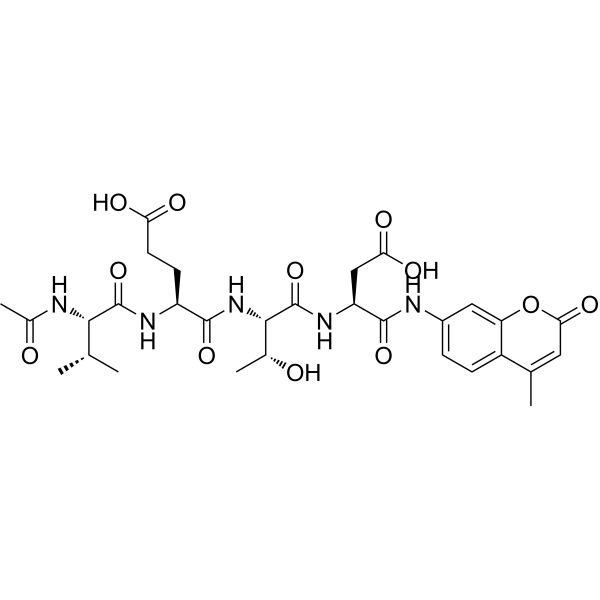
Ac-VETD-AMC is a synthetic peptide substrate for caspase 8. Ac-VETD-AMC also has potential to assess functional activity of recombinant phytaspase .
|
-
- HY-P0141
-
|
|
Akt
|
Others
|
|
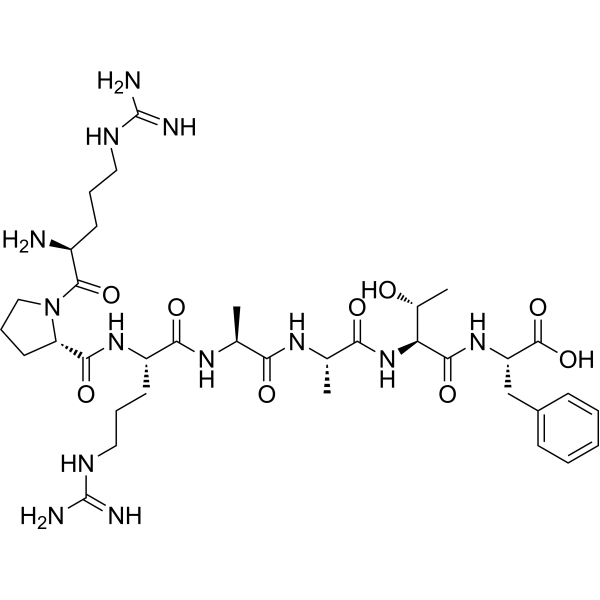
Akt/SKG Substrate Peptide is a synthetic peptide suitable as a substrate for Akt/PKB, which is not phosphorylated by p70S6K or
MAPK1 .
|
-
- HY-P10181
-
|
|
Drug Derivative
|
Others
|
|
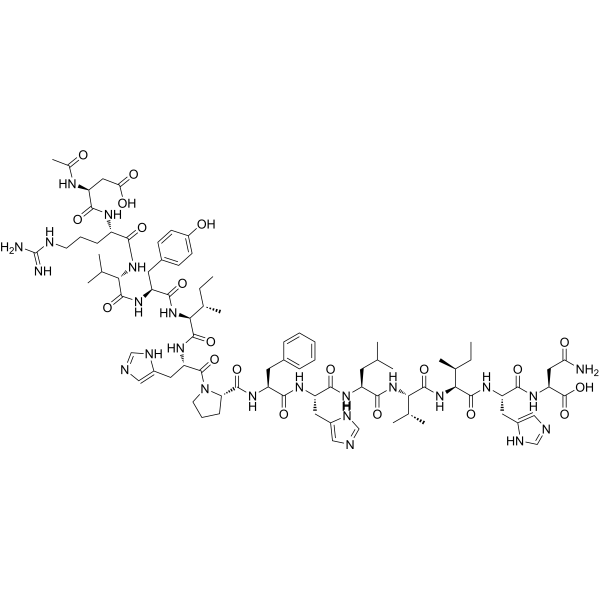
Acetyl angiotensinogen (1-14), human is a synthetic peptide and N-terminal acetylated form of Angiotensinogen (1-14), human (HY-P1486) .
|
-
- HY-P0141A
-
|
|
Akt
|
Others
|
|
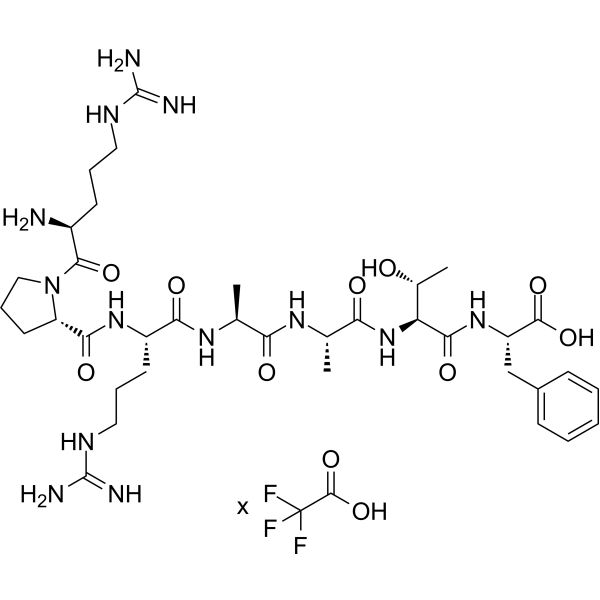
Akt/SKG Substrate Peptide TFA is a synthetic peptide suitable as a substrate for Akt/PKB, which is not phosphorylated by p70S6K or MAPK1 .
|
-
- HY-P3744
-
|
|
EGFR
|
Others
|
|
pp60v-src Autophosphorylation site is a synthetic peptide. pp60v-src Autophosphorylation site can be used for various biochemical studies .
|
-
- HY-P2372
-
|
|
Src
|
Others
|
|
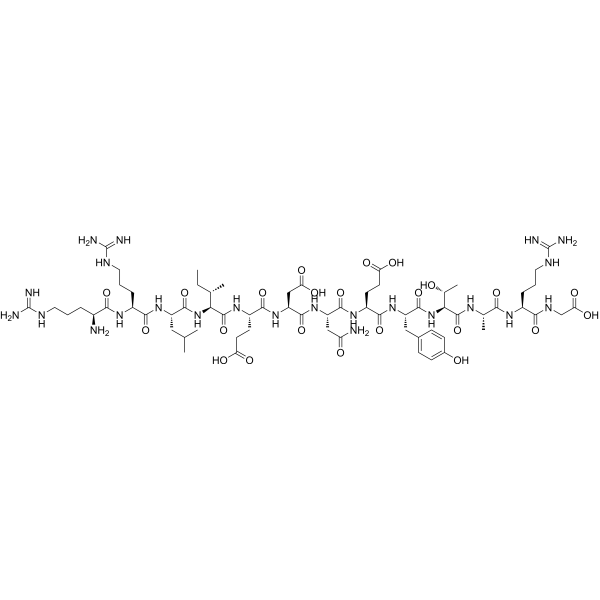
P60v-src(137-157) is a synthetic peptide that inhibits the tyrosine kinase activity of p60 v-src (IC50: 7.5 μM) .
|
-
- HY-P3944
-
|
|
CaMK
|
Neurological Disease
|
|
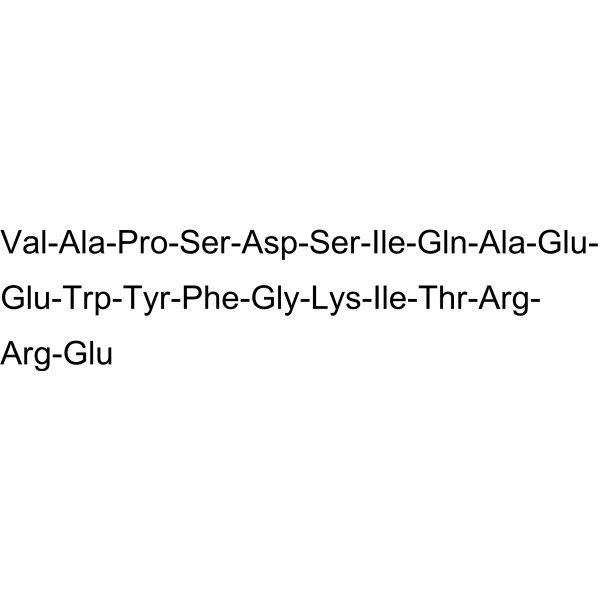
Calmodulin Dependent Protein Kinase Substrate is a Ca 2+- and calmodulin (CaM)-dependent protein kinase (CaMK) substrate peptide. Calmodulin Dependent Protein Kinase Substrate is a synthetic peptide substrate for protein kinases .
|
-
- HY-P3943
-
|
|
CaMK
|
Neurological Disease
|
|
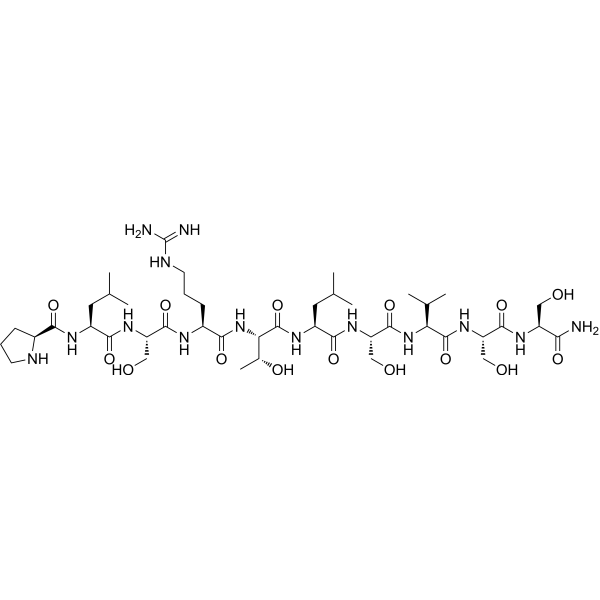
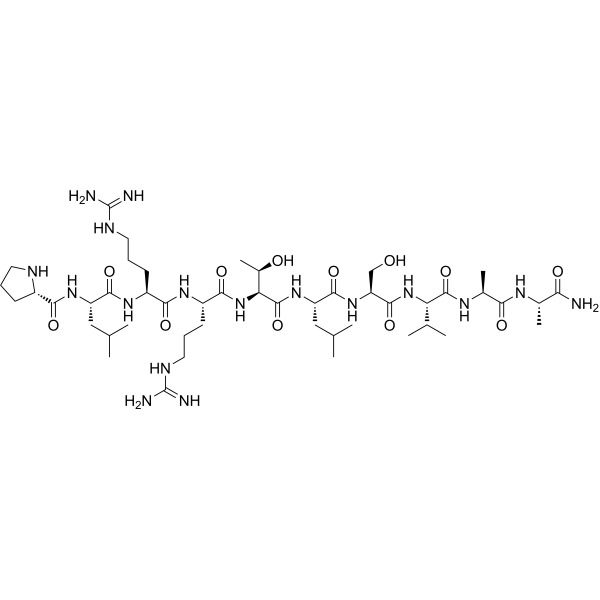
Calmodulin Dependent Protein Kinase Substrate Analog is a Ca 2+- and calmodulin (CaM)-dependent protein kinase (CaMK) substrate peptide. Calmodulin Dependent Protein Kinase Substrate Analog is a synthetic peptide substrate for protein kinases .
|
-
- HY-P10778
-
|
|
Amino Acid Derivatives
|
Neurological Disease
|
|
me4 Peptide is a synthetic peptide designed based on the microexon me4 sequence of neuronal CPEB4 protein. me4 Peptide inhibits CPEB4 aggregation. me4 Peptide can be used in the study of disorders associated with autism spectrum disorders .
|
-

- HY-P0222A
-
|
|
PKA
|
Others
|
|
PKI(5-24) TFA is a potent, competitive, and synthetic peptide inhibitor of PKA (cAMP-dependent protein kinase), with a Ki of 2.3 nM. PKI(5-24) TFA corresponds to residues 5-24 in the naturally occurring heat-stable protein kinase inhibitor .
|
-
- HY-P3630
-
|
|
Biochemical Assay Reagents
|
Others
|
|
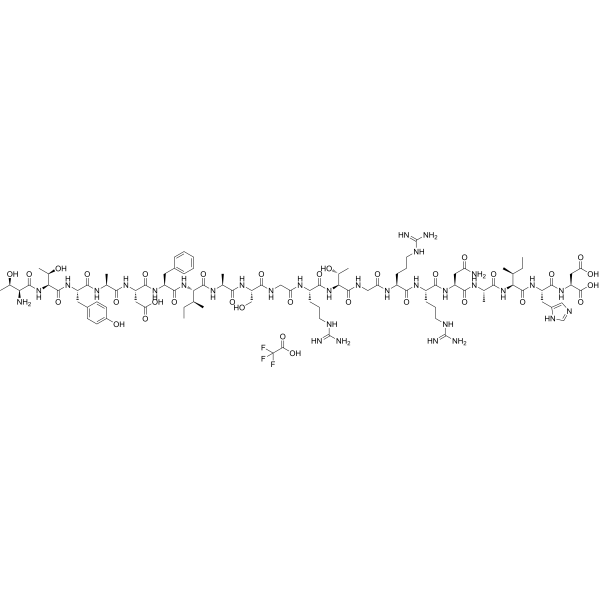
Stick Insect Hypertrehalosaemic Factor II is a synthetic peptide. Stick Insect Hypertrehalosaemic Factor II has the same FAB spectra, reversed-phase high-performance liquid chromatographic behavior, and biological behavior as the natural material. Stick Insect Hypertrehalosaemic Factor II can be used for the research of hypertrehalosaemic effect .
|
-
- HY-P3713
-
|
|
GSK-3
|
Cancer
|
|
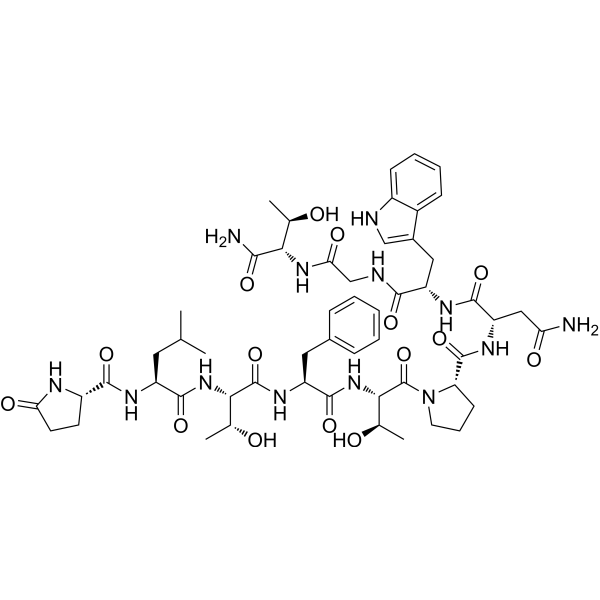
Presenilin 1 (349-361) is an active petide, and synthetic peptides representing amino acids 349–361 can be phosphorylated by glycogen synthase kinase-3β(GSK3β) in vitro. Presenilin 1 (349-361) can be used for the research of various diseases .
|
-
- HY-P4106A
-
|
|
Amino Acid Derivatives
|
Neurological Disease
|
|
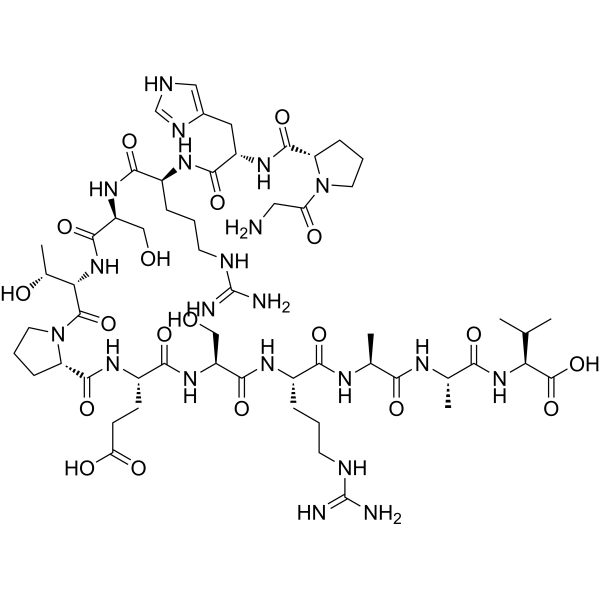
Tat-GluR23Y, scrambled TFA is the scrambled peptide of Tat-GluR23Y (HY-P2259). Tat-GluR23Y is a synthetic peptide containing tyrosine residues that inhibit AMPAR endocytosis and is effective in the research of long-term depression (LTD) .
|
-

- HY-P4106
-
|
|
Amino Acid Derivatives
|
Neurological Disease
|
|
Tat-GluR23Y, scrambled is the scrambled peptide of Tat-GluR23Y (HY-P2259). Tat-GluR23Y is a synthetic peptide containing tyrosine residues that inhibit AMPAR endocytosis and is effective in the research of long-term depression (LTD) .
|
-

- HY-P4042
-
|
hepatitis B peptide 4980
|
HBV
|
Infection
Inflammation/Immunology
|
|
Hepatitis B Virus Receptor Binding Fragment (hepatitis B peptide 4980) is a synthetic peptide analog which specifically binds to Hep G2 cells. Hepatitis B Virus Receptor Binding Fragment is a promising immunogen expected to elicit protective antibodies based on the concept of the attachment blockade pathway of virus neutralization .
|
-

- HY-P10685
-
|
[Tyr5,12,Lys7]-Polyphemusin II
|
HIV
CMV
|
Infection
|
|
T-22 (polyphemusin II with [Tyr5,12,Lys7]) is a new synthetic peptide that fights HIV, with an EC50 of 0.008 μg/mL and a CC50 of 54 μg/mL. T22 promotes plant height, photosynthesis, total chlorophyll content, and gas exchange in tomatoes, and it can resist CMV .
|
-

- HY-162832
-
|
|
Amyloid-β
|
Neurological Disease
|
|
Amyloid-β-IN-1 (compound 13) is a synthetic peptide containing the hydrophobic C-terminal region "VVIA-NH2" and its reverse sequence "AIVV-NH2" of Aβ42, which is an Aβ inhibitor. Amyloid-β-IN-1 can inhibit Aβ aggregation and has neuroprotective effects .
|
-

- HY-P4038
-
|
|
HCV Protease
|
Infection
|
|
Hepatitis C Virus S5A/5B is a synthetic peptide substrate. Hepatitis C Virus S5A/5B mimics the NS5A/5B junction of the nonstructural protein (NS), served as the substrate for the study of HCV NS3 protease activity .
|
-

- HY-P2651
-
|
|
Fluorescent Dye
|
Others
|
|
Dansyl-D-Ala-Gly-Phe(pNO2)-Gly is a synthetic peptide substrate. As a substrate of NEP, Dansyl-D-Ala-Gly-Phe(pNO2)-Gly can be specifically recognized and cleaved by the enzyme, thereby releasing the fluorophore dansyl, which can be quantitatively detected. Therefore, it is often used to determine the activity of NEP .
|
-

- HY-P10574
-
|
|
Checkpoint Kinase (Chk)
|
Cancer
|
|
Phosphorylated CHKtide is a synthetic peptide substrate derived from CDC25C, which is phosphorylated by CHK1/CHK2 in one of the DNA repair pathways. Phosphorylated CHKtide is used in the assays of cell cycle checkpoint kinases 1 and 2 (CHK1/CHK2) and salt-inducible kinases (SIKs) .
|
-

- HY-W927376
-
|
|
Fluorescent Dye
|
Others
|
|
Boc-Val-Arg-AMC is a synthetic peptide compound. As a specific fluorescent substrate, Boc-Val-Arg-AMC can be specifically cleaved by specific enzymes, especially thrombin, to release a fluorescent molecule AMC (7-amino-4-methylcoumarin), which can be used to monitor thrombin activity. Boc-Val-Arg-AMC can be used to detect thrombin activity in plasma samples .
|
-

- HY-P5483
-
|
|
Bacterial
|
Others
|
|
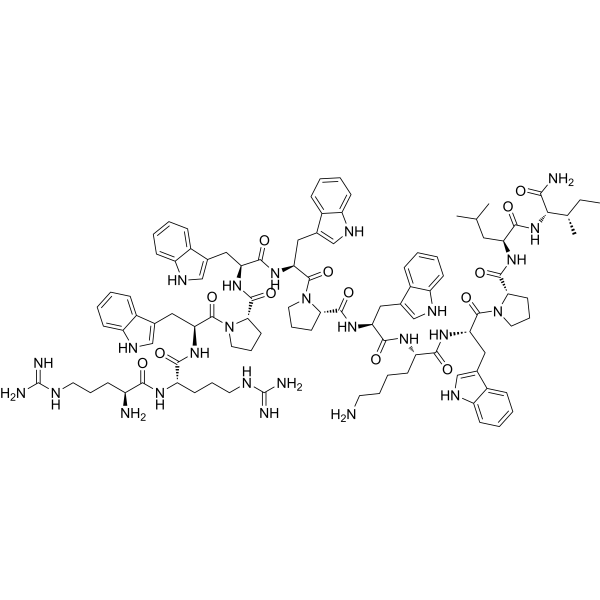
Retro-indolicidin is a biological active peptide. (Reverse peptide of indolicidin (Rev4) is a 13-amino acid residue peptide based on the sequence of indolicidin. Indolicidin, a member of the cathelicidin protein family, is a 13-amino acid residue cationic, antimicrobial peptide-amide isolated from the cytoplasmic granules of bovine neutrophils. The synthetic peptide Rev4 has been shown to possess strong antimicrobial as well as protease inhibitory activities in vitro.)
|
-
- HY-P3904
-
|
|
Biochemical Assay Reagents
|
Others
|
|
P34cdc2 Kinase Substrate Peptide is a synthetic peptide substrates for P34 cdc2 kinase, with a Km of 74 μM for the purified human enzyme. P34cdc2 Kinase Substrate Peptide can be used in a rapid assay of P34 cdc2 phosphorylation in vitro. P34 cdc2, a protein serinehhreonine kinase, is a cell division cycle-regulated protein kinase .
|
-

- HY-126402
-
|
|
Integrin
|
Cancer
|
|
Arg-Gly-Asp (RGD) is a synthetic peptide corresponding to the cell adhesion sequence for the integrins αVβ1, αVβ3, αVβ5, αVβ6, αVβ8, α8β1, and α5β1. It is a component of radioligands and peptidomimetics that have been used in the study of integrin expression and activity in vivo.
|
-

- HY-P10329
-
|
|
Fungal
|
Infection
|
|
KK14(R) is an analog of the de novo synthetic peptide KK14, which exhibits antifungal activity against Fusarium culmorum, Penicillium expansum and Aspergillus niger , with MICs of 6.25, 12.5 and 12.5 μg/mL, respecitvely. KK14(R) exhibits good heat- and pH-stability. KK14(R) exhibits cytotoxicity against cells Caco-2 and RAW264.7 .
|
-

- HY-P2380
-
|
TFRGAP
|
Protease Activated Receptor (PAR)
|
Inflammation/Immunology
|
|
PAR3 (1-6) is a synthetic peptide agonist of proteinase-activated receptor 1 (PAR1) that corresponds to residues 1-6 of the amino terminal tethered ligand sequence of human PAR3 and residues 39-44 of the full-length human sequence. PAR3 (1-6) activates p42/44 MAPK signaling in fibroblasts expressing PAR1, but not PAR3, an effect that can be blocked by the PAR1 antagonist RWJ 56110.
|
-

- HY-P10490
-
|
|
Drug Derivative
GnRH Receptor
|
Others
Cancer
|
|
(D-His(Bzl)6)-LHRH (1-7) free acid is a synthetic peptide compound that is a derivative of luteinizing hormone-releasing hormone (LHRH). (D-His(Bzl)6)-LHRH (1-7) free acid enhances its stability and biological activity by introducing unnatural amino acid residues at specific positions of the LHRH molecule. This modification can improve the drug's performance in the body half-life, reducing the rate at which it is rapidly metabolized and cleared, thereby enhancing its efficacy in inhibiting cell proliferation .
|
-

- HY-167847
-
|
|
Drug Derivative
|
Neurological Disease
|
|
IRI-514 is a synthetic peptide analogue of Thymopentin (HY-N7122). IRI-514 plays a role in modulating behavioral and neuroendocrine responses to stress .
|
-

- HY-P11034
-
|
|
PKG
|
Inflammation/Immunology
|
|
BPDEtide is a synthetic peptide. BPDEtide has apparent Km values of 68 and 320 μM for cGK and cAK, respectively. BPDEtide is the most selective peptide substrate for measuring cGK activity .
|
-

- HY-160513
-
|
|
DNA/RNA Synthesis
|
Others
|
|
Fmoc‑PNA‑Abasic(Boc)‑OH is a synthetic peptide nucleic acid modified with Fmoc and Boc protecting groups. Fmoc‑PNA‑Abasic(Boc)‑OH can be used in molecular biology research.
|
-

- HY-P11686
-
|
|
DNA/RNA Synthesis
|
Others
|
|
Fmoc-PNA-G(Boc)-OH is a synthetic peptide nucleic acid (PNA) modified with Fmoc and Boc protecting groups, designed for precise synthesis and targeted binding to complementary DNA or RNA sequences. Fmoc-PNA-G(Boc)-OH serves as a versatile tool in molecular biology, offering robustness, specificity, and applicability across various research and diagnostic fields.
|
-

- HY-P1758A
-
|
IRRP1 acetate
|
IFNAR
STAT
Influenza Virus
|
Infection
|
|
IFN-α Receptor Recognition Peptide 1 acetate (IRRP1 acetate) is an amino acid synthetic peptide and also a regulator of IFN-α Receptor. IFN-α Receptor Recognition Peptide 1 acetate binds to IFNAR2, enhances the binding capacity of IFN-α receptor, and slightly increases the IFN-α-induced growth inhibitory activity. IFN-α Receptor Recognition Peptide 1 acetate inhibits IFN-α-induced STAT1 phosphorylation and STAT-DNA binding by blocking the activation of IFNAR by IFN-α. IFN-α Receptor Recognition Peptide 1 acetate increases the occupancy of IFN-α on cell surface receptors, enhances the phosphorylation activation of ISGF3, and elevates IFN-α-induced antiviral activity. IFN-α Receptor Recognition Peptide 1 acetate can be used in studies related to encephalomyocarditis virus infection .
|
-

- HY-P11408
-
|
|
Bombesin Receptor
|
Neurological Disease
Cancer
|
|
[D-Cys6,Asn7,D-Ala11,Cys14]-Bombesin (6-14), a synthetic peptide, is a non-selective bombesin receptor agonist. [D-Cys6,Asn7,D-Ala11,Cys14]-Bombesin (6-14) has preferred pEC50 values of 8.06 for the neurotrophin B bombesin receptor (BB1), 8.69 for the gastrin-releasing peptide bombesin receptor (BB2), and 6.71 for the orphan receptor (BB3). [D-Cys6,Asn7,D-Ala11,Cys14]-Bombesin (6-14) can be used to study diseases related to bombesin receptors, such as cancer and neurological disorders .
|
-
![[D-Cys6,Asn7,D-Ala11,Cys14]-Bombesin (6-14)](//file.medchemexpress.com/product_pic/hy-p11408.gif)
| Cat. No. |
Product Name |
Target |
Research Area |
-
- HY-P0202
-
|
ET-1 (swine, human)
|
Endothelin Receptor
|
Metabolic Disease
Inflammation/Immunology
|
|
Endothelin 1 (swine, human) (ET-1) is a synthetic peptide with the sequence of human and swine Endothelin 1, which is a potent endogenous vasoconstrictor. Endothelin 1 acts through two types of receptors ETA and ETB .
|
-
- HY-P3211
-
|
LR12
|
TREM receptor
NF-κB
NOD-like Receptor (NLR)
Interleukin Related
Apoptosis
|
Cardiovascular Disease
Inflammation/Immunology
|
|
Nangibotide (LR12) is a synthetic peptide and TREM-1 receptor inhibitor. Nangibotide inhibits NF-κB and NLRP3 inflammasome activation and reduces the release of pro-inflammatory factors (such as IL-1β, IL-8). Nangibotide inhibits Apoptosis. Nangibotide reduces excessive inflammatory responses and protects tissues (liver, lung) from damage. Nangibotide can be used in the researches for myocardial ischemia-reperfusion injury, septic shock, acute lung injury, osteoarthritis, and acute liver failure .
|
-
- HY-P3211A
-
|
LR12 TFA
|
TREM receptor
NF-κB
NOD-like Receptor (NLR)
Interleukin Related
Apoptosis
|
Cardiovascular Disease
Inflammation/Immunology
|
|
Nangibotide TFA (LR12 TFA) is a synthetic peptide and TREM-1 receptor inhibitor. Nangibotide TFA inhibits NF-κB and NLRP3 inflammasome activation and reduces the release of pro-inflammatory factors (such as IL-1β, IL-8). Nangibotide TFA inhibits Apoptosis. Nangibotide TFA reduces excessive inflammatory responses and protects tissues (liver, lung) from damage. Nangibotide TFA can be used in the researches for myocardial ischemia-reperfusion injury, septic shock, acute lung injury, osteoarthritis, and acute liver failure .
|
-
- HY-P1034
-
DAPTA
4 Publications Verification
D-Ala-peptide T-amide; Adaptavir
|
CCR
HIV
|
Infection
Endocrinology
|
|
DAPTA is a synthetic peptide, functions as a viral entry inhibitor by targeting selectively CCR5, and shows potent anti-HIV activities.
|
-
- HY-P5766
-
|
|
nAChR
|
|
|
AChRα(97-116) is a synthetic peptide corresponding to the 97-116 region of the rat acetylcholine receptor α-subunit, and also an inducer of autoimmune diseases. AChRα(97-116) can be used in studies related to experimental autoimmune myasthenia gravis .
|
-
- HY-P1146
-
Semax
1 Publications Verification
|
Amyloid-β
|
Cardiovascular Disease
Neurological Disease
Inflammation/Immunology
|
|
Semax is a BBB-penetrable adrenocorticotropic hormone-like peptide and can form stable complexes with Cu 2+. Semax is a synthetic peptide analog of Adrenocorticotropic hormone (ACTH) (4-10). Semax has immunomodulatory, nootropic and neuroprotective activities. Semax can be used in the research of central nervous system diseases such as Alzheimer's disease and cerebral ischemia .
|
-
- HY-P1821
-
|
MHP4-14
|
PKC
|
Neurological Disease
|
|
Myelin Basic Protein (MHP4-14), a synthetic peptide comprising residues 4-14 of myelin basic protein, is a very selective PKC substrate (Km=7 μM). Myelin Basic Protein is not phosphorylated by cyclic AMP-dependent protein kinase, casein kinases I and II, Ca 2+/calmodulin-dependent protein kinase II, or phosphorylase kinase, and can be routinely used for the assay of protein kinase C with low background in the crude tissue extracts .
|
-
- HY-P0064
-
|
Palmitoyl Tetrapeptide-7
|
Interleukin Related
|
Inflammation/Immunology
|
|
Palmitoyl Tetrapeptide-3 (Palmitoyl Tetrapeptide-7) is a synthetic peptide corresponding to amino acids 341-344 of the human immunoglobulin heavy chain, with the ability to stimulate phagocytosis. Palmitoyl tetrapeptide-3 reduces interleukin-6 (IL-6) secretion in keratinocytes and inhibits the UVB radiation-exposure inflammatory response of skin. Palmitoyl tetrapeptide-3 It also has anti-inflammatory and anti-aging effects, reducing skin wrinkles by promoting the production of elastic fibers in the papillary dermis .
|
-
- HY-P0222
-
|
|
PKA
|
Others
|
|
PKI(5-24) is a potent, competitive, and synthetic peptide inhibitor of PKA (cAMP-dependent protein kinase), with a Ki of 2.3 nM. PKI(5-24) corresponds to residues 5-24 in the naturally occurring heat-stable protein kinase inhibitor .
|
-
- HY-P1626
-
|
|
Opioid Receptor
|
Neurological Disease
|
|
Acetyl tetrapeptide-15 is a synthetic peptide. Acetyl tetrapeptide-15 is derived from endomorphin-2 (Tyr-Pro-Phe-Phe-NH2), a human μ-opioid agonist with selective anti-nociceptive effect. Acetyl tetrapeptide-15 reduces skin hyperreactivity producing inflammatory, chronic and neuropathic pain, by increasing the threshold of neuronal excitability in μ-opioid receptor via an endorphin-like pathway. Acetyl tetrapeptide-15 is used in the cosmetics for sensitive skin .
|
-
- HY-W129161
-
|
|
Amino Acid Derivatives
|
Metabolic Disease
|
|
Acetyl tetrapeptide-3 is a synthetic peptide. Acetyl tetrapeptide-3 enhances the adhesion of hair follicles to the scalp but also promotes the development of new hair follicles. Acetyl tetrapeptide-3 stimulates the synthesis of collagen III in hair follicles. Acetyl tetrapeptide-3 combined with Biochanin A (HY-14595) and ginseng extracts, can stimulate dermal papilla extracellular matrix (ECM) proteins by increasing hydroxyproline, Collagen Type 3, and laminin, yielding a significant improvement in hair follicle size and hair anchoring .
|
-
- HY-P1155
-
|
rGHRH(1-29)NH2
|
GHSR
|
Cancer
|
|
GRF (1-29) amide (rat) is a synthetic peptide which can stimulate the growth hormone (GH) secretion.
|
-
- HY-P0312
-
|
|
c-Myc
|
Cancer
|
|
c-Myc Peptide (TFA) is a synthetic peptide corresponding to the C-terminal amino acids (410-419) of human c-myc protein, and participates in regulation of growth-related gene transcription.
|
-
- HY-P1701
-
|
|
Opioid Receptor
|
Cardiovascular Disease
Neurological Disease
|
|
Morphiceptin is a potent and specific agonist for morphine (μ) receptors. Morphiceptin, as a synthetic peptide, is the amide of a fragment of the milk protein β-casein. Morphiceptin has morphinelike activities and is highly specific for morphine (μ) receptors but not for Enkephalin receptors .
|
-
- HY-P1146A
-
|
|
Amyloid-β
|
Cardiovascular Disease
Neurological Disease
Inflammation/Immunology
|
|
Semax acetate is a BBB-penetrable adrenocorticotropic hormone-like peptide and can form stable complexes with Cu 2+. Semax acetate is a synthetic peptide analog of Adrenocorticotropic hormone (ACTH) (4-10). Semax acetate has immunomodulatory, nootropic and neuroprotective activities. Semax acetate can be used in the research of central nervous system diseases such as Alzheimer's disease and cerebral ischemia .
|
-
- HY-P3827
-
|
|
Peptides
|
Inflammation/Immunology
|
|
Cys-Gly-Tyr-Gly-Pro-Lys-Lys-Lys-Arg-Lys-Val-Gly-Gly is a13-mer synthetic peptide containing seven amino acids homologous to SV40 T antigen. Cys-Gly-Tyr-Gly-Pro-Lys-Lys-Lys-Arg-Lys-Val-Gly-Gly is capable of inducing nuclear transport .
|
-
- HY-P10551
-
|
|
Transmembrane Glycoprotein
NF-κB
TNF Receptor
|
Cardiovascular Disease
|
|
ApoA-I mimetic peptide 5A is a synthetic peptide molecule designed based on the structure and function of naturally occurring apolipoprotein A-I (Apo A-I). ApoA-I mimetic peptide 5A can promote the efflux of cholesterol from cells and help reduce the accumulation of cholesterol in cells. ApoA-I mimetic peptide 5A also shows anti-inflammatory activity and can reduce inflammatory markers in blood and tissues. ApoA-I mimetic peptide 5A can be used in the study of cardiovascular diseases .
|
-
- HY-P4371
-
|
|
Biochemical Assay Reagents
|
Inflammation/Immunology
|
|
Hel 13-5 is a monomeric, lipophilic, basic amphipathic α-helical synthetic peptide composed of 18 amino acid residues. Hel 13-5 is designed as a substitute for proteins in artificial pulmonary surfactants, and it mimics the interaction between the N-terminal fragment of human pulmonary surfactant protein B and lipids. Hel 13-5 can bind to phospholipids for the development of pulmonary surfactant model systems. Hel 13-5 can be used in studies related to respiratory distress syndrome .
|
-
- HY-P0202A
-
|
ET-1 (swine, human) TFA
|
Endothelin Receptor
|
Cardiovascular Disease
|
|
Endothelin 1 (swine, human) (ET-1) TFA is a synthetic peptide with the sequence of human and swine Endothelin 1, which is a potent endogenous vasoconstrictor. Endothelin 1 TFA acts through two types of receptors ETA and ETB .
|
-
- HY-P3601
-
|
FGF basic (1-24)
|
Bacterial
HBV
|
Infection
Inflammation/Immunology
|
|
Brain Derived Basic Fibroblast Growth Factor (1-24) (FGF basic 1-24) is a synthetic peptide, shows anti-bacterial and anti-HBV activities. Brain Derived Basic Fibroblast Growth Factor (1-24) can be used in infection disease and immune disease research .
|
-
- HY-P3615
-
|
|
Endothelin Receptor
|
Cardiovascular Disease
|
|
[Asn18] Endothelin-1 swine, human is a structural analogue of Endothelin 1 (swine, human) (HY-P0202), with the Asp amino acid at position 18 mutated to Asn. Endothelin 1 (swine, human) is a synthetic peptide with human and porcine endothelin 1 sequences and is a potent endogenous vasoconstrictor .
|
-
- HY-P3560
-
|
TV 4710
|
Apoptosis
|
Inflammation/Immunology
|
|
Edratide (TV 4710) is a synthetic peptide of 19 amino acid based on the complementarity-determining region 1 (CDR1) of a human anti-DNA antibody that expresses a major idiotype denoted 16/6 Id. Edratide reduces the rates of apoptosis (Apoptosis) and down-regulates of caspase-8 and caspase-3, up-regulates Bcl-xL. Edratide has the potential for the research of systemic lupus erythematosus (SLE) .
|
-
- HY-P5203
-
|
EntK1
|
Bacterial
|
Infection
|
|
Enterocin K1 (EntK1) is a bacteriocin. Enterocin K1 is a ribosomal synthetic peptide. Enterocin K1 specifically targets Enterococcus faecalis via the Eep protein on the bacterial membrane. Enterocin K1 displays a potent antibacterial activity against VRE. Enterocin K1 can be used for related studies of VRE infections .
|
-
- HY-P3386A
-
|
Cpne7-DP acetate
|
Calcium Channel
|
Metabolic Disease
|
|
Selcopintide (Cpne7-DP) acetate consists of a synthetic peptide corresponding to the 10 amino acid residue 344-353 fragment of the hCPNE7 protein. Selcopintide acetate highly reproduces the in vitro effects of CPNE7 by upregulating odontoblast marker genes, DSPP, and Nestin. Selcopintide acetate promotes dentin regeneration in dentinal defects of various degrees and that the regenerated hard tissue demonstrates the characteristics of true dentin .
|
-
- HY-P5485
-
|
|
Bacterial
|
Others
|
|
Dabcyl-QALPETGEE-Edans is a synthetic peptide substrate for fluorescence resonance energy transfer (FRET) detection of Sortase A (SrtA) enzymatic activity. Dabcyl-QALPETGEE-Edans is labeled at both ends with the fluorescent group Edans (donor) and the quencher Dabcyl (acceptor), respectively. Dabcyl-QALPETGEE-Edans's central sequence contains a conserved motif specifically recognized by SrtA. Dabcyl-QALPETGEE-Edans demonstrates high sensitivity in vitro assays, enabling precise determination of the half-maximal inhibitory concentration of SrtA .
|
-
- HY-P10941A
-
|
|
Integrin
FAK
ERK
|
Inflammation/Immunology
Cancer
|
|
VSLRGDTRG acetate is a synthetic peptide containing the RGD motif from cadherin 17 (CDH17), which binds to α2β1 integrin and activates its signaling pathway. VSLRGDTRG acetate promotes the high-affinity conformational change of β1 integrin through the RGD motif, enhancing cell adhesion and phosphorylation of FAK and ERK1/2, thereby driving tumor proliferation and metastasis. VSLRGDTRG acetate can be used in research on cancers expressing CDH17, such as colon cancer and pancreatic cancer .
|
-
- HY-P4336
-
|
|
Carboxypeptidase
|
Others
|
|
Dansyl-Ala-Arg is a synthetic peptide. Dansyl-Ala-Arg can be used for various biochemical studies .
|
-
- HY-P3386
-
|
Cpne7-DP
|
Calcium Channel
|
Metabolic Disease
|
|
Selcopintide (Cpne7-DP) consists of a synthetic peptide corresponding to the 10 amino acid residue 344-353 fragment of the hCPNE7 protein. Selcopintide highly reproduces the in vitro effects of CPNE7 by upregulating odontoblast marker genes, DSPP, and Nestin. Selcopintide promotes dentin regeneration in dentinal defects of various degrees and that the regenerated hard tissue demonstrates the characteristics of true dentin .
|
-
- HY-P1821A
-
|
MHP4-14 TFA
|
PKC
|
Neurological Disease
|
|
Myelin Basic Protein (MHP4-14) TFA, a synthetic peptide comprising residues 4-14 of myelin basic protein, is a very selective PKC substrate (Km=7 μM). Myelin Basic Protein TFA is not phosphorylated by cyclic AMP-dependent protein kinase, casein kinases I and II, Ca 2+/calmodulin-dependent protein kinase II, or phosphorylase kinase, and can be routinely used for the assay of protein kinase C with low background in the crude tissue extracts .
|
-
- HY-P10529
-
|
|
Trk Receptor
|
Infection
|
|
Ganglioside GM1-binding peptide p3 is a synthetic peptide that can specifically bind to the pentasaccharide part of GM1 ganglioside. The dynamic transformation of Ganglioside GM1-binding peptide p3 may play an important role in the function of GM1 as a multiple receptor, such as in the classical pathway of cholera toxin infection. Ganglioside GM1-binding peptide p3 can be used to study the interaction between GM1 and its ligands .
|
-
- HY-P10941
-
|
|
Integrin
FAK
ERK
|
Inflammation/Immunology
Cancer
|
|
VSLRGDTRG is a synthetic peptide containing the RGD motif from cadherin 17 (CDH17), which binds to α2β1 integrin and activates its signaling pathway. VSLRGDTRG promotes the high-affinity conformational change of β1 integrin through the RGD motif, enhancing cell adhesion and phosphorylation of FAK and ERK1/2, thereby driving tumor proliferation and metastasis. VSLRGDTRG can be used in research on cancers expressing CDH17, such as colon cancer and pancreatic cancer .
|
-
- HY-P1344A
-
|
|
DAPK
|
Cancer
|
|
DAPK Substrate Peptide TFA is a synthetic peptide substrate for death associated protein kinase (DAPK), with a Km of 9 μM .
|
-
- HY-P5884A
-
|
|
PKC
|
Others
|
|
PKCθ pseudosubstrate peptide inhibitor, myristoylated TFA is a synthetic peptide that can be used to study the mechanism of action of PKCθ .
|
-
- HY-P3912A
-
|
|
Interleukin Related
|
Infection
|
|
Endotoxin inhibitor TFA is a synthetic peptide that binds lipid A with high affinity, thereby detoxifying LPS (HY-D1056) and preventing LPS-induced cytokine release in vivo. Endotoxin inhibitor TFA inhibits the febrile response to LPS with very low toxicity and lethality .
|
-
- HY-P10503
-
|
|
Peptides
|
Cardiovascular Disease
Others
Inflammation/Immunology
|
|
S2-16 is a synthetic peptide from the S2 region of cardiac myosin. S2-16 is a cryptic epitope that induces myocarditis in Lewis rats. A cryptic epitope is an epitope that is not recognized by antibodies or T cells after the animal is immunized with the intact antigen. S2-16 can be used to study the mechanism of autoimmune myocarditis .
|
-
- HY-P4371A
-
|
|
Peptides
|
Others
|
|
Hel 13-5 TFA is a monomeric synthetic peptide based on the N-terminal fragment of human SP-B. Hel 13-5 TFA is mainly α-helical and consists of 13 hydrophobic amino acid residues and 5 hydrophilic amino acid residues. Hel 13-5 TFA can be combined with phospholipids for the development of a model system for pulmonary surfactant .
|
-
- HY-P3523
-
|
|
Integrin
|
Others
|
|
KGDS is synthetic peptides, targeting integrin GPIIb-IIIa located on the membrane of human activated platelets. Amino acid sequence: Lys-Gly-Asp-Ser .
|
-
- HY-P2641
-
|
|
MMP
|
Cancer
|
|
Peptide 74 is a synthetic peptide containing the prodomain sequence of matrix metalloproteinase (MMP). Peptide 74 inhibits the activated form of the 72-kDa type IV collagenase in vitro .
|
-
- HY-P3912
-
|
|
COX
Interleukin Related
|
Infection
|
|
Endotoxin inhibitor a synthetic peptide that binds lipid A with high affinity, thereby detoxifying LPS (HY-D1056) and preventing LPS-induced cytokine release in vivo. Endotoxin inhibitor inhibits the febrile response to LPS with very low toxicity and lethality .
|
-
- HY-106156
-
|
|
MHC
|
Cardiovascular Disease
Inflammation/Immunology
|
|
Allotrap 07 is a synthetic peptide composed of residues 75-84 of HLA-B7, a class I MHC molecule. Allotrap 07 combined with Cyclosporin A (HY-B0579) induces donor-specific tolerance in rat cardiac allografts, significantly prolonging graft survival .
|
-
- HY-P3602
-
|
|
Peptides
|
Cancer
|
|
C3 Peptide P16, is a 16 amino acid synthetic peptide derived from human C3d, a fragment generated in trypsin-cleaved C3. C3 Peptide P16 enhances in vitro phosphorylation of pp105 and pp100, a cellular component presenting in the human B lymphoma cells .
|
-
- HY-P11122
-
|
|
IFNAR
Interleukin Related
|
Inflammation/Immunology
|
MSP-1 P2 is a synthetic peptide of merozoite surface protein-1 (MSP-1). MSP-1 P2 stimulates umbilical cord blood lymphocytes to produce IFN-γ and IL-13, and this immune response is primarily mediated by CD4+ T cells. MSP-1 P2 can be used as a specific antigen stimulus to detect T cell responses and cytokine levels .
|
-
- HY-P1459
-
|
|
Bacterial
|
Infection
|
|
Sphistin Synthetic Peptide (12-38, Fitc in N-Terminal-Fluorescently Labeled Peptide) is a truncated fragments of Sphistin Synthetic Peptide that shows potent antimicrobial activity.
|
-
- HY-P1758
-
|
IRRP1
|
IFNAR
STAT
Influenza Virus
|
Infection
|
|
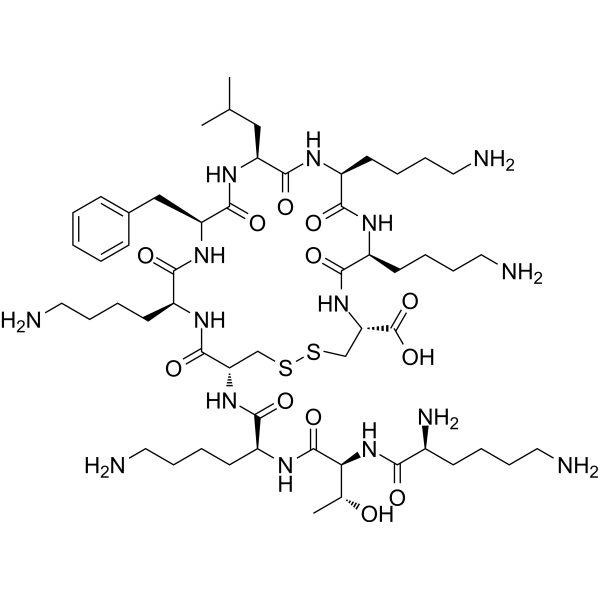
IFN-α Receptor Recognition Peptide 1 (IRRP1) is an amino acid synthetic peptide and also a regulator of IFN-α Receptor. IFN-α Receptor Recognition Peptide 1 binds to IFNAR2, enhances the binding capacity of IFN-α receptor, and slightly increases the IFN-α-induced growth inhibitory activity. IFN-α Receptor Recognition Peptide 1 inhibits IFN-α-induced STAT1 phosphorylation and STAT-DNA binding by blocking the activation of IFNAR by IFN-α. IFN-α Receptor Recognition Peptide 1 increases the occupancy of IFN-α on cell surface receptors, enhances the phosphorylation activation of ISGF3, and elevates IFN-α-induced antiviral activity. IFN-α Receptor Recognition Peptide 1 can be used in studies related to encephalomyocarditis virus infection .
|
-
- HY-P3464
-
-
- HY-P1662
-
-
- HY-P3521
-
|
|
Peptides
|
Cancer
|
|
RGDT is a synthetic peptide. RGDT can be used in the research of cancer .
|
-
- HY-P4514
-
|
|
Proteasome
|
Others
|
|
Z-Gly-Gly-Arg-βNA is the synthetic peptide substrate of trypsin-like activities of the proteasome .
|
-
- HY-P3590
-
|
|
HCV
|
Others
|
|
PQDVKFP is a synthetic peptide, recognizing antigenic domains within the hepatitis C virus (HCV) core protein .
|
-
- HY-U00372
-
|
|
Peptides
|
Neurological Disease
|
|
2: PN: US20040072744 SEQID: 2 claimed protein is a synthetic peptide, used for the research of Down's syndrome and schizophrenia.
|
- HY-P1344
-
|
|
DAPK
|
Cancer
|
|
DAPK Substrate Peptide is a synthetic peptide substrate for death associated protein kinase (DAPK), with a Km of 9 μM .
|
- HY-P5884
-
|
|
PKC
|
Others
|
|
PKCθ pseudosubstrate peptide inhibitor, myristoylated is a synthetic peptide that can be used to study the mechanism of action of PKCθ .
|
- HY-P0181
-
|
|
Tau Protein
|
Neurological Disease
|
|
Microtubule-associated protein tau (26-44) is a synthetic peptide chain with an amine group attached to glutamine and an carboxyl group attached to lysine.
|
- HY-P0182
-
|
|
Peptides
|
Others
|
|
NH2-QGGYTMHQDQEGDTDAGLK-COOH is a synthetic peptide chain with an amine group attached to lysine and an carboxyl group attached to glutamine.
|
- HY-P5998
-
|
|
Myosin
|
Cancer
|
|
Myosin Light Chain Kinase Substrate (smooth muscle) is a smooth muscle myosin light chain kinase (MLCK) synthetic peptide substrate .
|
- HY-P1367
-
|
|
Peptides
|
Neurological Disease
|
|
Pep1-TGL is a synthetic peptide containing the TGL motif from the C-terminus of the AMPA receptor GluA1 subunit .
|
- HY-P5281
-
- HY-P10082
-
|
|
Caspase
|
Others
|
|
Ac-VETD-AMC is a synthetic peptide substrate for caspase 8. Ac-VETD-AMC also has potential to assess functional activity of recombinant phytaspase .
|
- HY-P0141
-
|
|
Akt
|
Others
|
|
Akt/SKG Substrate Peptide is a synthetic peptide suitable as a substrate for Akt/PKB, which is not phosphorylated by p70S6K or
MAPK1 .
|
- HY-P10181
-
|
|
Drug Derivative
|
Others
|
|
Acetyl angiotensinogen (1-14), human is a synthetic peptide and N-terminal acetylated form of Angiotensinogen (1-14), human (HY-P1486) .
|
- HY-P2686
-
|
|
Peptides
|
Others
|
|
Acetyl angiotensinogen (1-14), porcine is a synthetic peptide and N-terminal acetylated form of Angiotensinogen (1-14) porcine (HY-P4774) .
|
- HY-P0141A
-
|
|
Akt
|
Others
|
|
Akt/SKG Substrate Peptide TFA is a synthetic peptide suitable as a substrate for Akt/PKB, which is not phosphorylated by p70S6K or MAPK1 .
|
- HY-P3744
-
|
|
EGFR
|
Others
|
|
pp60v-src Autophosphorylation site is a synthetic peptide. pp60v-src Autophosphorylation site can be used for various biochemical studies .
|
- HY-P2372
-
|
|
Src
|
Others
|
|
P60v-src(137-157) is a synthetic peptide that inhibits the tyrosine kinase activity of p60 v-src (IC50: 7.5 μM) .
|
- HY-P3944
-
|
|
CaMK
|
Neurological Disease
|
|
Calmodulin Dependent Protein Kinase Substrate is a Ca 2+- and calmodulin (CaM)-dependent protein kinase (CaMK) substrate peptide. Calmodulin Dependent Protein Kinase Substrate is a synthetic peptide substrate for protein kinases .
|
- HY-P4011
-
|
|
Peptides
|
Neurological Disease
|
|
[1,6-Aminosuberic acid]-arginine-Vasotocin is a synthetic peptide analogue to neurohypophyseaI hormones. [1,6-Aminosuberic acid]-arginine-Vasotocin has excitatory effect on the periodically oxcillating neuron (PON) of A. fulica .
|
- HY-P3943
-
|
|
CaMK
|
Neurological Disease
|
|
Calmodulin Dependent Protein Kinase Substrate Analog is a Ca 2+- and calmodulin (CaM)-dependent protein kinase (CaMK) substrate peptide. Calmodulin Dependent Protein Kinase Substrate Analog is a synthetic peptide substrate for protein kinases .
|
- HY-P3541
-
|
MBP8298
|
Peptides
|
Neurological Disease
Inflammation/Immunology
|
|
Dirucotide (MBP8298) is a synthetic peptide that consists of 17 amino acids linked in a sequence identical to that of a portion of human myelin basic protein. Dirucotide can be used for the research in autoimmune disorder of the central nervous system, such as Multiple sclerosis (MS) .
|
- HY-P10778
-
|
|
Amino Acid Derivatives
|
Neurological Disease
|
|
me4 Peptide is a synthetic peptide designed based on the microexon me4 sequence of neuronal CPEB4 protein. me4 Peptide inhibits CPEB4 aggregation. me4 Peptide can be used in the study of disorders associated with autism spectrum disorders .
|
- HY-P0222A
-
|
|
PKA
|
Others
|
|
PKI(5-24) TFA is a potent, competitive, and synthetic peptide inhibitor of PKA (cAMP-dependent protein kinase), with a Ki of 2.3 nM. PKI(5-24) TFA corresponds to residues 5-24 in the naturally occurring heat-stable protein kinase inhibitor .
|
- HY-115379
-
|
|
Peptides
|
Cancer
|
|
Latromotide is a synthetic peptide with antineoplastic activity. It consists of 10 amino acids corresponding to amino acid residues 66-75 of the human kinesin-like protein KIF20A. Latromotide has a sequence of H-Lys-Val-Tyr-Leu-Arg-Val-Arg-Pro Leu-Leu-OH .
|
- HY-P3630
-
|
|
Biochemical Assay Reagents
|
Others
|
|
Stick Insect Hypertrehalosaemic Factor II is a synthetic peptide. Stick Insect Hypertrehalosaemic Factor II has the same FAB spectra, reversed-phase high-performance liquid chromatographic behavior, and biological behavior as the natural material. Stick Insect Hypertrehalosaemic Factor II can be used for the research of hypertrehalosaemic effect .
|
- HY-P3713
-
|
|
GSK-3
|
Cancer
|
|
Presenilin 1 (349-361) is an active petide, and synthetic peptides representing amino acids 349–361 can be phosphorylated by glycogen synthase kinase-3β(GSK3β) in vitro. Presenilin 1 (349-361) can be used for the research of various diseases .
|
- HY-P4106A
-
|
|
Amino Acid Derivatives
|
Neurological Disease
|
|
Tat-GluR23Y, scrambled TFA is the scrambled peptide of Tat-GluR23Y (HY-P2259). Tat-GluR23Y is a synthetic peptide containing tyrosine residues that inhibit AMPAR endocytosis and is effective in the research of long-term depression (LTD) .
|
- HY-P4106
-
|
|
Amino Acid Derivatives
|
Neurological Disease
|
|
Tat-GluR23Y, scrambled is the scrambled peptide of Tat-GluR23Y (HY-P2259). Tat-GluR23Y is a synthetic peptide containing tyrosine residues that inhibit AMPAR endocytosis and is effective in the research of long-term depression (LTD) .
|
- HY-P4042
-
|
hepatitis B peptide 4980
|
HBV
|
Infection
Inflammation/Immunology
|
|
Hepatitis B Virus Receptor Binding Fragment (hepatitis B peptide 4980) is a synthetic peptide analog which specifically binds to Hep G2 cells. Hepatitis B Virus Receptor Binding Fragment is a promising immunogen expected to elicit protective antibodies based on the concept of the attachment blockade pathway of virus neutralization .
|
- HY-P10685
-
|
[Tyr5,12,Lys7]-Polyphemusin II
|
HIV
CMV
|
Infection
|
|
T-22 (polyphemusin II with [Tyr5,12,Lys7]) is a new synthetic peptide that fights HIV, with an EC50 of 0.008 μg/mL and a CC50 of 54 μg/mL. T22 promotes plant height, photosynthesis, total chlorophyll content, and gas exchange in tomatoes, and it can resist CMV .
|
- HY-P4038
-
|
|
HCV Protease
|
Infection
|
|
Hepatitis C Virus S5A/5B is a synthetic peptide substrate. Hepatitis C Virus S5A/5B mimics the NS5A/5B junction of the nonstructural protein (NS), served as the substrate for the study of HCV NS3 protease activity .
|
- HY-P2651
-
|
|
Fluorescent Dye
|
Others
|
|
Dansyl-D-Ala-Gly-Phe(pNO2)-Gly is a synthetic peptide substrate. As a substrate of NEP, Dansyl-D-Ala-Gly-Phe(pNO2)-Gly can be specifically recognized and cleaved by the enzyme, thereby releasing the fluorophore dansyl, which can be quantitatively detected. Therefore, it is often used to determine the activity of NEP .
|
- HY-P10574
-
|
|
Checkpoint Kinase (Chk)
|
Cancer
|
|
Phosphorylated CHKtide is a synthetic peptide substrate derived from CDC25C, which is phosphorylated by CHK1/CHK2 in one of the DNA repair pathways. Phosphorylated CHKtide is used in the assays of cell cycle checkpoint kinases 1 and 2 (CHK1/CHK2) and salt-inducible kinases (SIKs) .
|
- HY-P5483
-
|
|
Bacterial
|
Others
|
|
Retro-indolicidin is a biological active peptide. (Reverse peptide of indolicidin (Rev4) is a 13-amino acid residue peptide based on the sequence of indolicidin. Indolicidin, a member of the cathelicidin protein family, is a 13-amino acid residue cationic, antimicrobial peptide-amide isolated from the cytoplasmic granules of bovine neutrophils. The synthetic peptide Rev4 has been shown to possess strong antimicrobial as well as protease inhibitory activities in vitro.)
|
- HY-P3904
-
|
|
Biochemical Assay Reagents
|
Others
|
|
P34cdc2 Kinase Substrate Peptide is a synthetic peptide substrates for P34 cdc2 kinase, with a Km of 74 μM for the purified human enzyme. P34cdc2 Kinase Substrate Peptide can be used in a rapid assay of P34 cdc2 phosphorylation in vitro. P34 cdc2, a protein serinehhreonine kinase, is a cell division cycle-regulated protein kinase .
|
- HY-P10329
-
|
|
Fungal
|
Infection
|
|
KK14(R) is an analog of the de novo synthetic peptide KK14, which exhibits antifungal activity against Fusarium culmorum, Penicillium expansum and Aspergillus niger , with MICs of 6.25, 12.5 and 12.5 μg/mL, respecitvely. KK14(R) exhibits good heat- and pH-stability. KK14(R) exhibits cytotoxicity against cells Caco-2 and RAW264.7 .
|
- HY-P2380
-
|
TFRGAP
|
Protease Activated Receptor (PAR)
|
Inflammation/Immunology
|
|
PAR3 (1-6) is a synthetic peptide agonist of proteinase-activated receptor 1 (PAR1) that corresponds to residues 1-6 of the amino terminal tethered ligand sequence of human PAR3 and residues 39-44 of the full-length human sequence. PAR3 (1-6) activates p42/44 MAPK signaling in fibroblasts expressing PAR1, but not PAR3, an effect that can be blocked by the PAR1 antagonist RWJ 56110.
|
- HY-P10490
-
|
|
Drug Derivative
GnRH Receptor
|
Others
Cancer
|
|
(D-His(Bzl)6)-LHRH (1-7) free acid is a synthetic peptide compound that is a derivative of luteinizing hormone-releasing hormone (LHRH). (D-His(Bzl)6)-LHRH (1-7) free acid enhances its stability and biological activity by introducing unnatural amino acid residues at specific positions of the LHRH molecule. This modification can improve the drug's performance in the body half-life, reducing the rate at which it is rapidly metabolized and cleared, thereby enhancing its efficacy in inhibiting cell proliferation .
|
- HY-P10525
-
|
|
Peptides
|
Neurological Disease
|
|
MBP Ac1-9 (4Y) is a synthetic peptide derived from a fragment of myelin basic protein (MBP) that has undergone specific chemical modifications. MBP Ac1-9 (4Y) is able to form a complex with the MHC class II molecule I-Au and activate specific T cell receptor (TCR), thus playing a role in the pathogenesis of experimental autoimmune encephalomyelitis (EAE). MBP Ac1-9 (4Y) can be used to study autoimmune diseases, especially those involving the central nervous system, such as multiple sclerosis .
|
- HY-P3592
-
- HY-P3614
-
|
|
Peptides
|
Others
|
|
[Ala3,11,18, Nle7] Endothelin-1, human is a synthetic peptide.
|
- HY-P10064
-
|
|
Peptides
|
Others
|
|
Akt Substrate (Akt/SKG substrate) is a 7 amino acid synthetic peptide suitable as a substrate for Akt .
|
- HY-167847
-
|
|
Drug Derivative
|
Neurological Disease
|
|
IRI-514 is a synthetic peptide analogue of Thymopentin (HY-N7122). IRI-514 plays a role in modulating behavioral and neuroendocrine responses to stress .
|
- HY-P11034
-
|
|
PKG
|
Inflammation/Immunology
|
|
BPDEtide is a synthetic peptide. BPDEtide has apparent Km values of 68 and 320 μM for cGK and cAK, respectively. BPDEtide is the most selective peptide substrate for measuring cGK activity .
|
- HY-160513
-
|
|
DNA/RNA Synthesis
|
Others
|
|
Fmoc‑PNA‑Abasic(Boc)‑OH is a synthetic peptide nucleic acid modified with Fmoc and Boc protecting groups. Fmoc‑PNA‑Abasic(Boc)‑OH can be used in molecular biology research.
|
- HY-P5466
-
|
|
Peptides
|
Others
|
|
S6(229-239) is a biological active peptide. (This is a synthetic peptide substrate for S6 kinase shown to be phosphorylated by protein kinase c with phosphorylation site identified at Ser235)
|
- HY-P11686
-
|
|
DNA/RNA Synthesis
|
Others
|
|
Fmoc-PNA-G(Boc)-OH is a synthetic peptide nucleic acid (PNA) modified with Fmoc and Boc protecting groups, designed for precise synthesis and targeted binding to complementary DNA or RNA sequences. Fmoc-PNA-G(Boc)-OH serves as a versatile tool in molecular biology, offering robustness, specificity, and applicability across various research and diagnostic fields.
|
- HY-P1758A
-
|
IRRP1 acetate
|
IFNAR
STAT
Influenza Virus
|
Infection
|
|
IFN-α Receptor Recognition Peptide 1 acetate (IRRP1 acetate) is an amino acid synthetic peptide and also a regulator of IFN-α Receptor. IFN-α Receptor Recognition Peptide 1 acetate binds to IFNAR2, enhances the binding capacity of IFN-α receptor, and slightly increases the IFN-α-induced growth inhibitory activity. IFN-α Receptor Recognition Peptide 1 acetate inhibits IFN-α-induced STAT1 phosphorylation and STAT-DNA binding by blocking the activation of IFNAR by IFN-α. IFN-α Receptor Recognition Peptide 1 acetate increases the occupancy of IFN-α on cell surface receptors, enhances the phosphorylation activation of ISGF3, and elevates IFN-α-induced antiviral activity. IFN-α Receptor Recognition Peptide 1 acetate can be used in studies related to encephalomyocarditis virus infection .
|
- HY-P11408
-
|
|
Bombesin Receptor
|
Neurological Disease
Cancer
|
|
[D-Cys6,Asn7,D-Ala11,Cys14]-Bombesin (6-14), a synthetic peptide, is a non-selective bombesin receptor agonist. [D-Cys6,Asn7,D-Ala11,Cys14]-Bombesin (6-14) has preferred pEC50 values of 8.06 for the neurotrophin B bombesin receptor (BB1), 8.69 for the gastrin-releasing peptide bombesin receptor (BB2), and 6.71 for the orphan receptor (BB3). [D-Cys6,Asn7,D-Ala11,Cys14]-Bombesin (6-14) can be used to study diseases related to bombesin receptors, such as cancer and neurological disorders .
|
Your information is safe with us. * Required Fields.
Inquiry Information
- Product Name:
- Cat. No.:
- Quantity:
- MCE Japan Authorized Agent:





![[Asn18] Endothelin-1 (swine, human)](http://file.medchemexpress.com/product_pic/hy-p3615.gif)


![[D-Cys6,Asn7,D-Ala11,Cys14]-Bombesin (6-14)](http://file.medchemexpress.com/product_pic/hy-p11408.gif)





