Search Result
Results for "
yeast infections
" in MedChemExpress (MCE) Product Catalog:
1
Biochemical Assay Reagents
1
Isotope-Labeled Compounds
| Cat. No. |
Product Name |
Target |
Research Areas |
Chemical Structure |
-
- HY-B0319
-
|
UK-20349
|
Fungal
Antibiotic
Parasite
Akt
PI3K
mTOR
Autophagy
|
Infection
Cancer
|
|
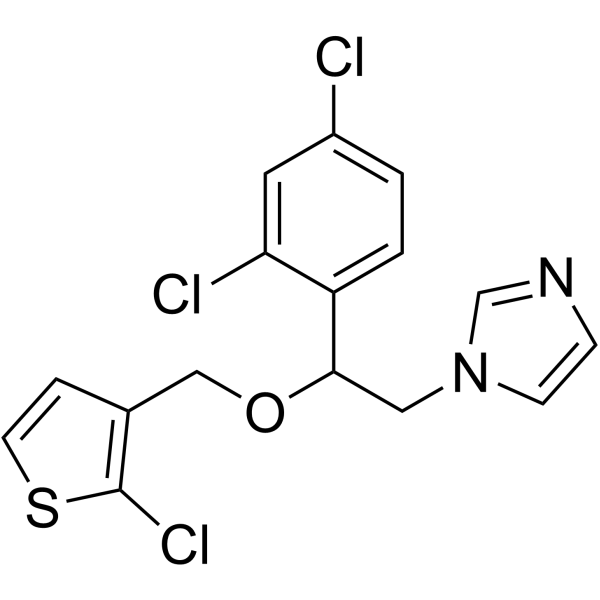
Tioconazole (UK-20349) is a broad-spectrum antifungal imidazole derivative. Tioconazole inhibits several dermatophytes and yeasts, with MIC50 values of less than 3.12 mg/L and 9 mg/L, respectively. Additionally, Tioconazole exhibits anti-parasitic activity. Tioconazole exerts anticancer activity by inhibiting the PI3K/AKT/mTOR signaling pathway and blocking autophagy. Tioconazole is applicable for research in the fields of anti-infection and anticancer therapy .
|
-
-
- HY-B1790
-
|
R42470
|
Fungal
|
Infection
|
|
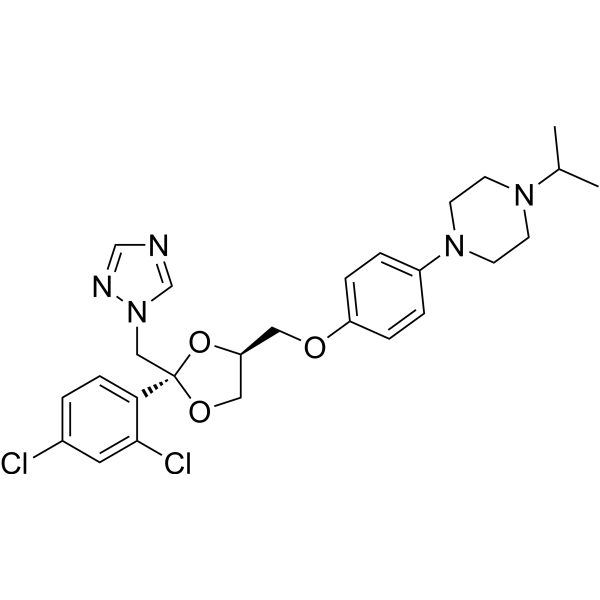
Terconazole is a broad-spectrum antifungal medication for the treatment of vaginal yeast infection.
|
-
-
- HY-N0626
-
|
|
Environmental Pollutants
Bacterial
Endogenous Metabolite
Fungal
Antibiotic
|
Infection
Neurological Disease
Cancer
|
|
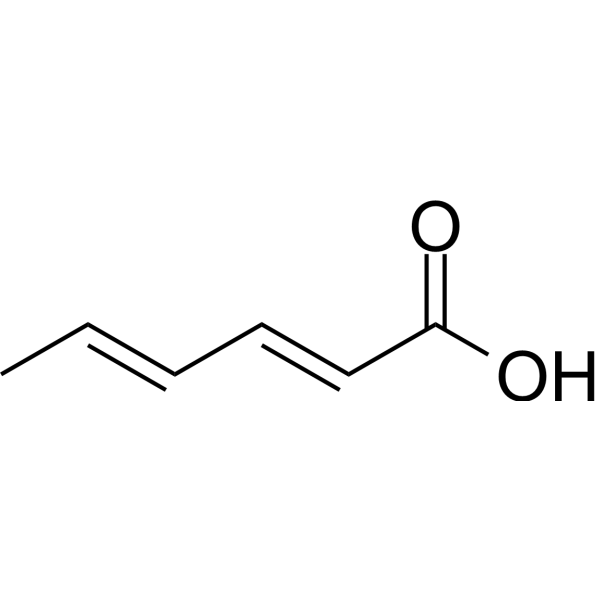
Sorbic acid is an antibacterial preservative effective against most molds, yeasts, and some bacterial species. Sorbic acid inhibits microbial growth. Sorbic acid suppresses the activity of intestinal microorganisms in zebrafish, alters the composition of intestinal flora, and reduces the levels of intestinal immune biomarkers, including IgG, IL-1β, and TNF-α. Sorbic acid can be used in research on the prevention and treatment of mold, yeast, and bacterial infections .
|
-
-
- HY-N0626A
-
|
Sorbic acid potassium
|
Environmental Pollutants
Endogenous Metabolite
Antibiotic
Bacterial
Fungal
|
Infection
|
|
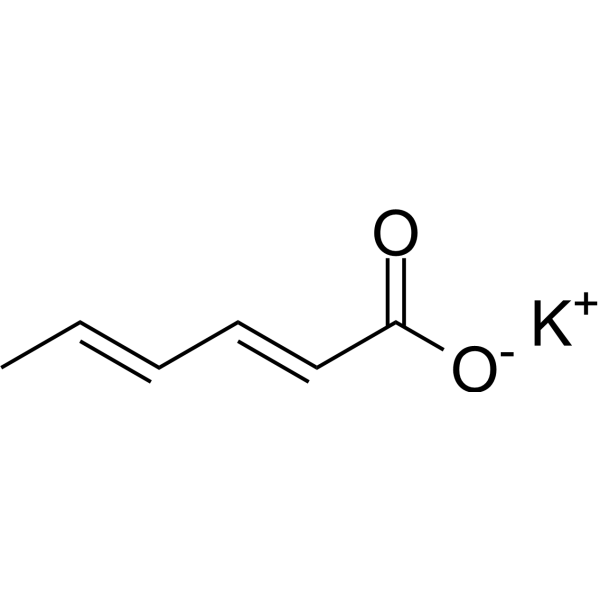
Potassium sorbate (Sorbic acid potassium) is an antibacterial preservative effective against most molds, yeasts, and some bacterial species. Potassium sorbate inhibits microbial growth. Potassium sorbate suppresses the activity of intestinal microorganisms in zebrafish, alters the composition of intestinal flora, and reduces the levels of intestinal immune biomarkers, including IgG, IL-1β, and TNF-α. Potassium sorbate can be used in research on the prevention and treatment of mold, yeast, and bacterial infections .
|
-
-
- HY-B0512
-
|
RP2632
|
Antibiotic
Bacterial
α-synuclein
|
Infection
Neurological Disease
|
|
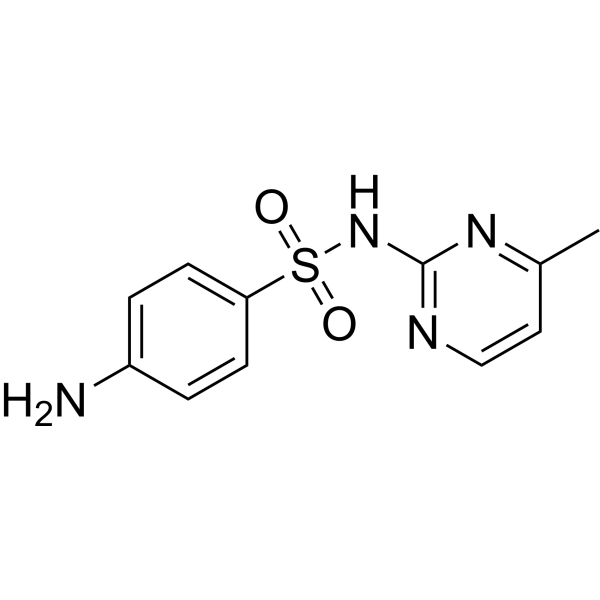
Sulfamerazine (RP2632) is a brain-penetrant and orally active sulfonamide antibiotic and α-synuclein inhibitor with human α-synuclein KD of 352 μM. Sulfamerazine inhibits the synthesis of dihydrofolate by bacteria, thereby inhibiting bacterial growth. Sulfamerazine inhibits α-synuclein fibrillation, reduces α-synuclein aggregation-associated toxicity and α-synuclein aggregate accumulation. Sulfamerazine can be used for the research of Parkinson’s disease and bacterial infection .
|
-
-
- HY-113542
-
|
(+)-Blasticidin A
|
Antibiotic
Fungal
|
Infection
|
|
Blasticidin A ((+)-Blasticidin A) is a tetraamide acid derivative antibiotic produced by Streptomyces griseochromogenes, as well as a selective inhibitor of aflatoxin production. Blasticidin A exhibits antimicrobial activity against yeast. Blasticidin A can be used in research related to aflatoxin contamination (infection by Aspergillus sp.) .
|
-
-
- HY-W250308A
-
|
Epsilon-polylysine hydrochloride (MV 2000-5000); ε-Polylysine hydrochloride (MV 2000-5000); ε-PL hydrochloride (MV 2000-5000)
|
Bacterial
Fungal
Reactive Oxygen Species (ROS)
|
Infection
|
|
ε-Poly-L-lysine (Epsilon-polylysine; ε-Polylysine) hydrochloride (MV 2000-5000) is a polycationic antibacterial agent with broad-spectrum activity against Gram-positive bacteria, Gram-negative bacteria, fungi, yeasts and specific bacteriophages. ε-Poly-L-lysine hydrochloride (MV 2000-5000) exerts bactericidal effects through mechanisms such as disrupting microbial membranes, inducing ROS production, inhibiting metabolism and spore germination. ε-Poly-L-lysine hydrochloride (MV 2000-5000) also regulates the expression of multiple key genes including sodA, oxyR and recA. ε-Poly-L-lysine hydrochloride (MV 2000-5000) exhibits properties such as low eukaryotic cytotoxicity, thermal stability and pH stability, and supports tissue regeneration and anti-tumor applications. ε-Poly-L-lysine hydrochloride (MV 2000-5000) can be applied in research fields including bacterial and fungal infections, diabetic ulcers, and methicillin-resistant Staphylococcus aureus infections .
|
-

-
- HY-125713
-
|
|
Glycosidase
Enterovirus
|
Infection
|
|
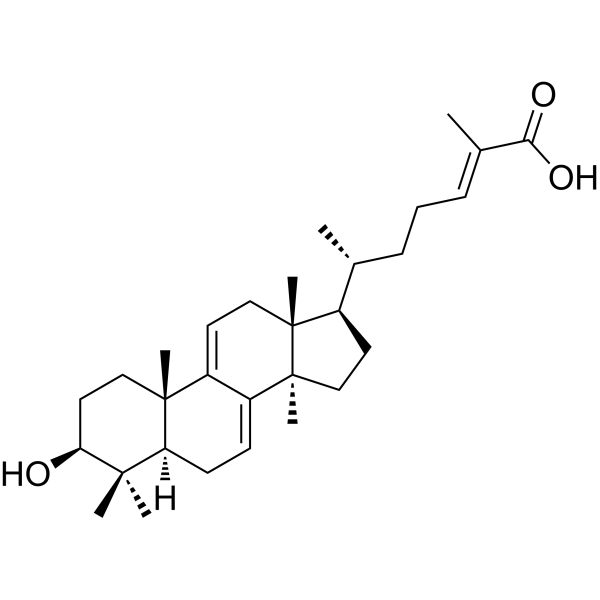
Ganoderic acid Y is a α-glucosidase inhibitor with an IC50 of 170 μM for yeast α-glucosidase. Ganoderic acid Y inhibits enterovirus 71 (EV71) replication through blocking EV71 uncoating .
|
-
-
- HY-W984782
-
|
|
GLUT
Bacterial
Fungal
AMPK
PPAR
Reactive Oxygen Species (ROS)
Apoptosis
SOD
|
Infection
Metabolic Disease
Cancer
|
|
Flindersine is an alkaloid with multiple activities including antibacterial, antifungal, antitumor, and antidiabetic properties. Flindersine increases the activity of antioxidant enzymes, restores the levels of renal biomarkers, and reduces blood glucose, blood lipid, and insulin levels in diabetic rats. Flindersine inhibits the growth of Gram-positive bacteria, Gram-negative bacteria, drug-resistant bacteria, as well as dermatophytes, filamentous fungi, and yeasts. Flindersine reduces the viability of cancer cells and induces apoptosis. Flindersine can be used in research related to breast cancer, type 2 diabetes, bacterial infections, and fungal infections .
|
-

-
- HY-N1510
-
|
|
Glycosidase
Notch
Toll-like Receptor (TLR)
NF-κB
Mucin
Reactive Oxygen Species (ROS)
Bacterial
TGF-beta/Smad
Anaplastic lymphoma kinase (ALK)
|
Infection
Inflammation/Immunology
Cancer
|
|
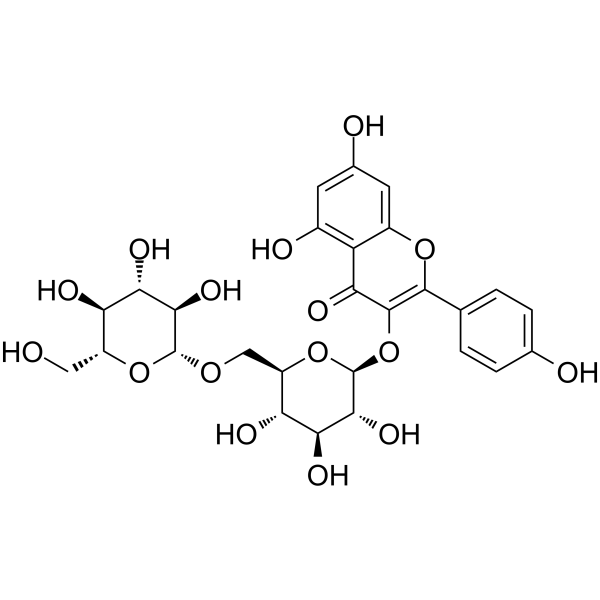
Kaempferol 3-O-gentiobioside is an orally active flavonoid, with a Ka value of 57 µM against human NOTCH1 and an IC50 value of 50 μM against α-glucosidase. Kaempferol 3-O-gentiobioside inhibits the NOTCH signaling pathway. It downregulates the expression of TLR4 and NLRP3, and suppresses the activation and nuclear translocation of NF-κB. Kaempferol 3-O-gentiobioside inhibits the expression of MUC5AC, reduces nitrite and ROS levels, and attenuates excessive mucus secretion. It exhibits antibacterial activity, reducing the formation and growth of MRSA biofilms. Kaempferol 3-O-gentiobioside blocks the TGF-β/ALK5/Smad signaling pathway and inhibits epithelial-mesenchymal transition. It suppresses the proliferation, migration, invasion and metastatic growth of tumor cells. Kaempferol 3-O-gentiobioside alleviates airway inflammation and mucus hypersecretion in mice with allergic asthma . It reduces the volume of ovarian cancer xenografts in mice. Kaempferol 3-O-gentiobioside can be used in research related to allergic asthma, diabetes, MRSA infection, breast cancer, gastric cancer and ovarian cancer .
|
-
-
- HY-B2012
-
|
DPX-H6573
|
Environmental Pollutants
Fungal
|
Infection
|
|
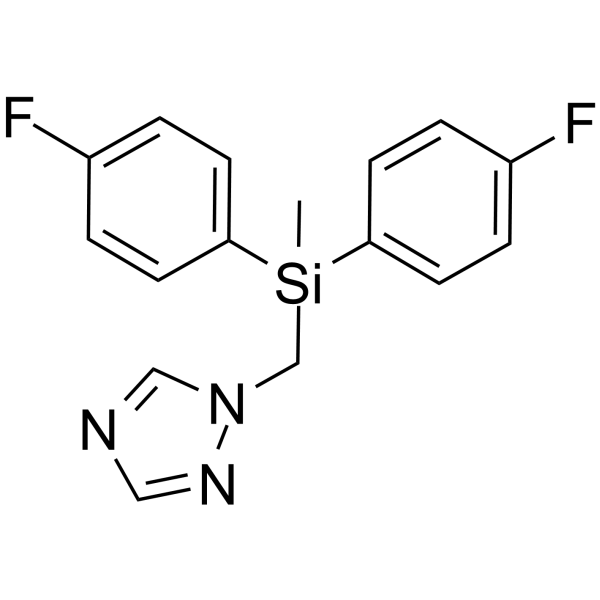
Flusilazole (DPX-H6573) is a broad-spectrum fungicide and cytochrome P-450 inhibitor that can be used in studies related to fungal infections .
|
-
-
- HY-B1144A
-
|
Clomidazole hydrochloride
|
Fungal
|
Infection
|
|
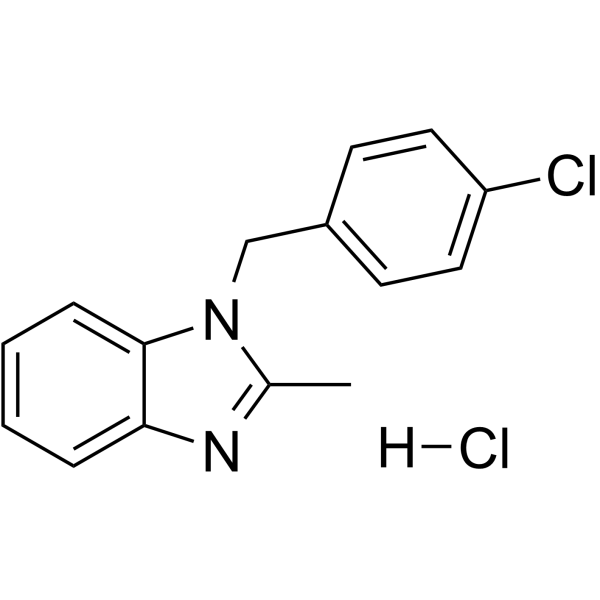
Chlormidazole hydrochloride is an antifungal agent and has inhibitory activity against many fungi and some gram-positive cocci. Chlormidazole hydrochloride can be applied in fungal and bacterial infections of nails and skin, including interdigital and periungual mycoses .
|
-
-
- HY-N0626AR
-
|
Sorbic acid potassium (Standard)
|
Reference Standards
Environmental Pollutants
Bacterial
Endogenous Metabolite
Fungal
Antibiotic
|
Infection
|
|
Potassium sorbate (Standard) is the analytical standard of Potassium sorbate. This product is intended for research and analytical applications. Potassium sorbate (Sorbic acid potassium) is an antibacterial preservative effective against most molds, yeasts, and some bacterial species. Potassium sorbate inhibits microbial growth. Potassium sorbate suppresses the activity of intestinal microorganisms in zebrafish, alters the composition of intestinal flora, and reduces the levels of intestinal immune biomarkers, including IgG, IL-1β, and TNF-α. Potassium sorbate can be used in research on the prevention and treatment of mold, yeast, and bacterial infections .
|
-

-
- HY-N0626R
-
|
|
Reference Standards
Environmental Pollutants
Bacterial
Endogenous Metabolite
Fungal
Antibiotic
|
Infection
|
|
Sorbic acid (Standard) is the analytical standard of Sorbic acid (HY-N0626). This product is intended for research and analytical applications. Sorbic acid is an antibacterial preservative effective against most molds, yeasts, and some bacterial species. Sorbic acid inhibits microbial growth. Sorbic acid suppresses the activity of intestinal microorganisms in zebrafish, alters the composition of intestinal flora, and reduces the levels of intestinal immune biomarkers, including IgG, IL-1β, and TNF-α. Sorbic acid can be used in research on the prevention and treatment of mold, yeast, and bacterial infections .
|
-

-
- HY-N14690
-
|
|
Fungal
Antibiotic
Bacterial
|
Infection
|
|
Piperazinomycin is an antifungal and antibacterial antibiotic. Piperazinomycin is isolated from the culture broth of Streptoverticillium olivoreticuli subsp. neoenacticus. Piperazinomycin inhibits the growth of fungi, yeasts and some Mycobacterium species. Piperazinomycin exhibits inhibitory activity against Trichophyton species .
|
-

-
- HY-126813
-
|
|
Antibiotic
Fungal
|
Infection
|
|
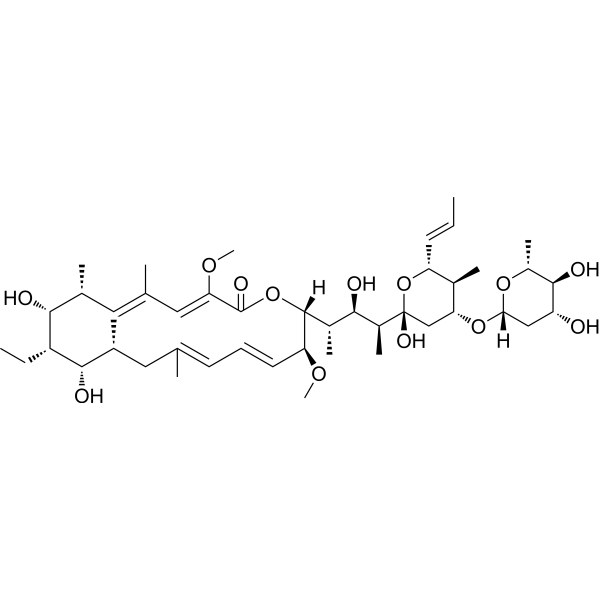
Concanamycin C is a macrolide antibiotic with inhibitory activity against certain fungi and yeasts, but no activity against bacteria. Concanamycin C inhibits the proliferation of mouse splenic lymphocytes. Concanamycin C exhibits acute toxicity in ddY mice. Concanamycin C can be used in studies related to fungal infections and yeast infections .
|
-
-
- HY-105048A
-
|
|
Bacterial
|
Infection
|
|
Omiganan pentahydrochloride is a cationic peptide compound with a broad antibacterial profile. Omiganan pentahydrochloride is capable of inhibiting a variety of bacteria, including yeast, and is active against both gram-positive and gram-negative bacteria. Omiganan pentahydrochloride is able to interact with the bacterial cell membrane, causing the destruction of the cell membrane and the death of the bacteria. Omiganan pentahydrochloride can be used for the study of antimicrobial activity against pathogens commonly associated with catheter-associated infections, including strains with drug-resistant phenotypes .
|
-

-
- HY-N12496
-
|
|
Fungal
Bacterial
|
Infection
|
|
Di-O-methylhonokiol is a natural phenolic compound that can be isolated from magnolia flowers. Di-O-methylhonokiol has significant antibacterial activity against Gram-positive bacteria, acid-fast bacilli, and yeast-like and filamentous fungi. Di-O-methylhonokiol can be used in the study of fungal infections .
|
-

-
- HY-N15375
-
|
|
Antibiotic
Fungal
Parasite
|
Infection
|
|
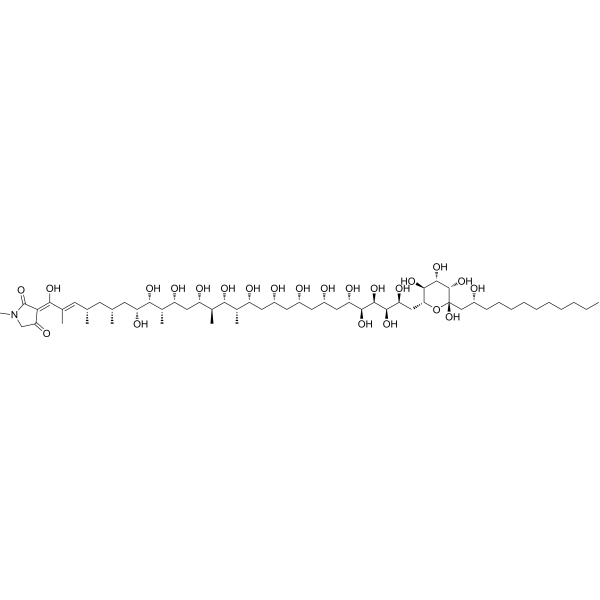
Trichomycin B is a polyene macrolide antibiotic that can be isolated from the fermentation products of Streptomyces hachijoensis. Trichomycin B exhibits antibacterial activity against fungi, yeasts, and trichomonas. Trichomycin B can be used in research on antifungal and anti-trichomoniasis infection .
|
-

-
- HY-B1790S
-
|
R42470-d4
|
Fungal
|
Infection
|
|
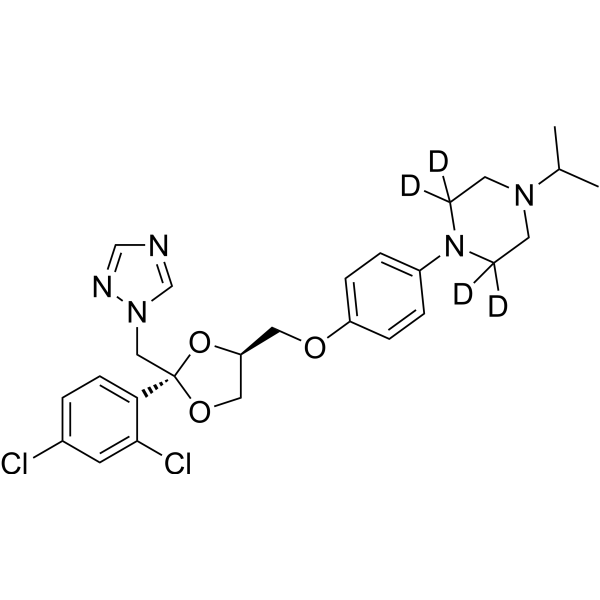
Terconazole-d4 is the deuterium labeled Terconazole. Terconazole is a broad-spectrum antifungal medication for the treatment of vaginal yeast infection.
|
-
-
- HY-B1790R
-
|
R42470 (Standard)
|
Reference Standards
Fungal
|
Infection
|
|
Terconazole (Standard) is the analytical standard of Terconazole. This product is intended for research and analytical applications. Terconazole is a broad-spectrum antifungal medication for the treatment of vaginal yeast infection.
|
-

-
- HY-B0319R
-
|
UK-20349 (Standard)
|
Reference Standards
Fungal
Antibiotic
|
Infection
|
|
Tioconazole (Standard) is the analytical standard of Tioconazole. This product is intended for research and analytical applications. Tioconazole (UK-20349) is an antifungal imidazole derivative with broad spectrum activity. Tioconazole has inhibitory active aginst several dermatophytes and several yeasts with MIC50s <3.12 mg/L and <9 mg/L, respectively .
|
-

-
- HY-113863
-
|
HOE 351
|
Fungal
|
Infection
|
|
Rilopirox (HOE 351) is a hydroxy-pyridone compound with antimycotic properties. Rilopirox, a chelating agent, can inhibit catalase. Rilopirox inhibits the respiratory chain. Rilopirox inhibits growth of yeast isolates with a MIC50 of 4 μg/mL. Rilopirox has the potential for vaginal candidosis and oropharyngeal Candida infections research .
|
-

-
- HY-124068
-
|
|
Apoptosis
GSK-3
MMP
Reactive Oxygen Species (ROS)
|
Infection
Inflammation/Immunology
Cancer
|
LQB-118 is an orally active compound derived from sandalwood. LQB-118 can inhibit the migration of glioblastoma cells and induce cell death. LQB-118 can suppress the migration and invasion of prostate cancer cells by regulating the AKT/GSK3β pathway and the expression of the MMP-9/reck genes. LQB-118 can also inhibit yeast polysaccharide-induced inflammation both in vivo and in vitro. Additionally, LQB-118 selectively induces ROS-triggered and mitochondrial-dependent apoptosis in Leishmania amazonensis. LQB-118 can be used in studies related to inflammation, infections, and cancer diseases .
|
-

-
- HY-121365
-
|
|
Bacterial
|
Infection
|
|
Forphenicinol is an immunomodulator and a derivative of the bacterial metabolite forphenicine. It increases the phagocytosis of yeast by peritoneal macrophages isolated from thioglycolate-stimulated mice. Forphenicinol (100 μg/animal) prevents cyclophosphamide-induced suppression of delayed-type hypersensitivity (DTH), as well as enhances DTH in response to the hapten oxazolone or sheep red blood cells in mice. It enhances the bactericidal activity of macrophages against P. aeruginosa in mice when administered at a dose of 0.5 mg/kg.2 Forphenicinol (15.6-1,000 μg/animal) increases survival in a mouse model of P. aeruginosa infection. It also inhibits tumor growth in S180 sarcoma and IMC carcinoma mouse xenograft models when administered at doses ranging from 0.05 to 5 mg/kg per day.
|
-

-
- HY-N19757
-
|
|
Fungal
|
Infection
|
|
3-O-(2-Acetamido-2-deoxy-β-D-glucopyranosyl) echinocystic acid is an oleanane-type triterpenoid saponin. 3-O-(2-Acetamido-2-deoxy-β-D-glucopyranosyl) echinocystic acid acts as a dermatophyte growth inhibitor with a MIC range of 6.25-25 μg/mL. 3-O-(2-Acetamido-2-deoxy-β-D-glucopyranosyl) echinocystic acid can be used in the research of dermatophyte infections, bacterial infections and yeast infections .
|
-

-
- HY-N19846
-
|
|
Bacterial
Fungal
Reactive Oxygen Species (ROS)
|
Infection
|
|
Pithecolobine is a saponin-like alkaloid found in the bark, seeds, and leaves of Samanea saman. Pithecolobine can inhibit the growth of Gram-positive bacteria, Gram-negative bacteria, and pathogenic yeasts. Pithecolobine scavenges DPPH radicals. Pithecolobine can be used for the research of infections caused by pathogenic bacteria and yeasts .
|
-

-
- HY-N19881
-
|
|
Fungal
|
Infection
|
|
Drimenal is a pimarane-type natural sesquiterpene with antifungal activity. Drimenal inhibits the growth of yeasts and dermatophytes. Drimenal can be used for the development of pesticide candidates and in research related to fungal infections .
|
-

-
- HY-176964
-
|
PheCA
|
HIV
Fungal
|
Infection
|
|
N-Choloylphenylalanine (Compound 6273) (PheCA) is a VPR-induced growth arrest inhibitor. N-Choloylphenylalanine alleviates VPR-induced growth arrest. N-Choloylphenylalanine can be used in yeast and HIV-1 infection research .
|
-

-
- HY-P11465
-
|
|
Fungal
|
Infection
|
|
Histone H3 (73-83) is a histone H3 fragment. Histone H3 (73-83) can be obtained from incomplete tryptic digestion of underivatized wild-type histone H3. Histone H3 (73-83) can be used in the research of yeast infection .
|
-

-
- HY-N19795
-
|
|
Antibiotic
Bacterial
|
Infection
|
|
Desferritriacetylfusigen is a desferrisideramine antibiotic found in Aspergillus deflectus and bacterial growth inhibitor. Desferritriacetylfusigen induces strong iron deficiency in sensitive bacteria to block growth, with activity abolished by iron (III) addition. Desferritriacetylfusigen exhibits medium-dependent bacterial growth inhibition, with no or weak activity against yeasts and fungi. can be used for research on bacterial infection .
|
-

-
- HY-182496
-
|
|
Antibiotic
Bacterial
|
Infection
|
|
Kanchanamycin A is a 36-membered polyol macrolide antibiotic found in Streptomyces olivaceus Tü 4018, with high activity against Pseudomonas fluorescens, weak activity against Gram-positive bacteria and filamentous fungi, and no activity against yeasts. Kanchanamycin A inhibits growth of Pseudomonas fluorescens, Botrytis cinerea, Mucor miehei, Penicillium notatum, and Staphylococcus aureus. Kanchanamycin A is commonly used in the study of bacterial infections .
|
-

-
- HY-183333
-
|
|
Fungal
|
Infection
|
|
CHNQD-02204 is a potent and selective antifungal agent with in vitro activity against Candida albicans, with a MIC of 0.025 μg/mL. CHNQD-02204 inhibits ergosterol biosynthesis, disrupts the membrane integrity and biofilm formation of Candida albicans, and suppresses the morphological transition of Candida albicans from yeast to hyphal form. CHNQD-02204 can be used in studies related to candidal infections .
|
-

| Cat. No. |
Product Name |
Type |
-
- HY-W250308A
-
|
Epsilon-polylysine hydrochloride (MV 2000-5000); ε-Polylysine hydrochloride (MV 2000-5000); ε-PL hydrochloride (MV 2000-5000)
|
Biochemical Assay Reagents
|
|
ε-Poly-L-lysine (Epsilon-polylysine; ε-Polylysine) hydrochloride (MV 2000-5000) is a polycationic antibacterial agent with broad-spectrum activity against Gram-positive bacteria, Gram-negative bacteria, fungi, yeasts and specific bacteriophages. ε-Poly-L-lysine hydrochloride (MV 2000-5000) exerts bactericidal effects through mechanisms such as disrupting microbial membranes, inducing ROS production, inhibiting metabolism and spore germination. ε-Poly-L-lysine hydrochloride (MV 2000-5000) also regulates the expression of multiple key genes including sodA, oxyR and recA. ε-Poly-L-lysine hydrochloride (MV 2000-5000) exhibits properties such as low eukaryotic cytotoxicity, thermal stability and pH stability, and supports tissue regeneration and anti-tumor applications. ε-Poly-L-lysine hydrochloride (MV 2000-5000) can be applied in research fields including bacterial and fungal infections, diabetic ulcers, and methicillin-resistant Staphylococcus aureus infections .
|
| Cat. No. |
Product Name |
Target |
Research Area |
-
- HY-105048A
-
|
|
Bacterial
|
Infection
|
|
Omiganan pentahydrochloride is a cationic peptide compound with a broad antibacterial profile. Omiganan pentahydrochloride is capable of inhibiting a variety of bacteria, including yeast, and is active against both gram-positive and gram-negative bacteria. Omiganan pentahydrochloride is able to interact with the bacterial cell membrane, causing the destruction of the cell membrane and the death of the bacteria. Omiganan pentahydrochloride can be used for the study of antimicrobial activity against pathogens commonly associated with catheter-associated infections, including strains with drug-resistant phenotypes .
|
-
- HY-P11465
-
|
|
Fungal
|
Infection
|
|
Histone H3 (73-83) is a histone H3 fragment. Histone H3 (73-83) can be obtained from incomplete tryptic digestion of underivatized wild-type histone H3. Histone H3 (73-83) can be used in the research of yeast infection .
|
| Cat. No. |
Product Name |
Category |
Target |
Chemical Structure |
-
- HY-N0626
-
|
|
Infection
Structural Classification
other families
Preservatives
Classification of Application Fields
Ketones, Aldehydes, Acids
Plants
Endogenous metabolite
Disease Research Fields
Source Classification
Food Research
|
Environmental Pollutants
Bacterial
Endogenous Metabolite
Fungal
Antibiotic
|
|
Sorbic acid is an antibacterial preservative effective against most molds, yeasts, and some bacterial species. Sorbic acid inhibits microbial growth. Sorbic acid suppresses the activity of intestinal microorganisms in zebrafish, alters the composition of intestinal flora, and reduces the levels of intestinal immune biomarkers, including IgG, IL-1β, and TNF-α. Sorbic acid can be used in research on the prevention and treatment of mold, yeast, and bacterial infections .
|
-
-
- HY-N0626A
-
|
Sorbic acid potassium
|
Structural Classification
Classification of Application Fields
Ketones, Aldehydes, Acids
Metabolic Disease
Endogenous metabolite
Disease Research Fields
Source Classification
|
Environmental Pollutants
Endogenous Metabolite
Antibiotic
Bacterial
Fungal
|
|
Potassium sorbate (Sorbic acid potassium) is an antibacterial preservative effective against most molds, yeasts, and some bacterial species. Potassium sorbate inhibits microbial growth. Potassium sorbate suppresses the activity of intestinal microorganisms in zebrafish, alters the composition of intestinal flora, and reduces the levels of intestinal immune biomarkers, including IgG, IL-1β, and TNF-α. Potassium sorbate can be used in research on the prevention and treatment of mold, yeast, and bacterial infections .
|
-
-
- HY-125713
-
-
-
- HY-W984782
-
|
|
Structural Classification
Alkaloids
Rutaceae
Quinoline Alkaloids
Plants
Haplophyllum tuberculatum (Forssk.) A.Juss.
Source Classification
|
GLUT
Bacterial
Fungal
AMPK
PPAR
Reactive Oxygen Species (ROS)
Apoptosis
SOD
|
|
Flindersine is an alkaloid with multiple activities including antibacterial, antifungal, antitumor, and antidiabetic properties. Flindersine increases the activity of antioxidant enzymes, restores the levels of renal biomarkers, and reduces blood glucose, blood lipid, and insulin levels in diabetic rats. Flindersine inhibits the growth of Gram-positive bacteria, Gram-negative bacteria, drug-resistant bacteria, as well as dermatophytes, filamentous fungi, and yeasts. Flindersine reduces the viability of cancer cells and induces apoptosis. Flindersine can be used in research related to breast cancer, type 2 diabetes, bacterial infections, and fungal infections .
|
-
-
- HY-N1510
-
|
|
Flavonols
Structural Classification
Flavonoids
Sauropus spatulifolius Beille
Classification of Application Fields
Phenols
Polyphenols
Metabolic Disease
Euphorbiaceae
Plants
Disease Research Fields
Source Classification
|
Glycosidase
Notch
Toll-like Receptor (TLR)
NF-κB
Mucin
Reactive Oxygen Species (ROS)
Bacterial
TGF-beta/Smad
Anaplastic lymphoma kinase (ALK)
|
|
Kaempferol 3-O-gentiobioside is an orally active flavonoid, with a Ka value of 57 µM against human NOTCH1 and an IC50 value of 50 μM against α-glucosidase. Kaempferol 3-O-gentiobioside inhibits the NOTCH signaling pathway. It downregulates the expression of TLR4 and NLRP3, and suppresses the activation and nuclear translocation of NF-κB. Kaempferol 3-O-gentiobioside inhibits the expression of MUC5AC, reduces nitrite and ROS levels, and attenuates excessive mucus secretion. It exhibits antibacterial activity, reducing the formation and growth of MRSA biofilms. Kaempferol 3-O-gentiobioside blocks the TGF-β/ALK5/Smad signaling pathway and inhibits epithelial-mesenchymal transition. It suppresses the proliferation, migration, invasion and metastatic growth of tumor cells. Kaempferol 3-O-gentiobioside alleviates airway inflammation and mucus hypersecretion in mice with allergic asthma . It reduces the volume of ovarian cancer xenografts in mice. Kaempferol 3-O-gentiobioside can be used in research related to allergic asthma, diabetes, MRSA infection, breast cancer, gastric cancer and ovarian cancer .
|
-
-
- HY-N0626AR
-
|
Sorbic acid potassium (Standard)
|
Structural Classification
other families
Ketones, Aldehydes, Acids
Plants
Endogenous metabolite
Source Classification
|
Reference Standards
Environmental Pollutants
Bacterial
Endogenous Metabolite
Fungal
Antibiotic
|
|
Potassium sorbate (Standard) is the analytical standard of Potassium sorbate. This product is intended for research and analytical applications. Potassium sorbate (Sorbic acid potassium) is an antibacterial preservative effective against most molds, yeasts, and some bacterial species. Potassium sorbate inhibits microbial growth. Potassium sorbate suppresses the activity of intestinal microorganisms in zebrafish, alters the composition of intestinal flora, and reduces the levels of intestinal immune biomarkers, including IgG, IL-1β, and TNF-α. Potassium sorbate can be used in research on the prevention and treatment of mold, yeast, and bacterial infections .
|
-
-
- HY-N0626R
-
|
|
Structural Classification
Microorganisms
other families
Ketones, Aldehydes, Acids
Plants
Endogenous metabolite
Source Classification
|
Reference Standards
Environmental Pollutants
Bacterial
Endogenous Metabolite
Fungal
Antibiotic
|
|
Sorbic acid (Standard) is the analytical standard of Sorbic acid (HY-N0626). This product is intended for research and analytical applications. Sorbic acid is an antibacterial preservative effective against most molds, yeasts, and some bacterial species. Sorbic acid inhibits microbial growth. Sorbic acid suppresses the activity of intestinal microorganisms in zebrafish, alters the composition of intestinal flora, and reduces the levels of intestinal immune biomarkers, including IgG, IL-1β, and TNF-α. Sorbic acid can be used in research on the prevention and treatment of mold, yeast, and bacterial infections .
|
-
-
- HY-N14690
-
-
-
- HY-126813
-
-
-
- HY-N12496
-
|
|
Natural Products
Magnoliaceae
Plants
Source Classification
|
Fungal
Bacterial
|
|
Di-O-methylhonokiol is a natural phenolic compound that can be isolated from magnolia flowers. Di-O-methylhonokiol has significant antibacterial activity against Gram-positive bacteria, acid-fast bacilli, and yeast-like and filamentous fungi. Di-O-methylhonokiol can be used in the study of fungal infections .
|
-
-
- HY-N15375
-
|
|
Microorganisms
Antibiotics
Source Classification
|
Antibiotic
Fungal
Parasite
|
|
Trichomycin B is a polyene macrolide antibiotic that can be isolated from the fermentation products of Streptomyces hachijoensis. Trichomycin B exhibits antibacterial activity against fungi, yeasts, and trichomonas. Trichomycin B can be used in research on antifungal and anti-trichomoniasis infection .
|
-
-
- HY-N19757
-
-
-
- HY-N19846
-
-
-
- HY-N19881
-
-
-
- HY-N19795
-
|
|
Structural Classification
Microorganisms
Antibiotics
Source Classification
|
Antibiotic
Bacterial
|
|
Desferritriacetylfusigen is a desferrisideramine antibiotic found in Aspergillus deflectus and bacterial growth inhibitor. Desferritriacetylfusigen induces strong iron deficiency in sensitive bacteria to block growth, with activity abolished by iron (III) addition. Desferritriacetylfusigen exhibits medium-dependent bacterial growth inhibition, with no or weak activity against yeasts and fungi. can be used for research on bacterial infection .
|
-
-
- HY-182496
-
|
|
Structural Classification
Microorganisms
Ketones, Aldehydes, Acids
Source Classification
|
Antibiotic
Bacterial
|
|
Kanchanamycin A is a 36-membered polyol macrolide antibiotic found in Streptomyces olivaceus Tü 4018, with high activity against Pseudomonas fluorescens, weak activity against Gram-positive bacteria and filamentous fungi, and no activity against yeasts. Kanchanamycin A inhibits growth of Pseudomonas fluorescens, Botrytis cinerea, Mucor miehei, Penicillium notatum, and Staphylococcus aureus. Kanchanamycin A is commonly used in the study of bacterial infections .
|
-
| Cat. No. |
Product Name |
Chemical Structure |
-
- HY-B1790S
-
|
|
|
Terconazole-d4 is the deuterium labeled Terconazole. Terconazole is a broad-spectrum antifungal medication for the treatment of vaginal yeast infection.
|
-
| Cat. No. |
Product Name |
|
Classification |
-
- HY-N0626A
-
|
Sorbic acid potassium
|
|
Others
|
|
Potassium sorbate (Sorbic acid potassium) is an antibacterial preservative effective against most molds, yeasts, and some bacterial species. Potassium sorbate inhibits microbial growth. Potassium sorbate suppresses the activity of intestinal microorganisms in zebrafish, alters the composition of intestinal flora, and reduces the levels of intestinal immune biomarkers, including IgG, IL-1β, and TNF-α. Potassium sorbate can be used in research on the prevention and treatment of mold, yeast, and bacterial infections .
|
Your information is safe with us. * Required Fields.
Inquiry Information
- Product Name:
- Cat. No.:
- Quantity:
- MCE Japan Authorized Agent:








