1. シグナル伝達
  2. NF-κB
  3. NF-κB

NF-κB

Nuclear factor-κB; Nuclear factor-kappaB

NF-κB (Nuclear factor kappa-light-chain-enhancer of activated B cells) is a protein complex that controls transcription of DNA. NF-κB is found in almost all animal cell types and is involved in cellular responses to stimuli such as stress, cytokines, free radicals, ultraviolet irradiation, oxidized LDL, and bacterial or viral antigens. NF-κB plays a key role in regulating the immune response to infection. Incorrect regulation of NF-κB has been linked to cancer, inflammatory, and autoimmune diseases, septic shock, viral infection, and improper immune development. NF-κB has also been implicated in processes of synaptic plasticity and memory. There are five proteins in the mammalian NF-κB family: NF-κB1, NF-κB2, RelA, RelB, c-Rel.

製品番号 製品名 製品効果 純度 構造式
  • HY-120149
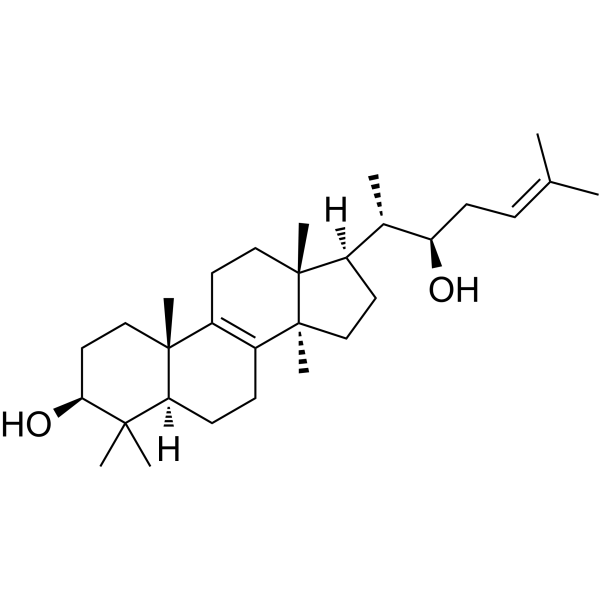
    Inotodiol Inhibitor 98.29%
    Inotodiol activates p53 signaling pathway, inhibits MMP-2/9, and exhibits antitumor activity in cancer cell HeLa. Inotodiol inhibits the generation of ROS and exhibits antioxidant and neuroprotective effects. Inotodiol inhibits the activation of MAPK and NF-κB signaling pathway, and exhibits anti-inflammatory activity. Inotodiol inhibits TLR-4 mediated TNF-α production (IC50s in BMMC and BMDM is 0.7 μM and 3.0 μM), inhibits the degranulation in mast cell, exhibits anti-allergic activity. Inotodiol is orally active.
    Inotodiol
  • HY-P5522A
    TriDAP dihydrochloride Activator 99.16%
    TriDAP dihydrochloride (L-Ala-γ-D-Glu-meso-diaminopimelic acid dihydrochloride) is a NOD1 agonist with a Kd value of 34.5 μM. TriDAP dihydrochloride enhances the binding of NOD1-RICK, promotes RICK phosphorylation, and activates the NF-κB, TAK1, MEK/ERK, p38 and interferon response pathways. TriDAP dihydrochloride downregulates Runx2 via increasing ubiquitination and reduces trabecular bone parameters. TriDAP dihydrochloride decreases IκBα levels and increases p65 levels. TriDAP dihydrochloride induces the secretion of proinflammatory mediators IL-8 and prostaglandins, triggers tissue inflammation and innate immune activation, and inhibits SARS-CoV-2 replication in lung epithelial cells. TriDAP dihydrochloride increases the RANKL/OPG ratio in mice, reduces bone mass and enhances osteoclast activity, and inhibits new bone formation by decreasing the mineralization deposition rate in mice. TriDAP dihydrochloride can be used in research related to pulpitis, chronic ulcerative colitis, Crohn's disease and SARS-CoV-2 infection.
    TriDAP dihydrochloride
  • HY-14592
    Tectochrysin

    Tectochrysin

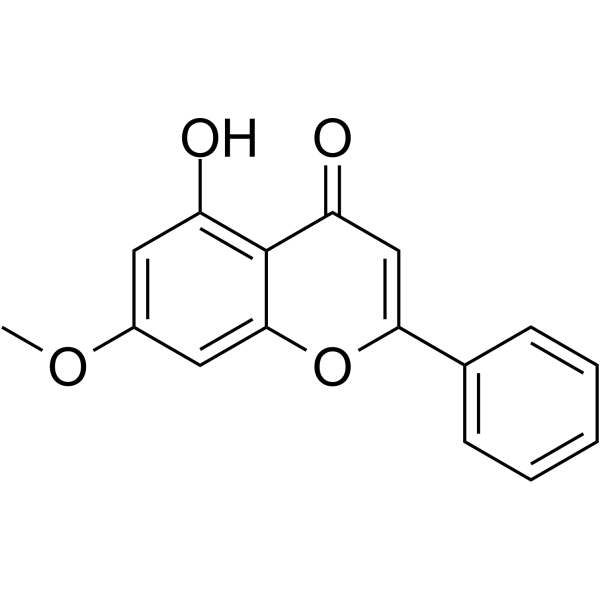
    Inhibitor 99.88%
    Tectochrysin (Techtochrysin) is one of the major flavonoids of Alpinia oxyphylla Miquel. Tectochrysin inhibits activity of NF-κB.
    Tectochrysin
  • HY-N0277
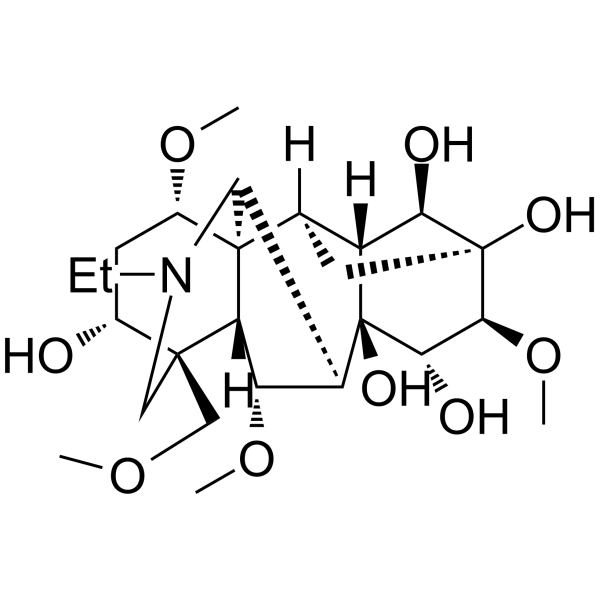
    Aconine Inhibitor 99.81%
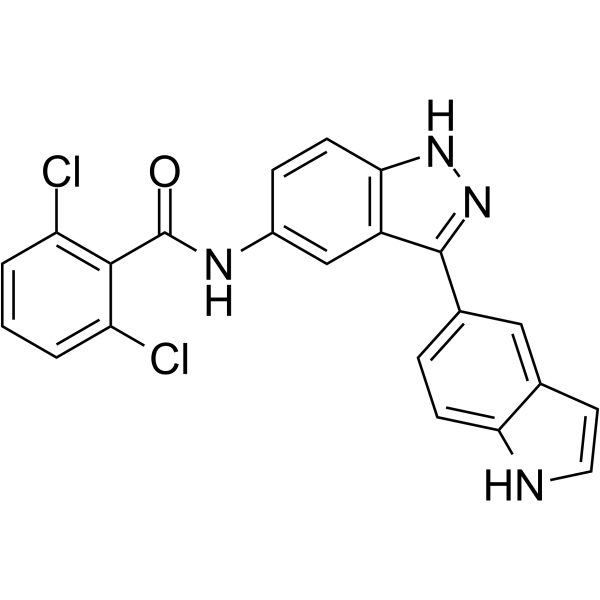
    Aconine inhibits receptor activator of nuclear factor (NF)-κB ligand (RANKL)-induced NF-κB activation.
    Aconine
  • HY-N0632
    Esculentoside A

    Esculentoside A

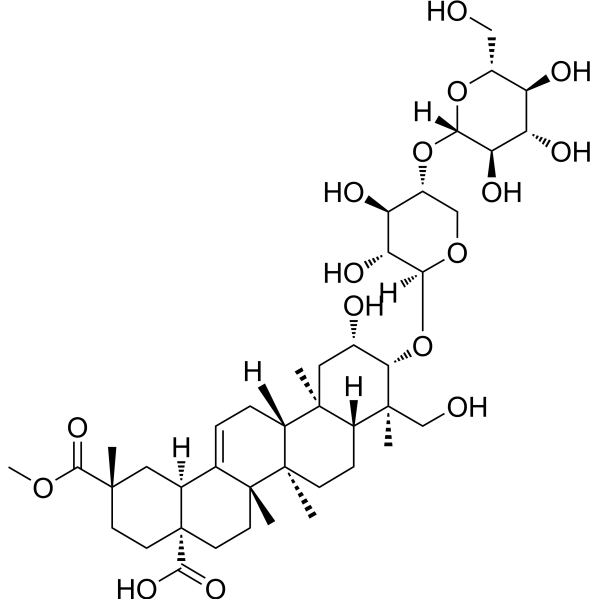
    Inhibitor 99.89%
    Esculentoside A (EsA), a kind of triterpene saponin isolated from roots of Phytolacca esculenta. Esculentoside A (EsA) possesses anti-inflammatory activity in acute and chronic experimental models, has selective inhibitory activity towards cyclooxygenase-2 (COX-2). Esculentoside A (EsA) suppresses inflammatory responses in LPS-induced acute lung injury (ALI) through inhibition of the nuclear factor kappa B (NF-ΚB) and mitogen activated protein kinase (MAPK) signaling pathways.
    Esculentoside A
  • HY-101259
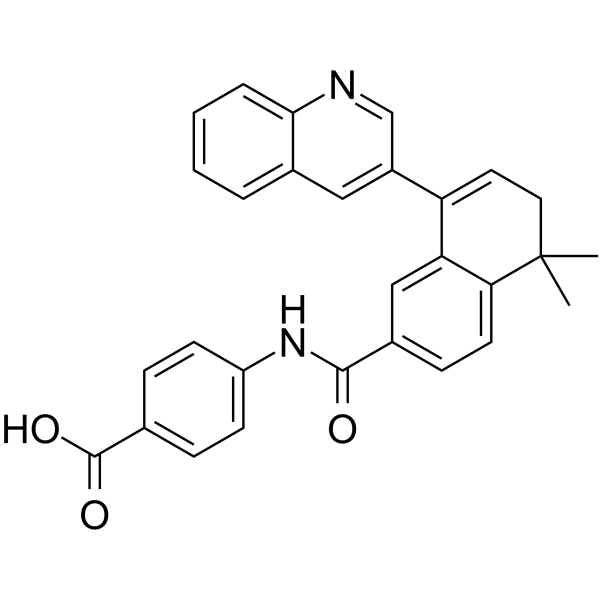
    BMS-195614

    BMS-195614

    Inhibitor 99.5%
    BMS-195614 (BMS 614) is an orally active neutral RARα-selective antagonist with a Ki of 2.5 nM. BMS-195614 restores the expression of Bcl2. BMS-195614 inhibits the transactivation of NF-κB, AP-1 and PPAR. BMS-195614 downregulates the expression of IL-6 and VEGF. BMS-195614 reduces blue light-induced phototoxicity and inhibits cell migration. BMS-195614 modulates inflammation and angiogenesis.
    BMS-195614
  • HY-N2149A
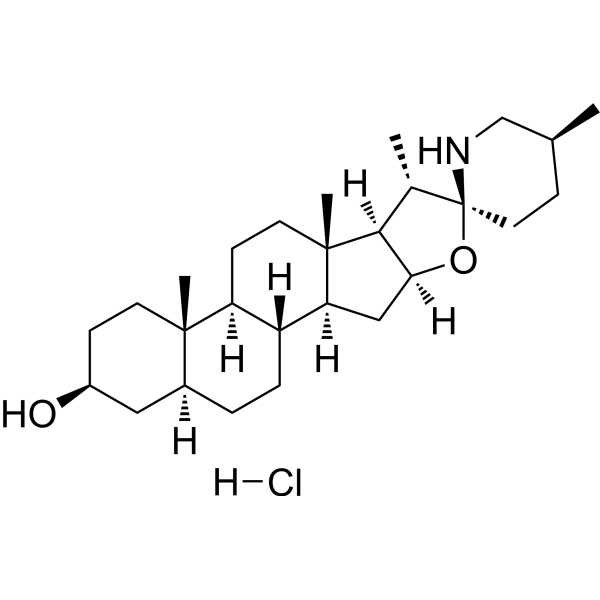
    Tomatidine hydrochloride

    Tomatidine (hydrochloride)

    Inhibitor 99.70%
    Tomatidine hydrochloride acts as an anti-inflammatory agent by blocking NF-κB and JNK signaling. Tomatidine hydrochloride activates autophagy either in mammal cells or C elegans.
    Tomatidine hydrochloride
  • HY-N0809
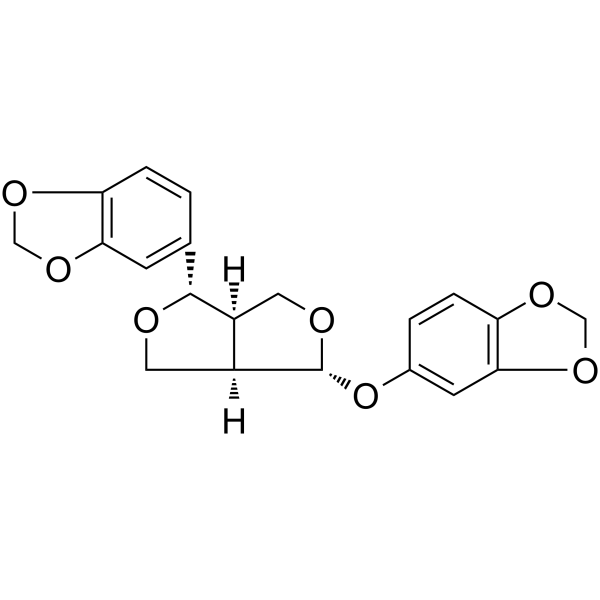
    Sesamolin

    セサモリン

    Inhibitor 98.51%
    Sesamolin, isolated from Sesamum indicum, has antioxidative activity, Sesamolin inhibits lipid peroxidation and shows neuroprotection effect. Sesamolinl potently inhibits MAPK cascades by preventing phosphorylation of JNK, p38 MAPKs, and caspase-3 but not ERK-MAPK expression. Sesamolin is orally active.
    Sesamolin
  • HY-N6263
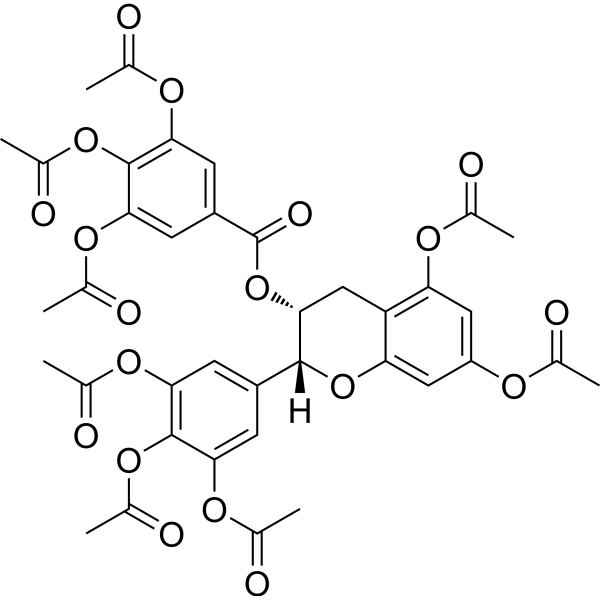
    EGCG Octaacetate Inhibitor 98.57%
    EGCG Octaacetate (AcEGCG) is a proagent of Green tea epigallocatechin-3-gallate (EGCG). EGCG Octaacetate decreases the proinflammatory mediator levels by down-regulating of PI3K/Akt/NFκB phosphorylation and p65 acetylation. EGCG octaacetate is the potential antibacterial compound for gram-positive bacteria (GPB) and gram-negative bacteria (GNB). EGCG Octaacetate exhibits antioxidant, anti-angiogenesis, anti-inflammatory and antitumor activities.
    EGCG Octaacetate
  • HY-128598
    MD2-TLR4-IN-1 Inhibitor 98.16%
    MD2-TLR4-IN-1 is a myeloid differentiation protein 2/toll-like receptor 4 (MD2-TLR4) complex antagonist. MD2-TLR4-IN-1 inhibits Lipopolysaccharides (HY-D1056) (LPS)-induced expression of TNF-α and IL-6 in macrophages with IC50 values of 0.89 μM and 0.53 μM, respectively. MD2-TLR4-IN-1 can be used for the study of acute lung injury (ALI).
    MD2-TLR4-IN-1
  • HY-P9958A
    Denosumab (anti-TNFSF11) Inhibitor 99.9%
    Denosumab (anti-TNFSF11) is a human monoclonal antibody that targets the protein RANKL. Denosumab binds to the receptor activator of nuclear factor kappa-B ligand (RANKL) and prevents its binding to the RANK receptor (KD of 0.003 nM for human RANKL). Denosumab promotes proliferation and spermatogenesis. Denosumab prevents bone resorption through inhibition of the NF-κB pathway. Denosumab can be used in bone-related studies.
    Denosumab (anti-TNFSF11)
  • HY-16126
    Carboxyamidotriazole Inhibitor 99.82%
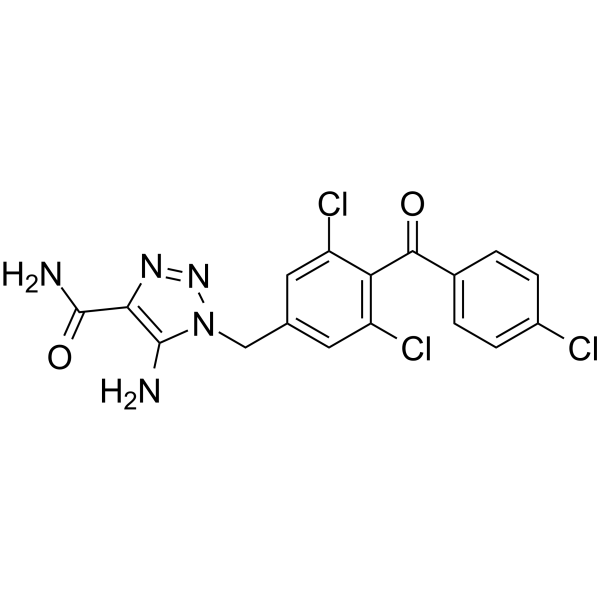
    Carboxyamidotriazole (L-651582) is an orally active cytostatic inhibitor of nonvoltage-operated calcium channels and calcium channel-mediated signaling pathways. Carboxyamidotriazole inhibits NF-κB, MAPK activation and NO production. Carboxyamidotriazole has anti-angiogenic and anti-inflammatory activities. Carboxyamidotriazole has anticancer activity against liver cancer, lung cancer and leukemia.
    Carboxyamidotriazole
  • HY-107661
    Arundic Acid Activator 98.0%
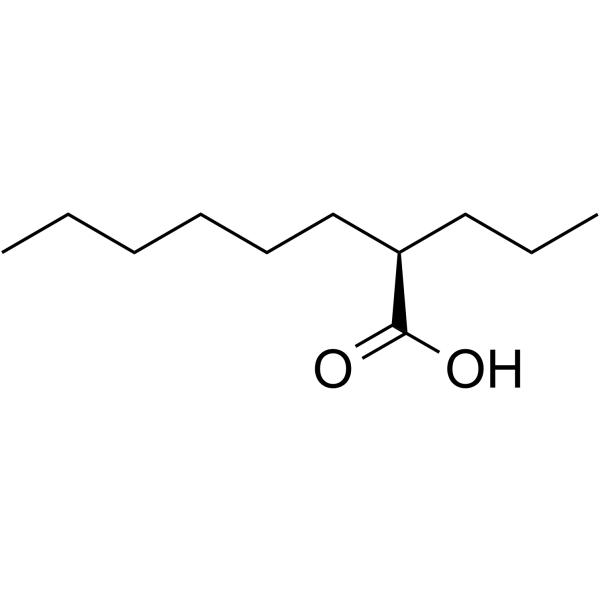
    Arundic Acid is an orally effective astrocyte function modulator and neuroprotective agent. Arundic Acid increases the expression and function of the astrocytic glutamate transporter EAAT1 by activating the ERK, Akt and NF-κB pathways. Arundic Acid attenuates retinal ganglion cell death in a normal-tension glaucoma model. Arundic Acid exerts neuroprotective effects in a mouse model of Parkinson's disease. Arundic Acid is a S100β protein synthesis inhibitor that prevents neurological deficits and brain tissue damage after intracerebral hemorrhage in rats. Arundic Acid downregulates neuroinflammation and astrocytic dysfunction after status epilepticus in immature rats. Arundic Acid is applicable to research related to Parkinson's disease, cerebral ischemia, glaucoma, intracerebral hemorrhage and epilepsy.
    Arundic Acid
  • HY-N7675
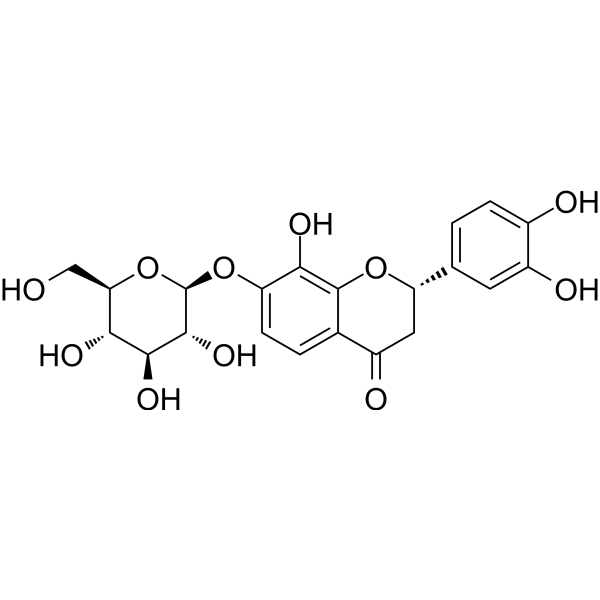
    Flavanomarein Inhibitor 99.92%
    Flavanomarein is a substance with cytoprotective, anti-inflammatory and antioxidant activities, with a Ka of 3.064e-5 M against human Syk. Flavanomarein enhances the phosphorylation level of AKT, regulates the expression of PKC-δ, P85α, PKC-β1, Sirt1, Bcl-2 and ICAD, and inhibits the nuclear translocation of NF-κB p65. Flavanomarein regulates EMT marker proteins, promotes the proliferation of HK-2 cells, and protects neuronal cells from 6-OHDA-induced neurotoxic damage. Flavanomarein can be used in studies related to Parkinson's disease and diabetic nephropathy.
    Flavanomarein
  • HY-16561A
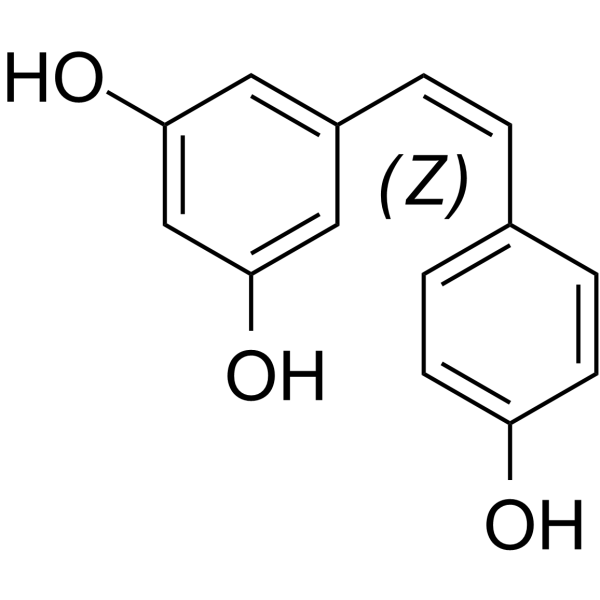
    cis-Resveratrol Inhibitor 98.84%
    cis-Resveratrol exhibits signifcant antiviral activity. cis-Resveratrol inhibits enteroviruses with IC50s of 12.2 µM and 37.6 µM for coxsackievirus B3 (CVB3) and enterovirus 71 (EV71), respectively. cis-Resveratrol is the inhibitor for NF-κB signaling pathway.
    cis-Resveratrol
  • HY-N0713
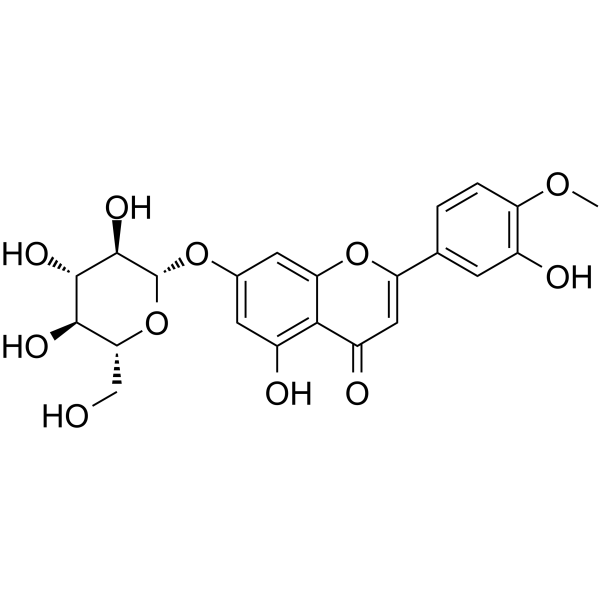
    Diosmetin-7-O-β-D-glucopyranoside 99.61%
    Diosmetin-7-O-β-D-glucopyranoside is a natural product that can be isolated from the flowers of Chrysanthemum morifolium. Diosmetin-7-O-β-D-glucopyranoside has potent antiviral and anti-inflammatory activities against SARS-CoV-2 both in vitro (IC50 = 0.74 μM) and in vivo. Diosmetin-7-O-β-D-glucopyranoside has significant anti-thrombotic activity when combined with Pae and 5-HMF at a ratio of 3:4:3 in a zebrafish model.
    Diosmetin-7-O-β-D-glucopyranoside
  • HY-N6246
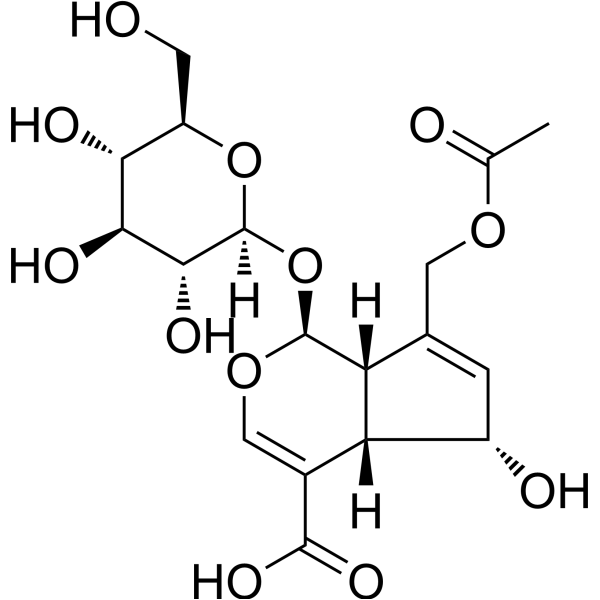
    Asperulosidic Acid Inhibitor 99.63%
    Asperulosidic Acid (ASPA), a bioactive iridoid glycoside, is extracted from the herbs of Hedyotis diffusa Willd. Asperulosidic Acid (ASPA) has anti-tumor, anti-oxidant, and anti-inflammatory activities. ASPA is related to the inhibition of inflammatory cytokines (TNF-α, IL-6) and mediators via suppression of the NF-κB and mitogen-activated protein kinase (MAPK) signaling pathways.
    Asperulosidic Acid
  • HY-N0492S
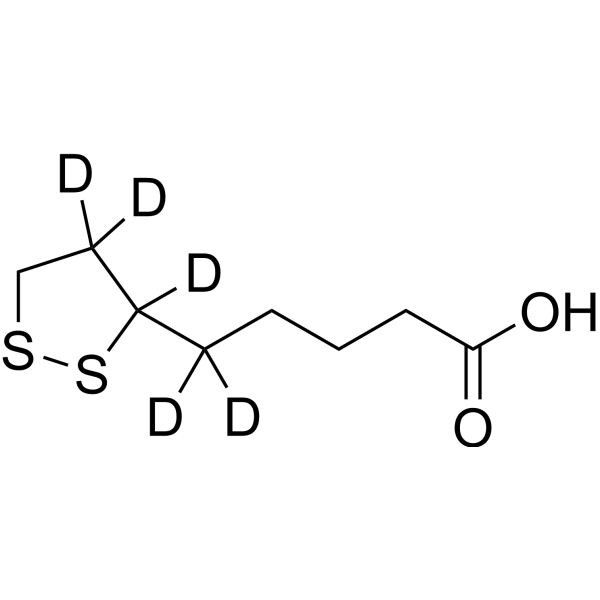
    α-Lipoic Acid-d5 Inhibitor 98.11%
    α-Lipoic Acid-d5 is the deuterium labeled α-Lipoic Acid. α-Lipoic Acid is an antioxidant, which is an essential cofactor of mitochondrial enzyme complexes. α-Lipoic Acid inhibits NF-κB-dependent HIV-1 LTR activation. α-Lipoic Acid induces endoplasmic reticulum (ER) stress-mediated apoptosis in hepatoma cells.
    α-Lipoic Acid-d<sub>5</sub>
  • HY-128423
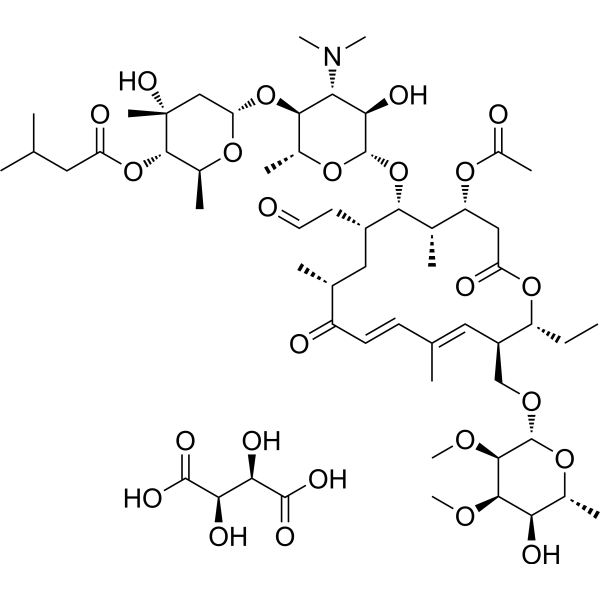
    Tylvalosin tartrate Inhibitor 98.77%
    Tylvalosin (Acetylisovaleryltylosin) tartrate is an orally active, broad-spectrum macrolide antibiotic with antimicrobial activity. Tylvalosin tartrate is an antiviral agent useful in studying PRRSV infection. Tylvalosin tartrate induces apoptosis. Tylvalosin tartrate also has anti-inflammatory activity, relieves oxidative stress, and alleviates acute lung injury by inhibiting NF-κB activation.
    Tylvalosin tartrate
  • HY-N0747
    Oxypeucedanin

    Oxypeucedanin

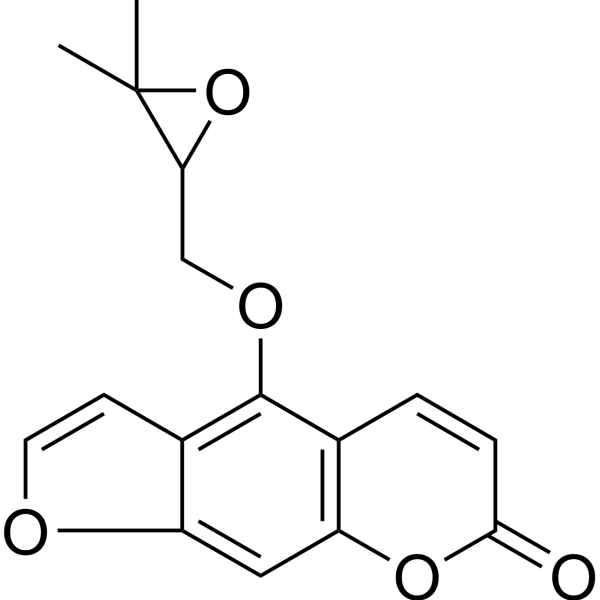
    Inhibitor 99.50%
    Oxypeucedanin is a furanocoumarin derivative found in Angelica dahurica. Oxypeucedanin is an orally active PI3K/AKT/NF-κB, MAPK, and ROS inhibitor. Oxypeucedanin induces cell cycle arrest and apoptosis. Oxypeucedanin inhibits hKv1.5 channel currents (IC50: 76 nM). Oxypeucedanin exhibits anticancer, anti-inflammatory, antioxidant and antiarrhythmic activities.
    Oxypeucedanin
製品番号 製品名 / Synonyms Application Reactivity

NF-κB transcription factors are critical regulators of immunity, stress responses, apoptosis and differentiation. In mammals, there are five members of the transcription factor NF-κB family: RELA (p65), RELB and c-REL, and the precursor proteins NF-κB1 (p105) and NF-κB2 (p100), which are processed into p50 and p52, respectively. NF-κB transcription factors bind as dimers to κB sites in promoters and enhancers of a variety of genes and induce or repress transcription. NF-κB activation occurs via two major signaling pathways: the canonical and the non-canonical NF-κB signaling pathways[1]


The canonical NF-κB pathway is triggered by signals from a large variety of immune receptors, such as TNFR, TLR, and IL-1R, which activate TAK1. TAK1 then activates IκB kinase (IKK) complex, composed of catalytic (IKKα and IKKβ) and regulatory (NEMO) subunits, via phosphorylation of IKKβ. Upon stimulation, the IKK complex, largely through IKKβ, phosphorylates members of the inhibitor of κB (IκB) family, such as IκBα and the IκB-like molecule p105, which sequester NF-κB members in the cytoplasm. IκBα associates with dimers of p50 and members of the REL family (RELA or c-REL), whereas p105 associates with p50 or REL (RELA or c-REL). Upon phosphorylation by IKK, IκBα and p105 are degradated in the proteasome, resulting in the nuclear translocation of canonical NF-κB family members, which bind to specific DNA elements, in the form of various dimeric complexes, including RELA-p50, c-REL-p50, and p50-p50. Atypical, IKK-independent pathways of NF-κB induction also provide mechanisms to integrate parallel signaling pathways to increase NF-κB activity, such as hypoxia, UV and genotoxic stress.


The non-canonical NF-κB pathway is induced by certain TNF superfamily members, such as CD40L, BAFF and lymphotoxin-β (LT-β), which stimulates the recruitment of TRAF2, TRAF3, cIAP1/2 to the receptor complex. Activated cIAP mediates K48 ubiquitylation and proteasomal degradation of TRAF3, resulting in stabilization and accumulation of the NFκB-inducing kinase (NIK). NIK phosphorylates and activates IKKα, which in turn phosphorylates p100, triggering p100 processing, and leading to the generation of p52 and the nuclear translocation of p52 and RELB[2][3].


Reference:

[1]. Oeckinghaus A, et al. The NF-kappaB family of transcription factors and its regulation.Cold Spring Harb Perspect Biol. 2009 Oct;1(4):a000034. 
[2]. Taniguchi K, et al. NF-κB, inflammation, immunity and cancer: coming of age. Nat Rev Immunol. 2018 May;18(5):309-324.
[3]. Perkins ND,et al. Integrating cell-signalling pathways with NF-kappaB and IKK function. Nat Rev Mol Cell Biol. 2007 Jan;8(1):49-62.

Your Search Returned No Results.

Sorry. There is currently no product that acts on isoform together.

Please try each isoform separately.