Delivery of temperature sensitive items including proteins and kits will be paused on 6/19 for the Juneteenth holiday. For urgent orders please contact customer service.
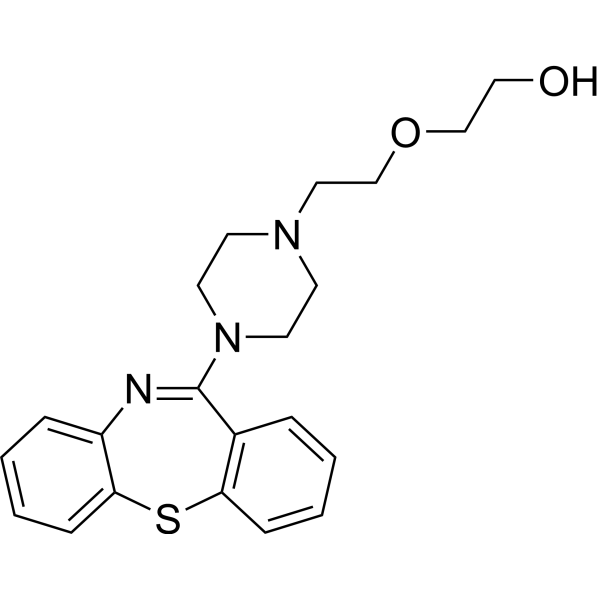
Quetiapine (ICI204636) is a 5-HT receptors agonist with a pEC50 of 4.77 for human 5-HT1A receptor. Quetiapine is a dopamine receptor antagonist with a pIC50 of 6.33 for human D2 receptor. Quetiapine has moderate to high affinity for the human D2, HT1A, 5-HT2A, 5-HT2C receptor with pKis of 7.25, 5.74, 7.54, 5.55. Antidepressant and anxiolytic effects .
Duvakitug (TEV-48574) is a humanized IgG1-λ2 monoclonal antibody targeting to TNFSF15/TL1A. Duvakitug' main expression system is CHOK1SV cells endogenously expressing glutamine synthetase (GS). Duvakitug can be used in the study of Crohn's Disease (CD) .
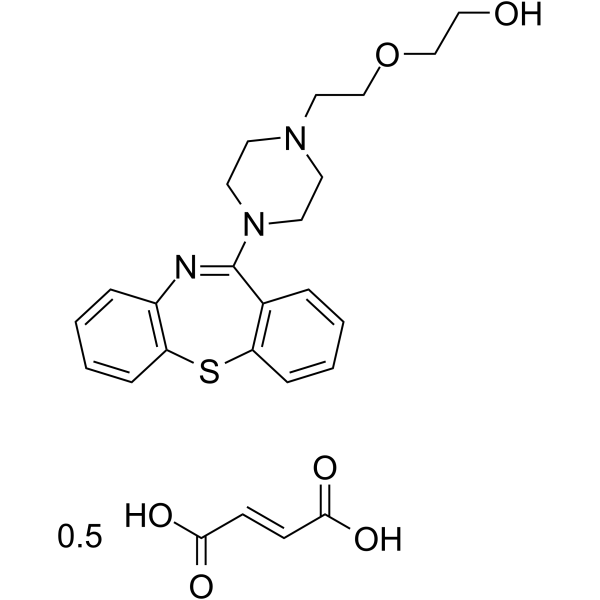
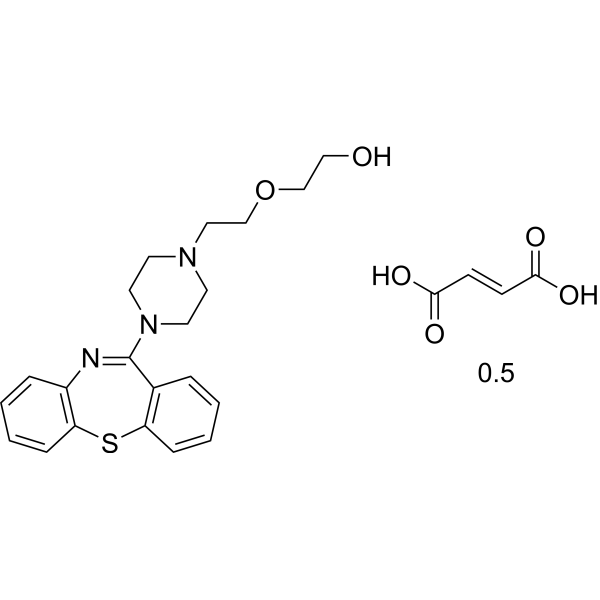
Quetiapine hemifumarate is a 5-HT receptors agonist with a pEC50 of 4.77 for human 5-HT1A receptor. Quetiapine hemifumarate is a dopamine receptor antagonist with a pIC50 of 6.33 for human D2 receptor. Quetiapine hemifumarate has moderate to high affinity for the human D2, HT1A, 5-HT2A, 5-HT2C receptor with pKis of 7.25, 5.74, 7.54, 5.55. Antidepressant and anxiolytic effects .
D574-0246 is a dual-activity inhibitor of OXCT1, inhibiting both the ketolytic and succinyltransferase activities of OXCT1. D574-0246 reduces substrate-specific (LACTB K284) and global protein succinylation and decreases OXCT1 ketolytic activity in HepG2 cells. D574-0246 inhibits the viability of HCC cells (IC50: 16.49 μM in PLC cells, 6.656 μM in HepG2 cells). D574-0246 exerts anti-tumor efficacy in nude mice bearing OXCT1-overexpressing HepG2 xenograft tumors. D574-0246 can be used for the study of hepatocellular carcinoma (HCC) .
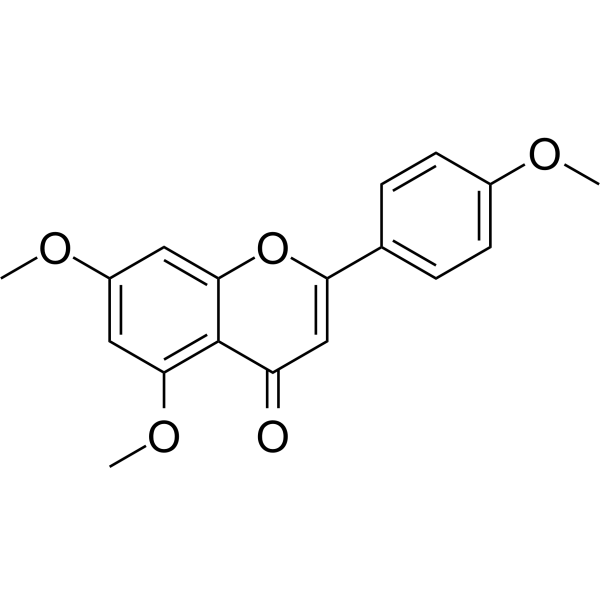
5,7,4’-Trimethoxyflavone can be isolated from the medicinal plant Kaempferia parviflora (KP). 5,7,4’-Trimethoxyflavone is a CFTR activator and EC50 is 64 μM. 5,7,4’-Trimethoxyflavone induces apoptosis, increases proteolytic activation of caspase-3, and degradation of ADP-ribose polymerase (PARP) protein. 5,7,4’-Trimethoxyflavone has antitumor activity. 5,7,4’-Trimethoxyflavone can be used to prevent skin aging and oxidative stress .
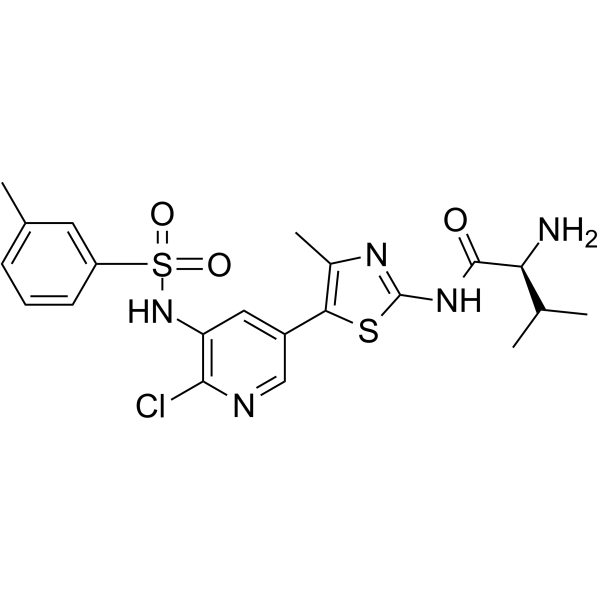
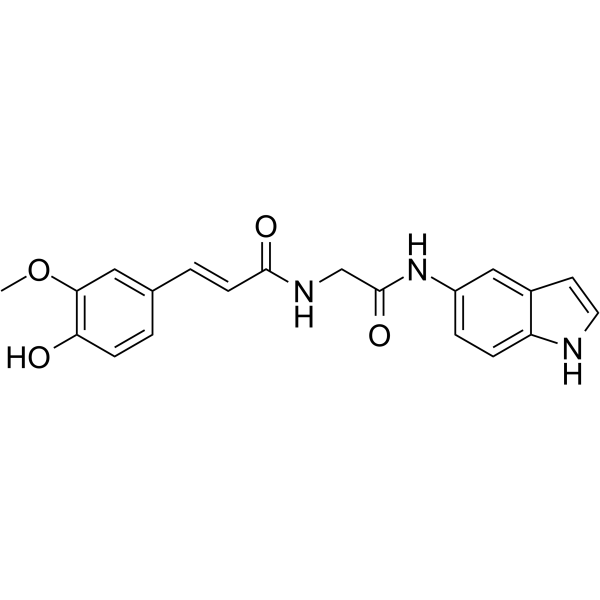
NOD-IN-1 is a potent mixed inhibitor of nucleotide-binding oligomerization domain (NOD)-like receptors, NOD1 and NOD2, with IC50 of 5.74 μM and 6.45 μM, respectively.
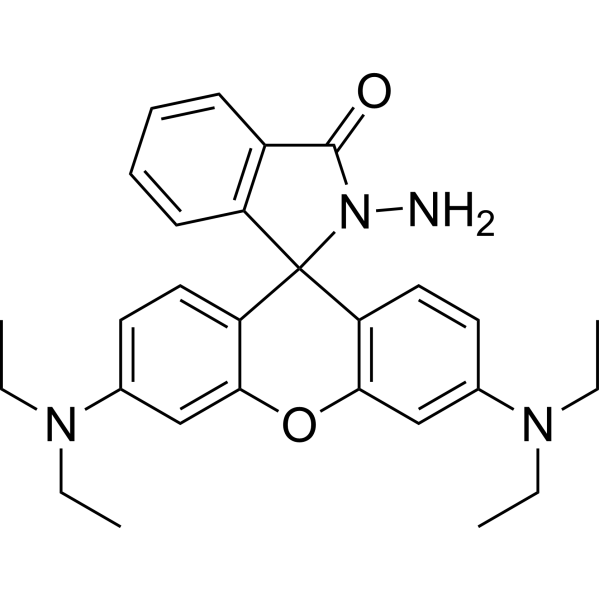
Rhodamine B hydrazide is a fluorescent derivative based on rhodamine B, containing the spirocyclic structure of Rhodamine B (HY-Y0016), which can be used to detect copper ions (Cu 2+), mercury ions, peroxynitrite, hydroxyl radicals and nitric oxide (NO) .
Excitation/emission wavelength:
Conventional detection: 510/578 nm.
Sulfite detection: 554 nm absorption, 574 nm emission (due to the formation of Rhodamine B fluorescent product).
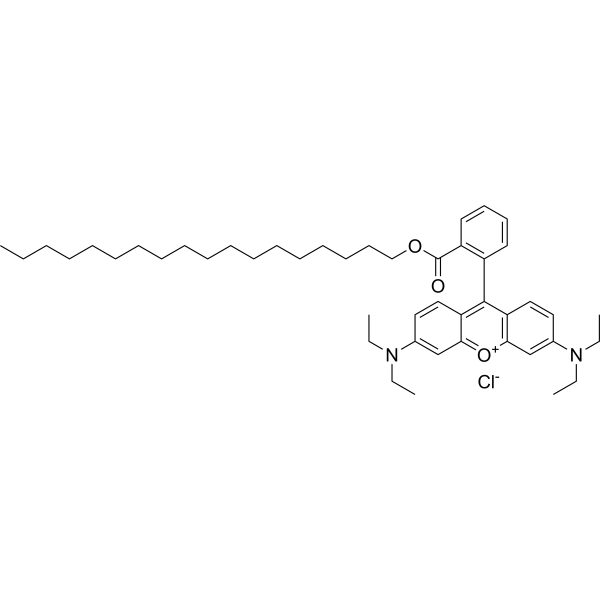
Octadecyl Rhodamine B chloride is an amphiphilic fluorescent probe with both membrane-binding ability and fluorescent properties, which easily forms aggregates in aqueous phase leading to self-quenching. Octadecyl Rhodamine B chloride can be used for cell membrane staining and further applied in membrane biology research. The maximum absorption/emission wavelengths of Octadecyl Rhodamine B chloride monomer in Triton X-100 are 565 nm/585 nm; the absorption peaks of aggregates in water are blue-shifted to 524 nm and 574 nm, with significantly quenched fluorescence .
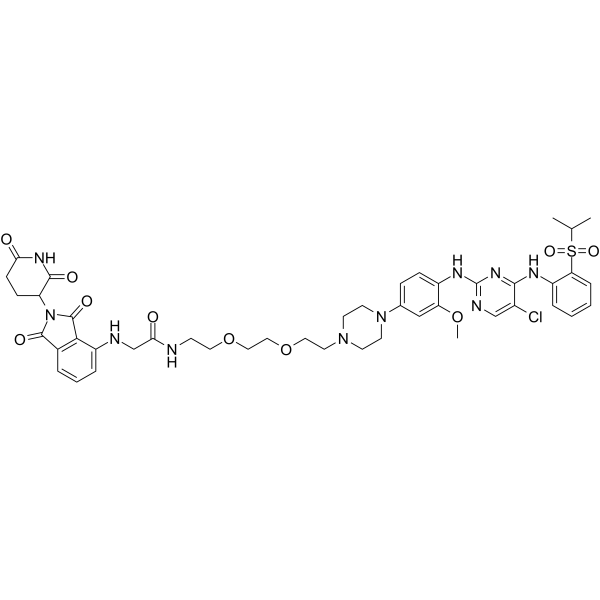
TL13-12 is a potent and selective ALK-PROTAC degrader and inhibits ALK activity with an IC50 value of 0.69 nM. TL13-12 also prompts the degradation of additional kinases including Aurora A, FER, PTK2, and RPS6KA1 with IC50 values of 13.5 nM, 5.74 nM, 18.4 nM, and 65 nM, respectively. TL13-12 is comprised of the conjugation of TAE684 (HY-10192) and the Cereblon ligand of Pomalidomide (HY-10984) .
Quetiapine (Standard) is the analytical standard of Quetiapine. This product is intended for research and analytical applications. Quetiapine (ICI204636) is a 5-HT receptors agonist with a pEC50 of 4.77 for human 5-HT1A receptor. Quetiapine is a dopamine receptor antagonist with a pIC50 of 6.33 for human D2 receptor. Quetiapine has moderate to high affinity for the human D2, HT1A, 5-HT2A, 5-HT2C receptor with pKis of 7.25, 5.74, 7.54, 5.55. Antidepressant and anxiolytic effects .
Quetiapine (hemifumarate) (Standard) is the analytical standard of Quetiapine (hemifumarate). This product is intended for research and analytical applications. Quetiapine hemifumarate is a 5-HT receptors agonist with a pEC50 of 4.77 for human 5-HT1A receptor. Quetiapine hemifumarate is a dopamine receptor antagonist with a pIC50 of 6.33 for human D2 receptor. Quetiapine hemifumarate has moderate to high affinity for the human D2, HT1A, 5-HT2A, 5-HT2C receptor with pKis of 7.25, 5.74, 7.54, 5.55. Antidepressant and anxiolytic effects .
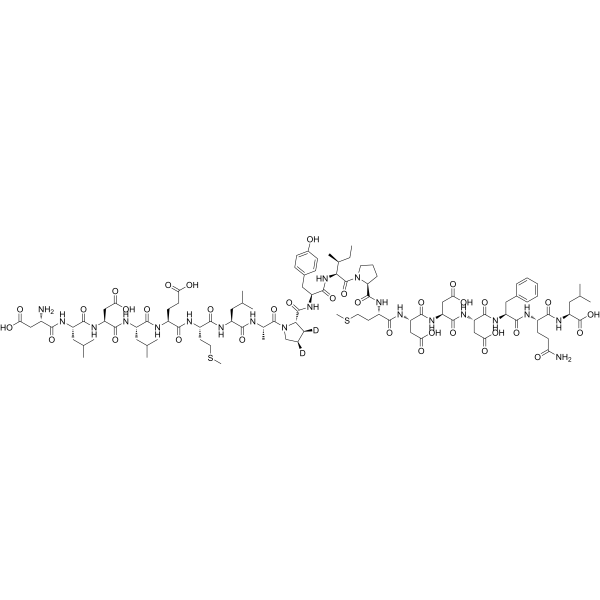
HIF-1 alpha (556-574) is a short hypoxia-inducible factor-1 (HIF-1) 19 residues fragment. HIF-1 functions as master regulator of response to oxygen homeostasis .
hsa-miR-574-5p mimics are small, chemically synthesized double-stranded RNAs that mimic endogenous miRNAs and enable miRNA functional analysis by up-regulation of miRNA activity.
hsa-miR-574-3p mimics are small, chemically synthesized double-stranded RNAs that mimic endogenous miRNAs and enable miRNA functional analysis by up-regulation of miRNA activity.
hsa-miR-574-3p inhibitors are chemically-modified oligonucleotides that hybridize with mature miRNAs. The miRNA inhibitors have full-length nucleotide 2'-methoxy modification. The miRNA inhibitors strongly compete with mature miRNAs to prevent the complementary pairing of miRNAs and their target genes, thereby inhibiting miRNAs from functioning.
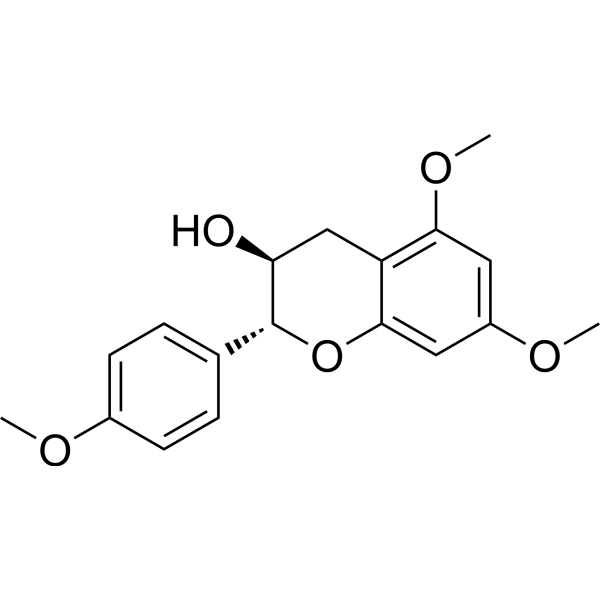
(+)-5,7,4'-Trimethoxyafzelechin is a derivative of (+)-Afzelechin HY-N2821. (+)-Afzelechin is an α-glucosidase activity inhibitor. (+)-Afzelechin can be isolated from rhizomes of Bergenia ligulata .
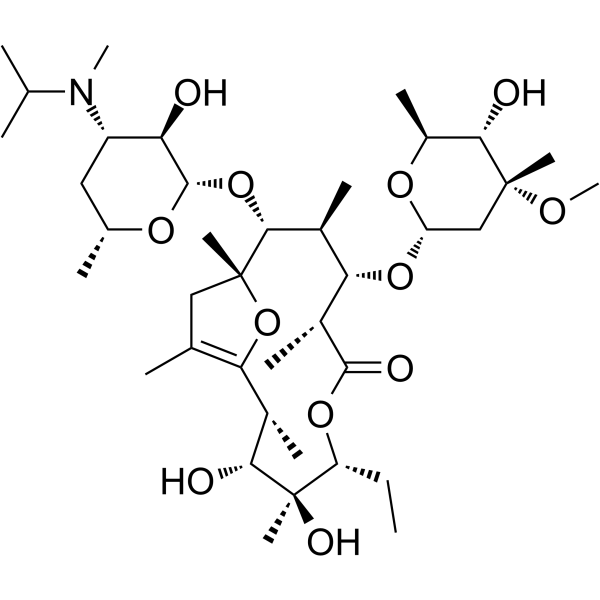
EM574 is a potent motilin receptor agonist in the human gastric antrum and rabbit gastrointestinal tract in vitro. EM574 is an erythromycin derivative .
MGD-22, a molecular glue, is an orally active IKZF1/2/3 degrader with DC50 values of 8.33 nM, 9.91 nM, and 5.74 nM, respectively. MGD-22 exhibits extremely potent anti-proliferative activity against diverse hematological cancer cells. MGD-22 induces apoptosis in cancer cells. MGD-22 demonstrates potent anti-tumor efficacy in mice bearing NCI-H929 xenografts or WSU-DLCL-2 xenografts. MGD-22 can be used for the study of hematological cancers, including multiple myeloma (MM), acute myeloid leukemia (AML), and diffuse large B-cell lymphoma (DLBCL) .
CHMFL-PI3KD-317 is a highly potent, selective and orally active PI3Kδ inhibitor, with an IC50 of 6 nM, and exhibits over 10-1500 fold selectivity over other class I, II and III PIKK family isoforms, such as PI3Kα (IC50, 62.6 nM), PI3Kβ (IC50, 284 nM), PI3Kγ (IC50, 202.7 nM), PIK3C2A (IC50, >10000 nM), PIK3C2B (IC50, 882.3 nM), VPS34 (IC50, 1801.7 nM), PI4KIIIA (IC50, 574.1 nM) and PI4KIIIB (IC50, 300.2 nM). CHMFL-PI3KD-317 inhibits PI3Kδ-mediated Akt T308 phosphorylation in Raji cells, with an EC50 of 4.3 nM. CHMFL-PI3KD-317 has antiproliferative effects on cancer cells .
RC574 is a novel probucol analog with the activity to protect mouse hippocampal cells and primary cortical neurons from glutamate-induced oxidative cell death (ferroptosis) and increase glutathione peroxidase (GPx) 1 levels and activity.
5,7,4'-Trimethoxyflavone (Standard) is the analytical standard of 5,7,4'-Trimethoxyflavone. This product is intended for research and analytical applications. 5,7,4’-Trimethoxyflavone can be isolated from the medicinal plant Kaempferia parviflora (KP). 5,7,4’-Trimethoxyflavone is a CFTR activator and EC50 is 64 μM. 5,7,4’-Trimethoxyflavone induces apoptosis, increases proteolytic activation of caspase-3, and degradation of ADP-ribose polymerase (PARP) protein. 5,7,4’-Trimethoxyflavone has antitumor activity. 5,7,4’-Trimethoxyflavone can be used to prevent skin aging and oxidative stress .
SAS-1121 is a subtype-selective sigma 2 receptor/PGRMC1 ligand with a Ki of 16.2 nM. SAS-1121 is 574-fold selective for the signma 2 receptor over the sigma 1 receptor. SAS-1121 is a tertiary amine. SAS-1121 can be studied in neurology-related research .
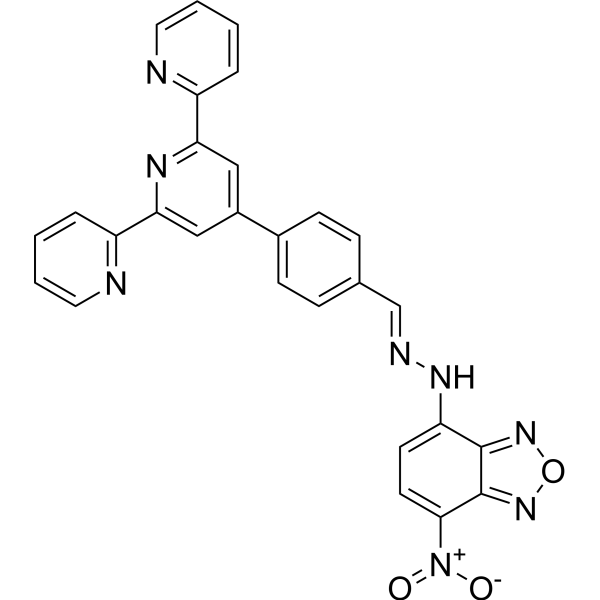
NBDT is sensitive and selective light-up fluorescent probe for monitoring gallium and chromium ionsin vitro and in vivo and can be detected at 574 nM .
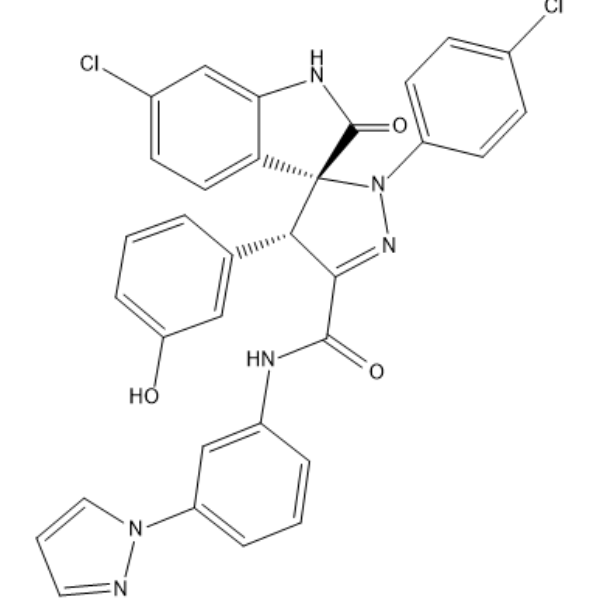
NLRP3-IN-NBC6 is a potent, selective NLRP3 inflammasome inhibitor (IC50= 574 nM) that acts independently of Ca 2+. NLRP3-IN-NBC6 inhibits Nigericin (HY-127019)-induced inflammasome activation in THP-1 cells and Imiquimod (HY-B0180)-induced IL-1β release from LPS-primed bone marrow-derived macrophages (BMDMs) .
CRBN ligand-574 is an E3 ubiquitin ligase cereblon (CRBN) ligand used to recruit the cereblon protein. CRBN ligand-574 can be linked to a target protein ligand via a linker to form a PROTAC.
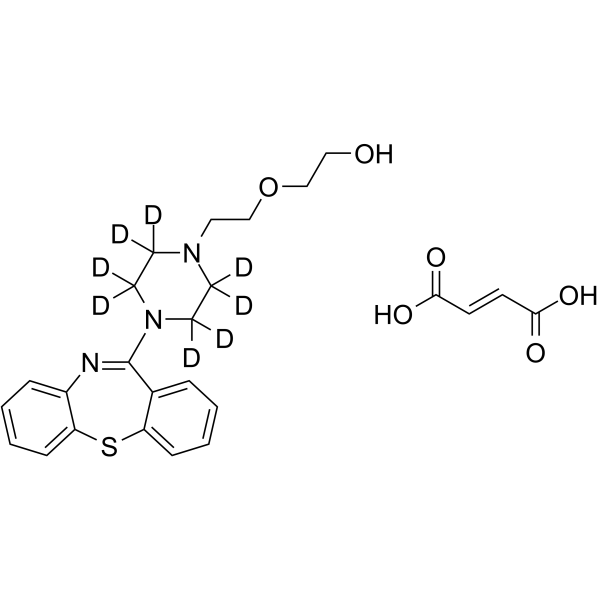
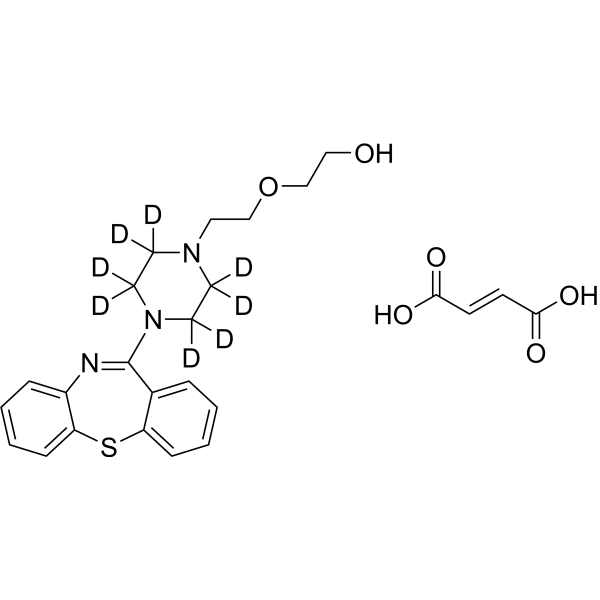
Quetiapine-d8 (fumarate) is the deuterium labeled Quetiapine. Quetiapine is a 5-HT receptors agonist with a pEC50 of 4.77 for human 5-HT1A receptor. Quetiapine is a dopamine receptor antagonist with a pIC50 of 6.33 for human D2 receptor. Quetiapine has moderate to high affinity for the human D2, HT1A, 5-HT2A, 5-HT2C receptor with pKis of 7.25, 5.74, 7.54, 5.55. Antidepressant and anxiolytic effects .
HIF-1 alpha (556-574) TFA is a short hypoxia-inducible factor-1 (HIF-1) 19 residues fragment. HIF-1 functions as master regulator of response to oxygen homeostasis .
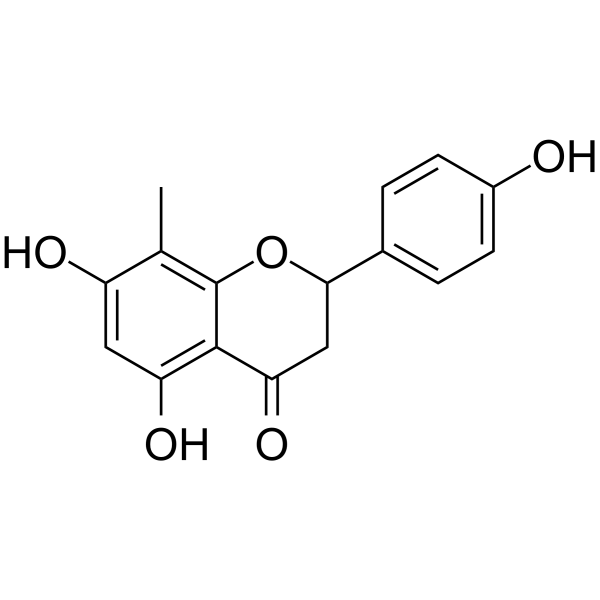
(rac)-Poriol (5,7,4'-Trihydroxy-6-methylflavanone) exhibits antioxidant activity, and scavenges free radical DPPH with an IC50 of 0.18 µg/mL. (rac)-Poriol inhibits the LPS (HY-D1056)-induced NO generation in RAW264.7 (98.35% inhibition rate at 10 μM), and exhibits anti-inflammatory activity. (rac)-Poriol exhibits good binding affinity with iNOS, COX-1, COX-2, TNF-α, and IL-1β .
hsa-miR-574-5p antagomirs are chemically-modified oligonucleotides that hybridize with mature miRNAs. The miRNA antagomirs have 2 phosphorothioates at the 5' end, 4 phosphorothioates at the 3' end, 1 cholesterol group at the 3' end, and full-length nucleotide 2'-methoxy modification. The miRNA antagomirs strongly compete with mature miRNAs to prevent the complementary pairing of miRNAs and their target genes, thereby inhibiting miRNAs from functioning. Stability of miRNA antagomirs appears to be significantly higher than miRNA inhibitors, they exhibits enhanced cellular uptake, stability and regulatory activity in vivo.
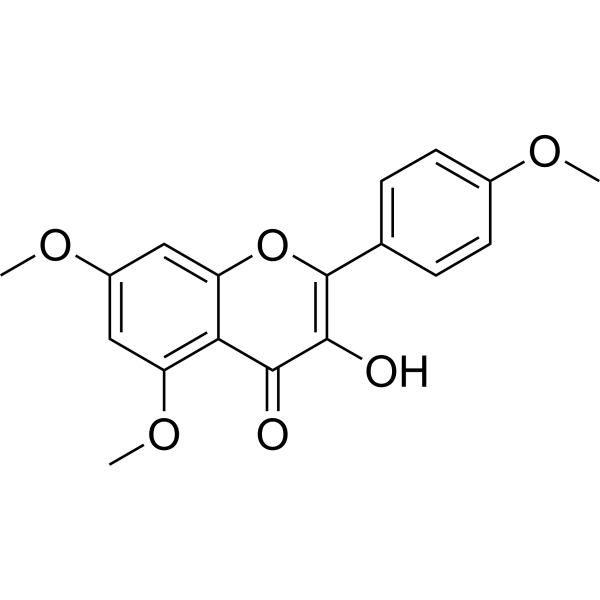
3-Hydroxy-5,7,4′-trimethoxyflavone (Standard) is the analytical standard of 3-Hydroxy-5,7,4′-trimethoxyflavone (HY-N3432). This product is intended for research and analytical applications. 3-Hydroxy-5,7,4′-trimethoxyflavone is a flavonol can be isolated from Cucubalus baccifer (L.) .
CDC14A/B-IN-1 (Compound 15) is an orally available inhibitor of CDC14A/B phosphatases with Ki values ??of 57.4 nM (CDC14A) and 90.0 nM (CDC14B), respectively .
MDM2/4-p53-IN-1 is a potent MDM2-p53 and MDM4-p53 inhibitor with IC50 values of 35.9, 57.4 nM, respectively. MDM2/4-p53-IN-1 shows antiproliferative activity .
AChE/BChE-IN-9 (Compound 7a) is a potent, orally active AChE and BChE inhibitor with IC50 values of 5.74 μM and 14.05 μM against hAChE and eqBChE, respectively. AChE/BChE-IN-9 is also an efficacious antioxidant with an IC50 of 57.35 μM. AChE/BChE-IN-9 is able to chelate iron and modulates aggregation of amyloid β1-42. AChE-IN-16 can cross the BBB .
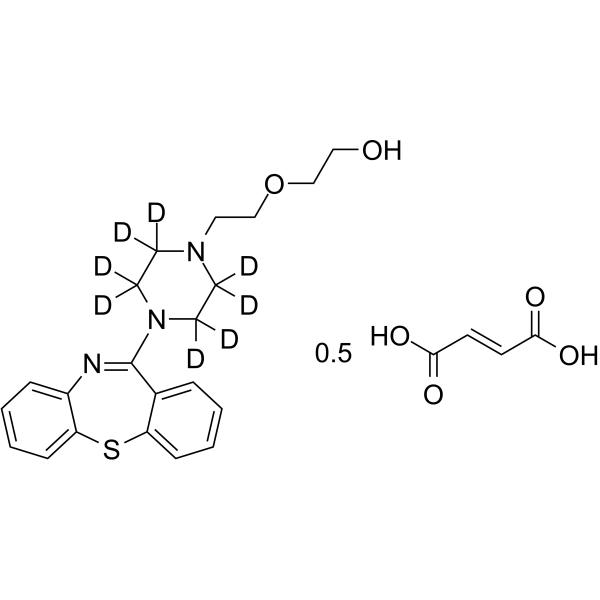
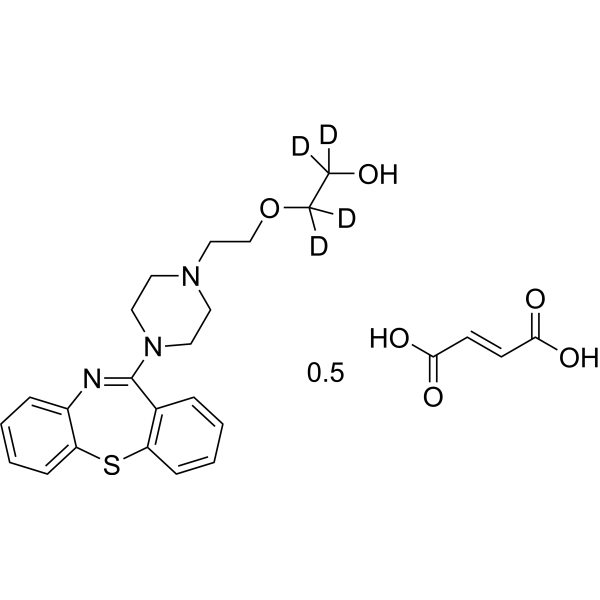
Quetiapine-d8 (hemifumarate) is the deuterium labeled Quetiapine hemifumarate. Quetiapine hemifumarate is a 5-HT receptors agonist with a pEC50 of 4.77 for human 5-HT1A receptor. Quetiapine hemifumarate is a dopamine receptor antagonist with a pIC50 of 6.33 for human D2 receptor. Quetiapine hemifumarate has moderate to high affinity for the human D2, HT1A, 5-HT2A, 5-HT2C receptor with pKis of 7.25, 5.74, 7.54, 5.55. Antidepressant and anxiolytic effects .
Quetiapine (hemifumarate)-d8 is the deuterium labeled Quetiapine hemifumarate . Quetiapine hemifumarate is a 5-HT receptors agonist with a pEC50 of 4.77 for human 5-HT1A receptor. Quetiapine hemifumarate is a dopamine receptor antagonist with a pIC50 of 6.33 for human D2 receptor. Quetiapine hemifumarate has moderate to high affinity for the human D2, HT1A, 5-HT2A, 5-HT2C receptor with pKis of 7.25, 5.74, 7.54, 5.55. Antidepressant and anxiolytic effects .
Quetiapine-d4-1 fumarate is deuterated labeled Quetiapine (hemifumarate) (HY-B0031). Quetiapine hemifumarate is a 5-HT receptors agonist with a pEC50 of 4.77 for human 5-HT1A receptor. Quetiapine hemifumarate is a dopamine receptor antagonist with a pIC50 of 6.33 for human D2 receptor. Quetiapine hemifumarate has moderate to high affinity for the human D2, HT1A, 5-HT2A, 5-HT2C receptor with pKis of 7.25, 5.74, 7.54, 5.55. Antidepressant and anxiolytic effects .
Quetiapine-d4 (hydrochloride) (ICI204636-d4 (hydrochloride)) is deuterium labeled Quetiapine. Quetiapine (ICI204636) is a 5-HT receptors agonist with a pEC50 of 4.77 for human 5-HT1A receptor. Quetiapine is a dopamine receptor antagonist with a pIC50 of 6.33 for human D2 receptor. Quetiapine has moderate to high affinity for the human D2, HT1A, 5-HT2A, 5-HT2C receptor with pKis of 7.25, 5.74, 7.54, 5.55. Antidepressant and anxiolytic effects .
ADS1017 is the antagonist for histamine receptor and muscarinic receptor, that exhibits good affinities to hH3R, hH4R, hM2R and hM4R with pKi of 6.8, 5.5, 7.4 and 7.2. ADS1017 exhibits analgesic and anti-allodynic efficacy in mice Capsaicin (HY-10448)-or Oxaliplatin (HY-17371)-induced pain models .
hsa-miR-574-5p inhibitors are chemically-modified oligonucleotides that hybridize with mature miRNAs. The miRNA inhibitors have full-length nucleotide 2'-methoxy modification. The miRNA inhibitors strongly compete with mature miRNAs to prevent the complementary pairing of miRNAs and their target genes, thereby inhibiting miRNAs from functioning.
hsa-miR-574-3p agomirs are chemically-modified double-strand miRNA mimics with modified mature miRNA strand: 2 phosphorothioates at the 5' end, 4 phosphorothioates at the 3' end, 3' end cholesterol group, and full-length nucleotide 2'-methoxy modification. They are designed to mimic endogenous miRNAs and recommended for miRNA functional studies. Compared with miRNA mimics, they exhibits enhanced cellular uptake, stability and regulatory activity in vivo.
hsa-miR-574-5p agomirs are chemically-modified double-strand miRNA mimics with modified mature miRNA strand: 2 phosphorothioates at the 5' end, 4 phosphorothioates at the 3' end, 3' end cholesterol group, and full-length nucleotide 2'-methoxy modification. They are designed to mimic endogenous miRNAs and recommended for miRNA functional studies. Compared with miRNA mimics, they exhibits enhanced cellular uptake, stability and regulatory activity in vivo.
hsa-miR-574-3p antagomirs are chemically-modified oligonucleotides that hybridize with mature miRNAs. The miRNA antagomirs have 2 phosphorothioates at the 5' end, 4 phosphorothioates at the 3' end, 1 cholesterol group at the 3' end, and full-length nucleotide 2'-methoxy modification. The miRNA antagomirs strongly compete with mature miRNAs to prevent the complementary pairing of miRNAs and their target genes, thereby inhibiting miRNAs from functioning. Stability of miRNA antagomirs appears to be significantly higher than miRNA inhibitors, they exhibits enhanced cellular uptake, stability and regulatory activity in vivo.
NOD-IN-1 (Standard) is the analytical standard of NOD-IN-1 (HY-100691). This product is intended for research and analytical applications. NOD-IN-1 is a potent mixed inhibitor of nucleotide-binding oligomerization domain (NOD)-like receptors, NOD1 and NOD2, with IC50 of 5.74 μM and 6.45 μM, respectively.
R-MA-SLM is an Aβ-targeted and blood-brain barrier-permeable ratiometric H2O2-responsive fluorescent probe. When excited at 490 nm, the fluorescence intensity of the R-MA-SLM gradually decreases at 574 nm, while the emission intensity gradually increases at 661 nm. R-MA-SLM can detect and exhibits a ratiometric response to Aβ-induced endogenous H2O2. R-MA-SLM can be used in the research of Alzheimer's disease .
Rhodamine B hydrazide is a fluorescent derivative based on rhodamine B, containing the spirocyclic structure of Rhodamine B (HY-Y0016), which can be used to detect copper ions (Cu 2+), mercury ions, peroxynitrite, hydroxyl radicals and nitric oxide (NO) .
Excitation/emission wavelength:
Conventional detection: 510/578 nm.
Sulfite detection: 554 nm absorption, 574 nm emission (due to the formation of Rhodamine B fluorescent product).
Octadecyl Rhodamine B chloride is an amphiphilic fluorescent probe with both membrane-binding ability and fluorescent properties, which easily forms aggregates in aqueous phase leading to self-quenching. Octadecyl Rhodamine B chloride can be used for cell membrane staining and further applied in membrane biology research. The maximum absorption/emission wavelengths of Octadecyl Rhodamine B chloride monomer in Triton X-100 are 565 nm/585 nm; the absorption peaks of aggregates in water are blue-shifted to 524 nm and 574 nm, with significantly quenched fluorescence .
NBDT is sensitive and selective light-up fluorescent probe for monitoring gallium and chromium ionsin vitro and in vivo and can be detected at 574 nM .
R-MA-SLM is an Aβ-targeted and blood-brain barrier-permeable ratiometric H2O2-responsive fluorescent probe. When excited at 490 nm, the fluorescence intensity of the R-MA-SLM gradually decreases at 574 nm, while the emission intensity gradually increases at 661 nm. R-MA-SLM can detect and exhibits a ratiometric response to Aβ-induced endogenous H2O2. R-MA-SLM can be used in the research of Alzheimer's disease .
HIF-1 alpha (556-574) is a short hypoxia-inducible factor-1 (HIF-1) 19 residues fragment. HIF-1 functions as master regulator of response to oxygen homeostasis .
HIF-1 alpha (556-574) TFA is a short hypoxia-inducible factor-1 (HIF-1) 19 residues fragment. HIF-1 functions as master regulator of response to oxygen homeostasis .
Duvakitug (TEV-48574) is a humanized IgG1-λ2 monoclonal antibody targeting to TNFSF15/TL1A. Duvakitug' main expression system is CHOK1SV cells endogenously expressing glutamine synthetase (GS). Duvakitug can be used in the study of Crohn's Disease (CD) .
5,7,4’-Trimethoxyflavone can be isolated from the medicinal plant Kaempferia parviflora (KP). 5,7,4’-Trimethoxyflavone is a CFTR activator and EC50 is 64 μM. 5,7,4’-Trimethoxyflavone induces apoptosis, increases proteolytic activation of caspase-3, and degradation of ADP-ribose polymerase (PARP) protein. 5,7,4’-Trimethoxyflavone has antitumor activity. 5,7,4’-Trimethoxyflavone can be used to prevent skin aging and oxidative stress .
(+)-5,7,4'-Trimethoxyafzelechin is a derivative of (+)-Afzelechin HY-N2821. (+)-Afzelechin is an α-glucosidase activity inhibitor. (+)-Afzelechin can be isolated from rhizomes of Bergenia ligulata .
5,7,4'-Trimethoxyflavone (Standard) is the analytical standard of 5,7,4'-Trimethoxyflavone. This product is intended for research and analytical applications. 5,7,4’-Trimethoxyflavone can be isolated from the medicinal plant Kaempferia parviflora (KP). 5,7,4’-Trimethoxyflavone is a CFTR activator and EC50 is 64 μM. 5,7,4’-Trimethoxyflavone induces apoptosis, increases proteolytic activation of caspase-3, and degradation of ADP-ribose polymerase (PARP) protein. 5,7,4’-Trimethoxyflavone has antitumor activity. 5,7,4’-Trimethoxyflavone can be used to prevent skin aging and oxidative stress .
(rac)-Poriol (5,7,4'-Trihydroxy-6-methylflavanone) exhibits antioxidant activity, and scavenges free radical DPPH with an IC50 of 0.18 µg/mL. (rac)-Poriol inhibits the LPS (HY-D1056)-induced NO generation in RAW264.7 (98.35% inhibition rate at 10 μM), and exhibits anti-inflammatory activity. (rac)-Poriol exhibits good binding affinity with iNOS, COX-1, COX-2, TNF-α, and IL-1β .
3-Hydroxy-5,7,4′-trimethoxyflavone (Standard) is the analytical standard of 3-Hydroxy-5,7,4′-trimethoxyflavone (HY-N3432). This product is intended for research and analytical applications. 3-Hydroxy-5,7,4′-trimethoxyflavone is a flavonol can be isolated from Cucubalus baccifer (L.) .
PD-L2 Protein, operating independently of PDCD1, plays a vital role in T-cell proliferation and IFNG production. Its interaction with PDCD1 inhibits proliferation and cytokine production. The interplay between PD-L2 and PDCD1 regulates immune responses, influencing T-cell activation and function. This molecular interaction adds complexity to mechanisms governing T-cell behavior, highlighting PD-L2's versatile role in immune regulation. PD-L2 Protein, Human (HEK293, His-Avi) is the recombinant human-derived PD-L2 protein, expressed by HEK293 , with C-Avi, C-His labeled tag.
PD-L2 Protein is an immune checkpoint receptor ligand that binds to PD-1 to activate pathways that inhibit TCR/ BCR-mediated immune cell activation. PDCD1LG2 can inhibit T-cell proliferation and inflammatory cytokine production. The expression of PDCD1LG2 on mouse tumor cells inhibits cytotoxic T-cell-mediated immune responses and can be used as a biomarker or prognostic indicator. PD-L2 Protein, Cynomolgus (HEK293, C-His) is the recombinant cynomolgus-derived PD-L2 protein, expressed by HEK293 , with C-His labeled tag.
Quetiapine-d8 (fumarate) is the deuterium labeled Quetiapine. Quetiapine is a 5-HT receptors agonist with a pEC50 of 4.77 for human 5-HT1A receptor. Quetiapine is a dopamine receptor antagonist with a pIC50 of 6.33 for human D2 receptor. Quetiapine has moderate to high affinity for the human D2, HT1A, 5-HT2A, 5-HT2C receptor with pKis of 7.25, 5.74, 7.54, 5.55. Antidepressant and anxiolytic effects .
Quetiapine-d8 (hemifumarate) is the deuterium labeled Quetiapine hemifumarate. Quetiapine hemifumarate is a 5-HT receptors agonist with a pEC50 of 4.77 for human 5-HT1A receptor. Quetiapine hemifumarate is a dopamine receptor antagonist with a pIC50 of 6.33 for human D2 receptor. Quetiapine hemifumarate has moderate to high affinity for the human D2, HT1A, 5-HT2A, 5-HT2C receptor with pKis of 7.25, 5.74, 7.54, 5.55. Antidepressant and anxiolytic effects .
Quetiapine (hemifumarate)-d8 is the deuterium labeled Quetiapine hemifumarate . Quetiapine hemifumarate is a 5-HT receptors agonist with a pEC50 of 4.77 for human 5-HT1A receptor. Quetiapine hemifumarate is a dopamine receptor antagonist with a pIC50 of 6.33 for human D2 receptor. Quetiapine hemifumarate has moderate to high affinity for the human D2, HT1A, 5-HT2A, 5-HT2C receptor with pKis of 7.25, 5.74, 7.54, 5.55. Antidepressant and anxiolytic effects .
Quetiapine-d4-1 fumarate is deuterated labeled Quetiapine (hemifumarate) (HY-B0031). Quetiapine hemifumarate is a 5-HT receptors agonist with a pEC50 of 4.77 for human 5-HT1A receptor. Quetiapine hemifumarate is a dopamine receptor antagonist with a pIC50 of 6.33 for human D2 receptor. Quetiapine hemifumarate has moderate to high affinity for the human D2, HT1A, 5-HT2A, 5-HT2C receptor with pKis of 7.25, 5.74, 7.54, 5.55. Antidepressant and anxiolytic effects .
Quetiapine-d4 (hydrochloride) (ICI204636-d4 (hydrochloride)) is deuterium labeled Quetiapine. Quetiapine (ICI204636) is a 5-HT receptors agonist with a pEC50 of 4.77 for human 5-HT1A receptor. Quetiapine is a dopamine receptor antagonist with a pIC50 of 6.33 for human D2 receptor. Quetiapine has moderate to high affinity for the human D2, HT1A, 5-HT2A, 5-HT2C receptor with pKis of 7.25, 5.74, 7.54, 5.55. Antidepressant and anxiolytic effects .
hsa-miR-574-5p mimics are small, chemically synthesized double-stranded RNAs that mimic endogenous miRNAs and enable miRNA functional analysis by up-regulation of miRNA activity.
hsa-miR-574-3p mimics are small, chemically synthesized double-stranded RNAs that mimic endogenous miRNAs and enable miRNA functional analysis by up-regulation of miRNA activity.
hsa-miR-574-3p inhibitors are chemically-modified oligonucleotides that hybridize with mature miRNAs. The miRNA inhibitors have full-length nucleotide 2'-methoxy modification. The miRNA inhibitors strongly compete with mature miRNAs to prevent the complementary pairing of miRNAs and their target genes, thereby inhibiting miRNAs from functioning.
hsa-miR-574-5p antagomirs are chemically-modified oligonucleotides that hybridize with mature miRNAs. The miRNA antagomirs have 2 phosphorothioates at the 5' end, 4 phosphorothioates at the 3' end, 1 cholesterol group at the 3' end, and full-length nucleotide 2'-methoxy modification. The miRNA antagomirs strongly compete with mature miRNAs to prevent the complementary pairing of miRNAs and their target genes, thereby inhibiting miRNAs from functioning. Stability of miRNA antagomirs appears to be significantly higher than miRNA inhibitors, they exhibits enhanced cellular uptake, stability and regulatory activity in vivo.
hsa-miR-574-5p inhibitors are chemically-modified oligonucleotides that hybridize with mature miRNAs. The miRNA inhibitors have full-length nucleotide 2'-methoxy modification. The miRNA inhibitors strongly compete with mature miRNAs to prevent the complementary pairing of miRNAs and their target genes, thereby inhibiting miRNAs from functioning.
hsa-miR-574-3p agomirs are chemically-modified double-strand miRNA mimics with modified mature miRNA strand: 2 phosphorothioates at the 5' end, 4 phosphorothioates at the 3' end, 3' end cholesterol group, and full-length nucleotide 2'-methoxy modification. They are designed to mimic endogenous miRNAs and recommended for miRNA functional studies. Compared with miRNA mimics, they exhibits enhanced cellular uptake, stability and regulatory activity in vivo.
hsa-miR-574-5p agomirs are chemically-modified double-strand miRNA mimics with modified mature miRNA strand: 2 phosphorothioates at the 5' end, 4 phosphorothioates at the 3' end, 3' end cholesterol group, and full-length nucleotide 2'-methoxy modification. They are designed to mimic endogenous miRNAs and recommended for miRNA functional studies. Compared with miRNA mimics, they exhibits enhanced cellular uptake, stability and regulatory activity in vivo.
hsa-miR-574-3p antagomirs are chemically-modified oligonucleotides that hybridize with mature miRNAs. The miRNA antagomirs have 2 phosphorothioates at the 5' end, 4 phosphorothioates at the 3' end, 1 cholesterol group at the 3' end, and full-length nucleotide 2'-methoxy modification. The miRNA antagomirs strongly compete with mature miRNAs to prevent the complementary pairing of miRNAs and their target genes, thereby inhibiting miRNAs from functioning. Stability of miRNA antagomirs appears to be significantly higher than miRNA inhibitors, they exhibits enhanced cellular uptake, stability and regulatory activity in vivo.
Inquiry Online
Your information is safe with us. * Required Fields.
Western blot analysis of extracts from THP-1(lane 2(20μg), Jurkat (lane 3(20μg) and NIH3T3(lane 4(20μg) using FOXO1A (HY-P80132) Rabbit mAb. Proteins were transferred
to a PVDF membrane and blocked with 5% non-fat milk in TBST for 2 hour at room temperature. The primary antibody (1/1000) and Loading control antibody (Beta Actin, HY-P80438, 1/10000) was
used in 5% non-fat milk in TBST at 4°C overnight. Goat Anti-Mouse/Rabbit IgG-HRP Secondary Antibody (1/10000) was used for 1 hour at room temperature.
Western blot analysis of extracts from THP-1(lane 2(20μg), Jurkat (lane 3(20μg) and NIH3T3(lane 4(20μg) using FOXO1A (HY-P80132) Rabbit mAb. Proteins were transferred
to a PVDF membrane and blocked with 5% non-fat milk in TBST for 2 hour at room temperature. The primary antibody (1/1000) and Loading control antibody (Beta Actin, HY-P80438, 1/10000) was
used in 5% non-fat milk in TBST at 4°C overnight. Goat Anti-Mouse/Rabbit IgG-HRP Secondary Antibody (1/10000) was used for 1 hour at room temperature.
Western blot analysis of extracts from THP-1(lane 2(20μg), Jurkat (lane 3(20μg) and NIH3T3(lane 4(20μg) using FOXO1A (HY-P80132) Rabbit mAb. Proteins were transferred
to a PVDF membrane and blocked with 5% non-fat milk in TBST for 2 hour at room temperature. The primary antibody (1/1000) and Loading control antibody (Beta Actin, HY-P80438, 1/10000) was
used in 5% non-fat milk in TBST at 4°C overnight. Goat Anti-Mouse/Rabbit IgG-HRP Secondary Antibody (1/10000) was used for 1 hour at room temperature.
Western blot analysis of extracts from THP-1(lane 2(20μg), Jurkat (lane 3(20μg) and NIH3T3(lane 4(20μg) using FOXO1A (HY-P80132) Rabbit mAb. Proteins were transferred
to a PVDF membrane and blocked with 5% non-fat milk in TBST for 2 hour at room temperature. The primary antibody (1/1000) and Loading control antibody (Beta Actin, HY-P80438, 1/10000) was
MedchemExpress Validation 03
Western blot analysis of extracts from THP-1(lane 2(20μg), Jurkat (lane 3(20μg) and NIH3T3(lane 4(20μg) using FOXO1A (HY-P80132) Rabbit mAb. Proteins were transferred
MedchemExpress Validation 04
Western blot analysis of extracts from THP-1(lane 2(20μg), Jurkat (lane 3(20μg) and NIH3T3(lane 4(20μg) using FOXO1A (HY-P80132) Rabbit mAb. Proteins were transferred
to a PVDF membrane and blocked with 5% non-fat milk in TBST for 2 hour at room temperature. The primary antibody (1/1000) and Loading control antibody (Beta Actin, HY-P80438, 1/10000) was
used in 5% non-fat milk in TBST at 4°C overnight. Goat Anti-Mouse/Rabbit IgG-HRP Secondary Antibody (1/10000) was used for 1 hour at room temperature.
MedchemExpress Validation
Western blot analysis of extracts from THP-1(lane 2(20μg), Jurkat (lane 3(20μg) and NIH3T3(lane 4(20μg) using FOXO1A (HY-P80132) Rabbit mAb. Proteins were transferred
to a PVDF membrane and blocked with 5% non-fat milk in TBST for 2 hour at room temperature. The primary antibody (1/1000) and Loading control antibody (Beta Actin, HY-P80438, 1/10000) was
used in 5% non-fat milk in TBST at 4°C overnight. Goat Anti-Mouse/Rabbit IgG-HRP Secondary Antibody (1/10000) was used for 1 hour at room temperature.
Western blot analysis of extracts from THP-1(lane 2(20μg), Jurkat (lane 3(20μg) and NIH3T3(lane 4(20μg) using FOXO1A (HY-P80132) Rabbit mAb. Proteins were transferred
to a PVDF membrane and blocked with 5% non-fat milk in TBST for 2 hour at room temperature. The primary antibody (1/1000) and Loading control antibody (Beta Actin, HY-P80438, 1/10000) was
used in 5% non-fat milk in TBST at 4°C overnight. Goat Anti-Mouse/Rabbit IgG-HRP Secondary Antibody (1/10000) was used for 1 hour at room temperature.
MedchemExpress Validation
Western blot analysis of extracts from THP-1(lane 2(20μg), Jurkat (lane 3(20μg) and NIH3T3(lane 4(20μg) using FOXO1A (HY-P80132) Rabbit mAb. Proteins were transferred
to a PVDF membrane and blocked with 5% non-fat milk in TBST for 2 hour at room temperature. The primary antibody (1/1000) and Loading control antibody (Beta Actin, HY-P80438, 1/10000) was
used in 5% non-fat milk in TBST at 4°C overnight. Goat Anti-Mouse/Rabbit IgG-HRP Secondary Antibody (1/10000) was used for 1 hour at room temperature.
MedchemExpress Validation
Western blot analysis of extracts from THP-1(lane 2(20μg), Jurkat (lane 3(20μg) and NIH3T3(lane 4(20μg) using FOXO1A (HY-P80132) Rabbit mAb. Proteins were transferred
to a PVDF membrane and blocked with 5% non-fat milk in TBST for 2 hour at room temperature. The primary antibody (1/1000) and Loading control antibody (Beta Actin, HY-P80438, 1/10000) was
used in 5% non-fat milk in TBST at 4°C overnight. Goat Anti-Mouse/Rabbit IgG-HRP Secondary Antibody (1/10000) was used for 1 hour at room temperature.
MedchemExpress Validation
Western blot analysis of extracts from THP-1(lane 2(20μg), Jurkat (lane 3(20μg) and NIH3T3(lane 4(20μg) using FOXO1A (HY-P80132) Rabbit mAb. Proteins were transferred
to a PVDF membrane and blocked with 5% non-fat milk in TBST for 2 hour at room temperature. The primary antibody (1/1000) and Loading control antibody (Beta Actin, HY-P80438, 1/10000) was
used in 5% non-fat milk in TBST at 4°C overnight. Goat Anti-Mouse/Rabbit IgG-HRP Secondary Antibody (1/10000) was used for 1 hour at room temperature.
MedchemExpress Validation
Western blot analysis of extracts from THP-1(lane 2(20μg), Jurkat (lane 3(20μg) and NIH3T3(lane 4(20μg) using FOXO1A (HY-P80132) Rabbit mAb. Proteins were transferred
to a PVDF membrane and blocked with 5% non-fat milk in TBST for 2 hour at room temperature. The primary antibody (1/1000) and Loading control antibody (Beta Actin, HY-P80438, 1/10000) was
used in 5% non-fat milk in TBST at 4°C overnight. Goat Anti-Mouse/Rabbit IgG-HRP Secondary Antibody (1/10000) was used for 1 hour at room temperature.
MedchemExpress Validation
Western blot analysis of extracts from THP-1(lane 2(20μg), Jurkat (lane 3(20μg) and NIH3T3(lane 4(20μg) using FOXO1A (HY-P80132) Rabbit mAb. Proteins were transferred
to a PVDF membrane and blocked with 5% non-fat milk in TBST for 2 hour at room temperature. The primary antibody (1/1000) and Loading control antibody (Beta Actin, HY-P80438, 1/10000) was
used in 5% non-fat milk in TBST at 4°C overnight. Goat Anti-Mouse/Rabbit IgG-HRP Secondary Antibody (1/10000) was used for 1 hour at room temperature.
MedchemExpress Validation
Western blot analysis of extracts from THP-1(lane 2(20μg), Jurkat (lane 3(20μg) and NIH3T3(lane 4(20μg) using FOXO1A (HY-P80132) Rabbit mAb. Proteins were transferred
to a PVDF membrane and blocked with 5% non-fat milk in TBST for 2 hour at room temperature. The primary antibody (1/1000) and Loading control antibody (Beta Actin, HY-P80438, 1/10000) was
used in 5% non-fat milk in TBST at 4°C overnight. Goat Anti-Mouse/Rabbit IgG-HRP Secondary Antibody (1/10000) was used for 1 hour at room temperature.
MedChemExpress values your privacy and your trust is important to us. We use cookies to enhance your website experience. Some cookies are necessary to run the website.
Privacy and Cookie Policy