Search Result
Results for "
( )-trans-3'-Acetyl-4'-isobutyrylkhellactone
" in MedChemExpress (MCE) Product Catalog:
9
Biochemical Assay Reagents
14
Isotope-Labeled Compounds
| Cat. No. |
Product Name |
Target |
Research Areas |
Chemical Structure |
-
- HY-N0610
-
-
-
- HY-W015273A
-
|
|
Endogenous Metabolite
Ferroptosis
|
Metabolic Disease
Cancer
|
|
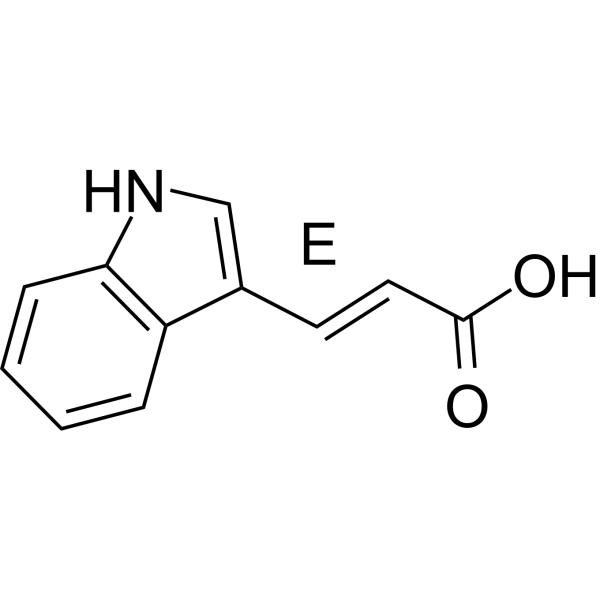
Trans-3-Indoleacrylic acid is a tryptophan metabolite, which promotes tumor development through inhibition of RSL3 (HY-100218A) induced ferroptosis via AHR-ALDH1A3-FSP1-CoQ10 axis, and facilitates colorectal carcinogenesis
|
-
-
- HY-B1178
-
|
(-)-Cotinine; (S)-Cotinine; NIH-10498
|
Endogenous Metabolite
nAChR
|
Cardiovascular Disease
Inflammation/Immunology
|
|
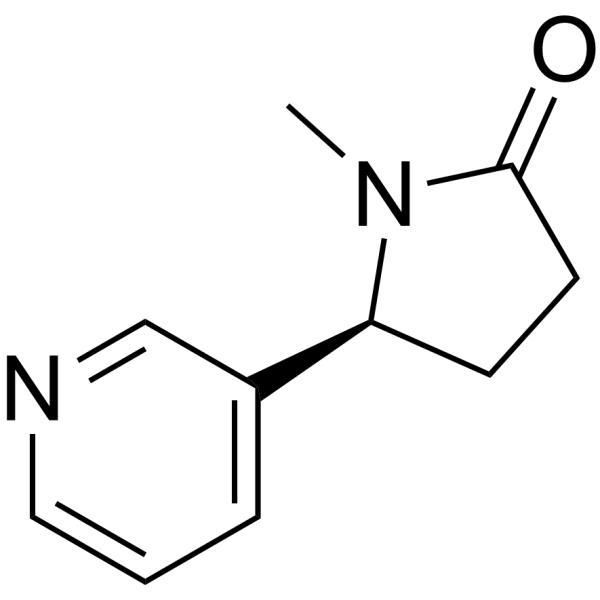
Cotinine ((-)-Cotinine) is an orally active alkaloid found in tobacco and is the primary metabolite of nicotine. Cotinine is metabolized by CYP2A13 into trans-3'-hydroxycotinine. Cotinine is used as a biomarker to measure exposure to tobacco smoke components. Cotinine has vasodepressor activity. The mixture of cotinine and nicotine (Nicotine) has antiproliferative activity against pterygium. (S)-(-)-Cotinine activates nicotinic acetylcholine receptors (nAChR) in a calcium-dependent manner, leading to the release of dopamine (Dopamine, HY-B0451). Cotinine ((-)-Cotinine) is used in research related to cardiovascular and inflammatory diseases [3] [4] .
|
-
-
- HY-W017464
-
|
N-Acetyl-4-benzoquinone Imine
|
Drug Metabolite
Endogenous Metabolite
|
Metabolic Disease
|
|
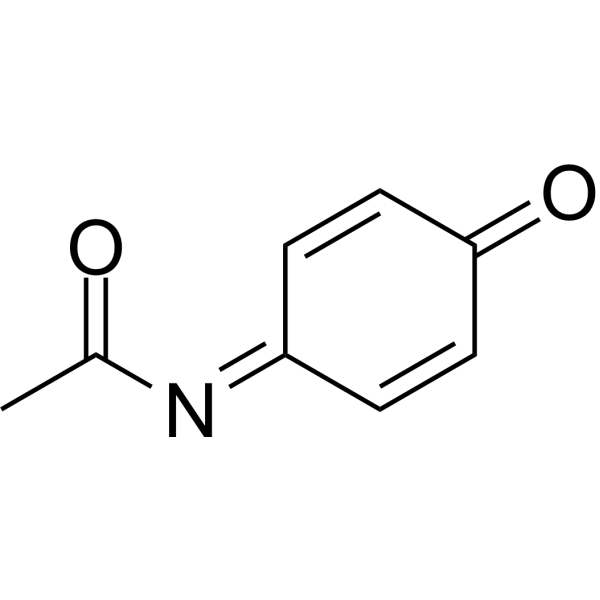
NAPQI is the toxic metabolite of Acetaminophen (HY-66005). NAPQI is also an inhibitor of enzymes in the vitamin K cycle. NAPQI is rapidly detoxified by glutathione (GSH), but in situations of GSH deficiency, excess NAPQI reacts with cysteine residues in proteins, causing cell death and toxicity in the liver .
|
-
-
- HY-W010532
-
|
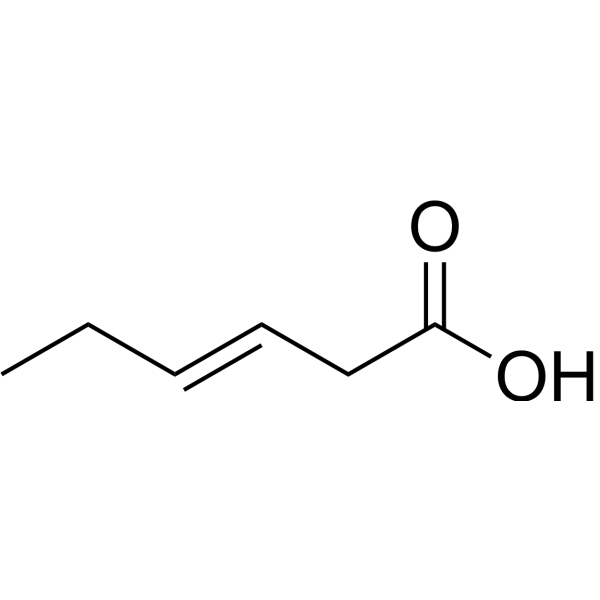
(E)-Hex-3-enoic acid
|
Biochemical Assay Reagents
|
Others
|
|
(E)-Hex-3-enoic acid is an unsaturated organic compound. It is commonly used as a fragrance ingredient in a variety of products, including food, beverages, and personal care products, and it can also be used as a starting material for the synthesis of various organic compounds, including pharmaceuticals and agrochemicals. In addition, (E)-Hex- 3-enoic acid has been investigated for its potential use as a biobased solvent due to its low toxicity and biodegradability, as well as its potential antibacterial and antifungal properties, which may make it useful for developing new Antibacterial agents.
|
-
-
- HY-N1408
-
|
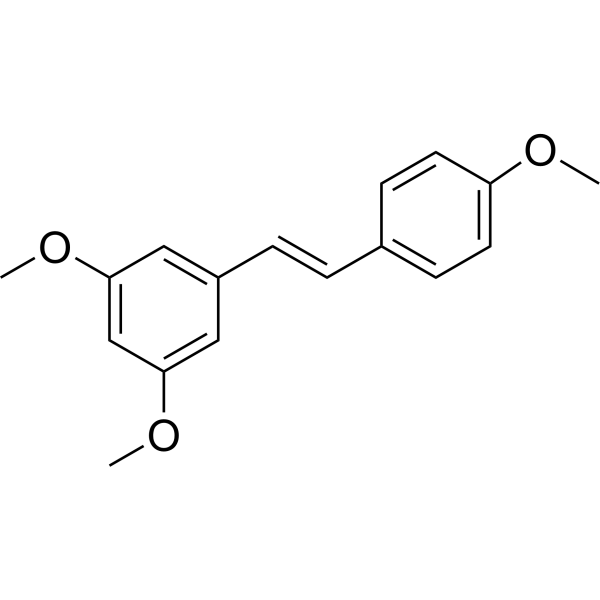
trans-trismethoxy Resveratrol; (E)-Resveratrol trimethyl ether; trans-3,5,4'-Trimethoxystilbene
|
VEGFR
Reactive Oxygen Species (ROS)
Caspase
Apoptosis
|
Inflammation/Immunology
Cancer
|
|
Trans-Trimethoxyresveratrol (trans-trismethoxy Resveratrol; (E)-Resveratrol trimethyl ether; trans-3,5,4'-Trimethoxystilbene) is an orally active natural derivative of Resveratrol (HY-16561). Trans-Trimethoxyresveratrol has an enhanced anticancer profile compared to Resveratrol, exhibiting higher potency than resveratrol, with improved cancer cell proliferation inhibition, induction of cell cycle arrest, decreased metastasis, and increased apoptosis. Trans-Trimethoxyresveratrol causes microtubule disassembling and tubulin depolymerization and exerts anti-angiogenic effects through VEGFR2. Trans-Trimethoxyresveratrol can be used for the studies of anti-angiogenic and anti-cancer (such as non-small cell lung cancer and osteosarcoma) [3] [4] .
|
-
-
- HY-B1274
-
-
-
- HY-P2161B
-
|
|
Kisspeptin Receptor
|
Cancer
|
|
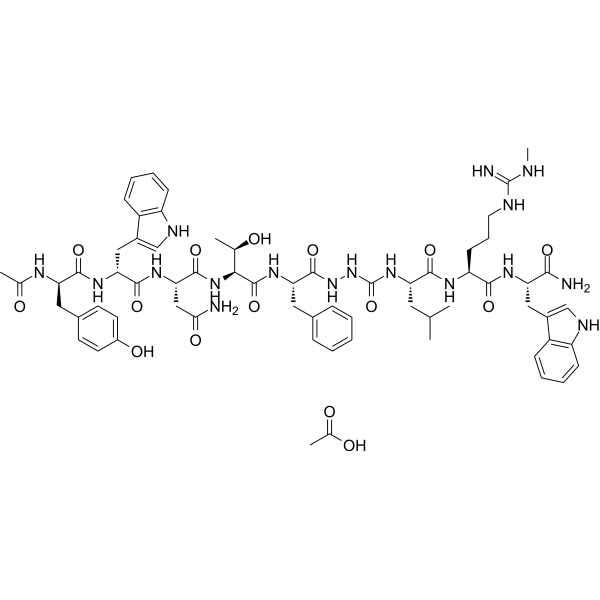
TAK-683 acetate is a potent full KISS1 receptor (KISS1R) agonist (IC50=170 pM) with improved metabolic stability. TAK-683 acetate is a nonapeptide metastin analog, exhibits agonistic activities to KISS1R with EC50 values of 0.96 nM and 1.6 nM for human and rat, respectively . TAK-683 acetate depletes GnRH in the hypothalamus and reduces plasma FSH, LH, and testosterone levels in vivo, it has the potential for the study of hormone-dependent prostate cancer [4].
|
-
-
- HY-14113
-
-
-
- HY-N0610R
-
|
trans-3-Phenylacrylic acid (Standard)
|
Reference Standards
Bacterial
Endogenous Metabolite
|
Infection
Cancer
|
|
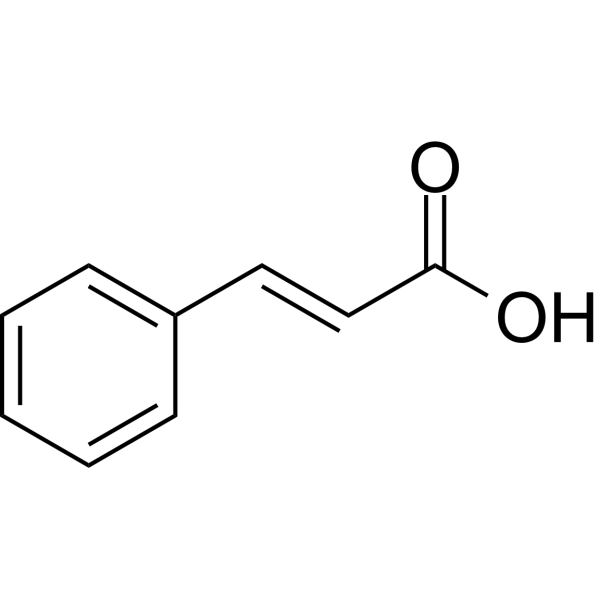
trans-Cinnamic acid (Standard) is the analytical standard of trans-Cinnamic acid. This product is intended for research and analytical applications. trans-Cinnamic acid is a natural antimicrobial, with minimal inhibitory concentration (MIC) of 250 μg/mL against fish pathogen A. sobria, SY-AS1 .
|
-

-
- HY-W055954
-
|
|
PROTAC Linkers
|
Cancer
|
|
trans-3-((tert-Butoxycarbonyl)amino)cyclobutanecarboxylic acid is a PROTAC linker that can be used in the synthesis of PROTACs.
|
-

-
- HY-W017463
-
|
|
Drug Intermediate
TMV
Isocitrate Dehydrogenase (IDH)
|
Infection
|
|
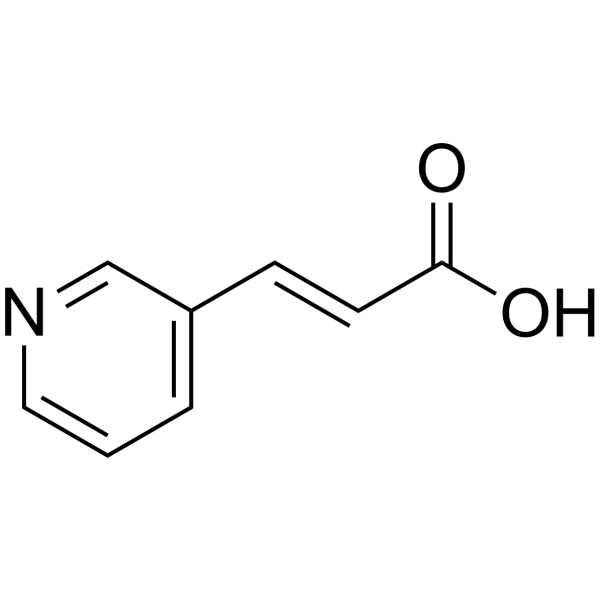
trans-3-(3-Pyridyl) acrylic acid is an unsaturated carboxylic acid and synthetic building block, which serves as a synthetic precursor of 3-(3-pyridyl) propanoic acid. trans-3-(3-Pyridyl) acrylic acid can be used to prepare dual mutant IDH1/NAMPT inhibitors and PGE2 antagonist analogs. In addition, trans-3-(3-Pyridyl) acrylic acid exhibits antiviral activity against tobacco mosaic virus (TMV) [3].
|
-
-
- HY-P5544
-
|
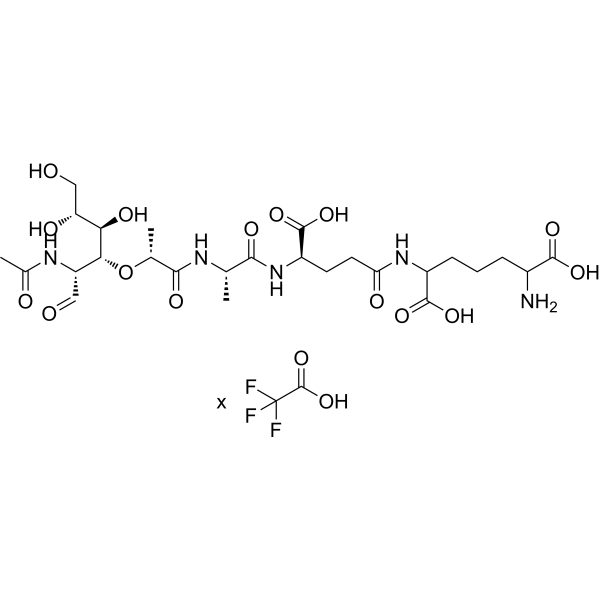
N-Acetylmuramyl-L-Ala-γ-D-Glu-meso-diaminopimelic acid
|
NOD-like Receptor (NLR)
|
Others
|
|
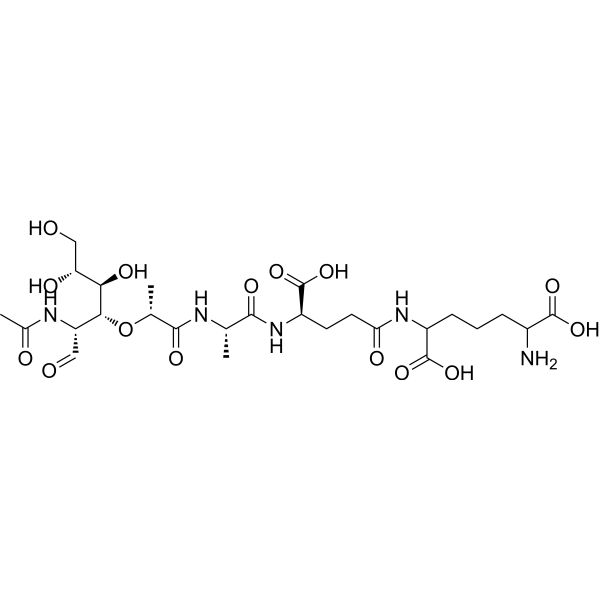
M-TriDAP (N-Acetylmuramyl-L-Ala-γ-D-Glu-meso-diaminopimelic acid) is a NOD1/2 agoist and biological active peptide .
|
-
-
- HY-P3990
-
|
|
VEGFR
Autophagy
Apoptosis
|
Cancer
|
|
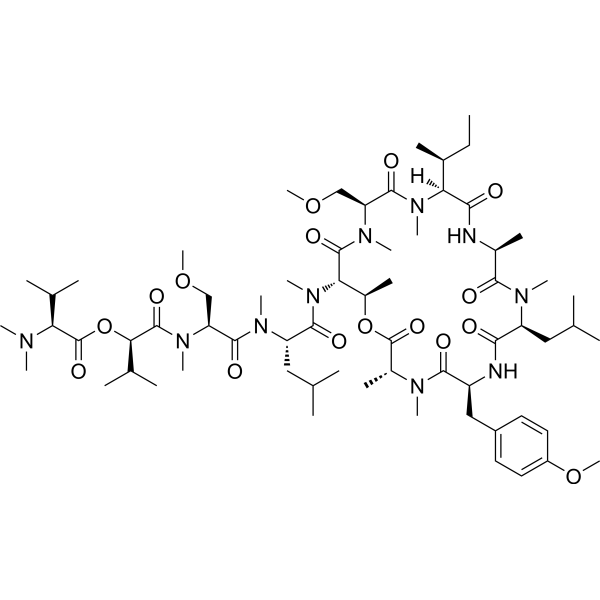
Coibamide A, an N-methyl-stabilized cytotoxic depsipeptide, shows potent antiproliferative activity. Coibamide A induces autophagosome accumulation via an mTOR-independent mechanism. Coibamide A induces apoptosis. Coibamide A inhibits VEGFA/VEGFR2 expression and suppresses tumor growth in glioblastoma xenografts .
|
-
-
- HY-W278867
-
|
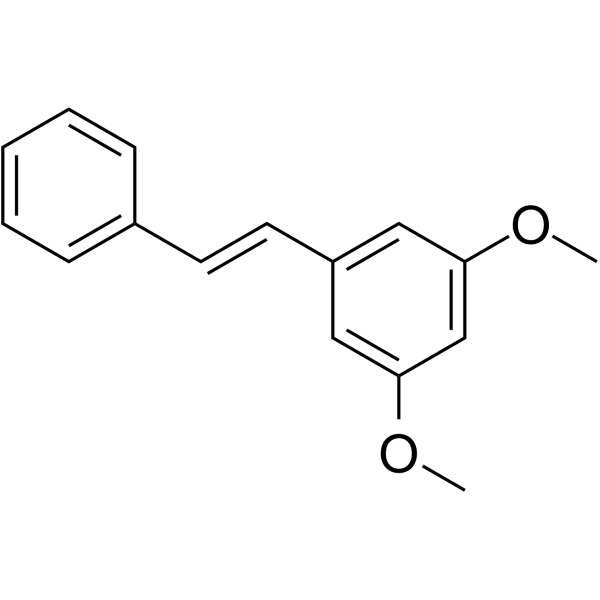
trans-Pinosylvin dimethyl ether
|
Cholinesterase (ChE)
|
Neurological Disease
Inflammation/Immunology
|
|
trans-3,5-Dimethoxystilbene (trans-Pinosylvin dimethyl ether) is a natural stilbenoid metabolite. trans-3,5-Dimethoxystilbene acts as an acetylcholinesterase inhibitor with a IC50 of 9 μM against Electrophorus electricus acetylcholinesterase. trans-3,5-Dimethoxystilbene binds to acetylcholinesterase and blocks acetylcholine hydrolysis, thereby increasing acetylcholine levels in the cholinergic synaptic cleft. trans-3,5-Dimethoxystilbene can be used in the research of neurodegenerative diseases such as Alzheimer's disease .
|
-
-
- HY-N0761A
-
|
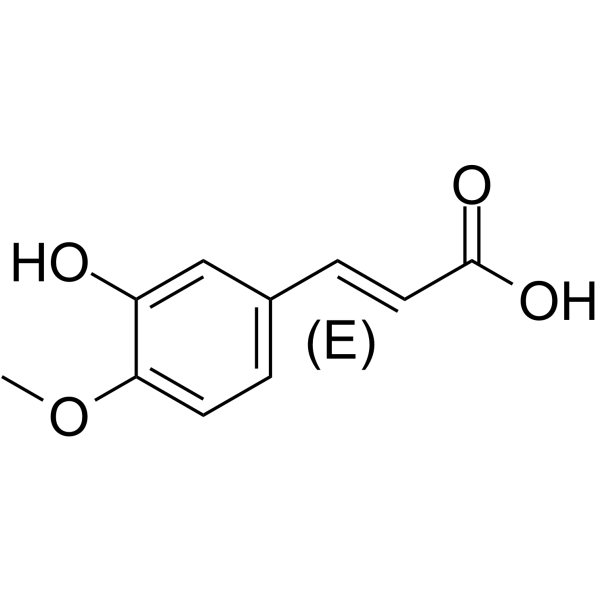
trans-3-Hydroxy-4-methoxycinnamic acid
|
NO Synthase
Prostaglandin Receptor
PI3K
Akt
NF-κB
Keap1-Nrf2
COX
|
Metabolic Disease
Inflammation/Immunology
|
|
trans-Isoferulic acid (trans-3-Hydroxy-4-methoxycinnamic acid) is an aromatic acid that exhibits anti-inflammatory activity. trans-Isoferulic acid dephosphorylates PI3K/Akt, suppresses LPS (HY-D1056)-induced NF-κB activation, enhances Nrf2 activity, downregulates iNOS and COX-2 expression, induces HO-1 expression, inhibits NO and PGE2 production, and scavenges hydroperoxyl radical. trans-Isoferulic acid can be used for research of inflammatiory diseases [3].
|
-
-
- HY-W015273AR
-
|
|
Reference Standards
Endogenous Metabolite
Ferroptosis
|
Metabolic Disease
Cancer
|
|
trans-3-Indoleacrylic acid (Standard) is the analytical standard of trans-3-Indoleacrylic acid. This product is intended for research and analytical applications. Trans-3-Indoleacrylic acid is a tryptophan metabolite, which promotes tumor development through inhibition of RSL3 (HY-100218A) induced ferroptosis via AHR-ALDH1A3-FSP1-CoQ10 axis, and facilitates colorectal carcinogenesis[1]
|
-

-
- HY-45818
-
|
|
Drug Intermediate
|
Others
|
|
tert-Butyl (trans-3-(pyridin-4-yloxy)cyclobutyl)carbamate is a drug intermediate for synthesis of various active compounds.
|
-

-
- HY-131168
-
|
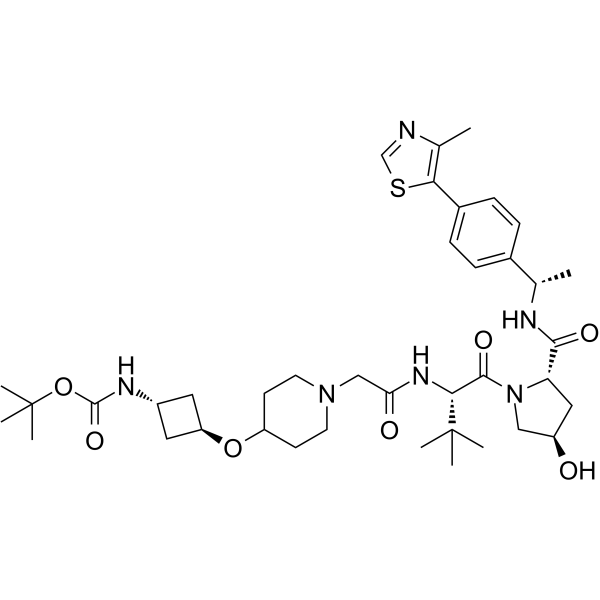
VH032-Boc-trans-3-aminocyclobutanol-Pip-CH2COOH
|
E3 Ligase Ligand-Linker Conjugates
|
Cancer
|
|
(S,R,S)-AHPC-Boc-trans-3-aminocyclobutanol-Pip-CH2COOH (VH032-Boc-trans-3-aminocyclobutanol-Pip-CH2COOH) is a E3 ligase ligand-linker conjugate that contains on one end a VHL ligand. (S,R,S)-AHPC-Boc-trans-3-aminocyclobutanol-Pip-CH2COOH is used in PROTAC technology .
|
-
-
- HY-N10589
-
|
|
Others
|
Others
|
|
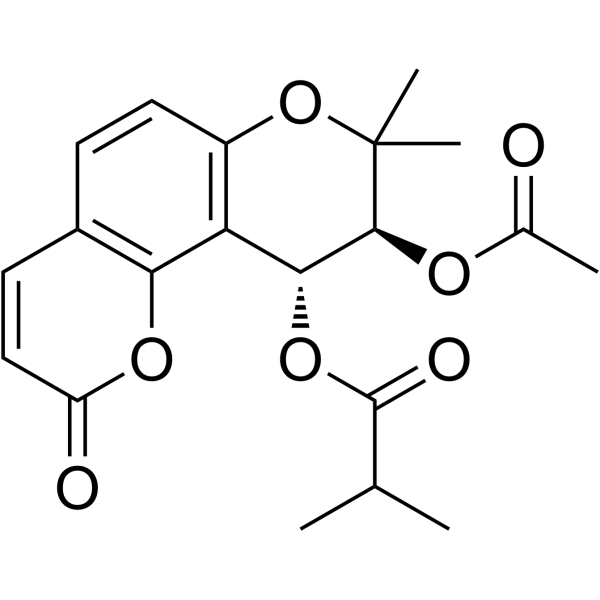
(+)-trans-3'-Acetyl-4'-isobutyrylkhellactone, an angular-type pyranocoumarin is a natural product that can be isolated from Peucedani Radix. .
|
-
-
- HY-N0610S1
-
|
trans-3-Phenylacrylic acid-d7
|
Bacterial
Endogenous Metabolite
|
Infection
|
|
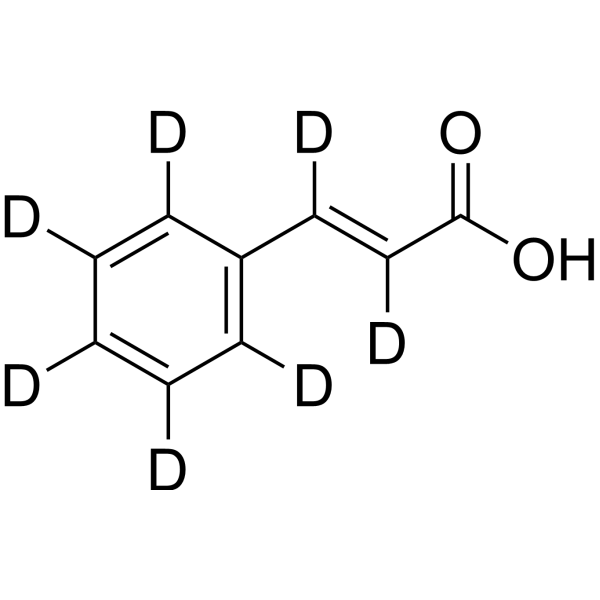
trans-Cinnamic acid-d7 is the deuterium labeled trans-Cinnamic acid . trans-Cinnamic acid is a natural antimicrobial, with minimal inhibitory concentration (MIC) of 250 μg/mL against fish pathogen A. sobria, SY-AS1 .
|
-
-
- HY-CE02011
-
-

-
- HY-W127411
-
|
Methyl (E)-pent-3-enoate
|
Biochemical Assay Reagents
|
Others
|
|
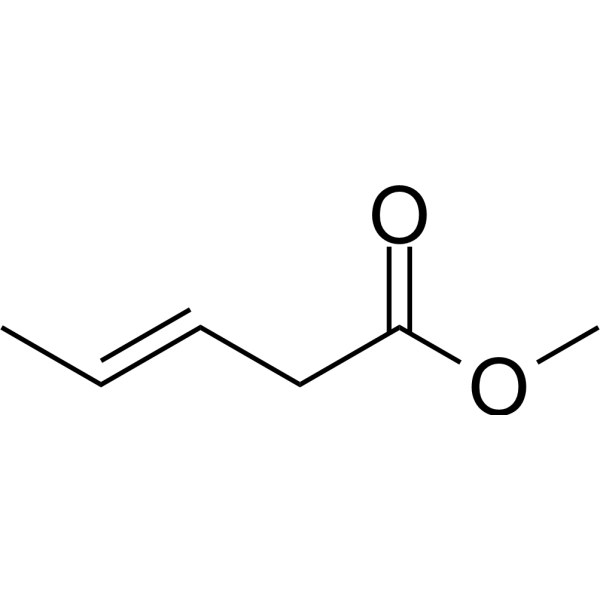
Methyl trans-3-Pentenoate is a biochemical reagent that can be used as a biological material or organic compound for life science related research.
|
-
-
- HY-W587468
-
|
3,4-DHRA
|
Biochemical Assay Reagents
|
|
|
All-trans-3,4-Didehydro retinoic acid (3,4-DHRA) is a compound with gene-regulating activity that binds to retinoic acid receptors (RARs) and triggers receptor activation. All-trans-3,4-Didehydro retinoic acid plays an important role in skin development and differentiation and has potential anti-tumor and anti-inflammatory properties. All-trans-3,4-Didehydro retinoic acid is also being studied for the inhibition of a variety of diseases, including skin diseases and certain types of cancer.
|
-

-
- HY-W016298
-
|
(E)-3-(3,4-Difluorophenyl)acrylic acid
|
Biochemical Assay Reagents
|
Others
|
|
trans-3,4-Difluorocinnamic acid ((E)-3-(3,4-Difluorophenyl)acrylic acid) is a biochemical reagent that can be used as a biological material or organic compound for life science related research .
|
-

-
- HY-W142207
-
|
|
Drug Intermediate
|
Cancer
|
|
(E)-3-Chloroacrylic acid is an intermediate. (E)-3-Chloroacrylic acid can be used in the synthesis of Compound 81. (E)-3-Chloroacrylic acid can be used in research on human non-small cell lung cancer with KRAS G12C mutation . (E)-3-Chloroacrylic acid is a substrate of trans-3-chloroacrylic acid dehalogenase (Km = 34 µM) .
|
-

-
- HY-P2161
-
|
|
Kisspeptin Receptor
|
Cancer
|
|
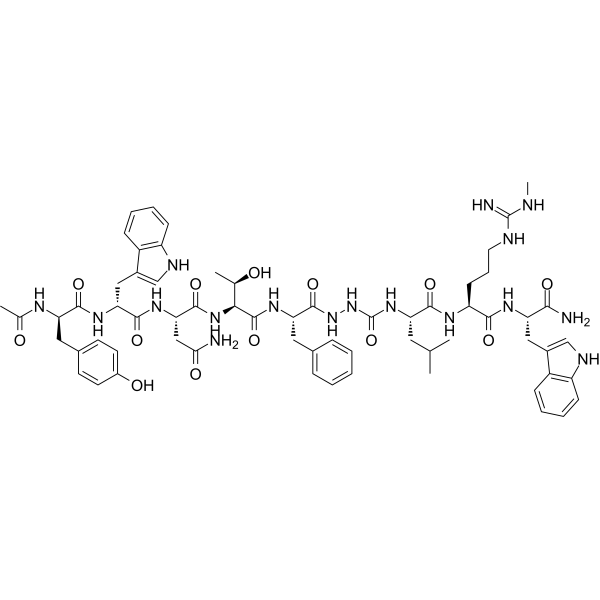
TAK-683 is a potent full KISS1 receptor (KISS1R) agonist (IC50=170 pM) with improved metabolic stability. TAK-683 is a nonapeptide metastin analog, exhibits agonistic activities to KISS1R with EC50 values of 0.96 nM and 1.6 nM for human and rat, respectively . TAK-683 depletes GnRH in the hypothalamus and reduces plasma FSH, LH, and testosterone levels in vivo, it has the potential for the study of hormone-dependent prostate cancer [4].
|
-
-
- HY-W055967
-
|
|
PROTAC Linkers
|
Cancer
|
|
trans-3-(Aminomethyl)cyclobutanol hydrochloride is a PROTAC linker that can be used in the synthesis of PROTACs.
|
-

-
- HY-W062148
-
|
trans-3-[[(1,1-Dimethylethoxy)carbonyl]amino]-cyclobutaneacetic Acid
|
PROTAC Linkers
|
Cancer
|
|
2-(trans-3-((tert-Butoxycarbonyl)amino)cyclobutyl)acetic acid (trans-3-[[(1,1-Dimethylethoxy)carbonyl]amino]-cyclobutaneacetic Acid) is a PROTAC linker that can be used in the synthesis of PROTACs.
|
-

-
- HY-WAA0308
-
|
|
PROTAC Linkers
|
Cancer
|
|
tert-Butyl (trans-3-aminocyclobutyl)carbamate is a PROTAC linker that can be used in the synthesis of PROTACs.
|
-

-
- HY-WAA0307
-
|
|
PROTAC Linkers
|
Cancer
|
|
tert-Butyl (trans-3-(aminomethyl)cyclobutyl)carbamate is a PROTAC linker that can be used in the synthesis of PROTACs.
|
-

-
- HY-N12466
-
|
|
PKC
p38 MAPK
ROCK
|
Cancer
|
|
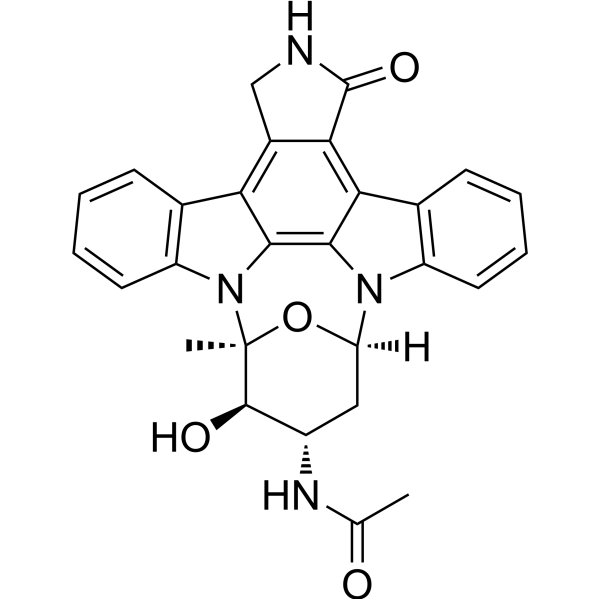
3′-O-Demethyl-4′-N-demethyl-4′-N-acetyl-4′-epi-staurosporine (Compound 7) is an inhibitor of protein kinases, with IC50s of 0.092, 0.26, 0.77 μM for PKC-α, ROCK, ASK1. 3′-O-Demethyl-4′-N-demethyl-4′-N-acetyl-4′-epi-staurosporine shows potent cytotoxicity against PC-3 cancer cells with an IC50 value of 0.16 μM .
|
-
-
- HY-W129441
-
|
N-Ac-4-S-CAP
|
DNA/RNA Synthesis
Tyrosinase
Thymidylate Synthase
|
Others
|
|
N-Acetyl-4-S-mercaptoaminophenol (N-Ac-4-S-CAP) is a compound that is selectively cytotoxic to melanocytes of black mouse hair follicles. It can cause 98% depigmentation of black mouse hair follicles. N-Ac-4-S-CAP can produce visible changes in hair follicle melanocytes 4 hours after intraperitoneal injection, including aggregation of melanin granules and nuclear condensation. Electron microscopy observations showed that it caused progressive destruction of melanocytes, including swelling of membranous organelles, nuclear condensation, and cytoplasmic vacuolation, ultimately leading to complete cell necrosis. N-Ac-4-S-CAP has a specific cytotoxic effect on melanocytes that actively produce eumelanin, but may not affect precursor or dormant melanocytes. These properties suggest that N-Ac-4-S-CAP may have potential application value in the treatment of melanoma or skin whitening.
|
-

-
- HY-P2115
-
|
|
GnRH Receptor
|
Cancer
|
|
Ramorelix is a luteinizing-hormone-releasing hormone (LHRH) antagonist. Ramorelix can inhibit tumor progression in vivo. Ramorelix can be studied in anti-cancer research .
|
-

-
- HY-P1720
-
|
|
Antibiotic
Bacterial
|
Infection
|
|
Telomycin is a calcium-dependent antibiotic, which can be produced by Streptomyces. Telomycin inhibits gram-positive bacteria, including multidrug-resistant (MDR) pathogens .
|
-

-
- HY-W061909
-
|
|
PROTAC Linkers
|
Cancer
|
|
trans-3-Aminocyclobutanecarboxylic acid is a PROTAC linker that can be used in the synthesis of PROTACs.
|
-

-
- HY-154772S
-
-
-
- HY-W056858
-
|
|
PROTAC Linkers
|
Cancer
|
|
tert-Butyl (trans-3-formylcyclobutyl)carbamate is a PROTAC linker that can be used in the synthesis of PROTACs.
|
-

-
- HY-CE02011A
-
-

-
- HY-W779969
-
-

-
- HY-W007017A
-
-

-
- HY-W278867R
-
|
trans-Pinosylvin dimethyl ether (Standard)
|
Reference Standards
Cholinesterase (ChE)
|
Neurological Disease
|
|
trans-3,5-Dimethoxystilbene (Standard) is the analytical standard of trans-3,5-Dimethoxystilbene (HY-W278867). This product is intended for research and analytical applications. trans-3,5-Dimethoxystilbene (trans-Pinosylvin dimethyl ether) is a natural stilbenoid metabolite. trans-3,5-Dimethoxystilbene acts as an acetylcholinesterase inhibitor with a IC50 of 9 μM against Electrophorus electricus acetylcholinesterase. trans-3,5-Dimethoxystilbene binds to acetylcholinesterase and blocks acetylcholine hydrolysis, thereby increasing acetylcholine levels in the cholinergic synaptic cleft. trans-,5-Dimethoxystilbene can be used in the research of neurodegenerative diseases such as Alzheimer's disease .
|
-

-
- HY-N0761AR
-
|
trans-3-Hydroxy-4-methoxycinnamic acid (Standard)
|
Reference Standards
NO Synthase
Prostaglandin Receptor
|
Inflammation/Immunology
|
|
trans-Isoferulic acid (Standard) is the analytical standard of trans-Isoferulic acid. This product is intended for research and analytical applications. trans-Isoferulic acid (trans-3-Hydroxy-4-methoxycinnamic acid) is an aromatic acid isolated from the roots of Clematis florida var. plena. trans-Isoferulic acid exhibits anti-inflammatory activity [1].trans-isoferulic acid suppresses NO and PGE2 production through the induction of Nrf2-dependent heme oxygenase-1 (HO-1) .
|
-

-
- HY-160251
-
|
(3'R,5k'S)-trans-3'-Hydroxycotinine glucuronide
|
Drug Metabolite
|
Others
|
|
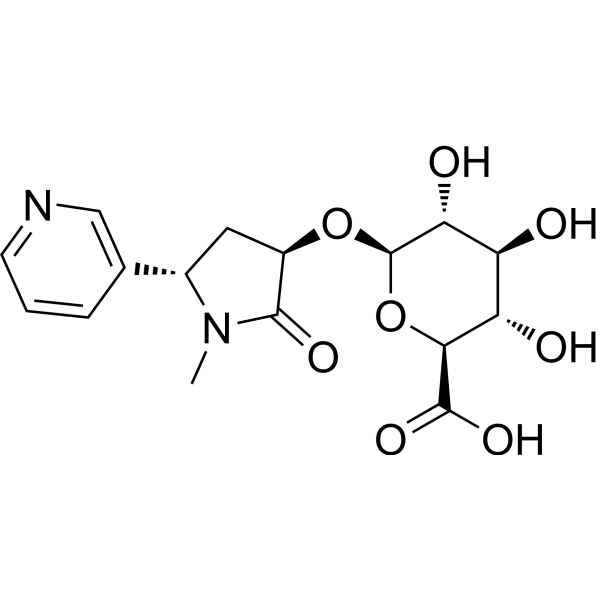
3-HC-Gluc ((3’R,5k’s)-trans-3’ -Hydroxycotinine glucuronide) The trans-structure of 3-HC, the main metabolite of nicotine .
|
-
-
- HY-W674266
-
|
|
Biochemical Assay Reagents
|
Others
|
|
Benzyl N-acetyl-4,6-O-benzylidene normuranic acid is a class of biochemical reagents used in glycobiology research. Glycobiology studies the structure, synthesis, biology, and evolution of sugars. It involves carbohydrate chemistry, enzymology of glycan formation and degradation, protein-glycan recognition, and the role of glycans in biological systems. This field is closely related to basic research, biomedicine, and biotechnology .
|
-

-
- HY-W713450
-
|
P-Acetamidosalicylicacid-d3
|
Isotope-Labeled Compounds
|
Others
|
|
N-Acetyl-4-aminosalicylic acid-d3 (P-Acetamidosalicylicacid-d3) is the deuterium labeled 4-Acetamido-2-hydroxybenzoic acid (HY-I0449).
|
-

-
- HY-W703016
-
|
|
Biochemical Assay Reagents
|
Others
|
|
Benzyl N-acetyl-4,6-O-benzylidene-α-isomuramic acid is a class of biochemical reagents used in glycobiology research. Glycobiology studies the structure, synthesis, biology, and evolution of sugars. It involves carbohydrate chemistry, enzymology of glycan formation and degradation, protein-glycan recognition, and the role of glycans in biological systems. This field is closely related to basic research, biomedicine, and biotechnology .
|
-

-
- HY-154023
-
|
|
Nucleoside Antimetabolite/Analog
|
Cancer
|
|
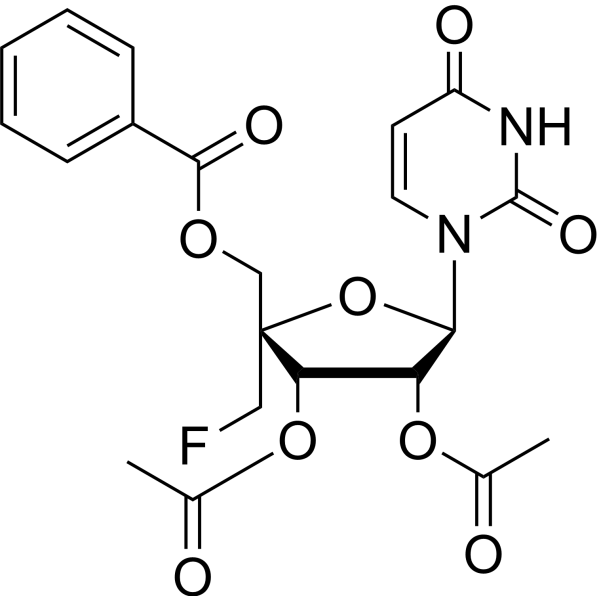
5’-O-Benzoyl-2’,3’-di-O-acetyl-4’-C-fluoromethyluridine is a purine nucleoside analog. Purine nucleoside analogs have broad antitumor activity targeting indolent lymphoid malignancies. Anticancer mechanisms in this process rely on inhibition of DNA synthesis, induction of apoptosis, etc .
|
-
-
- HY-154501
-
|
|
Nucleoside Antimetabolite/Analog
|
Cancer
|
|
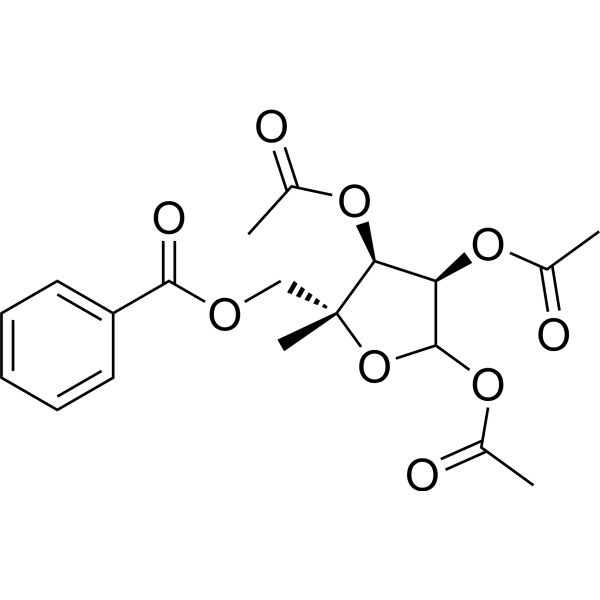
5-O-Benzoyl-1,2,3-tri-O-acetyl-4-C-methyl-D-ribofuranose is a purine nucleoside analog. Purine nucleoside analogs have broad antitumor activity targeting indolent lymphoid malignancies. Anticancer mechanisms in this process rely on inhibition of DNA synthesis, induction of apoptosis, etc .
|
-
-
- HY-W744265
-
|
N-Acetyl-4-benzoquinone Imine-d3
|
Isotope-Labeled Compounds
Drug Metabolite
Endogenous Metabolite
|
Metabolic Disease
|
|
NAPQI-d3 (N-Acetyl-4-benzoquinone Imine-d3) is the deuterium labeled NAPQI (HY-W017464). NAPQI is the toxic metabolite of Acetaminophen (HY-66005). NAPQI is also an inhibitor of enzymes in the vitamin K cycle. NAPQI is rapidly detoxified by glutathione (GSH), but in situations of GSH deficiency, excess NAPQI reacts with cysteine residues in proteins, causing cell death and toxicity in the liver .
|
-

- HY-W699174
-
|
|
Biochemical Assay Reagents
|
Others
|
|
2'-Nitrophenyl 2,3-di-O-acetyl-4-O-triethylsilyl-β-D-xylopyranoside is a class of biochemical reagents used in glycobiology research. Glycobiology studies the structure, synthesis, biology, and evolution of sugars. It involves carbohydrate chemistry, enzymology of glycan formation and degradation, protein-glycan recognition, and the role of glycans in biological systems. This field is closely related to basic research, biomedicine, and biotechnology .
|
-

- HY-W767978
-
|
6-Acetyl-4,4-dimethylthio-chroman-d8
|
Isotope-Labeled Compounds
|
Others
|
|
1-(4,4-Dimethylthiochroman-6-yl)ethanone-d8 (6-Acetyl-4,4-dimethylthio-chroman-d8) is the deuterium labeled 1-(4,4-Dimethylthiochroman-6-yl)ethanone (HY-I0187).
|
-

- HY-161414
-
|
|
CXCR
|
Others
|
|
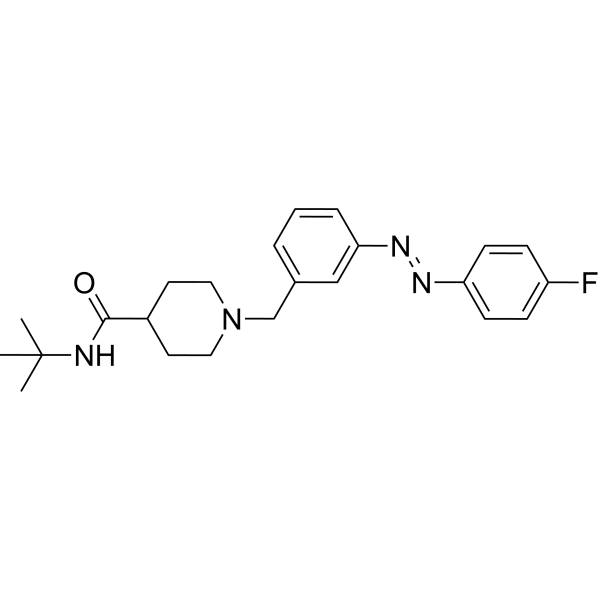
trans-VUF25471 (Compound trans-3e) is a photoswitchable ACKR3 agonist. trans-VUF25471 binds and activates ACKR3 at 10-fold lower concentrations compared to its cis-isomer .
|
-
- HY-N0761AS
-
|
|
Prostaglandin Receptor
NO Synthase
|
Inflammation/Immunology
|
|
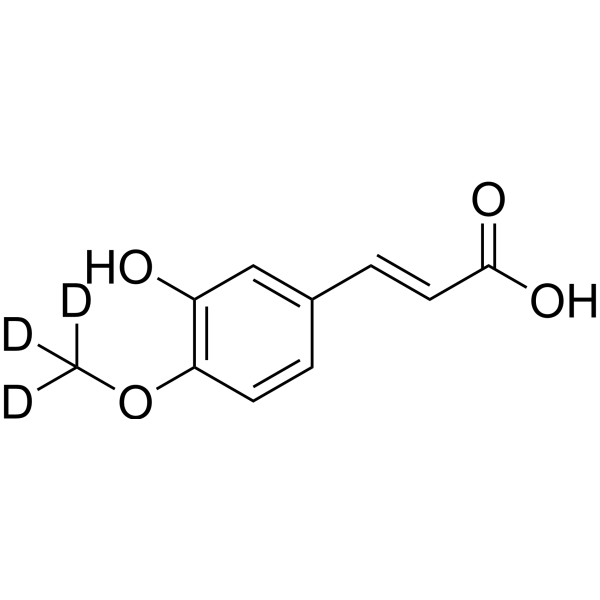
trans-Isoferulic acid-d3 is the deuterium labeled trans-Isoferulic acid . trans-Isoferulic acid (trans-3-Hydroxy-4-methoxycinnamic acid) is an aromatic acid isolated from the roots of Clematis florida var. plena. trans-Isoferulic acid exhibits anti-inflammatory activity [2].trans-isoferulic acid suppresses NO and PGE2 production through the induction of Nrf2-dependent heme oxygenase-1 (HO-1) [3].
|
-
- HY-145528
-
|
|
Endogenous Metabolite
|
Metabolic Disease
|
|
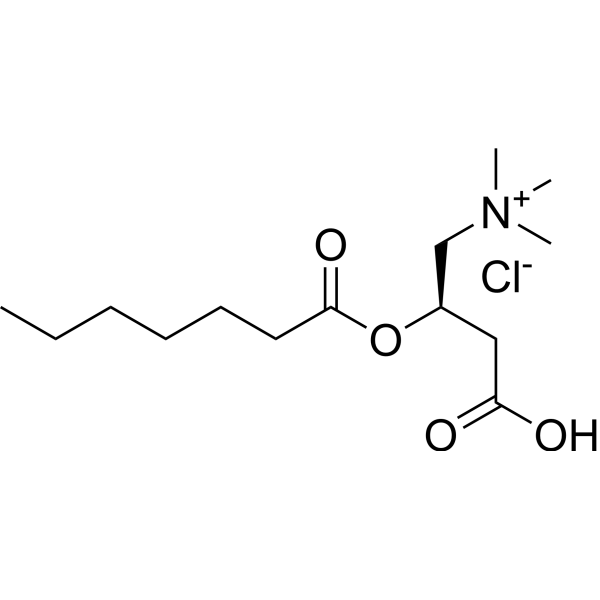
Heptanoyl-L-carnitine chloride (trans-3,4-methylene-heptanoylcarnitine) is an acylcarnitine. Heptanoyl-L-carnitine chloride causes exercise-induced alterations in the human metabolome in plasma and skeletal muscle tissue .
|
-
- HY-N0610S
-
|
trans-3-Phenylacrylic acid-d5
|
Bacterial
Endogenous Metabolite
|
Infection
|
|
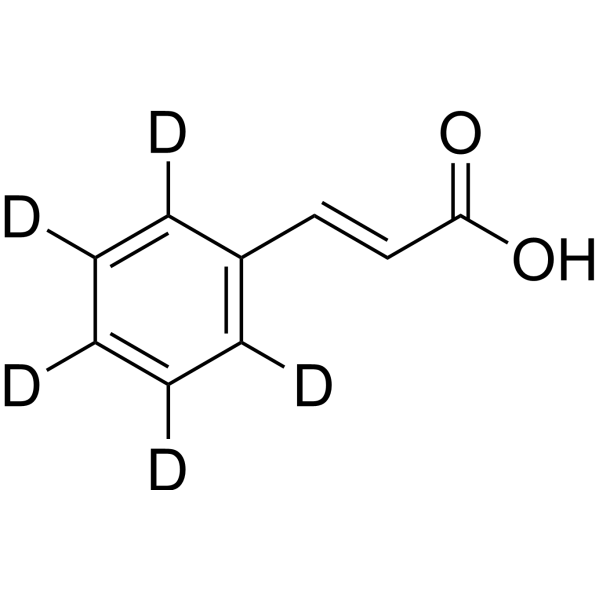
trans-Cinnamic acid-d5 is the deuterium labeled trans-Cinnamic acid . trans-Cinnamic acid is a natural antimicrobial, with minimal inhibitory concentration (MIC) of 250 μg/mL against fish pathogen A. sobria, SY-AS1 .
|
-
- HY-P5544A
-
|
N-Acetylmuramyl-L-Ala-γ-D-Glu-meso-diaminopimelic acid TFA
|
NOD-like Receptor (NLR)
|
Others
|
|
M-TriDAP (N-Acetylmuramyl-L-Ala-γ-D-Glu-meso-diaminopimelic acid) TFA is a NOD1/2 agoist and biological active peptide .
|
-
- HY-P2161A
-
|
|
Kisspeptin Receptor
|
Cancer
|
|
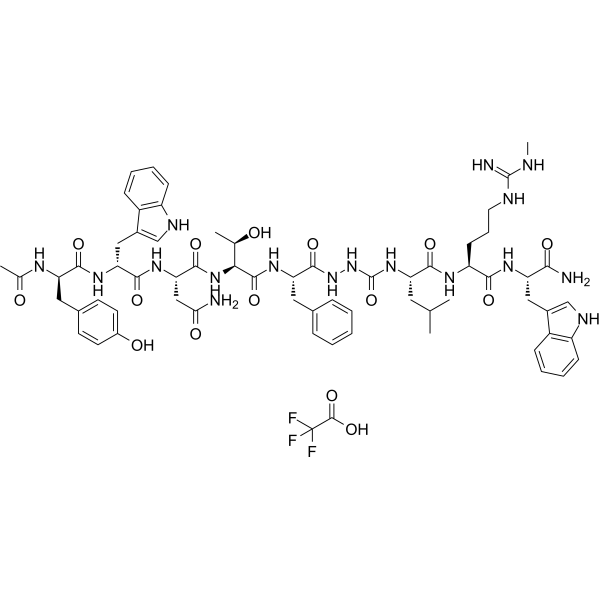
TAK-683 TFA is a potent full KISS1 receptor (KISS1R) agonist (IC50=170 pM) with improved metabolic stability. TAK-683 TFA is a nonapeptide metastin analog, exhibits agonistic activities to KISS1R with EC50 values of 0.96 nM and 1.6 nM for human and rat, respectively . TAK-683 TFA depletes GnRH in the hypothalamus and reduces plasma FSH, LH, and testosterone levels in vivo, it has the potential for the study of hormone-dependent prostate cancer [3].
|
-
- HY-W008836S
-
-
- HY-P1709
-
|
|
Bacterial
|
Infection
|
|
Protactin is a pentapeptide lactone produced by Streptomyces cucumeris strain L703-4 (ATCC 53784) with significant antioxidant properties. Protactin can be converted to actinomycin Zp by ferrocyanide oxidation. Actinomycin Zp exhibits potent antibacterial activity in vitro and has significant antitumor effects against P-388 leukemia in a mouse model .
|
-

- HY-119580B
-
|
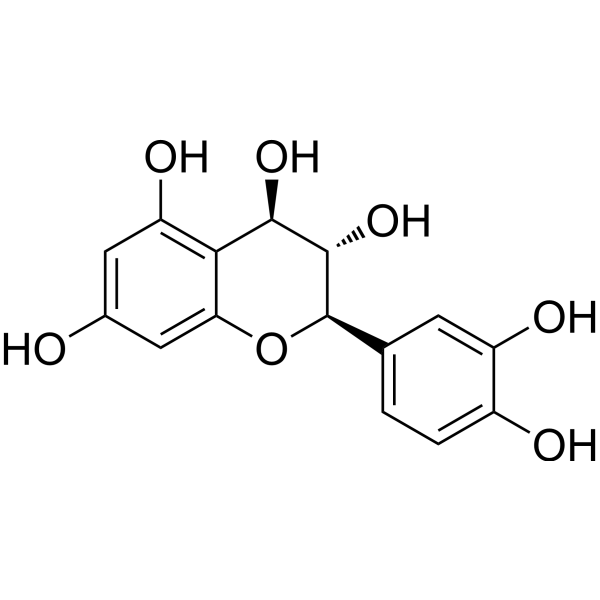
2,3-trans-3,4-trans-Leucocyanidin; 3,4-trans-Leucocyanidin; (2R,3S,4R)-Leucocyanidin
|
Drug Isomer
|
Inflammation/Immunology
|
|
(+)-Leucocyanidin is the isoform of Leucocyanidin (HY-119580), is an active anti-ulcerogenic ingredient was extracted from Litchi Chinensis. Leucocyanidin demonstrates a significant protective effect against Aspirin-induced erosions in rat models .
|
-
- HY-W142607R
-
|
2-Acetyl-4-butyramidophenol (Standard)
|
Reference Standards
|
|
|
2-Acetyl-4-butyramidophenol (Standard) is the analytical standard of 2-Acetyl-4-butyramidophenol. This product is intended for research and analytical applications.
|
-

- HY-W265747
-
|
|
Biochemical Assay Reagents
|
Others
|
|
trans-3-Benzoylacrylic acid is an organic compound. trans-3-Benzoylacrylic acid serves as an intermediate for organic synthesis .
|
-

- HY-W749366
-
-

- HY-N19689
-
|
|
Drug Derivative
|
Inflammation/Immunology
Cancer
|
|
4''-Acetyl-4-(a-L-Rhamnopyranosyloxy)-benzylglucosinolate is a plant secondary metabolite that can be found in the leaves of Moringa oleifera and Moringa stenopetala. 4''-Acetyl-4-(a-L-Rhamnopyranosyloxy)-benzylglucosinolate can be used for research on cancer and inflammatory diseases .
|
-

- HY-W765751
-
-

- HY-W259681
-
|
|
PROTAC Linkers
|
Cancer
|
|
tert-Butyl (trans-3-(methylamino)cyclobutyl)carbamate is a PROTAC linker that can be used in the synthesis of PROTACs.
|
-

- HY-W142607
-
|
2-Acetyl-4-butyramidophenol
|
Drug Intermediate
|
Others
|
|
Acebutolol impurity 3 (2-Acetyl-4-butyramidophenol) is an impurity of Acebutolol.
|
-

- HY-N8851
-
|
|
Others
|
Others
|
|
trans-3'-O-Benzoyl-4'-O-methylkhellactone is a Coumarins product that can be isolated from the roots of Peucedanum praeruptorum Dunn. .
|
-

- HY-N9805
-
-

- HY-N2752
-
|
|
Others
|
Others
|
|
7-O-Acetyl-4-O-demethylpolysyphorin is a Lignans product that can be isolated from the herbs of Liriodendron chinense .
|
-

- HY-N0055A
-
|
trans-3-O-Caffeoylquinic acid; trans-Heriguard; trans-NSC-407296
|
Drug Derivative
|
Infection
|
|
trans-Chlorogenic acid (trans-3-O-Caffeoylquinic acid) is a caffeoyl ester derivative of quinic acid, as well as an oviposition stimulant. trans-Chlorogenic acid can be found in the leaves of carrot (Daucus carota) and wild parsnip (Pastinaca sativa) .
|
-

- HY-W739223
-
|
trans-3-Phenylacrylic acid-d6
|
Isotope-Labeled Compounds
Bacterial
Endogenous Metabolite
|
Infection
Cancer
|
|
Trans-Cinnamic acid-d6 (Trans-3-Phenylacrylic acid-d6) is the deuterium labeled Trans-Cinnamic acid (HY-N0610). trans-Cinnamic acid is a natural antimicrobial, with minimal inhibitory concentration (MIC) of 250 μg/mL against fish pathogen A. sobria, SY-AS1 .
|
-

- HY-W777094
-
|
Tetraethoxy C methyl propane-d8
|
Isotope-Labeled Compounds
|
Others
|
|
1-Acetyl-4-(4-hydroxyphenyl)piperazine-d8 (Tetraethoxy C methyl propane-d8) is the deuterium labeled 1-(4-(4-Hydroxyphenyl)piperazin-1-yl)ethanone (HY-W014037).
|
-

- HY-W699199
-
|
|
Biochemical Assay Reagents
|
Others
|
|
Benzyl 2,3,4-Tri-O-acetyl-4-nitromethyl-β-D-arabinopyranoside is a class of biochemical reagents used in glycobiology research. Glycobiology studies the structure, synthesis, biology, and evolution of sugars. It involves carbohydrate chemistry, enzymology of glycan formation and degradation, protein-glycan recognition, and the role of glycans in biological systems. This field is closely related to basic research, biomedicine, and biotechnology .
|
-

- HY-W697671S
-
|
|
Isotope-Labeled Compounds
|
Others
|
|
Paroxetine-d6 (hydrochloride) is deuterium labeled trans-3-((Benzo[d][1,3]dioxol-5-yloxy)methyl)-4-(4-fluorophenyl)piperidine hydrochloride .
|
-

- HY-N1767
-
|
|
Others
|
Others
|
|
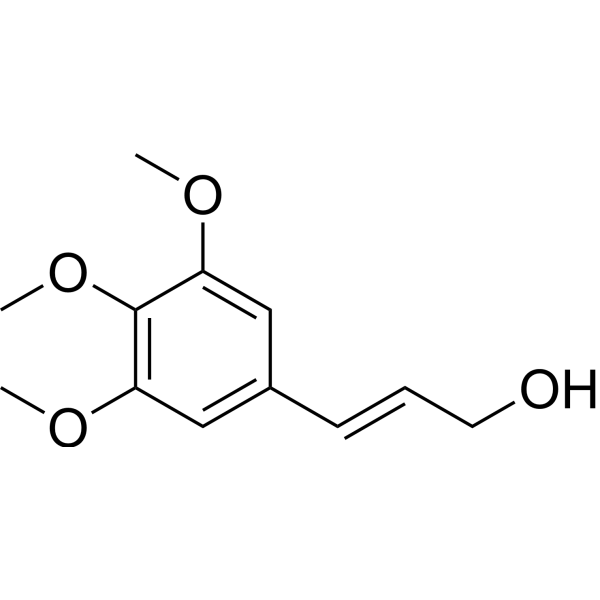
3,4,5-Trimethoxycinnamyl alcohol is a natural phenolic compound that can be obtained from the bark of the cinnamon tree .
|
-
- HY-W017464R
-
|
N-Acetyl-4-benzoquinone Imine (Standard)
|
Drug Metabolite
Reference Standards
Endogenous Metabolite
|
Metabolic Disease
|
|
NAPQI (Standard) is the analytical standard of NAPQI (HY-W017464). This product is intended for research and analytical applications. NAPQI is the toxic metabolite of Acetaminophen (HY-66005). NAPQI is also an inhibitor of enzymes in the vitamin K cycle. NAPQI is rapidly detoxified by glutathione (GSH), but in situations of GSH deficiency, excess NAPQI reacts with cysteine residues in proteins, causing cell death and toxicity in the liver .
|
-

- HY-CE00131
-
|
(3E,7Z,10Z,13Z,16Z,19Z)-Docosahexaenoyl-coenzyme A
|
Biochemical Assay Reagents
|
Others
|
|
(3E,7Z,10Z,13Z,16Z,19Z)-Docosahexaenoyl-CoA ((3E,7Z,10Z,13Z,16Z,19Z)-Docosahexaenoyl-coenzyme A) is a trans-3-enoyl-CoA.
|
-

- HY-W067107
-
|
trans-3,4-Dihydroxypyrrolidine hydrochloride
|
MOFs
|
Others
|
|
|
-

- HY-P11022
-
|
A-3302-B
|
Endogenous Metabolite
HSV
TRP Channel
|
Infection
Cancer
|
|
TL-119 (A-3302-B) is a polypeptide. TL-119 can be isolated from the bacteria Micromonospora sp. MAG 9-7 and Saccharomonospora sp. CNQ-490. TL-119 inhibits TRPV-1. TL-119 exhibits antiviral activity against HSV-2. TL-119 possesses anticancer activity against gastric cancer and colorectal cancer .
|
-

- HY-CE00180
-
|
(3E)-Octenoyl-coenzyme A; trans-3-Octenoyl-CoA; 3-trans-Octenoylcoenzyme A
|
Biochemical Assay Reagents
|
Others
|
|
(3E)-Octenoyl-CoA ((3E)-Octenoyl-coenzyme A) is an unsaturated fatty acyl-CoA.
|
-

| Cat. No. |
Product Name |
Type |
-
- HY-W010532
-
|
(E)-Hex-3-enoic acid
|
Biochemical Assay Reagents
|
|
(E)-Hex-3-enoic acid is an unsaturated organic compound. It is commonly used as a fragrance ingredient in a variety of products, including food, beverages, and personal care products, and it can also be used as a starting material for the synthesis of various organic compounds, including pharmaceuticals and agrochemicals. In addition, (E)-Hex- 3-enoic acid has been investigated for its potential use as a biobased solvent due to its low toxicity and biodegradability, as well as its potential antibacterial and antifungal properties, which may make it useful for developing new Antibacterial agents.
|
-
- HY-W127411
-
|
Methyl (E)-pent-3-enoate
|
Biochemical Assay Reagents
|
|
Methyl trans-3-Pentenoate is a biochemical reagent that can be used as a biological material or organic compound for life science related research.
|
-
- HY-W587468
-
|
3,4-DHRA
|
Biochemical Assay Reagents
|
|
All-trans-3,4-Didehydro retinoic acid (3,4-DHRA) is a compound with gene-regulating activity that binds to retinoic acid receptors (RARs) and triggers receptor activation. All-trans-3,4-Didehydro retinoic acid plays an important role in skin development and differentiation and has potential anti-tumor and anti-inflammatory properties. All-trans-3,4-Didehydro retinoic acid is also being studied for the inhibition of a variety of diseases, including skin diseases and certain types of cancer.
|
-
- HY-W016298
-
|
(E)-3-(3,4-Difluorophenyl)acrylic acid
|
Biochemical Assay Reagents
|
|
trans-3,4-Difluorocinnamic acid ((E)-3-(3,4-Difluorophenyl)acrylic acid) is a biochemical reagent that can be used as a biological material or organic compound for life science related research .
|
-
- HY-W007017A
-
-
- HY-W674266
-
|
|
Biochemical Assay Reagents
|
|
Benzyl N-acetyl-4,6-O-benzylidene normuranic acid is a class of biochemical reagents used in glycobiology research. Glycobiology studies the structure, synthesis, biology, and evolution of sugars. It involves carbohydrate chemistry, enzymology of glycan formation and degradation, protein-glycan recognition, and the role of glycans in biological systems. This field is closely related to basic research, biomedicine, and biotechnology .
|
-
- HY-W703016
-
|
|
Biochemical Assay Reagents
|
|
Benzyl N-acetyl-4,6-O-benzylidene-α-isomuramic acid is a class of biochemical reagents used in glycobiology research. Glycobiology studies the structure, synthesis, biology, and evolution of sugars. It involves carbohydrate chemistry, enzymology of glycan formation and degradation, protein-glycan recognition, and the role of glycans in biological systems. This field is closely related to basic research, biomedicine, and biotechnology .
|
-
- HY-W699174
-
|
|
Biochemical Assay Reagents
|
|
2'-Nitrophenyl 2,3-di-O-acetyl-4-O-triethylsilyl-β-D-xylopyranoside is a class of biochemical reagents used in glycobiology research. Glycobiology studies the structure, synthesis, biology, and evolution of sugars. It involves carbohydrate chemistry, enzymology of glycan formation and degradation, protein-glycan recognition, and the role of glycans in biological systems. This field is closely related to basic research, biomedicine, and biotechnology .
|
-
- HY-W699199
-
|
|
Biochemical Assay Reagents
|
|
Benzyl 2,3,4-Tri-O-acetyl-4-nitromethyl-β-D-arabinopyranoside is a class of biochemical reagents used in glycobiology research. Glycobiology studies the structure, synthesis, biology, and evolution of sugars. It involves carbohydrate chemistry, enzymology of glycan formation and degradation, protein-glycan recognition, and the role of glycans in biological systems. This field is closely related to basic research, biomedicine, and biotechnology .
|
| Cat. No. |
Product Name |
Target |
Research Area |
-
- HY-P2161B
-
|
|
Kisspeptin Receptor
|
Cancer
|
|
TAK-683 acetate is a potent full KISS1 receptor (KISS1R) agonist (IC50=170 pM) with improved metabolic stability. TAK-683 acetate is a nonapeptide metastin analog, exhibits agonistic activities to KISS1R with EC50 values of 0.96 nM and 1.6 nM for human and rat, respectively . TAK-683 acetate depletes GnRH in the hypothalamus and reduces plasma FSH, LH, and testosterone levels in vivo, it has the potential for the study of hormone-dependent prostate cancer [4].
|
-
- HY-P5544
-
|
N-Acetylmuramyl-L-Ala-γ-D-Glu-meso-diaminopimelic acid
|
NOD-like Receptor (NLR)
|
Others
|
|
M-TriDAP (N-Acetylmuramyl-L-Ala-γ-D-Glu-meso-diaminopimelic acid) is a NOD1/2 agoist and biological active peptide .
|
-
- HY-P3990
-
|
|
VEGFR
Autophagy
Apoptosis
|
Cancer
|
|
Coibamide A, an N-methyl-stabilized cytotoxic depsipeptide, shows potent antiproliferative activity. Coibamide A induces autophagosome accumulation via an mTOR-independent mechanism. Coibamide A induces apoptosis. Coibamide A inhibits VEGFA/VEGFR2 expression and suppresses tumor growth in glioblastoma xenografts .
|
-
- HY-P2161
-
|
|
Kisspeptin Receptor
|
Cancer
|
|
TAK-683 is a potent full KISS1 receptor (KISS1R) agonist (IC50=170 pM) with improved metabolic stability. TAK-683 is a nonapeptide metastin analog, exhibits agonistic activities to KISS1R with EC50 values of 0.96 nM and 1.6 nM for human and rat, respectively . TAK-683 depletes GnRH in the hypothalamus and reduces plasma FSH, LH, and testosterone levels in vivo, it has the potential for the study of hormone-dependent prostate cancer [4].
|
-
- HY-P2115
-
|
|
GnRH Receptor
|
Cancer
|
|
Ramorelix is a luteinizing-hormone-releasing hormone (LHRH) antagonist. Ramorelix can inhibit tumor progression in vivo. Ramorelix can be studied in anti-cancer research .
|
-
- HY-P1720
-
|
|
Antibiotic
Bacterial
|
Infection
|
|
Telomycin is a calcium-dependent antibiotic, which can be produced by Streptomyces. Telomycin inhibits gram-positive bacteria, including multidrug-resistant (MDR) pathogens .
|
-
- HY-P5544A
-
|
N-Acetylmuramyl-L-Ala-γ-D-Glu-meso-diaminopimelic acid TFA
|
NOD-like Receptor (NLR)
|
Others
|
|
M-TriDAP (N-Acetylmuramyl-L-Ala-γ-D-Glu-meso-diaminopimelic acid) TFA is a NOD1/2 agoist and biological active peptide .
|
-
- HY-P2161A
-
|
|
Kisspeptin Receptor
|
Cancer
|
|
TAK-683 TFA is a potent full KISS1 receptor (KISS1R) agonist (IC50=170 pM) with improved metabolic stability. TAK-683 TFA is a nonapeptide metastin analog, exhibits agonistic activities to KISS1R with EC50 values of 0.96 nM and 1.6 nM for human and rat, respectively . TAK-683 TFA depletes GnRH in the hypothalamus and reduces plasma FSH, LH, and testosterone levels in vivo, it has the potential for the study of hormone-dependent prostate cancer [3].
|
-
- HY-P1709
-
|
|
Bacterial
|
Infection
|
|
Protactin is a pentapeptide lactone produced by Streptomyces cucumeris strain L703-4 (ATCC 53784) with significant antioxidant properties. Protactin can be converted to actinomycin Zp by ferrocyanide oxidation. Actinomycin Zp exhibits potent antibacterial activity in vitro and has significant antitumor effects against P-388 leukemia in a mouse model .
|
-
- HY-P11022
-
|
A-3302-B
|
Endogenous Metabolite
HSV
TRP Channel
|
Infection
Cancer
|
|
TL-119 (A-3302-B) is a polypeptide. TL-119 can be isolated from the bacteria Micromonospora sp. MAG 9-7 and Saccharomonospora sp. CNQ-490. TL-119 inhibits TRPV-1. TL-119 exhibits antiviral activity against HSV-2. TL-119 possesses anticancer activity against gastric cancer and colorectal cancer .
|
| Cat. No. |
Product Name |
Category |
Target |
Chemical Structure |
-
- HY-N0610
-
-
-
- HY-W015273A
-
-
-
- HY-B1178
-
-
-
- HY-W017464
-
-
-
- HY-N1408
-
|
trans-trismethoxy Resveratrol; (E)-Resveratrol trimethyl ether; trans-3,5,4'-Trimethoxystilbene
|
other families
Stilbenes
Classification of Application Fields
Plants
Disease Research Fields
Source Classification
Cancer
|
VEGFR
Reactive Oxygen Species (ROS)
Caspase
Apoptosis
|
|
Trans-Trimethoxyresveratrol (trans-trismethoxy Resveratrol; (E)-Resveratrol trimethyl ether; trans-3,5,4'-Trimethoxystilbene) is an orally active natural derivative of Resveratrol (HY-16561). Trans-Trimethoxyresveratrol has an enhanced anticancer profile compared to Resveratrol, exhibiting higher potency than resveratrol, with improved cancer cell proliferation inhibition, induction of cell cycle arrest, decreased metastasis, and increased apoptosis. Trans-Trimethoxyresveratrol causes microtubule disassembling and tubulin depolymerization and exerts anti-angiogenic effects through VEGFR2. Trans-Trimethoxyresveratrol can be used for the studies of anti-angiogenic and anti-cancer (such as non-small cell lung cancer and osteosarcoma) [3] [4] .
|
-
-
- HY-N0610R
-
-
-
- HY-W278867
-
-
-
- HY-N0761A
-
-
-
- HY-W015273AR
-
-
-
- HY-N10589
-
-
-
- HY-N12466
-
|
|
Alkaloids
Microorganisms
Indole Alkaloids
Source Classification
|
PKC
p38 MAPK
ROCK
|
|
3′-O-Demethyl-4′-N-demethyl-4′-N-acetyl-4′-epi-staurosporine (Compound 7) is an inhibitor of protein kinases, with IC50s of 0.092, 0.26, 0.77 μM for PKC-α, ROCK, ASK1. 3′-O-Demethyl-4′-N-demethyl-4′-N-acetyl-4′-epi-staurosporine shows potent cytotoxicity against PC-3 cancer cells with an IC50 value of 0.16 μM .
|
-
-
- HY-W278867R
-
|
trans-Pinosylvin dimethyl ether (Standard)
|
Structural Classification
Stilbenes
Leguminosae
Plants
Astragalus membranaceus (Fisch.) Bunge
Source Classification
|
Reference Standards
Cholinesterase (ChE)
|
|
trans-3,5-Dimethoxystilbene (Standard) is the analytical standard of trans-3,5-Dimethoxystilbene (HY-W278867). This product is intended for research and analytical applications. trans-3,5-Dimethoxystilbene (trans-Pinosylvin dimethyl ether) is a natural stilbenoid metabolite. trans-3,5-Dimethoxystilbene acts as an acetylcholinesterase inhibitor with a IC50 of 9 μM against Electrophorus electricus acetylcholinesterase. trans-3,5-Dimethoxystilbene binds to acetylcholinesterase and blocks acetylcholine hydrolysis, thereby increasing acetylcholine levels in the cholinergic synaptic cleft. trans-,5-Dimethoxystilbene can be used in the research of neurodegenerative diseases such as Alzheimer's disease .
|
-
-
- HY-N0761AR
-
-
-
- HY-P1709
-
|
|
Microorganisms
Antibiotics
Other Antibiotics
Source Classification
|
Bacterial
|
|
Protactin is a pentapeptide lactone produced by Streptomyces cucumeris strain L703-4 (ATCC 53784) with significant antioxidant properties. Protactin can be converted to actinomycin Zp by ferrocyanide oxidation. Actinomycin Zp exhibits potent antibacterial activity in vitro and has significant antitumor effects against P-388 leukemia in a mouse model .
|
-
-
- HY-N19689
-
-
-
- HY-N8851
-
-
-
- HY-N9805
-
-
-
- HY-N2752
-
-
-
- HY-N0055A
-
-
-
- HY-N1767
-
-
-
- HY-W017464R
-
-
| Cat. No. |
Product Name |
Chemical Structure |
-
- HY-N0610S1
-
|
|
|
trans-Cinnamic acid-d7 is the deuterium labeled trans-Cinnamic acid . trans-Cinnamic acid is a natural antimicrobial, with minimal inhibitory concentration (MIC) of 250 μg/mL against fish pathogen A. sobria, SY-AS1 .
|
-
-
- HY-154772S
-
|
|
|
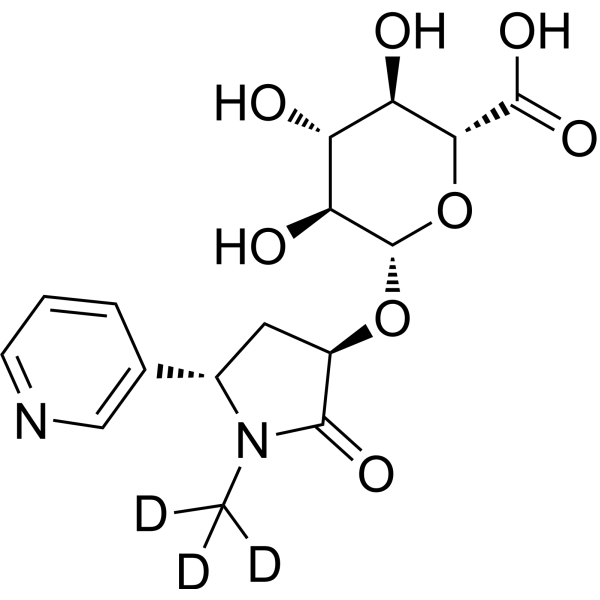
trans-3’-Hydroxycotinine-O-β-glucuronide-d3 is deuterated labeled trans-3’-Hydroxycotinine-O-β-glucuronide.
|
-
-
- HY-W779969
-
|
|
|
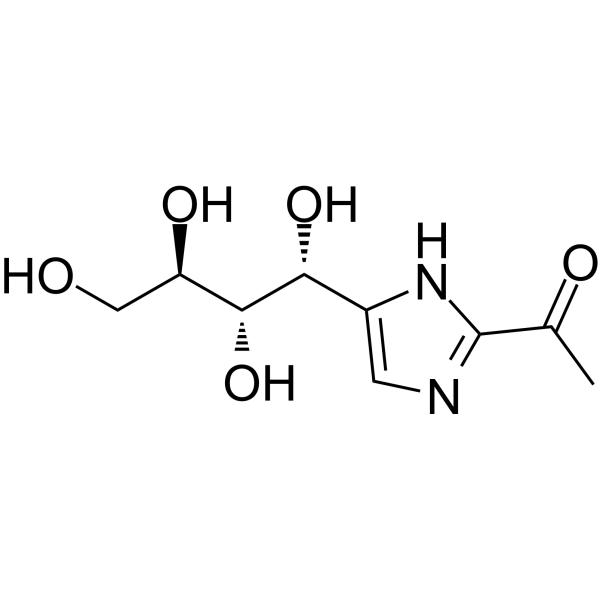
2-Acetyl-4-tetrahydroxybutyl imidazole- 13C6 is the 13C-labeled 2-Acetyl-4-tetrahydroxybutyl imidazole (HY-14113). 2-Acetyl-5-tetrahydroxybutyl imidazole is a potent sphingosine-1-phosphate (S1P) lyase inhibitor in vivo.
|
-
-
- HY-W713450
-
|
|
|
N-Acetyl-4-aminosalicylic acid-d3 (P-Acetamidosalicylicacid-d3) is the deuterium labeled 4-Acetamido-2-hydroxybenzoic acid (HY-I0449).
|
-
-
- HY-W744265
-
|
|
|
NAPQI-d3 (N-Acetyl-4-benzoquinone Imine-d3) is the deuterium labeled NAPQI (HY-W017464). NAPQI is the toxic metabolite of Acetaminophen (HY-66005). NAPQI is also an inhibitor of enzymes in the vitamin K cycle. NAPQI is rapidly detoxified by glutathione (GSH), but in situations of GSH deficiency, excess NAPQI reacts with cysteine residues in proteins, causing cell death and toxicity in the liver .
|
-
-
- HY-W767978
-
|
|
|
1-(4,4-Dimethylthiochroman-6-yl)ethanone-d8 (6-Acetyl-4,4-dimethylthio-chroman-d8) is the deuterium labeled 1-(4,4-Dimethylthiochroman-6-yl)ethanone (HY-I0187).
|
-
-
- HY-N0761AS
-
|
|
|
trans-Isoferulic acid-d3 is the deuterium labeled trans-Isoferulic acid . trans-Isoferulic acid (trans-3-Hydroxy-4-methoxycinnamic acid) is an aromatic acid isolated from the roots of Clematis florida var. plena. trans-Isoferulic acid exhibits anti-inflammatory activity [2].trans-isoferulic acid suppresses NO and PGE2 production through the induction of Nrf2-dependent heme oxygenase-1 (HO-1) [3].
|
-
-
- HY-N0610S
-
|
|
|
trans-Cinnamic acid-d5 is the deuterium labeled trans-Cinnamic acid . trans-Cinnamic acid is a natural antimicrobial, with minimal inhibitory concentration (MIC) of 250 μg/mL against fish pathogen A. sobria, SY-AS1 .
|
-
-
- HY-W008836S
-
|
|
|
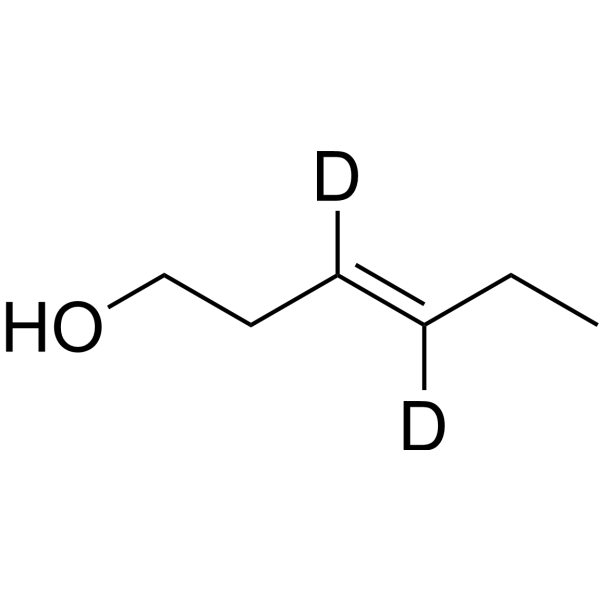
(E)-Hex-3-en-1-ol-d2 is deuterated labeled (E)-Hex-3-en-1-ol.
|
-
-
- HY-W749366
-
|
|
|
trans-3'-Hydroxy Cotinine-d3 Acetate is the deuterium labeled trans-3'-Hydroxy Cotinine Acetate (HY-W739934).
|
-
-
- HY-W765751
-
|
|
|
trans-3'-Hydroxy Cotinine-d3 N-b-D-Glucuronide is the deuterium labeled trans-3'-Hydroxy Cotinine N-b-D-Glucuronide.
|
-
-
- HY-W739223
-
|
|
|
Trans-Cinnamic acid-d6 (Trans-3-Phenylacrylic acid-d6) is the deuterium labeled Trans-Cinnamic acid (HY-N0610). trans-Cinnamic acid is a natural antimicrobial, with minimal inhibitory concentration (MIC) of 250 μg/mL against fish pathogen A. sobria, SY-AS1 .
|
-
-
- HY-W777094
-
|
|
|
1-Acetyl-4-(4-hydroxyphenyl)piperazine-d8 (Tetraethoxy C methyl propane-d8) is the deuterium labeled 1-(4-(4-Hydroxyphenyl)piperazin-1-yl)ethanone (HY-W014037).
|
-
-
- HY-W697671S
-
|
|
|
Paroxetine-d6 (hydrochloride) is deuterium labeled trans-3-((Benzo[d][1,3]dioxol-5-yloxy)methyl)-4-(4-fluorophenyl)piperidine hydrochloride .
|
-
| Cat. No. |
Product Name |
|
Classification |
-
- HY-154023
-
|
|
|
Nucleoside Analogs
Uridine
|
|
5’-O-Benzoyl-2’,3’-di-O-acetyl-4’-C-fluoromethyluridine is a purine nucleoside analog. Purine nucleoside analogs have broad antitumor activity targeting indolent lymphoid malignancies. Anticancer mechanisms in this process rely on inhibition of DNA synthesis, induction of apoptosis, etc .
|
-
- HY-154501
-
|
|
|
Nucleoside Analogs
|
|
5-O-Benzoyl-1,2,3-tri-O-acetyl-4-C-methyl-D-ribofuranose is a purine nucleoside analog. Purine nucleoside analogs have broad antitumor activity targeting indolent lymphoid malignancies. Anticancer mechanisms in this process rely on inhibition of DNA synthesis, induction of apoptosis, etc .
|
Your information is safe with us. * Required Fields.
Inquiry Information
- Product Name:
- Cat. No.:
- Quantity:
- MCE Japan Authorized Agent:








