Search Result
Results for "
4-Hydroxyphenyl
" in MedChemExpress (MCE) Product Catalog:
5
Biochemical Assay Reagents
25
Isotope-Labeled Compounds
| Cat. No. |
상품명 |
Target |
연구분야 |
Chemical Structure |
-
- HY-N3002
-
|
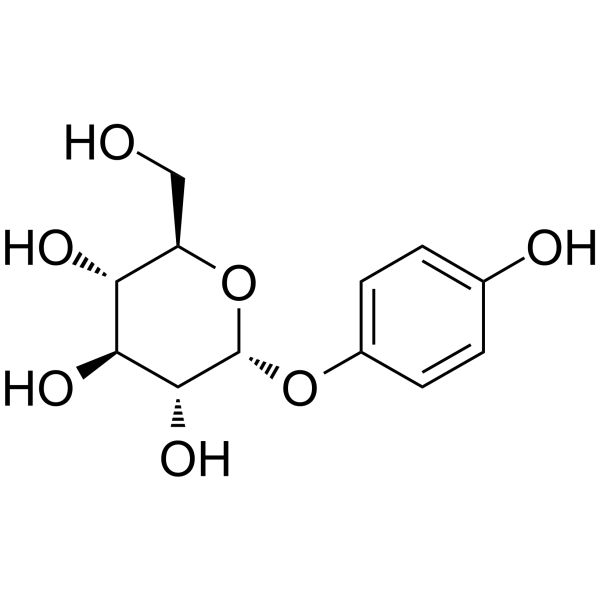
4-Hydroxyphenyl α-D-glucopyranoside
|
Tyrosinase
|
Neurological Disease
Metabolic Disease
Cancer
|
|
α-Arbutin (4-Hydroxyphenyl α-D-glucopyranoside) is a tyrosinase inhibitor, which is used as an effective skin whiteners. α-Arbutin is promising for research of various diseases such as hyperpigmentation disorders, types of cancers, central nervous system disorders, osteoporosis, diabetes [4].
|
-
-
- HY-30267
-
|
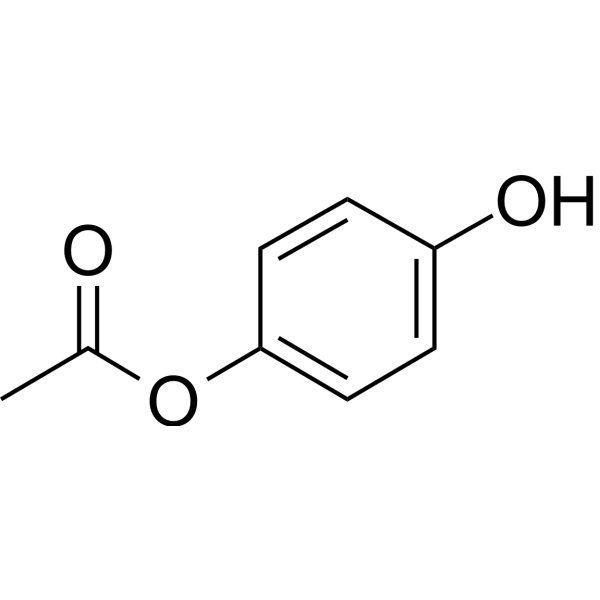
4-HPA; 4-Acetoxyphenol
|
Quinone Reductase
Endogenous Metabolite
|
Others
|
|
4-Hydroxyphenyl acetate (4-HPA) is a natural antioxidant and protects cells from oxidative stress-induced necrosis. 4-Hydroxyphenyl acetate blocks the increase of cellular ROS induced by oxidative stress, and up-regulates NQO1 and HO-1 genes by stabilizing and inducing the nuclear translocation of NRF2 transcription factor .
|
-
-
- HY-W011927
-
|
Bisphenol S; Bis(4-Hydroxyphenyl) sulfone
|
Estrogen Receptor/ERR
Histone Methyltransferase
Thyroid Hormone Receptor
PI3K
Akt
mTOR
Androgen Receptor
Drug Derivative
|
Cardiovascular Disease
Neurological Disease
Metabolic Disease
Inflammation/Immunology
Cancer
|
|
4,4'-Sulfonyldiphenol (Bisphenol S; Bis(4-hydroxyphenyl) sulfone), a substitute for Bisphenol A (HY-18260), is widely used in industrial and consumer products. 4,4'-Sulfonyldiphenol is an oally ative estrogen receptor (ER) agonist and can competitively bind to thyroid hormone receptors (TR) with IC50 values for TRα and TRβ are 2650 μM and 2294 μM respectively, thereby affecting breast development and reducing the expression of androgen receptor (AR) in fetal testes. 4,4'-Sulfonyldiphenol promotes the progression of glioblastoma by upregulating the EZH2 mediated PI3K/AKT/mTOR pathway. Under chronic exposure, 4,4'-Sulfonyldiphenol can cause significant lipid deposition and dyslipidemia in the mouse liver by upregulating JunB and Atf3, and has a role in causing obesity at low doses. 4,4'-Sulfonyldiphenol induces intestinal inflammation by altering the intestinal microbiome. 4,4'-Sulfonyldiphenol accelerates the progression of atherosclerosis in zebrafish embryo larvae [4] .
|
-

-
- HY-12767
-
|
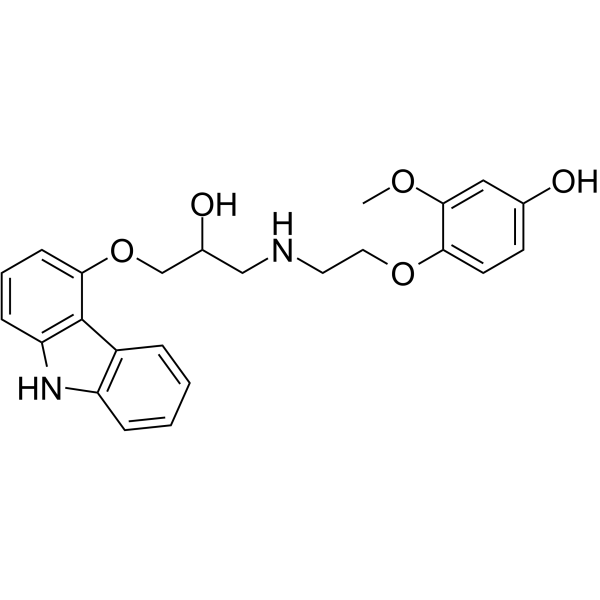
4-Hydroxyphenyl Carvedilol; 4-Hydroxycarvedilol
|
Drug Metabolite
Cytochrome P450
|
Metabolic Disease
|
|
4-Hydroxyphenyl Carvedilol, a metabolite of Carvedilol, is an active metabolite of Carvedilol (HY-B0006) and is produced via CYP2D6-mediated oxidation .
|
-
-
- HY-W399311
-
|
|
Drug Metabolite
|
Others
|
|
4-Hydroxyphenyl diphenyl phosphate is a hydroxylated metabolite of organophosphate flame retardant .
|
-

-
- HY-136593
-
|
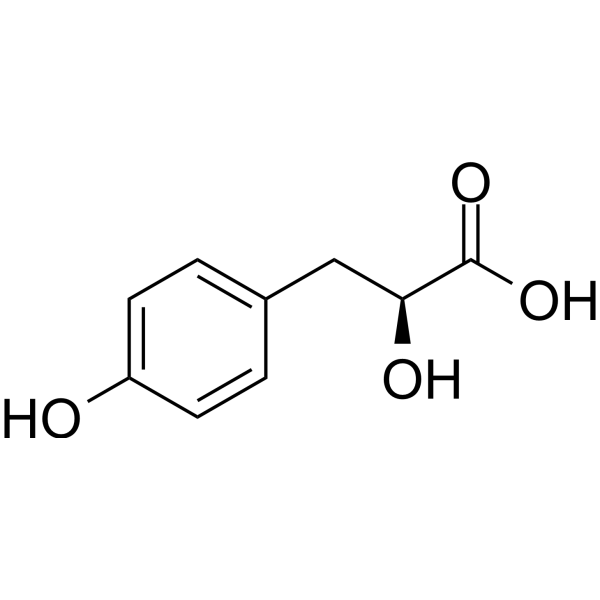
(S)-3-(4-Hydroxyphenyl)lactic acid
|
Reactive Oxygen Species (ROS)
|
Infection
|
|
(S)-3-(4-Hydroxyphenyl)-2-hydroxypropionic acid (Compound 1) is a metabolite. (S)-3-(4-Hydroxyphenyl)-2-hydroxypropionic acid can be isolated from the culture medium of Leuconostoc mesenteroides. (S)-3-(4-Hydroxyphenyl)-2-hydroxypropionic acid has strong antioxidant activity .
|
-
-
- HY-W013292
-
-
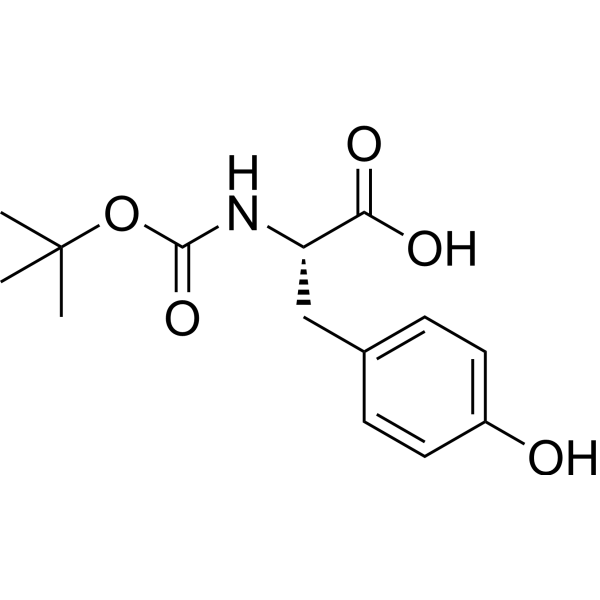
-
- HY-W042016
-
-
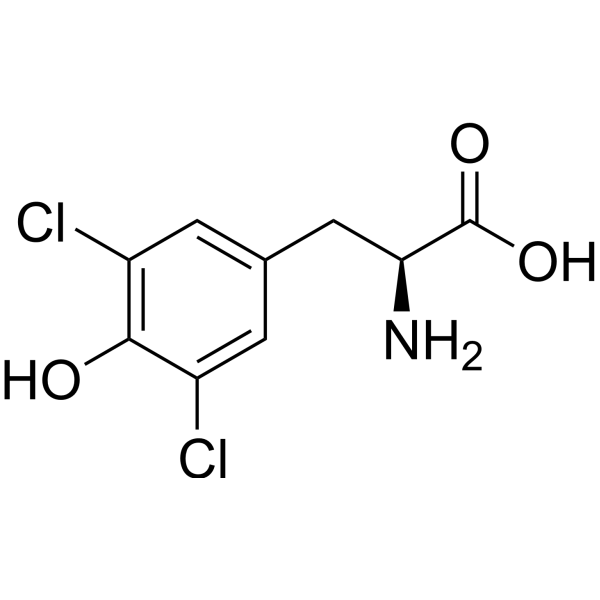
-
- HY-129409
-
|
7,8,4'-Trihydroxyisoflavone
|
Phosphatase
|
Others
|
|
7,8-Dihydroxy-3-(4-hydroxyphenyl)-4H-chromen-4-one (7,8,4'-Trihydroxyisoflavone) is a product that can be isolated from .
|
-

-
- HY-W018666
-
|
|
PROTAC Linkers
|
Cancer
|
|
4-(4-Hydroxyphenyl)butanoic acid is a PROTAC linker that can be used in the synthesis of PROTACs.
|
-

-
- HY-W067425
-
|
|
Endogenous Metabolite
|
Metabolic Disease
|
|
2-(4-Hydroxyphenyl)propionic acid (Compound 1) is an aromatic carboxylic acid, which can be converted into its R and S glucosyl esters and glucosides by root culture of P. ginseng (Pg-1) .
|
-

-
- HY-W035140
-
|
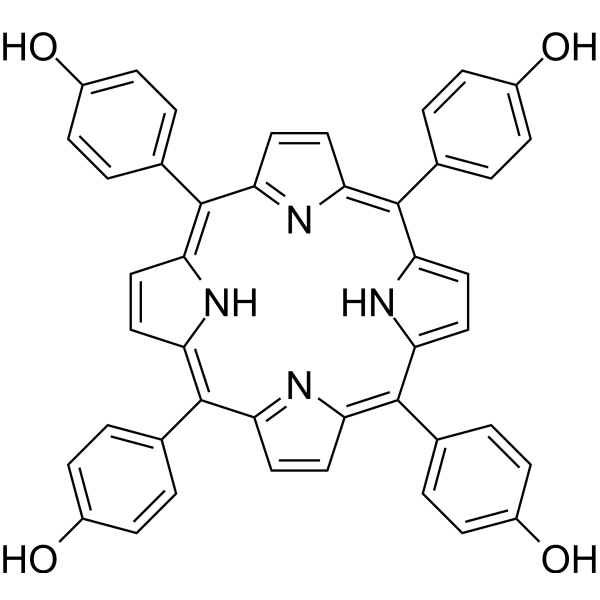
5,10,15,20-Tetrakis(4-Hydroxyphenyl)-21H,23H-porphine
|
MOFs
|
Others
|
|
5,10,15,20-Tetrakis(4-hydroxyphenyl)porphyrin is a biochemical reagent that can be used as a biological material or organic compound for life science related research.
|
-
-
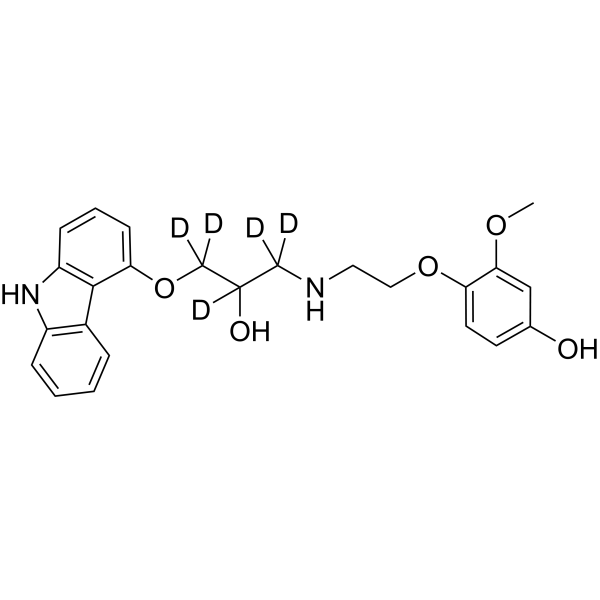
- HY-12767S
-
-
-
- HY-N1753
-
|
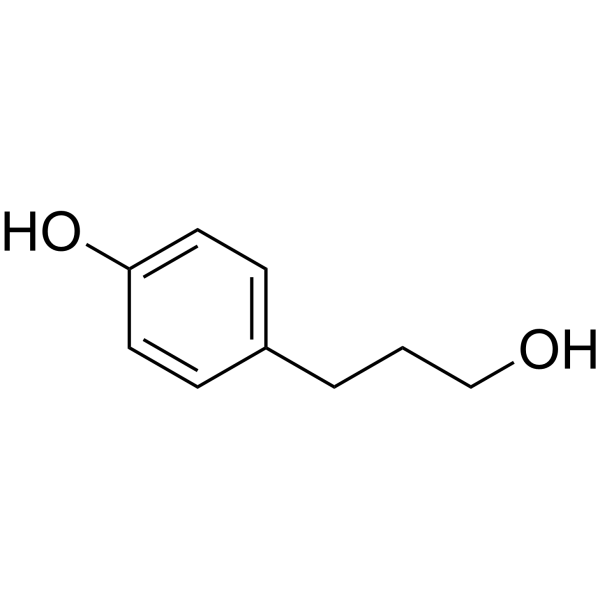
Dihydro-p-coumaryl alcohol; 3-(p-Hydroxyphenyl)propyl alcohol
|
Endogenous Metabolite
|
Others
|
|
3-(4-Hydroxyphenyl)-1-propanol (Dihydro-p-coumaryl alcohol) is a metabolite. 3-(4-Hydroxyphenyl)-1-propanol can be isolated from P. radiate callus cultures. 3-(4-Hydroxyphenyl)-1-propanol is associated with CAD activity .
|
-
-
- HY-34519
-
|
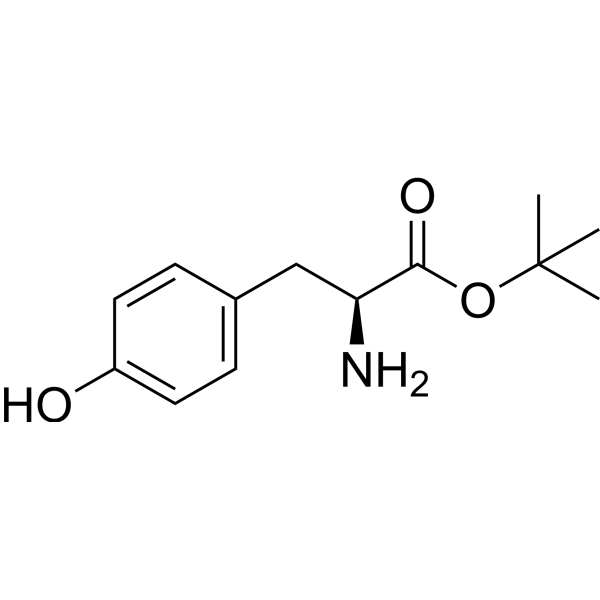
L-Tyrosine tert-butyl ester; tert-Butyl (S)-2-amino-3-(4-Hydroxyphenyl)propanoate; tert-Butyl L-tyrosinate
|
Amino Acid Derivatives
|
Others
|
|
(S)-2-Amino-3-(4-hydroxyphenyl)propionic acid tert-butyl ester is a tyrosine derivative .
|
-
-
- HY-W011048
-
|
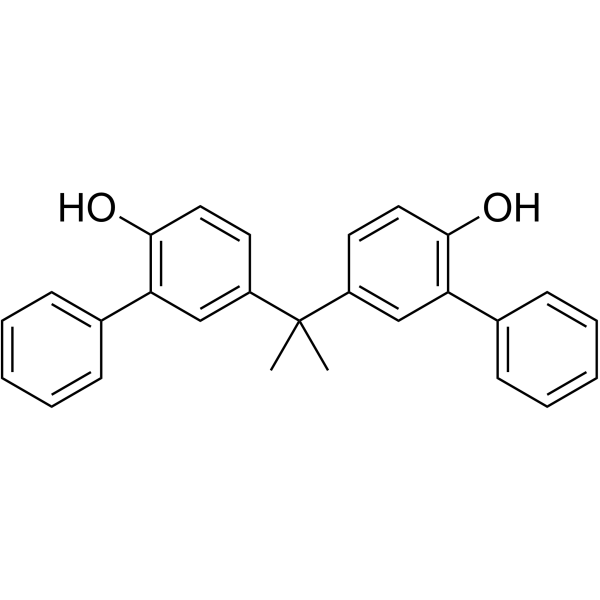
BisOPP-A
|
Drug Intermediate
|
Others
|
|
2,2-Bis(3-phenyl-4-hydroxyphenyl)propane (BisOPP-A) is a bioactive chemical, and can be used for the synthesis of active compound .
|
-
-
- HY-134650
-
|
|
Biochemical Assay Reagents
|
Others
|
|
(4E)-7-(4-Hydroxyphenyl)-1-phenylhept-4-en-3-one (Compound 8) is a diarylheptanoid containing two benzene rings. Diarylheptanoid is widely distributed in Alpinia, and exhibits cytotoxic, anti-inflammatory, antiplatelet, antioxidant, and antiproliferative activities .
|
-

-
- HY-W653930
-
|
Bisphenol S-13C12; Bis(4-Hydroxyphenyl) sulfone-13C12
|
Isotope-Labeled Compounds
Biochemical Assay Reagents
|
Others
|
|
4,4'-Sulfonyldiphenol- 13C12 (Bisphenol S- 13C12) is 13C labeled 4,4'-Sulfonyldiphenol. 4,4'-Sulfonyldiphenol (Bisphenol S; Bis(4-hydroxyphenyl) sulfone) is a biochemical reagent that can be used as a biological material or organic compound for life science related research .
|
-

-
- HY-W011927R
-
|
Bisphenol S (Standard); Bis(4-Hydroxyphenyl) sulfone (Standard)
|
Reference Standards
Estrogen Receptor/ERR
Histone Methyltransferase
Thyroid Hormone Receptor
PI3K
Akt
mTOR
Androgen Receptor
Drug Derivative
|
Cardiovascular Disease
Metabolic Disease
Inflammation/Immunology
Endocrinology
Cancer
|
|
4,4'-Sulfonyldiphenol (Bisphenol S; Bis(4-hydroxyphenyl) sulfone) (Standard) is the analytical standard of 4,4'-Sulfonyldiphenol (HY-W011927). This product is intended for research and analytical applications. 4,4'-Sulfonyldiphenol, a substitute for Bisphenol A (HY-18260), is widely used in industrial and consumer products. 4,4'-Sulfonyldiphenol is an estrogen receptor (ER) agonist and can competitively bind to thyroid hormone receptors (TR) with IC50 values for TRα and TRβ are 2650 μM and 2294 μM respectively, thereby affecting breast development and reducing the expression of androgen receptor (AR) in fetal testes. 4,4'-Sulfonyldiphenol promotes the progression of glioblastoma by upregulating the EZH2 mediated PI3K/AKT/mTOR pathway. Under chronic exposure, 4,4'-Sulfonyldiphenol can cause significant lipid deposition and dyslipidemia in the mouse liver by upregulating JunB and Atf3, and has a role in causing obesity at low doses. 4,4'-Sulfonyldiphenol induces intestinal inflammation by altering the intestinal microbiome. 4,4'-Sulfonyldiphenol accelerates the progression of atherosclerosis in zebrafish embryo larvae.
|
-

-
- HY-30269
-
-

-
- HY-W717661
-
-

-
- HY-12767S1
-
|
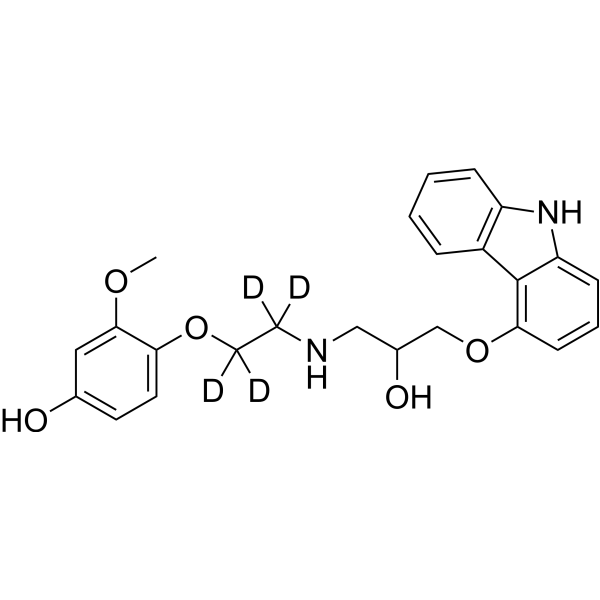
4-Hydroxyphenyl Carvedilol-d4; 4-Hydroxycarvedilol-d4
|
Isotope-Labeled Compounds
|
Cancer
|
|
Carvedilol metabolite 4-Hydroxyphenyl Carvedilol-d4 is deuterated labeled Carvedilol metabolite 4-Hydroxyphenyl Carvedilol (HY-12767). 4-Hydroxyphenyl Carvedilol is a metabolite of Carvedilol.
|
-
-
- HY-146712S
-
-
-
- HY-30267R
-
|
4-HPA (Standard); 4-Acetoxyphenol (Standard)
|
Endogenous Metabolite
Reference Standards
|
Others
|
|
4-Hydroxyphenyl acetate (Standard) is the analytical standard of 4-Hydroxyphenyl acetate. This product is intended for research and analytical applications. 4-Hydroxyphenyl acetate (4-HPA) is a natural antioxidant and protects cells from oxidative stress-induced necrosis. 4-Hydroxyphenyl acetate blocks the increase of cellular ROS induced by oxidative stress, and up-regulates NQO1 and HO-1 genes by stabilizing and inducing the nuclear translocation of NRF2 transcription factor .
|
-

-
- HY-W005226
-
-
-
- HY-W099555R
-
|
Stearyl 3-(3,5-Di-tert-butyl-4-Hydroxyphenyl)propionate (Standard)
|
Reference Standards
|
|
|
Octadecyl 3-(3,5-di-tert-butyl-4-hydroxyphenyl)propionate (Standard) is the analytical standard of Octadecyl 3-(3,5-di-tert-butyl-4-hydroxyphenyl)propionate. This product is intended for research and analytical applications.
|
-

-
- HY-N11902
-
|
|
SARS-CoV
|
Infection
|
|
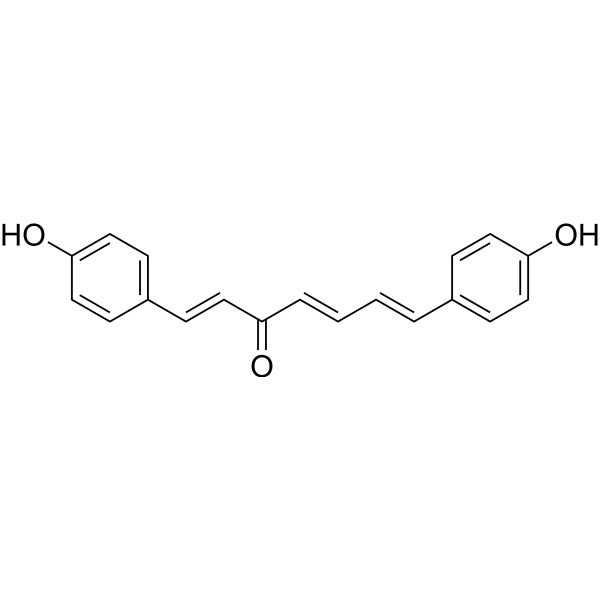
1,7-Bis(4-hydroxyphenyl)-1,4,6-heptatrien-3-one is a potent nucleocapsid (N) protein inhibitor can be isolated from Curcuma kwangsiensis. 1,7-Bis(4-hydroxyphenyl)-1,4,6-heptatrien-3-one exhibits excellent antiviral activity against HCoV-OC43 and SARS-CoV-2,with EC50 values of 0.16 μM and 0.17 μM, respectively .
|
-
-
- HY-W094780
-
|
|
MOFs
|
Others
|
|
4'-(4-Hydroxyphenyl)-2,2':6',2''-terpyridine is a metal-organic framework (MOF).
|
-

-
- HY-N10158
-
|
|
Drug Derivative
|
Cancer
|
|
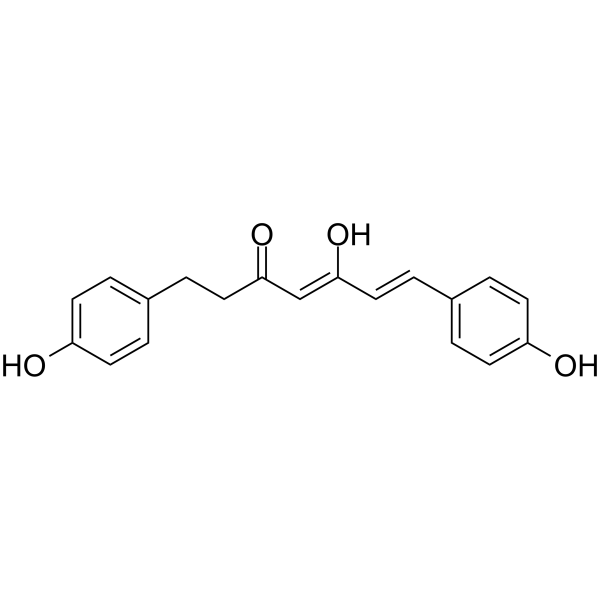
1,7-Bis(4-hydroxyphenyl)-3-hydroxy-1,3-heptadien-5-one (compound 39), a diarylheptanoid, exhibits antiproliferative activity towards human HT-1080 fibrosarcoma and murine colon 26-L5 carcinoma cells .
|
-
-
- HY-75316
-
|
|
Drug Intermediate
|
Others
|
|
(2-Butyl-5-nitrobenzofuran-3-yl)(4-hydroxyphenyl)methanone is a drug intermediate for synthesis of various active compounds.
|
-

-
- HY-N3002R
-
|
4-Hydroxyphenyl α-D-glucopyranoside (Standard)
|
Reference Standards
Tyrosinase
|
Metabolic Disease
|
|
α-Arbutin (Standard) is the analytical standard of α-Arbutin. This product is intended for research and analytical applications. α-Arbutin (4-Hydroxyphenyl α-D-glucopyranoside) is emerging as popular and effective skin whiteners, acting as tyrosinase inhibitor .
|
-

-
- HY-16561S2
-
-
-
- HY-W016483
-
-

-
- HY-W015598R
-
|
p-Hydroxy pheny lacetamide (Standard)
|
Reference Standards
|
|
|
2-(4-Hydroxyphenyl)acetamide (Standard) is the analytical standard of 2-(4-Hydroxyphenyl)acetamide. This product is intended for research and analytical applications.
|
-

-
- HY-W038237
-
|
|
Fluorescent Dye
|
Others
|
|
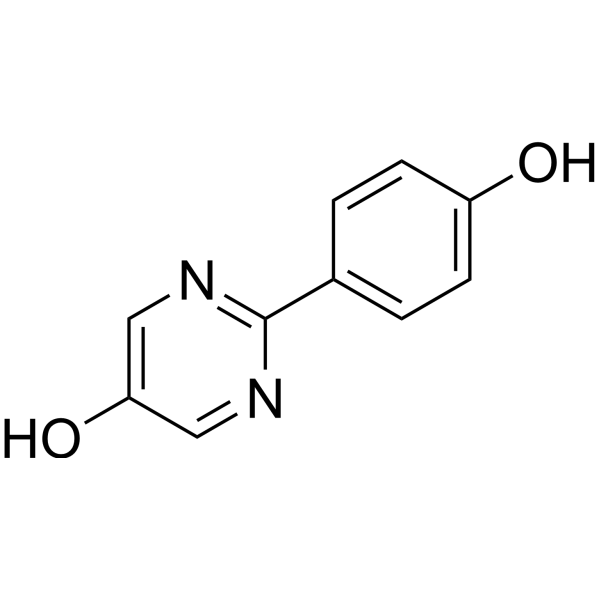
2-(4-Hydroxyphenyl)-5-pyrimidinol is a biochemical dye and a polarizable material .
|
-
-
- HY-W087444A
-
|
|
Bacterial
Antibiotic
|
Infection
|
|
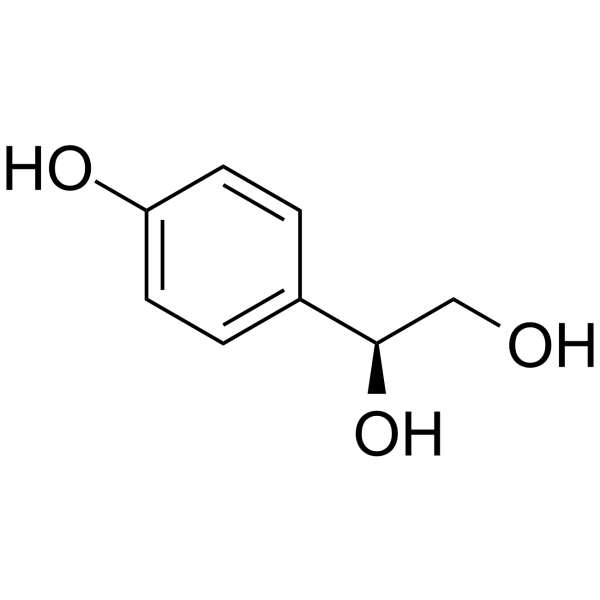
(S)-1-(4-Hydroxyphenyl)ethane-1,2-diol is an active constituent of the aerial parts of Angelica sinensis. (S)-1-(4-Hydroxyphenyl)ethane-1,2-diol significantly inhibits the growth of Aeromonas hydrophila. Anticoagulative and antibiotic activities .
|
-
-
- HY-Z1044
-
-

-
- HY-N9102
-
|
|
Others
|
Others
|
|
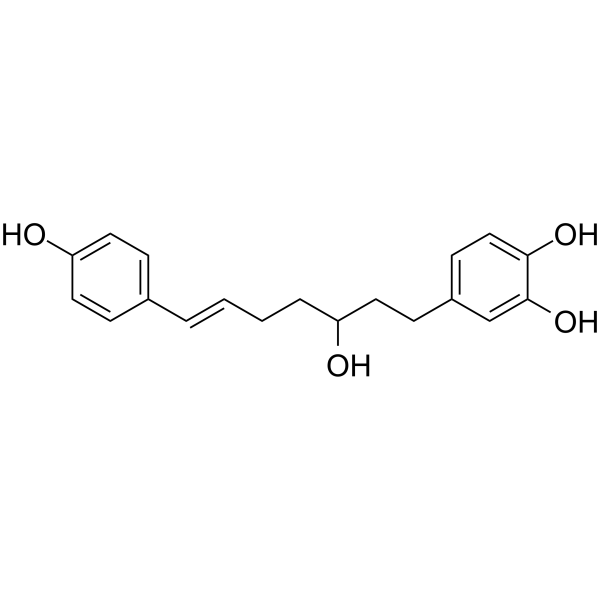
1-(3,4-Dihydroxyphenyl)-7-(4-hydroxyphenyl)hept-6-en-3-ol (Compound 1) is a natural product that can be isolated from rhizomes of Curcuma comosa .
|
-
-
- HY-132496S
-
-
-
- HY-12767S2
-
-

-
- HY-W719403
-
-

-
- HY-144359S
-
-
-
- HY-W141885
-
-
-
- HY-163617
-
|
|
HIV
|
Infection
|
|
c-PB2(OH)2 is a 4-carboxyphenyl / 4-hydroxyphenyl meso-substituted porphyrin compound. c-PB2(OH)2 shows anti HIV-1 activity under non-photodynamic and photodynamic conditions .
|
-

-
- HY-N0997
-
|
|
NO Synthase
|
Inflammation/Immunology
Cancer
|
|
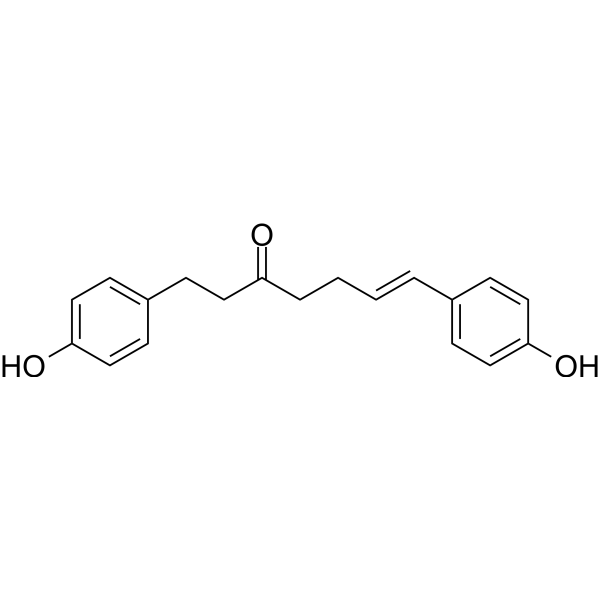
(6E)-1,7-Bis(4-hydroxyphenyl)-6-hepten-3-one (compound7) is a nature product isolated from rhizomes of Curcuma kwangsiensis. (6E)-1,7-Bis(4-hydroxyphenyl)-6-hepten-3-one has inhibitory effect on NO production induced by LPS in macrophages with an IC50 value of 8.93 μM .
|
-
-
- HY-N9099
-
|
|
Others
|
Others
|
|
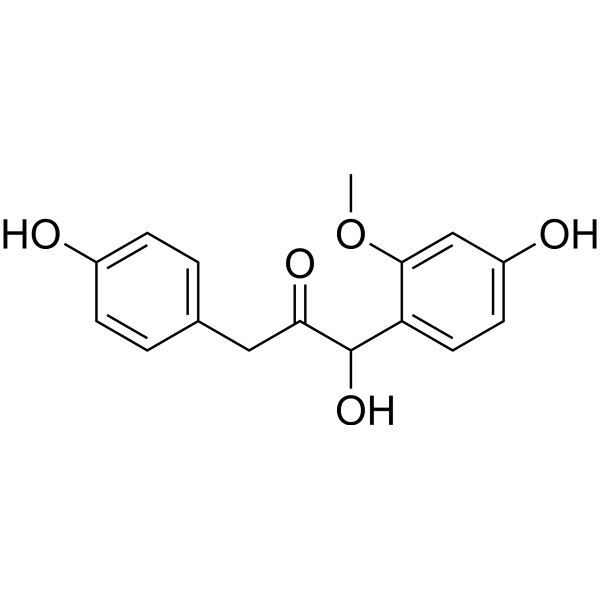
3-(4-Hydroxyphenyl)propan-2-one is a compound that can be extracted from Xanthocercis zambesiaca .
|
-
-
- HY-W009911
-
-
-
- HY-W013864
-
-
-
- HY-N1753R
-
|
Dihydro-p-coumaryl alcohol (Standard); 3-(p-Hydroxyphenyl)propyl alcohol (Standard)
|
Reference Standards
Endogenous Metabolite
|
Others
|
|
3-(4-Hydroxyphenyl)-1-propanol (Standard) is an analytical standard of 3-(4-Hydroxyphenyl)-1-propanol (HY-N1753). This product is intended for research and analytical applications. 3-(4-Hydroxyphenyl)-1-propanol (Dihydro-p-coumaryl alcohol) is a metabolite. 3-(4-Hydroxyphenyl)-1-propanol can be isolated from P. radiate callus cultures. 3-(4-Hydroxyphenyl)-1-propanol is associated with CAD activity .
|
-

-
- HY-W011048R
-
|
BisOPP-A (Standard)
|
Drug Intermediate
Reference Standards
|
Others
|
|
2,2-Bis(3-phenyl-4-hydroxyphenyl)propane (Standard) is the analytical standard of 2,2-Bis(3-phenyl-4-hydroxyphenyl)propane. This product is intended for research and analytical applications. 2,2-Bis(3-phenyl-4-hydroxyphenyl)propane (BisOPP-A) is a bioactive chemical, and can be used for the synthesis of active compound .
|
-

- HY-N9274
-
|
|
Endogenous Metabolite
|
Others
|
|
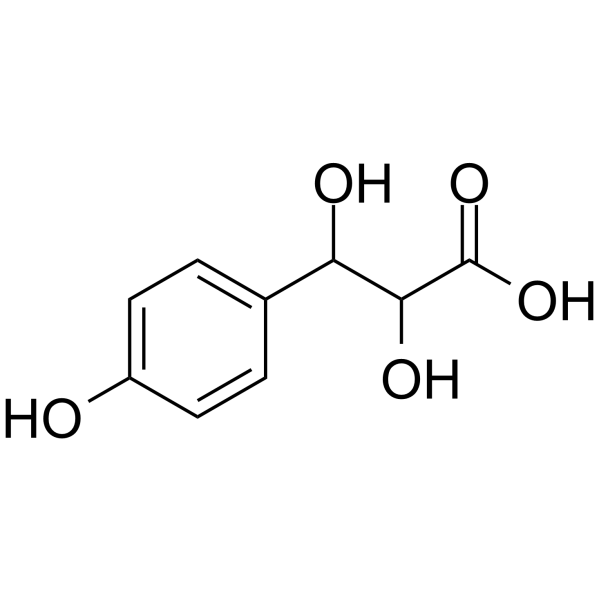
3-Hydroxy-3-(4-hydroxyphenyl)-lactic acid is a key metabolite in the P. roqueforti fermentation approach, with quantitative data of 10.2 ± 1.1 µM in Tyr 1 (presence of L-tyrosine) of .
|
-
- HY-N12839
-
|
|
Others
|
Others
|
|
1-(4-Hydroxyphenyl)-2,3-dihydroxypropan-1-one is a compound that can be isolated from the leaves of C. formosensis .
|
-

- HY-N9075
-
|
|
Glycosidase
|
Cancer
|
|
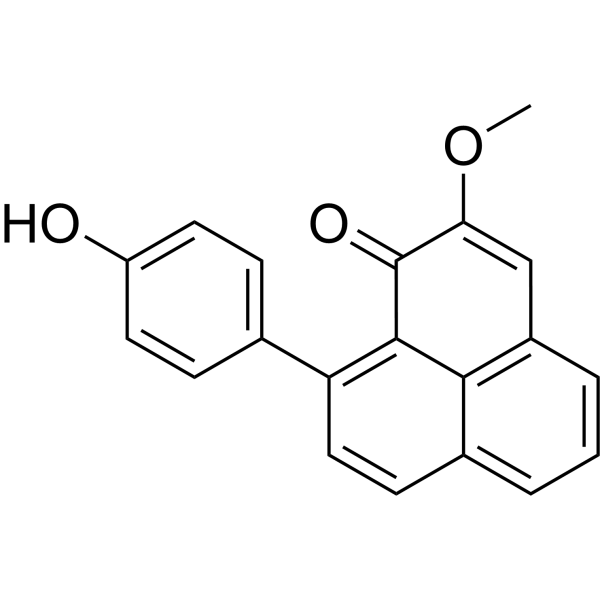
9-(4′-Hydroxyphenyl)-2-methoxyphenalen-1-one is a phytoalexin and mixed competitive α-glucosidase inhibitor of Bacillus stearothermophilus (IC50: 3.86 mg/L) .
|
-
- HY-141857S
-
|
|
Isotope-Labeled Compounds
|
Others
|
|
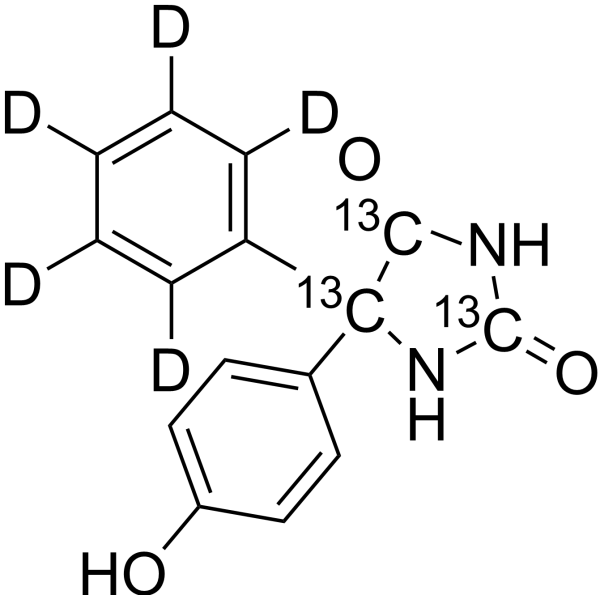
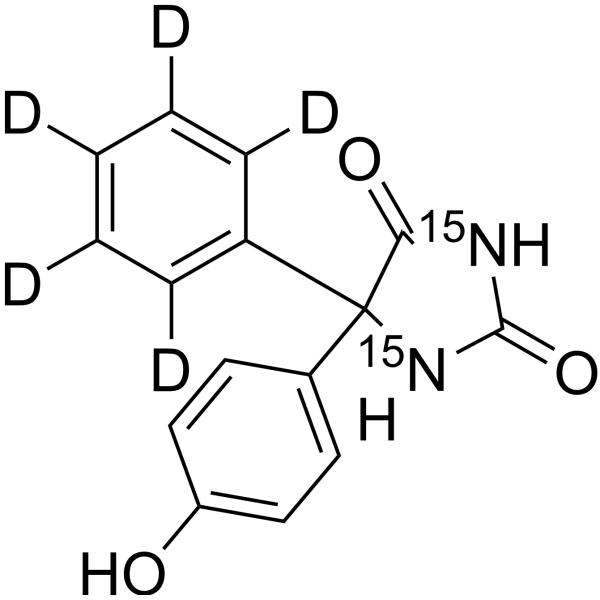
5-(4-Hydroxyphenyl)-5-phenyl-d5-hydantoin-2,4,5- 13C3 is the deuterium and 13C labeled 5-(4-Hydroxyphenyl)-5-phenyl-hydantoin .
|
-
- HY-W269693S
-
|
|
Isotope-Labeled Compounds
|
Others
|
|
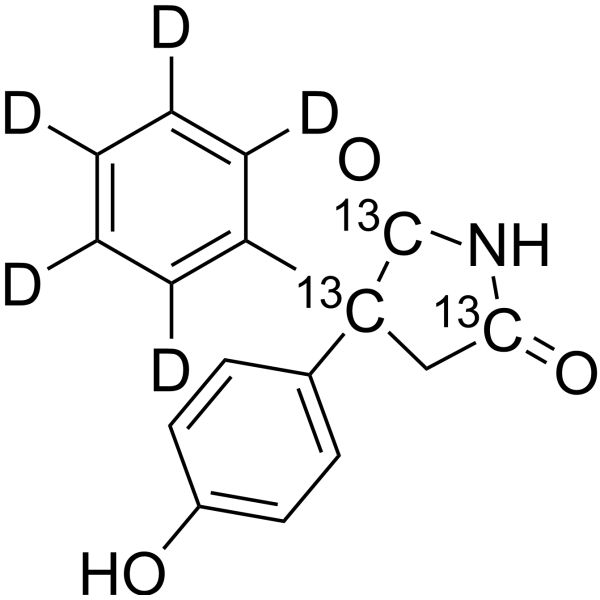
5-(4-Hydroxyphenyl)-5-phenylimidazolidine-2,4-dione- 13C3,d5 is the deuterium and 13C labeled 5-(4-Hydroxyphenyl)-5-phenylimidazolidine-2,4-dione .
|
-
- HY-W654080
-
|
α,α'-Bis(4-Hydroxyphenyl)-1,4-diisopropylbenzene-13C4
|
Isotope-Labeled Compounds
|
Others
|
|
Bisphenol P- 13C4 is 13C labeled α,α'-Bis(4-hydroxyphenyl)-1,4-diisopropylbenzene .
|
-

- HY-W011337
-
-
- HY-N0996
-
|
|
Others
|
Others
|
|
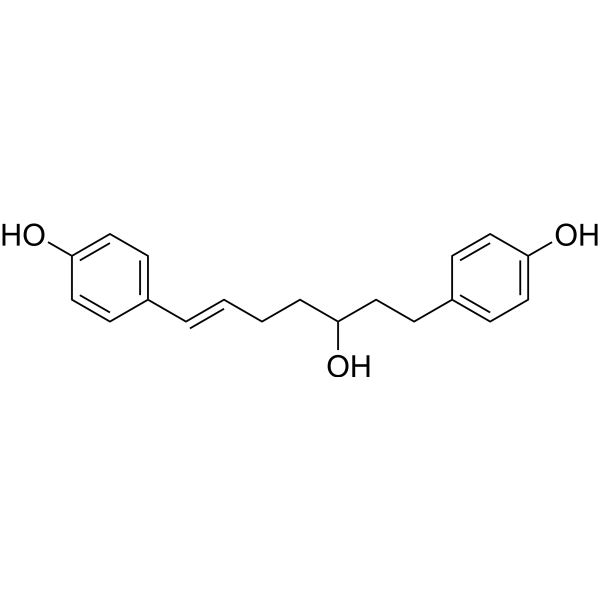
1,7-Bis(4-hydroxyphenyl)hept-6-en-3-ol (Compound M32) is a natural product that can be isolated from Curcuma longa L. .
|
-
- HY-N0998
-
|
|
Melanocortin Receptor
|
Cancer
|
|
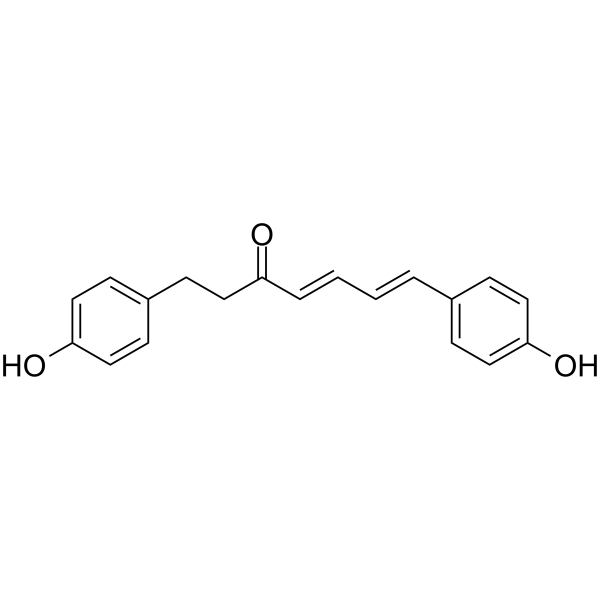
1,7-Bis(4-hydroxyphenyl)-hepta-4E,6E-dien-3-one (compound 6) shows antiproliferative activity with ED50s of 57.7, 78.8 μM for 26-L5 and HT-1080 cells, respectively. 1,7-Bis(4-hydroxyphenyl)-hepta-4E,6E-dien-3-one inhibits melanogenesis in B16 melanoma 4A5 cells. 1,7-Bis(4-hydroxyphenyl)-hepta-4E,6E-dien-3-one has the potential for the research of skin disorders .
|
-
- HY-N13198
-
|
|
Endogenous Metabolite
|
Metabolic Disease
|
4-(4-Hydroxyphenyl)-2-butanone 4'-O-β-D-(2-O-galloyl-6-O-cinnamoyl)glucopyranoside is a pancreatic lipase inhibitor, with an IC50 value of 2.91 μM. 4-(4-Hydroxyphenyl)-2-butanone 4'-O-β-D-(2-O-galloyl-6-O-cinnamoyl)glucopyranoside can effectively reduce lipid absorption and regulate obesity-related metabolic disorders, making it useful for research on obesity .
|
-

- HY-N9283
-
|
|
Reactive Oxygen Species (ROS)
|
Neurological Disease
Cancer
|
|
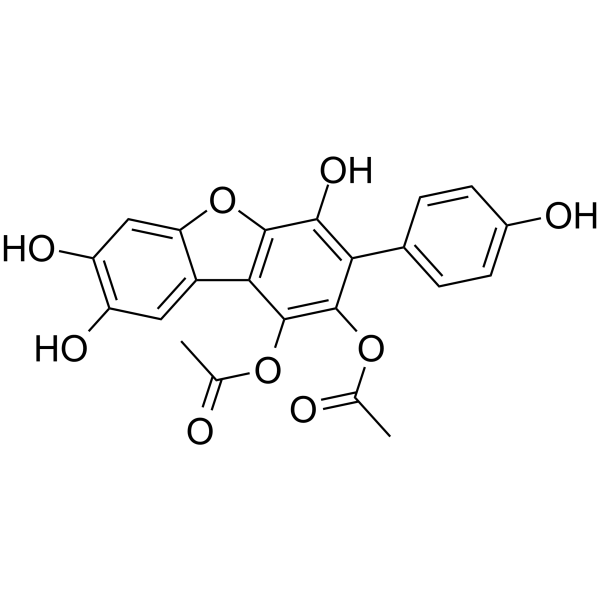
1,2-Diacetoxy-4,7,8-trihydroxy-3-(4-hydroxyphenyl)dibenzofuran, isolated from the edible mushroom Sarcodon leucopus, has antioxidant effects in the DPPH scavenging assay with the IC50 of 28 μM, inhibits malondialdehyde (MDA) with the IC50 of 71 μM, and inhibits α-glucosidase with the IC50 of 6.22 μM .
|
-
- HY-N9093
-
|
|
Others
|
Inflammation/Immunology
Cancer
|
|
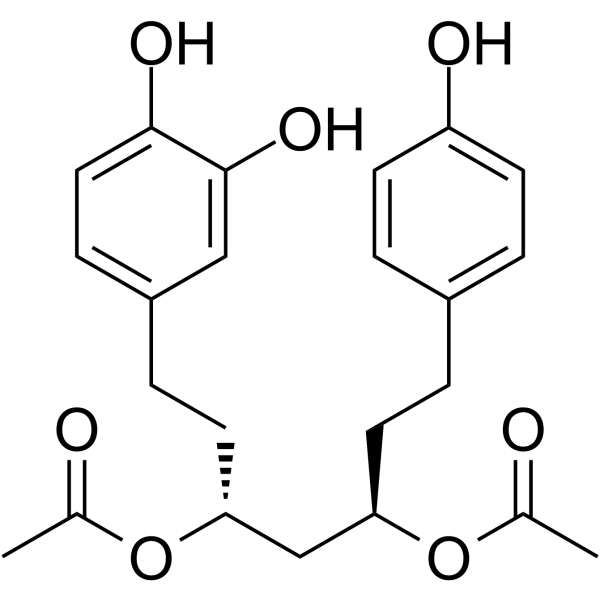
(3R,5R)-3,5-Diacetoxy-1-(3,4-dihydroxyphenyl)-7-(4-hydroxyphenyl)heptane, a diarylheptanoid from the rhizomes of Curcuma kwangsiensis, possesses a variety of biological and pharmacological activities including antioxidant, antihepa totoxic, anti-inflammatory, antiproliferative, antiemetic, and antitumor activities .
|
-
- HY-W740498
-
|
Frambione-d5; 4-(4-Hydroxyphenyl)-2-butanone-d5
|
Isotope-Labeled Compounds
PPAR
|
Metabolic Disease
|
|
Raspberry ketone-d5 (Frambione-d5; 4-(4-Hydroxyphenyl)-2-butanone-d5) is the deuterium labeled Raspberry ketone (HY-N1426). Raspberry ketone is a major aromatic compound of red raspberry, widely used as a fragrance in cosmetics and as a flavoring agent in foodstuff; also shows PPAR-α agonistic activity.
|
-

- HY-W088468
-
|
4-Hydroxyphenyl-(4-bromo-phenyl)-methanone
|
MOFs
|
Others
|
|
(4-Bromophenyl)(4-hydroxyphenyl)methanone (4-Hydroxyphenyl-(4-bromo-phenyl)-methanone) is a metal-organic framework (MOF).
|
-

- HY-I0450S
-
-

- HY-W012217R
-
|
|
Reference Standards
|
|
|
(4-Chlorophenyl)(4-hydroxyphenyl)methanone (Standard) is the analytical standard of (4-Chlorophenyl)(4-hydroxyphenyl)methanone. This product is intended for research and analytical applications.
|
-

- HY-W1049804
-
|
|
MOFs
|
Others
|
|
5-((4-Hydroxyphenyl)diazenyl)isophthalic acid is a metal-organic framework (MOF).
|
-

- HY-W025037R
-
|
|
Reference Standards
|
|
|
Ethyl 2-(3-cyano-4-hydroxyphenyl)-4-methylthiazole-5-carboxylate (Standard) is the analytical standard of Ethyl 2-(3-cyano-4-hydroxyphenyl)-4-methylthiazole-5-carboxylate. This product is intended for research and analytical applications.
|
-

- HY-W042159R
-
|
|
Reference Standards
|
|
|
N-(3-Chloro-4-hydroxyphenyl)acetamide (Standard) is the analytical standard of N-(3-Chloro-4-hydroxyphenyl)acetamide. This product is intended for research and analytical applications.
|
-

- HY-W011453R
-
|
|
Reference Standards
|
|
|
(2-Butylbenzofuran-3-yl)(4-hydroxyphenyl)methanone (Standard) is the analytical standard of (2-Butylbenzofuran-3-yl)(4-hydroxyphenyl)methanone. This product is intended for research and analytical applications.
|
-

- HY-N9876
-
-

- HY-Z1044R
-
|
|
Reference Standards
|
|
|
2-Bromo-1-(4-hydroxyphenyl)propan-1-one (Standard) is the analytical standard of 2-Bromo-1-(4-hydroxyphenyl)propan-1-one. This product is intended for research and analytical applications.
|
-

- HY-132948S
-
-
- HY-N13807
-
-

- HY-75316R
-
|
|
Reference Standards
|
|
|
(2-Butyl-5-nitrobenzofuran-3-yl)(4-hydroxyphenyl)methanone (Standard) is the analytical standard of (2-Butyl-5-nitrobenzofuran-3-yl)(4-hydroxyphenyl)methanone. This product is intended for research and analytical applications.
|
-

- HY-W722016
-
|
|
Isotope-Labeled Compounds
|
Others
|
|
1-(2,3-Dichloro-4-hydroxyphenyl)butan-1-one-d7 is the deuterium labeled 1-(2,3-Dichloro-4-hydroxyphenyl)butan-1-one (HY-W716899).
|
-

- HY-W543302
-
|
|
MOFs
|
Others
|
|
1,3,5-Tris(3-carboxyl-4-hydroxyphenyl)benzene is a metal-organic framework (MOF).
|
-

- HY-N17095
-
-

- HY-180713
-
-

- HY-N13557
-
|
|
Others
|
Others
|
|
7-(4-Hydroxyphenyl)-5-methoxy-1-phenylheptan-3-one is a natural product .
|
-

- HY-W267318R
-
|
|
Reference Standards
|
|
|
1-(3,5-Di-tert-butyl-4-hydroxyphenyl)ethan-1-one (Standard) is the analytical standard of 1-(3,5-Di-tert-butyl-4-hydroxyphenyl)ethan-1-one. This product is intended for research and analytical applications.
|
-

- HY-W998034
-
|
|
Others
|
Others
|
|
(2,6-Dihydroxy-4-methoxyphenyl)(4-hydroxyphenyl)methanone is a Phenols product that can be isolated from the rhizomes of Anemarrhena asphodeloides BUNGE. .
|
-

- HY-N0964
-
|
|
Others
|
Others
|
|
(E)-1-(4-Hydroxyphenyl)dec-1-en-3-one is a Phenols product that can be isolated from the roots of Alpinia galanga .
|
-

- HY-W777094
-
|
Tetraethoxy C methyl propane-d8
|
Isotope-Labeled Compounds
|
Others
|
|
1-Acetyl-4-(4-hydroxyphenyl)piperazine-d8 (Tetraethoxy C methyl propane-d8) is the deuterium labeled 1-(4-(4-Hydroxyphenyl)piperazin-1-yl)ethanone (HY-W014037).
|
-

- HY-W104815
-
|
L-Beta-homotyrosine hydrochloride
|
Biochemical Assay Reagents
|
Others
|
|
(S)-3-Amino-4-(4-hydroxyphenyl)butanoic acid (L-Beta-homotyrosine) hydrochloride is a kind of biological materials or organic compounds that are widely used in life science research.
|
-

- HY-W104812
-
|
2,5-Bis(4-Hydroxyphenyl)-1,3,4-oxadiazole
|
MOFs
|
Others
|
|
4,4'-(1,3,4-Oxadiazole-2,5-diyl)diphenol (2,5-Bis(4-hydroxyphenyl)-1,3,4-oxadiazole) is a metal-organic framework (MOF).
|
-

- HY-N9243
-
|
|
Others
|
Others
|
|
5-Hydroxy-1,7-bis(4-hydroxyphenyl)heptan-3-yl acetate is a Phenols product that can be isolated from the rhizomes of Zingiber officinale .
|
-

- HY-N0995
-
|
|
Others
|
Others
|
|
1,7-Bis(4-hydroxyphenyl)hept-1-en-3-one is a Phenols product that can be isolated from the roots of Alpinia galanga .
|
-

- HY-N13540
-
|
|
Others
|
Others
|
|
(R)-5-Hydroxy-7-(4-hydroxyphenyl)-1-phenylheptan-3-one is a phenol product that can be isolated from Alpinia officinarum .
|
-

- HY-W643129
-
|
|
Drug Derivative
|
Others
|
|
1-(3,5-Di-tert-butyl-4-hydroxyphenyl)ethane-1,2-diol is a sterically hindered para-alkylphenol.
|
-

- HY-N9298
-
|
|
Others
|
Others
|
|
3,5-Dihydroxy-1-(3,4-dihydroxyphenyl)-7-(4-hydroxyphenyl)heptane is a Phenols product that can be isolated from the rhizomes of Curcuma comosa Roxb. .
|
-

- HY-W835723
-
-

- HY-W015346S
-
|
3-(4-Hydroxyphenyl)propionic acidd-d8
|
Isotope-Labeled Compounds
Influenza Virus
Endogenous Metabolite
|
Infection
|
|
Desaminotyrosine-d8 (3-(4-Hydroxyphenyl)propionic acid-d8) is the deuterium labeled Desaminotyrosine (HY-W015346). Desaminotyrosine is a microbially associated metabolite protecting from influenza through augmentation of type I interferon signaling.
|
-

- HY-N9098
-
|
|
Others
|
Others
|
|
2-(4-Hydroxyphenyl)-6-methyl-2,3-dihydro-4H-pyran-4-one is a Phenols product that can be isolated from the herbs of Scutellaria barbata .
|
-

- HY-N17138
-
|
|
Others
|
Inflammation/Immunology
Cancer
|
|
threo-1-(4-Hydroxyphenyl)-1-methoxy-2,3-propanediol is an aromatic propanediol phenolic derivative containing methoxy and hydroxyl groups. It can be naturally extracted from the dried aerial parts of Abies delavayi Franch. var. delavayi (Cangshan fir) from Dali, Yunnan, China. This source plant produces anti-inflammatory and anti-tumor active components .
|
-

- HY-N16625
-
|
|
Others
|
Others
|
|
(S)-2-(4-Hydroxyphenyl)-6-methyl-2,3-dihydro-4H-pyran-4-one is a type of phenolic compound belonging to the class of dihydropyranones, and it can be found in Scutellaria barbata.
|
-

- HY-W112477
-
|
4-(4-Hydroxyphenyl)-1,2,4-triazole
|
MOFs
|
Others
|
|
4-(4H-1,2,4-Triazol-4-yl)phenol (4-(4-Hydroxyphenyl)-1,2,4-triazole) is a metal-organic framework (MOF).
|
-

- HY-N4196
-
|
|
Others
|
Others
|
|
4-(4'-Hydroxyphenyl)-2-butanone4'-O-β-D-(2''-O-galloyl-6''-O-p-coumaroyl)glucopyranoside is a natural product .
|
-

- HY-N15207
-
|
|
Others
|
Others
|
|
(3R,5R)-1-(4-Hydroxyphenyl)-7-phenyl-3,5-heptanediol is an antiemetic found in Alpinia officinarum that significantly inhibits copper sulfate-induced emesis in young chicks (with an inhibition rate of 50.9% at a dose of 20 mg/kg and 37.7% at a dose of 50 mg/kg) .
|
-

- HY-W663749
-
5-[13-(3-Carboxy-4-hydroxyphenyl)-5,7,12,14-tetraoxo-6,13-diazatetracyclo[6.6.2.04,16.011,15]hexadeca-1(15),2,4(16),8,10-pentaen-6-yl]-2-hydroxybenzoic acid
|
MOFs
|
Others
|
|
5-[13-(3-Carboxy-4-hydroxyphenyl)-5,7,12,14-tetraoxo-6,13-diazatetracyclo[6.6.2.04,16.011,15]hexadeca-1(15),2,4(16),8,10-pentaen-6-yl]-2-hydroxybenzoic acid is a metal-organic framework (MOF).
|
-
![5-[13-(3-Carboxy-4-hydroxyphenyl)-5,7,12,14-tetraoxo-6,13-diazatetracyclo[6.6.2.04,16.011,15]hexadeca-1(15),2,4(16),8,10-pentaen-6-yl]-2-hydroxybenzoic acid](//file.medchemexpress.com/product_pic/hy-w663749.gif)
- HY-139687S
-
|
|
Isotope-Labeled Compounds
|
Others
|
|
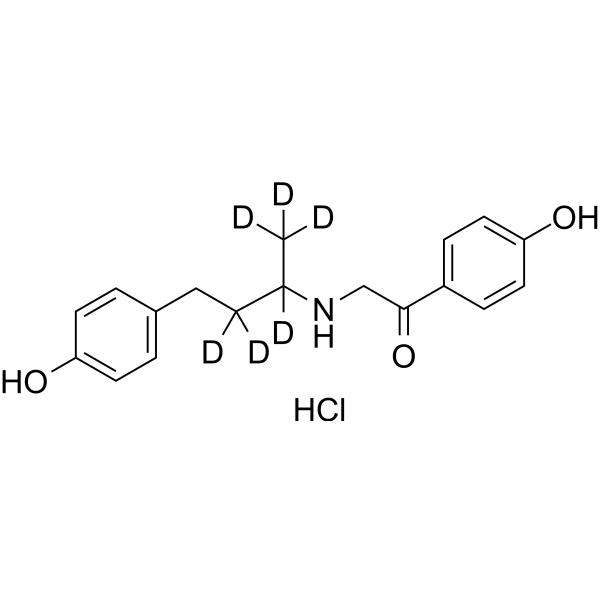
1-(4-Hydroxyphenyl)-2-((4-(4-hydroxyphenyl)butan-2-yl)amino)ethanone-d6 (hydrochloride) is the deuterium labeled 1-(4-Hydroxyphenyl)-2-((4-(4-hydroxyphenyl)butan-2-yl)amino)ethanone hydrochloride .
|
-
- HY-W010777
-
|
|
Amino Acid Derivatives
|
Others
|
|
(S)-2-((S)-2-((S)-2-Amino-3-(4-hydroxyphenyl)propanamido)-3-(4-hydroxyphenyl)propanamido)-3-(4-hydroxyphenyl)propanoic acid is a tyrosine derivative .
|
-

- HY-W654081
-
-

- HY-W015346
-
-
- HY-Z3800R
-
|
|
Reference Standards
|
|
|
(R)-2-(4-Hydroxyphenyl)-2-pivalamidoacetic acid (Amoxicillin Impurity) (Standard) is the analytical standard of (R)-2-(4-Hydroxyphenyl)-2-pivalamidoacetic acid (Amoxicillin Impurity). This product is intended for research and analytical applications.
|
-

- HY-W015346R
-
|
3-(4-Hydroxyphenyl)propionic acid (Standard)
|
Reference Standards
Influenza Virus
Endogenous Metabolite
|
Infection
|
|
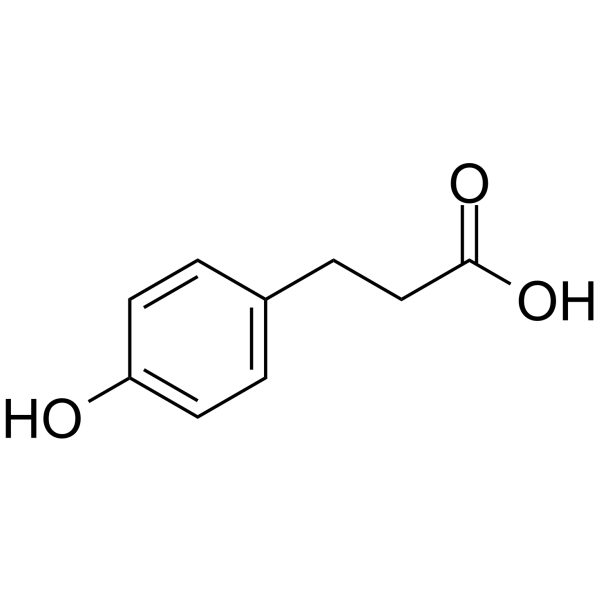
Apronal (Standard) is the analytical standard of Apronal. This product is intended for research and analytical applications. Apronal (Allylisopropylacetylurea, Apronalide) can bu used for the research of neuropsychiatry disorders.
|
-

- HY-N1426
-
-
- HY-W014937S
-
-
- HY-N1426R
-
|
Frambione (Standard); 4-(4-Hydroxyphenyl)-2-butanone (Standard)
|
Reference Standards
PPAR
|
Cardiovascular Disease
Metabolic Disease
|
|
Raspberry ketone (Standard) is the analytical standard of Raspberry ketone. This product is intended for research and analytical applications. Raspberry ketone is a major aromatic compound of red raspberry, widely used as a fragrance in cosmetics and as a flavoring agent in foodstuff; also shows PPAR-α agonistic activity.
|
-

- HY-W714025S
-
-

- HY-109582
-
ADT-OH
4 Publications Verification
5-(4-Hydroxyphenyl)-3H-1,2-dithiole-3-thione; ACS 1
|
Apoptosis
FAK
|
Cancer
|
|
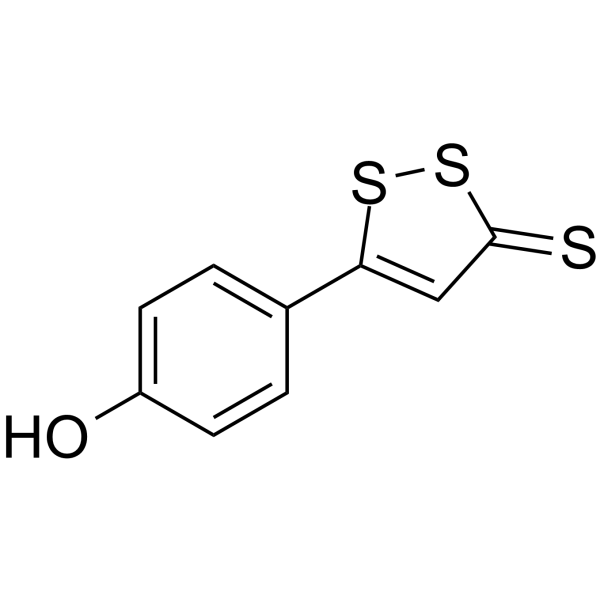
ADT-OH is a hydrogen sulfide-releasing donor. ADT-OH induces apoptosis and upregulates FADD. ADT-OH inhibits FAK/Paxillin. ADT-OH has the potential for the research of cancer diseases .
|
-
- HY-109582R
-
|
5-(4-Hydroxyphenyl)-3H-1,2-dithiole-3-thione (Standard); ACS 1 (Standard)
|
Apoptosis
FAK
Reference Standards
|
Cancer
|
|
ADT-OH (Standard) is the analytical standard of ADT-OH. This product is intended for research and analytical applications. ADT-OH is a hydrogen sulfide-releasing donor. ADT-OH induces apoptosis and upregulates FADD. ADT-OH inhibits FAK/Paxillin. ADT-OH has the potential for the research of cancer diseases .
|
-

- HY-142555S
-
|
Sodium 4-[1-(4-Hydroxyphenyl)-1-methylethyl]phenyl sulfate-d6 (1:1)
|
Isotope-Labeled Compounds
|
Others
|
|
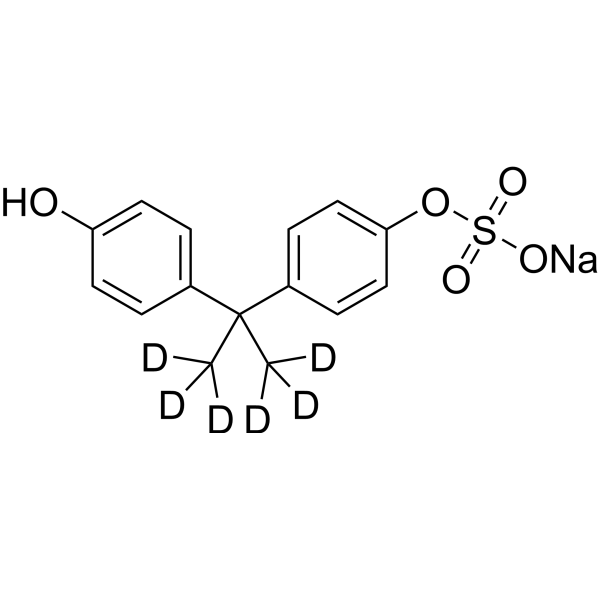
Bisphenol A monosulfate-d6 (sodium) is the deuterium labeled Bisphenol A monosulfate sodium .
|
-
- HY-113158
-
|
|
Drug Metabolite
|
Metabolic Disease
|
|
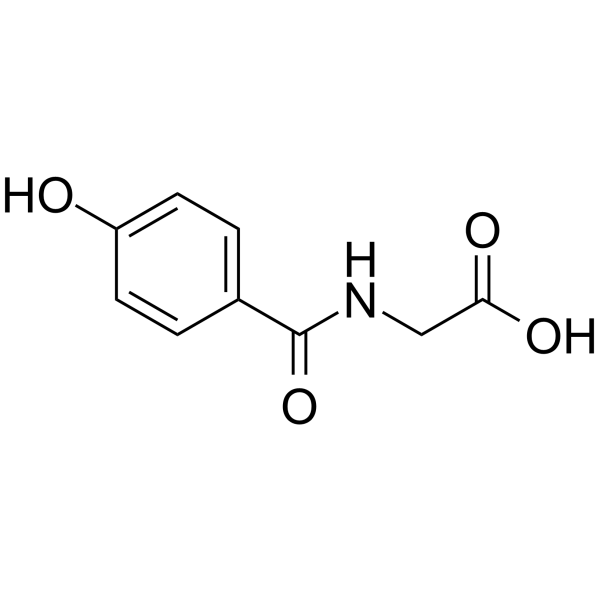
4-Hydroxyhippuric acid is a metabolite of polyphenols. 4-Hydroxyhippuric acid is generated via medium-chain acyl-CoA dehydrogenase (MCAD)-dependent β-oxidation of microbially-produced 3-(4-hydroxyphenyl)propionic acid, followed by host glycine conjugation. 4-Hydroxyhippuric acid can be simultaneously detected in urine as a biomarker of dietary polyphenol intake .
|
-
- HY-N2296
-
|
|
Others
|
Others
|
|
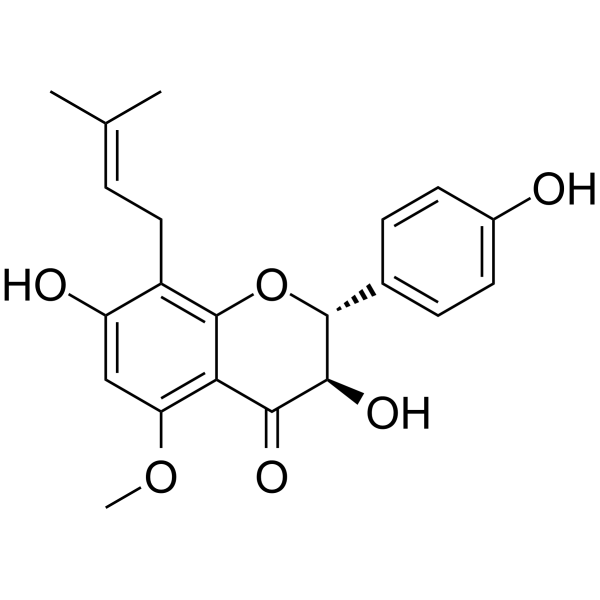
(2R,3R)-3,7,4'-Trihydroxy-5-methoxy-8-prenylflavanone can be used in a flame retardant for transparent polycarbonate products or in elevator illumination devices research .
|
-
- HY-132994
-
|
|
Biochemical Assay Reagents
|
Others
|
|
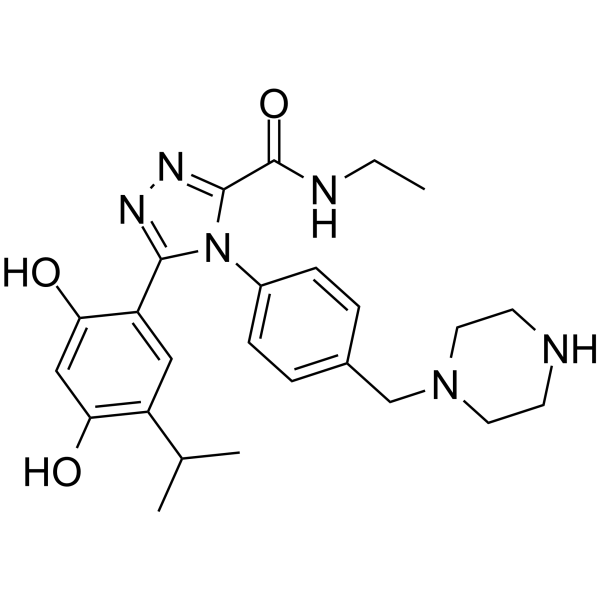
TVD-0003510 is a carboxamide derivative, and involves in synthesis of (2-((6-(2-aminopyrimidine-5-carboxamido)-8-methoxy-3,4-dihydro-2H-pyrimido[1,2-c]quinazolin-9-yl)oxy)ethyl)piperazine-l-carboxylate (C51), as a part of tert-butyl2-(4-hydroxyphenyl)acetate .
|
-
- HY-125586
-
|
|
DNA/RNA Synthesis
ADC Payload
|
Cancer
|
|
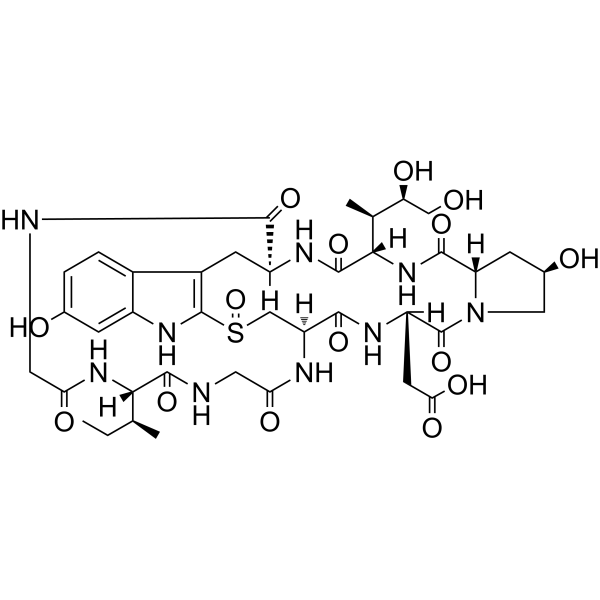
β-Amanitin is a cyclic peptide toxin in the poisonous Amanita phalloides mushroom. β-Amanitin inhibits inhibits eukaryotic RNA polymerase II and III. β-Amanitin inhibits protein synthesis. β-Amanitin can be used as a cytotoxic component of antibody-drug conjugates (ADCs) .
|
-
- HY-158104
-
|
|
ATF6
|
Others
|
|
LPPM-8 is a ligand of Med25 and an inhibitor of Med25 protein-protein interactions (PPIs). LPPM-8 engages Med25 through interaction with the H2 face of its Activator Interaction Domain and stabilizes full-length protein in the cellular proteome. LPPM-8 is an orthosteric inhibitor of H2-binding transcriptional activators (such as ATF6a). LPPM-8 can be used for studying Med25 and Mediator complex biology .
|
-
- HY-P3100
-
|
|
Parasite
|
Infection
|
|
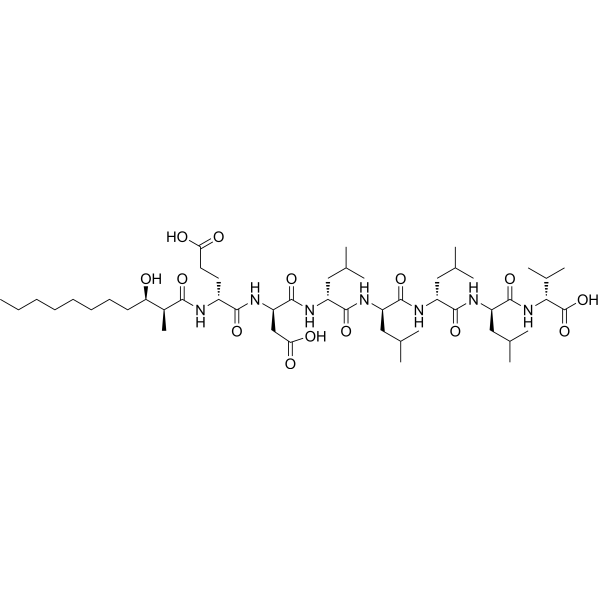
Orfamide A is a major metabolite of insecticidal biosurfactant in Pseudomonas sp. F6 and has aphidicidal activity. Orfamide A can be used for aphid control in organic agriculture. Orfamide A exhibits dose-dependent mortality against aphids with an LC50 value of 34.5 μg/mL .
|
-

- HY-113158R
-
|
|
Reference Standards
Drug Metabolite
|
Metabolic Disease
|
|
4-Hydroxyhippuric acid (Standard) is the analytical standard of 4-Hydroxyhippuric acid (HY-113158). This product is intended for research and analytical applications. 4-Hydroxyhippuric acid is a metabolite of polyphenols. 4-Hydroxyhippuric acid is generated via medium-chain acyl-CoA dehydrogenase (MCAD)-dependent β-oxidation of microbially-produced 3-(4-hydroxyphenyl)propionic acid, followed by host glycine conjugation. 4-Hydroxyhippuric acid can be simultaneously detected in urine as a biomarker of dietary polyphenol intake .
|
-

- HY-P3350
-
|
|
Bacterial
|
Infection
|
|
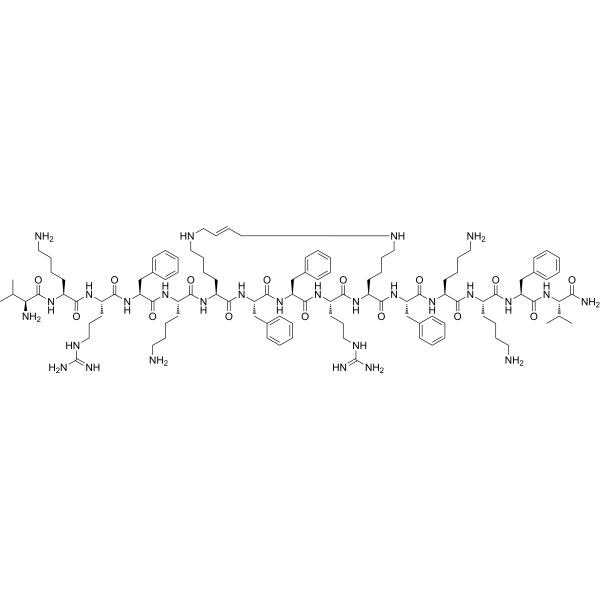
LS-BF1 is a stable and low toxic cationic antimicrobial peptide. LS-BF1 displays broad spectrum of antibacterial activity, including the challenging ESKAPE pathogens, by cell membrane disruptive mechanism. LS-BF1 shows good in vivo efficacy for elimination of bacteria in a mouse infection model[1].
|
-
- HY-W011927S
-
|
Bisphenol S (4,4'-Sulfonyldiphenol)-d8
|
Isotope-Labeled Compounds
Estrogen Receptor/ERR
Histone Methyltransferase
Thyroid Hormone Receptor
PI3K
Akt
mTOR
Androgen Receptor
|
Cardiovascular Disease
Metabolic Disease
Inflammation/Immunology
Endocrinology
Cancer
|
|
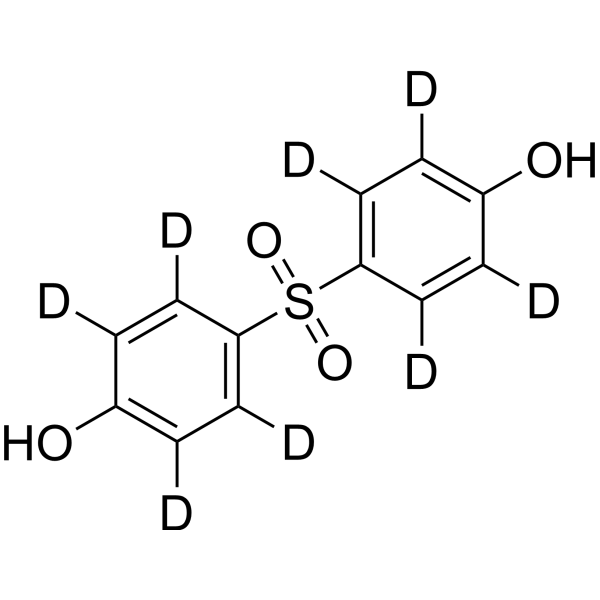
4,4'-Sulfonyldiphenol-d8 (Bisphenol S (4,4'-Sulfonyldiphenol)-d8) is the deuterium labeled 4,4'-Sulfonyldiphenol (HY-W011927).4,4'-Sulfonyldiphenol (Bisphenol S; Bis(4-hydroxyphenyl) sulfone), a substitute for Bisphenol A (HY-18260), is widely used in industrial and consumer products. 4,4'-Sulfonyldiphenol is an estrogen receptor (ER) agonist and can competitively bind to thyroid hormone receptors (TR) with IC50 values for TRα and TRβ are 2650 μM and 2294 μM respectively, thereby affecting breast development and reducing the expression of androgen receptor (AR) in fetal testes. 4,4'-Sulfonyldiphenol promotes the progression of glioblastoma by upregulating the EZH2 mediated PI3K/AKT/mTOR pathway. Under chronic exposure, 4,4'-Sulfonyldiphenol can cause significant lipid deposition and dyslipidemia in the mouse liver by upregulating JunB and Atf3, and has a role in causing obesity at low doses. 4,4'-Sulfonyldiphenol induces intestinal inflammation by altering the intestinal microbiome. 4,4'-Sulfonyldiphenol accelerates the progression of atherosclerosis in zebrafish embryo larvae.
|
-
- HY-P11783
-
|
|
Fungal
|
Infection
|
|
Surfactin C2 is a lipopeptide produced by Bacillus subtilis A18 with antifungal activity. Surfactin C2 acts against Heterobasidion annosum and Heterobasidion parviporum. Surfactin C2 exerts its activity mainly through membrane‑active effects to disrupt fungal cell structures and inhibit mycelial growth. Surfactin C2 can be used for the research of butt rot and root rot of conifers .
|
-

- HY-P4948
-
|
|
Biochemical Assay Reagents
|
Others
|
|
Coumarin-phalloidin is a kind of phalloidin labeled with Coumarin (HY-N0709). Coumarin-phalloidin is a new type of actin probe that can be used for triple immunofluorescence microscopic observation of the cell skeleton .
|
-

- HY-P2209
-
|
Daechuine S27; N-Demethylamphibine H
|
Parasite
Phosphodiesterase (PDE)
|
Infection
|
|
Nummularine B (Daechuine S27; N-Demethylamphibine H) is an anti-parasite agent. Nummularine B inhibits calmodulin-dependent phosphodiesterase activity with an IC50 of 16.8 μM. Nummularine B inhibits the growth of Plasmodium and Leishmania donovani in vitro. Nummularine B inhibits the calmodulin-dependent activity of actomyosin Ca 2+-ATPase. Nummularine B is applicable to research related to malaria and visceral leishmaniasis .
|
-

- HY-P10447
-
|
Fengycin IX; SNA-60-367-3
|
Phospholipase
Fungal
|
Infection
|
|
Plipastatin A1 (Fengycin IX; SNA-60-367-3) is a lipopeptide with phospholipase A2 inhibitory activity. Plipastatin A1 inhibits conidial germination of Botrytis cinerea in vitro and reduces the incidence of gray mold on tomato leaves. Plipastatin A1 is applicable to research related to gray mold [1][2].
|
-

- HY-105168
-
|
|
Endothelin Receptor
|
Cardiovascular Disease
|
|
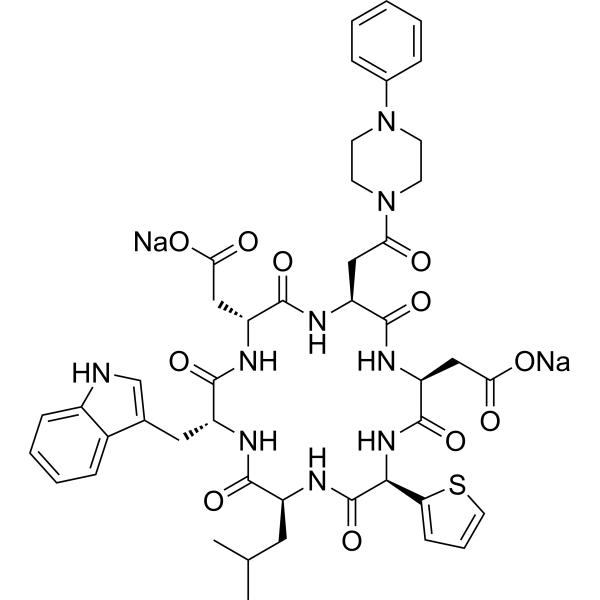
TAK 044 is an antagonist of Endothelin Receptor. TAK 044 strongly inhibits ET-induced deterioration in various animal models. TAK 044 can be used in study ET-related diseases such as acute myocardial infarction,acute renal failure, acute hepatic malfunction, and subarachnoid hemorrhage .
|
-
- HY-17365
-
-
- HY-P10563
-
|
BHV-1100
|
CD38
|
Cancer
|
|
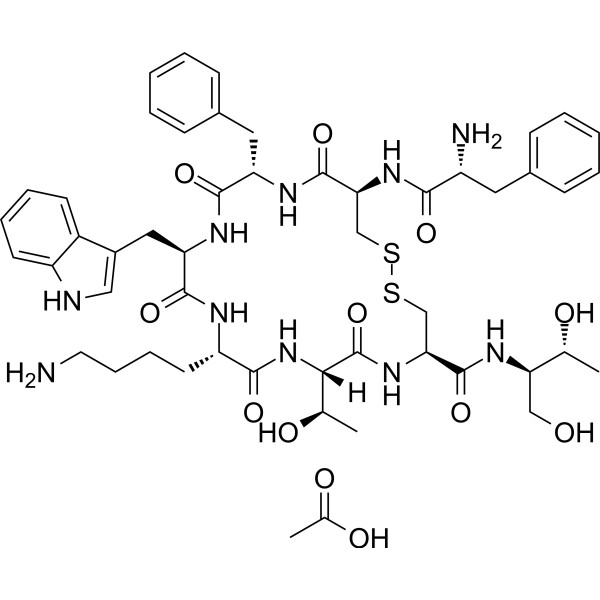
Noraramtide (BHV-1100) is an antibody recruitment molecule. Noraramtide can specifically bind to CD38 molecules to recruit natural killer (NK) cells. Noraramtide enhances the ability of NK cells to kill tumor cells through antibody-dependent cellular cytotoxicity (ADCC). This mechanism allows NK cells to more effectively recognize and eliminate tumor cells while avoiding mutual killing between NK cells. Noraramtide can be used for the study of autologous cancer immunity .
|
-

-
- HY-W011927
-
|
Bisphenol S; Bis(4-Hydroxyphenyl) sulfone
|
Biochemical Assay Reagents
|
|
4,4'-Sulfonyldiphenol (Bisphenol S; Bis(4-hydroxyphenyl) sulfone), a substitute for Bisphenol A (HY-18260), is widely used in industrial and consumer products. 4,4'-Sulfonyldiphenol is an oally ative estrogen receptor (ER) agonist and can competitively bind to thyroid hormone receptors (TR) with IC50 values for TRα and TRβ are 2650 μM and 2294 μM respectively, thereby affecting breast development and reducing the expression of androgen receptor (AR) in fetal testes. 4,4'-Sulfonyldiphenol promotes the progression of glioblastoma by upregulating the EZH2 mediated PI3K/AKT/mTOR pathway. Under chronic exposure, 4,4'-Sulfonyldiphenol can cause significant lipid deposition and dyslipidemia in the mouse liver by upregulating JunB and Atf3, and has a role in causing obesity at low doses. 4,4'-Sulfonyldiphenol induces intestinal inflammation by altering the intestinal microbiome. 4,4'-Sulfonyldiphenol accelerates the progression of atherosclerosis in zebrafish embryo larvae [4] .
|
-
- HY-W035140
-
|
5,10,15,20-Tetrakis(4-Hydroxyphenyl)-21H,23H-porphine
|
Biochemical Assay Reagents
|
|
5,10,15,20-Tetrakis(4-hydroxyphenyl)porphyrin is a biochemical reagent that can be used as a biological material or organic compound for life science related research.
|
-
- HY-W011927R
-
|
Bisphenol S (Standard); Bis(4-Hydroxyphenyl) sulfone (Standard)
|
Biochemical Assay Reagents
|
|
4,4'-Sulfonyldiphenol (Bisphenol S; Bis(4-hydroxyphenyl) sulfone) (Standard) is the analytical standard of 4,4'-Sulfonyldiphenol (HY-W011927). This product is intended for research and analytical applications. 4,4'-Sulfonyldiphenol, a substitute for Bisphenol A (HY-18260), is widely used in industrial and consumer products. 4,4'-Sulfonyldiphenol is an estrogen receptor (ER) agonist and can competitively bind to thyroid hormone receptors (TR) with IC50 values for TRα and TRβ are 2650 μM and 2294 μM respectively, thereby affecting breast development and reducing the expression of androgen receptor (AR) in fetal testes. 4,4'-Sulfonyldiphenol promotes the progression of glioblastoma by upregulating the EZH2 mediated PI3K/AKT/mTOR pathway. Under chronic exposure, 4,4'-Sulfonyldiphenol can cause significant lipid deposition and dyslipidemia in the mouse liver by upregulating JunB and Atf3, and has a role in causing obesity at low doses. 4,4'-Sulfonyldiphenol induces intestinal inflammation by altering the intestinal microbiome. 4,4'-Sulfonyldiphenol accelerates the progression of atherosclerosis in zebrafish embryo larvae.
|
-
- HY-W016483
-
-
- HY-W104815
-
|
L-Beta-homotyrosine hydrochloride
|
Biochemical Assay Reagents
|
|
(S)-3-Amino-4-(4-hydroxyphenyl)butanoic acid (L-Beta-homotyrosine) hydrochloride is a kind of biological materials or organic compounds that are widely used in life science research.
|
| Cat. No. |
상품명 |
Target |
Research Area |
-
- HY-17365
-
-
- HY-125586
-
|
|
DNA/RNA Synthesis
ADC Payload
|
Cancer
|
|
β-Amanitin is a cyclic peptide toxin in the poisonous Amanita phalloides mushroom. β-Amanitin inhibits inhibits eukaryotic RNA polymerase II and III. β-Amanitin inhibits protein synthesis. β-Amanitin can be used as a cytotoxic component of antibody-drug conjugates (ADCs) .
|
-
- HY-105055
-
|
|
Peptides
|
Cancer
|
|
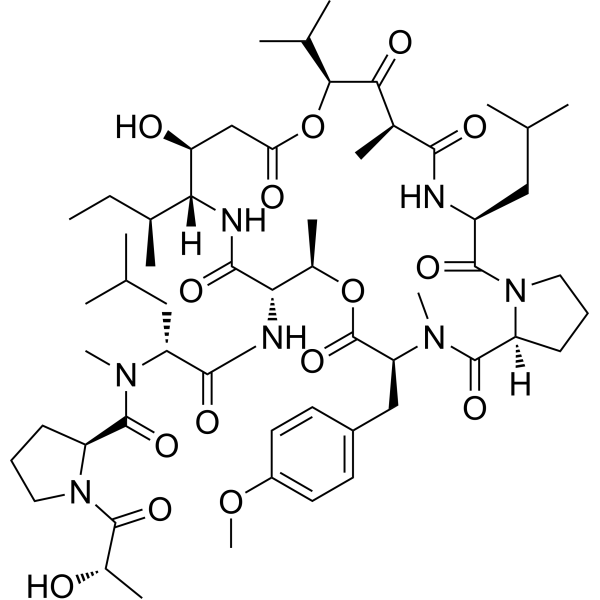
Didemnin B is a depsipeptide extracted from the marine tunicate Trididemnin cyanophorum. Didemnin B can be used for the research of cancer .
|
-
- HY-W013292
-
-
- HY-W042016
-
-
- HY-P10447
-
|
Fengycin IX; SNA-60-367-3
|
Phospholipase
Fungal
|
Infection
|
|
Plipastatin A1 (Fengycin IX; SNA-60-367-3) is a lipopeptide with phospholipase A2 inhibitory activity. Plipastatin A1 inhibits conidial germination of Botrytis cinerea in vitro and reduces the incidence of gray mold on tomato leaves. Plipastatin A1 is applicable to research related to gray mold [1][2].
|
-
- HY-34519
-
|
L-Tyrosine tert-butyl ester; tert-Butyl (S)-2-amino-3-(4-Hydroxyphenyl)propanoate; tert-Butyl L-tyrosinate
|
Amino Acid Derivatives
|
Others
|
|
(S)-2-Amino-3-(4-hydroxyphenyl)propionic acid tert-butyl ester is a tyrosine derivative .
|
-
- HY-P4755
-
|
|
Peptides
|
Others
|
|
N-((RS)-2-Hydroxy-propyl)-Val-Leu-anilide is a polypeptide that can be found by peptide screening. Peptide screening is a research tool that pools active peptides primarily by immunoassay. Peptide screening can be used for protein interaction, functional analysis, epitope screening, especially in the field of agent research and development .
|
-
- HY-P10563
-
|
BHV-1100
|
CD38
|
Cancer
|
|
Noraramtide (BHV-1100) is an antibody recruitment molecule. Noraramtide can specifically bind to CD38 molecules to recruit natural killer (NK) cells. Noraramtide enhances the ability of NK cells to kill tumor cells through antibody-dependent cellular cytotoxicity (ADCC). This mechanism allows NK cells to more effectively recognize and eliminate tumor cells while avoiding mutual killing between NK cells. Noraramtide can be used for the study of autologous cancer immunity .
|
-
- HY-W005226
-
-
- HY-W010777
-
|
|
Amino Acid Derivatives
|
Others
|
|
(S)-2-((S)-2-((S)-2-Amino-3-(4-hydroxyphenyl)propanamido)-3-(4-hydroxyphenyl)propanamido)-3-(4-hydroxyphenyl)propanoic acid is a tyrosine derivative .
|
-
- HY-P3100
-
|
|
Parasite
|
Infection
|
|
Orfamide A is a major metabolite of insecticidal biosurfactant in Pseudomonas sp. F6 and has aphidicidal activity. Orfamide A can be used for aphid control in organic agriculture. Orfamide A exhibits dose-dependent mortality against aphids with an LC50 value of 34.5 μg/mL .
|
-
- HY-P3350
-
|
|
Bacterial
|
Infection
|
|
LS-BF1 is a stable and low toxic cationic antimicrobial peptide. LS-BF1 displays broad spectrum of antibacterial activity, including the challenging ESKAPE pathogens, by cell membrane disruptive mechanism. LS-BF1 shows good in vivo efficacy for elimination of bacteria in a mouse infection model[1].
|
-
- HY-125357
-
|
|
Peptides
|
Metabolic Disease
|
|
Ternatin (compound 2) is a cyclic heptapeptides that can be isolated from mushroom Coliorus versicolor. Ternatin inhibits fat-accumulation with an IC50 of 0.027 μM in 3T3-L1 adipocytes .
|
-
- HY-158104
-
|
|
ATF6
|
Others
|
|
LPPM-8 is a ligand of Med25 and an inhibitor of Med25 protein-protein interactions (PPIs). LPPM-8 engages Med25 through interaction with the H2 face of its Activator Interaction Domain and stabilizes full-length protein in the cellular proteome. LPPM-8 is an orthosteric inhibitor of H2-binding transcriptional activators (such as ATF6a). LPPM-8 can be used for studying Med25 and Mediator complex biology .
|
-
- HY-105168
-
|
|
Endothelin Receptor
|
Cardiovascular Disease
|
|
TAK 044 is an antagonist of Endothelin Receptor. TAK 044 strongly inhibits ET-induced deterioration in various animal models. TAK 044 can be used in study ET-related diseases such as acute myocardial infarction,acute renal failure, acute hepatic malfunction, and subarachnoid hemorrhage .
|
-
- HY-W141885
-
-
- HY-W009911
-
-
- HY-W013864
-
-
- HY-W011337
-
-
- HY-P11783
-
|
|
Fungal
|
Infection
|
|
Surfactin C2 is a lipopeptide produced by Bacillus subtilis A18 with antifungal activity. Surfactin C2 acts against Heterobasidion annosum and Heterobasidion parviporum. Surfactin C2 exerts its activity mainly through membrane‑active effects to disrupt fungal cell structures and inhibit mycelial growth. Surfactin C2 can be used for the research of butt rot and root rot of conifers .
|
-
- HY-P4948
-
|
|
Biochemical Assay Reagents
|
Others
|
|
Coumarin-phalloidin is a kind of phalloidin labeled with Coumarin (HY-N0709). Coumarin-phalloidin is a new type of actin probe that can be used for triple immunofluorescence microscopic observation of the cell skeleton .
|
-
- HY-P2209
-
|
Daechuine S27; N-Demethylamphibine H
|
Parasite
Phosphodiesterase (PDE)
|
Infection
|
|
Nummularine B (Daechuine S27; N-Demethylamphibine H) is an anti-parasite agent. Nummularine B inhibits calmodulin-dependent phosphodiesterase activity with an IC50 of 16.8 μM. Nummularine B inhibits the growth of Plasmodium and Leishmania donovani in vitro. Nummularine B inhibits the calmodulin-dependent activity of actomyosin Ca 2+-ATPase. Nummularine B is applicable to research related to malaria and visceral leishmaniasis .
|
| Cat. No. |
상품명 |
Category |
Target |
Chemical Structure |
-
- HY-N3002
-
-
-
- HY-W015346
-
-
-
- HY-30267
-
-
-
- HY-N1426
-
-
-
- HY-105055
-
-
-
- HY-129409
-
-
-
- HY-113158
-
|
|
Immune System Disorder
Disease markers
Endogenous metabolite
|
Drug Metabolite
|
|
4-Hydroxyhippuric acid is a metabolite of polyphenols. 4-Hydroxyhippuric acid is generated via medium-chain acyl-CoA dehydrogenase (MCAD)-dependent β-oxidation of microbially-produced 3-(4-hydroxyphenyl)propionic acid, followed by host glycine conjugation. 4-Hydroxyhippuric acid can be simultaneously detected in urine as a biomarker of dietary polyphenol intake .
|
-
-
- HY-134650
-
-
-
- HY-30267R
-
|
4-HPA (Standard); 4-Acetoxyphenol (Standard)
|
Structural Classification
Monophenols
Phenols
Endogenous metabolite
Source Classification
|
Endogenous Metabolite
Reference Standards
|
|
4-Hydroxyphenyl acetate (Standard) is the analytical standard of 4-Hydroxyphenyl acetate. This product is intended for research and analytical applications. 4-Hydroxyphenyl acetate (4-HPA) is a natural antioxidant and protects cells from oxidative stress-induced necrosis. 4-Hydroxyphenyl acetate blocks the increase of cellular ROS induced by oxidative stress, and up-regulates NQO1 and HO-1 genes by stabilizing and inducing the nuclear translocation of NRF2 transcription factor .
|
-
-
- HY-N11902
-
|
|
Phenols
Polyphenols
Plants
Curcuma longa
Source Classification
Zingiberaceae
|
SARS-CoV
|
|
1,7-Bis(4-hydroxyphenyl)-1,4,6-heptatrien-3-one is a potent nucleocapsid (N) protein inhibitor can be isolated from Curcuma kwangsiensis. 1,7-Bis(4-hydroxyphenyl)-1,4,6-heptatrien-3-one exhibits excellent antiviral activity against HCoV-OC43 and SARS-CoV-2,with EC50 values of 0.16 μM and 0.17 μM, respectively .
|
-
-
- HY-N3002R
-
-
-
- HY-N1426R
-
-
-
- HY-W087444A
-
-
-
- HY-N2296
-
-
-
- HY-N0997
-
-
-
- HY-N9099
-
-
-
- HY-N12839
-
-
-
- HY-N9075
-
-
-
- HY-N0996
-
-
-
- HY-N13198
-
-
-
- HY-N9283
-
-
-
- HY-N9093
-
|
|
Phenols
Curcuma kwangsiensis S. K. Lee & C. F. Liang
Plants
Source Classification
Zingiberaceae
|
Others
|
|
(3R,5R)-3,5-Diacetoxy-1-(3,4-dihydroxyphenyl)-7-(4-hydroxyphenyl)heptane, a diarylheptanoid from the rhizomes of Curcuma kwangsiensis, possesses a variety of biological and pharmacological activities including antioxidant, antihepa totoxic, anti-inflammatory, antiproliferative, antiemetic, and antitumor activities .
|
-
-
- HY-W015346R
-
-
-
- HY-113158R
-
|
|
Immune System Disorder
Disease markers
Endogenous metabolite
|
Reference Standards
Drug Metabolite
|
|
4-Hydroxyhippuric acid (Standard) is the analytical standard of 4-Hydroxyhippuric acid (HY-113158). This product is intended for research and analytical applications. 4-Hydroxyhippuric acid is a metabolite of polyphenols. 4-Hydroxyhippuric acid is generated via medium-chain acyl-CoA dehydrogenase (MCAD)-dependent β-oxidation of microbially-produced 3-(4-hydroxyphenyl)propionic acid, followed by host glycine conjugation. 4-Hydroxyhippuric acid can be simultaneously detected in urine as a biomarker of dietary polyphenol intake .
|
-
-
- HY-N9876
-
-
-
- HY-N13807
-
-
-
- HY-N17095
-
-
-
- HY-180713
-
-
-
- HY-N13557
-
-
-
- HY-W998034
-
-
-
- HY-N0964
-
-
-
- HY-N9243
-
-
-
- HY-N0995
-
-
-
- HY-N13540
-
-
-
- HY-N9298
-
-
-
- HY-W835723
-
-
-
- HY-N9098
-
-
-
- HY-N17138
-
-
-
- HY-N16625
-
-
-
- HY-N4196
-
-
-
- HY-N15207
-
-
-
- HY-P2209
-
-
| Cat. No. |
상품명 |
Chemical Structure |
-
- HY-W011927S
-
1 Publications Verification
|
|
4,4'-Sulfonyldiphenol-d8 (Bisphenol S (4,4'-Sulfonyldiphenol)-d8) is the deuterium labeled 4,4'-Sulfonyldiphenol (HY-W011927).4,4'-Sulfonyldiphenol (Bisphenol S; Bis(4-hydroxyphenyl) sulfone), a substitute for Bisphenol A (HY-18260), is widely used in industrial and consumer products. 4,4'-Sulfonyldiphenol is an estrogen receptor (ER) agonist and can competitively bind to thyroid hormone receptors (TR) with IC50 values for TRα and TRβ are 2650 μM and 2294 μM respectively, thereby affecting breast development and reducing the expression of androgen receptor (AR) in fetal testes. 4,4'-Sulfonyldiphenol promotes the progression of glioblastoma by upregulating the EZH2 mediated PI3K/AKT/mTOR pathway. Under chronic exposure, 4,4'-Sulfonyldiphenol can cause significant lipid deposition and dyslipidemia in the mouse liver by upregulating JunB and Atf3, and has a role in causing obesity at low doses. 4,4'-Sulfonyldiphenol induces intestinal inflammation by altering the intestinal microbiome. 4,4'-Sulfonyldiphenol accelerates the progression of atherosclerosis in zebrafish embryo larvae.
|
-
-
- HY-12767S
-
|
|
|
4-Hydroxyphenyl Carvedilol-d5 is the deuterium labeled 4-Hydroxyphenyl Carvedilol.
|
-
-
- HY-W653930
-
|
|
|
4,4'-Sulfonyldiphenol- 13C12 (Bisphenol S- 13C12) is 13C labeled 4,4'-Sulfonyldiphenol. 4,4'-Sulfonyldiphenol (Bisphenol S; Bis(4-hydroxyphenyl) sulfone) is a biochemical reagent that can be used as a biological material or organic compound for life science related research .
|
-
-
- HY-W717661
-
|
|
|
4-Hydroxyphenyl diphenyl phosphate-d10 is the deuterium labeled 4-Hydroxyphenyl diphenyl phosphate-d10 (HY-W717661) .
|
-
-
- HY-12767S1
-
|
|
|
Carvedilol metabolite 4-Hydroxyphenyl Carvedilol-d4 is deuterated labeled Carvedilol metabolite 4-Hydroxyphenyl Carvedilol (HY-12767). 4-Hydroxyphenyl Carvedilol is a metabolite of Carvedilol.
|
-
-
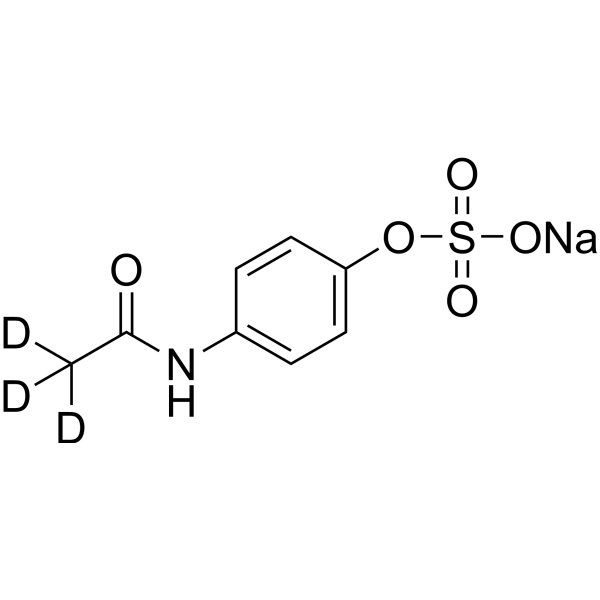
- HY-146712S
-
|
|
|
N-(4-Hydroxyphenyl)acetamide sulfate-d3 (sodium) is the deuterium labeled N-(4-Hydroxyphenyl)acetamide sulfate.
|
-
-
- HY-16561S2
-
|
|
|
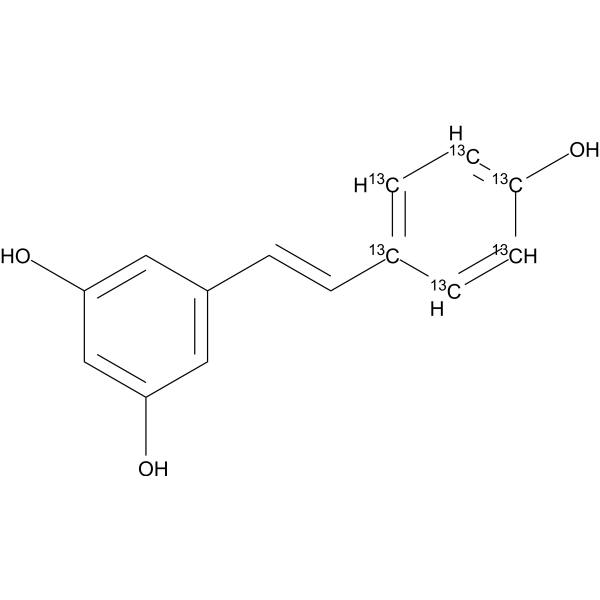
Resveratrol-(4-Hydroxyphenyl)- 13CN6 is the 13C labeled Resveratrol-(4-Hydroxyphenyl) .
|
-
-
- HY-132496S
-
|
|
|
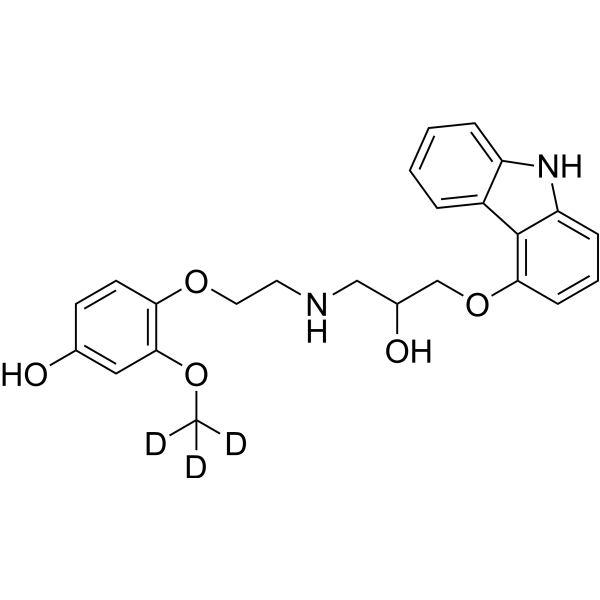
4’-Hydroxyphenyl Carvedilol-d3 is the deuterium labeled 4’-Hydroxyphenyl Carvedilol .
|
-
-
- HY-139687S
-
|
|
|
1-(4-Hydroxyphenyl)-2-((4-(4-hydroxyphenyl)butan-2-yl)amino)ethanone-d6 (hydrochloride) is the deuterium labeled 1-(4-Hydroxyphenyl)-2-((4-(4-hydroxyphenyl)butan-2-yl)amino)ethanone hydrochloride .
|
-
-
- HY-12767S2
-
|
|
|
Carvedilol metabolite 4-Hydroxyphenyl Carvedilol- 13C6 (4-Hydroxycarvedilol Carvedilol- 13C6) is 13C labeled Carvedilol metabolite 4-Hydroxyphenyl Carvedilol.
|
-
-
- HY-W719403
-
|
|
|
N-(4-Hydroxyphenyl)-2-iodoacetamide-d6 is the deuterium labeled N-(4-Hydroxyphenyl)-2-iodoacetamide (HY-W719402).
|
-
-
- HY-144359S
-
|
|
|
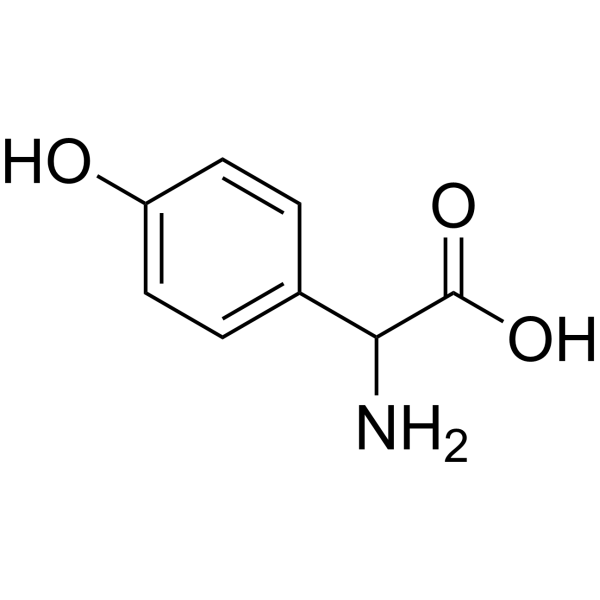
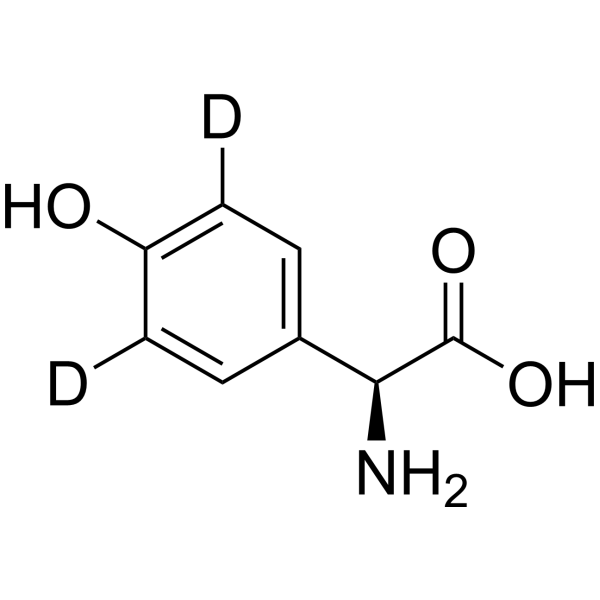
2-(4-Hydroxyphenyl)-L-glycine-d2 is the deuterium labeled 2-(4-Hydroxyphenyl)-L-glycine .
|
-
-
- HY-141857S
-
|
|
|
5-(4-Hydroxyphenyl)-5-phenyl-d5-hydantoin-2,4,5- 13C3 is the deuterium and 13C labeled 5-(4-Hydroxyphenyl)-5-phenyl-hydantoin .
|
-
-
- HY-W269693S
-
|
|
|
5-(4-Hydroxyphenyl)-5-phenylimidazolidine-2,4-dione- 13C3,d5 is the deuterium and 13C labeled 5-(4-Hydroxyphenyl)-5-phenylimidazolidine-2,4-dione .
|
-
-
- HY-W654080
-
|
|
|
Bisphenol P- 13C4 is 13C labeled α,α'-Bis(4-hydroxyphenyl)-1,4-diisopropylbenzene .
|
-
-
- HY-W740498
-
|
|
|
Raspberry ketone-d5 (Frambione-d5; 4-(4-Hydroxyphenyl)-2-butanone-d5) is the deuterium labeled Raspberry ketone (HY-N1426). Raspberry ketone is a major aromatic compound of red raspberry, widely used as a fragrance in cosmetics and as a flavoring agent in foodstuff; also shows PPAR-α agonistic activity.
|
-
-
- HY-W654081
-
|
|
|
Bisphenol P-d16 is deuterium labeled α,α'-Bis(4-hydroxyphenyl)-1,4-diisopropylbenzene .
|
-
-
- HY-W714025S
-
|
|
|
4-Hydroxychlorpropham-d7 is the deuterium labeled Isopropyl (3-chloro-4-hydroxyphenyl)carbamate (HY-W714025).
|
-
-
- HY-142555S
-
|
|
|
Bisphenol A monosulfate-d6 (sodium) is the deuterium labeled Bisphenol A monosulfate sodium .
|
-
-
- HY-I0450S
-
|
|
|
O-Benzyl Posaconazole-4-hydroxyphenyl-d4 is the deuterium labeled O-Benzyl Posaconazole-4-hydroxyphenyl .
|
-
-
- HY-132948S
-
|
|
|
5-(4-Hydroxyphenyl)-5-phenyl hydantoin- 15N2,d5 is the deuterium and 15N labeled 5-(4-Hydroxyphenyl)-5-phenyl hydantoin .
|
-
-
- HY-W722016
-
|
|
|
1-(2,3-Dichloro-4-hydroxyphenyl)butan-1-one-d7 is the deuterium labeled 1-(2,3-Dichloro-4-hydroxyphenyl)butan-1-one (HY-W716899).
|
-
-
- HY-W777094
-
|
|
|
1-Acetyl-4-(4-hydroxyphenyl)piperazine-d8 (Tetraethoxy C methyl propane-d8) is the deuterium labeled 1-(4-(4-Hydroxyphenyl)piperazin-1-yl)ethanone (HY-W014037).
|
-
-
- HY-W015346S
-
|
|
|
Desaminotyrosine-d8 (3-(4-Hydroxyphenyl)propionic acid-d8) is the deuterium labeled Desaminotyrosine (HY-W015346). Desaminotyrosine is a microbially associated metabolite protecting from influenza through augmentation of type I interferon signaling.
|
-
-
- HY-W014937S
-
|
|
|
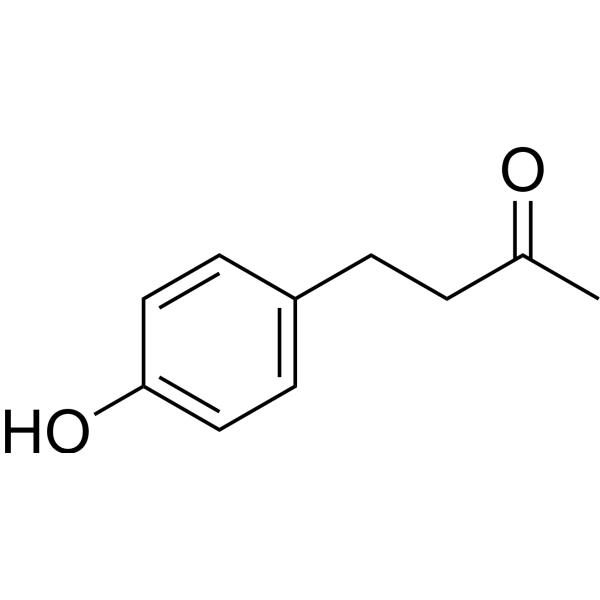
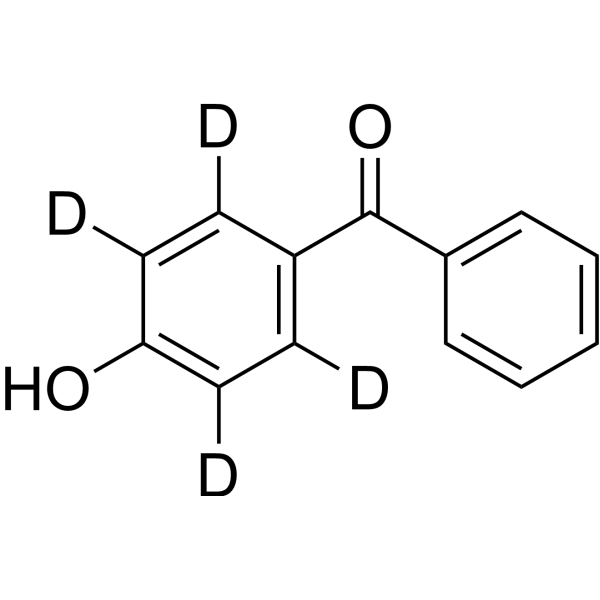
4-Hydroxybenzophenone-d4 is deuterium labeled (4-Hydroxyphenyl)(phenyl)methanone.
|
-
Your information is safe with us. * Required Fields.
Inquiry Information
- 상품명:
- Cat. No.:
- 수량:
- MCE Japan Authorized Agent:





![5-[13-(3-Carboxy-4-hydroxyphenyl)-5,7,12,14-tetraoxo-6,13-diazatetracyclo[6.6.2.04,16.011,15]hexadeca-1(15),2,4(16),8,10-pentaen-6-yl]-2-hydroxybenzoic acid](http://file.medchemexpress.com/product_pic/hy-w663749.gif)





