Search Result
Results for "
Anti-estrogenic
" in MedChemExpress (MCE) Product Catalog:
11
Isotope-Labeled Compounds
| Cat. No. |
Product Name |
Target |
Research Areas |
Chemical Structure |
-
- HY-16950A
-
|
Afimoxifene; 4-OHT
|
Estrogen Receptor/ERR
Adhesion G Protein-coupled Receptors (AGPCRs)
Drug Metabolite
|
Metabolic Disease
Cancer
|
|
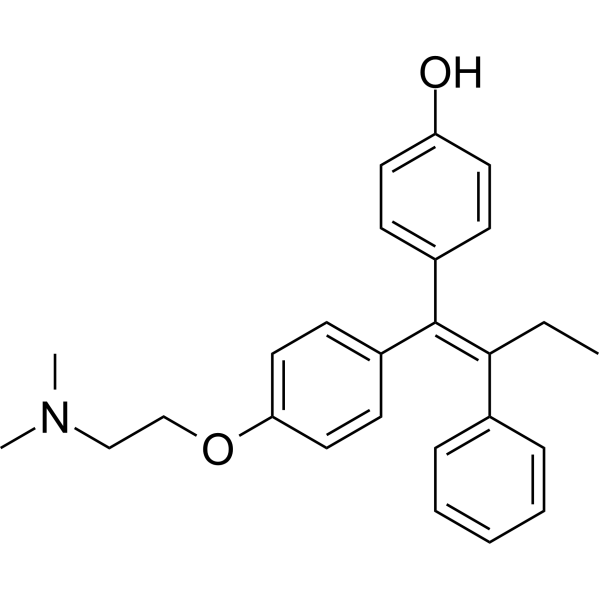
(E/Z)-4-Hydroxytamoxifen (Afimoxifene) is a racemic compound of (Z)-4-Hydroxytamoxifen and (E)-4-Hydroxytamoxifen isomers. (E/Z)-4-Hydroxytamoxifen is a selective estrogen receptor modulator with mixed estrogenic and antiestrogenic activity, which is also an active metabolite of Tamoxifen (HY-13757A). (E/Z)-4-Hydroxytamoxifen is an agonist of the G protein-coupled estrogen receptor (GPER) with relatively low affinity (100-1000 nM). (E/Z)-4-Hydroxytamoxifen is promising for research of cyclical mastalgia, such as breast pain, tenderness, and nodularity .
|
-
-
- HY-B0887
-
|
NRDC-143
|
Environmental Pollutants
Parasite
Mitochondrial Metabolism
Sodium Channel
|
Infection
Neurological Disease
|
|
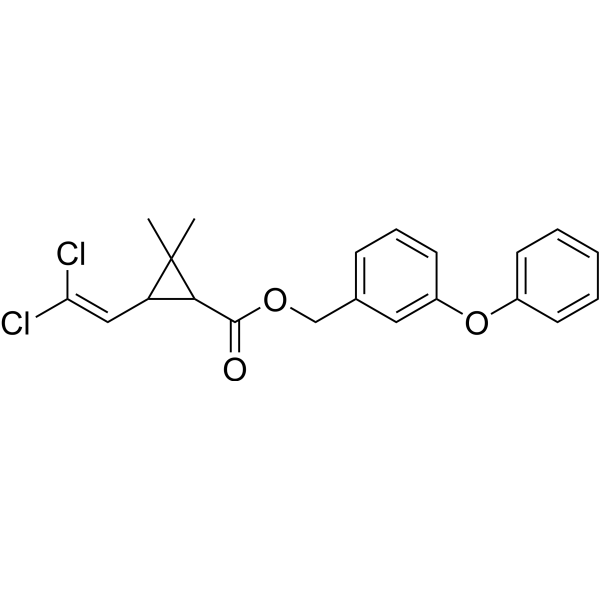
Permethrin (NRDC-143) is an insecticide, acaricide and a high selectively inhibitor of the Mitochondrial complex I, found in sediment and water samples. Permethrin shows estrogenic in vivo and anti-estrogenic activity in vitro. Permethrin also acts as a neurotoxin affecting neuron membranes by prolonging Sodium channel activation. Permethrin decreases resistance to bacterial infections in medaka (Oryzias latipes) .
|
-
-
- HY-B1234
-
|
Octyl methoxycinnamate
|
Environmental Pollutants
Estrogen Receptor/ERR
Androgen Receptor
Cytochrome P450
Thyroid Hormone Receptor
|
Metabolic Disease
Endocrinology
|
|
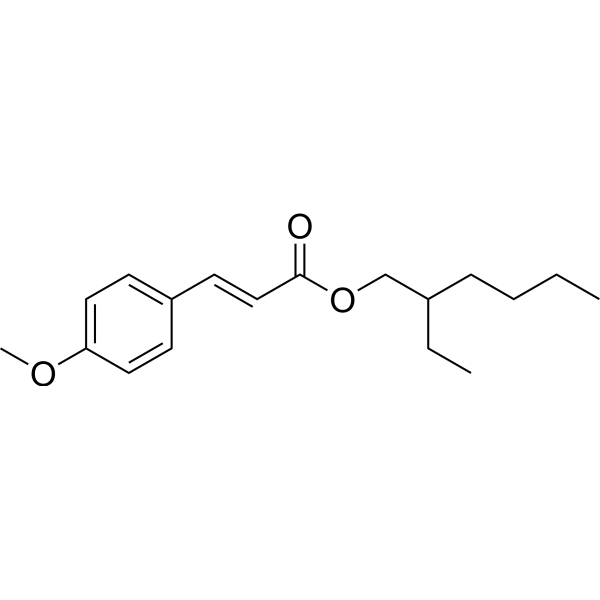
Octinoxate (Octyl methoxycinnamate) is a thyroid hormone receptor agonist, reducing the levels of triiodothyronine (T3) and thyroxine (T4) and transcription levels of genes related to type II deiodinase (deio2) in Japanese Medaka. Octinoxate is commonly used as a safe ultraviolet (UV) filter used in the aquatic environment. Octinoxate inhibits CYP1A1 and CYP1B1 to regulate hyaluronan (HA) (HY-B0633A) metabolism in a PI3K pathway-dependent manner in human keratinocytes. Octinoxate also exhibits an anti-estrogenic and anti-androgenic effect in vitro and in vivo .
|
-
-
- HY-B0515
-
|
BM-210955; RPR-102289A
|
Apoptosis
|
Metabolic Disease
Cancer
|
|
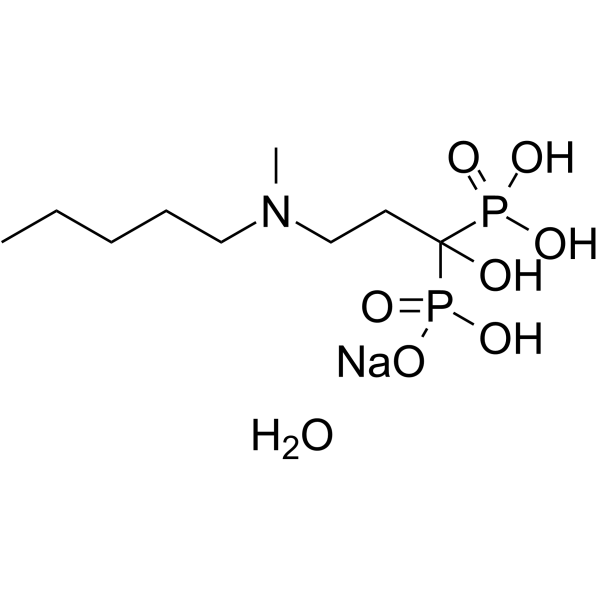
Ibandronate Sodium Monohydrate (BM-210955; RPR-102289A) is an orally active, selective inhibitor of farnesyl pyrophosphate synthase (FPP synthase). Ibandronate Sodium Monohydrate can block the mevalonate pathway to inhibit the isoprenylation modification of small GTPases (such as RAS, RHO family proteins), induce tumor cell apoptosis and inhibit bone resorption. Ibandronate Sodium Monohydrate inhibits tumor cell proliferation (such as ER + breast cancer cells), promotes the expression of the pro-apoptotic gene FAS, and can produce synergistic anti-tumor effects with anti-estrogen compounds. Ibandronate Sodium Monohydrate is used in the study of osteoporosis and bone metastatic tumors (such as breast cancer bone metastasis) .
|
-
-
- HY-N1581
-
|
Nigakilactone D
|
Parasite
|
Infection
Endocrinology
|
|
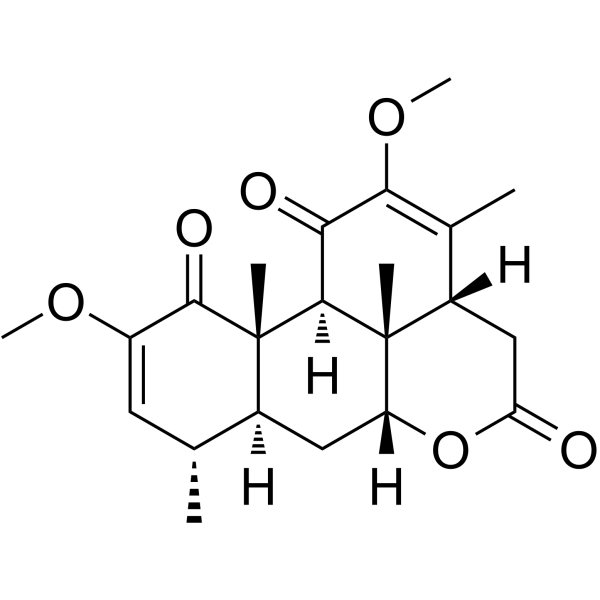
Quassin (Nigakilactone D) is a bioactive triterpenoid from stem bark extract of Quassia amara. Quassin inhibits P. falciparum with an IC50 of 0.15 μM. Quassin possesses reversible antifertility, anti-estrogenic and anti-plasmodial activity .
|
-
-
- HY-B1617A
-
|
|
Estrogen Receptor/ERR
|
Metabolic Disease
Endocrinology
|
|
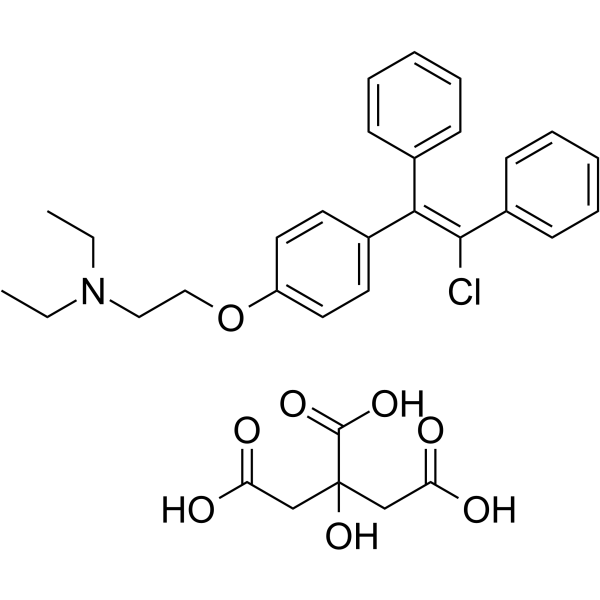
Zuclomiphene citrate is a cis isomer of Clomiphene citrate (HY-B0463). Zuclomiphene citrate is orally active and has an antiestrogenic effect. Zuclomiphene can reduce cholesterol levels. Zuclomiphene citrate can be for the researches of endocrinology and metabolic disease .
|
-
-
- HY-119437
-
FLTX1
2 Publications Verification
|
Estrogen Receptor/ERR
|
Cancer
|
|
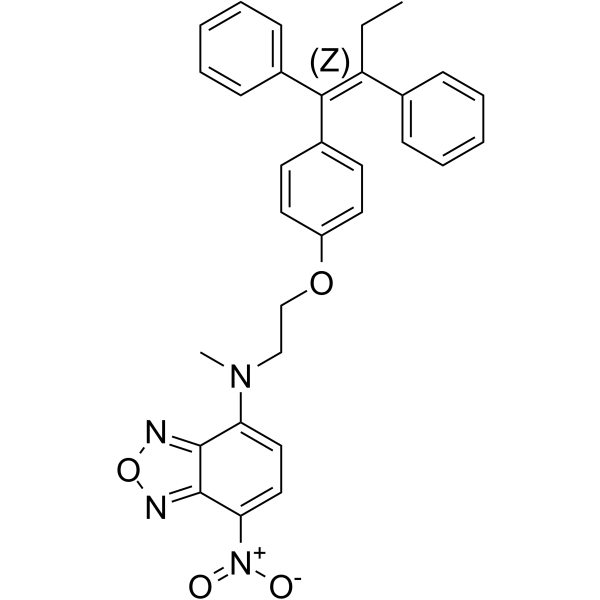
FLTX1 is a fluorescent Tamoxifen derivative that can specifically label intracellular Tamoxifen-binding sites (estrogen receptors) under permeabilized and non-permeabilized conditions. FLTX1 exhibits the potent antiestrogenic properties of Tamoxifen in breast cancer cells. FLTX1 is devoid of the estrogenic agonistic effect on the uterus .
|
-
-
- HY-113251
-
-
-
- HY-B2158
-
|
|
Estrogen Receptor/ERR
COX
|
Cardiovascular Disease
Endocrinology
|
|
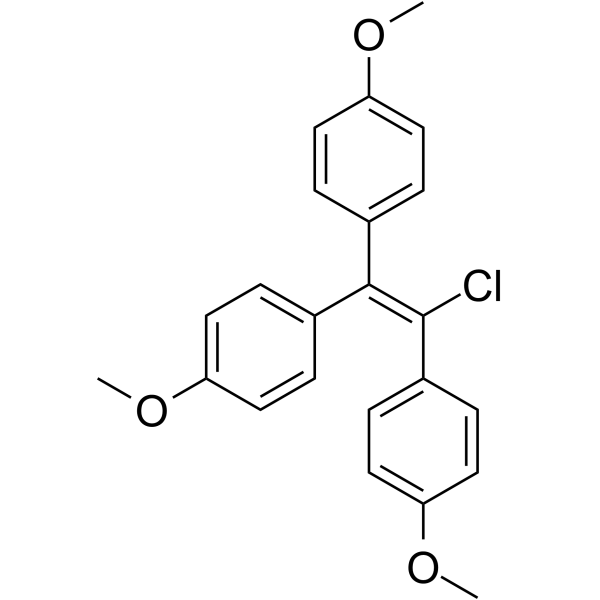
Chlorotrianisene is a long-acting non-steroidal estrogen and an orally active estrogen receptor modulator. Chlorotrianisene exhibits antiestrogenic activity. Chlorotrianisene potently inhibits the enzyme COX-1 and inhibits platelet aggregation in whole blood .
|
-
-
- HY-121149
-
|
3-Hydroxytamoxifen
|
Estrogen Receptor/ERR
Apoptosis
|
Cancer
|
|
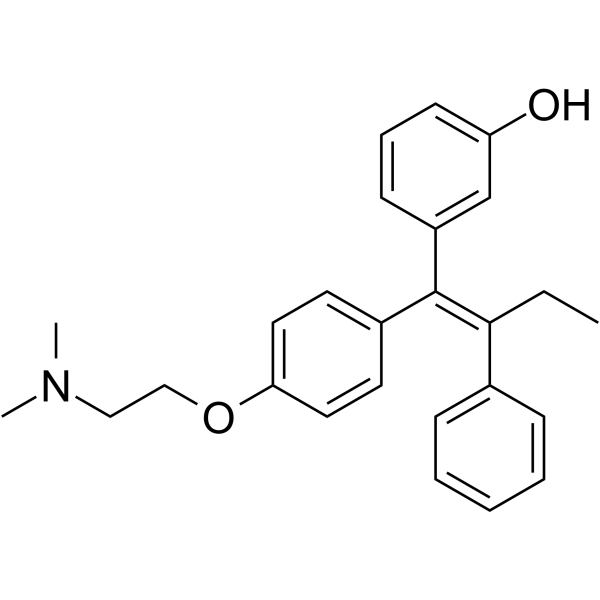
Droloxifene, a Tamoxifen derivative, is an orally active and selective estrogen receptor modulator. Droloxifene shows antiestrogenic and anti-implantation effects. Droloxifene induces p53 expression and apoptosis in MCF-7 cells. Droloxifene prevents bone loss in ovariectomized rats .
|
-
-
- HY-B0515B
-
|
|
Apoptosis
|
Metabolic Disease
Cancer
|
|
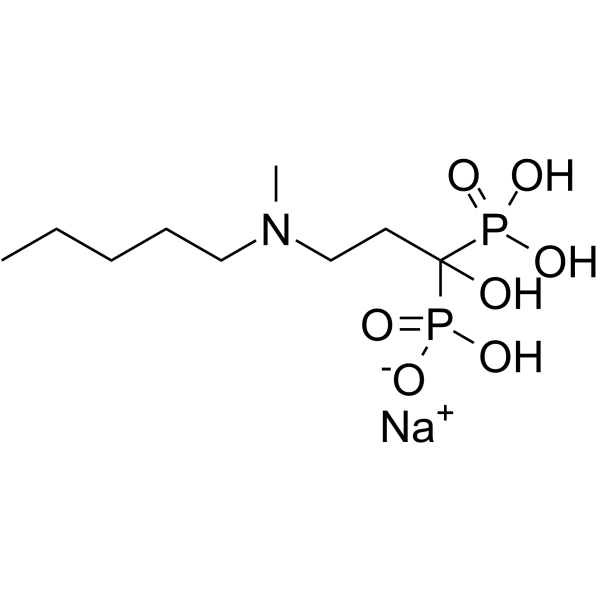
Ibandronate Sodium is an orally active, selective inhibitor of farnesyl pyrophosphate synthase (FPP synthase). Ibandronate Sodium can block the mevalonate pathway to inhibit the isoprenylation modification of small GTPases (such as RAS, RHO family proteins), induce tumor cell apoptosis and inhibit bone resorption. Ibandronate Sodium inhibits tumor cell proliferation (such as ER+ breast cancer cells), promotes the expression of the pro-apoptotic gene FAS, and can produce synergistic anti-tumor effects with anti-estrogen compounds. Ibandronate Sodium is used in the study of osteoporosis and bone metastatic tumors (such as breast cancer bone metastasis) .
|
-
-
- HY-148225
-
|
|
Drug Metabolite
|
Cancer
|
|
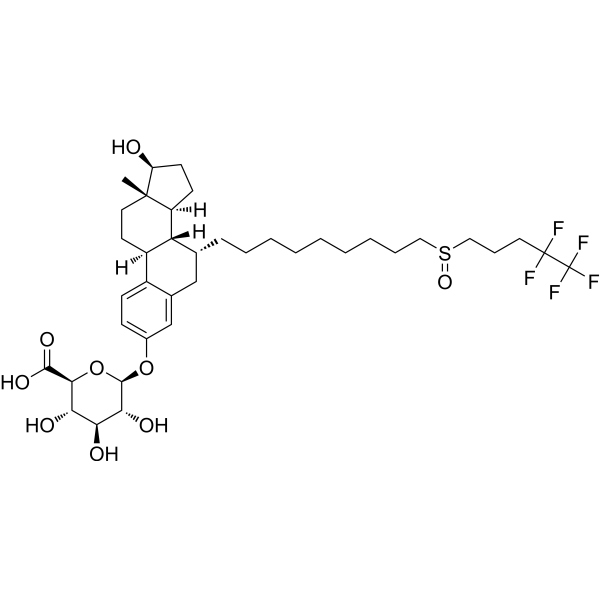
Fulvestrant 3-β-D-Glucuronide, a metabolite, is glucuronide and sulfate conjugates of Fulvestrant (HY-13636), a pure anti-estrogenic steroid. Fulvestrant 3-β-D-Glucuronide can be used for the research of breast cancer .
|
-
-
- HY-W087008
-
|
|
Cytochrome P450
|
Endocrinology
Cancer
|
|
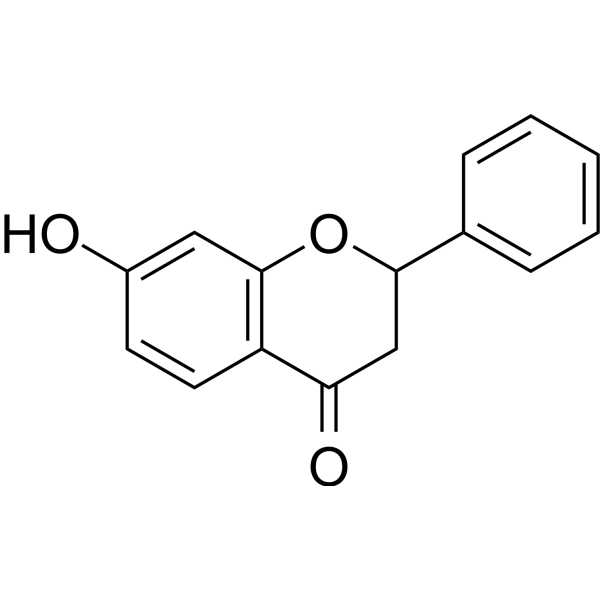
7-Hydroxyflavanone is a potent inhibitor of aromatase (CYP19) activity with the IC50 of 65 μM. 7-Hydroxyflavanone exerts various biological effects, including anticarcinogenic, antioxidant and (anti-)estrogenic effects, and modula
|
-
-
- HY-N1507
-
|
|
Estrogen Receptor/ERR
|
Cancer
|
|
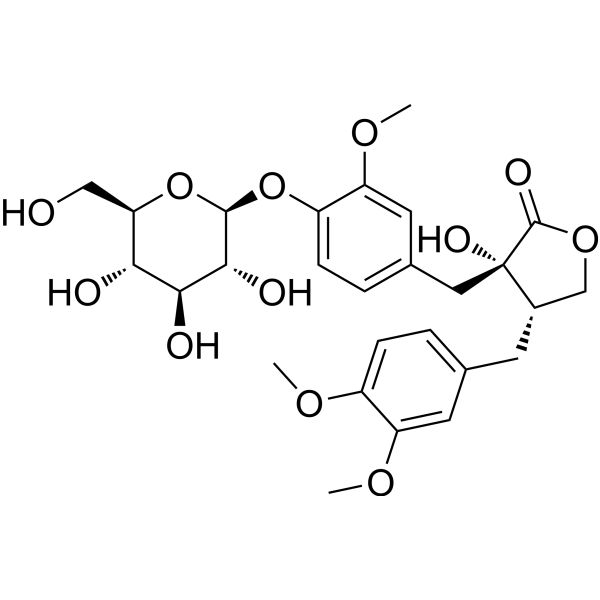
Tracheloside is an antiestrogenic lignin. Tracheloside promotes keratinocyte proliferation through ERK1/2 stimulation. Tracheloside is a good candidate to promote wound healing .
|
-
-
- HY-16023B
-
|
EM-343; (Rac)-EM-652
|
Estrogen Receptor/ERR
|
Cancer
|
|
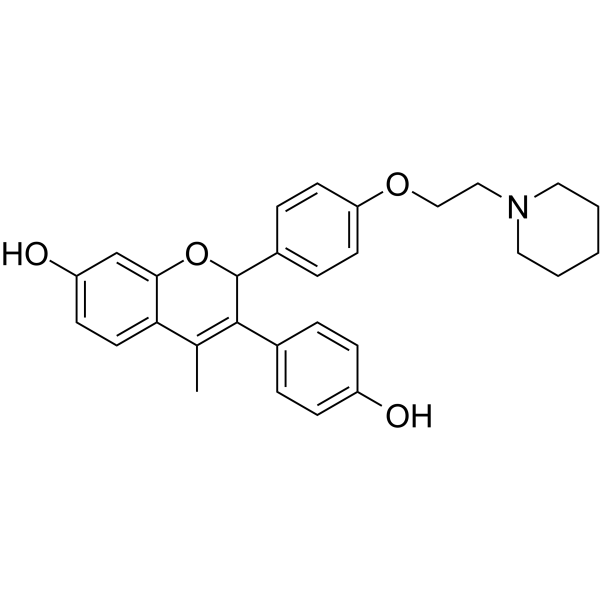
(Rac)-Acolbifene (EM-343; (Rac)-EM-652) is the racemic form of EM652 (estrogen receptor?antagonist), has anti-estrogenic and estrogenic activities. (Rac)-Acolbifene (EM-343; (Rac)-EM-652) contains a piperidine ring, shows good pharmacological profile,relative binding affinity (RBA)=380 .
|
-
-
- HY-18719S
-
-

-
- HY-18719D
-
|
E-Endoxifen
|
Estrogen Receptor/ERR
|
Cancer
|
|
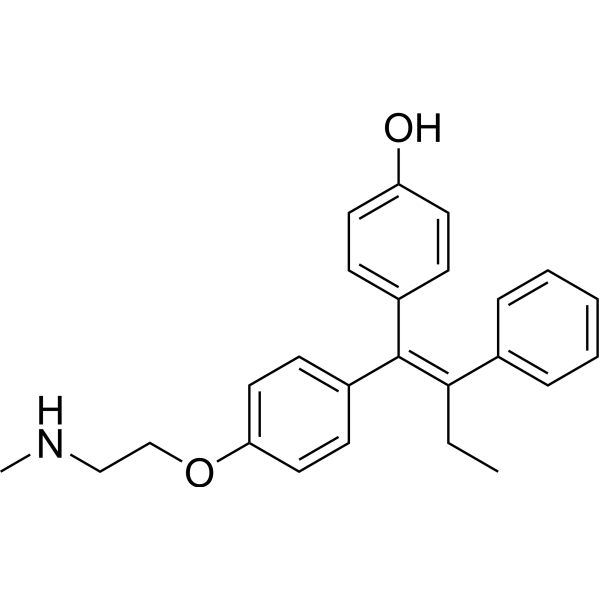
Endoxifen E-isomer (E-Endoxifen), an E-isomer of Endoxifen, is an impurity in Endoxifen Z-isomer agent substance. Endoxifen E-isomer exhibits antiestrogenic effects .
|
-
-
- HY-13556
-
|
LY353381; SERM III
|
Estrogen Receptor/ERR
|
Metabolic Disease
Cancer
|
|
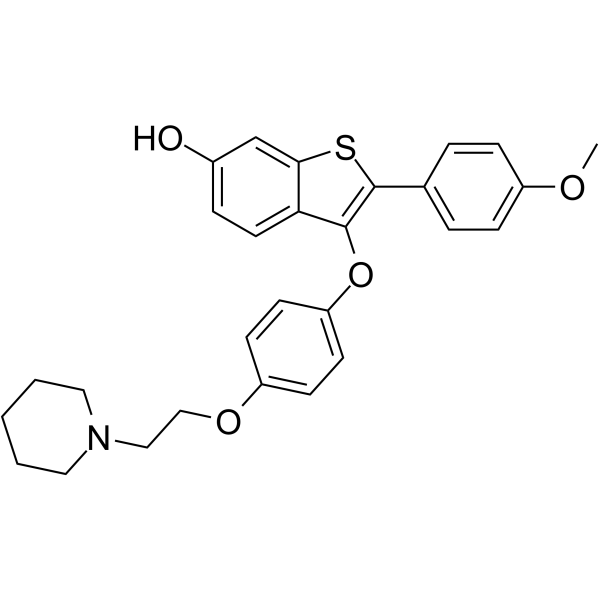
Arzoxifene (LY353381) is an orally active selective estrogen receptor modulator with a fixed ring structure similar to raloxifene. Arzoxifene has minimal side effects with powerful antiestrogenic effects on breast cancer and endometrium, with equally strong favorable estrogenic effects on bone and lipid profile .
|
-
-
- HY-A0287
-
|
Clomifene; (Z/E)-Enclomiphene; (Z/E)-Enclomifene
|
Estrogen Receptor/ERR
|
Metabolic Disease
Cancer
|
|
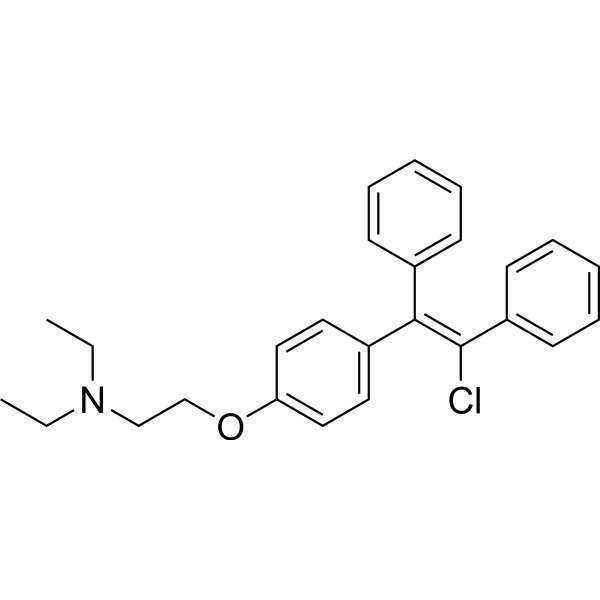
Clomiphene (Clomifene; (Z/E)-Enclomiphene; (Z/E)-Enclomifene) is an orally active ovulation-inducing agent. Clomiphene binds to hypothalamic estrogen receptors to elevate FSH levels, and exhibits antiestrogenic or estrogenic properties. Clomiphene can induce erturbations during meiotic maturation and cytogenetic abnormalities in mouse oocytes. Clomiphene ameliorates memory impairment in PCOS models. Clomiphene mobilizes cytosolic calcium and reduces viability in prostate cancer cells. Clomiphene can be used for the research of polycystic ovary syndrome (PCOS) and prostate cancer .
|
-
-
- HY-10830A
-
|
|
Estrogen Receptor/ERR
|
Cancer
|
|
PBPE hydrochloride is a derivative of tamoxifen (HY-13757A) and a selective ligand for the anti-estrogen binding site (AEBS), the binding affinities (Ki) of PBPE hydrochloride and MBPE to AEBS are 8.79 and 17.57 nM, respectively .
|
-

-
- HY-W106688
-
|
|
Estrogen Receptor/ERR
|
Endocrinology
|
|
Triisopropyl phosphate inhibits TFF1 and EGR3 gene expression, exhibits anti-estrogenic activity that inhibits Estradiol (HY-B0141)-induced MCF-7 cell proliferation with an EC50 of 341 μM. Triisopropyl phosphate inhibits the estrogen response element (ERE)-stimulated luciferase activity in MVLN cells with an EC50 of 900 μM .
|
-

-
- HY-A0287S
-
|
Clomifene-d5 hydrochloride; (Z/E)-Enclomiphene-d5 hydrochloride; (Z/E)-Enclomifene-d5 hydrochloride
|
Isotope-Labeled Compounds
Estrogen Receptor/ERR
|
Metabolic Disease
Cancer
|
|
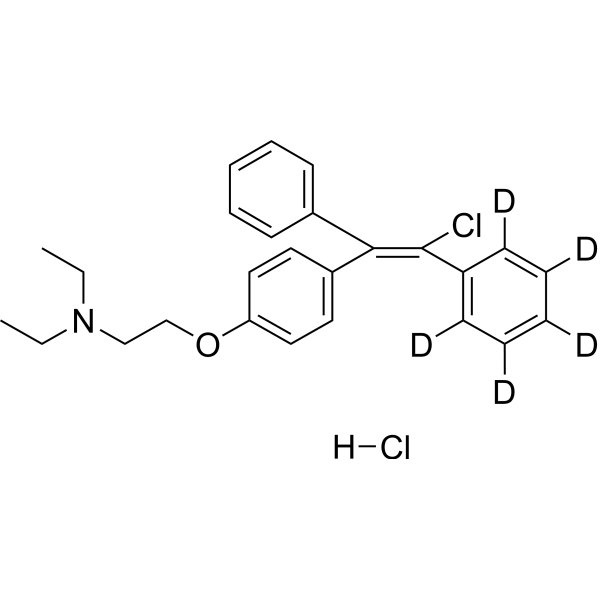
Clomifene (Clomifene; (Z/E)-Enclomiphene; (Z/E)-Enclomifene)-d5 hydrochloride is a deuterium labeled Clomifene hydrochloride (HY-A0287A). Clomiphene hydrochloride is an orally active ovulation-inducing agent. Clomiphene hydrochloride binds to hypothalamic estrogen receptors to elevate FSH levels, and exhibits antiestrogenic or estrogenic properties. Clomiphene hydrochloride can induce erturbations during meiotic maturation and cytogenetic abnormalities in mouse oocytes. Clomiphene hydrochloride ameliorates memory impairment in PCOS models. Clomiphene hydrochloride mobilizes cytosolic calcium and reduces viability in prostate cancer cells. Clomiphene hydrochloride can be used for the research of polycystic ovary syndrome (PCOS) and prostate cancer .
|
-
-
- HY-125263
-
|
|
Estrogen Receptor/ERR
|
Cancer
|
|
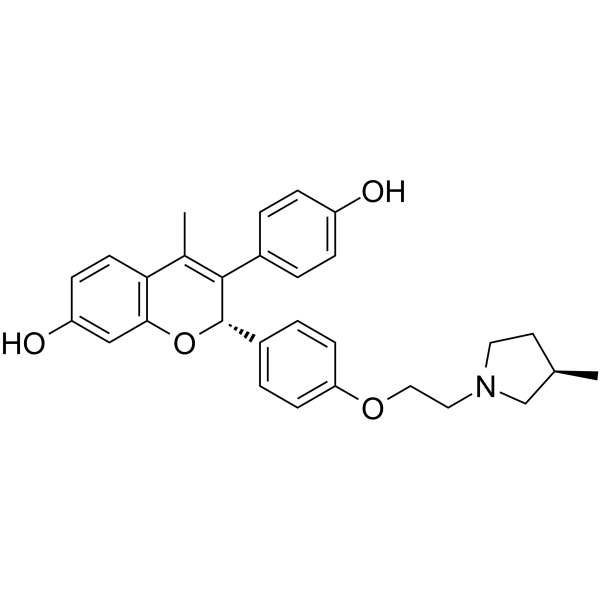
OP-1074, a pure anti-estrogen drug, is a selective ER degrader (PA-SERD) with specific anti-estrogenic activity against ERα and ERβ, inhibiting 17β-estradiol (E2)-stimulated transcription with IC50 values of 1.6 and 3.2 nM, respectively.
|
-
-
- HY-106751
-
|
|
Progesterone Receptor
|
Endocrinology
|
|
Anordrin is a contraceptive agent. Anordrin exhibits estrogenicites and can induce decrease in serum progesterone levels in rat models. Anordrin inhibits endometrial epithelial cell mitosis and NAFLD induced by Tamoxifen (HY-13757A) in mouse uterus and liver as an anti-estrogenic and estrogenic agent .
|
-

-
- HY-122411
-
|
EGIS 5650; GYKI-13504
|
Estrogen Receptor/ERR
|
Cancer
|
|
Panomifene (EGIS 5650) is a tamoxifen (HY-13757A) analog with an antiestrogenic activity. Panomifene can be used in the research of breast cancer .
|
-

-
- HY-18719C
-
|
E-Endoxifen hydrochloride
|
Estrogen Receptor/ERR
|
Cancer
|
|
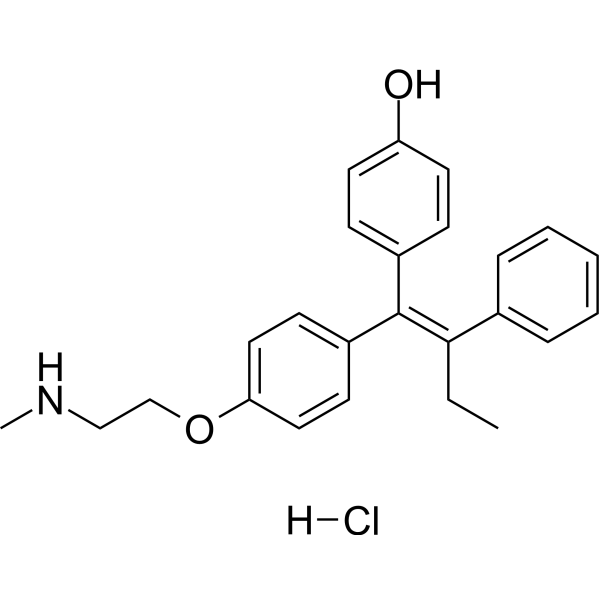
Endoxifen E-isomer hydrochloride (E-Endoxifen hydrochloride), an E-isomer of Endoxifen, is an impurity in Endoxifen Z-isomer agent substance. Endoxifen E-isomer hydrochloride exhibits antiestrogenic effects .
|
-
-
- HY-N3981
-
|
|
Others
|
Cancer
|
|
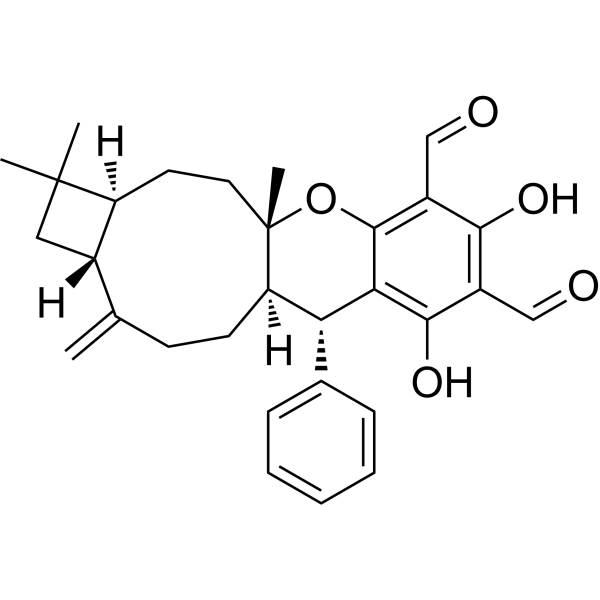
Guajadial, a caryophyllene-based meroterpenoid, has anti-estrogenic and anticancer effect. Guajadial reverses multidrug resistance in cancer. Guajadial can be isolated from Psidium guajava leaves .
|
-
-
- HY-105634
-
|
|
Progesterone Receptor
|
Endocrinology
Cancer
|
|
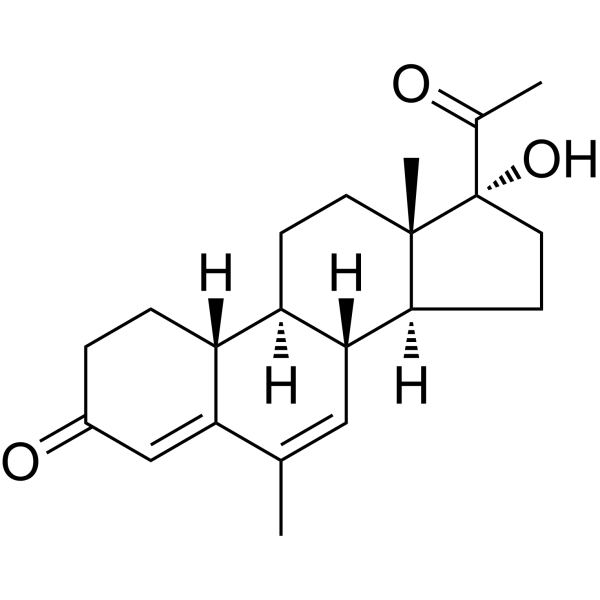
Nomegestrol is a potent and orally available progestin, acts as a selective full progesterone receptor agonist, with a Kd of 5.44 nM for rat uterine progesterone receptor, and has moderate antiandrogenic activity and strong antiestrogenic activity.
|
-
-
- HY-122411A
-
|
(E/Z)-EGIS 5650 hydrochloride; (E/Z)-GYKI-13504 hydrochloride
|
Estrogen Receptor/ERR
|
Cancer
|
|
(E/Z)-Panomifene (hydrochloride) is an orally active tamoxifen (TMX) (HY-13757A) analog. (E/Z)-Panomifene (hydrochloride) is a selective anti-estrogenic compound. (E/Z)-Panomifene (hydrochloride) has anti-tumor activity and can be used in breast cancer research .
|
-

-
- HY-16023
-
|
EM-652 hydrochloride; SCH 57068 hydrochloride
|
Estrogen Receptor/ERR
|
Cancer
|
|
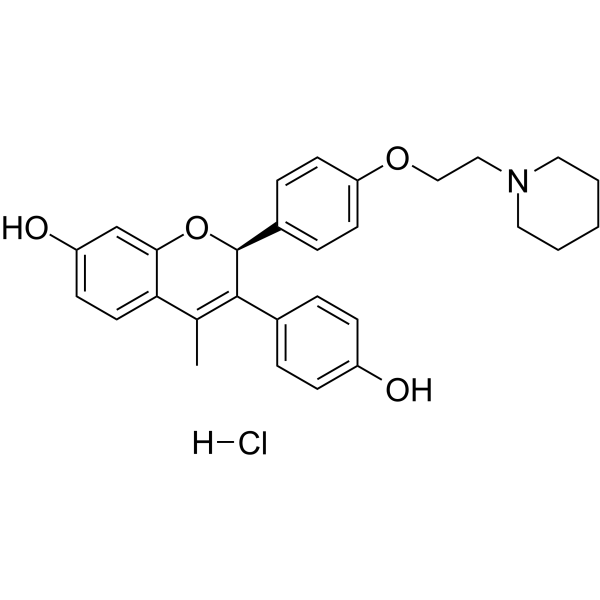
Acolbifene (EM-652) hydrochloride, an active metabolite of EM800, is an orally active, cancer-preventing selective estrogen receptor modulator (SERM). Acolbifene (EM-652) hydrochloride inhibits estradiol (E2)-induced transcriptional activity of ERα (IC50=2 nM) and ERβ (IC50=0.4 nM). Acolbifene (EM-652) hydrochloride exerts a potent and pure antiestrogenic action in the mammary gland and uterus. Anticarcinogenic properties .
|
-
-
- HY-A0287A
-
|
Clomifene hydrochloride; (Z/E)-Enclomiphene hydrochloride; (Z/E)-Enclomifene hydrochloride
|
Estrogen Receptor/ERR
|
Metabolic Disease
Cancer
|
|
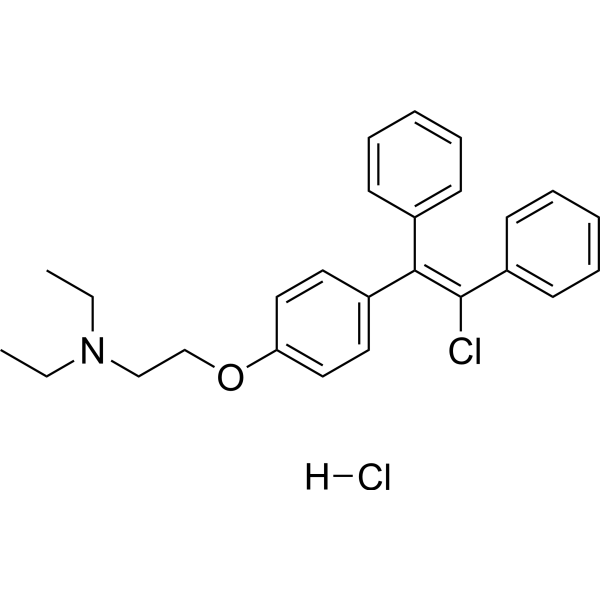
Clomiphene (Clomifene; (Z/E)-Enclomiphene; (Z/E)-Enclomifene) hydrochloride is an orally active ovulation-inducing agent. Clomiphene hydrochloride binds to hypothalamic estrogen receptors to elevate FSH levels, and exhibits antiestrogenic or estrogenic properties. Clomiphene hydrochloride can induce erturbations during meiotic maturation and cytogenetic abnormalities in mouse oocytes. Clomiphene hydrochloride ameliorates memory impairment in PCOS models. Clomiphene hydrochloride mobilizes cytosolic calcium and reduces viability in prostate cancer cells. Clomiphene hydrochloride can be used for the research of polycystic ovary syndrome (PCOS) and prostate cancer .
|
-
-
- HY-16950AR
-
|
Afimoxifene (Standard); 4-OHT (Standard)
|
Reference Standards
Estrogen Receptor/ERR
Endogenous Metabolite
|
Cancer
|
|
(E/Z)-4-Hydroxytamoxifen (Standard) is the analytical standard of (E/Z)-4-Hydroxytamoxifen. This product is intended for research and analytical applications. (E/Z)-4-Hydroxytamoxifen (Afimoxifene) is a racemic compound of (Z)-4-Hydroxytamoxifen and (E)-4-Hydroxytamoxifen isomers. (E/Z)-4-Hydroxytamoxifen is a selective estrogen receptor modulator with mixed estrogenic and antiestrogenic activity, which is also an active metabolite of Tamoxifen (HY-13757A). (E/Z)-4-Hydroxytamoxifen is an agonist of the G protein-coupled estrogen receptor (GPER) with relatively low affinity (100-1000 nM). (E/Z)-4-Hydroxytamoxifen is promising for research of cyclical mastalgia, such as breast pain, tenderness, and nodularity .
|
-

-
- HY-135671
-
|
|
Aryl Hydrocarbon Receptor
VEGFR
Estrogen Receptor/ERR
|
Endocrinology
Cancer
|
|
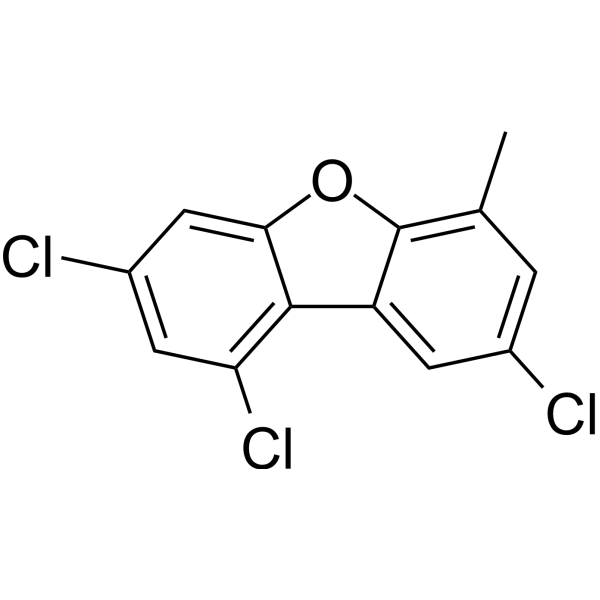
AhR modulator-1 (compound 6-MCDF) is a selective and orally active aryl hydrocarbon receptor (AhR) modulator. AhR modulator-1 inhibits metastasis, in part, by inhibiting prostatic VEGF production prior to tumor formation. AhR modulator-1 also possess anti-estrogenic properties in rat uterus .
|
-
-
- HY-N1581R
-
|
Nigakilactone D (Standard)
|
Reference Standards
Parasite
|
Infection
Endocrinology
|
|
Quassin (Standard) is the analytical standard of Quassin. This product is intended for research and analytical applications. Quassin (Nigakilactone D) is a bioactive triterpenoid from stem bark extract of Quassia amara. Quassin inhibits P. falciparum with an IC50 of 0.15 μM. Quassin possesses reversible antifertility, anti-estrogenic and anti-plasmodial activity .
|
-

-
- HY-125263B
-
|
|
Estrogen Receptor/ERR
|
Cancer
|
|
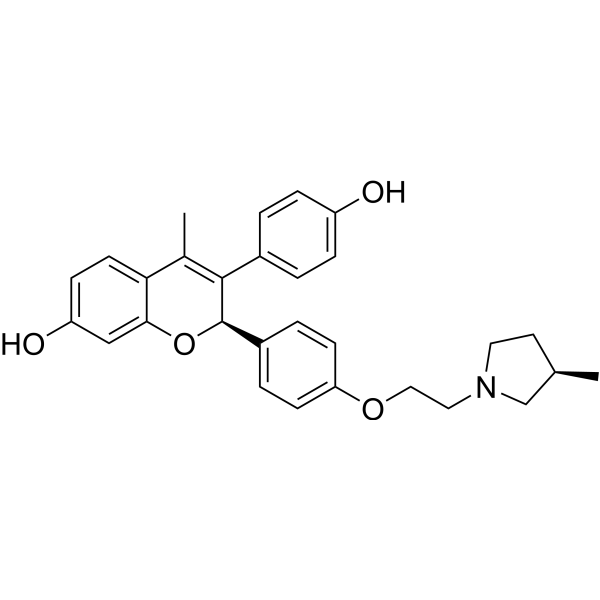
(R)-OP-1074 is an isomer of OP-1074 (HY-125263) and can serve as a control compound in experiments. OP-1074, a pure anti-estrogen drug, is a selective ER degrader (PA-SERD) with specific anti-estrogenic activity against ERα and ERβ, inhibiting 17β-estradiol (E2)-stimulated transcription with IC50 values of 1.6 and 3.2 nM, respectively.
|
-
-
- HY-B1234S
-
|
|
Cytochrome P450
Thyroid Hormone Receptor
Androgen Receptor
Estrogen Receptor/ERR
Isotope-Labeled Compounds
|
Metabolic Disease
Endocrinology
|
|
Octinoxate-13C,d3 is the deuterium labeled Octinoxate (HY-W245806). Octinoxate (Octyl methoxycinnamate) is a thyroid hormone receptor agonist, reducing the levels of triiodothyronine (T3) and thyroxine (T4) and transcription levels of genes related to type II deiodinase (deio2) in Japanese Medaka. Octinoxate is commonly used as a safe ultraviolet (UV) filter used in the aquatic environment. Octinoxate inhibits CYP1A1 and CYP1B1 to regulate hyaluronan (HA) (HY-B0633A) metabolism in a PI3K pathway-dependent manner in human keratinocytes. Octinoxate also exhibits an anti-estrogenic and anti-androgenic effect in vitro and in vivo .
|
-

-
- HY-123773
-
|
NSC 732011; HLX-801
|
Steroid Sulfatase
Estrogen Receptor/ERR
|
Cancer
|
|
SR-16157 (NSC 732011; HLX-801) is a dual-action steroid sulfatase (STS) inhibitor (IC50 = 0.1 uM) and selective ERα modulator. SR-16157 exhibits STS inhibitory and anti-estrogenic effects in breast cancer cells. SR-16157 may be used in breast cancer research .
|
-

-
- HY-W774926
-
|
NRDC-143-d6
|
Isotope-Labeled Compounds
Na+/K+ ATPase
Parasite
Sodium Channel
Mitochondrial Metabolism
|
Infection
Neurological Disease
|
|
Permethrin-d6 (NRDC-143-d6) is deuterium labeled Permethrin. Permethrin (NRDC-143) is an insecticide, acaricide and a high selectively inhibitor of the Mitochondrial complex I, found in sediment and water samples. Permethrin shows estrogenic in vivo and anti-estrogenic activity in vitro. Permethrin also acts as a neurotoxin affecting neuron membranes by prolonging Sodium channel activation. Permethrin decreases resistance to bacterial infections in medaka (Oryzias latipes) .
|
-

-
- HY-118242
-
|
|
Estrogen Receptor/ERR
Calmodulin
|
Others
|
|
RU 45144 is an anti-estrogen compound that has the activity of antagonizing the binding of estrogen receptors to calmodulin. RU 45144 can inhibit the binding of estrogen receptors to calmodulin, and its effect is similar to that of tamoxifen. Its anti-estrogen effect may be related to specific side chains in the molecular structure, and the steroid skeleton may be involved in its anti-proliferative activity.
|
-

-
- HY-W713284
-
|
|
Isotope-Labeled Compounds
Cytochrome P450
Estrogen Receptor/ERR
Androgen Receptor
Thyroid Hormone Receptor
|
Endocrinology
|
|
2-Ethylhexyl (E)-3-(4-(methoxy-d3)phenyl)acrylate is the deuterium labeled Octinoxate (HY-B1234). Octinoxate (Octyl methoxycinnamate) is a thyroid hormone receptor agonist, reducing the levels of triiodothyronine (T3) and thyroxine (T4) and transcription levels of genes related to type II deiodinase (deio2) in Japanese Medaka. Octinoxate is commonly used as a safe ultraviolet (UV) filter used in the aquatic environment. Octinoxate inhibits CYP1A1 and CYP1B1 to regulate hyaluronan (HA) (HY-B0633A) metabolism in a PI3K pathway-dependent manner in human keratinocytes. Octinoxate also exhibits an anti-estrogenic and anti-androgenic effect in vitro and in vivo .
|
-

-
- HY-121441
-
|
|
Estrogen Receptor/ERR
|
Inflammation/Immunology
|
|
Fispemifene, an orally active selective estrogen receptor modulator with anti-inflammatory and antiestrogenic action, attenuates glandular inflammation in an animal model of chronic nonbacterial prostatitis .
|
-

-
- HY-N3257
-
|
|
Estrogen Receptor/ERR
|
Endocrinology
|
|
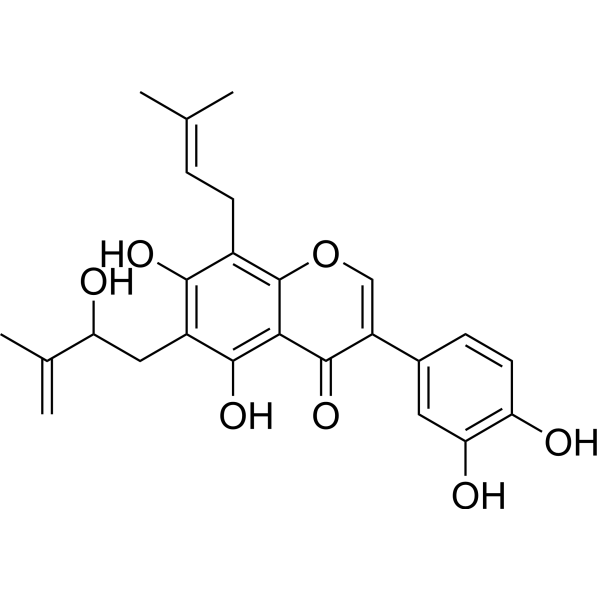
Millewanin G is a prenylated isoflavonoid with antiestrogenic activity (IC50=29 μM). Millewanin G can be isolated from the leaves of M. pachycarpa cultivated in Japan .
|
-
-
- HY-N11787
-
|
|
Estrogen Receptor/ERR
|
Metabolic Disease
|
|
Cimicifuga racemosa extract is a herbal remedy with antiestrogenic properties found in the plant Cimicifuga racemosa, commonly used to alleviate menopausal symptoms and relieve symptoms such as hot flashes and night sweats .
|
-

-
- HY-113251S
-
-
-
- HY-B1617
-
|
|
Estrogen Receptor/ERR
|
Metabolic Disease
Endocrinology
|
|
Zuclomiphene is a cis isomer of Clomiphene citrate (HY-B0463). Zuclomiphene is orally active and has an antiestrogenic effect. Zuclomiphene can reduce cholesterol levels. Zuclomiphene can be for the researches of endocrinology and metabolic disease .
|
-

-
- HY-113251S1
-
-
-
- HY-181136
-
|
|
Estrogen Receptor/ERR
|
Metabolic Disease
Cancer
|
|
Antiestrogenic agent-1, an organophosphorus 13α-estrone derivative, is an antiestrogenic agent. Antiestrogenic agent-1 can disrupt estrogen signaling by inhibiting estrogen-mediated transcriptional activity. Antiestrogenic agent-1 can inhibit cancer cells proliferation, migration, invasion and induce G1-phase arrest. Antiestrogenic agent-1 mitigates estrogen-induced uterine growth in immature rats and inhibits tumor growth in a murine triple-negative breast cancer mice model. Antiestrogenic agent-1 can be used for the researches of cancer and endocrinology,such as breast cancer, oropharyngeal squamous cell carcinoma .
|
-

-
- HY-N1507R
-
|
|
Reference Standards
Estrogen Receptor/ERR
|
Cancer
|
|
Tracheloside (Standard) is the analytical standard of Tracheloside. This product is intended for research and analytical applications. Tracheloside is an antiestrogenic lignin. Tracheloside promotes keratinocyte proliferation through ERK1/2 stimulation. Tracheloside is a good candidate to promote wound healing .
|
-

-
- HY-147813
-
-
-
- HY-B2158S
-
-
- HY-106056
-
|
D 16726
|
Estrogen Receptor/ERR
|
Cancer
|
|
Zindoxifene is a partial anti-estrogen. Zindoxifene works primarily by binding to estrogen receptors, thereby inhibiting the growth of estrogen-dependent tumor cells. Zindoxifene is able to exhibit the dual properties of estrogen agonists and antagonists and can be used in research and development to target estrogen-dependent tumors, such as prostate and breast cancer .
|
-

- HY-117038
-
|
|
Estrogen Receptor/ERR
|
Endocrinology
|
|
Anordiol is an antiestrogenic compound with weak estrogenic activity. It can reduce the parameters of uterine growth (including uterine wet weight, soluble protein content, and DNA content) induced by estradiol in rats and can also regulate the estrous cycle in rats. Anordiol holds potential application value in the research of antiestrogen-related diseases .
|
-

- HY-B2158R
-
|
|
Reference Standards
Estrogen Receptor/ERR
COX
|
Cardiovascular Disease
Endocrinology
|
|
Chlorotrianisene (Standard) is the analytical standard of Chlorotrianisene. This product is intended for research and analytical applications. Chlorotrianisene is a long-acting non-steroidal estrogen and an orally active estrogen receptor modulator. Chlorotrianisene exhibits antiestrogenic activity. Chlorotrianisene potently inhibits the enzyme COX-1 and inhibits platelet aggregation in whole blood .
|
-

- HY-B1617AS2
-
|
|
Isotope-Labeled Compounds
Estrogen Receptor/ERR
|
Metabolic Disease
Endocrinology
|
|
Zuclomiphene d10 Citrate salt is deuterium labeled Zuclomiphene citrate (HY-B1617A). Zuclomiphene citrate is a cis isomer of Clomiphene citrate (HY-B0463). Zuclomiphene citrate is orally active and has an antiestrogenic effect. Zuclomiphene can reduce cholesterol levels. Zuclomiphene citrate can be for the researches of endocrinology and metabolic disease .
|
-

- HY-B1617AS
-
|
|
Isotope-Labeled Compounds
Estrogen Receptor/ERR
|
Metabolic Disease
Endocrinology
|
|
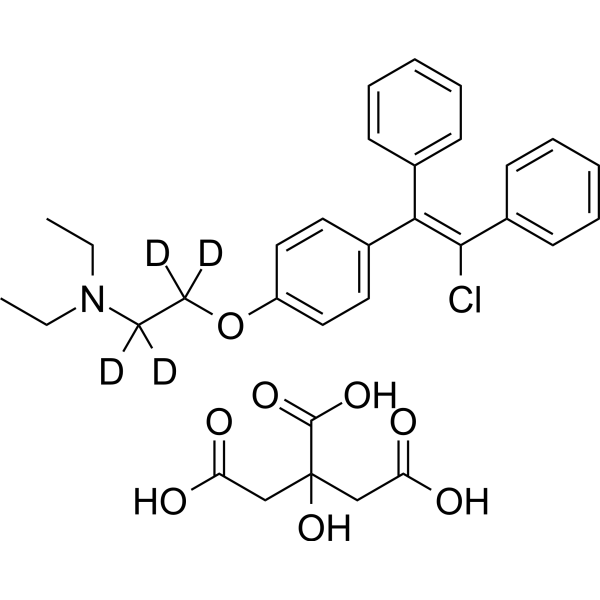
Zuclomiphene-d4 citrate is a deuterium labeled Zuclomiphene citrate (HY-B1617A). Zuclomiphene citrate is a cis isomer of Clomiphene citrate (HY-B0463). Zuclomiphene citrate is orally active and has an antiestrogenic effect. Zuclomiphene can reduce cholesterol levels. Zuclomiphene citrate can be for the researches of endocrinology and metabolic disease .
|
-
- HY-B1617AS1
-
|
|
Isotope-Labeled Compounds
Estrogen Receptor/ERR
|
Metabolic Disease
Endocrinology
|
|
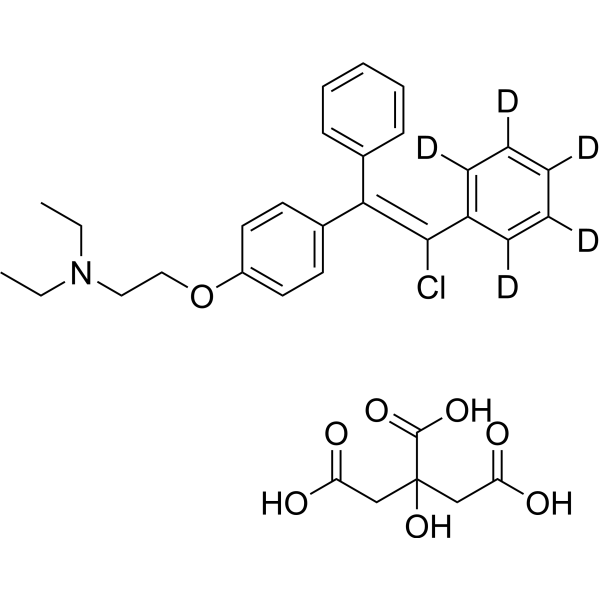
Zuclomiphene-d5 citrate is the deuterium labeled Zuclomiphene citrate (HY-B1617A). Zuclomiphene citrate is a cis isomer of Clomiphene citrate (HY-B0463). Zuclomiphene citrate is orally active and has an antiestrogenic effect. Zuclomiphene can reduce cholesterol levels. Zuclomiphene citrate can be for the researches of endocrinology and metabolic disease .
|
-
- HY-125091
-
|
|
Estrogen Receptor/ERR
|
Cancer
|
|
LY2066948 is a selective and orally active estrogen receptor modulator (SERM). LY2066948 has high affinity for estrogen receptors ERα and ERβ (Ki: 0.51 and 1.36 nM respectively) and shows potent antiestrogenic activity. LY2066948 blocks uterine weight gain induced by Ethynyl estradiol (HY-B0216) in immature rats. LY2066948 can be used for research of uterine fibroids and myomas .
|
-

- HY-114631
-
|
|
Estrogen Receptor/ERR
|
Cancer
|
|
EM-800, an orally active anti-estrogen, serves as an antagonist to the transcriptional functions of estrogen receptors α (ERα) and β (ERβ). EM-800 possesses anticancer activity, capable of inhibiting the growth of breast cancer induced by 7,12-Dimethylbenz[a]anthracene (DMBA) (HY-W011845). Furthermore, in ovariectomized animals, EM-800 effectively slows down bone loss. Additionally, EM-800 shows potential in the research of breast and endometrial cancers, while exerting beneficial effects on bone and lipid metabolism .
|
-

- HY-117649
-
|
|
Estrogen Receptor/ERR
|
Cancer
|
|
RU-39411 is a steroidal anti-estrogen with mixed estrogenic/antiestrogen activity. RU-39411 has shown inhibitory effects on cell growth in the MCF-7 breast cancer model, with the effect being correlated with its binding affinity to the estrogen receptor. RU-39411 was able to downregulate the estrogen binding capacity of cells, but did not reduce estrogen receptor mRNA levels, indicating that the grafting of its side chain prevents the antagonistic effects usually associated with steroidal estrogens. The administration of RU-39411 can promote the synthesis of progesterone receptors, further supporting its activity as an estrogen .
|
-

- HY-121149B
-
|
(E/Z)-3-Hydroxytamoxifen
|
Estrogen Receptor/ERR
Apoptosis
|
Cancer
|
|
(E/Z)-Droloxifene is a mixture of (E)-droloxifene (a selective estrogen receptor modulator) and (Z)-droloxifene. (E)-Droloxifene binds to the estrogen receptor (ER) with an IC50 value of 24 nM in rabbit uterine homogenates. (E)-Droloxifene increases uterine weight in immature rats, and reduces estradiol-induced increases in uterine weight in juvenile rats. (E)-Droloxifene also inhibits 17β-estradiol-stimulated growth of MCF-7, ZR-75-1, and T47D human breast cancer cells. (Z)-Droloxifene binds weakly to ER and has no estrogenic or antiestrogenic activity .
|
-

- HY-B0515R
-
|
BM-210955 (Standard); RPR-102289A (Standard)
|
Reference Standards
Apoptosis
|
Cancer
|
|
Ibandronate Sodium Monohydrate (BM-210955; RPR-102289A) (Standard) is the analytical standard of Ibandronate Sodium Monohydrate (HY-B0515). This product is intended for research and analytical applications. Ibandronate Sodium Monohydrate (BM-210955; RPR-102289A) is an orally active, selective inhibitor of farnesyl pyrophosphate synthase (FPP synthase). Ibandronate Sodium Monohydrate can block the mevalonate pathway to inhibit the isoprenylation modification of small GTPases (such as RAS, RHO family proteins), induce tumor cell apoptosis and inhibit bone resorption. Ibandronate Sodium Monohydrate inhibits tumor cell proliferation (such as ER + breast cancer cells), promotes the expression of the pro-apoptotic gene FAS, and can produce synergistic anti-tumor effects with anti-estrogen compounds. Ibandronate Sodium Monohydrate is used in the study of osteoporosis and bone metastatic tumors (such as breast cancer bone metastasis) .
|
-

- HY-118786
-
-

- HY-N3256
-
|
|
Glycosidase
|
Others
|
|
Millewanin H is a Flavonoids product that can be isolated from the herbs of Millettia pachycarpa . Millewanin H has antiestrogenic activity and inhibit 17β-estradiol-induced-β-galactosidase activity . Millewanin H showes α-glucosidase inhibition .
|
-

- HY-10830AR
-
|
|
Reference Standards
Estrogen Receptor/ERR
|
Cancer
|
|
PBPE hydrochloride (Standard) is the analytical standard of PBPE (hydrochloride) (HY-10830A). This product is intended for research and analytical applications. PBPE hydrochloride is a derivative of tamoxifen (HY-13757A) and a selective ligand for the anti-estrogen binding site (AEBS), the binding affinities (Ki) of PBPE hydrochloride and MBPE to AEBS are 8.79 and 17.57 nM, respectively .
|
-

| Cat. No. |
Product Name |
Category |
Target |
Chemical Structure |
| Cat. No. |
Product Name |
Chemical Structure |
-
- HY-18719S
-
|
|
|
Endoxifen-d5 (Z-isomer) is the deuterium labeled Endoxifen (Z-isomer) (HY-18719). Endoxifen (Z-isomer) is an oral active Tamoxifen (HY-13757A) metabolite, inducing an anti-estrogenic effect in breast cancer cells expressing ERα. Endoxifen (Z-isomer) inhibits hERG. This effect is concentration-dependent, with an IC50 value of 1.6 μM .
|
-
-
- HY-A0287S
-
|
|
|
Clomifene (Clomifene; (Z/E)-Enclomiphene; (Z/E)-Enclomifene)-d5 hydrochloride is a deuterium labeled Clomifene hydrochloride (HY-A0287A). Clomiphene hydrochloride is an orally active ovulation-inducing agent. Clomiphene hydrochloride binds to hypothalamic estrogen receptors to elevate FSH levels, and exhibits antiestrogenic or estrogenic properties. Clomiphene hydrochloride can induce erturbations during meiotic maturation and cytogenetic abnormalities in mouse oocytes. Clomiphene hydrochloride ameliorates memory impairment in PCOS models. Clomiphene hydrochloride mobilizes cytosolic calcium and reduces viability in prostate cancer cells. Clomiphene hydrochloride can be used for the research of polycystic ovary syndrome (PCOS) and prostate cancer .
|
-
-
- HY-B1234S
-
|
|
|
Octinoxate-13C,d3 is the deuterium labeled Octinoxate (HY-W245806). Octinoxate (Octyl methoxycinnamate) is a thyroid hormone receptor agonist, reducing the levels of triiodothyronine (T3) and thyroxine (T4) and transcription levels of genes related to type II deiodinase (deio2) in Japanese Medaka. Octinoxate is commonly used as a safe ultraviolet (UV) filter used in the aquatic environment. Octinoxate inhibits CYP1A1 and CYP1B1 to regulate hyaluronan (HA) (HY-B0633A) metabolism in a PI3K pathway-dependent manner in human keratinocytes. Octinoxate also exhibits an anti-estrogenic and anti-androgenic effect in vitro and in vivo .
|
-
-
- HY-W774926
-
|
|
|
Permethrin-d6 (NRDC-143-d6) is deuterium labeled Permethrin. Permethrin (NRDC-143) is an insecticide, acaricide and a high selectively inhibitor of the Mitochondrial complex I, found in sediment and water samples. Permethrin shows estrogenic in vivo and anti-estrogenic activity in vitro. Permethrin also acts as a neurotoxin affecting neuron membranes by prolonging Sodium channel activation. Permethrin decreases resistance to bacterial infections in medaka (Oryzias latipes) .
|
-
-
- HY-W713284
-
|
|
|
2-Ethylhexyl (E)-3-(4-(methoxy-d3)phenyl)acrylate is the deuterium labeled Octinoxate (HY-B1234). Octinoxate (Octyl methoxycinnamate) is a thyroid hormone receptor agonist, reducing the levels of triiodothyronine (T3) and thyroxine (T4) and transcription levels of genes related to type II deiodinase (deio2) in Japanese Medaka. Octinoxate is commonly used as a safe ultraviolet (UV) filter used in the aquatic environment. Octinoxate inhibits CYP1A1 and CYP1B1 to regulate hyaluronan (HA) (HY-B0633A) metabolism in a PI3K pathway-dependent manner in human keratinocytes. Octinoxate also exhibits an anti-estrogenic and anti-androgenic effect in vitro and in vivo .
|
-
-
- HY-113251S
-
|
|
|
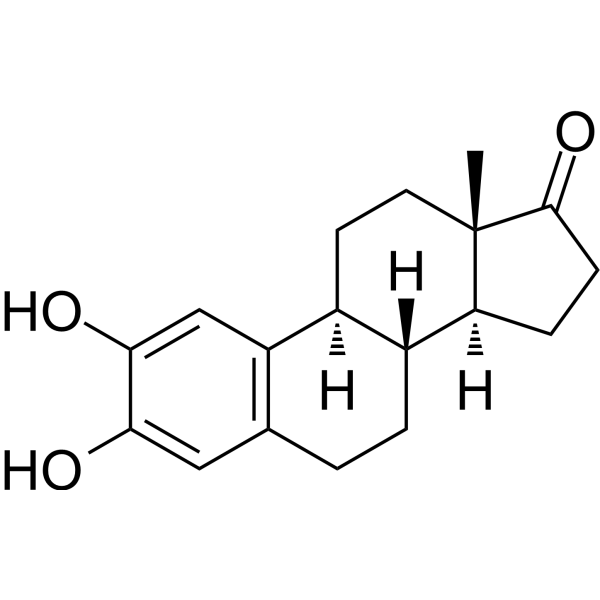
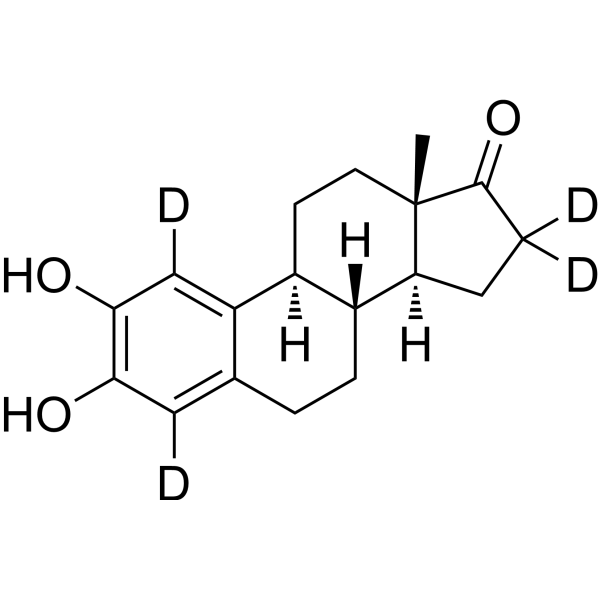
2-Hydroxyestrone-d4 is the deuterium labeled 2-Hydroxyestrone. 2-Hydroxyestrone (Catecholestrone) is a specific receptor-mediated antiestrogenic agent. 2-Hydroxyestrone is anticarcinogenic .
|
-
-
- HY-113251S1
-
|
|
|
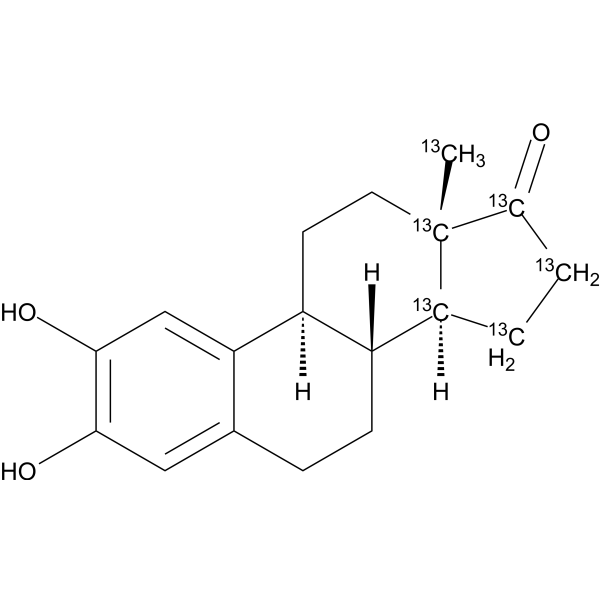
2-Hydroxyestrone- 13C6 is the 13C-labeled 2-Hydroxyestrone. 2-Hydroxyestrone (Catecholestrone) is a specific receptor-mediated antiestrogenic agent. 2-Hydroxyestrone is anticarcinogenic .
|
-
-
- HY-B2158S
-
|
|
|
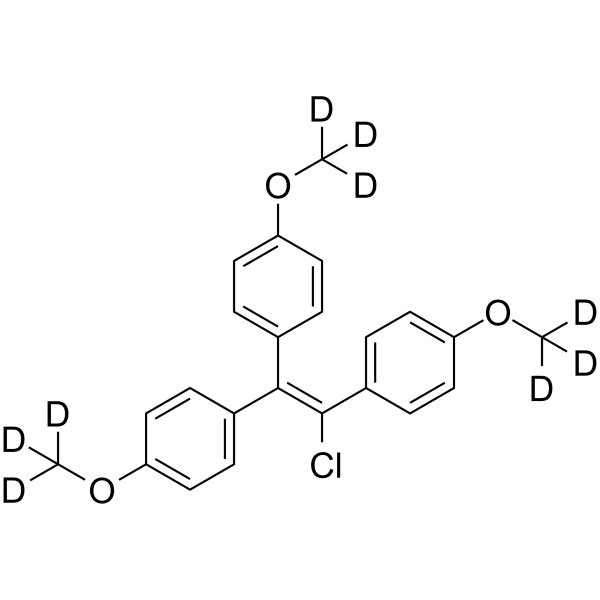
Chlorotrianisene-d9 is the deuterium labeled Chlorotrianisene. Chlorotrianisene is a long-acting non-steroidal estrogen and an orally active estrogen receptor modulator. Chlorotrianisene exhibits antiestrogenic activity. Chlorotrianisene potently inhibits the enzyme COX-1 and inhibits platelet aggregation in whole blood .
|
-
-
- HY-B1617AS2
-
|
|
|
Zuclomiphene d10 Citrate salt is deuterium labeled Zuclomiphene citrate (HY-B1617A). Zuclomiphene citrate is a cis isomer of Clomiphene citrate (HY-B0463). Zuclomiphene citrate is orally active and has an antiestrogenic effect. Zuclomiphene can reduce cholesterol levels. Zuclomiphene citrate can be for the researches of endocrinology and metabolic disease .
|
-
-
- HY-B1617AS
-
|
|
|
Zuclomiphene-d4 citrate is a deuterium labeled Zuclomiphene citrate (HY-B1617A). Zuclomiphene citrate is a cis isomer of Clomiphene citrate (HY-B0463). Zuclomiphene citrate is orally active and has an antiestrogenic effect. Zuclomiphene can reduce cholesterol levels. Zuclomiphene citrate can be for the researches of endocrinology and metabolic disease .
|
-
-
- HY-B1617AS1
-
|
|
|
Zuclomiphene-d5 citrate is the deuterium labeled Zuclomiphene citrate (HY-B1617A). Zuclomiphene citrate is a cis isomer of Clomiphene citrate (HY-B0463). Zuclomiphene citrate is orally active and has an antiestrogenic effect. Zuclomiphene can reduce cholesterol levels. Zuclomiphene citrate can be for the researches of endocrinology and metabolic disease .
|
-
Your information is safe with us. * Required Fields.
Inquiry Information
- Product Name:
- Cat. No.:
- Quantity:
- MCE Japan Authorized Agent:








