Search Result
Results for "
Antidiabetic properties
" in MedChemExpress (MCE) Product Catalog:
1
Isotope-Labeled Compounds
| Cat. No. |
Product Name |
Target |
Research Areas |
Chemical Structure |
-
- HY-N0828
-
|
|
Autophagy
|
Inflammation/Immunology
Cancer
|
|
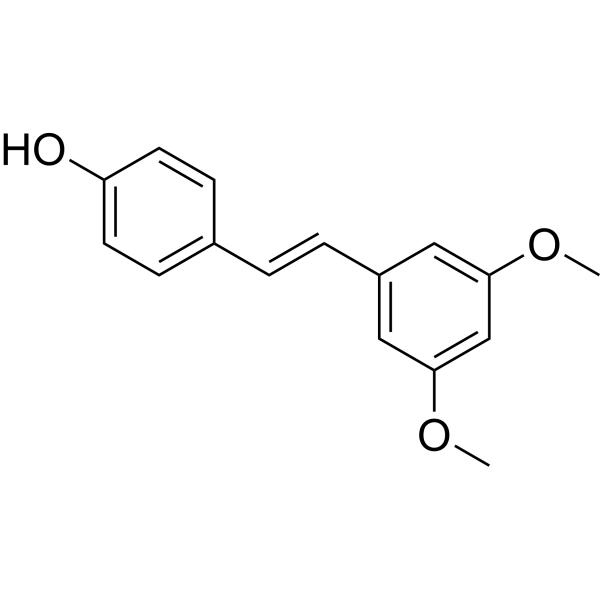
Pterostilbene is a stilbenoid isolated from blueberries and Pterocarpus marsupium . Shows anti-oxidant, anti-inflammatory, anti-carcinogenic, anti-diabetic and anti-obesity properties . Pterostilbene blocks ROS production , also exhibits inhibitory activity against various free radicals such as DPPH, ABTS, hydroxyl, superoxide and hydrogen peroxide .
|
-
-
- HY-N0457
-
|
Cichoric acid; Dicaffeoyltartaric acid
|
Reactive Oxygen Species (ROS)
Apoptosis
|
Metabolic Disease
Inflammation/Immunology
|
|
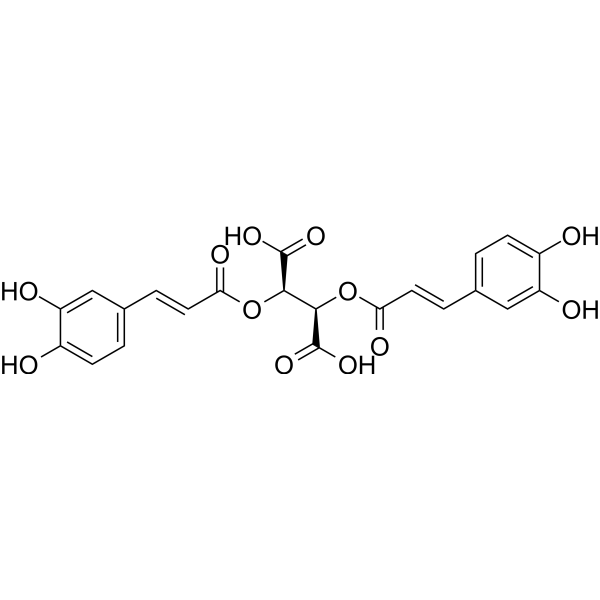
Chicoric acid (Cichoric acid), an orally active dicaffeyltartaric acid, induces reactive oxygen species (ROS) generation. Chicoric acid inhibits cell viability and induces mitochondria-dependent apoptosis in 3T3-L1 preadipocytes through ROS-mediated PI3K/Akt and MAPK signaling pathways. Chicoric acid increases glucose uptake, improves insulin resistance, and attenuates glucosamine-induced inflammation. Chicoric acid has antidiabetic properties and antioxidant, anti-inflammatory effects .
|
-
-
- HY-N0036
-
|
(+)-Costunolide; Costus lactone
|
Apoptosis
Endogenous Metabolite
|
Cancer
|
|
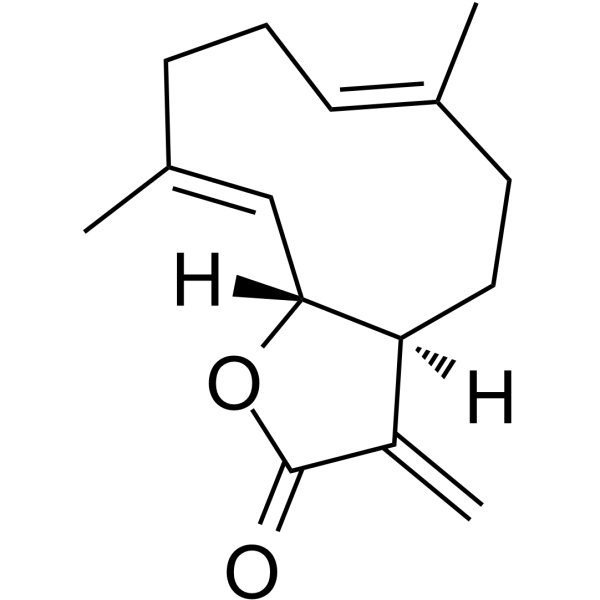
Costunolide ((+)-Costunolide) is a naturally occurring sesquiterpene lactone, with antioxidative, anti-inflammatory, antiallergic, bone remodeling, neuroprotective, hair growth promoting, anticancer, and antidiabetic properties. Costunolide can induce cell cycle arrest and apoptosis on breast cancer cells .
|
-
-
- HY-N0188
-
Esculin
5 Publications Verification
|
p38 MAPK
|
Inflammation/Immunology
Cancer
|
|
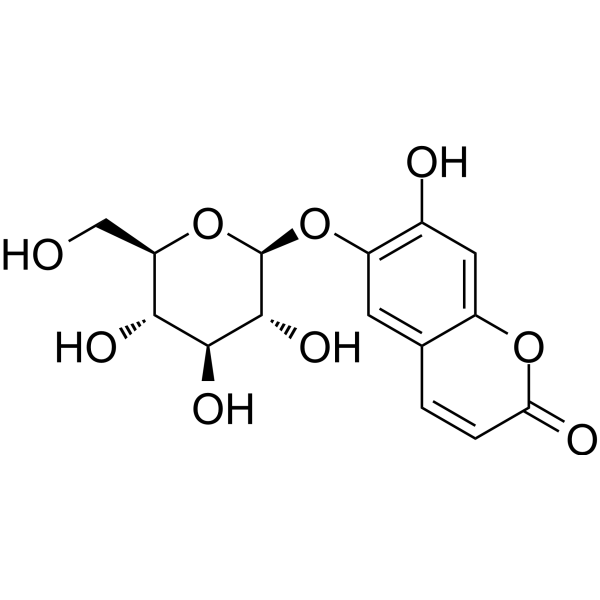
Esculin is a fluorescent coumarin glucoside, the active ingredient in ash bark. Esculin has antidiabetic effects, improves cognitive impairment in experimental diabetic nephropathy (DN) via the MAPK signaling pathway, and exerts antioxidant stress and anti-inflammatory effects. Esculin also has anticancer, antibacterial, antiviral, neuroprotective, antithrombotic, and therapeutic properties for eye diseases .
|
-
-
- HY-W013075
-
|
Rutoside trihydrate; Quercetin 3-O-rutinoside trihydrate
|
Apoptosis
Endogenous Metabolite
|
Neurological Disease
Cancer
|
|
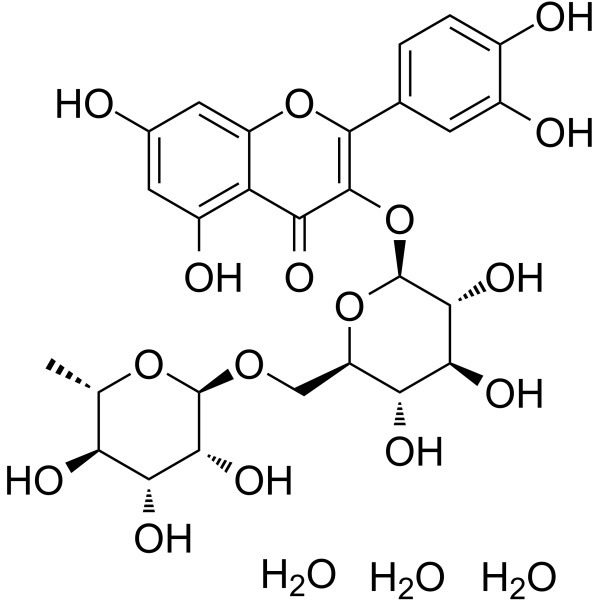
Rutin (Rutoside) trihydrate is a multifunctional natural flavonoid glycoside. Rutin trihydrate has been demonstrating excellent antioxidant, anti-inflammatory, anti-diabetic, and anti-carcinogenic properties. Cardioprotective and neuroprotective activities .
|
-
-
- HY-14621
-
|
Vanillylacetone; Gingerone
|
Environmental Pollutants
NF-κB
|
Neurological Disease
Metabolic Disease
Inflammation/Immunology
Cancer
|
|
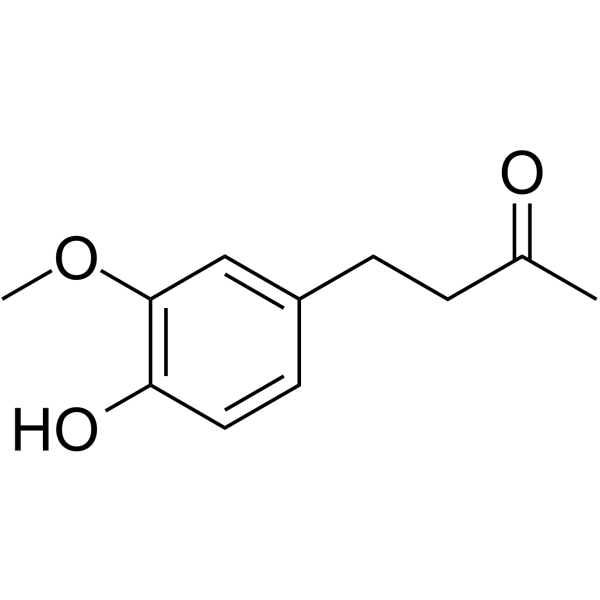
Zingerone (Vanillylacetone) is a nontoxic methoxyphenol isolated from Zingiber officinale, with potent anti-inflammatory, antidiabetic, antilipolytic, antidiarrhoeic, antispasmodic and anti-tumor properties . Zingerone alleviates oxidative stress and inflammation, down-regulates NF-κB mediated signaling pathways . Zingerone acts as an anti-mitotic agent, and inhibits the growth of neuroblastoma cells . Zingerone can cross the blood-brain barrier (BBB) .
|
-
-
- HY-B0920
-
|
U-17835
|
Potassium Channel
|
Metabolic Disease
Endocrinology
|
|
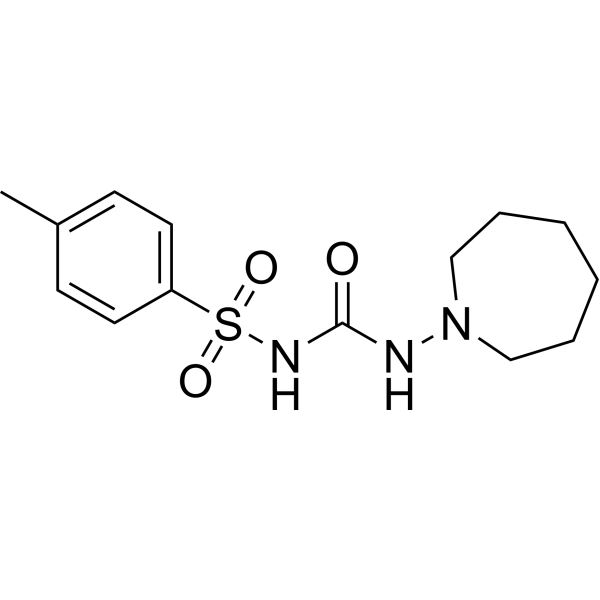
Tolazamide (U-17835) is an orally active sulfonylurea agent that inhibits sulfonylurea receptor 1 (SUR1) linked to the inwardly rectifying potassium channel (IC50 = 4.2 µM in HEK293 cells transfected with the human receptor). Tolazamide has anti-diabetic properties. Tolazamide can lower blood glucose in sulfonylurea class. Tolazamide decreases insulin dose while continuing to maintain adequate metabolic control. Tolazamide is able to improve or normalize hyperglycemia and HbA .
|
-
-
- HY-N2189
-
-
-
- HY-N2534
-
-
-
- HY-14928
-
-
-
- HY-100618
-
-
-
- HY-N1394
-
|
4-Methoxybenzoic acid; Draconic acid
|
Bacterial
Endogenous Metabolite
Tyrosinase
|
Infection
Neurological Disease
Cancer
|
|
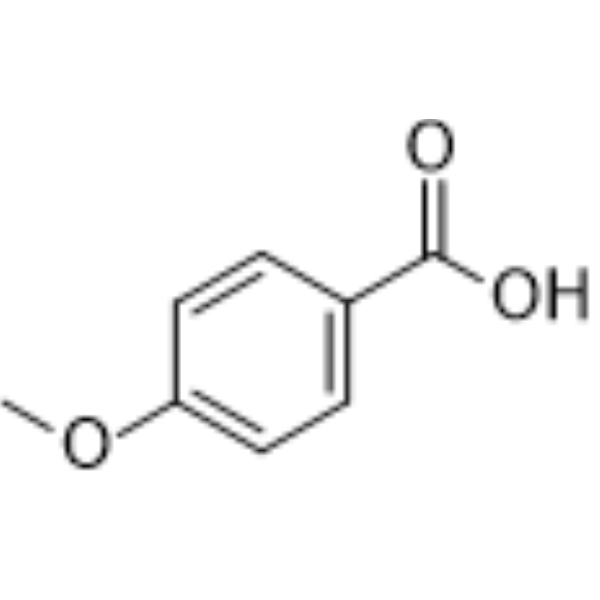
p-Anisic acid (4-Methoxybenzoic acid) is an orally available tyrosinase inhibitor that has antioxidant, anti-anxiety, anti-inflammatory, anti-tumor, anti-diabetic, and preservative properties. p-Anisic acid can be used as a preservative in the cosmetics field .
|
-
-
- HY-121515
-
|
|
Phosphatase
|
Metabolic Disease
|
|
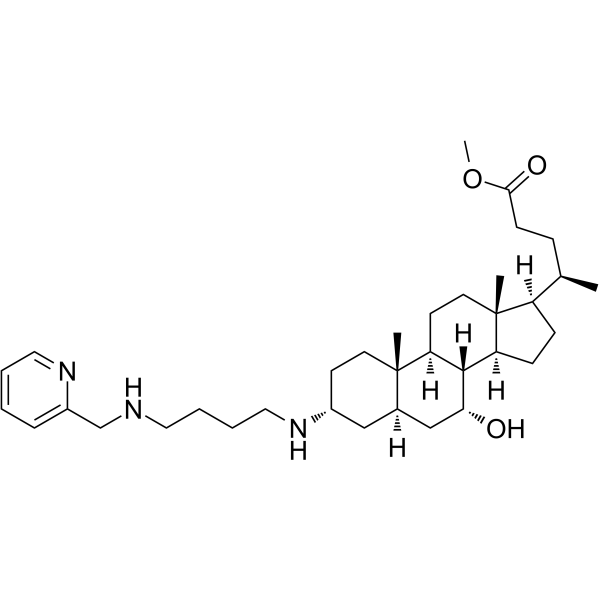
DPM-1001 is a potent, specific, orally active and non-competitive inhibitor of protein-tyrosine phosphatase (PTP1B) with an IC50 of 100 nM. DPM-1001 is an analog of the specific PTP1B inhibitor MSI-1436. DPM-1001 has anti-diabetic property .
|
-
-
- HY-77490
-
|
|
Endogenous Metabolite
|
Metabolic Disease
|
|
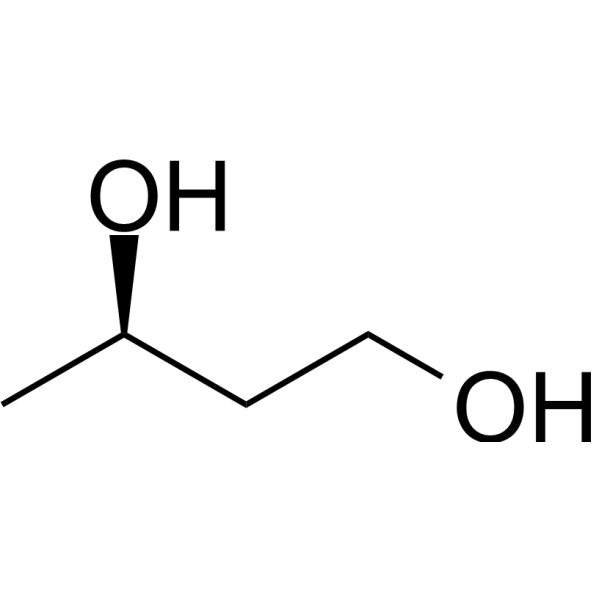
(R)-(-)-1,3-Butanediol is the R-enantiomer of 1,3-Butanediol (HY-77490A). (R)-(-)-1,3-Butanediol exhibits anti-diabetic property in rats. (R)-(-)-1,3-Butanediol can be used as flavoring and fragrance agents. (R)-(-)-1,3-Butanediol is used to regulate the metabolism of carbohydrate and lipid. .
|
-
-
- HY-N6858
-
|
4-Hydroxy-L-isoleucine
|
Others
|
Metabolic Disease
|
|
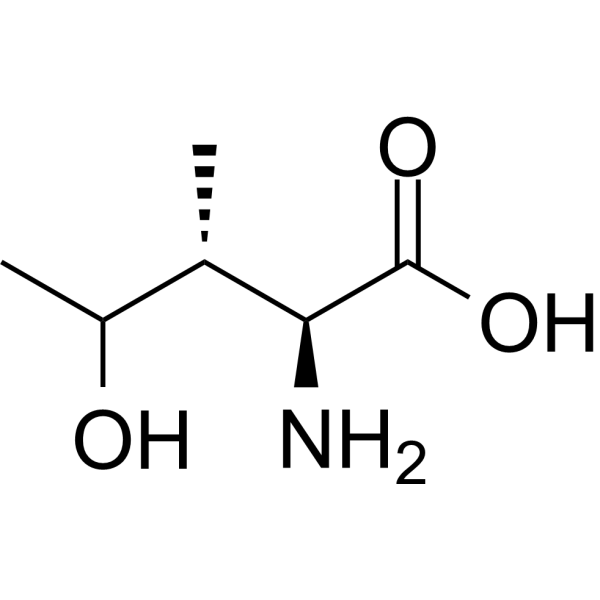
4-Hydroxyisoleucine is an orally active amino acid that can be isolated from fenugreek seeds. 4-Hydroxyisoleucine displays insulinotropic and antidiabetic properties .
|
-
-
- HY-N0364
-
|
|
Apoptosis
Autophagy
PPAR
|
Infection
Metabolic Disease
Inflammation/Immunology
Cancer
|
|
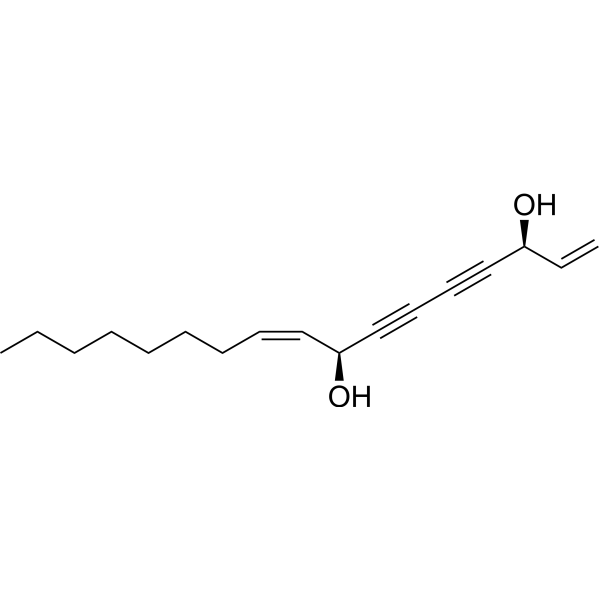
Falcarindiol, an orally active polyacetylenic oxylipin, activates PPARγ and increases the expression of the cholesterol transporter ABCA1 in cells. Falcarindiol induces apoptosis and autophagy. Falcarindiol has anti-inflammatory, antifungal, anticancer and antidiabetic properties . Falcarindiol is a click chemistry reagent, it contains an Alkyne group and can undergo copper-catalyzed azide-alkyne cycloaddition (CuAAc) with molecules containing Azide groups.
|
-
-
- HY-W984782
-
|
|
GLUT
Bacterial
Fungal
AMPK
PPAR
Reactive Oxygen Species (ROS)
Apoptosis
SOD
|
Infection
Metabolic Disease
Cancer
|
|
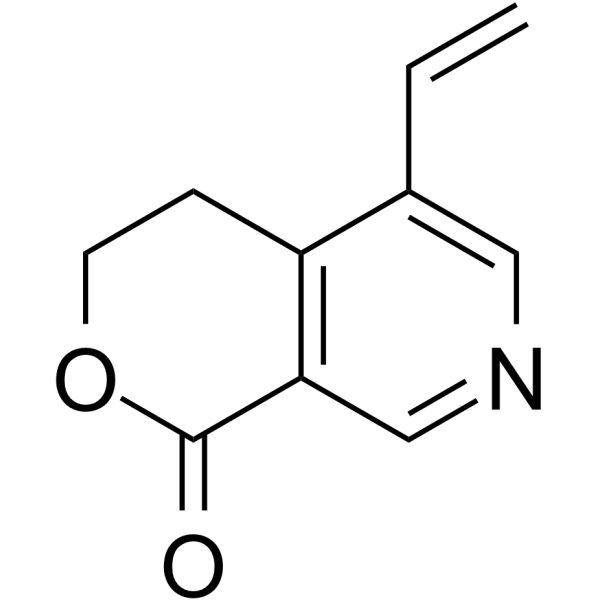
Flindersine is an alkaloid with multiple activities including antibacterial, antifungal, antitumor, and antidiabetic properties. Flindersine increases the activity of antioxidant enzymes, restores the levels of renal biomarkers, and reduces blood glucose, blood lipid, and insulin levels in diabetic rats. Flindersine inhibits the growth of Gram-positive bacteria, Gram-negative bacteria, drug-resistant bacteria, as well as dermatophytes, filamentous fungi, and yeasts. Flindersine reduces the viability of cancer cells and induces apoptosis. Flindersine can be used in research related to breast cancer, type 2 diabetes, bacterial infections, and fungal infections .
|
-
-
- HY-N6039
-
-
-
- HY-14928A
-
-
-
- HY-121515A
-
|
|
Phosphatase
|
Metabolic Disease
|
|
DPM-1001 trihydrochloride is a potent, specific, orally active and non-competitive inhibitor of protein-tyrosine phosphatase (PTP1B) with an IC50 of 100 nM. DPM-1001 trihydrochloride is an analog of the specific PTP1B inhibitor MSI-1436. DPM-1001 trihydrochloride has anti-diabetic property .
|
-
-
- HY-N0828R
-
|
|
Reference Standards
Autophagy
|
Inflammation/Immunology
Cancer
|
|
Pterostilbene (Standard) is the analytical standard of Pterostilbene. This product is intended for research and analytical applications. Pterostilbene is a stilbenoid isolated from blueberries and Pterocarpus marsupium . Shows anti-oxidant, anti-inflammatory, anti-carcinogenic, anti-diabetic and anti-obesity properties . Pterostilbene blocks ROS production , also exhibits inhibitory activity against various free radicals such as DPPH, ABTS, hydroxyl, superoxide and hydrogen peroxide .
|
-
-
- HY-N0036R
-
|
(+)-Costunolide (Standard); Costus lactone (Standard)
|
Reference Standards
Apoptosis
Endogenous Metabolite
|
Cancer
|
|
Costunolide (Standard) is the analytical standard of Costunolide. This product is intended for research and analytical applications. Costunolide ((+)-Costunolide) is a naturally occurring sesquiterpene lactone, with antioxidative, anti-inflammatory, antiallergic, bone remodeling, neuroprotective, hair growth promoting, anticancer, and antidiabetic properties. Costunolide can induce cell cycle arrest and apoptosis on breast cancer cells .
|
-
-
- HY-N9363
-
|
|
Others
|
Metabolic Disease
|
|
Corymbiferin is one of active constituents, responsible for anti-diabetic properties. Corymbiferin improves antioxidant capacity and carbohydrate metabolism in diabetic rats, along with the improvement of histopathology of livers and pancreatic β cells .
|
-
-
- HY-110065
-
|
|
Cannabinoid Receptor
|
Neurological Disease
|
|
SER-601 is a potent and selective peripheral cannabinoid (CB2) receptor agonist with a Ki of 6.3 nM. SER-601 has analgesic and antidiabetic properties and can be used for relevant research .
|
-
-
- HY-N0188R
-
|
|
Reference Standards
p38 MAPK
|
Inflammation/Immunology
Cancer
|
|
Esculin (Standard) is the analytical standard of Esculin. This product is intended for research and analytical applications. Esculin is a fluorescent coumarin glucoside, the active ingredient in ash bark. Esculin has antidiabetic effects, improves cognitive impairment in experimental diabetic nephropathy (DN) via the MAPK signaling pathway, and exerts antioxidant stress and anti-inflammatory effects. Esculin also has anticancer, antibacterial, antiviral, neuroprotective, antithrombotic, and therapeutic properties for eye diseases .
|
-
-
- HY-N2534R
-
-
-
- HY-N0457R
-
|
Cichoric acid (Standard); Dicaffeoyltartaric acid (Standard)
|
Reference Standards
Reactive Oxygen Species (ROS)
Apoptosis
|
Metabolic Disease
Inflammation/Immunology
|
|
Chicoric acid (Standard) is the analytical standard of Chicoric acid. This product is intended for research and analytical applications. Chicoric acid (Cichoric acid), an orally active dicaffeyltartaric acid, induces reactive oxygen species (ROS) generation. Chicoric acid inhibits cell viability and induces mitochondria-dependent apoptosis in 3T3-L1 preadipocytes through ROS-mediated PI3K/Akt and MAPK signaling pathways. Chicoric acid increases glucose uptake, improves insulin resistance, and attenuates glucosamine-induced inflammation. Chicoric acid has antidiabetic properties and antioxidant, anti-inflammatory effects .
|
-
-
- HY-162578
-
|
|
PPAR
|
Metabolic Disease
|
|
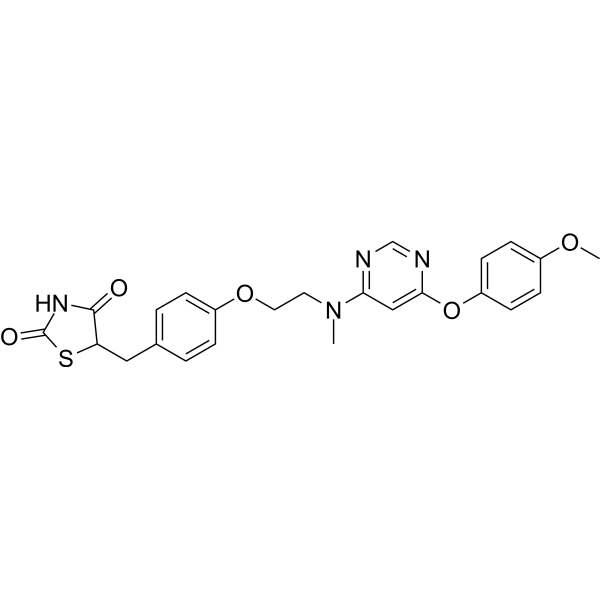
PPARα/γ agonist 4 (Compound (S)-7) is an orally active dual potent agonist of PPARα and PPARγ, with EC50 values of 0.061 μM and 1.42 μM respectively. PPARα/γ agonist 4 acts through an insulin-independent mechanism and exhibits mitochondrial pyruvate carrier inhibition and anti-diabetic properties. PPARα/γ agonist 4 is expected to be used in research for dyslipidemic type 2 diabetes .
|
-
-
- HY-170943
-
|
|
AMPK
GLUT
|
Metabolic Disease
|
Antidiabetic agent 7 (Compound 5m) is hyperglycemic inhibitor. Antidiabetic agent 7 exhibits promising potency to stimulate GLUT4 translocation in skeletal muscle cells via activating AMPK-dependent pathway. Antidiabetic agent 7 reduces blood glucose levels. Antidiabetic agent 7 shows favorable pharmacokinetic properties. Antidiabetic agent 7 is potential to be used for anti-hyperglycemic research .
|
-
-
- HY-100618R
-
-
-
- HY-W097858
-
|
4-Methoxysalicylic acid potassium
|
Tyrosinase
|
Infection
Metabolic Disease
|
|
2-Hydroxy-4-methoxybenzoic acid (potassium), is one of the major phytoconstituents of Decalepis arayalpathra, also known as 4-Methoxysalicylic acid (potassium), has a variety of biological effects, including anti-inflammatory, antipyretic, antioxidant, and anti-diabetic properties .
|
-
-
- HY-N6858R
-
|
4-Hydroxy-L-isoleucine (Standard)
|
Reference Standards
Others
|
Metabolic Disease
|
|
4-Hydroxyisoleucine (Standard) is the analytical standard of 4-Hydroxyisoleucine. This product is intended for research and analytical applications. 4-Hydroxyisoleucine is an orally active amino acid that can be isolated from fenugreek seeds. 4-Hydroxyisoleucine displays insulinotropic and antidiabetic properties .
|
-
-
- HY-168594
-
|
|
Glycosidase
NOD-like Receptor (NLR)
|
Neurological Disease
Metabolic Disease
|
|
α-Glucosidase/NLRP3-IN-1 (Compound 8) is a dual inhibitor of α-glucosidase and NLRP3, exhibiting an IC50 of 6.6 μM against α-glucosidase and inhibiting NLRP3 in multiple cell lines at a concentration of 100 μM. α-Glucosidase/NLRP3-IN-1 demonstrates neuroprotective and antidiabetic properties, and can be utilized in relevant research .
|
-
-
- HY-14621R
-
|
Vanillylacetone (Standard); Gingerone (Standard)
|
Reference Standards
NF-κB
|
Metabolic Disease
Inflammation/Immunology
Cancer
|
|
Zingerone (Standard) is the analytical standard of Zingerone. This product is intended for research and analytical applications. Zingerone (Vanillylacetone) is a nontoxic methoxyphenol isolated from Zingiber officinale, with potent anti-inflammatory, antidiabetic, antilipolytic, antidiarrhoeic, antispasmodic and anti-tumor properties . Zingerone alleviates oxidative stress and inflammation, down-regulates NF-κB mediated signaling pathways . Zingerone acts as an anti-mitotic agent, and inhibits the growth of neuroblastoma cells .
|
-
-
- HY-B0920R
-
|
U-17835 (Standard)
|
Reference Standards
Potassium Channel
|
Metabolic Disease
Endocrinology
|
|
Tolazamide (U-17835) (Standard) is the analytical standard of Tolazamide. This product is intended for research and analytical applications. Tolazamide is an orally active sulfonylurea agent that inhibits sulfonylurea receptor 1 (SUR1) linked to the inwardly rectifying potassium channel (IC50 = 4.2 µM in HEK293 cells transfected with the human receptor). Tolazamide has anti-diabetic properties. Tolazamide can lower blood glucose in sulfonylurea class. Tolazamide decreases insulin dose while continuing to maintain adequate metabolic control. Tolazamide is able to improve or normalize hyperglycemia and HbA .
|
-
-
- HY-105608
-
|
Narcein
|
Others
|
Metabolic Disease
|
|
Narceine (Narcein), a quinolone derivative, is an opium alkaloid with anti-diabetic property .
|
-
-
- HY-N18753
-
|
|
Others
|
Metabolic Disease
Inflammation/Immunology
|
|
Salacia reticulata extract is derived from the roots of Salacia reticulata and possesses anti-diabetic, anti-inflammatory, and antioxidant properties. The active constituents of Salacia reticulata extract include salacinol, kotalanol, and flavonoids.
|
-
-
- HY-N18702
-
|
|
Others
|
Metabolic Disease
Inflammation/Immunology
|
|
Pterocarpus marsupium extract is derived from the bark of the Indian rosewood tree. Its active ingredients include pterostilbene, santalin, flavonoids, and tannins, which give it antioxidant, anti-inflammatory, anti-diabetic, and cardioprotective properties.
|
-
-
- HY-N18688
-
|
|
Others
|
Metabolic Disease
|
|
Gymnema sylvestre extract, derived from the leaves of the Gymnema sylvestre plant, is renowned for its anti-diabetic and blood sugar-regulating properties. The key active compounds in the extract are gymnemic acids, which are responsible for its ability to block the taste of sweetness and reduce sugar absorption in the intestines.
|
-
-
- HY-N19039
-
|
|
Bacterial
|
Infection
Metabolic Disease
Inflammation/Immunology
|
|
Aerva Lanata Extract is a versatile herbal extract with a wide range of bioactive compounds and medicinal properties. Aerva Lanata Extract contains various phytochemicals such as flavonoids, terpenoids, alkaloids, tannins, and phenolic compounds. Aerva Lanata Extract shows significant antioxidant, antimicrobial, anti-cancer, anti-inflammatory, and anti-diabetic activities.
|
-
-
- HY-N18751
-
|
|
Bacterial
|
Inflammation/Immunology
|
|
Aegle marmelos extract, derived from the Aegle marmelos plant, is rich in various bioactive compounds, such as coumarins (e.g., ligustin, ligustin, ligustin, psoralen, scopolamine, and umbelliferone), flavonoids, phenolic acids, and terpenoids. Aegle marmelos extract possesses anti-inflammatory, antibacterial, antioxidant, antiviral, antifungal, antitumor, and antidiabetic properties.
|
-
-
- HY-W723952
-
|
4-Methoxybenzoic acid-d7; Draconic acid-d7
|
Isotope-Labeled Compounds
Bacterial
Tyrosinase
Endogenous Metabolite
|
Cancer
|
|
p-Anisic acid-d7 (4-Methoxybenzoic acid-d7) is the deuterium labeled p-Anisic acid (HY-N1394). p-Anisic acid (4-Methoxybenzoic acid) is an orally available tyrosinase inhibitor that has antioxidant, anti-anxiety, anti-inflammatory, anti-tumor, anti-diabetic, and preservative properties. p-Anisic acid can be used as a preservative in the cosmetics field .
|
-
-
- HY-P11629
-
|
|
Amylin Receptor
CGRP Receptor
|
Neurological Disease
Metabolic Disease
Inflammation/Immunology
|
|
KBP-336 is a dual amylin and calcitonin receptor agonist (DACRA). KBP-336 exhibits antidiabetic and insulin-sensitizing properties, improves glucose levels, spatial learning, and memory in diabetic rats, and reduces blood glucose. KBP-336 also alleviates pain-like symptoms in osteoarthritis rats. KBP-336 also promotes weight and fat reduction. KBP-336 is useful for research on diabetes, obesity, and arthritis .
|
-
-
- HY-N18656
-
|
|
Bacterial
|
Infection
|
|
Terminalia chebula extract, derived from the fruit of the Terminalia chebula tree. Rich in bioactive compounds such as tannins, flavonoids, phenols, and organic acids like gallic acid and ellagic acid, this extract demonstrates a wide range of pharmacological activities. It acts as a natural laxative, supports digestive health, and exhibits potent antioxidant, anti-inflammatory, and antibacterial properties, effectively targeting various pathogenic bacteria, including Helicobacter pylori, Staphylococcus aureus, and Escherichia coli. Terminalia Chebula Extract also shows significant hepatoprotective effects, shielding the liver from damage through antioxidant and anti-inflammatory mechanisms. It has nephroprotective properties, alleviating renal dysfunction and enhancing kidney health by modulating inflammatory pathways. Additionally, the extract demonstrates neuroprotective activity, reducing neuronal damage and improving memory function. It has potential anti-diabetic effects, enhancing glucose uptake and reducing oxidative stress.
|
-
-
- HY-N17771
-
|
|
Endogenous Metabolite
|
Metabolic Disease
|
|
(6-O-p-Coumaroyl)-β-D-glucopyranosyl-2-O-(4-hydroxybenzoyl)-4-O-β-D-glucopyranosyl-6-hydroxyphenylacetate is a selective α-glucosidase inhibitor (IC50=10.53 μg/mL) with anti-hepatic fibrosis and anti-diabetic properties. It also inhibits the growth of mouse hepatic stellate cells (t-HSC/Cl-6) with an IC50 of 109.2 μg/mL. (6-O-p-Coumaroyl)-β-D-glucopyranosyl-2-O-(4-hydroxybenzoyl)-4-O-β-D-glucopyranosyl-6-hydroxyphenylacetate can be isolated from the ester derivatives of Impatiens balsamina L. flowers. (6-O-p-Coumaroyl)-β-D-glucopyranosyl-2-O-(4-hydroxybenzoyl)-4-O-β-D-glucopyranosyl-6-hydroxyphenylacetate can be used in research related to hepatic fibrosis and type 2 diabetes.
|
-
| Cat. No. |
Product Name |
Target |
Research Area |
-
- HY-P11629
-
|
|
Amylin Receptor
CGRP Receptor
|
Neurological Disease
Metabolic Disease
Inflammation/Immunology
|
|
KBP-336 is a dual amylin and calcitonin receptor agonist (DACRA). KBP-336 exhibits antidiabetic and insulin-sensitizing properties, improves glucose levels, spatial learning, and memory in diabetic rats, and reduces blood glucose. KBP-336 also alleviates pain-like symptoms in osteoarthritis rats. KBP-336 also promotes weight and fat reduction. KBP-336 is useful for research on diabetes, obesity, and arthritis .
|
| Cat. No. |
Product Name |
Category |
Target |
Chemical Structure |
-
- HY-N0828
-
-
-
- HY-N0457
-
-
-
- HY-N0036
-
-
-
- HY-N0188
-
-
-
- HY-W013075
-
-
-
- HY-14621
-
-
-
- HY-N2189
-
-
-
- HY-N2534
-
-
-
- HY-100618
-
-
-
- HY-N1394
-
-
-
- HY-77490
-
-
-
- HY-N6858
-
-
-
- HY-N0364
-
-
-
- HY-W984782
-
|
|
Structural Classification
Alkaloids
Rutaceae
Quinoline Alkaloids
Plants
Haplophyllum tuberculatum (Forssk.) A.Juss.
Source Classification
|
GLUT
Bacterial
Fungal
AMPK
PPAR
Reactive Oxygen Species (ROS)
Apoptosis
SOD
|
|
Flindersine is an alkaloid with multiple activities including antibacterial, antifungal, antitumor, and antidiabetic properties. Flindersine increases the activity of antioxidant enzymes, restores the levels of renal biomarkers, and reduces blood glucose, blood lipid, and insulin levels in diabetic rats. Flindersine inhibits the growth of Gram-positive bacteria, Gram-negative bacteria, drug-resistant bacteria, as well as dermatophytes, filamentous fungi, and yeasts. Flindersine reduces the viability of cancer cells and induces apoptosis. Flindersine can be used in research related to breast cancer, type 2 diabetes, bacterial infections, and fungal infections .
|
-
-
- HY-N6039
-
-
-
- HY-N0828R
-
|
|
Structural Classification
Monophenols
other families
Stilbenes
Phenols
Plants
Source Classification
|
Reference Standards
Autophagy
|
|
Pterostilbene (Standard) is the analytical standard of Pterostilbene. This product is intended for research and analytical applications. Pterostilbene is a stilbenoid isolated from blueberries and Pterocarpus marsupium . Shows anti-oxidant, anti-inflammatory, anti-carcinogenic, anti-diabetic and anti-obesity properties . Pterostilbene blocks ROS production , also exhibits inhibitory activity against various free radicals such as DPPH, ABTS, hydroxyl, superoxide and hydrogen peroxide .
|
-
-
- HY-N0036R
-
-
-
- HY-N9363
-
-
-
- HY-N0188R
-
|
|
Structural Classification
Monophenols
other families
Coumarins
Phenols
Phenylpropanoids
Plants
Source Classification
|
Reference Standards
p38 MAPK
|
|
Esculin (Standard) is the analytical standard of Esculin. This product is intended for research and analytical applications. Esculin is a fluorescent coumarin glucoside, the active ingredient in ash bark. Esculin has antidiabetic effects, improves cognitive impairment in experimental diabetic nephropathy (DN) via the MAPK signaling pathway, and exerts antioxidant stress and anti-inflammatory effects. Esculin also has anticancer, antibacterial, antiviral, neuroprotective, antithrombotic, and therapeutic properties for eye diseases .
|
-
-
- HY-N2534R
-
-
-
- HY-N0457R
-
-
-
- HY-100618R
-
-
-
- HY-N6858R
-
-
-
- HY-14621R
-
-
-
- HY-105608
-
-
-
- HY-N18753
-
|
|
Structural Classification
Extract
|
Others
|
|
Salacia reticulata extract is derived from the roots of Salacia reticulata and possesses anti-diabetic, anti-inflammatory, and antioxidant properties. The active constituents of Salacia reticulata extract include salacinol, kotalanol, and flavonoids.
|
-
-
- HY-N18702
-
|
|
Structural Classification
Extract
|
Others
|
|
Pterocarpus marsupium extract is derived from the bark of the Indian rosewood tree. Its active ingredients include pterostilbene, santalin, flavonoids, and tannins, which give it antioxidant, anti-inflammatory, anti-diabetic, and cardioprotective properties.
|
-
-
- HY-N18688
-
|
|
Structural Classification
Extract
|
Others
|
|
Gymnema sylvestre extract, derived from the leaves of the Gymnema sylvestre plant, is renowned for its anti-diabetic and blood sugar-regulating properties. The key active compounds in the extract are gymnemic acids, which are responsible for its ability to block the taste of sweetness and reduce sugar absorption in the intestines.
|
-
-
- HY-N19039
-
|
|
Structural Classification
Extract
|
Bacterial
|
|
Aerva Lanata Extract is a versatile herbal extract with a wide range of bioactive compounds and medicinal properties. Aerva Lanata Extract contains various phytochemicals such as flavonoids, terpenoids, alkaloids, tannins, and phenolic compounds. Aerva Lanata Extract shows significant antioxidant, antimicrobial, anti-cancer, anti-inflammatory, and anti-diabetic activities.
|
-
-
- HY-N18751
-
|
|
Structural Classification
Extract
|
Bacterial
|
|
Aegle marmelos extract, derived from the Aegle marmelos plant, is rich in various bioactive compounds, such as coumarins (e.g., ligustin, ligustin, ligustin, psoralen, scopolamine, and umbelliferone), flavonoids, phenolic acids, and terpenoids. Aegle marmelos extract possesses anti-inflammatory, antibacterial, antioxidant, antiviral, antifungal, antitumor, and antidiabetic properties.
|
-
-
- HY-N18656
-
|
|
Structural Classification
Extract
|
Bacterial
|
|
Terminalia chebula extract, derived from the fruit of the Terminalia chebula tree. Rich in bioactive compounds such as tannins, flavonoids, phenols, and organic acids like gallic acid and ellagic acid, this extract demonstrates a wide range of pharmacological activities. It acts as a natural laxative, supports digestive health, and exhibits potent antioxidant, anti-inflammatory, and antibacterial properties, effectively targeting various pathogenic bacteria, including Helicobacter pylori, Staphylococcus aureus, and Escherichia coli. Terminalia Chebula Extract also shows significant hepatoprotective effects, shielding the liver from damage through antioxidant and anti-inflammatory mechanisms. It has nephroprotective properties, alleviating renal dysfunction and enhancing kidney health by modulating inflammatory pathways. Additionally, the extract demonstrates neuroprotective activity, reducing neuronal damage and improving memory function. It has potential anti-diabetic effects, enhancing glucose uptake and reducing oxidative stress.
|
-
-
- HY-N17771
-
|
|
Structural Classification
Impatiens balsamina Linn.
Balsaminaceae
Phenols
Polyphenols
Plants
Source Classification
|
Endogenous Metabolite
|
|
(6-O-p-Coumaroyl)-β-D-glucopyranosyl-2-O-(4-hydroxybenzoyl)-4-O-β-D-glucopyranosyl-6-hydroxyphenylacetate is a selective α-glucosidase inhibitor (IC50=10.53 μg/mL) with anti-hepatic fibrosis and anti-diabetic properties. It also inhibits the growth of mouse hepatic stellate cells (t-HSC/Cl-6) with an IC50 of 109.2 μg/mL. (6-O-p-Coumaroyl)-β-D-glucopyranosyl-2-O-(4-hydroxybenzoyl)-4-O-β-D-glucopyranosyl-6-hydroxyphenylacetate can be isolated from the ester derivatives of Impatiens balsamina L. flowers. (6-O-p-Coumaroyl)-β-D-glucopyranosyl-2-O-(4-hydroxybenzoyl)-4-O-β-D-glucopyranosyl-6-hydroxyphenylacetate can be used in research related to hepatic fibrosis and type 2 diabetes.
|
-
| Cat. No. |
Product Name |
Chemical Structure |
-
- HY-W723952
-
|
|
|
p-Anisic acid-d7 (4-Methoxybenzoic acid-d7) is the deuterium labeled p-Anisic acid (HY-N1394). p-Anisic acid (4-Methoxybenzoic acid) is an orally available tyrosinase inhibitor that has antioxidant, anti-anxiety, anti-inflammatory, anti-tumor, anti-diabetic, and preservative properties. p-Anisic acid can be used as a preservative in the cosmetics field .
|
-
Your information is safe with us. * Required Fields.
Inquiry Information
- Product Name:
- Cat. No.:
- Quantity:
- MCE Japan Authorized Agent:

