From 11:00 pm to 12:00 pm EST ( 8:00 pm to 9:00 pm PST ) on January 6th, the website will be under maintenance. We are sorry for the inconvenience. Please arrange your schedule properly.
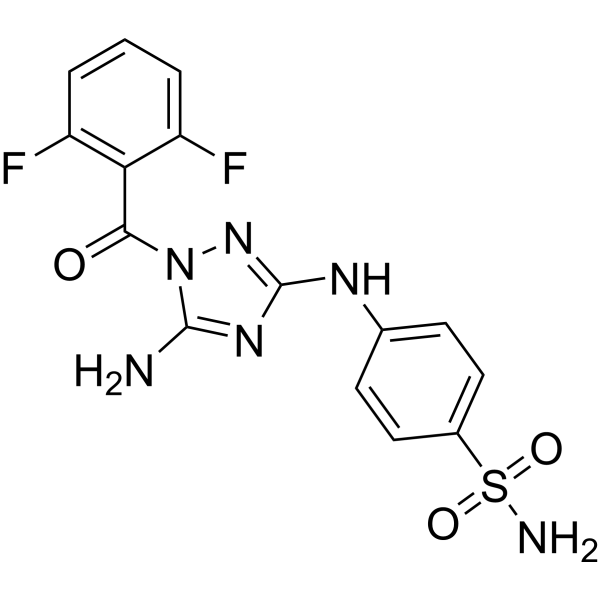
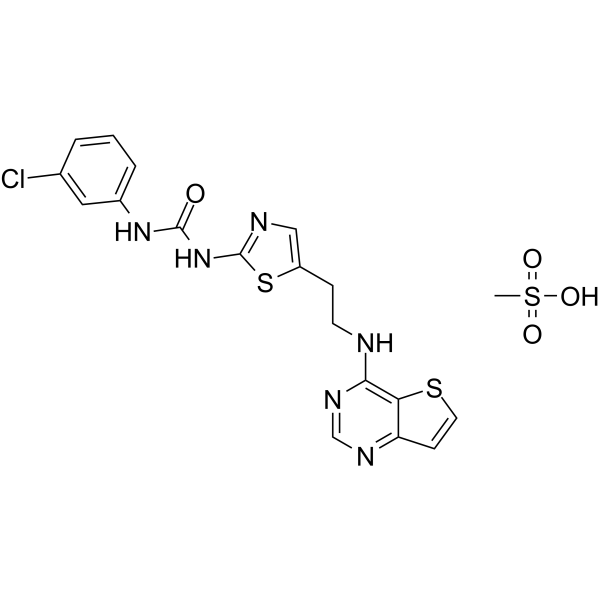
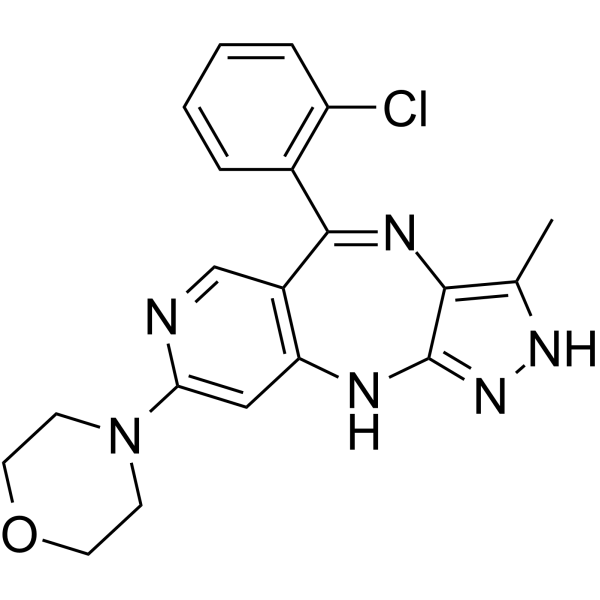
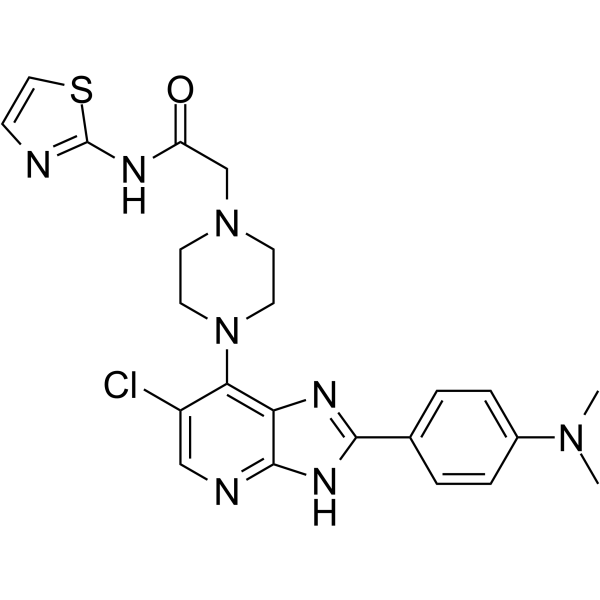
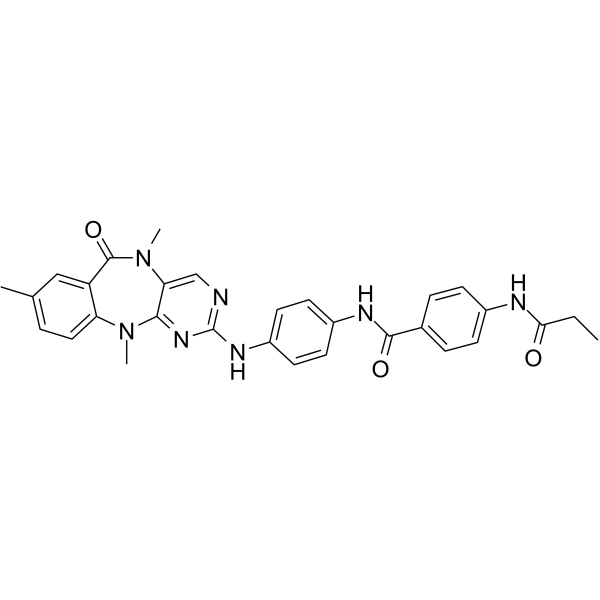
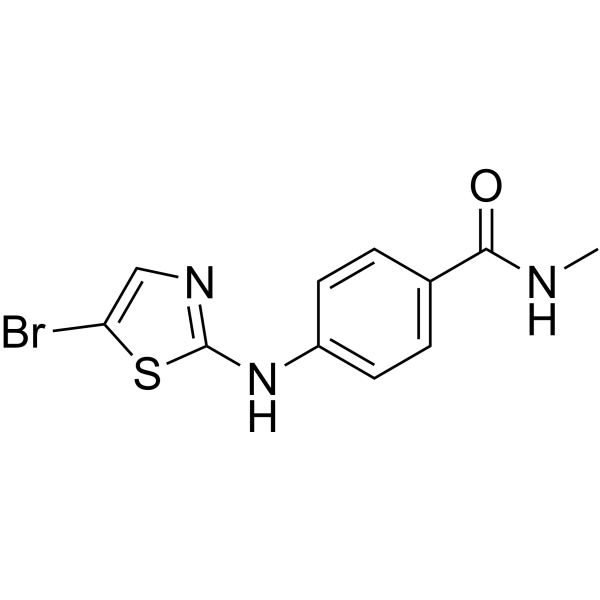
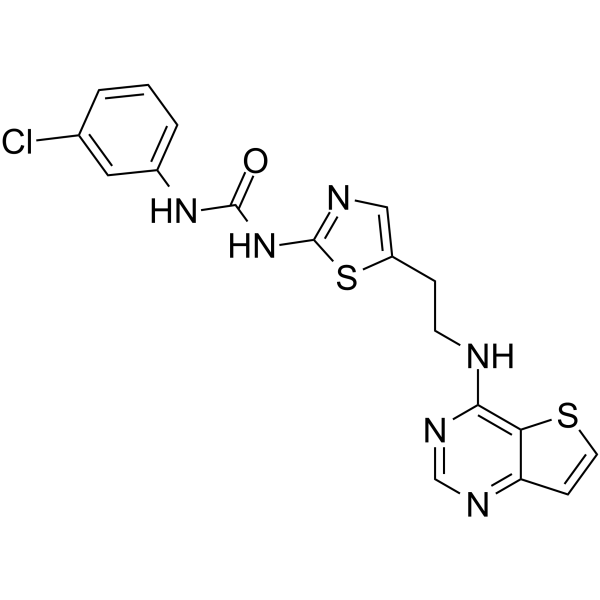
JNJ-7706621 is a potent aurora kinase inhibitor, and also inhibits CDK1 and CDK2, with IC50s of 9 nM, 3 nM, 11 nM, and 15 nM for CDK1, CDK2, aurora-A and aurora-B, respectively .
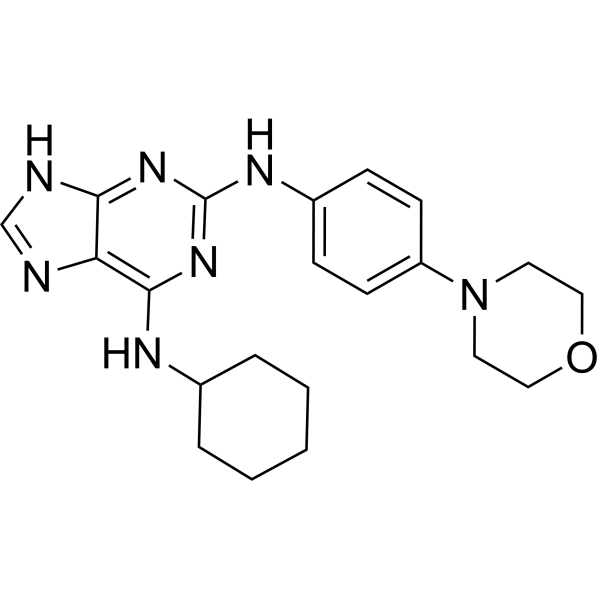
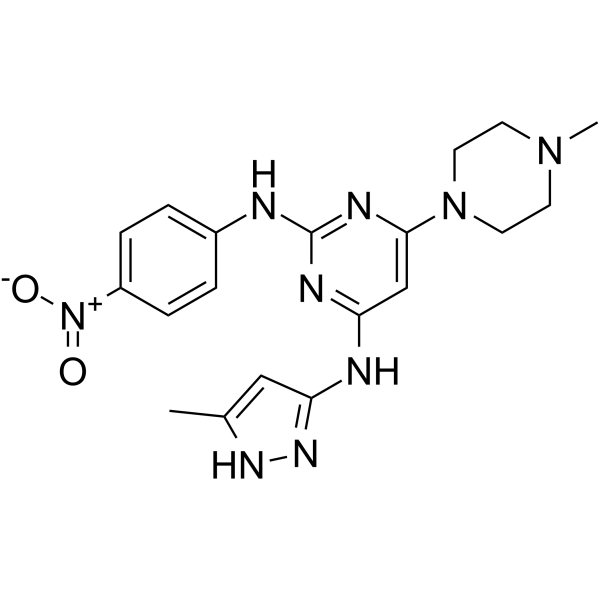
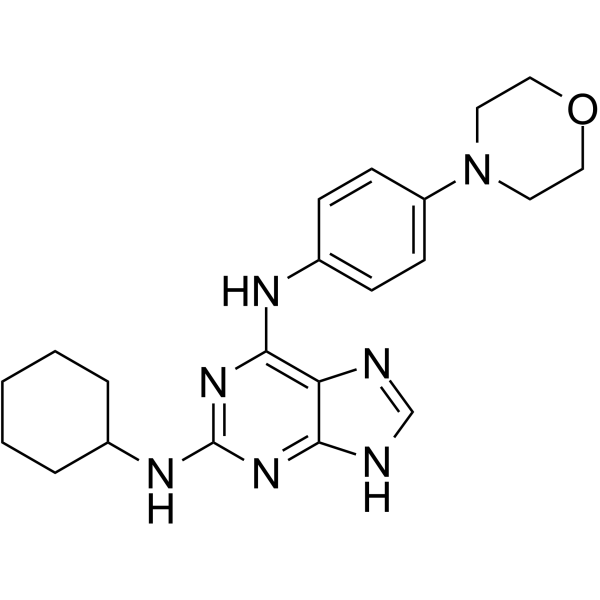
Reversine is a novel class of ATP-competitive Aurora kinase inhibitor with IC50s of 400, 500 and 400 nM for Aurora A, Aurora B and Aurora C, respectively.
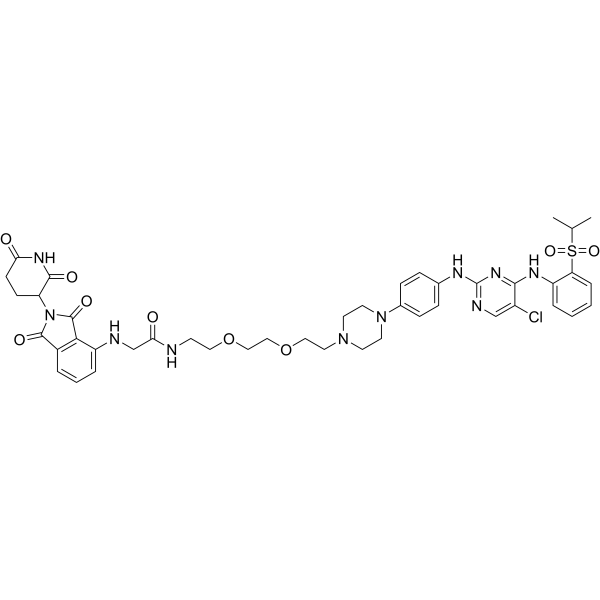
TL12-186 is a Cereblon-dependent multi-kinasePROTAC degrader. Multi-kinases include CDK, BTK, FLT3, Aurora kinases, TEC, ULK, ITK, et al. TL12-186 inhibits CDK2/cyclin A (IC50=73 nM) and CDK9/cyclin T1 (IC50=55 nM) .
BI-847325 is an ATP competitive dual inhibitor of MEK and aurora kinases (AK) with IC50 values of 4 and 15 nM for human MEK2 and AK-C, respectively. BI-847325 is a click chemistry reagent, it contains an Alkyne group and can undergo copper-catalyzed azide-alkyne cycloaddition (CuAAc) with molecules containing Azide groups.
AKI603 is an inhibitor of Aurora kinase A (AurA), with an IC50 of 12.3 nM. AKI603 is developed to overcome resistance mediated by BCR-ABL-T315I mutation. AKI603 exhibits strong anti-proliferative activity in leukemic cells .
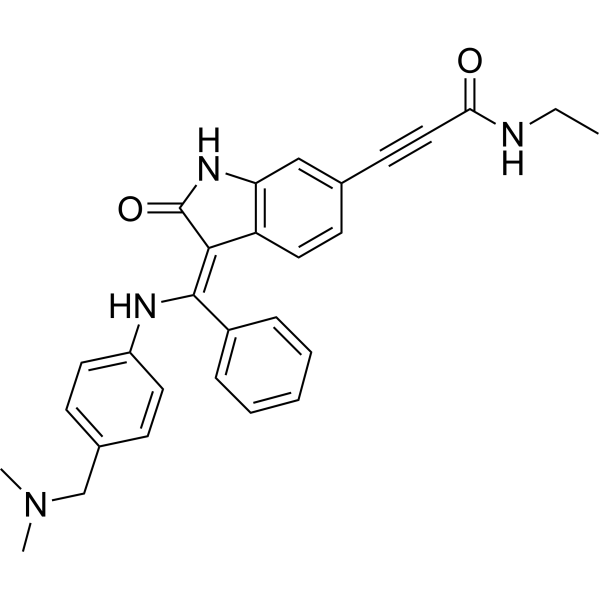
Tinengotinib (TT00420) is an orally active, spectrally selective small molecule kinase inhibitor targeting Aurora A/B (IC50=1.2-3.3 nM), FGFR1/2/3 (IC50=1.5-3.5 nM), VEGFRs, JAK1/2 and CSF1R. Tinengotinib blocks Aurora kinase-mediated cell cycle progression (inducing G2/M arrest), inhibits FGFR/JNK-JUN signaling pathway and activates MEK/ERK-dependent apoptotic pathway. Tinengotinib has the activity of anti-tumor proliferation, inducing apoptosis, inhibiting angiogenesis and regulating tumor microenvironment. Tinengotinib can be used in the study of triple-negative breast cancer (TNBC), gallbladder cancer and tumor immune microenvironment .
Aurorakinase-IN-3 (Compound 15a) is an orally active AURKB inhibitor that elicits an AURKB-suppressive activity by disrupting the mitotic localization of AURKB, rather than inhibiting its phosphorylation of H3 at Ser10 .
Aurora kinase inhibitor-2 is a selective and ATP-competitive Aurora kinase inhibitor with IC50s of 310 nM and 240 nM for Aurora A and Aurora B, respectively .
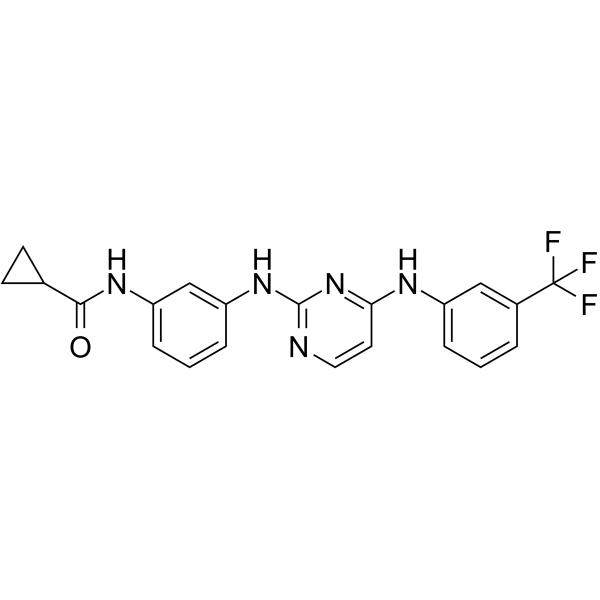
Aurora kinase inhibitor-3 is a strong and selective Aurora A kinase inhibitor with an IC50 of 42 nM, and weakly inhibits EGFR with an IC50 of >10 μM. Aurora kinase inhibitor-3 has a binding mode with the cyclopropanecarboxylic acid moiety directed towards the solvent exposed region of the ATP-binding pocket .
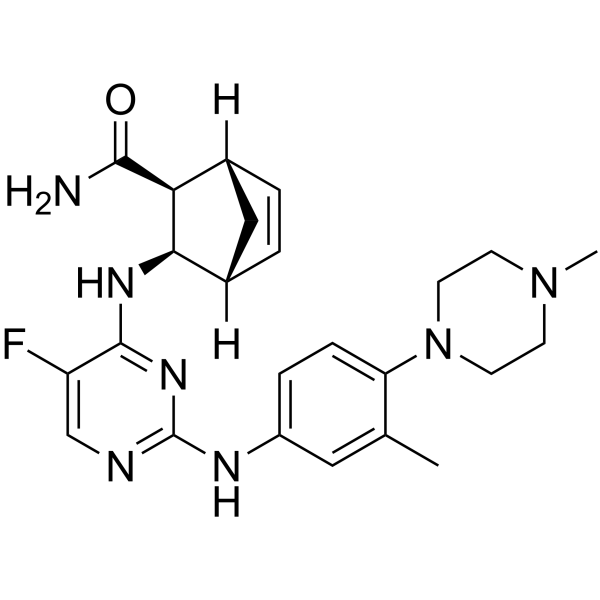
Cenisertib (AS-703569) is an ATP-competitive multi-kinase inhibitor that blocks the activity of Aurora-kinase-A/B, ABL1, AKT, STAT5 and FLT3. Cenisertib induces major growth-inhibitory effects by blocking the activity of several different molecular targets in neoplastic mast cells (MC). Cenisertib inhibits tumor growth in xenograft models of pancreatic, breast, colon, ovarian, and lung tumors and leukemia .
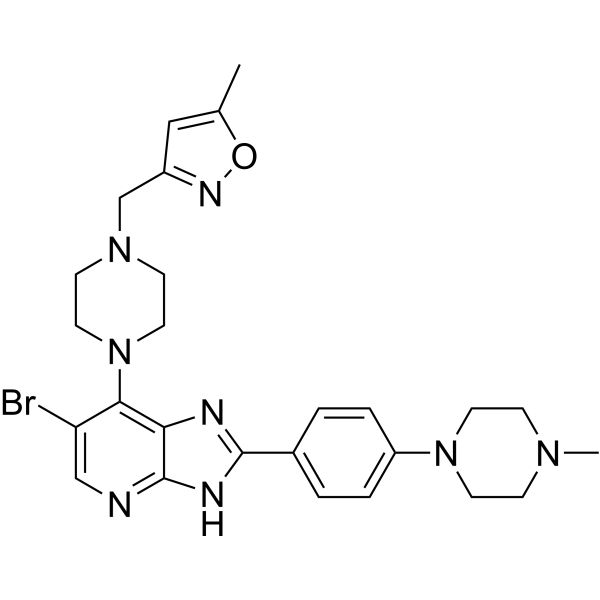
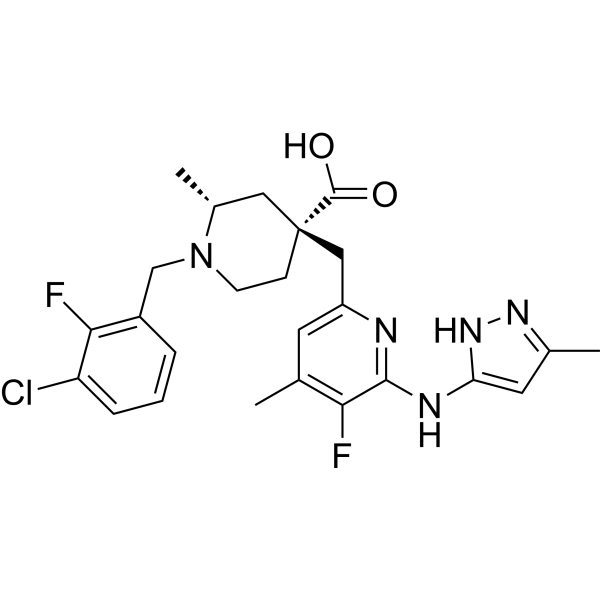
JAB-2485 is an orally active and selective Aurora kinase A (AURKA) inhibitor with an IC50 value of 0.327 nM. JAB-2485 exhibits inhibitory activity against various tumor cell lines such as neuroblastoma, triple-negative breast cancer, small cell lung cancer, and epithelial ovarian cancer. JAB-2485 can induce cell cycle arrest and apoptosis in tumor cells. JAB-2485 has antitumor activity .
JB170 is a potent and highly specific PROTAC-mediated AURORA-A(Aurora Kinase) degrader (DC50=28 nM) by linking Alisertib, to the Cereblon-binding molecule Thalidomide. JB170 preferentially binds AURORA-A (EC50=193 nM) over AURORA-B (EC50=1.4 µM). JB170-mediated S-phase arrest is caused specifically by AURORA-A depletion. JB170 has excellent ability to inhibit non-catalytic function of AURORA-A kinase .
Aurora kinase ligand-1 (Compound I-4) is an Aurora kinase B (AURKB) PROTAC ligand. Aurora kinase ligand-1 can be conjugated with E3 ligase Ligand (HY-112078) and linker to synthesize AURKB PROTAC degrader MS44 (HY-175525). MS44 can be used for cancer research .
DBPR728 is an acyl prodrug of 6K465 that carries fewer hydrogen bond donors. 6K465 acts as an Aurora kinase inhibitor that destabilizes MYC family cancer proteins and has antitumor efficacy. DBPR728 has the potential to inhibit cancers that overexpress C-MYC and N-MYC, with a 10-fold increase in oral bioavailability compared to 6K465 .
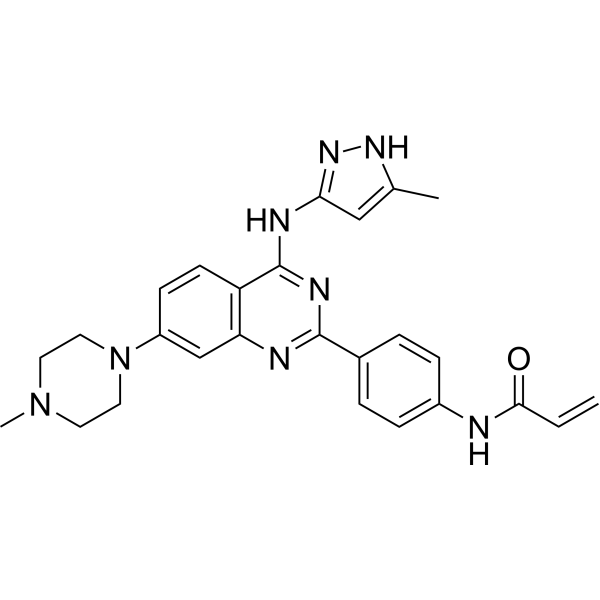
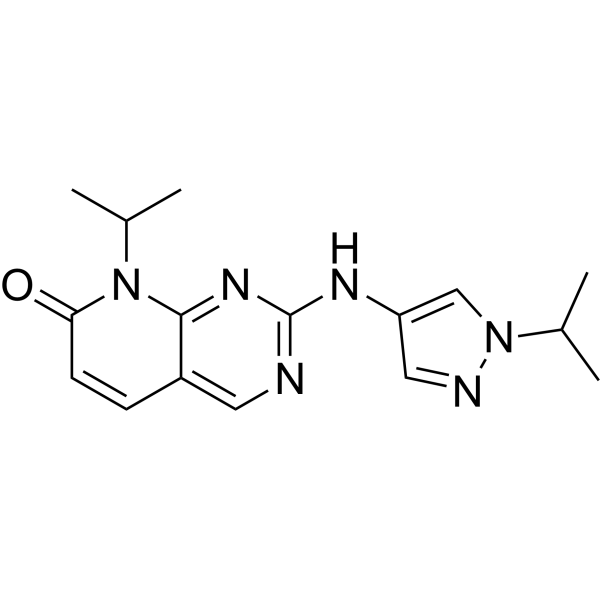
Aurorakinase-IN-8 is a orally active Aurora kinase inhibitor. Aurorakinase-IN-8 shows IC50 values of 2.8 and 28.1 nM against Aurora A kinase and Aurora B kinase. Aurorakinase-IN-8 can prevent spindle formation, cause G2/M phase arrest, and induce cell apoptosis. Aurorakinase-IN-8 can be used for the research of cancer, such as triple-negative breast cancer .
BRD-7880 is a potent and highly specific inhibitor of Aurora Kinase B (AURKB) and Aurora Kinase C (AURKC), with IC50 values of 7 nM and 12 nM, respectively .
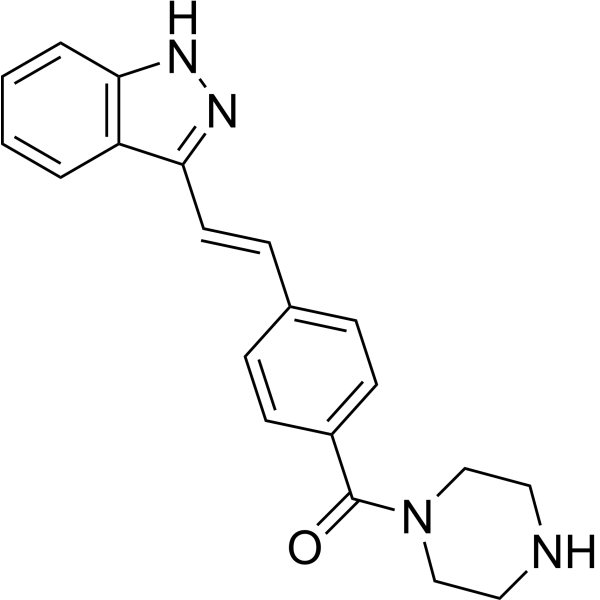
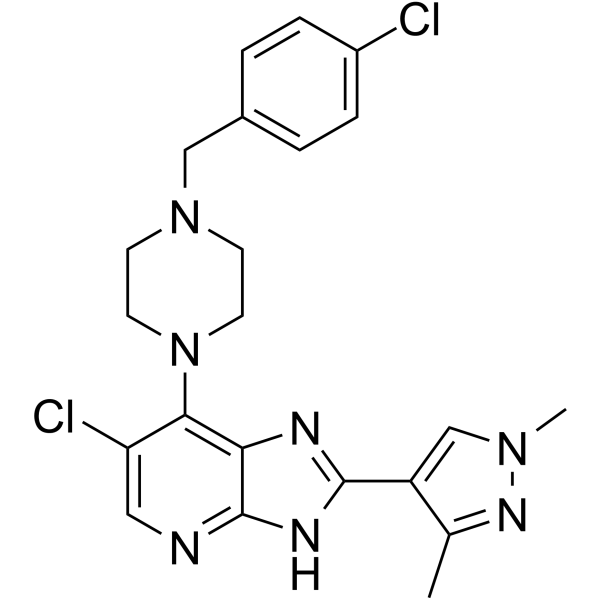
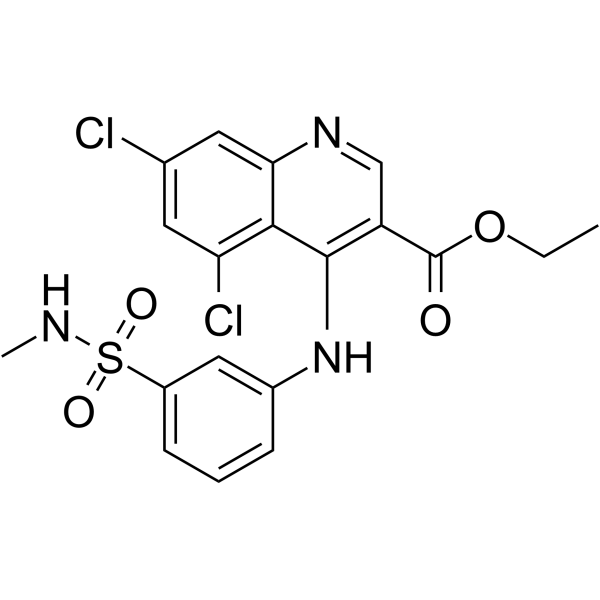
Aurora kinase inhibitor-11 (compound 25) is an inhibitor of Aurora Kinase with an IC50 of 0.14 μM. Aurora kinase inhibitor-11 has anticancer activity .
Aurora kinase inhibitor-14 (Compound 79) is an orally active and highly selective inhibitor of Aurora kinases with IC50 values of 0.5 nM and 1.2 nM for Aurora A and Aurora B, respectively. Aurora kinase inhibitor-14 binds to the ATP-binding site of Aurora kinases to block chromosome segregation during mitosis and induce apoptosis in tumor cells. Aurora kinase inhibitor-14 is promising for research of various solid tumors and hematological malignancies, such as non-small cell lung cancer, breast cancer, and acute myeloid leukemia .
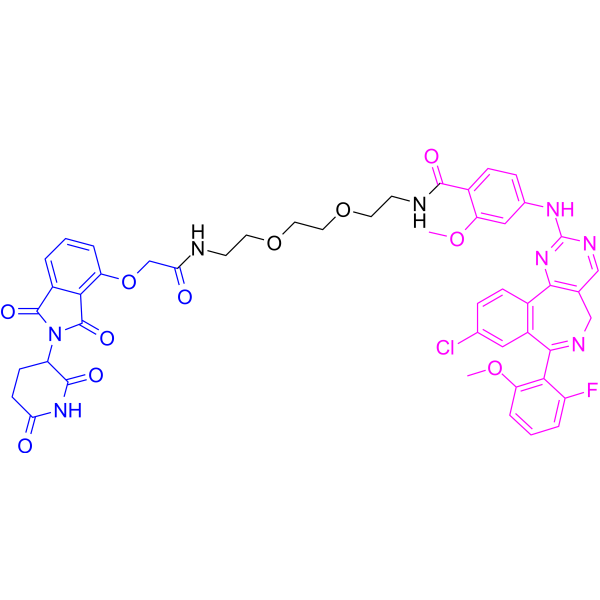
PROTAC AURKA degrader 1 (Compound A16 + X7) is a Aurora kinase A (AURKA)PROTAC degrader. PROTAC AURKA degrader 1 can be used for cancers research . Pink: AURKA ligand (HY-175827); Blue: CRBN ligase ligand (HY-W867704); Black: linker (HY-132208)
Cenisertib (Standard) is the analytical standard of Cenisertib. This product is intended for research and analytical applications. Cenisertib (AS-703569) is an ATP-competitive multi-kinase inhibitor that blocks the activity of Aurora-kinase-A/B, ABL1, AKT, STAT5 and FLT3. Cenisertib induces major growth-inhibitory effects by blocking the activity of several different molecular targets in neoplastic mast cells (MC). Cenisertib inhibits tumor growth in xenograft models of pancreatic, breast, colon, ovarian, and lung tumors and leukemia .
MS44 is a potent aurora kinase B (AURKB PROTAC) degrader (DC50 = 103 nM). MS44 effectively degrades AURKB in a time- and ubiquitin-proteasome system (UPS)-dependent manner and is selective for AURKB over AURKA and AURKC. MS44 effectively inhibits the proliferation in multiple cancer cell lines and potently induces G2/M arrest. MS44 can be used for the study of AURKB-dependent tumors (Pink: Target protein ligand (HY-175526); Blue: E3 ligand (HY-112078); Black: Linker; E3 ligand + Linker (HY-132938)) .
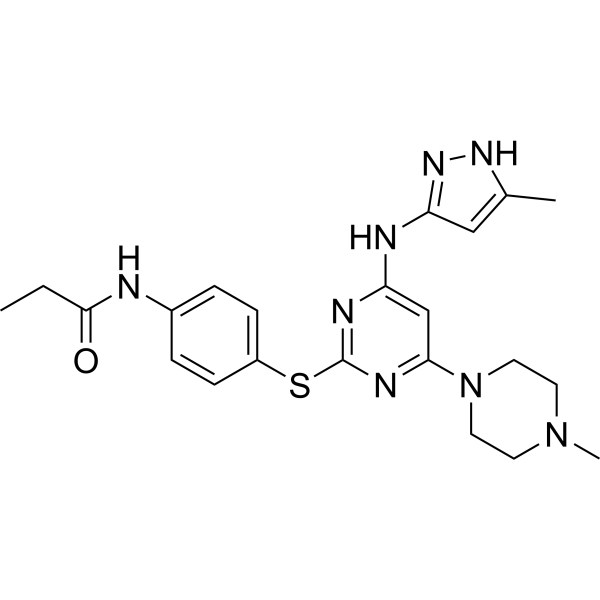
Aurorakinase-IN-4 (Compound 11c) is a covalent and ATP competitive aurora kinase A inhibitor (IC50: 1.7 nM). Aurorakinase-IN-4 inhibits cell proliferation in SJSA-1, MDA-MB-231, A54, HeLa cells with IC50s of 4.27, 1.54, 3.08, 6.99 μM. Aurorakinase-IN-4 can be used for research of triple negative breast cancer (TNBC) .
AJI-100 is a dual-target inhibitor of Aurora kinase A and JAK2 with IC50 values of 12.7 nM and 18.5 nM, respectively. AJI-100 directly blocks Aurora kinase A to inhibit T cell mitosis and cell polarity, and inhibits JAK2 activation to inhibit STAT3 phosphorylation, thereby reducing the differentiation of TH1 and TH17 cells. AJI-100 can be used in studies on regulating immune responses and preventing graft-versus-host disease (GVHD) .
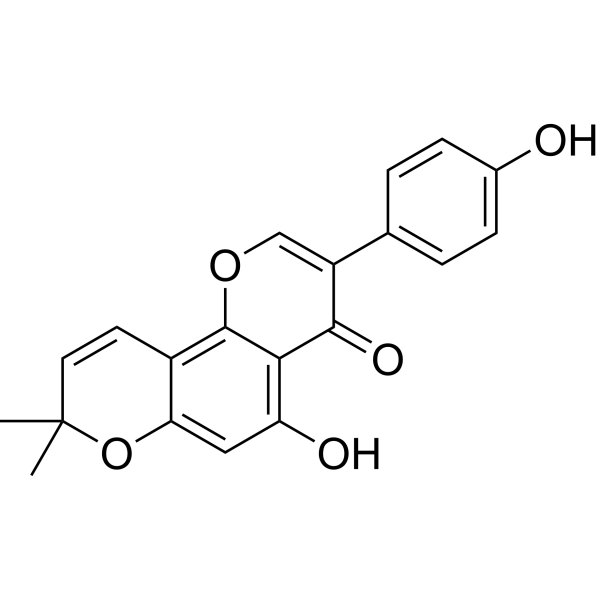
Derrone, a prenylated isoflavones, is an Aurora kinase inhibitor, with IC50 values of 6 and 22.3 μM against Aurora B and Aurora A, respectively. Derrone shows anti-tumor activity .
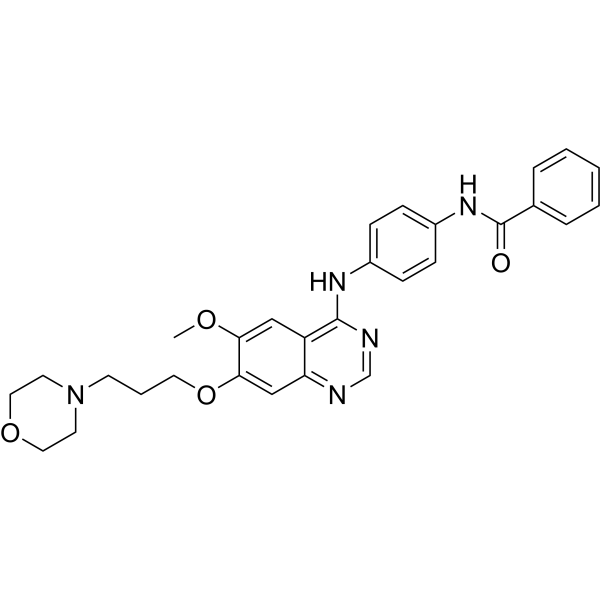
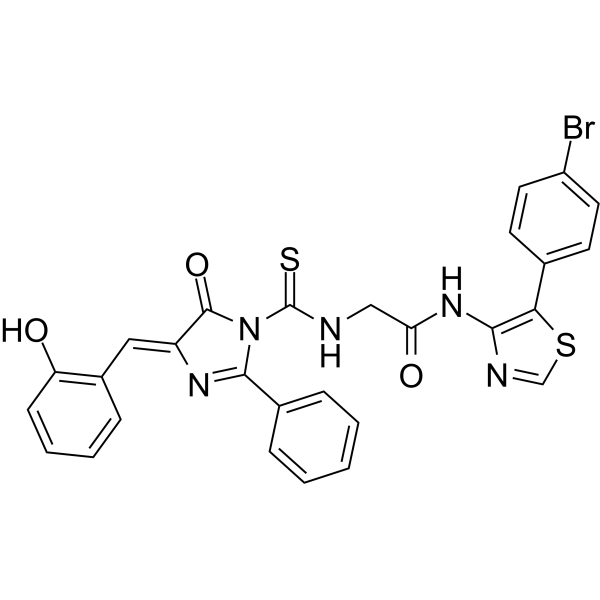
Aurora kinase inhibitor-10 (Compound 6c) is an orally active Aurora B inhibitor with an IC50 of 8 nM. Aurora kinase inhibitor-10 shows antitumor activity .
MK-5108-NH-PEG2-alkyne is a Aurora kinase A (AURKA) inhibitor. MK-5108-NH-PEG2-alkyne can be used for synthesis of PROTAC AURKA degrader 1 (HY-175830) .
AURKA-IN-3 (Compound AL8) is an irreversible covalent Aurora kinase A (AURKA) inhibitor with an IC50 value of 23.0 nM. AURKA-IN-3 inhibits the activation of cAMP signaling pathway and phospholipase C (PLC) signaling pathway mediated by AURKA, and reduces the autophosphorylation level of AURKA. AURKA-IN-3 is promising for research of malignant tumors associated with high AURKA expression (e.g., leukemia, lymphoma) .
Doramapimod GMP (BIRB 796 GMP) is an orally active inhibitor for p38 MAPK, with IC50s of 38, 65, 200 and 520 nM, for p38α, p38β, p38γ, p38δ. Doramapimod exhibits cytotoxicity and antitumor activity against multiple myeloma, synergizes with multidrug resistance protein 1 (ABCB1) and aurora kinase inhibitor VX680, promoting their antitumor efficacy against oral epidermoid carcinoma and cervical cancer. Doramapimod also exhibits anti-inflammatory activity .
HLDA-212 (Compound 43) is a bifunctional small molecule targeting HaloTag-tagged protein (Target Protein, TP) and Aurora kinase A/B (AURKA/B, Effector Protein, EP). HLDA-212 binds to TP and EP to form a stable ternary complex (TP:RIPTAC:EP), inhibiting the cell-survival function of EP and inducing apoptosis in TP-expressing cancer cells. HLDA-212 shows antiproliferative activity (GI50 of 0.011 μM) in 293_HFL cells. HLDA-212 is promising for research of cancers with high TP expression (such as prostate cancer and hematological malignancies) .
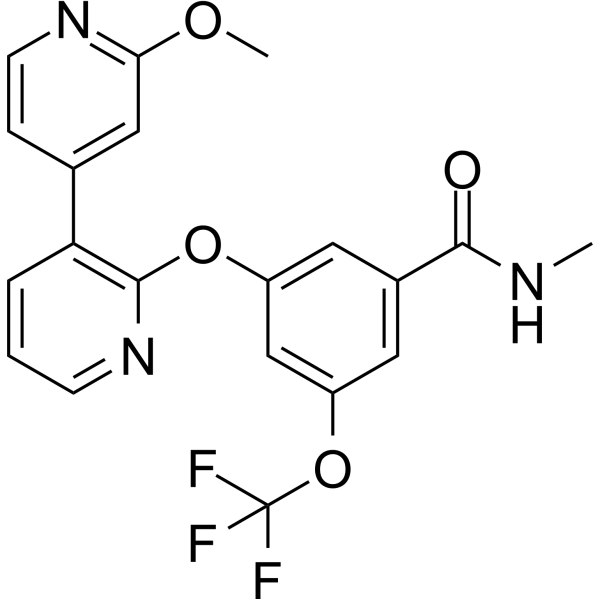
FAK/Aurorakinase-IN-1 is a FAK and aurora kinase inhibitor with IC50 values of 6.61 nM and 0.91 nM, respectively. FAK/Aurorakinase-IN-1 shows anticancer effects (WO2018019252A1; compound 11) .
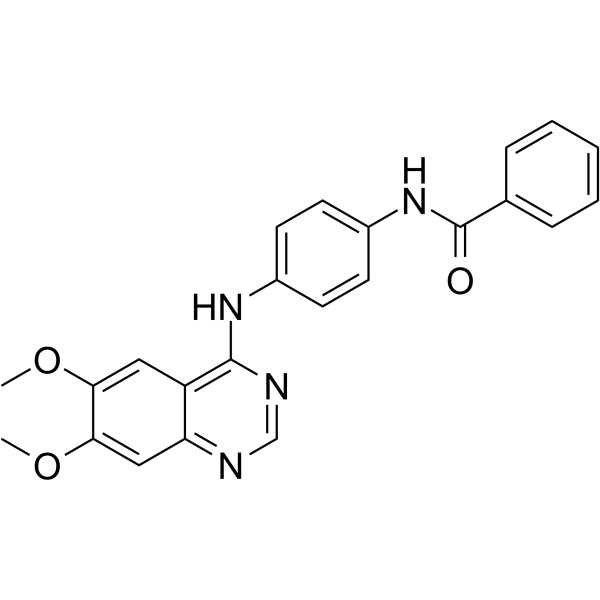
Aurorakinase-IN-2 (compound 12Aj) is a potent Aurora kinase inhibitor with IC50 values of 90 and 152 nM for Aurora A and Aurora B. Aurorakinase-IN-2 arrests cell cycle at G2/M phase by regulating cyclin B1 and cdc2. Aurorakinase-IN-2 can be used for cancer research .
BET/Aurorakinase-IN-1 (Compound 38) is a dual BET/Aurora kinase inhibitor. BET/Aurorakinase-IN-1 shows antiproliferative activities on diverse cancer cell lines and favorable antitumor efficacy in renal cell cancer and colon cancer xenograft models with tumor growth inhibition (TGI) of 45.99% and 53.06%, respectively .
Aurorakinase-IN-1 (Compound 9) is a potent inhibitor of aurora kinase. Aurorakinase-IN-1 upregulates the expression of G1 cell cycle inhibitory proteins including p21 and p27, and G1 progressive cyclin D1, and downregulates G1-to-S progressive cyclins, resulting in cell cycle arrest at the G1/S boundary. Aurorakinase-IN-1 also induces apoptosis. Aurorakinase-IN-1 is a lead compound for chemotherapeutic agents .
Tripolin B is an ATP-competitive Aurora kinase inhibitor with IC50 values of 2.5 µM and 6 µM for Aurora A and Aurora B kinases, respectively. Tripolin B does not inhibit Aurora kinase in cells .
XMD-12 (compound 1) is an Aurora kinase(Aurora Kinase) inhibitor with anti-tumor activity that promotes paclitaxel (HY-B0015) induced cell death. XMD-12 exhibits high selectivity and potency against Aurora A, B, and C kinases, with IC50 values of 5.6, 18.4, and 24.6 nM, respectively .
AJI-214 is a dual-target inhibitor of Aurora kinase A and JAK2. AJI-214 directly blocks Aurora kinase A to inhibit T cell mitotic progression and cell polarity, and inhibits JAK2 activation to inhibit STAT3 phosphorylation, thereby reducing the differentiation of TH1 and TH17 cells. AJI-214 can be used in studies on regulating immune responses and preventing graft-versus-host disease (GVHD) .
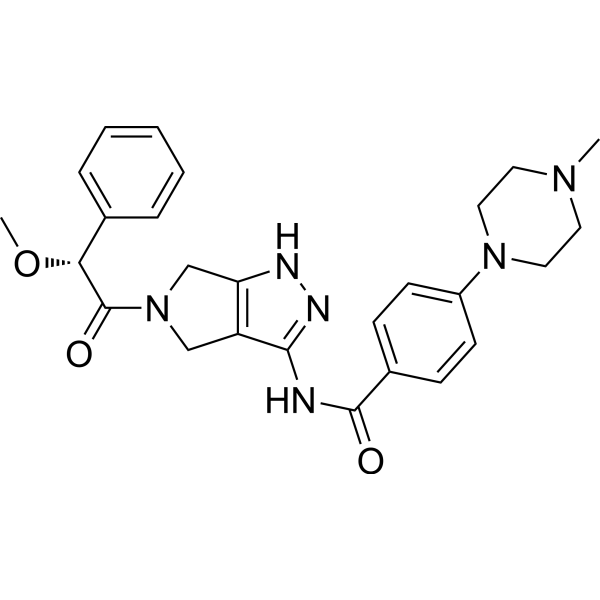
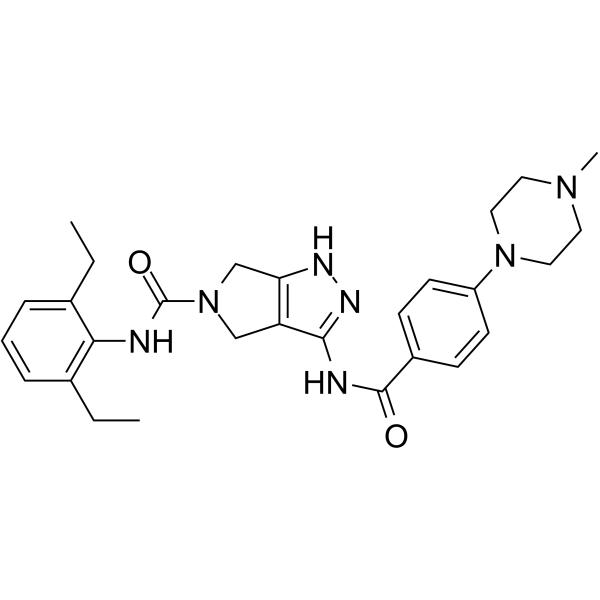
Danusertib (Standard) is the analytical standard of Danusertib. This product is intended for research and analytical applications. Danusertib is a pyrrolo-pyrazole and aurora kinase inhibitor with IC50 of 13, 79, and 61 nM for Aurora A, B, and C, respectively.
AKI-001 is an prototype pentacyclic inhibitor of aurora kinase with cellular potency of IC50 of less than 100 nM. AKI-001 shows low nanomolar potency against Aurora A and Aurora B enzymes .
OM137 is an aurora kinase inhibitor, with an IC50 of 21.7 μM (Aurora A kinase) and 2.4 μM (Aurora B kinase). OM137 also inhibits Cdk1/cyclinB and Cdk5/p25 with an approximate IC50 of 20 μM. OM137 reduces spindle checkpoint-signaling proteins (Mad2 and BubR1) at the kinetochores of chromosomes .
Cenisertib (AS-703569) benzoate is an ATP-competitive multi-kinase inhibitor that blocks the activity of Aurora-kinase-A/B, ABL1, AKT, STAT5 and FLT3. Cenisertib benzoate induces major growth-inhibitory effects by blocking the activity of several different molecular targets in neoplastic mast cells (MC). Cenisertib benzoate inhibits tumor growth in xenograft models of pancreatic, breast, colon, ovarian, and lung tumors and leukemia .
(E)-MS0019266 is a potent inhibitor of DNA damage repair. (E)-MS0019266 inhibits ribonucleotide reductase by generating reactive oxygen species. (E)-MS0019266 also reduces expression of genes related to cell cycle arrest and mitosis, including polo-like kinase 1, kinesin family member 20a, cyclin B1 and aurora kinase A. (E)-MS0019266 is promising for research of inhibitors of ribonucleotide reductase and polo-like kinase 1 .
Aurora/LIM kinase-IN-1 (Compound F114) is a potent and dual inhibitor of aurora and limkinase. Aurora kinases and lim kinases are involved in neoplastic cell division and cell motility, respectively. Aurora/LIM kinase-IN-1 inhibits GBM proliferation and invasion. Aurora/LIM kinase-IN-1 is a promising new scaffold for dual aurora/lim kinase inhibitors that may be used in future agent development efforts for GBM, and potentially other cancers .
Benzo[c][1,8]naphthyridin-6(5H)-one exhibits low micromolar affinity to human adenosine receptor (AR) A1 and hA2A, with Ki of 4.6 and 4.8 μM. Benzo[c][1,8]naphthyridin-6(5H)-one is inhibitor for poly ADP-ribose polymerase-1 (PARP-1) and aurora kinase A, with IC50 of 0.311 and 5.5 μM .
Aurorakinase-IN-10 is an Aurora kinase inhibitor. Aurorakinase-IN-10 exhibits IC50 values of 5.94 nM and 86.06 nM against Aurora A and Aurora B, respectively. Aurorakinase-IN-10 has anti-tumor activity and can be used in the research of tumors such as triple-negative breast cancer .
Aurorakinase/HDAC-IN-1 is an orally active dual Aurora kinase and HDAC inhibitor that inhibits Aurora A (IC50 = 116 nM), Aurora B (IC50 = 225 nM), HDAC1 (IC50 = 164 nM), and HDAC2 (IC50 = 346 nM).Aurorakinase/HDAC-IN-1 promotes histone H3 acetylation, inhibits Aurora A phosphorylation and downstream signaling, and induces apoptosis via G2/M cell-cycle arrest. Aurorakinase/HDAC-IN-1 exhibits potent antiproliferative activity in colorectal cancer cells, with an IC50 value of 30.2 nM in HCT-116 cells.Aurorakinase/HDAC-IN-1 significantly suppresses tumor growth in an HCT-116 colorectal cancer xenograft mouse model .
Aurorakinase/ALK-IN-1 is a dual Aurora A kinase and ALK inhibitor with IC50 values of 0.296 μM and 0.332 μM, respectively. Aurorakinase/ALK-IN-1 induces G2/M cell cycle arrest, triggers mitochondrial apoptosis, elevates intracellular reactive oxygen species (ROS) levels, and inhibits ALDH1 activity. Aurorakinase/ALK-IN-1 demonstrates cytotoxicity and tumor selectivity. Aurorakinase/ALK-IN-1 can be used for the research of anaplastic large cell lymphoma .
IBPR002 is an inhibitor of Aurora kinase A and Aurora kinase B, with IC50 values of 41 nM and 17 nM, respectively. IBPR002 disrupts the nucleation and bundling of kinetochore microtubules, impairs the bipolarity of mitotic spindles, and promotes the binding of non-phosphorylated hepatoma up-regulated protein (HURP) to microtubules derived from the mother centrosome. IBPR002 reduces tumorigenesis levels in a colorectal cancer xenograft model using athymic nude mice. IBPR002 is applicable for research related to colorectal cancer .
ZM-447439 (Standard) is the analytical standard of ZM-447439 (HY-10128). This product is intended for research and analytical applications. ZM-447439 is an aurora kinase inhibitor with IC50s of 110 and 130 nM for aurora A and B, respectively.
KW-2449 (Standard) is the analytical standard of KW-2449 (HY-10339). This product is intended for research and analytical applications. KW-2449 is a multi-targeted kinase inhibitor of FLT3, ABL, ABLT315I and Aurora kinase with IC50s of 6.6, 14, 4 and 48 nM, respectively.
JNJ-7706621 (Standard) is the analytical standard of JNJ-7706621 (HY-10329). This product is intended for research and analytical applications. JNJ-7706621 is a potent aurora kinase inhibitor, and also inhibits CDK1 and CDK2, with IC50s of 9 nM, 3 nM, 11 nM, and 15 nM for CDK1, CDK2, aurora-A and aurora-B, respectively .
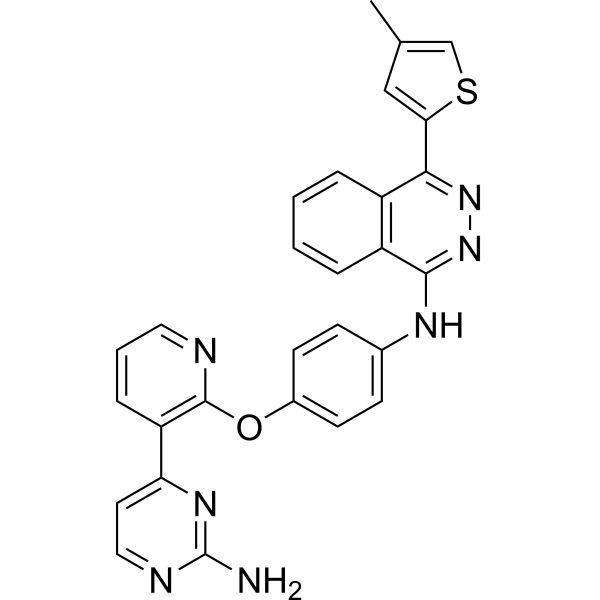
R1498 is a multi-target kinase inhibitor with anti-angiogenic and anti-proliferative activities. R1498 mainly targets targets such as Aurora kinase and VEGFR2, which are associated with tumor development. R1498 showed moderate in vitro growth inhibition in a variety of tumor cells, with IC50 values in the micromolar range. R1498 showed anti-tumor efficacy superior to sorafenib in a variety of gastric cancer and hepatocellular carcinoma xenograft models, with tumor growth inhibition rates exceeding 80%, and tumor shrinkage was observed in some models. R1498 showed a 10-30% tumor shrinkage rate in three xenograft models derived from human primary gastric cancer tumors, further demonstrating its inhibitory potential. R1498 effectively inhibited Aurora A activity in vivo and reduced tumor vascularization .
DNA is prone to numerous forms of damage that can injure cells and impair fitness. Cells have developed an array of mechanisms to repair these injuries. Proliferating cells are especially vulnerable to DNA damage due to the added demands of cellular growth and division. Cell cycle checkpoints represent integral components of DNA repair that coordinate cooperation between the machinery of the cell cycle and several biochemical pathways that respond to damage and restore DNA structure. By delaying progression through the cell cycle, checkpoints provide more time for repair before the critical phases of DNA replication, when the genome is replicated, and of mitosis, when the genome is segregated. Loss or attenuation of checkpoint function may increase spontaneous and induced gene mutations and chromosomal aberrations by reducing the efficiency of DNA repair.
MCE owns a unique collection of 3,313 cell cycle/DNA damage-related compounds which can be used in the research of the same.
Derrone, a prenylated isoflavones, is an Aurora kinase inhibitor, with IC50 values of 6 and 22.3 μM against Aurora B and Aurora A, respectively. Derrone shows anti-tumor activity .
AURA is a mitotic serine/threonine kinase that complexly controls cell cycle progression and various mitotic events. AURA associates with centrosomes and spindle microtubules during mitosis and plays a critical role in spindle establishment, centrosome duplication, chromosome alignment, spindle assembly checkpoint activation, and cytokinesis. AURKA Protein, Human (Active, sf9, His-GST) is the recombinant human-derived AURKA, expressed by Sf9 insect cells, with N-6*His and N-GST labeled tag.
AURA is a mitotic serine/threonine kinase that complexly controls cell cycle progression and various mitotic events. AURA associates with centrosomes and spindle microtubules during mitosis and plays a critical role in spindle establishment, centrosome duplication, chromosome alignment, spindle assembly checkpoint activation, and cytokinesis. AURKA-INCENP Heterodimer Protein, Human (sf9, GST, His, Strep) is the recombinant human-derived AURKA-INCENP Heterodimer, expressed by Sf9 insect cells, with GST, His, and Strep labeled tag.
AURC is a key serine/threonine protein kinase that plays a critical regulatory role in mitosis as part of the chromosomal passenger complex (CPC), ensuring accurate chromosome alignment and segregation. It contributes to chromatin-induced microtubule stabilization and spindle assembly. AURC Protein, Human (sf9, GST) is the recombinant human-derived AURC protein, expressed by sf9 insect cells , with N-GST labeled tag.
MK-5108-NH-PEG2-alkyne is a Aurora kinase A (AURKA) inhibitor. MK-5108-NH-PEG2-alkyne can be used for synthesis of PROTAC AURKA degrader 1 (HY-175830) .
Inquiry Online
Your information is safe with us. * Required Fields.
Western blot analysis of extracts from THP-1(lane 2(20μg), Jurkat (lane 3(20μg) and NIH3T3(lane 4(20μg) using FOXO1A (HY-P80132) Rabbit mAb. Proteins were transferred
to a PVDF membrane and blocked with 5% non-fat milk in TBST for 2 hour at room temperature. The primary antibody (1/1000) and Loading control antibody (Beta Actin, HY-P80438, 1/10000) was
used in 5% non-fat milk in TBST at 4°C overnight. Goat Anti-Mouse/Rabbit IgG-HRP Secondary Antibody (1/10000) was used for 1 hour at room temperature.
Western blot analysis of extracts from THP-1(lane 2(20μg), Jurkat (lane 3(20μg) and NIH3T3(lane 4(20μg) using FOXO1A (HY-P80132) Rabbit mAb. Proteins were transferred
to a PVDF membrane and blocked with 5% non-fat milk in TBST for 2 hour at room temperature. The primary antibody (1/1000) and Loading control antibody (Beta Actin, HY-P80438, 1/10000) was
used in 5% non-fat milk in TBST at 4°C overnight. Goat Anti-Mouse/Rabbit IgG-HRP Secondary Antibody (1/10000) was used for 1 hour at room temperature.
Western blot analysis of extracts from THP-1(lane 2(20μg), Jurkat (lane 3(20μg) and NIH3T3(lane 4(20μg) using FOXO1A (HY-P80132) Rabbit mAb. Proteins were transferred
to a PVDF membrane and blocked with 5% non-fat milk in TBST for 2 hour at room temperature. The primary antibody (1/1000) and Loading control antibody (Beta Actin, HY-P80438, 1/10000) was
used in 5% non-fat milk in TBST at 4°C overnight. Goat Anti-Mouse/Rabbit IgG-HRP Secondary Antibody (1/10000) was used for 1 hour at room temperature.
Western blot analysis of extracts from THP-1(lane 2(20μg), Jurkat (lane 3(20μg) and NIH3T3(lane 4(20μg) using FOXO1A (HY-P80132) Rabbit mAb. Proteins were transferred
to a PVDF membrane and blocked with 5% non-fat milk in TBST for 2 hour at room temperature. The primary antibody (1/1000) and Loading control antibody (Beta Actin, HY-P80438, 1/10000) was
MedchemExpress Validation 03
Western blot analysis of extracts from THP-1(lane 2(20μg), Jurkat (lane 3(20μg) and NIH3T3(lane 4(20μg) using FOXO1A (HY-P80132) Rabbit mAb. Proteins were transferred
MedchemExpress Validation 04
Western blot analysis of extracts from THP-1(lane 2(20μg), Jurkat (lane 3(20μg) and NIH3T3(lane 4(20μg) using FOXO1A (HY-P80132) Rabbit mAb. Proteins were transferred
to a PVDF membrane and blocked with 5% non-fat milk in TBST for 2 hour at room temperature. The primary antibody (1/1000) and Loading control antibody (Beta Actin, HY-P80438, 1/10000) was
used in 5% non-fat milk in TBST at 4°C overnight. Goat Anti-Mouse/Rabbit IgG-HRP Secondary Antibody (1/10000) was used for 1 hour at room temperature.
MedchemExpress Validation
Western blot analysis of extracts from THP-1(lane 2(20μg), Jurkat (lane 3(20μg) and NIH3T3(lane 4(20μg) using FOXO1A (HY-P80132) Rabbit mAb. Proteins were transferred
to a PVDF membrane and blocked with 5% non-fat milk in TBST for 2 hour at room temperature. The primary antibody (1/1000) and Loading control antibody (Beta Actin, HY-P80438, 1/10000) was
used in 5% non-fat milk in TBST at 4°C overnight. Goat Anti-Mouse/Rabbit IgG-HRP Secondary Antibody (1/10000) was used for 1 hour at room temperature.
Western blot analysis of extracts from THP-1(lane 2(20μg), Jurkat (lane 3(20μg) and NIH3T3(lane 4(20μg) using FOXO1A (HY-P80132) Rabbit mAb. Proteins were transferred
to a PVDF membrane and blocked with 5% non-fat milk in TBST for 2 hour at room temperature. The primary antibody (1/1000) and Loading control antibody (Beta Actin, HY-P80438, 1/10000) was
used in 5% non-fat milk in TBST at 4°C overnight. Goat Anti-Mouse/Rabbit IgG-HRP Secondary Antibody (1/10000) was used for 1 hour at room temperature.
MedchemExpress Validation
Western blot analysis of extracts from THP-1(lane 2(20μg), Jurkat (lane 3(20μg) and NIH3T3(lane 4(20μg) using FOXO1A (HY-P80132) Rabbit mAb. Proteins were transferred
to a PVDF membrane and blocked with 5% non-fat milk in TBST for 2 hour at room temperature. The primary antibody (1/1000) and Loading control antibody (Beta Actin, HY-P80438, 1/10000) was
used in 5% non-fat milk in TBST at 4°C overnight. Goat Anti-Mouse/Rabbit IgG-HRP Secondary Antibody (1/10000) was used for 1 hour at room temperature.
MedchemExpress Validation
Western blot analysis of extracts from THP-1(lane 2(20μg), Jurkat (lane 3(20μg) and NIH3T3(lane 4(20μg) using FOXO1A (HY-P80132) Rabbit mAb. Proteins were transferred
to a PVDF membrane and blocked with 5% non-fat milk in TBST for 2 hour at room temperature. The primary antibody (1/1000) and Loading control antibody (Beta Actin, HY-P80438, 1/10000) was
used in 5% non-fat milk in TBST at 4°C overnight. Goat Anti-Mouse/Rabbit IgG-HRP Secondary Antibody (1/10000) was used for 1 hour at room temperature.
MedchemExpress Validation
Western blot analysis of extracts from THP-1(lane 2(20μg), Jurkat (lane 3(20μg) and NIH3T3(lane 4(20μg) using FOXO1A (HY-P80132) Rabbit mAb. Proteins were transferred
to a PVDF membrane and blocked with 5% non-fat milk in TBST for 2 hour at room temperature. The primary antibody (1/1000) and Loading control antibody (Beta Actin, HY-P80438, 1/10000) was
used in 5% non-fat milk in TBST at 4°C overnight. Goat Anti-Mouse/Rabbit IgG-HRP Secondary Antibody (1/10000) was used for 1 hour at room temperature.
MedchemExpress Validation
Western blot analysis of extracts from THP-1(lane 2(20μg), Jurkat (lane 3(20μg) and NIH3T3(lane 4(20μg) using FOXO1A (HY-P80132) Rabbit mAb. Proteins were transferred
to a PVDF membrane and blocked with 5% non-fat milk in TBST for 2 hour at room temperature. The primary antibody (1/1000) and Loading control antibody (Beta Actin, HY-P80438, 1/10000) was
used in 5% non-fat milk in TBST at 4°C overnight. Goat Anti-Mouse/Rabbit IgG-HRP Secondary Antibody (1/10000) was used for 1 hour at room temperature.
MedchemExpress Validation
Western blot analysis of extracts from THP-1(lane 2(20μg), Jurkat (lane 3(20μg) and NIH3T3(lane 4(20μg) using FOXO1A (HY-P80132) Rabbit mAb. Proteins were transferred
to a PVDF membrane and blocked with 5% non-fat milk in TBST for 2 hour at room temperature. The primary antibody (1/1000) and Loading control antibody (Beta Actin, HY-P80438, 1/10000) was
used in 5% non-fat milk in TBST at 4°C overnight. Goat Anti-Mouse/Rabbit IgG-HRP Secondary Antibody (1/10000) was used for 1 hour at room temperature.
MedchemExpress Validation
Western blot analysis of extracts from THP-1(lane 2(20μg), Jurkat (lane 3(20μg) and NIH3T3(lane 4(20μg) using FOXO1A (HY-P80132) Rabbit mAb. Proteins were transferred
to a PVDF membrane and blocked with 5% non-fat milk in TBST for 2 hour at room temperature. The primary antibody (1/1000) and Loading control antibody (Beta Actin, HY-P80438, 1/10000) was
used in 5% non-fat milk in TBST at 4°C overnight. Goat Anti-Mouse/Rabbit IgG-HRP Secondary Antibody (1/10000) was used for 1 hour at room temperature.
MedChemExpress values your privacy and your trust is important to us. We use cookies to enhance your website experience. Some cookies are necessary to run the website.
Privacy and Cookie Policy






















![Benzo[c][1,8]naphthyridin-6(5H)-one](http://file.medchemexpress.com/product_pic/hy-115862.gif)








