


1. Search Result
Search Result
Results for "

Endotoxin inhibitor

" in MedChemExpress (MCE) Product Catalog:

41

Inhibitors & Agonists

5

Biochemical Assay Reagents

9

Peptides

1

Inhibitory Antibodies

5

Natural
Products

Cat. No. Product Name Target Research Areas Chemical Structure
  • HY-A0248
    Polymyxin B Sulfate
    20+ Cited Publications

    Antibiotic Bacterial Infection
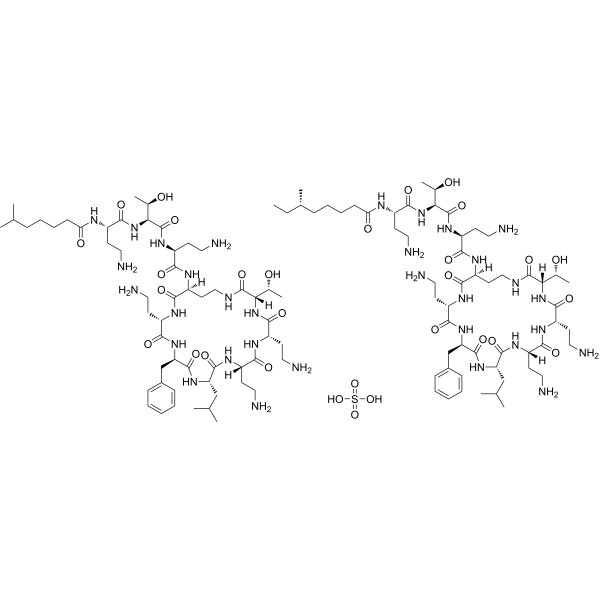
    Polymyxin B Sulfate is an antibiotic. Polymyxin B Sulfate inhibits Gram-negative infections by binding to the LPS of the bacterial wall with high affinity. Polymyxin B Sulfate neutralizes the effect of endotoxin. Polymyxin B Sulfate induces bacterial death by increasing its permeability. Polymyxin B Sulfate is used in endotoxemia research .
    Polymyxin B Sulfate
  • HY-149179
    Polymyxin B
    20+ Cited Publications

    Antibiotic Bacterial Infection
    Polymyxin B is an antibiotic. Polymyxin B inhibits Gram-negative infections by binding to the LPS of the bacterial wall with high affinity. Polymyxin B neutralizes the effect of endotoxin. Polymyxin B induces bacterial death by increasing its permeability. Polymyxin B is used in endotoxemia research .
    Polymyxin B
  • HY-E70005H

    Proteasome Cardiovascular Disease
    Collagenase, Type VIII is a mixed enzyme derived from Clostridium histolyticum that contains collagenase, a nonspecific protease, and a clostripain. Collagenase, Type VIII can hydrolyze Type VIII collagen and may be used to study the formation of atherosclerosis. Type VIII collagen is a regulator of endothelial cell differentiation and angiogenesis, a substrate for cell adhesion and migration such as smooth muscle cells, and may accumulate in atherosclerosis. After endotoxin activates the expression of Collagenase, Type VIII, it can reduce the production of Type VIII collagen and has the potential to inhibit atherosclerosis .
    Collagenase, Type VIII
  • HY-N7075
    Inulin
    4 Publications Verification

    Endogenous Metabolite Infection Neurological Disease Metabolic Disease Cancer
    Inulin is an orally active prebiotic targeting the intestinal microbiota, selectively promoting the proliferation and activity of beneficial bacteria such as bifidobacteria and lactic acid bacteria, and playing a role in regulating the intestinal microecology. The functions of Inulin include: Fermentation by probiotics in the colon to produce short-chain fatty acids (such as butyrate and propionate), lowering the intestinal pH and inhibiting the overgrowth of harmful bacteria; Enhancing the intestinal barrier function and reducing endotoxin translocation; Directly scavenging free radicals (such as superoxide free radicals, hydroxyl free radicals) and activating antioxidant enzymes (SOD, CAT) to reduce oxidative stress. Inulin can also be used in the study of intestinal diseases (constipation, IBD), metabolic syndrome (diabetes, obesity) and liver damage by regulating glucose and lipid metabolism (such as reducing triglycerides, improving insulin sensitivity) and immune response (enhancing NK cell activity, inhibiting inflammatory factors)[1][2][3][4].
    Inulin
  • HY-13687
    IKK 16
    Maximum Cited Publications
    29 Publications Verification

    IKK LRRK2 P-glycoprotein PKD NF-κB TNF Receptor Interleukin Related Cardiovascular Disease Inflammation/Immunology
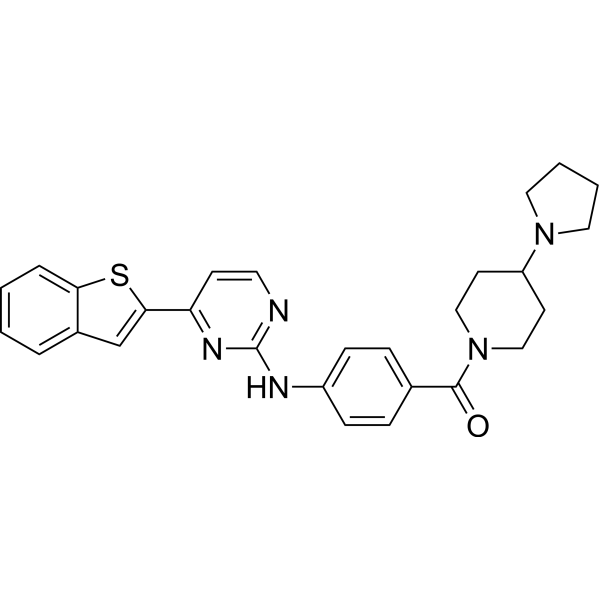
    IKK 16 is an orally active IKK inhibitor. IKK 16 shows IC50s of 40 nM, 70 nM, 200 nM, and 50 nM for IKK2, IKK complex, IKK1, and LRRK 2, respectively. IKK 16 is also a pan-PKD inhibitor, inhibiting PKD1, PKD2, and PKD3 with IC50s of 153.9, 115, and 99.7 nM, respectively. IKK 16 is also an ABCB1 inhibitor, interfering with the binding of ABCB1 to its substrates. IKK 16 protects against LPS (HY-D1056)-induced multiple organ dysfunction by reducing the acute inflammatory response induced by endotoxin exposure. IKK 16 can restore renal function and alleviate fibrosis in acute kidney injury. IKK 16 attenuates cardiac dysfunction associated with polymicrobial sepsis in mice with type 2 diabetes mellitus (T2DM) by inhibiting the NF-κB pathway .
    IKK 16
  • HY-110133
    JTE-607
    5 Publications Verification

    Interleukin Related Inflammation/Immunology
    JTE-607, a highly selective inflammatory cytokine synthesis inhibitor, protects from endotoxin shock in mice. JTE-607 inhibits inflammatory cytokine production, including TNF-α, IL-1β, IL-6, IL-8 and IL-10, from LPS-stimulated human PBMCs, with IC50s of 11, 5.9, 8.8, 7.3 and 9.1 nM, respectively . Cleavage and Polyadenylation Specificity Factor 3 (CPSF3) is the target of JTE-607 .
    JTE-607
  • HY-B2106D

    Decaethylene glycol monododecyl ether (C12E10); Polidocanol (10)

    Biochemical Assay Reagents Others Cancer
    Polyoxyethylene (10) lauryl ether is a nonionic surfactant. Polyoxyethylene (10) lauryl ether exhibits unique properties in dissolving liposomes and exerts the minimal interference with endotoxin detection. Polyoxyethylene (10) lauryl ether forms hybrid liposomes with Dimyristoylphosphatidylcholine (DMPC) (HY-109541), which can inhibit the proliferation of human promyelocytic leukemia cells without the administration of any drugs .
    Polyoxyethylene (10) lauryl ether
  • HY-117037
    FR900359
    4 Publications Verification

    Apoptosis ERK Cardiovascular Disease Cancer
    FR900359 is a depsipeptide selective inhibitor of q/11/14 in mammalia, can inhibits ERK pathway. FR900359 suppresses the proliferation of melanoma cells and decreases of blood pressure. FR900359 also protected against airway hyperreactivity in murine models of allergen sensitization in Ovalbumin, low endotoxin (HY-W250978A)-induced sensitization model of asthma. FR900359 can be used for cancer and cardiovascular disease research .
    FR900359
  • HY-P1698

    AB-103

    Bacterial CD28 Infection Inflammation/Immunology Cancer
    Reltecimod (AB-103) is a T-cell-specific surface glycoprotein CD28 (TP44) antagonist. Reltecimod has beneficial effects against different bacterial infections, their exotoxins and endotoxins, and ionizing radiation. Reltecimod modulates the inflammatory response by targeting and attenuating the critical CD28/B7-2 co-stimulatory pathway, without inhibiting it. Reltecimod can be used to research necrotizing soft-tissue infections (NSTIs) .
    Reltecimod
  • HY-D1056B3

    LPS, from bacterial (Klebsiella pneumoniae)

    Toll-like Receptor (TLR) Inflammation/Immunology
    Lipopolysaccharides, from Klebsiella pneumoniae (LPS, from bacterial (Klebsiella pneumoniae)) are lipopolysaccharide endotoxins and TLR4 activators derived from Klebsiella pneumoniae, and are classified as S-type LPS. Lipopolysaccharides, from Klebsiella pneumoniae exhibit a typical three-part structure: O-antigen, core oligosaccharide, and lipid A. Lipopolysaccharides, from Klebsiella pneumoniae may participate in bacterial immune evasion by inhibiting complement-mediated killing and suppressing the host's secretion of antimicrobial peptides, thereby allowing the bacteria to escape immune defenses. Lipopolysaccharides, from Klebsiella pneumoniae possess high viscosity and resistance to serum-mediated killing, which may lead to sepsis. Lipopolysaccharides, from Klebsiella pneumoniae can be used to construct Acute Lung Injury Model .
    It is recommended to prepare a solution with concentration ≥2 mg/mL. Vortex thoroughly for more than 10 minutes. Due to the adsorption characteristics of LPS, silanized container or low adsorption centrifuge tubes should be used for aliquoting and storage, and mix thoroughly before use.
    Lipopolysaccharides, from Klebsiella pneumoniae
  • HY-N0468
    Rebaudioside D
    1 Publications Verification

    FXR Acetyl-CoA Carboxylase Metabolic Disease
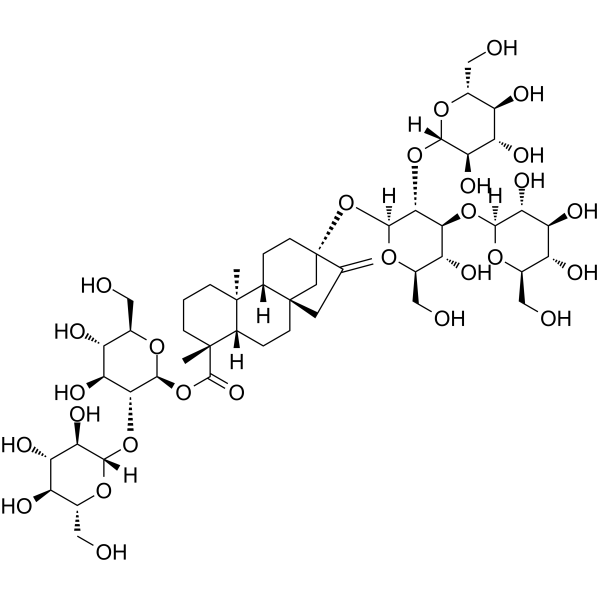
    Rebaudioside D is an orally active sweetener that targets and activates FXR, modulates Acetyl-CoA Carboxylase, and inhibits 3-hydroxy-3-methylglutaryl-CoA reductase. Rebaudioside D regulates bile acid homeostasis and lipid metabolism, reduces the synthesis rates of fatty acids and cholesterol, and exerts multiple effects including anti-adipogenesis, hepatoprotection, anti-steatosis, gut microbiota modulation, enhancement of secondary bile acid metabolism, anti-endotoxin activity, regulation of bile acid transport, and inhibition of bile acid efflux. Rebaudioside D also reduces body weight gain, visceral fat accumulation, hepatic triglyceride and cholesterol accumulation, hepatic lipid peroxidation, and decreases the circulating level of lipopolysaccharide-binding protein. Rebaudioside D additionally enhances the secondary bile acid metabolic pathway of intestinal bacteria, upregulates the gene expression of ileal organic solute transporter α, and downregulates the gene expression of hepatic bile salt export pump. Rebaudioside D does not affect glucose homeostasis, alter total caloric intake or fecal energy excretion, induce weight gain, exacerbate obesity, promote hepatic steatosis, impair brown adipose tissue function, nor change skeletal muscle metabolism-related proteins. Rebaudioside D can be used in diet-induced obesity and obesity-related research .
    Rebaudioside D
  • HY-135042
    CAY10614
    1 Publications Verification

    Toll-like Receptor (TLR) Neurological Disease
    CAY10614 is a potent TLR4 antagonist. CAY10614 inhibits the lipid A-induced activation of TLR4, with an IC50 of 1.675 μM. CAY10614 can improve survival of mice in lethal endotoxin shock model .
    CAY10614
  • HY-P3496
    Pep19-2.5
    1 Publications Verification

    Pyroptosis Inflammation/Immunology
    Pep19-2.5 is an synthetic and antitoxin peptide, blocks the intracellular endotoxin signaling cascade. Pep19-2.5 inhibits signaling of lipopeptides (LP) and lipopolysaccharides (LPS) mediated by transmembrane and cytosolic pattern recognition receptors (PRRs). The signaling cascades lead to inflammation and cell pyroptosis .
    Pep19-2.5
  • HY-13687A
    IKK 16 hydrochloride
    Maximum Cited Publications
    29 Publications Verification

    IKK LRRK2 P-glycoprotein PKD NF-κB TNF Receptor Interleukin Related Cardiovascular Disease Inflammation/Immunology
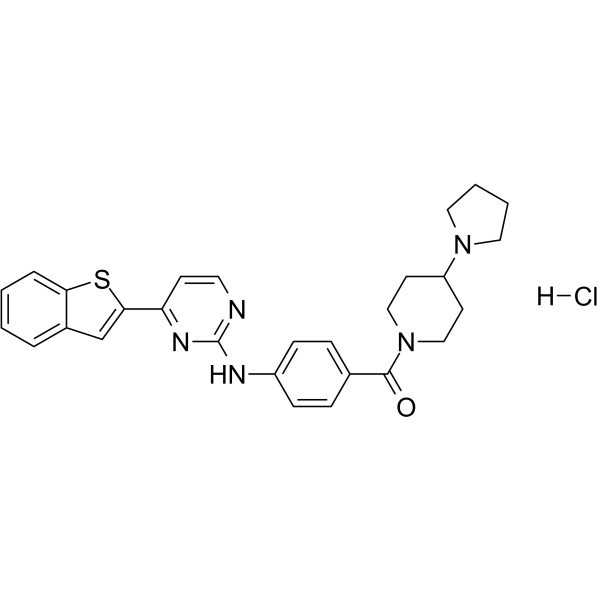
    IKK 16 hydrochloride is an orally active IKK inhibitor. IKK 16 hydrochloride shows IC50s of 40 nM, 70 nM, 200 nM, and 50 nM for IKK2, IKK complex, IKK1, and LRRK 2, respectively. IKK 16 hydrochloride is also a pan-PKD inhibitor, inhibiting PKD1, PKD2, and PKD3 with IC50s of 153.9, 115, and 99.7 nM, respectively. IKK 16 hydrochloride is also an ABCB1 inhibitor, interfering with the binding of ABCB1 to its substrates. IKK 16 hydrochloride protects against LPS (HY-D1056)-induced multiple organ dysfunction by reducing the acute inflammatory response induced by endotoxin exposure. IKK 16 hydrochloride can restore renal function and alleviate fibrosis in acute kidney injury. IKK 16 hydrochloride attenuates cardiac dysfunction associated with polymicrobial sepsis in mice with type 2 diabetes mellitus (T2DM) by inhibiting the NF-κB pathway .
    IKK 16 hydrochloride
  • HY-130581

    Bacterial Cardiovascular Disease Inflammation/Immunology
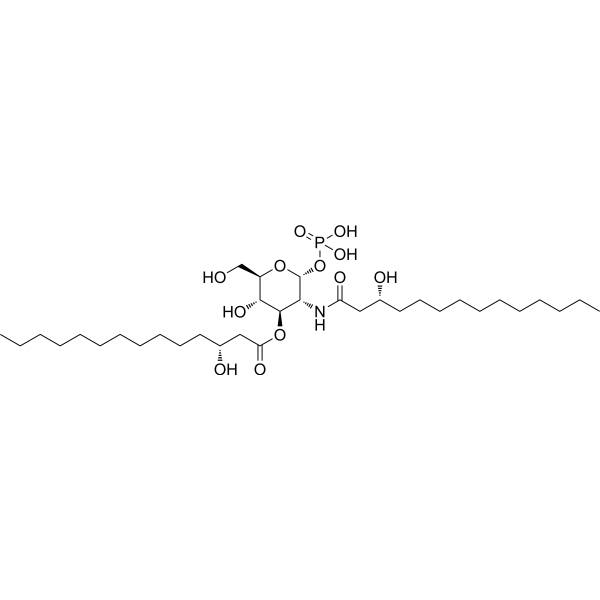
    Lipid X is a 2,3-diacylglucosamine-1-phosphate that serves as the monosaccharide precursor of lipid A, possessing both LPS antagonist and weak agonist activities. Lipid X exerts protective effects by inhibiting tumor necrosis factor production, monocyte procoagulant activity, and neutrophil priming. Lipid X may induce transient pulmonary hypertension, neutropenia, and mild pyrogenic effects in laboratory animals. Lipid X has low toxicity and no in vitro antibacterial activity, but it significantly reduces mortality following Gram-negative bacterial infection and endotoxin exposure. Lipid X tends to accumulate in liver tissue, binds to circulating cellular components, and can be converted to lipid Y through transesterification. Lipid X can be used in research on Gram-negative bacterial sepsis, endotoxemia, and associated pulmonary hypertension .
    Lipid X
  • HY-P3912A

    Interleukin Related Infection
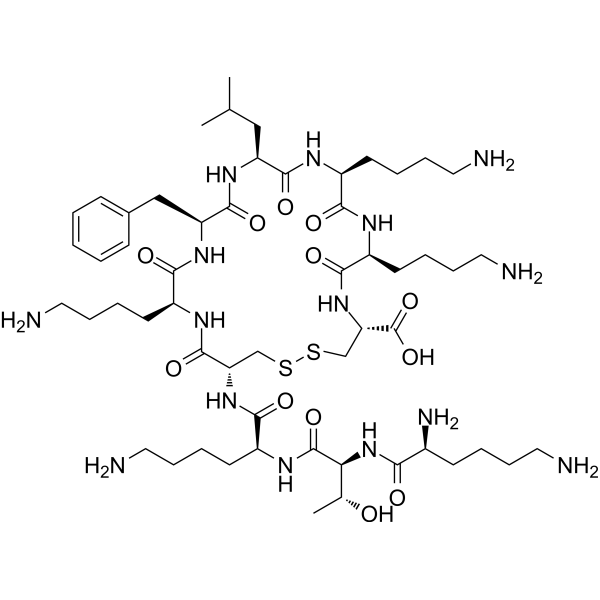
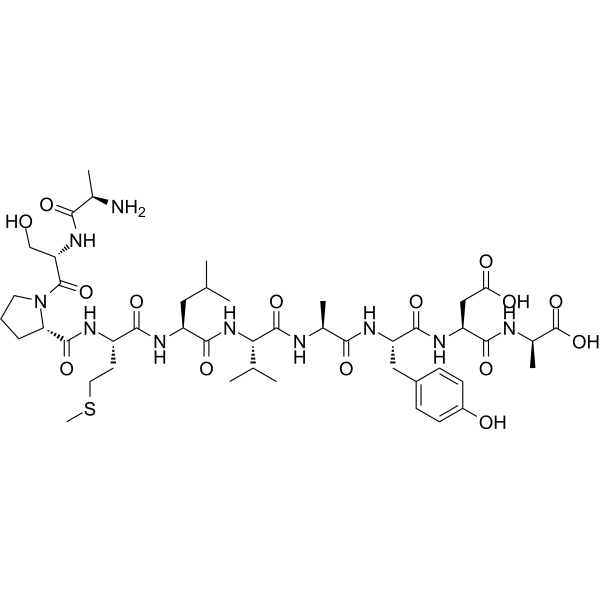
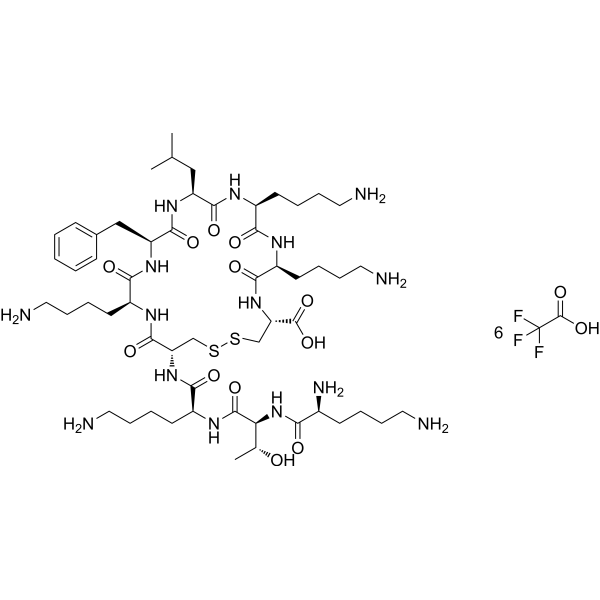
    Endotoxin inhibitor TFA is a synthetic peptide that binds lipid A with high affinity, thereby detoxifying LPS (HY-D1056) and preventing LPS-induced cytokine release in vivo. Endotoxin inhibitor TFA inhibits the febrile response to LPS with very low toxicity and lethality .
    Endotoxin inhibitor TFA
  • HY-P3483

    PACAP Receptor Caspase Apoptosis PKA Interleukin Related TNF Receptor Cardiovascular Disease Neurological Disease
    Maxadilan is a specific irreversible PAC1 receptor agonist and a potent vasodilator peptide present in the salivary glands of sand flies. Maxadilan exhibits anti-apoptotic activity in hADSCs. Maxadilan inhibits pro-inflammatory cytokines (TNF-α) and enhances anti-inflammatory mediators (IL-10). Maxadilan can activate leukocytes and inhibit vascular permeability through PAC1 receptors. Maxadilan promotes neural differentiation of human adipose-derived stem cells. Maxadilan can be used to study endotoxin shock, atherosclerosis, and neurodegenerative diseases [1] [2] [3] [4] [5].
    Maxadilan
  • HY-P3912

    COX Interleukin Related Infection
    Endotoxin inhibitor a synthetic peptide that binds lipid A with high affinity, thereby detoxifying LPS (HY-D1056) and preventing LPS-induced cytokine release in vivo. Endotoxin inhibitor inhibits the febrile response to LPS with very low toxicity and lethality .
    Endotoxin inhibitor
  • HY-137418

    2-Methylthio-ATP

    P2Y Receptor Others Inflammation/Immunology
    2-MeS-ATP (2-Methylthio-ATP) is an analog of adenosine nucleotides and acts as a P2Y purinergic receptor agonist specific for adenosine nucleotide activation. 2-MeS-ATP is also able to inhibit the release of toxic mediators from macrophages stimulated by endotoxin (LPS). 2-MeS-ATP can be used in the study of endotoxin shock and inflammatory diseases .
    2-MeS-ATP
  • HY-148600

    Aquaporin NO Synthase Metabolic Disease Inflammation/Immunology
    HTS13286 is a novel AQP9 inhibitor. HTS13286 prevents the LPS-induced increase of NO. HTS13286 reduces glucose output. HTS13286 can be used in the research of endotoxin shock .
    HTS13286
  • HY-106162A

    NO Synthase Cardiovascular Disease Inflammation/Immunology Cancer
    ONO-1714 is an orally active nitric oxide synthase inhibitor. ONO-1714 attenuates endotoxin-induced acute lung injury, reduces intestinal ischemia–reperfusion injury, represses biliary carcinogenesis .
    ONO-1714
  • HY-19075

    Leukotriene Receptor Inflammation/Immunology
    DS 4574 is an orally active peptidoleukotriene receptor antagonist and mast cell stabilizer. DS 4574 has antiulcer, gastroprotective and antisecretory effects. DS 4574 inhibits various types of experimental asthma models. DS 4574 protects rats from endotoxin-induced intestinal injury .
    DS 4574
  • HY-19101

    Kallikrein Cardiovascular Disease
    ONO-3307 is a protease inhibitor that competitively inhibits a variety of proteases including trypsin, thrombin, plasma kallikrein, plasmin, pancreatic kallikrein, and chymotrypsin. ONO-3307 alleviates endotoxin-induced experimental disseminated intravascular coagulation (DIC) in rats. ONO-3307 can be used in the study of thrombosis and protease-mediated diseases .
    ONO-3307
  • HY-P2170

    XOMA-629

    Antibiotic Bacterial Infection Inflammation/Immunology
    XMP-629 (XOMA-629), a cationic α-helical peptide, is a potent endotoxin inhibitor. XMP-629 exhibits broad-spectrum antimicrobial activity via an immunomodulatory mechanism. XOMA 629 has antimicrobial activity against Propionibacterium acnes, Staphylococcus aureus and Streptococcus pyogenesand .
    XMP-629
  • HY-14343

    NO Synthase Neurological Disease
    KLYP961 is a selective and orally active dual inhibitor of inducible and neuronal NO synthase (IC50 = 50-400 nM). KLYP961 can inhibit endotoxin-evoked plasma nitrates increases and attenuate pain behaviors in a mouse formalin model. KLYP961 can attenuate carrageenin-induced edema and inflammatory hyperalgesia and writhing response elicited by Phenylbenzoquinone (HY-W275039). KLYP961 can be used for the research of neurological disease .
    KLYP961
  • HY-13687R

    IKK LRRK2 Reference Standards P-glycoprotein PKD NF-κB TNF Receptor Interleukin Related Inflammation/Immunology
    IKK 16 (Standard) is the analytical standard of IKK 16. This product is intended for research and analytical applications. IKK 16 hydrochloride is an orally active IKK inhibitor. IKK 16 hydrochloride shows IC50s of 40 nM, 70 nM, 200 nM, and 50 nM for IKK2, IKK complex, IKK1, and LRRK 2, respectively. IKK 16 hydrochloride is also a pan-PKD inhibitor, inhibiting PKD1, PKD2, and PKD3 with IC50s of 153.9, 115, and 99.7 nM, respectively. IKK 16 hydrochloride is also an ABCB1 inhibitor, interfering with the binding of ABCB1 to its substrates. IKK 16 hydrochloride protects against LPS (HY-D1056)-induced multiple organ dysfunction by reducing the acute inflammatory response induced by endotoxin exposure. IKK 16 hydrochloride can restore renal function and alleviate fibrosis in acute kidney injury. IKK 16 hydrochloride attenuates cardiac dysfunction associated with polymicrobial sepsis in mice with type 2 diabetes mellitus (T2DM) by inhibiting the NF-κB pathway.
    IKK 16 (Standard)
  • HY-N0468R

    Reference Standards Acetyl-CoA Carboxylase FXR Metabolic Disease
    Rebaudioside D (Standard) is the analytical standard of Rebaudioside D. This product is intended for research and analytical applications. Rebaudioside D is an orally active sweetener that targets and activates FXR, modulates Acetyl-CoA Carboxylase, and inhibits 3-hydroxy-3-methylglutaryl-CoA reductase. Rebaudioside D regulates bile acid homeostasis and lipid metabolism, reduces the synthesis rates of fatty acids and cholesterol, and exerts multiple effects including anti-adipogenesis, hepatoprotection, anti-steatosis, gut microbiota modulation, enhancement of secondary bile acid metabolism, anti-endotoxin activity, regulation of bile acid transport, and inhibition of bile acid efflux. Rebaudioside D also reduces body weight gain, visceral fat accumulation, hepatic triglyceride and cholesterol accumulation, hepatic lipid peroxidation, and decreases the circulating level of lipopolysaccharide-binding protein. Rebaudioside D additionally enhances the secondary bile acid metabolic pathway of intestinal bacteria, upregulates the gene expression of ileal organic solute transporter α, and downregulates the gene expression of hepatic bile salt export pump. Rebaudioside D does not affect glucose homeostasis, alter total caloric intake or fecal energy excretion, induce weight gain, exacerbate obesity, promote hepatic steatosis, impair brown adipose tissue function, nor change skeletal muscle metabolism-related proteins. Rebaudioside D can be used in diet-induced obesity and obesity-related research .
    Rebaudioside D (Standard)
  • HY-110133A

    Interleukin Related Inflammation/Immunology
    JTE-607 free base, a highly selective inflammatory cytokine synthesis inhibitor, protects from endotoxin shock in mice. JTE-607 free base inhibits inflammatory cytokine production, including TNF-α, IL-1β, IL-6, IL-8 and IL-10, from LPS-stimulated human PBMCs, with IC50s of 11, 5.9, 8.8, 7.3 and 9.1 nM, respectively . Cleavage and Polyadenylation Specificity Factor 3 (CPSF3) is the target of JTE-607 free base .
    JTE-607 free base
  • HY-P1694

    Bradykinin Receptor Cardiovascular Disease
    B4148 is a selective competitive bradykinin (BK) antagonist that significantly inhibits BK-induced hypotension in rats. In a rat model of endotoxin shock induced by Escherichia coli lipopolysaccharide, B4148 significantly attenuated the decrease in mean arterial blood pressure compared with the control group .
    B4148
  • HY-19126

    Platelet-activating Factor Receptor (PAFR) Infection Cardiovascular Disease
    CL-184005 is an antagonist for platelet-activating factor (PAF), that inhibits the PAF-induced platelet aggregation with IC50 of 600 nM and 510 nM, in human and rabbit platelet-rich plasma. CL-184005 protects the rats from endotoxin-induced gastrointestinal damage and hypotension. CL-184005 exhibits potential attenuating Gram-negative bacterial sepsis .
    CL-184005
  • HY-W342458

    Biochemical Assay Reagents Others
    Betamethasone 17-Propionate is a compound used to study its effects on endotoxin-induced uveitis in rats. It has the activity of inhibiting the infiltration of cells into the aqueous humor in endotoxin-induced uveitis by eye drops and systemic administration at a certain dose. However, its inhibitory effect is relatively weak compared with some other compounds. At the same time, the dose for systemic administration is 1mg/kg. In addition, Betamethasone 17-Propionate has a weaker inhibitory effect on the release of IL-8 from rat peritoneal exudate cells in an in vitro interleukin-8 (IL-8) release assay than betamethasone. Moreover, the simultaneous addition of betamethasone dipropionate and betamethasone 17-Propionate reduces the inhibitory effect of betamethasone on cell infiltration and IL-1β gene expression.
    Betamethasone 17-Propionate
  • HY-158316

    Fc Receptor (FcR) Others
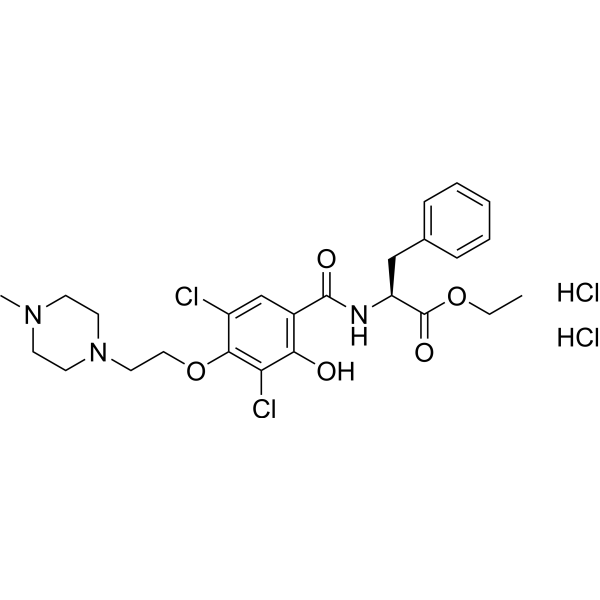
    BTL-MK (Compound 19) an orally active antiallergic agent, that inhibits degranulation of mast cells with an IC50 of 6.7 μM, through binding to the inhibitory receptor FcγRIIB. BTL-MK improves the metaboilic stability in human liver microsomes. BTL-MK ameliorates the allergic response in Ovalbumin, low endotoxin (HY-W250978A)-induced food allergy mice model. BTL-MK exhibits a good pharmacokinetic character with metabolic stability .
    BTL-MK
  • HY-P1698B

    AB-103 TFA

    Bacterial CD28 Infection Inflammation/Immunology Cancer
    Reltecimod (AB-103) TFA is a T-cell-specific surface glycoprotein CD28 (TP44) antagonist. Reltecimod TFA has beneficial effects against different bacterial infections, their exotoxins and endotoxins, and ionizing radiation. Reltecimod TFA modulates the inflammatory response by targeting and attenuating the critical CD28/B7-2 co-stimulatory pathway, without inhibiting it. Reltecimod TFA can be used to research necrotizing soft-tissue infections (NSTIs) .
    Reltecimod TFA
  • HY-B2106DR

    Decaethylene glycol monododecyl ether (C12E10) (Standard); Polidocanol (10) (Standard)

    Reference Standards Biochemical Assay Reagents Others
    Polyoxyethylene (10) lauryl ether (Standard) is the analytical standard of Polyoxyethylene (10) lauryl ether. This product is intended for research and analytical applications. Polyoxyethylene (10) lauryl ether is a non-ionic surfactant. Polyoxyethylene (10) lauryl ether exhibits unique properties in dissolving liposomes and exerts the minimal interference with endotoxin detection. Polyoxyethylene (10) lauryl ether forms hybrid liposomes with Dimyristoylphosphatidylcholine (DMPC) (HY-109541), which can inhibit the proliferation of human promyelocytic leukemia cells without the administration of any drugs.
    Polyoxyethylene (10) lauryl ether (Standard)
  • HY-176466

    Platelet-activating Factor Receptor (PAFR) TNF Receptor Inflammation/Immunology
    ST-899 is a novel platelet-activating factor (PAF) receptor antagonist. ST-899 can significantly reduce the mortality of mice with endotoxin (LPS)-induced shock. ST-899 can significantly inhibit the increase in serum tumor necrosis factor (TNF) levels induced by LPS, but has no effect on interleukin-6 (IL-6). The regulatory mechanism of ST-899 is to block the positive feedback loop between PAF and TNF, thereby reducing the inflammatory response. ST-899 can be used to study inflammatory diseases such as septic shock .
    ST-899
  • HY-D1056I

    LPS, from Akkermansia muciniphila

    Biochemical Assay Reagents Inflammation/Immunology
    Lipopolysaccharides, from Akkermansia muciniphila (LPS, from Akkermansia muciniphila) are lipopolysaccharide endotoxins derived from Akkermansia muciniphila and are TLR-4 activators. Unlike typical LPS, Lipopolysaccharides, from Akkermansia muciniphila are R-type LPS or lipooligosaccharides (LOS), lacking the O-antigen domain and consisting only of a core oligosaccharide and a lipid A. Lipopolysaccharides, from Akkermansia muciniphila can activate TLR4 and TLR2, and may inhibit the TLR4/NF-κB pathway, thereby alleviating LPS-induced acute kidney injury .
    It is recommended to prepare a solution with concentration ≥2 mg/mL. Vortex thoroughly for more than 10 minutes. Due to the adsorption characteristics of LPS, silanized container or low adsorption centrifuge tubes should be used for aliquoting and storage, and mix thoroughly before use.
    Lipopolysaccharides, from Akkermansia muciniphila
  • HY-105363

    Others Cardiovascular Disease
    RGH-1962 is an orally active antithrombotic agent. RGH-1962 prevents endotoxin-induced decreases in fibrinogen level and platelet count, reduces the level of fibrin degradation products and inhibits the endotoxin-induced enhancement of fibrinolytic activity in a rabbit model of endotoxin-induced disseminated intravascular coagulation. RGH-1962 can be used for the study of thrombotic diseases .
    RGH-1962
  • HY-105364

    GYKI 39521 hydriodide

    Others Cardiovascular Disease
    RGH-1875 (GYKI 39521) hydriodide is the hydriodide of RGH-1875. RGH-1875 is an orally active antithrombotic agent. RGH-1875 prevents endotoxin-induced decreases in fibrinogen level and platelet count, reduces the level of fibrin degradation products and inhibits the endotoxin-induced enhancement of fibrinolytic activity in a rabbit model of endotoxin-induced disseminated intravascular coagulation. RGH-1875 can be used for the study of thrombotic diseases .
    RGH-1875 hydriodide
  • HY-182051

    HDAC NOD-like Receptor (NLR) Caspase Interleukin Related Inflammation/Immunology
    HDAC3 degrader-2 is a selective HDAC3 degrader. HDAC3 degrader-2 inhibits the activation of the NLRP3 inflammasome by degrading HDAC3, thereby reducing the maturation of IL-1β and caspase-1. HDAC3 degrader-2 exhibits anti-inflammatory activity. HDAC3 degrader-2 can be used in research related to endotoxin shock, colitis and gouty arthritis .
    HDAC3 degrader-2
  • HY-P992417

    CD20 Apoptosis Cancer
    MT-3724 is a CD20-targeted endotoxin B. MT-3724 binds to CD20, triggers receptor internalization, traffics to the endoplasmic reticulum, and induces permanent ribosomal inactivation to mediate cell killing. MT-3724 can inhibit protein synthesis and promote tumor cell apoptosis. MT-3724 can be used for the research of relapsed or refractory B-cell non-Hodgkin’s lymphomas and diffuse large B-cell lymphoma .
    MT-3724
  • HY-121303

    Interleukin Related DNA/RNA Synthesis Neurological Disease Inflammation/Immunology
    CK-102 is an interleukin-1 (IL-1) inhibitor. CK-102 reduces mRNA synthesis. CK-102 does not inhibit DNA synthesis. CK-102 only slightly inhibits protein synthesis, or has no effect on it. CK-102 delays wound healing after ophthalmic surgery and prolongs the failure time of trabeculectomy fistulas. CK-102 inhibits lens protein-induced ocular inflammation at both early and late stages. CK-102 inhibits endotoxin-induced uveitis. CK-102 does not inhibit interleukin-1-induced uveitis. CK-102 can be used in research related to glaucoma filtration failure and uveitis .
    CK-102

Inquiry Online

Your information is safe with us. * Required Fields.

Salutation


Country or Region *

Applicant Name *


Organization Name *

Department *


Email Address *


Product Name *

Cat. No.


Requested quantity *

Phone Number *


Remarks

Inquiry Online

Inquiry Information

Product Name:
Cat. No.:
Quantity:
MCE Japan Authorized Agent:

