Search Result
Results for "
HETE
" in MedChemExpress (MCE) Product Catalog:
11
Isotope-Labeled Compounds
| Cat. No. |
Product Name |
Target |
Research Areas |
Chemical Structure |
-
- HY-N0652
-
|
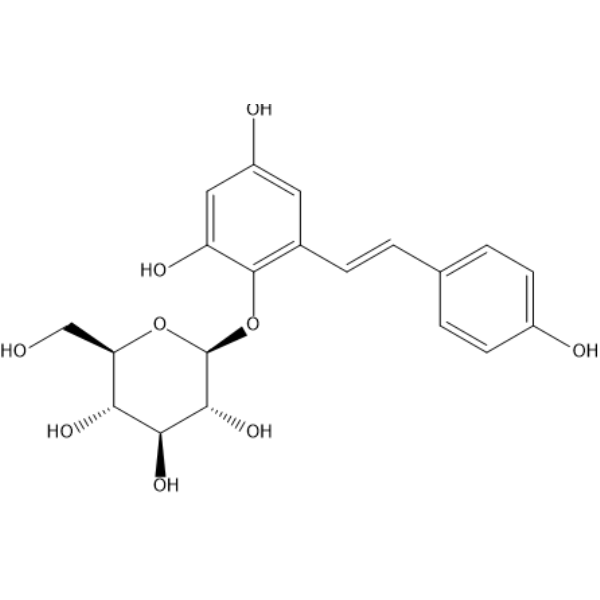
2,3,4',5-Tetrahydroxystilbene 2-O-D-glucoside
|
ERK
NF-κB
|
Cardiovascular Disease
Neurological Disease
|
|
2,3,5,4'-Tetrahydroxystilbene 2-O-β-D-glucoside isolats from the roots of Polygonaceae species, inhibits the formation of 5-HETE, HHT and thromboxane B2. 2,3,5,4'-Tetrahydroxystilbene 2-O-β-D-glucoside has hypotensive, anti-ageing, anti-inflammatory, hypolipidemic, cardioprotective, and neuroprotective actions .
|
-
-
- HY-124527
-
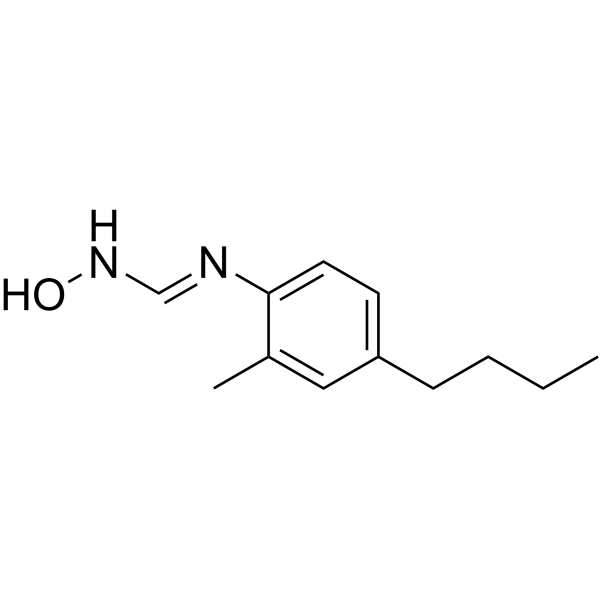
HET0016
Maximum Cited Publications
6 Publications Verification
|
Cytochrome P450
|
Cardiovascular Disease
Cancer
|
|
HET0016 is a potent and selective 20-hydroxyeicosatetraenoic acid (20-HETE) synthase inhibitor, with IC50 values of 17.7 nM, 12.1 nM and 20.6 nM for recombinant CYP4A1-, CYP4A2- and CYP4A3-catalyzed 20-HETE synthesis, respectively. HET0016 also is a selective CYP450 inhibitor, which has been shown to inhibit angiogenesis and tumor growth .
|
-
-
- HY-101016
-
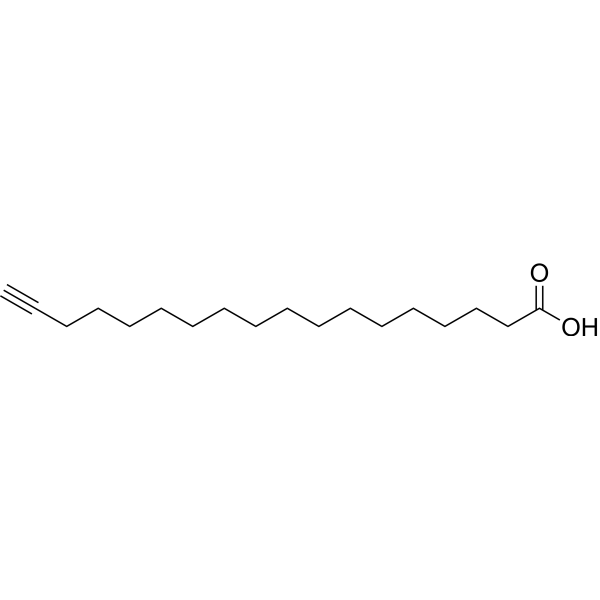
17-ODYA
1 Publications Verification
|
Cytochrome P450
Apoptosis
|
Cardiovascular Disease
|
|
17-ODYA is a CYP450 ω-hydroxylase inhibitor. 17-ODYA is also a potent inhibitor (IC50<100 nM) of the formation of 20-hydroxyeicosatetraenoic acid (20-HETE), epoxyeicosatrienoic acids and dihydroxyeicosatrienoic acids by rat renal cortical microsomes incubated with arachidonic acid. 17-ODYA completely attenuates the isoproterenol (ISO)-induced apoptosis, and necrosis in cultured cardiomyocytes . 17-ODYA is a click chemistry reagent, it contains an Alkyne group and can undergo copper-catalyzed azide-alkyne cycloaddition (CuAAc) with molecules containing Azide groups.
|
-
-
- HY-160186
-
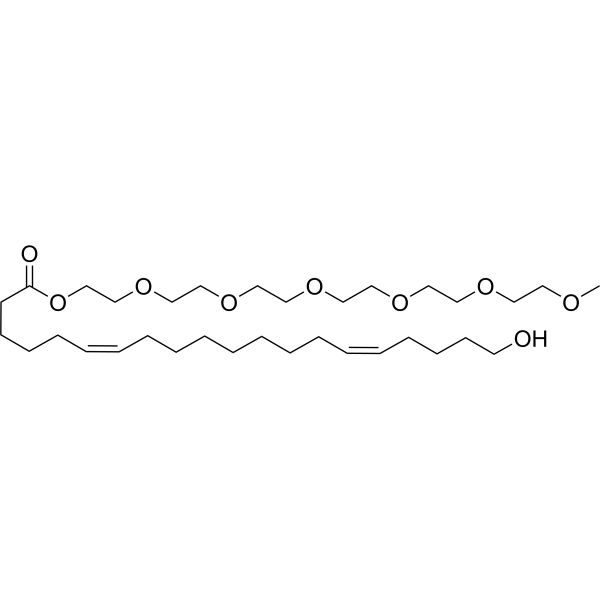
20-SOLA
1 Publications Verification
|
Cytochrome P450
|
Cardiovascular Disease
Metabolic Disease
Endocrinology
|
|
20-SOLA is an orally active 20-HETE antagonist. 20-SOLA greatly ameliorates changes in blood pressure and renal injury associated with a Streptozotocin (STZ) (HY-13753)-diabetic mouse model. 20-SOLA facilitates the restoration of coronary collateral growth (CCG) after ischemic injury. 20-SOLA can be studied for research in cardiovascular diseases and diabetes .
|
-
-
- HY-160187
-
|
|
Orphan GPCR
Angiotensin Receptor
|
Cardiovascular Disease
|
|
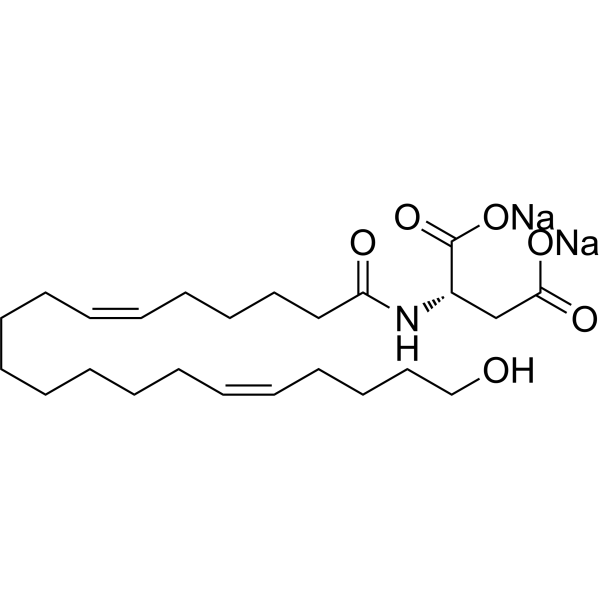
AAA is an orally active 20-HETE receptor antagonist. AAA exerts antihypertensive and organoprotective effects. AAA blocks 20-HETE prohypertensive actions, suppresses intrarenal and circulating angiotensin II levels, and interferes with renin-angiotensin system interactions. AAA attenuates development of, and reverses established, ANG II (HY-13948)-dependent malignant hypertension. AAA reduces albuminuria, glomerulosclerosis, and cardiac hypertrophy linked to malignant hypertension. AAA can be used for the research of malignant hypertension .
|
-
-
- HY-113439
-
12-HETE
2 Publications Verification
|
Apoptosis
|
Cardiovascular Disease
Inflammation/Immunology
|
|
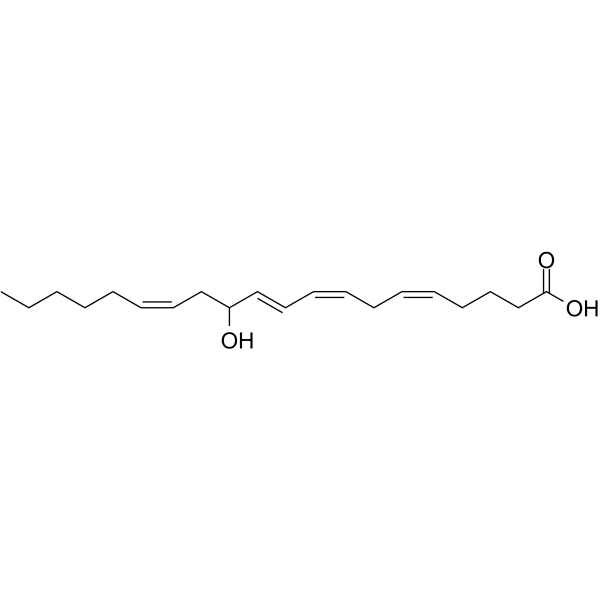
12-HETE, a major metabolic product of arachidonic acid using 12-LOX catalysis, inhibits cell apoptosis in a dose-dependent manner. 12-HETE promotes the activation and nuclear translocation of NF-κB through the integrin-linked kinase (ILK) pathway [1].12-HETE has both anti-thrombotic and pro-thrombotic effects . 12-HETE is a neuromodulator .
|
-
-
- HY-101527
-
20-HEDE
2 Publications Verification
WIT 002
|
Cytochrome P450
|
Cancer
|
|
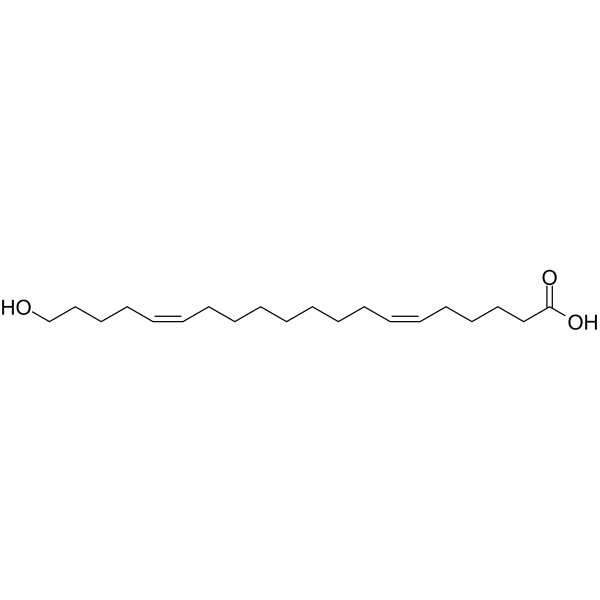
20-HEDE (WIT 002) is an antagonist of 20-hydroxyeicosatetraenoic acid (20-HETE).
|
-
-
- HY-148226
-
|
|
Apoptosis
Reactive Oxygen Species (ROS)
|
Cardiovascular Disease
|
|
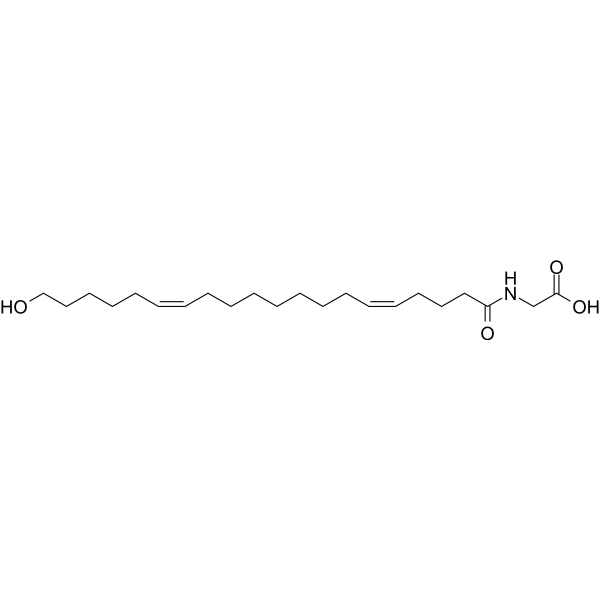
20-5,14-HEDGE is a 20-HETE analog. 20-5,14-HEDGE induces cell death in organotypic hippocampal slice cultures (OHSCs). 20-5,14-HEDGE enhances ROS production and reduces hypoxia-reoxygenation (HR)-induced apoptosis in ex vivo rat lung slices. 20-5,14-HEDGE protects against lung ischemic reperfusion injury in rats. 20-5,14-HEDGE can be used for the study of pulmonary vascular signaling and lung injury-related research .
|
-
-
- HY-156876
-
|
|
Cytochrome P450
|
Metabolic Disease
|
|
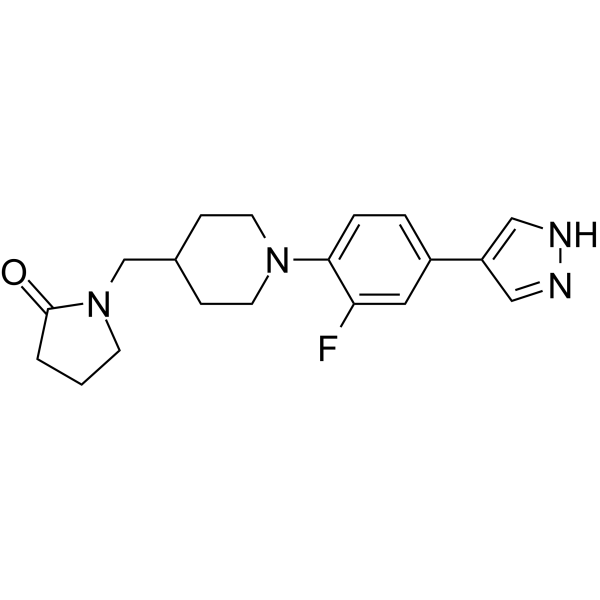
20-HETE inhibitor-2 is an orally active 20-HETE inhibitor. 20-HETE inhibitor-2 can inhibit the activities of CYP4F2 and CYP4A11, thereby suppressing the production of 20-HETE. 20-HETE inhibitor-2 has the effect of improving blood glucose and can be used for the research of various diseases related to 20-HETE such as obesity .
|
-
-
- HY-113439S
-
|
|
Apoptosis
|
Cardiovascular Disease
Inflammation/Immunology
|
|
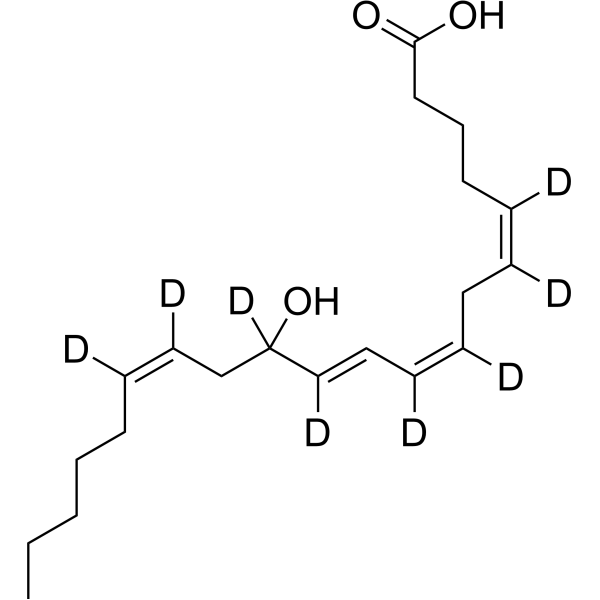
12-HETE-d8 is the deuterium labeled 12-HETE. 12-HETE, a major metabolic product of arachidonic acid using 12-LOX catalysis, inhibits cell apoptosis in a dose-dependent manner. 12-HETE promotes the activation and nuclear translocation of NF-κB through the integrin-linked kinase (ILK) pathway [1].12-HETE has both anti-thrombotic and pro-thrombotic effects . 12-HETE is a neuromodulator .
|
-
-
- HY-124404A
-
|
|
ERK
DNA/RNA Synthesis
p38 MAPK
|
Cancer
|
|
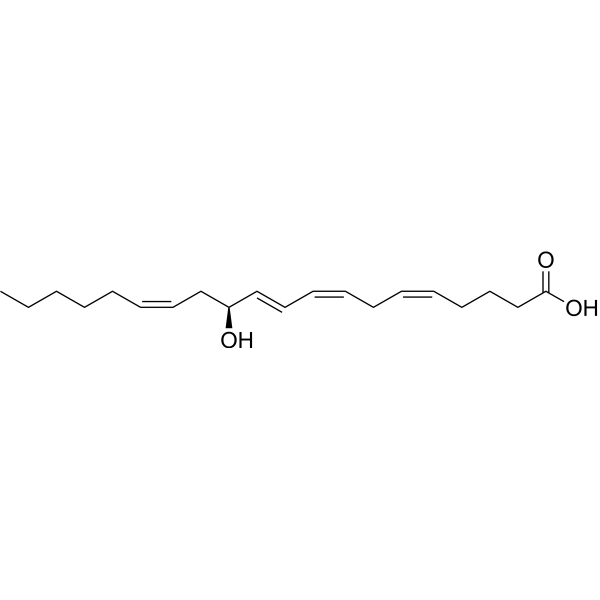
12(S)-HETE is the 12-lipoxygenase metabolite of arachidonic acid and has a mitogenic effect on cancer cell proliferation. 12(S)-HETE induces tyrosine phosphorylation of cellular proteins, promotes ERK and P38 MAPK phosphorylation, increases DNA synthesis, and stimulates the proliferation of pancreatic cancer cells .
|
-
-
- HY-B0881
-
|
|
Potassium Channel
|
Metabolic Disease
Cancer
|
|
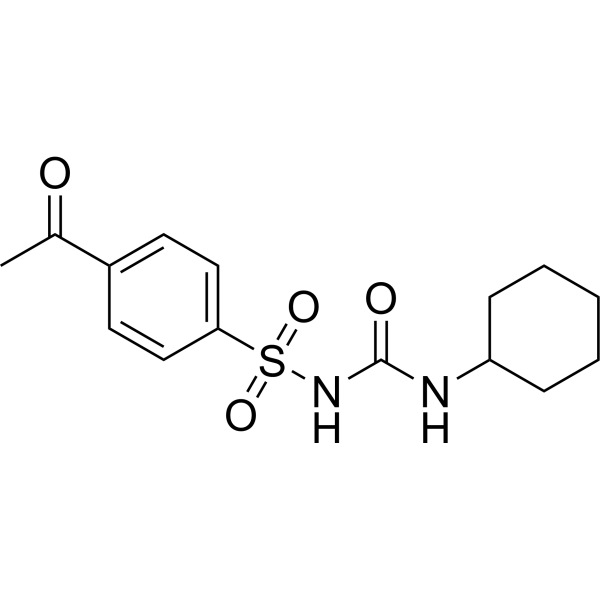
Acetohexamide is an orally active first-generation sulfonylurea agent used in research related to type 2 diabetes and cancer. Acetohexamide exerts reductase activity in human erythrocytes. Acetohexamide stimulates the pancreas to secrete insulin. Acetohexamide inhibits ATP-sensitive potassium channels in the β cells of the pancreas. Acetohexamide can inhibit the formation of circular chemorepellent induced defects (CCIDs) in lymphendothelial cell (LEC) monolayers. Acetohexamide inhibits markers of epithelial-to-mesenchymal-transition and migration. Acetohexamide suppresses the synthesis of 12(S)-HETE. Acetohexamide can potentiate hypoglycaemic action .
|
-
-
- HY-15598S
-
-
-
- HY-113120
-
|
6Z,9Z,12Z,15Z-Octadecatetraenoic acid
|
Lipoxygenase
|
Metabolic Disease
|
|
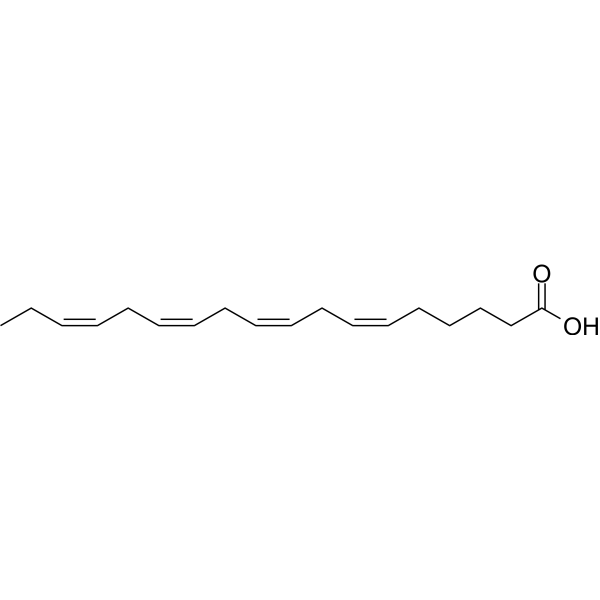
Stearidonic acid (6Z,9Z,12Z,15Z-Octadecatetraenoic acid) is an orally active polyunsaturated fatty acid found in blackcurrant seed oil. Stearidonic acid can inhibit 5-lipoxygenase and reduce leukotriene and 5-HETE synthesis. Stearidonic acid can increase the content of eicosapentaenoic acid (EPA) in red blood cells. Stearidonic acid can be used for the research of metabolic disease .
|
-
-
- HY-113438
-
|
|
Drug Metabolite
Bcl-2 Family
Akt
Apoptosis
|
Cardiovascular Disease
Inflammation/Immunology
Cancer
|
|
15(S)-HPETE is a precursor of 15(S)-HETE (HY-113336). 15(S)-HPETE is a product of Arachidonic acid (HY-109590) in the 15-lipoxygenase pathway. 15(S)-HPETE reduces Bcl-2, Akt, and phosphorylated Akt protein levels. 15(S)-HPETE induces Apoptosis. 15(S)-HPETE antagonizes the angiogenic effects of 15(S)-HETE. 15(S)-HPETE exhibits antitumor effects against chronic myeloid leukemia. 15(S)-HPETE can be used in adipose tissue explant studies .
|
-

-
- HY-113336B
-
|
|
PROTAC Linkers
|
Cancer
|
|
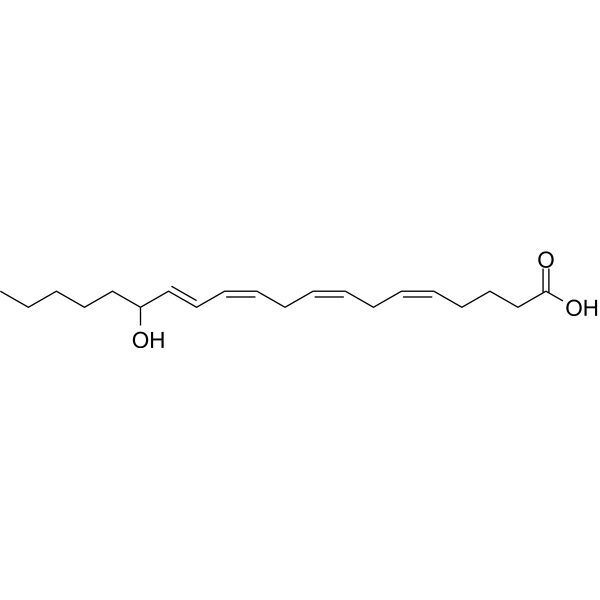
(±)15-HETE is an alkyl chain-based PROTAC linker that can be used in the synthesis of PROTACs .
|
-
-
- HY-113434S
-
-
-
- HY-113336
-
-
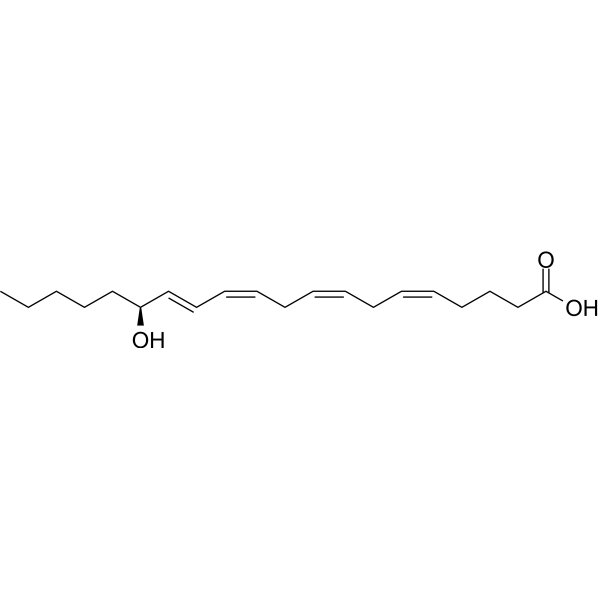
-
- HY-160099
-
-
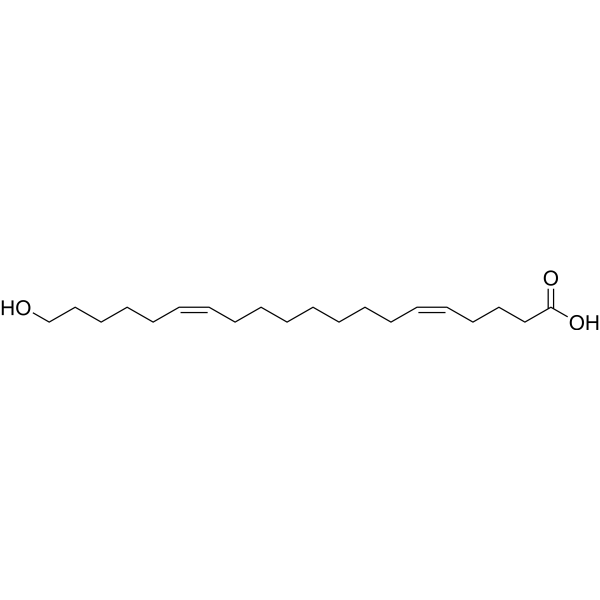
-
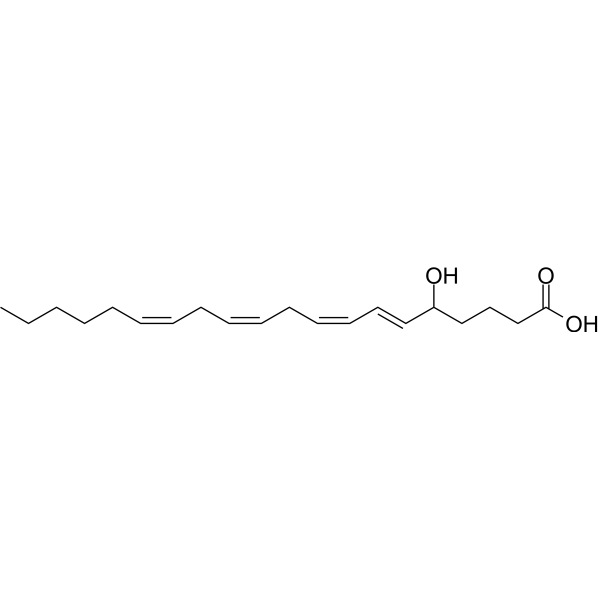
- HY-113434B
-
|
(±)-5-HETE
|
Endogenous Metabolite
|
Inflammation/Immunology
|
|
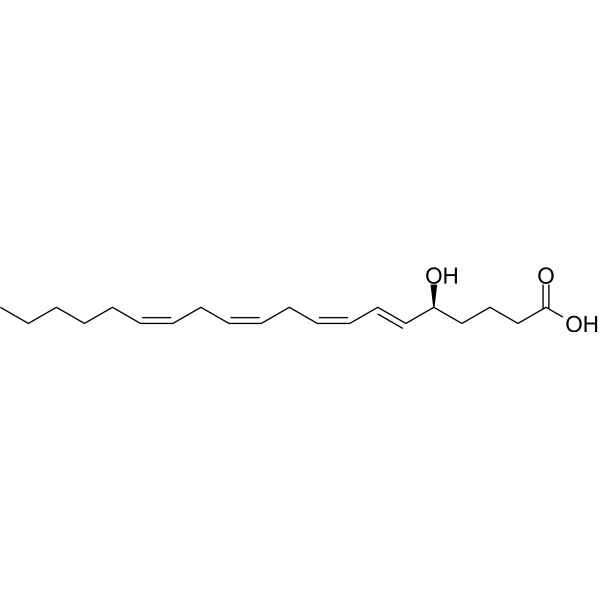
5-HETE ((±)-5-HETE), a fatty acid, is a oxidative derivative of Arachidonic acid. 5-HETE is a mixture of 5(S)-HETE and 5(R)-HETE. 5-HETE is a potent aggregating agent that induces the aggregation of neutrophils with an IC50 value of 200 nM .
|
-
-
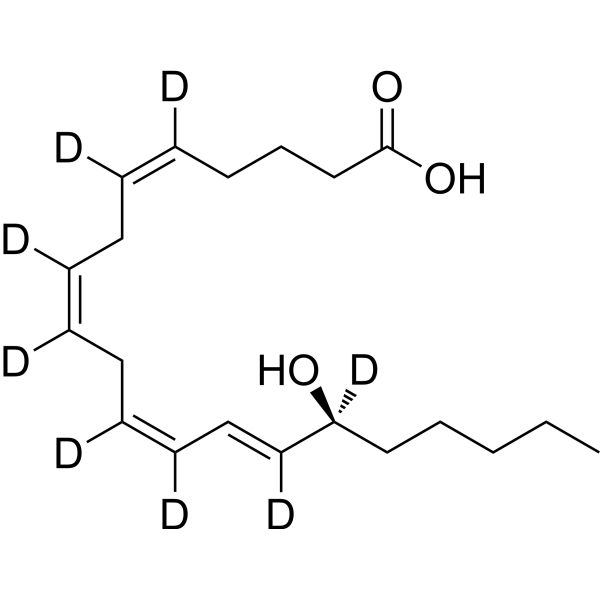
- HY-113336S
-
-
-
- HY-113434
-
-
-
- HY-160187A
-
|
|
Cadherin
MMP
Akt
FAK
ERK
NF-κB
|
Cancer
|
|
(Rac)-AAA is a regulator and inhibitor targeting GPR75. By blocking the 20-HETE-induced downregulation of GPR75 expression, (Rac)-AAA effectively inhibits the activation of key downstream signaling pathways including EGFR, AKT, NF-κB and FAK. (Rac)-AAA reverses 20-HETE-mediated epithelial-mesenchymal transition, which is specifically characterized by downregulating vimentin (vimentin), upregulating E-Cadherin, as well as reducing MMP-2 activity and cancer cell migration ability. (Rac)-AAA also abolishes the 20-HETE-induced upregulation of HIC-5 expression and anchorage-independent growth, and modulates the subcellular localization of PKC-α and phosphorylated AKT. (Rac)-AAA is investigated in androgen-independent prostate cancer (castration-resistant prostate cancer) .
|
-

-
- HY-113943A
-
|
(±)9-HETE
|
Endogenous Metabolite
|
Others
|
|
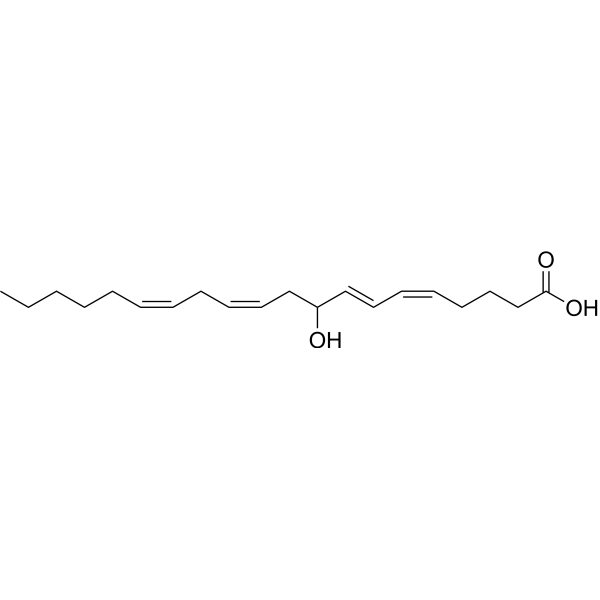
9-HETE, a monohydroxy fatty acid, is the lipoxygenase metabolite of arachidonic acid (HY-109590) .
|
-
-
- HY-116196
-
-
-
- HY-113336A
-
|
|
Drug Isomer
|
Others
|
|
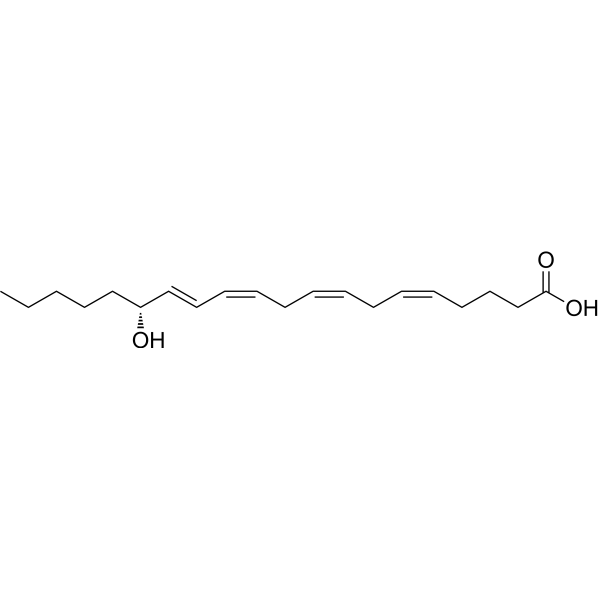
15(R)-HETE is an isomer of 15-HETE. 15-HETE is a lipid mediator derived from arachidonic acid and can be used for the study of asthma .
|
-
-
- HY-124404
-
|
|
Aryl Hydrocarbon Receptor
Na+/K+ ATPase
Prostaglandin Receptor
|
Inflammation/Immunology
|
|
12(R)-HETE is a CYP-dependent arachidonic acid metabolite that acts as a proinflammatory lipid mediator. 12 (R)-HETE widely exists in various tissues including the eye, skin and liver. In the cornea, 12(R)-HETE is metabolized via pathways such as β-oxidation into the precursor of 12(R)-HETrE. Without direct receptor binding, 12(R)-HETE indirectly activates AHR-mediated target gene transcription, while inhibiting the enzymatic activity of Na+,K+-ATPase and the intracellular calcium elevation induced by TP agonists. 12(R)-HETE also possesses multiple physiological effects such as chemotaxis, proangiogenesis, vasodilation, natriuresis, diuresis and intraocular pressure reduction, and can be widely used in studies related to psoriasis, inflammatory skin diseases and ocular inflammation .
|
-

-
- HY-112653
-
|
8(S)-Hydroxyeicosatetraenoic acid
|
PPAR
|
Inflammation/Immunology
|
|
8(S)-HETE (8(S)-Hydroxyeicosatetraenoic acid) is a major lipoxygenase product in PMA-treated murine epidermis. It activates mouse keratinocyte protein kinase C with an IC50 of 100 μM. 8(S)-HETE also activates PPARα selectively at concentrations as low as 0.3 μM. Stereochemical assignment of the (S) enantiomer is based on comparison of chiral HPLC retention times to published results.
|
-

-
- HY-113490
-
-

-
- HY-N0652R
-
|
2,3,4',5-Tetrahydroxystilbene 2-O-D-glucoside (Standard)
|
Reference Standards
ERK
NF-κB
|
Cardiovascular Disease
Neurological Disease
|
|
2,3,5,4'-Tetrahydroxystilbene 2-O-β-D-glucoside (Standard) is the analytical standard of 2,3,5,4'-Tetrahydroxystilbene 2-O-β-D-glucoside. This product is intended for research and analytical applications. 2,3,5,4'-Tetrahydroxystilbene 2-O-β-D-glucoside isolats from the roots of Polygonaceae species, inhibits the formation of 5-HETE, HHT and thromboxane B2. 2,3,5,4'-Tetrahydroxystilbene 2-O-β-D-glucoside has hypotensive, anti-ageing, anti-inflammatory, hypolipidemic, cardioprotective, and neuroprotective actions .
|
-

-
- HY-117085
-
|
|
Phosphatase
TMV
Lipoxygenase
|
Cancer
|
|
Lobaric acid is a depsipeptide metabolite isolated from Stereocaulon lichen with antioxidant, antiproliferative, antiviral and enzyme inhibitory activities. Lobaric acid scavenges superoxide free radicals (IC50=97.9 μM) and inhibits cancer cell proliferation (EC50 of 15.2-63.9 μg/mL against leukemia, colorectal, gastric, breast, ovarian, prostate, pancreatic and lung cancer cell lines). Lobaric acid inhibits protein tyrosine phosphatase 1B (PTP1B; IC50=0.87 μM for human recombinant enzyme) and 12(S)-HETE produced by 12(S)-lipoxygenase (IC50=28.5 μM). Lobaric acid (250 μM) also reduced pathological changes in tobacco leaves infected with tobacco mosaic virus (TMV).
|
-

-
- HY-143677S
-
-
-
- HY-118332
-
-
-
- HY-116246
-
-
-
- HY-158843
-
|
15(S)-Hydroxyeicosatetraenoic acid-biotin
|
Endogenous Metabolite
|
Others
|
|
15(S)-Hete-biotin (15(S)-Hydroxyeicosatetraenoic acid-biotin) can be used to detect 15(S)-HETE binding proteins and/or receptors. 15(S)-HETE is an arachidonic acid metabolite produced by the 15-lipoxygenase pathway .
|
-

-
- HY-W472509
-
|
11-Hydroxy-5,8,12,14-eicosatetraenoic acid
|
Cytochrome P450
|
Cardiovascular Disease
|
|
11-HETE (11-Hydroxy-5,8,12,14-eicosatetraenoic acid) is the activator for cytochrome P450. 11-HETE upregulates the mRNA expressions of CYP1B1, CYP1A1, CYP4A11, CYP4F11, and CYP4F2, induces cell hypertrophy in RL-14 cell, and exhibits potential to be used in cardiovascular diseases .
|
-

-
- HY-139114
-
|
|
PPAR
|
Metabolic Disease
|
|
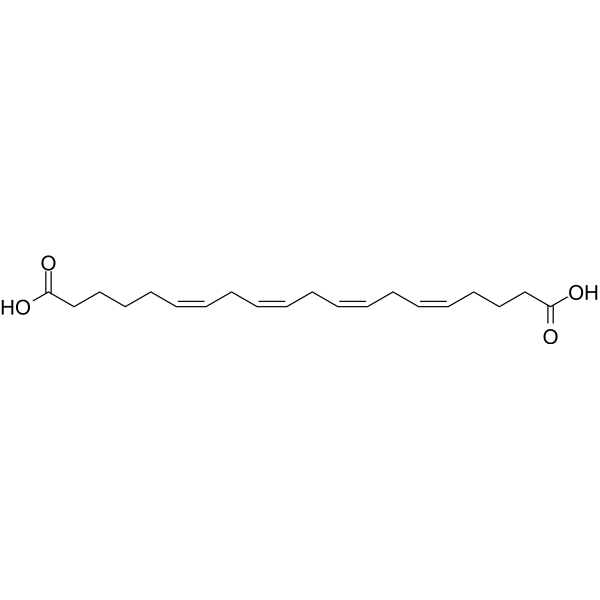
20-Carboxyarachidonic acid, a relatively stable metabolite of 20-HETE, is an endogenous dual activator of PPARalpha and PPARgamma .
|
-
-
- HY-121188
-
|
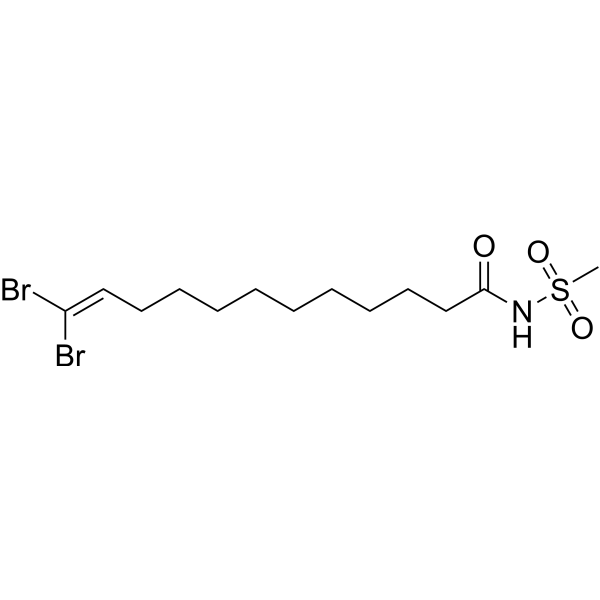
Dibromo-dodecenyl-methylsulfimide
|
Cytochrome P450
|
Cardiovascular Disease
|
|
DDMS (Dibromo-dodecenyl-methylsulfimide) is a selective 20-HETE production inhibitor. DDMS attenuates the vasodilatory response to sodium nitroprusside (SNP) .
|
-
-
- HY-117317
-
|
|
Lipoxygenase
|
Inflammation/Immunology
|
|
BLX-2477 is a potent and selective 15-lipoxygenase-1 (15-LOX-1) inhibitor with an IC50 value of 99 nM. BLX-2477 can inhibit the generation of inflammatory lipid mediators such as 15-hydroxy-eicosatetraenoic acid (15-HETE). BLX-2477 can be used for the research of inflammation and immunology .
|
-

-
- HY-139945S
-
-
-
- HY-112653A
-
|
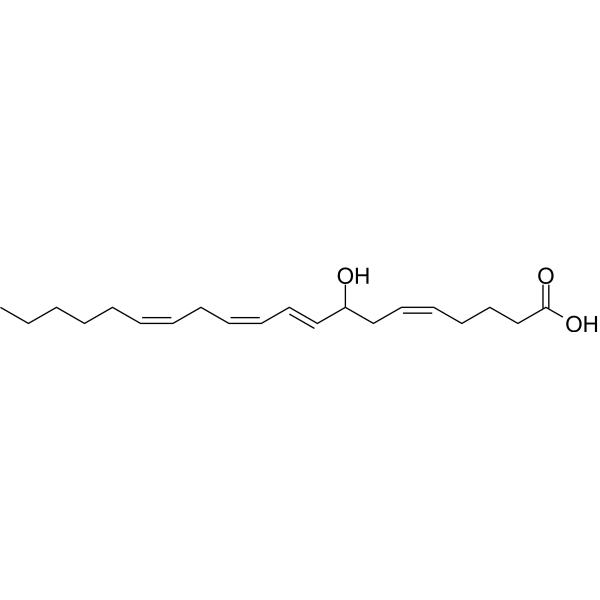
8-Hydroxy-5(Z),9(E),11(Z),14(Z)-eicosatetraenoic acid
|
Endogenous Metabolite
|
Metabolic Disease
|
|
(±)8-HETE is one of the six monohydroxy fatty acids produced by the non-enzymatic oxidation of Arachidonic acid (HY-109590). The biological activity of (±)8-HETE is likely to resemble that of its constituent enantiomers (8(R)-HETE and 8(S)-HETE).
|
-
-
- HY-113943AS
-
-
-
- HY-130220
-
|
|
Drug Isomer
|
Inflammation/Immunology
|
|
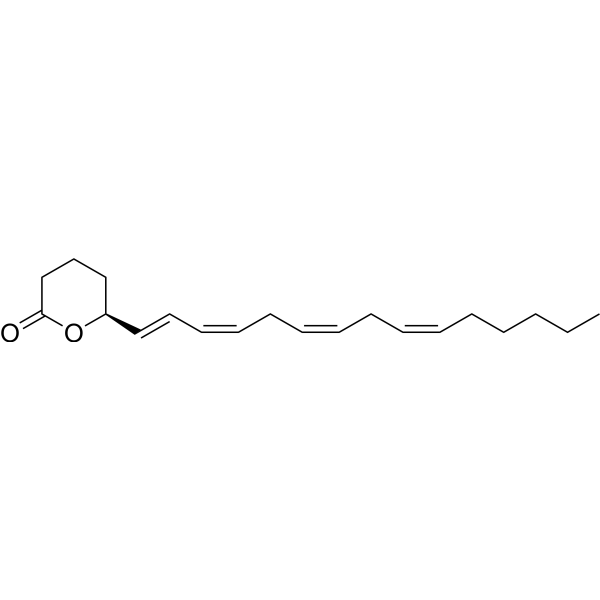
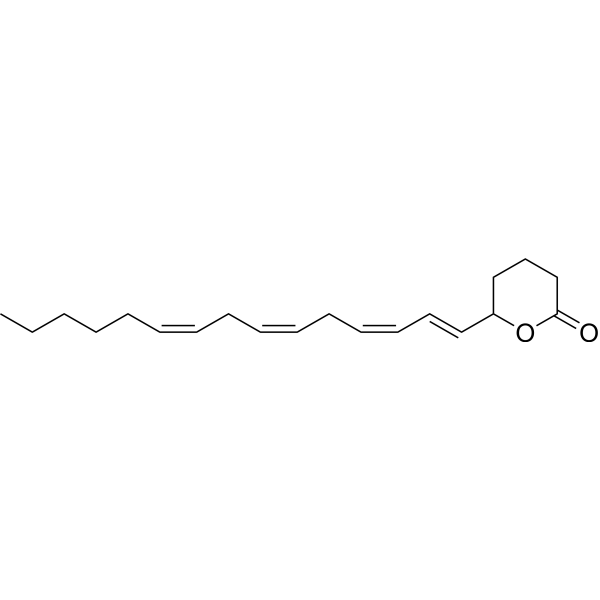
(±)5-HETE lactone is the racemate of 5-HETE lactone. 5-HETE lactone is a metabolite generated by a series of enzymatic reactions of arachidonic acid, and is also a substrate of paraoxonase-1 (PON1). 5-HETE lactone can be used in the study of B cell activation .
|
-
-
- HY-113943
-
|
|
Endogenous Metabolite
|
Others
|
|
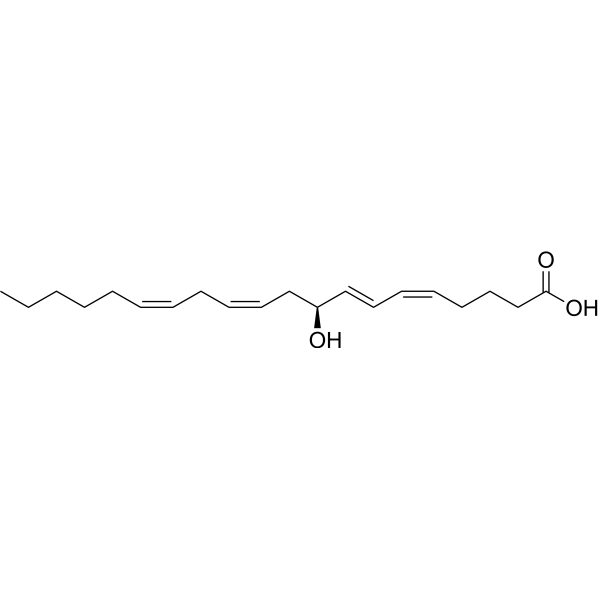
9(S)-HETE is the S isomer of 9-HETE (HY-113943A). 9-HETE, a monohydroxy fatty acid, is the lipoxygenase metabolite of arachidonic acid (HY-109590) .
|
-
-
- HY-113516
-
-

-
- HY-116444A
-
|
|
Na+/K+ ATPase
|
Cardiovascular Disease
Inflammation/Immunology
|
|
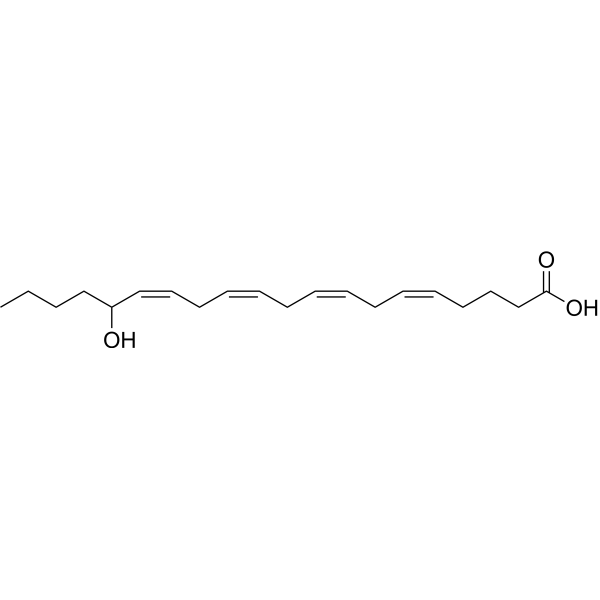
16-HETE is arachidonic acid metabolite through subterminal hydroxylation by cytochrome P-450. 16-HETE exhibits vasodilatory and PMN inhibitory effects and serves as biomarker for early stages of non-alcoholic fatty liver disease .
|
-
-
- HY-156875
-
-
-
- HY-130219
-
|
|
Endogenous Metabolite
|
Others
|
|
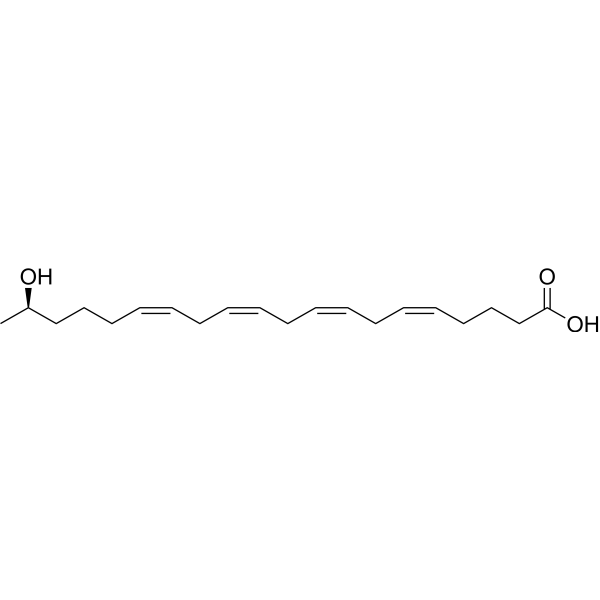
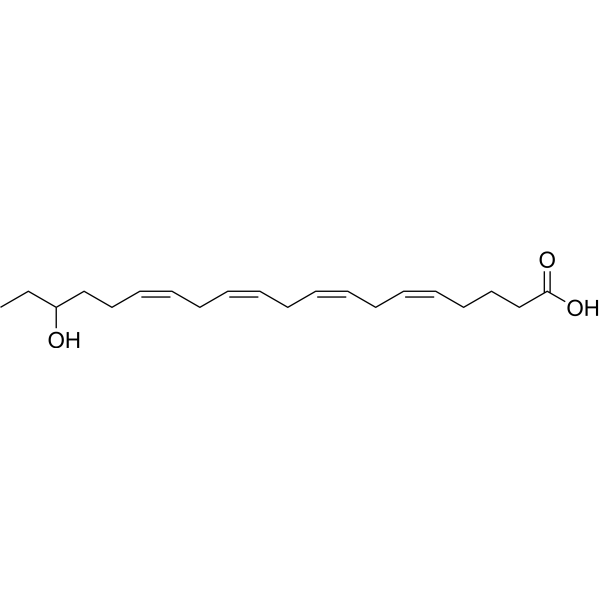
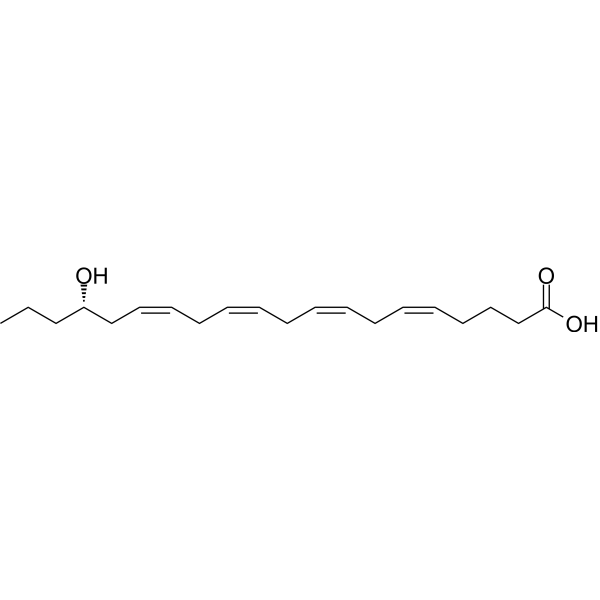
18-HETE (compound 3) is a monooxygenase metabolite of cytochrome P450 (CYP450).18- HETE consists of arachidonic acid bearing a hydroxy substituent at position 18 .
|
-
-
- HY-134132
-
|
Methyl 15(S)-HETE
|
Drug Intermediate
|
Others
|
|
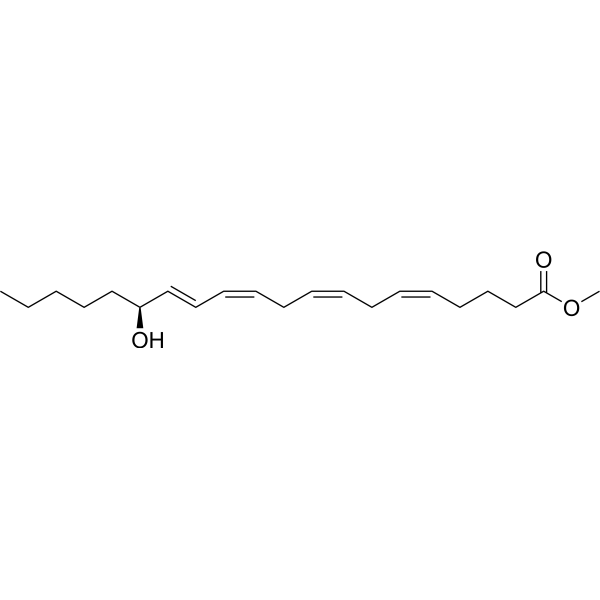
15(S)-HETE methyl ester (Methyl 15(S)-HETE) (compound 1) is a derivative of 15(S)-HETE (HY-113336), a endogenous metabolite presenting in Urine that can be used for the research of Zellweger Syndrome. 15(S)-HETE methyl ester is commonly used in formations of nutritional supplements .
|
-
-
- HY-113434A
-
|
|
Endogenous Metabolite
|
Inflammation/Immunology
|
|
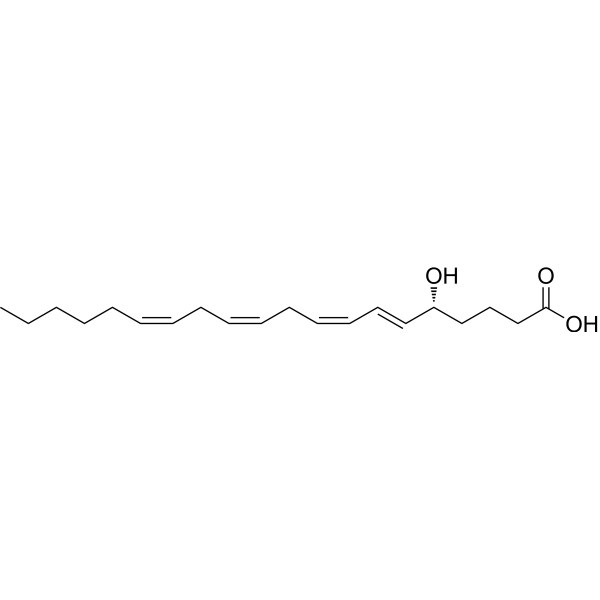
5(R)-HETE is a lipoxygenase product of arachidonic acid. 5(R)-HETE is an inducer of neutrophil migration through endothelial and epithelial barriers. 5(R)-HETE is important in mediating lung inflammatory processes .
|
-
- HY-116050A
-
|
|
Cytochrome P450
|
Others
|
|
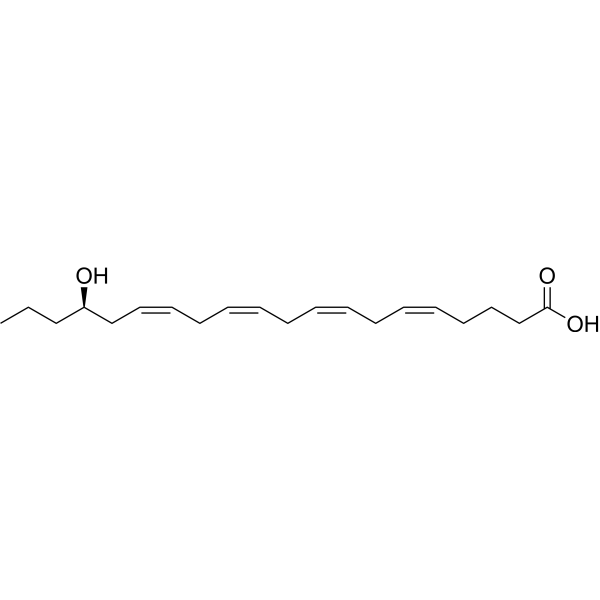
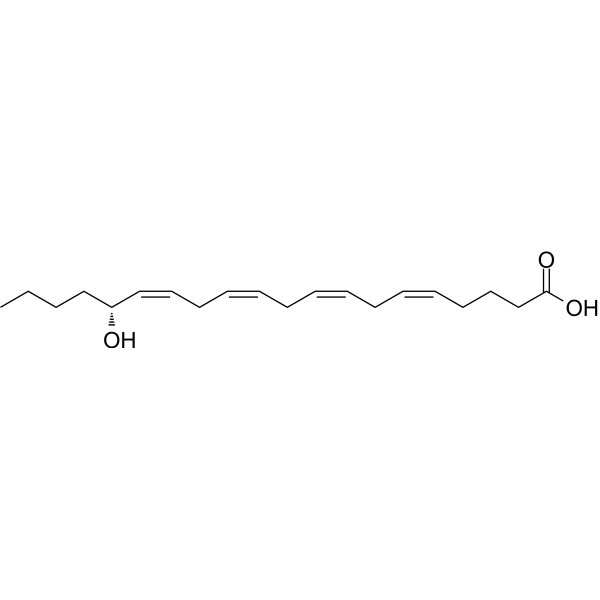
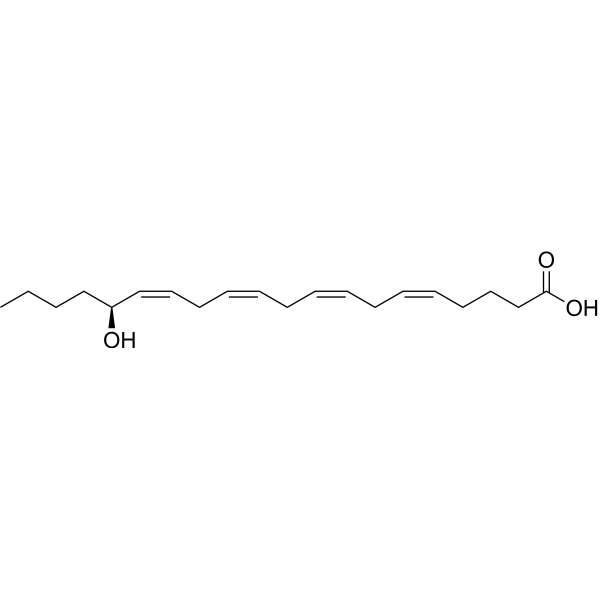
17R-HETE is an arachidonic acid metabolite through cytochrome P-450 pathways. 17R-HETE exhibits efficacy in inducing cardic hypertrophy with less efficiency with compared to 17S-HETE .
|
-
- HY-142976
-
|
|
Endogenous Metabolite
|
Inflammation/Immunology
|
|
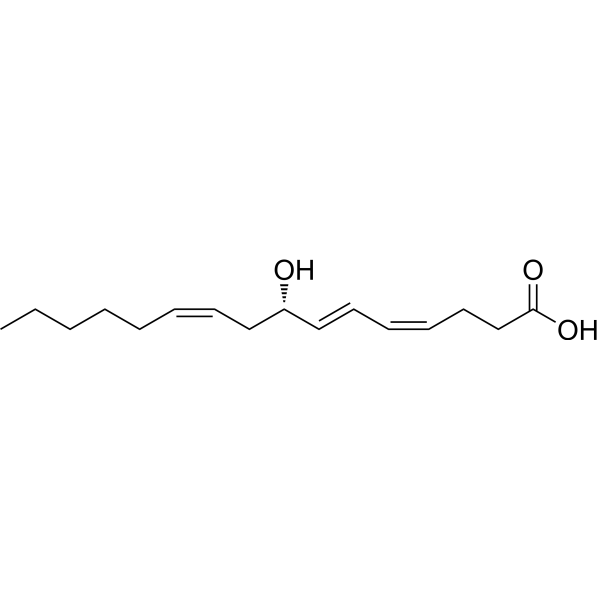
Tetranor-12(S)-HETE is the major β-oxidation product resulting from peroxisomal metabolism of 12(S)-HETE (HY-124404A) in numerous tissues. 12(S)‐HETE to tetranor‐12(S)‐HETE conversion could be a marker for psoriasis .
|
-
- HY-142972
-
|
|
Prostaglandin Receptor
|
Cardiovascular Disease
|
|
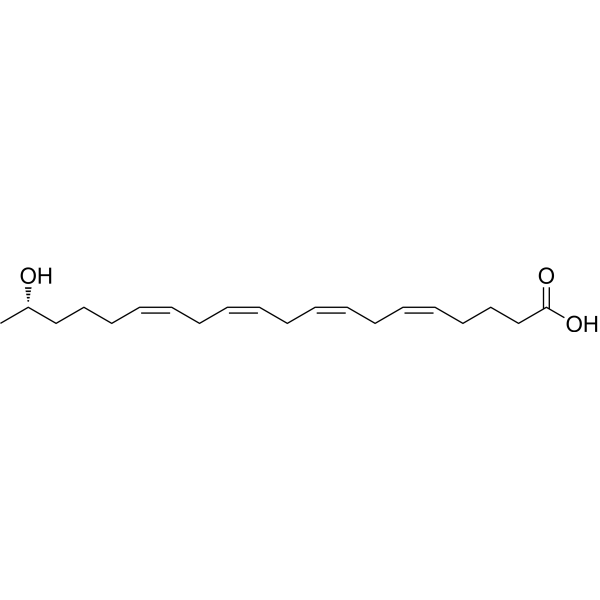
19(S)-HETE is an arachidonic acid metabolite produced by cytochrome P450 enzymes. 19(S)-HETE is a full orthosteric agonist of the prostacyclin (IP) receptor with an EC50 value of 567 nM. 19(S)-HETE inhibits platelet activation and relaxation of vessels .
|
-
- HY-113943S
-
-
- HY-113453
-
-
- HY-115408
-
|
9(R)-Hydroxyeicosatetraenoic acid
|
Drug Isomer
|
Others
|
|
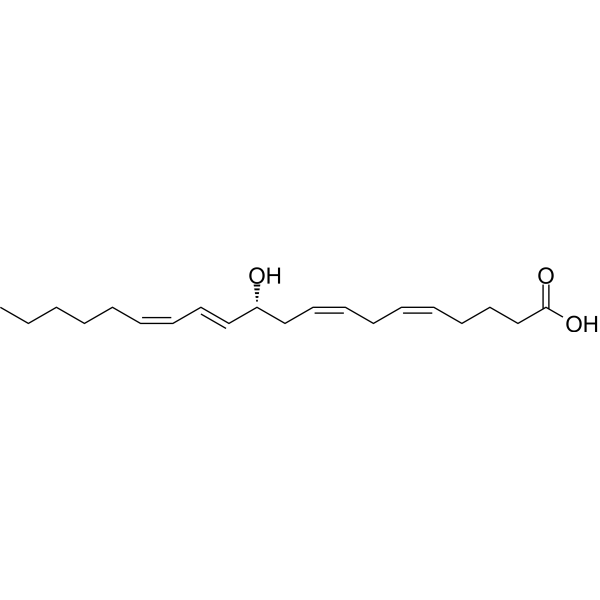
9(R)-HETE is an enantiomer which makes up 50% of (±)9-HETE. At a concentration of 300 nM, 9(R)-HETE activates RXRγ-dependent transcription 1.5 fold relative to a control.1 Stereochemical assignment of the (R) enantiomer is based on comparison of chiral HPLC retention times to published results.
|
-

- HY-116050
-
-
- HY-120894
-
-
- HY-120556
-
|
8(R)-HHxTrE; tetranor-12(R)-Hydroxyeicosatetraenoic acid; 2,3,4,5-Tetranor 12(R)-HETE
|
Drug Metabolite
|
Metabolic Disease
|
|
tetranor-12(R)-HETE is a metabolite of 12(R)-HETE formed via β-oxidation.
|
-

- HY-130357
-
-

- HY-116444
-
-
- HY-145473
-
|
15(S)-HETE-SAPE; 15(S)-Hydroxyeicosatetraenoic acid-SAPE; 1-Stearoyl-2-15(S)-HETE-sn-glycero-3-Phosphatidylethanolamine
|
Endogenous Metabolite
|
Metabolic Disease
|
|
1-Stearoyl-2-15(S)-HETE-sn-glycero-3-PE (15(S)-HETE-SAPE) is a phospholipid containing stearic acid (HY-B2219) at the sn-1 position and 15(S)-HETE (HY-113336) at the sn-2 position. 1-Stearoyl-2-15(S)-HETE-sn-glycero-3-PE is formed by direct oxidation of 1-stearoyl-2-arachidonoyl-sn-glycero-3-PE (SAPE) by 15-LOX in human peripheral mononuclear cells activated with the calcium ionophore A23187 (HY-N6687).
|
-

- HY-120460
-
|
8(R)-Hydroxyeicosatetraenoic acid
|
Endogenous Metabolite
|
Inflammation/Immunology
|
|
8(R)-HETE is biosynthesized by lipoxygenation of arachidonic acid in marine invertebrates such as gorgonian corals and starfish. Stereochemical assignment of the (R) enantiomer is based on comparison of chiral HPLC retention times to published results.
|
-

- HY-CE00881
-
-

- HY-CE01484
-
-

- HY-124527R
-
|
|
Cytochrome P450
|
Cardiovascular Disease
Cancer
|
|
HET0016 (Standard) is the analytical standard of HET0016. This product is intended for research and analytical applications. HET0016 is a potent and selective 20-hydroxyeicosatetraenoic acid (20-HETE) synthase inhibitor, with IC50 values of 17.7 nM, 12.1 nM and 20.6 nM for recombinant CYP4A1-, CYP4A2- and CYP4A3-catalyzed 20-HETE synthesis, respectively. HET0016 also is a selective CYP450 inhibitor, which has been shown to inhibit angiogenesis and tumor growth .
|
-

- HY-125122
-
|
|
Others
|
Inflammation/Immunology
|
|
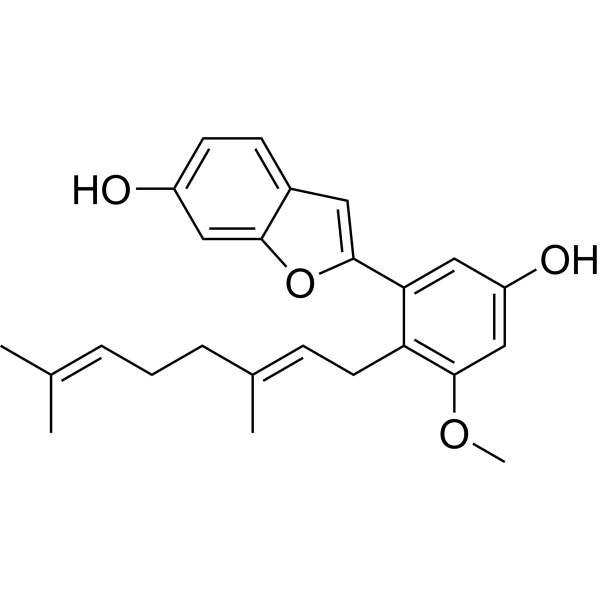
Mulberrofuran A is a natural product, that can be isolated from the root bark of mulberry tree. Mulberrofuran A inhibits the formations of 12-hydroxy-,8,10-heptadecatrienoic acid (HHT) and thromboxane B2 (cyclooxygenase products), but it increases the formation of 12-hydroxy-5,8,10,14-eicosatetraenoic acid (12-HETE) (12-lipoxygenase product) .
|
-
- HY-134123
-
|
LXB4 methyl ester
|
Drug Intermediate
Leukotriene Receptor
|
Metabolic Disease
|
|
Lipoxin B4 (LXB4) methyl ester is a lipid soluble prodrug form of the transcellular metabolite LXB4. LXB4 is a positional isomer of LXA4 produced by the metabolism of 15-HETE or 15-HpETE by human leukocytes. At a concentration of 100 nM, LXB4 inhibits polymorphonuclear leukocyte (PMN) migration stimulated by leukotriene B4 (LTB4; Item No. 20110) and inhibits LTB4-induced adhesion of PMNs with an IC50 value of 0.3 nM.
|
-

- HY-149770
-
|
|
Cytochrome P450
|
Metabolic Disease
|
|
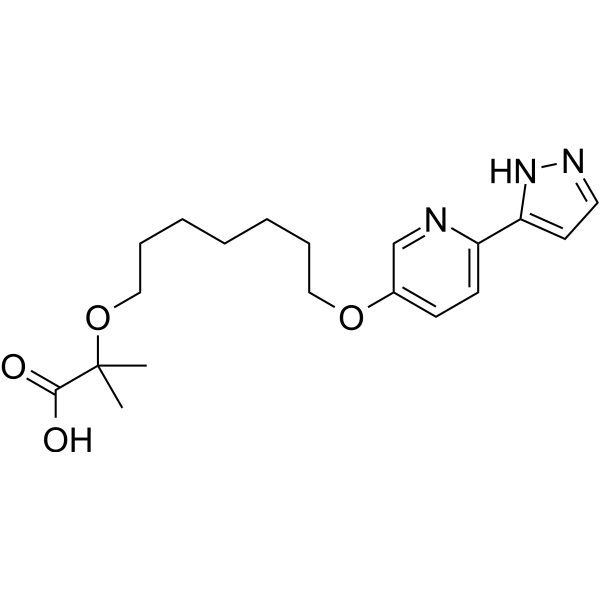
CYP4A11/CYP4F2-IN-2 (compound 15) is an orally available inhibitor of CYP4A11/4F2 with IC50s of 120 nM and 220 nM, respectively. CYP4A11/CYP4F2-IN-2 inhibits 20-HETE production in rat kidney and has potential inhibitory effects on diabetic nephropathy and autosomal dominant polycystic kidney disease .
|
-
- HY-173115
-
|
|
COX
Lipoxygenase
Interleukin Related
PPAR
|
Metabolic Disease
Inflammation/Immunology
|
|
15-LOX-IN-2 (Compound 2a) is an orally active COX-2/15-LOX inhibitor and a partial agonist of PPARγ. 15-LOX-IN-2 has anti-inflammatory activity and inhibits the levels of 20-HETE, IL-1β and TNF-α in RAW 264.7 cells treated with LPS (HY-D1056). In addition, 15-LOX-IN-2 has significant glucose uptake capacity in the absence of insulin. 15-LOX-IN-2 can be used for the research of metabolic diseases .
|
-

- HY-118514
-
|
|
PPAR
|
Metabolic Disease
|
|
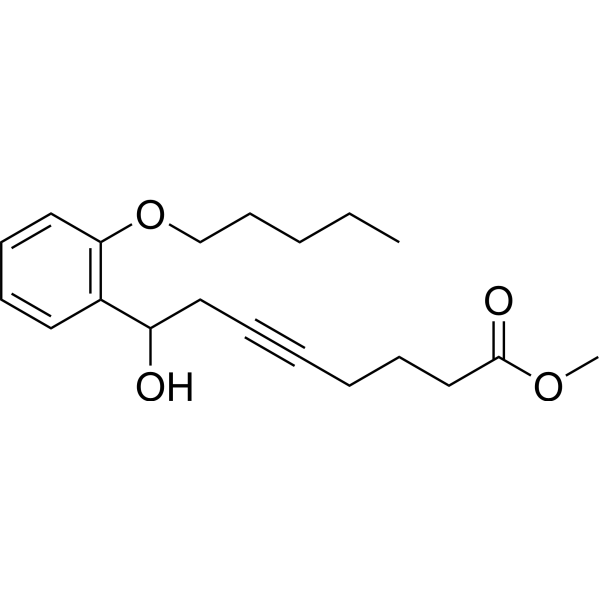
CAY10514 is an aromatic of 8(S)-HETE. CAY10514 acts as a dual agonist of peroxisome proliferator-activated receptor α (PPARα) and PPARγ with IC50 of 0.173 and 0.642 μM, respectively .
|
-
- HY-117044
-
|
|
Endogenous Metabolite
|
Metabolic Disease
|
|
12(R)-HEPE is a monohydroxy fatty acid synthesized from EPA by the eggs of the sea urchin, S. purpuratus.1 The biological activity of 12(R)-HEPE has not been extensively documented, but may be similar to that of 12(R)-HETE.
|
-

- HY-117044A
-
|
|
Prostaglandin Receptor
|
Metabolic Disease
|
|
(±)12-HEPE is produced by non-enzymatic oxidation of EPA. It contains equal amounts of 12(S)-HEPE and 12(R)-HEPE. The biological activity of (±)12-HEPE is likely mediated by one of the individual isomers, most commonly the 12(S) isomer in mammalian systems. 12-HEPE inhibits platelet aggregation with the same potency as 12-HETE, exhibiting IC50 values of 24 and 25 μM, respectively.1 These compounds are also equipotent as inhibitors of U46619-induced contraction of rat aorta (IC50s=8.6-8.8 μM).
|
-

- HY-101016R
-
|
|
Reference Standards
Cytochrome P450
Apoptosis
|
Cardiovascular Disease
|
|
17-ODYA (Standard) is the analytical standard of 17-ODYA. This product is intended for research and analytical applications. 17-ODYA is a CYP450 ω-hydroxylase inhibitor. 17-ODYA is also a potent inhibitor (IC50<100 nM) of the formation of 20-hydroxyeicosatetraenoic acid (20-HETE), epoxyeicosatrienoic acids and dihydroxyeicosatrienoic acids by rat renal cortical microsomes incubated with arachidonic acid. 17-ODYA completely attenuates the isoproterenol (ISO)-induced apoptosis, and necrosis in cultured cardiomyocytes[1][2][3]. 17-ODYA is a click chemistry reagent, it contains an Alkyne group and can undergo copper-catalyzed azide-alkyne cycloaddition (CuAAc) with molecules containing Azide groups.
|
-

- HY-B0881R
-
|
|
Reference Standards
Potassium Channel
|
Metabolic Disease
Cancer
|
|
Acetohexamide (Standard) is the analytical standard of Acetohexamide. This product is intended for research and analytical applications. Acetohexamide is an orally active first-generation sulfonylurea agent used in research related to type 2 diabetes and cancer. Acetohexamide exerts reductase activity in human erythrocytes. Acetohexamide stimulates the pancreas to secrete insulin. Acetohexamide inhibits ATP-sensitive potassium channels in the β cells of the pancreas. Acetohexamide can inhibit the formation of circular chemorepellent induced defects (CCIDs) in lymphendothelial cell (LEC) monolayers. Acetohexamide inhibits markers of epithelial-to-mesenchymal-transition and migration. Acetohexamide suppresses the synthesis of 12(S)-HETE. Acetohexamide can potentiate hypoglycaemic action .
|
-

- HY-182771
-
-

- HY-N15981
-
-

- HY-176756
-
-

- HY-145473S
-
|
15(S)-HETE-SAPE; 15(S)-Hydroxyeicosatetraenoic acid-SAPE-d11; 1-Stearoyl-2-15(S)-HETE-sn-glycero-3-Phosphatidylethanolamine-d11
|
Isotope-Labeled Compounds
Others
|
Metabolic Disease
|
|
1-Stearoyl-2-15(S)-HETE-sn-glycero-3-PE-d11 (15(S)-HETE-SAPE-d11) is deuterium labeled 1-Stearoyl-2-15(S)-HETE-sn-glycero-3-PE. 1-Stearoyl-2-15(S)-HETE-sn-glycero-3-PE is a phospholipid that contains stearic acid (HY-B2219) at the sn-1 position and 15(S)-HETE at the sn-2 position. It is formed in human peripheral monocytes activated by the calcium ionophore A23187 (HY-N6687) by direct oxidation of 1-stearoyl-2-arachidonoyl-sn-glycero-3-PE (SAPE) by 15-LO. Phosphoethanolamine (PE) HETEs (PE-HETEs), including 1-stearoyl-2-15(S)-HETE-sn-glycero-3-PE, are the main source of esterified HETE in ionophore-activated monocytes .
|
-

- HY-165030
-
|
15(S)-HETE-SAPC; 15(S)-Hydroxyeicostetraenoic acid-SAPC; 1-Stearoyl-2-15(S)-HETE-sn-glycero-3-phosphatidylcholine
|
Drug Derivative
|
Others
|
|
1-Stearoyl-2-15(S)-HETE-sn-glycero-3-PC is an active compound.
|
-

- HY-165656
-
|
15(S)-Hydoxyeicosatetaeoic acid-d8 ethyl ester
|
Isotope-Labeled Compounds
|
Others
|
|
15(S)-HETE-d8 ethyl ester (15(S)-Hydoxyeicosatetaeoic acid-d8 ethyl ester) is deuterium labeled 15(S)-HETE ethyl ester .
|
-

- HY-CE00676
-
-

- HY-182696
-
|
|
Lipoxygenase
|
Inflammation/Immunology
|
|
CGS 24891 is an orally active 5-lipoxygenase (5-LO) inhibitor, with an IC50 value of 0.051 μM in guinea pigs and 0.11 μM in dogs. CGS 24891 inhibits the production of 5-hydroxyeicosatetraenoic acid (5-HETE) and leukotriene B4 (LTB4) from arachidonic acid. CGS 24891 weakly inhibits 12-lipoxygenase (12-LO) with an IC50 of 0.41 μM. CGS 24891 is applicable to research on inflammation and allergic reactions .
|
-

- HY-N16694
-
|
|
Lipoxygenase
|
Others
|
|
6,7-Dehydroferruginol is a diterpenoid compound that can be isolated from the dichloromethane extract of Juniperus communis wood. At a concentration of 100 μg/mL, 6,7-Dehydroferruginol showed no inhibitory activity against 12(S)-LOX and did not inhibit the production of 12(S)-HETE .
|
-

| Cat. No. |
Product Name |
Category |
Target |
Chemical Structure |
-
- HY-N0652
-
|
2,3,4',5-Tetrahydroxystilbene 2-O-D-glucoside
|
Stilbenes
Classification of Application Fields
Polygonaceae
Other Diseases
Phenols
Polyphenols
Fallopia multiflora (Thunb.) Harald.
Plants
Disease Research Fields
Source Classification
|
ERK
NF-κB
|
|
2,3,5,4'-Tetrahydroxystilbene 2-O-β-D-glucoside isolats from the roots of Polygonaceae species, inhibits the formation of 5-HETE, HHT and thromboxane B2. 2,3,5,4'-Tetrahydroxystilbene 2-O-β-D-glucoside has hypotensive, anti-ageing, anti-inflammatory, hypolipidemic, cardioprotective, and neuroprotective actions .
|
-
-
- HY-113439
-
12-HETE
2 Publications Verification
|
Microorganisms
Source Classification
|
Apoptosis
|
|
12-HETE, a major metabolic product of arachidonic acid using 12-LOX catalysis, inhibits cell apoptosis in a dose-dependent manner. 12-HETE promotes the activation and nuclear translocation of NF-κB through the integrin-linked kinase (ILK) pathway [1].12-HETE has both anti-thrombotic and pro-thrombotic effects . 12-HETE is a neuromodulator .
|
-
-
- HY-124404A
-
-
-
- HY-113120
-
-
-
- HY-113336
-
-
-
- HY-113434B
-
-
-
- HY-113434
-
-
-
- HY-N0652R
-
|
2,3,4',5-Tetrahydroxystilbene 2-O-D-glucoside (Standard)
|
Structural Classification
Stilbenes
Polygonaceae
Phenols
Polyphenols
Fallopia multiflora (Thunb.) Harald.
Plants
Source Classification
|
Reference Standards
ERK
NF-κB
|
|
2,3,5,4'-Tetrahydroxystilbene 2-O-β-D-glucoside (Standard) is the analytical standard of 2,3,5,4'-Tetrahydroxystilbene 2-O-β-D-glucoside. This product is intended for research and analytical applications. 2,3,5,4'-Tetrahydroxystilbene 2-O-β-D-glucoside isolats from the roots of Polygonaceae species, inhibits the formation of 5-HETE, HHT and thromboxane B2. 2,3,5,4'-Tetrahydroxystilbene 2-O-β-D-glucoside has hypotensive, anti-ageing, anti-inflammatory, hypolipidemic, cardioprotective, and neuroprotective actions .
|
-
-
- HY-139114
-
-
-
- HY-112653A
-
-
-
- HY-113516
-
-
-
- HY-113453
-
-
-
- HY-120894
-
-
-
- HY-125122
-
|
|
Monophenols
Phenols
Morus alba L.
Plants
Moraceae
Source Classification
|
Others
|
|
Mulberrofuran A is a natural product, that can be isolated from the root bark of mulberry tree. Mulberrofuran A inhibits the formations of 12-hydroxy-,8,10-heptadecatrienoic acid (HHT) and thromboxane B2 (cyclooxygenase products), but it increases the formation of 12-hydroxy-5,8,10,14-eicosatetraenoic acid (12-HETE) (12-lipoxygenase product) .
|
-
-
- HY-N15981
-
-
-
- HY-N16694
-
-
| Cat. No. |
Product Name |
Chemical Structure |
-
- HY-113439S
-
2 Publications Verification
|
|
12-HETE-d8 is the deuterium labeled 12-HETE. 12-HETE, a major metabolic product of arachidonic acid using 12-LOX catalysis, inhibits cell apoptosis in a dose-dependent manner. 12-HETE promotes the activation and nuclear translocation of NF-κB through the integrin-linked kinase (ILK) pathway [1].12-HETE has both anti-thrombotic and pro-thrombotic effects . 12-HETE is a neuromodulator .
|
-
-
- HY-15598S
-
|
|
|
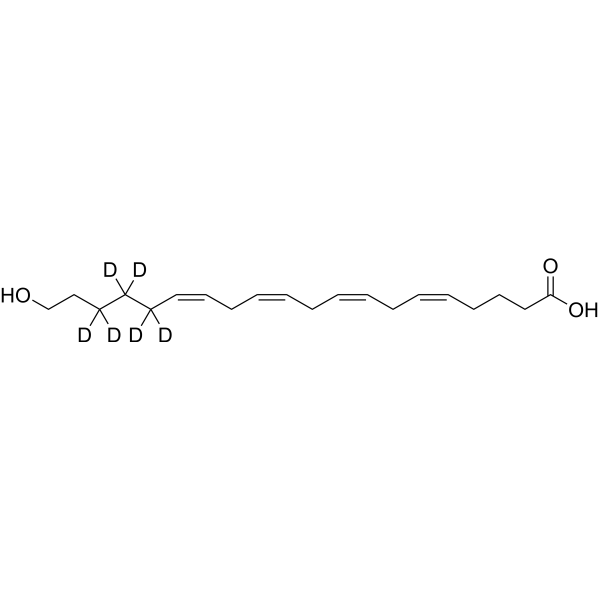
20-HETE-d6 is the deuterium labeled 20-HETE.
|
-
-
- HY-113434S
-
|
|
|
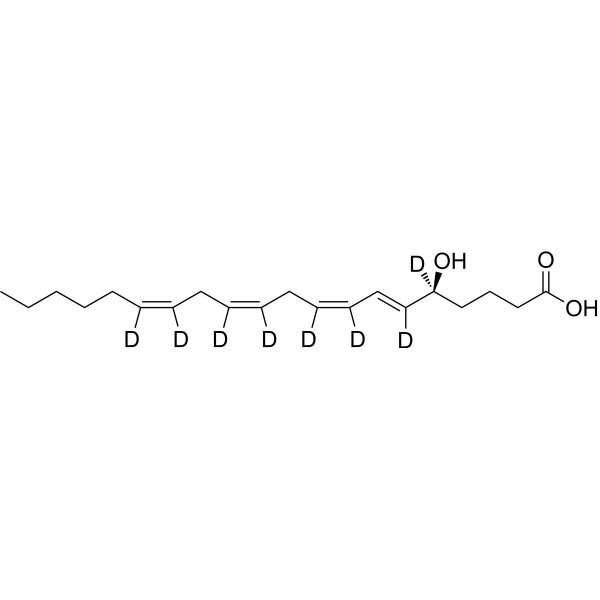
5(S)-HETE-d8 is the deuterium labeled 5(S)-HETE .
|
-
-
- HY-113336S
-
|
|
|
15(S)-HETE-d8 is the deuterium labeled 15(S)-HETE .
|
-
-
- HY-143677S
-
|
|
|
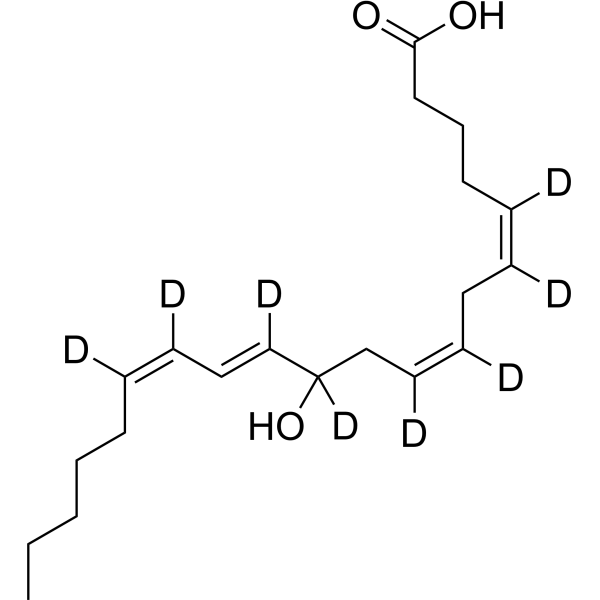
(±)11-HETE-d8 is the deuterium labeled (±)11-HETE .
|
-
-
- HY-139945S
-
|
|
|
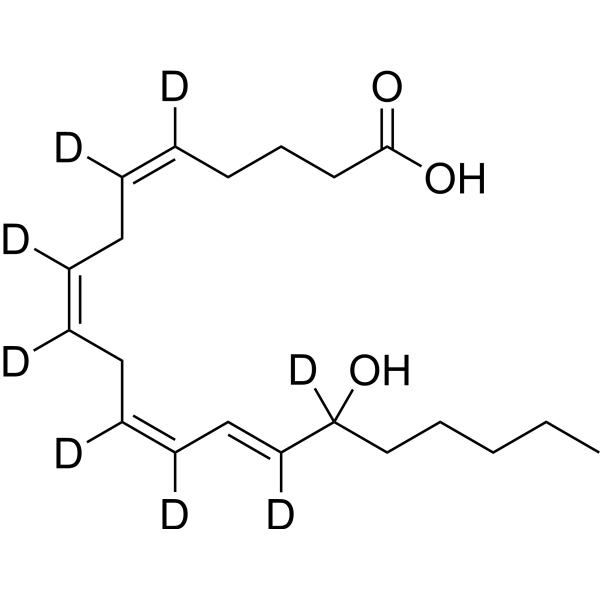
(±)15-HETE-d8 is the deuterium labeled (±)15-HETE .
|
-
-
- HY-123023
-
|
|
|
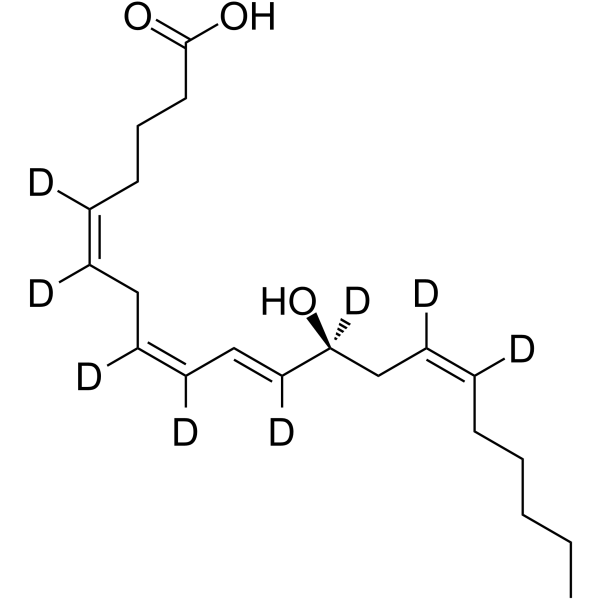
12(S)-HETE-d8 contains eight deuterium atoms at the 5, 6, 8, 9, 11, 12, 14 and 15 positions. 12(S)-HETE-d8 is intended for use as an internal standard for the quantification of 12(S)-HETE by GC- or LC-mass spectrometry (MS). 12(S)-HETE-d8 is the predominant lipoxygenase product of mammalian platelets. It enhances tumor cell adhesion to endothelial cells, fibronectin, and the subendothelial matrix at 0.1 µM.
|
-
-
- HY-113943AS
-
|
|
|
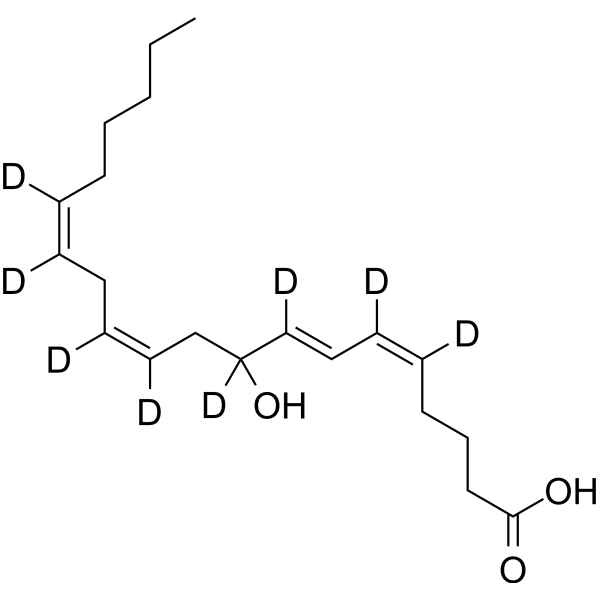
9-HETE-d8 ((±)9-HETE-d8) is the deuterium labeled 9-HETE (HY-113943A) .
|
-
-
- HY-113943S
-
|
|
|
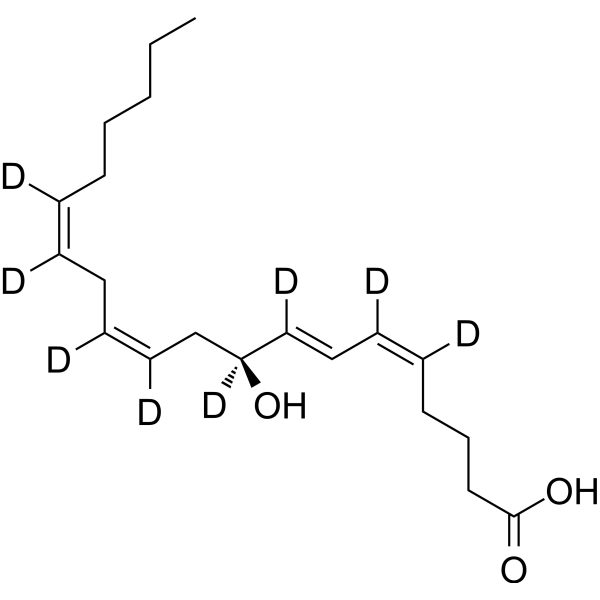
9(S)-HETE-d8 is the deuterium labeled 9(S)-HETE .
|
-
-
- HY-145473S
-
|
|
|
1-Stearoyl-2-15(S)-HETE-sn-glycero-3-PE-d11 (15(S)-HETE-SAPE-d11) is deuterium labeled 1-Stearoyl-2-15(S)-HETE-sn-glycero-3-PE. 1-Stearoyl-2-15(S)-HETE-sn-glycero-3-PE is a phospholipid that contains stearic acid (HY-B2219) at the sn-1 position and 15(S)-HETE at the sn-2 position. It is formed in human peripheral monocytes activated by the calcium ionophore A23187 (HY-N6687) by direct oxidation of 1-stearoyl-2-arachidonoyl-sn-glycero-3-PE (SAPE) by 15-LO. Phosphoethanolamine (PE) HETEs (PE-HETEs), including 1-stearoyl-2-15(S)-HETE-sn-glycero-3-PE, are the main source of esterified HETE in ionophore-activated monocytes .
|
-
-
- HY-165656
-
|
|
|
15(S)-HETE-d8 ethyl ester (15(S)-Hydoxyeicosatetaeoic acid-d8 ethyl ester) is deuterium labeled 15(S)-HETE ethyl ester .
|
-
| Cat. No. |
Product Name |
|
Classification |
-
- HY-101016
-
17-ODYA
1 Publications Verification
|
|
Alkynes
|
|
17-ODYA is a CYP450 ω-hydroxylase inhibitor. 17-ODYA is also a potent inhibitor (IC50<100 nM) of the formation of 20-hydroxyeicosatetraenoic acid (20-HETE), epoxyeicosatrienoic acids and dihydroxyeicosatrienoic acids by rat renal cortical microsomes incubated with arachidonic acid. 17-ODYA completely attenuates the isoproterenol (ISO)-induced apoptosis, and necrosis in cultured cardiomyocytes . 17-ODYA is a click chemistry reagent, it contains an Alkyne group and can undergo copper-catalyzed azide-alkyne cycloaddition (CuAAc) with molecules containing Azide groups.
|
-
- HY-173115
-
|
|
|
Alkynes
|
|
15-LOX-IN-2 (Compound 2a) is an orally active COX-2/15-LOX inhibitor and a partial agonist of PPARγ. 15-LOX-IN-2 has anti-inflammatory activity and inhibits the levels of 20-HETE, IL-1β and TNF-α in RAW 264.7 cells treated with LPS (HY-D1056). In addition, 15-LOX-IN-2 has significant glucose uptake capacity in the absence of insulin. 15-LOX-IN-2 can be used for the research of metabolic diseases .
|
Your information is safe with us. * Required Fields.
Inquiry Information
- Product Name:
- Cat. No.:
- Quantity:
- MCE Japan Authorized Agent:








