Search Result
Results for "
HT-1080 cells
" in MedChemExpress (MCE) Product Catalog:
1
Isotope-Labeled Compounds
| Cat. No. |
Product Name |
Target |
Research Areas |
Chemical Structure |
-
- HY-100579
-
Ferrostatin-1
Maximum Cited Publications
1548 Publications Verification
Fer-1
|
Ferroptosis
Fungal
|
Cancer
|
|
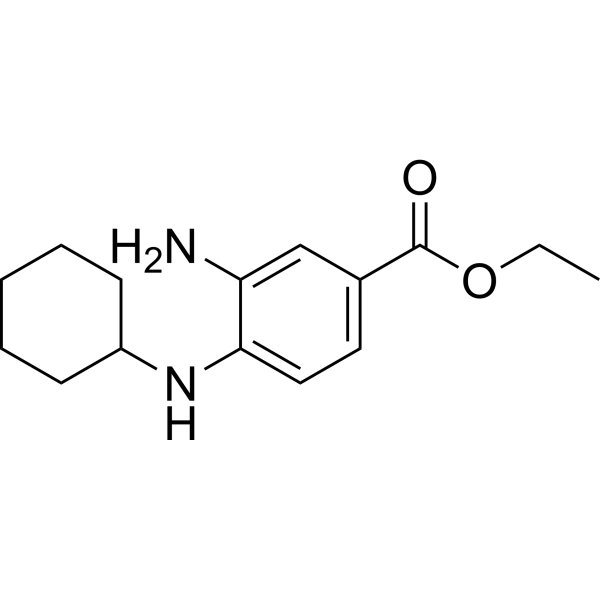
Ferrostatin-1 (Fer-1), a potent and selective ferroptosis inhibitor, suppresses Erastin-induced ferroptosis in HT-1080 cells (EC50=60 nM). Ferrostatin-1, a synthetic antioxidant, acts via a reductive mechanism to prevent damage to membrane lipids and thereby inhibits cell death. Ferrostatin-1 exhibits antifungal activity .
|
-
-
- HY-50908
-
|
MK-8669; Deforolimus; AP23573
|
mTOR
Autophagy
Bacterial
|
Cancer
|
|
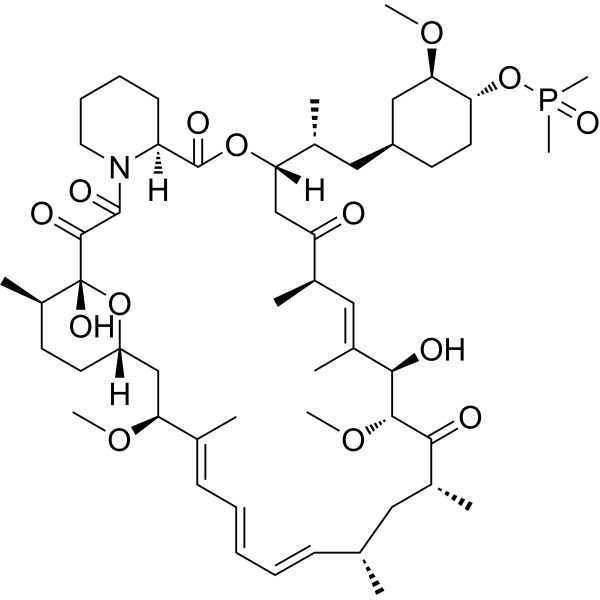
Ridaforolimus (MK-8669) is a potent and selective mTOR inhibitor; inhibits ribosomal protein S6 phosphorylation with an IC50 of 0.2 nM in HT-1080 cells .
|
-
-
- HY-129457
-
|
|
Ferroptosis
|
Cancer
|
|
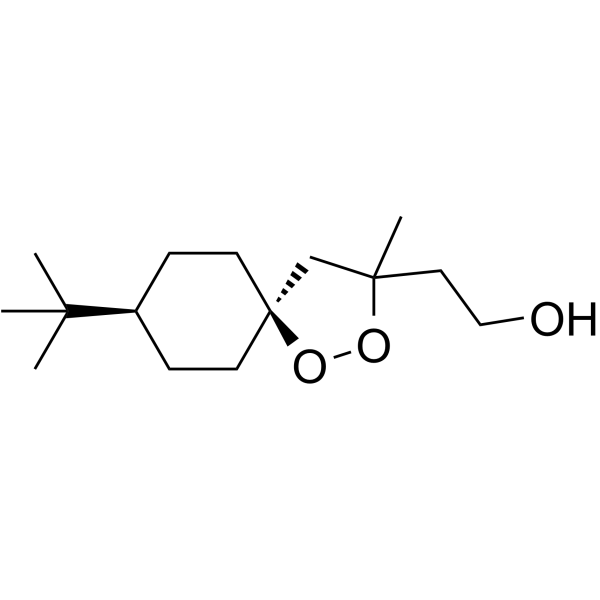
FINO2 is a potent ferroptosis inducer. FINO2 inhibits GPX4 activity. FINO2 is a stable oxidant that oxidizes ferrous iron and stable at varying pH levels. FINO2 causes widespread lipid peroxidation .
|
-
-
- HY-173432
-
|
|
ACSL Family
Ferroptosis
|
Neurological Disease
Cancer
|
|
LIBX-A401 is a selective long-chain acyl-CoA synthetase 4 (ACSL4) inhibitor with a human IC50 values of 0.38 μM and a Kd of 0.72 μM. LIBX-A401 binds to ACSL4 in an ATP-dependent manner, stabilizes the C-terminal domain, alters the fatty acid gate region, and interacts with residues A329 and Q302 within the fatty acid binding site. LIBX-A401 exhibits anti-ferroptosis properties in cells. LIBX-A401 can be used for the researches of cancer and parkinson's disease .
|
-
-
- HY-151424
-
|
|
Proteasome
Mitosis
|
Cancer
|
|
Vimentin-IN-1 is a FiVe1 derivative, an orally active and selective anticancer agent. FiVe1 binds type III intermediate filament protein vimentin (VIM), to induce hyperphosphorylation of Ser56, resulting selective disruption of mitosis and multinucleation in transformed VIM-expressing mesenchymal cancer cells. Vimentin-IN-1 shows better oral bioavailability and pharmacokinetic profiles than FiVe1 .
|
-
-
- HY-145669
-
|
|
Wnt
CDK
GSK-3
|
Infection
Cancer
|
|
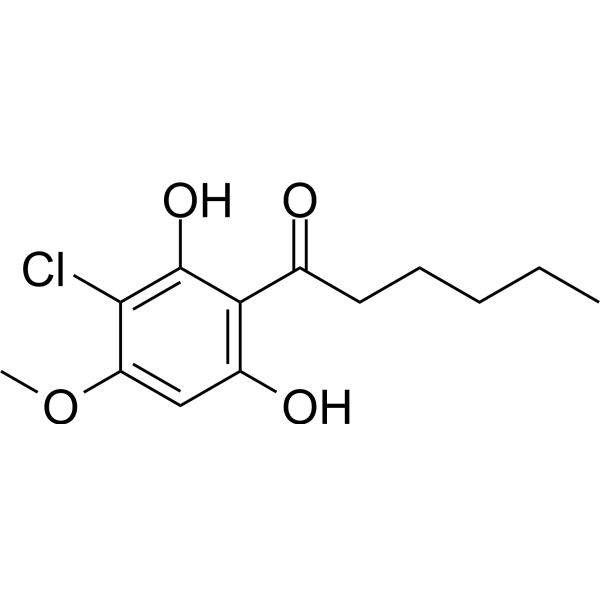
DIF-3 is an orally active anticancer agent. DIF-3 reduces the expression levels of cyclin D1 and c-Myc by facilitating their degradation via activation of GSK-3β. DIF-3 inhibits Wnt/β-catenin signaling pathway-related proteins in cells. DIF-3 induces reactive oxygen species (ROS) and autophagy. DIF suppresses the growth of Trypanosoma. cruzi in HT1080 cells. DIF-3 exerts antitumor effects both in vitro and in vivo .
|
-
-
- HY-153698
-
|
|
Molecular Glues
Ligands for E3 Ligase
|
Cancer
|
|
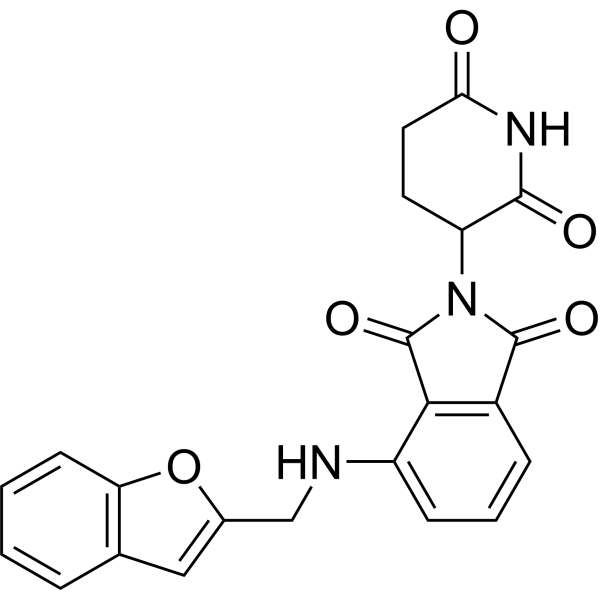
CC-3060 is a molecular glue modulator targeting Cereblon (CRBN) E3 ubiquitin ligase and ZBTB16 degrader with a DC50 of 0.47 nM in HT-1080 cells. CC-3060 engages structural degrons on ZBTB16’s ZnF1 or ZnF3 domains for fusion protein substrates. CC-3060 can be used for the research of acute promyelocytic leukemia .
|
-
-
- HY-149236
-
-
-
- HY-157977
-
|
|
Biochemical Assay Reagents
Radionuclide-Drug Conjugates (RDCs)
MMP
|
Cancer
|
|
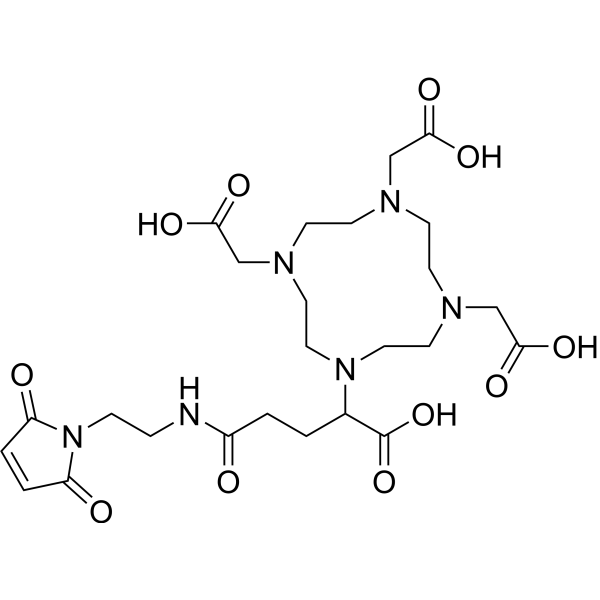
DOTA-GA-maleimide is a bifunctional chelator with protein conjugation and radiometal chelation capabilities. DOTA-GA-maleimide forms stable complexes with 111In and conjugates with proteins via maleimide chemistry. DOTA-GA-maleimide conjugates with LFn, enabling 111In radiolabeling of LFn through direct or pre-labeling strategies. Radiolabeled LFn is applicable to MMP activity imaging studies. DOTA-GA-maleimide is used in cancer research .
|
-
-
- HY-N9596
-
|
|
Bacterial
|
Infection
Cancer
|
|
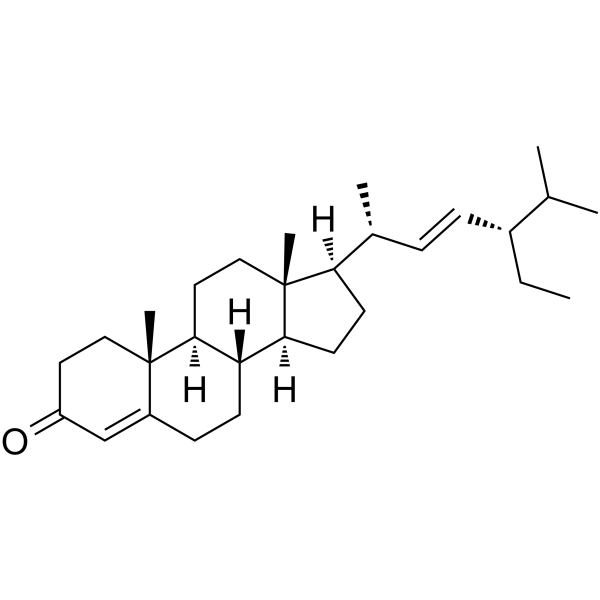
Stigmasta-4,22-dien-3-one is an antitubercular agent. Stigmasta-4,22-dien-3-one shows cytotoxicity against human HT1080 tumoral cell line with an IC50 of 0.3 mM .
|
-
-
- HY-W002942
-
|
1,2,3,4-Tetrahydroquinolin-8-ol; 8-hydroxy-1,2,3,4-tetrahydroquinoline
|
Ferroptosis
Reactive Oxygen Species (ROS)
|
Inflammation/Immunology
|
|
Ferroptosis-IN-21 is a ferroptosis inhibitor that protects against renal I/R injury by suppressing ferroptosis and directly scavenging peroxyl radicals. Ferroptosis-IN-21 displays broad-spectrum anti-ferroptotic efficacy across multiple inducers in renal tubular epithelial cells, with nanomolar potency and robust suppression of lipid Reactive Oxygen Species (ROS). Ferroptosis-IN-21 significantly ameliorates renal I/R injury in mice, reducing histological damage, functional impairment, and inflammatory cytokine expression, while decreasing lipid peroxidation biomarkers such as 4-hydroxynonenal. Ferroptosis-IN-12 can be used for research in the field of ferroptosis-targeted drug development .
|
-
-
- HY-111844
-
|
|
PROTACs
SNIPERs
RAR/RXR
|
Neurological Disease
Metabolic Disease
Cancer
|
|
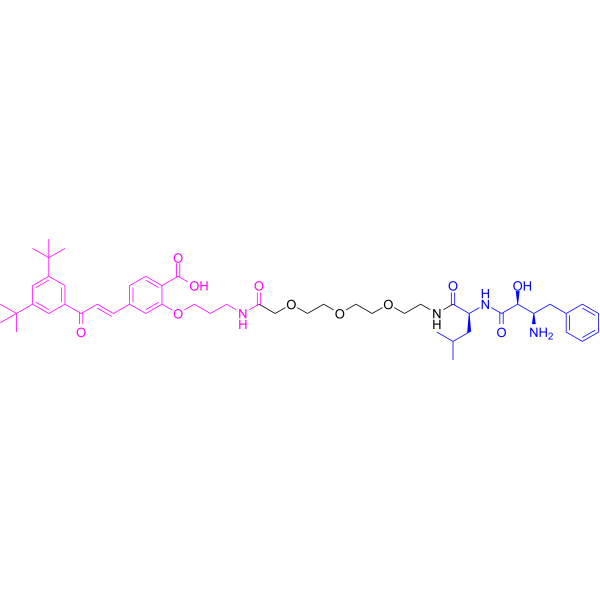
PROTAC RAR degrader-1 (Compound 9) is a potent and selective RAR PROTAC Degrader consisting of apoptotic protein inhibitors (IAPs) ligands. IAPs-based degraders are also known as SNIPERs. PROTAC RAR Degrader-1 reduces RARα levels in HT1080 cells in a concentration-dependent manner but is blocked by the proteasome inhibitor MG132 (HY-13259). PROTAC RAR Degrader-1 can be used in the study of nuclear receptor-related diseases. (Pink: RAR ligand 1 (HY-111843); Black: Linker (HY-140189); Blue: IAPs Ligand (HY-B0134)) .
|
-
-
- HY-106181
-
|
R-106056
|
PPAR
|
Cardiovascular Disease
Metabolic Disease
|
|
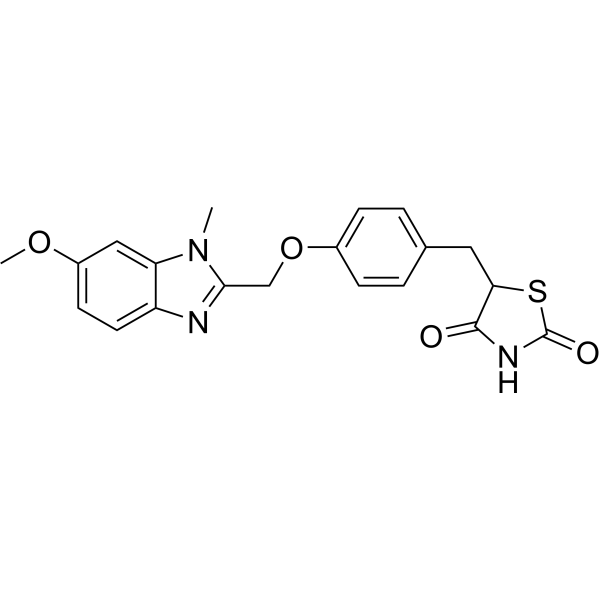
Rivoglitazone (R-106056) is an orally active, selective PPARγ agonist with an EC50 of 0.22 μM for hPPARγ. Rivoglitazone regulates fatty acid storage and uptake, glucose homeostasis, and cardiac glucose/fatty acid metabolism. Rivoglitazone reduces levels of hyperglycemia, hyperinsulinemia, and hypertriglyceridemia, decreases hepatic glucose production, and accelerates plasma triglyceride clearance. Rivoglitazone induces a reduction in glycated hemoglobin A1C, while causing peripheral edema and weight gain. Rivoglitazone can be used in research related to type 2 diabetes .
|
-
-
- HY-169133
-
|
|
PROTACs
Glutathione Peroxidase
Ferroptosis
|
Cancer
|
|
GDCNF-11 is a HIM-PROTAC GPX4 degrader based on the chaperone protein HSP90. GDCNF-11 promotes the ubiquitination and degradation of GPX4 through the HSP 90 chaperone complex, reduces endogenous GPX4 expression to induce ferroptosis in HT-1080 cells, and the DC50 value is 0.08 μM (Pink: Target protein ligand (HY-153748); Blue: HSP90 ligand (HY-10212); Black: Linker (HY-W169526)) .
|
-
-
- HY-N10158
-
|
|
Drug Derivative
|
Cancer
|
|
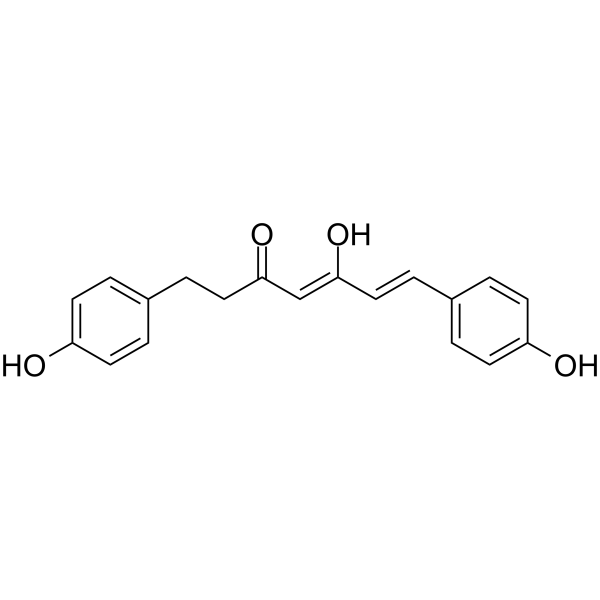
1,7-Bis(4-hydroxyphenyl)-3-hydroxy-1,3-heptadien-5-one (compound 39), a diarylheptanoid, exhibits antiproliferative activity towards human HT-1080 fibrosarcoma and murine colon 26-L5 carcinoma cells .
|
-
-
- HY-175213
-
|
|
Isocitrate Dehydrogenase (IDH)
|
Cancer
|
|
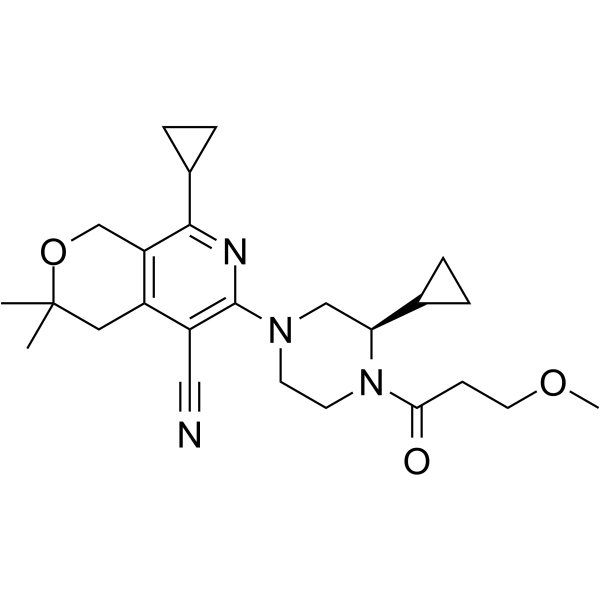
Mutant IDH1-IN-7 is a highly selective Isocitrate Dehydrogenase 1 (IDH1) R132H (IC50 = 0.26 μM, Kd = 2.1 μM)/R132C (IC50 = 1.1 μM) inhibitor. Mutant IDH1-IN-7 has no inhibitory effect on wild-type IDH1, IDH2-wt, and IDH2 R140Q. Mutant IDH1-IN-7 inhibits 2-Hydroxyglutarate (2-HG) production in U87-MG R132H cells (EC50 = 0.55 μM). Mutant IDH1-IN-7 exhibits moderate antiproliferative effects on U87-MG R132H and HT-1080 cells .
|
-
-
- HY-173029
-
|
|
Ferroptosis
|
Cancer
|
|
UAMC-4821 is an inhibitor for ferroptosis with an IC50 of 5.2 nM. UAMC-4821 scavenges free radicals, blocks the lipid peroxidation, inhibits ML162 (HY-100002)-induced ferroptosis, and exhibits protective effect in HT-1080 cell. UAMC-4821 exhibits good pharmacokinetics characteristics in mouse with an oral bioavailability of 63%. UAMC-4821 can cross blood-brain barrier .
|
-
-
- HY-114459
-
|
|
Isocitrate Dehydrogenase (IDH)
|
Cancer
|
|
Mutant IDH1-IN-4 (compound 434) is an inhibitor of mutant Isocitrate dehydrogenase 1 (IDH 1), with IC50 values of ≤ 0.5 μM for mutant IDH1 in R132H, HT1080 and U87R132H cells .
|
-
-
- HY-175041
-
|
|
Glutathione Peroxidase
Reactive Oxygen Species (ROS)
Cannabinoid Receptor
Ferroptosis
|
Cancer
|
|
GPX4-IN-18 (Compound 17) is a ferrocene-containing inhibitor of glutathione peroxidase 4 (GPX4). GPX4-IN-18 is also an inducer of ferroptosis. GPX4-IN-18 can increase the production of ROS and malondialdehyde (MDA) levels in OS-RC-2 clear cell renal cell carcinoma cells. GPX4-IN-18 induces ferroptosis in HT-1080 cells with IC50s of 0.007 μM (absence of ferrostatin-1) and 1.486 μM (presence of ferrostatin-1). GPX4-IN-18 reduces in vivo tumor volume and intratumoral GPX4 levels in OS-RC-2 xenograft murine model .
|
-
-
- HY-178370
-
|
|
Ferroptosis
Reactive Oxygen Species (ROS)
|
Cancer
|
|
Ferroptosis inducer-12 is a potent and selective ferroptosis inducer. Ferroptosis inducer-12 exhibits potent antiproliferative activity against HT1080 and OS-RC-2, with IC50 values of 3 nM and 5 nM, respectively. Ferroptosis inducer-12 strongly inhibits GPX4 enzymatic activity, induces intracellular ROS and elevates intracellular Fe 2+ levels in OS-RC-2 cells. Ferroptosis inducer-12 significantly inhibits tumor growth in BALB/c nude mice bearing OS-RC-2 xenografts. Ferroptosis inducer-12 can be used for the study of cancer .
|
-
-
- HY-159771
-
|
|
FAP
|
Cancer
|
|
FAP6-19 is a fibroblast activation protein (FAP) targeting radioligand with a Kd of 18.2 nM. FAP6-19 selectively delivers therapeutic radioactive nuclides (such as 177Lu) to the tumor site by targeting the overexpressed FAP protein in the tumor microenvironment, achieving precise killing of cancer cells while minimizing radiation damage to healthy tissues. FAP6-19 exhibits extremely high total cellular uptake and good intracellular retention ability in HT1080 cells. After being labeled with 111In, FAP6-19 produced extremely high tumor/kidney and tumor/liver dose ratios in the mouse model with 4T1 tumors. FAP6-19 can be used in the research of solid tumors expressing FAP.
|
-
-
- HY-149359
-
|
|
Isocitrate Dehydrogenase (IDH)
|
Cancer
|
|
IHMT-IDH1-053 (compound 16) is a highly selectivity and irreversible IDH1-mutant inhibitor with an IC50 of 4.7 nM for IDH1 R132H. IHMT-IDH1-053 displays high selectivity against IDH1 mutants over IDH1 wt and IDH2 wt/mutants. IHMT-IDH1-053 inhibits 2-hydroxyglutarate (2-HG) production in IDH1 R132H mutant transfected 293T cells (IC50=28 nM). IHMT-IDH1-053 binds to the IDH1 R132H protein in the allosteric pocket adjacent to the NAPDH binding pocket through a covalent bond with residue Cys269. IHMT-IDH1-053 inhibits the proliferation of HT1080 cell line and primary AML cells which both bear IDH1 R132 mutants .
|
-
-
- HY-139248
-
|
|
Drug Derivative
|
Cancer
|
|
Paclitaxel octadecanedioate (compound PTX-FA18) is comprised of Paclitaxel (HY-B0015) conjugated to 1,18-octadecanedioic acid (HY-W005178). Paclitaxel octadecanedioate mixed with human serum albumin (HAS) is cytotoxic to HT-1080, PANC-1, HT-29 and Hela cells (IC50s = 12, 2.48, 8.62, and 64.42 nM, respectively) .
|
-
-
- HY-121085
-
|
|
Microtubule/Tubulin
|
Cancer
|
|
CID-663143 targets microtubule-associated proteins, not tubulin itself, to inhibit the polymerization process within cells. CID-663143 inhibits cancer cell growth (IC50: <100 nM for HT-1080, BJeLR, MCF10A cells) .
|
-
-
- HY-N0998
-
|
|
Melanocortin Receptor
|
Cancer
|
|
1,7-Bis(4-hydroxyphenyl)-hepta-4E,6E-dien-3-one (compound 6) shows antiproliferative activity with ED50s of 57.7, 78.8 μM for 26-L5 and HT-1080 cells, respectively. 1,7-Bis(4-hydroxyphenyl)-hepta-4E,6E-dien-3-one inhibits melanogenesis in B16 melanoma 4A5 cells. 1,7-Bis(4-hydroxyphenyl)-hepta-4E,6E-dien-3-one has the potential for the research of skin disorders .
|
-
-
- HY-162718
-
|
|
Ferroptosis
|
Cancer
|
|
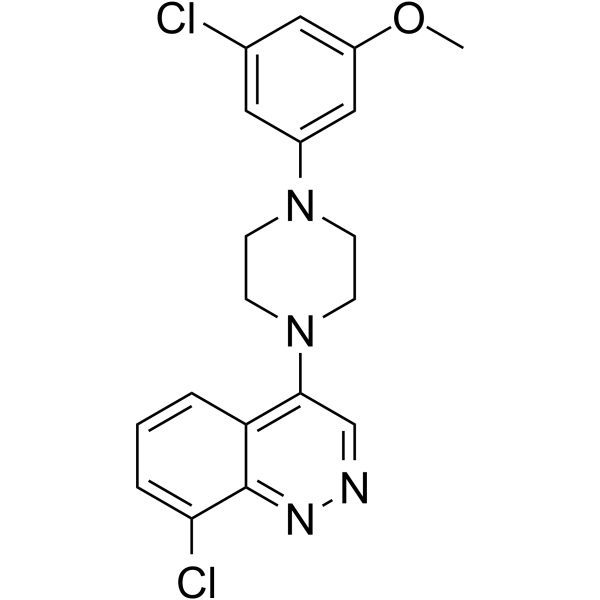
GPX4-IN-12 (compound I22) is a non-covalent GPX4 inhibitor. GPX4-IN-12 induces ferroptosis and inhibits cell growth of HT1080 cells .
|
-
-
- HY-162716
-
|
|
Ferroptosis
|
Cancer
|
|
GPX4-IN-10 (compound I20) is a non-covalent GPX4 inhibitor. GPX4-IN-10 induces ferroptosis and inhibits cell growth of HT1080 cells .
|
-
-
- HY-161930
-
|
|
PROTACs
Ferroptosis
|
Cancer
|
|
PROTAC GPX4 degrader-3 is a potent PROTAC GPX4 degrader with a DC50 (24h) of 0.019 μM and an IC50 of 0.024 μM in HT1080 cell .
|
-
-
- HY-161948
-
|
|
Ferroptosis
|
Cancer
|
|
Ferroptosis inducer-4 (Compound 5) is a ferroptosis (Ferroptosis) inducer with a structure featuring terminal double bonds introduced at the sn-2 position of phospholipids. Ferroptosis inducer-4 exhibits significant cytotoxicity towards HT-1080 cells, with an IC50 of 18 μM. This cytotoxic mechanism involves the generation of lipid peroxides and oxidative damage to the cell membrane triggered by the terminal double bonds. Ferroptosis inducer-4 can be used for research on ferroptosis regulation .
|
-
-
- HY-N15657
-
|
|
Apoptosis
COX
Caspase
Microtubule/Tubulin
Monoamine Oxidase
|
Cancer
|
|
Geiparvarin is an anticancer agent and an inhibitor of MAO-B (pIC50 = 6.84 μM). Geiparvarin exerts anti-tumor effects by downregulating COX2 expression and inhibiting angiogenesis. Geiparvarin blocks the cell cycle at the G1 phase and induces apoptosis of cancer cells. Geiparvarin has anti-microtubule activity and destroys the cytoskeleton to exert anti-proliferative effects. Geiparvarin has research significance for lung cancer, leukemia, and breast cancer .
|
-
-
- HY-168093
-
|
|
Ferroptosis
|
Cancer
|
|
Cetzole (Compound 1) is a ferroptosis inducer that induces cell death through ROS accumulation. The CC50 values of Cetzole for NCI-H522, NCI-H522 GFP-SCL7A11 #8, NCI-H522 RV-GFP, HT-1080, NARF2, and MDA-MB-231 are 2.56, 10.31, 2.71, 3.07, 14.9, and 6.28 μM, respectively. Cetzole holds potential for research in the field of cancer .
|
-
-
- HY-170959
-
|
|
Ferroptosis
|
Neurological Disease
Metabolic Disease
|
|
NYY-6a is a Ferroptosis inhibitor. NYY-6a shows significant inhibitory activity against RSL3-induced ferroptosis across 786-O and HT-1080 cells with EC50s of 52 and 50 nM, respectively. NYY-6a functions as a radical trapping antioxidant (RTA) with efficacy of diminishing lipid peroxidation comparable to ferrostatin-1 and liproxtatin-1. NYY-6a is potential for ferroptosis related pathologies reasearch .
|
-
-
- HY-169382
-
|
|
Melatonin Receptor
|
Cancer
|
|
Melatonin-Tamoxifen Conjugate (compound 16c) is an anticancer drug conjugate composed of Melatonin (HY-B0075) and Tamoxifen (HY-13757A), which is a potent antagonist of ERα (IC50=863 nM). Melatonin-Tamoxifen Conjugate binds to MLT receptor (Ki=3.1 nM) and promotes β-arrestin (EC50=914 nM) and ERK activation (EC50=98 nM) in cells expressing hMT1 receptor. Melatonin-Tamoxifen Conjugate against several common cell lines MCF-7, MDA-MB-231, and HT-1080 with IC50s of 6.8 μM, 6.4 μM, and 1.7 μM, respectively.
|
-
-
- HY-N9596S
-
|
|
Isotope-Labeled Compounds
Bacterial
|
Cancer
|
|
Stigmasta-4,22-dien-3-one-d5 is the deuterium labeled Stigmasta-4,22-dien-3-one (HY-N9596). Stigmasta-4,22-dien-3-one is an antitubercular agent. Stigmasta-4,22-dien-3-one shows cytotoxicity against human HT1080 tumoral cell line with an IC50 of 0.3 mM .
|
-
-
- HY-143234
-
|
|
Isocitrate Dehydrogenase (IDH)
|
Cancer
|
|
mIDH1-IN-1 (compound 43) is a potent and selective mIDH1 (mutant isocitrate dehydrogenases 1) inhibitor, with an IC50 of 961.5 nM. mIDH1-IN-1 potently inhibits intracellular 2-HG (2-hydroxyglutarate) production in HT1080 cells, with an EC50 of 208.6 ± 8.0 nM. mIDH1-IN-1 shows a significant anti-proliferation activity on IDH1 mutant-U-87 cells, with an IC50 of 41.8 nM. mIDH1-IN-1 is an antitumor agent, and can be used for IDH1 mutated solid tumors research .
|
-
-
- HY-149670
-
|
|
Ferroptosis
|
Inflammation/Immunology
|
|
Ferroptosis-IN-3 (Compound 25) is a ferroptosis inhibitor. Ferroptosis-IN-3 inhibits RSL3-induced ferroptosis (EC50: 8.6?nM in HT-1080?cells). Ferroptosis-IN-3 scavenges DPPH and ABTS radicals (EC50: 3.94?and 6.3 μM respectively). Ferroptosis-IN-3 decreases lipid peroxidation .
|
-
-
- HY-161972
-
|
|
HyT
Ferroptosis
Glutathione Peroxidase
|
Cancer
|
|
ZX782 is a HyT GPX4 degrader and a ferroptosis inducer, which induces GPX4 degradation and significantly increases lipid ROS accumulation in HT1080 cells. ZX782 can be used to treat AD by reducing the size and/or number of brain amyloid plaques and by inhibiting the spread of IL-1beta-positive microglial-like cells around amyloid plaques. ZX782 is labeled with hydrophobic benzyl alcohol (HBA) and appears bright blue under acidic conditions, which can be used for quantitative determination . ZX782 is composed of target protein ligand (red part) ML-210 (HY-100003), PROTAC linker (black part) Bromo-PEG2-CH2-Boc (HY-141371) and Hty molecule (blue part) Adamantan-1-ylmethanamine (HY-W037848). The conjugate consisting of Hyt and linker parts is Adamantan-C-amide-PEG2-C-Br (HY-161974), and the activity control of the target protein ligand is Hydroxyl-ML-210 (HY-161973).
|
-
-
- HY-162631
-
|
|
Apoptosis
Isocitrate Dehydrogenase (IDH)
|
Cancer
|
|
IDH1 Inhibitor 9 (compound 11S) is a potent IDH1 inhibitor with IC50 values of 124.4, 95.7 nM for IDH1 R132H, IDH1 R132C, respectively. IDH1 Inhibitor 9 induces apoptosis and cell cycle arrest at the S phase. IDH1 Inhibitor 9 shows anti-tumor activity .
|
-
-
- HY-159567
-
|
|
Ferroptosis
|
Cardiovascular Disease
Neurological Disease
|
|
Ferroptosis-IN-11 (compound 43) is a ferroptosis inhibitor. Ferroptosis-IN-11 can inhibit Erastin (HY-15763) induced ferroptosis in HT-1080 human fibroblasts (EC50=36 nM). Ferroptosis-IN-11 can be used in the study of cardiovascular disease and neurodegeneration .
|
-
-
- HY-120015
-
|
|
MMP
|
Cancer
|
|
BE-16627B is a metalloproteinase inhibitor. BE-16627B can be isolated from microbial cultures. BE-16627B can inhibit metalloproteinases in enzyme assays. BE-16627B reduces the number and size of HT1080 cell nodules on lung surface in mouse models. BE-16627B inhibits growth of HT1080 cells in mice. BE-16627B can be studied in anti-cancer research .
|
-
-
- HY-176404
-
|
|
HSP
|
Cancer
|
|
DDO-6691 is a heat shock protein 90 (HSP90) inhibitor. DDO-6691 has antiproliferative effects on a variety of tumor cells, with HCT-116 colon cancer cells being the most sensitive (IC50: 1.08 μM). DDO-6691 exhibits potent tumor growth inhibition in the HCT-116 xenograft mouse model .
|
-
-
- HY-100579R
-
|
Fer-1 (Standard)
|
Ferroptosis
Reference Standards
Fungal
|
Cancer
|
|
Ferrostatin-1 (Standard) is the analytical standard of Ferrostatin-1 (HY-100579). This product is intended for research and analytical applications. Ferrostatin-1 (Fer-1), a potent and selective ferroptosis inhibitor, suppresses Erastin-induced ferroptosis in HT-1080 cells (EC50=60 nM). Ferrostatin-1, a synthetic antioxidant, acts via a reductive mechanism to prevent damage to membrane lipids and thereby inhibits cell death. Ferrostatin-1 exhibits antifungal activity .
|
-
-
- HY-115465
-
|
|
DNA/RNA Synthesis
|
Cancer
|
|
Rev1-CT/RIR PPI-IN-1 (Compound 1) is a thiophene-based compound. Rev1-CT/RIR PPI-IN-1 can specifically disrupt the protein-protein interaction between Rev1-CT and RIR, with an IC50 value of 2.5 µM. Rev1-CT/RIR PPI-IN-1 can enhance chemosensitivity and reduce the mutation rate in Cisplatin (HY-17394)-sensitive HT-1080 cells. Rev1-CT/RIR PPI-IN-1 can be used for tumor research .
|
-
-
- HY-181598
-
|
|
HyT
Glutathione Peroxidase
Ferroptosis
Reactive Oxygen Species (ROS)
|
Cancer
|
|
GPX4 degrader-1 (Compound RS-1) is a hydrophobic tagging (HyT)-mediated GPX4 degrader (DC50: 8.9 nM in HT1080 cells) GPX4 degrader-1 induces GPX4 degradation. GPX4 degrader-1 induces Ferroptosis. GPX4 degrader-1 increases lipid ROS. GPX4 degrader-1 demonstrates potent antitumor efficacy in a murine mammary carcinoma model .
|
-
-
- HY-183232
-
|
|
Necroptosis
|
Cancer
|
|
SRS6-11 is an iron death-independent necrotic cell death (Necrosis) inducer. SRS6-11 retains significant lethality in the presence of α-tocopherol (HY-W020044). SRS6-11 can be used in fibrosarcoma research .
|
-
-
- HY-182419
-
|
|
MetAP
|
Cancer
|
|
A-849519 is a reversible methionine aminopeptidase-2 (MetAP-2) inhibitor with an IC50 of 19 nM. A-849519 binds to the active site of the Mn 2+ form of human MetAP-2, where the oxygen atom of one acidic functional group interacts with the manganese ion, and another heteroatom binds to the water molecule above the two manganese ions, thereby functionally inhibiting enzyme activity. A-849519 inhibits the methionine processing activity of MetAP-2 as well as the proliferation of fibrosarcoma cells. A-849519 can be used in studies related to fibrosarcoma .
|
-
-
- HY-123153
-
|
|
Isocitrate Dehydrogenase (IDH)
|
Cancer
|
|
GSK990 is an inactive mutant IDH1 inhibitor with no significant inhibitory activity against wild-type or mutant IDH1/IDH2 enzymes. In experiments, GSK990 can serve as an inactive negative control for the IDH1 inhibitor GSK321 (HY-18948). GSK990 is applicable to the research of acute myeloid leukemia .
|
-
-
- HY-186196
-
|
|
Ferroptosis
Reactive Oxygen Species (ROS)
|
Cancer
|
|
Fentomycin-1 is a ferroptosis inducer. Fentomycin-1 activates lysosomal iron 2+ under acidic conditions with hydrogen peroxide to form a reactive iron-oxo species, which induces oxidative degradation, oxidation, and lipolysis of membrane phospholipids, triggering ferroptosis. Fentomycin-1 can be used for the research of pancreatic ductal adenocarcinoma, breast cancer metastasis, and melanoma .
|
-
-
- HY-183589
-
|
|
Ferroptosis
Reactive Oxygen Species (ROS)
|
Metabolic Disease
|
|
Ferroptosis-IN-26 is a CEPT1-targeting ferroptosis inhibitor. Ferroptosis-IN-26 enhances CEPT1-dependent phosphatidylcholine remodeling to enrich cellular membranes with monounsaturated fatty acid-containing phosphatidylcholine (PC-MUFA). Ferroptosis-IN-26 suppresses lipid peroxidation. Ferroptosis-IN-26 can be used for the research of acute liver injury .
|
-
| Cat. No. |
Product Name |
Target |
Research Area |
-
- HY-159771
-
|
|
FAP
|
Cancer
|
|
FAP6-19 is a fibroblast activation protein (FAP) targeting radioligand with a Kd of 18.2 nM. FAP6-19 selectively delivers therapeutic radioactive nuclides (such as 177Lu) to the tumor site by targeting the overexpressed FAP protein in the tumor microenvironment, achieving precise killing of cancer cells while minimizing radiation damage to healthy tissues. FAP6-19 exhibits extremely high total cellular uptake and good intracellular retention ability in HT1080 cells. After being labeled with 111In, FAP6-19 produced extremely high tumor/kidney and tumor/liver dose ratios in the mouse model with 4T1 tumors. FAP6-19 can be used in the research of solid tumors expressing FAP.
|
| Cat. No. |
Product Name |
Category |
Target |
Chemical Structure |
| Cat. No. |
Product Name |
Chemical Structure |
-
- HY-N9596S
-
|
|
|
Stigmasta-4,22-dien-3-one-d5 is the deuterium labeled Stigmasta-4,22-dien-3-one (HY-N9596). Stigmasta-4,22-dien-3-one is an antitubercular agent. Stigmasta-4,22-dien-3-one shows cytotoxicity against human HT1080 tumoral cell line with an IC50 of 0.3 mM .
|
-
| Cat. No. |
Product Name |
|
Classification |
-
- HY-178370
-
|
|
|
Alkynes
|
|
Ferroptosis inducer-12 is a potent and selective ferroptosis inducer. Ferroptosis inducer-12 exhibits potent antiproliferative activity against HT1080 and OS-RC-2, with IC50 values of 3 nM and 5 nM, respectively. Ferroptosis inducer-12 strongly inhibits GPX4 enzymatic activity, induces intracellular ROS and elevates intracellular Fe 2+ levels in OS-RC-2 cells. Ferroptosis inducer-12 significantly inhibits tumor growth in BALB/c nude mice bearing OS-RC-2 xenografts. Ferroptosis inducer-12 can be used for the study of cancer .
|
-
- HY-168093
-
|
|
|
Alkynes
|
|
Cetzole (Compound 1) is a ferroptosis inducer that induces cell death through ROS accumulation. The CC50 values of Cetzole for NCI-H522, NCI-H522 GFP-SCL7A11 #8, NCI-H522 RV-GFP, HT-1080, NARF2, and MDA-MB-231 are 2.56, 10.31, 2.71, 3.07, 14.9, and 6.28 μM, respectively. Cetzole holds potential for research in the field of cancer .
|
Your information is safe with us. * Required Fields.
Inquiry Information
- Product Name:
- Cat. No.:
- Quantity:
- MCE Japan Authorized Agent:

