Search Result
Results for "
Lymphoma cell lines
" in MedChemExpress (MCE) Product Catalog:
| Cat. No. |
Product Name |
Target |
Research Areas |
Chemical Structure |
-
- HY-148026
-
|
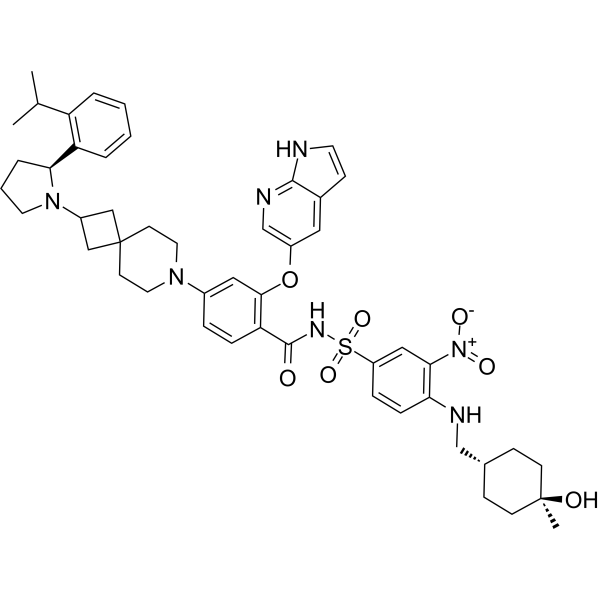
BGB 11417
|
Bcl-2 Family
|
Cancer
|
|
Sonrotoclax is a potent, orally active Bcl2 inhibitor. Sonrotoclax has effective cell killing effect against a variety of lymphoma and leukemia cell lines .
|
-
-
- HY-128586
-
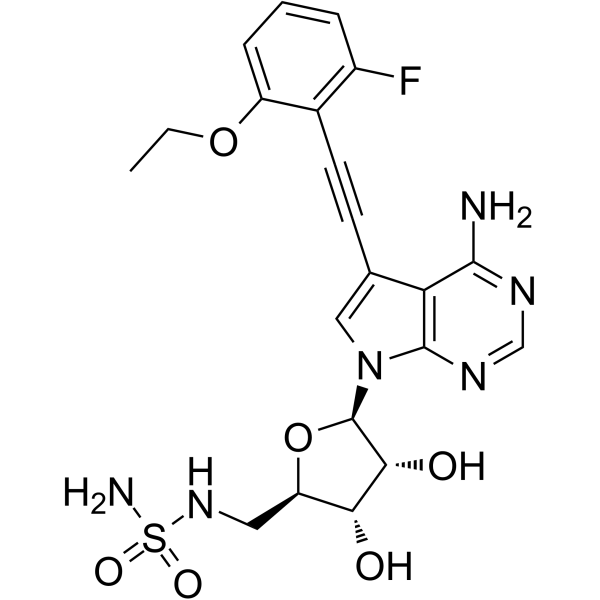
TAS4464
Maximum Cited Publications
9 Publications Verification
|
Apoptosis
Carbonic Anhydrase
NEDD8-activating Enzyme
|
Cancer
|
|
TAS4464 is a long-acting, highly selective covalent inhibitor targeting NEDD8-activating enzyme (NAE) (IC50=0.955 nM), and also inhibits CAII with an IC50 of 0.73 μM, which is less potent than MLN4924 (HY-70062). The IC50 values of TAS4464 against other E1 enzymes UAE and SAE are 449 nM and 1280 nM, respectively. TAS4464 targets NEDD8 in an ATP-dependent manner to inhibit NAE, blocks the neddylation pathway, causes accumulation of CRL ubiquitin ligase substrates (such as CDT1, p27, phosphorylated IκBα), and further induces tumor cell apoptosis. TAS4464 exhibits antiproliferative and cytotoxic effects, and has broad-spectrum antitumor activity against various hematologic and solid tumor cell lines as well as patient-derived tumor cells. TAS4464 has a wide selcetive window, without obvious toxicity. TAS4464 can be used in the research of hematologic malignancies (leukemia, lymphoma, multiple myeloma, etc.) and solid tumors (small cell lung cancer, colorectal cancer, sarcoma, endometrial cancer, ovarian cancer, etc.) .
|
-
-
- HY-145729
-
|
AZD9150
|
STAT
Apoptosis
|
Cancer
|
|
Danvatirsen (AZD9150) is an antisense oligonucleotide targeting STAT3. Danvatirsen reduces the viability and promotes apoptosis of leukemia cell lines. Danvatirsen inhibits the expression of endogenous STAT3 and its downstream target genes, and reduces the proliferation and tumorigenicity of neuroblastoma and lymphoma cells. Danvatirsen inhibited tumor growth in mouse models of neuroblastoma, lymphoma, and non-small cell lung cancer. Danvatirsen achieves STAT3 mRNA and protein depletion in a mouse model of epidermoid carcinoma. Danvatirsen can be used in research related to lymphoma, myelodysplastic syndrome, acute myeloid leukemia, neuroblastoma and non-small cell lung cancer .
|
-

-
- HY-P1181A
-
|
|
Toll-like Receptor (TLR)
NO Synthase
IKK
Akt
PKC
NF-κB
p38 MAPK
Interleukin Related
|
Cardiovascular Disease
Infection
Inflammation/Immunology
Cancer
|
|
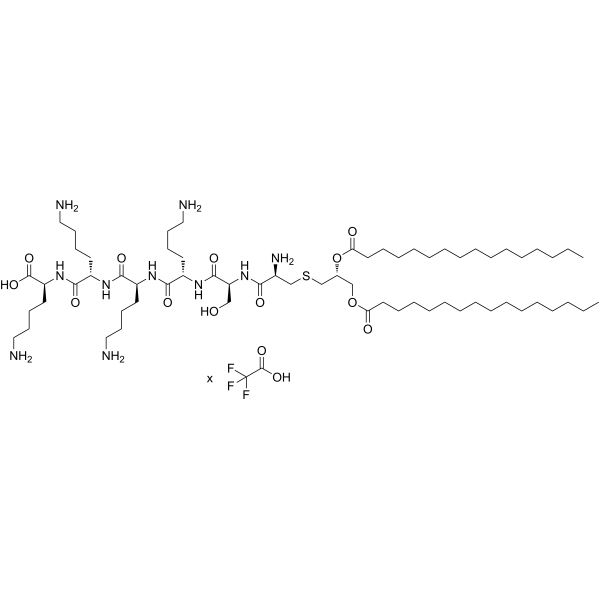
Pam2CSK4 TFA is a TLR2 agonist. Pam2CSK4 TFA induces the expression of iNOS and NO in macrophage cell lines via TBK1 and MyD88 molecules. Pam2CSK4 TFA activates the NF-κB and Bruton's tyrosine kinase signaling pathways in platelets, and promotes platelet-endothelial cell interactions. TLR2 activation triggered by Pam2CSK4 TFA expands myeloid-derived suppressor cells (MDSCs) and suppresses anti-tumor immune responses in the tumor microenvironment. Pam2CSK4 TFA acts as a Th2-polarizing adjuvant in mouse vaccine models against Leishmania major and Brugia malayi. Pam2CSK4 TFA can be used in the research of various diseases, including thromboinflammatory diseases, sepsis, atherosclerosis, heart failure, influenza, lymphoma, melanoma, cutaneous leishmaniasis and lymphatic filariasis .
|
-
-
- HY-128586A
-
|
|
NEDD8-activating Enzyme
Carbonic Anhydrase
Apoptosis
|
Cancer
|
|
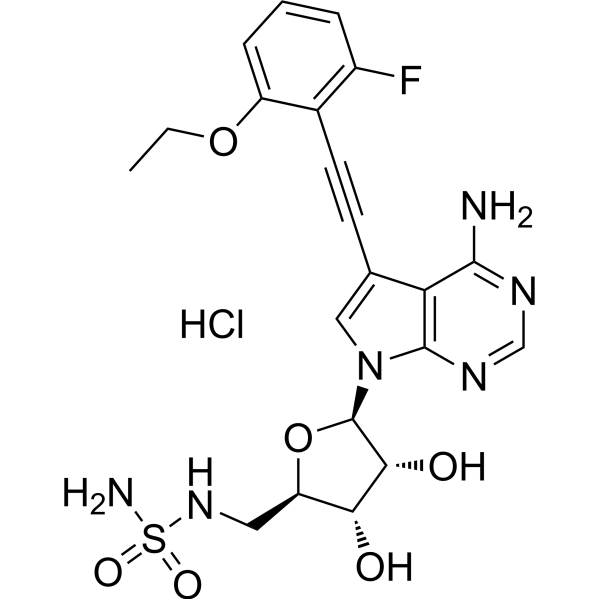
TAS4464 hydrochloride is a long-acting, highly selective covalent inhibitor targeting NEDD8-activating enzyme (NAE) (IC50=0.955 nM), and also inhibits CAII with an IC50 of 0.73 μM, which is less potent than MLN4924 (HY-70062). The IC50 values of TAS4464 hydrochloride against other E1 enzymes UAE and SAE are 449 nM and 1280 nM, respectively. TAS4464 hydrochloride targets NEDD8 in an ATP-dependent manner to inhibit NAE, blocks the neddylation pathway, causes accumulation of CRL ubiquitin ligase substrates (such as CDT1, p27, phosphorylated IκBα), and further induces tumor cell apoptosis. TAS4464 hydrochloride exhibits antiproliferative and cytotoxic effects, and has broad-spectrum antitumor activity against various hematologic and solid tumor cell lines as well as patient-derived tumor cells. TAS4464 hydrochloride has a wide therapeutic window, without obvious toxicity. TAS4464 hydrochloride can be used in the research of hematologic malignancies (leukemia, lymphoma, multiple myeloma, etc.) and solid tumors (small cell lung cancer, colorectal cancer, sarcoma, endometrial cancer, ovarian cancer, etc.) .
|
-
-
- HY-160167
-
|
DZD8586
|
Src
Btk
|
Inflammation/Immunology
Cancer
|
|
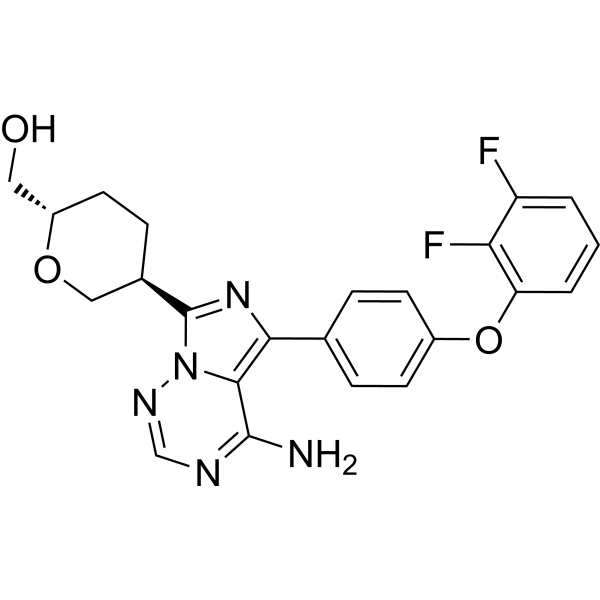
Birelentinib (DZD8586) is an orally effective, selective, non-covalent inhibitor targeting LYN tyrosine kinase and BTK tyrosine kinase, capable of penetrating the blood-brain barrier. Birelentinib exhibits concentration-dependent antiproliferative effects in RI-1 cells and diffuse large B-cell lymphoma (DLBCL) cell lines carrying BTK resistance mutations (such as C481X, V416L, etc.). Birelentinib blocks both BTK-dependent and independent signaling of the B-cell receptor (BCR), thereby inhibiting tumor cell proliferation and inducing cell death. Birelentinib can be used in research to overcome resistance to existing covalent and non-covalent BTK inhibitors in B-cell non-Hodgkin lymphoma (B-NHL) .
|
-
-
- HY-P1181
-
|
|
Toll-like Receptor (TLR)
NO Synthase
IKK
Akt
PKC
NF-κB
p38 MAPK
Interleukin Related
|
Cardiovascular Disease
Infection
Inflammation/Immunology
Cancer
|
|
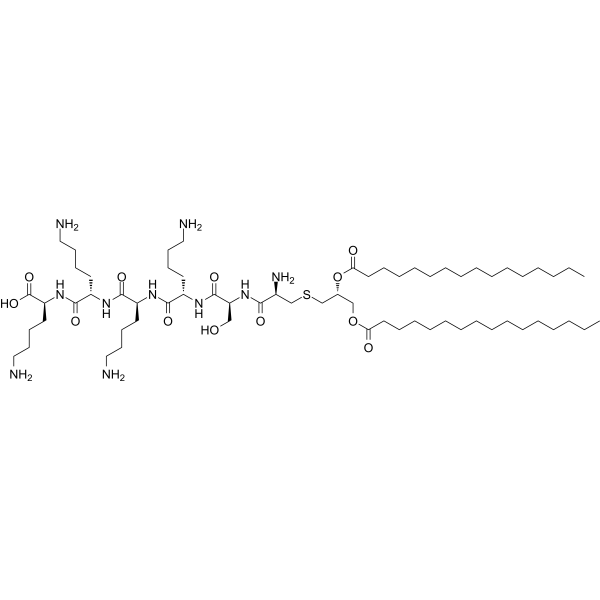
Pam2CSK4 is a TLR2 agonist. Pam2CSK4 induces the expression of iNOS and NO in macrophage cell lines via TBK1 and MyD88 molecules. Pam2CSK4 activates the NF-κB and Bruton's tyrosine kinase signaling pathways in platelets, and promotes platelet-endothelial cell interactions. TLR2 activation triggered by Pam2CSK4 expands myeloid-derived suppressor cells (MDSCs) and suppresses anti-tumor immune responses in the tumor microenvironment. Pam2CSK4 acts as a Th2-polarizing adjuvant in mouse vaccine models against Leishmania major and Brugia malayi. Pam2CSK4 can be used in the research of various diseases, including thromboinflammatory diseases, sepsis, atherosclerosis, heart failure, influenza, lymphoma, melanoma, cutaneous leishmaniasis and lymphatic filariasis .
|
-
-
- HY-145729A
-
|
AZD9150 sodium
|
STAT
Apoptosis
|
Cancer
|
|
Danvatirsen sodium (AZD9150 sodium) is an antisense oligonucleotide targeting STAT3. Danvatirsen sodium reduces the viability and promotes apoptosis of leukemia cell lines. Danvatirsen sodium inhibits the expression of endogenous STAT3 and its downstream target genes, and reduces the proliferation and tumorigenicity of neuroblastoma and lymphoma cells. Danvatirsen sodium inhibited tumor growth in mouse models of neuroblastoma, lymphoma, and non-small cell lung cancer. Danvatirsen sodium achieves STAT3 mRNA and protein depletion in a mouse model of epidermoid carcinoma. Danvatirsen sodium can be used in research related to lymphoma, myelodysplastic syndrome, acute myeloid leukemia, neuroblastoma and non-small cell lung cancer .
|
-

-
- HY-122829
-
|
|
PROTACs
BCL6
|
Cancer
|
|
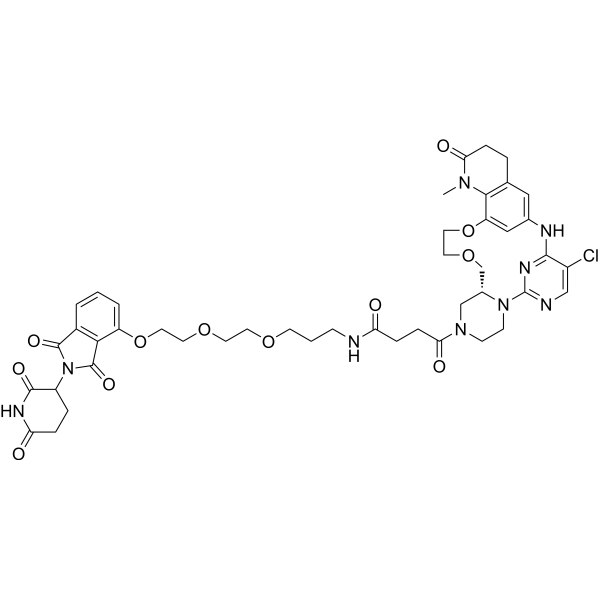
BCL6 PROTAC 1 is a selective B-cell lymphoma 6 (BCL6) PROTAC. BCL6 PROTAC 1 inhibits BCL6 cell reporter with an IC50 value of 8.8 µM. BCL6 PROTAC 1 significantly degrades BCL6 in diffuse large B-cell lymphoma (DLBCL) cell lines. BCL6 PROTAC 1 can be used in tumor related research .
|
-
-
- HY-W784565
-
|
|
DNA/RNA Synthesis
|
Cancer
|
|
5-Fluorouridine 5'-phosphate is an ODCase (orotidine-5′-monophosphate decarboxylase) inhibitor, with a Ki value of 98 µM for human ODCase and a Ki value of 645 µM for Methanobacterium ODCase. 5-Fluorouridine 5'-phosphate exhibits inhibitory activity against leukemia and lymphoma cell lines and can be used in cancer research .
|
-

-
- HY-176165
-
|
|
CDK
Histone Methyltransferase
|
Cancer
|
|
CDK9/EZH2-IN-1 (Compound D16) is a CDK9/EZH2 dual-target inhibitor (IC50: 83.9/108.6 nM). CDK9/EZH2-IN-1 induces apoptosis and DNA double-strand breaks (DSBs). CDK9/EZH2-IN-1 inhibits the proliferation activity of MKN45, MDA-MB-453 and SW620 cancer cells (IC50 values are 136.3, 171.3 and 315.7 nM, respectively) .
|
-

-
- HY-175541
-
|
|
PROTACs
Btk
|
Cancer
|
|
TQ-3959 is an orally active BTK PROTAC degrader, with a DC50 of 14.6 nM. TQ-3959 exerts antiproliferative activity against both wild-type BTK and C481S mutant BTK cell lines. TQ-3959 exhibits tumor growth inhibition in female NOD-SCID mice bearing TMD-8 xenografts. TQ-3959 can be used in the research on B-cell malignancies such as lymphoma.(Pink: BTK ligand (HY-150885), Blue: CRBN Ligand (HY-W733888), Black: Linker (HY-W061884), E3 ligase ligand-linker conjugate (HY-175545)) .
|
-

-
- HY-153320
-
|
|
MAP3K
|
Cancer
|
|
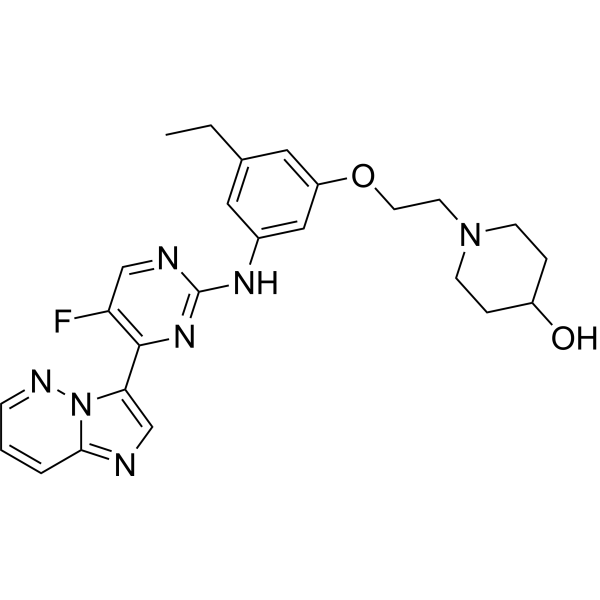
AZ-TAK1, an ATP-competitive small molecule inhibitor of TAK1, dephosphorylates TAK1, p38, and IκB-α in lymphoma cell lines .
|
-
-
- HY-160245
-
|
|
Btk
|
Others
|
|
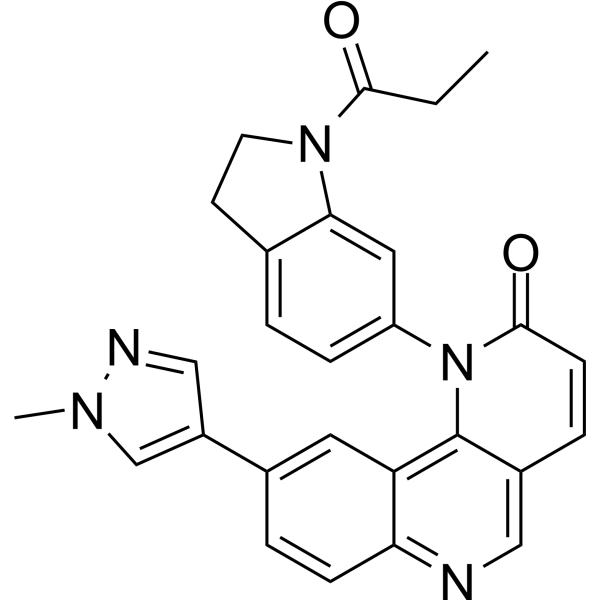
QL47R is an approximately isosteric analogue of QL47 (HY-80003). QL47R dose not inhibit the biochemical kinase activity of BTK at concentrations below 10 μM. QL47R dose not display antiproliferative activity on B-Cell Lymphoma Cell Lines at concentrations of less than 10 μM .
|
-
-
- HY-177755
-
|
|
Molecular Glues
BCL6
|
Cancer
|
|
BCL6-IN-10 (Compound 6) is a selective partially degradable molecular glue inhibitor that targets the BTB domain of BCL6 with an IC50 of 4 nM. BCL6-IN-10 shows anti-proliferative effect in diffuse large B-cell lymphoma (DLBCL) cell lines. BCL6-IN-10 can be used for the research of cancer .
|
-

-
- HY-128910
-
|
|
Drug-Linker Conjugates for ADC
Microtubule/Tubulin
|
Cancer
|
|
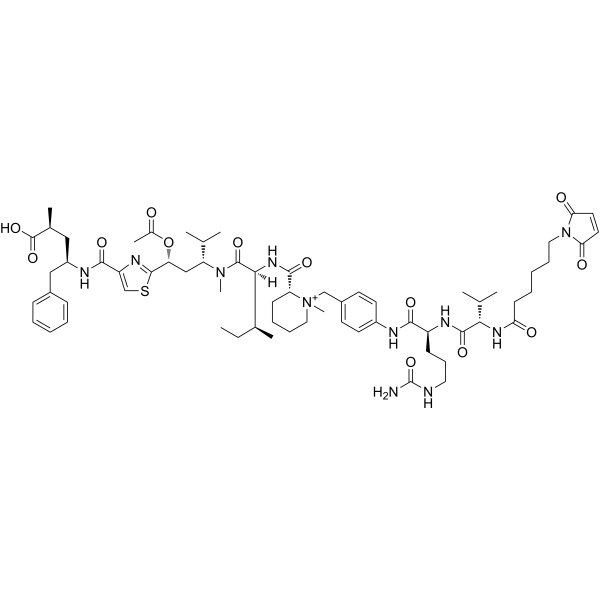
MC-VC(S)-PABQ-Tubulysin M is a synthetic ADC drug-linker conjugate composed of the tubulin polymerization inhibitor Tubulysin M (an ADC Cytotoxin) (HY-N7053) and MC-VC(S)- PABQ (an ADC linker) is connected. MC-VC(S)-PABQ-Tubulysin M is effective against multidrug-resistant lymphoma cell lines and tumors .
|
-
-
- HY-149726
-
|
|
Histone Methyltransferase
|
Cancer
|
|
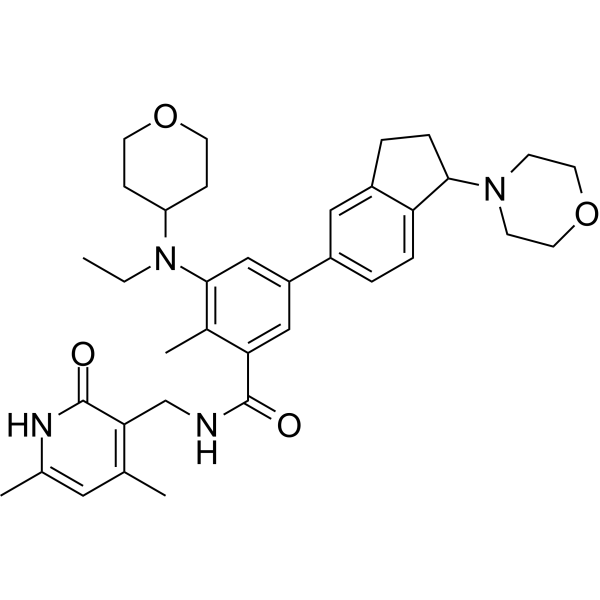
EZH2-IN-17 (compound 28) is a potent and orally active EZH2 inhibitor with an IC50 value of 0.95 nM. EZH2-IN-17 exhibits high anti-proliferation activity against different lymphoma cell lines including WSU-DLCL2, Pfeiffer and Karpas-422 (IC50 values of 2.36 nM, 1.73 nM, and 1.82 nM, respectively) .
|
-
-
- HY-185206
-
|
|
PROTACs
Itk
NF-κB
|
Cancer
|
|
BSJ-05-037 is an ITK PROTAC degrader that effectively targets and degrades ITK in T-cell lymphoma cell lines. BSJ-05-037 blocks the activation of the NF-κB/GATA-3 signaling pathway, inhibits PLCγ1 phosphorylation, and reduces the proliferative capacity of T-cell lymphoma cells. BSJ-05-037 enhances the sensitivity of T-cell lymphoma cells to chemotherapy. In mouse models of T-cell lymphoma, BSJ-05-037 induces ITK degradation, reduces GATA-3 expression, decreases tumor volume, and reverses chemotherapy resistance. BSJ-05-037 is applicable to research related to T-cell lymphoma .
|
-

-
- HY-117622
-
|
|
IRAK
|
Inflammation/Immunology
Cancer
|
|
ND-2110 is a selective IRAK4 inhibitor (Ki: 7.5 nM). ND-2110 binds to the ATP pocket of IRAK4. ND-2110 targets
the subset of activated B cell-like (ABC) subtype of diffuse large B cell lymphoma (DLBCL) cell lines with MYD88 L265P mutations,. ND-2110 inhibits LPS-induced TNF production, alleviates collagen-induced arthritis, and blocks gout formation in mouse models .
|
-

-
- HY-179075
-
|
|
PROTACs
BCL6
IKZF Family
|
Cancer
|
|
PROTAC BCL6/IKZF1/3 Degrader-1 is a selective and orally active BCL6 and IKZF1/3 PROTAC degrader. PROTAC BCL6/IKZF1/3 Degrader-1 exhibits superior antiproliferative effects in various germinal center B-cell-like (GCB) and activated B-cell-like (ABC) diffuse large B-cell lymphoma (DLBCL) cell lines. PROTAC BCL6/IKZF1/3 Degrader-1 can be used for the research of cancer, such as lymphoma . (Structure Note: Pink: BCL6/IKZF1/3 ligand (HY-179064); Blue: CRBN ligand (HY-41547); Black: linker (HY-42427); CRBN ligand-Linker: (HY-179066))
|
-

-
- HY-120406
-
|
|
Btk
Akt
mTOR
p38 MAPK
ERK
CCR
Apoptosis
|
Cancer
|
|
LPS-123 is a covalently irreversible BTK inhibitor with an IC50 of < 5 nM. LPS-123 simultaneously inhibits the catalytic activity of BTK at Tyr551 and its self-activation at Tyr223. LPS-123 inhibits phosphorylation of the AKT/mTOR and MAPK signaling pathways, activation of PLCγ2, ERK1/2, p38, AKT, and mTOR, and blocks the production of CCL3 and CCL4 chemokines. LPS-123 exhibits significant anti-proliferative activity against various B-cell lymphoma cell lines and effectively induces apoptosis via a caspase-dependent pathway. LPS-123 also demonstrates significant antitumor activity in the OCI-Ly7 xenograft model. LPS-123 can be used for lymphoma research .
|
-

-
- HY-141599
-
|
ADCT 301
|
Antibody-Drug Conjugates (ADCs)
Interleukin Related
|
Cancer
|
|
Camidanlumab tesirine (ADCT 301) is an ADC comprising HuMax-TAC, a human IgG1 mAb directed against human CD25, stochastically conjugated through a dipeptide cleavable linker to a pyrrolobenzodiazepine (PBD) dimer warhead. Camidanlumab tesirine has a drug–antibody ratio (DAR) of 2.3. Camidanlumab tesirine binds human CD25 with picomolar affinity. Camidanlumab tesirine has highly potent and selective cytotoxicity against a panel of CD25-expressing human lymphoma cell lines .
|
-

-
- HY-176701
-
|
|
Histone Methyltransferase
|
Cancer
|
|
PRMT5-MTA-IN-4 (Compound 30) is a potent irreversible protein arginine methyltransferase 5 (PRMT5) inhibitor (IC50=8 nM). PRMT5-MTA-IN-4 blocks arginine methylation, inhibiting ribosomal RNA processing and cell cycle-related protein expression. PRMT5-MTA-IN-4 exhibits antiproliferative activity in multiple tumor cell lines (e.g., IC50=0.3 μM in DLD-1 cells). PRMT5-MTA-IN-4 is promising for research of hematological malignancies, such as acute myeloid leukemia, diffuse large B-cell lymphoma .
|
-

-
- HY-156292
-
|
|
Histone Methyltransferase
|
Cancer
|
|
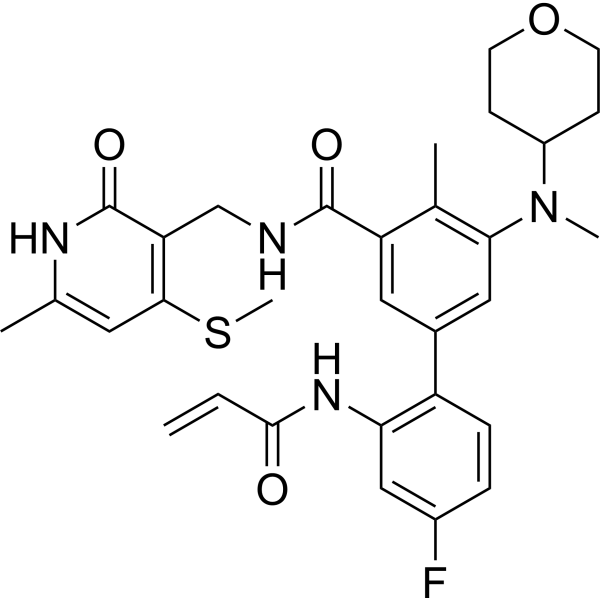
IHMT-EZH2-426 (compound 38) is an effective covalent EZH2 degrader, with IC50 values of 1.3 nM, 1.2 nM, and 1.7-3.5 nM for EZH2 wild type, EZH2-A687V, and EZH2-Y641F/Y641N/Y641S, respectively. IHMT-EZH2-426 reduces H3K27me3 and EZH2 levels and shows effective anti-proliferative effects in B-cell lymphoma and TNBC cell lines.
|
-
-
- HY-149221
-
|
|
Apoptosis
|
Cancer
|
|
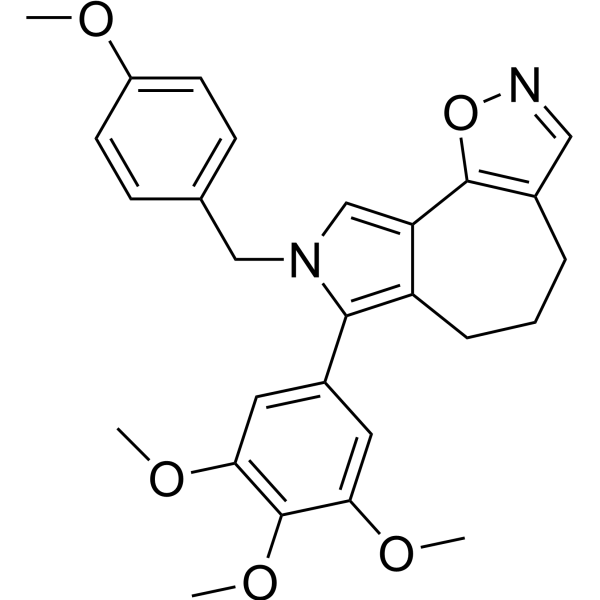
Apoptosis inducer 11 (compound 3u) induces apoptosis through the mitochondrial pathway. Apoptosis inducer 11 induces a block in G2/M, a strong decrease in S phase in non-Hodgkin lymphoma cell lines .
|
-
-
- HY-116708
-
|
|
Histone Methyltransferase
|
Cancer
|
|
DCE_254 is an EZH2 inhibitor (IC50=11 μM) that also exhibits significant antiproliferative activity against lymphoma cell lines. DCE_254 inhibits the development of hypermethylation-related cancers by inhibiting the SAM-mediated methyl transfer process (IC50=10.3 μM) .
|
-

-
- HY-174512
-
|
|
mRNA
|
Cancer
|
|
Human TNFSF8 mRNA encodes the human TNF superfamily member 8 (TNFSF8) protein, a cytokine that belongs to the tumor necrosis factor (TNF) ligand family. TNFSF8 was shown to enhance cell proliferation of some lymphoma cell lines, while to induce cell death and reduce cell proliferation of other lymphoma cell lines.
|
-

-
- HY-137200
-
|
|
Drug Metabolite
|
Cancer
|
|
N-Desmethyl Bendamustine is a metabolite of Bendamustine (HY-13567). N-Desmethyl Bendamustine has cytotoxic effect in several lymphoma cell lines and peripheral blood lymphocytes .
|
-

-
- HY-111537
-
|
|
c-Myc
CDK
Bcl-2 Family
|
Others
|
|
rel-AZ5576 is a selective CDK9 inhibitor with the activity of downregulating Mcl-1 and MYC mRNA transcription and protein expression in diffuse large B-cell lymphoma by inhibiting CDK9, promoting MYC protein turnover, reducing MYC phosphorylation on the stable Ser62 residue and downregulating MYC transcriptional targets, inhibiting the growth of diffuse large B-cell lymphoma cell lines in vitro and in vivo and independent of the cell origin.
|
-

-
- HY-155557
-
|
|
Apoptosis
|
Cancer
|
|
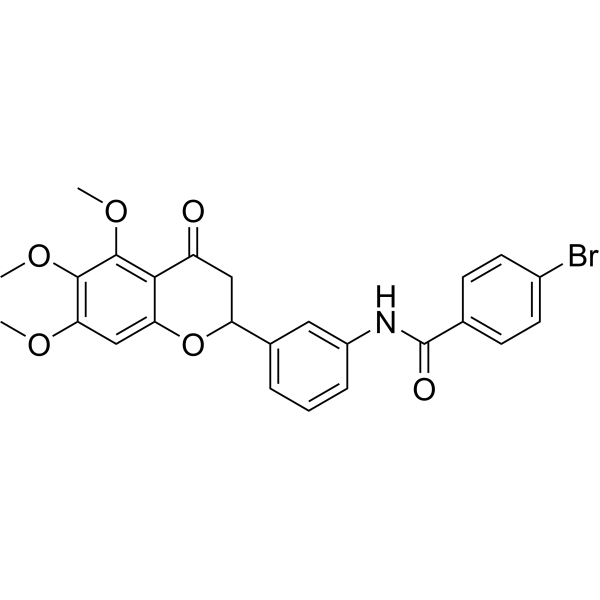
Anti-inflammatory agent 45 (compound 2v) is an anticancer agent with direct inhibitory effects on the growth of different blood cancers including leukemia, lymphoma and myeloma cell lines. Anti-inflammatory agent 45 induces apoptosis and inhibits NO production in HL60 leukemia cells (IC50=14.7 μM) .
|
-
-
- HY-160246
-
|
|
Btk
|
Cancer
|
|
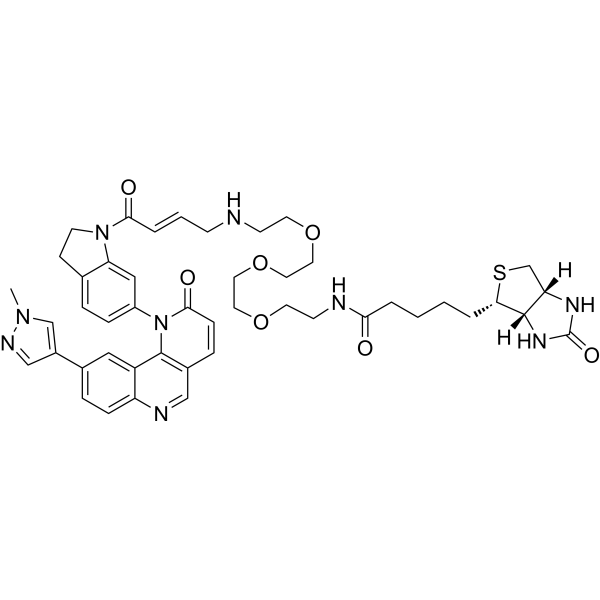
QL47B, a biotinylated analogue of QL47 (HY-80003), is a potent inhibitor of BTK, with an IC50 value of 1.3 μM. QL47B has anti-tumor activity .
|
-
-
- HY-P991555
-
|
|
TNF Receptor
Apoptosis
|
Cancer
|
|
XmAb5485 is an Fc-engineered humanized anti-CD40 monoclonal antibody with high affinity to Fc-γ receptors. XmAb5485 induces potent antibody-dependent cell-mediated cytotoxicity (ADCC) and antibody-dependent cellular phagocytosis (ADCP) against tumor cells. XmAb5485 inhibits proliferation and induces apoptosis of tumor cells. XmAb5485 shows highly cytotoxic against lymphoma, leukemia and multiple myeloma cell lines as well as primary cancer cells .
|
-

-
- HY-144791
-
|
|
Bcl-2 Family
MDM-2/p53
Caspase
Apoptosis
|
Cancer
|
|
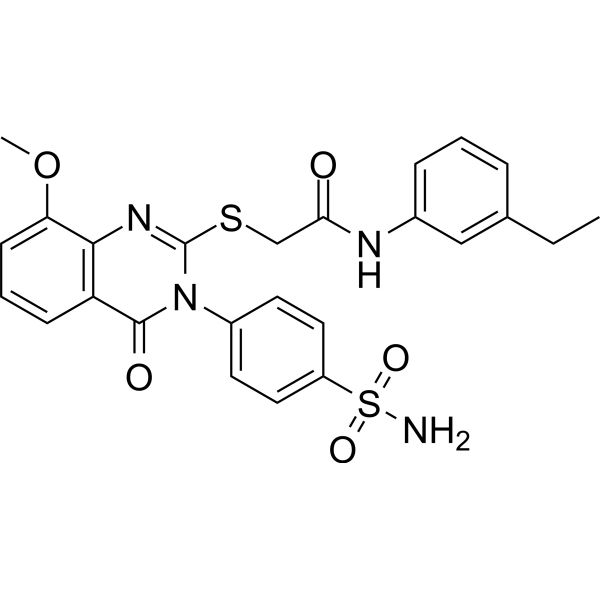
Bcl-2-IN-6 (compound 10) is a potent Bcl-2 (B-cell lymphoma-2) inhibitor. Bcl-2-IN-7 down-regulates the expression of Bcl-2, and increases the expression of p53, Bax, and caspase-7 mRNA. Bcl-2-IN-7 induces cell cycle arrest and apoptosis in breast cancer MCF-7 cells. Bcl-2-IN-7 shows good anticancer activity, with IC50 values of 20.91, 22.30, 42.29, and 48.00 μM against MCF-7, LoVo, HepG2, and A549 cell lines, respectively .
|
-
-
- HY-144792
-
|
|
Bcl-2 Family
MDM-2/p53
Caspase
Apoptosis
|
Cancer
|
|
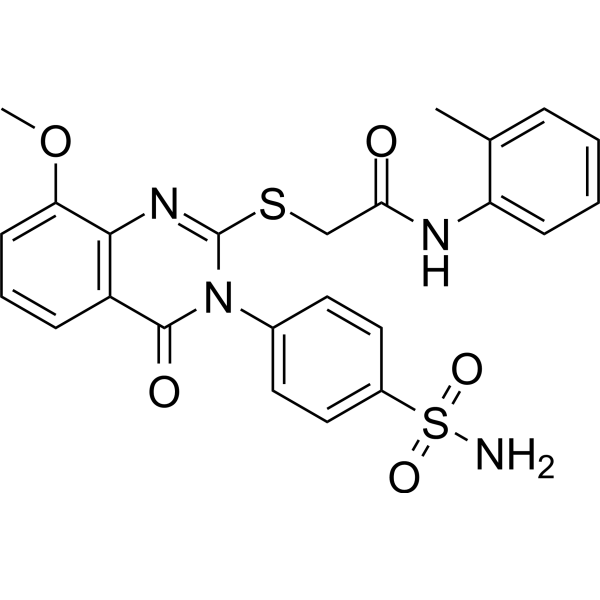
Bcl-2-IN-7 (compound 6) is a potent Bcl-2 (B-cell lymphoma-2) inhibitor. Bcl-2-IN-7 down-regulates the expression of Bcl-2, and increases the expression of p53, Bax, and caspase-7 mRNA. Bcl-2-IN-7 induces cell cycle arrest and apoptosis in breast cancer MCF-7 cells. Bcl-2-IN-7 shows good anticancer activity, with IC50 values of 20.17, 22.64, 45.57, and 51.50 μM against MCF-7, LoVo, HepG2, and A549 cell lines, respectively .
|
-
-
- HY-169684
-
|
|
Fungal
|
Infection
Cancer
|
|
Vaccarin C (Compound VIII) is a cycloheptapeptide with good antifungal activity against pathogenic fungi and dermatophytes M. audouinii and T. mentagrophytes with MIC values of 6 µg/mL. Vaccarin C also has high cytotoxicity against Dalton's lymphoma ascites (DLA) and Ehrlich's ascites carcinoma (EAC) cell lines with IC50 values of 3.35 and 5.72 μM, respectively .
|
-

-
- HY-117540
-
|
|
Histone Methyltransferase
|
Cancer
|
|
ZLD10A is a highly potent and selective EZH2 inhibitor with the activity of inhibiting H3K27 methylation. ZLD10A can inhibit wild-type and mutant EZH2 with nanomolar potency and has more than 1000-fold selectivity for the other 10 histone methyltransferases. ZLD10A inhibited cell proliferation of DLBCL cell lines in a concentration- and time-dependent manner, showing a potential antiproliferative effect. ZLD10A can be used in the study of EZH2 mutant lymphomas .
|
-

-
- HY-15191B
-
|
(S)-BI-97C1
|
Bcl-2 Family
|
Cancer
|
|
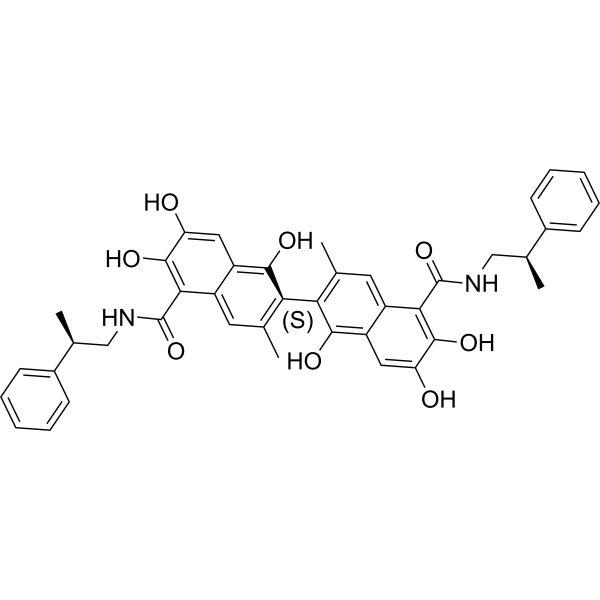
(S)-Sabutoclax ((S)-BI-97C1), an optically pure apogossypol derivative, is pan-active inhibitor of antiapoptotic B-cell lymphoma/leukemia-2 (Bcl-2) family proteins. (S)-Sabutoclax (Compound II) inhibits the binding of BH3 peptides to Bcl-XL, Bcl-2, Mcl-1, and Bfl-1 with IC50 values of 0.31, 0.32, 0.20, and 0.62 μM, respectively. (S)-Sabutoclax also potently inhibits cell growth of human prostate cancer, lung cancer, and lymphoma cell lines with EC50 values of 0.13, 0.56, and 0.049 μM, respectively. (S)-Sabutoclax can be used for the research of apoptosis-based therapies against cancer .
|
-
-
- HY-175002
-
|
|
PI3K
Akt
Apoptosis
|
Cancer
|
|
PI3Kδ-IN-24 is a selective PI3Kδ inhibitor (IC50 = 0.1 nM). PI3Kδ-IN-24 exhibits significant antiproliferative effects against PI3Kδ-overexpressing cancer cell lines. PI3Kδ-IN-24 reduces p-AKT levels and induces cell cycle arrest and apoptosis in tumor cells. PI3Kδ-IN-24 is useful in cancer research, such as diffuse large B-cell lymphoma (DLBCL) .
|
-

-
- HY-115944
-
|
|
Btk
Apoptosis
|
Inflammation/Immunology
Cancer
|
|
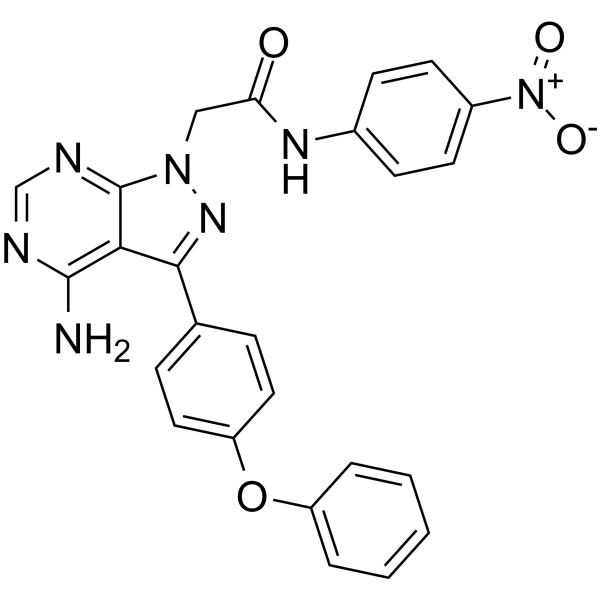
BTK-IN-9 is a reversible BTK inhibitors with potent antiproliferative activity in mantle cell lymphoma. BTK-IN-9 specifically disturbs mitochondrial membrane potential and increases reactive oxygen species level in Z138 cells. BTK-IN-9 also induces cell apoptosis in Z138 cells .
|
-
-
- HY-N14774
-
|
|
Antibiotic
Bacterial
|
Infection
|
|
Lactoquinomycin B is a quinone antibiotic. Lactoquinomycin B has the activity of anti-Gram-positive bacteria and some Gram-negative bacteria, but the effect of anti-Gram-negative bacteria is weak and has no effect on fungi. Lactoquinomycin B inhibits a variety of cell lines including lymphoma L5178Y progenitor, Adriamycin resistant, Bleomycin-resistant, human leukemia K562, mouse leukemia L-1210 and mouse leukemia P 388 with ID50 (μg/mL) of 0.43, 0.21, 0.19, 0.16, 0.2 and 0.12, respectively .
|
-

-
- HY-117285
-
|
Lactoquinomycin A; LQM-A
|
Antibiotic
Bacterial
|
Infection
Cancer
|
|
Lactoquinomycin A is a quinone antibiotic. Lactoquinomycin A has the activity of anti-Gram-positive bacteria and some Gram-negative bacteria, but the effect of anti-Gram-negative bacteria is weak and has no effect on fungi. Lactoquinomycin A inhibits a variety of cell lines including lymphoma L5178Y progenitor, Adriamycin resistant, Bleomycin-resistant, human leukemia K562, mouse leukemia L-1210 and mouse leukemia P 388 with ID50 (μg/mL) of 0.02, 0.006, 0.008, 0.033, 0.013 and 0.03, respectively .
|
-

-
- HY-P990716
-
|
AZD7789
|
PD-1/PD-L1
Tim3
|
Inflammation/Immunology
|
|
Sabestomig (AZD7789) is a monovalent bispecific antibody targeting PD-1 and TIM-3. Sabestomig binds to PD-1 and an epitope in the TIM-3 IgV domain outside the phosphatidylserine-binding cleft, thereby precisely regulating immune responses. Sabestomig promotes IL-2 production, efferocytosis and cross-presentation of tumor antigens, and enhances the release of anti-tumor T cell cytokines, cytotoxicity, and secretion of IFN-γ. Sabestomig inhibits the growth of solid tumors, prolongs the duration of tumor suppression, and significantly enhances anti-tumor responses following anti-PD-1 therapy. Sabestomig has been used in studies related to non-small cell lung cancer and classical Hodgkin lymphoma .
|
-

-
- HY-172889
-
|
|
PI3K
HDAC
Apoptosis
mTOR
Akt
|
Cancer
|
|
PI3K/HDAC-IN-4 (Compound 31f) is a PI3K/HDAC dual inhibitor (IC50: 0.2μM). PI3K/HDAC-IN-4 shows high selectivity for HDAC1-3 (IC50 values of 75.5 nM, 70.9 nM, and 1.9 nM, respectively). PI3K/HDAC-IN-4 is a potent PIK3 inhibitor with IC50 values of 2.5 nM, 80.5 nM, 10.0 nM, and 57.2 nM for PI3Kα, β, δ, and γ, respectively. PI3K/HDAC-IN-4 significantly induces tumor cell apoptosis by simultaneously inhibiting the PI3K/AKT/mTOR signaling pathway and HDAC1-3. PI3K/HDAC-IN-4 exhibits potent antiproliferative activity in a variety of tumor cell lines (e.g., MV4-11, Jeko-1, HL60, and MCF-7, with IC50 values of 0.2, 0.9, 0.8, and 1.5 μM, respectively). PI3K/HDAC-IN-4 can be used in the study of lymphoma and leukemia .
|
-

-
- HY-181565
-
|
|
CDK
|
Metabolic Disease
Inflammation/Immunology
Cancer
|
|
CDK7-IN-33 (formula Ⅰ) is a pyrimidine derivative and also a CDK7 kinase inhibitor. CDK7-IN-33 is applicable to the research of cancer, inflammation, cardiovascular diseases, infectious diseases, immune diseases and metabolic diseases .
|
-

-
- HY-181319
-
|
|
PROTACs
Histone Methyltransferase
IAP
|
Cancer
|
|
PROTAC EZH2 Degrader-21 is an EZH2 degrader developed based on PROTAC technology. PROTAC EZH2 Degrader-21 induces the degradation of the target protein EZH2 via specific recruitment of the cIAP E3 ligase. PROTAC EZH2 Degrader-21 exhibits significant inhibitory activity in a variety of lymphoma cell lines. PROTAC EZH2 Degrader-21 can be used for research on the pathogenesis of lymphoma .
|
-

-
- HY-181300
-
|
|
PROTACs
Histone Methyltransferase
|
Cancer
|
|
PROTAC EZH2 Degrader-17 (compound 52) is a PROTAC protein degrader targeting EZH2 with an antiproliferative IC50 of 18.32 μM in lymphoma cells. PROTAC EZH2 Degrader-17 exhibits antiproliferative activity against lymphoma cells. PROTAC EZH2 Degrader-17 can be used for the research of lymphoma .
|
-

-
- HY-181411
-
|
|
PROTACs
Histone Methyltransferase
|
Cancer
|
|
PROTAC EZH2 Degrader-42 (compound 57) is an EZH2-targeting PROTAC degrader and antiproliferative agent. PROTAC EZH2 Degrader-42 induces cIAP-mediated ubiquitination and subsequent proteasomal degradation of EZH2. PROTAC EZH2 Degrader-42 can be used for the research of lymphoma .
|
-

-
- HY-179499
-
|
|
PROTACs
Histone Methyltransferase
Apoptosis
|
Cancer
|
|
PROTAC EZH2 Degrader-9 is orally active EZH2 PROTAC degrader degrading EZH2 via the ubiquitin-proteasome pathway. PROTAC EZH2 Degrader-9 downregulates PRC2 core subunits and potent inhibition of H3K27me3 without affecting common CRBN neosubstrates while it was selective over GSp'T1 and ikZF1/3. PROTAC EZH2 Degrader-9 exhibits potent antiproliferative activity against multiple cancer cell lines by inducing cell cycle and apoptosis. PROTAC EZH2 Degrader-9 reverses PRC2-mediated gene silencing and inhibiting EZH2 non-catalytic target gene activation. PROTAC EZH2 Degrader-9 can be used for leukemia, lymphoma, and non-small cell lung cancer research .
|
-

-
- HY-182009
-
|
|
DNA Methyltransferase
Apoptosis
Caspase
Mitochondrial Metabolism
|
Cancer
|
|
DNMT-IN-6 is a DNA methyltransferase inhibitor with activity against DNMT1, DNMT3A, and DNMT3B. DNMT-IN-6 drives demethylation, and restores TMS1 tumor suppressor gene expression. DNMT-IN-6 induces apoptosis, causes G2/M phase arrest, disrupts mitochondrial integrity, and activates the intrinsic caspase cascade (3/7/9). DNMT-IN-6 inhibits tumor growth, and improves survival in xenograft models. DNMT-IN-6 can be used for the research of cancer, such as diffuse large B-cell lymphoma .
|
-

-
- HY-185484
-
|
BMS-936561
|
Antibody-Drug Conjugates (ADCs)
Transmembrane Glycoprotein
|
Cancer
|
|
MDX-1203 (BMS-936561) is an antibody-drug conjugate targeting CD70. MDX-1203 binds to CD70 and mediates the specific delivery of its conjugated cytotoxic payload to tumors. MDX-1203 delivers a DNA alkylating payload into cells. MDX-1203 can be used in research related to advanced clear cell renal cell carcinoma and relapsed/refractory B-cell non-Hodgkin lymphoma .
|
-

- HY-180416
-
|
|
Antibiotic
|
Cancer
|
|
TMC-169 is a potent antibiotic of the Aspochalasin group that can be isolated from Aspergillus flavipes. TMC-169 exhibits anti-tumor activity against multiple cancer cells. TMC-169 can be used for the research of cancer, such as hematologic malignancies, non-small cell lung cancer, breast cancer, and glioma .
|
-

| Cat. No. |
Product Name |
Target |
Research Area |
-
- HY-P1181A
-
|
|
Toll-like Receptor (TLR)
NO Synthase
IKK
Akt
PKC
NF-κB
p38 MAPK
Interleukin Related
|
Cardiovascular Disease
Infection
Inflammation/Immunology
Cancer
|
|
Pam2CSK4 TFA is a TLR2 agonist. Pam2CSK4 TFA induces the expression of iNOS and NO in macrophage cell lines via TBK1 and MyD88 molecules. Pam2CSK4 TFA activates the NF-κB and Bruton's tyrosine kinase signaling pathways in platelets, and promotes platelet-endothelial cell interactions. TLR2 activation triggered by Pam2CSK4 TFA expands myeloid-derived suppressor cells (MDSCs) and suppresses anti-tumor immune responses in the tumor microenvironment. Pam2CSK4 TFA acts as a Th2-polarizing adjuvant in mouse vaccine models against Leishmania major and Brugia malayi. Pam2CSK4 TFA can be used in the research of various diseases, including thromboinflammatory diseases, sepsis, atherosclerosis, heart failure, influenza, lymphoma, melanoma, cutaneous leishmaniasis and lymphatic filariasis .
|
-
- HY-P1181
-
|
|
Toll-like Receptor (TLR)
NO Synthase
IKK
Akt
PKC
NF-κB
p38 MAPK
Interleukin Related
|
Cardiovascular Disease
Infection
Inflammation/Immunology
Cancer
|
|
Pam2CSK4 is a TLR2 agonist. Pam2CSK4 induces the expression of iNOS and NO in macrophage cell lines via TBK1 and MyD88 molecules. Pam2CSK4 activates the NF-κB and Bruton's tyrosine kinase signaling pathways in platelets, and promotes platelet-endothelial cell interactions. TLR2 activation triggered by Pam2CSK4 expands myeloid-derived suppressor cells (MDSCs) and suppresses anti-tumor immune responses in the tumor microenvironment. Pam2CSK4 acts as a Th2-polarizing adjuvant in mouse vaccine models against Leishmania major and Brugia malayi. Pam2CSK4 can be used in the research of various diseases, including thromboinflammatory diseases, sepsis, atherosclerosis, heart failure, influenza, lymphoma, melanoma, cutaneous leishmaniasis and lymphatic filariasis .
|
-
- HY-169684
-
|
|
Fungal
|
Infection
Cancer
|
|
Vaccarin C (Compound VIII) is a cycloheptapeptide with good antifungal activity against pathogenic fungi and dermatophytes M. audouinii and T. mentagrophytes with MIC values of 6 µg/mL. Vaccarin C also has high cytotoxicity against Dalton's lymphoma ascites (DLA) and Ehrlich's ascites carcinoma (EAC) cell lines with IC50 values of 3.35 and 5.72 μM, respectively .
|
| Cat. No. |
Product Name |
Target |
Research Area |
Image |
-
- HY-141599
-
|
ADCT 301
|
Antibody-Drug Conjugates (ADCs)
Interleukin Related
|
Cancer
|
|
Camidanlumab tesirine (ADCT 301) is an ADC comprising HuMax-TAC, a human IgG1 mAb directed against human CD25, stochastically conjugated through a dipeptide cleavable linker to a pyrrolobenzodiazepine (PBD) dimer warhead. Camidanlumab tesirine has a drug–antibody ratio (DAR) of 2.3. Camidanlumab tesirine binds human CD25 with picomolar affinity. Camidanlumab tesirine has highly potent and selective cytotoxicity against a panel of CD25-expressing human lymphoma cell lines .
|
-

(5)
-
- HY-P991555
-
|
|
TNF Receptor
Apoptosis
|
Cancer
|
|
XmAb5485 is an Fc-engineered humanized anti-CD40 monoclonal antibody with high affinity to Fc-γ receptors. XmAb5485 induces potent antibody-dependent cell-mediated cytotoxicity (ADCC) and antibody-dependent cellular phagocytosis (ADCP) against tumor cells. XmAb5485 inhibits proliferation and induces apoptosis of tumor cells. XmAb5485 shows highly cytotoxic against lymphoma, leukemia and multiple myeloma cell lines as well as primary cancer cells .
|
-
(5)
-
- HY-P990716
-
|
AZD7789
|
PD-1/PD-L1
Tim3
|
Inflammation/Immunology
|
|
Sabestomig (AZD7789) is a monovalent bispecific antibody targeting PD-1 and TIM-3. Sabestomig binds to PD-1 and an epitope in the TIM-3 IgV domain outside the phosphatidylserine-binding cleft, thereby precisely regulating immune responses. Sabestomig promotes IL-2 production, efferocytosis and cross-presentation of tumor antigens, and enhances the release of anti-tumor T cell cytokines, cytotoxicity, and secretion of IFN-γ. Sabestomig inhibits the growth of solid tumors, prolongs the duration of tumor suppression, and significantly enhances anti-tumor responses following anti-PD-1 therapy. Sabestomig has been used in studies related to non-small cell lung cancer and classical Hodgkin lymphoma .
|
-
(5)
| Cat. No. |
Product Name |
Category |
Target |
Chemical Structure |
-
- HY-N14774
-
|
|
Microorganisms
Antibiotics
Other Antibiotics
Source Classification
|
Antibiotic
Bacterial
|
|
Lactoquinomycin B is a quinone antibiotic. Lactoquinomycin B has the activity of anti-Gram-positive bacteria and some Gram-negative bacteria, but the effect of anti-Gram-negative bacteria is weak and has no effect on fungi. Lactoquinomycin B inhibits a variety of cell lines including lymphoma L5178Y progenitor, Adriamycin resistant, Bleomycin-resistant, human leukemia K562, mouse leukemia L-1210 and mouse leukemia P 388 with ID50 (μg/mL) of 0.43, 0.21, 0.19, 0.16, 0.2 and 0.12, respectively .
|
-
-
- HY-117285
-
|
Lactoquinomycin A; LQM-A
|
Microorganisms
Antibiotics
Other Antibiotics
Source Classification
|
Antibiotic
Bacterial
|
|
Lactoquinomycin A is a quinone antibiotic. Lactoquinomycin A has the activity of anti-Gram-positive bacteria and some Gram-negative bacteria, but the effect of anti-Gram-negative bacteria is weak and has no effect on fungi. Lactoquinomycin A inhibits a variety of cell lines including lymphoma L5178Y progenitor, Adriamycin resistant, Bleomycin-resistant, human leukemia K562, mouse leukemia L-1210 and mouse leukemia P 388 with ID50 (μg/mL) of 0.02, 0.006, 0.008, 0.033, 0.013 and 0.03, respectively .
|
-
| Cat. No. |
Product Name |
|
Classification |
-
- HY-145729
-
|
AZD9150
|
|
Antisense Oligonucleotides
|
|
Danvatirsen (AZD9150) is an antisense oligonucleotide targeting STAT3. Danvatirsen reduces the viability and promotes apoptosis of leukemia cell lines. Danvatirsen inhibits the expression of endogenous STAT3 and its downstream target genes, and reduces the proliferation and tumorigenicity of neuroblastoma and lymphoma cells. Danvatirsen inhibited tumor growth in mouse models of neuroblastoma, lymphoma, and non-small cell lung cancer. Danvatirsen achieves STAT3 mRNA and protein depletion in a mouse model of epidermoid carcinoma. Danvatirsen can be used in research related to lymphoma, myelodysplastic syndrome, acute myeloid leukemia, neuroblastoma and non-small cell lung cancer .
|
-
- HY-145729A
-
|
AZD9150 sodium
|
|
Antisense Oligonucleotides
|
|
Danvatirsen sodium (AZD9150 sodium) is an antisense oligonucleotide targeting STAT3. Danvatirsen sodium reduces the viability and promotes apoptosis of leukemia cell lines. Danvatirsen sodium inhibits the expression of endogenous STAT3 and its downstream target genes, and reduces the proliferation and tumorigenicity of neuroblastoma and lymphoma cells. Danvatirsen sodium inhibited tumor growth in mouse models of neuroblastoma, lymphoma, and non-small cell lung cancer. Danvatirsen sodium achieves STAT3 mRNA and protein depletion in a mouse model of epidermoid carcinoma. Danvatirsen sodium can be used in research related to lymphoma, myelodysplastic syndrome, acute myeloid leukemia, neuroblastoma and non-small cell lung cancer .
|
-
- HY-W784565
-
|
|
|
Nucleotide Analogs
Uracil Nucleotide
|
|
5-Fluorouridine 5'-phosphate is an ODCase (orotidine-5′-monophosphate decarboxylase) inhibitor, with a Ki value of 98 µM for human ODCase and a Ki value of 645 µM for Methanobacterium ODCase. 5-Fluorouridine 5'-phosphate exhibits inhibitory activity against leukemia and lymphoma cell lines and can be used in cancer research .
|
-
- HY-174512
-
|
|
|
mRNA
|
|
Human TNFSF8 mRNA encodes the human TNF superfamily member 8 (TNFSF8) protein, a cytokine that belongs to the tumor necrosis factor (TNF) ligand family. TNFSF8 was shown to enhance cell proliferation of some lymphoma cell lines, while to induce cell death and reduce cell proliferation of other lymphoma cell lines.
|
Your information is safe with us. * Required Fields.
Inquiry Information
- Product Name:
- Cat. No.:
- Quantity:
- MCE Japan Authorized Agent:








