Search Result
Results for "
Notch1 signaling
" in MedChemExpress (MCE) Product Catalog:
2
Biochemical Assay Reagents
7
Isotope-Labeled Compounds
| Cat. No. |
Product Name |
Target |
Research Areas |
Chemical Structure |
-
- HY-13027
-
DAPT
Maximum Cited Publications
161 Publications Verification
GSI-IX
|
Organoid
γ-secretase
Amyloid-β
Autophagy
Notch
Apoptosis
|
Neurological Disease
Inflammation/Immunology
Cancer
|
|
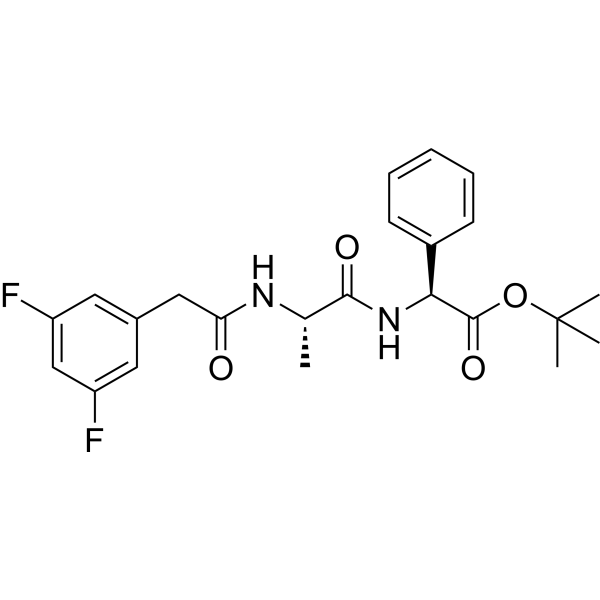
DAPT (GSI-IX) is a potent and orally active γ-secretase inhibitor with IC50s of 115 nM and 200 nM for total amyloid-β (Aβ) and Aβ42, respectively. DAPT inhibits the activation of Notch 1 signaling and induces cell differentiation. DAPT also induces autophagy and apoptosis. DAPT has neuroprotection activity and has the potential for autoimmune and lymphoproliferative diseases, degenerative disease and cancers treatment .
|
-
-
- HY-10585
-
-
-
- HY-10585A
-
|
Sodium Valproate; VPA sodium; 2-Propylpentanoic acid sodium
|
Organoid
HDAC
Autophagy
Mitophagy
HIV
Notch
Apoptosis
Endogenous Metabolite
|
Infection
Neurological Disease
Metabolic Disease
Cancer
|
|
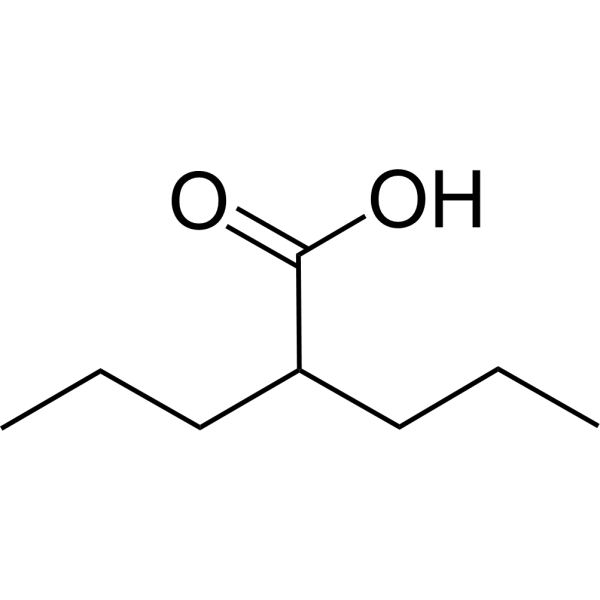
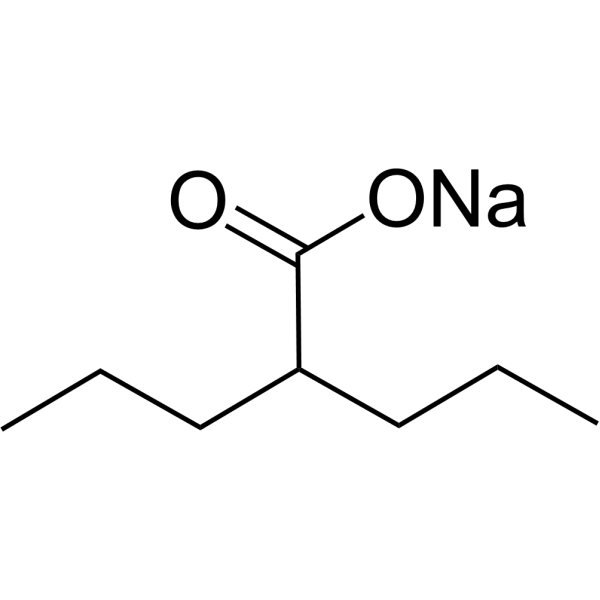
Valproic acid (Sodium Valproate) sodium is an orally active HDAC inhibitor, with IC50 in the range of 0.5 and 2 mM, also inhibits HDAC1 (IC50, 400 μM), and induces proteasomal degradation of HDAC2. Valproic acid sodium activates Notch1 signaling and inhibits proliferation in small cell lung cancer (SCLC) cells. Valproic acid sodium is used in the treatment of epilepsy, bipolar disorder, metabolic disease, HIV infection and prevention of migraine headaches .
|
-
-
- HY-N0232
-
|
|
COX
Lipoxygenase
Notch
Reactive Oxygen Species (ROS)
Bacterial
|
Cancer
|
|
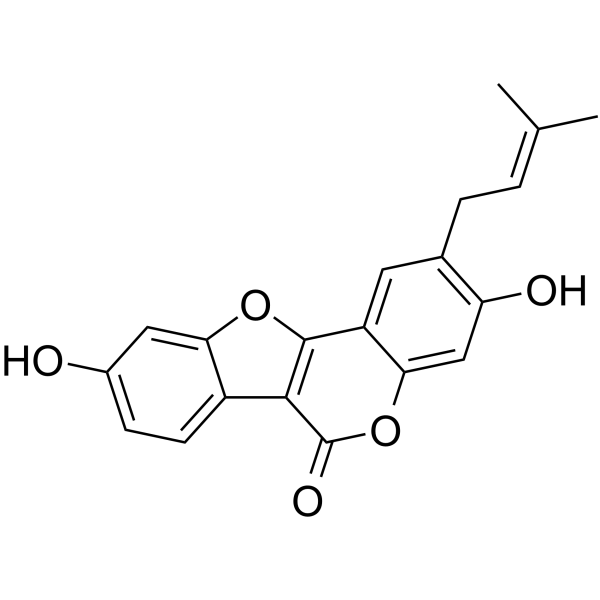
Psoralidin is a dual inhibitor of COX-2 and 5-LOX, regulates ionizing radiation (IR)-induced pulmonary inflammation.Anti-cancer, anti-bacterial, and anti-inflammatory properties . Psoralidin significantly downregulates NOTCH1 signaling. Psoralidin also greatly induces ROS generation .
|
-
-
- HY-P99258
-
|
OMP 52M51; Anti-Human Notch1 Recombinant Antibody
|
Notch
|
Cancer
|
|
Brontictuzumab (OMP 52M51) is a monoclonal antibody (MAb) that inhibits Notch1 signal. Brontictuzumab selectively binds the negative regulatory region of the Notch1. Brontictuzumab inhibits tumor cell proliferation. Brontictuzumab can be used in the research of leukemia and lymphoma .
|
-

-
- HY-144899
-
|
|
Notch
|
Cancer
|
|
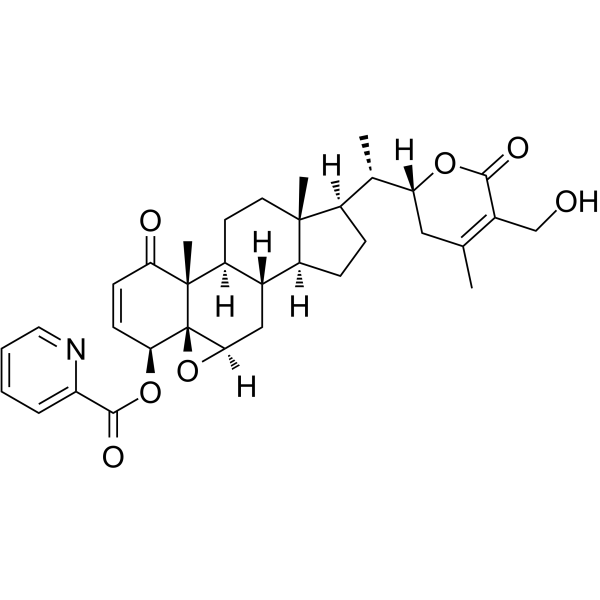
ASR-490 reduces the viability of HCT116 and SW620 cells by downregulating Notch1 signaling. ASR-490 overcomes Notch1 overexpression and inhibits the growth of HCT/Notch1 transfectants. ASR-490 inhibits the tumor growth in control (pCMV/HCT116) and Notch1/HCT116 in xenotransplanted mice .
|
-
-
- HY-N2896
-
|
|
Reactive Oxygen Species (ROS)
Apoptosis
Fungal
Bacterial
NF-κB
SOD
AMPK
mTOR
Notch
Toll-like Receptor (TLR)
Wnt
MyD88
Sirtuin
|
Infection
Neurological Disease
Inflammation/Immunology
Cancer
|
|
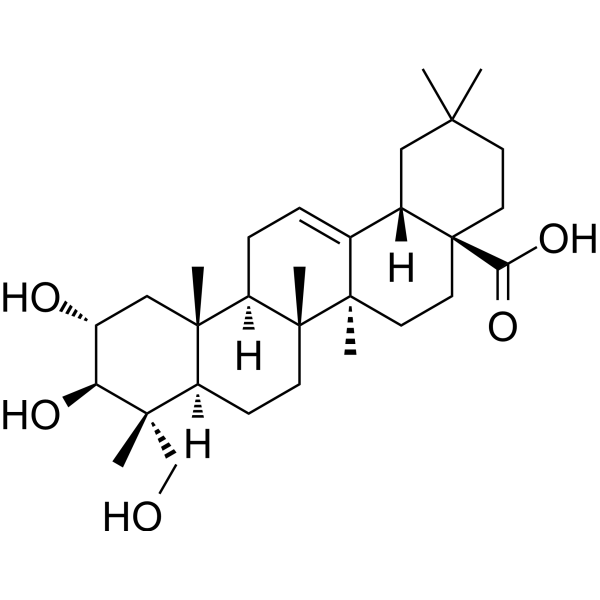
Arjunolic acid is an orally active, multifunctional bioactive compound. Arjunolic acid exhibits free radical scavenging activity, as well as fungal and bacterial activities. Arjunolic acid induces apoptosis (Apoptosis) in various cancer cells. Arjunolic acid protects hepatocytes against induced oxidative stress and apoptosis by reducing reactive oxygen species and inhibiting NF-κB activation. Arjunolic acid regulates pancreatic dysfunction in type 2 diabetic rats by blocking the activation of the TLR-4/MyD88 and canonical Wnt pathways. Arjunolic acid inhibits neuroinflammation and ameliorates depressive behaviors via the SIRT1/AMPK/Notch1 signaling pathway in microglia. Arjunolic acid improves Crohn's disease-like colitis by restoring gut microbiota composition and inhibiting TLR4 signaling. Arjunolic acid suppresses osteosarcoma progression by inhibiting Wnt3a-mediated M2 polarization of macrophages. Arjunolic acid ameliorates diabetic retinopathy via the autophagy pathway regulated by AMPK/mTOR/HO-1. Arjunolic acid is applicable to research related to type 2 diabetes, organ toxicity, depression, Crohn's disease, osteosarcoma, diabetic retinopathy, and testicular dysfunction .
|
-
-
- HY-124284
-
-
-
- HY-10585S
-
|
VPA-d4; 2-Propylpentanoic acid-d4
|
HDAC
Autophagy
Mitophagy
HIV
Notch
Endogenous Metabolite
|
Cancer
|
|
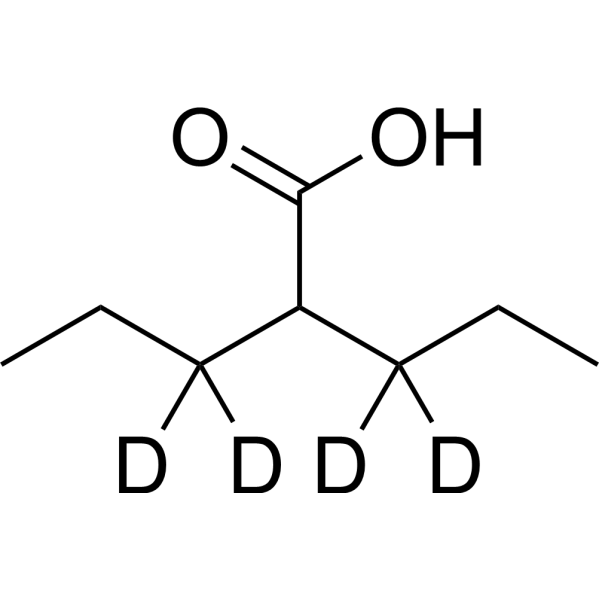
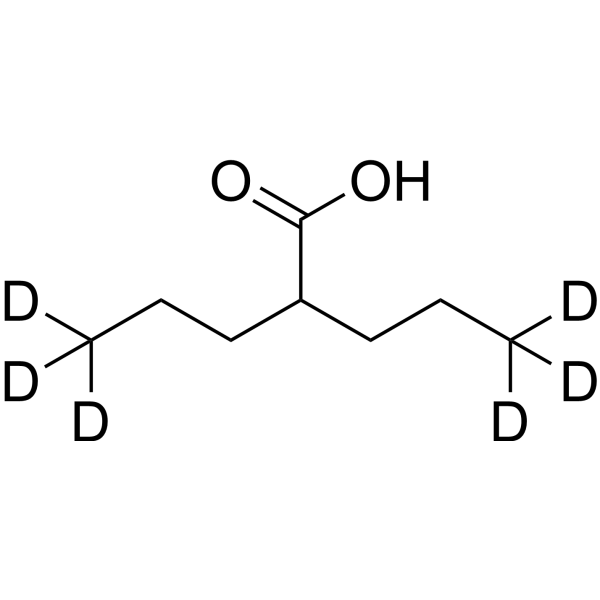
Valproic acid-d4 is the deuterium labeled Valproic acid. Valproic acid (VPA; 2-Propylpentanoic Acid) is an HDAC inhibitor, with IC50 in the range of 0.5 and 2 mM, also inhibits HDAC1 (IC50, 400 μM), and induces proteasomal degradation of HDAC2. Valproic acid activates Notch1 signaling and inhibits proliferation in small cell lung cancer (SCLC) cells. Valproic acid sodium salt is used in the treatment of epilepsy, bipolar disorder and prevention of migraine headaches .
|
-
-
- HY-10585S1
-
|
VPA-d6; 2-Propylpentanoic acid-d6
|
HDAC
Autophagy
Mitophagy
HIV
Notch
Endogenous Metabolite
|
Cancer
|
|
Valproic acid-d6 is the deuterium labeled Valproic acid. Valproic acid (VPA; 2-Propylpentanoic Acid) is an HDAC inhibitor, with IC50 in the range of 0.5 and 2 mM, also inhibits HDAC1 (IC50, 400 μM), and induces proteasomal degradation of HDAC2. Valproic acid activates Notch1 signaling and inhibits proliferation in small cell lung cancer (SCLC) cells. Valproic acid sodium salt is used in the treatment of epilepsy, bipolar disorder and prevention of migraine headaches .
|
-
-
- HY-N1510
-
|
|
Glycosidase
Notch
Toll-like Receptor (TLR)
NF-κB
Mucin
Reactive Oxygen Species (ROS)
Bacterial
TGF-beta/Smad
Anaplastic lymphoma kinase (ALK)
|
Infection
Inflammation/Immunology
Cancer
|
|
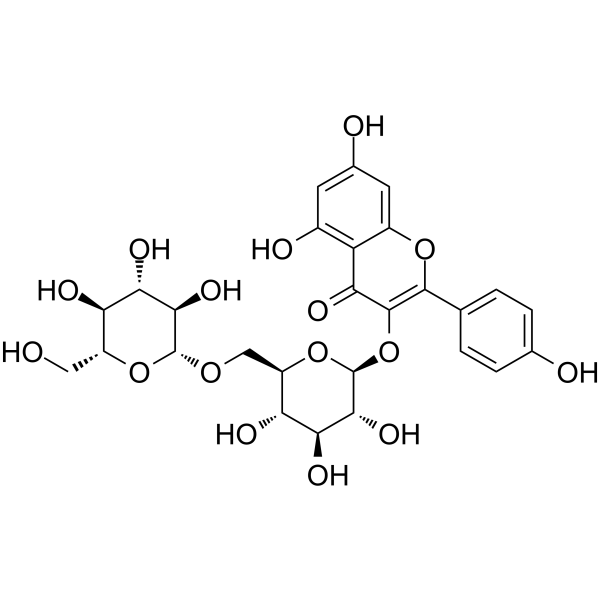
Kaempferol 3-O-gentiobioside is an orally active flavonoid, with a Ka value of 57 µM against human NOTCH1 and an IC50 value of 50 μM against α-glucosidase. Kaempferol 3-O-gentiobioside inhibits the NOTCH signaling pathway. It downregulates the expression of TLR4 and NLRP3, and suppresses the activation and nuclear translocation of NF-κB. Kaempferol 3-O-gentiobioside inhibits the expression of MUC5AC, reduces nitrite and ROS levels, and attenuates excessive mucus secretion. It exhibits antibacterial activity, reducing the formation and growth of MRSA biofilms. Kaempferol 3-O-gentiobioside blocks the TGF-β/ALK5/Smad signaling pathway and inhibits epithelial-mesenchymal transition. It suppresses the proliferation, migration, invasion and metastatic growth of tumor cells. Kaempferol 3-O-gentiobioside alleviates airway inflammation and mucus hypersecretion in mice with allergic asthma . It reduces the volume of ovarian cancer xenografts in mice. Kaempferol 3-O-gentiobioside can be used in research related to allergic asthma, diabetes, MRSA infection, breast cancer, gastric cancer and ovarian cancer .
|
-
-
- HY-10585R
-
|
VPA (Standard); 2-Propylpentanoic acid (Standard); Dipropylacetic acid (Standard)
|
Reference Standards
Organoid
HDAC
Autophagy
Mitophagy
HIV
Notch
Apoptosis
Endogenous Metabolite
|
Infection
Neurological Disease
Metabolic Disease
Cancer
|
|
Valproic acid (Dipropylacetic Acid) (Standard) is an analytical standard for valproic acid. This product is intended for research and analytical applications. Valproic acid is an orally active HDAC inhibitor (IC50=0.5-2 mM), inhibits the activity of HDAC1 (IC50=400 μM), and induces the degradation of HDAC2. Valproic acid activates Notch1 signaling and inhibits the proliferation of small cell lung cancer (SCLC) cells. Valproic acid is used in the study of epilepsy, bipolar disorder, metabolic diseases, HIV infection, and migraine .
|
-

-
- HY-10585S2
-
|
VPA-d15; 2-Propylpentanoic acid-d15
|
HDAC
Autophagy
Mitophagy
HIV
Notch
Endogenous Metabolite
|
Cancer
|
|
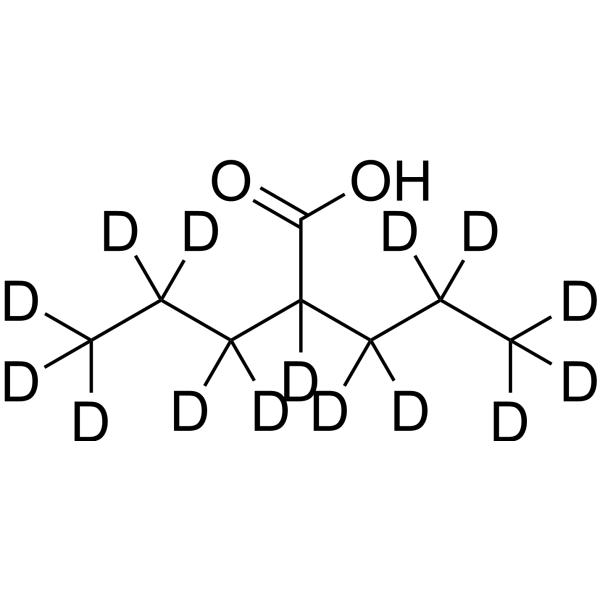
Valproic acid-d15 is the deuterium labeled Valproic acid. Valproic acid (VPA; 2-Propylpentanoic Acid) is an HDAC inhibitor, with IC50 in the range of 0.5 and 2 mM, also inhibits HDAC1 (IC50, 400 μM), and induces proteasomal degradation of HDAC2. Valproic acid activates Notch1 signaling and inhibits proliferation in small cell lung cancer (SCLC) cells. Valproic acid sodium salt is used in the treatment of epilepsy, bipolar disorder and prevention of migraine headaches .
|
-
-
- HY-10585S4
-
|
VPA-d4-1; 2-Propylpentanoic acid-d4-1
|
Isotope-Labeled Compounds
HDAC
Autophagy
Mitophagy
HIV
Notch
Endogenous Metabolite
|
Cancer
|
|
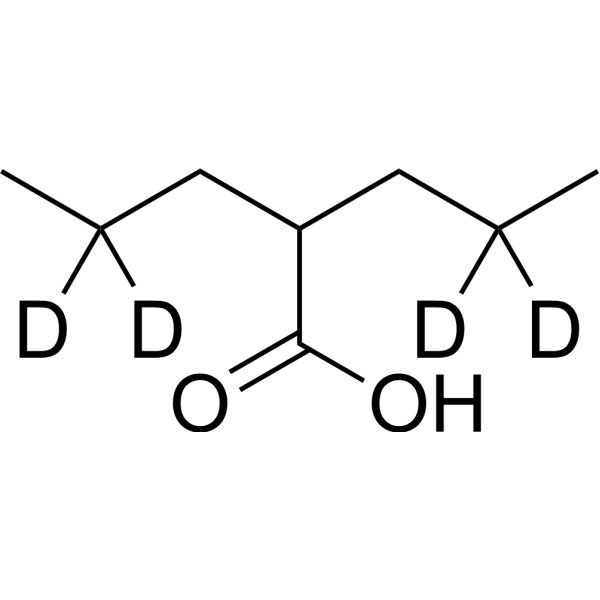
Valproic acid-d4-1 is the deuterium labeled Valproic acid. Valproic acid (VPA; 2-Propylpentanoic Acid) is an HDAC inhibitor, with IC50 in the range of 0.5 and 2 mM, also inhibits HDAC1 (IC50, 400 μM), and induces proteasomal degradation of HDAC2. Valproic acid activates Notch1 signaling and inhibits proliferation in small cell lung cancer (SCLC) cells. Valproic acid sodium salt is used in the treatment of epilepsy, bipolar disorder and prevention of migraine headaches .
|
-
-
- HY-10585B
-
|
Sodium Valproate (2:1); VPA sodium (2:1); 2-Propylpentanoic acid sodium (2:1)
|
HDAC
Autophagy
Mitophagy
HIV
Notch
Apoptosis
Endogenous Metabolite
|
Infection
Neurological Disease
Metabolic Disease
Cancer
|
|
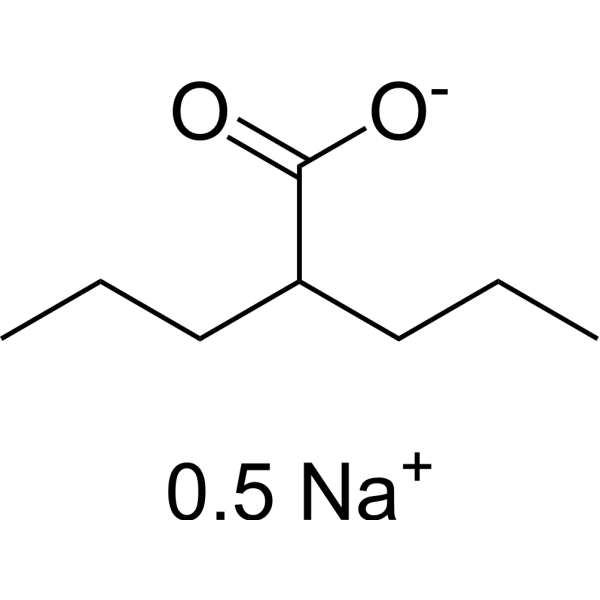
Valproic acid (VPA) sodium (2:1) is an orally active HDAC inhibitor, with IC50 in the range of 0.5 and 2 mM, also inhibits HDAC1 (IC50, 400 μM), and induces proteasomal degradation of HDAC2. Valproic acid sodium (2:1) activates Notch1 signaling and inhibits proliferation in small cell lung cancer (SCLC) cells. Valproic acid sodium (2:1) is used in the treatment of epilepsy, bipolar disorder, metabolic disease, HIV infection and prevention of migraine headaches .
|
-
-
- HY-10585AR
-
|
Sodium Valproate (Standard); VPA sodium (Standard); 2-Propylpentanoic acid sodium (Standard)
|
Organoid
Reference Standards
HDAC
Autophagy
Mitophagy
HIV
Notch
Apoptosis
Endogenous Metabolite
|
Infection
Neurological Disease
Metabolic Disease
Cancer
|
|
Valproic acid (sodium) (Standard) is the analytical standard of Valproic acid (sodium). This product is intended for research and analytical applications. Valproic acid (Sodium Valproate) sodium is an orally active HDAC inhibitor, with IC50 in the range of 0.5 and 2 mM, also inhibits HDAC1 (IC50, 400 μM), and induces proteasomal degradation of HDAC2. Valproic acid sodium activates Notch1 signaling and inhibits proliferation in small cell lung cancer (SCLC) cells. Valproic acid sodium is used in the treatment of epilepsy, bipolar disorder, metabolic disease, HIV infection and prevention of migraine headaches .
|
-

-
- HY-10585AS1
-
|
Sodium Valproate-d14; VPA-d14 sodium; 2-Propylpentanoic acid-d14 sodium
|
Isotope-Labeled Compounds
HDAC
Autophagy
Mitophagy
HIV
Notch
Endogenous Metabolite
|
Cancer
|
|
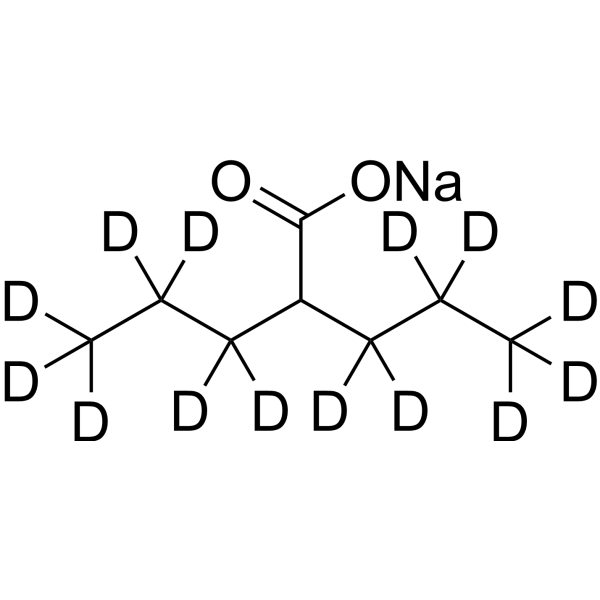
Valproic acid-d14 (sodium) is deuterium labeled Valproic acid (sodium). Valproic acid sodium salt (Sodium Valproate) is an HDAC inhibitor, with IC50 in the range of 0.5 and 2 mM, also inhibits HDAC1 (IC50, 400 μM), and induces proteasomal degradation of HDAC2. Valproic acid sodium salt activates Notch1 signaling and inhibits proliferation in small cell lung cancer (SCLC) cells. Valproic acid sodium salt is used in the treatment of epilepsy, bipolar disorder and prevention of migraine headaches.
|
-
-
- HY-10585AS
-
|
Sodium Valproate-d7; VPA-d7 sodium; 2-Propylpentanoic acid-d7 sodium
|
Isotope-Labeled Compounds
HDAC
Autophagy
Mitophagy
HIV
Notch
Endogenous Metabolite
|
Cancer
|
|
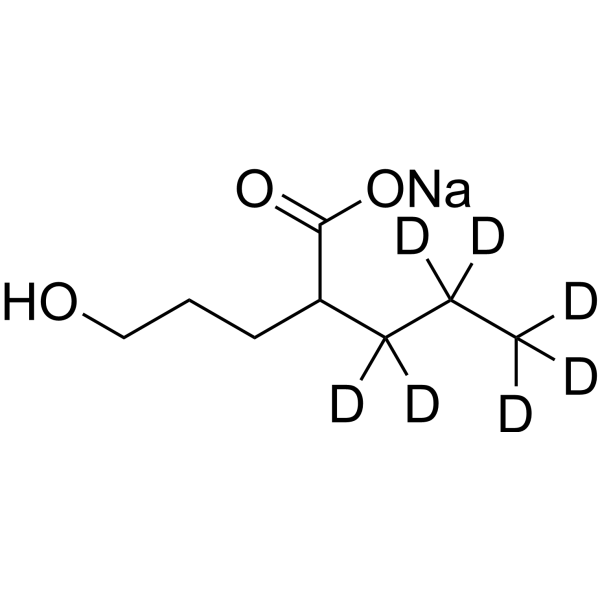
Valproic acid-d7 (sodium) is the deuterium labeled Valproic acid (sodium salt). Valproic acid sodium salt (Sodium Valproate) is an HDAC inhibitor, with IC50 in the range of 0.5 and 2 mM, also inhibits HDAC1 (IC50, 400 μM), and induces proteasomal degradation of HDAC2. Valproic acid sodium salt activates Notch1 signaling and inhibits proliferation in small cell lung cancer (SCLC) cells. Valproic acid sodium salt is used in the treatment of epilepsy, bipolar disorder and prevention of migraine headaches .
|
-
-
- HY-10585S3
-
|
Sodium Valproate-d4; VPA-d4 sodium; 2-Propylpentanoic acid-d4 sodium
|
Isotope-Labeled Compounds
HDAC
Autophagy
Mitophagy
HIV
Notch
Endogenous Metabolite
|
Cancer
|
|
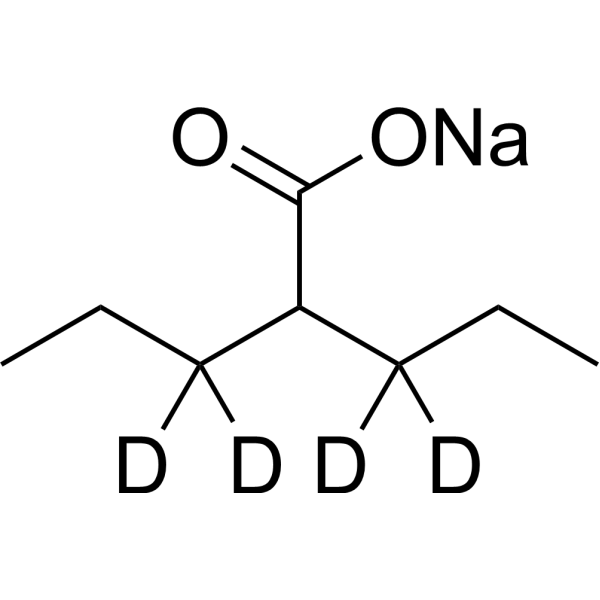
Valproic acid-d4 (sodium) is the deuterium labeled Valproic acid. Valproic acid (VPA; 2-Propylpentanoic Acid) is an HDAC inhibitor, with IC50 in the range of 0.5 and 2 mM, also inhibits HDAC1 (IC50, 400 μM), and induces proteasomal degradation of HDAC2. Valproic acid activates Notch1 signaling and inhibits proliferation in small cell lung cancer (SCLC) cells. Valproic acid sodium salt is used in the treatment of epilepsy, bipolar disorder and prevention of migraine headaches.
|
-
-
- HY-10585AG
-
|
Sodium Valproate; VPA sodium; 2-Propylpentanoic acid sodium
|
Organoid
HDAC
Autophagy
Mitophagy
HIV
Notch
Apoptosis
Endogenous Metabolite
|
Infection
Neurological Disease
Metabolic Disease
Cancer
|
|
Valproic acid (Sodium Valproate) sodium is an orally active HDAC inhibitor, with IC50 in the range of 0.5 and 2 mM, also inhibits HDAC1 (IC50, 400 μM), and induces proteasomal degradation of HDAC2. Valproic acid sodium activates Notch1 signaling and inhibits proliferation in small cell lung cancer (SCLC) cells. Valproic acid sodium is used in the treatment of epilepsy, bipolar disorder, metabolic disease, HIV infection and prevention of migraine headaches .
|
-

-
- HY-W794759
-
|
Magnesium valproate; VPA magnesium; 2-Propylpentanoic acid magnesium
|
Organoid
HDAC
Autophagy
Mitophagy
HIV
Notch
Apoptosis
Endogenous Metabolite
|
Infection
Neurological Disease
Cancer
|
|
Valproic acid magnesium (Magnesium valproate) is an orally active HDAC inhibitor, with IC50 in the range of 0.5 and 2 mM. Valproic acid magnesium inhibits HDAC1 (IC50, 400 μM), and induces proteasomal degradation of HDAC2. Valproic acid magnesium activates Notch1 signaling and inhibits proliferation in small cell lung cancer (SCLC) cells. Valproic acid magnesium is used in the epilepsy, bipolar disorder, metabolic disease, HIV infection and prevention of migraine headaches .
|
-

-
- HY-141876
-
|
|
Histone Methyltransferase
Notch
PI3K
Akt
Bcl-2 Family
DNA/RNA Synthesis
|
Cancer
|
|
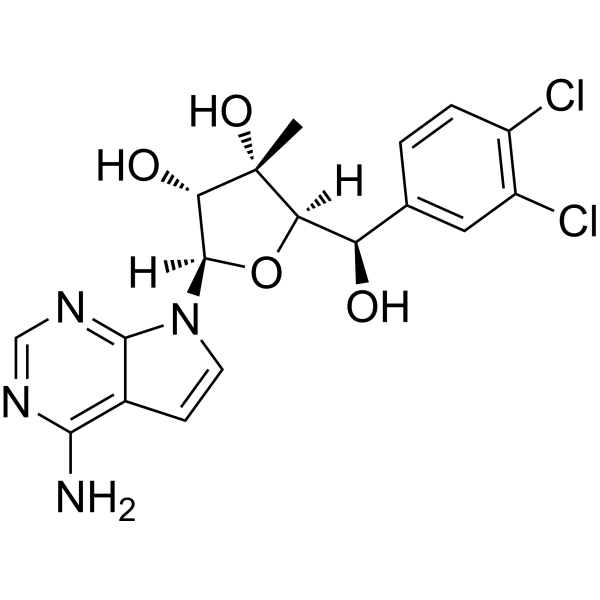
PRT543 is an orally active selective PRMT5 inhibitor. PRT543 reduces intracellular symmetric dimethylarginine (sDMA) levels, downregulates the expression of genes related to DNA damage repair and DNA replication pathways, and induces abnormal alternative splicing. PRT543 inhibits the MYB, NOTCH1 and PI3K/AKT signaling pathways, promotes nuclear translocation of FOXO1, upregulates the pro-apoptotic protein BAX, and enhances cellular sensitivity to BCL-2 inhibition. PRT543 disrupts the normal RNA splicing process and exerts a synthetic lethal effect on myeloid tumor cells carrying splicing factor mutations. PRT543 can be used in research related to various cancers including breast cancer, ovarian cancer and acute myeloid leukemia .
|
-
-
- HY-N0232R
-
|
|
Reference Standards
COX
Lipoxygenase
Notch
Reactive Oxygen Species (ROS)
Bacterial
|
Cancer
|
|
Psoralidin (Standard) is the analytical standard of Psoralidin. This product is intended for research and analytical applications. Psoralidin is a dual inhibitor of COX-2 and 5-LOX, regulates ionizing radiation (IR)-induced pulmonary inflammation.Anti-cancer, anti-bacterial, and anti-inflammatory properties . Psoralidin significantly downregulates NOTCH1 signaling. Psoralidin also greatly induces ROS generation .
|
-

-
- HY-124284R
-
|
HMBA (Standard)
|
Apoptosis
p38 MAPK
Akt
NF-κB
Notch
Bcl-2 Family
MDM-2/p53
Epigenetic Reader Domain
Reference Standards
|
Neurological Disease
Metabolic Disease
Cancer
|
|
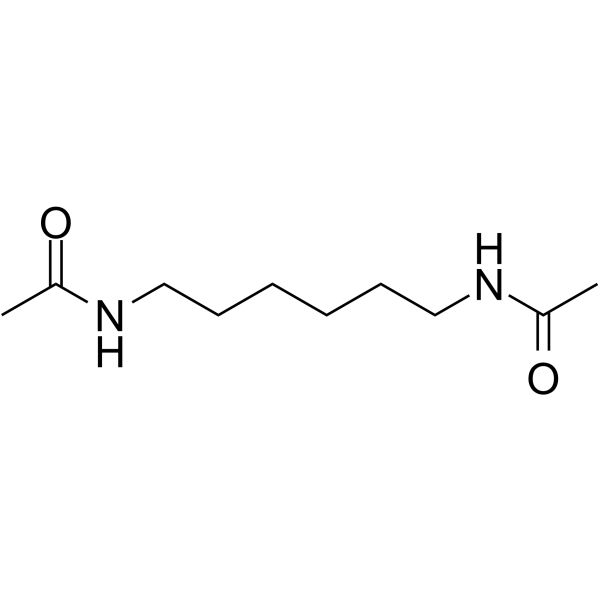
Hexamethylene bisacetamide (Standard) is the analytical standard of Hexamethylene bisacetamide. This product is intended for research and analytical applications. Hexamethylene bisacetamide (HMBA) is a differentiation inducer and selective bromine domain inhibitor that can differentiate across the blood-brain barrier. Hexamethylene bisacetamide can induce tumor cell differentiation and inhibit cell proliferation, showing antitumor activity. Hexamethylene bisacetamide induces apoptosis by Notch1, Bcl-2 and p53 signaling pathways. In addition, Hexamethylene bisacetamide improves the obesity phenotype of mice .
|
-

-
- HY-181975
-
|
|
Notch
|
Cancer
|
|
ATOX1-IN-1 is an inhibitor of ATOX1 (a copper chaperone protein) with a Kd value of 12.5 μM. ATOX1-IN-1 induces intracellular copper accumulation, increases the level of DNA methylation in the NOTCH1 promoter region, and inhibits the NOTCH1/HES1 signaling pathway. ATOX1-IN-1 enhances the sensitivity of hepatocellular carcinoma cells to Cisplatin (HY-17394). ATOX1-IN-1 can be used in hepatocellular carcinoma-related research .
|
-

-
- HY-118900
-
|
|
EGFR
Notch
CDK
Apoptosis
Akt
|
Cancer
|
|
CP-654577 is a selective ErbB2 inhibitor with an IC50 of 11 nM. CP-654577 downregulates the Notch1 signaling pathway. CP-654577 upregulates p27 kip1, reduces the levels of Cyclins D and E, and inhibits G1 phase progression of the cell cycle. CP-654577 induces cell Apoptosis, downregulates activated Akt, and suppresses tumor growth in athymic mice. CP-654577 can be used in breast cancer-related research .
|
-

-
- HY-E70178
-
|
EC:2.4.2.63; POGLUT1
|
Glucosylceramide Synthase (GCS)
|
Others
|
|
Protein O-Glucosyltransferase 1 is a glucosyltransferase. Protein O-Glucosyltransferase 1 modifies Notch signaling by adding glucose to serine residues in Notch .
|
-
-
- HY-N12768
-
|
|
MDM-2/p53
Notch
Calcium Channel
|
Neurological Disease
Inflammation/Immunology
|
Rhodojaponin VI is an orally active diterpenoid compound found in hododendron molle G. Don
(Ericaceae) (RM). Rhodojaponin VI binds rat N-Ethylmaleimide-sensitive fusion (NSF) with a Kd of 1.03 μM. Rhodojaponin VI blocks the MDM2-Notch1 signalling pathway by reducing MDM2 and Notch1 expression. Rhodojaponin VI indirectly reduces Cav2.2 current intensity by inhibiting NSF-mediated Cav2.2 trafficking. Rhodojaponin VI alleviates glomerulonephritis progression and podocyte injury in passive heymann nephritis rats. Rhodojaponin VI also has antinociceptive effects. Rhodojaponin VI can be used for the researches of heymann nephritis and pain .
|
-

-
- HY-W714200
-
|
|
Herbicide
Aryl Hydrocarbon Receptor
Notch
Apoptosis
|
Others
|
|
Neburon is a phenylurea herbicide whose main mechanism of action is to inhibit photosynthetic electron transport, thereby disrupting algal growth. Neburon activates the Ahr and Notch1 signaling pathways, and induces oxidative stress and apoptosis. Long-term exposure causes significant male reproductive toxicity and cardiotoxicity in zebrafish .
|
-

-
- HY-183626
-
|
|
PAI-1
Ser/Thr Protease
Furin
MMP
Notch
Apoptosis
|
Inflammation/Immunology
Cancer
|
|
PAI-1-IN-1 is an orally active and specific PAI-1 inhibitor with an IC50 of <6.95 μM. PAI-1-IN-1 blocks the interaction between PAI-1 and serine proteases or LRP-1, and enhances plasmin generation. PAI-1-IN-1 restores macrophage efferocytosis and promotes macrophage polarization. PAI-1-IN-1 alleviates PAI-1-mediated inhibition of Furin, promotes MT1-MMP maturation, activates the NOTCH1 signaling pathway, inhibits proliferation and induces apoptosis. PAI-1-IN-1 promotes skeletal muscle regeneration and alleviates inflammation in a mouse model of skeletal muscle injury. PAI-1-IN-1 can be used in research on skeletal muscle injury-induced inflammation and chronic myeloid leukemia .
|
-

| Cat. No. |
Product Name |
Type |
-
- HY-10585AG
-
|
Sodium Valproate; VPA sodium; 2-Propylpentanoic acid sodium
|
Fluorescent Dyes
|
|
Valproic acid (Sodium Valproate) sodium is an orally active HDAC inhibitor, with IC50 in the range of 0.5 and 2 mM, also inhibits HDAC1 (IC50, 400 μM), and induces proteasomal degradation of HDAC2. Valproic acid sodium activates Notch1 signaling and inhibits proliferation in small cell lung cancer (SCLC) cells. Valproic acid sodium is used in the treatment of epilepsy, bipolar disorder, metabolic disease, HIV infection and prevention of migraine headaches .
|
| Cat. No. |
Product Name |
Type |
-
- HY-10585AG
-
|
Sodium Valproate; VPA sodium; 2-Propylpentanoic acid sodium
|
Biochemical Assay Reagents
|
|
Valproic acid (Sodium Valproate) sodium is an orally active HDAC inhibitor, with IC50 in the range of 0.5 and 2 mM, also inhibits HDAC1 (IC50, 400 μM), and induces proteasomal degradation of HDAC2. Valproic acid sodium activates Notch1 signaling and inhibits proliferation in small cell lung cancer (SCLC) cells. Valproic acid sodium is used in the treatment of epilepsy, bipolar disorder, metabolic disease, HIV infection and prevention of migraine headaches .
|
-
- HY-E70178
-
|
EC:2.4.2.63; POGLUT1
|
Biochemical Assay Reagents
|
|
Protein O-Glucosyltransferase 1 is a glucosyltransferase. Protein O-Glucosyltransferase 1 modifies Notch signaling by adding glucose to serine residues in Notch .
|
| Cat. No. |
Product Name |
Target |
Research Area |
Image |
-
- HY-P99258
-
|
OMP 52M51; Anti-Human Notch1 Recombinant Antibody
|
Notch
|
Cancer
|
|
Brontictuzumab (OMP 52M51) is a monoclonal antibody (MAb) that inhibits Notch1 signal. Brontictuzumab selectively binds the negative regulatory region of the Notch1. Brontictuzumab inhibits tumor cell proliferation. Brontictuzumab can be used in the research of leukemia and lymphoma .
|
-

(5)
| Cat. No. |
Product Name |
Category |
Target |
Chemical Structure |
-
- HY-10585
-
-
-
- HY-10585A
-
-
-
- HY-N0232
-
-
-
- HY-N2896
-
-
-
- HY-N1510
-
|
|
Structural Classification
Flavonols
Flavonoids
Classification of Application Fields
Sauropus spatulifolius Beille
Metabolic Disease
Phenols
Polyphenols
Euphorbiaceae
Plants
Disease Research Fields
Source Classification
|
Glycosidase
Notch
Toll-like Receptor (TLR)
NF-κB
Mucin
Reactive Oxygen Species (ROS)
Bacterial
TGF-beta/Smad
Anaplastic lymphoma kinase (ALK)
|
|
Kaempferol 3-O-gentiobioside is an orally active flavonoid, with a Ka value of 57 µM against human NOTCH1 and an IC50 value of 50 μM against α-glucosidase. Kaempferol 3-O-gentiobioside inhibits the NOTCH signaling pathway. It downregulates the expression of TLR4 and NLRP3, and suppresses the activation and nuclear translocation of NF-κB. Kaempferol 3-O-gentiobioside inhibits the expression of MUC5AC, reduces nitrite and ROS levels, and attenuates excessive mucus secretion. It exhibits antibacterial activity, reducing the formation and growth of MRSA biofilms. Kaempferol 3-O-gentiobioside blocks the TGF-β/ALK5/Smad signaling pathway and inhibits epithelial-mesenchymal transition. It suppresses the proliferation, migration, invasion and metastatic growth of tumor cells. Kaempferol 3-O-gentiobioside alleviates airway inflammation and mucus hypersecretion in mice with allergic asthma . It reduces the volume of ovarian cancer xenografts in mice. Kaempferol 3-O-gentiobioside can be used in research related to allergic asthma, diabetes, MRSA infection, breast cancer, gastric cancer and ovarian cancer .
|
-
-
- HY-10585B
-
-
-
- HY-10585AR
-
|
Sodium Valproate (Standard); VPA sodium (Standard); 2-Propylpentanoic acid sodium (Standard)
|
Structural Classification
Ketones, Aldehydes, Acids
Endogenous metabolite
Source Classification
|
Organoid
Reference Standards
HDAC
Autophagy
Mitophagy
HIV
Notch
Apoptosis
Endogenous Metabolite
|
|
Valproic acid (sodium) (Standard) is the analytical standard of Valproic acid (sodium). This product is intended for research and analytical applications. Valproic acid (Sodium Valproate) sodium is an orally active HDAC inhibitor, with IC50 in the range of 0.5 and 2 mM, also inhibits HDAC1 (IC50, 400 μM), and induces proteasomal degradation of HDAC2. Valproic acid sodium activates Notch1 signaling and inhibits proliferation in small cell lung cancer (SCLC) cells. Valproic acid sodium is used in the treatment of epilepsy, bipolar disorder, metabolic disease, HIV infection and prevention of migraine headaches .
|
-
-
- HY-N0232R
-
-
-
- HY-N12768
-
|
|
Structural Classification
Terpenoids
Diterpenoids
Pieris japonica (Thunb.) D. Don ex G. Don
Plants
Ericaceae
Source Classification
|
MDM-2/p53
Notch
Calcium Channel
|
Rhodojaponin VI is an orally active diterpenoid compound found in hododendron molle G. Don
(Ericaceae) (RM). Rhodojaponin VI binds rat N-Ethylmaleimide-sensitive fusion (NSF) with a Kd of 1.03 μM. Rhodojaponin VI blocks the MDM2-Notch1 signalling pathway by reducing MDM2 and Notch1 expression. Rhodojaponin VI indirectly reduces Cav2.2 current intensity by inhibiting NSF-mediated Cav2.2 trafficking. Rhodojaponin VI alleviates glomerulonephritis progression and podocyte injury in passive heymann nephritis rats. Rhodojaponin VI also has antinociceptive effects. Rhodojaponin VI can be used for the researches of heymann nephritis and pain .
|
-
| Cat. No. |
Product Name |
Chemical Structure |
-
- HY-10585S
-
1 Publications Verification
|
|
Valproic acid-d4 is the deuterium labeled Valproic acid. Valproic acid (VPA; 2-Propylpentanoic Acid) is an HDAC inhibitor, with IC50 in the range of 0.5 and 2 mM, also inhibits HDAC1 (IC50, 400 μM), and induces proteasomal degradation of HDAC2. Valproic acid activates Notch1 signaling and inhibits proliferation in small cell lung cancer (SCLC) cells. Valproic acid sodium salt is used in the treatment of epilepsy, bipolar disorder and prevention of migraine headaches .
|
-
-
- HY-10585S1
-
|
|
|
Valproic acid-d6 is the deuterium labeled Valproic acid. Valproic acid (VPA; 2-Propylpentanoic Acid) is an HDAC inhibitor, with IC50 in the range of 0.5 and 2 mM, also inhibits HDAC1 (IC50, 400 μM), and induces proteasomal degradation of HDAC2. Valproic acid activates Notch1 signaling and inhibits proliferation in small cell lung cancer (SCLC) cells. Valproic acid sodium salt is used in the treatment of epilepsy, bipolar disorder and prevention of migraine headaches .
|
-
-
- HY-10585S2
-
|
|
|
Valproic acid-d15 is the deuterium labeled Valproic acid. Valproic acid (VPA; 2-Propylpentanoic Acid) is an HDAC inhibitor, with IC50 in the range of 0.5 and 2 mM, also inhibits HDAC1 (IC50, 400 μM), and induces proteasomal degradation of HDAC2. Valproic acid activates Notch1 signaling and inhibits proliferation in small cell lung cancer (SCLC) cells. Valproic acid sodium salt is used in the treatment of epilepsy, bipolar disorder and prevention of migraine headaches .
|
-
-
- HY-10585S4
-
|
|
|
Valproic acid-d4-1 is the deuterium labeled Valproic acid. Valproic acid (VPA; 2-Propylpentanoic Acid) is an HDAC inhibitor, with IC50 in the range of 0.5 and 2 mM, also inhibits HDAC1 (IC50, 400 μM), and induces proteasomal degradation of HDAC2. Valproic acid activates Notch1 signaling and inhibits proliferation in small cell lung cancer (SCLC) cells. Valproic acid sodium salt is used in the treatment of epilepsy, bipolar disorder and prevention of migraine headaches .
|
-
-
- HY-10585AS1
-
|
|
|
Valproic acid-d14 (sodium) is deuterium labeled Valproic acid (sodium). Valproic acid sodium salt (Sodium Valproate) is an HDAC inhibitor, with IC50 in the range of 0.5 and 2 mM, also inhibits HDAC1 (IC50, 400 μM), and induces proteasomal degradation of HDAC2. Valproic acid sodium salt activates Notch1 signaling and inhibits proliferation in small cell lung cancer (SCLC) cells. Valproic acid sodium salt is used in the treatment of epilepsy, bipolar disorder and prevention of migraine headaches.
|
-
-
- HY-10585AS
-
|
|
|
Valproic acid-d7 (sodium) is the deuterium labeled Valproic acid (sodium salt). Valproic acid sodium salt (Sodium Valproate) is an HDAC inhibitor, with IC50 in the range of 0.5 and 2 mM, also inhibits HDAC1 (IC50, 400 μM), and induces proteasomal degradation of HDAC2. Valproic acid sodium salt activates Notch1 signaling and inhibits proliferation in small cell lung cancer (SCLC) cells. Valproic acid sodium salt is used in the treatment of epilepsy, bipolar disorder and prevention of migraine headaches .
|
-
-
- HY-10585S3
-
|
|
|
Valproic acid-d4 (sodium) is the deuterium labeled Valproic acid. Valproic acid (VPA; 2-Propylpentanoic Acid) is an HDAC inhibitor, with IC50 in the range of 0.5 and 2 mM, also inhibits HDAC1 (IC50, 400 μM), and induces proteasomal degradation of HDAC2. Valproic acid activates Notch1 signaling and inhibits proliferation in small cell lung cancer (SCLC) cells. Valproic acid sodium salt is used in the treatment of epilepsy, bipolar disorder and prevention of migraine headaches.
|
-
| Cat. No. |
Product Name |
Target |
Research Areas |
Chemical Structure |
-
- HY-10585AG
-
|
Sodium Valproate; VPA sodium; 2-Propylpentanoic acid sodium
|
Organoid
HDAC
Autophagy
Mitophagy
HIV
Notch
Apoptosis
Endogenous Metabolite
|
Infection
Neurological Disease
Metabolic Disease
Cancer
|
|
Valproic acid (Sodium Valproate) sodium is an orally active HDAC inhibitor, with IC50 in the range of 0.5 and 2 mM, also inhibits HDAC1 (IC50, 400 μM), and induces proteasomal degradation of HDAC2. Valproic acid sodium activates Notch1 signaling and inhibits proliferation in small cell lung cancer (SCLC) cells. Valproic acid sodium is used in the treatment of epilepsy, bipolar disorder, metabolic disease, HIV infection and prevention of migraine headaches .
|
-
Your information is safe with us. * Required Fields.
Inquiry Information
- Product Name:
- Cat. No.:
- Quantity:
- MCE Japan Authorized Agent:








