Search Result
Results for "
PDE2 inhibitor
" in MedChemExpress (MCE) Product Catalog:
6
Isotope-Labeled Compounds
| Cat. No. |
Product Name |
Target |
Research Areas |
Chemical Structure |
-
- HY-15455
-
Roflumilast
Maximum Cited Publications
14 Publications Verification
APTA-2217; BYK 20869; B9302-107
|
Phosphodiesterase (PDE)
RSV
|
Inflammation/Immunology
|
|
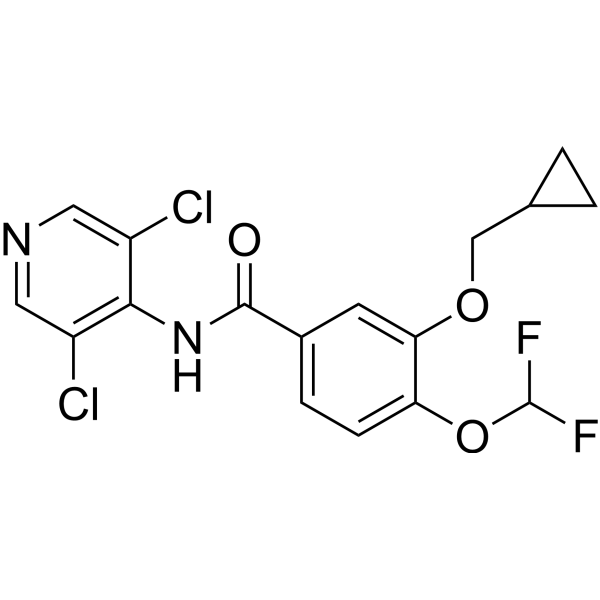
Roflumilast (APTA-2217) is a selective PDE4 inhibitor with IC50s of 0.7, 0.9, 0.7, and 0.2 nM for PDE4A1, PDE4A4, PDE4B1, and PDE4B2, respectively, without affecting PDE1, PDE2, PDE3 or PDE5 isoenzymes from various cells.
|
-
-
- HY-103160A
-
|
|
Adenosine Deaminase
Phosphodiesterase (PDE)
Influenza Virus
|
Infection
Cardiovascular Disease
Neurological Disease
Cancer
|
|
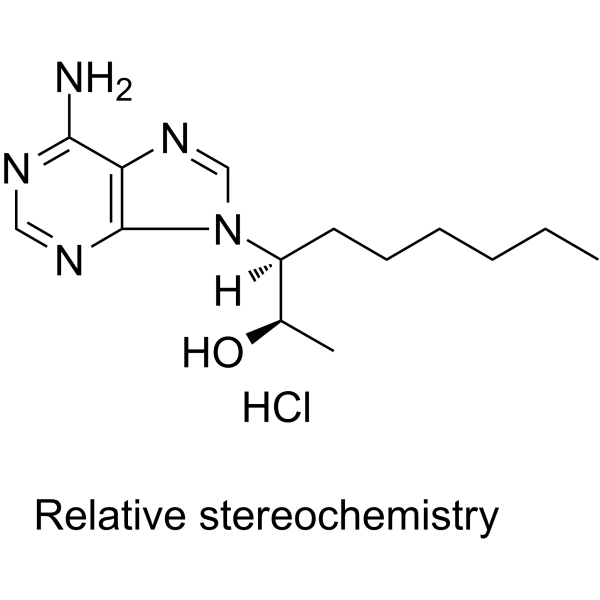
EHNA hydrochloride is a potent and selective dual inhibitor of cyclic nucleotide phosphodiesterase 2 (PDE2)(IC50=4 μM) and adenosine deaminase (ADA). EHNA hydrochloride exerts a concentration inhibition of the cGMP-stimulated PDE II (cGs-PDE)(IC50:0.8 μM (human), 2 μM (porcine myocardium)), but has smaller inhibitory effect on the unstimulated PDE2 activity. EHNA hydrochloride play roles in mediating diverse pharmacological responses, including antiviral, antitumour and antiarrhythmic effects .
|
-
-
- HY-18252
-
|
TA1790
|
Phosphodiesterase (PDE)
NO Synthase
Endogenous Metabolite
|
Cardiovascular Disease
Endocrinology
|
|
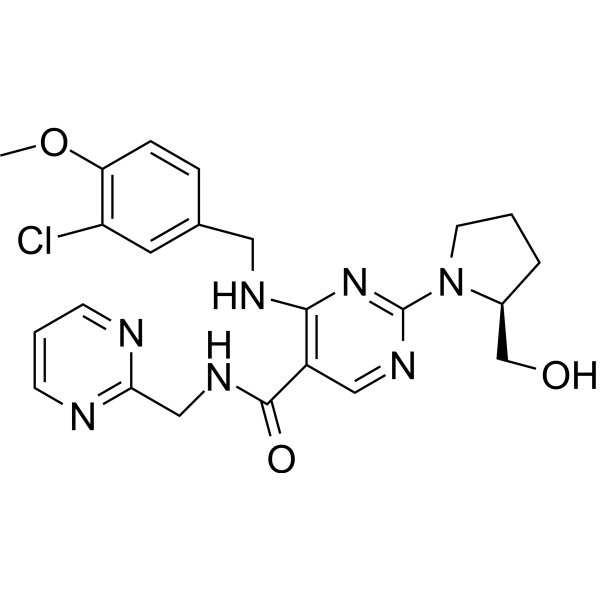
Avanafil (TA-1790) is a potent and selective phosphodiesterase-5 (PDE-5) inhibitor with IC50 values of 5.2 nM, 630 nM, 5700 nM, 6200 nM, 12000 nM, 27000 nM, 51000 nM and 53000 nM for PDE-5, PDE-6, PDE-4, PDE-10, PDE-8, PDE-7, PDE-2 and PDE-1, respectively. Avanafil activates NO/cGMP/PKG signaling-pathway to decrease loss in BMD, bone atrophy, and oxidative stress. Avanafil inhibits cyclic guanosine monophosphate (cGMP) hydrolysis and thus increases cGMP levels. Avanafil can be used for the research of erectile dysfunction and osteoporosis .
|
-
-
- HY-14992
-
-
-
- HY-111371
-
-
-
- HY-14254A
-
|
Loprinone
|
Phosphodiesterase (PDE)
|
Cardiovascular Disease
|
|
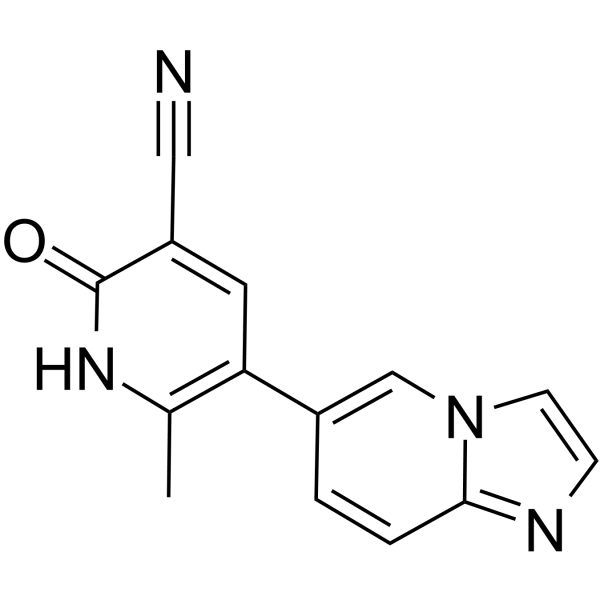
Olprinone (Loprinone) is a potent phosphodiesterase (PDE) 3 inhibitor, with IC50s of 150, 100, 0.35 and 14 μM for PDE1, PDE2, PDE3 and PDE4, respectively. Olprinone is used for the research of heart failure due to its positive inotropic and vasodilative effects. Anti-inflammatory activity .
|
-
-
- HY-10790
-
|
SB-207499
|
Phosphodiesterase (PDE)
|
Inflammation/Immunology
|
|
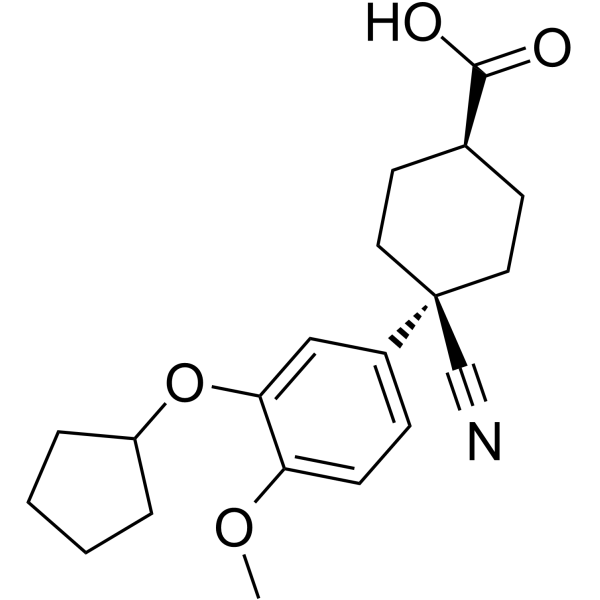
Cilomilast (SB-207499) is a potent, selective and orally active inhibitor of Phosphodiesterase 4 (PDE4), with IC50s of ~100 and 120 nM for LPDE4 and HPDE4, respectively. Cilomilast shows selectivity for PDE4 over PDE1, PDE2, PDE3 and PDE5 (IC50=74, 65, >100, and 83 μM, respectively). Cilomilast has anti-inflammatory and immunomodulatory effects and can be used for thr research of asthma and chronic obstructive pulmonary disease (COPD) .
|
-
-
- HY-14254
-
|
Loprinone Hydrochloride
|
Phosphodiesterase (PDE)
|
Cardiovascular Disease
|
|
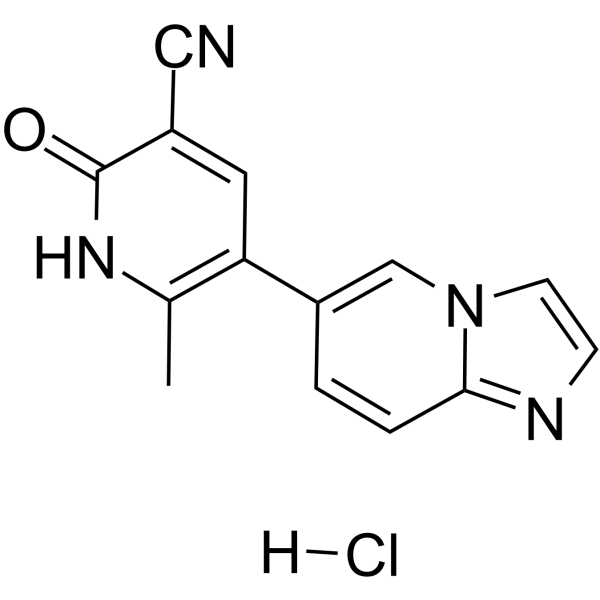
Olprinone (Loprinone) Hydrochloride is a potent phosphodiesterase (PDE) 3 inhibitor, with IC50s of 150, 100, 0.35 and 14 μM for PDE1, PDE2, PDE3 and PDE4, respectively. Olprinone Hydrochloride is used for the research of heart failure due to its positive inotropic and vasodilative effects. Anti-inflammatory activity .
|
-
-
- HY-A0165
-
|
|
Phosphodiesterase (PDE)
|
Neurological Disease
|
|
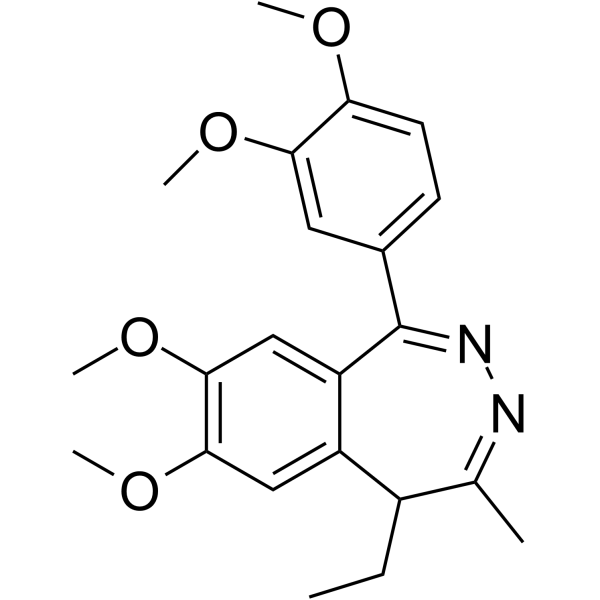
Tofisopam, a 2,3-benzodiazepine compound, is an orally active anxiolytic agent. Tofisopam can inhibit phosphodiesterase PDE isoenzyme activity, withIC50 values of 2.11 μM, 1.98 μM, 0.42 μM, and 0.92 μM for PDE-2A3, PDE-3A, PDE-4A1, and PDE-10A1, respectively. Tofisopam can be used for the study of anxiety .
|
-
-
- HY-N1465
-
|
Aristolochic acid-IVa
|
Phosphodiesterase (PDE)
CDK
Interleukin Related
|
Inflammation/Immunology
Cancer
|
|
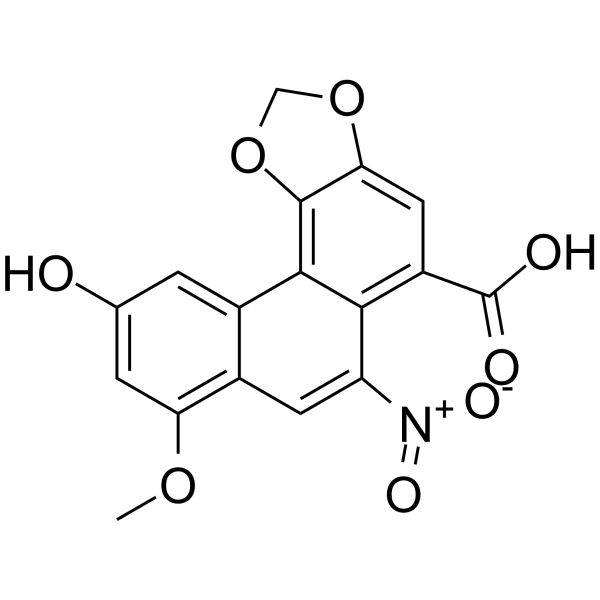
Aristolochic acid D (Aristolochic acid-IVa) is an orally active PDE2 (IC50: 4.673 μM) and CDK2 (IC50: 25 μM) inhibitor that can be isolated from Aristolochia indica L. Aristolochic acid D exhibits anti-inflammatory activity and is non-carcinogenic and non-nephrotoxic. Aristolochic acid D can be used in the research of inflammation and tumor-related diseases .
|
-
-
- HY-112831
-
|
BI-409306
|
Phosphodiesterase (PDE)
|
Neurological Disease
|
|
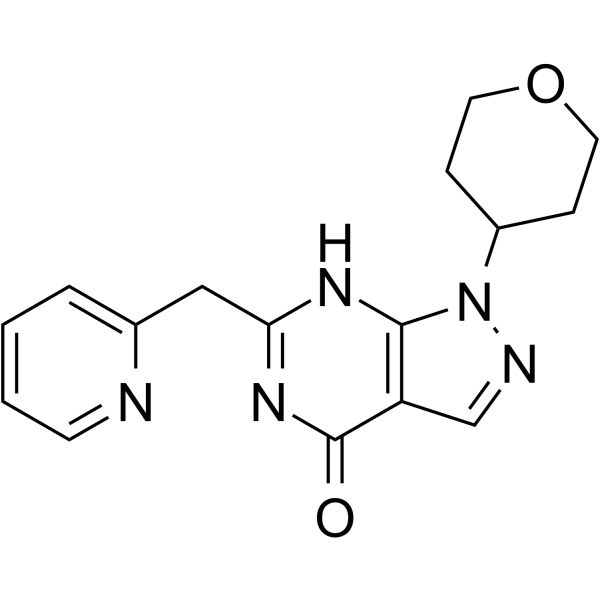
Osoresnontrine (BI-409306) is a potent and selective PDE9A inhibitor, with an IC50 of 52 nM, and shows weak activity against other PDEs, such as PDE1A (IC50, 1.4 µM), PDE1C (IC50, 1.0 µM), PDE2A, PDE3A, PDE4B, PDE5A, PDE6AB, PDE7A, and PDE10A (IC50 all > 10 μM); Osoresnontrine can be used in the research of memory enhancement in CNS disorders.
|
-
-
- HY-102050
-
|
|
Phosphodiesterase (PDE)
|
Neurological Disease
|
|
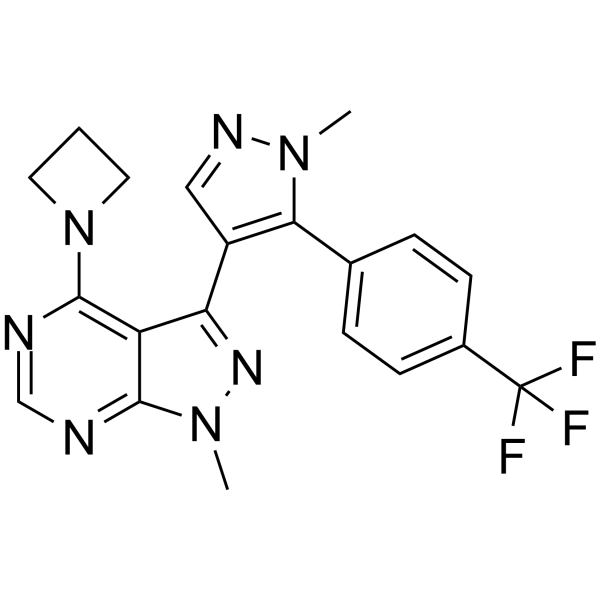
PF-05085727 is a potent, selective and brain penetrant inhibitor of cGMP-dependent PDE2A (IC50=2 nM). PF-05085727 inhibits PDE2A >4,000-fold selectivity over PDE1 and PDE3-11 .
|
-
-
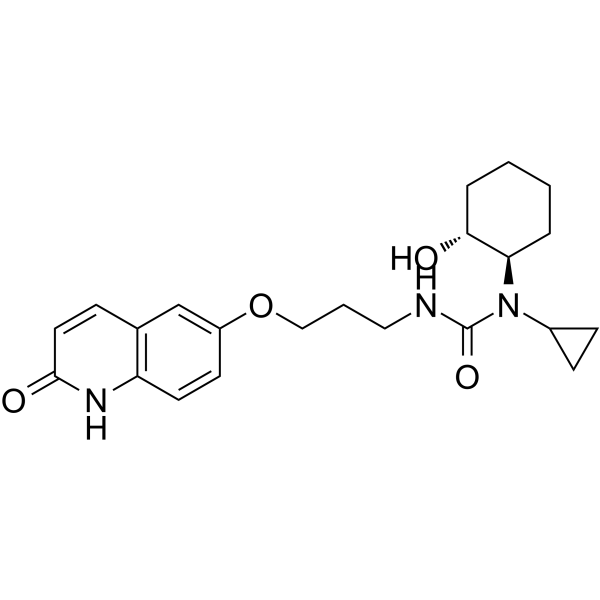
- HY-U00186
-
-
-
- HY-103493
-
|
|
Phosphodiesterase (PDE)
|
Neurological Disease
|
|
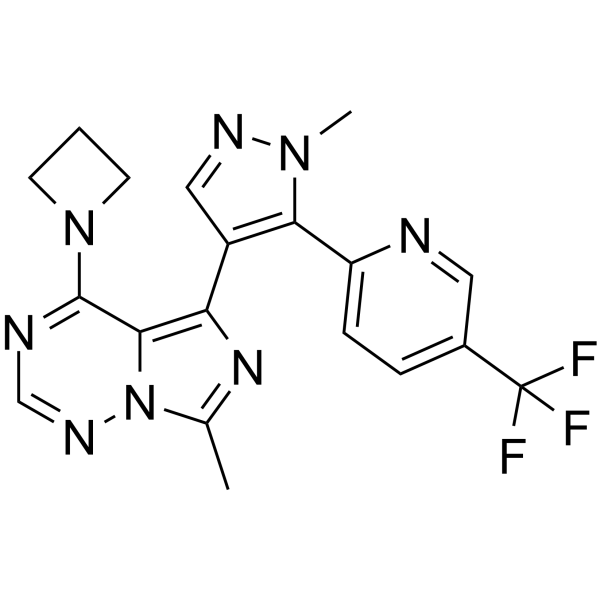
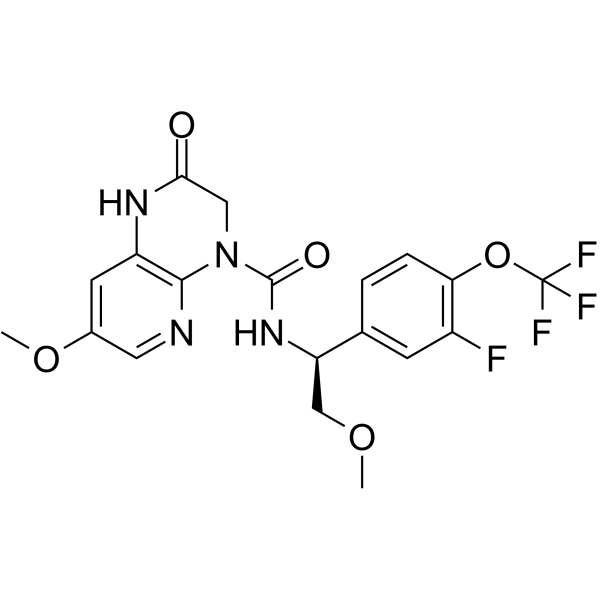
TAK-915 is a potent, selective, brain-penetrant and orally active phosphodiesterase 2A (PDE2A) inhibitor with an IC50 of 0.61 nM. TAK-915 is >4100-fold more selectivity for PDE2A than PDE1A. TAK-915 has the potential for neuropsychiatric and neurodegenerative disorders treatment .
|
-
-
- HY-179337
-
|
|
Phosphodiesterase (PDE)
PKA
|
Neurological Disease
|
|
PDE2-IN-1 is a potent and orally active PDE2 inhibitor with an IC50 of 0.6 μM, demonstrating neuroprotective effects. PDE2-IN-1 modulates the PKA/CREB/BDNF signaling pathway by inhibiting PDE2. PDE2-IN-1 improves memory deficits and cognitive impairment in an okadai acid (OKA)-induced Alzheimer’s disease (AD) mouse model. PDE2-IN-1 can be used for the research of AD .
|
-

-
- HY-15455S
-
|
APTA-2217-d4; BYK 20869-d4; B9302-107-d4
|
Isotope-Labeled Compounds
Phosphodiesterase (PDE)
RSV
|
Inflammation/Immunology
|
|
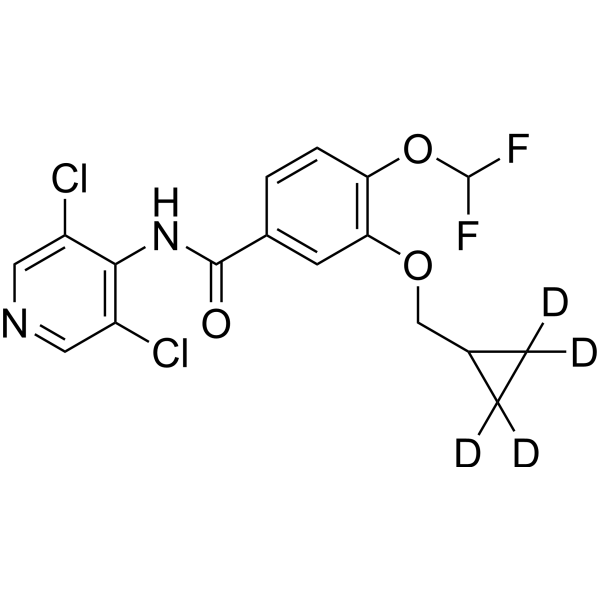
Roflumilast-d4 is the deuterium labeled Roflumilast. Roflumilast is a selective PDE4 inhibitor with IC50s of 0.7, 0.9, 0.7, and 0.2 nM for PDE4A1, PDEA4, PDEB1, and PDEB2, respectively, without affecting PDE1, PDE2, PDE3 or PDE5 isoenzymes from various cells .
|
-
-
- HY-111167
-
|
|
Phosphodiesterase (PDE)
Interleukin Related
TNF Receptor
IFNAR
|
Inflammation/Immunology
|
|
AN-2898 is a selective PDE4 inhibitor with IC50 of 0.027 μM over other phosphodiesterase enzymes, such as PDE1A, PDE2A and PDE3A. AN-2898 also potently inhibits PDE4 subtypes (PDE4B1, PDE4A1A and PDE4D2). AN-2898 significantly inhibits the production of TNF-α, IL-2, IFN-γ, IL-5 and IL-10. AN-2898 can be used for mild to moderate atopic dermatitis (AD) and psoriasis research .
|
-

-
- HY-132993
-
|
|
Phosphodiesterase (PDE)
|
Neurological Disease
|
|
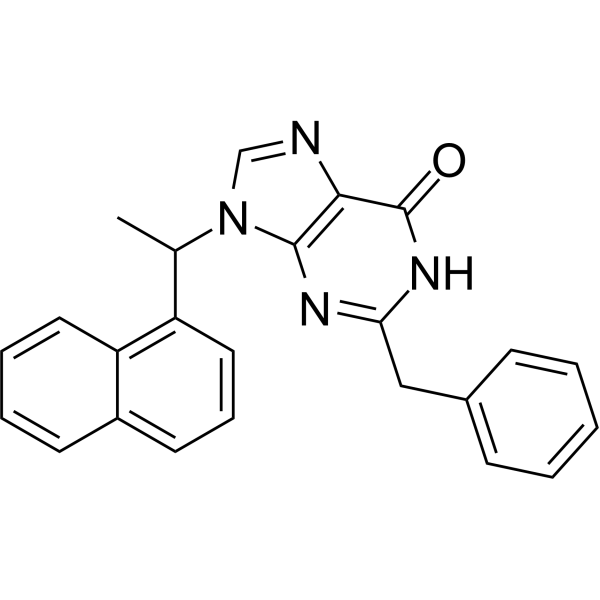
Hcyb1 is a highly selective, orally active PDE2 inhibitor. Hcyb1 has a highly selective inhibition of PDE2A (IC50=0.57 μM) and over 250-fold selectivity against other recombinant PDE family members. Hcyb1 produces neuroprotective and antidepressant‐like effects most likely mediated by cAMP/cGMP-CREB-BDNF signaling .
|
-
-
- HY-103160B
-
|
|
Adenosine Deaminase
Phosphodiesterase (PDE)
Influenza Virus
|
Infection
Cardiovascular Disease
Neurological Disease
Cancer
|
|
EHNA is a potent and selective dual inhibitor of cyclic nucleotide phosphodiesterase 2 (PDE2)(IC50=4 μM) and adenosine deaminase (ADA). EHNA exerts a concentration inhibition of the cGMP-stimulated PDE II (cGs-PDE)(IC50:0.8 μM (human), 2 μM (porcine myocardium)), but has smaller inhibitory effect on the unstimulated PDE2 activity. EHNA play roles in mediating diverse pharmacological responses, including antiviral, antitumour and antiarrhythmic effects .
|
-

-
- HY-103024
-
-
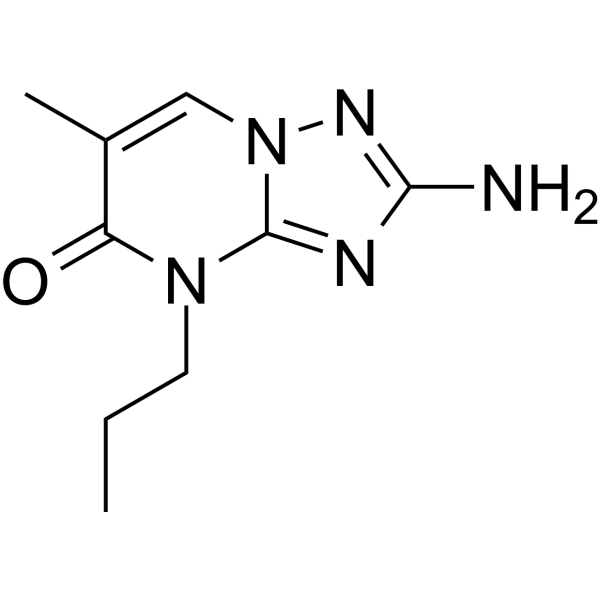
-
- HY-102043
-
|
|
Phosphodiesterase (PDE)
|
Neurological Disease
|
|
PDM-631 is a selective and orally active PDE2A inhibitor with blood-brain barrier penetration. PDM-631 exhibits potent inhibitory activity against human and rat recombinant PDE2A with IC50 values of 1.5 nM and 4.2 nM, respectively. PDM-631 increases cGMP levels in the rat cerebral cortex. PDM-631 can be used for the study of schizophrenia and neurodegenerative disorders .
|
-

-
- HY-156434
-
|
|
Phosphodiesterase (PDE)
|
Neurological Disease
|
|
PDE11A4-IN-1 (compound 23b) is a potent and selective PDE11A4 inhibitor with an IC50 of 12 nM. PDE11A4-IN-1 show high selectivity for PDE11A4 over PDE1, PDE2, PDE7, PDE8, and PDE9 .
|
-
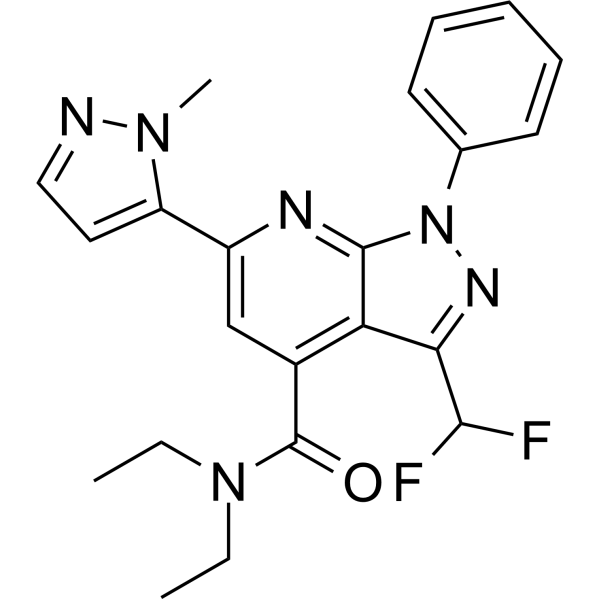
-
- HY-15455R
-
|
APTA-2217 (Standard); BYK 20869 (Standard); B9302-107 (Standard)
|
Reference Standards
Phosphodiesterase (PDE)
RSV
|
Inflammation/Immunology
|
|
Roflumilast (Standard) is the analytical standard of Roflumilast. This product is intended for research and analytical applications. Roflumilast (APTA-2217) is a selective PDE4 inhibitor with IC50s of 0.7, 0.9, 0.7, and 0.2 nM for PDE4A1, PDEA4, PDEB1, and PDEB2, respectively, without affecting PDE1, PDE2, PDE3 or PDE5 isoenzymes from various cells.
|
-

-
- HY-18252A
-
|
TA1790 dibenzenesulfonate
|
Phosphodiesterase (PDE)
NO Synthase
Endogenous Metabolite
|
Cardiovascular Disease
Endocrinology
|
|
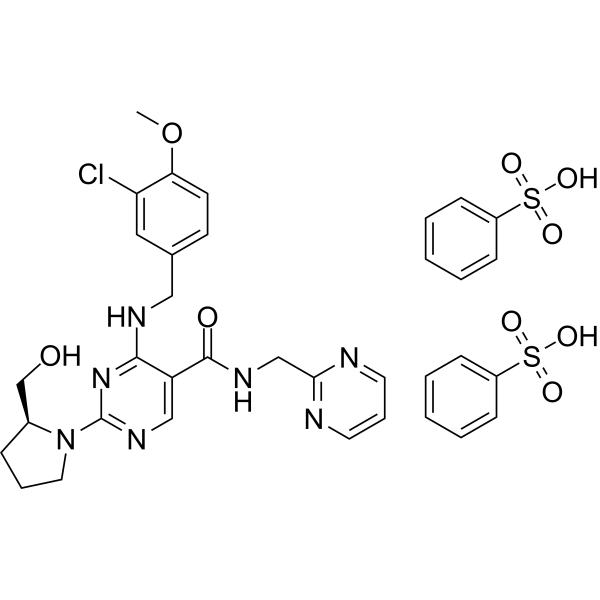
Avanafil (TA-1790) dibenzenesulfonate is a potent and selective phosphodiesterase-5 (PDE-5) inhibitor with IC50 values of 5.2 nM, 630 nM, 5700 nM, 6200 nM, 12000 nM, 27000 nM, 51000 nM and 53000 nM for PDE-5, PDE-6, PDE-4, PDE-10, PDE-8, PDE-7, PDE-2 and PDE-1, respectively. Avanafil dibenzenesulfonate activates NO/cGMP/PKG signaling-pathway to decrease loss in BMD, bone atrophy, and oxidative stress. Avanafil dibenzenesulfonate inhibits cyclic guanosine monophosphate (cGMP) hydrolysis and thus increases cGMP levels. Avanafil dibenzenesulfonate can be used for the research of erectile dysfunction and osteoporosis .
|
-
-
- HY-112631
-
|
|
Phosphodiesterase (PDE)
|
Cardiovascular Disease
|
|
OPC-33540 is a highly selective and competitive PDE3 inhibitor with IC50 values of 0.32 nM (PDE3A) and 1.5 nM (PDE3B). OPC-33540 exhibits IC50s against PDE1, PDE2, PDE4, PDE5, and PDE7 of 42.9, 52.3, 100.8, 2.5, and 51.3 μM, respectively. OPC-33540 significantly enhances cAMP accumulation in platelets and effectively inhibits thrombin-induced platelet aggregation. OPC-33540 can be used in antithrombotic studies .
|
-

-
- HY-114023
-
-

-
- HY-142660
-
-
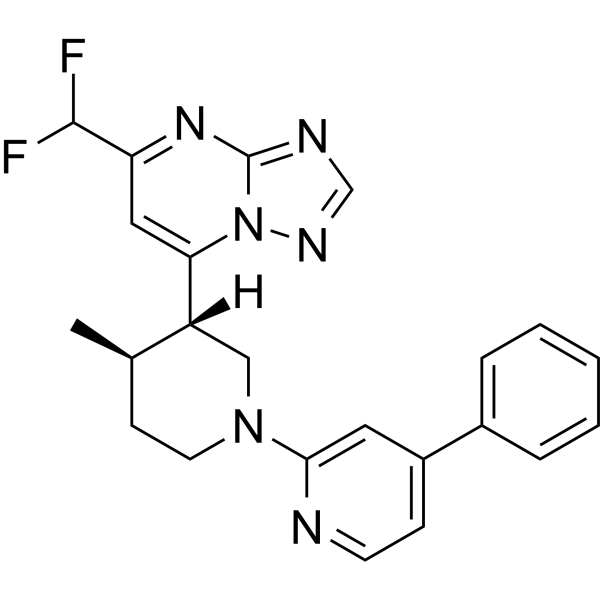
-
- HY-15455S2
-
|
APTA-2217-d3; BYK 20869-d3; B9302-107-d3
|
Isotope-Labeled Compounds
Phosphodiesterase (PDE)
RSV
|
Inflammation/Immunology
|
|
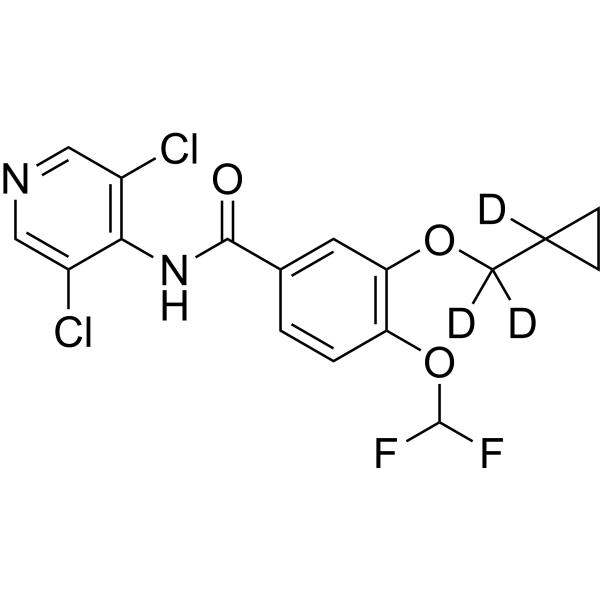
Roflumilast-d3 is deuterium labeled Roflumilast. Roflumilast is a selective PDE4 inhibitor with IC50s of 0.7, 0.9, 0.7, and 0.2 nM for PDE4A1, PDEA4, PDEB1, and PDEB2, respectively, without affecting PDE1, PDE2, PDE3 or PDE5 isoenzymes from various cells.
|
-
-
- HY-112704
-
|
|
Phosphodiesterase (PDE)
|
Cardiovascular Disease
|
|
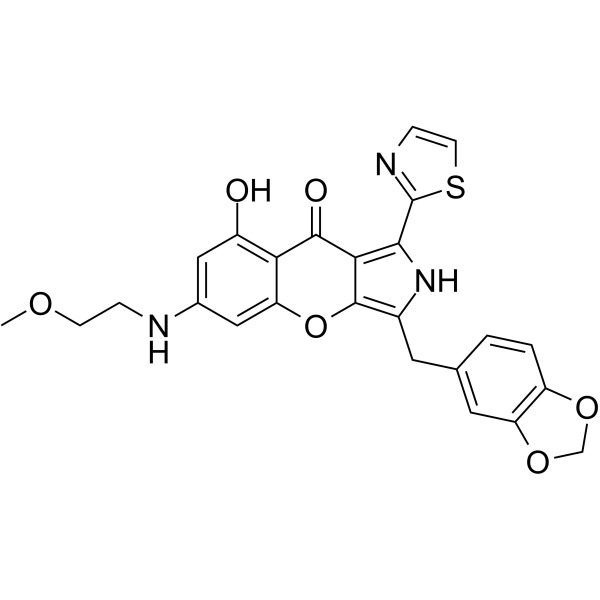
PDE5-IN-2 is a potent, highly selective, and orally active PDE5 inhibitor, with an IC50 of 0.31 nM, less potently inhibits PDE2A, PDE10A, PDE4D2, and PDE6C, with IC50s of 106, 46, 43, 1.2 nM, respectively. Anti-pulmonary arterial hypertension activity .
|
-
-
- HY-15455S1
-
|
|
Phosphodiesterase (PDE)
RSV
|
Inflammation/Immunology
|
|
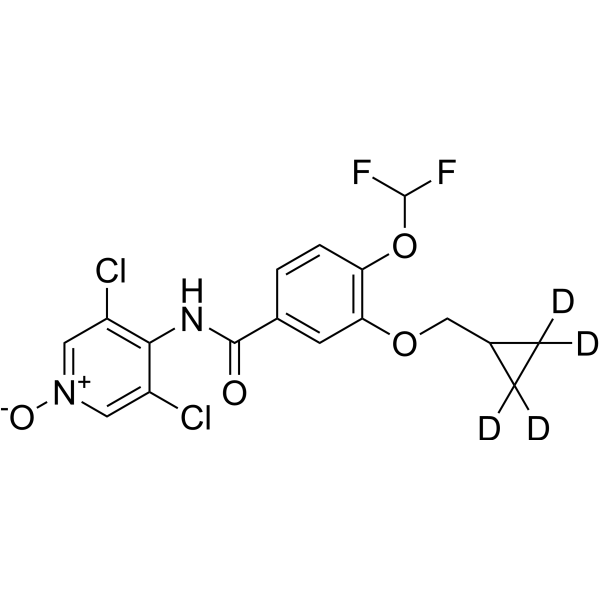
Roflumilast-d4 N-Oxide is the deuterium labeled Roflumilast. Roflumilast is a selective PDE4 inhibitor with IC50s of 0.7, 0.9, 0.7, and 0.2 nM for PDE4A1, PDEA4, PDEB1, and PDEB2, respectively, without affecting PDE1, PDE2, PDE3 or PDE5 isoenzymes from various cells .
|
-
-
- HY-14254AR
-
|
Loprinone (Standard)
|
Phosphodiesterase (PDE)
Reference Standards
|
Cardiovascular Disease
|
|
Olprinone (Standard) is the analytical standard of Olprinone. This product is intended for research and analytical applications. Olprinone (Loprinone) is a potent phosphodiesterase (PDE) 3 inhibitor, with IC50s of 150, 100, 0.35 and 14 μM for PDE1, PDE2, PDE3 and PDE4, respectively. Olprinone is used for the research of heart failure due to its positive inotropic and vasodilative effects. Anti-inflammatory activity .
|
-

-
- HY-B0442S
-
|
|
Isotope-Labeled Compounds
Phosphodiesterase (PDE)
Endogenous Metabolite
|
Endocrinology
|
|
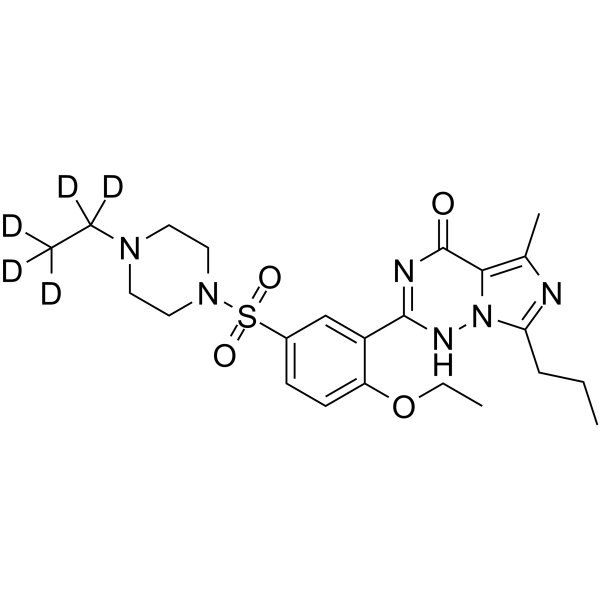
Vardenafil-d5 is deuterium labeled Vardenafil. Vardenafil is a selective, orally active, potent inhibitor of phosphodiesterase-5 (PDE5), with an IC50 of 0.7 nM. Vardenafil shows selectivity over PDE1 (180 nM), PDE6 (11 nM), PDE2, PDE3, and PDE4 (>1000 nM). Vardenafil competitively inhibits cyclic guanosine monophosphate (cGMP) hydrolysis and thus increases cGMP levels. Vardenafil can be used for the research of erectile dysfunction .
|
-
-
- HY-105349
-
|
|
Phosphodiesterase (PDE)
|
Neurological Disease
|
|
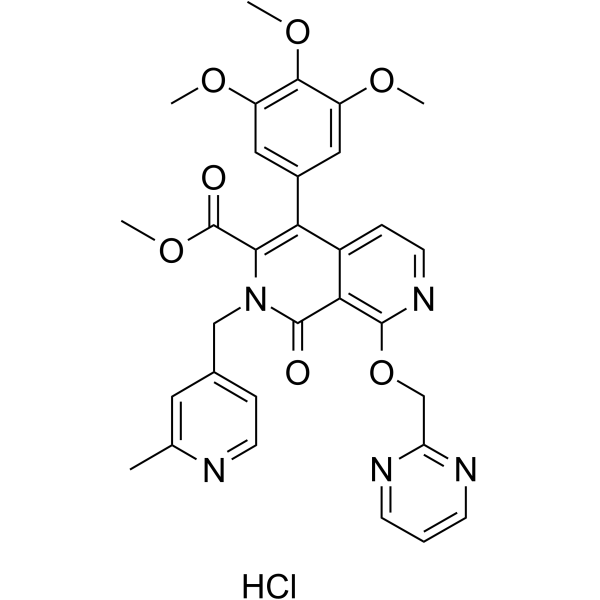
T-0156 is a potent and selective phosphodiesterase type 5 (PDE5) inhibitor. T-0156 specifically inhibits the hydrolysis of cyclic guanosine monophosphate (cGMP) by PDE5 in a competitive manner (IC50=0.23 nM). T-0156 inhibits PDE6 (IC50=56 nM) and has low potencies against PDE1, PDE2, PDE3, and PDE4 (IC50>10 μM). T-0156 enhances the nitric oxide (NO)/cGMP pathway .
|
-
-
- HY-170435
-
|
|
Phosphodiesterase (PDE)
|
Cardiovascular Disease
|
|
PDE5-IN-13 (Compound 14b) inhibits phosphodiesterase 5 (PDE5A) with an IC50 of 3 nM. PDE5-IN-13 is a potential candidate for PAH (pulmonary arterial hypertension) research. PDE5-IN-13 has high selectivity for targets over PDE1, PDE2, PDE3, PDE4, PDE7, PDE8, PDE9, PDE10, and PDE11. PDE5-IN-13 is orally active .
|
-

-
- HY-N1465R
-
|
Aristolochic acid-IVa (Standard)
|
Reference Standards
CDK
Phosphodiesterase (PDE)
Interleukin Related
|
Inflammation/Immunology
Cancer
|
|
Aristolochic acid D (Standard) (Aristolochic acid-IVa (Standard)) is the analytical standard of Aristolochic acid D (HY-N1465). This product is intended for research and analytical applications. Aristolochic acid D (Aristolochic acid-IVa) is an orally active PDE2 (IC50: 4.673 μM) and CDK2 (IC50: 25 μM) inhibitor that can be isolated from Aristolochia indica L. Aristolochic acid D exhibits anti-inflammatory activity and is non-carcinogenic and non-nephrotoxic. Aristolochic acid D can be used in the research of inflammation and tumor-related diseases .
|
-

-
- HY-164685
-
|
|
Phosphodiesterase (PDE)
|
Neurological Disease
|
|
T-0156 free base is a potent and selective phosphodiesterase type 5 (PDE5) inhibitor. T-0156 free base specifically inhibits the hydrolysis of cyclic guanosine monophosphate (cGMP) by PDE5 in a competitive manner (IC50=0.23 nM). T-0156 free base inhibits PDE6 (IC50=56 nM) and has low potencies against PDE1, PDE2, PDE3, and PDE4 (IC50>10 μM). T-0156 free base enhances the nitric oxide (NO)/cGMP pathway .
|
-

-
- HY-18252R
-
|
TA1790 (Standard)
|
Reference Standards
Phosphodiesterase (PDE)
NO Synthase
Endogenous Metabolite
|
Cardiovascular Disease
Endocrinology
|
|
Avanafil (Standard) is the analytical standard of Avanafil. This product is intended for research and analytical applications. Avanafil (TA-1790) is a potent and selective phosphodiesterase-5 (PDE-5) inhibitor with IC50 values of 5.2 nM, 630 nM, 5700 nM, 6200 nM, 12000 nM, 27000 nM, 51000 nM and 53000 nM for PDE-5, PDE-6, PDE-4, PDE-10, PDE-8, PDE-7, PDE-2 and PDE-1, respectively. Avanafil activates NO/cGMP/PKG signaling-pathway to decrease loss in BMD, bone atrophy, and oxidative stress. Avanafil inhibits cyclic guanosine monophosphate (cGMP) hydrolysis and thus increases cGMP levels. Avanafil can be used for the research of erectile dysfunction and osteoporosis .
|
-

-
- HY-10790R
-
|
SB-207499 (Standard)
|
Phosphodiesterase (PDE)
Reference Standards
|
Inflammation/Immunology
|
|
Cilomilast (Standard) is the analytical standard of Cilomilast. This product is intended for research and analytical applications. Cilomilast (SB-207499) is a potent, selective and orally active inhibitor of Phosphodiesterase 4 (PDE4), with IC50s of ~100 and 120 nM for LPDE4 and HPDE4, respectively. Cilomilast shows selectivity for PDE4 over PDE1, PDE2, PDE3 and PDE5 (IC50=74, 65, >100, and 83 μM, respectively). Cilomilast has anti-inflammatory and immunomodulatory effects and can be used for thr research of asthma and chronic obstructive pulmonary disease (COPD) .
|
-

-
- HY-18252S3
-
|
TA1790-13C5
|
Isotope-Labeled Compounds
Endogenous Metabolite
Phosphodiesterase (PDE)
NO Synthase
|
Cardiovascular Disease
Endocrinology
|
|
Avanafil- 13C5 (TA1790- 13C5) is 13C labeled Avanafil. Avanafil (TA-1790) is a potent and selective phosphodiesterase-5 (PDE-5) inhibitor with IC50 values of 5.2 nM, 630 nM, 5700 nM, 6200 nM, 12000 nM, 27000 nM, 51000 nM and 53000 nM for PDE-5, PDE-6, PDE-4, PDE-10, PDE-8, PDE-7, PDE-2 and PDE-1, respectively. Avanafil activates NO/cGMP/PKG signaling-pathway to decrease loss in BMD, bone atrophy, and oxidative stress. Avanafil inhibits cyclic guanosine monophosphate (cGMP) hydrolysis and thus increases cGMP levels. Avanafil can be used for the research of erectile dysfunction and osteoporosis .
|
-

-
- HY-18252S1
-
|
|
Endogenous Metabolite
NO Synthase
Phosphodiesterase (PDE)
Isotope-Labeled Compounds
|
Cardiovascular Disease
Endocrinology
|
|
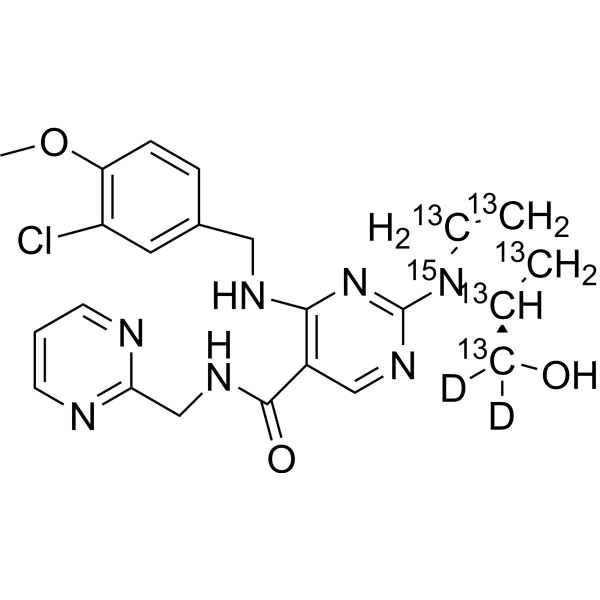
Avanafil- 13C5, 15N,d2 is 15N and deuterated labeled Avanafil (HY-18252). Avanafil (TA-1790) is a potent and selective phosphodiesterase-5 (PDE-5) inhibitor with IC50 values of 5.2 nM, 630 nM, 5700 nM, 6200 nM, 12000 nM, 27000 nM, 51000 nM and 53000 nM for PDE-5, PDE-6, PDE-4, PDE-10, PDE-8, PDE-7, PDE-2 and PDE-1, respectively. Avanafil activates NO/cGMP/PKG signaling-pathway to decrease loss in BMD, bone atrophy, and oxidative stress. Avanafil inhibits cyclic guanosine monophosphate (cGMP) hydrolysis and thus increases cGMP levels. Avanafil can be used for the research of erectile dysfunction and osteoporosis .
|
-
-
- HY-103160AR
-
|
|
Reference Standards
Adenosine Deaminase
Phosphodiesterase (PDE)
Influenza Virus
|
Infection
Cardiovascular Disease
Neurological Disease
Cancer
|
|
EHNA hydrochloride (Standard) is the analytical standard of EHNA hydrochloride (HY-103160A). This product is intended for research and analytical applications. EHNA hydrochloride is a potent and selective dual inhibitor of cyclic nucleotide phosphodiesterase 2 (PDE2)(IC50=4 μM) and adenosine deaminase (ADA). EHNA hydrochloride exerts a concentration inhibition of the cGMP-stimulated PDE II (cGs-PDE)(IC50:0.8 μM (human), 2 μM (porcine myocardium)), but has smaller inhibitory effect on the unstimulated PDE2 activity. EHNA hydrochloride play roles in mediating diverse pharmacological responses, including antiviral, antitumour and antiarrhythmic effects .
|
-

-
- HY-U00427
-
|
|
Phosphodiesterase (PDE)
|
Neurological Disease
Cancer
|
|
PDE2A-IN-3 (Example Ic1) is a selective phosphodiesterase 2A (PDE2A) inhibitor with IC50s of 69 nM and 1762 nM for PDE2A and PDE10, respectively. PDE2A-IN-3 can be used for the study of neurological and psychiatric disorders .
|
-
-
- HY-124173
-
-

-
- HY-180345
-
|
|
Prostaglandin Receptor
|
Neurological Disease
|
|
ND-7001 is an inhibitor of PDE2 with an IC50 of 0.05 μM. ND-7001 exhibits good selectivity agianst PDE3 and PDE4. ND-7001 increases cGMP levels in primary neuronal cultures of rat cerebral cortical neurons. ND-7001 displays anxiolytic effects .
|
-

-
- HY-120195A
-
|
|
Phosphodiesterase (PDE)
|
Cardiovascular Disease
|
|
PF-04827736 (compound (S)-3) is a selective PDE1 inhibitor with IC50 values of 9.1 nM, 38 nM and 42 nM for PDE1B, PDE1C and PDE1A. PF-04827736 selectively inhibits human PDE1 over the other 10 superfamily members (PDE2-PDE11). PF-04827736 can be used for the study of cardiovascular disease .
|
-

-
- HY-120710
-
-

-
- HY-A0165R
-
|
|
Phosphodiesterase (PDE)
Reference Standards
|
Neurological Disease
|
|
Tofisopam (Standard) is the analytical standard of Tofisopam (HY-A0165). This product is intended for research and analytical applications. Tofisopam, a 2,3-benzodiazepine compound, is an orally active anxiolytic agent. Tofisopam can inhibit phosphodiesterase PDE isoenzyme activity, withIC50 values of 2.11 μM, 1.98 μM, 0.42 μM, and 0.92 μM for PDE-2A3, PDE-3A, PDE-4A1, and PDE-10A1, respectively. Tofisopam can be used for the study of anxiety .
|
-

-
- HY-103024R
-
|
|
Reference Standards
Phosphodiesterase (PDE)
|
Neurological Disease
|
|
ICI-63197 (Standard) is the analytical standard of ICI-63197 (HY-103024). This product is intended for research and analytical applications. ICI-63197 is a phosphodiesterase 3 (PDE3) and PDE4 inhibitor with Ki values of 9 µM and 10 µM, respectively. ICI-63197 is selectivity against PDE1 and PDE2. ICI-63197 has antidepressant effects .
|
-

-
- HY-14254R
-
|
Loprinone Hydrochloride (Standard)
|
Phosphodiesterase (PDE)
Reference Standards
|
Cardiovascular Disease
|
|
Olprinone (Hydrochloride) (Standard) is the analytical standard of Olprinone (Hydrochloride). This product is intended for research and analytical applications. Olprinone (Loprinone) Hydrochloride is a potent phosphodiesterase (PDE) 3 inhibitor, with IC50s of 150, 100, 0.35 and 14 μM for PDE1, PDE2, PDE3 and PDE4, respectively. Olprinone Hydrochloride is used for the research of heart failure due to its positive inotropic and vasodilative effects. Anti-inflammatory activity .
|
-

-
- HY-168966
-
|
|
Phosphodiesterase (PDE)
iGluR
|
Neurological Disease
|
|
JNJ-54082730 (Compound 1) is the orally active inhibitor for phosphodiesterase (PDE) that inhibits PDE2A, PDE3B, and PDE10A2 with IC50s of 0.95 nM, 6.17 μM (pIC50=5.21) and 87.1 nM (pIC50=7.06), respectively. JNJ-54082730 modulates the activity of AMPA receptor, enhance the synaptic plasticity and promotes the learning and memory function in rats models. JNJ-54082730 can cross blood-brain barrier .
|
-

- HY-179550
-
|
|
Drug Metabolite
Phosphodiesterase (PDE)
PKG
|
Metabolic Disease
|
|
Avanafil metabolite M4 (Compound M-4ii) is a metabolite of Avanafil (HY-18252). Avanafil is a selective Phosphodiesterase-5 (PDE-5) inhibitor with IC50s of 5.2, 630, 5700, 6200, 12000, 27000, 51000 and 53000 nM for PDE-5, PDE-6, PDE-4, PDE-10, PDE-8, PDE-7, PDE-2 and PDE-1, respectively. Avanafil activates NO/cGMP/PKG signaling-pathway to decrease loss in BMD, bone atrophy, and oxidative stress. Avanafil inhibits cGMP hydrolysis and thus increases cGMP levels. Avanafil can be used for the research of erectile dysfunction and osteoporosis .
|
-

- HY-113972R
-
|
|
Reference Standards
Others
|
Inflammation/Immunology
|
|
Avanafil (Standard) is the analytical standard of Avanafil. This product is intended for research and analytical applications. Avanafil (TA-1790) is a potent and selective phosphodiesterase-5 (PDE-5) inhibitor with IC50 values of 5.2 nM, 630 nM, 5700 nM, 6200 nM, 12000 nM, 27000 nM, 51000 nM and 53000 nM for PDE-5, PDE-6, PDE-4, PDE-10, PDE-8, PDE-7, PDE-2 and PDE-1, respectively. Avanafil activates NO/cGMP/PKG signaling-pathway to decrease loss in BMD, bone atrophy, and oxidative stress. Avanafil inhibits cyclic guanosine monophosphate (cGMP) hydrolysis and thus increases cGMP levels. Avanafil can be used for the research of erectile dysfunction and osteoporosis .
|
-

- HY-180526
-
|
|
Phosphodiesterase (PDE)
|
Neurological Disease
|
|
PDE2A-IN-2 is a selective and brain-penetrant PDE2A inhibitor (Ki = 5.49 nM and 100 > fold selectivity over other PDE isoforms). The 11C-labeled PDE2A-IN-2 serves as a positron emission tomography (PET) tracer for brain imaging in patients with neurodegenerative diseases. PDE2A-IN-2 educes the radiotracer signal in PDE2A-rich regions in vitro. PDE2A-IN-2 exhibits low binding affinity in vivo. PDE2A-IN-2 can be used for neurodegenerative diseases .
|
-

- HY-102050R
-
|
|
Reference Standards
Phosphodiesterase (PDE)
|
Neurological Disease
|
|
PF-05085727 (Standard) is the analytical standard of PF-05085727 (HY-102050). This product is intended for research and analytical applications. PF-05085727 is a potent, selective and brain penetrant inhibitor of cGMP-dependent PDE2A (IC50=2 nM). PF-05085727 inhibits PDE2A >4,000-fold selectivity over PDE1 and PDE3-11 .
|
-

- HY-103493R
-
|
|
Reference Standards
Phosphodiesterase (PDE)
|
Neurological Disease
|
|
TAK-915 (Standard) is the analytical standard of TAK-915 (HY-103493). This product is intended for research and analytical applications. TAK-915 is a potent, selective, brain-penetrant and orally active phosphodiesterase 2A (PDE2A) inhibitor with an IC50 of 0.61 nM. TAK-915 is >4100-fold more selectivity for PDE2A than PDE1A. TAK-915 has the potential for neuropsychiatric and neurodegenerative disorders treatment .
|
-

| Cat. No. |
Product Name |
Category |
Target |
Chemical Structure |
-
- HY-18252
-
|
TA1790
|
Cardiovascular Disease
Natural Products
Classification of Application Fields
Endogenous metabolite
Disease Research Fields
Endocrinology
Source Classification
|
Phosphodiesterase (PDE)
NO Synthase
Endogenous Metabolite
|
|
Avanafil (TA-1790) is a potent and selective phosphodiesterase-5 (PDE-5) inhibitor with IC50 values of 5.2 nM, 630 nM, 5700 nM, 6200 nM, 12000 nM, 27000 nM, 51000 nM and 53000 nM for PDE-5, PDE-6, PDE-4, PDE-10, PDE-8, PDE-7, PDE-2 and PDE-1, respectively. Avanafil activates NO/cGMP/PKG signaling-pathway to decrease loss in BMD, bone atrophy, and oxidative stress. Avanafil inhibits cyclic guanosine monophosphate (cGMP) hydrolysis and thus increases cGMP levels. Avanafil can be used for the research of erectile dysfunction and osteoporosis .
|
-
-
- HY-N1465
-
-
-
- HY-18252A
-
|
TA1790 dibenzenesulfonate
|
Cardiovascular Disease
Natural Products
Classification of Application Fields
Endogenous metabolite
Disease Research Fields
Endocrinology
Source Classification
|
Phosphodiesterase (PDE)
NO Synthase
Endogenous Metabolite
|
|
Avanafil (TA-1790) dibenzenesulfonate is a potent and selective phosphodiesterase-5 (PDE-5) inhibitor with IC50 values of 5.2 nM, 630 nM, 5700 nM, 6200 nM, 12000 nM, 27000 nM, 51000 nM and 53000 nM for PDE-5, PDE-6, PDE-4, PDE-10, PDE-8, PDE-7, PDE-2 and PDE-1, respectively. Avanafil dibenzenesulfonate activates NO/cGMP/PKG signaling-pathway to decrease loss in BMD, bone atrophy, and oxidative stress. Avanafil dibenzenesulfonate inhibits cyclic guanosine monophosphate (cGMP) hydrolysis and thus increases cGMP levels. Avanafil dibenzenesulfonate can be used for the research of erectile dysfunction and osteoporosis .
|
-
-
- HY-N1465R
-
|
Aristolochic acid-IVa (Standard)
|
Monophenols
other families
Ketones, Aldehydes, Acids
Phenols
Plants
Source Classification
|
Reference Standards
CDK
Phosphodiesterase (PDE)
Interleukin Related
|
|
Aristolochic acid D (Standard) (Aristolochic acid-IVa (Standard)) is the analytical standard of Aristolochic acid D (HY-N1465). This product is intended for research and analytical applications. Aristolochic acid D (Aristolochic acid-IVa) is an orally active PDE2 (IC50: 4.673 μM) and CDK2 (IC50: 25 μM) inhibitor that can be isolated from Aristolochia indica L. Aristolochic acid D exhibits anti-inflammatory activity and is non-carcinogenic and non-nephrotoxic. Aristolochic acid D can be used in the research of inflammation and tumor-related diseases .
|
-
-
- HY-18252R
-
|
TA1790 (Standard)
|
Structural Classification
Natural Products
Endogenous metabolite
Source Classification
|
Reference Standards
Phosphodiesterase (PDE)
NO Synthase
Endogenous Metabolite
|
|
Avanafil (Standard) is the analytical standard of Avanafil. This product is intended for research and analytical applications. Avanafil (TA-1790) is a potent and selective phosphodiesterase-5 (PDE-5) inhibitor with IC50 values of 5.2 nM, 630 nM, 5700 nM, 6200 nM, 12000 nM, 27000 nM, 51000 nM and 53000 nM for PDE-5, PDE-6, PDE-4, PDE-10, PDE-8, PDE-7, PDE-2 and PDE-1, respectively. Avanafil activates NO/cGMP/PKG signaling-pathway to decrease loss in BMD, bone atrophy, and oxidative stress. Avanafil inhibits cyclic guanosine monophosphate (cGMP) hydrolysis and thus increases cGMP levels. Avanafil can be used for the research of erectile dysfunction and osteoporosis .
|
-
-
- HY-113972R
-
|
|
Structural Classification
Monophenols
Microorganisms
Marine natural products
Phenols
Marine microorganism
|
Reference Standards
Others
|
|
Avanafil (Standard) is the analytical standard of Avanafil. This product is intended for research and analytical applications. Avanafil (TA-1790) is a potent and selective phosphodiesterase-5 (PDE-5) inhibitor with IC50 values of 5.2 nM, 630 nM, 5700 nM, 6200 nM, 12000 nM, 27000 nM, 51000 nM and 53000 nM for PDE-5, PDE-6, PDE-4, PDE-10, PDE-8, PDE-7, PDE-2 and PDE-1, respectively. Avanafil activates NO/cGMP/PKG signaling-pathway to decrease loss in BMD, bone atrophy, and oxidative stress. Avanafil inhibits cyclic guanosine monophosphate (cGMP) hydrolysis and thus increases cGMP levels. Avanafil can be used for the research of erectile dysfunction and osteoporosis .
|
-
| Cat. No. |
Product Name |
Chemical Structure |
-
- HY-15455S
-
1 Publications Verification
|
|
Roflumilast-d4 is the deuterium labeled Roflumilast. Roflumilast is a selective PDE4 inhibitor with IC50s of 0.7, 0.9, 0.7, and 0.2 nM for PDE4A1, PDEA4, PDEB1, and PDEB2, respectively, without affecting PDE1, PDE2, PDE3 or PDE5 isoenzymes from various cells .
|
-
-
- HY-15455S2
-
|
|
|
Roflumilast-d3 is deuterium labeled Roflumilast. Roflumilast is a selective PDE4 inhibitor with IC50s of 0.7, 0.9, 0.7, and 0.2 nM for PDE4A1, PDEA4, PDEB1, and PDEB2, respectively, without affecting PDE1, PDE2, PDE3 or PDE5 isoenzymes from various cells.
|
-
-
- HY-15455S1
-
|
|
|
Roflumilast-d4 N-Oxide is the deuterium labeled Roflumilast. Roflumilast is a selective PDE4 inhibitor with IC50s of 0.7, 0.9, 0.7, and 0.2 nM for PDE4A1, PDEA4, PDEB1, and PDEB2, respectively, without affecting PDE1, PDE2, PDE3 or PDE5 isoenzymes from various cells .
|
-
-
- HY-B0442S
-
|
|
|
Vardenafil-d5 is deuterium labeled Vardenafil. Vardenafil is a selective, orally active, potent inhibitor of phosphodiesterase-5 (PDE5), with an IC50 of 0.7 nM. Vardenafil shows selectivity over PDE1 (180 nM), PDE6 (11 nM), PDE2, PDE3, and PDE4 (>1000 nM). Vardenafil competitively inhibits cyclic guanosine monophosphate (cGMP) hydrolysis and thus increases cGMP levels. Vardenafil can be used for the research of erectile dysfunction .
|
-
-
- HY-18252S3
-
|
|
|
Avanafil- 13C5 (TA1790- 13C5) is 13C labeled Avanafil. Avanafil (TA-1790) is a potent and selective phosphodiesterase-5 (PDE-5) inhibitor with IC50 values of 5.2 nM, 630 nM, 5700 nM, 6200 nM, 12000 nM, 27000 nM, 51000 nM and 53000 nM for PDE-5, PDE-6, PDE-4, PDE-10, PDE-8, PDE-7, PDE-2 and PDE-1, respectively. Avanafil activates NO/cGMP/PKG signaling-pathway to decrease loss in BMD, bone atrophy, and oxidative stress. Avanafil inhibits cyclic guanosine monophosphate (cGMP) hydrolysis and thus increases cGMP levels. Avanafil can be used for the research of erectile dysfunction and osteoporosis .
|
-
-
- HY-18252S1
-
|
|
|
Avanafil- 13C5, 15N,d2 is 15N and deuterated labeled Avanafil (HY-18252). Avanafil (TA-1790) is a potent and selective phosphodiesterase-5 (PDE-5) inhibitor with IC50 values of 5.2 nM, 630 nM, 5700 nM, 6200 nM, 12000 nM, 27000 nM, 51000 nM and 53000 nM for PDE-5, PDE-6, PDE-4, PDE-10, PDE-8, PDE-7, PDE-2 and PDE-1, respectively. Avanafil activates NO/cGMP/PKG signaling-pathway to decrease loss in BMD, bone atrophy, and oxidative stress. Avanafil inhibits cyclic guanosine monophosphate (cGMP) hydrolysis and thus increases cGMP levels. Avanafil can be used for the research of erectile dysfunction and osteoporosis .
|
-
Your information is safe with us. * Required Fields.
Inquiry Information
- Product Name:
- Cat. No.:
- Quantity:
- MCE Japan Authorized Agent:








