



Olprinone Hydrochloride
Based on 1 publication(s) in Google Scholar
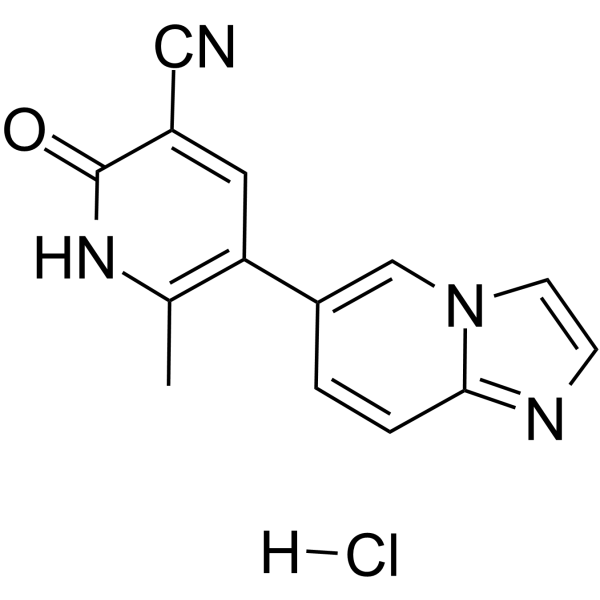
Olprinone (Loprinone) Hydrochloride is a potent and selective phosphodiesterase 3 (PDE3) inhibitor, with IC50 values of 150, 100, 0.35, and 14 μM against PDE1, PDE2, PDE3, and PDE4, respectively. Olprinone Hydrochloride exerts comprehensive protective effects including anti-inflammatory, antioxidant, and anti-apoptotic activities by elevating intracellular cAMP levels and inhibiting the NF-κB and MAPK signaling pathways. Olprinone Hydrochloride can be used in studies related to lung injury, spinal cord injury, heart failure, myocardial ischemia-reperfusion injury, and cerebral ischemic injury.
商品は「研究用試薬」です。人や動物の医療用・臨床診断用・食品用の製品ではありません。
研究用途以外に使用した場合、当社は一切の責任を負いかねます。
- 純度 : 99.85%
- CAS 番号: 119615-63-3
- 分子式: C14H11ClN4O
- 分子量:286.72
-
保管条件:
4°C, sealed storage, away from moisture
* In solvent : -80°C, 6 months; -20°C, 1 month (sealed storage, away from moisture)

To place orders, for customer services and technical support, please contact: MedChemExpress USA
Tel: 609-228-6898 E-mail: [email protected] [email protected]


-
 生物活性
生物活性
-
化学情報
-
溶剤 & 溶解度
- プロトコル
- 純度とドキュメンテーション
- 参考文献
-
 Help & FAQs


-
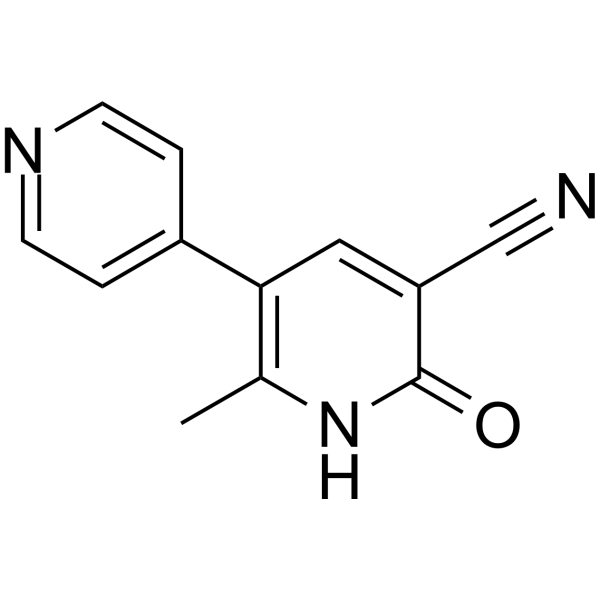
HY-14252
Milrinone -
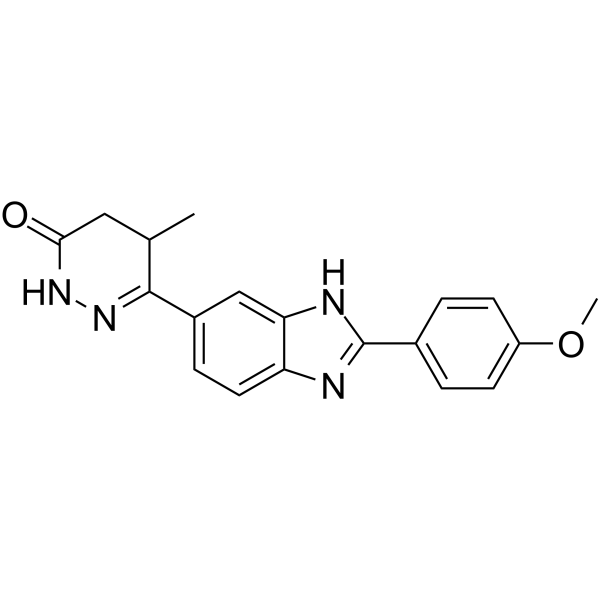
HY-B0204
PimobendanPDE Inhibitor -
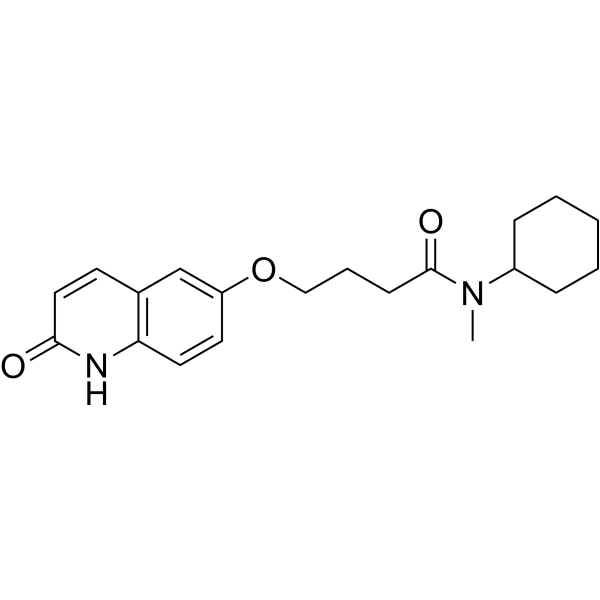
HY-101312
CilostamidePDE3 Inhibitor -
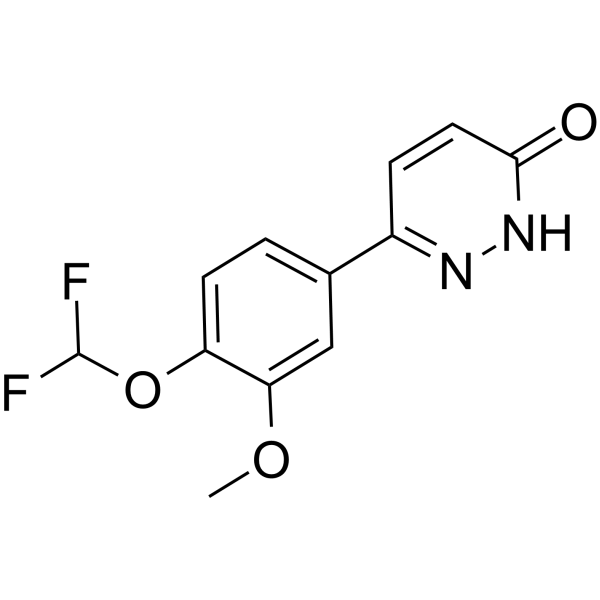
HY-15485
ZardaverinePDE3/4 Inhibitor -
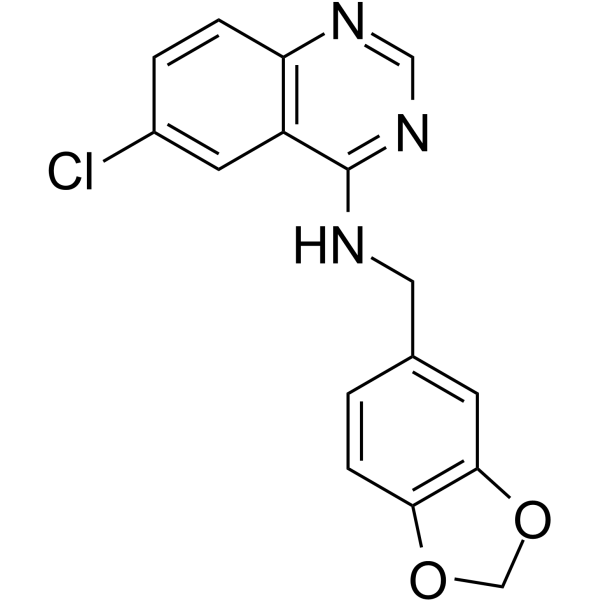
HY-114672
MBCQPDE5 Inhibitor -
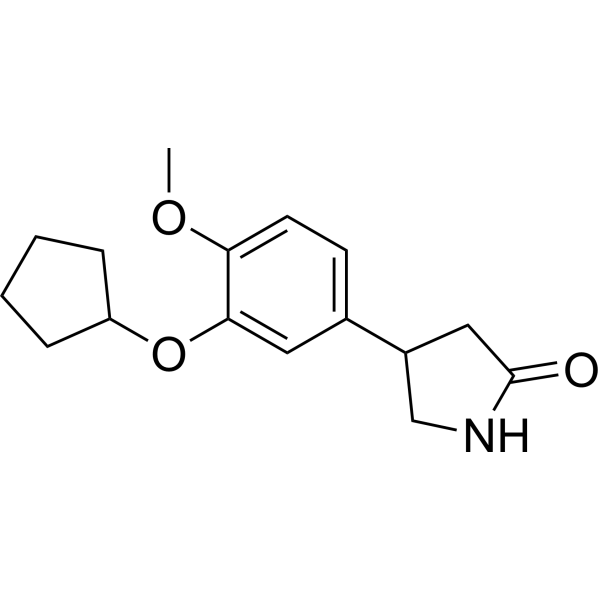
HY-16900
RolipramPDE4 Inhibitor -
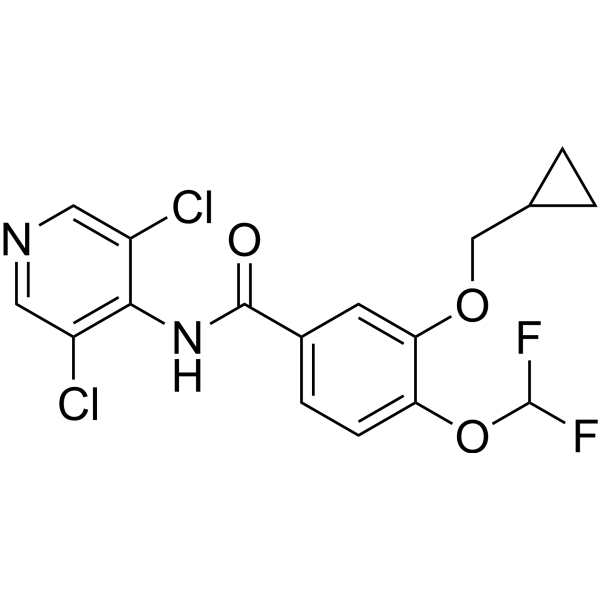
HY-15455
RoflumilastPDE4 Inhibitor -

HY-16900R
Rolipram (Standard)Reference Standard -
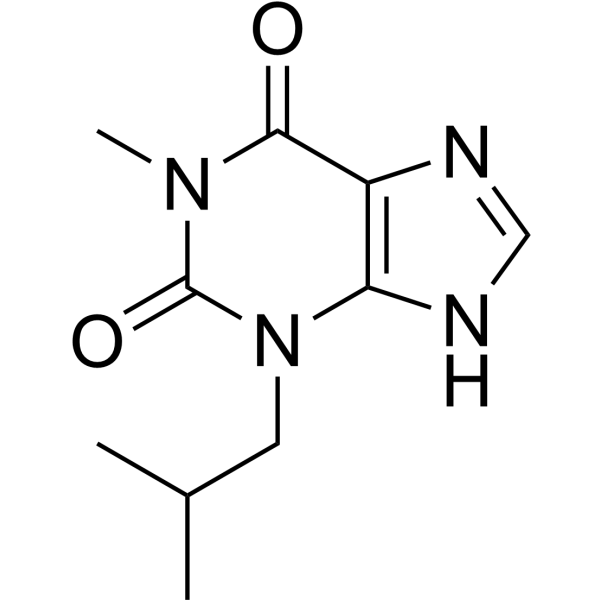
HY-12318
IBMXPDE Inhibitor -
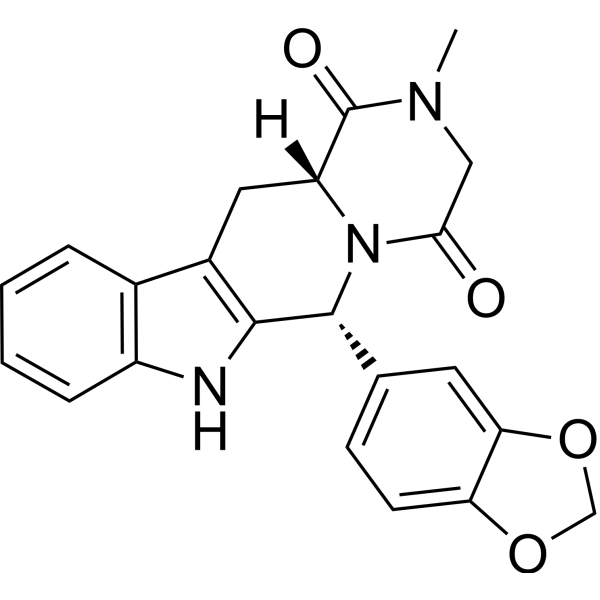
HY-90009A
TadalafilPDE5 Inhibitor -
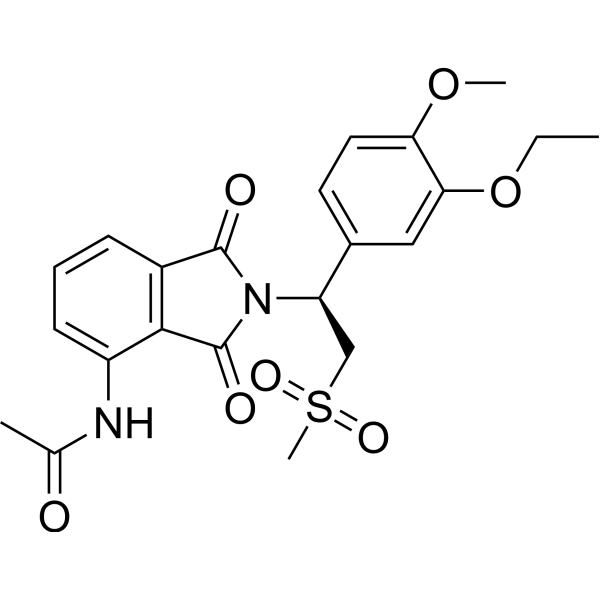
HY-12085
ApremilastPDE-4 Inhibitor -
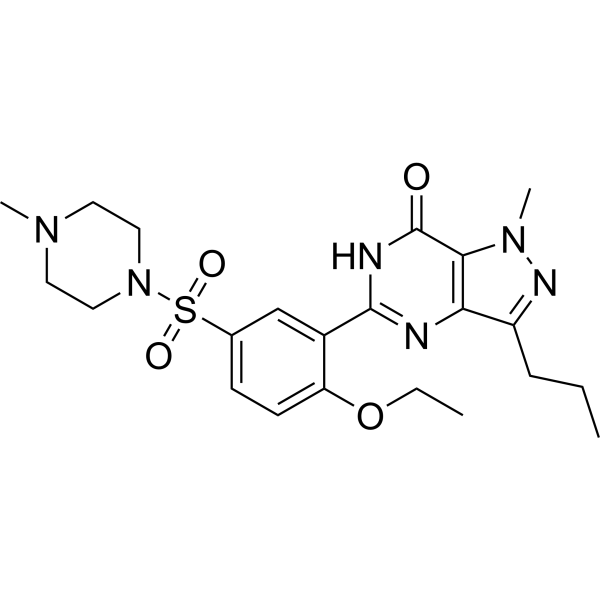
HY-15025
SildenafilPDE5 Inhibitor
MedChemExpress(MCE)の使用を引用している文献 Olprinone Hydrochloride
More

生物活性
製品説明
IC50 & Target
[1]|
PDE1 150 μM (IC50) |
PDE2 100 μM (IC50) |
PDE3 0.35 μM (IC50) |
PDE4 14 μM (IC50) |
体外実験
Olprinone (Loprinone) hydrochloride (10 mM; 48-72 h) hydrate inhibits LPS (HY-D1056)-induced production of TNF-α and IL-6, and promotes the production of IL-10, in isolated rat alveolar macrophages[2].
MedChemExpress (MCE) has not independently confirmed the accuracy of these methods. They are for reference only. Further protocols information, click here.
-
Cell Line:Primary rat alveolar macrophages
-
Concentration:10 mM
-
Incubation Time:48, 72 h
-
Result:Significantly suppressed the levels of TNF-α and IL-6 at 48 h and 72 h.
Augmented the production of IL-10 at 48 h and 72 h.
体内実験
Olprinone (0.2 mg/kg; i.p.; administered at 1 h and 6 h post-injury, followed by daily administration until day 9 post-injury; observation for 10 days) hydrochloride hydrate exerts effects of alleviating spinal cord inflammation, reducing cell apoptosis and improving hindlimb motor function in a mouse model of spinal cord injury[3].
Olprinone (0.2 mg/kg; i.v.; single administration; observation for 5 h) hydrochloride hydrate exerts effects of alleviating pulmonary oxidative stress, reducing pulmonary edema and inflammatory cell infiltration in a rabbit model of acute lung injury induced by meconium aspiration syndrome[4].
Olprinone (0.2 mg/kg; i.p.; single administration) hydrochloride hydrate exerts effects of reducing myocardial infarction size, anti-inflammation and anti-apoptosis in a rat model of myocardial ischemic injury[5].
Olprinone (0.2 mg/kg; i.p.; single administration; 5 minutes before reperfusion) hydrochloride hydrate exerts effects of reducing cerebral infarction volume, improving neurological deficits, anti-inflammation and anti-apoptosis in a rat model of cerebral ischemia/reperfusion injury[6].
MedChemExpress (MCE) has not independently confirmed the accuracy of these methods. They are for reference only.
-
Animal Model:Wistar rats (male, 180-220 g, acute lung injury model via intravenous Escherichia coli serotype 055:B5 lipopolysaccharide injection at 5 mg/kg)[2]
-
Dosage:0.2 mg/kg
-
Administration:i.p.; single dose (30 minutes prior to LPS exposure); 6 h
-
Result:Significantly inhibited the LPS-induced neutrophil influx into the lungs.
Suppressed inflammatory cytokines TNF-α and IL-6 in the serum.
Augmented the production of the anti-inflammatory cytokine IL-10 in the serum.
-
Animal Model:CD1 mice (male adult, 25-30 g, spinal cord injury induced by extradural compression of T5-T8 spinal cord with 24 g closing force for 1 min after four-level T5-T8 laminectomy)[3]
-
Dosage:0.2 mg/kg
-
Administration:i.p.; 1 h and 6 h post-injury, then daily until day 9 post-injury (motor function assessment); 10 days
-
Result:Reduced the degree of spinal cord inflammation and tissue injury.
Attenuated neutrophil infiltration (reduced myeloperoxidase activity) and nitrotyrosine formation.
Decreased the expression of pro-inflammatory cytokines (TNF-α, IL-1β) and adhesion molecules (ICAM-1, P-selectin).
Inhibited NF-κB expression, p-ERK1/2, and p-p38 MAP kinase activation.
Decreased apoptosis, evident by reduced TUNEL staining, Fas ligand, and Bax expression, alongside preserved Bcl-2 expression.
Ameliorated the recovery of hind-limb function (BMS score).
-
Animal Model:Chinchilla rabbit (adult, 2.7 kg; meconium aspiration syndrome model via intratracheal meconium instillation)[4]
-
Dosage:0.2 mg/kg
-
Administration:i.v.; single dose; 5 h
-
Result:Reduced the numbers of neutrophils and eosinophils in the BAL fluid.
Decreased the formation of oxidation markers (conjugated dienes, TBARS, dityrosine, and lysine-lipid peroxidation products) in lung mitochondria.
Reduced lung edema (decreased wet/dry weight ratio) and prevented a decrease in total antioxidant status (TAS) in the lung homogenate and plasma.
Decreased TBARS levels in blood plasma and preserved cytochrome coxidase (COX) activity in the lung.
-
Animal Model:Wistar (male, 270-290 g, transient right hemisphere middle cerebral artery occlusion for 2 hours followed by 22 hours of reperfusion)[6]
-
Dosage:0.2 mg/kg
-
Administration:i.p.; single dose; 5 minutes before reperfusion
-
Result:Reduced the infarct volume and improved the neurological deficit score.
Blocked the acute turning behavior significantly.
Suppressed the formation of nitrotyrosine and the expression of iNOS, IL-1β, and ICAM-1 in ischemic tissues.
Reduced levels of apoptosis (decreased TUNEL-positive cells and Bax expression, and maintained Bcl-2 expression).


化学情報
-
CAS 番号 119615-63-3
-
性状 Solid
-
分子量 286.72
-
分子式 C14H11ClN4O
-
Color White to off-white
-
SMILES
CC(N1)=C(C=C(C#N)C1=O)C2=CN3C(C=C2)=NC=C3.[H]Cl
-
別名
Loprinone Hydrochloride
-
輸送条件
Room temperature in continental US; may vary elsewhere.
-
保管条件
4°C, sealed storage, away from moisture
* In solvent : -80°C, 6 months; -20°C, 1 month (sealed storage, away from moisture)


Publications (1)
-
Journal Impact Factor
-
Most Recent


溶剤 & 溶解度
体外:
H2O : ≥ 7.69 mg/mL (26.82 mM)
* "≥" means soluble, but saturation unknown.
Please refer to the solubility information to select the appropriate solvent. Once prepared, please aliquot and store the solution to prevent product inactivation from repeated freeze-thaw cycles.
Storage method and period of stock solution: -80°C, 6 months; -20°C, 1 month (sealed storage, away from moisture). When stored at -80°C, please use it within 6 months. When stored at -20°C, please use it within 1 month.
* Note: If you choose water as the stock solution, please dilute it to the working solution, then filter and sterilize it with a 0.22 μm filter before use.
Please refer to the solubility information to select the appropriate solvent. Once prepared, please aliquot and store the solution to prevent product inactivation from repeated freeze-thaw cycles.
Storage method and period of stock solution: -80°C, 6 months; -20°C, 1 month (sealed storage, away from moisture). When stored at -80°C, please use it within 6 months. When stored at -20°C, please use it within 1 month.
* Note: If you choose water as the stock solution, please dilute it to the working solution, then filter and sterilize it with a 0.22 μm filter before use.
濃度 (開始) × 体積 (開始) = 濃度 (終了) × 体積 (終了)

プロトコル
-
Apoptosis
Apoptosis, also called programmed cell death, is generally characterized by distinct morphological characteristics.
-
Cell Cytotoxicity Assay
Cytotoxicity assays are usually based on the assessment of cell membrane damage, which can also be indirectly detected by measuring cell viability. Detection methods include MTT assay, CKK-8 assay, LDH assay and ATP assay, etc.
-
Apoptosis Solutions
Apoptosis is a regulated, generally non-lytic cell-death pathway that removes unwanted, damaged, infected, or abnormal cells through coordinated morphological changes, caspase activation, DNA fragmentation, and membrane remodeling. The intrinsic apoptosis pathway is controlled mainly by mitochondrial outer membrane permeabilization, BCL-2 family proteins, cytochrome c release, apoptosome formation, caspase-9 activation, and downstream executioner caspase-3/7 activation. The extrinsic apoptosis pathway is initiated by death receptors such as Fas, TNFR, and TRAIL receptors, which recruit adaptor proteins and activate caspase-8 before engaging executioner caspases or mitochondrial amplification through BID cleavage. Apoptosis is linked to many phenotypes, including cancer cell killing, tissue homeostasis, immune regulation, neurodegeneration, infection response, and treatment-induced cytotoxicity; unresolved questions include how apoptosis interacts with necroptosis, pyroptosis, ferroptos
-
Research Protocol for Cardiovascular Diseases
Cardiovascular disease can be modeled as maladaptive cardiac remodeling, where ischemic injury or pressure overload activates inflammatory signaling, fibroblast activation, extracellular-matrix deposition, cardiomyocyte hypertrophy, vascular remodeling, and progressive ventricular dysfunction. The TGF-β/SMAD axis is a central profibrotic pathway after myocardial injury and pressure overload, while innate immune and cytokine pathways regulate leukocyte recruitment, scar formation, and adverse remodeling. Key unresolved questions include which inflammatory signals are reparative versus harmful, when fibrosis is protective versus maladaptive, and whether pathway inhibition improves function without weakening necessary infarct healing or compensatory remodeling.
-
Research Protocol for Inflammation-related Diseases
The NLRP3 inflammasome is a cytosolic innate immune signaling platform that integrates priming signals and danger-signal activation to promote caspase-1 activation, maturation of IL-1β and IL-18, and gasdermin D-mediated pyroptotic cell death. The core experimental logic is to determine whether inflammatory disease phenotypes are driven by increased NLRP3 expression, ASC-containing inflammasome assembly, caspase-1 cleavage, GSDMD cleavage, and extracellular release of IL-1β/IL-18 rather than by nonspecific cell injury alone. The pathway is strongly linked to inflammation-related disease phenotypes because monosodium urate crystals activate NALP3/NLRP3 inflammasome signaling in gout-like crystal inflammation, cholesterol crystals activate NLRP3 inflammasomes in atherogenesis models, and DSS-induced intestinal inflammation has been reported to involve NLRP3 inflammasome activity. However, experimental colitis studies also show context-dependent protective effects of NLRP3 inflammasome co
-
Inhalation Toxicity Study
Inhalation toxicity studies expose rodents to a controlled aerosol, vapor, gas, or smoke atmosphere and assess respiratory and systemic toxicity using exposure-atmosphere characterization, clinical observations, body and organ weights, bronchoalveolar lavage fluid, histopathology, blood chemistry, hematology, and, when included, molecular endpoints such as transcriptomics, proteomics, lipidomics, or tissue burden analysis. The primary biological readouts are airway irritation, pulmonary inflammation, cytotoxicity, altered surfactant or lipid homeostasis, impaired particle clearance, and tissue remodeling, reflected by BALF cell differentials, BALF protein, LDH, phosphatase activities, cytokines, lung weight, microscopic respiratory-tract lesions, and retained lung burden.


純度とドキュメンテーション
-
データシート (303 KB)
-
SDS (393 KB)
- English - EN (393 KB)
- Français - FR (393 KB)
- Deutsch - DE (393 KB)
- Norwegian - NO (393 KB)
- Español - ES (393 KB)
- Swedish - SV (393 KB)
- Italian - IT (393 KB)
- Korean - KR (393 KB)
- Portuguese - PT (393 KB)
-
取扱説明書 (2659 KB)
参考文献
[1].
Sugioka M, et al. Identification and characterization of isoenzymes of cyclic nucleotide phosphodiesterase in human kidney and heart, and the effects of new cardiotonic agents on these isoenzymes. Naunyn Schmiedebergs Arch Pharmacol. 1994 Sep;350(3):284-93.
[Content Brief]
[2]. Koike T, et al. Pretreatment with olprinone hydrochloride, a phosphodiesterase III inhibitor, attenuates lipopolysaccharide-induced lung injury via an anti-inflammatory effect. Pulmonary pharmacology & therapeutics. 2008;21(1):166-71. [Content Brief]
[3]. Esposito E, et al. Olprinone attenuates the acute inflammatory response and apoptosis after spinal cord trauma in mice. PloS one. 2010 Sep 07;5(9):e12170. [Content Brief]
[4]. Mokra D, et al. Selective phosphodiesterase 3 inhibitor olprinone attenuates meconium-induced oxidative lung injury. Pulmonary pharmacology & therapeutics. 2012 Jun;25(3):216-22. [Content Brief]
[5]. Di Paola R, et al. Olprinone, a PDE3 inhibitor, modulates the inflammation associated with myocardial ischemia-reperfusion injury in rats. European journal of pharmacology. 2011 Jan 15;650(2-3):612-20. [Content Brief]
[6]. Genovese T, et al. Neuroprotective effects of olprinone after cerebral ischemia/reperfusion injury in rats. Neuroscience letters. 2011 Oct 03;503(2):93-9. [Content Brief]


Complete Stock Solution Preparation Table
Please refer to the solubility information to select the appropriate solvent. Once prepared, please aliquot and store the solution to prevent product inactivation from repeated freeze-thaw cycles.
Storage method and period of stock solution: -80°C, 6 months; -20°C, 1 month (sealed storage, away from moisture). When stored at -80°C, please use it within 6 months. When stored at -20°C, please use it within 1 month.
| Optional Solvent | Concentration Solvent Mass | 1 mg | 5 mg | 10 mg | 25 mg |
|---|---|---|---|---|---|
| H2O | 1 mM | 3.4877 mL | 17.4386 mL | 34.8772 mL | 87.1931 mL |
| 5 mM | 0.6975 mL | 3.4877 mL | 6.9754 mL | 17.4386 mL | |
| 10 mM | 0.3488 mL | 1.7439 mL | 3.4877 mL | 8.7193 mL | |
| 15 mM | 0.2325 mL | 1.1626 mL | 2.3251 mL | 5.8129 mL | |
| 20 mM | 0.1744 mL | 0.8719 mL | 1.7439 mL | 4.3597 mL | |
| 25 mM | 0.1395 mL | 0.6975 mL | 1.3951 mL | 3.4877 mL |
* Note: If you choose water as the stock solution, please dilute it to the working solution, then filter and sterilize it with a 0.22 μm filter before use.


Olprinone Hydrochloride 関連分類
HY-14254 関連分類
 Powered by Bioz
Keywords