1. Search Result
Search Result
Results for "

Plc Inhibitors

" in MedChemExpress (MCE) Product Catalog:

43

Inhibitors & Agonists

1

Biochemical Assay Reagents

5

Peptides

1

Inhibitory Antibodies

5

Natural
Products

Targets Recommended:
Cat. No. Product Name Target Research Areas Chemical Structure
  • HY-B0470
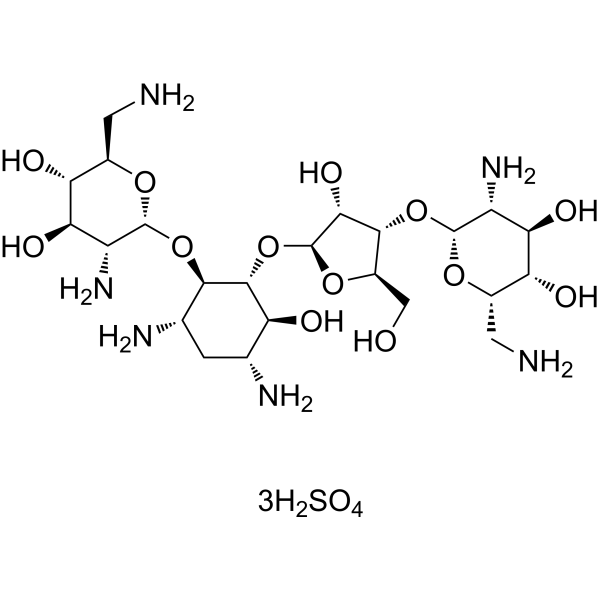
    Neomycin sulfate
    65+ Cited Publications

    Environmental Pollutants Antibiotic Phospholipase Bacterial Infection Metabolic Disease Cancer
    Neomycin sulfate, an aminoglycoside antibiotic, exerts antibacterial activity through irreversible binding of the nuclear 30S ribosomal subunit, thereby blocking bacterial protein synthesis. Neomycin sulfate is a known phospholipase C (PLC) inhibitor. Neomycin sulfate potently inhibits both the nuclear translocation of angiogenin and angiogenin-induced cell proliferation and angiogenesis. Neomycin sulfate inhibits IP3-mediated Ca 2+ release, MgATP-dependent Ca 2+ uptake, and electrical excitation-evoked skeletal muscle Ca 2+ transients. Neomycin sulfate depletes gut microbiota in specific mouse models, causes hearing impairment, and kidney damage with prolonged exposure. Neomycin sulfate can be used for the research of cancer .
    Neomycin sulfate
  • HY-13419
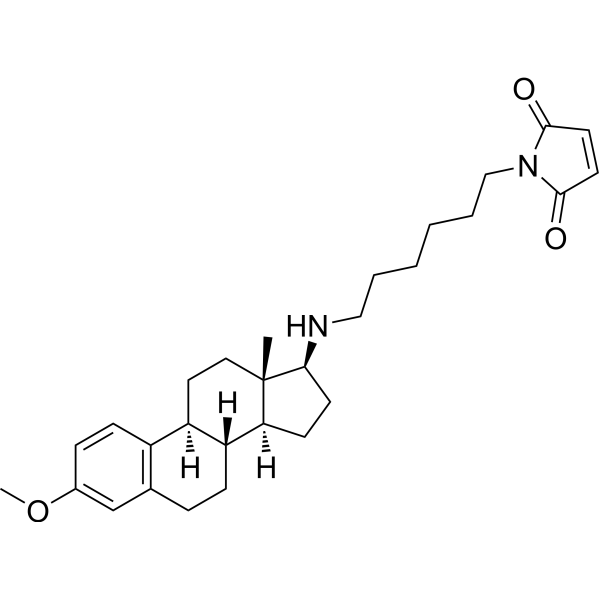
    U-73122
    Maximum Cited Publications
    98 Publications Verification

    Phospholipase Lipoxygenase Ferroptosis Inflammation/Immunology
    U-73122 is a phospholipase C (PLC) and 5-LO (5-lipoxygenase) inhibitor with an IC50of 1-2.1 µM for PLC.
    U-73122
  • HY-70072
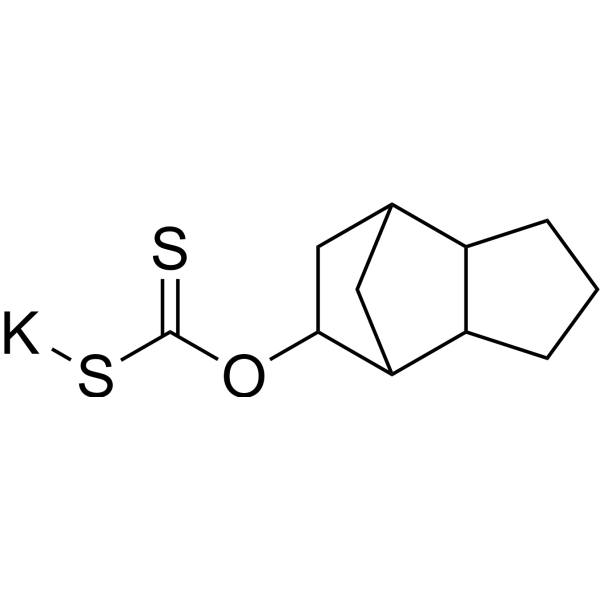
    D609
    5+ Cited Publications

    Phospholipase Infection Inflammation/Immunology Cancer
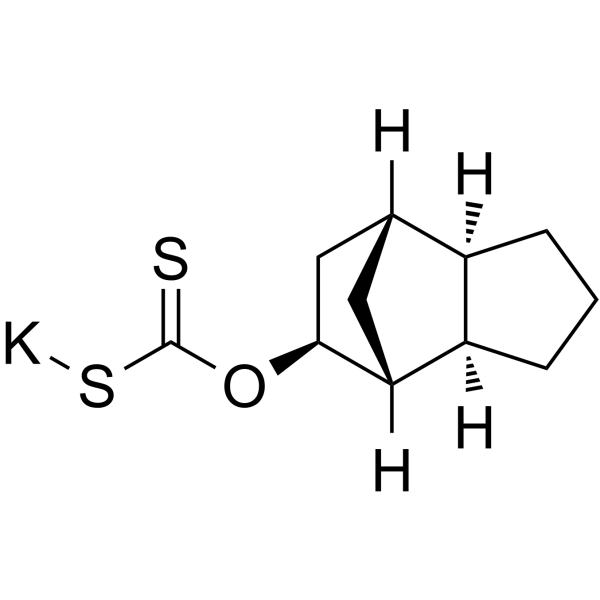
    D609, an antitumoural xanthate, is a specific and competitive phosphatidyl choline-specific phospholipase C (PC-PLC) inhibitor with a Ki of 6.4 μM. D609 is an antioxidative protector and has antiviral and anti-inflammatory activity .
    D609
  • HY-N9480
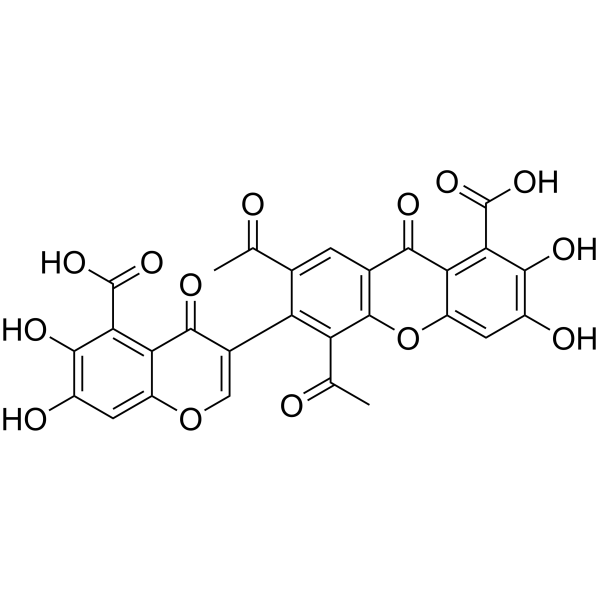
    Vinaxanthone
    3 Publications Verification

    SM-345431

    Phospholipase Bacterial Infection Cancer
    Vinaxanthone (SM-345431) is a potent and selective semaphorin3A, phospholipase C (PLC) and FabI inhibitor, with IC50s of 0.1-0.2 μM and 0.9 mM for semaphorin3A and FabI. Vinaxanthone inhibits the substrate (t-o-NAC thioester) and the cofactor (NADPH) with Kis of 3.1 μM and 1.0 μM, respectively. Vinaxanthone can be used to handle infections caused by multidrug-resistant pathogens .
    Vinaxanthone
  • HY-178018

    iOXCT1

    Mitochondrial Metabolism Cancer
    D574-0246 is a dual-activity inhibitor of OXCT1, inhibiting both the ketolytic and succinyltransferase activities of OXCT1. D574-0246 reduces substrate-specific (LACTB K284) and global protein succinylation and decreases OXCT1 ketolytic activity in HepG2 cells. D574-0246 inhibits the viability of HCC cells (IC50: 16.49 μM in PLC cells, 6.656 μM in HepG2 cells). D574-0246 exerts anti-tumor efficacy in nude mice bearing OXCT1-overexpressing HepG2 xenograft tumors. D574-0246 can be used for the study of hepatocellular carcinoma (HCC) .
    D574-0246
  • HY-108630
    U-73343
    5+ Cited Publications

    Phospholipase Others
    U-73343, works as a protonophore, is an inactive analog of U-73122 and can be used as a negative control. U-73343 dose-dependently inhibits acid secretion irrespective of the stimulant. U-73122 is a phospholipase C (PLC) and 5-LO (5-lipoxygenase) inhibitor with an IC50 of 1-2.1 μM for PLC .
    U-73343
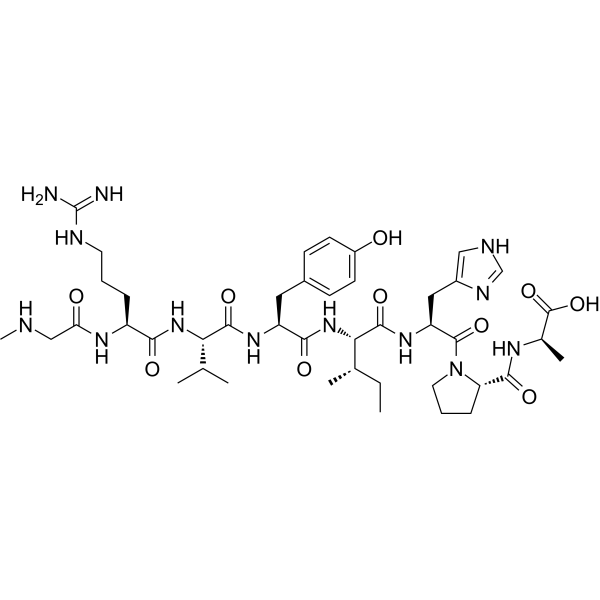
  • HY-P2141
    TRV-120027
    3 Publications Verification

    TRV027

    Angiotensin Receptor Arrestin Cardiovascular Disease
    TRV120027, a β-arrestin-1-biased agonist of the angiotensin II receptor type 1 (AT1R), engages β-arrestins while blocking G-protein signaling . TRV120027 induces acute catecholamine secretion through cation channel subfamily C3 (TRPC3) coupling, promotes the formation of a macromolecular complex composed of AT1R-β-arrestin-1-TRPC3-PLCγ at the plasma membrane. TRV120027 inhibits angiotensin II-mediated vasoconstriction and increases cardiomyocyte contractility. TRV120027 has the potential for the acute decompensated heart failure (ADHF) treatment .
    TRV-120027
  • HY-150520

    Antibiotic Phospholipase Infection Cancer
    Neomycin, an aminoglycoside antibiotic, exerts antibacterial activity through irreversible binding of the nuclear 30S ribosomal subunit, thereby blocking bacterial protein synthesis. Neomycin is a known phospholipase C (PLC) inhibitor. Neomycin potently inhibits both the nuclear translocation of angiogenin and angiogenin-induced cell proliferation and angiogenesis. Neomycin inhibits IP3-mediated Ca 2+ release, MgATP-dependent Ca 2+ uptake, and electrical excitation-evoked skeletal muscle Ca 2+ transients. Neomycin depletes gut microbiota in specific mouse models, causes hearing impairment, and kidney damage with prolonged exposure. Neomycin can be used for the research of cancer .
    Neomycin
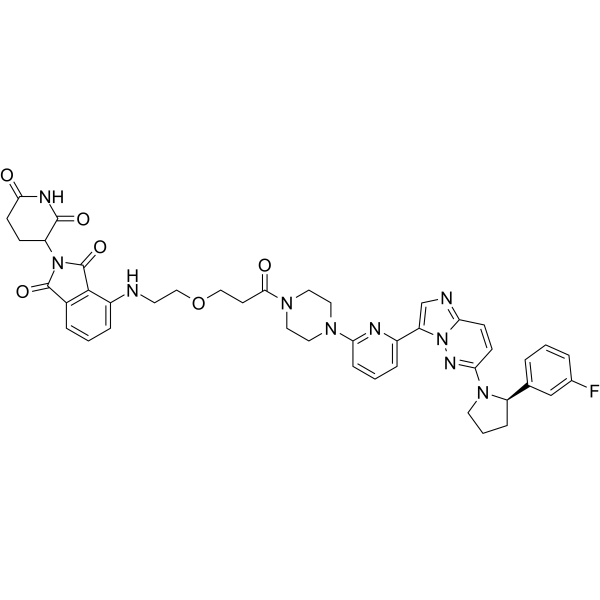
  • HY-137465

    PROTACs Trk Receptor Cancer
    CG428 is a potent and selective CRBN-dependent tropomyosin receptor kinase (TRK) PROTAC degrader that has anti-tumor activity. CG428 reduces levels of the tropomyosin 3 TPM3-TRKA fusion protein in KM12 colorectal carcinoma cells (DC50 = 0.36 nM) and inhibits downstream PLCγ1 phosphorylation (IC50 = 0.33 nM). CG428 has a higher binding affinity for TRKA than TRKB and TRKC (Kd = 1 nM, 28 nM and 4.2 nM, respectively). CG428 can be used for the research of colorectal carcinoma .
    CG428
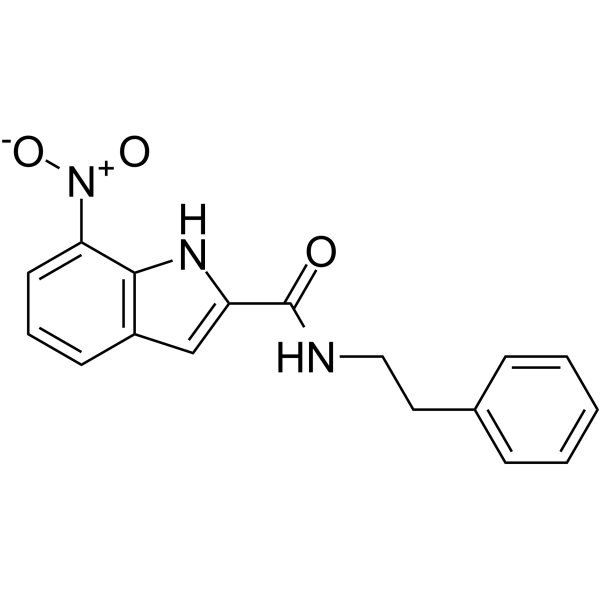
  • HY-111208

    Phospholipase Cancer
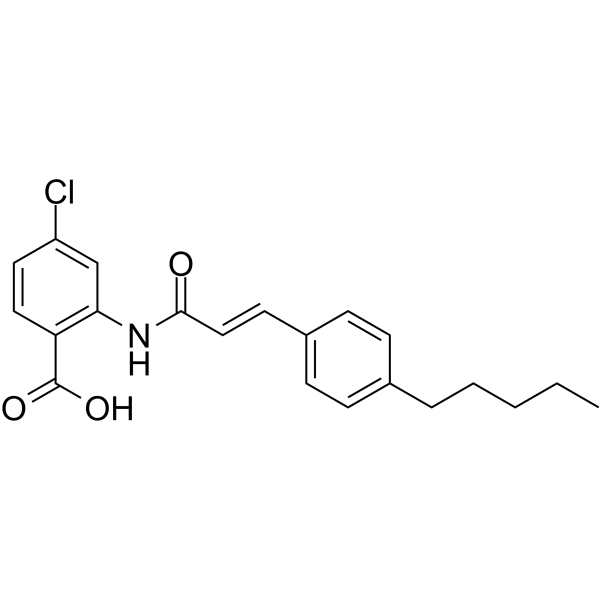
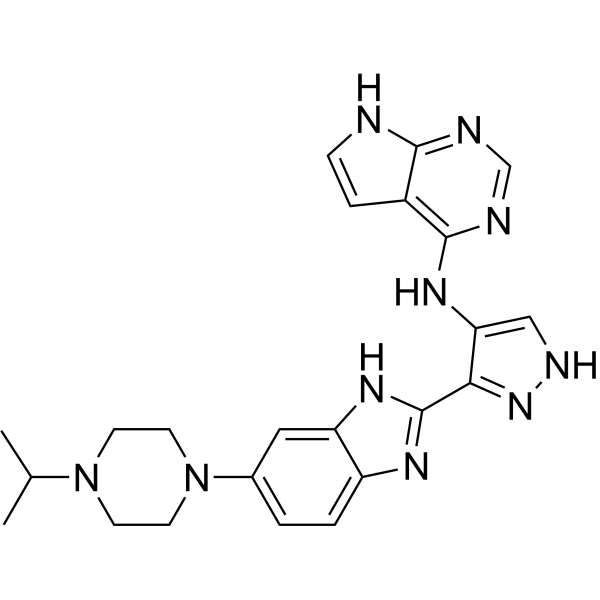
    CCT129957 is an indole derivative and a potent phospholipase C-γ (PLC-γ) inhibitor with an IC50 of ~3 μM and a GC50 of 15 μM. CCT129957 inhibits Ca 2+ release in squamous carcinoma cells at ~15 μM .
    CCT129957
  • HY-123070

    Phospholipase Inflammation/Immunology
    ONO-RS-082 is an inhibitor of phospholipase A (PLA) . ONO-RS-082 inhibits PLA2 with the IC50 of 1.0 μM, but does not inhibit PLC even at 100 μM .
    ONO-RS-082
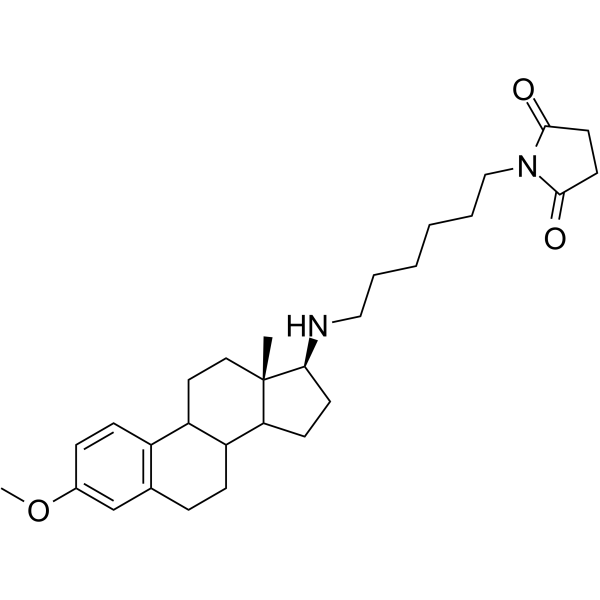
  • HY-12825

    Estrogen Receptor/ERR Phospholipase Cancer
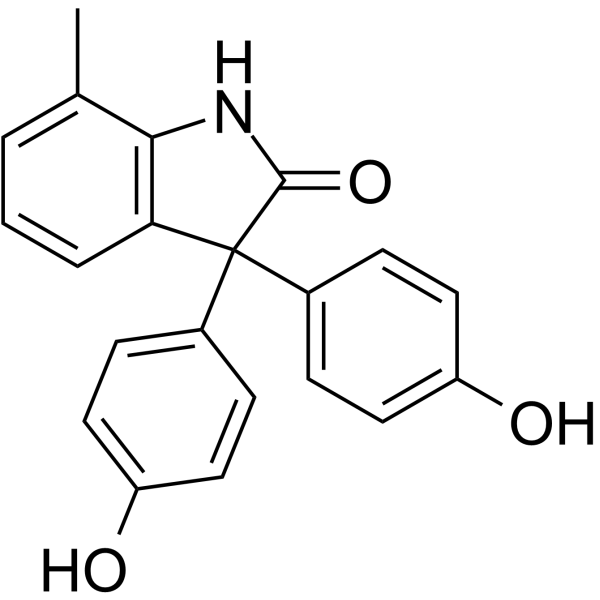
    BHPI is a nuclear receptor ERα inhibitor. BHPI activates PLCγ and UPR. BHPI has antitumor activity against breast, endometrial, and ovarian cancers .
    BHPI
  • HY-108608

    Calcium Channel Others
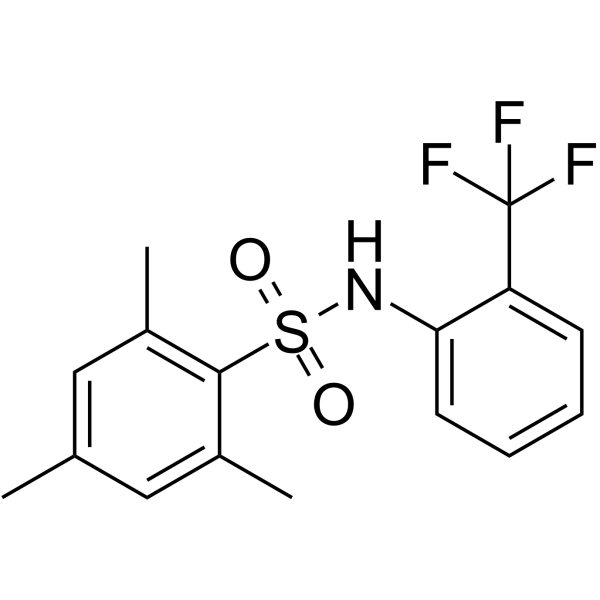
    o-3M3FBS is the negative control of m-3M3FBS. o-3M3FBS inhibits inward and outward currents via mechanisms independent of PLC acting in an antagonistic manner. In contrast, o-3M3FBS also causes an increase in [Ca 2+]i in an agonistic manner .
    o-3M3FBS
  • HY-163985

    PROTACs FGFR Apoptosis Cancer
    PROTAC FGFR2 degrader 1 (compound N5) is a PROTAC that effectively targets FGFR2 with DC50 of 6.46 nM, the FGFR2 IC50 is 0.08 nM. PROTAC FGFR2 degrader 1 has anti-proliferative activity and highly selective, induces G0/G1 arrest of KATOIII and SNU16 cell cycle and inhibits apoptosis by reducing the activation of p-ERK and p-PLCγ, the downstream proteins of FGFR2. PROTAC FGFR2 degrader 1 inhibits gastric cancer cells remained above 50% at a concentration of 0.17 nM. PROTAC FGFR2 degrader 1 potently inhibits the growth of SNU16 xenograft tumors in mouse model (Structure Note: Pink, FGFR2 activator: HY-18708; Blue, E3 ligase ligand: HY--10984; Black, linker: HY-163989; E3 ligase ligand + linker:HY-163986) .
    PROTAC FGFR2 degrader 1
  • HY-N1773

    Others Cancer
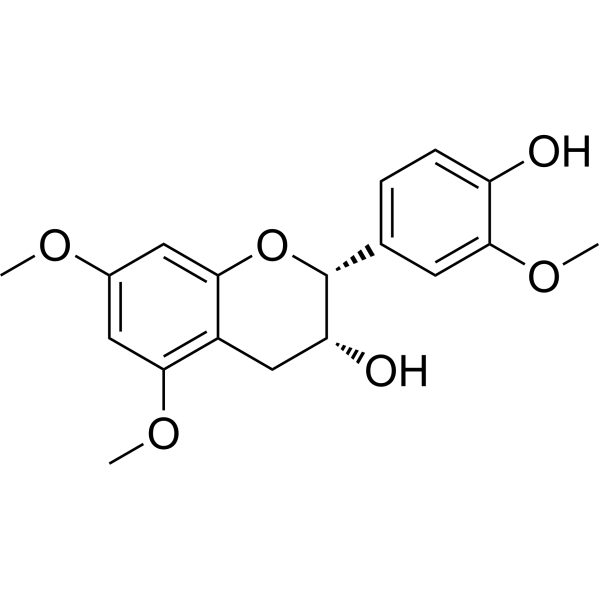
    5,7,3' -tri-O-Methyl (-)-epicatechin (Compound 13) is a phospholipase Cγ1 (PLCγ1) inhibitor. 5,7,3' -tri-o-methyl (-)-epicatechin has a methylene dioxy benzene ring and can express inhibitory activity against PLCγ1. 5,7,3' -tri-O-Methyl (-)-epicatechin can be used in the study of chemotherapy and chemopexic agents for cancer .
    5,7,3'-Tri-O-methyl (-)-epicatechin
  • HY-156202

    Histone Demethylase PD-1/PD-L1 Apoptosis Cancer
    Geranylgeranoic acid (Compound 5) is inhibits lysine-specific demethylase 1 (LSD1) with an IC50 value of 46.97 µM. Geranylgeranoic acid induces apoptosis via loss of the mitochondrial membrane potential and activation of interleukin-1β-converting enzyme (ICE) and cysteine protease precursor 32 (CPP32) in Huh7 and PLC/PRF/5 human hepatoma cells and MLE-10 transformed mouse hepatocytes. Geranylgeranoic acid an isoprenoid with anticancer activity, which is found in S. chinensis .
    Geranylgeranoic acid
  • HY-70083

    LMV-601

    Phospholipase Reverse Transcriptase Infection
    SPK-601 (LMV-601) is an inhibitor of the phosphatidylcholine-specific phospholipase C (PC-PLC). SPK-601 also can be used as an antimicrobial agent .
    SPK-601
  • HY-B0470R

    Reference Standards Bacterial Antibiotic Phospholipase Infection Cancer
    Neomycin (sulfate) (Standard) is the analytical standard of Neomycin (sulfate). This product is intended for research and analytical applications. Neomycin sulfate, an aminoglycoside antibiotic, exerts antibacterial activity through irreversible binding of the nuclear 30S ribosomal subunit, thereby blocking bacterial protein synthesis. Neomycin sulfate is a known phospholipase C (PLC) inhibitor. Neomycin sulfate potently inhibits both nuclear translocation of angiogenin and angiogenin-induced cell proliferation and angiogenesis .
    Neomycin sulfate (Standard)
  • HY-153213A

    TSH Receptor Endocrinology
    Org 274178-0 is a selective thyroid-stimulating hormone receptor (TSHR) antagonist with a pIC50 value for TSHR is 5.03. Org 274178-0 inhibits the activation of cAMP signaling pathway and phospholipase C (PLC) signaling pathway mediated by thyroid-stimulating hormone (TSH) and TSH receptor-stimulating immunoglobulins (TSIs). Org 274178-0 is promising for research of Graves’ disease and Graves’ ophthalmopathy .
    Org 274178-0
  • HY-P2141A
    TRV-120027 TFA
    3 Publications Verification

    Angiotensin Receptor Arrestin Cardiovascular Disease
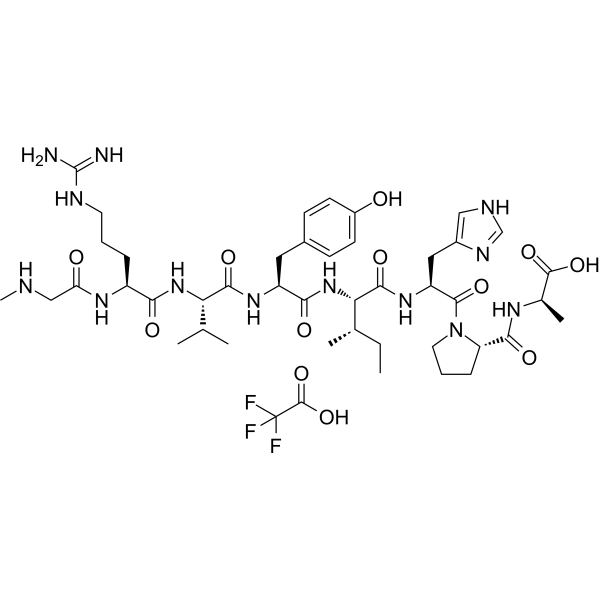
    TRV120027 TFA, a β-arrestin-1-biased agonist of the angiotensin II receptor type 1 (AT1R), engages ?-arrestins while blocking G-protein signaling . TRV120027?TFA induces?acute?catecholamine?secretion?through cation channel subfamily C3 (TRPC3) coupling, promotes the formation of a macromolecular complex composed of AT1R–β-arrestin-1–TRPC3–PLCγ at the plasma membrane. TRV120027 TFA inhibits angiotensin II–mediated vasoconstriction and increases cardiomyocyte contractility. TRV120027 TFA has the potential for the?acute decompensated heart failure (ADHF) treatment .
    TRV-120027 TFA
  • HY-W795960

    Biochemical Assay Reagents Calcium Channel Phospholipase Neurological Disease Metabolic Disease
    D-myo-inositol 1,4,5-trisphosphate sodium salt is a widely distributed intracellular second messenger. D-myo-inositol 1,4,5-trisphosphate sodium salt acts as a potent agonist of the Ins (1,4,5) P3 receptor with an EC50 of 0.12 μM and inhibits bovine PLC-δ1, with an IC50 of 5.4 μM for binding and an IC50 of 12.4 μM for hydrolysis. D-myo-inositol 1,4,5-trisphosphate sodium saltis metabolized into Ins (1,4) P2 and Ins (1,3,4,5) P4. D-myo-inositol 1,4,5-trisphosphate sodium salt mediates various cellular processes, including growth, development, fertilization, secretion, contraction and neuromodulation. D-myo-inositol 1,4,5-trisphosphate sodium salt inhibits PIP2 hydrolysis and Ca 2+-ATPase activity. D-myo-inositol 1,4,5-trisphosphate sodium salt is used for cardiac preconditioning, exerts cardioprotective effects and mimics ischemic preconditioning. D-myo-inositol 1,4,5-trisphosphate sodium salt is applied in studies related to intracellular calcium and phosphoinositol signaling pathways .
    D-myo-Inositol 1,4,5-trisphosphate sodium salt
  • HY-176525

    Phospholipase Inflammation/Immunology
    PLC-β-IN-1 (Compound 8a) is a PLCβ inhibitor. PLC-β-IN-1 exerts anti-airway contraction activity by inhibiting PLCβ and its downstream signaling pathways, and can enhance the airway relaxation effect of β-agonists. PLC-β-IN-1 can be used in the study of asthma .
    PLC-β-IN-1
  • HY-148388

    N-Stearoyl-D-sphingomyelin

    Phospholipase Cancer
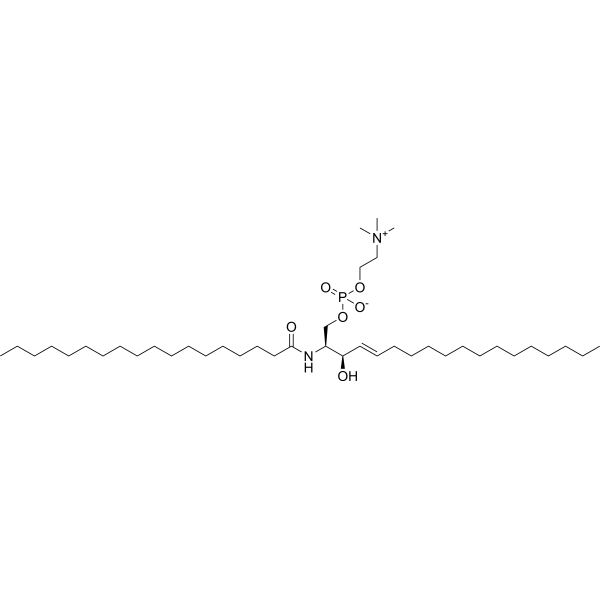
    N-Stearoylsphingomyelin (N-Stearoyl-D-sphingomyelin) is a sphingolipid, which can inhibit Phospholipase Cδ1 (PLCδ1) .
    N-Stearoylsphingomyelin
  • HY-110119

    Lactate Dehydrogenase Apoptosis Others
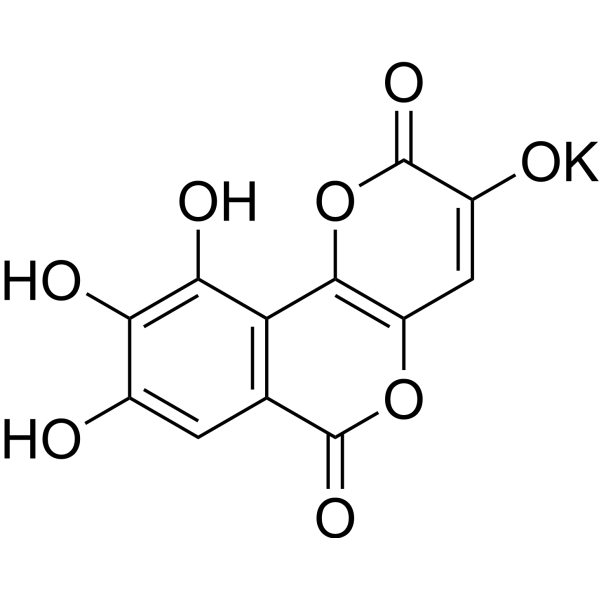
    Galloflavin potassium is a novel lactate dehydrogenase inhibitor that can be used for the research of cancer. Galloflavin inhibits aerobic glycolysis in PLC/PRF/5 cells and triggers cell death via apoptosis .
    Galloflavin potassium
  • HY-155513

    Syk Cancer
    Syk-IN-8 (compound 19q) is a Syk inhibitor, with antiproliferative activity against multiple hematological tumour cells. Syk-IN-8 inhibits PLCγ2 phosphorylation, can be used for research in blood cancers .
    Syk-IN-8
  • HY-146672

    Itk Cancer
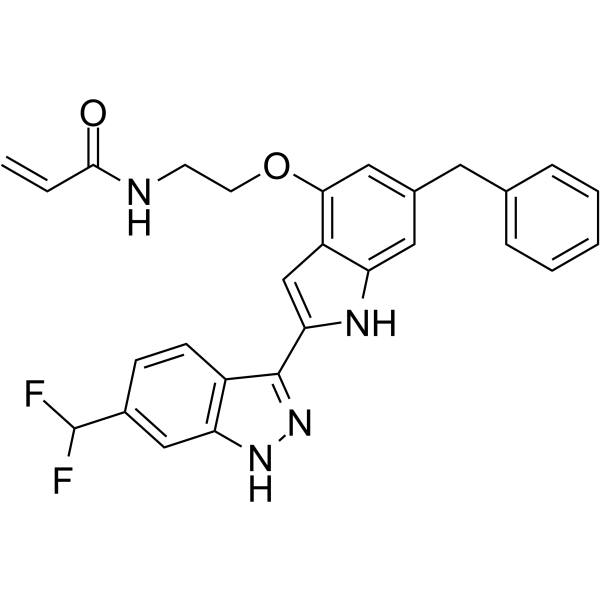
    ITK inhibitor 6 (compound 43) is a potent and selective ITK inhibitor with IC50s of 4 nM, 133 nM, 320 nM, 2360 nM, 155 nM for ITK, BTK, JAK3, EGFR, LCK, respectively. ITK inhibitor 6 inhibits phosphorylation of PLCγ1 and ERK1/2. ITK inhibitor 6 shows antiproliferative activities .
    ITK inhibitor 6
  • HY-175982

    Aurora Kinase Cancer
    AURKA-IN-3 (Compound AL8) is an irreversible covalent Aurora kinase A (AURKA) inhibitor with an IC50 value of 23.0 nM. AURKA-IN-3 inhibits the activation of cAMP signaling pathway and phospholipase C (PLC) signaling pathway mediated by AURKA, and reduces the autophosphorylation level of AURKA. AURKA-IN-3 is promising for research of malignant tumors associated with high AURKA expression (e.g., leukemia, lymphoma) .
    AURKA-IN-3
  • HY-162280

    PROTACs RANKL/RANK Nuclear Factor of activated T Cells (NFAT) Btk Cancer
    PROTAC BTK Degrader-9 (compound 23) is a PROTAC degrader that effectively targets BTK. PROTAC BTK Degrader-9 downregulates the BTK-PLCγ2-Ca 2+-NFATc1 signaling pathway activated by RANKL. Thus, PROTAC BTK Degrader-9 was able to inhibit osteoclastogenesis and attenuate alveolar bone resorption in a mouse periodontitis model .
    PROTAC BTK Degrader-9
  • HY-120406

    Btk Akt mTOR p38 MAPK ERK CCR Apoptosis Cancer
    LPS-123 is a covalently irreversible BTK inhibitor with an IC50 of < 5 nM. LPS-123 simultaneously inhibits the catalytic activity of BTK at Tyr551 and its self-activation at Tyr223. LPS-123 inhibits phosphorylation of the AKT/mTOR and MAPK signaling pathways, activation of PLCγ2, ERK1/2, p38, AKT, and mTOR, and blocks the production of CCL3 and CCL4 chemokines. LPS-123 exhibits significant anti-proliferative activity against various B-cell lymphoma cell lines and effectively induces apoptosis via a caspase-dependent pathway. LPS-123 also demonstrates significant antitumor activity in the OCI-Ly7 xenograft model. LPS-123 can be used for lymphoma research .
    PLS-123
  • HY-P10833

    VEGFR PI3K Akt mTOR ERK Apoptosis Cardiovascular Disease Cancer
    C-VGB3 is a selective vascular endothelial growth factor receptor 2 (VEGFR2) antagonist, which inhibits VEGFR2-mediated PI3K/AKT/mTOR and PLCγ/ERK1/2 signaling pathways. C-VGB3 binds to the extracellular domain of VEGFR2, blocking ligand-receptor interaction and inducing apoptosis in endothelial and tumor cells through both intrinsic (involving Bcl2 family and caspases) and extrinsic (death receptor-mediated) pathways. C-VGB3 is promising for research of angiogenesis-related cancers, such as breast cancer .
    C-VGB3
  • HY-185206

    PROTACs Itk NF-κB Cancer
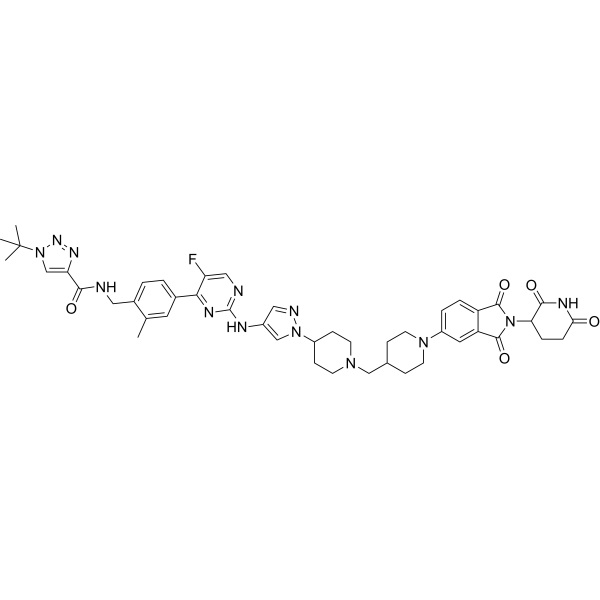
    BSJ-05-037 is an ITK PROTAC degrader that effectively targets and degrades ITK in T-cell lymphoma cell lines. BSJ-05-037 blocks the activation of the NF-κB/GATA-3 signaling pathway, inhibits PLCγ1 phosphorylation, and reduces the proliferative capacity of T-cell lymphoma cells. BSJ-05-037 enhances the sensitivity of T-cell lymphoma cells to chemotherapy. In mouse models of T-cell lymphoma, BSJ-05-037 induces ITK degradation, reduces GATA-3 expression, decreases tumor volume, and reverses chemotherapy resistance. BSJ-05-037 is applicable to research related to T-cell lymphoma .
    BSJ-05-037
  • HY-P10658

    Phospholipase Others
    ARF1 (2-17) inhibits both ARF-independent (PLC-β) and ARF-dependent (PLD) pathways. ARF1 (2-17) inhibits GTP-γ-S-stimulated PLD activity, phospholipase C-β (PLC-β), and exocytosis .
    ARF1 (2-17)
  • HY-P10119

    PDGFR Mitosis Others
    PDGFR Y1021 peptide (non-phosphorylation) is the non-phosphorylated fragment of platelet-derived growth factor receptor (PDGFR). PDGFR Y1021 peptide (non-phosphorylation) blocks the PLCγ association to PDGFR through PLCγSH2 domain, and thus inhibits mitogenic response .
    PDGFR Y1021 peptide (non-phosphorylation)
  • HY-N14349

    ARQ; Asterriquinone SU5504

    EGFR HIV Reverse Transcriptase Infection Cancer
    Asterriquinone (ARQ), a Asterriquinone analog, is a Grb-2 binding inhibitor. Asterriquinone inhibits the Grb-2 binding activity to tyrosine phosphorylated EGFR, with an IC50 of 8.37 μM. Asterriquinone is a HIV1 reverse transcriptase inhibitor with a Ki of 2.3 μM. Asterriquinone also inhibits Grb-7 and PLC-γ binding activities. .
    Asterriquinone
  • HY-151920

    Btk Inflammation/Immunology
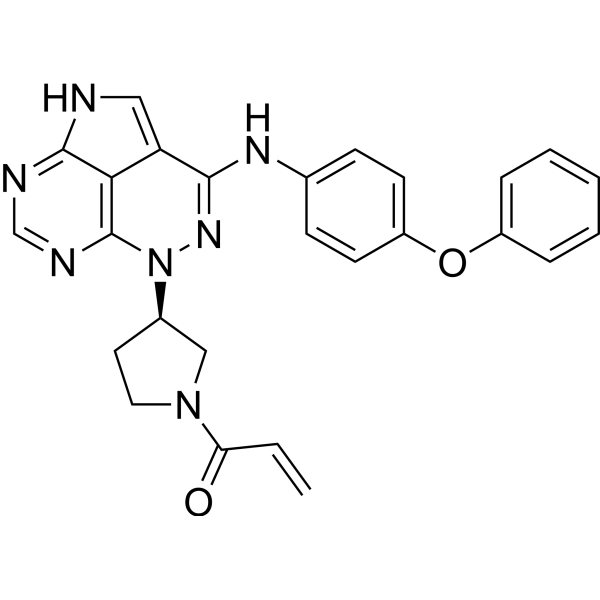
    BTK-IN-17 (compound 36R) is a selective and orally activeBTK inhibitor with an IC50 value of 13.7 nM. BTK-IN-17 decreases the expression of p-BTK Y223 and p-PLCγ2 Y1217. BTK-IN-17 shows anti-inflammatory effects .
    BTK-IN-17
  • HY-131688R

    PARP Caspase Reference Standards Inflammation/Immunology
    Neomycin (sulfate) (Standard) is the analytical standard of Neomycin (sulfate). This product is intended for research and analytical applications. Neomycin sulfate, an aminoglycoside antibiotic, exerts antibacterial activity through irreversible binding of the nuclear 30S ribosomal subunit, thereby blocking bacterial protein synthesis. Neomycin sulfate is a known phospholipase C (PLC) inhibitor. Neomycin sulfate potently inhibits both nuclear translocation of angiogenin and angiogenin-induced cell proliferation and angiogenesis .
    2-Chlorohexadecanoic acid (Standard)
  • HY-150135B

    Inositol 1,4,5-trisphosphate tripotassium; Ins(1,4,5)-P3 tripotassium

    Calcium Channel Neurological Disease
    D-myo-Inositol 1,4,5-trisphosphate tripotassium, a second messenger, elicits Ca 2+ mobilization. D-myo-Inositol 1,4,5-trisphosphate tripotassium inhibits the binding of phosphoinositide-specific phospholipase C-delta 1 (PLC-delta 1) to bilayer membranes composed of phosphatidylcholine (PC) and phosphatidylinositol 4,5-bisphosphate (PIP2) .
    D-myo-Inositol 1,4,5-trisphosphate tripotassium
  • HY-W403046A

    Drug Metabolite Calcium Channel Neurological Disease
    D-myo-Inositol-4-phosphate monoammonium is a metabolite of D-myo-Inositol 1,4,5-trisphosphate. D-myo-Inositol 1,4,5-trisphosphate, a second messenger, elicits Ca 2+ mobilization. D-myo-Inositol 1,4,5-trisphosphate inhibits the binding of phosphoinositide-specific phospholipase C-delta 1 (PLC-delta 1) to bilayer membranes composed of phosphatidylcholine (PC) and phosphatidylinositol 4,5-bisphosphate (PIP2) .
    D-myo-Inositol-4-phosphate monoammonium
  • HY-108630R

    Reference Standards Phospholipase Others
    U-73343 (Standard) is the analytical standard of U-73343 (HY-108630). This product is intended for research and analytical applications. U-73343, works as a protonophore, is an inactive analog of U-73122 and can be used as a negative control. U-73343 dose-dependently inhibits acid secretion irrespective of the stimulant. U-73122 is a phospholipase C (PLC) and 5-LO (5-lipoxygenase) inhibitor with an IC50 of 1-2.1 μM for PLC .
    U-73343 (Standard)
  • HY-177218

    NSC 119910

    Phospholipase Opioid Receptor Neurological Disease
    M119 (NSC 119910) is a selective Gβγ-subunit inhibitor. M119 selectively potentiates μ-opioid-dependent antinociception. M119 inhibits μ-receptor-dependent phospholipase (PLC) activation. M119 can enhance opioid analgesia and attenuate its acute tolerance and dependence in mice. M119 can be used for pain research .
    M119
  • HY-182335

    Itk Trk Receptor Interleukin Related IFNAR Inflammation/Immunology
    PF-07245303 is a ITK/TRK inhibitor. PF-07245303 reduces the production of inflammatory cytokines such as IL-4 and IFNγ, and inhibits the phosphorylation of PLCγ1. PF-07245303 inhibits nerve growth factor-induced basophil activation and the phosphorylation of TRKA. PF-07245303 reduces oxazolone-induced ear swelling in mouse ear tissues. PF-07245303 is applicable to research related to atopic dermatitis .
    PF-07245303
  • HY-P991964

    Rendomab-B49

    Endothelin Receptor Cancer
    Rendomab B4 (Rendomab-B49) is a monoclonal antibody targeting ETB. Rendomab B4 preferentially binds to ETB in the active conformational state and exhibits selectivity for ETB on melanoma cells. Rendomab B4 inhibits the G protein-dependent phospholipase C (PLC) pathway, blocks ET-3-induced Gαi/o-mediated inhibition of adenylate cyclase, and does not affect the activation of the ERK1/2 pathway. Rendomab B4 is applicable to melanoma-related research .
    Rendomab B4
  • HY-108608R

    Calcium Channel Reference Standards Others
    o-3M3FBS (Standard) is the analytical standard of o-3M3FBS (HY-108608). This product is intended for research and analytical applications. o-3M3FBS is the negative control of m-3M3FBS. o-3M3FBS inhibits inward and outward currents via mechanisms independent of PLC acting in an antagonistic manner. In contrast, o-3M3FBS also causes an increase in [Ca2+]i in an agonistic manner .
    o-3M3FBS (Standard)

Inquiry Online

Your information is safe with us. * Required Fields.

Salutation


Country or Region *

Applicant Name *


Organization Name *

Department *


Email Address *


Product Name *

Cat. No.


Requested quantity *

Phone Number *


Remarks

Inquiry Online

Inquiry Information

Product Name:
Cat. No.:
Quantity:
MCE Japan Authorized Agent: