Search Result
Results for "
Soluble epoxide hydrolase
" in MedChemExpress (MCE) Product Catalog:
1
Isotope-Labeled Compounds
| Cat. No. |
Product Name |
Target |
Research Areas |
Chemical Structure |
-
- HY-101294
-
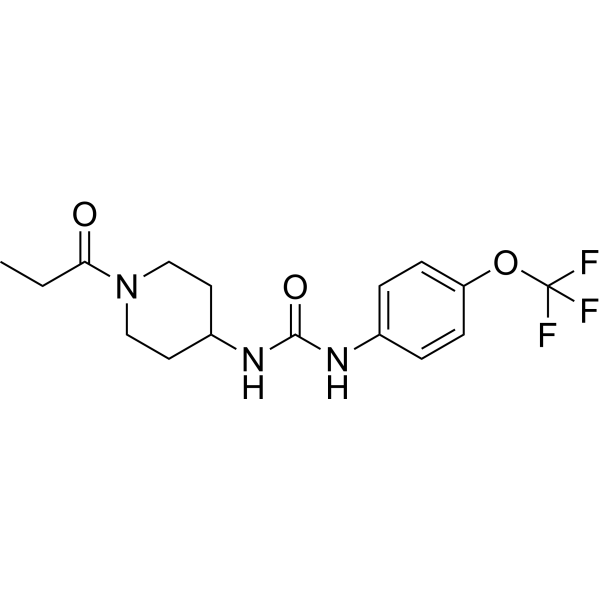
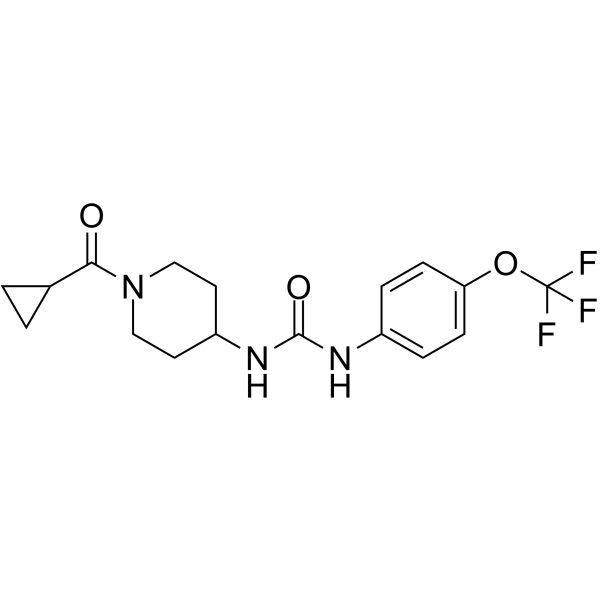
TPPU
Maximum Cited Publications
14 Publications Verification
|
Epoxide Hydrolase
|
Inflammation/Immunology
|
|
TPPU is a soluble epoxide hydrolase (sEH) inhibitor with IC50 values of 37 and 3.7 nM for monkey and human sEH, respectively.
|
-
-
- HY-113974
-
|
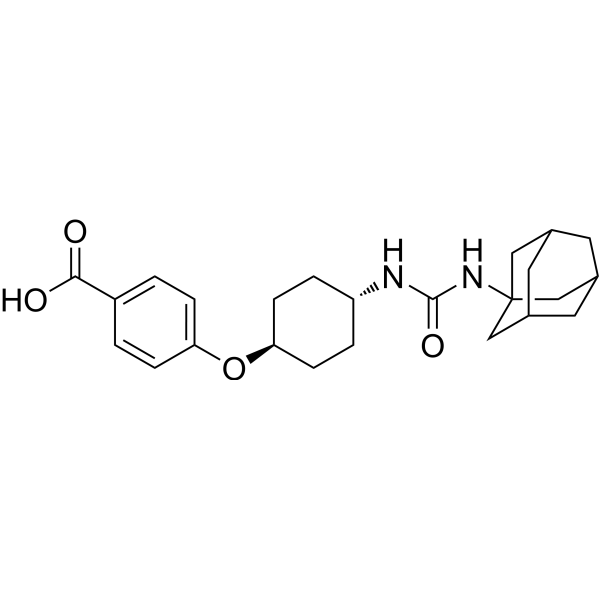
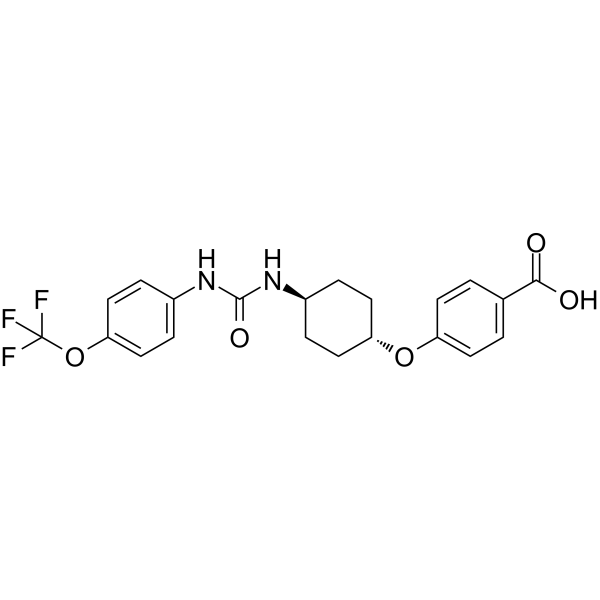
t-AUCB
|
Epoxide Hydrolase
|
Cancer
|
|
trans-AUCB (t-AUCB) is a potent, orally active and selective soluble epoxide hydrolase (sEH) inhibitor with IC50s of 1.3 nM, 8 nM, 8 nM for hsEH, mouse sEH and rat sEH, respectively. trans-AUCB has anti-glioma activity .
|
-
-
- HY-128171
-
|
|
FLAP
Epoxide Hydrolase
|
Inflammation/Immunology
|
|
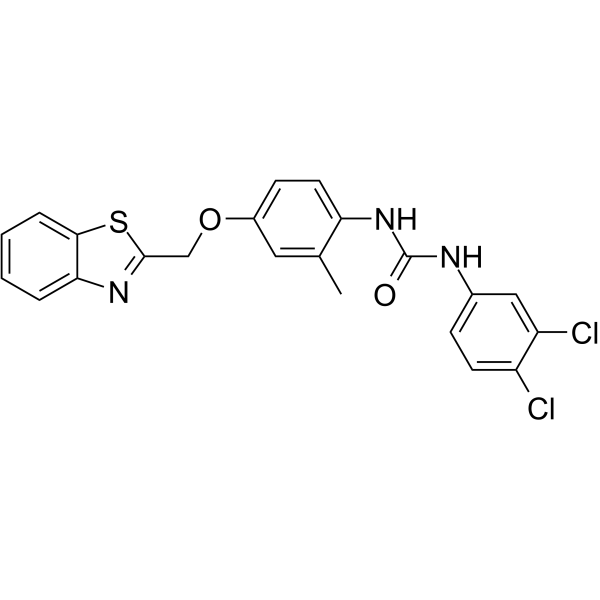
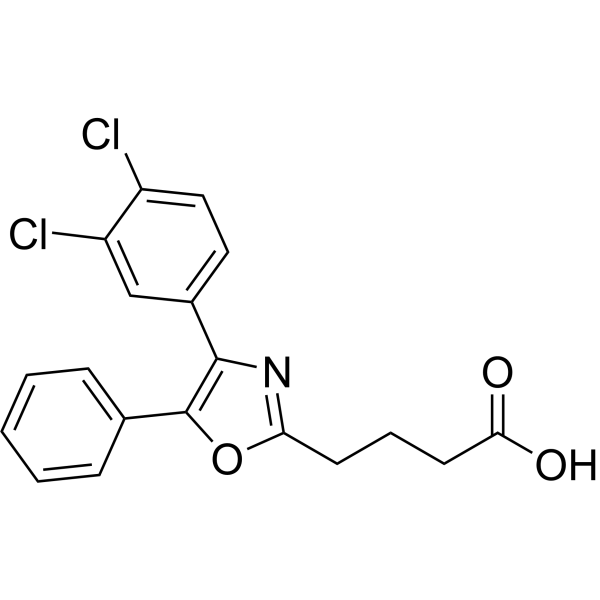
Diflapolin is a highly active dual 5-lipoxygenase-activating protein (FLAP)/soluble epoxide hydrolase (sEH) inhibitor with marked anti-inflammatory efficacy and high target selectivity. Diflapolin inhibits 5-LOX product formation in intact human monocytes and neutrophils with IC50s?of? 30 and 170?nM, respectively, and suppressed the activity of isolated sEH (IC50=20?nM) .
|
-
-
- HY-108570
-
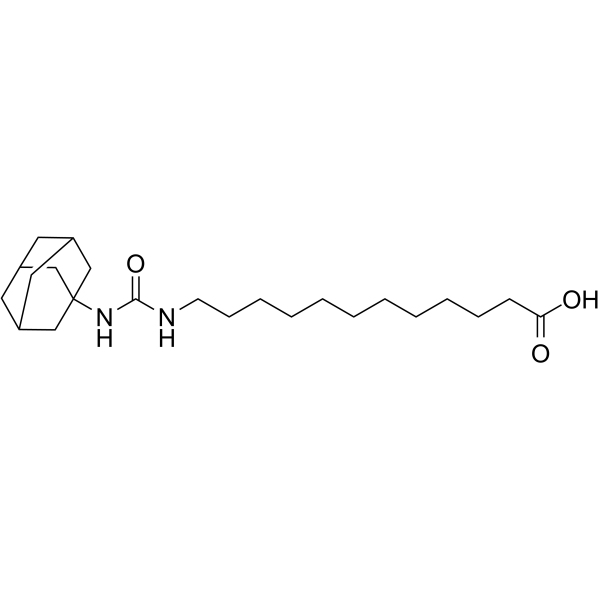
AUDA
3 Publications Verification
|
Epoxide Hydrolase
|
Inflammation/Immunology
|
|
AUDA (compound 43) is a potent soluble epoxide hydrolase (sEH) inhibitor with IC50s of 18 and 69 nM for the mouse and human sEH, respectively . AUDA has anti-inflammatory activity .
|
-
-
- HY-135653
-
EC5026
1 Publications Verification
BPN-19186
|
Epoxide Hydrolase
|
Neurological Disease
|
|
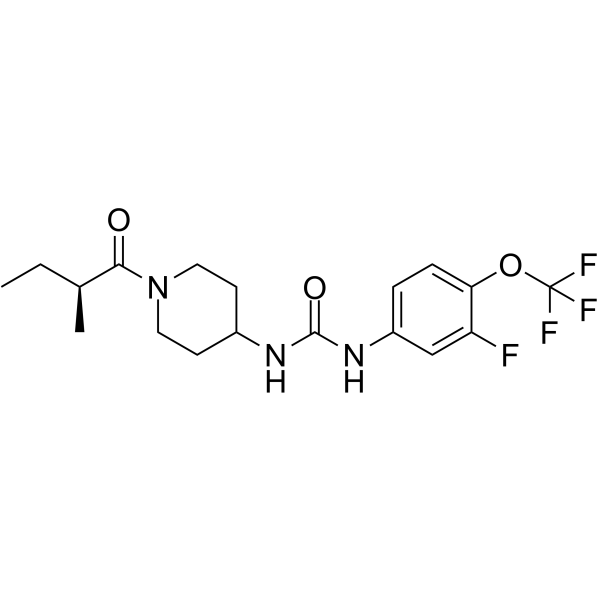
EC5026 (BPN-19186) is a first-in-class, non-opioid and orally active soluble Epoxide Hydrolase (sEH) inhibitor. EC5026 shows efficacy for inflammatory and neuropathic pain .
|
-
-
- HY-19644
-
|
GSK 2256294
|
Epoxide Hydrolase
|
Cardiovascular Disease
|
|
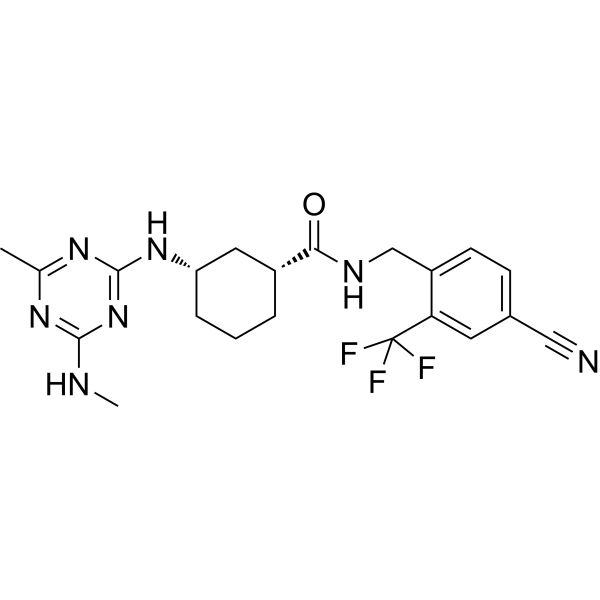
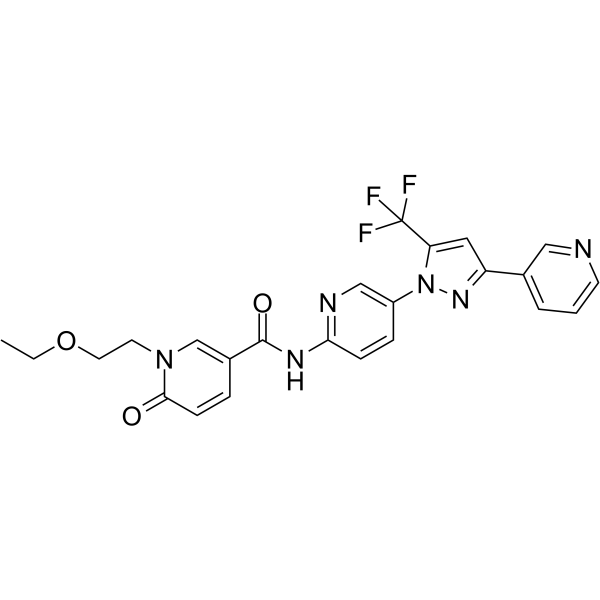
GSK2256294A (GSK 2256294) is a selective and orally active inhibitor of soluble epoxide hydrolase (sEH). GSK2256294A inhibits recombinant human sEH, rat sEH orthologs and murine sEH orthologs with IC50s of 27, 61 and 189 pM, respectively. GSK2256294A can be used for the research of chronic obstructive pulmonary disease (COPD) and cardiovascular disease .
|
-
-
- HY-124063
-
-
-
- HY-113489
-
|
14,15-EET
|
Endogenous Metabolite
|
Cardiovascular Disease
Neurological Disease
|
|
14,15-Epoxyeicosatrienoic acid (14,15-EET) is a metabolite of Arachidonic acid (HY-109590). 14,15-Epoxyeicosatrienoic acid is a potent inhibitor of in vivo platelet aggregation. 14,15-Epoxyeicosatrienoic acid facilitates astrocytic Aβ clearance. 14,15-Epoxyeicosatrienoic acid can be used for Alzheimer's Disease research .
|
-
-
- HY-121538
-
CUDA
1 Publications Verification
|
Epoxide Hydrolase
PPAR
|
Cardiovascular Disease
|
|
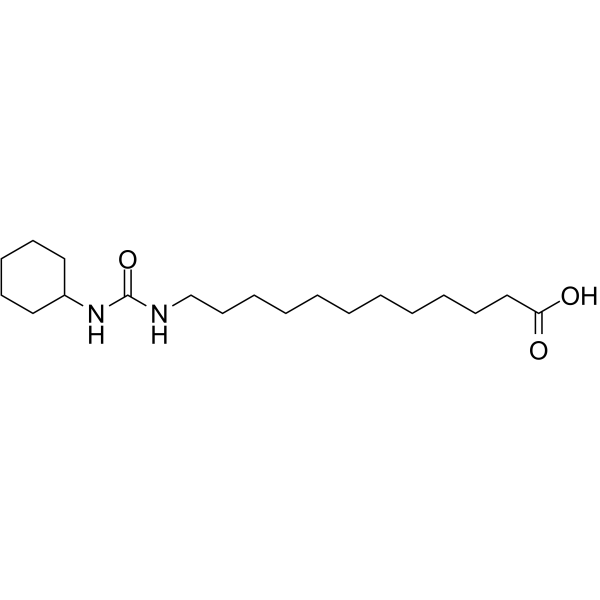
CUDA is a potent inhibitor of soluble epoxide hydrolase (sEH), with IC50s of 11.1 nM and 112 nM for mouse sEH and human sEH, respectively . CUDA selectively increases peroxisome proliferator-activated receptor (PPAR) alpha activity. CUDA may be valuable for the research of cardiovascular disease .
|
-
-
- HY-111151
-
|
APAU
|
Epoxide Hydrolase
|
Infection
Cardiovascular Disease
Metabolic Disease
|
|
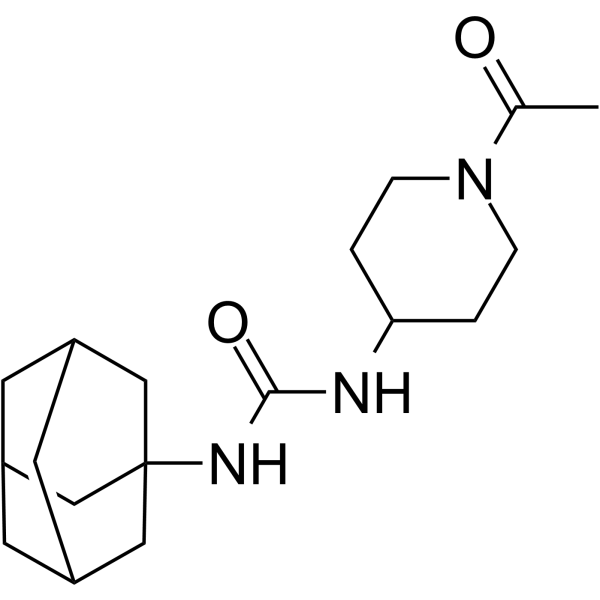
AR9281 (APAU) is a potent, selective and orally active soluble epoxide hydrolase (s-EH) inhibitor. AR-9281 can inhibits human sEH (HsEH) and murine sEH (MsEH) with IC50 values of 13.8 nM and 1.7 nM, respectively. AR9281 can be used for the research of inflammation, hypertension and type 2 diabetes .
|
-
-
- HY-114266
-
-
-
- HY-N0805A
-
|
|
Epoxide Hydrolase
CaMK
Autophagy
Apoptosis
|
Metabolic Disease
Inflammation/Immunology
Cancer
|
|
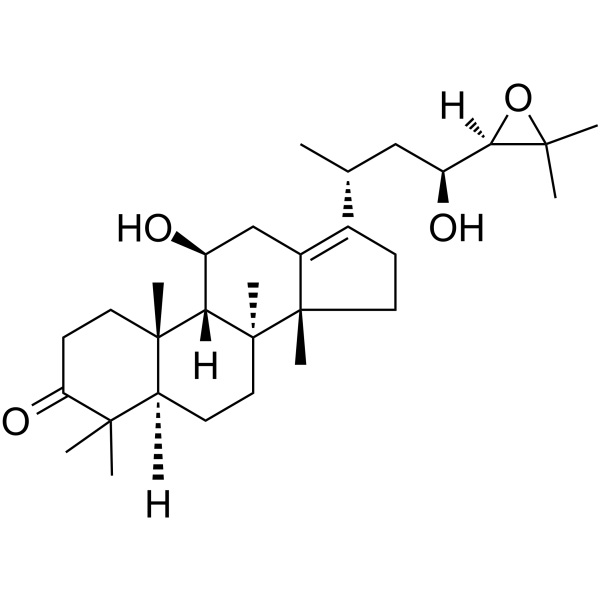
Alisol B is a triterpene with diverse biological activities. Alisol B binds human soluble epoxide hydrolase (sEH) with a Ki of 5.97 μM and reduces sEH activity. Alisol B inhibits RANKL-induced JNK phosphorylation, NFATc1 and c-Fos expression, osteoclast formation, mature osteoclast pit-forming and actin ring activity, and SERCA pump activity. Alisol B induces calcium mobilization, CaMKK-AMPK-mTOR pathway activation, autophagic flux, autophagosome formation, G1 phase cell cycle arrest, endoplasmic reticulum stress, unfolded protein responses, and cancer cell apoptosis. Alisol B can be used for the research of hypercalcemia, osteoporosis, rheumatoid arthritis, periodontitis, acute kidney injury, and breast cancer .
|
-
-
- HY-126326
-
|
|
Epoxide Hydrolase
|
Metabolic Disease
|
|
SWE101 (compound 22 b) is a potent soluble epoxide hydrolase (sEH)-P inhibitor with IC50s of 4 μM and 2.8 μM for human and rat sEH-P, respectively. SWE101 does not inhibit neither hydrolase nor phosphatase activity of the mouse sEH .
|
-
-
- HY-119684
-
|
|
NOD-like Receptor (NLR)
Interleukin Related
|
Neurological Disease
Inflammation/Immunology
|
|
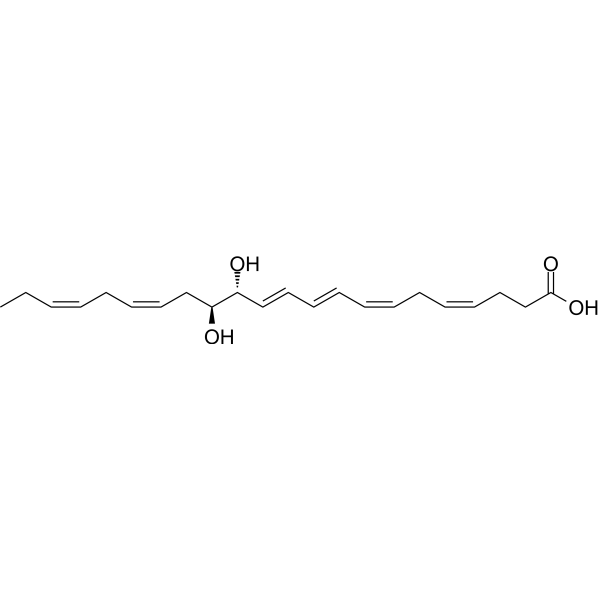
Maresin 2 is an anti-inflammatory and pro-resolving mediator. Maresin 2 drives intestinal epithelial cell migration by activating the focal cell-matrix adhesion signaling pathway in primary human intestinal epithelial cells, thereby promoting mucosal wound repair. Maresin 2 alleviates nociceptive and anxiety-like behaviors in rats with type 1 diabetes by inhibiting IL-1β in the spinal cord and prefrontal cortex. Maresin 2 attenuates allergic airway inflammation in mice by inhibiting the activation of the NLRP3 inflammasome, Th2-type immune responses, and oxidative stress. Maresin 2 inhibits inflammatory and neuropathic trigeminal neuralgia and reduces neuronal activation in the trigeminal ganglion. Maresin 2 promotes inflammation resolution and mucosal repair after DSS-induced colitis or biopsy-induced colonic mucosal injury .
|
-
-
- HY-120494
-
|
|
Epoxide Hydrolase
|
Inflammation/Immunology
|
|
sEH inhibitor-1 (compound TCPU ) is a potent and oral active inhibitor of sEH (soluble epoxide hydrolase) with IC50s of 0.4 and 5.3 nM in human and murine, respectively .
|
-
-
- HY-W013989
-
|
|
Epoxide Hydrolase
|
Cardiovascular Disease
|
|
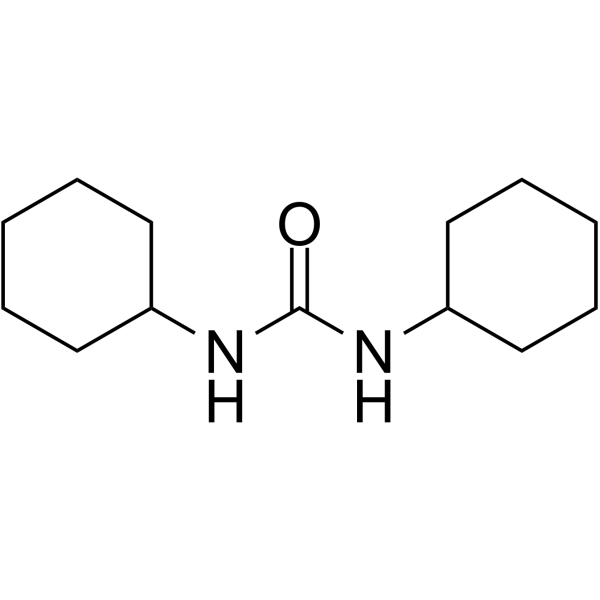
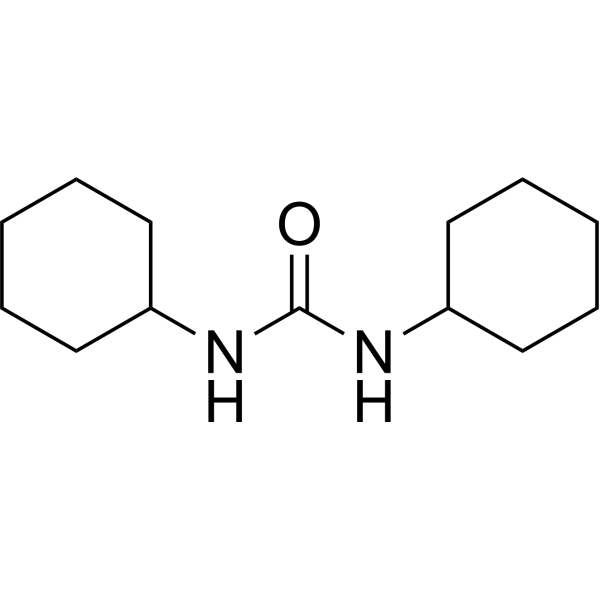
1,3-Dicyclohexylurea (DCU) is an orally active and potent sEH (soluble epoxide hydrolase) inhibitor. Oral Delivery of 1,3-Dicyclohexylurea nanosuspension enhances exposure and lowers blood pressure in hypertensive Rats .
|
-
-
- HY-113111
-
|
|
Drug Metabolite
|
Inflammation/Immunology
|
|
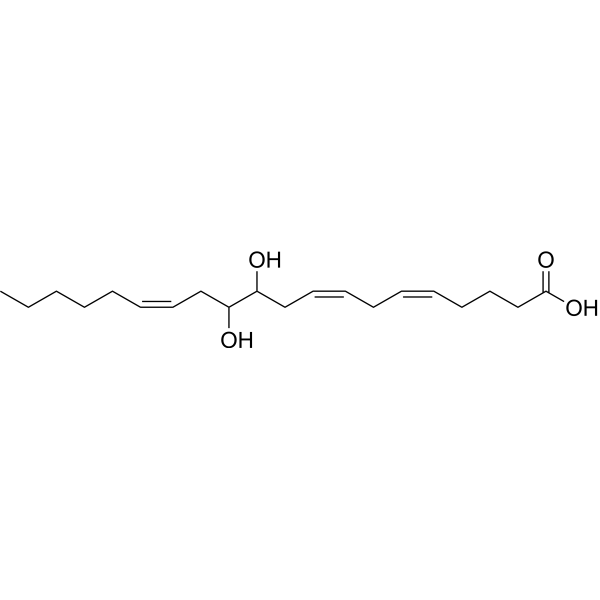
11,12-DiHETrE is a dihydroxy fatty acid metabolite of Arachidonic Acid (HY-109590). 11,12-DiHETrE is converted to 11,12-DiHETrE under elevated soluble epoxide hydrolase (sEH) activity, a process closely related to inflammation and oxidative stress. 11,12-DiHETrE can serve as a single biomarker to differentiate between NAFL (non-alcoholic fatty liver disease) and NASH (non-alcoholic steatohepatitis). 11,12-DiHETrE can be used in studies on preterm birth, autism, and pulmonary hypertension .
|
-
-
- HY-148136
-
|
|
Epoxide Hydrolase
|
Cardiovascular Disease
Inflammation/Immunology
|
|
sEH inhibitor-7 (compound c-2) is an inhibitor of soluble epoxide hydrolase (sEH) with IC50s of 0.15 μM (mouse sEH) and 6.2 μM (human sEH), respectively. soluble epoxide hydrolase (sEH) plays an important role in the metabolism of endogenous chemical mediators involved in the regulation of blood pressure and inflammation .
|
-
-
- HY-U00453
-
-
-
- HY-W013989R
-
|
|
Reference Standards
Epoxide Hydrolase
|
Cardiovascular Disease
|
|
1,3-Dicyclohexylurea (Standard) is the analytical standard of 1,3-Dicyclohexylurea. This product is intended for research and analytical applications. 1,3-Dicyclohexylurea (DCU) is an orally active and potent sEH (soluble epoxide hydrolase) inhibitor. Oral Delivery of 1,3-Dicyclohexylurea nanosuspension enhances exposure and lowers blood pressure in hypertensive Rats .
|
-
-
- HY-121538A
-
|
|
Epoxide Hydrolase
PPAR
|
Cardiovascular Disease
|
|
CUDA disodium is a potent inhibitor of soluble epoxide hydrolase (sEH), with IC50s of 11.1 nM and 112 nM for mouse sEH and human sEH, respectively . CUDA disodium selectively increases peroxisome proliferator-activated receptor (PPAR) alpha activity. CUDA disodium may be valuable for the research of cardiovascular disease .
|
-
-
- HY-N17669
-
|
|
Epoxide Hydrolase
|
Cardiovascular Disease
|
|
4H-Tomentosin is a mixed-competitive type soluble epoxide hydrolase (sEH) inhibitor with an IC50 of 6.84 μM and a Ki of 7.02 μM. 4H-Tomentosin interacts with sEH by forming hydrogen bonds with Tyr343, Ile363, and Tyr383 .
|
-
-
- HY-144738
-
|
|
Epoxide Hydrolase
FAAH
|
Inflammation/Immunology
|
|
Dual FAAH/sEH-IN-1 (compound 3) is a high affinity dual sEH (soluble epoxide hydrolase) and FAAH (fatty acid amide hydrolase) inhibitor, with IC50 values of 9.6 and 7 nM, respectively. Dual FAAH/sEH-IN-1 shows antinociception against the inflammatory phase .
|
-
-
- HY-178434
-
-
-
- HY-179166
-
|
|
PROTACs
Epoxide Hydrolase
|
Inflammation/Immunology
|
|
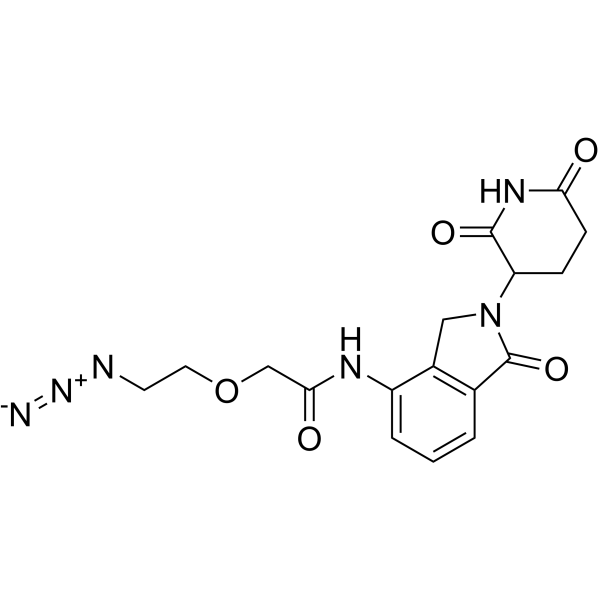
PROTAC sEH-degrader-4 is a highly efficient PROTAC degrader that targets soluble epoxide hydrolase (sEH) (pDC50 = 10.3). PROTAC sEH-degrader-4 can be used for research on inflammation-related diseases. Pink: sEH ligand (HY-179169); Blue: E3 ligase CRBN ligand (HY-179168); Black: Linker .
|
-
-
- HY-W403075
-
-
-
- HY-135795
-
|
CDU; N-Cyclohexyl-N-dodecyl urea; NCND
|
Epoxide Hydrolase
|
Cardiovascular Disease
Metabolic Disease
|
|
1-Cyclohexyl-3-dodecyl urea (CDU; N-Cyclohexyl-N-dodecyl urea; NCND) is a highly selective soluble epoxide hydrolase (sEH) inhibitor. 1-Cyclohexyl-3-dodecyl urea (CDU; N-Cyclohexyl-N-dodecyl urea; NCND) increases epoxyeicosatrienoic acids (EETs) levels and lowers blood pressure in angiotensin II (Ang II) hypertension .
|
-
-
- HY-148000
-
-
-
- HY-151621
-
-
-
- HY-173443
-
-
-
- HY-179441
-
|
|
Epoxide Hydrolase
FLAP
|
Inflammation/Immunology
|
|
sEH/FLAP-IN-2 is a selective sEH (IC50 = 12.6 nM)/FLAP dual inhibitor. sEH/FLAP-IN-2 highlights the reduction of 5-LOX/FLAP- and sEH-derived LMs, resulting in a favourable redistribution of LMs. sEH/FLAP-IN-2 can be used for the study of peritonitis .
|
-
-
- HY-108570R
-
|
|
Epoxide Hydrolase
|
Inflammation/Immunology
|
|
AUDA (Standard) is the analytical standard of AUDA. This product is intended for research and analytical applications. AUDA (compound 43) is a potent soluble epoxide hydrolase (sEH) inhibitor with IC50s of 18 and 69 nM for the mouse and human sEH, respectively . AUDA has anti-inflammatory activity .
|
-
-
- HY-159171
-
-
-
- HY-W587945
-
|
(E)-3-O-Feruloylquinic acid
|
Epoxide Hydrolase
|
Cardiovascular Disease
|
|
(E)-3-Feruloylquinic acid (Compound 3) is a chlorogenic acid. (E)-3-Feruloylquinic acid can be isolated from the aerial parts of Tetrastigma hemsleyanum. (E)-3-Feruloylquinic acid inhibits soluble epoxide hydrolase (sEH) with an IC50 of 60.7 μM. (E)-3-Feruloylquinic acid can be used in the study of vascular system diseases .
|
-
-
- HY-174443
-
|
|
PROTACs
Epoxide Hydrolase
|
Neurological Disease
Inflammation/Immunology
|
|
PROTAC sEH degrader-2 is a PROTAC targeting degradation agent for soluble epoxide hydrolase (sEH) with pIC50 values of the catalytic domain of 8.37 (human sEH-H) and 7.12 (mouce sEH-H). PROTAC sEH degrader-2 can be used for the research related to inflammation and neuroinflammation, such as Alzheimer's disease . (Structure Note: Pink: sEH-H ligand (HY-174225); Blue: CRBN Ligand (HY-103597); Black: linker; E3 + linker (HY-141011))
|
-
-
- HY-N16648
-
-
-
- HY-145833A
-
|
|
Epoxide Hydrolase
Cholinesterase (ChE)
|
Neurological Disease
Cancer
|
|
sEH/AChE-IN-4 (compound (+)-15) is a potent and BBB-penetrated dual inhibitor of sEH (soluble epoxide hydrolase) and AChE (acetylcholinesterase), with IC50 values of 3.1 nM (hsEH), 1660 nM (hAChE), 179 nM (hBChE, human butyrylcholinesterase), 14.5 nM (msEH), and 102 nM (mAChE), respectively .
|
-
-
- HY-145833
-
|
|
Epoxide Hydrolase
Cholinesterase (ChE)
|
Neurological Disease
Cancer
|
|
sEH/AChE-IN-3 (compound (−)-15) is a potent and BBB-penetrated dual inhibitor of sEH (soluble epoxide hydrolase) and AChE (acetylcholinesterase), with IC50 values of 0.4 nM (hsEH), 1.94 nM (hAChE), 615 (hBChE, human butyrylcholinesterase), 4.3 nM (msEH), and 2.61 nM (mAChE), respectively .
|
-
-
- HY-111151R
-
|
APAU (Standard)
|
Epoxide Hydrolase
Reference Standards
|
Infection
Cardiovascular Disease
Metabolic Disease
|
|
AR-9281 (Standard) is the analytical standard of AR-9281. This product is intended for research and analytical applications. AR9281 (APAU) is a potent, selective and orally active soluble epoxide hydrolase (s-EH) inhibitor. AR-9281 can inhibits human sEH (HsEH) and murine sEH (MsEH) with IC50 values of 13.8 nM and 1.7 nM, respectively. AR9281 can be used for the research of inflammation, hypertension and type 2 diabetes .
|
-
-
- HY-W097200
-
|
N,N′-Dibenzylurea
|
Epoxide Hydrolase
|
Others
|
|
1,3-Dibenzylurea is an insect growth regulator and a mouse soluble epoxide hydrolase (MsEH) inhibitor .
|
-
-
- HY-168144
-
|
|
Epoxide Hydrolase
|
Cancer
|
|
DJ-53 (compund 68) is an orally active phenylquinoline-based soluble epoxide hydrolase inhibitor .
|
-
-
- HY-147733
-
-
-
- HY-146643
-
-
-
- HY-126041A
-
|
(±)10,11-EDP; (±)10,11-EpDPE; (±)10,11-Epoxy docosapentaenoic acid
|
Epoxide Hydrolase
|
Metabolic Disease
|
|
(±)10(11)-EpDPA, a docosahexaenoic acid epoxygenase metabolite, acts as a substrate for soluble epoxide hydrolase (sEH) with a Km value of 5.1 µM for human sEH .
|
-
-
- HY-N12528
-
|
|
Epoxide Hydrolase
|
Cardiovascular Disease
|
|
10,11-EDT, a soluble epoxide hydrolase (sEH) substrate, is a metabolic product of adrenic acid. 10,11-EDT is an endothelium-derived hyperpolarizing factor with strong vasorelaxant effects .
|
-
-
- HY-121941
-
|
|
Fluorescent Dye
|
Others
|
|
Epoxy Fluor 7 is a sensitive fluorescent substrate for soluble epoxide hydrolase (sEH) that can be used for human and mouse enzymes. Epoxy Fluor 7 is hydrolyzed to yield fluorescence used for monitoring the activity of sEH.
|
-
-
- HY-147732
-
|
|
Epoxide Hydrolase
|
Inflammation/Immunology
|
|
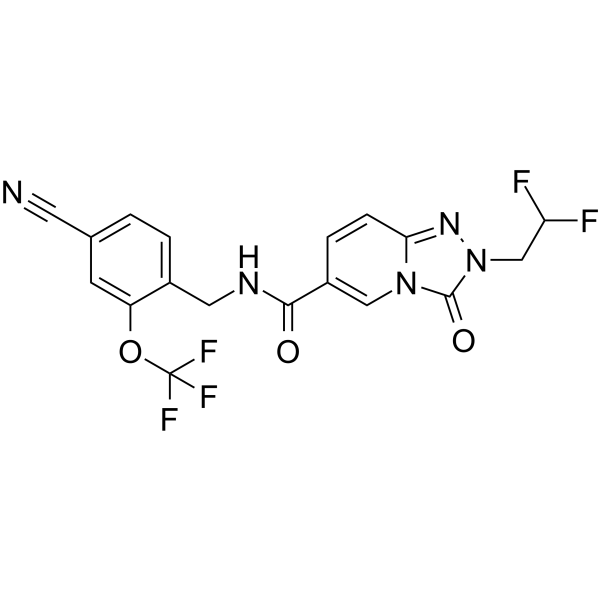
Intensive structural modification resulted in the identification of compound B15 as an effective sEH inhibitor with a value of 0.03 ± 0.01 nm, and the presence of soluble epoxide hydrolase (SEH) can reduce inflammation and pain.
|
-
-
- HY-159121
-
-
-
- HY-174327
-
-
-
- HY-160676
-
-
- HY-148573
-
-
- HY-155029
-
|
|
Epoxide Hydrolase
|
Inflammation/Immunology
|
|
sEH inhibitor-16 is a soluble epoxide hydrolase (sEH) inhibitors with an IC50 of 2 nM. sEH inhibitor-16 reduces the inflammatory damage in Cerulein (HY-A0190)-induced acute pancreatitis (AP) in mice and can be used for inflammation/immunology research .
|
-
- HY-145831
-
|
|
Cholinesterase (ChE)
|
Neurological Disease
Inflammation/Immunology
|
|
sEH/AChE-IN-1 (Compound 12a) is a dual inhibitor of the enzymes soluble epoxide hydrolase (sEH) and acetylcholinesterase (AChE). sEH/AChE-IN-1 provides cumulative effects against neuroinflammation and memory impairment. sEH/AChE-IN-1 has the potential for the research of Alzheimer's disease (AD) .
|
-
- HY-145832
-
|
|
Cholinesterase (ChE)
|
Neurological Disease
Inflammation/Immunology
|
|
sEH/AChE-IN-2 (Compound 12b) is a dual inhibitor of the enzymes soluble epoxide hydrolase (sEH) and acetylcholinesterase (AChE). sEH/AChE-IN-2 provides cumulative effects against neuroinflammation and memory impairment. sEH/AChE-IN-2 has the potential for the research of Alzheimer's disease (AD) .
|
-
- HY-123759
-
|
|
Endogenous Metabolite
|
Others
|
|
sEH-IN-12 is a potent soluble epoxide hydrolase (sEH) inhibitor with the property of inhibiting sEH activity. sEH-IN-12 was successfully used in the construction and selection of small molecule libraries, showing excellent biological activity. The development of sEH-IN-12 provides a new tool for drug discovery targeting sEH .
|
-
- HY-162120
-
|
|
Epoxide Hydrolase
|
Infection
|
|
FZQ-21 (Compound 70P) is a soluble epoxide hydrolase (sEH) inhibitor, with an IC50 of 4 nM. FZQ-21 exhibits equal IC50 (1.5 nM) on inhibiting human sEH as EC5026 (HY-135653) (1.7 nM). FZQ-21 can be used for research of sepsis .
|
-
- HY-135653A
-
|
(Rac)-BPN-19186
|
Epoxide Hydrolase
|
Neurological Disease
|
|
(Rac)-EC5026 ((Rac)-BPN-19186) is a potent piperidine inhibitor of soluble epoxide hydrolase (sEH) extracted from patent WO2019156991A1, page 39, has a Ki of 0.06 nM. (Rac)-EC5026 can be used for the research of Parkinson's disease and dementia with Lewy Bodies (DLB) .
|
-
- HY-168211
-
|
|
Epoxide Hydrolase
|
Inflammation/Immunology
|
|
LQ-38 is an orally active inhibitor for soluble epoxide hydrolase (sEH) with an IC50 of 5.2 nM. LQ-38 exhibits anti-inflammatory activity in rat foot edema model and mouse acute pancreatitis model, exhibits analgesic effect in Acetic acid (HY-Y0319)-induced writhing mouse model .
|
-
- HY-173568
-
|
|
Epoxide Hydrolase
|
Inflammation/Immunology
|
|
DJ-89 (Compound 77) is a potent soluble epoxide hydrolase (sEH) inhibitor with an IC50 value of 0.51 nM . DJ-89 inhibits sEH from hydrolyzing epoxyeicosatrienoic acids (EETs), reducing the production of pro-inflammatory substances. DJ-89 is promising for research of acute and chronic inflammatory diseases (such as rheumatoid arthritis) .
|
-
- HY-170492
-
|
|
Epoxide Hydrolase
Interleukin Related
TNF Receptor
|
Inflammation/Immunology
|
|
sEH inhibitor-19 (Compound (R)-14i) is an orally active inhibitor for soluble epoxide hydrolase (sEH) with an IC50 of 1.2 nM. sEH inhibitor-19 inhibits the expression of TNF-α and IL-6, exhibits anti-inflammatory activity in mouse acute pancreatitis or Carrageenan (HY-125474)-induced edema models .
|
-
- HY-143294
-
|
|
Epoxide Hydrolase
|
Cardiovascular Disease
|
|
sEH inhibitor-2 (compound 5l) is an orally active (predicted percentage absorption: 71.2-88.4%) soluble epoxide hydrolase (sEH) inhibitor, with an IC50 of 0.9 nM. sEH inhibitor-2 can maintain epoxyeicosatrienoic acids (EETs) serum level in high concentrations. sEH inhibitor-2 can be used in study of cardiovascular protection .
|
-
- HY-121538S
-
|
|
Isotope-Labeled Compounds
Epoxide Hydrolase
PPAR
|
Cardiovascular Disease
|
|
CUDA-d11 is deuterium labeled CUDA (HY-121538). CUDA is a potent inhibitor of soluble epoxide hydrolase (sEH), with IC50s of 11.1 nM and 112 nM for mouse sEH and human sEH, respectively . CUDA selectively increases peroxisome proliferator-activated receptor (PPAR) alpha activity. CUDA may be valuable for the research of cardiovascular disease .
|
-
- HY-146704
-
|
|
Epoxide Hydrolase
COX
|
Cardiovascular Disease
|
|
COX-2/sEH-IN-1 (Compound 9c) is an orally active, dual COX-2 and sEH (soluble epoxide hydrolase) inhibitor with IC50 values of 1.24 µM and 0.40 nM against COX-2 and sEH, respectively. COX-2/sEH-IN-1 shows improved anti-inflammatory activity and highly reduced cardiovascular risks .
|
-
- HY-151616
-
|
|
Epoxide Hydrolase
|
Cardiovascular Disease
Metabolic Disease
Inflammation/Immunology
|
|
sEH inhibitor-10 (Compound 37) is a selective soluble epoxide hydrolase (sEH) inhibitor (IC50=0.5 μM). sEH inhibitor-10 maintains high cycloeicosatrienoic acid (EETs) levels by inhibiting sEH, thereby reducing inflammation, regulating endothelial tone, improving mitochondrial function, and reducing oxidative stress. sEH inhibitor-10 has good research potential in metabolic, renal and cardiovascular diseases .
|
-
- HY-169858
-
|
|
PGE synthase
|
Inflammation/Immunology
|
|
Prostaglandin E2 Inhibitor 3 (Compound 3) is a selectivity microsomal prostaglandin E synthase-1 (mPGES-1) inhibitor (IC50 = 0.2 µM). Prostaglandin E2 Inhibitor 3 has higher selectivity for mPGES-1 than cyclooxygenases (COX)-1/2, 5-lipoxygenase (5-LO), and soluble epoxide hydrolase (sEH). Prostaglandin E2 Inhibitor 3 has anti-inflammatory activity and can attenuate zymosan-induced peritoneal leukocyte migration in mice .
|
-
- HY-N0805AR
-
|
|
Reference Standards
Epoxide Hydrolase
CaMK
Autophagy
Apoptosis
|
Metabolic Disease
Inflammation/Immunology
Cancer
|
|
Alisol B (Standard) is the analytical standard of Alisol B (HY-N0805A). This product is intended for research and analytical applications. Alisol B is a triterpene with diverse biological activities. Alisol B binds human soluble epoxide hydrolase (sEH) with a Ki of 5.97 μM and reduces sEH activity. Alisol B inhibits RANKL-induced JNK phosphorylation, NFATc1 and c-Fos expression, osteoclast formation, mature osteoclast pit-forming and actin ring activity, and SERCA pump activity. Alisol B induces calcium mobilization, CaMKK-AMPK-mTOR pathway activation, autophagic flux, autophagosome formation, G1 phase cell cycle arrest, endoplasmic reticulum stress, unfolded protein responses, and cancer cell apoptosis. Alisol B can be used for the research of hypercalcemia, osteoporosis, rheumatoid arthritis, periodontitis, acute kidney injury, and breast cancer.
|
-
- HY-183545
-
|
|
Epoxide Hydrolase
Interleukin Related
|
Inflammation/Immunology
|
|
sEH-IN-24 is an orally active soluble epoxide hydrolase (sEH) inhibitor with an IC50 of 1.9 nM. sEH-IN-24 inhibits the pro-inflammatory cytokines TNF-α and IL-6. sEH-IN-24 exhibits anti-inflammatory effects and exerts analgesic activity in vivo. sEH-IN-24 prevents pancreatic edema, inflammation and parenchymal atrophy. sEH-IN-24 can be used for the research of acute pancreatitis .
|
-
- HY-183341
-
-
- HY-182283
-
|
|
Epoxide Hydrolase
Reactive Oxygen Species (ROS)
Interleukin Related
NF-κB
|
Inflammation/Immunology
|
|
sEH-IN-23 is a soluble epoxide hydrolase inhibitor with a IC50 of 0.8 nM against human sEH and 0.7 nM against murine sEH. sEH-IN-23 inhibits inflammatory factor production mediated by NF-κB activation, reactive oxygen species (ROS) generation, and the release of pro-inflammatory cytokines IL-1β, IL-6 and TNF-α. sEH-IN-23 exhibits anti-inflammatory activity in acute lung injury models. sEH-IN-23 can be used for the research of acute lung injury .
|
-
- HY-W104814
-
-
- HY-101294R
-
|
|
Reference Standards
Epoxide Hydrolase
|
Inflammation/Immunology
|
|
TPPU (Standard) is the analytical standard of TPPU (HY-101294). This product is intended for research and analytical applications. TPPU is a soluble epoxide hydrolase (sEH) inhibitor with IC50 values of 37 and 3.7 nM for monkey and human sEH, respectively.
|
-
- HY-182372
-
|
|
Epoxide Hydrolase
|
Neurological Disease
|
|
SH-11037 is a potent inhibitor of soluble epoxide hydrolase (sEH) and docks to the substrate binding cleft in the sEH hydrolase domain. SH-11037 dose-dependently suppresses angiogenesis in the choroidal sprouting assay ex vivo and inhibited ocular developmental angiogenesis in zebrafish larvae. SH-11037 reduces choroidal neovascularisation lesion volume in the laser-induced CNV mouse model. SH-11037 synergises with anti-VEGF treatments in vitro and in vivo. SH-11037 induces G2/M phase blockade and retains retinal endothelial cell viability at active concentrations without overt toxicity. SH-11037 can be used for the research of retinal neovascularization and ocular neovascularization .
|
-
| Cat. No. |
Product Name |
Type |
-
- HY-121941
-
|
|
Fluorescent Dyes
|
|
Epoxy Fluor 7 is a sensitive fluorescent substrate for soluble epoxide hydrolase (sEH) that can be used for human and mouse enzymes. Epoxy Fluor 7 is hydrolyzed to yield fluorescence used for monitoring the activity of sEH.
|
| Cat. No. |
Product Name |
Category |
Target |
Chemical Structure |
-
- HY-N0805A
-
|
|
Triterpenes
Structural Classification
Alisma plantago-aquatica Linn.
Classification of Application Fields
Terpenoids
Metabolic Disease
Alismataceae
Plants
Disease Research Fields
Source Classification
|
Epoxide Hydrolase
CaMK
Autophagy
Apoptosis
|
|
Alisol B is a triterpene with diverse biological activities. Alisol B binds human soluble epoxide hydrolase (sEH) with a Ki of 5.97 μM and reduces sEH activity. Alisol B inhibits RANKL-induced JNK phosphorylation, NFATc1 and c-Fos expression, osteoclast formation, mature osteoclast pit-forming and actin ring activity, and SERCA pump activity. Alisol B induces calcium mobilization, CaMKK-AMPK-mTOR pathway activation, autophagic flux, autophagosome formation, G1 phase cell cycle arrest, endoplasmic reticulum stress, unfolded protein responses, and cancer cell apoptosis. Alisol B can be used for the research of hypercalcemia, osteoporosis, rheumatoid arthritis, periodontitis, acute kidney injury, and breast cancer .
|
-
-
- HY-N17669
-
-
-
- HY-W587945
-
-
-
- HY-N16648
-
-
-
- HY-N12528
-
-
-
- HY-N0805AR
-
|
|
Triterpenes
Structural Classification
Alisma plantago-aquatica Linn.
Terpenoids
Alismataceae
Plants
Source Classification
|
Reference Standards
Epoxide Hydrolase
CaMK
Autophagy
Apoptosis
|
|
Alisol B (Standard) is the analytical standard of Alisol B (HY-N0805A). This product is intended for research and analytical applications. Alisol B is a triterpene with diverse biological activities. Alisol B binds human soluble epoxide hydrolase (sEH) with a Ki of 5.97 μM and reduces sEH activity. Alisol B inhibits RANKL-induced JNK phosphorylation, NFATc1 and c-Fos expression, osteoclast formation, mature osteoclast pit-forming and actin ring activity, and SERCA pump activity. Alisol B induces calcium mobilization, CaMKK-AMPK-mTOR pathway activation, autophagic flux, autophagosome formation, G1 phase cell cycle arrest, endoplasmic reticulum stress, unfolded protein responses, and cancer cell apoptosis. Alisol B can be used for the research of hypercalcemia, osteoporosis, rheumatoid arthritis, periodontitis, acute kidney injury, and breast cancer.
|
-
| Cat. No. |
Product Name |
Chemical Structure |
-
- HY-121538S
-
|
|
|
CUDA-d11 is deuterium labeled CUDA (HY-121538). CUDA is a potent inhibitor of soluble epoxide hydrolase (sEH), with IC50s of 11.1 nM and 112 nM for mouse sEH and human sEH, respectively . CUDA selectively increases peroxisome proliferator-activated receptor (PPAR) alpha activity. CUDA may be valuable for the research of cardiovascular disease .
|
-
Your information is safe with us. * Required Fields.
Inquiry Information
- Product Name:
- Cat. No.:
- Quantity:
- MCE Japan Authorized Agent:

