Search Result
Results for "
TNF-α/NF-κB/MAPK signaling pathway
" in MedChemExpress (MCE) Product Catalog:
| Cat. No. |
Product Name |
Target |
Research Areas |
Chemical Structure |
-
- HY-123942
-
Diprovocim
Maximum Cited Publications
14 Publications Verification
|
Toll-like Receptor (TLR)
TNF Receptor
p38 MAPK
NF-κB
|
Inflammation/Immunology
Cancer
|
|
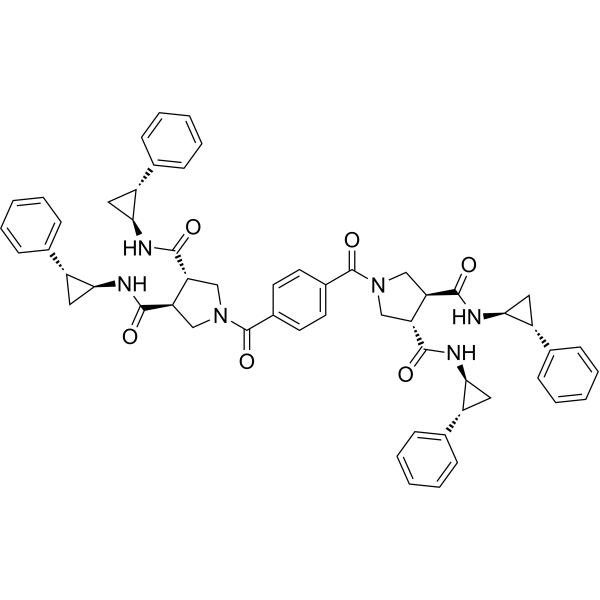
Diprovocim is a potent TLR1/TLR2 agonist. Diprovocim elicits full agonist activity in human THP-1 cells (EC50=110 pM). Diprovocim stimulates the release of TNF-α from mouse macrophages (EC50=1.3 nM). Diprovocim activates downstream MAPK and NF-κB signaling pathway. Diprovocim displays strong adjuvant activity in mice, particularly abetting cellular immune responses .
|
-
-
- HY-N6246
-
|
|
NF-κB
ERK
|
Inflammation/Immunology
Cancer
|
|
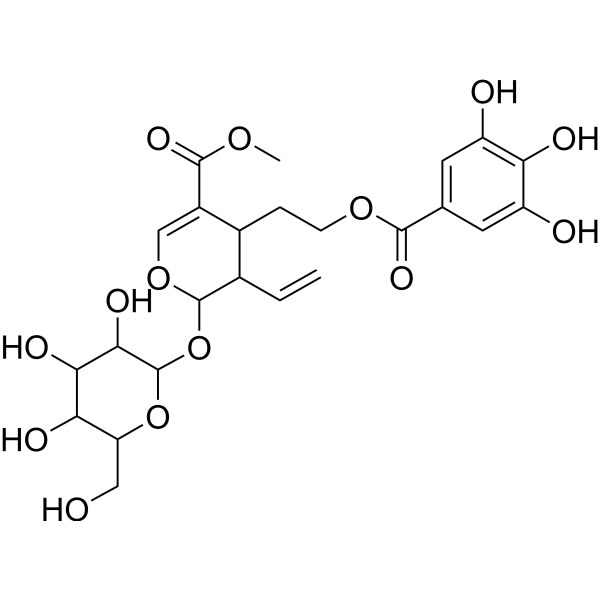
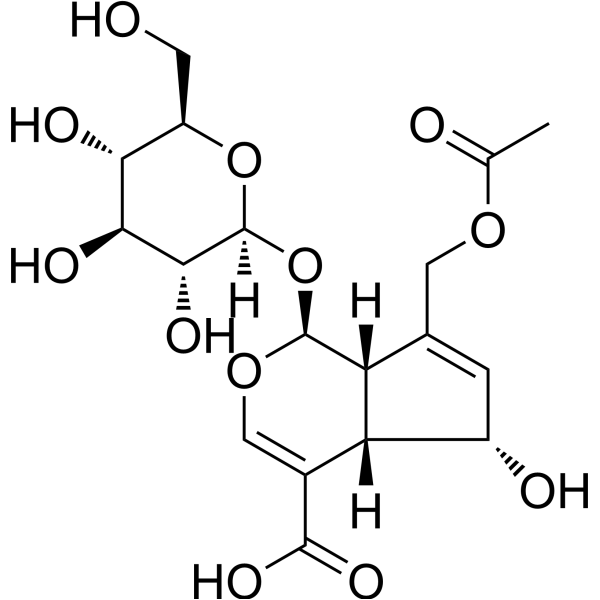
Asperulosidic Acid (ASPA), a bioactive iridoid glycoside, is extracted from the herbs of Hedyotis diffusa Willd. Asperulosidic Acid (ASPA) has anti-tumor, anti-oxidant, and anti-inflammatory activities .
ASPA is related to the inhibition of inflammatory cytokines (TNF-α, IL-6) and mediators via suppression of the NF-κB and mitogen-activated protein kinase (MAPK) signaling pathways .
|
-
-
- HY-120149
-
|
|
Toll-like Receptor (TLR)
MDM-2/p53
MMP
Caspase
SOD
p38 MAPK
NF-κB
Apoptosis
|
Neurological Disease
Inflammation/Immunology
Cancer
|
|
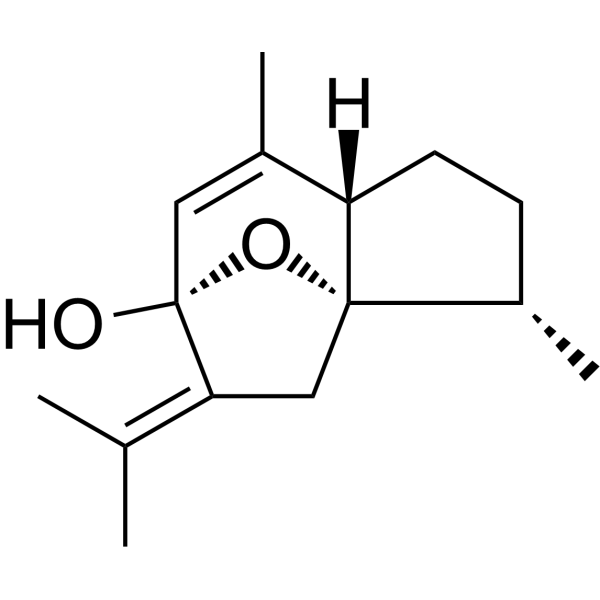
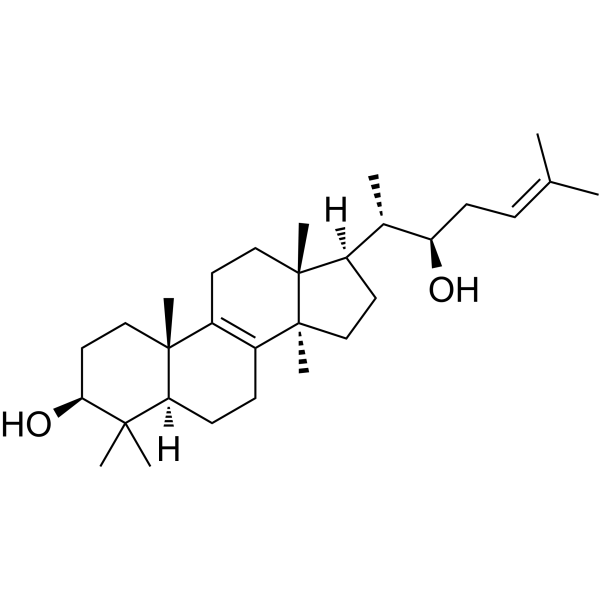
Inotodiol activates p53 signaling pathway, inhibits MMP-2/9, and exhibits antitumor activity in cancer cell HeLa. Inotodiol inhibits the generation of ROS and exhibits antioxidant and neuroprotective effects. Inotodiol inhibits the activation of MAPK and NF-κB signaling pathway, and exhibits anti-inflammatory activity. Inotodiol inhibits TLR-4 mediated TNF-α production (IC50s in BMMC and BMDM is 0.7 μM and 3.0 μM), inhibits the degranulation in mast cell, exhibits anti-allergic activity. Inotodiol is orally active .
|
-
-
- HY-N0631
-
|
|
p38 MAPK
NF-κB
JNK
Cholinesterase (ChE)
Acyltransferase
NO Synthase
Interleukin Related
TNF Receptor
Prostaglandin Receptor
ERK
COX
|
Neurological Disease
Inflammation/Immunology
|
|
Cornuside is an iridoid glycoside with anti-allergic, anti-inflammatory, and neuroprotective activities. Cornuside exerts anti-allergic activity by downregulating the p38 MAPK, JNK, and NF-κB signaling pathways, and inhibits IgE-mediated histamine release from mast cells. Cornuside improves cognitive impairment in mice by inhibiting BACE1 activity (IC50 = 55.84 μg/mL) and enhancing ChAT activity. Cornuside inhibits LPS (HY-D1056)-induced inflammatory mediators, including iNOS, COX-2, PGE2, TNF-α, IL-6, and IL-1β, by suppressing NF-κB activation .
|
-
-
- HY-19667A
-
|
DPC 333 formate
|
TNF Receptor
NF-κB
Apoptosis
p38 MAPK
|
Neurological Disease
Inflammation/Immunology
|
|
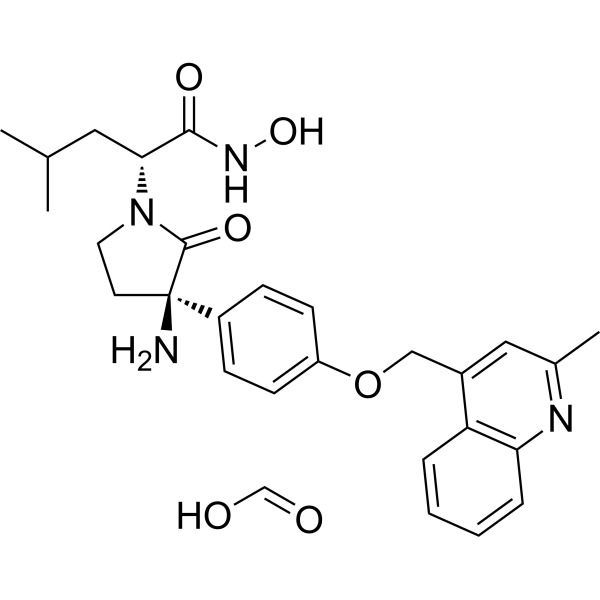
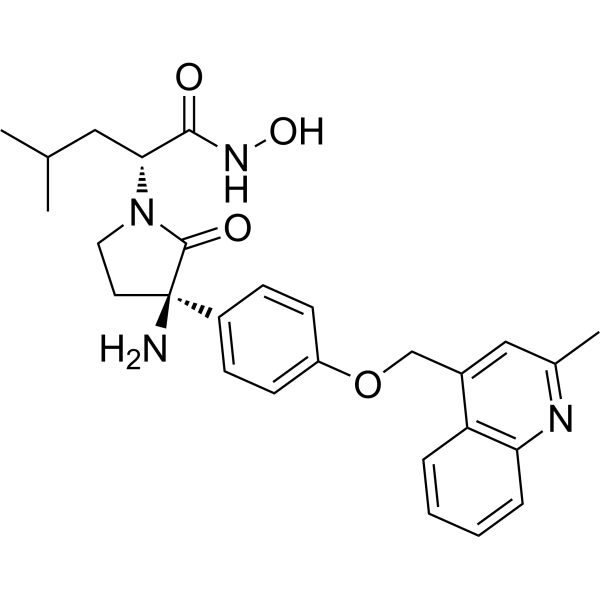
BMS-561392 formate (DPC 333 formate) is a selective ADAM17(TACE) inhibitor. BMS-561392 formate inhibits TNF-α secretion by regulating signaling pathways such as p44 MAPK and NF-κB. BMS-561392 formate also affects the survival of central nervous system-related cells including oligodendrocytes and microglia. BMS-561392 formate promotes microglial apoptosis, enlarges the injury area and exacerbates astrogliosis in a mouse spinal cord injury model. BMS-561392 formate can be used in research related to spinal cord injury and inflammatory diseases .
|
-
-
- HY-P991400
-
|
|
TNF Receptor
Apoptosis
Interleukin Related
NF-κB
JNK
p38 MAPK
|
Inflammation/Immunology
|
|
GSK1995057 is a human monoclonal antibody (mAb) targeting TNFRSF1A. GSK1995057 selectively binds to TNFR1, blocks the binding of TNF-α and LT-α, and does not interfere with TNFR2 signaling. GSK1995057 inhibits the activation of NF-κB, JNK and MAPK pathways, alleviates apoptosis (apoptosis) and inflammatory responses (inhibiting IL-1β, IL-6, IL-10, TNF-α), and prevents viability loss of human nucleus pulposus cells. GSK1995057 inhibits the expression of cytokines and neutrophil adhesion molecules in human pulmonary microvascular endothelial cell monolayers, and reduces inflammatory responses and lung injury symptoms in non-human primates. GSK1995057 forms complexes with HAVH autoantibodies, thereby activating TNFR1 and triggering the release of cytokines and IL-8 in human cells. GSK1995057 can be used in research related to intervertebral disc degeneration and acute lung injury .
|
-
-
- HY-19667
-
|
DPC 333
|
TNF Receptor
NF-κB
Apoptosis
p38 MAPK
|
Neurological Disease
Inflammation/Immunology
|
|
BMS-561392 (BMS-561392) is a selective ADAM17(TACE) inhibitor. BMS-561392 inhibits TNF-α secretion by regulating signaling pathways such as p44 MAPK and NF-κB. BMS-561392 also affects the survival of central nervous system-related cells including oligodendrocytes and microglia. BMS-561392 promotes microglial apoptosis, enlarges the injury area and exacerbates astrogliosis in a mouse spinal cord injury model. BMS-561392 can be used in research related to spinal cord injury and inflammatory diseases .
|
-
-
- HY-118828B
-
|
12-OPDA (≥90%)
|
NF-κB
p38 MAPK
TNF Receptor
Interleukin Related
NO Synthase
Keap1-Nrf2
|
Neurological Disease
Inflammation/Immunology
|
|
12-Oxo phytodienoic acid (≥90%) (12-OPDA (≥90%)) is a plant lipid-derived anti-inflammatory compound. 12-Oxo phytodienoic acid (≥90%) induces the expression of SOCS-1 and inhibits LPS (HY-D1056)-induced activation of the NF-κB and p38 MAPK signaling pathways. 12-Oxo phytodienoic acid (≥90%) inhibits LPS-induced expression of IL-6 and TNF-α, and reduces LPS-induced NO production by decreasing iNOS levels. 12-Oxo phytodienoic acid (≥90%) induces activation of the Nrf2 signaling cascade. 12-Oxo phytodienoic acid (≥90%) can be used for the research of neurodegenerative diseases .
|
-
-
- HY-121811
-
|
Lanceolatin C
|
Glycosidase
Phosphatase
Interleukin Related
TNF Receptor
COX
Beclin1
GLUT
FAK
Akt
mTOR
p38 MAPK
Keap1-Nrf2
Apoptosis
Amyloid-β
Tau Protein
Autophagy
|
Neurological Disease
Inflammation/Immunology
Cancer
|
|
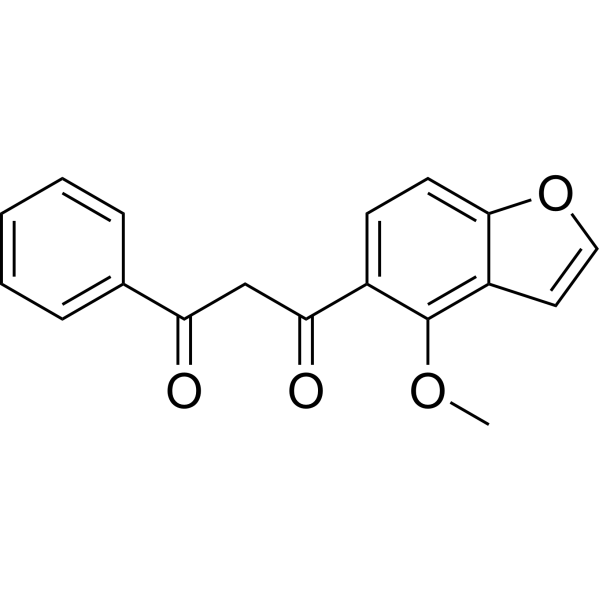
Pongamol (Lanceolatin C) is an orally active flavonoid with an IC50 of 75 μM and a Ki of 58 μM against PTPase-1B, and an IC50 of 103.5 μM against intestinal α-Glycosidase. Pongamol reduces the release of IL‑1β, TNF‑α, COX‑2 and iNOS in cells, reverses the nuclear translocation of NF‑κB, and upregulates the levels of Beclin 1 and LC3 Ⅱ/LC3 Ⅰ. Pongamol promotes glucose uptake by increasing the level of GLUT4 on the surface of skeletal muscle cells. Pongamol inhibits epithelial-mesenchymal transition by suppressing the FAK/Akt-mTOR signaling pathway. Pongamol inhibits neuronal cytotoxicity, suppresses cell apoptosis and extends the lifespan of Caenorhabditis elegans by activating the MAPKs/Nrf2 signaling pathway. Pongamol exerts hypoglycemic effects in diabetic mouse models. Pongamol exhibits antibacterial activity. Pongamol alleviates oxidative stress, neuroinflammation, Aβ deposition and excessive phosphorylation of Tau Protein, and restores autophagy function in Alzheimer's disease mouse models by inhibiting the Akt/mTOR signaling pathway. Pongamol is applicable to research related to Alzheimer's disease, type 2 diabetes, non-small cell lung cancer and postprandial hyperglycemia .
|
-
-
- HY-176192
-
|
|
Toll-like Receptor (TLR)
NF-κB
p38 MAPK
ERK
IKK
TNF Receptor
Interleukin Related
|
Inflammation/Immunology
|
|
SMU-14a is a selective Toll-like receptor 3 (TLR3) inhibitor wirh an IC50 of 0.18 μM. SMU-14a reduces phosphorylation of p65, ERK, and TBK1 via NF-κB, MAPK, and IRF3 signaling pathways. SMU-14a inhibits IL-6 secretion in mouse peritoneal macrophages, downregulates TNF-α in human peripheral blood monocytes and decreases serum alanine aminotransferase (ALT) and aspartate aminotransferase (AST) levels. SMU-14a can be used for the research of acute hepatitis .
|
-
-
- HY-W342283
-
-
-
- HY-N0887
-
|
Isoastragaloside-I
|
Akt
NF-κB
p38 MAPK
PI3K
FXR
Keap1-Nrf2
NO Synthase
COX
Interleukin Related
Integrin
TGF-β Receptor
Reactive Oxygen Species (ROS)
|
Neurological Disease
Metabolic Disease
Inflammation/Immunology
|
|
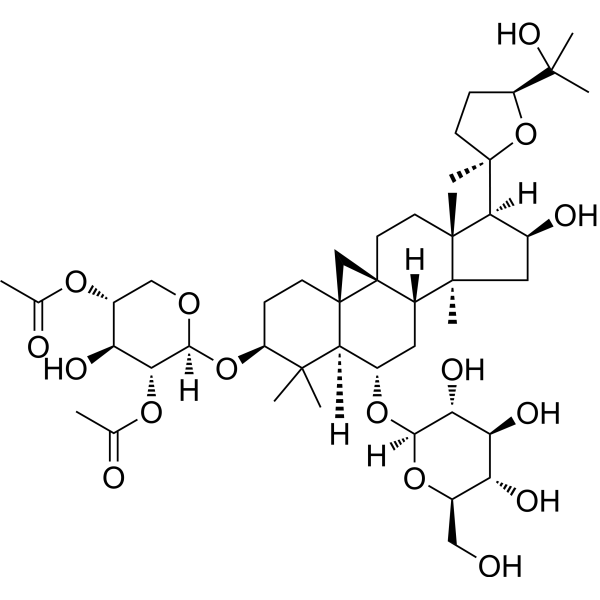
Isoastragaloside I is a natural compound found in Astragalus membranaceus, with oral activity and multiple biological activities such as anti-inflammatory and antioxidant properties. Isoastragaloside I inhibits Akt, NF-κB, MAPKs and PI3K, enhances the activity of hepatic FXR, regulates the TGF-β/Smads signaling pathway, and upregulates antioxidant molecules downstream of Nrf2. Isoastragaloside I inhibits the expression of NO, TNF-α, iNOS, COX-2, IL-1β and VCAM-1, and reduces intracellular ROS levels. Isoastragaloside I attenuates blood-brain barrier disruption, restores intestinal barrier function, increases β-cell mass, improves glucose homeostasis, and elevates circulating adiponectin levels. Isoastragaloside I can be used for the study of neuroinflammation-related neurodegenerative diseases, cholestatic liver disease, and diabetes .
|
-
-
- HY-119420
-
|
|
Antibiotic
Apoptosis
Caspase
JNK
p38 MAPK
TNF Receptor
ERK
NF-κB
Mitochondrial Metabolism
|
Inflammation/Immunology
Cancer
|
|
Acetoxycycloheximide is an antibiotic with antitumor activity. Acetoxycycloheximide a protein synthesis inhibitor. Acetoxycycloheximide significantly induces activation of procaspase-3 and subsequent apoptosis mediated by the Cytochrome c from mitochondria via activation of JNK pathway. Acetoxycycloheximide triggers the downregulation of cell surface TNF-R1 via the activation of ERK and p38 MAPK, thereby preventing activation of the NF-κB signaling pathway by TNF-α. Acetoxycycloheximide is much more toxic to female rats than to males. Acetoxycycloheximide can be used for inflammatory and immune diseases and cancers research .
|
-
-
- HY-155753
-
|
|
NF-κB
COX
|
Inflammation/Immunology
|
|
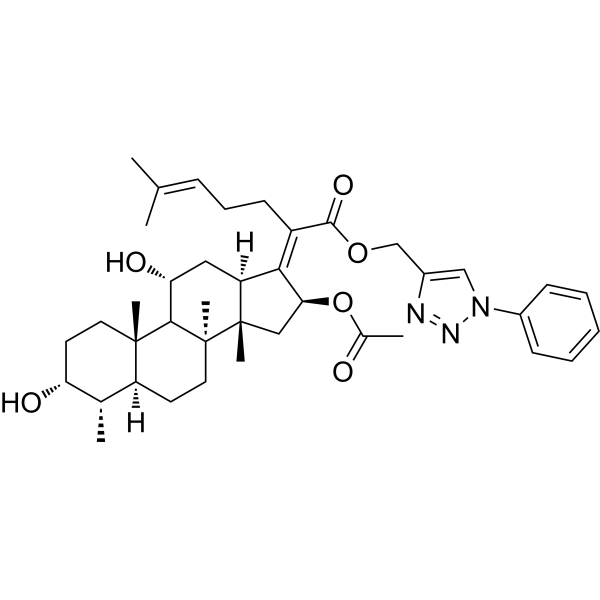
Anti-inflammatory agent 50 (compound a1) is a Fusidic acid derivative with anti-inflammatory effects. Anti-inflammatory agent 50 inhibits inflammatory factor NO, IL-6 and TNF-α. Anti-inflammatory agent 50 alleviates acute lung injury by regulating inflammatory mediators and suppressing the MAPK, NF-κB and NLRP3 inflammasome signaling pathways .
|
-
-
- HY-173416
-
|
|
NF-κB
p38 MAPK
ERK
JNK
|
Inflammation/Immunology
|
|
Anti-inflammatory agent 100 (Compound (+)-4S-23) is an anti-inflammatory agent. Anti-inflammatory agent 100 inhibits MAPK and NF-κB signaling, and also inhibits NF-κB pathway by suppressing the phosphorylation of IκB-α and blocking nuclear translocation of phosphorylated p65. Anti-inflammatory agent 100 inhibits NO production (IC50: 0.5 μM) and TNF-α, IL-6, IL-1β secretion .
|
-
-
- HY-157809
-
|
|
Interleukin Related
TNF Receptor
NF-κB
p38 MAPK
|
Inflammation/Immunology
|
|
Anti-inflammatory agent 74 (B5) is an anti-inflammatory agent that can inhibit NO, IL-6, and TNF-α, with IC50 values of 10.88 μM and 4.93 μM for NO and IL-6, respectively. Anti-inflammatory agent 74 alleviates acute lung injury (ALI) by regulating inflammatory mediators and inhibiting the MAPK and NF-κB signaling pathways .
|
-
-
- HY-N6246R
-
|
|
Reference Standards
NF-κB
ERK
|
Inflammation/Immunology
Cancer
|
|
Asperulosidic Acid (Standard) is the analytical standard of Asperulosidic Acid. This product is intended for research and analytical applications. Asperulosidic Acid (ASPA), a bioactive iridoid glycoside, is extracted from the herbs of Hedyotis diffusa Willd. Asperulosidic Acid (ASPA) has anti-tumor, anti-oxidant, and anti-inflammatory activities .
ASPA is related to the inhibition of inflammatory cytokines (TNF-α, IL-6) and mediators via suppression of the NF-κB and mitogen-activated protein kinase (MAPK) signaling pathways .
|
-
-
- HY-N15347
-
|
|
NF-κB
p38 MAPK
Interleukin Related
TNF Receptor
NO Synthase
COX
|
Inflammation/Immunology
|
|
Talaromyketide B is a polyketide compound with anti-inflammatory activity, discovered in the soil bacterium Talaromyces sp. KYS-41. Talaromyketide B inhibits the activation of the NF-κB and MAPK signaling pathways and dose-dependently suppresses pro-inflammatory cytokines, such as IL-1β, IL-6, IL-10, and TNF-α, as well as the transcriptional activity of inflammatory mediators, including iNOS and COX-2. Talaromyketide B holds potential for research in the fields of immunity and inflammatory diseases .
|
-
-
- HY-172409
-
|
|
Cannabinoid Receptor
p38 MAPK
NF-κB
|
Inflammation/Immunology
|
|
CB1R antagonist 2 (Compound 11g) is the antagonist for cannabinoid receptor 1 (CB1R), that inhibits MAPK/NF-κB signaling pathway and exhibits anti-inflammatory activity. CB1R antagonist 2 inhibits LPS (HY-D1056)-induced IL-6, IL-1β and TNF-α expressions in RAW264.7. CB1R antagonist 2 ameliorates OVA-induced allergic rhinitis in mouse models .
|
-
-
- HY-N0631R
-
|
|
Reference Standards
Prostaglandin Receptor
ERK
p38 MAPK
Acyltransferase
TNF Receptor
COX
Cholinesterase (ChE)
Interleukin Related
JNK
NO Synthase
NF-κB
|
Neurological Disease
Inflammation/Immunology
|
|
Cornuside (Standard) is the analytical standard of Cornuside (HY-N0631). This product is intended for research and analytical applications. Cornuside is an iridoid glycoside with anti-allergic, anti-inflammatory, and neuroprotective activities. Cornuside exerts anti-allergic activity by downregulating the p38 MAPK, JNK, and NF-κB signaling pathways, and inhibits IgE-mediated histamine release from mast cells. Cornuside improves cognitive impairment in mice by inhibiting BACE1 activity (IC50 = 55.84 μg/mL) and enhancing ChAT activity. Cornuside inhibits LPS (HY-D1056)-induced inflammatory mediators, including iNOS, COX-2, PGE2, TNF-α, IL-6, and IL-1β, by suppressing NF-κB activation.
|
-
-
- HY-172871
-
|
|
MAP3K
p38 MAPK
NF-κB
Reactive Oxygen Species (ROS)
NO Synthase
Interleukin Related
|
Inflammation/Immunology
|
|
Anti-inflammatory agent 102 (Compound 11a) is an orally active anti-inflammatory agent. Anti-inflammatory agent 102 exerts its anti-inflammatory effect by blocking the activation of the ASK1/p38 MAPKs/NF-κB signaling pathway. Anti-inflammatory agent 102 has significant anti-inflammatory activity and can inhibit the release of NO, ROS, and inflammatory factors (such as IL-6, TNF-α, IL-1β). Anti-inflammatory agent 102 can be used in the study of inflammatory diseases such as ulcerative colitis (UC) .
|
-
-
- HY-162641
-
|
|
IRAK
NF-κB
p38 MAPK
TNF Receptor
|
Inflammation/Immunology
|
|
AF-45 inhibits IRAK4 and IRAK1, with IC50s of 128 nM and 1765 nM. AF-45 inhibits the release of IL-6 and TNF-α in macrophages, with IC50s of 0.53-1.54 μM and 0.6-2.75 μM. AF-45 is also an inhibitor for NF-κB/MAPK signaling pathway. AF-45 exhibits anti-inflammatory activities against DSS-induced ulcerative colitis and Lipopolysaccharide (HY-D1056)-induced acute lung injury in mouse model. AF-45 exhibits good pharmacokinetic characteristics in rat models .
|
-
-
- HY-N18025
-
-
-
- HY-181073
-
|
|
Apoptosis
Necroptosis
NF-κB
p38 MAPK
|
Neurological Disease
Cancer
|
|
Apoptosis/necroptosis inducer 1 is an orally active and brain-penetrant apoptosis and necroptosis inducer. Apoptosis/necroptosis inducer 1 induces mitochondria-dependent (intrinsic pathway) apoptosis. Apoptosis/necroptosis inducer 1 induces necroptosis by activating the TNF-α/NF-κB/MAPK signaling pathway. Apoptosis/necroptosis inducer 1 exhibits antiproliferative activity in glioblastoma cell lines and multiple solid tumor types. Apoptosis/necroptosis inducer 1 inhibits growth of orthotopic glioblastoma in animal models and improves survival rate. Apoptosis/necroptosis inducer 1 can be used for the research of glioblastoma .
|
-
-
- HY-107272
-
|
22-Epidelavinone
|
Cholinesterase (ChE)
Apoptosis
Bcl-2 Family
Caspase
Interleukin Related
TNF Receptor
Toll-like Receptor (TLR)
MyD88
NF-κB
p38 MAPK
|
Inflammation/Immunology
Cancer
|
|
Chuanbeinone (22-Epidelavinone) is an orally active alkaloid found in Fritillaria pallidiflora. Chuanbeinone shows cytotoxicity against mutiple cancer cells and can induces apoptosis and S phase arrest. Chuanbeinone downregulates Bcl-2, upregulates Bax, and activates caspase-3. Chuanbeinone exerts anti-inflammatory and antitussive effects by reducing pro-inflammatory cytokine (IL-1β, IL-6 and TNF-α) production and mRNA expression, and inhibiting TRIF-, MyD88-, NF-κB-, and MAPK-dependent signaling pathways. Chuanbeinone inhibits AChE and BChE with IC50 values of 7.7 and 0.7 μM. Chuanbeinone can be used for the researches of lung carcinoma, cough, inflammatory diseases .
|
-
-
- HY-P11617
-
|
|
NF-κB
ERK
JNK
p38 MAPK
Interleukin Related
|
Inflammation/Immunology
|
|
CLP-d2 is a multi-target anti-inflammatory agent, osteoclastogenesis inhibitor and immunomodulator with superior pharmacokinetic properties to Daptomycin (HY-B0108) and good safety profiles. CLP-d2 inhibits the NF-κB and MAPK signaling pathways by reducing the expression levels of c-Fos and NFATc1, and decreasing the phosphorylation levels of IκBα, p65, ERK and JNK, thereby reducing the secretion of pro-inflammatory cytokines such as IL-6, TNF-α and IL-1β to exert anti-inflammatory activity. CLP-d2 inhibits intra-articular osteoclastogenesis in mice, alleviates bone erosion and joint swelling, reduces synovial hyperplasia and inflammatory cell infiltration, and decreases serum rheumatoid factor (RF) levels. CLP-d2 is applicable to related research on rheumatoid arthritis .
|
-
-
- HY-N9541
-
|
|
Others
|
Inflammation/Immunology
|
|
Chaetoglobosin Vb is a novel cytotoxic alkaloid with anti-inflammatory and antioxidant activities. Chaetoglobosin Vb can inhibit oxidative stress induced by LPS stimulation, reduce the production of reactive oxygen species and increase the expression of the antioxidant enzyme superoxide dismutase (SOD). Chaetoglobosin Vb significantly reduced the gene and protein expression of inducible nitric oxide synthase (iNOS) and cyclooxygenase-2 (COX-2) induced by LPS, and alleviated the production of proinflammatory cytokines such as TNF-α, IL-6 and IL-1β. Chaetoglobosin Vb exerts its biological activity through the TLR4-mediated MyD88-dependent signaling pathway and the TRIF-dependent signaling pathway, which is specifically manifested by inhibiting the phosphorylation of p38, ERK, and JNK MAPK and the translocation of NF-κB p65 subunit to the nucleus. Chaetoglobosin Vb showed no cytotoxic effect in the concentration range of 25-100 μM and promoted SOD enzyme activity and phosphorylation of p38, ERK1/2 and JNK in a dose-dependent manner .
|
-
| Cat. No. |
Product Name |
Target |
Research Area |
-
- HY-P11617
-
|
|
NF-κB
ERK
JNK
p38 MAPK
Interleukin Related
|
Inflammation/Immunology
|
|
CLP-d2 is a multi-target anti-inflammatory agent, osteoclastogenesis inhibitor and immunomodulator with superior pharmacokinetic properties to Daptomycin (HY-B0108) and good safety profiles. CLP-d2 inhibits the NF-κB and MAPK signaling pathways by reducing the expression levels of c-Fos and NFATc1, and decreasing the phosphorylation levels of IκBα, p65, ERK and JNK, thereby reducing the secretion of pro-inflammatory cytokines such as IL-6, TNF-α and IL-1β to exert anti-inflammatory activity. CLP-d2 inhibits intra-articular osteoclastogenesis in mice, alleviates bone erosion and joint swelling, reduces synovial hyperplasia and inflammatory cell infiltration, and decreases serum rheumatoid factor (RF) levels. CLP-d2 is applicable to related research on rheumatoid arthritis .
|
| Cat. No. |
Product Name |
Target |
Research Area |
Image |
-
- HY-P991400
-
|
|
TNF Receptor
Apoptosis
Interleukin Related
NF-κB
JNK
p38 MAPK
|
Inflammation/Immunology
|
|
GSK1995057 is a human monoclonal antibody (mAb) targeting TNFRSF1A. GSK1995057 selectively binds to TNFR1, blocks the binding of TNF-α and LT-α, and does not interfere with TNFR2 signaling. GSK1995057 inhibits the activation of NF-κB, JNK and MAPK pathways, alleviates apoptosis (apoptosis) and inflammatory responses (inhibiting IL-1β, IL-6, IL-10, TNF-α), and prevents viability loss of human nucleus pulposus cells. GSK1995057 inhibits the expression of cytokines and neutrophil adhesion molecules in human pulmonary microvascular endothelial cell monolayers, and reduces inflammatory responses and lung injury symptoms in non-human primates. GSK1995057 forms complexes with HAVH autoantibodies, thereby activating TNFR1 and triggering the release of cytokines and IL-8 in human cells. GSK1995057 can be used in research related to intervertebral disc degeneration and acute lung injury .
|
-
(5)
| Cat. No. |
Product Name |
Category |
Target |
Chemical Structure |
-
- HY-N6246
-
-
-
- HY-120149
-
-
-
- HY-N0631
-
|
|
Structural Classification
Iridoids
Cornaceae
Classification of Application Fields
Cornus officinalis Sieb. et Zucc.
Terpenoids
Phenols
Polyphenols
Plants
Inflammation/Immunology
Disease Research Fields
Source Classification
|
p38 MAPK
NF-κB
JNK
Cholinesterase (ChE)
Acyltransferase
NO Synthase
Interleukin Related
TNF Receptor
Prostaglandin Receptor
ERK
COX
|
|
Cornuside is an iridoid glycoside with anti-allergic, anti-inflammatory, and neuroprotective activities. Cornuside exerts anti-allergic activity by downregulating the p38 MAPK, JNK, and NF-κB signaling pathways, and inhibits IgE-mediated histamine release from mast cells. Cornuside improves cognitive impairment in mice by inhibiting BACE1 activity (IC50 = 55.84 μg/mL) and enhancing ChAT activity. Cornuside inhibits LPS (HY-D1056)-induced inflammatory mediators, including iNOS, COX-2, PGE2, TNF-α, IL-6, and IL-1β, by suppressing NF-κB activation .
|
-
-
- HY-121811
-
|
Lanceolatin C
|
Structural Classification
Pongamia pinnata (L.) Pierre
Leguminosae
Ketones, Aldehydes, Acids
Derris trifoliata Lour.
Plants
Source Classification
|
Glycosidase
Phosphatase
Interleukin Related
TNF Receptor
COX
Beclin1
GLUT
FAK
Akt
mTOR
p38 MAPK
Keap1-Nrf2
Apoptosis
Amyloid-β
Tau Protein
Autophagy
|
|
Pongamol (Lanceolatin C) is an orally active flavonoid with an IC50 of 75 μM and a Ki of 58 μM against PTPase-1B, and an IC50 of 103.5 μM against intestinal α-Glycosidase. Pongamol reduces the release of IL‑1β, TNF‑α, COX‑2 and iNOS in cells, reverses the nuclear translocation of NF‑κB, and upregulates the levels of Beclin 1 and LC3 Ⅱ/LC3 Ⅰ. Pongamol promotes glucose uptake by increasing the level of GLUT4 on the surface of skeletal muscle cells. Pongamol inhibits epithelial-mesenchymal transition by suppressing the FAK/Akt-mTOR signaling pathway. Pongamol inhibits neuronal cytotoxicity, suppresses cell apoptosis and extends the lifespan of Caenorhabditis elegans by activating the MAPKs/Nrf2 signaling pathway. Pongamol exerts hypoglycemic effects in diabetic mouse models. Pongamol exhibits antibacterial activity. Pongamol alleviates oxidative stress, neuroinflammation, Aβ deposition and excessive phosphorylation of Tau Protein, and restores autophagy function in Alzheimer's disease mouse models by inhibiting the Akt/mTOR signaling pathway. Pongamol is applicable to research related to Alzheimer's disease, type 2 diabetes, non-small cell lung cancer and postprandial hyperglycemia .
|
-
-
- HY-N0887
-
|
Isoastragaloside-I
|
Triterpenes
Structural Classification
other families
Classification of Application Fields
Leguminosae
Terpenoids
Astragalus membranaceus var. mongholicus (Bunge)P.K.Hsiao
Metabolic Disease
Plants
Disease Research Fields
Source Classification
|
Akt
NF-κB
p38 MAPK
PI3K
FXR
Keap1-Nrf2
NO Synthase
COX
Interleukin Related
Integrin
TGF-β Receptor
Reactive Oxygen Species (ROS)
|
|
Isoastragaloside I is a natural compound found in Astragalus membranaceus, with oral activity and multiple biological activities such as anti-inflammatory and antioxidant properties. Isoastragaloside I inhibits Akt, NF-κB, MAPKs and PI3K, enhances the activity of hepatic FXR, regulates the TGF-β/Smads signaling pathway, and upregulates antioxidant molecules downstream of Nrf2. Isoastragaloside I inhibits the expression of NO, TNF-α, iNOS, COX-2, IL-1β and VCAM-1, and reduces intracellular ROS levels. Isoastragaloside I attenuates blood-brain barrier disruption, restores intestinal barrier function, increases β-cell mass, improves glucose homeostasis, and elevates circulating adiponectin levels. Isoastragaloside I can be used for the study of neuroinflammation-related neurodegenerative diseases, cholestatic liver disease, and diabetes .
|
-
-
- HY-N6246R
-
|
|
Structural Classification
Iridoids
Terpenoids
Rubiaceae
Plants
Morinda officinalis How
Source Classification
|
Reference Standards
NF-κB
ERK
|
|
Asperulosidic Acid (Standard) is the analytical standard of Asperulosidic Acid. This product is intended for research and analytical applications. Asperulosidic Acid (ASPA), a bioactive iridoid glycoside, is extracted from the herbs of Hedyotis diffusa Willd. Asperulosidic Acid (ASPA) has anti-tumor, anti-oxidant, and anti-inflammatory activities .
ASPA is related to the inhibition of inflammatory cytokines (TNF-α, IL-6) and mediators via suppression of the NF-κB and mitogen-activated protein kinase (MAPK) signaling pathways .
|
-
-
- HY-N15347
-
|
|
Natural Products
Microorganisms
Source Classification
|
NF-κB
p38 MAPK
Interleukin Related
TNF Receptor
NO Synthase
COX
|
|
Talaromyketide B is a polyketide compound with anti-inflammatory activity, discovered in the soil bacterium Talaromyces sp. KYS-41. Talaromyketide B inhibits the activation of the NF-κB and MAPK signaling pathways and dose-dependently suppresses pro-inflammatory cytokines, such as IL-1β, IL-6, IL-10, and TNF-α, as well as the transcriptional activity of inflammatory mediators, including iNOS and COX-2. Talaromyketide B holds potential for research in the fields of immunity and inflammatory diseases .
|
-
-
- HY-N0631R
-
|
|
Structural Classification
Iridoids
Cornaceae
Cornus officinalis Sieb. et Zucc.
Terpenoids
Phenols
Polyphenols
Plants
Source Classification
|
Reference Standards
Prostaglandin Receptor
ERK
p38 MAPK
Acyltransferase
TNF Receptor
COX
Cholinesterase (ChE)
Interleukin Related
JNK
NO Synthase
NF-κB
|
|
Cornuside (Standard) is the analytical standard of Cornuside (HY-N0631). This product is intended for research and analytical applications. Cornuside is an iridoid glycoside with anti-allergic, anti-inflammatory, and neuroprotective activities. Cornuside exerts anti-allergic activity by downregulating the p38 MAPK, JNK, and NF-κB signaling pathways, and inhibits IgE-mediated histamine release from mast cells. Cornuside improves cognitive impairment in mice by inhibiting BACE1 activity (IC50 = 55.84 μg/mL) and enhancing ChAT activity. Cornuside inhibits LPS (HY-D1056)-induced inflammatory mediators, including iNOS, COX-2, PGE2, TNF-α, IL-6, and IL-1β, by suppressing NF-κB activation.
|
-
-
- HY-N18025
-
-
-
- HY-107272
-
-
-
- HY-N9541
-
|
|
Alkaloids
Microorganisms
Pyrrole Alkaloids
Source Classification
|
Others
|
|
Chaetoglobosin Vb is a novel cytotoxic alkaloid with anti-inflammatory and antioxidant activities. Chaetoglobosin Vb can inhibit oxidative stress induced by LPS stimulation, reduce the production of reactive oxygen species and increase the expression of the antioxidant enzyme superoxide dismutase (SOD). Chaetoglobosin Vb significantly reduced the gene and protein expression of inducible nitric oxide synthase (iNOS) and cyclooxygenase-2 (COX-2) induced by LPS, and alleviated the production of proinflammatory cytokines such as TNF-α, IL-6 and IL-1β. Chaetoglobosin Vb exerts its biological activity through the TLR4-mediated MyD88-dependent signaling pathway and the TRIF-dependent signaling pathway, which is specifically manifested by inhibiting the phosphorylation of p38, ERK, and JNK MAPK and the translocation of NF-κB p65 subunit to the nucleus. Chaetoglobosin Vb showed no cytotoxic effect in the concentration range of 25-100 μM and promoted SOD enzyme activity and phosphorylation of p38, ERK1/2 and JNK in a dose-dependent manner .
|
-
Your information is safe with us. * Required Fields.
Inquiry Information
- Product Name:
- Cat. No.:
- Quantity:
- MCE Japan Authorized Agent:

