



BMS-561392 formate
Based on 2 publication(s) in Google Scholar
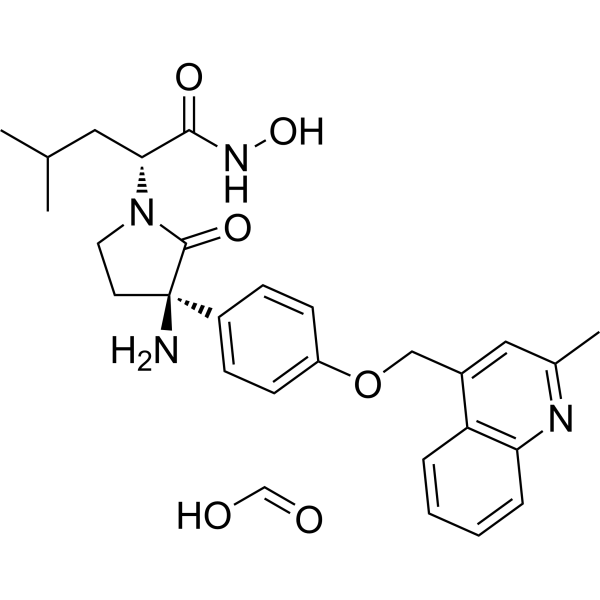
BMS-561392 formate (DPC 333 formate) is a selective ADAM17(TACE) inhibitor. BMS-561392 formate inhibits TNF-α secretion by regulating signaling pathways such as p44 MAPK and NF-κB. BMS-561392 formate also affects the survival of central nervous system-related cells including oligodendrocytes and microglia. BMS-561392 formate promotes microglial apoptosis, enlarges the injury area and exacerbates astrogliosis in a mouse spinal cord injury model. BMS-561392 formate can be used in research related to spinal cord injury and inflammatory diseases.
For research use only. We do not sell to patients.
- Purity : 99.13%
- CAS No.: 2922280-85-9
- Formula: C28H34N4O6
- Molecular Weight:522.59
-
Storage:
-20°C, sealed storage, away from moisture
* In solvent : -80°C, 6 months; -20°C, 1 month (sealed storage, away from moisture)

To place orders, for customer services and technical support, please contact: MedChemExpress USA
Tel: 609-228-6898 E-mail: [email protected] [email protected]


-
 Biological Activity
-
Chemical Information
-
Solvent & Solubility
- Protocols
- Purity & Documentation
- References
-
 Help & FAQs


-
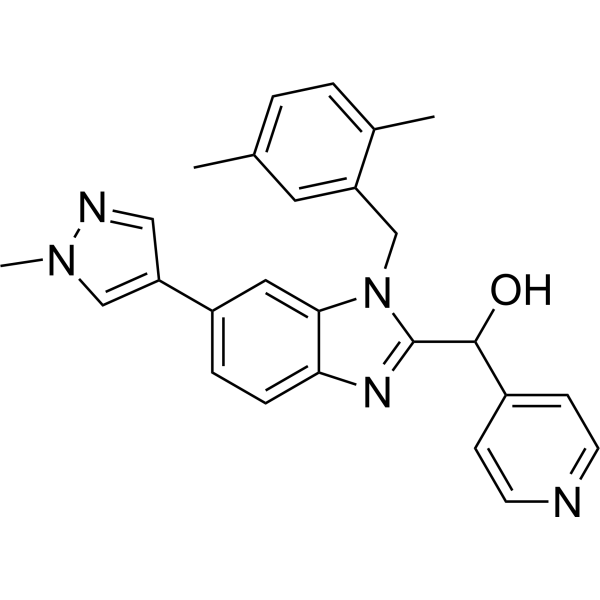
HY-133122
UCB-9260TNF Signaling Inhibitor -
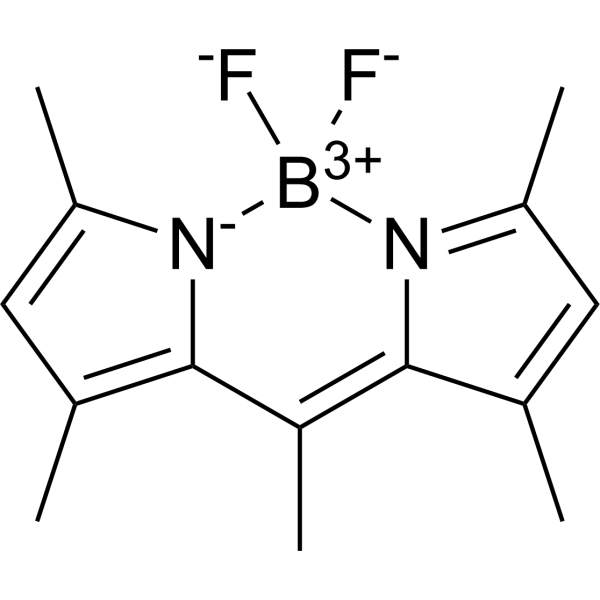
HY-W090090
BODIPY 493/503Neutral Lipid Dye -
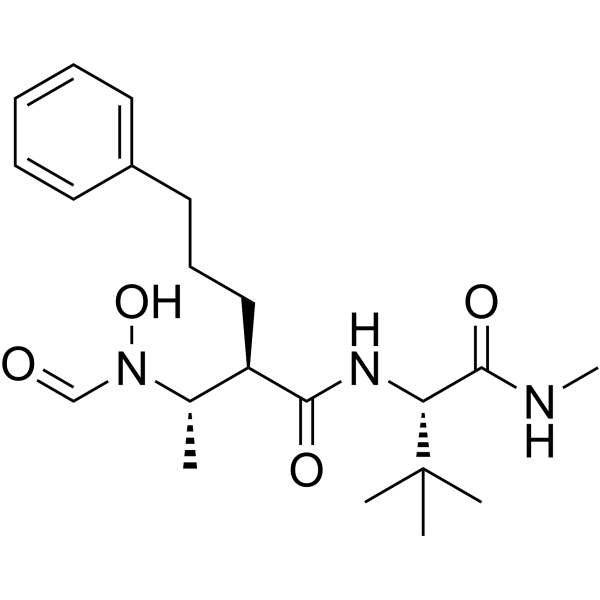
HY-19956
GI254023XADAM10/MMP9 Inhibitor -
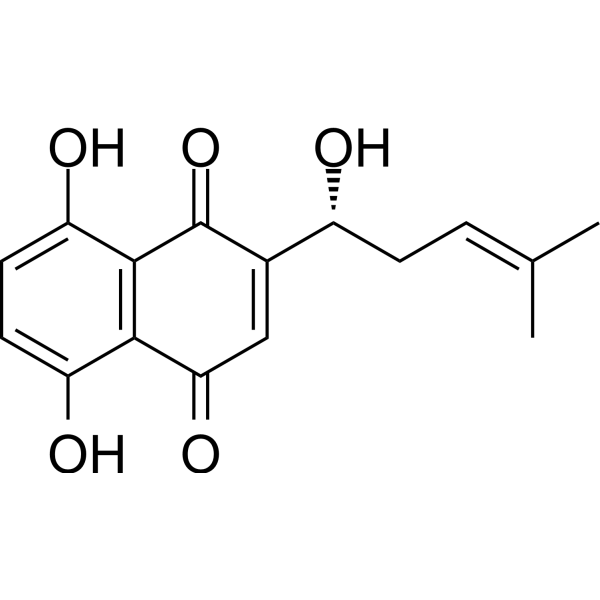
HY-N0822
ShikoninChloride Channel Inhibitor -

HY-P9908
AdalimumabTNF-α Inhibitor -
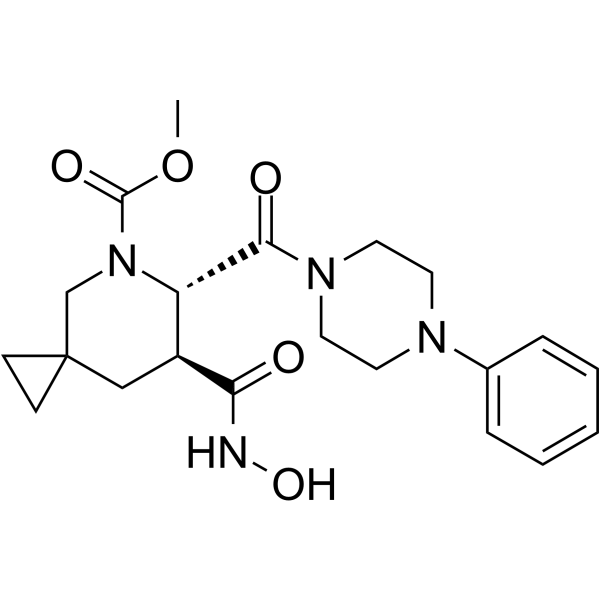
HY-10293
AderbasibADAM10/17 Inhibitor -

HY-P990007
TulisokibartAnti-TNFSf15/TL1A Antibody -
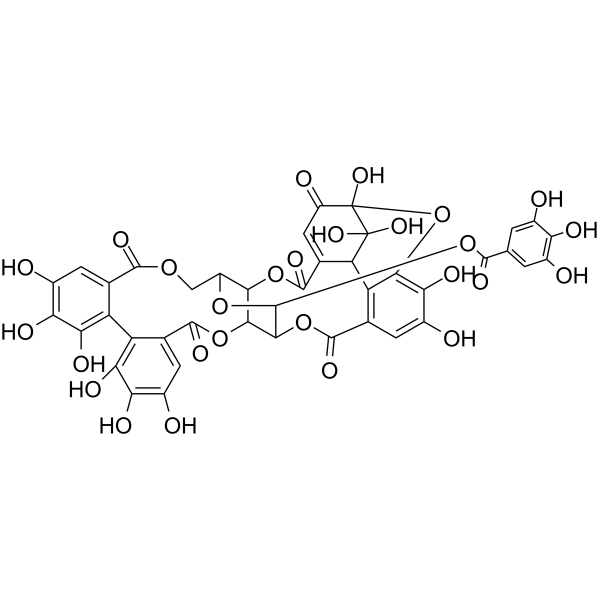
HY-N0472
GeraniinTNF Receptor Inhibitor -
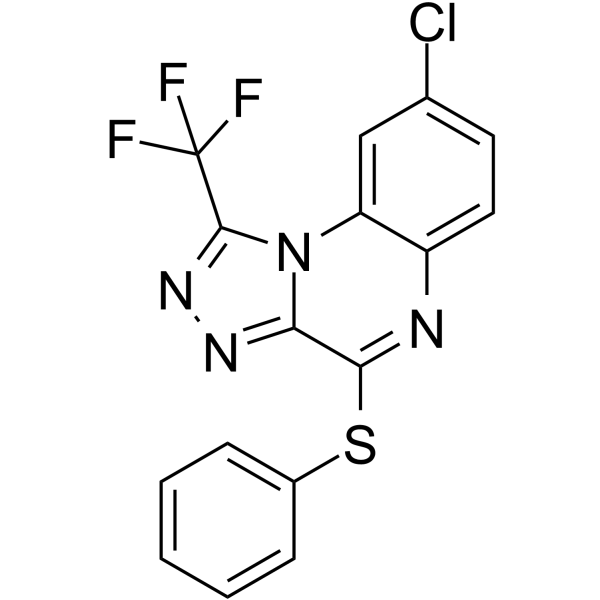
HY-110203
R-7050TNF Receptor Antagonist -

HY-P9980
BelantamabAnti-BCMA/TNFRSF17 Monoclonal Antibody -
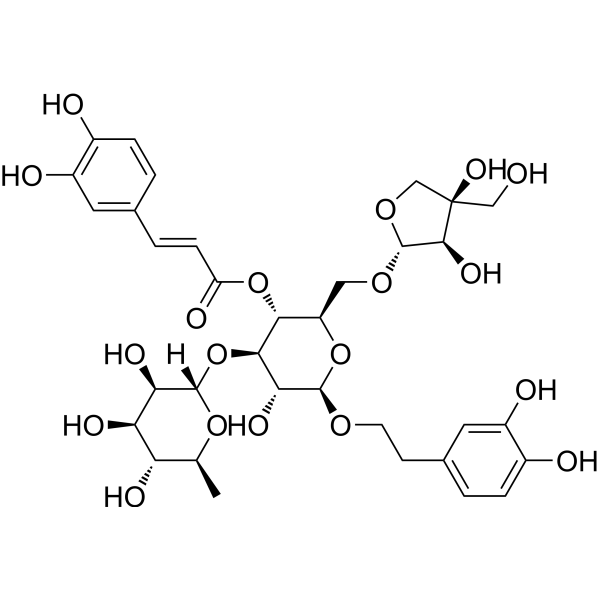
HY-N0029
Forsythoside BTNF Inhibitor -
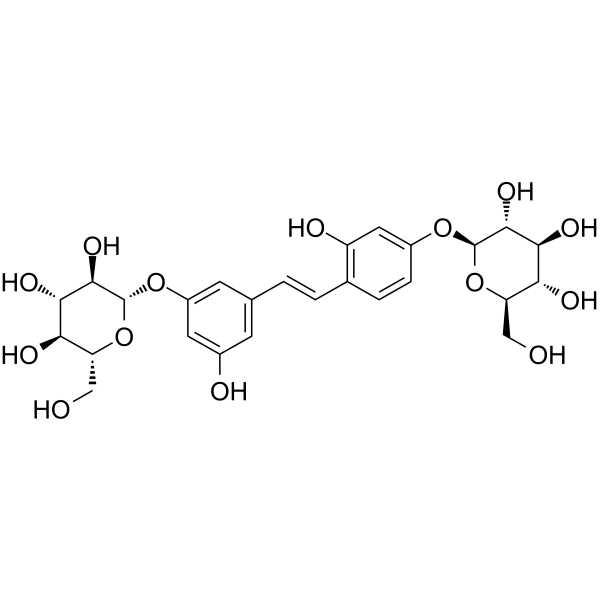
HY-N0619
Mulberroside ATyrosinase Inhibitor
Publications Citing Use of MedChemExpress (MCE) BMS-561392 formate
More

Biological Activity
Description
In Vitro
BMS-561392 formate (10 nM; 1-2.5 h) potently inhibits recombinant human TACE (ADAM17) enzymatic activity by ~80%[1].
BMS-561392 formate (10 μM; 1 h pre-incubation followed by 4 h LPS stimulation) effectively suppresses LPS-induced TNF-α secretion in RAW264.7 macrophage cells[1].
BMS-561392 formate (1-100 μM; 1 h pre-incubation followed by 4 h LPS stimulation) dose-dependently inhibits LPS-induced p-IκB expression, and thus NFκB pathway activation, in RAW264.7 macrophage cells[1].
BMS-561392 formate (1-100 μM; 1 h pre-incubation followed by 1 h LPS stimulation) inhibits LPS-induced p-NFκB expression in RAW264.7 macrophage cells[1].
BMS-561392 formate (0.3-2.7 mM; 48 h) reduces viability of undifferentiated HOG cells in a concentration-dependent manner, with the greatest reduction (89.5-93.5%) observed at 2.7 mM after 48 h incubation[2].
BMS-561392 formate (0.3-2.7 mM; 48 h) modulates viability of BV-2 microglial cells in a concentration-dependent manner after 48 h incubation, with a slight increase at 0.3 mM, 50% reduction at 1.3 mM, and 94% reduction at 2.7 mM[2].
BMS-561392 formate (1.3-2.7 mM) induces apoptosis in BV-2 microglial cells, as shown by increased activated caspase-3-positive cells[2].
BMS-561392 formate (2.7 mM; 3 h) increases membrane TNFR-1 expression in BV-2 microglial cells by >50% after 3 h incubation[2].
BMS-561392 formate (0.3-2.7 mM; 3 h) modulates phosphorylated p44 MAPK levels in BV-2 microglial cells in a concentration-dependent manner after 3 h incubation, increasing levels at 0.3 mM and eliminating detectable levels at 2.7 mM, with no effect on phosphorylated p42 MAPK[2].
MedChemExpress (MCE) has not independently confirmed the accuracy of these methods. They are for reference only. Further protocols information, click here.
-
Cell Line:RAW264.7 macrophage cells
-
Concentration:10 μM (pre-incubation); 1 μg/mL (LPS stimulation)
-
Incubation Time:1 h (pre-incubation); 4 h (LPS stimulation)
-
Result:Reduced LPS-induced TNF-α levels to near-control levels.
-
Cell Line:RAW264.7 macrophage cells
-
Concentration:1, 10 and 100 μM (pre-incubation); 1 μg/mL (LPS stimulation)
-
Incubation Time:1 h (pre-incubation); 4 h (LPS stimulation)
-
Result:Induced a dose-dependent reduction in LPS-stimulated p-IκB levels.
In Vivo
MedChemExpress (MCE) has not independently confirmed the accuracy of these methods. They are for reference only.
-
Animal Model:C57BL/6 (10-week-old)[2]
-
Dosage:2.2 mM
-
Administration:s.c.; daily; 15 days
-
Result:Significantly reduced locomotor recovery as measured by BMS score.
Significantly increased lesion size.
Significantly increased astrogliosis in tissue caudal to the lesion site.
Significantly reduced Iba1 expression in tissue rostro-caudal to the lesion epicenter.
Significantly increased the number of apoptotic microglial/macrophage cells in tissue caudal to the lesion site.
Significantly increased pro-apoptotic Bax expression in spinal cord tissue.
Showed a non-significant decrease in anti-apoptotic Bcl-2 expression in spinal cord tissue.


Chemical Information
-
CAS No. 2922280-85-9
-
Appearance Solid
-
Molecular Weight 522.59
-
Formula C28H34N4O6
-
Color White to off-white
-
SMILES
OC=O.N[C@]1(C2=CC=C(C=C2)OCC3=CC(C)=NC4=C3C=CC=C4)C(N(CC1)[C@H](CC(C)C)C(NO)=O)=O
-
Synonyms
DPC 333 formate
-
Shipping
Room temperature in continental US; may vary elsewhere.
-
Storage
-20°C, sealed storage, away from moisture
* In solvent : -80°C, 6 months; -20°C, 1 month (sealed storage, away from moisture)


Publications (2)
-
Journal Impact Factor
-
Most Recent
-
Curr Issues Mol Biol
Mechanistic Insights into Vorinostat as a Repositioned Modulator of TACE-Mediated TNF-α Signaling via MAPK and NFκB Pathways. [Abstract]2025 Sep 4;47(9):720. PMID: 41020841 -
PLoS One
Discovery of novel TACE inhibitors using graph convolutional network, molecular docking, molecular dynamics simulation, and Biological evaluation. [Abstract]2024 Dec 27;19(12):e0315245. PMID: 39729480


Solvent & Solubility
In Vitro:
DMSO : ≥ 125 mg/mL (239.19 mM; Hygroscopic DMSO has a significant impact on the solubility of product, please use newly opened DMSO)
* "≥" means soluble, but saturation unknown.
Please refer to the solubility information to select the appropriate solvent. Once prepared, please aliquot and store the solution to prevent product inactivation from repeated freeze-thaw cycles.
Storage method and period of stock solution: -80°C, 6 months; -20°C, 1 month (sealed storage, away from moisture). When stored at -80°C, please use it within 6 months. When stored at -20°C, please use it within 1 month.
Please refer to the solubility information to select the appropriate solvent. Once prepared, please aliquot and store the solution to prevent product inactivation from repeated freeze-thaw cycles.
Storage method and period of stock solution: -80°C, 6 months; -20°C, 1 month (sealed storage, away from moisture). When stored at -80°C, please use it within 6 months. When stored at -20°C, please use it within 1 month.
Concentration (start) × Volume (start) = Concentration (final) × Volume (final)

Protocols
-
Apoptosis
Apoptosis, also called programmed cell death, is generally characterized by distinct morphological characteristics.
-
TUNEL staining for apoptotic DNA fragmentation
TUNEL staining detects DNA strand breaks by using terminal deoxynucleotidyl transferase to add labeled nucleotides to exposed 3′-OH DNA termini, generating either microscopic staining in fixed cells or tissue sections, or fluorescence/cytometric signal in cell suspensions. TUNEL positivity reflects DNA fragmentation but should not be interpreted alone as definitive apoptosis, because TUNEL can also label necrotic, autolytic, mechanically damaged, or DNA-repair-associated DNA breaks.
-
Annexin V plus membrane-impermeant dye apoptosis staining
Annexin V-based apoptosis assays rely on the detection of phosphatidylserine (PS) externalization from the inner leaflet of the plasma membrane to the outer leaflet, an early biochemical hallmark of apoptosis. Fluorescently labeled Annexin V binds PS in a calcium-dependent manner, enabling identification of early apoptotic cells by flow cytometry or fluorescence microscopy. When combined with a membrane-impermeant DNA-binding dye (e. g. , propidium iodide), this approach allows discrimination between viable (Annexin V−/dye−), early apoptotic (Annexin V+/dye−), and late apoptotic or necrotic (Annexin V+/dye+) cell populations by assessing membrane integrity and PS exposure.
-
Apoptosis Solutions
Apoptosis is a regulated, generally non-lytic cell-death pathway that removes unwanted, damaged, infected, or abnormal cells through coordinated morphological changes, caspase activation, DNA fragmentation, and membrane remodeling. The intrinsic apoptosis pathway is controlled mainly by mitochondrial outer membrane permeabilization, BCL-2 family proteins, cytochrome c release, apoptosome formation, caspase-9 activation, and downstream executioner caspase-3/7 activation. The extrinsic apoptosis pathway is initiated by death receptors such as Fas, TNFR, and TRAIL receptors, which recruit adaptor proteins and activate caspase-8 before engaging executioner caspases or mitochondrial amplification through BID cleavage. Apoptosis is linked to many phenotypes, including cancer cell killing, tissue homeostasis, immune regulation, neurodegeneration, infection response, and treatment-induced cytotoxicity; unresolved questions include how apoptosis interacts with necroptosis, pyroptosis, ferroptos
-
Research Protocol for Inflammation-related Diseases
The NLRP3 inflammasome is a cytosolic innate immune signaling platform that integrates priming signals and danger-signal activation to promote caspase-1 activation, maturation of IL-1β and IL-18, and gasdermin D-mediated pyroptotic cell death. The core experimental logic is to determine whether inflammatory disease phenotypes are driven by increased NLRP3 expression, ASC-containing inflammasome assembly, caspase-1 cleavage, GSDMD cleavage, and extracellular release of IL-1β/IL-18 rather than by nonspecific cell injury alone. The pathway is strongly linked to inflammation-related disease phenotypes because monosodium urate crystals activate NALP3/NLRP3 inflammasome signaling in gout-like crystal inflammation, cholesterol crystals activate NLRP3 inflammasomes in atherogenesis models, and DSS-induced intestinal inflammation has been reported to involve NLRP3 inflammasome activity. However, experimental colitis studies also show context-dependent protective effects of NLRP3 inflammasome co


Purity & Documentation
-
Data Sheet (285 KB)
-
SDS (252 KB)
- English - EN (252 KB)
- Français - FR (252 KB)
- Deutsch - DE (252 KB)
- Norwegian - NO (252 KB)
- Español - ES (252 KB)
- Swedish - SV (252 KB)
- Italian - IT (252 KB)
- Korean - KR (252 KB)
- Portuguese - PT (252 KB)
-
Handling Instructions (2659 KB)
References
[1]. Park J, et al. Mechanistic Insights into Vorinostat as a Repositioned Modulator of TACE-Mediated TNF-α Signaling via MAPK and NFκB Pathways. Curr Issues Mol Biol. 2025 Sep 4;47(9):720. [Content Brief]
[2]. Vidal PM, et al. ADAM17 is a survival factor for microglial cells in vitro and in vivo after spinal cord injury in mice. Cell Death Dis. 2013 Dec 12;4(12):e954. [Content Brief]


Complete Stock Solution Preparation Table
Please refer to the solubility information to select the appropriate solvent. Once prepared, please aliquot and store the solution to prevent product inactivation from repeated freeze-thaw cycles.
Storage method and period of stock solution: -80°C, 6 months; -20°C, 1 month (sealed storage, away from moisture). When stored at -80°C, please use it within 6 months. When stored at -20°C, please use it within 1 month.
| Optional Solvent | Concentration Solvent Mass | 1 mg | 5 mg | 10 mg | 25 mg |
|---|---|---|---|---|---|
| DMSO | 1 mM | 1.9135 mL | 9.5677 mL | 19.1355 mL | 47.8386 mL |
| 5 mM | 0.3827 mL | 1.9135 mL | 3.8271 mL | 9.5677 mL | |
| 10 mM | 0.1914 mL | 0.9568 mL | 1.9135 mL | 4.7839 mL | |
| 15 mM | 0.1276 mL | 0.6378 mL | 1.2757 mL | 3.1892 mL | |
| 20 mM | 0.0957 mL | 0.4784 mL | 0.9568 mL | 2.3919 mL | |
| 25 mM | 0.0765 mL | 0.3827 mL | 0.7654 mL | 1.9135 mL | |
| 30 mM | 0.0638 mL | 0.3189 mL | 0.6378 mL | 1.5946 mL | |
| 40 mM | 0.0478 mL | 0.2392 mL | 0.4784 mL | 1.1960 mL | |
| 50 mM | 0.0383 mL | 0.1914 mL | 0.3827 mL | 0.9568 mL | |
| 60 mM | 0.0319 mL | 0.1595 mL | 0.3189 mL | 0.7973 mL | |
| 80 mM | 0.0239 mL | 0.1196 mL | 0.2392 mL | 0.5980 mL | |
| 100 mM | 0.0191 mL | 0.0957 mL | 0.1914 mL | 0.4784 mL |


BMS-561392 formate Related Classifications
HY-19667A Related Classifications
 Powered by Bioz