

1. Search Result
Search Result
Results for "

Transglutaminase

" in MedChemExpress (MCE) Product Catalog:

52

Inhibitors & Agonists

2

Fluorescent Dyes

2

Biochemical Assay Reagents

6

Peptides

1

Inhibitory Antibodies

3

Natural
Products

5

Recombinant Proteins

1

Isotope-Labeled Compounds

6

Antibodies

Targets Recommended:
Cat. No. Product Name Target Research Areas Chemical Structure
  • HY-P2962

    TG

    Biochemical Assay Reagents Infection Inflammation/Immunology
    Transglutaminase, Streptoverticillium mobaraense (TG) is an enzyme that forms cross-links between protein molecules. Transglutaminase, Streptoverticillium mobaraense attaches proteins and peptides to small molecules, polymers, surfaces, DNA and other proteins. Transglutaminase, Streptoverticillium mobaraense is widely used in food applications in the meat, fish, dairy and baking industries .
    Transglutaminase, Streptoverticillium mobaraense
  • HY-12337
    GK921
    10+ Cited Publications

    Glutaminase Cancer
    GK921 is a transglutaminase 2 (TGase) inhibitor with an IC50 of 7.71 μM for human recombinant TGase 2.
    GK921
  • HY-E70452

    MTG; MTGase; Protein-glutamine-γ-glutamyltransferase

    Biochemical Assay Reagents Others
    Microbial Transglutaminase (MTG) is a transglutaminase. Enzymes have high catalytic efficiency, high specificity, and mild operating conditions. It can be applied in industries such as pharmaceuticals, industrial production, food manufacturing, and aquaculture .
    Microbial Transglutaminase
  • HY-D1027
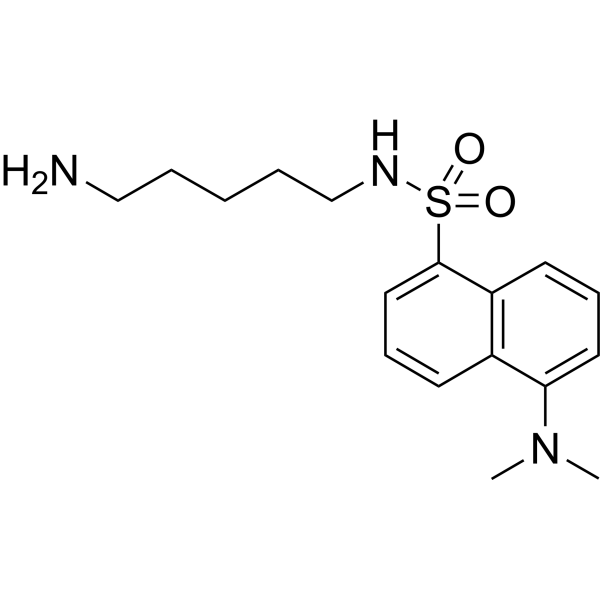
    Dansylcadaverine
    10+ Cited Publications

    Monodansyl cadaverine

    Autophagy Others
    Dansylcadaverine (Monodansyl cadaverine) is an autofluorescent compound used for the labeling of autophagic vacuoles. Dansylcadaverine, a high affinity substrate of transglutaminases, can block the receptor-mediated endocytosis of many ligands .
    Dansylcadaverine
  • HY-19359
    Vilagletistat
    2 Publications Verification

    ZED-1227

    Glutaminase Inflammation/Immunology
    ZED-1227 is a specific and orally active transglutaminase 2 (TG2) inhibitor, with an IC50 of 45 nM. ZED-1227 can block inflammation-induced TG2 expression and activity. ZED-1227 can be used for the research of celiac disease (CeD) .
    Vilagletistat
  • HY-124476
    Cystamine
    5 Publications Verification

    Caspase Glutaminase Apoptosis Cancer
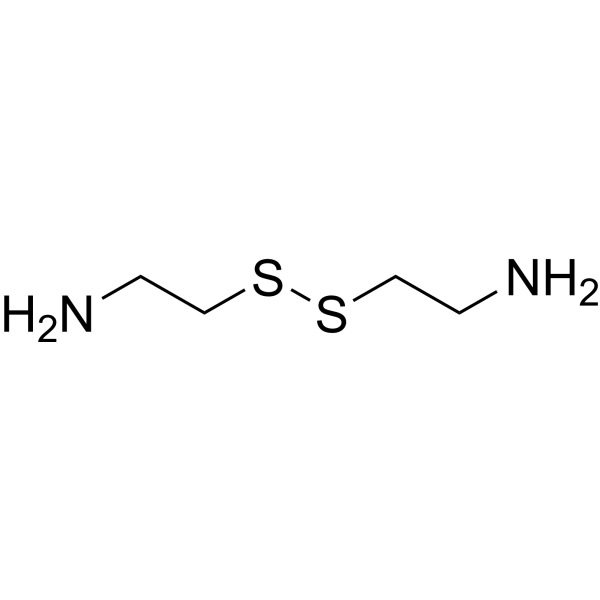
    Cystamine is the disulfide form of the free thiol, cysteamine. Cystamine is an orally active transglutaminase (Tgase) inhibitor. Cystamine also has inhibition activity for caspase-3 with an IC50 value of 23.6 μM. Cystamine can be used for the research of severals diseases including Huntington's disease (HD) .
    Cystamine
  • HY-W020050
    Cystamine dihydrochloride
    5 Publications Verification

    Caspase Glutaminase Apoptosis Neurological Disease Cancer
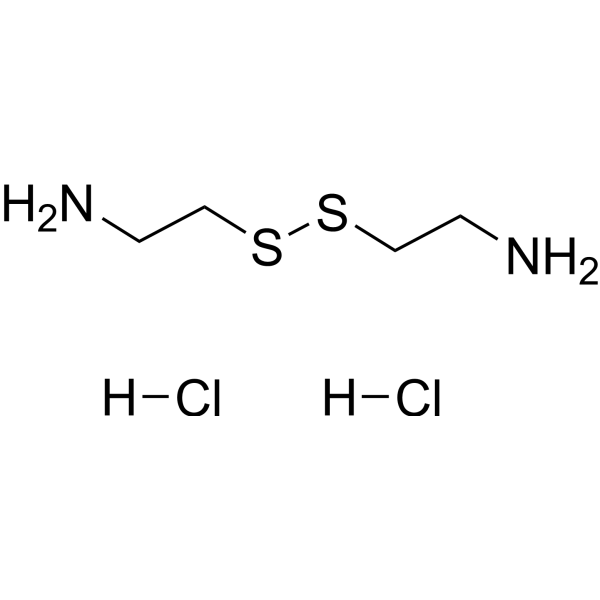
    Cystamine (dihydrochloride) is the disulfide form of the free thiol, cysteamine. Cystamine is an orally active transglutaminase (Tgase) inhibitor. Cystamine also has inhibition activity for caspase-3 with an IC50 value of 23.6 μM. Cystamine can be used for the research of severals diseases including Huntington's disease (HD) .
    Cystamine dihydrochloride
  • HY-129126
    NC9
    1 Publications Verification

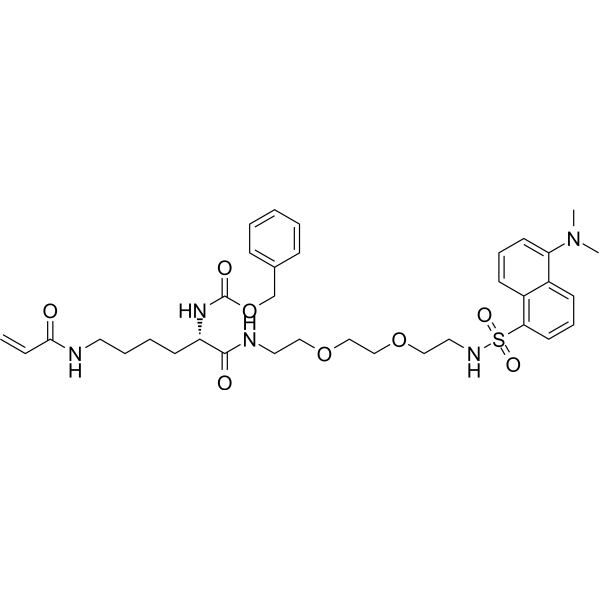
    Cbz-Lys(Acr)-PEG2-dansyl

    Glutaminase Microtubule/Tubulin Others
    NC9 (Cbz-Lys(Acr)-PEG2-dansyl) is an irreversible transglutaminase (TG) inhibitor. NC9 inhibits osteoblast differentiation and mineralization. NC9 destabilizes microtubules. NC9 can be used for the research of osteoblast differentiation .
    NC9
  • HY-107397
    Ch55
    2 Publications Verification

    RAR/RXR Cancer
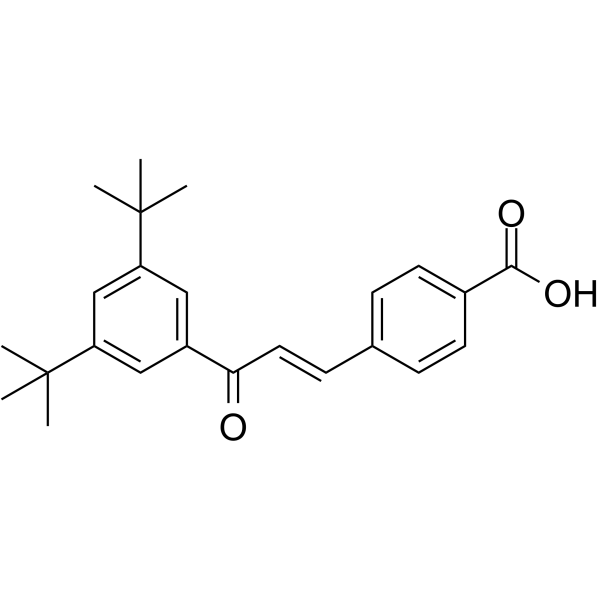
    Ch55 is a potent synthetic retinoid. Ch55 binds to RAR-α and RAR-β receptors with high affinity. Ch55 displays low affinity for cellular retinoic acid binding protein (CRABP). Ch55 is a potent inducer of the differentiation of HL60 cells with an EC50 of 200 nM. Ch55 can be used for cancer research .
    Ch55
  • HY-W076543

    Transglutaminase Others
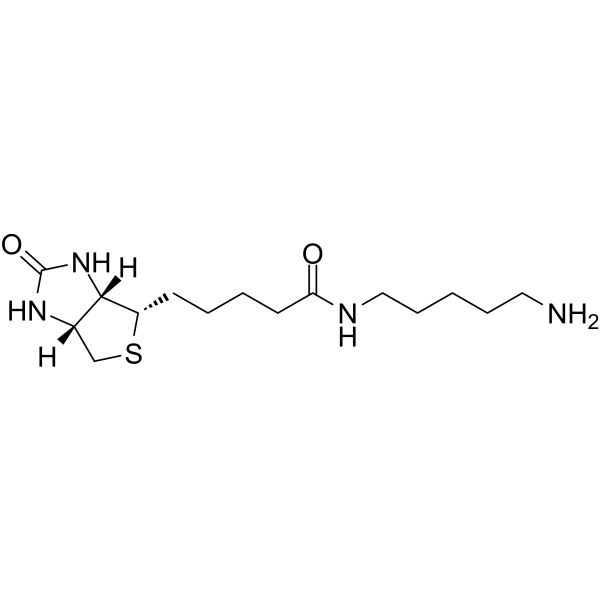
    5-(Biotinamido)pentylamine is an amine donor substrate for transglutaminase. 5-(Biotinamido)pentylamine can be used as a biotin-labeled probe to specifically participate in the calcium-dependent reaction catalyzed by TG, bind to the γ-carboxamide group of the glutamine residue in the protein, introduce the biotin tag into the target protein, and form a biotinylated protein product. 5-(Biotinamido)pentylamine can be used for the labeling, separation, and detection of TG amine receptor protein substrates .
    5-(Biotinamido)pentylamine
  • HY-12589
    ZM39923 hydrochloride
    2 Publications Verification

    JAK Neurological Disease Cancer
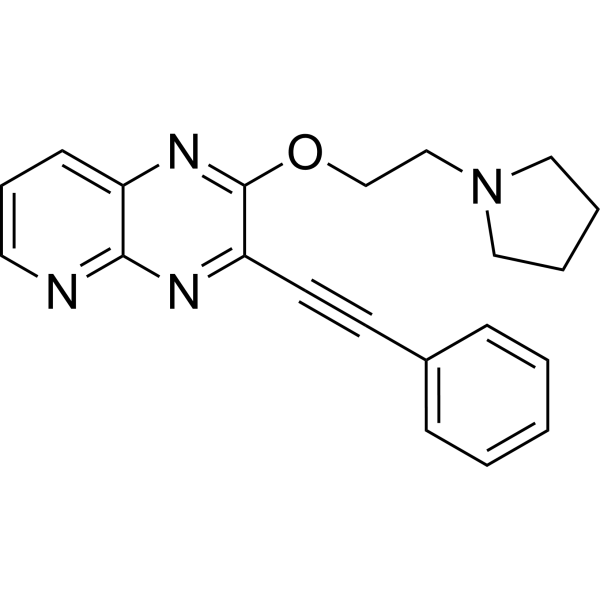
    ZM39923 hydrochloride is a JAK3 inhibitor, with a pIC50 of 7.1; ZM39923 hydrochloride also potently inhibits tissue transglutaminase (TGM2) with an IC50 of 10 nM.
    ZM39923 hydrochloride
  • HY-P99512

    UCB-7858

    Glutaminase Endocrinology
    Zampilimab (UCB-7858) is a monoclonal antibody against transglutaminase 2 (TG2). Zampilimab inhibits TG2 crosslinking transamidation activity with an IC50 of 0.25 nM and a Kd of <50 pM. Zampilimab improves renal fibrosis .
    Zampilimab
  • HY-Y1885

    Biochemical Assay Reagents Bacterial SARS-CoV Infection
    Tetrasodium pyrophosphate is a chelating that can bind calcium and help improve olfaction. Tetrasodium pyrophosphate is an antimicrobial agent that can reduce microbial colonization. Tetrasodium pyrophosphate blocks IPP translocation, enhances astaxanthin, phenol, flavonoid, and H2O2 levels, activates PAL and DPPH scavenging activity. Tetrasodium pyrophosphate can be used for the research of alleviating symptoms post COVID-19 .
    Tetrasodium pyrophosphate
  • HY-Y1365C

    Biochemical Assay Reagents Others
    Fish Gelatin,suitable for cell culture is an essential natural biopolymer. Fish Gelatin,suitable for cell culture can be isolated from fish processing by-products, such as fish skin, scales, bones and fish maw. Fish Gelatin,suitable for cell culture has been considered as a feasible substitute for mammalian gelatin. Modified Fish gelatin shows significant promise across various industries, including nanomaterials, 3D printing, thin films, coatings, and biopharmaceuticals. Fish Gelatin,suitable for cell culture can be used for cell culture .
    Fish Gelatin,suitable for cell culture
  • HY-177133

    Transglutaminase Inflammation/Immunology
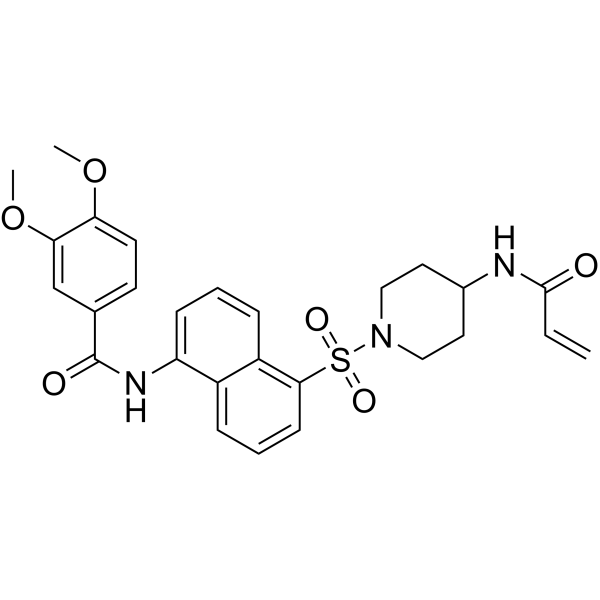
    Suvigletistat is a Transglutaminase 2 (TG2) inhibitor with an IC50 <0.5 μM. Suvigletistat can be used for the research of inflammatory disorders .
    Suvigletistat
  • HY-123290

    Glutaminase Cancer
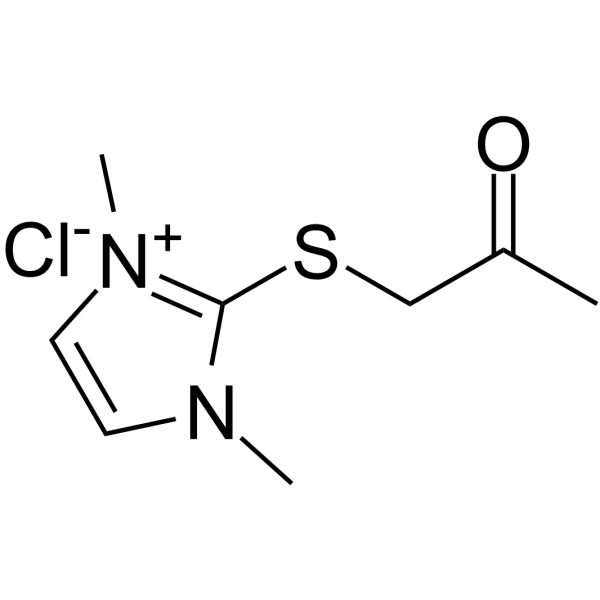
    KCC009, a transglutaminase 2 (TG2) inhibitor, induces p53-independent radiosensitization .
    KCC009
  • HY-117678
    TG-2-IN-1
    2 Publications Verification

    Glutaminase Others
    TG-2-IN-1 (Compound D003) is a transglutaminase-2 (TGM-2) inhibitor. TG-2-IN-1 can be used for the research of myopia .
    TG-2-IN-1
  • HY-113089

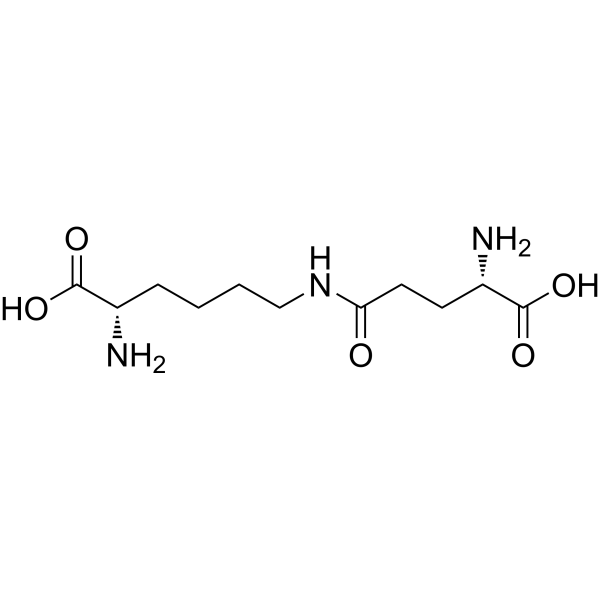
    H-Glu(H-Lys-OH)-OH; γ-Glu-ε-Lys

    Endogenous Metabolite Metabolic Disease
    Epsilon-(gamma-glutamyl)-lysine is an N(6)-acyl-L-lysine derivative. The enzyme tissue transglutaminase (tTg) helps the formation of epsilon-(gamma-glutamyl)lysine bonds between ECM components in some disease, such as non-diabetic kidney, glaucoma filtration .
    Epsilon-(gamma-glutamyl)-lysine
  • HY-145933

    Glutaminase Inflammation/Immunology
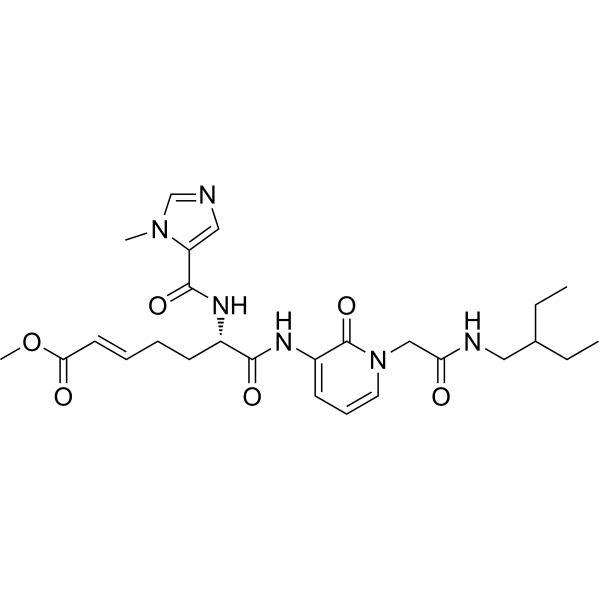
    BJJF078 is an aminopiperidine derivative. BJJF078 is a potent inhibitor of recombinant human and mouse Transglutaminase enzyme (TG2) activity, IC50 values of 41 and 54 nM, respectively. BJJF078 also inhibits the close related enzyme TG1, with an IC50 of 0.16 μM. BJJF078 can be used for Multiple sclerosis (MS) research .
    BJJF078
  • HY-122709

    Glutaminase Cancer
    TG2 inhibitor VA4 (compound VA4) is an irreversible Type 2 transglutaminase (TG2) inhibitor. TG2 inhibitor VA4 reacts exclusively at the TG2 transamidase site, inhibits both transamidase and GTP-binding activities .
    TG2 inhibitor VA4
  • HY-113089A

    H-Glu(H-Lys-OH)-OH TFA; γ-Glu-ε-Lys TFA

    Endogenous Metabolite Metabolic Disease
    Epsilon-(gamma-glutamyl)-lysine (H-Glu(H-Lys-OH)-OH) TFA is an N(6)-acyl-L-lysine derivative. The enzyme tissue transglutaminase (tTg) helps the formation of epsilon-(gamma-glutamyl)lysine bonds between ECM components in some disease, such as non-diabetic kidney, glaucoma filtration .
    Epsilon-(gamma-glutamyl)-lysine TFA
  • HY-128595

    Transglutaminase Cancer
    MT-4 is a derivative of a tissue transglutaminase (TG2) inhibitor. MT-4 targets the complex of TG2 and fibronectin (FN) (TG2/FN) and inhibits the adhesion of tumor cells to the matrix. MT-4 inhibits the adhesion of ovarian cancer (OC) cells to the peritoneum and increases the sensitivity of OC cells to paclitaxel.
    MT-4
  • HY-160776

    ADC Linker Cancer
    Diazido-methyltetrazine tri-arm is an ADC linker that can be used to synthesize antibody-drug conjugates (ADCs). Diazido-methyltetrazine tri-arm can be applied to the research of refractory breast cancer .
    Diazido-methyltetrazine tri-arm
  • HY-102073

    Glutaminase Integrin FAK Src Cancer
    TG53 is a potent inhibitor of tissue transglutaminase (TG2) and fibronectin (FN) protein-protein interaction. TG53 inhibits formation of a complex with integrin β1 and activation of FAK and c-Src during SKOV3 cell attachment onto FN. TG53 can be used for ovarian cancer research .
    TG53
  • HY-E70454

    Neuronal Transglutaminase; TGy; TG6

    Biochemical Assay Reagents Others
    Human epidermal transglutaminase (Neuronal Transglutaminase) is a transglutaminase. Enzymes have high catalytic efficiency, high specificity, and mild operating conditions. It can be applied in industries such as pharmaceuticals, industrial production, food manufacturing, and aquaculture .
    Human neuronal transglutaminase
  • HY-E70453

    Prostate Transglutaminase; TG4; TGase 4

    Biochemical Assay Reagents Metabolic Disease
    Human prostate transglutaminase (TG4; TGase 4) is an enzyme that mediates the transfer of acyl groups from glutamine residues in proteins or peptides to primary amines and belongs to the prostate transglutaminase protein family. Human prostate transglutaminase forms an ε-(γ-glutamyl)lysine bond between proteins by transferring the acyl group of a peptide-bound glutamine residue to the primary amino group of a peptide-bound lysine residue .
    Human prostate transglutaminase
  • HY-E70437

    Tissue-type Transglutaminase; TG2; TGase 2

    Biochemical Assay Reagents Others
    Guinea pig liver transglutaminase (Tissue-type transglutaminase) is an exoenzyme. Enzymes have high catalytic efficiency, high specificity, and mild operating conditions. It can be applied in industries such as pharmaceuticals, industrial production, food manufacturing, and aquaculture .
    Guinea pig liver transglutaminase
  • HY-E70436

    TG1; TGase 1

    Biochemical Assay Reagents Others
    Human keratinocyte transglutaminase (TG1) is a transglutaminase. Enzymes have high catalytic efficiency, high specificity, and mild operating conditions. It can be applied in industries such as pharmaceuticals, industrial production, food manufacturing, and aquaculture .
    Human keratinocyte transglutaminase
  • HY-E70439

    TG3; TGase 3

    Biochemical Assay Reagents Others
    Human epidermal transglutaminase (TG3) is a transferase. Enzymes have high catalytic efficiency, high specificity, and mild operating conditions. It can be applied in industries such as pharmaceuticals, industrial production, food manufacturing, and aquaculture .
    Human epidermal transglutaminase
  • HY-155102

    PROTACs Glutaminase Cancer
    PROTAC TG2 degrader-2 (compound 7) is a selective, competitive degrader targeting Transglutaminase 2 (TG2), with Kd > 100 μM. PROTAC TG2 degrader-2 inhibits the cell migration and decreases the level of TG2 in ovarian cancer cells. PROTAC TG2 degrader-2 can be used for ovarian cancer study .
    PROTAC TG2 degrader-2
  • HY-P4866

    Integrin Transglutaminase Akt p38 MAPK ERK Caspase Apoptosis Cardiovascular Disease Metabolic Disease Inflammation/Immunology
    Q-Peptide is an angiopoietin-1 derived peptide (QHREDGS). Q-Peptide interacts with β1-integrin, binds to integrins on the surface of osteoblasts, and serves as an acyl donor substrate for Streptomyces mobaraensis transglutaminase. Q-Peptide activates Akt, MAPKp42/44, ILK, ERK1/2, and downregulates caspase-3/7. Q-Peptide inhibits cell apoptosis, enhances cell adhesion and migration, and promotes osteoblast differentiation, bone matrix deposition and mineralization. Q-Peptide can be used in studies related to myocardial infarction, bone regeneration, diabetic wound repair and human induced pluripotent stem cells .
    Q-Peptide
  • HY-113089AR

    H-Glu(H-Lys-OH)-OH TFA (Standard); γ-Glu-ε-Lys TFA (Standard)

    Endogenous Metabolite Reference Standards Metabolic Disease
    Epsilon-(gamma-glutamyl)-lysine (TFA) (Standard) is the analytical standard of Epsilon-(gamma-glutamyl)-lysine (TFA). This product is intended for research and analytical applications. Epsilon-(gamma-glutamyl)-lysine (H-Glu(H-Lys-OH)-OH) TFA is an N(6)-acyl-L-lysine derivative. The enzyme tissue transglutaminase (tTg) helps the formation of epsilon-(gamma-glutamyl)lysine bonds between ECM components in some disease, such as non-diabetic kidney, glaucoma filtration .
    Epsilon-(gamma-glutamyl)-lysine TFA (Standard)
  • HY-155643

    PROTACs Glutaminase Cancer
    PROTAC TG2 degrader-1 (compound 11) is a von Hippel-Lindau (VHL)-based PROTAC targeting tissue transglutaminase (TG2) with a KD of 68.9 μM. PROTAC TG2 degrader-1 reduces TG2 in ovarian cancer cells in a proteasome-dependent manner .
    PROTAC TG2 degrader-1
  • HY-100446

    Glutaminase Apoptosis Metabolic Disease Inflammation/Immunology
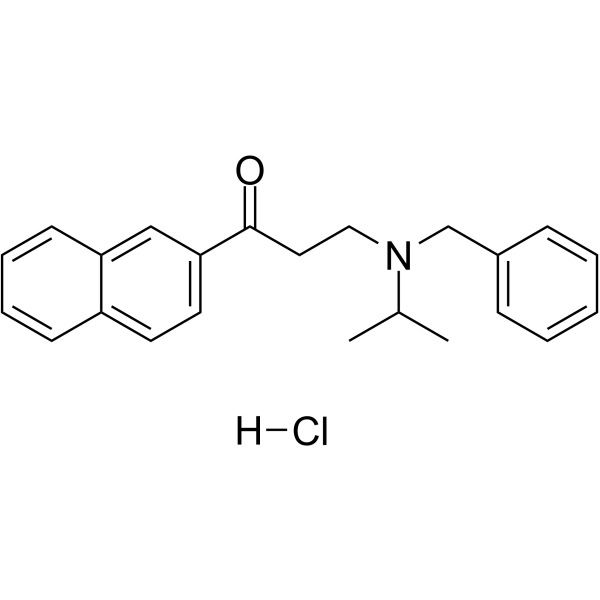
    NTU281 is a potent transglutaminase-2 inhibitor. NTU281 can reduce the increases in serum creatinine and albuminuria in diabetic rats. NTU281 can also reduce glomerular collagen I accumulation, Hic-5 and α-SMA expression, and apoptosis. NTU281 can be used for researching glomerulosclerosis caused by diabetes .
    NTU281
  • HY-157975

    Glutaminase Cancer
    LM11 is an inhibitor of transglutaminase 2 (TG2) with an activity of killing glioblastoma cells by maintaining TG2 in a cytotoxic conformational state .
    LM11
  • HY-12589A

    JAK Neurological Disease Cancer
    ZM39923 is a JAK3 inhibitor, with a pIC50 of 7.1; ZM39923 also potently inhibits tissue transglutaminase (TGM2) with an IC50 of 10 nM.
    ZM39923
  • HY-165426

    Fluorescent Dye Glutaminase
    HB-230 is a red fluorescent transglutaminase 2 (TG2) probe. HB-230 complexes with TG2 and α2-macroglobulin via the LRP1 pathway for efficient endocytosis. The excitation and emission wavelengths of HB-230 are 649 and 665 nm, respectively .
    HB-230
  • HY-125958

    Glutaminase Cancer
    AA9 is a potent Transglutaminase 2 (TG2) inhibitor. AA9 strongly impacts HIF-mediated hypoxia in MDA-MB-231 cells .
    AA9
  • HY-160132

    Glutaminase Inflammation/Immunology
    TG-2-IN-4 (compound 8) is a transglutaminase 2 (TG2) inhibitor with an IC50 <0.5 mM. TG-2-IN-4 can be used for the research of inflammatory disorder .
    TG-2-IN-4
  • HY-157254

    Glutaminase Cancer
    AA10 is a potent and irreversible transglutaminase 2 (TG2) inhibitor for cancer research .
    AA10
  • HY-E70440

    Biochemical Assay Reagents Others
    L-Arabinose isomerase is a transglutaminase. Enzymes have high catalytic efficiency, high specificity, and mild operating conditions. It can be applied in industries such as pharmaceuticals, industrial production, food manufacturing, and aquaculture .
    L-Arabinose isomerase
  • HY-P11349

    Biochemical Assay Reagents Others
    TG-Gln (a glutamine donor peptide with the sequence H-NQEQVSPLERCG-NH₂) is a substrate-type crosslinker targeting activated coagulation transglutaminase XIII (FXIIIa). TG-Gln is promising for research of angiogenesis induction, cartilage repair, and wound healing .
    TG-Gln
  • HY-P10677

    Integrin Cancer
    HB-3-20 leads to degradation of the cell surface integrin αVβ5. Transglutaminase 2 (TG2) has specificity for HB-3-20 (kcat/KM=0.16 μM -1min -1) .
    HB-3-20
  • HY-W020050S

    Apoptosis Caspase Glutaminase Cancer
    Cystamine-d8 (dihydrochloride) is the deuterium labeled Cystamine (dihydrochloride) . Cystamine (dihydrochloride) is the disulfide form of the free thiol, cysteamine. Cystamine is an orally active transglutaminase (Tgase) inhibitor. Cystamine also has inhibition activity for caspase-3 with an IC50 value of 23.6 μM. Cystamine can be used for the research of severals diseases including Huntington's disease (HD) .
    Cystamine-d8 dihydrochloride
  • HY-E71033

    Transglutaminase Others
    Biotinylated transglutaminase, Human (EC 2.3.2.13) belongs to the family of transferases, specifically those transferring phosphorus-containing groups (phosphotransferases) with a phosphate group as acceptor.
    Biotinylated transglutaminase, Human
  • HY-E71033A

    Transglutaminase Others
    Biotinylated transglutaminase, Human, Proenzyme (EC 2.3.2.13) belongs to the family of transferases, specifically those transferring phosphorus-containing groups (phosphotransferases) with a phosphate group as acceptor.
    Biotinylated transglutaminase, Human, Proenzyme (Zymogen)
  • HY-123933

    Glutaminase Neurological Disease Cancer
    TTGM 5826 is a tissue transglutaminase (tTG) inhibitor with an EC50 of 20 μM. TTGM 5826 stabilizes the open conformation of tTG that exhibits protein cross-linking activity, and acts as a competitive inhibitor of tTG-mediated cross-linking activity. TTGM 5826 inhibits the transformed phenotypes of breast cancer cells, brain cancer cells and glioma stem cells. TTGM 5826 can be used in the research of breast cancer, glioblastoma, pancreatic cancer and glioma stem cell-related tumors .
    TTGM 5826
  • HY-E70429

    Biochemical Assay Reagents Others
    Ketohexokinases is a transglutaminase. Enzymes have high catalytic efficiency, high specificity, and mild operating conditions. It can be applied in industries such as pharmaceuticals, industrial production, food manufacturing, and aquaculture .
    Ketohexokinases
  • HY-DY1080

    Monodansyl cadaverine (solution)

    Autophagy Others
    Dansylcadaverine (solution) (Monodansyl cadaverine (solution)) is an autofluorescent compound used for the labeling of autophagic vacuoles. Dansylcadaverine, a high affinity substrate of transglutaminases, can block the receptor-mediated endocytosis of many ligands .
    Solvent and concentration: DMSO: 10 mM
    Dansylcadaverine (solution)
  • HY-107397R

    Reference Standards RAR/RXR Cancer
    Ch55 (Standard) is the analytical standard of Ch55 (HY-107397). This product is intended for research and analytical applications. Ch55 is a potent synthetic retinoid. Ch55 binds to RAR-α and RAR-β receptors with high affinity. Ch55 displays low affinity for cellular retinoic acid binding protein (CRABP). Ch55 is a potent inducer of the differentiation of HL60 cells with an EC50 of 200 nM. Ch55 can be used for cancer research .
    Ch55 (Standard)

Inquiry Online

Your information is safe with us. * Required Fields.

Salutation


Country or Region *

Applicant Name *


Organization Name *

Department *


Email Address *


Product Name *

Cat. No.


Requested quantity *

Phone Number *


Remarks

Inquiry Online

Inquiry Information

Product Name:
Cat. No.:
Quantity:
MCE Japan Authorized Agent:

