1. Search Result
Search Result
Results for "

acidic conditions

" in MedChemExpress (MCE) Product Catalog:

149

Inhibitors & Agonists

2

Screening Libraries

12

Fluorescent Dyes

14

Biochemical Assay Reagents

10

Peptides

6

Natural
Products

2

Click Chemistry

Cat. No. Product Name Target Research Areas Chemical Structure
  • HY-D0715
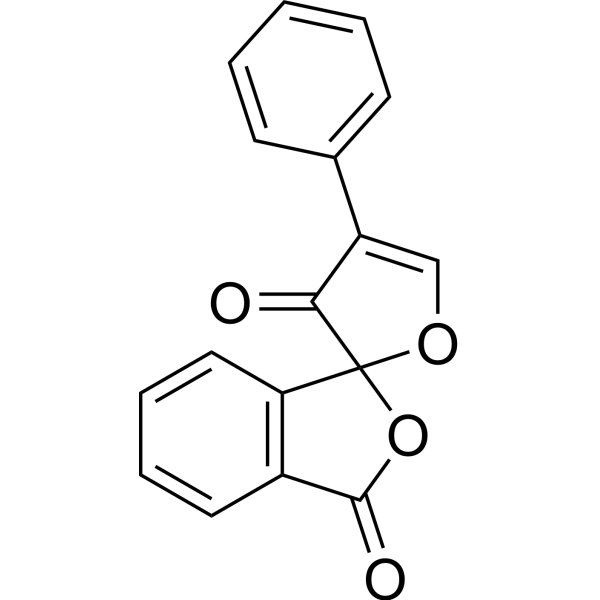
    Fluorescamine
    1 Publications Verification

    Ro 20-7234

    Fluorescent Dye Others
    Fluorescamine is a spirocyclic compound that is non-fluorescent. Fluorescamine reacts rapidly with primary amine groups in proteins under alkaline conditions to generate products with strong fluorescence (Ex/Em: 390/475 nm). Fluorescamine can be used to detect amine-containing compounds, including amino acids, peptides, and proteins .
    Fluorescamine
  • HY-16261
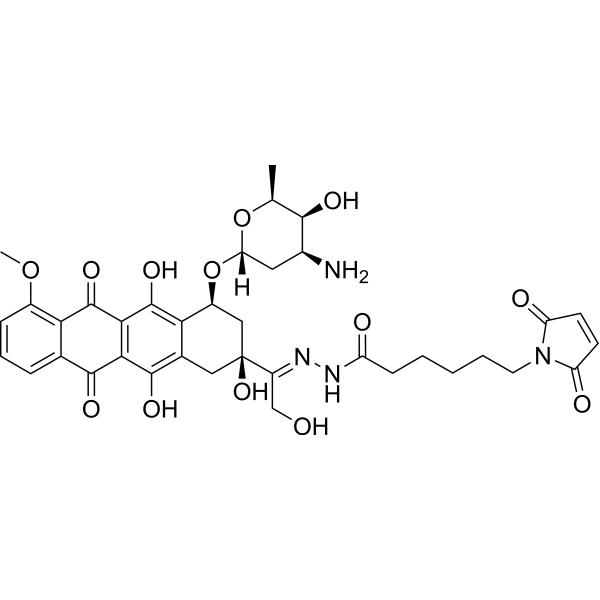
    Aldoxorubicin
    Maximum Cited Publications
    21 Publications Verification

    INNO-206; DOXO-EMCH

    Topoisomerase ADC Payload Cancer
    Aldoxorubicin (INNO-206) is an albumin-binding proagent of Doxorubicin (DNA topoisomerase II inhibitor), which is released from albumin under acidic conditions. Aldoxorubicin (INNO-206) has potent antitumor activities in various cancer cell lines and in murine tumor models.
    Aldoxorubicin
  • HY-N7495

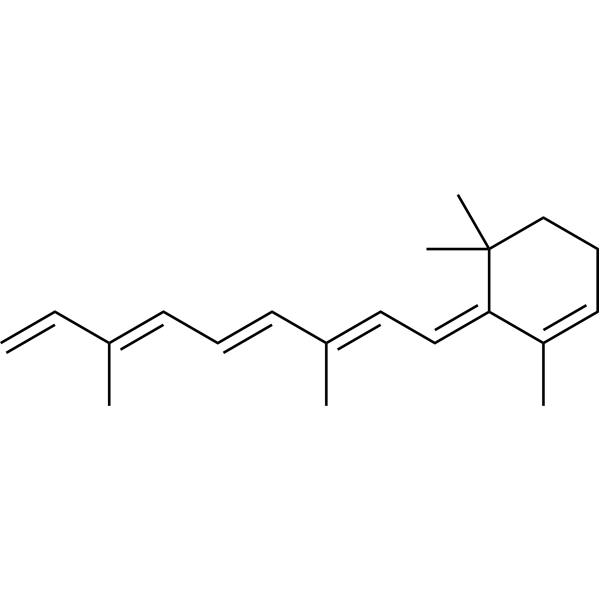
    Anhydrovitamin A

    Drug Metabolite Metabolic Disease
    all-trans-Anhydro Retinol (Anhydrovitamin A) is an orally active degradation product formed by the dehydration of vitamin A alcohol and its esters under conditions such as acidic catalysis or hydroxylic solvents, with a biological activity only 0.4% of that of Vitamin A (HY-B1342). In rats, all-trans-Anhydro Retinol can be metabolized into hydroxy derivatives and their esters, but it cannot be converted into Vitamin A (HY-B1342) and has a low storage capacity in the body .
    all-trans-Anhydro Retinol
  • HY-W040256

    ACP

    Endogenous Metabolite Metabolic Disease Cancer
    Acid phosphatase, wheat (ACP) is a hydrolase enzyme found in wheat. Acid phosphatase, wheat catalyses the hydrolysis of orthophosphate monoesters under acidic conditions .
    Acid phosphatase, wheat
  • HY-40228

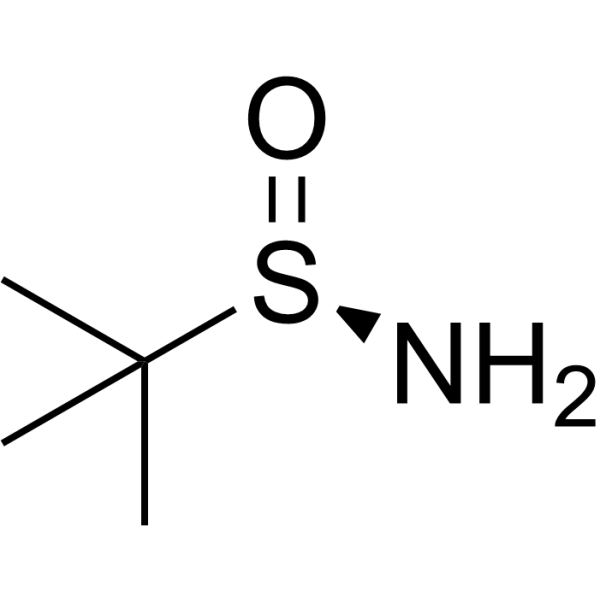
    (R)-2-Methylpropane-2-sulfinamide

    Biochemical Assay Reagents Others
    (R)-(+)-tert-Butylsulfinamide ((R)-2-Methylpropane-2-sulfinamide) is a chiral reagent commonly used in the asymmetric synthesis of compounds such as amines, amino acids, and amino alcohols. (R)-(+)-tert-Butylsulfinamide achieves stereoselective reactions by condensing with carbonyl groups to form sulfinyl imine intermediates, and after the reaction, this group can be removed under acidic conditions to obtain the target product .
    (R)-(+)-tert-Butylsulfinamide
  • HY-W019927

    Ammonium ferric sulfate dodecahydrate, 99%

    Biochemical Assay Reagents Others
    Ammonium iron(III) sulfate dodecahydrate, 99% is an analytical reagent-grade iron(III) salt and source material for iron(III) reagent or standard solutions in volumetric analysis .
    Ammonium iron(III) sulfate dodecahydrate, 99%
  • HY-29035

    Collagen Others
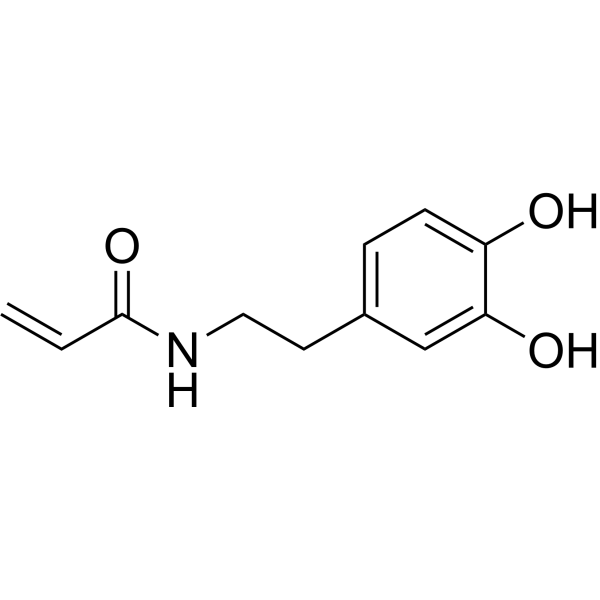
    Dopamine acrylamide, a polyphenol derivative, can cross-link collagen mainly via noncovalent bonding under acidic-non-oxidized conditions .
    Dopamine acrylamide
  • HY-W088068

    Fluorescent Dye Others
    Wright's stain is a composite cell stain that mainly binds to intracellular nucleic acids, proteins and other components through thiazine dyes (such as methylene blue) and eosin. Wright's stain is pH-dependent (optimal pH 6.4-6.7) and achieves cell morphology resolution by differentially staining the cytoplasm and nucleus. Under alkaline conditions, thiazine dyes bind to nucleic acids to form purple, and acidic eosin binds to cytoplasmic proteins to form red, which can form contrasting cell morphological features. Wright's stain can clearly display the fine structures of blood cells and bone marrow cells (such as nuclear chromatin and granules) and quickly evaluate cell morphological abnormalities .
    Wright's stain
  • HY-W923198

    Methacryloyloxy fluorescein

    Fluorescent Dye Others
    Fluorescein O-methacrylate (Methacryloyloxy fluorescein) is a pH-responsive fluorescent monomeric dye. Fluorescein O-methacrylate exhibits pH-responsive fluorescence properties: its fluorescence is activated under alkaline conditions and quenched under neutral or acidic conditions; reversible switching of fluorescence is achievable by adjusting the pH of the solution. Fluorescein O-methacrylate can be used as a monomer for the synthesis of amphiphilic fluorescein polymers. These polymers can self-assemble into stable polymer nanoparticles with enhanced aqueous-phase fluorescence, and also enable the conjugation of nanoparticles with amine-containing biomolecules to support sensitive optical detection of biomarkers (Ex/Em = 490/520 nm) .
    Fluorescein O-methacrylate
  • HY-Y0469
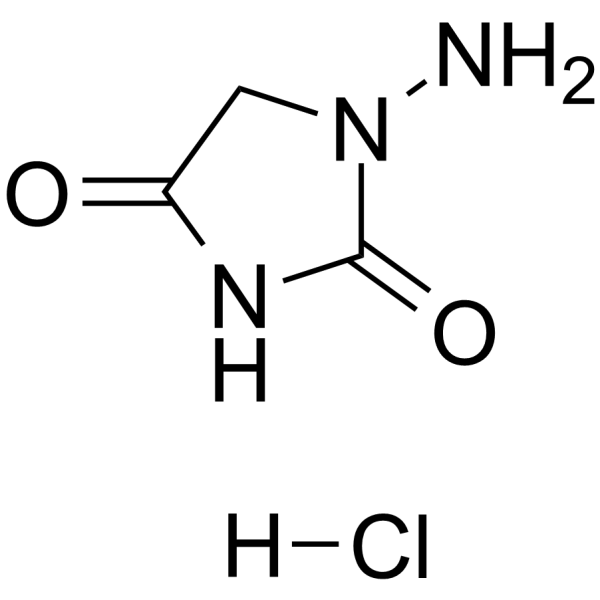
    1-Aminohydantoin hydrochloride
    1 Publications Verification

    Drug Metabolite Others
    1-Aminohydantoin hydrochloride is a major metabolite of nitrofurantoin in animal tissues and can be used as a standard for the determination of residues of veterinary agents in meat, milk et.al. 1-Aminohydantoin hydrochloride covalently binds to tissue proteins and is released from the tissues under slightly acidic conditions and derivatized with 2-nitrobenzaldehyde to form nitrophenyl derivatives of AHD before detection .
    1-Aminohydantoin hydrochloride
  • HY-139005

    BAAA-DA

    Fluorescent Dye Others
    BODIPY aminoacetaldehyde diethyl acetal is a stable precursor to BODIPY-aminoacetaldehyde and can be converted into BODIPY-aminoacetaldehyde under acidic conditions. BODIPY-aminoacetaldehyde is a fluorescent substrate for aldehyde dehydrogenase (ALDH) .
    BODIPY aminoacetaldehyde diethyl acetal
  • HY-138540
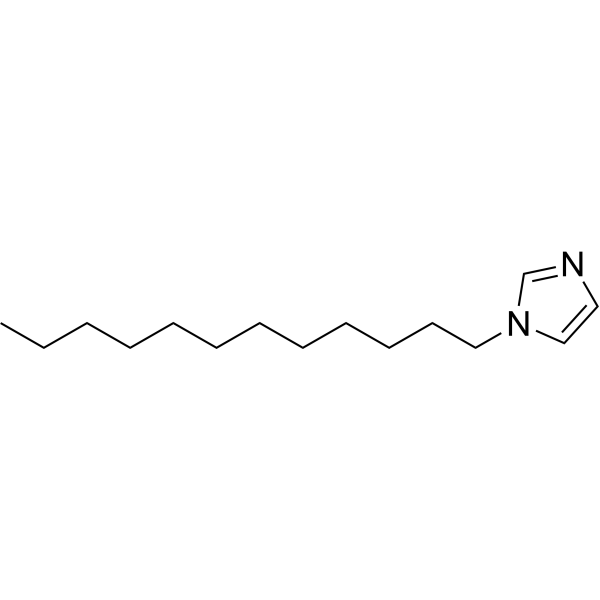
    1-Dodecylimidazole
    3 Publications Verification

    N-Dodecylimidazole

    Fungal Cancer
    1-Dodecylimidazole (N-Dodecylimidazole) is a lysosomotropic detergent and a cytotoxic agent. 1-Dodecylimidazole causes cell death by its acid-dependent accumulation in lysosomes, disruption of the lysosomal membrane, and releaseof cysteine proteases into the cytoplasm. 1-Dodecylimidazole has hypocholesterolaemic activity and broad-spectrum antifungal activity .
    1-Dodecylimidazole
  • HY-42773

    1-Boc-1,8-diaminooctane

    PROTAC Linkers Cancer
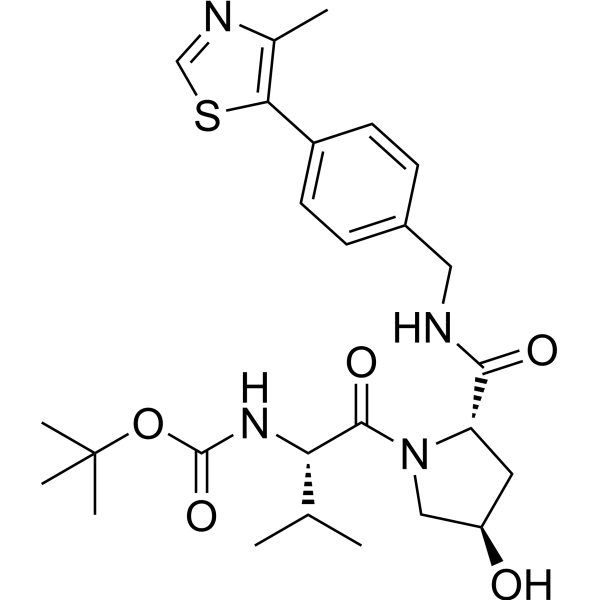
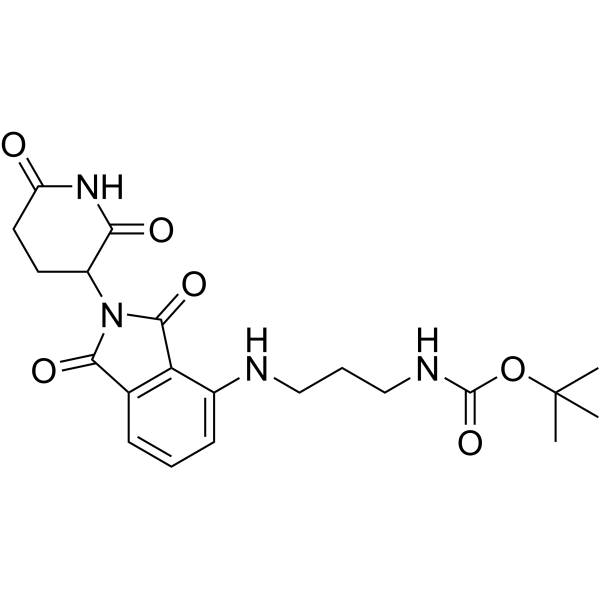
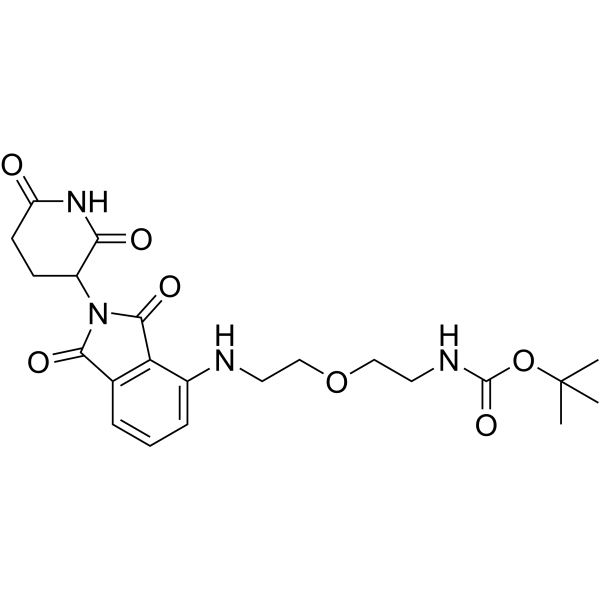
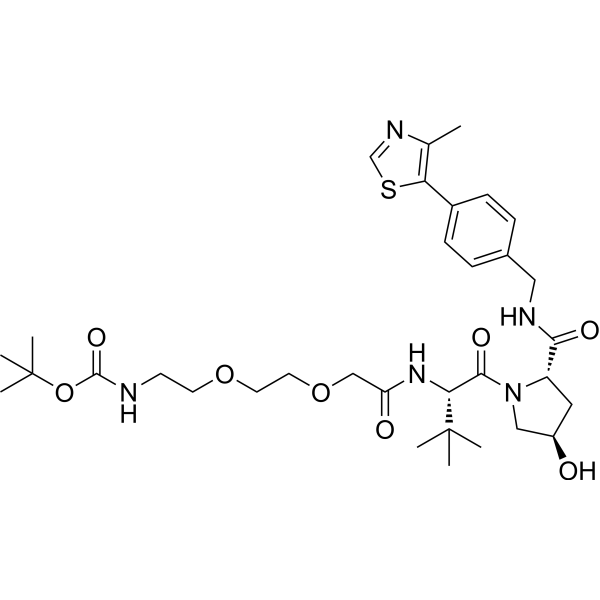
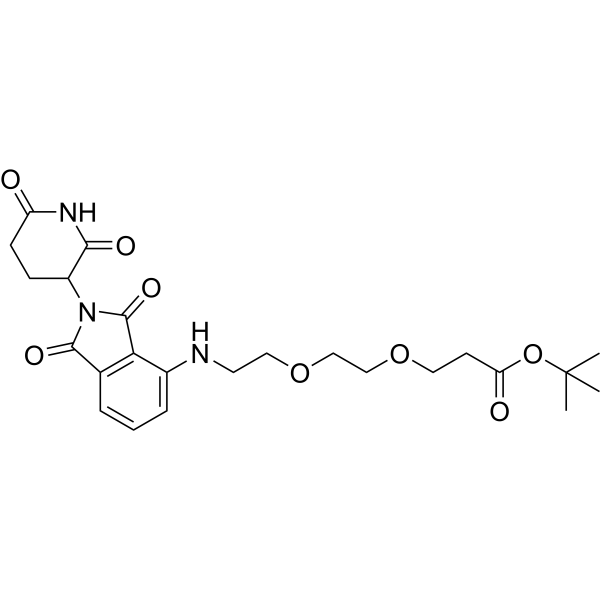
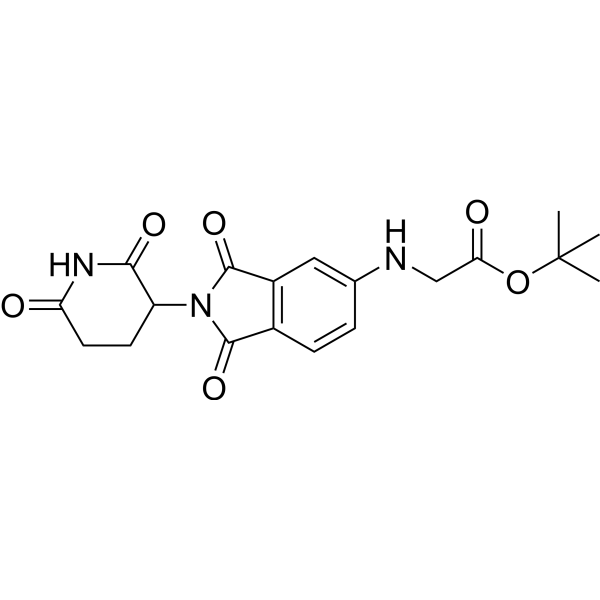
    tert-Butyl (8-aminooctyl)carbamate (1-Boc-1,8-diaminooctane) can be used as a PROTAC linker in the synthesis of PROTACs. tert-butyl (8-aminooctyl)carbamate is an alkane chain with terminal amine and Boc-protected amino groups. Amine group is reactive with carboxylic acids, activated NHS esters, carbonyls (ketone, aldehyde) etc. The Boc group can be deprotected under mild acidic conditions to form the free amine.
    tert-Butyl (8-aminooctyl)carbamate
  • HY-W052066

    Biochemical Assay Reagents Others
    tert-Butyl (3-chloropropyl)carbamate is a compound with a t-butyl and a terminal choloride. The cholorine (Cl) is a good leaving group for nucleophilic substitution reactions. The Boc group can be deprotected under mild acidic conditions to form the free amine.
    tert-Butyl (3-chloropropyl)carbamate
  • HY-W460072

    Biochemical Assay Reagents Others
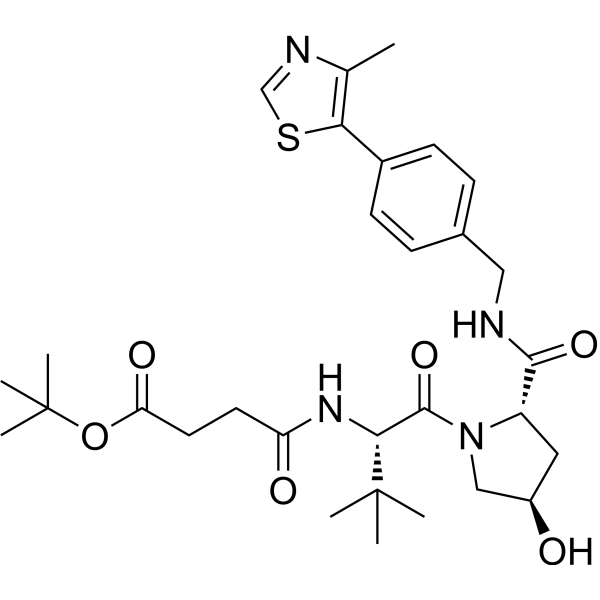
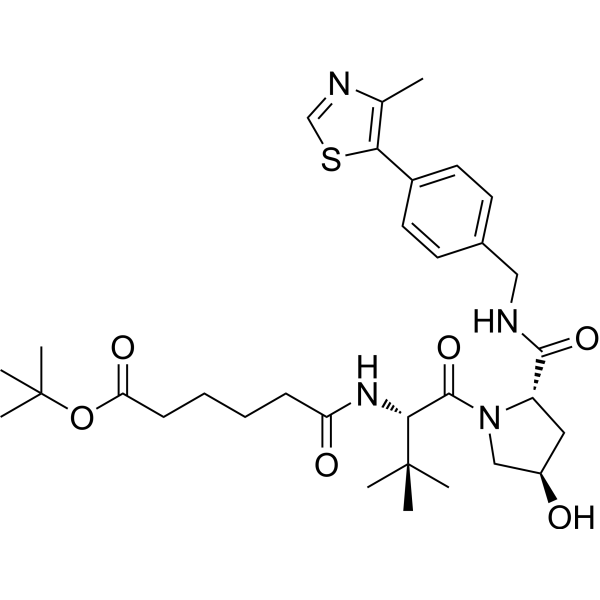
    tert-Butyl 7-hydroxyheptanoate is a linker with a hydroxyl group and a t-butyl ester. The hydroxyl group allows for further derivatization or replacement with many other reactive functional groups. The t-butyl protected carboxyl group can be deprotected under acidic conditions.
    tert-Butyl 7-hydroxyheptanoate
  • HY-W047688

    1-Boc-1,10-diaminodecane

    PROTAC Linkers Cancer
    tert-Butyl (10-aminodecyl) carbamate (1-Boc-1,10-diaminodecane) is a synthetic intermediate that serves as a PROTAC linker in PROTAC synthesis and other conjugation applications. tert-Butyl (10-aminodecyl) carbamate is an alkane chain with a terminal amine and a Boc-protected amino group. The amine group can react with carboxylic acids, active NHS esters, carbonyl groups (ketones, aldehydes), etc. The Boc group can be deprotected under mild acidic conditions to form a free amine .
    tert-Butyl (10-aminodecyl)carbamate
  • HY-P5174

    Sodium Channel Neurological Disease
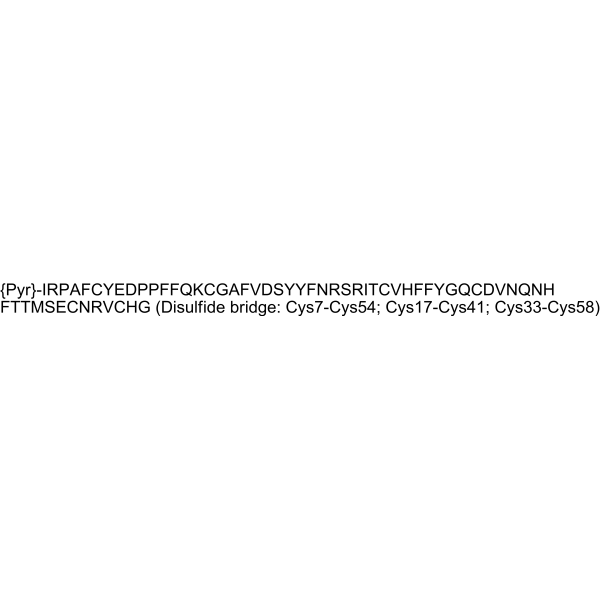
    MitTx is a complex formed by MitTx-α and MitTx-β. MitTx is an ASIC1 channel activator with EC50 values of 9.4 and 23 nM for ASIC1a and ASIC1b isoforms, respectively. MitTx is highly selective for ASIC1 isoforms at neutral pH. Under acidic conditions, MitTx greatly enhances proton-evoked ASIC2a channel activation .
    MitTx
  • HY-Y1361

    D-(-)-Tartaric acid diethyl ester

    Biochemical Assay Reagents Drug Intermediate Others
    Diethyl D-(-)-tartrate (D-(-)-Tartaric acid diethyl ester) is a biochemical reagent that can be used as a biological material or organic compound for life science related research. Diethyl D(-)-tartrate can also react with fatty carbonyl compounds to form bis(sodium carboxylate) types of surfactants, which have good water solubility, strong ability to lower surface tension, and can be easily decomposed under acidic conditions .
    Diethyl D-(-)-tartrate
  • HY-W717548

    Drug Metabolite Others
    Safinamide acid (Compound Imp-E) is the metabolite of Safinamide (HY-70057). Safinamide acid can be formed by hydrolysis of Safinamide intermediate under alkaline or acidic conditions. Safinamide acid is utilized to monitor process-related impurities and degradation products in safinamide samples .
    Safinamide acid
  • HY-W039729

    Biochemical Assay Reagents Others
    5-(Boc-amino)-1-pentanol is a linker containing a hydroxyl group and Boc-protected amino group. The hydroxyl group enables further derivatization or replacement with other reactive functional groups. The Boc group can be deprotected under mild acidic conditions to form the free amine.
    5-(Boc-amino)-1-pentanol
  • HY-W250143

    Biochemical Assay Reagents Others
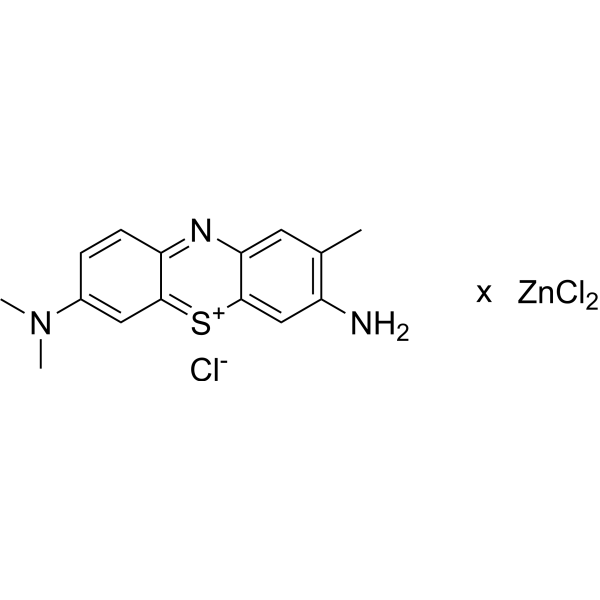
    Toluidine blue (ZnCl2) is a basic thiazine dye commonly used as a biological stain for microscopy. It has a deep bluish-purple color and is commonly used to stain nucleic acids such as DNA and RNA, as well as to stain mast cells, cartilage, and other connective tissues. Toluidine blue (ZnCl2) stains the acidic components of these tissues, such as sulfated or carboxylated mucopolysaccharides. It is frequently used in histology, cytology, and pathology applications to aid in the diagnosis of various diseases and conditions. The dye is usually applied to tissue sections prior to microscopic examination and can be differentiated using an acidic alcohol solution. Toluidine blue (ZnCl2) is a relatively simple and inexpensive stain with good reproducibility, making it a popular choice for many laboratories.
    Toluidine blue (ZnCl2)
  • HY-W005828

    PROTAC Linkers Cancer
    9-(Boc-amino)nonanoic Acid is an alkane chain with terminal carboxlic acid and Boc-protected amino groups. 9-(Boc-amino)nonanoic acid can be used as a PROTAC linker in the synthesis of PROTACs. The terminal carboxylic acid can react with primary amine groups in the presence of activators (e.g. EDC, or HATU) to form a stable amide bond. The Boc group can be deprotected under mild acidic conditions to form the free amine.
    9-(Boc-amino)nonanoic acid
  • HY-42222

    Biochemical Assay Reagents Others
    N1,N5-Bis-Boc-spermidine is a linker containing an amino group with two Boc-protected amino groups. The amino group is reactive with carboxylic acids, activated NHS esters, carbonyls (ketone, aldehyde) etc. The Boc group can be deprotected under mild acidic conditions to form the free amine.
    N1,N5-Bis-boc-spermidine
  • HY-W053842

    Biochemical Assay Reagents Others
    tert-Butyl 3-iodopropylcarbamate is a compound with a t-butyl and a terminal iodine. The iodine (I) is a very good leaving group for nucleophilic substitution reactions. The Boc group can be deprotected under mild acidic conditions to form the free amine.
    tert-Butyl 3-iodopropylcarbamate
  • HY-44370

    ADC Linker Cancer
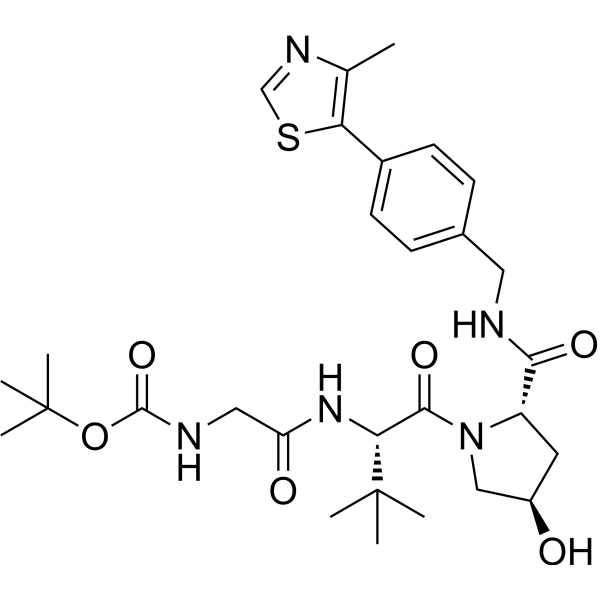
    (tert-Butoxycarbonyl)glycyl-glycyl-glycyl-glycyl-glycine is an ADC linker with a Boc group on the N terminus, and it is used for the development of antibody-drug conjugates (ADCs). The Boc group can be deprotected under mild acidic conditions to form the free amine.
    Boc-Gly-Gly-Gly-Gly-Gly
  • HY-P11189

    Bacterial Infection
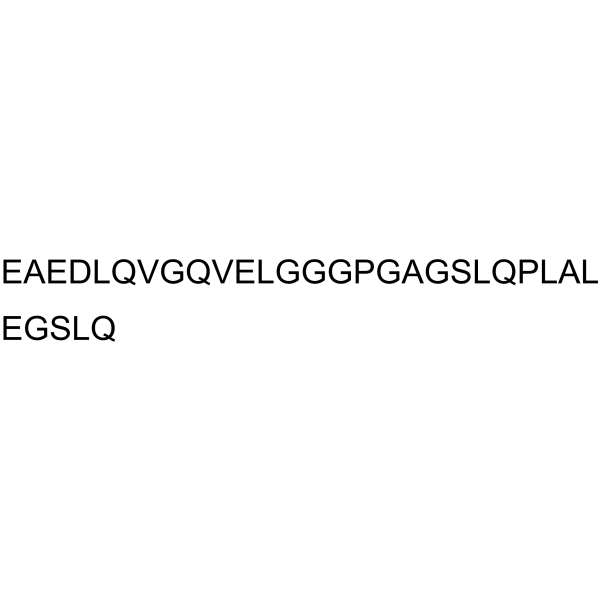
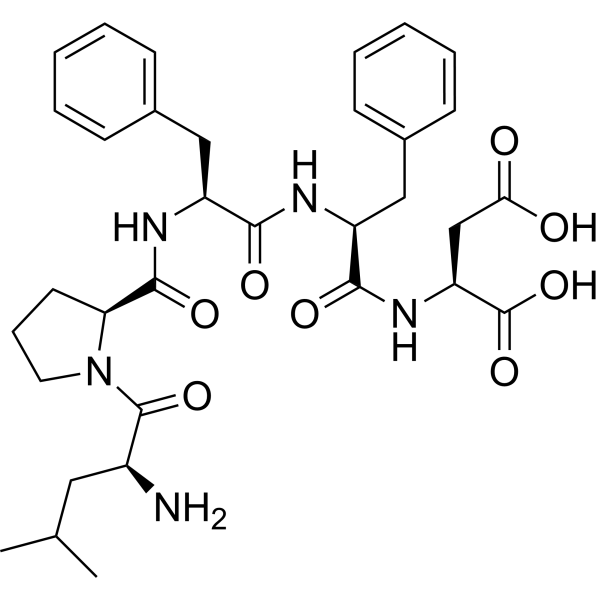
    Astacidin 1 is an antibacterial peptide. Astacidin 1 can be produced by a proteolytic cleavage from hemocyanin under acidic conditions. Astacidin 1 has broad-spectrum antibacterial activity against both Gram-positive and Gram-negative bacteria .
    Astacidin 1
  • HY-130628

    PAK Cancer
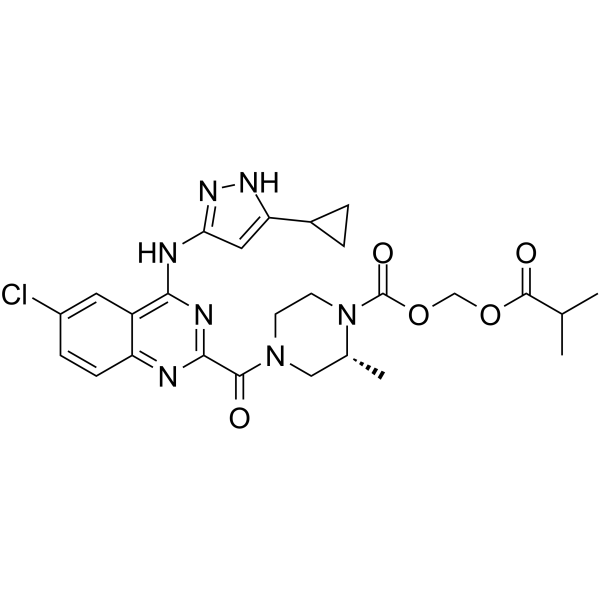
    PAK4-IN-1 (Compound 19) is a potent, selective, orally active PAK4 inhibitor with robust anti-tumor efficacy in vivo. PAK4-IN-1 is stable under both acidic and neutral conditions .
    PAK4-IN-1
  • HY-D1463

    Fluorescent Dye Others
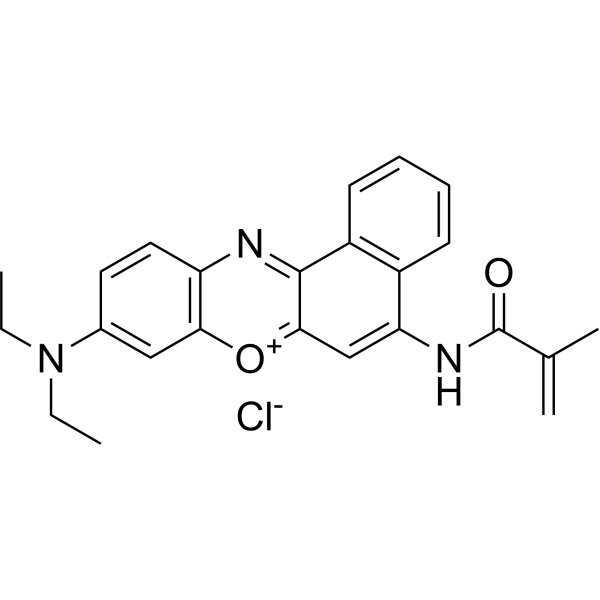
    Nile Blue Methacrylamide is a pH-responsive probe. Nile Blue Methacrylamide exhibits pH-sensitive absorption and fluorescence emission in the physiological pH range, with spectral shifts occurring between acidic and near-physiological pH conditions . (Ex/Em = 590/670-700 nm)
    Nile Blue Methacrylamide
  • HY-W259542

    Biochemical Assay Reagents Others
    O-Proparagyl-N-Boc-ethanolamine is crosslinker consisting of a propargyl group and a t-Boc protected amine group. The propargyl group reacts with azide-bearing compounds or biomolecules via copper catalyzed Click Chemistry reactions. The t-Boc protected amine can be deprotected under mild acidic conditions.
    O-Proparagyl-N-Boc-ethanolamine
  • HY-157006A

    Biochemical Assay Reagents Others
    TCO-PEG3-NH2 is a click chemistry reagent that contains a TCO group and undergoes the inverse electron-demand Diels-Alder (iEDDA) reaction with tetrazine-containing molecules .
    TCO-PEG3-NH2
  • HY-W101722

    PROTAC Linkers Cancer
    tert-Butyl (9-aminononyl)carbamate is an alkane chain with terminal amine and Boc-protected amino groups. The compound can be used as a PROTAC linker in the synthesis of PROTACs and other conjugation applications. Amine group is reactive with carboxylic acids, activated NHS esters, carbonyls (ketone, aldehyde) etc. The Boc group can be deprotected under mild acidic conditions to form the free amine.
    tert-Butyl (9-aminononyl)carbamate
  • HY-W190921

    Biochemical Assay Reagents Others
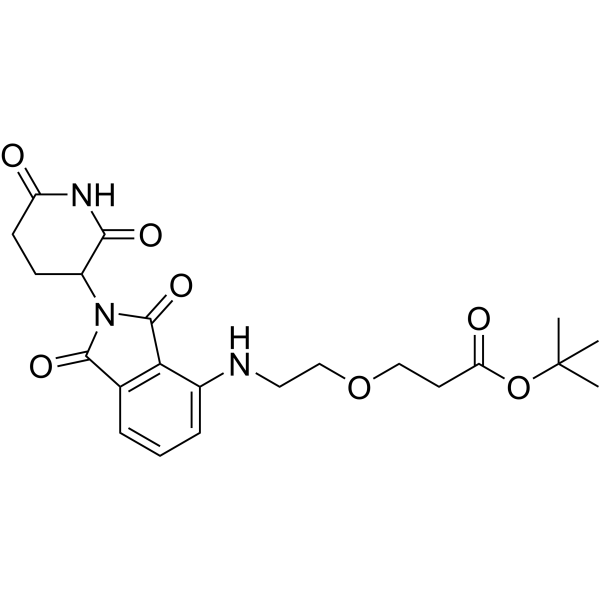
    t-Butyl 3-(hydroxypropoxyl)-propanoate contains reactive hydroxyl and t-butyl protected carboxyl moieties. The hydroxyl group can react to further derivatize the compound. The t-butyl carbonyl group can be deprotected under acidic conditions.
    t-Butyl 3-(hydroxypropoxyl)-propanoate
  • HY-D0305

    Fluorescent Dye Others
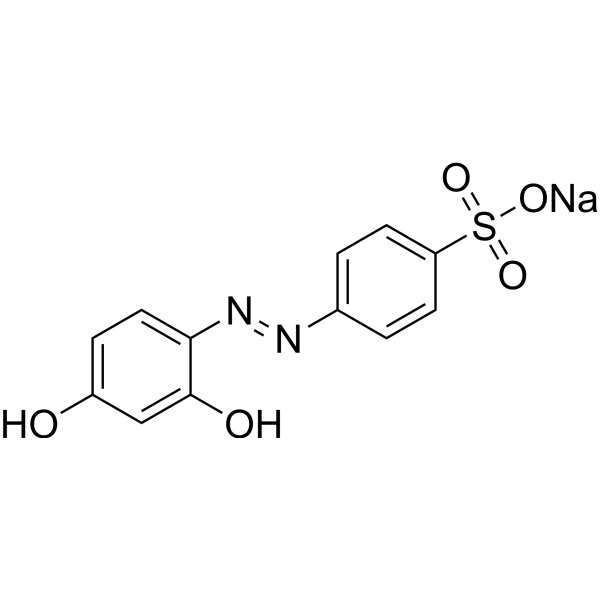
    Tropaeolin O is an acidic monoazo dye that undergoes a coupling reaction under pH=10.5 conditions to form a blue disazo dye. Tropaeolin O can be used for the determination of palladium(II), osmium(IV), albumin, and casein .
    Tropaeolin O
  • HY-15931

    TMBZ-PS

    Fluorescent Dye Others
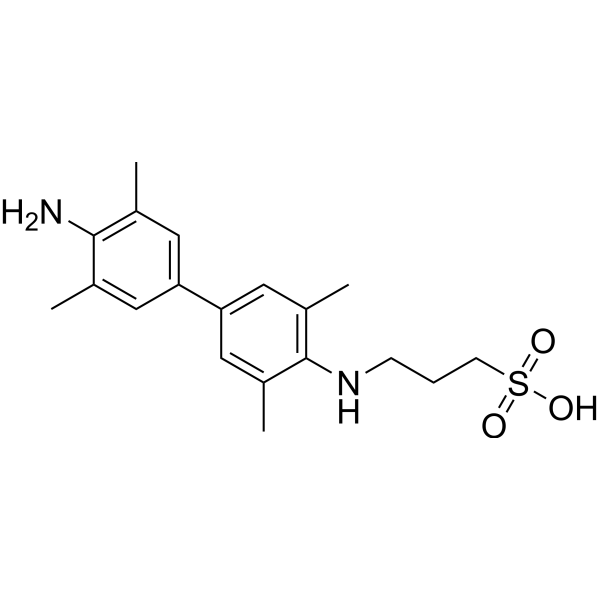
    TMB-PS(102062-36-2) is N-(3-sulfopropyl)-3,3',5,5'-tetramenthylbenzidine sodium salt; White - pale yellow crystalline powder, soluble in water, can be used under neutral, acidic and alkaline conditions.
    TMB-PS
  • HY-16261C

    INNO-206 hydrochloride; DOXO-EMCH hydrochloride

    Topoisomerase ADC Payload Cancer
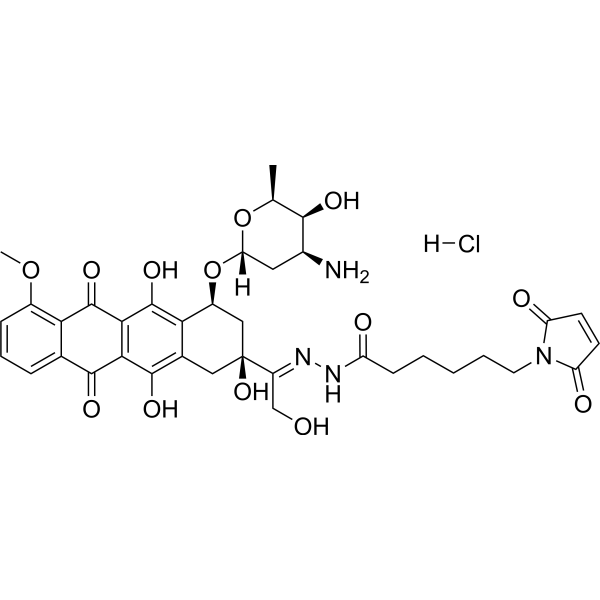
    Aldoxorubicin (INNO-206) hydrochloride is an albumin-binding proagent of Doxorubicin (DNA topoisomerase II inhibitor), which is released from albumin under acidic conditions. Aldoxorubicin hydrochloride (INNO-206) has potent antitumor activities in various cancer cell lines and in murine tumor models.
    Aldoxorubicin hydrochloride
  • HY-400345

    Biochemical Assay Reagents Others
    t-butyl-C18-D-Glu-OtBu is comprised of an octadecanedioic acid with a terminal t-butyl ester and a glutamic acid, which is also protected by a terminal t-butyl ester. The t-butyl groups can be deprotected under acidic conditions. Glutamic acid is an α-amino acid that is used in the biosynthesis of proteins.
    tBu-C18 diacid-D-Glu-OtBu
  • HY-Y1132

    6-Chloroanthranilic acid

    Biochemical Assay Reagents Others
    2-Amino-6-chlorobenzoic acid is an autocoupling diazotization reagent used for spectrophotometric detection of nitrite ions in water. 2-Amino-6-chlorobenzoic acid exhibits good tolerance to various anions under acidic conditions. 2-Amino-6-chlorobenzoic acid is commonly used as a reagent in organic synthesis and analytical chemistry .
    2-Amino-6-chlorobenzoic acid
  • HY-77957

    Biochemical Assay Reagents Others
    1-O-Methyl-2-deoxy-D-ribose is a ribose derivative that can be more conveniently obtained through a one-step reaction by introducing a methoxy protective group at the anomeric carbon position under acidic conditions. This facilitates the acquisition of 2-deoxy-D-ribose. 1-O-Methyl-2-deoxy-D-ribose can be utilized in research on the synthesis of chemical materials .
    1-O-Methyl-2-deoxy-D-ribose
  • HY-W089232

    PROTAC Linkers Cancer
    Boc-10-Aminodecanoic acid can be used as a PROTAC linker in the synthesis of PROTACs and other conjugation applications. Boc-10-Aminodecanoic acid is an alkane chain with terminal carboxlic acid and Boc-protected amino groups. The terminal carboxylic acid can react with primary amine groups in the presence of activators (e.g. EDC, or HATU) to form a stable amide bond. The Boc group can be deprotected under mild acidic conditions to form the free amine.
    Boc-10-Aminodecanoic acid
  • HY-W101723

    PROTAC Linkers Cancer
    Boc-12-Ado-OH can be used as a PROTAC linker in the synthesis of PROTACs. Boc-12-Ado-OH is an alkane chain with terminal carboxlic acid and Boc-protected amino groups. The terminal carboxylic acid can react with primary amine groups in the presence of activators (e.g. EDC, or HATU) to form a stable amide bond. The Boc group can be deprotected under mild acidic conditions to form the free amine.
    Boc-12-Ado-OH
  • HY-42213

    Biochemical Assay Reagents Others
    N1,N4-Bis-Boc-spermidine is a linker containing an amino group with two Boc-protected amino groups. The amino group is reactive with carboxylic acids, activated NHS esters, carbonyls (ketone, aldehyde) etc. The Boc group can be deprotected under mild acidic conditions to form the free amine.
    N1,N4-Bis-Boc-spermidine
  • HY-W190930

    Biochemical Assay Reagents Others
    t-Butyl 1,5-di(ethoxycarbonyl)pentan-3-ylcarbamate is a branched molecule with an n-Boc group and two ethyl ester moieties. The Boc-protected amine can be deprotected under acidic conditions.
    t-Butyl 1,5-di(ethoxycarbonyl)pentan-3-ylcarbamate
  • HY-W092176

    Biochemical Assay Reagents Others
    1,9-Bis-Boc-1,5,9-triazanonane is a linker containing two Boc-protected amino groups. The Boc groups can be deprotected under mild acidic conditions to form the free amines.
    1,9-Bis-boc-1,5,9-triazanonane
  • HY-169038

    Cannabinoid Receptor Drug Derivative Neurological Disease
    11(Z),14(Z)-Eicosadienoic acid ethanolamide (Compound 3) is an ethanolamide-conjugated form of 11(Z),14(Z)-Eicosadienoic acid (HY-149589). 11(Z),14(Z)-Eicosadienoic acid ethanolamide inhibits the inactivating transport of an endogenous cannabinoid substance with an IC50 value of 10.6 μM. 11(Z),14(Z)-Eicosadienoic acid ethanolamide can be used for research of neuropsychiatric conditions .
    11(Z),14(Z)-Eicosadienoic acid ethanolamide
  • HY-W174661

    Biochemical Assay Reagents Others
    tert-Butyl 6-hydroxyhexanoate is a linker with a hydroxyl group and a t-butyl ester. The hydroxyl group allows for further derivatization or replacement with many other reactive functional groups. The t-butyl protected carboxyl group can be deprotected under acidic conditions.
    tert-Butyl 6-hydroxyhexanoate
  • HY-W131541

    PROTAC Linkers Cancer
    tert-Butyl (11-aminoundecyl)carbamate is an alkane chain with terminal amine and Boc-protected amino groups. tert-Butyl (11-aminoundecyl)carbamate can be used as a PROTAC linker in the synthesis of PROTACs and other conjugation applications. Amine group is reactive with carboxylic acids, activated NHS esters, carbonyls (ketone, aldehyde) etc. The Boc group can be deprotected under mild acidic conditions to form the free amine.
    N-Boc-undecane-1,11-diamine
  • HY-W800828

    Biochemical Assay Reagents Others
    Iodoacetamido-PEG3-NHS ester is a PEG reagent containing an Iodoacetamide group and a Boc-protected amino group. The iodoacetamide group is an alkylating agent that can be used to bind covalently with the thiol group. The Boc group can be deprotected under mild acidic conditions to form the free amine.
    Iodoacetamido-PEG3-NHS ester
  • HY-W190905

    Biochemical Assay Reagents Others
    N4, N9-di-Boc-spermine is a spermine linker containing two a Boc-protected amino groups and two amine groups. The Boc groups can be deprotected under mild acidic conditions to form the free amine. The amino groups are reactive with carboxylic acids, activated NHS esters, carbonyls (ketone, aldehyde) etc. Spermidine is a polyamine that modulates various cellular activities like cellular development and differentiation, stability of DNA, and apoptosis.
    N4,N9-di-Boc-spermine
  • HY-W591964

    Biochemical Assay Reagents Others
    t-Boc-Aminooxy-pentane-azide is a linker containing an azide group and Boc-protected amino group. The azide group can react with alkyne, BCN, DBCO via Click Chemistry to yield a stable triazole linkage. The Boc group can be deprotected under mild acidic conditions to form the free amine.
    t-Boc-aminooxy-pentane-azide
  • HY-W800658

    Biochemical Assay Reagents Others
    DBCO-PEG6-NH-Boc is a click chemistry reagent with a DBCO group and a Boc-protected amine. The DBCO can undergo copper-free Click Chemistry reactions with azides. The Boc protecting group can be removed under acidic conditions. The hydrophilic PEG linker increases the water solubility of the compound.
    DBCO-PEG6-NH-Boc

Inquiry Online

Your information is safe with us. * Required Fields.

Salutation


Country or Region *

Applicant Name *


Organization Name *

Department *


Email Address *


Product Name *

Cat. No.


Requested quantity *

Phone Number *


Remarks

Inquiry Online

Inquiry Information

Product Name:
Cat. No.:
Quantity:
MCE Japan Authorized Agent: