

1. Search Result
Search Result
Results for "

amyloid β-peptides

" in MedChemExpress (MCE) Product Catalog:

51

Inhibitors & Agonists

1

Fluorescent Dyes

25

Peptides

2

Inhibitory Antibodies

5

Natural
Products

2

Isotope-Labeled Compounds

Targets Recommended:
Cat. No. Product Name Target Research Areas Chemical Structure
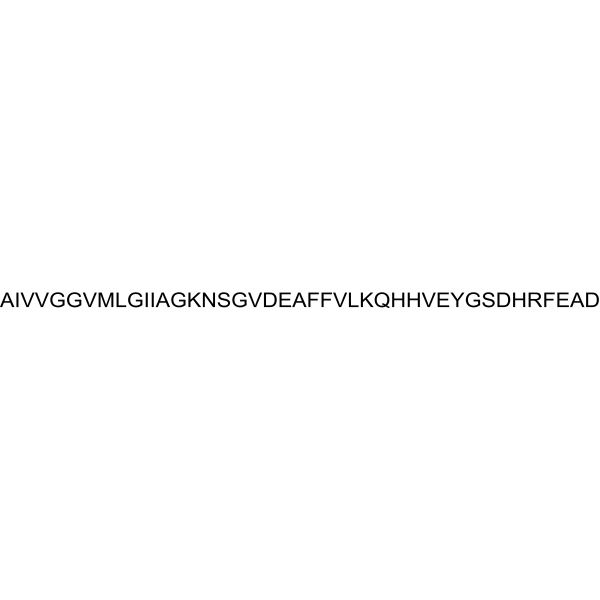
  • HY-P1363
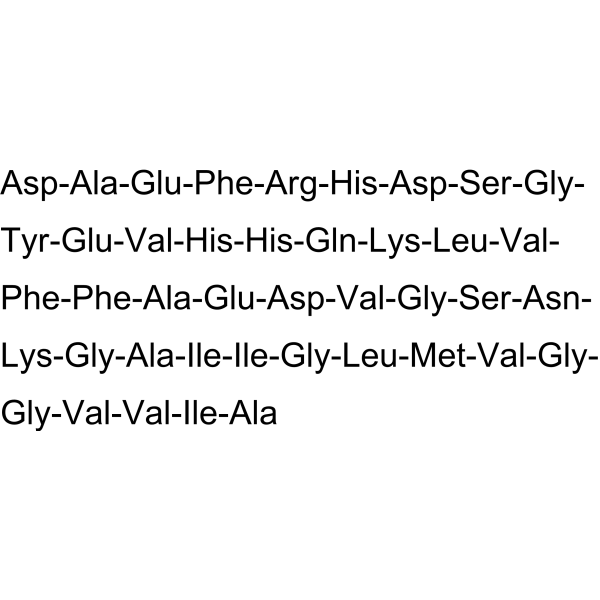
    β-Amyloid (1-42), human TFA
    20+ Cited Publications

    amyloid β-peptide (1-42) (human) TFA

    Amyloid-β Neurological Disease
    β-Amyloid (1-42) (Amyloid β-peptide (1-42), human TFA, a 42-amino acid peptide that has not been treated with HFIP, is a brain-penetrant amyloid protein fragment, which can be used in research on Alzheimer's disease and Down’s syndrome. β-Amyloid (1-42), human TFA remaining as a monomer exhibits antioxidant and neuroprotective effects. β-Amyloid (1-42), human TFA, after being monomericized by HFIP and dissolved in DMSO to form the stock solution, on the one hand, can form soluble oligomers (AβOs) when incubated at 4 °C, which have synaptic toxicity and neurotoxicity; on the other hand, it can be incubated at 37 °C to form insoluble fibrils, with lower neurotoxicity, and participating in the oxidative damage process. Aβ42 oligomers bind to various neuronal surface receptors (such as PrPc, mGluR5, NMDA receptors, etc.), triggering oxidative stress, calcium homeostasis imbalance, and synaptic toxicity via activating downstream signaling pathways, leading to neuronal dysfunction and death .
    β-Amyloid (1-42), human TFA
  • HY-P1363A
    β-Amyloid (1-42), human
    20+ Cited Publications

    amyloid β-peptide (1-42) (human)

    Amyloid-β Neurological Disease
    β-Amyloid (1-42) (Amyloid β-peptide (1-42)), human, a 42-amino acid peptide that has not been treated with HFIP, is a brain-penetrant amyloid protein fragment, which can be used in research on Alzheimer's disease and Down’s syndrome. β-Amyloid (1-42), human remaining as a monomer exhibits antioxidant and neuroprotective effects. β-Amyloid (1-42), human, after being monomericized by HFIP and dissolved in DMSO to form the stock solution, on the one hand, can form soluble oligomers (AβOs) when incubated at 4 °C, which have synaptic toxicity and neurotoxicity; on the other hand, it can be incubated at 37 °C to form insoluble fibrils, with lower neurotoxicity, and participating in the oxidative damage process. Aβ42 oligomers bind to various neuronal surface receptors (such as PrPc, mGluR5, NMDA receptors, etc.), triggering oxidative stress, calcium homeostasis imbalance, and synaptic toxicity via activating downstream signaling pathways, leading to neuronal dysfunction and death .
    β-Amyloid (1-42), human
  • HY-P0128
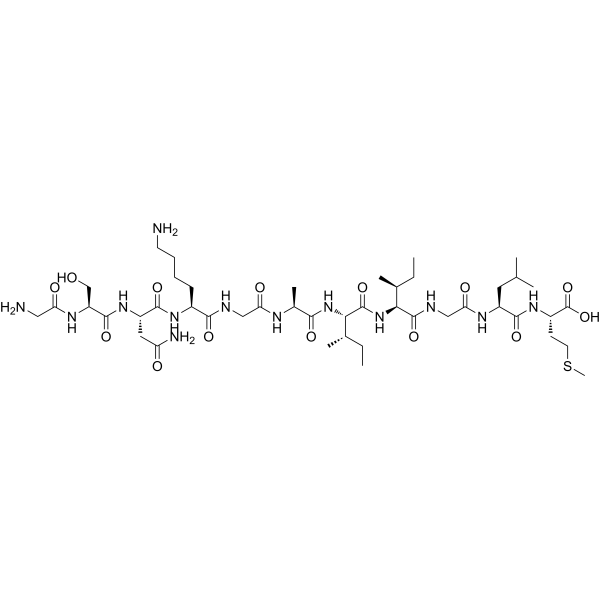
    β-Amyloid (25-35)
    Maximum Cited Publications
    42 Publications Verification

    amyloid beta-peptide (25-35); Aβ25-35; β-amyloid peptide (25-35)

    Amyloid-β Neurological Disease
    β-Amyloid (25-35) (Amyloid beta-peptide (25-35)) is the fragment Aβ(25-35) of the Alzheimer's amyloid β-peptide, has shown neurotoxic activities in cultured cells .
    β-Amyloid (25-35)
  • HY-N2332A
    Methyllycaconitine citrate
    Maximum Cited Publications
    43 Publications Verification

    MLA citrate

    nAChR Neurological Disease
    Methyllycaconitine (MLA) citrate is a potent, selective, CNS-penetrant, competitive α7nAChR antagonist. Methyllycaconitine citrate alleviates amyloid-β peptides-induced cytotoxicity in SH-SY5Y cells. Methyllycaconitine citrate prevents methamphetamine-induced effects in mouse striatum. Methyllycaconitine citrate can be used for neurological disease research, such as Alzheimer’s disease .
    Methyllycaconitine citrate
  • HY-P1362
    β-Amyloid (42-1), human
    1 Publications Verification

    amyloid β Peptide (42-1)(human)

    Amyloid-β Neurological Disease
    β-Amyloid (42-1), human is the inactive form of Amyloid β Peptide (1-42). Its active form, β-Amyloid (1-42), may play a key role in the pathogenesis of Alzheimer's disease .
    β-Amyloid (42-1), human
  • HY-P0128A
    β-Amyloid (25-35), HFIP-treated
    Maximum Cited Publications
    42 Publications Verification

    amyloid beta-peptide (25-35), HFIP-treated; Aβ25-35, HFIP-treated; β-amyloid peptide (25-35), HFIP-treated

    Amyloid-β Neurological Disease
    β-Amyloid (25-35) (Amyloid beta-peptide (25-35)), HFIP-treated is a β-Amyloid (25-35) (HY-P0128) treated with HFIP. β-Amyloid (25-35) (Amyloid beta-peptide (25-35)) is the fragment Aβ(25-35) of the Alzheimer's amyloid β-peptide, has shown neurotoxic activities in cultured cells .
    β-Amyloid (25-35), HFIP-treated
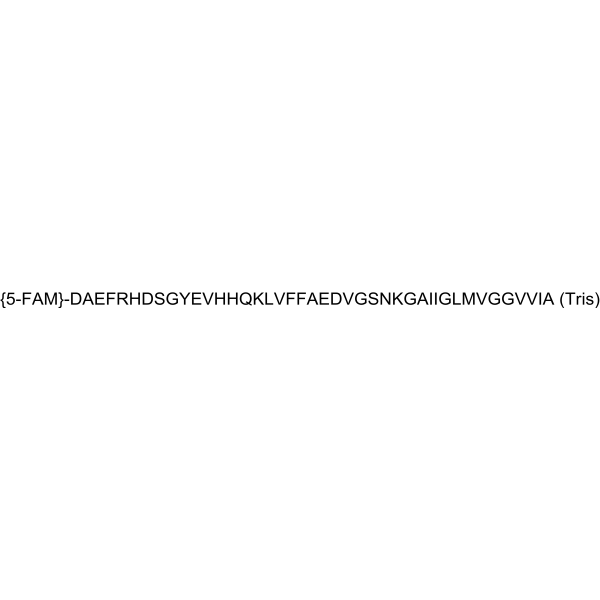
  • HY-P1363F3

    5-FAM-amyloid β-peptide (1-42) (human) Tris

    Amyloid-β Neurological Disease
    5-FAM-β-Amyloid (1-42), human (5-FAM-Amyloid β-peptide (1-42) (human) TFA is a5-FAM labeled β-Amyloid (1-42), human TFA (HY-P1363).
    5-FAM-β-Amyloid (1-42), human Tris
  • HY-P99317

    LY-2062430

    Amyloid-β Neurological Disease
    Solanezumab (LY-2062430) is a humanized monoclonal IgG1 antibody directed against the mid-domain of the amyloid-β (Aβ) peptide. Solanezumab binds to the mid-domain of monomeric amyloid-beta to slow brain amyloid accumulation. Solanezumab can be used for the research of Alzheimer’s disease .
    Solanezumab
  • HY-100200
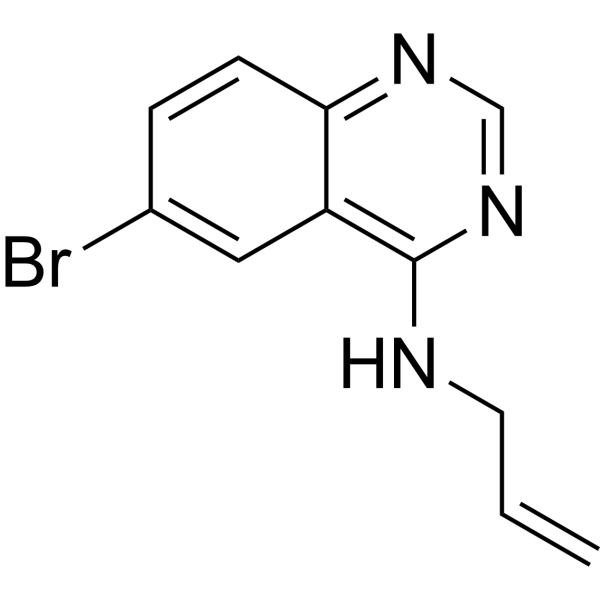
    SMER28
    2 Publications Verification

    Autophagy Cancer
    SMER28 is a positive regulator of autophagy acting via an mTOR-independent mechanism. SMER28 prevents the accumulation of amyloid beta peptide.
    SMER28
  • HY-N0061
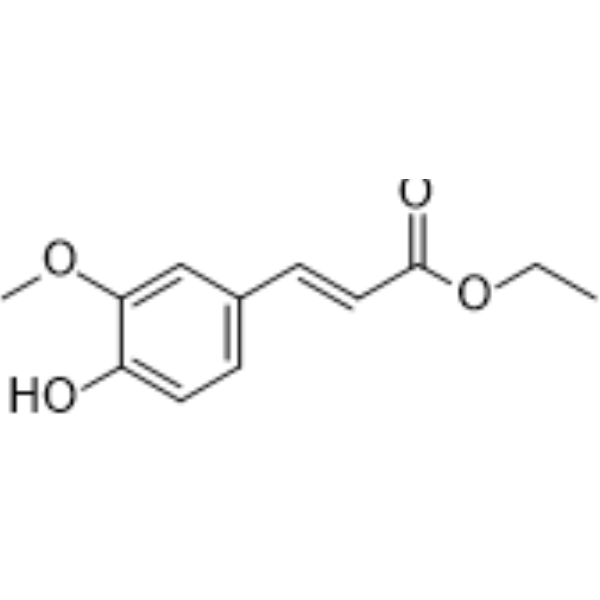
    Ethyl ferulate
    3 Publications Verification

    Reactive Oxygen Species (ROS) Neurological Disease
    Ethyl ferulate, a naturally lipophilic derivative of ferulic acid originally derived from Rhizoma Chuanxiong, induces heme oxygenase-1 (HO-1) and protects rat neurons against oxidative stress . Ethyl ferulate also protects neurons against amyloid β peptide (1-42)-induced oxidative stress and neurotoxicity .
    Ethyl ferulate
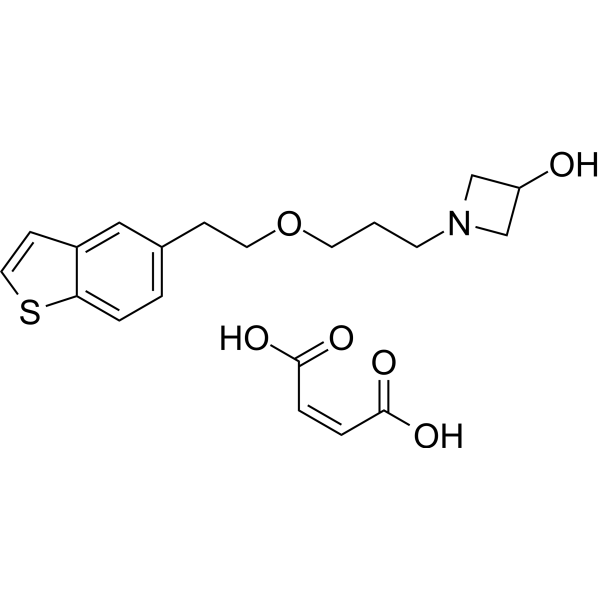
  • HY-17631A

    T-817 maleate; T-817MA

    Amyloid-β Neurological Disease
    Edonerpic maleate is a novel neurotrophic agent which can inhibit amyloid-β peptides ().
    Edonerpic maleate
  • HY-N4285

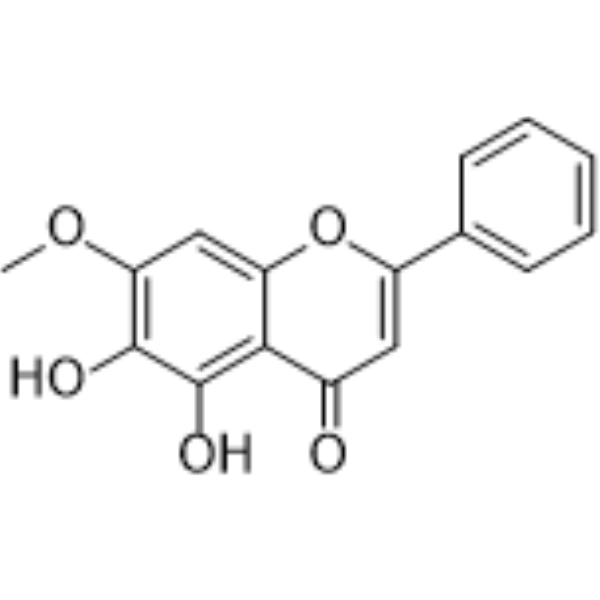
    5,6-Dihydroxy-7-methoxyflavone

    TNF Receptor Interleukin Related Reactive Oxygen Species (ROS) Keap1-Nrf2 Amyloid-β Infection Neurological Disease Inflammation/Immunology Cancer
    Negletein (5,6-Dihydroxy-7-methoxyflavone) is a flavone found in Scutellaria. Negletein shows anti-inflammatory activity via inhibiting TNF-α and IL-1β with IC50 values of 16.4 and 6.4 μM, respectively. Negletein can activate Nrf2 and inhibit ROS production. Negletein can enhance the neuroprotective effect of nerve growth factor. Negletein can inhibit amyloid beta-peptide release and accumulation. Negletein can inhibit pathogens biofilms formation. Negletein can be used for the researches of cancer, infection, inflammation and neurological disease, such as colon cancer and Alzheimer's disease .
    Negletein
  • HY-P1363F1

    Biotin-amyloid β-peptide (1-42) (human) TFA

    Amyloid-β Neurological Disease
    Biotin-β-Amyloid (1-42), human TFA (Biotin-Amyloid β-Peptide (1-42) (human) TFA) is the botin labeled β-Amyloid (1-42), human TFA (HY-P1363). β-Amyloid (1-42), human TFA is a 42-amino acid peptide which plays a key role in the pathogenesis of Alzheimer disease .
    Biotin-β-Amyloid (1-42), human TFA
  • HY-P3688A

    Aβ (1-38) TFA; Aβ38 TFA

    Amyloid-β Neurological Disease
    β-Amyloid (1-38) (Aβ (1-38)) TFA is a β-Amyloid (Aβ) peptide. β-Amyloid (1-38) TFA interferes with the conversion of Aβ(1-42) to a β-sheet-rich aggregate. β-Amyloid (1-38)TFA reverses the negative impact of Aβ(1-42) on long-term potentiation in acute hippocampal slices and on membrane conductance in primary neurons, and mitigates an Aβ(1-42) phenotype in Caenorhabditis elegans .
    β-Amyloid (1-38) TFA
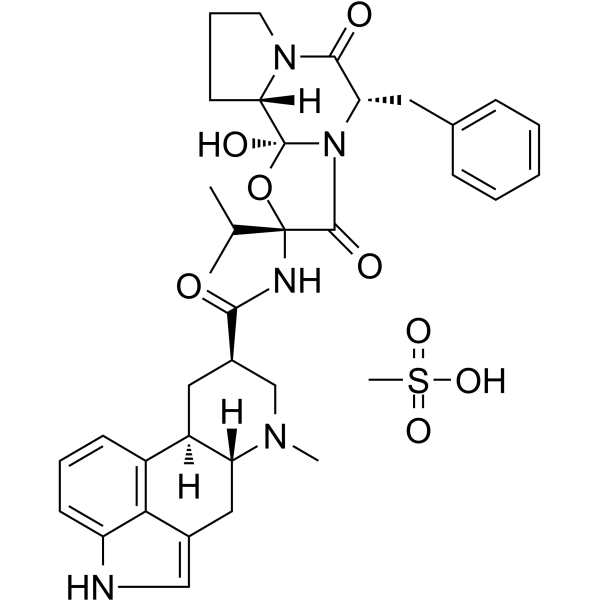
  • HY-N2319
    Dihydroergocristine mesylate
    1 Publications Verification

    DHEC mesylate

    Amyloid-β Neurological Disease
    Dihydroergocristine mesylate (DHEC mesylate) is a inhibitor of γ-secretase (GSI), reduces the production of the Alzheimer's disease amyloid-β peptides, binds directly to γ-secretase and Nicastrin with equilibrium dissociation constants (Kd) of 25.7 nM and 9.8 μM, respectively .
    Dihydroergocristine mesylate
  • HY-P4882A

    Amyloid-β Neurological Disease
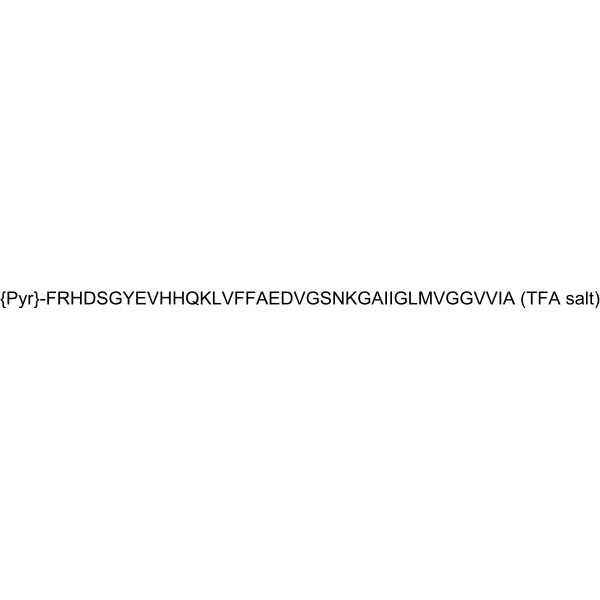
    (Pyr3)-Amyloid β-Protein (3-42) TFA is the predominant amyloid β-peptide structure deposited in human brain of Alzheimer's disease and Down's syndrome patients. (Pyr3)-Amyloid β-Protein (3-42) TFA is suggested to accumulate in the brain and to trigger the formation of insoluble amyloid β-peptide deposits .
    (Pyr3)-Amyloid β-Protein (3-42) TFA
  • HY-P1962

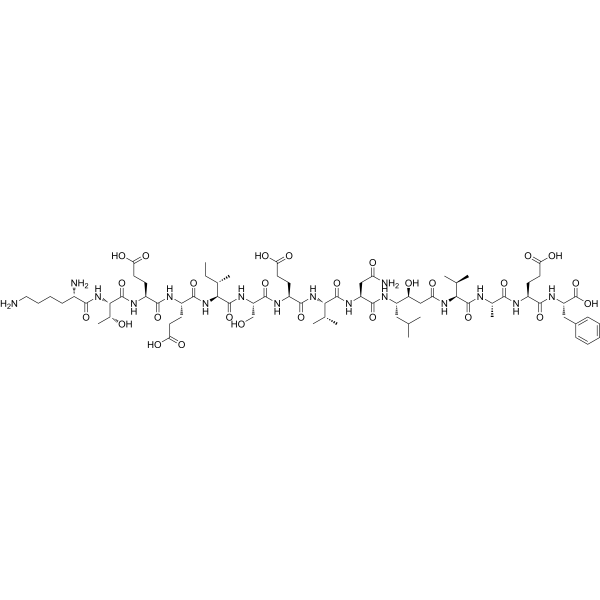
    [Asn670, Sta671, Val672]-amyloid β Peptide (662-675)

    Beta-secretase Neurological Disease
    β-Secretase inhibitor ([Asn670, Sta671, Val672]-Amyloid β Peptide (662-675)) is a β-secretase and BACE1 inhibitor (IC50: 25 nM for β-secretase) .
    β-Secretase inhibitor
  • HY-N8161

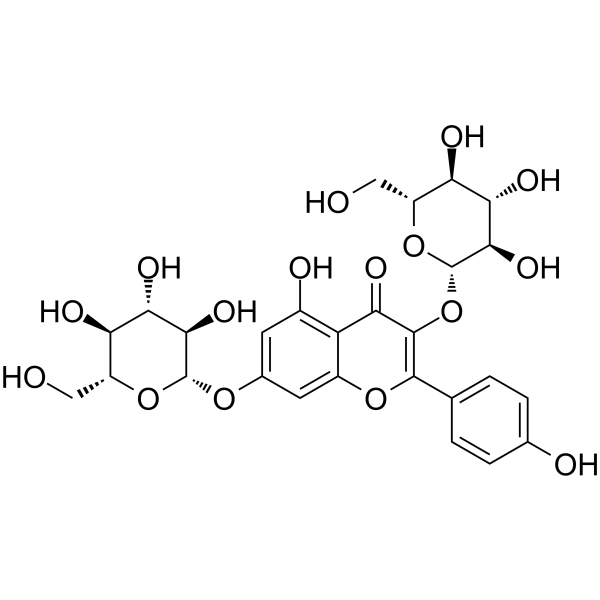
    Kaempferol 3,7-diglucoside

    Glycosidase Cholinesterase (ChE) Neurological Disease
    Kaempferol-3,7-di-O-β-glucoside (Kaempferol 3,7-diglucoside), a flavonol, possesses enzyme inhibition property towards α-amylase, α-glucosidase and Acetylcholinesterase. Kaempferol-3,7-di-O-β-glucoside protects differentiating neuronal cells, SH-SY5Y from Amyloid β peptide-induced injury. Kaempferol-3,7-di-O-β-glucoside has the potential for Alzheimer's research .
    Kaempferol-3,7-di-O-β-glucoside
  • HY-P1387

    Amyloid-β Apoptosis Neurological Disease
    β-Amyloid (1-40) (rat) is a rat form of the amyloid β-peptide, which accumulates as an insoluble extracellular deposit around neurons, giving rise to the senile plaques associated with Alzheimer's disease (AD). β-Amyloid (1-40) (rat) increases 45Ca 2+ influx, induces neurodegeneration in the rat hippocampal neurons of the CA1 subfield. β-Amyloid (1-40) (rat) induces apoptosis. β-Amyloid (1-40) (rat) can be used for the research of Alzheimer's disease .
    β-Amyloid (1-40) (rat)
  • HY-150049

    Amyloid-β Neurological Disease
    γ-Secretase modulator 13 (compound 4) is a gamma-secretase modulator (GSMs) that inhibits the production of the aggregated amyloid β-peptide Aβ42 with an IC50 value of 163 nM. γ-Secretase modulator 13 can be used in the study of Alzheimer's disease .
    γ-Secretase modulator 13
  • HY-P4882

    Amyloid-β Neurological Disease
    (Pyr3)-Amyloid β-Protein (3-42) is the predominant amyloid β-peptide structure deposited in human brain of Alzheimer's disease and Down's syndrome patients. (Pyr3)-Amyloid β-Protein (3-42) is suggested to accumulate in the brain and to trigger the formation of insoluble amyloid β-peptide deposits .
    (Pyr3)-Amyloid β-Protein (3-42)
  • HY-P1517

    Amyloid-β Neurological Disease
    β-Amyloid (31-35) is the shortest sequence of native Amyloid-β peptide that retains neurotoxic activity.
    β-Amyloid (31-35)
  • HY-P1363S

    amyloid β-peptide-15N (1-42) (human) TFA

    Amyloid-β Neurological Disease
    β-Amyloid- 15N (1-42), human (TFA) is the 15N-labledβ-Amyloid (1-42) (TFA). β-Amyloid (1-42), human TFA (Amyloid β-Peptide (1-42) (human) TFA) is a 42-amino acid peptide which plays a key role in the pathogenesis of Alzheimer disease .
    β-Amyloid-15N (1-42), human TFA
  • HY-P3688

    Aβ (1-38); Aβ38

    Amyloid-β Neurological Disease
    β-Amyloid (1-38) (Aβ (1-38)) is a β-Amyloid (Aβ) peptide. β-Amyloid (1-38) interferes with the conversion of Aβ(1-42) to a β-sheet-rich aggregate. β-Amyloid (1-38) reverses the negative impact of Aβ(1-42) on long-term potentiation in acute hippocampal slices and on membrane conductance in primary neurons, and mitigates an Aβ(1-42) phenotype in Caenorhabditis elegans .
    β-Amyloid (1-38)
  • HY-P1522

    amyloid beta-protein(29-40)

    Amyloid-β Neurological Disease
    β-Amyloid (29-40) is a fragment of Amyloid-β peptide.
    β-Amyloid (29-40)
  • HY-P1053

    Amyloid-β Neurological Disease
    β-Amyloid (10-20) is a fragment of Amyloid-β peptide and maybe used in the research of neurological disease .
    β-Amyloid (10-20)
  • HY-P2562

    Amyloid-β Neurological Disease
    β-Amyloid (1-38), mouse, rat is composed of 38 aa (1-38 residues of the Aβ peptide) and is the primary component of the amyloid plaques of Alzheimer’s disease .
    β-Amyloid (1-38), mouse, rat
  • HY-P1362A

    amyloid β Peptide (42-1)(human) TFA

    Amyloid-β Neurological Disease
    β-Amyloid (42-1), human TFA is the inactive form of Amyloid β Peptide (1-42). β-Amyloid (42-1), human TFA is a 42-amino acid peptide which plays a key role in the pathogenesis of Alzheimer disease .
    β-Amyloid (42-1), human TFA
  • HY-W440555

    para-Sulfonatocalix[n]arene

    Amyloid-β Neurological Disease
    4-Sulfocalix[4]arene (para-Sulfonatocalix[n]arene) is a amyloid-beta 42 binder with a Kd of 5.39 M. 4-Sulfocalix[4]arene can inhibit amyloid β-peptide fibrillation and reduce amyloid cytotoxicity .
    4-Sulfocalix[4]arene
  • HY-103538

    Amyloid-β Neurological Disease
    JLK-6 markedly reduce the production of amyloid β-peptide (Aβ) by amyloid-β Precursor protein (APP) expressing HEK293 cells by affecting the γ-secretase cleavage of APP, with no effect on the cleavage of the Notch receptor .
    JLK-6
  • HY-P1363S1

    Isotope-Labeled Compounds Amyloid-β Neurological Disease
    β-Amyloid (1-42), human, Ala( 13C3, 15N) TFA is the 13C and 15N-labeled β-Amyloid (1-42), human (HY-P1363A). β-Amyloid (1-42) (Amyloid β-peptide (1-42)), human, a 42-amino acid peptide that has not been treated with HFIP, is a brain-penetrant amyloid protein fragment, which can be used in research on Alzheimer's disease and Down’s syndrome. β-Amyloid (1-42), human remaining as a monomer exhibits antioxidant and neuroprotective effects. β-Amyloid (1-42), human, after being monomericized by HFIP and dissolved in DMSO to form the stock solution, on the one hand, can form soluble oligomers (AβOs) when incubated at 4 °C, which have synaptic toxicity and neurotoxicity; on the other hand, it can be incubated at 37 °C to form insoluble fibrils, with lower neurotoxicity, and participating in the oxidative damage process. Aβ42 oligomers bind to various neuronal surface receptors (such as PrPc, mGluR5, NMDA receptors, etc.), triggering oxidative stress, calcium homeostasis imbalance, and synaptic toxicity via activating downstream signaling pathways, leading to neuronal dysfunction and death .
    β-Amyloid (1-42), human, Ala(13C3,15N) TFA
  • HY-112636

    Amyloid-β Others
    Astrophloxine is a fluorescent imaging probe capable of targeting antiparallel dimers. Astrophloxine can be used to detect aggregated Aβ in brain tissue and cerebrospinal fluid samples of Alzheimer's disease (AD) mice .
    Astrophloxine
  • HY-P1524

    Amyloid-β Neurological Disease
    β-Amyloid (1-14),mouse,rat is a 1 to 14 fragment of Amyloid-β peptide.
    β-Amyloid (1-14),mouse,rat
  • HY-P1521

    Beta-amyloid (15-21)

    Amyloid-β Neurological Disease
    β-amyloid (15-21) is a fragment of Amyloid-β peptide, maybe used in the research of neurological disease.
    β-Amyloid (15-21)
  • HY-P1510

    Amyloid-β Neurological Disease
    β-Amyloid (1-11) is a fragment of Amyloid-β peptide, maybe used in the research of neurological disease.
    β-Amyloid (1-11)
  • HY-P1567

    Amyloid-β Neurological Disease
    β-Amyloid (10-35), amide is composed of 26 aa (10-35 residues of the Aβ peptide) and is the primary component of the amyloid plaques of Alzheimer’s disease.
    β-Amyloid (10-35), amide
  • HY-P3275

    Aβ(17-40)

    Amyloid-β Neurological Disease
    β-Amyloid (17-40) (Aβ(17-40)) is a fragment of Amyloid-β peptide that has shown neurotoxic activities in SH-SY5Y and IMR-32 cells. β-Amyloid (17-40) can be used for the research of neurological disease .
    β-Amyloid (17-40)
  • HY-163441

    Cholinesterase (ChE) Neurological Disease
    BChE-IN-31 (Compound 14d) is a selective BChE inhibitor with an IC50 of 65 nM. BChE-IN-31 inhibits the self-induced aggregation of neurotoxic amyloid-β (Aβ) peptide .
    BChE-IN-31
  • HY-121191

    N1,N8-Bisnorcymserine; (-)-Bisnorcymserine

    Cholinesterase (ChE) Neurological Disease
    Bisnorcymserine ((-)-Bisnorcymserine) is an inhibitor for butyrylcholinesterase (BChE) with an IC50 of 0.228 nM. Bisnorcymserine reduces the levels of amyloid-β peptide (Aβ), exhibits ameliorates the Alzheimer’s Disease in elderly rat models. Bisnorcymserine is blood-brain barrier penetrate .
    Bisnorcymserine
  • HY-157296

    Cholinesterase (ChE) Neurological Disease
    AChE-IN-47 (compound g17) is a AChE inhibitor with the IC50 of 0.24 μM. AChE-IN-47 inhibits amyloid β peptides self-aggregation. AChE-IN-47 displays neuroprotective effects and effectively suppresses the intracellular accumulation of reactive oxygen species .
    AChE-IN-47
  • HY-N2319R

    DHEC mesylate (Standard)

    Reference Standards Amyloid-β Neurological Disease
    Dihydroergocristine (mesylate) (Standard) is the analytical standard of Dihydroergocristine (mesylate). This product is intended for research and analytical applications. Dihydroergocristine mesylate (DHEC mesylate) is a inhibitor of γ-secretase (GSI), reduces the production of the Alzheimer's disease amyloid-β peptides, binds directly to γ-secretase and Nicastrin with equilibrium dissociation constants (Kd) of 25.7 nM and 9.8 μM, respectively .
    Dihydroergocristine mesylate (Standard)
  • HY-100740A

    AZD-3293 hydrochloride; LY3314814 hydrochloride

    Beta-secretase Neurological Disease
    Lanabecestat (AZD3293; LY3314814) hydrochloride is a potent BACE1 inhibitor that has been investigated for its potential as a modifying treatment for Alzheimer's disease. Lanabecestat (hydrochloride) demonstrated significant dose- and time-dependent reductions in concentrations of amyloid beta peptides in plasma, cerebrospinal fluid, and brain. Lanabecestat (hydrochloride) was also shown to produce reductions in Aβ neuritic plaque burden without demonstrating clinical benefits or slowing the progression of Alzheimer's disease pathophysiology.
    Lanabecestat hydrochloride
  • HY-172782

    Cholinesterase (ChE) Amyloid-β Interleukin Related Reactive Oxygen Species (ROS) NOD-like Receptor (NLR) Neurological Disease Inflammation/Immunology
    BuChE-IN-20 is a selective butyrylcholinesterase (hBuChE) inhibitor (IC50 = 0.13 μM) with BBB permeability. BuChE-IN-20 is a L-Tryptophan derivative. BuChE-IN-20 possesses neuroprotective properties by inhibiting the production of nitric oxide (NO) and lowering the levels of ROS. BuChE-IN-20 is proficient in inhibiting the self-aggregation of amyloid-beta (Aβ) peptides. BuChE-IN-20 can be used in research for Alzheimer’s disease .
    BuChE-IN-20
  • HY-13325

    Drug Derivative Amyloid-β Neurological Disease
    Aβ aggregation modulator-1 is a stimulator of amyloid-β () fibrillogenesis. Aβ aggregation modulator-1 binds hydrophobic residues in Aβ peptides and stabilizes β-sheet-rich protofibrils and fibrils. Aβ aggregation modulator-1 accelerates polymerization and reduces concentrations of small, toxic oligomers in heterogeneous aggregation reactions. Aβ aggregation modulator-1 suppresses long-term potentiation (LTP) inhibition by oligomers in hippocampal brain slices. Aβ aggregation modulator-1 can be used for the study of Alzheimer's disease (AD) .
    Aβ aggregation modulator-1
  • HY-118972

    Amyloid-β Neurological Disease
    TPI-1917-49 is an agent that can cross the blood-brain barrier and reduce amyloid β (). TPI-1917-49 reduces the production of Aβ peptide segments by promoting the non-amyloidogenic pathway of amyloid precursor protein (APP) (increasing the generation of sAPPα mediated by α-secretase). TPI-1917-49 reduces amyloid plaques in mouse models. TPI-1917-49 can be used in Alzheimer's disease research .
    TPI-1917-49
  • HY-100200R

    Autophagy Reference Standards Cancer
    SMER28 (Standard) is the analytical standard of SMER28 (HY-100200). This product is intended for research and analytical applications. SMER28 is a positive regulator of autophagy acting via an mTOR-independent mechanism. SMER28 prevents the accumulation of amyloid beta peptide.
    SMER28 (Standard)
  • HY-150050

    Amyloid-β Neurological Disease
    gamma-secretase modulator 5 (compound 22d) is a brain-penetrant gamma-secretase modulator (GSMs) that inhibits the production of the aggregated amyloid β-peptide Aβ42 with an IC50 value of 60 nM. gamma-secretase modulator 5 can be used in the study of Alzheimer's disease .
    gamma-secretase modulator 5
  • HY-N2332

    MLA

    nAChR Neurological Disease
    Methyllycaconitine (MLA) is a potent, selective, CNS-penetrant, competitive α7nAChR antagonist. Methyllycaconitine alleviates amyloid-β peptides-induced cytotoxicity in SH-SY5Y cells. Methyllycaconitine prevents methamphetamine-induced effects in mouse striatum. Methyllycaconitine can be used for neurological disease research, such as Alzheimer’s disease .
    Methyllycaconitine
  • HY-N13064

    Drug Derivative Beta-secretase Amyloid-β Neurological Disease
    2,2′,4,4′-Tetrahydroxychalcone (Compound 18) is a selective and potent BACE1 inhibitor with an IC50 of 0.62 μM. 2,2′,4,4′-Tetrahydroxychalcone is a derivative of Isoliquiritigenin (HY-N0102) found in Glycyrrhiza uralensis. 2,2′,4,4′-Tetrahydroxychalcone can block the β-cutting step of amyloid precursor protein (APP), thereby reducing the production of β-amyloid (Aβ) peptide. 2,2′,4,4′-Tetrahydroxychalcone can be used for research of Alzheimer’s disease .
    2,2′,4,4′-Tetrahydroxychalcone
  • HY-P991534

    Amyloid-β Neurological Disease
    PF-04382923 is a humanized IgG2Δa monoclonal antibody. PF-04382923 binds with high affinity to the free C-terminal regions of the amyloid-β peptides Aβ1-40 and Aβ1-42. PF-04382923 is indicated for the study of geographic atrophy (GA) associated with dry age-related macular degeneration (ARMD) .
    PF-04382923

Inquiry Online

Your information is safe with us. * Required Fields.

Salutation


Country or Region *

Applicant Name *


Organization Name *

Department *


Email Address *


Product Name *

Cat. No.


Requested quantity *

Phone Number *


Remarks

Inquiry Online

Inquiry Information

Product Name:
Cat. No.:
Quantity:
MCE Japan Authorized Agent:

