Search Result
Results for "
anaerobic+bacteria
" in MedChemExpress (MCE) Product Catalog:
1
Biochemical Assay Reagents
11
Isotope-Labeled Compounds
| Cat. No. |
Product Name |
Target |
Research Areas |
Chemical Structure |
-
- HY-B1369A
-
Imipenem
Maximum Cited Publications
35 Publications Verification
N-Formimidoyl thienamycin; MK0787
|
Antibiotic
Bacterial
|
Infection
|
|
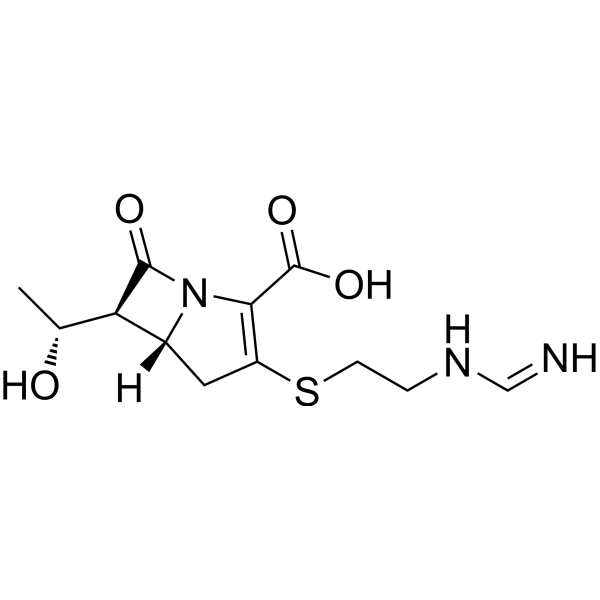
Imipenem (MK0787), a stable crystalline derivative of thienamycin, is an antibiotic and has the excellent activity against a broad range of gram-positive and gram-negative aerobic and anaerobic bacteria. Imipenem can be used for the research of carbapenem-nonsusceptible and P. aeruginosa biofilm infections .
|
-
-
- HY-B1369
-
|
N-Formimidoyl thienamycin monohydrate; MK0787 monohydrate
|
Antibiotic
Bacterial
|
Infection
|
|
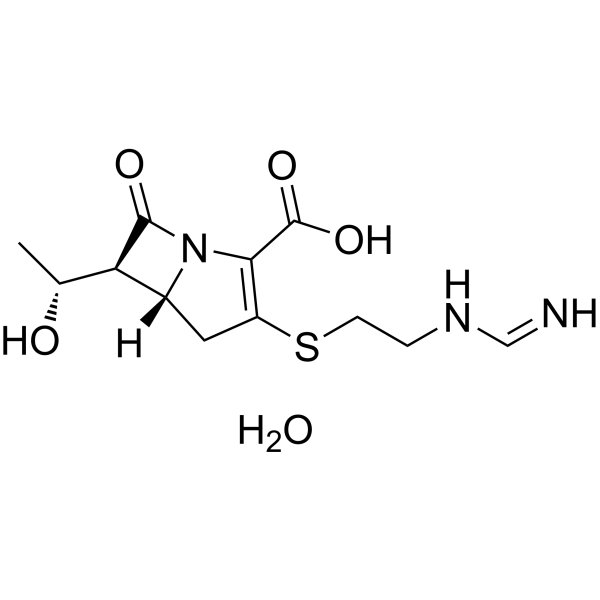
Imipenem monohydrate, a stable crystalline derivative of thienamycin, is an antibiotic and has the excellent activity against a broad range of gram-positive and gram-negative aerobic and anaerobic bacteria. Imipenem monohydrate can be used for the research of carbapenem-nonsusceptible and P. aeruginosa biofilm infections .
|
-
-
- HY-B0479
-
|
Thiophenicol; Dextrosulphenidol
|
Beta-lactamase
Bacterial
Antibiotic
|
Infection
|
|
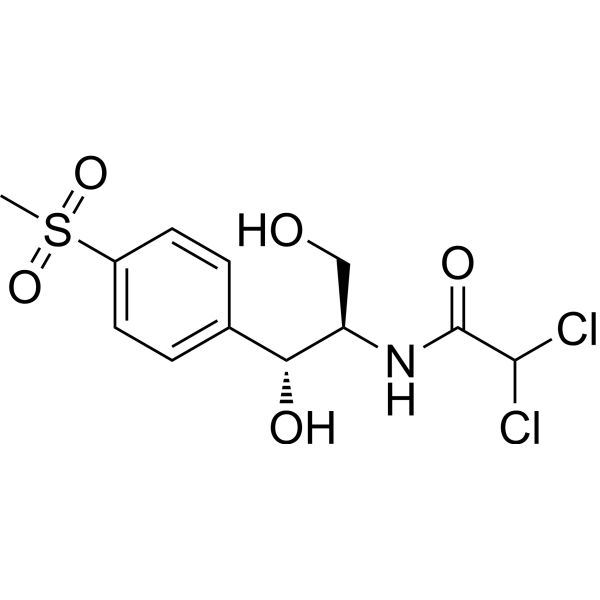
Thiamphenicol (Thiophenicol), a methyl-sulfonyl derivative of Chloramphenicol, is a broad-spectrum antimicrobial antibiotic. Thiamphenicol acts by binding to the 50S ribosomal subunit, leading to inhibition of protein synthesis and bacteriostatic effect (against Gram-negative, Gram-positive aerobic and anaerobic bacteria) .
|
-
-
- HY-135190
-
|
α-cedrene
|
Environmental Pollutants
Bacterial
|
Infection
Metabolic Disease
Cancer
|
|
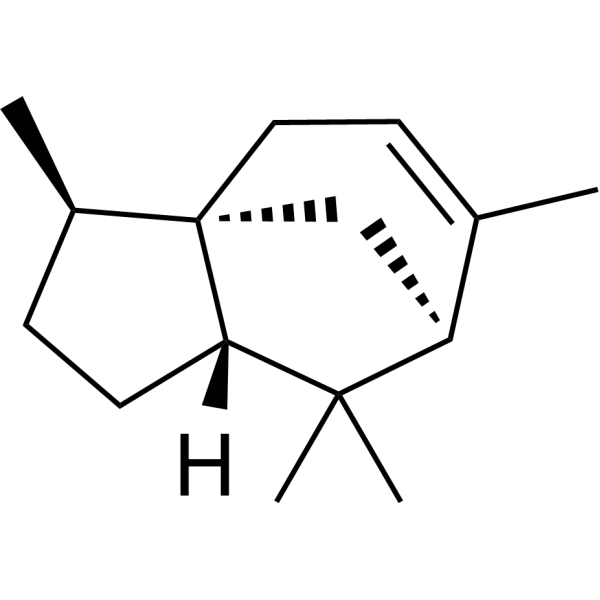
(-)-Cedrene (α-cedrene) is a major constituent that can be found in essential oils. (-)-Cedrene (α-cedrene) is a natural, orally active ligand of mouse olfactory receptor 23, which induces skeletal muscle hypertrophy in mice. (-)-Cedrene exhibits trypanocidal (Trypanosoma b. brucei) (IC50 = 4.07 μg/mL). (-)-Cedrene is antileukemic in vitro (IC50 = 22.2 μg/mL). (-)-Cedrene has antimicrobial activity against anaerobic bacteria and yeast. (-)-Cedrene exhibits anti-obesity activity .
|
-
-
- HY-12687
-
|
TIZ
|
Bacterial
HIV
Autophagy
Parasite
IKK
Influenza Virus
|
Infection
Cancer
|
|
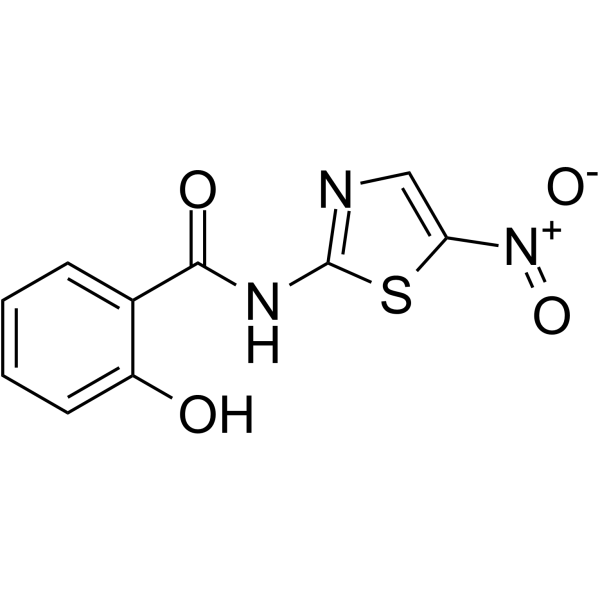
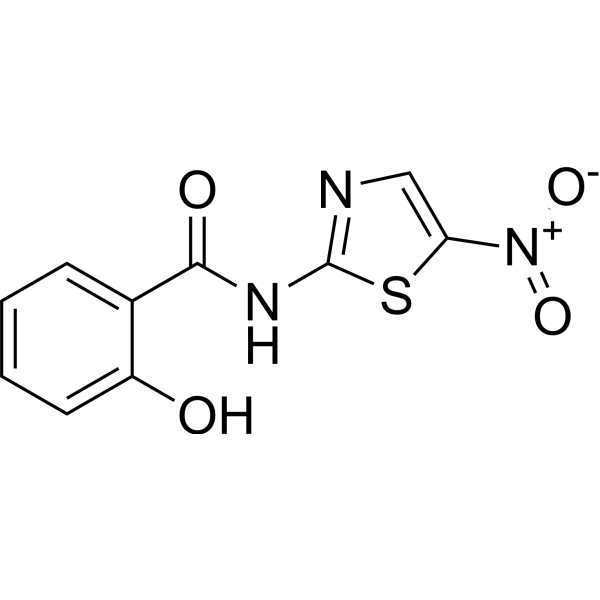
Tizoxanide (TIZ) is the active metabolite of Nitazoxanide, which is a thiazolide anti-infective compound against anaerobic bacteria, protozoa, and a range of viruses. Tizoxanide (TIZ) has anti-HIV-1 activities and potent inhibition of both HBV and HCV replication with values EC50 of 0.46μM and 0.15 μM, respectively. Tizoxanide also exerts anti-inflammatory effects by inhibiting the production of pro-inflammatory cytokines and suppressing of the activation of the NF-κB and the MAPK signaling pathways in LPS-treated macrophage cells .
|
-
-
- HY-B0177
-
-
-
- HY-B0395C
-
|
DU6859a hydrate
|
Bacterial
Antibiotic
|
Infection
|
|
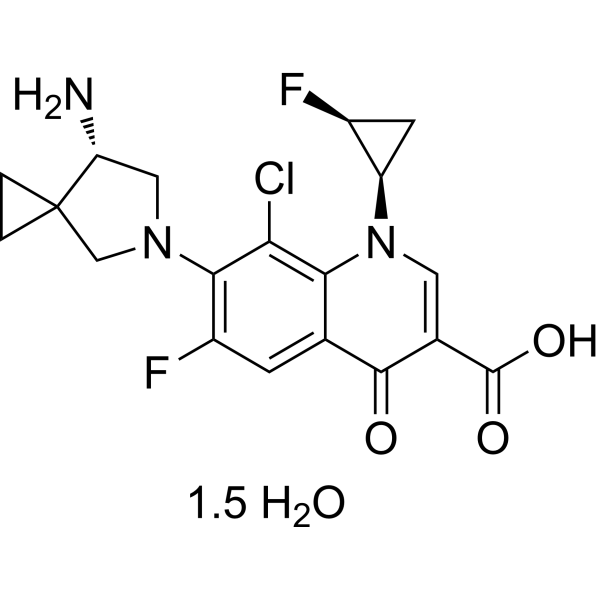
Sitafloxacin (DU6859a) hydrate is an orally active fluoroquinolone antibiotic (antibiotic) with in vitro activity against a wide range of Gram-positive and -negative bacteria, including anaerobic bacteria, as well as atypical pathogens. Sitafloxacin is used in the study of respiratory tract infections and urinary tract infections .
|
-
-
- HY-B1484
-
|
Latamoxef sodium; Lamoxactam sodium; LY-127935 sodium
|
Beta-lactamase
Bacterial
Antibiotic
|
Infection
|
|
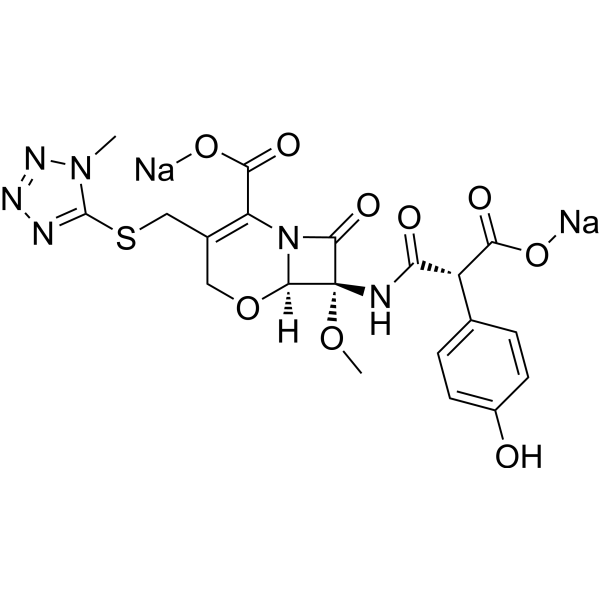
Moxalactam (Latamoxef) sodium salt is a synthetic oxa-β-lactam antibiotic. Moxalactam sodium salt has a broad spectrum of activity against Gram-positive and Gram-negative aerobic and anaerobic bacteria. Moxalactam sodium salt inhibits production of β-lactamases .
|
-
-
- HY-B0508
-
|
Ro 7-0207
|
Bacterial
Parasite
Antibiotic
Hedgehog
|
Infection
Cancer
|
|
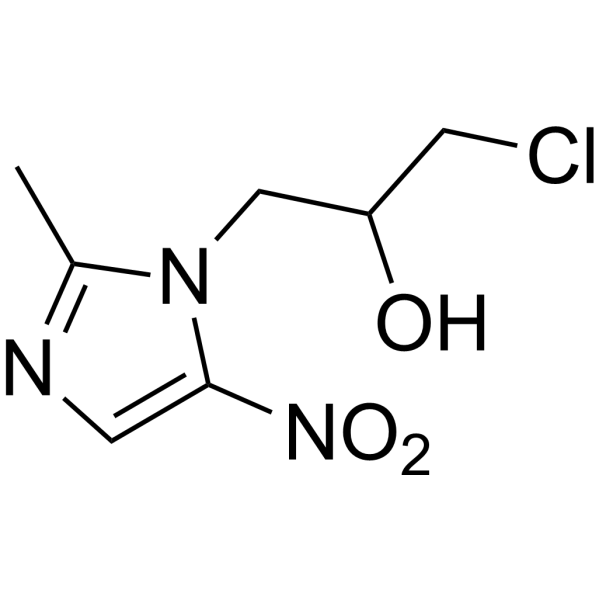
Ornidazole (Ro 7-0207) is a nitroimidazole derivative with anti-trichomonad activity and in vitro activity against a variety of anaerobic bacteria. Ornidazole inhibits Sonic hedgehog (Shh) signaling pathway, exhibits antitumor activity. Ornidazole can be used in research of Crohn’s disease .
|
-
-
- HY-B0395
-
|
DU6859a
|
Bacterial
Antibiotic
|
Infection
|
|
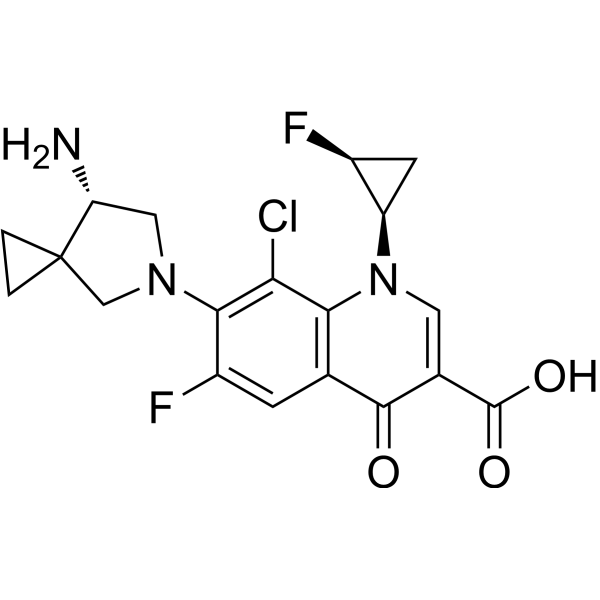
Sitafloxacin (DU6859a) is a potent, orally active fluoroquinolone antibiotic. Sitafloxacin shows antichlamydial activity and antibacterial activities against a broad range of gram-positive and gram-negative bacteria, including anaerobic bacteria, as well as against atypical pathogens. Sitafloxacin can be used for the research of respiratory tract infection and urinary tract infection .
|
-
-
- HY-B1257
-
|
Sodium cefmetazole
|
Bacterial
Antibiotic
|
Infection
Cancer
|
|
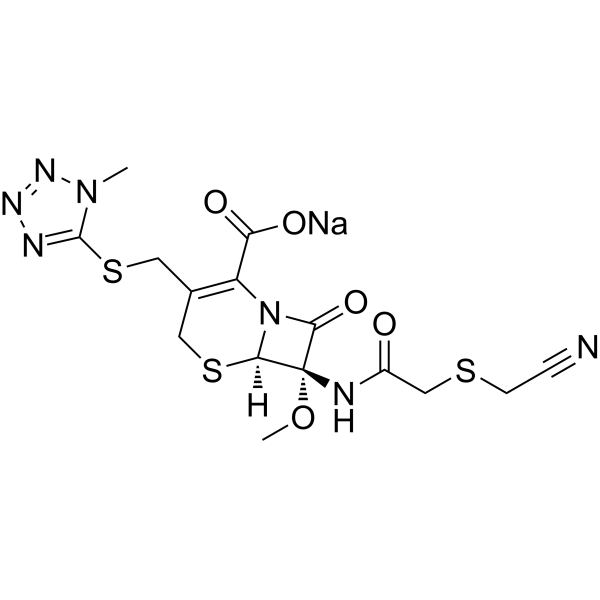
Cefmetazole sodium (Sodium cefmetazole) is a semisynthetic cephamycin antibiotic with broad-spectrum antibacterial activity, covering gram-positive, gram-negative, and anaerobic bacteria. Cefmetazole sodium binds to penicillin binding proteins (PBPs), resulting in interfering bacterial cell wall biosynthesis. Cefmetazole sodium is used for the research of gynecologic, intraabdominal, urinary tract, respiratory tract and skin and soft tissue infections .
|
-
-
- HY-B1824
-
|
HR-810 sulfate
|
Bacterial
Antibiotic
|
Infection
|
|
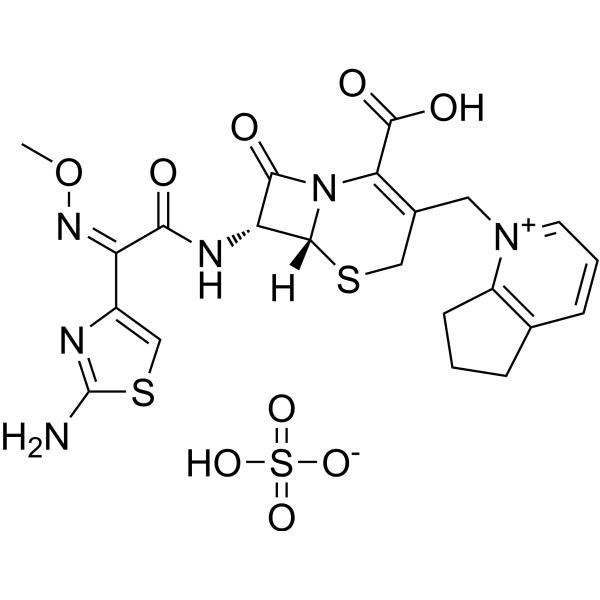
Cefpirome (HR-810) sulfate is a cephalosporin antibiotic that can cross cell membranes and the blood-brain barrier. Cefpirome sulfate binds to penicillin-binding proteins with high affinity, thereby inhibiting bacterial cell wall synthesis. Cefpirome sulfate exhibits bactericidal and growth-inhibitory activities against Gram-negative bacteria, Gram-positive bacteria, and susceptible anaerobic bacteria (including some β-lactamase-producing strains) .
|
-
-
- HY-B0724A
-
|
T-3762; Pazufloxacin methanesulfonate; Pazufloxacin mesilate
|
Bacterial
DNA/RNA Synthesis
|
Infection
|
|
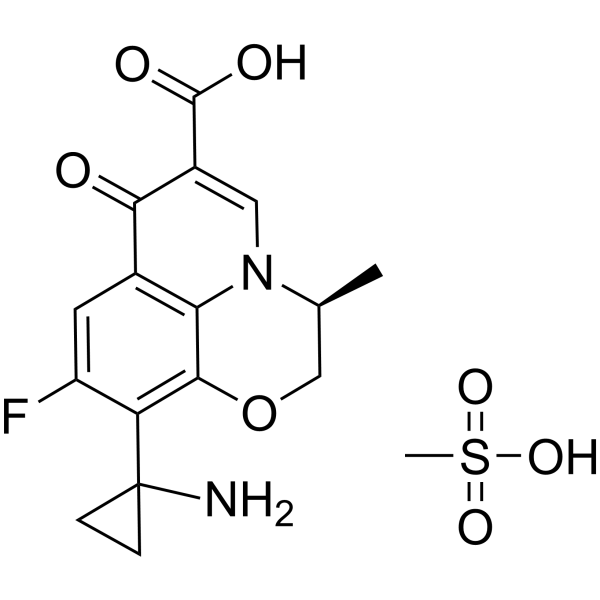
Pazufloxacin mesylate is an orally active fluoroquinolone antimicrobial agent. Pazufloxacin mesylate inhibits DNA gyrase with IC50 values of 0.88 μg/mL (E. coli) and 1.9 μg/mL (P. aeruginosa). Pazufloxacin mesylate exhibits broad-spectrum antimicrobial activity, with MIC90 values ranging from 0.025 to 100 μg/mL against Gram-positive and Gram-negative bacteria, non-fermenting bacteria, Legionella spp., and anaerobic bacteria. Pazufloxacin mesylate is indicated for research on systemic infections, lung infections, urinary tract infections, and Legionella pneumonia .
|
-
-
- HY-B0159
-
|
Q-35
|
Bacterial
Antibiotic
|
Infection
|
|
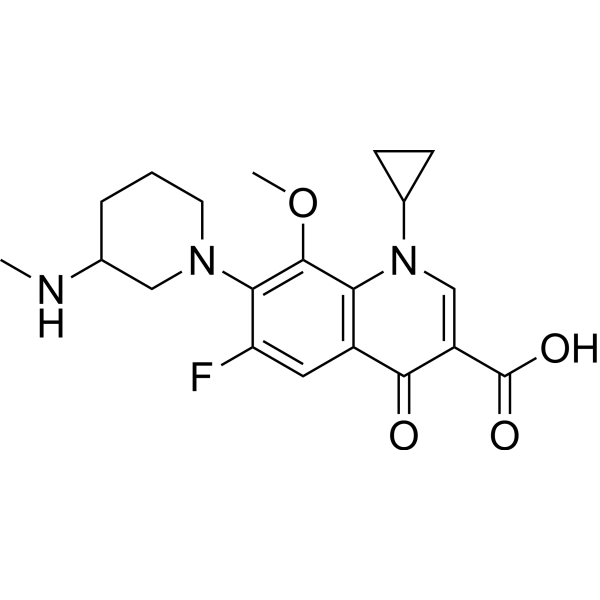
Balofloxacin (Q-35) is an orally active fluoroquinolone antibiotic with broad-spectrum antibacterial activity against gram-negative, gram-positive, and anaerobic bacteria. Balofloxacin can be used for the research of respiratory, intestinal, and urinary tract infections .
|
-
-
- HY-15781
-
|
|
Bacterial
|
Infection
|
|
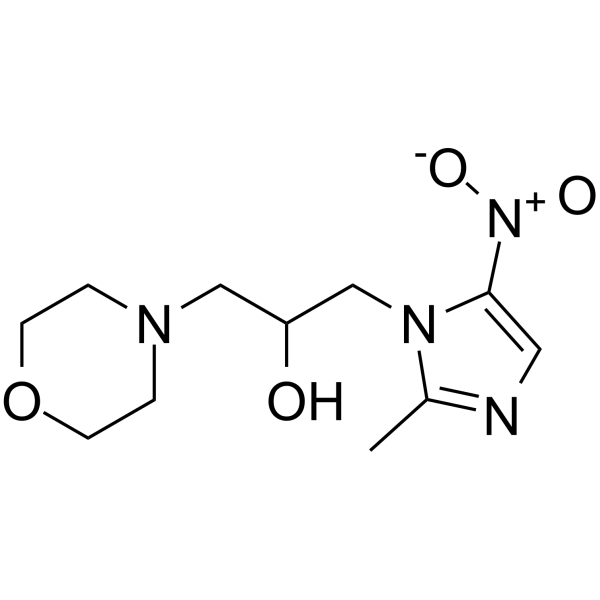
Morinidazole is an orally active and 5-nitroimidazole antimicrobial agent that undergoes extensive metabolism in humans via N +-glucuronidation and sulfation. Morinidazole can be used for bacterial infections research including appendicitis and pelvic inflammatory disease (PID) caused by anaerobic bacteria .
|
-
-
- HY-B1923S
-
-
-
- HY-B1369R
-
|
N-Formimidoyl thienamycin monohydrate (Standard); MK0787 monohydrate (Standard)
|
Reference Standards
Antibiotic
Bacterial
|
Infection
|
|
Imipenem (monohydrate) (Standard) is the analytical standard of Imipenem (monohydrate). This product is intended for research and analytical applications. Imipenem monohydrate, a stable crystalline derivative of thienamycin, is an antibiotic and has the excellent activity against a broad range of gram-positive and gram-negative aerobic and anaerobic bacteria. Imipenem monohydrate can be used for the research of carbapenem-nonsusceptible and P. aeruginosa biofilm infections .
|
-

-
- HY-B0318S
-
|
|
Bacterial
Parasite
Apoptosis
Antibiotic
|
Infection
|
|
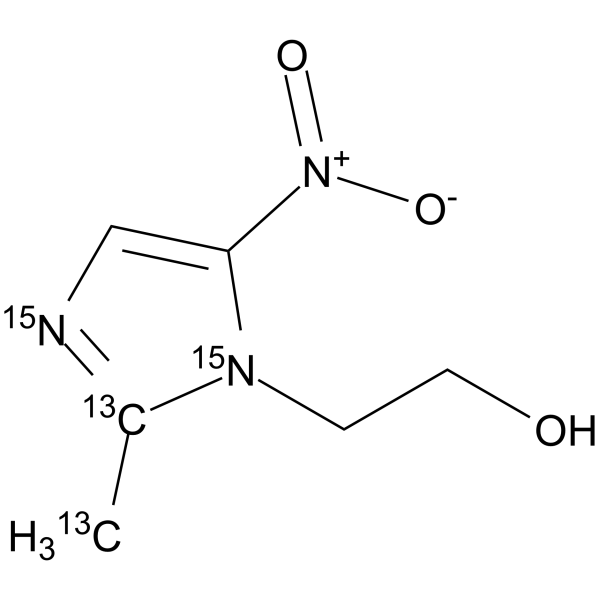
Metronidazole- 13C2, 15N2 is the 13C-labeled and 15N-labeled Metronidazole. Metronidazole is a nitroimidazole antibiotic medication used particularly for anaerobic bacteria and protozoa.
|
-
-
- HY-B0479S
-
|
Thiophenicol-d3; Dextrosulphenidol-d3
|
Isotope-Labeled Compounds
Bacterial
Antibiotic
|
Infection
|
|
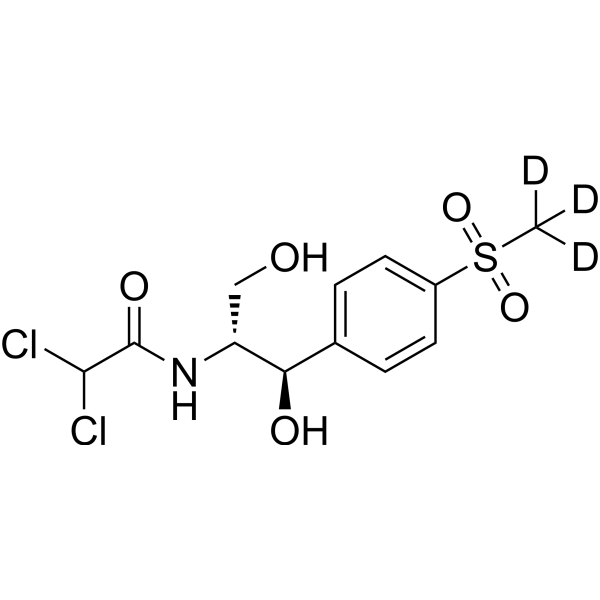
Thiamphenicol-d3 is a deuterium labeled Thiamphenicol. Thiamphenicol, a methyl-sulfonyl derivative of Chloramphenicol, is a broad-spectrum antimicrobial antibiotic. Thiamphenicol acts by binding to the 50S ribosomal subunit, leading to inhibition of protein synthesis and bacteriostatic effect (against Gram-negative, Gram-positive aerobic and anaerobic bacteria) .
|
-
-
- HY-116228
-
|
Caderofloxacin; CS-940
|
Bacterial
|
Infection
|
|
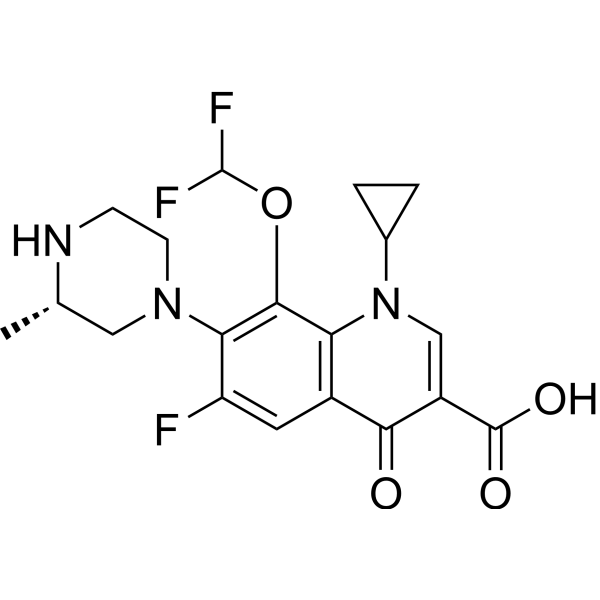
Cadrofloxacin (Caderofloxacin; CS-940) is an orally active antibacterial agent with significant bactericidal activity against quinolone-resistant Staphylococcus aureus, Gram-positive bacteria, Gram-negative bacteria and anaerobic bacteria. Cadrofloxacin effectively improves systemic infection and experimental Klebsiella pneumoniae pneumonia in mice. Cadrofloxacin can be widely used in research related to systemic bacterial infections and bacterial pneumonia .
|
-
-
- HY-B1127
-
|
N-Benzoyl-β-alanine
|
Antibiotic
Bacterial
|
Infection
Endocrinology
|
|
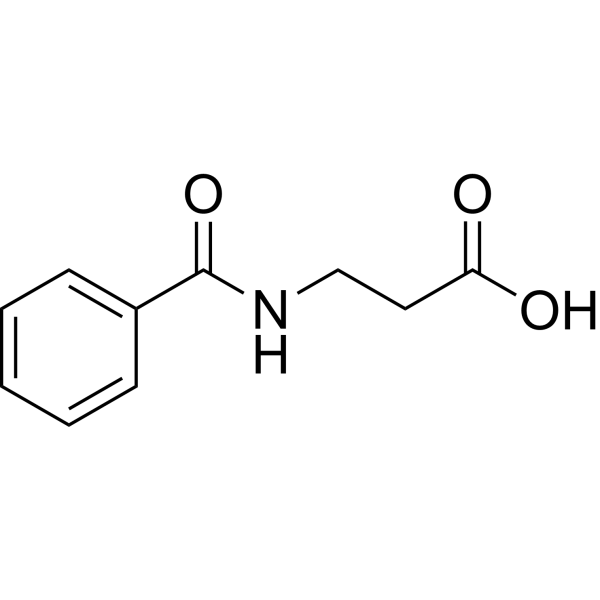
Betamipron (N-benzoyl-β-alanine) is a carbapenem β-lactam antibiotic with antibacterial activity against most Gram-positive and Gram-negative aerobic and anaerobic bacteria. Betamipron can target and inhibit renal organic anion transporters, alleviate renal injury caused by Cisplatin (HY-17394), without interfering with the biological activity of cisplatin. Betamipron is often used in combination with panipenem, which can attenuate the renal effects induced by panipenem and slightly promote the proliferation of Clostridium difficile in the cecum. Betamipron can be used in studies related to renal injury and bacterial infection .
|
-
-
- HY-157365
-
|
|
Biochemical Assay Reagents
|
Others
|
|
Anaerobic Agar is a special medium for isolating anaerobic bacteria. The composition of 1 litre medium is 58.4 g anaerobic agar .
|
-

-
- HY-125919
-
-
-
- HY-B1595
-
|
CS 1170
|
Antibiotic
Bacterial
|
Infection
Cancer
|
|
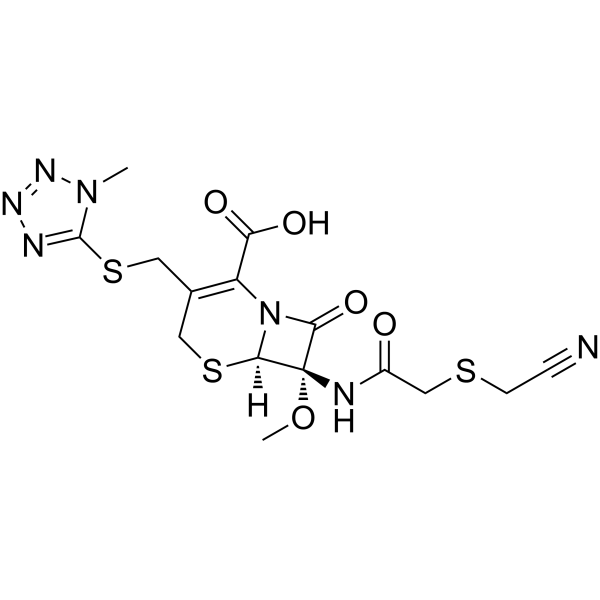
Cefmetazole (CS 1170) is a semisynthetic cephamycin antibiotic with broad-spectrum antibacterial activity, covering gram-positive, gram-negative and anaerobic bacteria. Cefmetazole binds to penicillin binding proteins (PBPs), resulting in interfering bacterial cell wall biosynthesis. Cefmetazole is used for the research of gynecologic, intraabdominal, urinary tract, respiratory tract and skin and soft tissue infections .
|
-
-
- HY-B0479R
-
|
Thiophenicol (Standard); Dextrosulphenidol (Standard)
|
Beta-lactamase
Reference Standards
Bacterial
Antibiotic
|
Infection
|
|
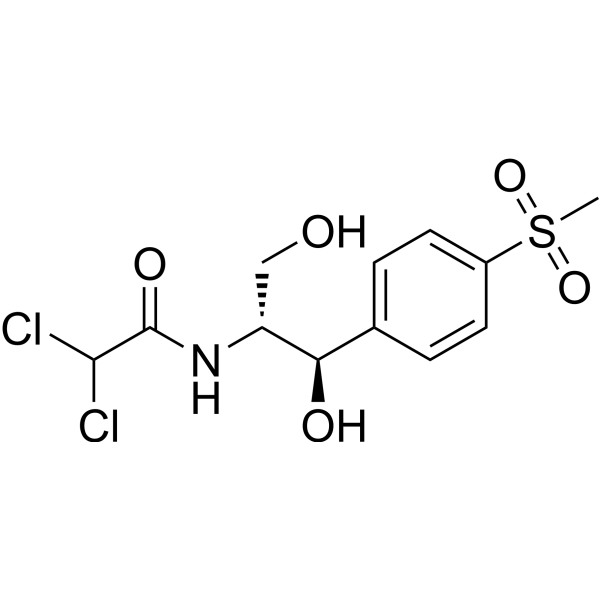
Thiamphenicol (Standard) is the analytical standard of Thiamphenicol. This product is intended for research and analytical applications. Thiamphenicol (Thiophenicol), a methyl-sulfonyl derivative of Chloramphenicol, is a broad-spectrum antimicrobial antibiotic. Thiamphenicol acts by binding to the 50S ribosomal subunit, leading to inhibition of protein synthesis and bacteriostatic effect (against Gram-negative, Gram-positive aerobic and anaerobic bacteria) .
|
-
-
- HY-B0318S1
-
-
-
- HY-B1484A
-
|
Latamoxef; Lamoxactam; LY-127935
|
Beta-lactamase
Bacterial
Antibiotic
|
Infection
|
|
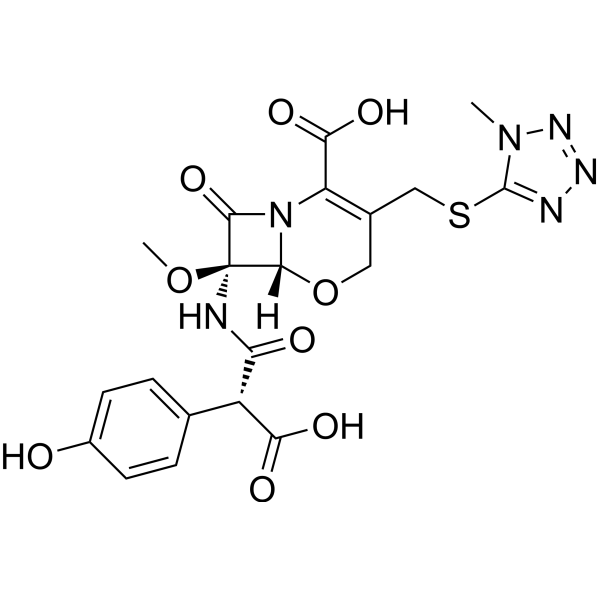
Moxalactam (Latamoxef) is a synthetic oxa-β-lactam antibiotic. Moxalactam has a broad spectrum of activity against Gram-positive and Gram-negative aerobic and anaerobic bacteria. Moxalactam inhibits production of β-lactamases .
|
-
-
- HY-B0159A
-
|
Q-35 dihydrate
|
Bacterial
Antibiotic
|
Infection
|
|
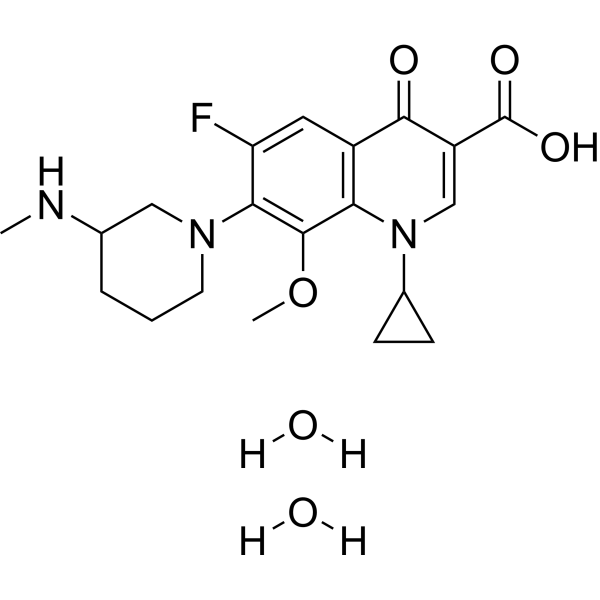
Balofloxacin dihydrate (Q-35 dihydrate) is an orally active fluoroquinolone antibiotic with broad-spectrum antibacterial activity against gram-negative, gram-positive, and anaerobic bacteria. Balofloxacin dihydrate can be used for the research of respiratory, intestinal, and urinary tract infections .
|
-
-
- HY-B0395CR
-
|
DU6859a hydrate (Standard)
|
Bacterial
Antibiotic
Reference Standards
|
Infection
|
|
Sitafloxacin (hydrate) (Standard) is the analytical standard of Sitafloxacin (hydrate). This product is intended for research and analytical applications. Sitafloxacin (DU6859a) hydrate is an orally active fluoroquinolone antibiotic (antibiotic) with in vitro activity against a wide range of Gram-positive and -negative bacteria, including anaerobic bacteria, as well as atypical pathogens. Sitafloxacin is used in the study of respiratory tract infections and urinary tract infections .
|
-

-
- HY-B1824R
-
|
HR-810 sulfate (Standard)
|
Reference Standards
Antibiotic
Bacterial
|
Infection
|
|
Cefpirome (HR-810) sulfate (Standard) is the analytical standard of Cefpirome sulfate. This product is intended for research and analytical applications. Cefpirome sulfate is a cephalosporin antibiotic that can cross cell membranes and the blood-brain barrier. Cefpirome sulfate binds to penicillin-binding proteins with high affinity, thereby inhibiting bacterial cell wall synthesis. Cefpirome sulfate exhibits bactericidal and growth-inhibitory activities against Gram-negative bacteria, Gram-positive bacteria, and susceptible anaerobic bacteria (including some β-lactamase-producing strains).
|
-

-
- HY-B0724B
-
|
T3761
|
Bacterial
DNA/RNA Synthesis
|
Infection
|
|
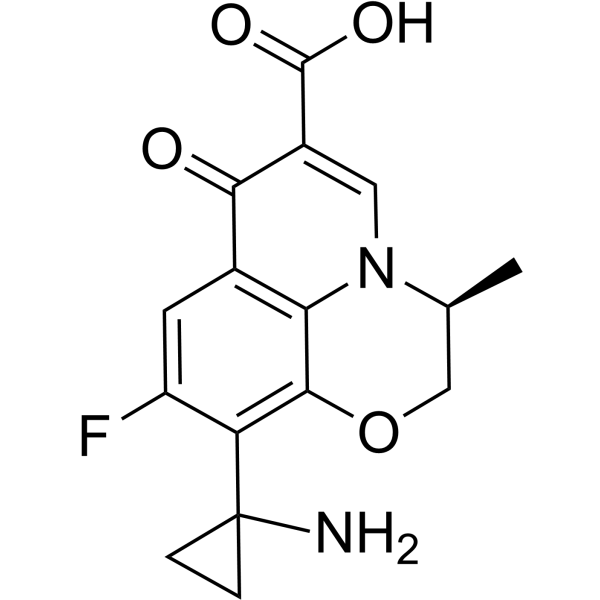
Pazufloxacin is an orally active fluoroquinolone antimicrobial agent. Pazufloxacin inhibits DNA gyrase with IC50 values of 0.88 μg/mL (E. coli) and 1.9 μg/mL (P. aeruginosa). Pazufloxacin exhibits broad-spectrum antimicrobial activity, with MIC90 values ranging from 0.025 to 100 μg/mL against Gram-positive and Gram-negative bacteria, non-fermenting bacteria, Legionella spp., and anaerobic bacteria. Pazufloxacin is indicated for research on systemic infections, lung infections, urinary tract infections, and Legionella pneumonia .
|
-
-
- HY-B0177S
-
|
|
Isotope-Labeled Compounds
Bacterial
|
Infection
|
|
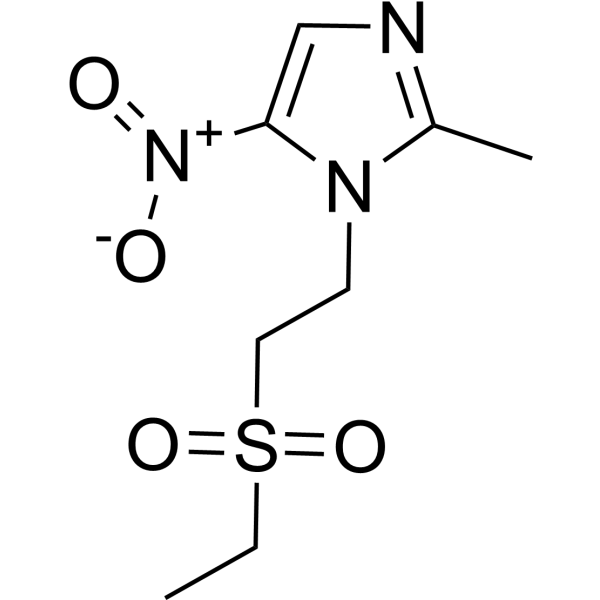
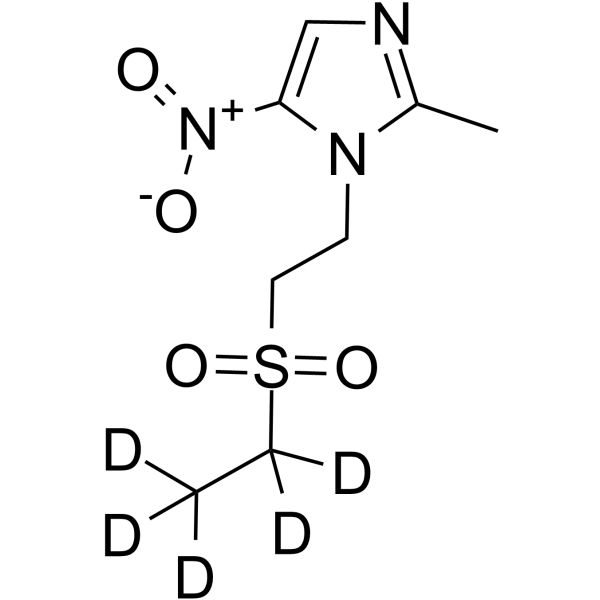
Tinidazole-d5 is the deuterium labeled Tinidazole. Tinidazole, an orally available antibacterial agent, is a 5-nitroimidazole with selective activity against anaerobic bacteria and protozoa .
|
-
-
- HY-122289
-
|
|
Dihydrofolate reductase (DHFR)
Bacterial
|
Infection
|
|
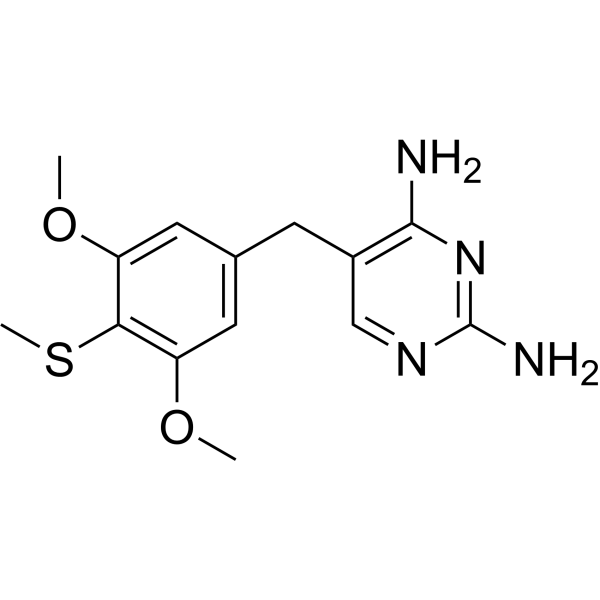
Metioprim is a competitive inhibitor of bacterial Dihydrofolate reductase (DHFR). Metioprim has inhibitory activity against anaerobic bacteria. Metioprim shows synergistic activity in combination with DDS (HY-B0688) against E. coli. and various mycobacteria .
|
-
-
- HY-12687S
-
|
|
Isotope-Labeled Compounds
Bacterial
HIV
Autophagy
|
Infection
|
|
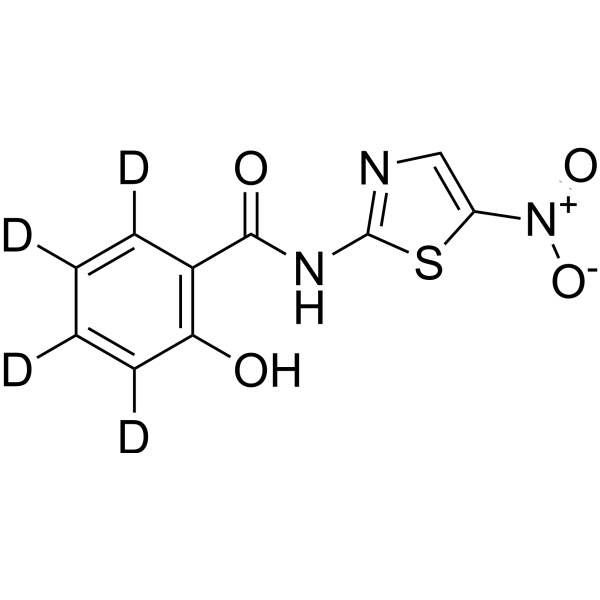
Tizoxanide-d4 is the deuterium labeled Tizoxanide. Tizoxanide is the active metabolite of Nitazoxanide, which is a thiazolide anti-infective compound against anaerobic bacteria, protozoa, and a range of viruses. Tizoxanide has anti-HIV-1 activities .
|
-
-
- HY-138094
-
|
|
Drug Metabolite
|
Infection
|
|
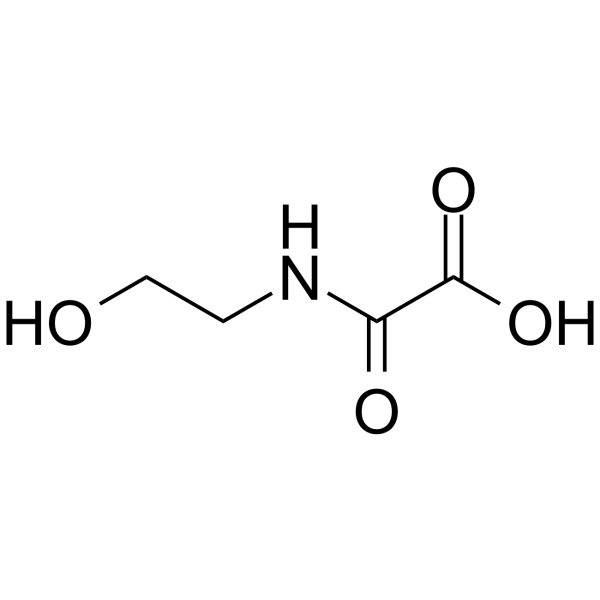
N-(2-hydroxyethyl)-oxamic acid is formed when Metronidazole is reduced either chemically or by the action of the intestinal bacteria. Metronidazole, a nitroimidazole antibiotic, has activity against various protozoans and most Gram-negative and Gram-positive anaerobic bacteria .
|
-
-
- HY-15781A
-
|
|
Bacterial
|
Infection
|
|
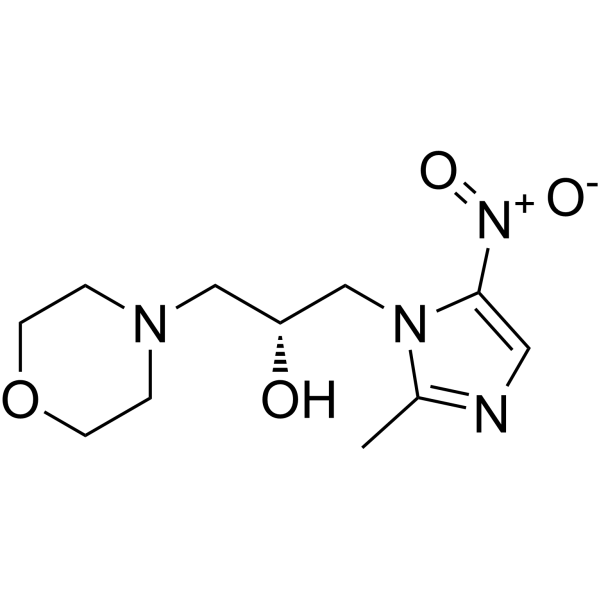
(R)-Morinidazole is an orally active and 5-nitroimidazole antimicrobial agent that undergoes extensive metabolism in humans via N +-glucuronidation and sulfation. (R)-Morinidazole can be used for bacterial infections research including appendicitis and pelvic inflammatory disease (PID) caused by anaerobic bacteria .
|
-
-
- HY-B0395A
-
|
DU6859a hydrochloride
|
Antibiotic
Bacterial
|
Infection
|
|
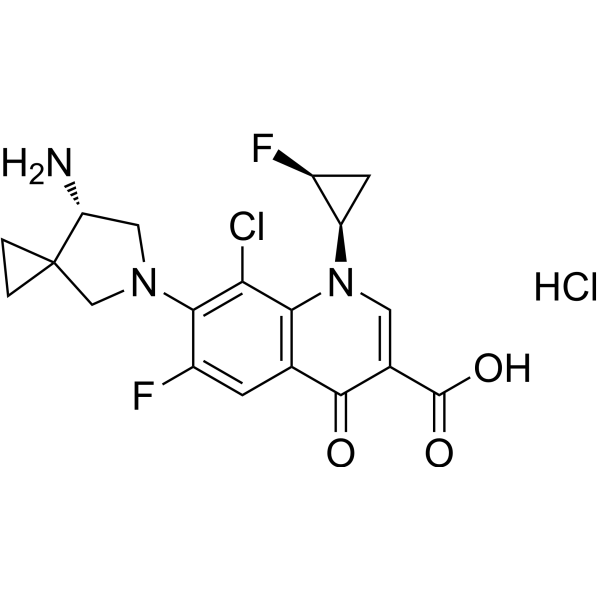
Sitafloxacin (DU6859a) hydrochloride is a potent, orally active fluoroquinolone antibiotic. Sitafloxacin hydrochloride shows antichlamydial activity and antibacterial activities against a broad range of gram-positive and gram-negative bacteria, including anaerobic bacteria, as well as against atypical pathogens. Sitafloxacin hydrochloride can be used for the research of respiratory tract infection and urinary tract infection .
|
-
-
- HY-105213
-
|
MC-352
|
Antibiotic
Bacterial
|
Infection
|
|
YM-17K (MC-352) is a macrolide antibiotic. YM-17K exhibits antimicrobial activity against Gram-positive bacteria, Gram-negative bacteria, and anaerobic bacteria. YM-17K exhibits stable activity in serum and is less affected by pH values .
|
-

-
- HY-113829
-
|
|
Antibiotic
Bacterial
|
Infection
Inflammation/Immunology
|
|
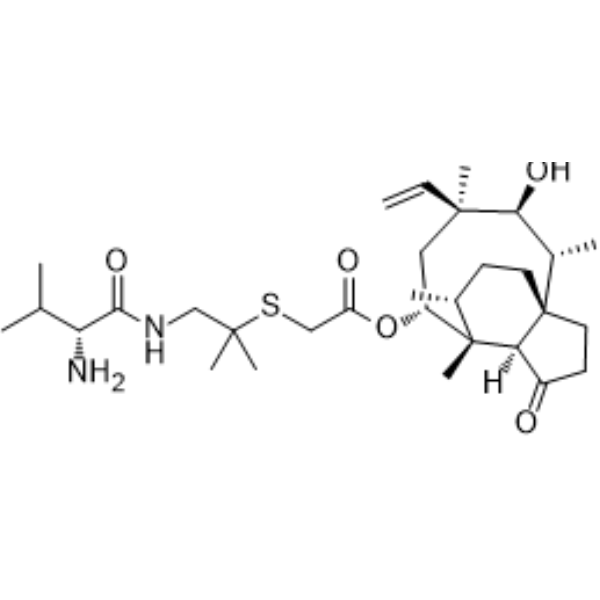
Valnemulin is an orally active broad-spectrum antibiotic against Gram-negative and Gram-positive bacteria, anaerobic bacteria, Mycoplasma, and Spirochetes. Valnemulin ameliorates enteric diseases, acute polyarthritis and enzootic pneumonia in pigs . Valnemulin exhibits anti-inflammatory efficacy against lipopolysaccharide (HY-D1056)-induced lung injury .
|
-
-
- HY-B0508S1
-
|
Ro 7-0207-13C2,15N2
|
Isotope-Labeled Compounds
Bacterial
Parasite
Antibiotic
Hedgehog
|
Infection
|
|
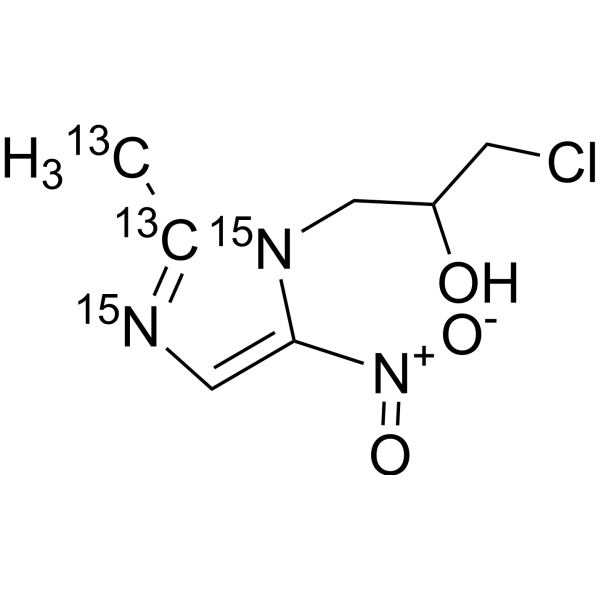
Ornidazole- 13C2, 15N2 is the 13C, 15N labeled Ornidazole. Ornidazole (Ro 7-0207) is a nitroimidazole derivative with anti-trichomonad activity and in vitro activity against a variety of anaerobic bacteria. Ornidazole inhibits Sonic hedgehog (Shh) signaling pathway, exhibits antitumor activity. Ornidazole can be used in research of Crohn’s disease .
|
-
-
- HY-19428A
-
|
RBx-7644
|
Antibiotic
Bacterial
|
Infection
Cardiovascular Disease
|
|
Ranbezolid (RBx7644 free base) is an orally active, oxazolidinone antibiotic against Gram-positive and Gram-negative anaerobes including Staphylococcus aureus, Staphylococcus epidermidis and Bacteroides fragilis. Ranbezolid can inhibit the 50s ribosomal subunit with an IC50 of 17 μM for bacterial ribosomes. Ranbezolid interferes cell wall and lipid synthesis. Ranbezolid can rapidly kill bacteria, significantly reduce bacterial load, and has better cardiovascular safety. Ranbezolid can be used for the study of antibiotics for anaerobic bacteria .
|
-

-
- HY-19428
-
|
RBx7644 free base
|
Antibiotic
Bacterial
|
Infection
Cardiovascular Disease
|
|
Ranbezolid (RBx7644 free base) is an orally active, oxazolidinone antibiotic against Gram-positive and Gram-negative anaerobes including Staphylococcus aureus, Staphylococcus epidermidis and Bacteroides fragilis. Ranbezolid can inhibit the 50s ribosomal subunit with an IC50 of 17 μM for bacterial ribosomes. Ranbezolid interferes cell wall and lipid synthesis. Ranbezolid can rapidly kill bacteria, significantly reduce bacterial load, and has better cardiovascular safety. Ranbezolid can be used for the study of antibiotics for anaerobic bacteria .
|
-

-
- HY-12687R
-
|
TIZ (Standard)
|
Reference Standards
Bacterial
HIV
Autophagy
Parasite
IKK
Influenza Virus
|
Infection
Cancer
|
|
Tizoxanide (Standard) is the analytical standard of Tizoxanide. This product is intended for research and analytical applications. Tizoxanide (TIZ) is the active metabolite of Nitazoxanide, which is a thiazolide anti-infective compound against anaerobic bacteria, protozoa, and a range of viruses. Tizoxanide (TIZ) has anti-HIV-1 activities and potent inhibition of both HBV and HCV replication with values EC50 of 0.46μM and 0.15 μM, respectively. Tizoxanide also exerts anti-inflammatory effects by inhibiting the production of pro-inflammatory cytokines and suppressing of the activation of the NF-κB and the MAPK signaling pathways in LPS-treated macrophage cells .
|
-
-
- HY-B0724BS
-
|
T3761-d4
|
Isotope-Labeled Compounds
Bacterial
DNA/RNA Synthesis
|
Infection
|
|
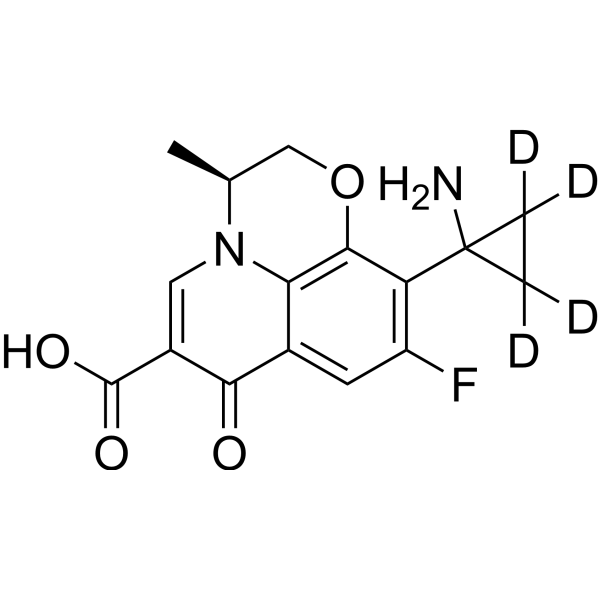
Pazufloxacin-d4 is deuterium labeled Pazufloxacin (HY-B0724B). Pazufloxacin is an orally active fluoroquinolone antimicrobial agent. Pazufloxacin inhibits DNA gyrase with IC50 values of 0.88 μg/mL (E. coli) and 1.9 μg/mL (P. aeruginosa). Pazufloxacin exhibits broad-spectrum antimicrobial activity, with MIC90 values ranging from 0.025 to 100 μg/mL against Gram-positive and Gram-negative bacteria, non-fermenting bacteria, Legionella spp., and anaerobic bacteria. Pazufloxacin is indicated for research on systemic infections, lung infections, urinary tract infections, and Legionella pneumonia .
|
-
-
- HY-121195
-
|
PC-904
|
Bacterial
|
Infection
|
|
Apalcillin (PC-904) in combination with Ro 48-1220, a penam sulfone β-lactamase inhibitor, demonstrated broad-spectrum activity against gram-negative aerobic and anaerobic bacteria, excluding Klebsiella oxytoca. It exhibited potent activity against β-lactamase-producing Moraxella catarrhalis, Haemophilus influenzae, and Neisseria gonorrhoeae, with effective MICs (11 μg/mL). The combination also inhibited Pseudomonas aeruginosa, Stenotrophomonas maltophilia, and Acinetobacter species at low MICs (0.25 to 4 μg/mL). However, its efficacy against oxacillin-resistant staphylococci and certain gram-positive organisms was limited. Apalcillin/Ro 48-1220 showed comparable efficacy to piperacillin/tazobactam against some extended-spectrum β-lactamase-producing Escherichia coli but was less effective against SHV-type β-lactamases .
|
-

-
- HY-N14718
-
|
|
Antibiotic
Bacterial
|
Infection
|
|
Porothramycin A is an antibiotic. Porothramycin A has activity against Gram-positive bacteria and anaerobic bacteria .
|
-

-
- HY-100306
-
|
|
Bacterial
|
Infection
|
|
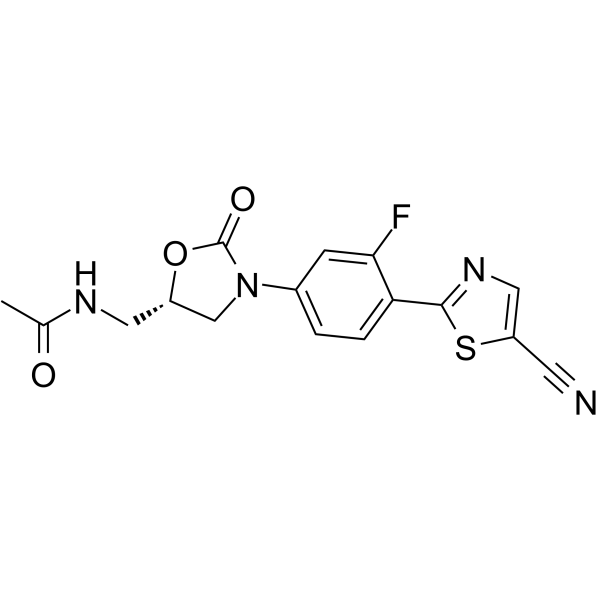
PNU-176798 is an antimicrobial agent, targeting protein synthesis in a wide spectrum of gram-positive and anaerobic bacteria.
|
-
-
- HY-130339
-
-
-
- HY-130338
-
-
-
- HY-130069
-
-
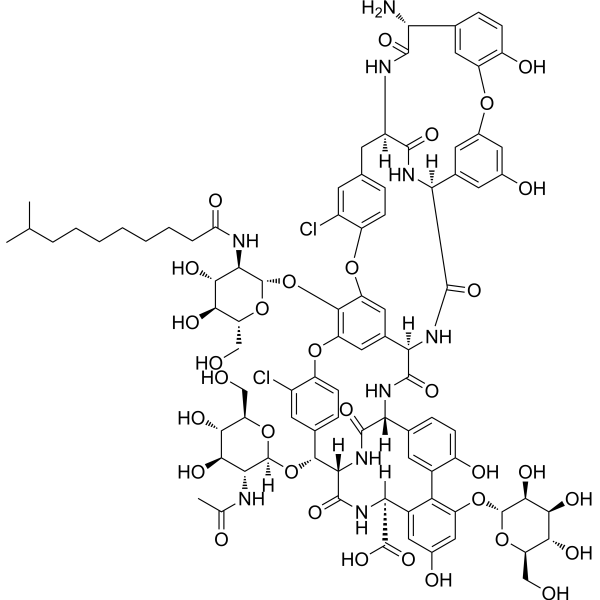
- HY-N14719
-
|
|
Antibiotic
Bacterial
|
Infection
|
|
Porothramycin B is an antibiotic. Porothramycin B has activity against Gram-positive bacteria and anaerobic bacteria .
|
-

- HY-N14745
-
|
|
Antibiotic
Parasite
|
Infection
|
|
Elaiomycin has activity against Gram-positive bacteria, some anaerobic bacteria, Eimeria tenella, E.acervulina .
|
-

- HY-N14674
-
|
|
Antibiotic
Bacterial
|
Infection
|
|
Permetin A is a peptide antibiotic. Permetin A has anti-Gram-negative bacteria, Gram-positive bacteria and anaerobic bacteria activity .
|
-

- HY-126129
-
|
|
Bacterial
|
Infection
|
|
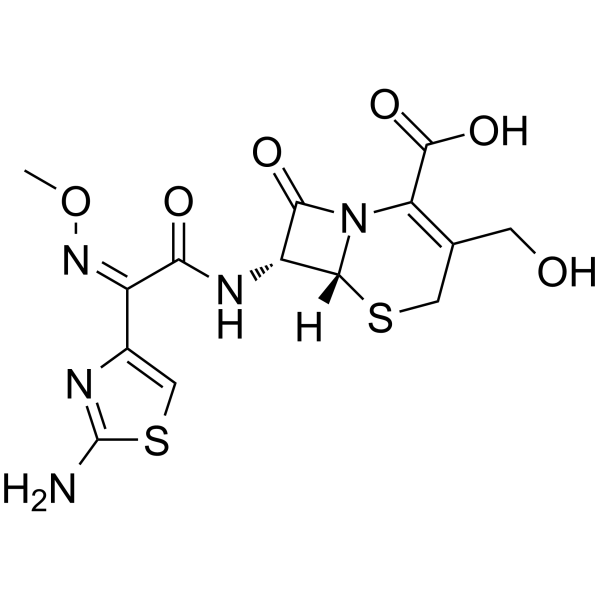
Desacetylcefotaxime, the in vivo metabolite of Cefotaxime (CTX), possesses significant in vitro antimicrobial activity similar to the parent compound against a variety of aerobic and anaerobic bacteria .
|
-
- HY-B0177R
-
|
|
Reference Standards
Bacterial
Antibiotic
Parasite
|
Infection
Cancer
|
|
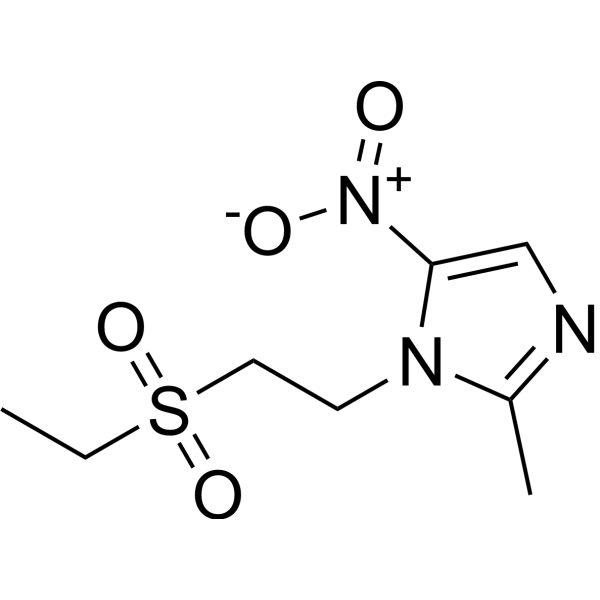
Tinidazole (Standard) is the analytical standard of Tinidazole. This product is intended for research and analytical applications. Tinidazole, an orally available antibacterial agent, is a 5-nitroimidazole with selective activity against anaerobic bacteria and protozoa .
|
-
- HY-126129R
-
|
|
Drug Metabolite
Reference Standards
Bacterial
|
Infection
|
|
Desacetylcefotaxime (Standard) is the analytical standard of Desacetylcefotaxime. This product is intended for research and analytical applications. Desacetylcefotaxime, the in vivo metabolite of Cefotaxime (CTX), possesses significant in vitro antimicrobial activity similar to the parent compound against a variety of aerobic and anaerobic bacteria .
|
-

- HY-113698
-
|
|
Bacterial
|
Infection
|
|
L 652813 is a quaternary ammonium heterocyclic amino β-lactam compound. L 652813 exhibits inhibitory activity against a broad spectrum of aerobic and anaerobic bacteria in vitro. L 652813 also exhibits good antibacterial activity in a mouse experimental bacteremia model .
|
-

- HY-113945
-
|
|
Antibiotic
Bacterial
|
Infection
|
|
Abbeymycin is an antibiotic derived from the actinobacterium Streptomyces sp. AB-999F-52. Abbeymycin is a specifically acting antibiotic with antimicrobial activity, primarily targeting anaerobic bacteria. Abbeymycin is employed in research concerning antibiotic discovery and screening .
|
-

- HY-115249R
-
|
|
Parasite
Antibiotic
Bacterial
Reference Standards
|
Infection
|
|
Metronidazole acetic acid (Standard) is the analytical standard of Metronidazole acetic acid. This product is intended for research and analytical applications. Metronidazole acetic acid is a metabolite of Metronidazole with mutagenic activity in bacteria. Metronidazole is a nitroimidazole antibiotic, amebicide, and antiprotozoal agent used particularly for anaerobic bacteria and protozoa .
|
-

- HY-B0395B
-
|
DU6859a monohydrate
|
Bacterial
Antibiotic
|
Infection
|
|
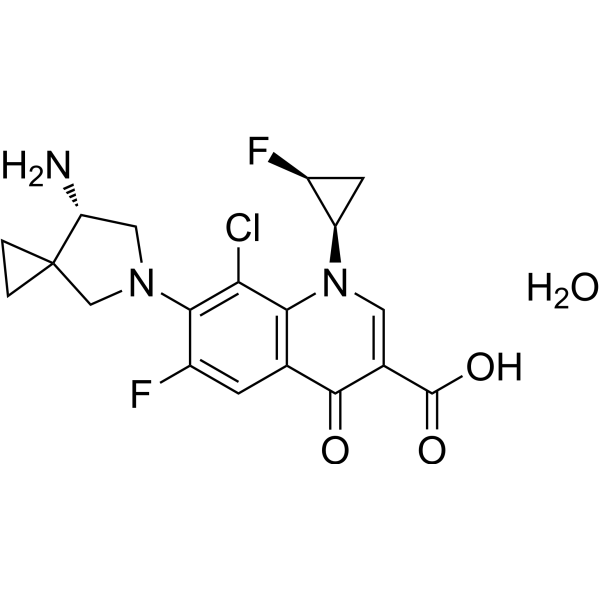
Sitafloxacin (DU6859a) monohydrate is a potent, orally active fluoroquinolone antibiotic. Sitafloxacin monohydrate shows antichlamydial activity and antibacterial activities against a broad range of gram-positive and gram-negative bacteria, including anaerobic bacteria, as well as against atypical pathogens. Sitafloxacin monohydrate can be used for the research of respiratory tract infection and urinary tract infection .
|
-
- HY-116974
-
|
ent-Thiophenicol; ent-Dextrosulphenidol
|
Antibiotic
|
Others
|
|
ent-Thiamphenicol (ent-Dextrosulphenidol) is a enantiomer of Thiamphenicol (HY-B0479). Thiamphenicol, a methyl-sulfonyl derivative of Chloramphenicol, is a broad-spectrum antimicrobial antibiotic. Thiamphenicol acts by binding to the 50S ribosomal subunit, leading to inhibition of protein synthesis and bacteriostatic effect (against Gram-negative, Gram-positive aerobic and anaerobic bacteria) .
|
-

- HY-B0159R
-
|
Q-35 (Standard)
|
Reference Standards
Bacterial
Antibiotic
|
Infection
|
|
Balofloxacin (Standard) is the analytical standard of Balofloxacin. This product is intended for research and analytical applications. Balofloxacin (Q-35) is an orally active fluoroquinolone antibiotic with broad-spectrum antibacterial activity against gram-negative, gram-positive, and anaerobic bacteria. Balofloxacin can be used for the research of respiratory, intestinal, and urinary tract infections .
|
-

- HY-B0508S
-
|
Ro 7-0207-d5
|
Isotope-Labeled Compounds
Bacterial
Parasite
Antibiotic
Hedgehog
|
Infection
Cancer
|
|
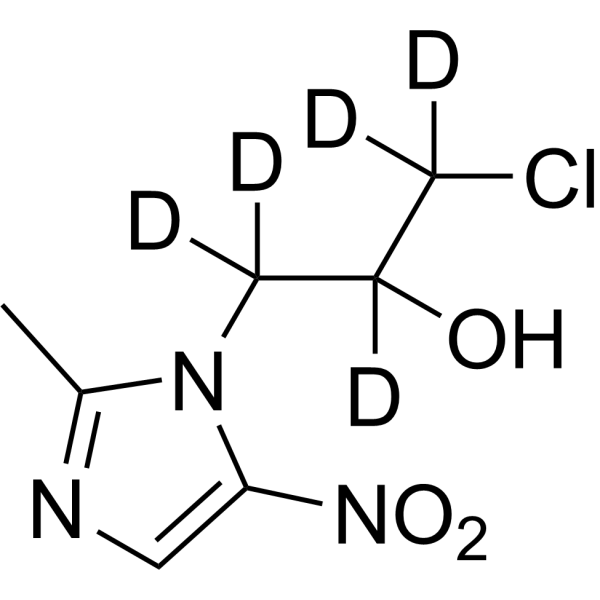
Ornidazole-d5 is deuterium labeled Ornidazole. Ornidazole (Ro 7-0207) is a nitroimidazole derivative with anti-trichomonad activity and in vitro activity against a variety of anaerobic bacteria. Ornidazole inhibits Sonic hedgehog (Shh) signaling pathway, exhibits antitumor activity. Ornidazole can be used in research of Crohn’s disease .
|
-
- HY-15781R
-
|
|
Bacterial
Reference Standards
|
Infection
|
|
Morinidazole (Standard) is the analytical standard of Morinidazole. This product is intended for research and analytical applications. Morinidazole is an orally active and 5-nitroimidazole antimicrobial agent that undergoes extensive metabolism in humans via N+-glucuronidation and sulfation. Morinidazole can be used for bacterial infections research including appendicitis and pelvic inflammatory disease (PID) caused by anaerobic bacteria .
|
-

- HY-B0508R
-
|
Ro 7-0207 (Standard)
|
Reference Standards
Bacterial
Parasite
Antibiotic
Hedgehog
|
Infection
Cancer
|
|
Ornidazole (Standard) is the analytical standard of Ornidazole. This product is intended for research and analytical applications. Ornidazole (Ro 7-0207) is a nitroimidazole derivative with anti-trichomonad activity and in vitro activity against a variety of anaerobic bacteria. Ornidazole inhibits Sonic hedgehog (Shh) signaling pathway, exhibits antitumor activity. Ornidazole can be used in research of Crohn’s disease .
|
-

- HY-118906
-
|
|
Antibiotic
Bacterial
|
Infection
|
|
BO-1165 is an antibiotic with good antibacterial activity against Gram-negative bacteria, but almost no activity against Gram-positive bacteria and anaerobic bacteria. BO-1165 has high antibacterial activity against Pseudomonas aeruginosa (MIC50=3.12 mg/L) and P. cepacia (MIC50=1.56 mg/L) .
|
-

- HY-23848
-
|
non-8-ynoic acid
|
Bacterial
|
Infection
|
|
8-Nonynoic acid (non-8-ynoic acid) is a fatty acid that belongs to the group of octynoic acids. It exhibits antibacterial activity against gram-positive bacteria by binding to bacterial fatty acids. 8-Nonynoicacid also inhibits growth of gram-negative bacteria by inhibiting the synthesis of fatty acids. It is also capable of inhibiting growth of both aerobic and anaerobic bacteria in biochemical assays.
|
-

- HY-B1257R
-
|
Sodium cefmetazole (Standard)
|
Reference Standards
Bacterial
Antibiotic
|
Infection
Cancer
|
|
Cefmetazole (sodium) (Standard) is the analytical standard of Cefmetazole (sodium). This product is intended for research and analytical applications. Cefmetazole sodium (Sodium cefmetazole) is a semisynthetic cephamycin antibiotic with broad-spectrum antibacterial activity, covering gram-positive, gram-negative, and anaerobic bacteria. Cefmetazole sodium binds to penicillin binding proteins (PBPs), resulting in interfering bacterial cell wall biosynthesis. Cefmetazole sodium is used for the research of gynecologic, intraabdominal, urinary tract, respiratory tract and skin and soft tissue infections .
|
-

- HY-B0395S
-
|
DU6859a-d4
|
Isotope-Labeled Compounds
Bacterial
Antibiotic
|
Infection
|
|
Sitafloxacin-d4 (DU6859a-d4) is deuterium labeled Sitafloxacin. Sitafloxacin (DU6859a) is a potent, orally active fluoroquinolone antibiotic. Sitafloxacin shows antichlamydial activity and antibacterial activities against a broad range of gram-positive and gram-negative bacteria, including anaerobic bacteria, as well as against atypical pathogens. Sitafloxacin can be used for the research of respiratory tract infection and urinary tract infection .
|
-

- HY-B0479S1
-
|
Thiophenicol-d3-1; Dextrosulphenidol-d3-1
|
Isotope-Labeled Compounds
|
Infection
|
|
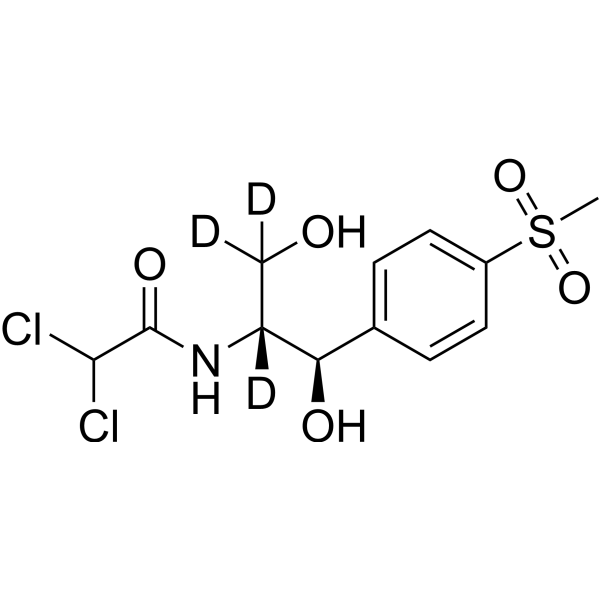
Thiamphenicol-d3-1 (Thiophenicol-d3-1; Dextrosulphenidol-d3-1) is the deuterium-labeled Thiamphenicol (HY-B0479) . Thiamphenicol (Thiophenicol),a methyl-sulfonyl derivative of Chloramphenicol,is a broad-spectrum antimicrobial antibiotic. Thiamphenicol acts by binding to the 50S ribosomal subunit,leading to inhibition of protein synthesis and bacteriostatic effect (against Gram-negative,Gram-positive aerobic and anaerobic bacteria) .
|
-
- HY-135190R
-
|
α-cedrene (Standard)
|
Bacterial
Reference Standards
|
Infection
Metabolic Disease
Cancer
|
|
(-)-Cedrene (α-cedrene) (Standard) is the analytical standard of (-)-Cedrene. This product is intended for research and analytical applications. (-)-Cedrene is a major constituent that can be found in essential oils. (-)-Cedrene (α-cedrene) is a natural, orally active ligand of mouse olfactory receptor 23, which induces skeletal muscle hypertrophy in mice. (-)-Cedrene exhibits trypanocidal (Trypanosoma b. brucei) (IC50 = 4.07 μg/mL). (-)-Cedrene is antileukemic in vitro (IC50 = 22.2 μg/mL). (-)-Cedrene has antimicrobial activity against anaerobic bacteria and yeast. (-)-Cedrene exhibits anti-obesity activity .
|
-

- HY-111127
-
|
|
Antibiotic
Bacterial
|
Infection
|
|
LY164846 is an orally active cephalosporin. LY164846 is highly sensitive to Haemophilus influenzae (including Ampicillin (HY-B0522)-resistant strains) and Moraxella catarrhalis (with MIC90 ≤ 4 μg/mL). LY164846 is generally sensitive to Methicillin (HY-121544)-resistant Staphylococcus aureus and Streptococcus (except Enterococcus) (with MIC90: 0.25 - 8 μg/mL), and moderately sensitive to anaerobic bacteria. LY164846 has MBC/MIC ratio to Haemophilus influenzae of ≤ 2, showing bactericidal activity. LY164846 can be used for research on respiratory and skin infections .
|
-

- HY-B0724AR
-
|
T-3762 (Standard); Pazufloxacin methanesulfonate (Standard); Pazufloxacin mesilate (Standard)
|
Reference Standards
Bacterial
DNA/RNA Synthesis
|
Infection
|
|
Pazufloxacin (mesylate) (Standard) is the analytical standard of Pazufloxacin mesylate (HY-B0724A). This product is intended for research and analytical applications. Pazufloxacin mesylate is an orally active fluoroquinolone antimicrobial agent. Pazufloxacin mesylate inhibits DNA gyrase with IC50 values of 0.88 μg/mL (E. coli) and 1.9 μg/mL (P. aeruginosa). Pazufloxacin mesylate exhibits broad-spectrum antimicrobial activity, with MIC90 values ranging from 0.025 to 100 μg/mL against Gram-positive and Gram-negative bacteria, non-fermenting bacteria, Legionella spp., and anaerobic bacteria. Pazufloxacin mesylate is indicated for research on systemic infections, lung infections, urinary tract infections, and Legionella pneumonia .
|
-

- HY-B1127R
-
|
N-Benzoyl-β-alanine (Standard)
|
Reference Standards
Bacterial
Antibiotic
|
Infection
Endocrinology
|
|
Betamipron (Standard) is the analytical standard of Betamipron (HY-B1127). This product is intended for research and analytical applications. Betamipron (N-benzoyl-β-alanine) is a carbapenem β-lactam antibiotic with antibacterial activity against most Gram-positive and Gram-negative aerobic and anaerobic bacteria. Betamipron can target and inhibit renal organic anion transporters, alleviate renal injury caused by Cisplatin (HY-17394), without interfering with the biological activity of cisplatin. Betamipron is often used in combination with panipenem, which can attenuate the renal effects induced by panipenem and slightly promote the proliferation of Clostridium difficile in the cecum. Betamipron can be used in studies related to renal injury and bacterial infection .
|
-

- HY-N14234
-
-

- HY-183664
-
|
|
Bacterial
|
Infection
|
|
Ecenofloxacin hydrochloride is a fluoroquinolone (naphthyridine) antibacterial agent with broad-spectrum activity against Gram-negative, Gram-positive, and anaerobic bacteria .
|
-

- HY-P2837A
-
|
|
Endogenous Metabolite
|
Metabolic Disease
|
|
Oxaloacetate Decarboxylase, Pseudomonas sp. (EC 4.1.1.3) is a Na pump in anaerobic bacteria. Oxaloacetate Decarboxylase is a membrane protein consisting of three subunits, α, β and γ with the α subunit containing the carboxylase activity.
|
-

- HY-131476
-
|
|
Bacterial
|
Infection
|
|
NAI-802 is a new lantibiotic. NAI-802 can be produced by Actinoplanes sp. NAI-802 shows a significant activity against Gram-positive anaerobic bacteria, such as Clostridium difficile, C. butyricum, C. perfringens and Peptostreptococcus asaccharolyticus with MIC ranges of 0.25-2 μg/mL .
|
-

- HY-116228A
-
|
Caderofloxacin (hydrochloride); CS-940 (hydrochloride)
|
Bacterial
|
Infection
|
|
Cadrofloxacin (Caderofloxacin; CS-940) hydrochloride is an orally active antibacterial agent with significant bactericidal activity against quinolone-resistant Staphylococcus aureus, Gram-positive bacteria, Gram-negative bacteria and anaerobic bacteria. Cadrofloxacin hydrochloride effectively improves systemic infection and experimental Klebsiella pneumoniae pneumonia in mice. Cadrofloxacin hydrochloride can be widely used in research related to systemic bacterial infections and bacterial pneumonia .
|
-

- HY-W780694
-
|
|
Bacterial
Antibiotic
DNA/RNA Synthesis
Topoisomerase
|
Infection
|
|
PD 124816 is an orally active fluoroquinolone antibiotic. PD 124816 exerts broad-spectrum antibacterial effects by inhibiting DNA gyrase (topoisomerase IV), and it has no cross-resistance with commonly used antibiotics. PD 124816 is effective against both Gram-positive and Gram-negative bacteria (MIC₉₀ ≤ 0.06 μg/mL), and the MIC₉₀ for anaerobic bacteria (Peptostreptococcus fragi) is 1 μg/mL. PD 124816 exhibits complete bactericidal activity in a mouse model of Mycobacterium leprae infection. PD 124816 can be used for studying mixed infections and infections caused by drug-resistant bacteria .
|
-

- HY-185351
-
|
Ampicillin/Sulbactam combination
|
Bacterial
Antibiotic
|
Infection
|
|
Ampicillin sodium and Sulbactam sodium are formed by mixing HY-B0522A Ampicillin sodium with HY-B0334A Sulbactam sodium (each 1.5 g of this product contains 1 g amoxicillin sodium and 0.5 g sulbactam sodium). Ampicillin is a β-lactam antimicrobial, whereas sulbactam is a β-lactamase inhibitor. Ampicillin has a broad spectrum of bactericidal activity against many gram-positive and gram-negative aerobic and anaerobic bacteria. However, ampicillin is degraded by beta-lactamases. The combination of ampicillin and sulbactam demonstrates synergy in addressing bacterial strains resistant to ampicillin, thus providing broader coverage. Bacteria susceptible to ampicillin/sulbactam include Haemophilus influenzae, Escherichia coli, Acinetobacter, Klebsiella, Staphylococcus aureus, Enterobacter, and anaerobes.
|
-

| Cat. No. |
Product Name |
Type |
| Cat. No. |
Product Name |
Category |
Target |
Chemical Structure |
| Cat. No. |
Product Name |
Chemical Structure |
-
- HY-B1923S
-
|
|
|
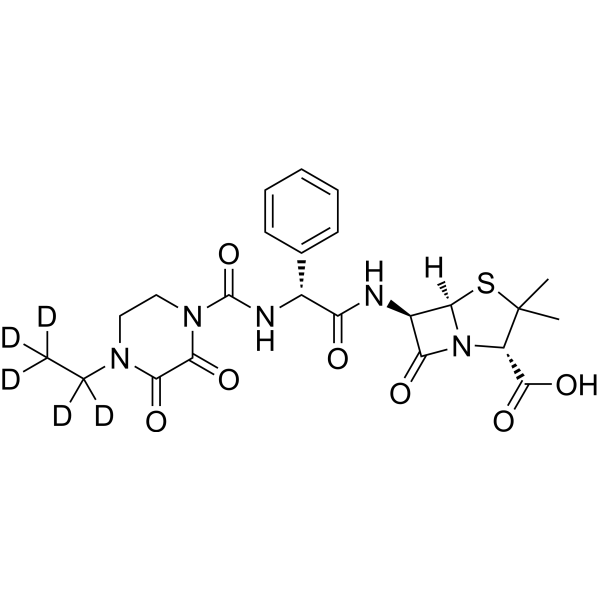
Piperacillin-d5 is deuterium labeled Piperacillin. Piperacillin is kind of semisynthetic penicillins. Piperacillin has a broad spectrum of activity against Gram-positive and Gram-negative aerobic and anaerobic bacteria. Piperacillin has shown greater activity against β-lactamase-producing organisms than the other penicillins .
|
-
-
- HY-B0318S
-
1 Publications Verification
|
|
Metronidazole- 13C2, 15N2 is the 13C-labeled and 15N-labeled Metronidazole. Metronidazole is a nitroimidazole antibiotic medication used particularly for anaerobic bacteria and protozoa.
|
-
-
- HY-B0479S
-
|
|
|
Thiamphenicol-d3 is a deuterium labeled Thiamphenicol. Thiamphenicol, a methyl-sulfonyl derivative of Chloramphenicol, is a broad-spectrum antimicrobial antibiotic. Thiamphenicol acts by binding to the 50S ribosomal subunit, leading to inhibition of protein synthesis and bacteriostatic effect (against Gram-negative, Gram-positive aerobic and anaerobic bacteria) .
|
-
-
- HY-B0318S1
-
|
|
|
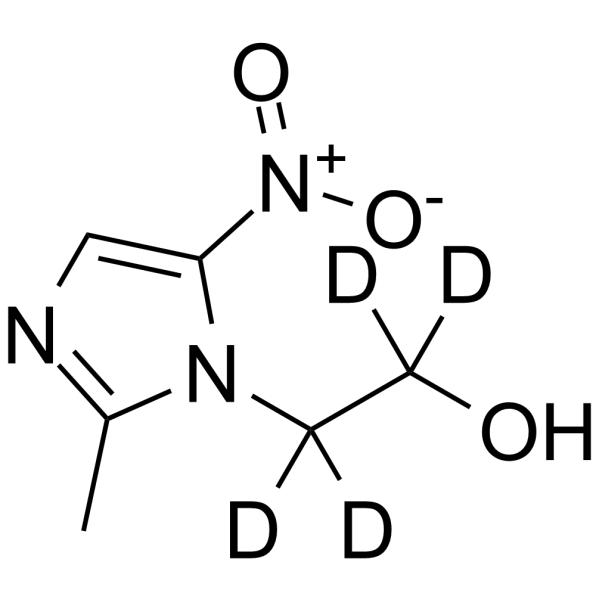
Metronidazole-d4 is the deuterium labeled Metronidazole. Metronidazole is a nitroimidazole antibiotic medication used particularly for anaerobic bacteria and protozoa.
|
-
-
- HY-B0177S
-
|
|
|
Tinidazole-d5 is the deuterium labeled Tinidazole. Tinidazole, an orally available antibacterial agent, is a 5-nitroimidazole with selective activity against anaerobic bacteria and protozoa .
|
-
-
- HY-12687S
-
|
|
|
Tizoxanide-d4 is the deuterium labeled Tizoxanide. Tizoxanide is the active metabolite of Nitazoxanide, which is a thiazolide anti-infective compound against anaerobic bacteria, protozoa, and a range of viruses. Tizoxanide has anti-HIV-1 activities .
|
-
-
- HY-B0508S1
-
|
|
|
Ornidazole- 13C2, 15N2 is the 13C, 15N labeled Ornidazole. Ornidazole (Ro 7-0207) is a nitroimidazole derivative with anti-trichomonad activity and in vitro activity against a variety of anaerobic bacteria. Ornidazole inhibits Sonic hedgehog (Shh) signaling pathway, exhibits antitumor activity. Ornidazole can be used in research of Crohn’s disease .
|
-
-
- HY-B0724BS
-
|
|
|
Pazufloxacin-d4 is deuterium labeled Pazufloxacin (HY-B0724B). Pazufloxacin is an orally active fluoroquinolone antimicrobial agent. Pazufloxacin inhibits DNA gyrase with IC50 values of 0.88 μg/mL (E. coli) and 1.9 μg/mL (P. aeruginosa). Pazufloxacin exhibits broad-spectrum antimicrobial activity, with MIC90 values ranging from 0.025 to 100 μg/mL against Gram-positive and Gram-negative bacteria, non-fermenting bacteria, Legionella spp., and anaerobic bacteria. Pazufloxacin is indicated for research on systemic infections, lung infections, urinary tract infections, and Legionella pneumonia .
|
-
-
- HY-B0508S
-
|
|
|
Ornidazole-d5 is deuterium labeled Ornidazole. Ornidazole (Ro 7-0207) is a nitroimidazole derivative with anti-trichomonad activity and in vitro activity against a variety of anaerobic bacteria. Ornidazole inhibits Sonic hedgehog (Shh) signaling pathway, exhibits antitumor activity. Ornidazole can be used in research of Crohn’s disease .
|
-
-
- HY-B0395S
-
|
|
|
Sitafloxacin-d4 (DU6859a-d4) is deuterium labeled Sitafloxacin. Sitafloxacin (DU6859a) is a potent, orally active fluoroquinolone antibiotic. Sitafloxacin shows antichlamydial activity and antibacterial activities against a broad range of gram-positive and gram-negative bacteria, including anaerobic bacteria, as well as against atypical pathogens. Sitafloxacin can be used for the research of respiratory tract infection and urinary tract infection .
|
-
-
- HY-B0479S1
-
|
|
|
Thiamphenicol-d3-1 (Thiophenicol-d3-1; Dextrosulphenidol-d3-1) is the deuterium-labeled Thiamphenicol (HY-B0479) . Thiamphenicol (Thiophenicol),a methyl-sulfonyl derivative of Chloramphenicol,is a broad-spectrum antimicrobial antibiotic. Thiamphenicol acts by binding to the 50S ribosomal subunit,leading to inhibition of protein synthesis and bacteriostatic effect (against Gram-negative,Gram-positive aerobic and anaerobic bacteria) .
|
-
Your information is safe with us. * Required Fields.
Inquiry Information
- Product Name:
- Cat. No.:
- Quantity:
- MCE Japan Authorized Agent:








