
Search Result
Results for "
anti-HIV agent
" in MedChemExpress (MCE) Product Catalog:
2
Biochemical Assay Reagents
| Cat. No. |
Product Name |
Target |
Research Areas |
Chemical Structure |
-
- HY-100870
-
|
ABX464
|
HIV
|
Infection
|
|
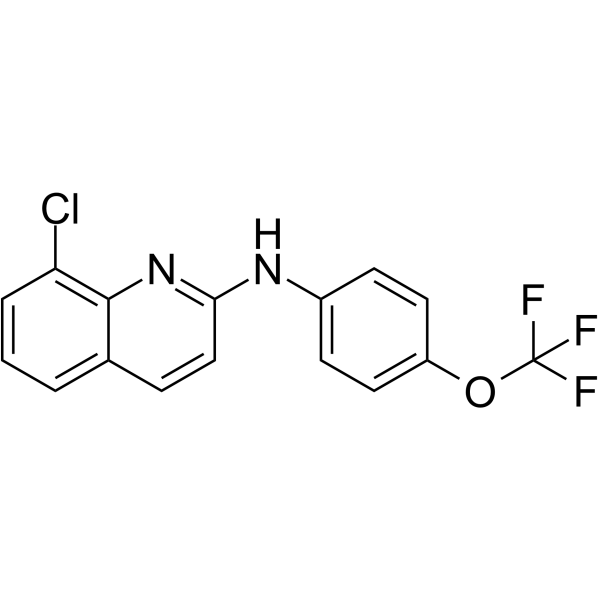
Obefazimod (ABX464) is a potent anti-HIV agent. Obefazimod inhibits HIV-1 replication in stimulated peripheral blood mononuclear cells (PBMCs) with an IC50 ranging between 0.1 μM and 0.5 μM.
|
-
-
- HY-B1285
-
|
2,3-Dimercapto-1-propanol; Dithioglycerol
|
HIV
|
Infection
|
|
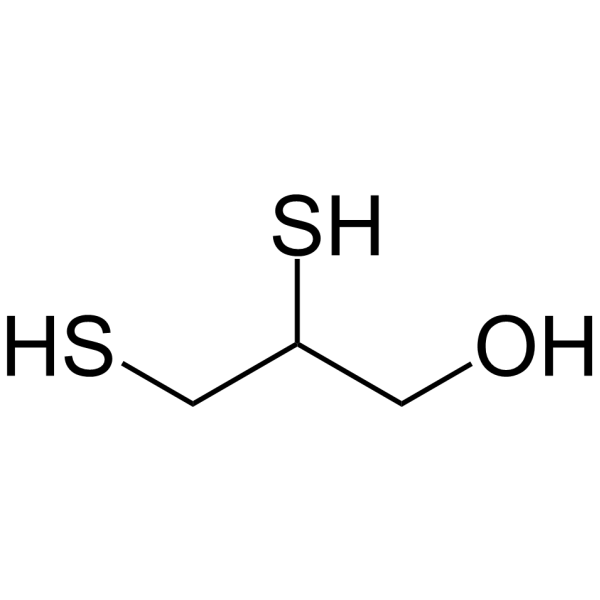
Dimercaprol (2,3-Dimercapto-1-propanol) is an anti-heavy metal-poisoning agent, which exhibits anti-HIV activity. Dimercaprol can be used for the study for arsenic, mercury, gold, lead, antimony, and other toxic metal poisoning .
|
-
-
- HY-104012
-
|
MK-8591
|
HIV
Reverse Transcriptase
|
Infection
Inflammation/Immunology
|
|
Islatravir (MK-8591) is a potent anti-HIV-1 agent, acting as a nucleoside reverse transcriptase inhibitor, with EC50s of 0.068 nM, 3.1 nM and 0.15 nM for HIV-1 (WT), HIV-1 (M184V), HIV-1 (MDR), respectively. Islatravir is a click chemistry reagent, it contains an Alkyne group and can undergo copper-catalyzed azide-alkyne cycloaddition (CuAAc) with molecules containing Azide groups.
|
-
-
- HY-A0203A
-
|
|
HIV
|
Infection
Inflammation/Immunology
Cancer
|
|
Pentosan Polysulfate Sodium is an orally bioavailable, semi-synthetic medication with anti-inflammatory and pro-chondrogenic properties. Pentosan Polysulfate Sodium also is a potent and selective anti-HIV agent. Pentosan Polysulfate Sodium is used for the treatment of interstitial cystitis .
|
-
-
- HY-N3242
-
-
-
- HY-115488A
-
|
|
HIV
|
Infection
|
|
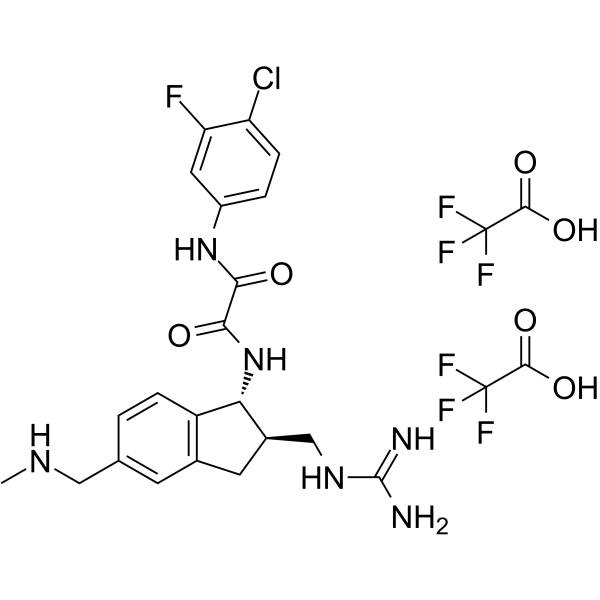
BNM-III-170, CD4-mimeticcompound, is an anti-HIV-1 agent. BNM-III-170 binds to the Phe43 cavity of HIV 1 gp120. BNM-III-170 can inhibits HIV-1 viral entry into target cells. BNM-III-170 can be used for the research of HIV-1 infection .
|
-
-
- HY-106859
-
-
-
- HY-164122
-
|
|
HIV
|
Infection
|
|
Antiviral agent 56 (Compound 4) is an antiviral agent that has anti-HIV activity .
|
-
-
- HY-N1529
-
|
(±)-Gomisin M1
|
HIV
|
Infection
|
|
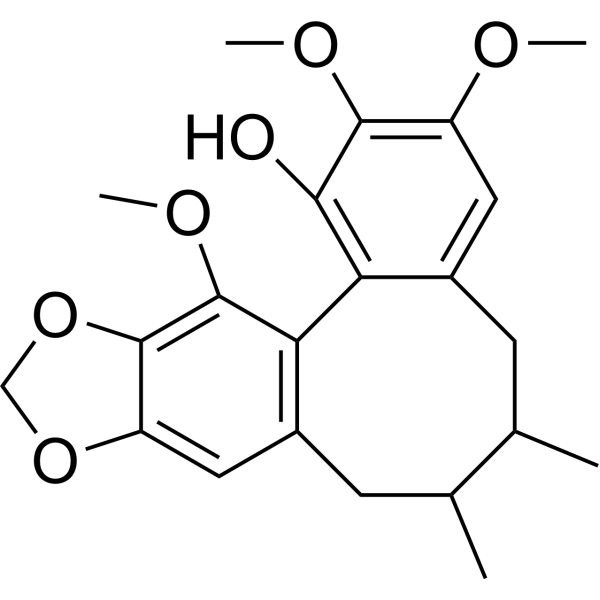
Gomisin M1 ((±)-Gomisin M1) is a potent anti-HIV agent with an EC50 of <0.65 μM .
|
-
-
- HY-N0867
-
|
|
HIV
ULK
Bcl-2 Family
|
Infection
Cancer
|
|
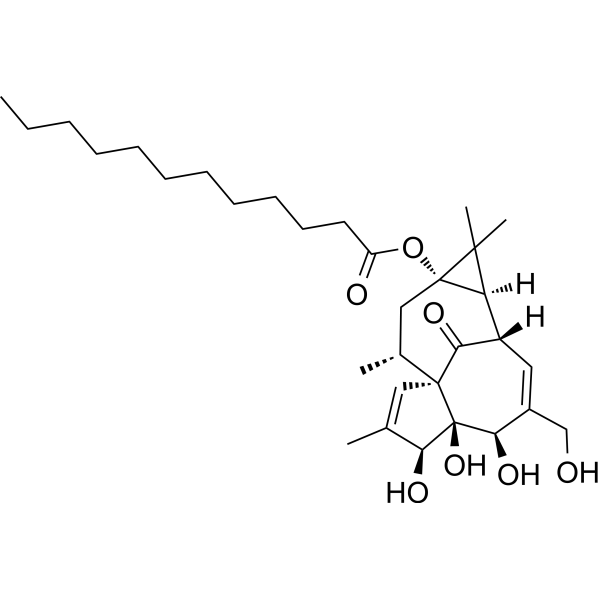
13-Oxyingenol-dodecanoate (13OD) is a tumor suppressor agent. 13-Oxyingenol-dodecanoate has anti-HIV-1 activity with EC50 value of 33.7 nM .13-Oxyingenol-dodecanoate can induce the expression of ULK1 to effect mitochondrial dysfunction and cellular autophagy. 13-Oxyingenol-dodecanoate also increases the expression of BAX and suppresses the expression of BCL-2 to effect apoptosis .
|
-
-
- HY-N4004
-
|
|
HIV
|
Infection
|
|
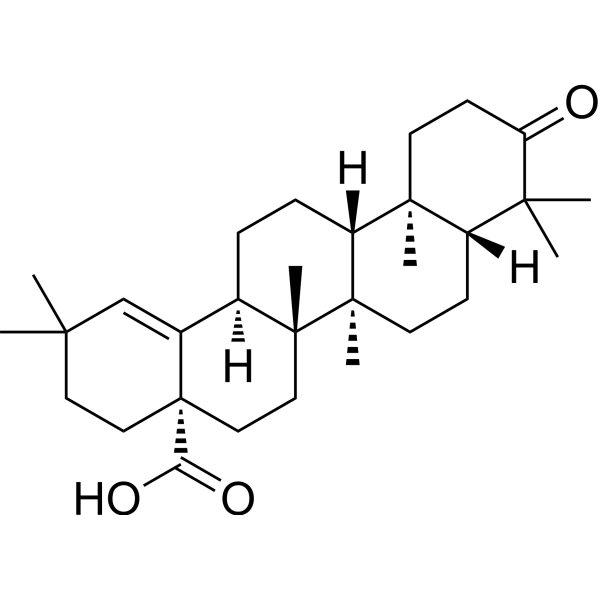
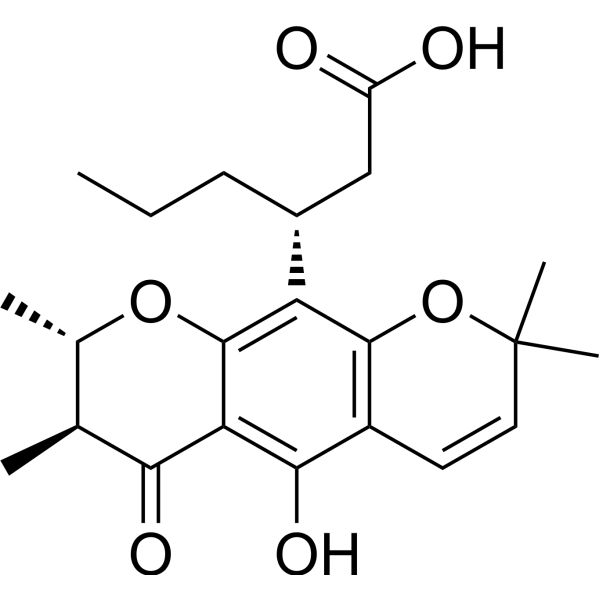
Isoapetalic acid (compound 4) is a potent anti-HIV agent .
|
-
-
- HY-120132
-
|
|
HIV
|
Infection
|
|
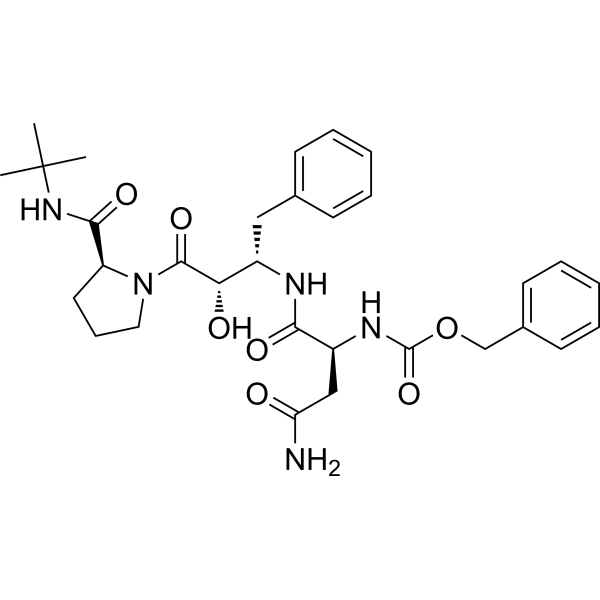
KNI-102 is a potent anti-HIV agent with an IC50 value of 100 nM for HIV protease .
|
-
-
- HY-N10958
-
|
|
Fungal
HIV
Microtubule/Tubulin
|
Infection
|
|
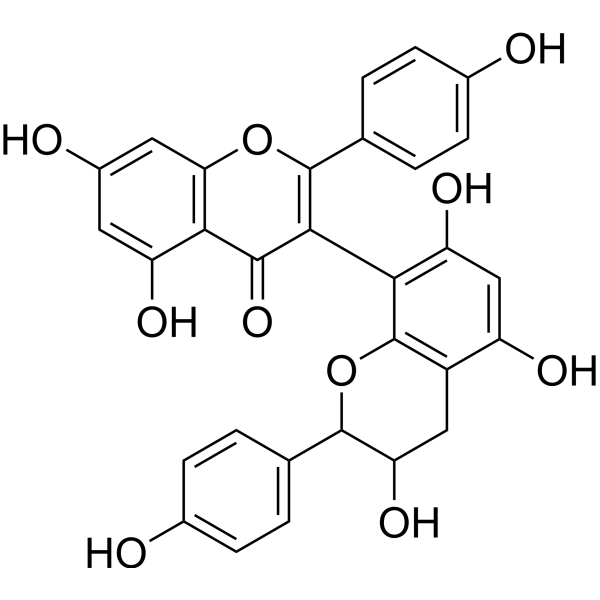
Wikstrol A is a potent antifungal, antimitotic and anti-HIV-1 Agent. Wikstrol A induces morphological deformation of P. oryzae mycelia with an MMDC value of 70.1 µM. Wikstrol A shows activity against microtubule polymerization with an IC50 value of 131 µM. Wikstrol A shows anti-HIV-1 activity with an IC50 value of 67.8 µM .
|
-
-
- HY-179437
-
|
|
HIV
|
Infection
|
|
anti-HIV agent 1 (compound 10i) is a potent antiviral agent with anti-HIV activity (IC50 = 10.6 nM). anti-HIV agent 1 exhibits moderate to no inhibitory activity against RT mutant strains, but maintains their activity against wild-type viruses. anti-HIV agent 1 strongly shows dual inhibition of the viral attachment and reverse transcriptase phases of the viral life cycle. anti-HIV agent 1 can be used for HIV infection research .
|
-
-
- HY-W009722A
-
|
Ditiocarb sodium trihydrate, ACS, 99.0%
|
HIV
Biochemical Assay Reagents
|
Infection
|
|
Sodium diethylcarbamodithioate trihydrate, ACS, 99.0% (Ditiocarb sodium trihydrate, ACS, 99.0%) is a copper reagent. The reaction with Cu 2+ solution resulted in the formation of a complex, which increased the copper displacement precipitation rate. Sodium diethylcarbamodithioate trihydrate, ACS, 99.0% can reduce HIV infection and can be used in adjuvant immune research of high-risk breast cancer .
|
-
-
- HY-N4155
-
|
|
EBV
HIV Protease
HSV
|
Infection
Cancer
|
|
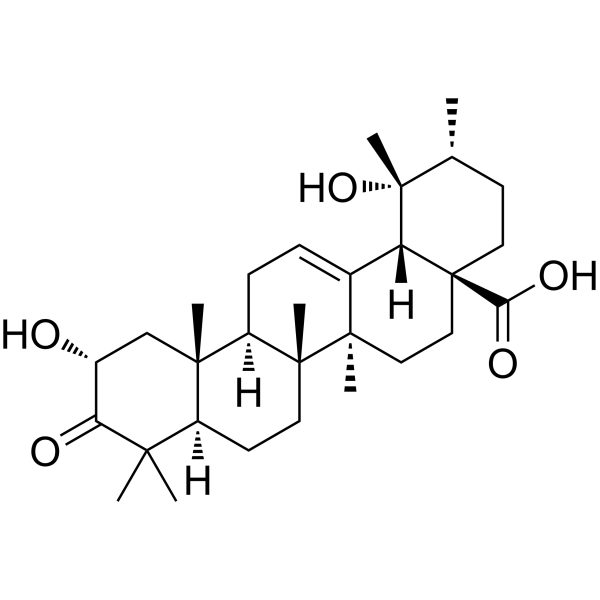
2α,19α-Dihydroxy-3-oxo-urs-12-en-28-oic acid, a natural ursane-type triterpene, is a potent inhibitor of HIV protease (HIV Protease). 2α,19α-Dihydroxy-3-oxo-urs-12-en-28-oic acid is also an inhibitor of the activation of Epstein-Barr virus early antigen (EBV-EA). 2α,19α-Dihydroxy-3-oxo-urs-12-en-28-oic acid displays an inhibitory activity against nitric oxide production in Lipopolysaccharide (Lipopolysaccharides)-activated RAW 264.7 cells .
|
-
-
- HY-10892
-
|
|
HIV
|
Infection
|
|
HEPT is a potent and selective anti-HIV-1 agent .
|
-
-
- HY-B1285R
-
|
2,3-Dimercapto-1-propanol (Standard); Dithioglycerol (Standard)
|
Reference Standards
HIV
|
Infection
|
|
Dimercaprol (Standard) is the analytical standard of Dimercaprol. This product is intended for research and analytical applications. Dimercaprol (2,3-Dimercapto-1-propanol) is an anti-heavy metal-poisoning agent, which exhibits anti-HIV activity. Dimercaprol can be used for the study for arsenic, mercury, gold, lead, antimony, and other toxic metal poisoning .
|
-
-
- HY-118711
-
|
|
HIV
Reverse Transcriptase
|
Infection
|
|
HI-346 is a non-nucleoside reverse transcriptase inhibitor (NNRTI) for HIV-1 with an IC50 value against the HIV-1 virus strain (HTLV-IIIB) of 3 nM. HI-346 is a vaginal bactericidal contraceptive agent, with its sperm-killing activity having an EC50 value of 42 μM. HI-346 shows no cytotoxicity to normal cells at effective concentrations. HI-346 can be used in anti-HIV-1 and contraceptive research .
|
-
-
- HY-125810
-
|
|
HIV
Reverse Transcriptase
|
Infection
Inflammation/Immunology
|
|
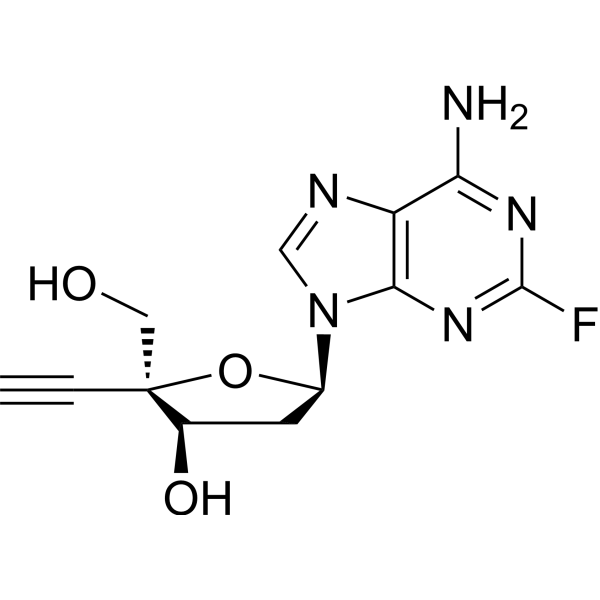
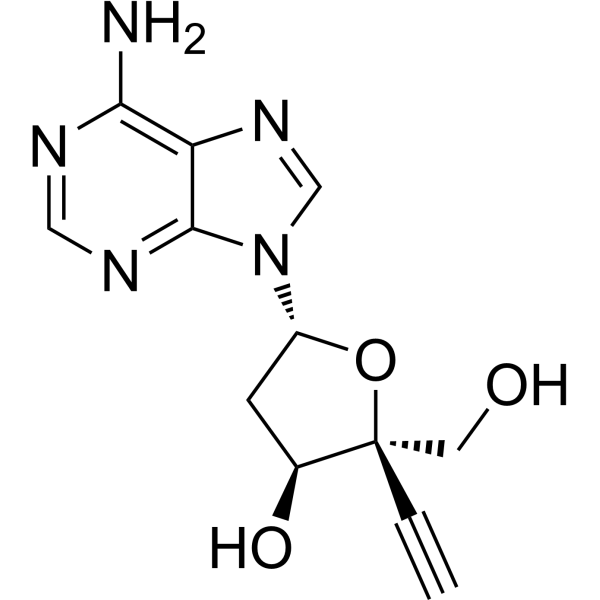
4'-Ethynyl-2'-deoxyadenosine (4'-E-dA), a nucleoside reverse transcriptase (RT) inhibitor, is an antiretroviral agent which is potent against drug-resistant HIV variants, with an EC50 of 98 nM in MT-4 cells for anti-HIV-1 activity . 4'-Ethynyl-2'-deoxyadenosine is a click chemistry reagent, it contains an Alkyne group and can undergo copper-catalyzed azide-alkyne cycloaddition (CuAAc) with molecules containing Azide groups.
|
-
-
- HY-126781
-
|
BM-211290
|
HIV
DNA/RNA Synthesis
|
Infection
|
|
Fozivudine tidoxil (BM-211290) is an orally active thioether lipid-zidovudine (ZDV) conjugate with anti-HIV activity. Fozivudine tidoxil, a member of the NRTI family of agent, is incorporated into the newly synthesized strand of DNA during intracellular viral replication and irreversibly binds viral RT which disrupts viral reverse-transcription . Fozivudine tidoxil is a click chemistry reagent, it contains an Azide group and can undergo copper-catalyzed azide-alkyne cycloaddition reaction (CuAAc) with molecules containing Alkyne groups. It can also undergo strain-promoted alkyne-azide cycloaddition (SPAAC) reactions with molecules containing DBCO or BCN groups.
|
-
-
- HY-111224
-
|
|
HIV
CXCR
|
Infection
|
|
GSK812397 is a CXCR4 antagonist with potential for the treatment of HIV infection. To evaluate the clinical potential of GSK812397, kilogram-scale agent candidates are needed. Here, an improved, scalable synthetic route for the CXCR4 antagonist GSK812397 is described. This new route has been scaled up in a 50-liter stationary facility to obtain 1.2 kg of agent substance in 20% overall yield and >99% chemical and enantiomeric purity in five steps. CXC chemokine receptor 4 (CXCR4) is a 7-transmembrane protein that functions in part as a host co-receptor for multiple strains of HIV-1. It is thought that targeting CXCR4 will help inhibit the replication of several late cytopathic viruses; therefore, CXCR4 antagonists are one of the most promising new classes of experimental anti-HIV agents. GSK812397 is a potent CXCR4 antagonist and is therefore a candidate for investigation for the treatment of HIV infection.
|
-
-
- HY-N6849
-
|
|
HIV
|
Infection
Metabolic Disease
|
|
Interiotherin A is a lignan with a dibenzocyclooctadiene skeleton isolated from Kadsura interior. Interiotherin A inhibits HIV replication to exhibit anti-HIV activity, it has a role as a metabolite and an anti-HIV agent .
|
-
-
- HY-158419
-
|
|
HIV
|
Infection
|
|
PB(OH)3 is an anti-HIV-1 agent that can be used in antiviral research .
|
-
-
- HY-116469
-
|
|
HIV
|
Infection
|
|
ZP7 (compound 7c) is a potent anti-HIV-1 agent with an EC50 of 36.4nM. ZP7 can be utilized in HIV-1 research .
|
-
-
- HY-161924
-
|
|
HIV
|
Infection
|
|
HIV-1 inhibitor-73 (compound 13c) is a potent anti-HIV-1 agent, against the whole tested viral panel with EC50 ranging from 4.68 to 229 nM .
|
-
-
- HY-W127423
-
|
|
Biochemical Assay Reagents
|
Others
|
|
Methyl (+/-)-2-hydroxystearateis a hydroxylated fatty acid methyl ester that broadens phase transitions in dimyristoylphosphatidylcholine (DMPC) lipid membranes. It has been used in the synthesis of lipid-nucleotide conjugated anti-HIV agents to increase the cleavage of phosphodiester bonds and the number of released intracellular nucleotides.
|
-
-
- HY-N10801
-
|
|
HIV
|
Infection
|
|
1,6,11-Trimethyl-1,2-dihydrofuro[2',3':1,2]phenanthro[4,3-d]oxazole (compound 1) is a potent anti-HIV-1 agent .
|
-
-
- HY-167945
-
|
|
HIV
CXCR
|
Infection
|
|
AMD-3329 is a potent and selective anti-HIV-1 and HIV-2 agent, exhibiting activity by inhibiting virus replication through binding to the chemokine receptor CXCR4, which serves as a co-receptor for the entry of X4 viruses.
|
-
-
- HY-P10653
-
|
|
HCV
HIV
|
Infection
|
|
C5A is a microbicidal peptide, anti-hepatitis C virus (HCV), and anti-HIV agent. C5A disrupts the membrane integrity of the HIV virion as well as the integrity of the conical capsid core that surrounds the viral genome. C5A inhibits in vitro infectivity of a broad range of primary HIV isolates in various primary target cells. C5A protects mice against vaginal and rectal HIV challenges .
|
-
-
- HY-16451
-
|
NSC 670880
|
HIV
|
Infection
|
|
SC-49483 (NSC 670880), an O-butanoylated ester of Miglustat (HY-17020), is an anti-HIV agent. SC-49483 can be used for the study of HIV infection .
|
-
-
- HY-116528
-
|
|
HIV
|
Infection
|
|
GCA-186 is a potent anti-HIV-1 agent. GCA-186 is highly active against both wild type and mutated HIV-1 strains with EC50s of 1, 180, 1, and 40 nM for IIIB, IIIB-R(Y181C), NL4-3 and NL4-3K103N of HIV-1 strains, respectively .
|
-
-
- HY-N15327
-
|
|
HIV
HIV Integrase
|
Infection
|
|
Hyrtiosal, found in the marine sponge Hyrtios erectus, is an inhibitor of the N-terminal domain (NTD) of HIV-1 integrase (HIV-1 IN) with an IC50 value of 9.60-0.86 μM. Hyrtiosal binds to the Ser17, Trp19, and Lys34 sites on the NTD of HIV-1 IN, inhibiting the binding of HIV-1 viral DNA to integrase and interfering with the formation of the pre-integrated complex of HIV-1. Hyrtiosal is promising for research of anti-HIV agents .
|
-
-
- HY-134809A
-
|
CADA hydrochloride
|
HIV
|
Infection
|
|
Cyclotriazadisulfonamide (CADA) hydrochloride is a specific CD4-targeted HIV entry inhibitor with activity against HIV-1 replication. Cyclotriazadisulfonamide hydrochloride can specifically downregulate the expression of CD4 receptors on the cell surface, effectively inhibiting HIV transmission. Cyclotriazadisulfonamide hydrochloride can inhibit HIV-1(NL4.3) and SIV(mac251), and has a synergistic effect when used in combination with cellulose acetate (CAP). Cyclotriazadisulfonamide hydrochloride can also be used as a microbial gel formulation to maintain CD4 downregulation and antiviral activity, and is a broad-spectrum anti-HIV agent.
|
-
-
- HY-106859R
-
|
|
Reference Standards
HIV
|
Infection
|
|
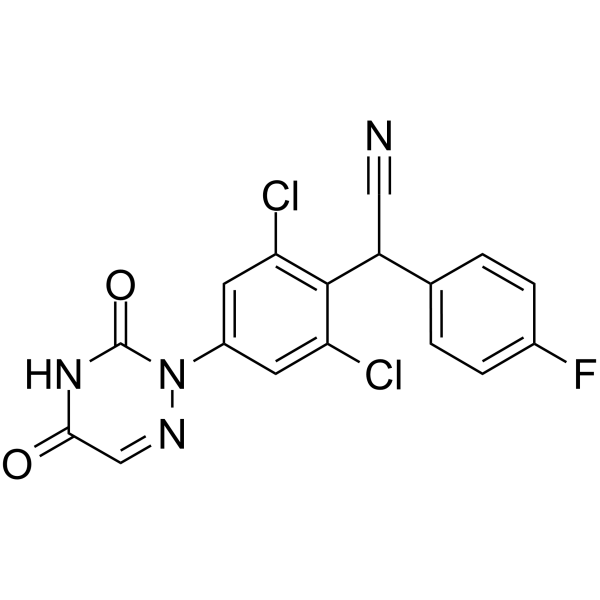
Letrazuril (Standard) is the analytical standard of Letrazuril (HY-106859). This product is intended for research and analytical applications. Letrazuril is an anti-HIV agent.
|
-
-
- HY-W876243
-
|
|
Drug Derivative
HIV Integrase
|
Infection
|
|
Averionol (Compound 26) is a flavonoid compound. Averionol has no significant inhibitory activity against HIV integrase. Averionol can be used in the development of anti-HIV agents .
|
-
-
- HY-106270
-
|
|
HIV
|
Infection
|
|
KP-1461, nucleoside derivative, is an anti-HIV agent. KP-1461 can induce lethal mutations in viruses. KP-1461 can be used for the research of HIV infection .
|
-
-
- HY-154794
-
|
|
HIV
|
Cardiovascular Disease
Infection
Cancer
|
|
Antiviral agent 29 (one of the Example I), a 2-mercapto-N-(5-amino-1,2,4-triazol-3-yl) benzenesulfonamide derivative, is an antiviral agent exhibiting anti-HIV, antitumor and antiarrhythmic activities .
|
-
-
- HY-117205
-
|
|
HIV
|
Infection
|
|
GS-7339 is a diastereomer of GS-7171 (HY-136555) and is an anti-HIV-1 agent with an IC50 of 0.06 μM. GS-7339 can be used for the research of HIV-1 infection .
|
-
-
- HY-183663
-
|
|
HIV
|
Infection
|
|
PD-159206 is an anti-HIV agent. PD-159206 inhibits early pre-integration steps of the HIV life cycle, and delays sequential progression of reverse transcription products. PD-159206 can be used for the research of HIV infection .
|
-
-
- HY-182514
-
|
|
HIV
hnRNP
|
Infection
Cancer
|
|
BMMP is an anti-HIV-1 agent and hnRNP M modulator. BMMP modulates hnRNP M function to suppress CD44 mRNA expression. BMMP induces abnormal uncoating of the HIV viral core at the post-entry step. BMMP suppresses migration of TGF-β-stimulated lung carcinoma cells. BMMP suppresses HIV-1 reverse transcription and replication without inhibiting virion release. BMMP exerts anti-HIV-1 activity via a mechanism distinct from CA protein-binding heterocyclic compounds. BMMP can be used for the research of human immunodeficiency virus infection and non-small cell lung cancer .
|
-
-
- HY-100870R
-
|
ABX464 (Standard)
|
HIV
Reference Standards
|
Infection
|
|
Obefazimod (Standard) is the analytical standard of Obefazimod (HY-100870). This product is intended for research and analytical applications. Obefazimod (ABX464) is a potent anti-HIV agent. Obefazimod inhibits HIV-1 replication in stimulated peripheral blood mononuclear cells (PBMCs) with an IC50 ranging between 0.1 μM and 0.5 μM.
|
-
-
- HY-182376
-
|
|
HIV
|
Infection
|
|
JRC-I-191 is an anti-HIV-1 agent. JRC-I-191 inhibits HIV-1 YU-2 entry into cells. JRC-I-191 does not inhibit infection of cells by amphotropic murine leukemia virus. JRC-I-191 can be used for the research of HIV-1 infection .
|
-
-
- HY-115488
-
|
|
HIV
|
Infection
|
|
BNM-III-170 free base, CD4-mimeticcompound, is an anti-HIV-1 agent. BNM-III-170 free base, binds to the Phe43 cavity of HIV 1 gp120. BNM-III-170 can inhibits HIV-1 viral entry into target cells. BNM-III-170 free base, can be used for the research of HIV-1 infection .
|
-
-
- HY-104012R
-
|
MK-8591 (Standard)
|
Reference Standards
HIV
Reverse Transcriptase
|
Infection
Inflammation/Immunology
|
|
Islatravir (Standard) is the analytical standard of Islatravir (HY-104012). This product is intended for research and analytical applications. Islatravir (MK-8591) is a potent anti-HIV-1 agent, acting as a nucleoside reverse transcriptase inhibitor, with EC50s of 0.068 nM, 3.1 nM and 0.15 nM for HIV-1 (WT), HIV-1 (M184V), HIV-1 (MDR), respectively. Islatravir is a click chemistry reagent, it contains an Alkyne group and can undergo copper-catalyzed azide-alkyne cycloaddition (CuAAc) with molecules containing Azide groups.
|
-
-
- HY-183925
-
|
|
HIV
Dihydroorotate Dehydrogenase
|
Infection
|
|
Redoxal is a dihydroorotate dehydrogenase (DHODH) inhibitor and anti-HIV-1 agent. Redoxal induces intracellular pyrimidine depletion by inhibiting the de novo pyrimidine biosynthesis pathway, enhances the protein stability of APOBEC3G (A3G), upregulates the abundance of A3G protein in cells and progeny viral particles, thereby strengthening the host endogenous antiviral restriction mediated by A3G . Redoxal selectively targets DHOdehase at the mitochondrial level, with an IC50 of 430 nM for inhibiting DHO oxidation in human mitochondria and an IC50 of 910 nM in rat mitochondria . Redoxal can be used in studies related to HIV-1 infection .
|
-
-
- HY-W097355
-
|
D-Phenylalanine amide; H-D-Phe-NH2
|
Amino Acid Derivatives
Drug Intermediate
|
Cancer
|
|
(R)-2-Amino-3-phenylpropanamide (D-Phenylalanine amide) is a non-natural D-α-amino acid derivative and chiral amino acid amide. (R)-2-Amino-3-phenylpropanamide can be converted into D-Phenylalanine (HY-Y0079), which is applicable to the construction of all-D antimicrobial peptides and the synthesis of anti-HIV reagents. (R)-2-Amino-3-phenylpropanamide serves as a reagent for synthesizing benzoxaborole derivative 6, a dual covalent binder of Pseudomonas aeruginosa PBP3. (R)-2-Amino-3-phenylpropanamide is used in colon cancer-related research .
|
-
| Cat. No. |
Product Name |
Type |
-
- HY-W009722A
-
|
Ditiocarb sodium trihydrate, ACS, 99.0%
|
Biochemical Assay Reagents
|
|
Sodium diethylcarbamodithioate trihydrate, ACS, 99.0% (Ditiocarb sodium trihydrate, ACS, 99.0%) is a copper reagent. The reaction with Cu 2+ solution resulted in the formation of a complex, which increased the copper displacement precipitation rate. Sodium diethylcarbamodithioate trihydrate, ACS, 99.0% can reduce HIV infection and can be used in adjuvant immune research of high-risk breast cancer .
|
-
- HY-W127423
-
|
|
Biochemical Assay Reagents
|
|
Methyl (+/-)-2-hydroxystearateis a hydroxylated fatty acid methyl ester that broadens phase transitions in dimyristoylphosphatidylcholine (DMPC) lipid membranes. It has been used in the synthesis of lipid-nucleotide conjugated anti-HIV agents to increase the cleavage of phosphodiester bonds and the number of released intracellular nucleotides.
|
| Cat. No. |
Product Name |
Target |
Research Area |
-
- HY-P10653
-
|
|
HCV
HIV
|
Infection
|
|
C5A is a microbicidal peptide, anti-hepatitis C virus (HCV), and anti-HIV agent. C5A disrupts the membrane integrity of the HIV virion as well as the integrity of the conical capsid core that surrounds the viral genome. C5A inhibits in vitro infectivity of a broad range of primary HIV isolates in various primary target cells. C5A protects mice against vaginal and rectal HIV challenges .
|
| Cat. No. |
Product Name |
Category |
Target |
Chemical Structure |
-
- HY-N3242
-
-
-
- HY-N1529
-
-
-
- HY-N0867
-
-
-
- HY-N4004
-
-
-
- HY-N10958
-
|
|
Flavonols
Flavonoids
Microorganisms
Source Classification
|
Fungal
HIV
Microtubule/Tubulin
|
|
Wikstrol A is a potent antifungal, antimitotic and anti-HIV-1 Agent. Wikstrol A induces morphological deformation of P. oryzae mycelia with an MMDC value of 70.1 µM. Wikstrol A shows activity against microtubule polymerization with an IC50 value of 131 µM. Wikstrol A shows anti-HIV-1 activity with an IC50 value of 67.8 µM .
|
-
-
- HY-N4155
-
|
|
Rosaceae
Rosa cymosa (L.) Tratt.
Plants
|
EBV
HIV Protease
HSV
|
|
2α,19α-Dihydroxy-3-oxo-urs-12-en-28-oic acid, a natural ursane-type triterpene, is a potent inhibitor of HIV protease (HIV Protease). 2α,19α-Dihydroxy-3-oxo-urs-12-en-28-oic acid is also an inhibitor of the activation of Epstein-Barr virus early antigen (EBV-EA). 2α,19α-Dihydroxy-3-oxo-urs-12-en-28-oic acid displays an inhibitory activity against nitric oxide production in Lipopolysaccharide (Lipopolysaccharides)-activated RAW 264.7 cells .
|
-
-
- HY-N6849
-
-
-
- HY-N10801
-
-
-
- HY-N15327
-
|
|
Other Terpenoids
Animals
Terpenoids
Source Classification
|
HIV
HIV Integrase
|
|
Hyrtiosal, found in the marine sponge Hyrtios erectus, is an inhibitor of the N-terminal domain (NTD) of HIV-1 integrase (HIV-1 IN) with an IC50 value of 9.60-0.86 μM. Hyrtiosal binds to the Ser17, Trp19, and Lys34 sites on the NTD of HIV-1 IN, inhibiting the binding of HIV-1 viral DNA to integrase and interfering with the formation of the pre-integrated complex of HIV-1. Hyrtiosal is promising for research of anti-HIV agents .
|
-
| Cat. No. |
Product Name |
|
Classification |
-
- HY-125810
-
|
|
|
Alkynes
|
|
4'-Ethynyl-2'-deoxyadenosine (4'-E-dA), a nucleoside reverse transcriptase (RT) inhibitor, is an antiretroviral agent which is potent against drug-resistant HIV variants, with an EC50 of 98 nM in MT-4 cells for anti-HIV-1 activity . 4'-Ethynyl-2'-deoxyadenosine is a click chemistry reagent, it contains an Alkyne group and can undergo copper-catalyzed azide-alkyne cycloaddition (CuAAc) with molecules containing Azide groups.
|
-
- HY-126781
-
|
BM-211290
|
|
Azide
|
|
Fozivudine tidoxil (BM-211290) is an orally active thioether lipid-zidovudine (ZDV) conjugate with anti-HIV activity. Fozivudine tidoxil, a member of the NRTI family of agent, is incorporated into the newly synthesized strand of DNA during intracellular viral replication and irreversibly binds viral RT which disrupts viral reverse-transcription . Fozivudine tidoxil is a click chemistry reagent, it contains an Azide group and can undergo copper-catalyzed azide-alkyne cycloaddition reaction (CuAAc) with molecules containing Alkyne groups. It can also undergo strain-promoted alkyne-azide cycloaddition (SPAAC) reactions with molecules containing DBCO or BCN groups.
|
Your information is safe with us. * Required Fields.
Inquiry Information
- Product Name:
- Cat. No.:
- Quantity:
- MCE Japan Authorized Agent:

