Search Result
Results for "
antifungal metabolite
" in MedChemExpress (MCE) Product Catalog:
6
Isotope-Labeled Compounds
| Cat. No. |
상품명 |
Target |
연구분야 |
Chemical Structure |
-
- HY-113219
-
-
-
- HY-100711
-
|
Prodigiosine; NSC47147
|
Bacterial
Apoptosis
Wnt
Fungal
Parasite
|
Infection
Inflammation/Immunology
Cancer
|
|
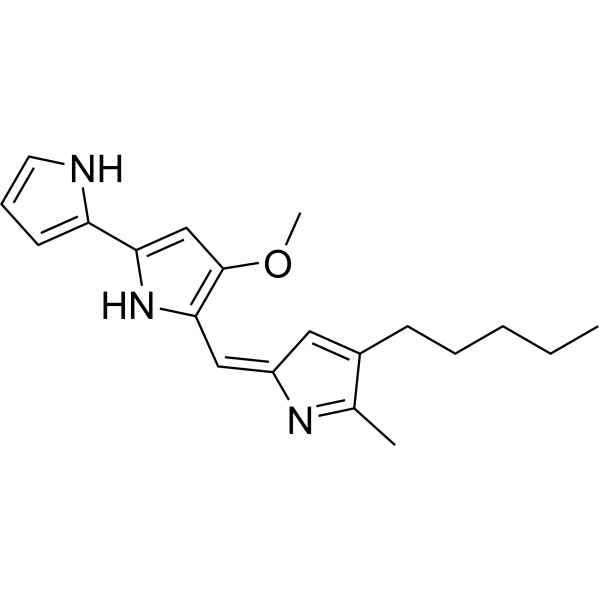
Prodigiosin (Prodigiosine) is a red pigment produced by bacteria as a bioactive secondary metabolite. Prodigiosin is a potent inhibitor of the Wnt/β-catenin pathway. Prodigiosin has antibacterial, antifungal, antiprotozoal, antimalarial, immunosuppressive, and anticancer properties .
|
-
-
- HY-P1939
-
|
Cyclo(L-prolyl-L-leucyl)
|
Fungal
Bacterial
Influenza Virus
|
Infection
|
|
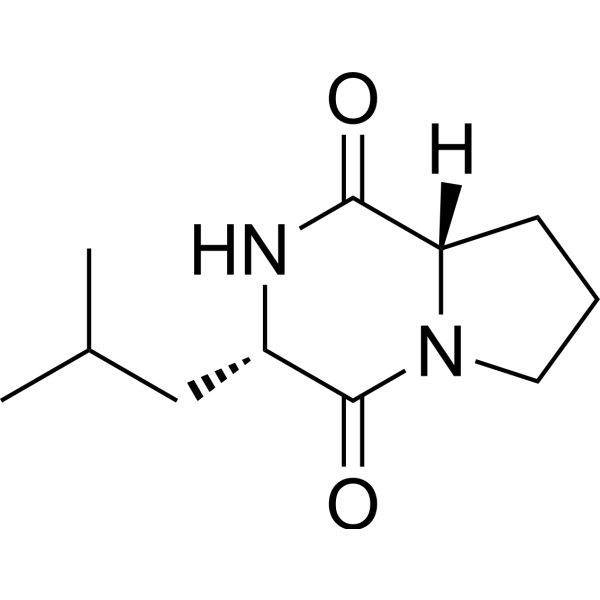
Cyclo(L-Leu-L-Pro) is a cyclic dipeptide with broad-spectrum antibacterial, antiviral and antifungal activities. Its biological activity is highly dependent on the stereoconfiguration and is widely present in microbial metabolites. Cyclo(L-Leu-L-Pro) efficiently and specifically inhibits the production of aflatoxin by Aspergillus flavus. The cis configuration of Cyclo(L-Leu-L-Pro) (cis-cyclo(L-Leu-L-Pro)) has broad-spectrum antibacterial activity against multi-drug resistant bacteria and significantly inhibits the influenza A virus H3N2 .
|
-
-
- HY-116637
-
-
-
- HY-B0277
-
Vidarabine
Maximum Cited Publications
7 Publications Verification
Ara-A; Adenine Arabinoside; 9-β-D-Arabinofuranosyladenine
|
Apoptosis
Fungal
Reactive Oxygen Species (ROS)
EBV
HSV
Antibiotic
DNA/RNA Synthesis
Drug Metabolite
|
Infection
Cancer
|
|
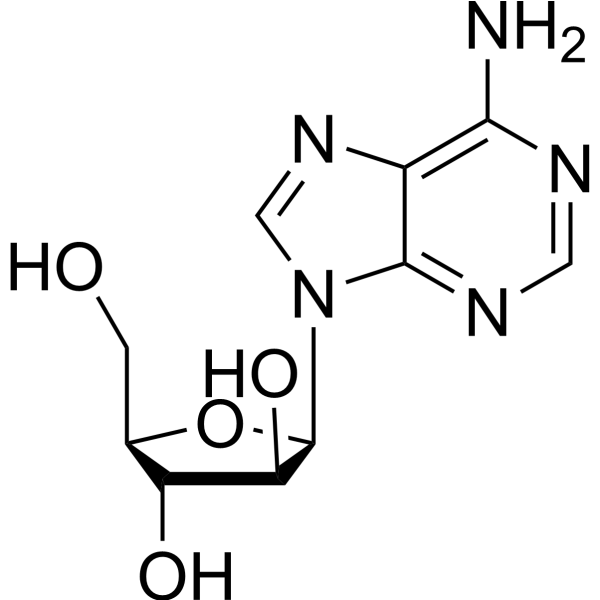
Vidarabine (Ara-A) is a nucleoside antibiotic isolated from Streptomyces, and a metabolite of Vidarabine phosphate (HY-B0277A). Vidarabine selectively inhibits viral DNA polymerase and cellular ribonucleotide reductase, thereby blocking viral replication. Vidarabine phosphate also exhibits antifungal activity, induces late-stage cellular apoptosis, and causes cell cycle arrest. Vidarabine phosphate can be used in research related to severe chronic active Epstein-Barr virus (EBV) infection, herpes infection, and candidiasis .
|
-
-
- HY-12772
-
|
R-63373
|
Fungal
Drug Metabolite
|
Others
|
|
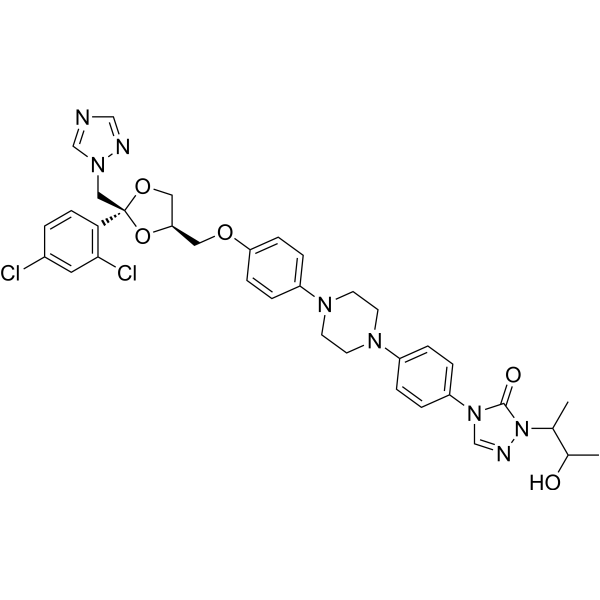
Hydroxy Itraconazole (R-63373) is an active metabolite of Itraconazole (ITZ), which is a triazole antifungal agent.
|
-
-
- HY-N0926
-
|
Columbamin; Dehydroisocorypalmine
|
Cytochrome P450
Apoptosis
Parasite
|
Infection
Neurological Disease
Inflammation/Immunology
Cancer
|
|
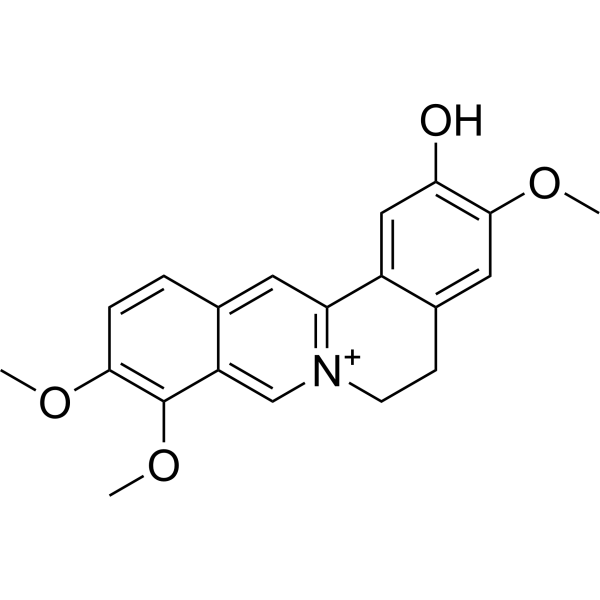
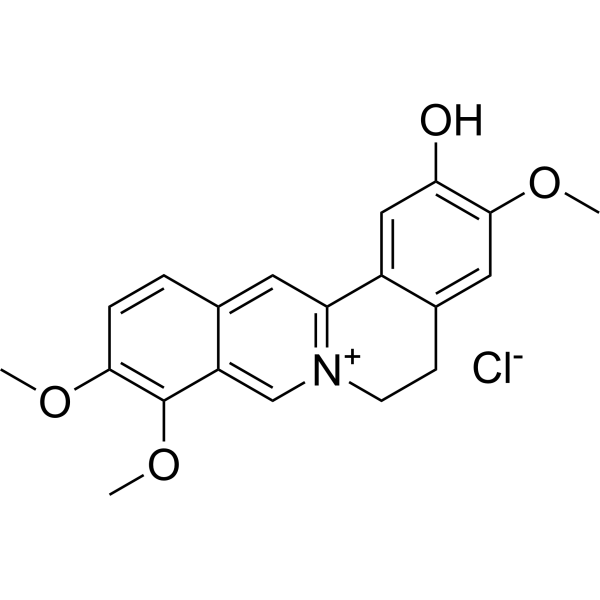
Columbamine (Columbamin; Dehydroisocorypalmine) is an organic heterotetracyclic alkaloid extracted from plants. Columbamine is a metabolite of Berberine (HY-N0716). Columbamine inhibits the cytochrome P450 (CYP) isoform CYP3A4 (IC50 = 30.6 µM). Columbamine induces apoptosis in cancer cells. Columbamine can be used for antioxidant, anti-inflammatory, antitumor, antifungal, antiparasite, hepatoprotective, neuroprotective, hypolipidemic and hypoglycemic study .
|
-
-
- HY-12772S
-
|
R-63373-d8
|
Fungal
|
Infection
|
|
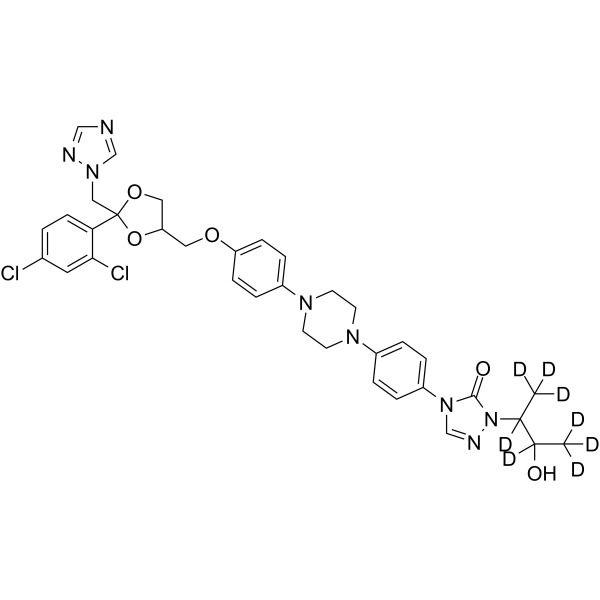
Hydroxy Itraconazole-d8 is the deuterium labeled Hydroxy Itraconazole (HY-12772). Hydroxy Itraconazole is an active metabolite of Itraconazole (ITZ), which is a triazole antifungal agent.
|
-
-
- HY-W010435
-
-
-
- HY-N6027
-
|
|
Fungal
Bacterial
|
Infection
|
|
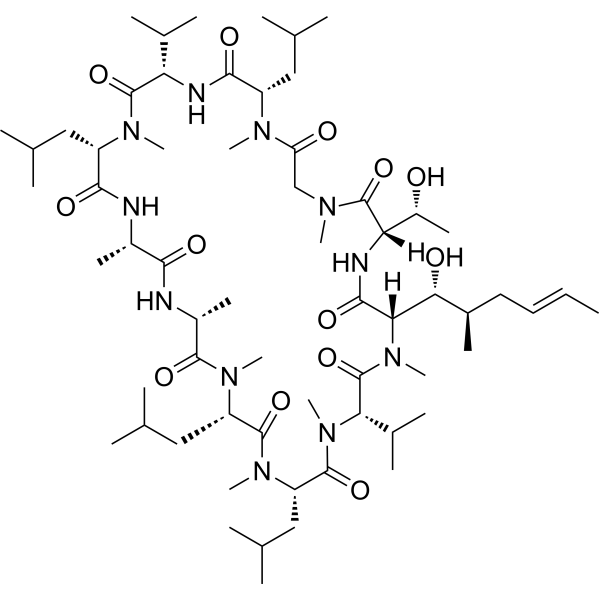
Cyclosporin C is a fungal metabolite that has been found in T. inflatum and has diverse biological activities, including antifungal, antiviral, and immunosuppressant properties. Cyclosporin C shows no activity against bacteria or yeasts .
|
-
-
- HY-136767
-
|
|
Antibiotic
Fungal
Bacterial
Parasite
DNA/RNA Synthesis
|
Infection
|
|
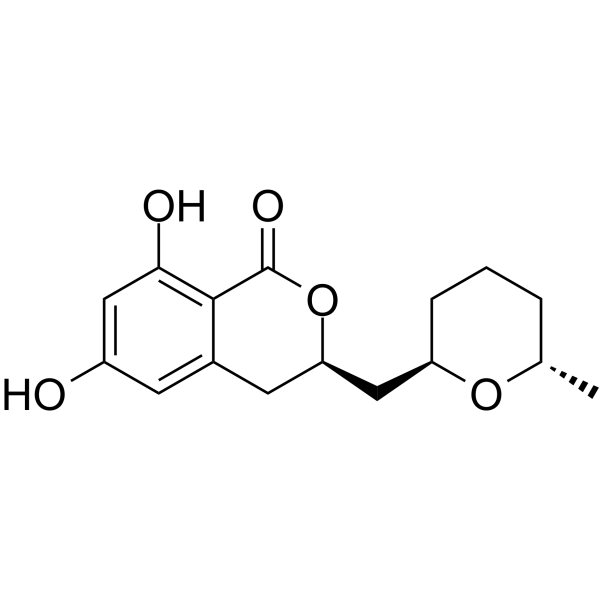
Cladosporin is an antibiotic and an an antifungal metabolite that can be produced in good yield in the mycelium of Cladosporium cladosporioid. Cladosporin exhibits inhibitory activity against various dermatophytes, plant pathogens, and bacteria. Cladosporin also exhibits antimalarial activity through inhibition of cytoplasmic lysine-tRNA synthetase of Plasmodium (PfKrs1) .
|
-
-
- HY-113430
-
|
5-Heneicosylresorcinol
|
Fungal
|
Infection
|
|
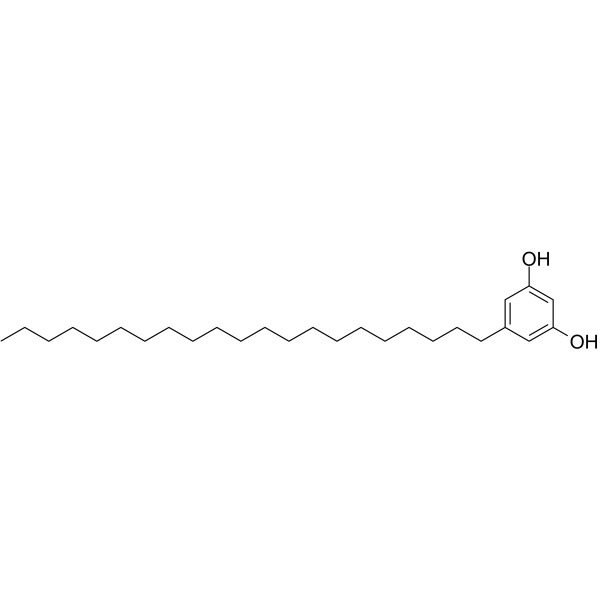
5-n-Heneicosylresorcinol (5-Heneicosylresorcinol) is an active n-alkyl(enyl)resorcinols (AR) occurring in cereal products from Colombia. Antifungal activity .
|
-
-
- HY-W016203
-
|
Sodium phenylpyruvate
|
Endogenous Metabolite
PDI
|
Infection
Metabolic Disease
|
|
Phenylpyruvic acid sodium is a endogenous metabolite that participates in the synthesis of 3-phenyllactic acid (PLA) by lactate dehydrogenase. Phenylpyruvic acid is a precursor of the antifungal compound phenyllactic acid. Phenylpyruvic acid can improve the antifungal activity of eight lactic acid bacterial strains through the addition into a dedined growth medium. Phenylpyruvic acid demonstrates improved inhibitory activity against fungal bread contaminants Aspergillus niger and Penicillium roqueforti. Phenylpyruvic acid affects enzyme activity of the pentose phosphate pathway involved in the oxidative phase in rat brain homogenates. Phenylpyruvic acid can reduce glucose-6-phosphate dehydrogenase activity .
|
-

-
- HY-N0926A
-
|
Columbamin chloride; Dehydroisocorypalmine chloride
|
Cytochrome P450
Apoptosis
Parasite
|
Infection
Neurological Disease
Inflammation/Immunology
Cancer
|
|
Columbamine (Columbamin; Dehydroisocorypalmine) chloride is an organic heterotetracyclic alkaloid extracted from plants. Columbamine chloride is a metabolite of Berberine (HY-N0716). Columbamine chloride inhibits the cytochrome P450 (CYP) isoform CYP3A4 (IC50 = 30.6 µM). Columbamine chloride induces apoptosis in cancer cells. Columbamine chloride can be used for antioxidant, anti-inflammatory, antitumor, antifungal, antiparasite, hepatoprotective, neuroprotective, hypolipidemic and hypoglycemic study .
|
-
-
- HY-134090
-
|
Antibiotic TS 885; NSC 248958
|
Bacterial
VSV
|
Infection
|
|
9-Methylstreptimidone is a microbial metabolite originally isolated from Streptomyces sp. S-885 that has antifungal and antiviral activities. It is active against several fungi, including S. sake, S. fragilis, R. rubra, T. rubra, and C. albidus (MICs=4-20 μg/mL) and has antiviral activity against poliovirus, vesicular stomatitis virus (VSV), and Newcastle disease virus (NDV) in vitro (MIC=0.02 μg/mL for all). 9-Methylstreptimidone increases survival in mouse models of infection with influenza A2 (H2N2) or C. albicans when administered prior to infection.
|
-

-
- HY-113219R
-
-

-
- HY-129315
-
|
N-Deacetylketoconazole; R-39519
|
Bacterial
Fungal
|
Infection
|
|
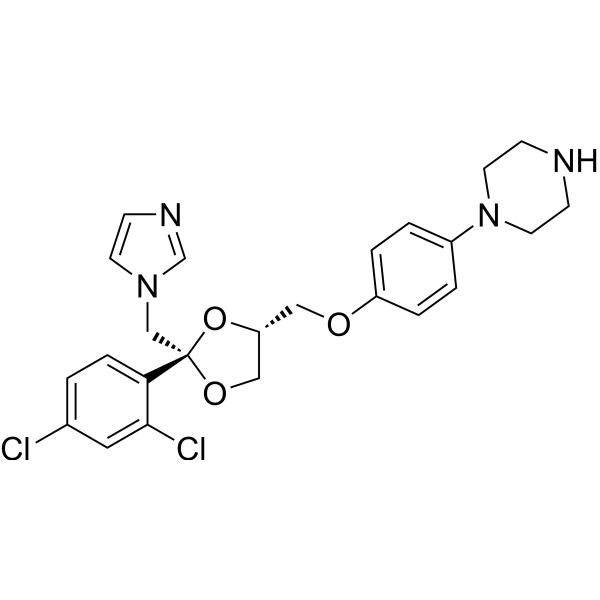
Deacylketoconazole (N-Deacetylketoconazole; R-39519) is an orally active metabolite of Ketoconazole (HY-B0105). Deacylketoconazole exhibits antifungal and antibacterial activity. Deacylketoconazole is cytotoxic in rats hepatocyte .
|
-
-
- HY-125706
-
|
|
Fungal
|
Infection
|
|
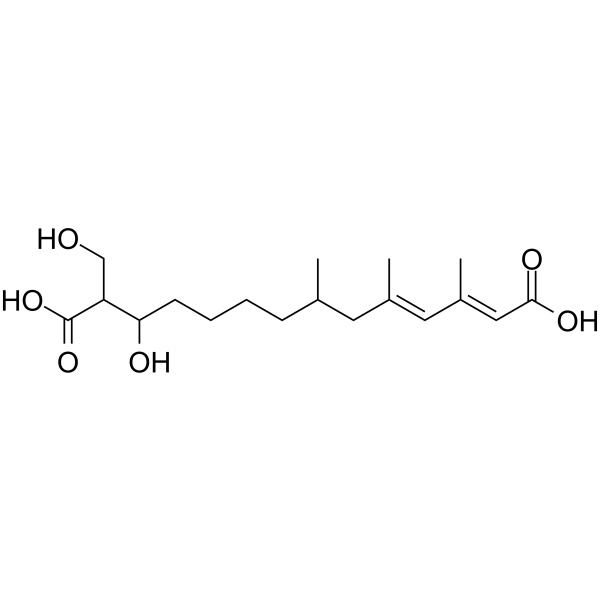
1233B is a secondary metabolite from filamentous fungus, Fusarium sp. RK97-94 .
|
-
-
- HY-100711A
-
|
Prodigiosine hydrochloride
|
Bacterial
Apoptosis
Fungal
Wnt
Parasite
|
Infection
Inflammation/Immunology
Cancer
|
|
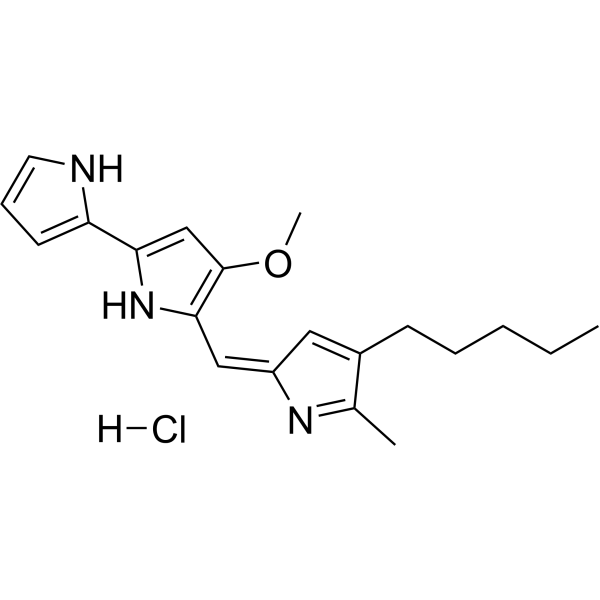
Prodigiosin (Prodigiosine) hydrochloride is a red pigment produced by bacteria as a bioactive secondary metabolite. Prodigiosin hydrochloride is a potent proapoptotic agent, and inhibits Wnt/β-catenin pathway. Prodigiosin hydrochloride has antibacterial, antifungal, antiprotozoal, antimalarial, immunosuppressive, and anticancer properties .
|
-
-
- HY-W010435R
-
-

-
- HY-124551
-
|
|
Fungal
|
Infection
|
|
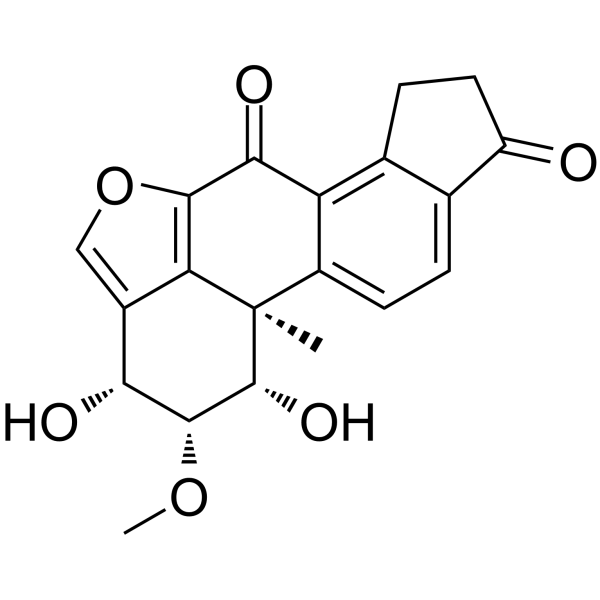
Viridiol, a fungal metabolite from Trichodernza viride, shows antifungal activity .
|
-
-
- HY-167831
-
|
|
Fungal
|
Infection
|
|
Vermistatin is a metabolite of the fungal strain Guignardia that has cytotoxic and antifungal activity .
|
-

-
- HY-122785
-
|
|
Fungal
|
Infection
|
|
Fusapyrone is a broad-spectrum antifungal metabolite first isolated from Fusarium species. It has been investigated for use in the control of postharvest crop diseases such as inhibiting the growth of ochratoxin-producing strains of Aspergillus section Nigri in wine grapes.
|
-

-
- HY-172565
-
|
SCH 56592 D-glucuronide
|
Drug Metabolite
UGT
|
Infection
|
|
Posaconazole D-glucuronide (SCH 56592 D-glucuronide) is a glucuronide metabolite of the antifungal agent Posaconazole (HY-17373). Posaconazole D-glucuronide can be formed in human liver microsomes catalyzed by UGT1A4 .
|
-

-
- HY-121178
-
|
|
Bacterial
Fungal
|
Infection
|
|
Deoxyviolacein is a bacterial metabolite and byproduct in the biosynthesis of the bisindole alkaloid violacein (HY-119809) that has anticancer, antibacterial, and antifungal properties. It inhibits proliferation of hepatocellular carcinoma cells when used at concentrations ranging from 0.1 to 1 μM. Deoxyviolacein (125 μg/mL) has antibacterial activity against Gram-positive bacteria, including S. aureus, B. subtilis, and B. megaterium. It also has antifungal activity against R. solani when used at a concentration of 2 mg/ml.
|
-

-
- HY-N16394
-
|
|
Endogenous Metabolite
|
Cancer
|
|
4-Hydroxyscytalone (Compound 3) is a microbial secondary metabolite. 4-Hydroxyscytalone can be isolated from the oak fungus Diplodia corticola. 4-Hydroxyscytalone has toxicity against Artemia salina with a LC50 of 90.6 μ/mL, but no significant antifungal activity. 4-Hydroxyscytalone can be used for cancer therapy research .
|
-

-
- HY-B0277R
-
|
Ara-A (Standard); Adenine Arabinoside (Standard); 9-β-D-Arabinofuranosyladenine (Standard)
|
Reference Standards
Apoptosis
Fungal
Reactive Oxygen Species (ROS)
EBV
HSV
Antibiotic
DNA/RNA Synthesis
Drug Metabolite
|
Infection
|
|
Vidarabine (Ara-A) (Standard) is the analytical standard of Vidarabine. This product is intended for research and analytical applications. Vidarabine is a nucleoside antibiotic isolated from Streptomyces, and a metabolite of Vidarabine phosphate (HY-B0277A). Vidarabine selectively inhibits viral DNA polymerase and cellular ribonucleotide reductase, thereby blocking viral replication. Vidarabine phosphate also exhibits antifungal activity, induces late-stage cellular apoptosis, and causes cell cycle arrest. Vidarabine phosphate can be used in research related to severe chronic active Epstein-Barr virus (EBV) infection, herpes infection, and candidiasis .
|
-

-
- HY-N10215
-
-
-
- HY-N10288
-
-
-
- HY-N8499
-
|
|
Fungal
|
Infection
|
|
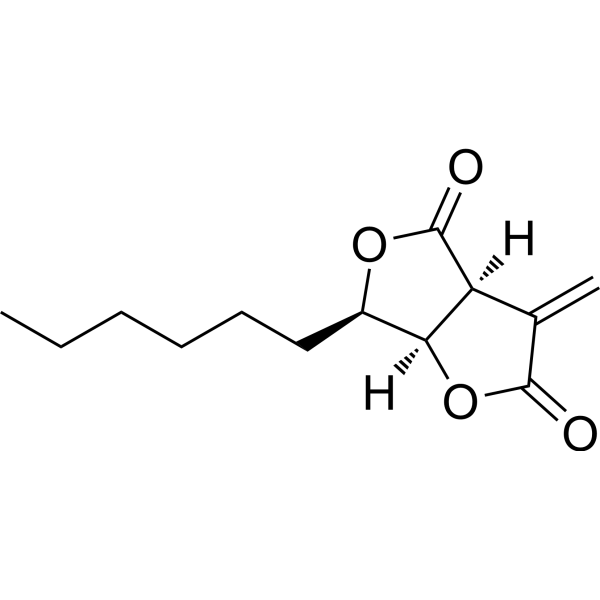
Sporothriolide is a metabolite produced by Nodulisporium sp. A21. Sporothriolide has potently antifungal against R. solani and S. sclerotiorum, with EC50 values of 11.6 μM and 10.7 μM, respectively. Sporothriolide inhibits conidium germination of Magnaporthe oryzae in vitro and in vivo .
|
-
-
- HY-N16445
-
|
(-)-Strevertene A
|
Endogenous Metabolite
Antibiotic
Fungal
|
Infection
|
|
Strevertene A ((-)-Strevertene A) (Compound 1), a pentaene macrolide, is a microbial secondary metabolite. Strevertene A is an antibiotic and has a potent antifungal activity. Strevertene A significantly inhibits the mycelial growth of phytopathogenic fungi (such as Alternaria mali, Aspergillus oryzae and Cylindrocarpon destructans) with IC50s of 4-16 μg/mL. Strevertenes A can strongly prevent Fusarium wilt development on tomato plants .
|
-

-
- HY-N13993
-
-

-
- HY-N10289
-
|
|
Fungal
|
Infection
|
|
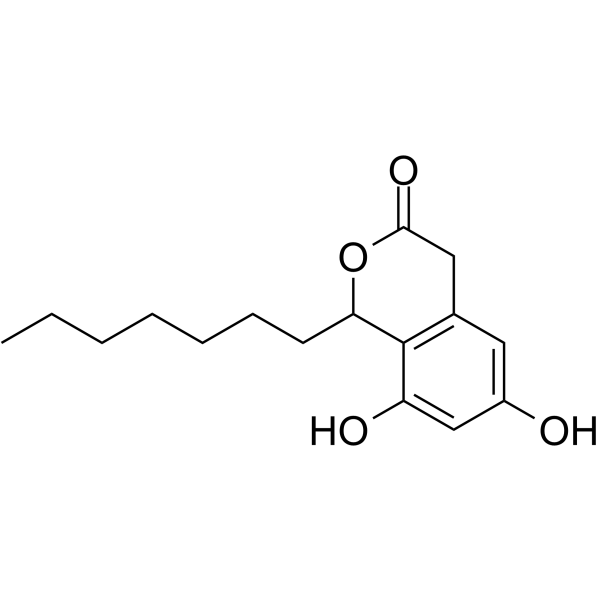
Cytosporone C is an antifungal metabolite from the Melia azedarach-Associated Fungus Diaporthe eucalyptorum. Cytosporone C exhibits antifungal activities against Alternaria solani .
|
-
-
- HY-I0903
-
|
|
Fungal
|
Others
|
|
SCH 51048 is a compound that can produce active metabolites, and its active metabolites have antifungal activity. Through metabolic studies and activity screening of the compound, metabolites and compounds with better activity were discovered.
|
-

-
- HY-P10916
-
|
|
Drug Metabolite
Fungal
|
Infection
|
|
Micafungin metabolite M1 is an active metabolite of Micafungin (HY-17579), which is metabolized by arylsulfatase and exhibits antifungal activity. Micafungin metabolite M1 can be used for research on deep fungal infections caused by Candida and Aspergillus species .
|
-

-
- HY-W741557
-
|
(±)-Griseofulvic acid
|
Fungal
|
Infection
|
|
Griseofulvic acid is a metabolite of the antifungal Griseofulvin (HY-17583). It induces protein aggregation and tubulin polymerization in cell-free assays.
|
-

-
- HY-W540874
-
|
|
Fungal
Bacterial
|
Infection
|
|
1-Heptadecene is a metabolite found in Aporosa cardiosperma. 1-Heptadecene has antifungal and antibacterial activities .
|
-

-
- HY-165017
-
|
|
Fungal
|
Infection
|
|
Etheroleic acid has antifungal activity against the powdery mildew B. graminis on the second leaves of barley seedlings. Etheroleic acid is a metabolite of Linolenic acid .
|
-

-
- HY-N15097
-
-

-
- HY-118118
-
|
|
Fungal
|
Infection
|
|
Phlebiakauranol aldehyde is an antifungal and cytotoxic metabolite with strong antifungal activity. Phlebiakauranol aldehyde exhibits significant antibacterial and cytotoxic activities against a variety of plant pathogens. The aldehyde group and high number of hydroxyl groups of Phlebiakauranol aldehyde are considered to be the main reasons for its biological activity. The two acetic acid derivatives of Phlebiakauranol aldehyde only exhibit very weak antifungal and antibacterial activities and moderate cytotoxic activity .
|
-

-
- HY-N12893
-
|
|
Fungal
Lipase
|
Infection
|
|
Sclerodione is a metabolite that can be produced by the Scleroderris canker fungus, Gremmeniellaabietina. Sclerodione has antifungal activity. Sclerodione is a lipase inhibitor (IC50: 1 μM) .
|
-

-
- HY-12772S3
-
|
R-63373-d6
|
Isotope-Labeled Compounds
Fungal
|
Others
|
|
Hydroxy Itraconazole-d6 (R-63373-d6) is deuterium labeled Hydroxy Itraconazole. Hydroxy Itraconazole (Itraconazole metabolite Hydroxy Itraconazole; R-63373) is an active metabolite of Itraconazole (ITZ), which is a triazole antifungal agent.
|
-

-
- HY-12772A
-
|
rel-R-63373
|
Drug Isomer
|
Infection
|
|
rel-Hydroxy Itraconazole (rel-R-63373) is a relative stereoisomer of Hydroxy Itraconazole. Hydroxy Itraconazole is the major active metabolite of the antifungal compound Itraconazole (HY-17514) .
|
-

-
- HY-N12260
-
|
|
HIV
Bacterial
|
Infection
|
|
Benanomicin A is a microbial metabolite and can be isolated from Actinomycetes.Benanomicin has antifungal activitya and inhibits HIV-1 viral infection in MT-4 cells .
|
-

-
- HY-N11528
-
|
7-Noreugenitin
|
Others
|
Infection
|
|
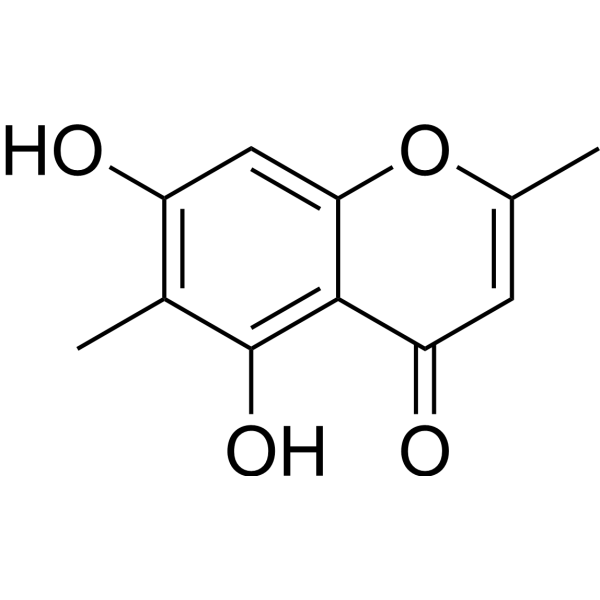
Eugenitol (Compound 3) is an antifungal metabolite isolated and purified from Diaporthe eucalyptorum. Eugenitol has inhibitory effect on four plant pathogenic fungi (Alternaria solani, Botrytis cinerea, Fusarium solani and Gibberella saubinettii) .
|
-
-
- HY-N10292
-
|
|
Fungal
Endogenous Metabolite
|
Infection
|
|
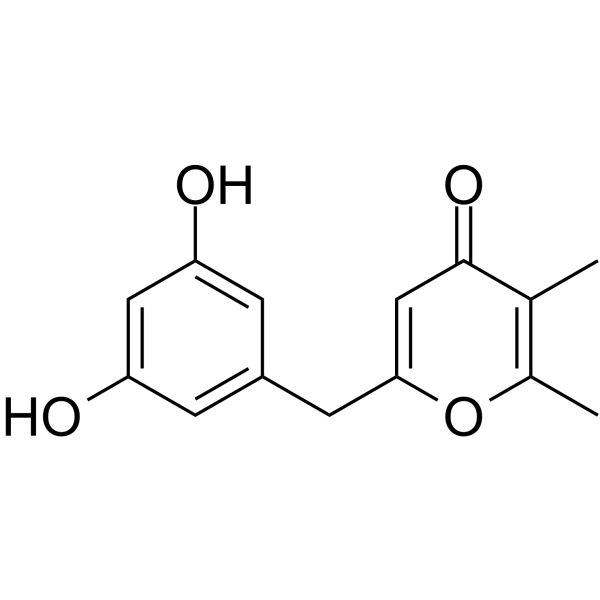
Chaetosemin J, an antifungal metabolite, exhibits inhibitory activity against plant pathogenic fungi Botrytis cinerea, Alternaria solani, Magnaporthe oryzae, and Gibberella saubinettii, with MIC values ranging from 12.5-25 μM .
|
-
-
- HY-17011
-
|
|
Fungal
|
Metabolic Disease
|
|
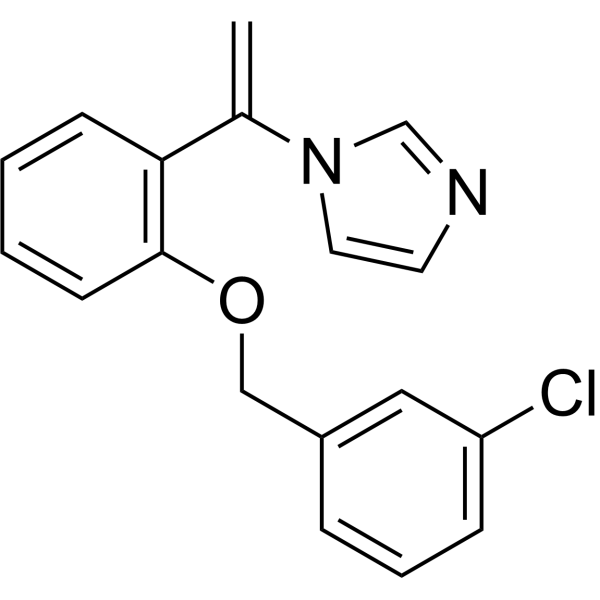
Croconazole is an antifungal agent containing imidazole rings. Croconazole has a unique structural feature of aryl vinyl at the imidazole ring N-1. Croconazole can be used for the identification and quantitative study of major metabolites in rat urine and bile .
|
-
-
- HY-N6780
-
|
|
Fungal
|
Infection
|
|
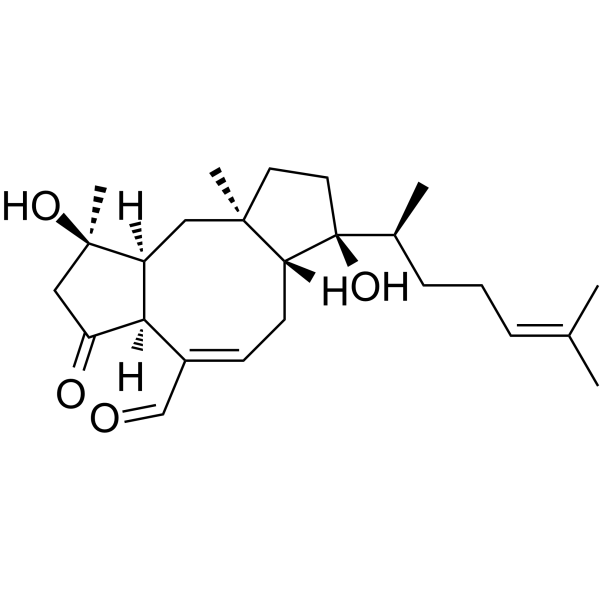
Ophiobolin B, a sesterterpene metabolite of Helminthosporium oryzae, inhibits proton extrusion from maize coleoptiles. Ophiobolin B inhibits fusicoccin (FC) promoted proton extrusion, potassium uptake and cell enlargement . The MIC values with the antifungal effect of Ophiobolins B on different zygomycetes is 25–50 μg/mL .
|
-
-
- HY-N15653
-
|
|
Endogenous Metabolite
Fungal
NF-κB
|
Infection
Cancer
|
|
Heveadride is a fungal metabolite and an antifungal agent. Heveadride is active against various filamentous fungi and some human pathogenic yeasts. Heaveadride induces down-regulation of TNFα-induced NF-κB activity in human chronic myeloid leukemia cells with an IC50 of 82.7 μM .
|
-

-
- HY-121362R
-
-

- HY-129548
-
|
|
Antibiotic
|
Infection
|
|
Prumycin is an antifungal antibiotic with activity against cucumber powdery mildew. Prumycin significantly inhibited the disease, whereas other metabolites such as bacillomycin D and surfactin did not. Prumycin did not induce the expression of plant defense genes, indicating that its effects were not through plant defense responses. Observation of cucumber cotyledons treated with prumycin showed that it could inhibit spore germination of P. fusca .
|
-

- HY-129548A
-
|
|
Fungal
|
Infection
|
|
Prumycin dihydrochloride is an antifungal antibiotic with activity against cucumber powdery mildew. Prumycin dihydrochloride significantly inhibited the disease, whereas other metabolites such as bacillomycin D and surfactin did not. Prumycin dihydrochloride did not induce the expression of plant defense genes, indicating that its effects were not through plant defense responses. Observation of cucumber cotyledons treated with prumycin showed that it could inhibit spore germination of P. fusca .
|
-

- HY-N12231
-
|
|
Antibiotic
Bacterial
Lipoxygenase
|
Infection
Cancer
|
|
Carbazomycin B is a bacterial metabolite and can be isolated from Streptomyces. Carbazomycin B is an antifungal and antibacterial agent. Carbazomycin B inhibits 5-lipoxygenase (5-LO) activity in extract from RBL-1 cell with the IC50 Of 1.5 µM sup>[2]sup>[3]sup>[4].
|
-

- HY-125066
-
|
|
Bacterial
|
Infection
|
|
Reveromycin B is a spiroketal bacterial metabolite originally isolated from Streptomyces. It inhibits EGF-induced mitogenic activity in Balb/MK cells (IC50=6 μg/mL) and exhibits pH-dependent antifungal activity against C. albicans (MICs=15.6 and >500 μg/mL at pH 3.0 and 7.4, respectively). Unlike reveromycin A and reveromycin C, reveromycin B does not inhibit proliferation of KB and K562 cells.
|
-

- HY-N12165
-
|
|
Others
|
Others
|
|
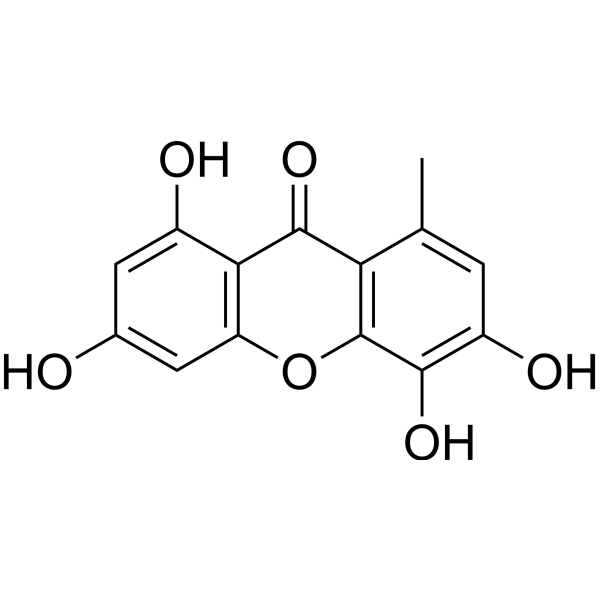
1,3,5,6-Tetrahydroxy-8-methylxanthone (compound 8) is a dimeric 1,4-benzoquinone derivative isolated from the marine-derived fungus Penicillium genus .
|
-
- HY-12772S4
-
|
(2S)-R-63373-d8
|
Fungal
|
Infection
|
|
(2S)-Hydroxy Itraconazole-d8 ((2S)-R-63373-d8) is the enantiomer of Hydroxy Itraconazole-d8 (R-63373-d8) (HY-12772S). Hydroxy Itraconazole-d8 is the deuterium labeled Hydroxy Itraconazole (HY-12772). Hydroxy Itraconazole is an active metabolite of Itraconazole (ITZ), which is a triazole antifungal agent.
|
-

- HY-W747507
-
|
|
Bacterial
|
Infection
|
|
Reveromycin D is a bacterial metabolite originally isolated from Streptomyces. It inhibits EGF-induced mitogenic activity in Balb/MK cells and has pH-dependent antifungal activity against C. albicans (MICs=2 and >500 μg/mL at pH 3 and 7.4, respectively).2 Reveromycin D also inhibits proliferation of KB and K562 cells (IC50s=1.6 and 1.3 μg/mL, respectively).
|
-

- HY-N8256
-
|
Mycousunin
|
Fungal
|
Infection
|
|
(–)-Mycousnine is a microbial metabolite and derivative of Usnic Acid (HY-N0656) originally isolated from M. nawae that has antibacterial and antifungal activities. It is active against the Gram-positive bacteria B. subtilis, K. rhizophila, and S. aureus (MICs=4, 8, and 4 g/ml, respectively) but not the Gram-negative bacteria E. coli, S. typhimurium, and K. pneumoniae (MICs=>128 g/ml for all).2 (–)-Mycousnine is also active against the fungi T. mentagrophytes, T. rubrum, and C. albicans (MICs=25, 25, and 100 μg/mL, respectively).
|
-

- HY-W782193
-
-

- HY-N16428
-
|
NSC 356436
|
Endogenous Metabolite
Fungal
Bacterial
|
Infection
Cancer
|
|
Neoaspergillic acid (NSC 356436) (Compound 2) is a microbial secondary metabolite. Neoaspergillic acid can be isolated from the endophytic fungus Aspergillus sp. SPH2. Neoaspergillic acid has potent antifungal activity against Alternaria alternata, Botrytis cinerea and Fusarium oxysporum. Neoaspergillic acid appears during the exponential phase of fungal growth. Neoaspergillic acid also antitumor and antibacterial effects .
|
-

- HY-N16443
-
|
|
Endogenous Metabolite
Fungal
Bacterial
|
Infection
|
|
Sporminarin A (Compound 1), a polyketide, is a microbial secondary metabolite. Sporminarin A can be isolated from the Sporormiella minimoides. Sporminarin A has significant antifungal activity against Aspergillus flavus with an MIC50 of 25 μg/mL. Sporminarin A also has antibacterial activity against Staphylococcus aureus (ATCC 29213) and Candida albicans (ATCC 14053) .
|
-

- HY-N19885
-
|
|
Endogenous Metabolite
Fungal
|
Infection
|
|
Palmarumycin C12 is a fungal metabolite that can be isolated from cultures of Sphaeropsidaes sp. F-24'707. Palmarumycin C12 exhibits antifungal activity. Palmarumycin C12 can be used for the research of fungal infections .
|
-

- HY-W654234
-
-

- HY-N17390
-
-

- HY-113219S
-
-

- HY-N14066
-
|
|
Fungal
|
Infection
|
|
Ascochitine, a polyketide-derived secondary metabolite, is a selective antifungal agent. Ascochitine exhibits broad-spectrum phytotoxicity and antimicrobial activities .
|
-

- HY-W653727
-
|
Prochloraz-desimidazole-formylamino
|
Drug Metabolite
|
Others
|
|
BTS44596 (Prochloraz-desimidazole-formylamino) is a metabolite of the antifungal agent Prochloraz (HY-B0845). BTS44596 is one of the core target analytes for regulatory monitoring of Prochloraz residue limits in fruits and vegetables as well as for simultaneous detection via LC-MS/MS .
|
-

- HY-N9754
-
-

| Cat. No. |
상품명 |
Target |
Research Area |
-
- HY-P1939
-
|
Cyclo(L-prolyl-L-leucyl)
|
Fungal
Bacterial
Influenza Virus
|
Infection
|
|
Cyclo(L-Leu-L-Pro) is a cyclic dipeptide with broad-spectrum antibacterial, antiviral and antifungal activities. Its biological activity is highly dependent on the stereoconfiguration and is widely present in microbial metabolites. Cyclo(L-Leu-L-Pro) efficiently and specifically inhibits the production of aflatoxin by Aspergillus flavus. The cis configuration of Cyclo(L-Leu-L-Pro) (cis-cyclo(L-Leu-L-Pro)) has broad-spectrum antibacterial activity against multi-drug resistant bacteria and significantly inhibits the influenza A virus H3N2 .
|
-
- HY-P10916
-
|
|
Drug Metabolite
Fungal
|
Infection
|
|
Micafungin metabolite M1 is an active metabolite of Micafungin (HY-17579), which is metabolized by arylsulfatase and exhibits antifungal activity. Micafungin metabolite M1 can be used for research on deep fungal infections caused by Candida and Aspergillus species .
|
-
- HY-N9754
-
| Cat. No. |
상품명 |
Category |
Target |
Chemical Structure |
-
- HY-113219
-
-
-
- HY-100711
-
-
-
- HY-116637
-
-
-
- HY-B0277
-
-
-
- HY-N0926
-
-
-
- HY-W010435
-
-
-
- HY-136767
-
-
-
- HY-N0926A
-
|
Columbamin chloride; Dehydroisocorypalmine chloride
|
Alkaloids
Mahonia bealei (Fort.) Carr.
Quinoline Alkaloids
Plants
Berberidaceae
Source Classification
|
Cytochrome P450
Apoptosis
Parasite
|
|
Columbamine (Columbamin; Dehydroisocorypalmine) chloride is an organic heterotetracyclic alkaloid extracted from plants. Columbamine chloride is a metabolite of Berberine (HY-N0716). Columbamine chloride inhibits the cytochrome P450 (CYP) isoform CYP3A4 (IC50 = 30.6 µM). Columbamine chloride induces apoptosis in cancer cells. Columbamine chloride can be used for antioxidant, anti-inflammatory, antitumor, antifungal, antiparasite, hepatoprotective, neuroprotective, hypolipidemic and hypoglycemic study .
|
-
-
- HY-113219R
-
-
-
- HY-125706
-
-
-
- HY-100711A
-
-
-
- HY-W010435R
-
-
-
- HY-124551
-
-
-
- HY-167831
-
-
-
- HY-N16394
-
-
-
- HY-B0277R
-
-
-
- HY-N10215
-
-
-
- HY-N10288
-
-
-
- HY-N8499
-
|
|
Natural Products
Microorganisms
Source Classification
|
Fungal
|
|
Sporothriolide is a metabolite produced by Nodulisporium sp. A21. Sporothriolide has potently antifungal against R. solani and S. sclerotiorum, with EC50 values of 11.6 μM and 10.7 μM, respectively. Sporothriolide inhibits conidium germination of Magnaporthe oryzae in vitro and in vivo .
|
-
-
- HY-N16445
-
-
-
- HY-N13993
-
-
-
- HY-N10289
-
-
-
- HY-W540874
-
-
-
- HY-N15097
-
-
-
- HY-118118
-
|
|
Microorganisms
Antibiotics
Other Antibiotics
Source Classification
|
Fungal
|
|
Phlebiakauranol aldehyde is an antifungal and cytotoxic metabolite with strong antifungal activity. Phlebiakauranol aldehyde exhibits significant antibacterial and cytotoxic activities against a variety of plant pathogens. The aldehyde group and high number of hydroxyl groups of Phlebiakauranol aldehyde are considered to be the main reasons for its biological activity. The two acetic acid derivatives of Phlebiakauranol aldehyde only exhibit very weak antifungal and antibacterial activities and moderate cytotoxic activity .
|
-
-
- HY-N12893
-
-
-
- HY-N12260
-
-
-
- HY-N11528
-
|
7-Noreugenitin
|
Natural Products
Microorganisms
Source Classification
|
Others
|
|
Eugenitol (Compound 3) is an antifungal metabolite isolated and purified from Diaporthe eucalyptorum. Eugenitol has inhibitory effect on four plant pathogenic fungi (Alternaria solani, Botrytis cinerea, Fusarium solani and Gibberella saubinettii) .
|
-
-
- HY-N10292
-
-
-
- HY-N6780
-
-
-
- HY-N15653
-
-
-
- HY-121362R
-
-
-
- HY-N12231
-
-
-
- HY-N12165
-
-
-
- HY-N16428
-
|
NSC 356436
|
Natural Products
Microorganisms
Source Classification
|
Endogenous Metabolite
Fungal
Bacterial
|
|
Neoaspergillic acid (NSC 356436) (Compound 2) is a microbial secondary metabolite. Neoaspergillic acid can be isolated from the endophytic fungus Aspergillus sp. SPH2. Neoaspergillic acid has potent antifungal activity against Alternaria alternata, Botrytis cinerea and Fusarium oxysporum. Neoaspergillic acid appears during the exponential phase of fungal growth. Neoaspergillic acid also antitumor and antibacterial effects .
|
-
-
- HY-N16443
-
-
-
- HY-N19885
-
-
-
- HY-N17390
-
-
-
- HY-N14066
-
-
-
- HY-N9754
-
-
| Cat. No. |
상품명 |
Chemical Structure |
-
- HY-12772S
-
|
|
|
Hydroxy Itraconazole-d8 is the deuterium labeled Hydroxy Itraconazole (HY-12772). Hydroxy Itraconazole is an active metabolite of Itraconazole (ITZ), which is a triazole antifungal agent.
|
-
-
- HY-12772S3
-
|
|
|
Hydroxy Itraconazole-d6 (R-63373-d6) is deuterium labeled Hydroxy Itraconazole. Hydroxy Itraconazole (Itraconazole metabolite Hydroxy Itraconazole; R-63373) is an active metabolite of Itraconazole (ITZ), which is a triazole antifungal agent.
|
-
-
- HY-12772S4
-
|
|
|
(2S)-Hydroxy Itraconazole-d8 ((2S)-R-63373-d8) is the enantiomer of Hydroxy Itraconazole-d8 (R-63373-d8) (HY-12772S). Hydroxy Itraconazole-d8 is the deuterium labeled Hydroxy Itraconazole (HY-12772). Hydroxy Itraconazole is an active metabolite of Itraconazole (ITZ), which is a triazole antifungal agent.
|
-
-
- HY-W782193
-
|
|
|
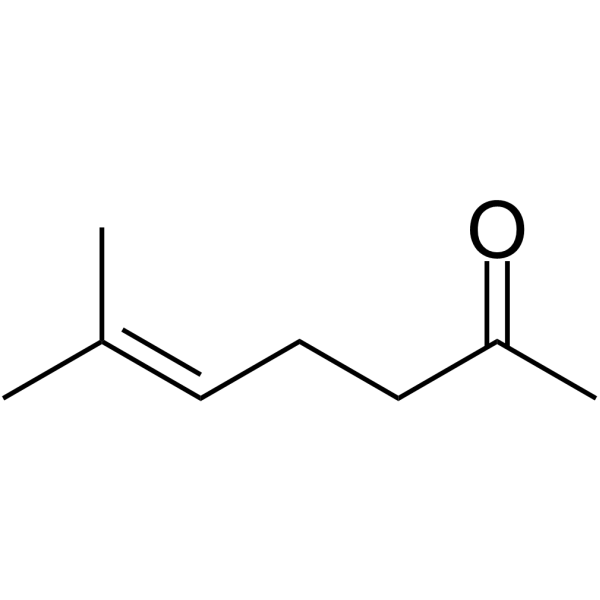
Sulcatone-d5 (6-Methyl-5-hepten-2-one-d5) is the deuterium labeled Sulcatone (HY-W010435). Sulcatone (6-Methyl-5-hepten-2-one) is a plant-derived volatile organic compound with activities such as insecticidal, antifungal, and blood pressure-lowering effects. Sulcatone also serves as an insect pheromone and an endogenous metabolite, which can be found in feces. Changes in Sulcatone levels can be used for the auxiliary diagnosis of ulcerative colitis .
|
-
-
- HY-W654234
-
|
|
|
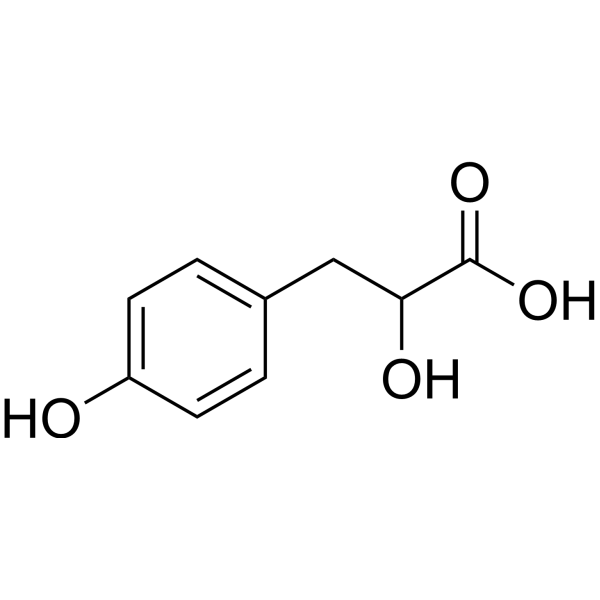
Hydroxyphenyllactic acid-d3 is the deuterium labeled Hydroxyphenyllactic acid (HY-113219). Hydroxyphenyllactic acid is an antifungal metabolite .
|
-
-
- HY-113219S
-
|
|
|
Hydroxyphenyllactic acid-d4 is the deuterium labeled Hydroxyphenyllactic acid (HY-113219). Hydroxyphenyllactic acid is an antifungal metabolite .
|
-
Your information is safe with us. * Required Fields.
Inquiry Information
- 상품명:
- Cat. No.:
- 수량:
- MCE Japan Authorized Agent:








