1. Search Result
Search Result
Results for "

bacterial ribosomes

" in MedChemExpress (MCE) Product Catalog:

84

Inhibitors & Agonists

1

Fluorescent Dyes

1

Biochemical Assay Reagents

4

Peptides

4

MCE Kits

23

Natural
Products

10

Isotope-Labeled Compounds

1

Oligonucleotides

1

GMP Molecules

Targets Recommended:
Cat. No. Product Name Target Research Areas Chemical Structure
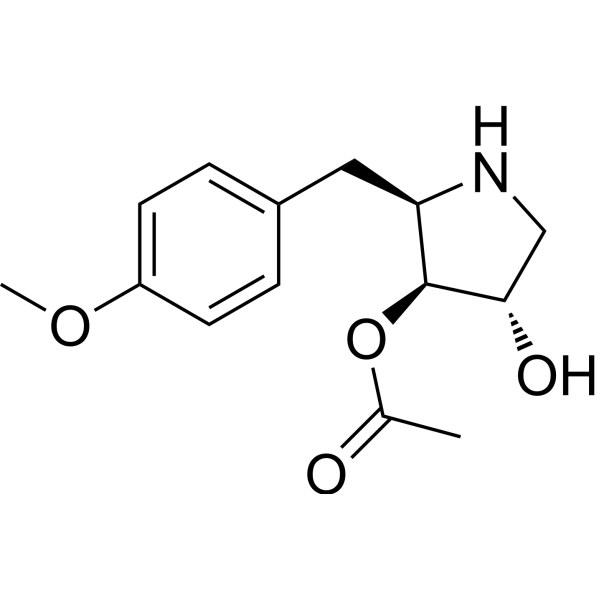
  • HY-18982
    Anisomycin
    Maximum Cited Publications
    138 Publications Verification

    Flagecidin; Wuningmeisu C

    DNA/RNA Synthesis JNK Bacterial Apoptosis Antibiotic Parasite Infection Cancer
    Anisomycin is a potent protein synthesis inhibitor which interferes with protein and DNA synthesis by inhibiting peptidyl transferase or the 80S ribosome system . Anisomycin is a JNK activator, which increases phospho-JNK . Anisomycin is a bacterial antibiotic .
    Anisomycin
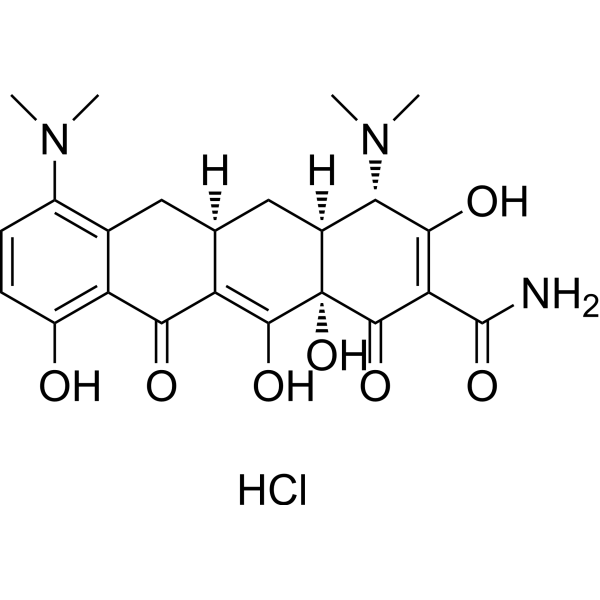
  • HY-17412
    Minocycline hydrochloride
    60+ Cited Publications

    Bacterial Antibiotic HIF/HIF Prolyl-Hydroxylase Apoptosis MDM-2/p53 Potassium Channel Calcium Channel Infection Cardiovascular Disease Neurological Disease Metabolic Disease Inflammation/Immunology Cancer
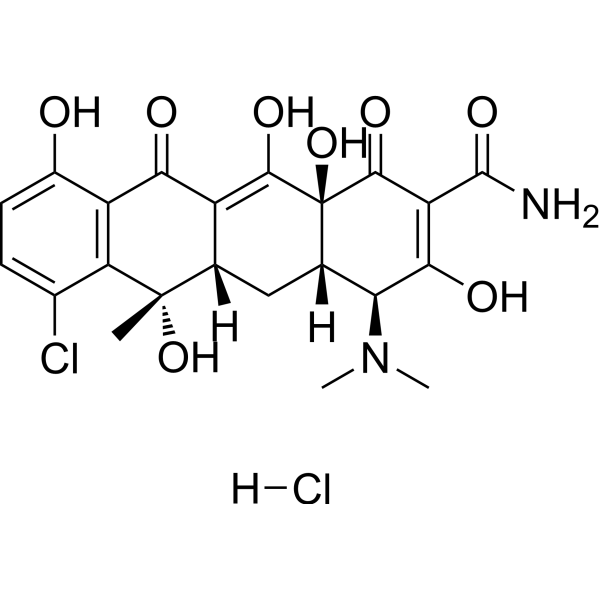
    Minocycline hydrochloride is an orally active, potent and BBB-penetrated semi-synthetic tetracycline antibiotic. Minocycline hydrochloride is a hypoxia-inducible factor (HIF)-1α inhibitor. Minocycline hydrochloride shows anti-cancer, anti-inflammatory, and glutamate antagonist effects. Minocycline hydrochloride reduces glutamate neurotransmission and shows neuroprotective properties and antidepressant effects. Minocycline hydrochloride inhibits bacterial protein synthesis through binding with the 30S subunit of the bacterial ribosome, resulting in a bacteriostatic effect .
    Minocycline hydrochloride
  • HY-B1777
    Spermine
    5+ Cited Publications

    NSC 268508; Neuridine

    Endogenous Metabolite Bacterial Reactive Oxygen Species (ROS) DNA/RNA Synthesis Infection Neurological Disease Inflammation/Immunology
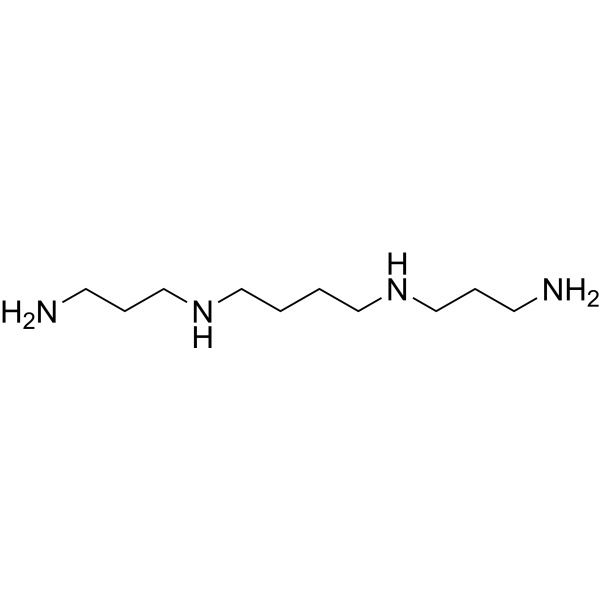
    Spermine is a natural antioxidant and anti-inflammatory agent. Spermine is known to inhibit some bacterial cultures, especially strains of Staphylococcus aureus. Spermine induces neurotoxicity in the striarum dose-dependently. Spermine can reversibly inhibits DNA synthetic response, mixed lymphocyte response and the induction of cytolytic lymphocyte response in primary cultures of murine spleen cells. Spermine tetrahydrochloride is a polyamine nitric oxide donor that can provide nitric oxide to platelets and inhibit platelet activation to a certain extent concentration-dependently. Spermine tetrahydrochloride occurs in mammalian tissues, plants, bacteria, ribosomes and bacteriophage. Spermine tetrahydrochloride inhibits primary human embryo lung fibroblasts in vitro .
    Spermine
  • HY-B1329
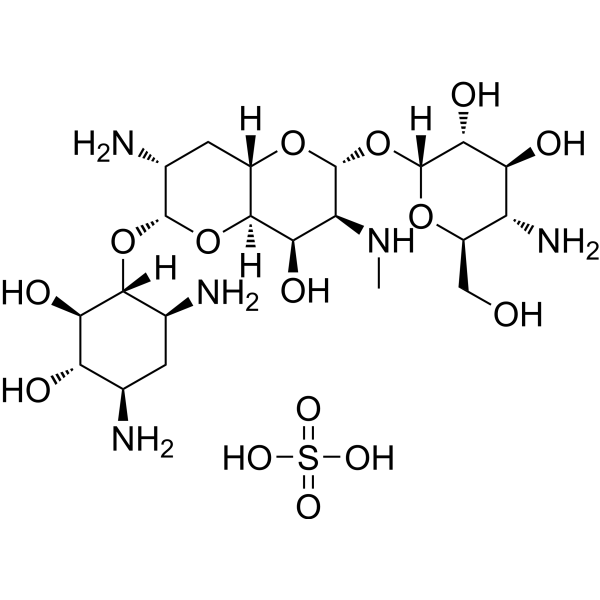
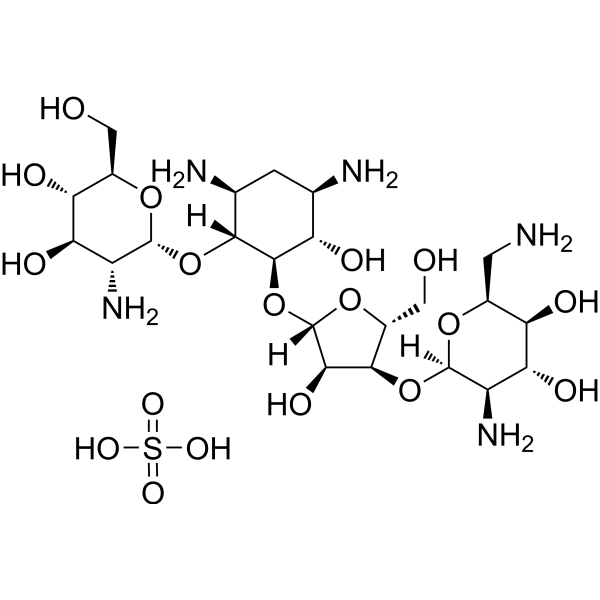
    Apramycin sulfate
    4 Publications Verification

    Nebramycin II sulfate

    Bacterial Antibiotic Infection
    Apramycin (EBL 1003) sulfate is an orally active, acidic pH tolerant and aminoglycoside-modifying-enzymes-tolerant aminoglycoside antibiotic which inhibits protein biosynthesis by targeting the bacterial ribosome. Apramycin sulfate is a potential anti-drug-resistance antibiotic .
    Apramycin sulfate
  • HY-B0438
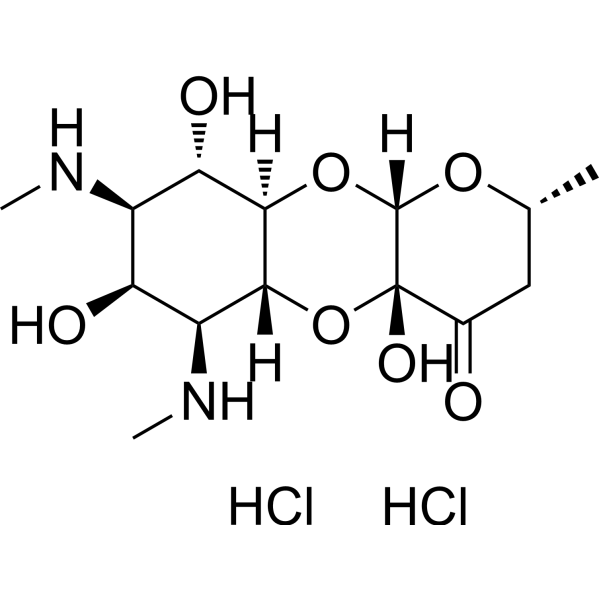
    Spectinomycin dihydrochloride
    3 Publications Verification

    Bacterial Antibiotic Infection
    Spectinomycin dihydrochloride is a broad-spectrum antibiotic and inhibits the growth of a variety of gram-positive and gram-negative organisms. Spectinomycin dihydrochloride acts by selectively targeting to the bacterial ribosome and interrupting protein synthesis. Spectinomycin dihydrochloride is also a noncompetitive inhibitor of td intron RNA with an Ki value of 7.2 mM - .
    Spectinomycin dihydrochloride
  • HY-B0956
    Paromomycin sulfate
    4 Publications Verification

    Aminosidine sulfate

    Antibiotic Parasite Bacterial Infection
    Paromomycin (Aminosidine) sulfate, a neomycin (HY-B0470) derivative, is a broad spectrum aminoglycoside antibiotic with amebicidal and bactericidal effects. Paromomycin sulfate prematures termination of translation of mRNA and inhibits protein synthesis by specifically binds to the RNA oligonucleotide at the A site of bacterial 30S ribosomes. Paromomycin sulfate can be used for the research of bacterial and parasitic infections .
    Paromomycin sulfate
  • HY-15662
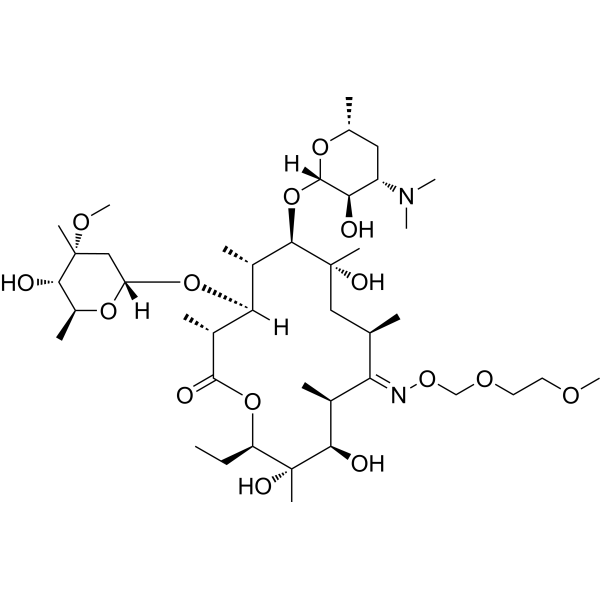
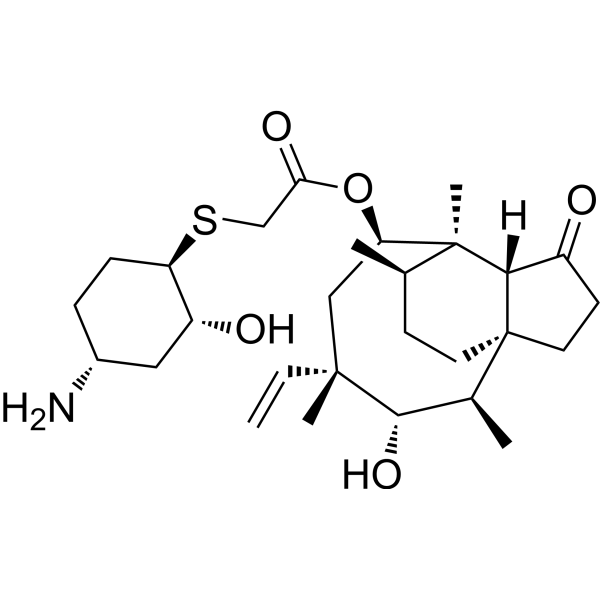
    Tulathromycin A
    2 Publications Verification

    Tulathromycin; CP 472295

    Antibiotic Bacterial Infection
    Tulathromycin A (Tulathromycin), a macrolide antibiotic, inhibits protein synthesis (IC50=0.26 µM) by targeting bacterial ribosome. Tulathromycin A is used for the research of respiratory disease in cattle and swine. Immunomodulatory effects .
    Tulathromycin A
  • HY-B1327
    Chlortetracycline hydrochloride
    5+ Cited Publications

    7-Chlorotetracycline hydrochloride

    Bacterial Antibiotic Parasite Infection Inflammation/Immunology
    Chlortetracycline hydrochloride (7-Chlorotetracycline hydrochloride) is an orally active, effective and selectively methanogenic bacteria inhibitor with bactericidal effects. Chlortetracycline hydrochloride is also a antibiotic that acts by inhibiting bacterial protein synthesis. Additionally, Chlortetracycline hydrochloride is a specific and potent calcium ionophore antibiotic, inhibiting binding of aminoacyl-tRNA to ribosomes .
    Chlortetracycline hydrochloride
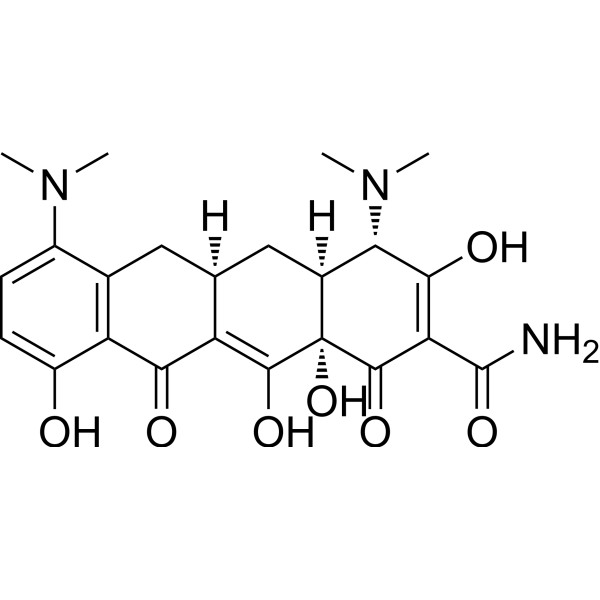
  • HY-17412A
    Minocycline
    60+ Cited Publications

    Antibiotic Bacterial HIF/HIF Prolyl-Hydroxylase Apoptosis MDM-2/p53 Potassium Channel Calcium Channel Infection Cardiovascular Disease Neurological Disease Metabolic Disease Inflammation/Immunology Cancer
    Minocycline is an orally active, potent and BBB-penetrated semi-synthetic tetracycline antibiotic. Minocycline is a hypoxia-inducible factor (HIF)-1α inhibitor. Minocycline shows anti-cancer, anti-inflammatory, and glutamate antagonist effects. Minocycline reduces glutamate neurotransmission and shows neuroprotective properties and antidepressant effects. Minocycline inhibits bacterial protein synthesis through binding with the 30S subunit of the bacterial ribosome, resulting in a bacteriostatic effect .
    Minocycline
  • HY-B1828A

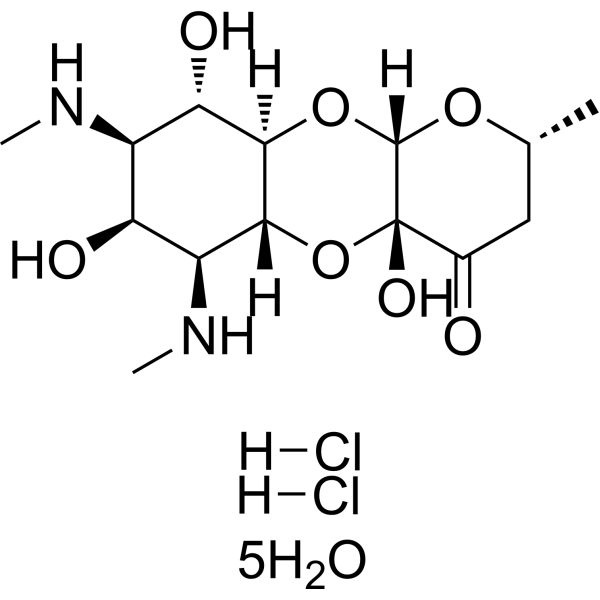
    Spectinomycin hydrochloride hydrate

    Bacterial Antibiotic Infection
    Spectinomycin dihydrochloride pentahydrate is a broad-spectrum antibiotic and inhibits the growth of a variety of gram-positive and gram-negative organisms. Spectinomycin dihydrochloride pentahydrate acts by selectively targeting to the bacterial ribosome and interrupting protein synthesis. Spectinomycin dihydrochloride pentahydrate is also a noncompetitive inhibitor of td intron RNA with an Ki value of 7.2 mM - .
    Spectinomycin dihydrochloride pentahydrate
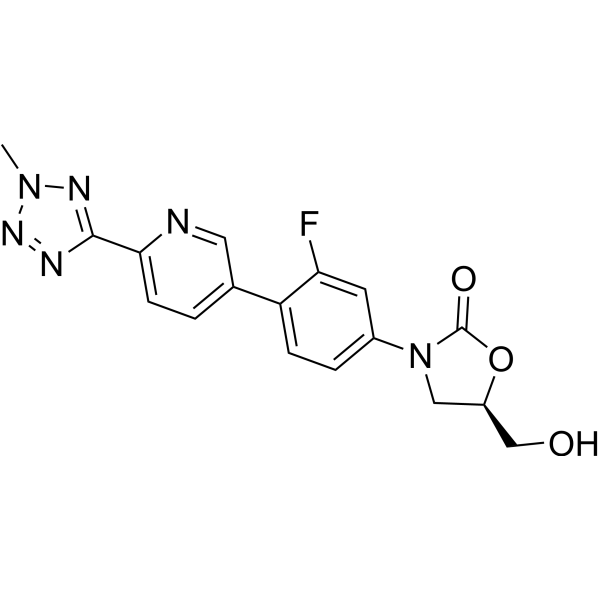
  • HY-14855
    Tedizolid
    15+ Cited Publications

    TR 700; Torezolid; DA-7157

    Bacterial Antibiotic Infection
    Tedizolid (TR 700; Torezolid; DA-7157) is a novel oxazolidinone, acting through inhibition of bacterial protein synthesis by binding to 23S ribosomal RNA (rRNA) of the 50S subunit of the ribosome.
    Tedizolid
  • HY-B1777AS

    Isotope-Labeled Compounds Endogenous Metabolite Reactive Oxygen Species (ROS) Bacterial DNA/RNA Synthesis Metabolic Disease
    Spermine-d8 (tetrahydrochloride) is the deuterium labeled Spermine tetrahydrochloride. Spermine tetrahydrochloride is a polyamine nitric oxide donor that can provide nitric oxide to platelets and inhibit platelet activation to a certain extent concentration-dependently. Spermine tetrahydrochloride occurs in mammalian tissues, plants, bacteria, ribosomes and bacteriophage. Spermine tetrahydrochloride inhibits primary human embryo lung fibroblasts in vitro. Spermine is a natural antioxidant and anti-inflammatory agent. Spermine is known to inhibit some bacterial cultures, especially strains of Staphylococcus aureus. Spermine induces neurotoxicity in the striarum dose-dependently. Spermine can reversibly inhibits DNA synthetic response, mixed lymphocyte response and the induction of cytolytic lymphocyte response in primary cultures of murine spleen cells .
    Spermine-d8 tetrahydrochloride
  • HY-16908A
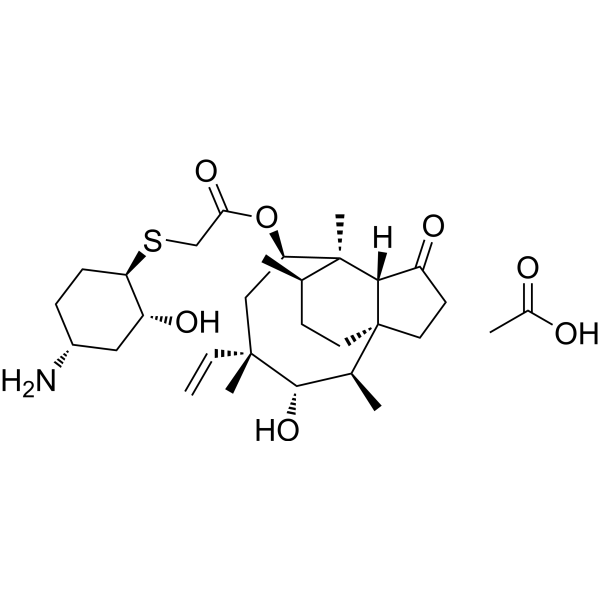
    Lefamulin acetate
    4 Publications Verification

    BC-3781 acetate

    Bacterial Antibiotic Infection Inflammation/Immunology
    Lefamulin (BC-3781) acetate is an orally active antibiotic. Lefamulin acetate inhibits protein synthesis by binding to the peptidyl transferase center of the 50S bacterial ribosome. Lefamulin acetate has anti-inflammatory activity. Lefamulin acetate can be used in the research of bacterial infections, such as bacterial pneumonia .
    Lefamulin acetate
  • HY-B0905
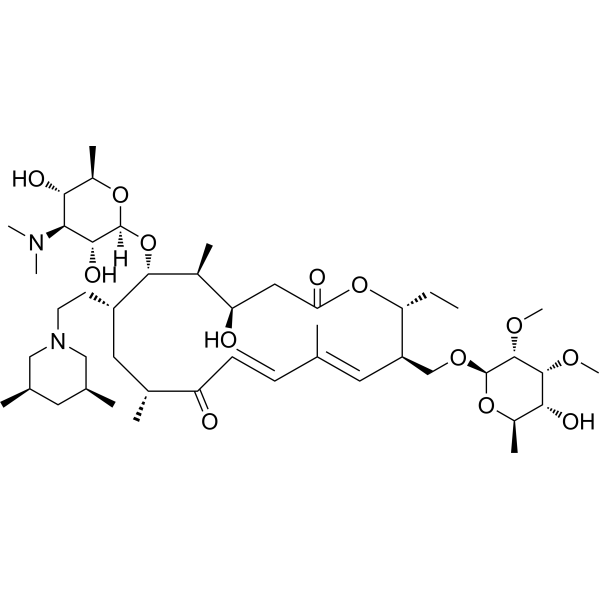
    Tilmicosin
    5 Publications Verification

    LY-177370; EL-870

    Bacterial Antibiotic Apoptosis Calcium Channel Infection Inflammation/Immunology
    Tilmicosin (LY-177370) is an orally active calcium channel antagonist and macrolide antibiotic with antimicrobial activity. Tilmicosin mainly acts on the 50S subunit of bacterial ribosomes, inhibiting protein synthesis. Tilmicosin is effective in the treatment of respiratory diseases in livestock such as cattle, sheep and pigs. In addition, Tilmicosin has immunomodulatory and anti-inflammatory effects .
    Tilmicosin
  • HY-B1777A
    Spermine tetrahydrochloride
    5+ Cited Publications

    Endogenous Metabolite Bacterial Reactive Oxygen Species (ROS) DNA/RNA Synthesis Infection Neurological Disease Inflammation/Immunology
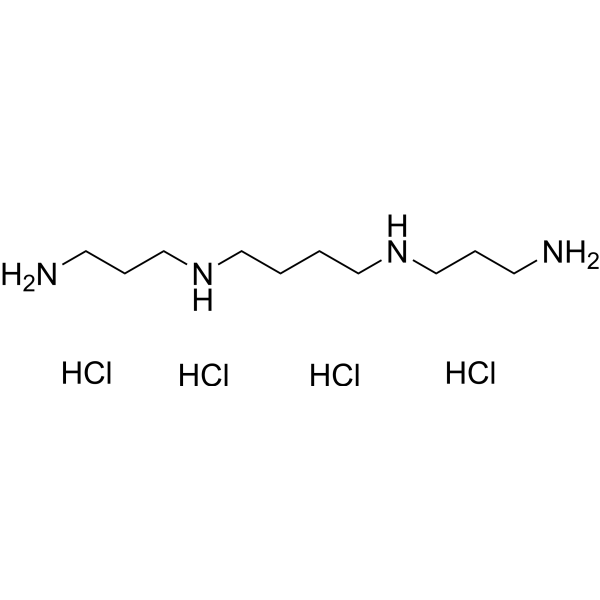
    Spermine tetrahydrochloride is a polyamine nitric oxide donor that can provide nitric oxide to platelets and inhibit platelet activation to a certain extent concentration-dependently. Spermine tetrahydrochloride occurs in mammalian tissues, plants, bacteria, ribosomes and bacteriophage. Spermine tetrahydrochloride inhibits primary human embryo lung fibroblasts in vitro. Spermine is a natural antioxidant and anti-inflammatory agent. Spermine is known to inhibit some bacterial cultures, especially strains of Staphylococcus aureus. Spermine induces neurotoxicity in the striarum dose-dependently. Spermine can reversibly inhibits DNA synthetic response, mixed lymphocyte response and the induction of cytolytic lymphocyte response in primary cultures of murine spleen cells .
    Spermine tetrahydrochloride
  • HY-117660
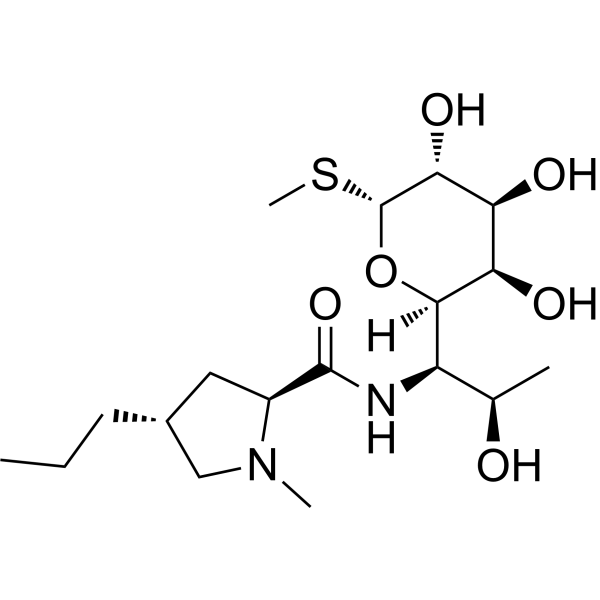
    Lincomycin
    5 Publications Verification

    U-10149

    Antibiotic Bacterial DNA/RNA Synthesis Infection Metabolic Disease
    Lincomycin (U-10149) is an orally active lincosamide antibiotic. Lincomycin binds to the ribosomes of Gram-positive bacteria to inhibit protein synthesis. Lincomycin can inhibit chloroplast translation, disrupt chloroplast integrity, and activate chloroplast-to-nucleus retrograde signaling in Arabidopsis thaliana seedlings. Lincomycin induces alterations in lipid profiles and liver injury, disrupts blood glucose and insulin levels, and increases growth rate in mice .
    Lincomycin
  • HY-B1327A

    7-Chlorotetracycline

    Bacterial Antibiotic Parasite Infection Inflammation/Immunology
    Chlortetracycline (7-Chlorotetracycline) is an orally active, effective and selectively methanogenic bacteria inhibitor with bactericidal effects. Chlortetracycline is also a antibiotic that acts by inhibiting bacterial protein synthesis. Additionally, Chlortetracycline is a specific and potent calcium ionophore antibiotic, inhibiting binding of aminoacyl-tRNA to ribosomes .
    Chlortetracycline
  • HY-B0435
    Roxithromycin
    5+ Cited Publications

    RU-28965

    Bacterial Antibiotic Apoptosis p38 MAPK NF-κB Infection Cardiovascular Disease Inflammation/Immunology Cancer
    Roxithromycin (RU-28965) is an orally active semi-synthethic macrolide antibiotic. Roxithromycin inhibits protein biosynthesis in the elongation step by binding to 50S bacterial ribosome. Roxithromycin has antimicrobial, antiproliferative, anti-inflammatory, tumour vasculature inhibiting and lung injury ameliorating effects .
    Roxithromycin
  • HY-B0905A
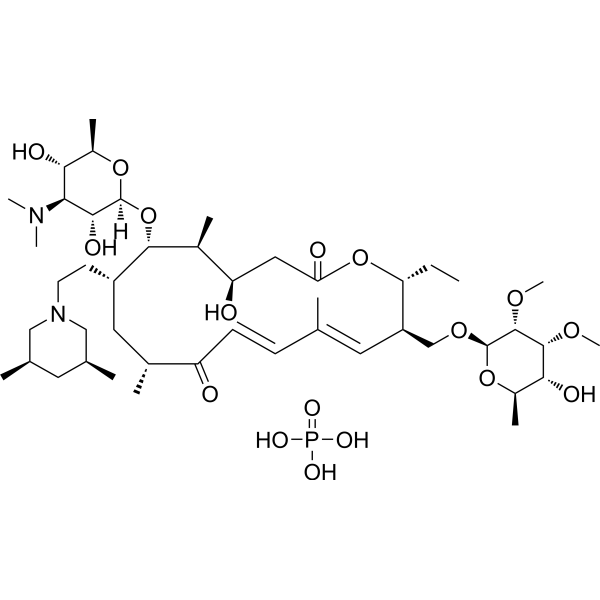
    Tilmicosin phosphate
    5 Publications Verification

    LY-177370 phosphate; EL-870 phosphate

    Bacterial Antibiotic Apoptosis NO Synthase COX Infection Inflammation/Immunology
    Tilmicosin (LY-177370) phosphate is an orally active calcium channel antagonist and macrolide antibiotic with antimicrobial activity. Tilmicosin phosphate mainly acts on the 50S subunit of bacterial ribosomes, inhibiting protein synthesis. Tilmicosin phosphate is effective in the treatment of respiratory diseases in livestock such as cattle, sheep and pigs. In addition, Tilmicosin phosphate has immunomodulatory and anti-inflammatory effects .
    Tilmicosin phosphate
  • HY-B1350A
    Fusidic acid sodium salt
    2 Publications Verification

    Sodium fusidate; SQ-16360

    Bacterial Antibiotic Interleukin Related Infection Inflammation/Immunology
    Fusidic acid sodium salt is an orally available antibacterial agent that inhibits bacterial protein synthesis by preventing the release of translation elongation factor G (EF-G) from ribosomes. Fusidic acid sodium salt inhibits the inhibitory and activating effects of interleukins IL-1 and IL-6 on glucose-induced insulin production and exhibits antidiabetic effects in a rat model. Fusidic acid sodium salt improves the symptoms of colitis in rats and inhibits the growth of Toxoplasma gondii and Listeria monocytogenes EGD in vitro, but not in mice .
    Fusidic acid sodium salt
  • HY-B1828

    Antibiotic Bacterial Infection
    Spectinomycin is a broad-spectrum antibiotic and inhibits the growth of a variety of gram-positive and gram-negative organisms. Spectinomycin acts by selectively targeting to the bacterial ribosome and interrupting protein synthesis. Spectinomycin is also a noncompetitive inhibitor of td intron RNA .
    Spectinomycin
  • HY-17412R

    Reference Standards Antibiotic Bacterial HIF/HIF Prolyl-Hydroxylase Apoptosis MDM-2/p53 Potassium Channel Calcium Channel Infection Cardiovascular Disease Neurological Disease Metabolic Disease Inflammation/Immunology Cancer
    Minocycline (hydrochloride) (Standard) is the analytical standard of Minocycline (hydrochloride). This product is intended for research and analytical applications. Minocycline hydrochloride is an orally active, potent and BBB-penetrated semi-synthetic tetracycline antibiotic. Minocycline hydrochloride is a hypoxia-inducible factor (HIF)-1α inhibitor. Minocycline hydrochloride shows anti-cancer, anti-inflammatory, and glutamate antagonist effects. Minocycline hydrochloride reduces glutamate neurotransmission and shows neuroprotective properties and antidepressant effects. Minocycline hydrochloride inhibits bacterial protein synthesis through binding with the 30S subunit of the bacterial ribosome, resulting in a bacteriostatic effect .
    Minocycline hydrochloride (Standard)
  • HY-141667

    7-(p-Methoxybenzylamino)-4-nitrobenz-2,1,3-oxadiazole

    Fluorescent Dye Others
    MBD (7-(p-Methoxybenzylamino)-4-nitrobenz-2,1,3-oxadiazole), a new fluorescent probe for protein and nucleoprotein conformation, is applied to bacterial ribosomes and to bovine trypsinogen and trypsin. MBD is strongly fluorescent upon binding to a hydrophobic area of a macromolecule .
    MBD
  • HY-112565
    MBX-4132
    2 Publications Verification

    Bacterial Infection
    MBX-4132, a member of a chemical class called oxadiazoles that inhibit trans translation by binding to the bacterial ribosome.
    MBX-4132
  • HY-16908
    Lefamulin
    4 Publications Verification

    BC-3781

    Bacterial Antibiotic Infection
    Lefamulin (BC-3781) is an orally active antibiotic. Lefamulin inhibits protein synthesis by binding to the peptidyl transferase center of the 50S bacterial ribosome. Lefamulin has anti-inflammatory activity. Lefamulin can be used in the research of bacterial infections, such as bacterial pneumonia .
    Lefamulin
  • HY-118099

    Bacterial Drug Metabolite Infection
    Florfenicol amine hydrochloride is a metabolite of Florfenicol (HY-B1374). Florfenicol inhibits bacterial protein synthesis by binding to 50S and 70S subunits in the ribosome to abolish the activity of peptidyltransferase. Florfenicol, is a veterinary antibiotic, can be used in aquaculture to control susceptible bacterial diseases .
    Florfenicol amine hydrochloride
  • HY-152296

    Nucleoside Antimetabolite/Analog Bacterial Infection
    8-Methyladenosine is a modified adenosine nucleoside. Through methylation at the 8-position, 8-Methyladenosine confers bacterial resistance to five classes of antibiotics that bind to the ribosomal peptidyl transferase center. 8-Methyladenosine can be used in studies of antibiotic-resistant bacterial infections .
    8-Methyladenosine
  • HY-148062

    PROTACs CDK AAK1 Cyclin G-associated Kinase (GAK) Salt-inducible Kinase (SIK) LIM Kinase (LIMK) Wee1 SnRK Others
    RSS0680 is a small noncoding RNA (sRNA) targeting the mRNA ribosome binding site (RBS) and a PROTAC with protein kinase degradation activity (Pink: FLT3-IN-17 (HY-148070); Black: Linker (HY-W041970); Blue: E3 ligase Ligand (HY-112078)). RSS0680 competitively binds to RBS through the conserved CCUCCUCCC anti-Shine-Dalgarno (aSD) sequence and inhibits the translation initiation of target genes. RSS0680 can interact with the DUF1127 protein CcaF1, regulate its own stability and participate in bacterial oxidative stress defense, enhancing the host's resistance to heat shock and oxidative damage by affecting pathways such as C1 metabolism and pyruvate dehydrogenase complex. RSS0680 degrades AAK1, CDK1, CDK16, CDK2, CDK4, CDK6, EIF2AK4, GAK, LATSl, LIMK2, MAPK6, MAPKAPK5, MARK2, MARK4, MKNK2, NEK9, RPS6KB1, SIK2, SNRK, STK17A, STK17B, STK35, and WEEl. RSS0680 can be used to study diseases or disorders mediated by aberrant kinase activity and regulatory mechanisms of noncoding RNAs in α-proteobacteria[1][2].
    RSS0680
  • HY-18982R

    Flagecidin (Standard); Wuningmeisu C (Standard)

    Reference Standards DNA/RNA Synthesis JNK Bacterial Apoptosis Antibiotic Parasite Infection Cancer
    Anisomycin (Standard) is the analytical standard of Anisomycin. This product is intended for research and analytical applications. Anisomycin is a potent protein synthesis inhibitor which interferes with protein and DNA synthesis by inhibiting peptidyl transferase or the 80S ribosome system[1]. Anisomycin is a JNK activator, which increases phospho-JNK[2][3]. Anisomycin is a bacterial antibiotic[4].
    Anisomycin (Standard)
  • HY-W653977

    7-Chlorotetracycline-13C,d3 hydrochloride

    Isotope-Labeled Compounds Antibiotic Bacterial Parasite Infection
    Chlortetracycline-13C,d3 hydrochloride (7-Chlorotetracycline-13C,d3 hydrochloride) is the 13C- and deuterium labeled Chlortetracycline hydrochloride (HY-B1327). Chlortetracycline hydrochloride is an orally active, selective antibiotic, that inhibits methanogenic bacteria through inhibition of bacterial protein synthesis. Chlortetracycline hydrochloride is a specific and potent calcium ionophore antibiotic, that inhibits binding of aminoacyl-tRNA to ribosomes .
    Chlortetracycline-13C,d3 hydrochloride
  • HY-B1329R

    Nebramycin II sulfate (Standard)

    Reference Standards Bacterial Antibiotic Infection
    Apramycin (sulfate) (Standard) is the analytical standard of Apramycin (sulfate). This product is intended for research and analytical applications. Apramycin (EBL 1003) is an orally active, acidic pH tolerant and aminoglycoside-modifying-enzymes-tolerant aminoglycoside antibiotic which inhibits protein biosynthesis by targeting the bacterial ribosome. Apramycin is a potential anti-drug-resistance antibiotic .
    Apramycin sulfate (Standard)
  • HY-127072

    Antibiotic Bacterial Infection Inflammation/Immunology Cancer
    Amicoumacin A is an orally active antibiotic. Amicoumacin A targets bacterial ribosomes and inhibits bacterial translation by stabilizing the interaction between mRNA and ribosomes. Amicoumacin A induces cancer cell death by targeting eukaryotic ribosomes. Amicoumacin A exhibits anti-inflammatory and anti-ulcer activities, inhibits carrageenan-induced paw edema, and prevents stress-induced gastric ulcers. Amicoumacin A inhibits the growth of Gram-positive bacteria, Salmonella spp., Shigella spp., Helicobacter pylori, and methicillin-resistant Staphylococcus aureus. Amicoumacin A can be used in the research of lung cancer, breast cancer, bacterial infections, inflammatory edema and gastric ulcers [2] .
    Amicoumacin A
  • HY-111903

    Bacterial Infection
    Levomecol (Chloramphenicol), made up of Chloramphenicol, Methyluracil, is a broad-spectrum antibiotic that is derived from the bacterium Streptomyces venezuelae. Levomecol (Chloramphenicol)) stops bacterial growth by binding to the bacterial ribosome (blocking peptidyl transferase) and inhibiting protein synthesis .
    Levomecol
  • HY-P5723A

    Bacterial Infection
    Api137 TFA is an antimicrobial peptide that interferes with bacterial growth by inhibiting translation. Api137 TFA inhibits protein synthesis by trapping of release factors on the 70S ribosome following hydrolysis of the nascent polypeptide chain .
    Api137 TFA
  • HY-17412AS

    Isotope-Labeled Compounds Antibiotic Bacterial HIF/HIF Prolyl-Hydroxylase Apoptosis MDM-2/p53 Potassium Channel Calcium Channel Infection Cardiovascular Disease Neurological Disease Metabolic Disease Inflammation/Immunology Cancer
    Minocycline-d6 is deuterium labeled Minocycline (HY-17412A). Minocycline is an orally active, potent and BBB-penetrated semi-synthetic tetracycline antibiotic. Minocycline is a hypoxia-inducible factor (HIF)-1α inhibitor. Minocycline shows anti-cancer, anti-inflammatory, and glutamate antagonist effects. Minocycline reduces glutamate neurotransmission and shows neuroprotective properties and antidepressant effects. Minocycline inhibits bacterial protein synthesis through binding with the 30S subunit of the bacterial ribosome, resulting in a bacteriostatic effect .
    Minocycline-d6
  • HY-139554

    KBP-7072

    Antibiotic Bacterial Infection
    Zifanocycline (KBP-7072) is a semisynthetic third-generation aminomethylcycline antibiotic that inhibits the normal function of the bacterial ribosome. Zifanocycline exhibits a broad spectrum of in vitro antibacterial activity against Gram-positive and Gram-negative bacteria, including many multidrug-resistant pathogens. Zifanocycline is available in both oral and injectable formulations. Zifanocycline can be used for the research of acute bacterial skin and skin structure infections, community-acquired bacterial pneumonia, and complicated intra-abdominal infections .
    Zifanocycline
  • HY-106597A

    Bacterial Antibiotic Infection
    Pirlimycin hydrochloride, a lincosamide antibiotic, is active against Gram-positive bacteria. Pirlimycin hydrochloride acts by inhibiting bacterial protein synthesis via binding with the 50S subunit of the ribosome .
    Pirlimycin hydrochloride
  • HY-106597

    Antibiotic Bacterial Infection
    Pirlimycin, a lincosamide antibiotic, is active against Gram-positive bacteria. Pirlimycin acts by inhibiting bacterial protein synthesis via binding with the 50S subunit of the ribosome .
    Pirlimycin
  • HY-147304

    Bacterial Others
    BPH-1086 (compound 10) is an IspH inhibitor, IspH domain fused with ribosomal protein S1 (RPS1) can bind to mRNA or form part of the bacterial ribosome .
    BPH-1086
  • HY-17558
    Apramycin
    4 Publications Verification

    Nebramycin II

    Bacterial Antibiotic Infection
    Apramycin (Nebramycin II) is an orally active, acidic pH tolerant and aminoglycoside-modifying-enzymes-tolerant aminoglycoside antibiotic which inhibits protein biosynthesis by targeting the bacterial ribosome. Apramycin is a potential anti-drug-resistance antibiotic .
    Apramycin
  • HY-B0905R

    LY-177370 (Standard); EL-870 (Standard)

    Reference Standards Bacterial Antibiotic Apoptosis Calcium Channel Infection Inflammation/Immunology
    Tilmicosin (Standard) is the analytical standard of Tilmicosin. This product is intended for research and analytical applications. Tilmicosin (LY-177370) is an orally active calcium channel antagonist and macrolide antibiotic with antimicrobial activity. Tilmicosin mainly acts on the 50S subunit of bacterial ribosomes, inhibiting protein synthesis. Tilmicosin is effective in the treatment of respiratory diseases in livestock such as cattle, sheep and pigs. In addition, Tilmicosin has immunomodulatory and anti-inflammatory effects .
    Tilmicosin (Standard)
  • HY-N16461

    Bacterial Infection
    Albomycin ε is a siderophore-antibiotic conjugate targeting bacterial ribosomes (MIC values:>512 μg/mL). Albomycin ε is promising for research of Streptococcus pneumoniae and Staphylococcus aureus infections .
    Albomycin ε
  • HY-N16460

    Antibiotic Bacterial Infection
    Albomycin δ2 is a siderophore-antibiotic conjugate targeting bacterial ribosomes (MIC: 0.0625 μg/mL against S. pneumoniae, 0.125 μg/mL against MRSA). Albomycin δ2 is promising for research of Streptococcus pneumoniae and Staphylococcus aureus infections .
    Albomycin δ2
  • HY-15662R

    Tulathromycin (Standard); CP 472295 (Standard)

    Reference Standards Antibiotic Bacterial Infection
    Tulathromycin A (Standard) is the analytical standard of Tulathromycin A. This product is intended for research and analytical applications. Tulathromycin A (Tulathromycin), a macrolide antibiotic, inhibits protein synthesis (IC50=0.26 μM) by targeting bacterial ribosome. Tulathromycin A is used for the research of respiratory disease in cattle and swine. Immunomodulatory effects .
    Tulathromycin A (Standard)
  • HY-N16459

    Antibiotic Bacterial Infection
    Albomycin δ1 is a selective bacterial ribosome-targeted antibiotic (MIC: 0.0625 μg/mL against S. pneumoniae). Albomycin δ1 exerts bactericidal activity via covalent binding to 70S ribosomes and irreversible inhibition of peptidyl transferase. Albomycin δ1 is promising for research of S. pneumoniae and S. aureus infections .
    Albomycin δ1
  • HY-P5723

    Bacterial Infection
    Api137 is an antimicrobial peptide that interferes with bacterial growth by inhibiting translation. Api137 inhibits protein synthesis by trapping of release factors on the 70S ribosome following hydrolysis of the nascent polypeptide chain .
    Api137
  • HY-19428A

    RBx-7644

    Antibiotic Bacterial Infection Cardiovascular Disease
    Ranbezolid (RBx7644 free base) is an orally active, oxazolidinone antibiotic against Gram-positive and Gram-negative anaerobes including Staphylococcus aureus, Staphylococcus epidermidis and Bacteroides fragilis. Ranbezolid can inhibit the 50s ribosomal subunit with an IC50 of 17 μM for bacterial ribosomes. Ranbezolid interferes cell wall and lipid synthesis. Ranbezolid can rapidly kill bacteria, significantly reduce bacterial load, and has better cardiovascular safety. Ranbezolid can be used for the study of antibiotics for anaerobic bacteria .
    Ranbezolid hydrochloride
  • HY-19428

    RBx7644 free base

    Antibiotic Bacterial Infection Cardiovascular Disease
    Ranbezolid (RBx7644 free base) is an orally active, oxazolidinone antibiotic against Gram-positive and Gram-negative anaerobes including Staphylococcus aureus, Staphylococcus epidermidis and Bacteroides fragilis. Ranbezolid can inhibit the 50s ribosomal subunit with an IC50 of 17 μM for bacterial ribosomes. Ranbezolid interferes cell wall and lipid synthesis. Ranbezolid can rapidly kill bacteria, significantly reduce bacterial load, and has better cardiovascular safety. Ranbezolid can be used for the study of antibiotics for anaerobic bacteria .
    Ranbezolid
  • HY-17412S1

    Isotope-Labeled Compounds Antibiotic Bacterial HIF/HIF Prolyl-Hydroxylase Apoptosis MDM-2/p53 Potassium Channel Calcium Channel Infection Cardiovascular Disease Neurological Disease Metabolic Disease Inflammation/Immunology Cancer
    Minocycline-d6 sulfate is deuterated labeled Minocycline (HY-17412A). Minocycline is an orally active, potent and BBB-penetrated semi-synthetic tetracycline antibiotic. Minocycline is a hypoxia-inducible factor (HIF)-1α inhibitor. Minocycline shows anti-cancer, anti-inflammatory, and glutamate antagonist effects. Minocycline reduces glutamate neurotransmission and shows neuroprotective properties and antidepressant effects. Minocycline inhibits bacterial protein synthesis through binding with the 30S subunit of the bacterial ribosome, resulting in a bacteriostatic effect .
    Minocycline-d6 sulfate
  • HY-17412S

    Isotope-Labeled Compounds Antibiotic Bacterial HIF/HIF Prolyl-Hydroxylase Apoptosis MDM-2/p53 Potassium Channel Calcium Channel Infection Cardiovascular Disease Neurological Disease Metabolic Disease Inflammation/Immunology Cancer
    Minocycline-d6 hydrochloride is deuterated labeled Minocycline hydrochloride (HY-17412). Minocycline hydrochloride is an orally active, potent and BBB-penetrated semi-synthetic tetracycline antibiotic. Minocycline hydrochloride is a hypoxia-inducible factor (HIF)-1α inhibitor. Minocycline hydrochloride shows anti-cancer, anti-inflammatory, and glutamate antagonist effects. Minocycline hydrochloride reduces glutamate neurotransmission and shows neuroprotective properties and antidepressant effects. Minocycline hydrochloride inhibits bacterial protein synthesis through binding with the 30S subunit of the bacterial ribosome, resulting in a bacteriostatic effect .
    Minocycline-d6 hydrochloride

Inquiry Online

Your information is safe with us. * Required Fields.

Salutation


Country or Region *

Applicant Name *


Organization Name *

Department *


Email Address *


Product Name *

Cat. No.


Requested quantity *

Phone Number *


Remarks

Inquiry Online

Inquiry Information

Product Name:
Cat. No.:
Quantity:
MCE Japan Authorized Agent:

