1. Search Result
Search Result
Results for "

cognitive effect

" in MedChemExpress (MCE) Product Catalog:

44

Inhibitors & Agonists

1

Peptides

8

Natural
Products

2

Isotope-Labeled Compounds

1

Oligonucleotides

Cat. No. Product Name Target Research Areas Chemical Structure
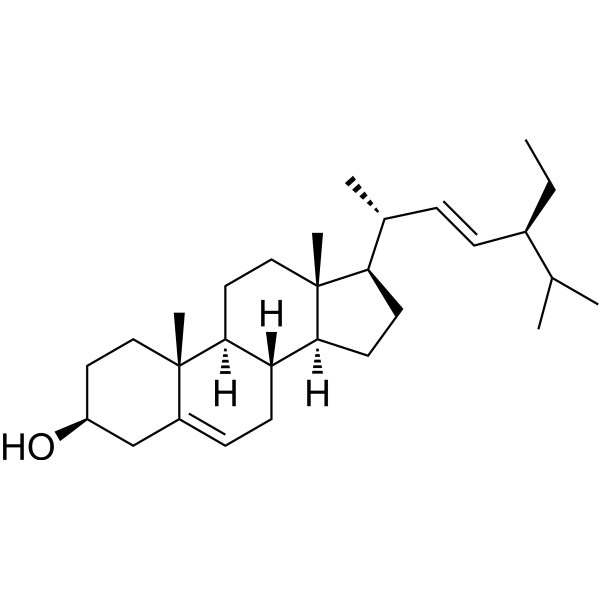
  • HY-N0131
    Stigmasterol
    10+ Cited Publications

    MMP Endogenous Metabolite Neurological Disease Inflammation/Immunology
    Stigmasterol is an orally acitve, immunomodulatory agent with anti-inflammatory and neuroprotective effect, as well as able to cross the blood-brain barrier. Stigmasterol activates AMPK, which in turn inhibits NF-κB and NLRP3 signaling pathways, reduces microglia-mediated neuroinflammation, and alleviates cognitive impairment and Alzheimer's disease. Stigmasterol regulates M1/M2 polarization of microglia through the TLR4/ NF-κB pathway, thereby reducing neuropathic pain. Stigmasterol can be used for neurodegenerative diseases, inflammatory diseases, and pain management, among others .
    Stigmasterol
  • HY-W004260
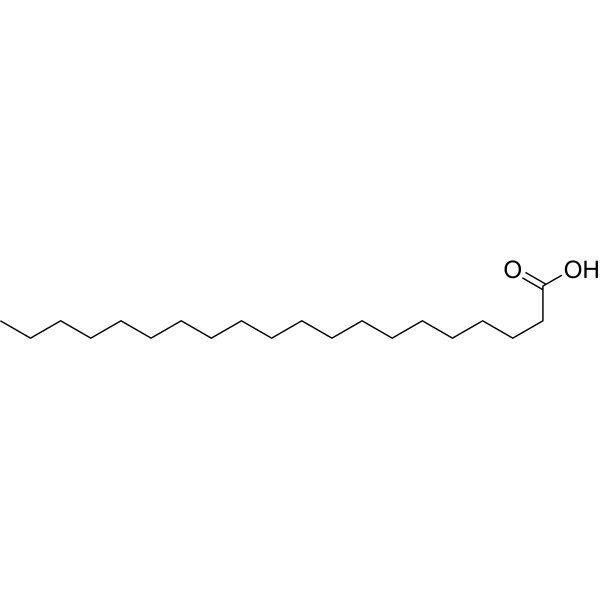
    Arachidic acid
    3 Publications Verification

    Eicosanoic acid

    Endogenous Metabolite Neurological Disease
    Arachidic acid is an orally bioavailable membrane fluidity modulator and receptor/ion channel effector. Arachidic acid does not activate arachidonic acid-sensitive K + channels in rat midbrain and hypothalamic neurons. Arachidic acid alleviates age-related spatial cognitive impairment. Arachidic acid is applicable for research related to age-related spatial cognitive impairment .
    Arachidic acid
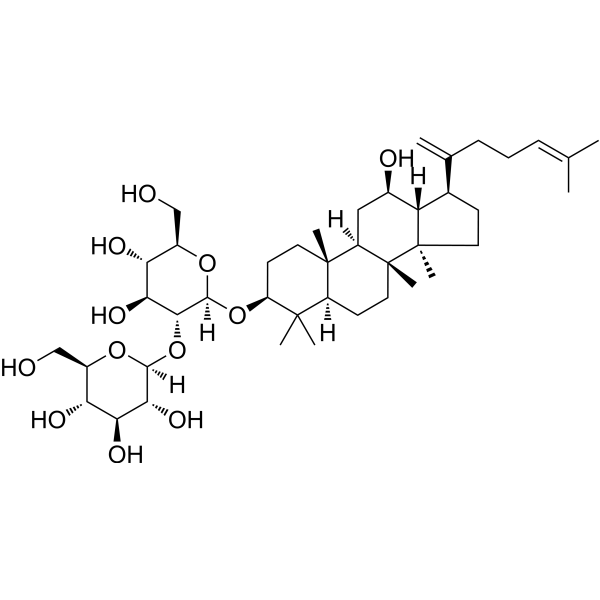
  • HY-N2515
    Ginsenoside Rk1
    5+ Cited Publications

    NF-κB PI3K JAK Apoptosis Inflammation/Immunology Cancer
    Ginsenoside Rk1 is a unique component created by processing the ginseng plant (mainly Sung Ginseng, SG) at high temperatures . Ginsenoside Rk1 has anti-inflammatory effect, suppresses the activation of Jak2/Stat3 signaling pathway and NF-κB . Ginsenoside Rk1 has anti-tumor effect, antiplatelet aggregation activities, anti-insulin resistance, nephroprotective effect, antimicrobial effect, cognitive function enhancement, lipid accumulation reduction and prevents osteoporosis . Ginsenoside Rk1 induces cell apoptosis by triggering intracellular reactive oxygen species (ROS) generation and blocking PI3K/Akt pathway .
    Ginsenoside Rk1
  • HY-B1892
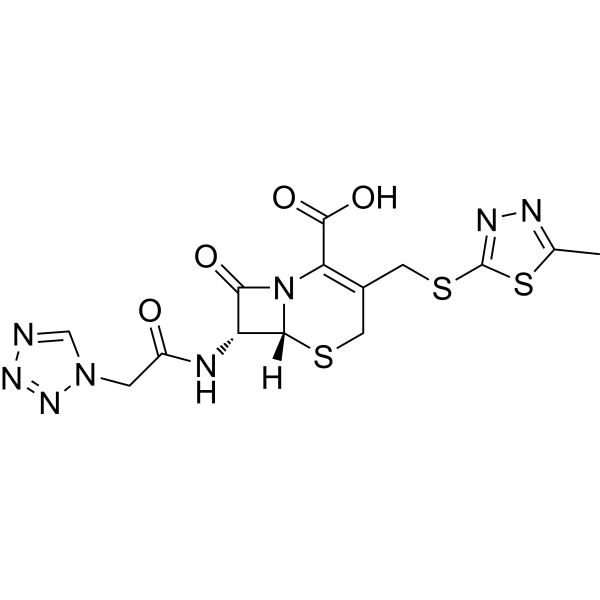
    Cefazolin
    10+ Cited Publications

    Cephazolin

    Antibiotic Bacterial Infection Neurological Disease Inflammation/Immunology Cancer
    Cefazolin (Cephazolin) is a first-generation cephalosporin antibiotic and can be used in varieties of bacterial infections research . Cefazolin has anti-inflammatory effect and can attenuate post-operative cognitive dysfunction (POCD) .
    Cefazolin
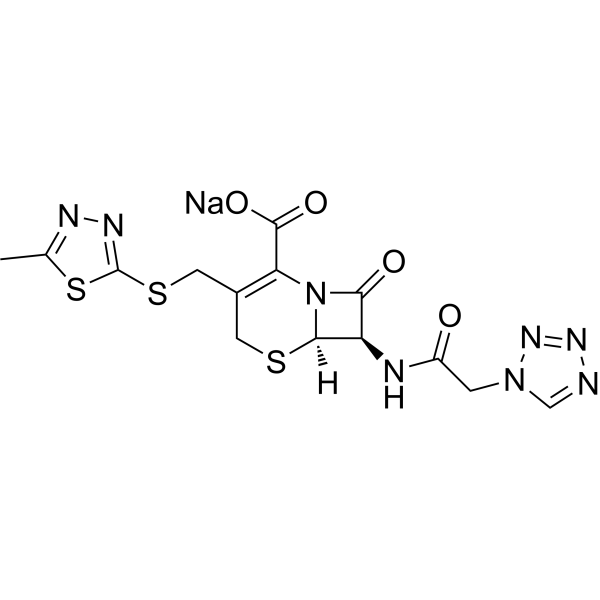
  • HY-B1078
    Cefazolin sodium
    10+ Cited Publications

    Cephazolin sodium

    Bacterial Antibiotic Infection Neurological Disease Inflammation/Immunology Cancer
    Cefazolin sodium is a first-generation cephalosporin antibiotic and can be used in varieties of bacterial infections research . Cefazolin sodium has anti-inflammatory effect and can attenuate post-operative cognitive dysfunction (POCD) .
    Cefazolin sodium
  • HY-15981

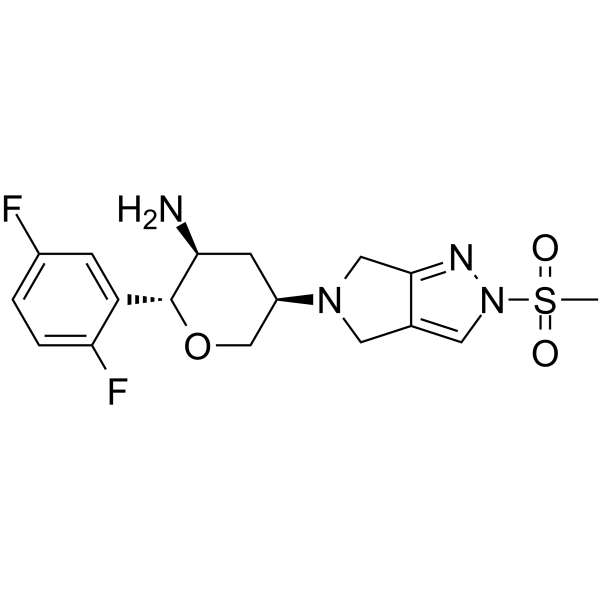
    MK-3102

    Dipeptidyl Peptidase Neurological Disease Metabolic Disease
    Omarigliptin (MK-3102) is a potent, selective, orally active and cross the blood-brain barrier dipeptidyl peptidase 4 (DPP-4) inhibitor. Omarigliptin shows anti-parkinsonian activity. Omarigliptin has the neuroprotective effect to improve diabetes-associated cognitive dysfunction .
    Omarigliptin
  • HY-B1124
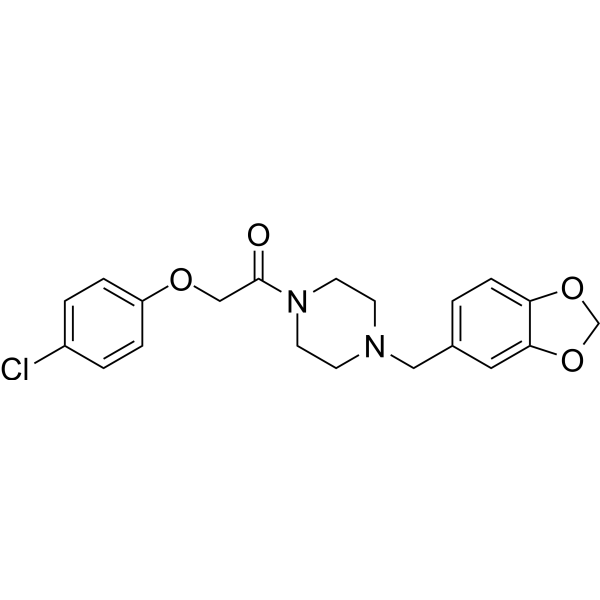
    Fipexide
    1 Publications Verification

    Adenylate Cyclase Dopamine Transporter Neurological Disease
    Fipexide, a parachloro-phenossiacetic acid derivative, is an orally active nootropic agent. Fipexide reduces striatal adenylate cyclase activity. Fipexide has positive effect on cognitive performance by dopaminergic neurotransmission. Fipexide is used for senile dementia research. Fipexide acts as a chemical inducer in callus formation, shoot regeneration and Agrobacterium infection .
    Fipexide
  • HY-N3097

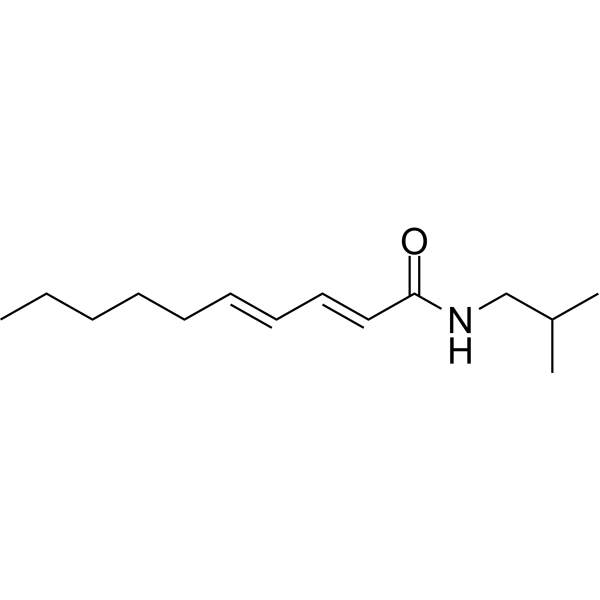
    TRP Channel Amyloid-β Toll-like Receptor (TLR) Keap1-Nrf2 Heme Oxygenase (HO) Dihydroorotate Dehydrogenase Ferroptosis PAI-1 NF-κB ERK Proton Pump Glutathione Peroxidase Thrombin Insecticide Bacterial Infection Cardiovascular Disease Neurological Disease Inflammation/Immunology Cancer
    Pellitorine is a bioactive natural amide compound. Pellitorine can competitively antagonize the activation of TRPV1 by Capsaicin (HY-10448), thereby reducing pain signal transmission. Pellitorine improves cognitive dysfunction by upregulating the BDNF-ERK1/2-CREB and Nrf2-HO-1 pathways. Pellitorine exerts anti-inflammatory and anti-sepsis effects by inhibiting the release of high mobility group protein B1 (HMGB1) and the expression of RAGE/TLR4. Pellitorine exerts its antithrombotic effect by prolonging the clotting time, inhibiting the activity of clotting factors and thrombin. Pellitorine inhibits lipid peroxidation and resists ferroptosis by upregulating GPX4 and DHODH. Pellitorine kills Aedes aegypti mosquito larvae by inhibiting V-type H⁺-ATPase and aquaporin 4 (AaAQP4). Pellitorine exhibits anti-cancer activity (e.g., leukemia and breast cancer) and has inhibitory effects on certain bacteria .
    Pellitorine
  • HY-13999

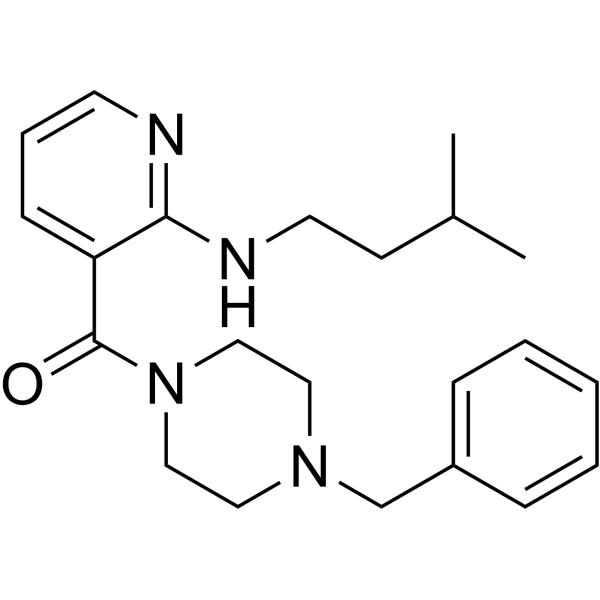
    NSI-189

    Trk Receptor Neurological Disease
    Amdiglurax (NSI-189) is an orally active chemical entity with enhanced neurogenic activity. Amdiglurax up-regulates neurogenic factors such as BDNF (brain derived-neurotrophic factor) and SCF. Amdiglurax exhibits anti-depressant effect. Amdiglurax enhances synaptic plasticity and reduces cognitive dysfunction. Amdiglurax holds potential for psychiatric disorder research .
    Amdiglurax
  • HY-125931

    DM232

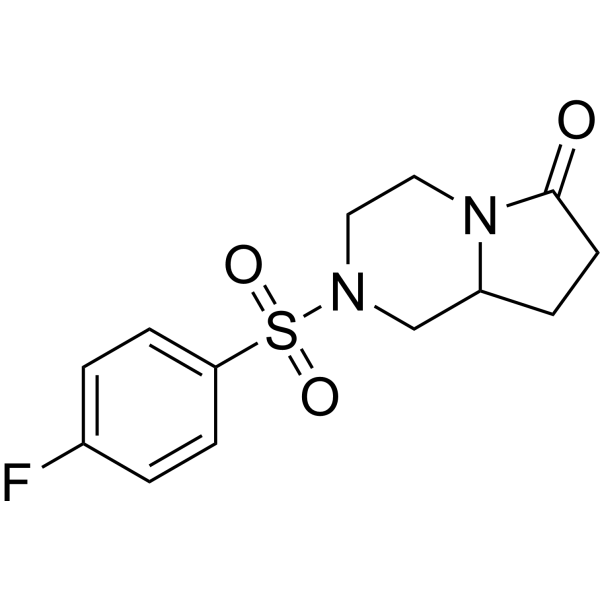
    iGluR Neurological Disease Inflammation/Immunology
    Unifiram (DM232) is a AMPA receptor activator and cognitive enhancer. Unifiram activates the AMPA-mediated neurotransmission system. Unifiram reverses NBQX-induced amnesia in the passive avoidance test in mice. Unifiram reverses the antagonistic effect of kynurenic acid on NMDA-mediated [ 3H]NA release in rat hippocampal slices. Unifiram enhances excitatory synaptic transmission in the rat hippocampus in vitro. Unifiram can be used in studies related to amnesia and cognitive dysfunction, including age-related memory decline, neurodegenerative diseases such as Alzheimer's disease or Parkinson's disease, multiple sclerosis, schizophrenia, and attention deficit hyperactivity disorder .
    Unifiram
  • HY-19490

    AQW-051

    nAChR Neurological Disease
    VQW-765 (AQW-051) is a selective and orally active alpha-7 nicotinic acetylcholine receptor (α7-nAChR) agonist with a pKD value of 7.56 to recombinantly expressed human α7-nAChR. VQW-765 shows anxiolytic-like effect in vivo. VQW-765 can be used for the research of anxiety disorder and acute performance anxiety .
    VQW-765
  • HY-133712

    Tunodafil

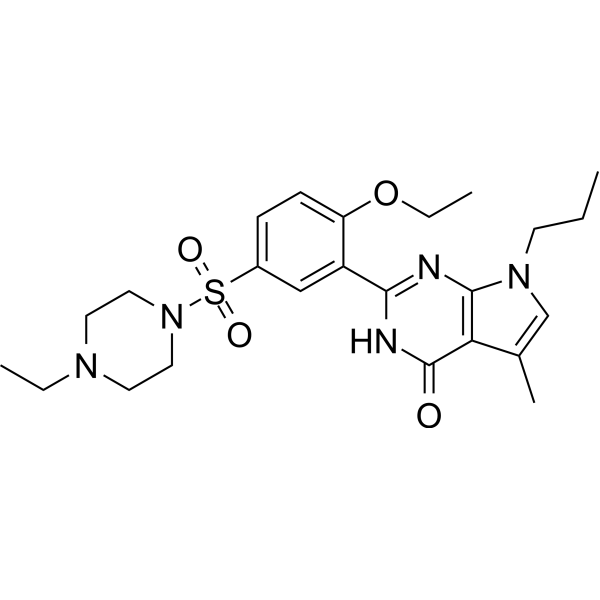
    Phosphodiesterase (PDE) Neurological Disease
    Yonkenafil (Tunodafil), a novel phosphodiesterase 5 (PDE5) inhibitor, is effective in reducing cerebral infarction, neurological deficits, edema, and neuronal damage in the infarcted area. Yonkenafil may improve cognitive function by modulating neurogenesis and has a potential therapeutic effect on Alzheimer's disease .
    Yonkenafil
  • HY-B1124A
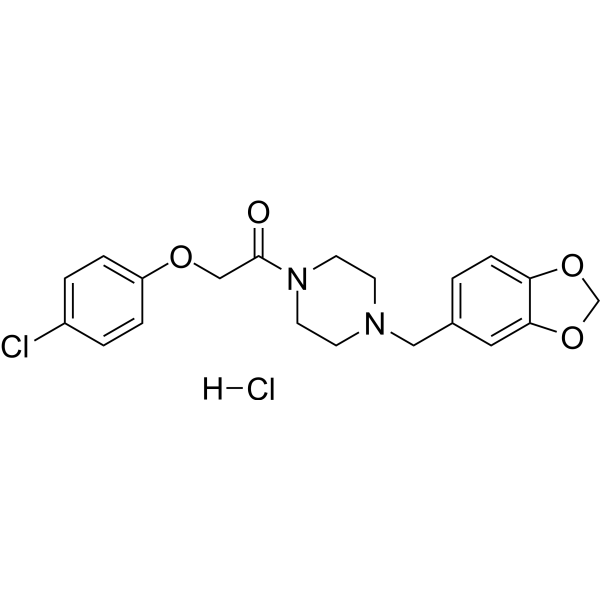
    Fipexide hydrochloride
    1 Publications Verification

    Adenylate Cyclase Dopamine Transporter Neurological Disease
    Fipexide hydrochloride, a parachloro-phenossiacetic acid derivative, is an orally active nootropic agent. Fipexide hydrochloride reduces striatal adenylate cyclase activity. Fipexide hydrochloride has positive effect on cognitive performance by dopaminergic neurotransmission. Fipexide hydrochloride is used for senile dementia research. Fipexide hydrochloride acts as a chemical inducer in callus formation, shoot regeneration and Agrobacterium infection .
    Fipexide hydrochloride
  • HY-P1173

    Myristoylated L 803; GSK-3β Inhibitor XIII

    GSK-3 Amyloid-β Neurological Disease
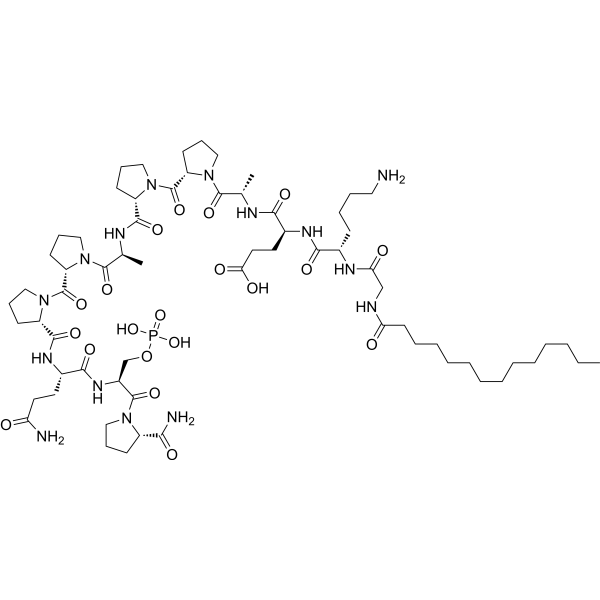
    L803-mts (Myristoylated L 803) is a selective and substrate-competitive GSK-3 peptide inhibitor (IC50: 40 μM). L803-mts also reduces Aβ deposits and ameliorates cognitive deficits in 5XFAD mice. L803-mts shows antidepressive effect in the forced swimming test .
    L803-mts
  • HY-148867

    Dopamine Receptor Neurological Disease
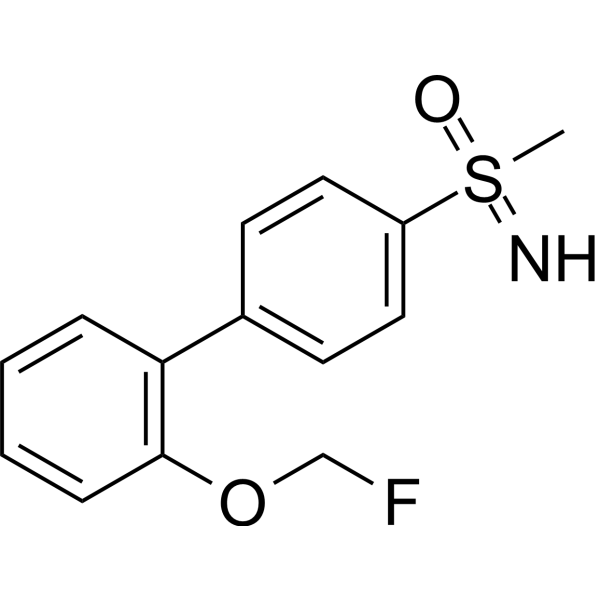
    UCM-1306 is a potent and orally active human dopamine D1 receptor allosteric modulator (PAM). UCM-1306 increases the endogenous dopamine (DA) maximal effect both in human and mouse D1 receptors. UCM-1306 is not only for improving motor symptoms but also for addressing the key comorbid cognitive impairment associated with long-term Parkinson’s disease (PD) .
    UCM-1306
  • HY-N0801

    MMP Cholinesterase (ChE) Neurological Disease Inflammation/Immunology
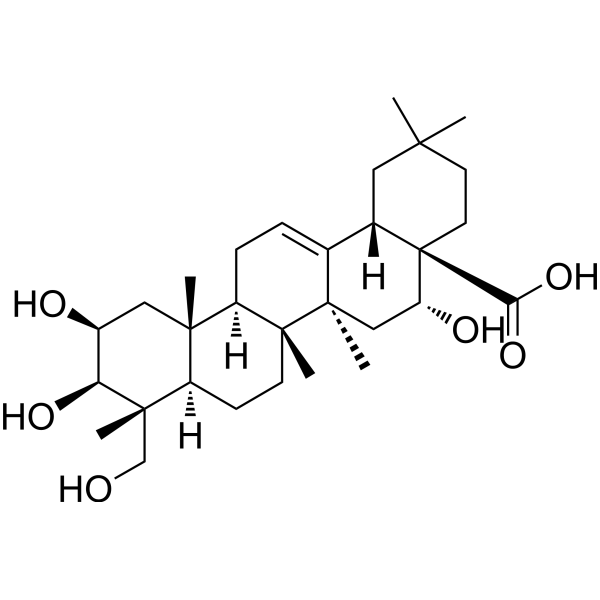
    Polygalacic acid, is a triterpene, isolated from the root of Polygala tenuifolia Willd. Polygalacic acid inhibits MMP expression. Polygalacic acid may have a therapeutic effect in Osteoarthritis (OA) treatment . Polygalacic acid exerts a significant neuroprotective effect on cognitive impairment, PA improves cholinergic system reactivity by inhibiting acetylcholinesterase (AChE) activity, increasing choline acetyltransferase (ChAT) activity, and elevating levels of acetylcholine (Ach) in the hippocampus and frontal cortex .
    Polygalacic acid
  • HY-B1892S1

    Cephazolin-13C2,15N

    Isotope-Labeled Compounds Antibiotic Bacterial Infection Neurological Disease Inflammation/Immunology Cancer
    Cefazolin- 13C2, 15N (Cephazolin- 13C2, 15N) is 13C and 15N labeled Cefazolin. Cefazolin (Cephazolin) is a first-generation cephalosporin antibiotic and can be used in varieties of bacterial infections research . Cefazolin has anti-inflammatory effect and can attenuate post-operative cognitive dysfunction (POCD) .
    Cefazolin-13C2,15N
  • HY-W049881

    Dopamine Receptor PI3K Monoamine Oxidase Neurological Disease
    9-Methyl-β-carboline is a monoamine oxidase inhibitor and dopaminergic modulator, with an IC50 of 1 μM against human MAO-A and an IC50 of 15.5 μM against human MAO-B. 9-Methyl-β-carboline possesses cognitive enhancement potential and can cross the blood-brain barrier. 9-Methyl-β-carboline increases dopamine levels by inhibiting monoamine oxidase activity and microglial proliferation. 9-Methyl-β-carboline activates PKA/PKC and mitochondrial respiratory chain complex I, promotes neurotrophic factor expression and reduces α-synuclein (α-synuclein) levels, thereby reversing neurotoxin-induced dopaminergic neuron damage. 9-Methyl-β-carboline also regulates the PI3K pathway and exerts an anti-proliferative effect on astrocytes. 9-Methyl-β-carboline is widely used in Parkinson's disease-related studies .
    9-Methyl-β-carboline
  • HY-B1892R

    Cephazolin (Standard)

    Reference Standards Antibiotic Bacterial Infection Neurological Disease Inflammation/Immunology
    Cefazolin (Standard) is the analytical standard of Cefazolin. This product is intended for research and analytical applications. Cefazolin (Cephazolin) is a first-generation cephalosporin antibiotic and can be used in varieties of bacterial infections research . Cefazolin has anti-inflammatory effect and can attenuate post-operative cognitive dysfunction (POCD) .
    Cefazolin (Standard)
  • HY-13999A1

    NSI-189 phosphate

    Trk Receptor Neurological Disease
    Amdiglurax (NSI-189) phosphate is an orally active chemical entity with enhanced neurogenic activity. Amdiglurax phosphate up-regulates neurogenic factors such as BDNF (brain derived-neurotrophic factor) and SCF. Amdiglurax phosphate exhibits anti-depressant effect. Amdiglurax enhances synaptic plasticity and reduces cognitive dysfunction. Amdiglurax phosphate holds potential for psychiatric disorder research .
    Amdiglurax phosphate
  • HY-105022

    R 58735

    Tau Protein Neurological Disease
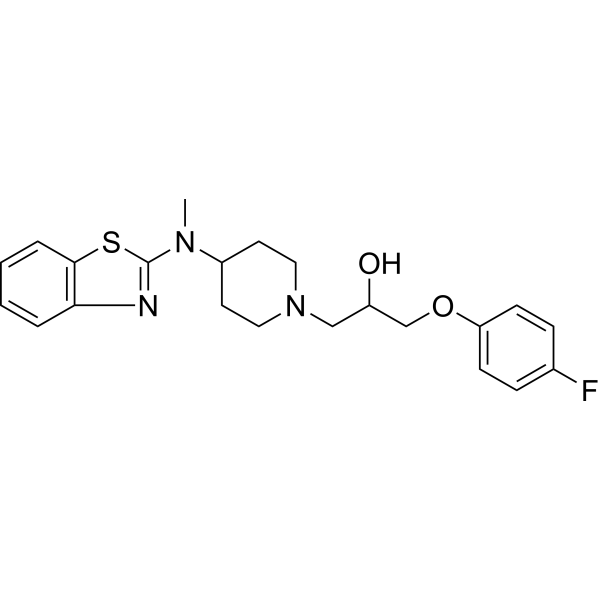
    Sabeluzole (R 58735), a benzothiazol derivative, has antiischemic, antiepileptic, and cognitive-enhancing properties. Sabeluzole protects rat hippocampal neurons against NMDA- and glutamate-induced neurotoxicity via preventing tau expression. Sabeluzole enhances memory in rats, and prevents the amnesic effect of Chlordiazepoxide. Sabeluzole can be used fro research of Alzheimer's disease .
    Sabeluzole
  • HY-N0521R

    Reference Standards Reactive Oxygen Species (ROS) Metabolic Disease Cancer
    (-)-Gallocatechin (Standard) is the analytical standard of (-)-Gallocatechin. This product is intended for research and analytical applications. (-)-Gallocatechin, an epimer of (-)-Epigallocatechin (EGC), is contained in various tea products. (-)-Gallocatechin has antioxidant activities. (-)-Gallocatechin is the main active component in green tea extract (HTP-GTE) responsible for its effect of improving age-related cognitive impairments involving protein kinase A (PKA) pathway .
    (-)-Gallocatechin (Standard)
  • HY-14827

    Lu 31-130

    Dopamine Receptor 5-HT Receptor Neurological Disease
    Zicronapine is an antipsychotic agent with a strong pro-cognitive effect in animal models and the potential to treat a number of neurological and psychiatric diseases. Zicronapine has potent antagonistic effects at dopamine D1/D2, and serotonin 5-HT2A receptors .
    Zicronapine
  • HY-14827A

    Lu 31-130 fumarate

    Dopamine Receptor 5-HT Receptor Neurological Disease
    Zicronapine (Lu 31-130) fumarate is an antipsychotic agent with a strong pro-cognitive effect in animal models and the potential to treat a number of neurological and psychiatric diseases. Zicronapine (Lu 31-130) fumarate has potent antagonistic effects at dopamine D1/D2, and serotonin 5-HT2A receptors .
    Zicronapine fumarate
  • HY-117710B

    Cholinesterase (ChE) Amyloid-β ERK TNF Receptor Interleukin Related Neurological Disease
    AD-35 is an orally active anti-Alzheimer's disease (AD) agent with moderate AChE inhibitory activity and metal ion chelating ability. AD-35 exhibits IC50 values for AChE and BuChE of 793 nM and 31428 nM, respectively. AD-35 can form chelates with Cu²⁺ and Fe³⁺, but its chelating ability for Zn²⁺ is relatively weak. AD-35 can inhibit aggregation and disassemble the formed Aβ aggregates, and inhibit Aβ-induced ERK phosphorylation. AD-35 inhibits neuroinflammation in AD rat models and demonstrates a strong effect in improving cognitive function .
    AD-35
  • HY-B0756

    Cephazolin sodium pentahydrate

    Antibiotic Bacterial Infection Neurological Disease Inflammation/Immunology Cancer
    Cefazolin sodium pentahydrate is a first-generation cephalosporin antibiotic and can be used in varieties of bacterial infections research . Cefazolin sodium pentahydrate has anti-inflammatory effect and can attenuate post-operative cognitive dysfunction (POCD) .
    Cefazolin sodium pentahydrate
  • HY-W654098

    Isotope-Labeled Compounds Antibiotic Bacterial Inflammation/Immunology
    Cefazolin- 13C2, 15N (sodium) is 13C and 15N labeled Cefazolin (sodium). Cefazolin sodium is a first-generation cephalosporin antibiotic and can be used in varieties of bacterial infections research . Cefazolin sodium has anti-inflammatory effect and can attenuate post-operative cognitive dysfunction (POCD).
    Cefazolin-13C2,15N sodium
  • HY-15981R

    MK-3102 (Standard)

    Reference Standards Dipeptidyl Peptidase Neurological Disease Metabolic Disease
    Omarigliptin (Standard) is the analytical standard of Omarigliptin. This product is intended for research and analytical applications. Omarigliptin (MK-3102) is a potent, selective, orally active and cross the blood-brain barrier dipeptidyl peptidase 4 (DPP-4) inhibitor. Omarigliptin shows anti-parkinsonian activity. Omarigliptin has the neuroprotective effect to improve diabetes-associated cognitive dysfunction .
    Omarigliptin (Standard)
  • HY-125095

    Tunodafil hydrochloride

    Phosphodiesterase (PDE) Cardiovascular Disease Neurological Disease
    Yonkenafil (Tunodafil) hydrochloride, a novel phosphodiesterase 5 (PDE5) inhibitor, is effective in reducing cerebral infarction, neurological deficits, edema, and neuronal damage in the infarcted area. Yonkenafil (Tunodafil) hydrochloride may improve cognitive function by modulating neurogenesis and has a potential therapeutic effect on Alzheimer's disease .
    Yonkenafil hydrochloride
  • HY-B1078R

    Cephazolin sodium (Standard)

    Reference Standards Bacterial Antibiotic Infection Neurological Disease Inflammation/Immunology
    Cefazolin (sodium) (Standard) is the analytical standard of Cefazolin (sodium). This product is intended for research and analytical applications. Cefazolin sodium is a first-generation cephalosporin antibiotic and can be used in varieties of bacterial infections research . Cefazolin sodium has anti-inflammatory effect and can attenuate post-operative cognitive dysfunction (POCD) .
    Cefazolin sodium (Standard)
  • HY-147720

    γ-secretase Neurological Disease
    γ-Secretase modulator 11 (1o) showed high potency in vitro and brain exposure, inducing brain a β 42 levels were significantly reduced and showed undetectable inhibition of cytochrome P450 enzymes. In addition, compound 1o showed excellent anti cognitive deficit effect in AD model mice.
    γ-Secretase modulator 11
  • HY-B1124AR

    Adenylate Cyclase Dopamine Transporter Reference Standards Neurological Disease
    Fipexide (hydrochloride) (Standard) is the analytical standard of Fipexide (hydrochloride). This product is intended for research and analytical applications. Fipexide hydrochloride, a parachloro-phenossiacetic acid derivative, is an orally active nootropic agent. Fipexide hydrochloride reduces striatal adenylate cyclase activity. Fipexide hydrochloride has positive effect on cognitive performance by dopaminergic neurotransmission. Fipexide hydrochloride is used for senile dementia research. Fipexide hydrochloride acts as a chemical inducer in callus formation, shoot regeneration and Agrobacterium infection .
    Fipexide hydrochloride (Standard)
  • HY-B1124R

    Reference Standards Adenylate Cyclase Dopamine Transporter Neurological Disease
    Fipexide (Standard) is the analytical standard of Fipexide. This product is intended for research and analytical applications. Fipexide, a parachloro-phenossiacetic acid derivative, is an orally active nootropic agent. Fipexide reduces striatal adenylate cyclase activity. Fipexide has positive effect on cognitive performance by dopaminergic neurotransmission. Fipexide is used for senile dementia research. Fipexide acts as a chemical inducer in callus formation, shoot regeneration and Agrobacterium infection .
    Fipexide (Standard)
  • HY-N2515R

    Reference Standards NF-κB PI3K JAK Apoptosis Inflammation/Immunology Cancer
    Ginsenoside Rk1 (Standard) is the analytical standard of Ginsenoside Rk1. This product is intended for research and analytical applications. Ginsenoside Rk1 is a unique component created by processing the ginseng plant (mainly Sung Ginseng, SG) at high temperatures . Ginsenoside Rk1 has anti-inflammatory effect, suppresses the activation of Jak2/Stat3 signaling pathway and NF-κB . Ginsenoside Rk1 has anti-tumor effect, antiplatelet aggregation activities, anti-insulin resistance, nephroprotective effect, antimicrobial effect, cognitive function enhancement, lipid accumulation reduction and prevents osteoporosis . Ginsenoside Rk1 induces cell apoptosis by triggering intracellular reactive oxygen species (ROS) generation and blocking PI3K/Akt pathway .
    Ginsenoside Rk1 (Standard)
  • HY-117467

    iGluR Neurological Disease
    BMT-108908 is a negative allosteric modulator with selective activity on the NR2B subtype of the NMDA receptor. BMT-108908 has been shown to damage cognition in research, affecting cognitive functions in multiple areas. BMT-108908 failed to show a significant impact on the γ wave power of the EEG in the experiment, but it had a significant inhibitory and enhancement effect on the β wave and δ wave power .
    BMT-108908
  • HY-105022R

    R 58735 (Standard)

    Reference Standards Tau Protein Neurological Disease
    Sabeluzole (Standard) is the analytical standard of Sabeluzole. This product is intended for research and analytical applications. Sabeluzole (R 58735), a benzothiazol derivative, has antiischemic, antiepileptic, and cognitive-enhancing properties. Sabeluzole protects rat hippocampal neurons against NMDA- and glutamate-induced neurotoxicity via preventing tau expression. Sabeluzole enhances memory in rats, and prevents the amnesic effect of Chlordiazepoxide. Sabeluzole can be used fro research of Alzheimer's disease .
    Sabeluzole (Standard)
  • HY-162860

    mGluR CaMK Tau Protein Neurological Disease
    FO-4-15 is an mGluR1/CaMKIIα activator. FO-4-15 has a protective effect against H2O2 in human neuroblastoma (SH-SY5Y) cells. FO-4-15 can improve cognitive impairment in Alzheimer’s disease mice by activating the mGluR1/CaMKIIα pathway, and can reduce accumulation, hyperphosphorylated Tau, and synaptic damage .
    FO-4-15
  • HY-171031

    GSK-3 Apoptosis Caspase Bcl-2 Family Reactive Oxygen Species (ROS) Neurological Disease
    TFGF-18 is a GSK-3β inhibitor (IC50: 0.59 μM). TFGF-18 inhibits LPS-induced microglia activation and proinflammatory mediators release via inhibiting GSK-3β and downstream p65/NF-κB signaling. TFGF-18 inhibits neuronal apoptosis and oxidative stress, inhibits expressions of Bax, caspase3 and cleaved-caspase3 and increases the expression of Bcl-2. TFGF-18 has neuroprotection effect, inhibit neuroinflammation and attenuates cognitive impairment .
    TFGF-18
  • HY-N3097R

    Reference Standards TRP Channel Amyloid-β Toll-like Receptor (TLR) Keap1-Nrf2 Heme Oxygenase (HO) Dihydroorotate Dehydrogenase Ferroptosis PAI-1 NF-κB Proton Pump Glutathione Peroxidase Thrombin Insecticide Bacterial Infection Cardiovascular Disease Neurological Disease Inflammation/Immunology Cancer
    Pellitorine (Standard) is the analytical standard of Pellitorine (HY-N3097). Pellitorine is a bioactive natural amide compound. Pellitorine can competitively antagonize the activation of TRPV1 by Capsaicin (HY-10448), thereby reducing pain signal transmission. Pellitorine improves cognitive dysfunction by upregulating the BDNF-ERK1/2-CREB and Nrf2-HO-1 pathways. Pellitorine exerts anti-inflammatory and anti-sepsis effects by inhibiting the release of high mobility group protein B1 (HMGB1) and the expression of RAGE/TLR4. Pellitorine exerts its antithrombotic effect by prolonging the clotting time, inhibiting the activity of clotting factors and thrombin. Pellitorine inhibits lipid peroxidation and resists ferroptosis by upregulating GPX4 and DHODH. Pellitorine kills Aedes aegypti mosquito larvae by inhibiting V-type H⁺-ATPase and aquaporin 4 (AaAQP4). Pellitorine exhibits anti-cancer activity (e.g., leukemia and breast cancer) and has inhibitory effects on certain bacteria.
    Pellitorine (Standard)
  • HY-115511

    Phosphodiesterase (PDE) Neurological Disease
    PyP-1 is a highly selective and potent PDE10 inhibitor. PyP-1 has a strong inhibitory effect on human PDE10A2 enzyme (Ki = 0.32 nM). PyP-1 can improve cognitive behavior. PyP-1 commonly used in research on conditions such as schizophrenia and cognitive impairment .
    PyP-1
  • HY-148605

    ATP Synthase Drug Derivative Cardiovascular Disease Neurological Disease Inflammation/Immunology
    Aloracetam is a γ-aminobutyric acid cyclic derivative that can pass through the blood-brain barrier and has a significant enhancing cognitive function effect. Aloracetam improves the blood perfusion of brain tissue, increases the synthesis of proteins, ATP and acetylcholine in the brain, enhances the excitatory conduction effect of cholinergic nerves, and reduces the damage to brain tissue caused by cerebral vascular diseases. Aloracetam also has certain anti-epileptic, anti-inflammatory, analgesic and anti-depressant effects .
    Aloracetam
  • HY-179721

    Cholecystokinin Receptor Neurological Disease
    CCKBR agonist-2 (Compound z-44) is a Gi-preferring CCKBR agonist. CCKBR agonist-2 effectively activates the CCKBR-Gi signaling pathway (EC50 = 0.27 nM), but has almost no activity on Gq and Gs signaling pathways. CCKBR agonist-2 shows no significant protective effect in the mouse Alzheimer's disease model, proving that the simple activation of the Gi signal pathway does not play a dominant role in the improvement of cognitive function .
    CCKBR agonist-2
  • HY-179724A

    5-HT Receptor Dopamine Receptor MMP Potassium Channel Neurological Disease
    PZ-1657 hydrochloride (Compound 57) is a potent, selective and orally active 5-HT7 receptor inverse agonist with a Ki of 5 nM. PZ-1657 hydrochloride can inhibit the constitutive cAMP production mediated by the Gs signaling pathway (EC50 = 2.93 nM). PZ-1657 hydrochloride can significantly reduce the MMP-9 activity mediated by 5-HT7 receptors in the hippocampus of mice, and the effect is comparable to that of SB-269970 (HY-15370). PZ-1657 hydrochloride can reverse the cognitive deficits observed in the rat novel object recognition test induced by Phencyclidine without affecting the animals' spontaneous activities. PZ-1657 hydrochloride can be used for the research of emotional disorders, such as depression and bipolar disorder .
    PZ-1657 hydrochloride
  • HY-182707

    nAChR Interleukin Related TNF Receptor NF-κB Neurological Disease
    JWX-A0108 is a selective human α7 nAChR positive allosteric modulator with an EC50 of 4.35 μM. JWX-A0108 potentiates α7 nAChR currents only in the presence of acetylcholine, with no direct activating effect or alteration of desensitization. JWX-A0108 enhances hippocampal GABAergic synaptic transmission by increasing spontaneous inhibitory postsynaptic currents. JWX-A0108 reduces the brain expression levels of IL-1β, TNF-α, and IL-6 by blocking the NF-κB signaling pathway, and reduces microglial activation by downregulating Iba1. JWX-A0108 effectively improves cognitive deficits, neuroinflammation, and hippocampal neuronal damage in mouse models of schizophrenia and Alzheimer's disease. JWX-A0108 can be used for research related to schizophrenia and Alzheimer's disease .
    JWX-A0108

Inquiry Online

Your information is safe with us. * Required Fields.

Salutation


Country or Region *

Applicant Name *


Organization Name *

Department *


Email Address *


Product Name *

Cat. No.


Requested quantity *

Phone Number *


Remarks

Inquiry Online

Inquiry Information

Product Name:
Cat. No.:
Quantity:
MCE Japan Authorized Agent:

