1. Search Result
Search Result
Results for "

cortical+neurons

" in MedChemExpress (MCE) Product Catalog:

54

Inhibitors & Agonists

7

Peptides

10

Natural
Products

4

Isotope-Labeled Compounds

1

Oligonucleotides

Cat. No. Product Name Target Research Areas Chemical Structure
  • HY-P0198
    Neuropeptide Y (human,rat,mouse)
    3 Publications Verification

    Neuropeptide Y (29-64), amide

    Neuropeptide Y Receptor Neurological Disease Endocrinology
    Neuropeptide Y (human,rat,mouse) is involved in Alzheimer's disease (AD) and protects rat cortical neurons against β-Amyloid toxicity.
    Neuropeptide Y (human,rat,mouse)
  • HY-B1176

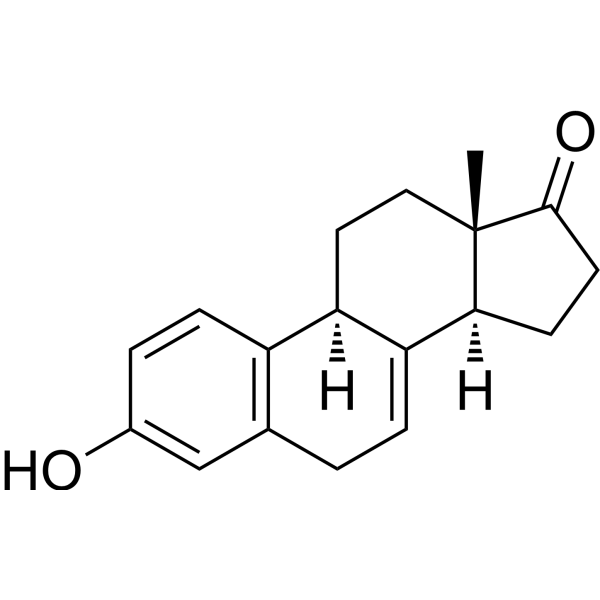
    7-Dehydroestrone

    Estrogen Receptor/ERR Endocrinology
    Equilin (7-Dehydroestrone) is an important member of the large group of oestrogenic substances and is chemically related to menformon (oestrone). Equilin increases the growth of cortical neurons via an NMDA receptor-dependent mechanism .
    Equilin
  • HY-N6746

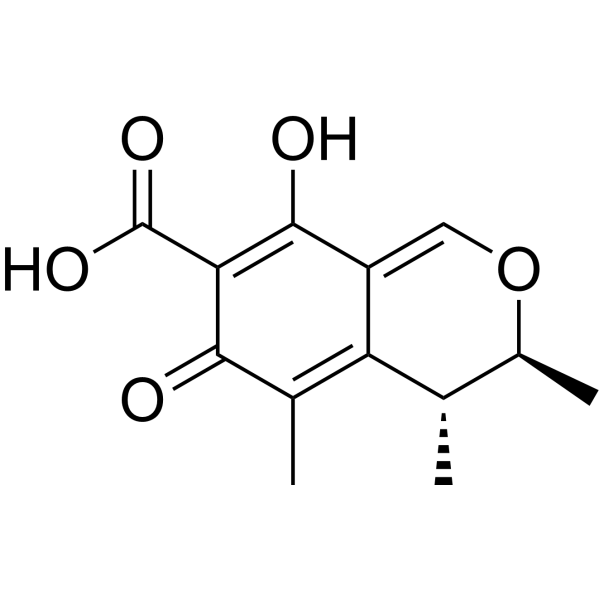
    NSC 186

    Bacterial Fungal Endogenous Metabolite Apoptosis Infection Neurological Disease Cancer
    Citrinin (NSC 186) is a mycotoxin that causes food contamination and has different toxic effects. Citrinin is an effective oral anticancer agent. Citrinin has various regulatory effects on mouse immune system, including regulating the number of immune cells, inducing apoptosis and autophagy of immune cells, altering toll-like receptor expression and cytokine production. Citrinin can induce oxidative stress and lead to early apoptosis of oocytes. Low doses of Citrinin have neuroprotective effects against glutamate-induced excitotoxicity in rat cortical neurons. In addition, Citrinin also has antibacterial activity .
    Citrinin
  • HY-N7368

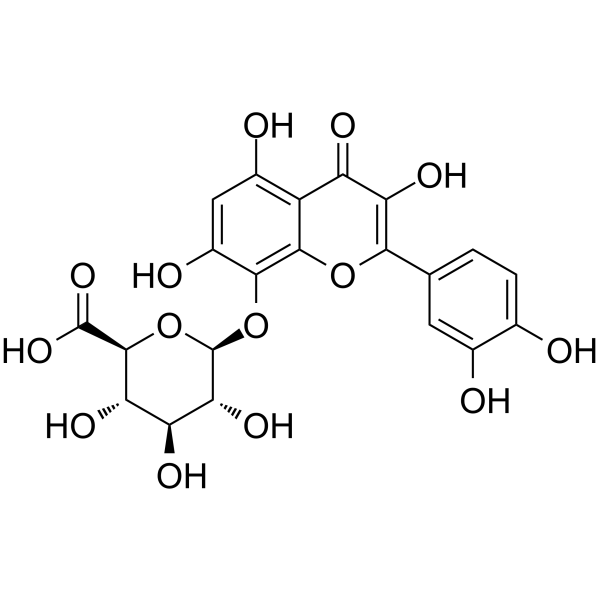
    Adenosine Deaminase Bacterial Caspase Infection Neurological Disease Inflammation/Immunology Cancer
    Hibifolin is a flavonol glycoside that can be isolated from Helicteres isora. Hibifolin is an inhibitor of adenosine deaminase (ADA) (Ki = 49.92 μM). Hibifolin protects neurons against β-amyloid-induced neurotoxicity. Hibifolin possesses a potent protective activity against cell death induced by aggregated Aβ. Hibifolin can abolish Aβ-induced caspase-3 and caspase-7 activation. Hibifolin induces Akt phosphorylation in cortical neurons. Hibifolin is also a natural sortase A (SrtA) inhibitor (IC50 = 31.2 μM) through direct binding to SrtA protein. Hibifolin attenuates the pathogenic behavior of Staphylococcus aureus including adhesion, invasion, and biofilm formation. Hibifolin improves the survival of pneumonia induced by Staphylococcus aureus in mouse model and alleviates pathological damage. Hibifolin shows a synergistic antibacterial effect with Cefotaxime (HY-A0088A) .
    Hibifolin
  • HY-123076
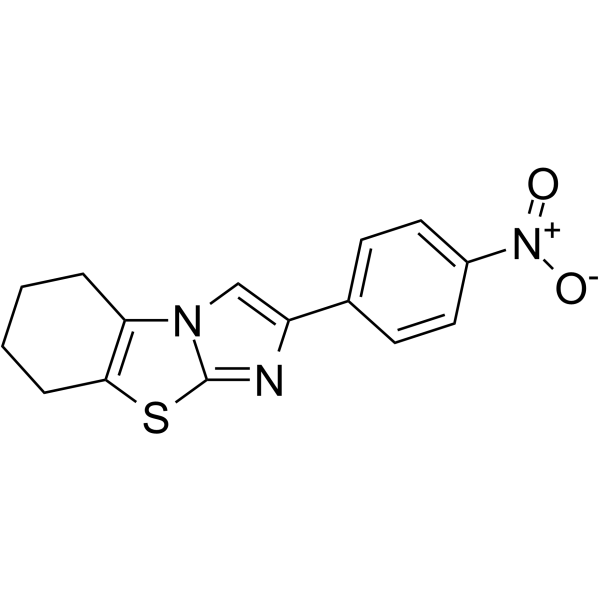
    Pifithrin-α, p-Nitro, Cyclic
    4 Publications Verification

    PFN-α

    MDM-2/p53 Neurological Disease
    Pifithrin-α, p-Nitro, Cyclic (PFN-α) is cell-permeable and active-form p53 inhibitor. Pifithrin-α, p-Nitro, Cyclic is one order magnitude more active than Pifithrin-α in protecting cortical neurons exposed to Etoposide (ED50=30 nM). Pifithrin-α, p-Nitro, Cyclic behaves as a p53 posttranscriptional activity inhibitor. Pifithrin-α, p-Nitro, Cyclic do not prevent p53 phosphorylation on the S15 residue .
    Pifithrin-α, p-Nitro, Cyclic
  • HY-148907

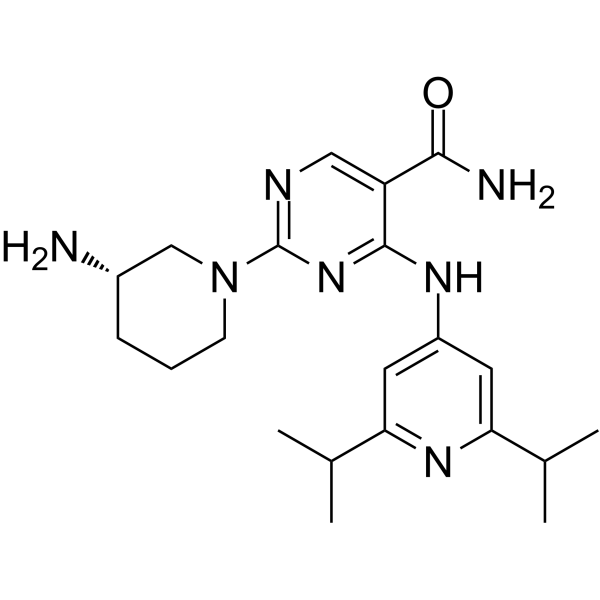
    CaMK MEK Mixed Lineage Kinase RIP kinase Tau Protein Neurological Disease
    CS640 (Compound 19) is a chemical probe and a calmodulin-dependent kinase inhibitor. CS640 inhibits CaMK1D, CaMK1B, CaMK1A, CaMK1G, MEK5, RIPK4, mLK3 and PIP5K1, with IC50 values of 8, 3, 1, 1, 25 nM, 5.69, 2.75 and 11.2 μM, respectively. CS640 blocks Aβ-induced hyperphosphorylation of tau protein at the Thr181 site, but fails to protect primary mouse cortical neurons from Aβ-induced toxic damage. CS640 is applicable to research related to Alzheimer's disease .
    CS640
  • HY-N0307

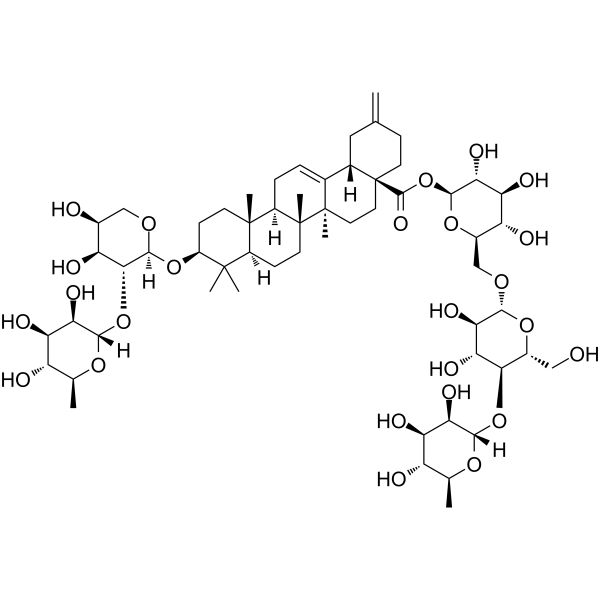
    Bcl-2 Family NF-κB DNA/RNA Synthesis Apoptosis Cardiovascular Disease Neurological Disease
    Ciwujianoside B is an orally active, blood-brain barrier penetrable radioprotective agent and memory enhancer. Ciwujianoside B reduces radiation-induced DNA damage, cell cycle arrest and apoptosis, downregulates NF-κB and the Bax/Bcl-2 ratio, and enhances the proliferative capacity of bone marrow cells. Ciwujianoside B enhances object recognition memory in normal mice and induces dendritic extension in primary cultured cortical neurons. Ciwujianoside B can be used in studies related to hematopoietic system radiation injury and memory enhancement .
    Ciwujianoside B
  • HY-160229

    R-1075 sodium

    Toll-like Receptor (TLR) MyD88 Caspase Reactive Oxygen Species (ROS) Autophagy Pyroptosis HIV Infection Neurological Disease
    ssRNA40 sodium (R-1075 sodium) is a single-stranded RNA40 derived from HIV-1. ssRNA40 sodium activates the TLR7, TLR8, TLR2, RIG-I, MDA5, MyD88, Caspase-3, IRE1α, NLRP3 inflammasome and IRF7 signaling pathways. ssRNA40 sodium alters mRNA expression in neutrophils, induces pro-inflammatory cytokines, ROS, autophagy (autophagy), pyroptosis (pyroptosis), neuronal death, neurodegeneration, aggregate formation and NK cell activation. ssRNA40 sodium activates the expression of CD62L, CD11b, CD69, MX1, OAS1, ATG7, LC3B and XBP1 in immune cell and neuronal populations. ssRNA40 sodium causes cortical neuron loss and axonal damage in mice in a TLR7-dependent manner. ssRNA40 sodium can be used in research on HIV-1 infection, neurodegeneration, COVID-19 and HIV-associated neurological disorders .
    ssRNA40 sodium
  • HY-W002199

    6:2 FTOH; 1H,1H,2H,2H-Perfluoro-1-octanol; 2-(Perfluorohexyl)ethanol

    Bacterial Apoptosis ERK TNF Receptor Infection Neurological Disease
    6:2 Fluorotelomer alcohol (6:2 FTOH) is an orally active, blood-brain barrier-permeable modulator of cyclin D1 and ETS1. 6:2 Fluorotelomer alcohol downregulates cyclin D1 expression, upregulates ETS1 via the TNF-α/ERK 1/2 pathway, impairs mitochondrial membrane potential and respiratory function, increases reactive oxygen species levels, disrupts calcium homeostasis and activates endoplasmic reticulum stress markers, and induces cell proliferation inhibition and endothelial-mesenchymal transition. Furthermore, 6:2 Fluorotelomer alcohol induces morphological abnormalities in zebrafish embryos and liver developmental damage, while disrupting the brain immune microenvironment in mice, causing systemic toxicity and delayed pup maturation in CD-1 mice. 6:2 Fluorotelomer alcohol also induces cortical neuron apoptosis, glial cell activation, synaptic abnormalities, colonic barrier damage, intestinal dysbiosis and autism spectrum disorder-like symptoms in mice. 6:2 Fluorotelomer alcohol shows no mutagenic, clastogenic, primary skin/eye irritation or skin sensitizing effects, exhibits no selective reproductive toxicity in CD-1 mice, and is classified as GHS Category 4 for acute oral toxicity. 6:2 Fluorotelomer alcohol can be used in studies of neurodevelopmental disorders and autism spectrum disorders .
    6:2 Fluorotelomer alcohol
  • HY-141867

    Z-Phe-Phe-FMK

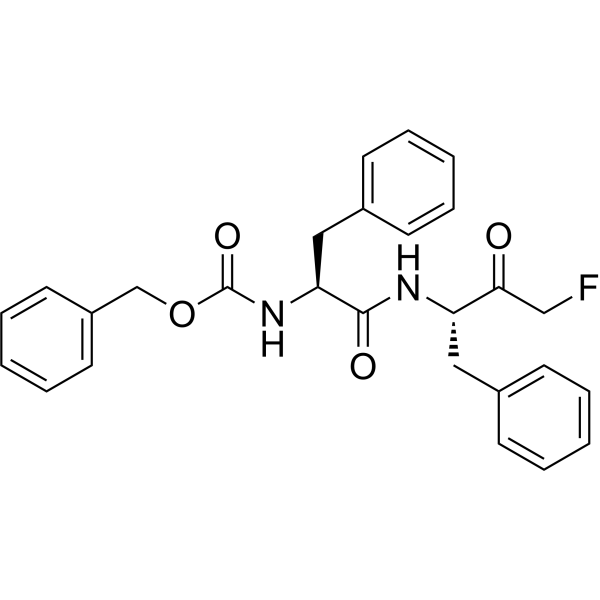
    Cathepsin MEK Caspase DNA/RNA Synthesis Apoptosis Cardiovascular Disease Neurological Disease
    Z-FF-FMK (Z-Phe-Phe-FMK) is a cell-permeable, irreversible, and cysteine protease inhibitor targeting cathepsin-L. Z-FF-FMK inhibits angiotensin II-induced MEK activation in vascular walls, aortic medial remodeling, blood pressure elevation, and upregulation of cystatin C in aortic walls. Z-FF-FMK prevents β-amyloid-mediated caspase-3 activation, poly (ADP-ribose) polymerase cleavage, DNA fragmentation, and apoptosis of cortical neurons (apoptosis). Z-FF-FMK can be used in research related to hypertension and Alzheimer's disease .
    Z-FF-FMK
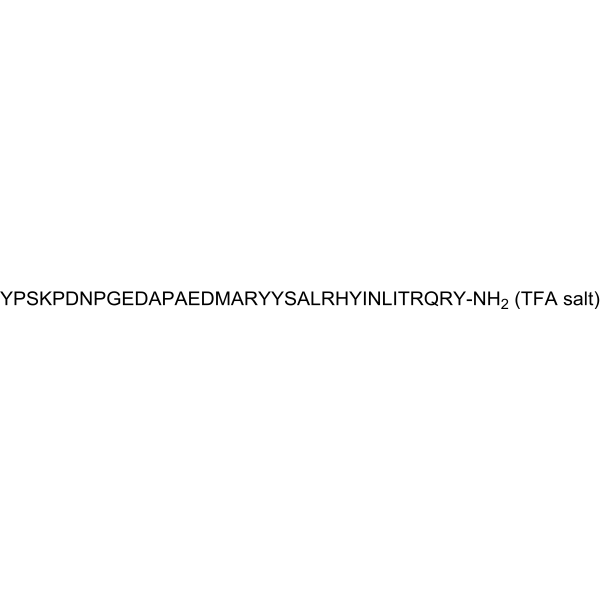
  • HY-P0198A
    Neuropeptide Y (human,rat,mouse) TFA
    3 Publications Verification

    Neuropeptide Y Receptor Neurological Disease Endocrinology
    Neuropeptide Y (human) TFA is involved in Alzheimer's disease (AD) and protects rat cortical neurons against β-Amyloid toxicity.
    Neuropeptide Y (human,rat,mouse) TFA
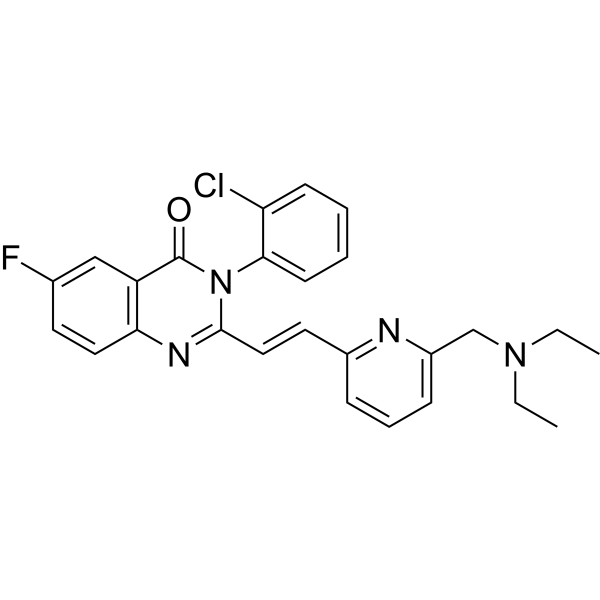
  • HY-18663
    CP-465022
    1 Publications Verification

    iGluR Neurological Disease
    CP-465022 is a potent, and selective noncompetitive AMPA receptor antagonist with anticonvulsant activity. CP-465022 is against Kainate-induced response with an IC50 of 25 nM in rat cortical neurons. CP-465022 provides a new tool to investigate the role of AMPA receptors in physiological and pathophysiological processes .
    CP-465022
  • HY-N8249

    nAChR Interleukin Related Inflammation/Immunology
    Cynandione A is an acetophenone that can be isolated from Cynanchum Wilfordii Radix. Cynandione A protects hepatocytes and cortical neurons from toxicity and improves neurological deficits in a rat model of cerebral ischemia. On the other hand, cynandione A has significant anti-inflammatory effects and inhibits inflammation by activating macrophage α7 nAChR and IL-10 expression .
    Cynandione A
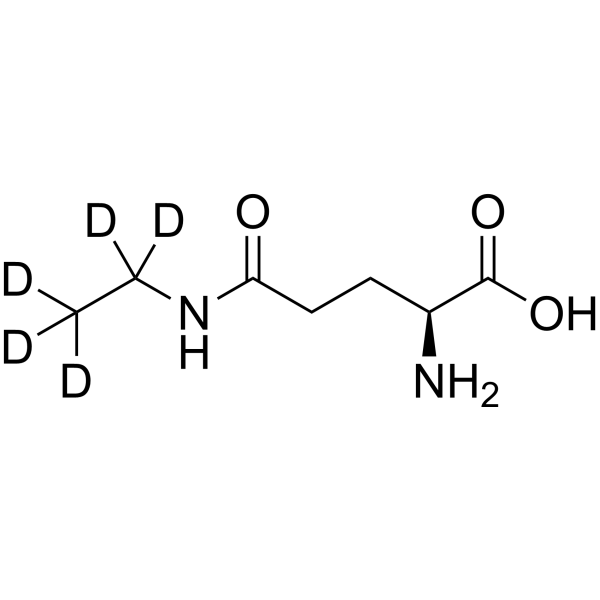
  • HY-15121S

    L-Glutamic Acid γ-ethyl amide-d5; Nγ-Ethyl-L-glutamine-d5

    Apoptosis Endogenous Metabolite Neurological Disease
    L-Theanine-d5 is the deuterium labeled L-Theanine. L-Theanine (L-Glutamic Acid γ-ethyl amide)is a non-protein amino acid contained in green tea leaves, which blocks the binding of L-glutamic acid to glutamate receptors in the brain, and with neuroprotective and anti-oxidative activities. L-Theanine causes anti-stress effects via the inhibition of cortical neuron excitation by oral intake .
    L-Theanine-d5
  • HY-120079
    MSN-125
    4 Publications Verification

    Bcl-2 Family Apoptosis Cancer
    MSN-125 is a potent Bax and Bak oligomerization inhibitor. MSN-125 prevents mitochondrial outer membrane permeabilization (MOMP) with an IC50 of 4 μM. MSN-125 potently inhibits Bax/Bak-mediated apoptosis in HCT-116, BMK Cells, and primary cortical neurons, protects primary neurons against glutamate excitotoxicity .
    MSN-125
  • HY-167709

    20.25-Diazacholesterol

    Xanthine Oxidase Neurological Disease
    Azacosterol (20.25-Diazacholesterol), also known as Diazasterol, acts as a DHCR24 inhibitor and initiates a cascade of reactions in cortical neurons after being administered orally or via intraperitoneal injection.
    Azacosterol
  • HY-139008

    Glutathione Peroxidase Others
    RC363 is a novel probucol analog with the activity to protect mouse hippocampal cells and primary cortical neurons from glutamate-induced oxidative cell death (ferroptosis) and increase glutathione peroxidase (GPx) 1 levels and activity.
    RC363
  • HY-103502
    CGP7930
    1 Publications Verification

    GABA Receptor Neurological Disease
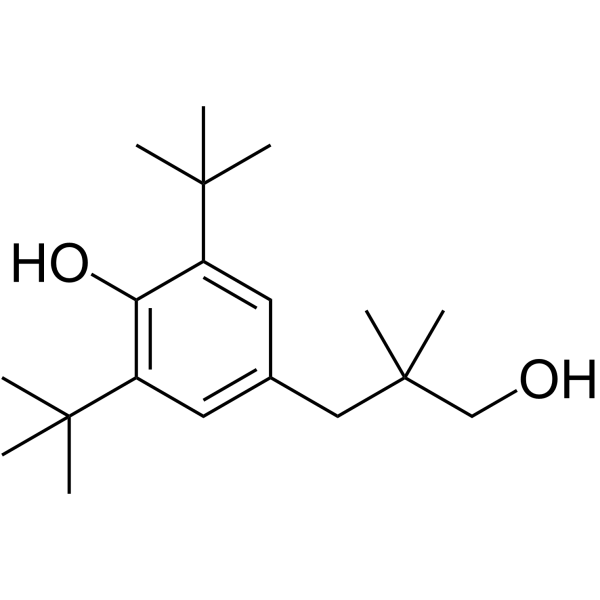
    CGP7930 (3-(3’,5’-Di-tert-butyl-4’-hydroxy) phenyl-2, 2-dimethylpropanol) is a positive metabotropic GABAB receptor allosteric modulator. CGP7930 enhances the inhibitory effect of l-baclofen on the oscillatory activity of cultured cortical neurons .
    CGP7930
  • HY-100547

    iGluR Neurological Disease
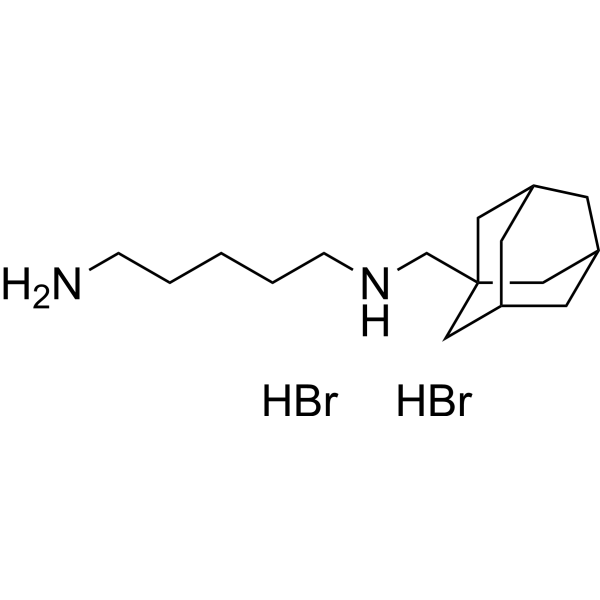
    IEM-1754, a dicationic adamantane derivative, is a potent blocker of open channels of native ionotropic glutamate receptors including quisqualate-sensitive receptors in insect muscles, NMDAR in cultured rat cortical neurons, and AMPAR in freshly isolated hippocampal cells. IEM-1754 shows anticonvulsant potency in vivo .
    IEM-1754
  • HY-176783

    Toll-like Receptor (TLR) Neurological Disease
    GNE-5152 is an orthosteric SARM1 base-exchange (BE) inhibitor. GNE-5152 sustainably activates SARM1 at subinhibitory concentrations under mildly activating conditions, and this synergistic adverse effect increases NAD consumption, induces axon degradation and neurodegeneration and releases neurofilament-light (NfL) in cortical neurons. GNE-5152 can be used for neurodegenerative diseases research .
    GNE-5152
  • HY-P10360

    α-synuclein Neurological Disease
    Tat-βsyn-degron is an α-synuclein knockdown peptide that effectively degrades α-synuclein protein via the proteasome pathway. Tat-βsyn-degron effectively reduces α-synuclein protein levels in primary rat cortical neuron cultures. In a Parkinson's mouse toxicity model, Tat-βsyn-degron can alleviate parkinsonian toxin-induced neuronal damage and movement disorders .
    Tat-βsyn-degron
  • HY-139012

    Ferroptosis Glutathione Peroxidase Others
    RC574 is a novel probucol analog with the activity to protect mouse hippocampal cells and primary cortical neurons from glutamate-induced oxidative cell death (ferroptosis) and increase glutathione peroxidase (GPx) 1 levels and activity.
    RC574
  • HY-P1293

    iGluR Neurological Disease
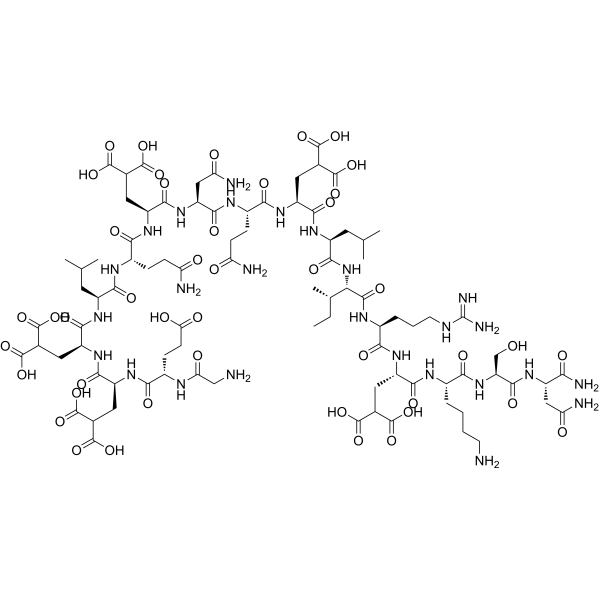
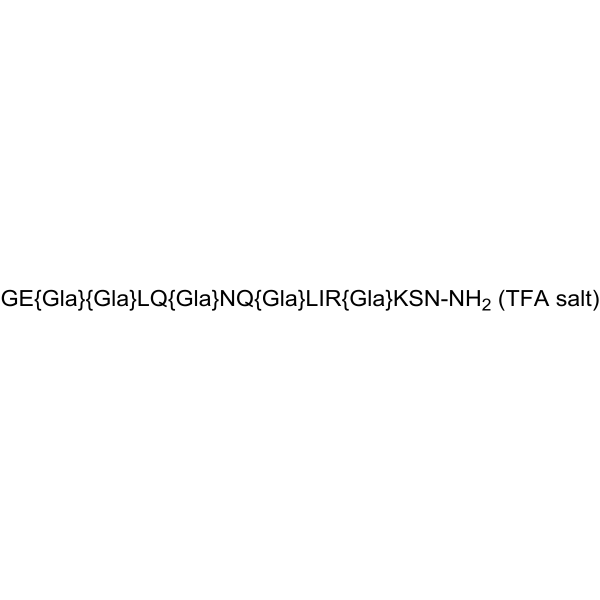
    Conantokin G, a 17-amino-acid peptide, is a potent, selective and competitive antagonist of N-methyl-D-aspartate (NMDA) receptors. Conantokin G inhibits NMDA-evoked currents in murine cortical neurons with an IC50 of 480 nM. Conantokin G has neuroprotective properties .
    Conantokin G
  • HY-114978

    mGluR PERK Neurological Disease
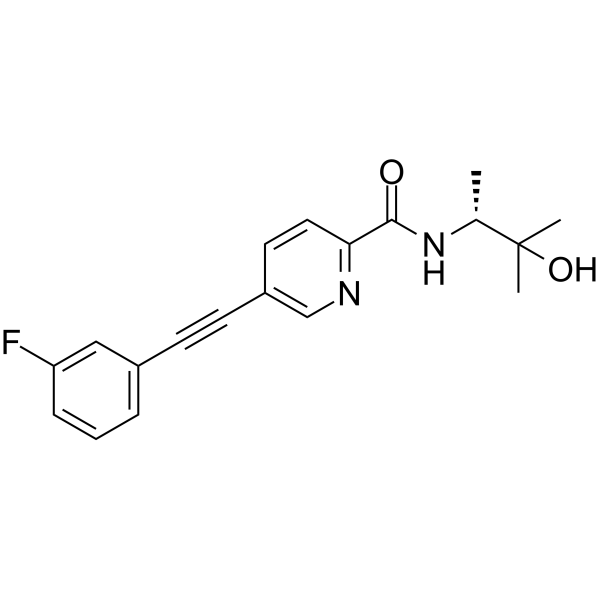
    VU0424465 is a potent and partial PAM (positive allosteric modulator)-agonist for mGlu5 mediated iCa 2+ mobilization. VU0424465 exhibits high affinity at MPEP allosteric binding site, with a Ki value of 11.8 nM. VU0424465 is also a agonist for pERK1/2 in cortical neurons .
    VU0424465
  • HY-177854

    Amyloid-β Neurological Disease
    Aβ aggregation-IN-4 can alleviate the neurotoxicity of amyloid-β protein (Aβ) and significantly reduce the level of oligomeric complexes of Aβ (Aβ-OCs). Aβ aggregation-IN-4 does not decrease the level of amyloid-β protein (Aβ). Aβ aggregation-IN-4 attenuates Aβ oligomerization and prevents oligomer-induced death of primary cortical neurons. Aβ aggregation-IN-4 can be used for the study of Alzheimer’s disease (AD) .
    Aβ aggregation-IN-4
  • HY-15082

    BIIR 561

    iGluR Sodium Channel Neurological Disease
    Irampanel (BIIR 561) is an AMPA receptor and voltage-dependent sodium channel blocker. Irampanel inhibits kainate-induced currents in rat cortical neurons .
    Irampanel
  • HY-155355

    iGluR Neurological Disease
    LY836 is an orally active neuroprotective agent. LY836 significantly blocks PSD95-nNOS association in cortical neurons. LY836 can be used in study ischemic stroke .
    LY836
  • HY-B1176S

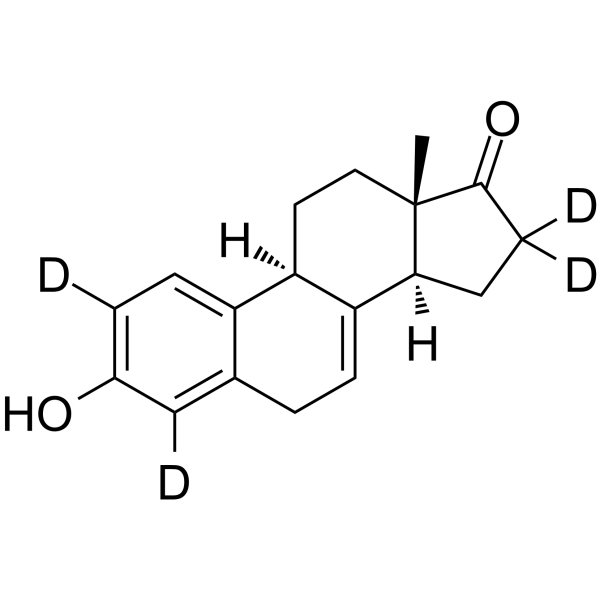
    7-Dehydroestrone-d4

    Isotope-Labeled Compounds Estrogen Receptor/ERR Endocrinology
    Equilin-d4 is the deuterium labeled Equilin. Equilin (7-Dehydroestrone) is an important member of the large group of oestrogenic substances and is chemically related to menformon (oestrone). Equilin increases the growth of cortical neurons via an NMDA receptor-dependent mechanism .
    Equilin-d4
  • HY-P0198B

    Neuropeptide Y Receptor Neurological Disease Metabolic Disease
    [D-Arg25]-Neuropeptide Y (human) ([D-Arg25] NPY) is a Y1 receptor selective agonist. Neuropeptide Y (human) is involved in Alzheimer's disease (AD) and protects rat cortical neurons against β-Amyloid toxicity .
    [D-Arg25]-Neuropeptide Y (human)
  • HY-B1176R

    7-Dehydroestrone (Standard)

    Reference Standards Estrogen Receptor/ERR Endocrinology
    Equilin (Standard) is the analytical standard of Equilin. This product is intended for research and analytical applications. Equilin (7-Dehydroestrone) is an important member of the large group of oestrogenic substances and is chemically related to menformon (oestrone). Equilin increases the growth of cortical neurons via an NMDA receptor-dependent mechanism .
    Equilin (Standard)
  • HY-P1293A

    iGluR Neurological Disease
    Conantokin G TFA, a 17-amino-acid peptide, is a potent, selective and competitive antagonist of N-methyl-D-aspartate (NMDA) receptors. Conantokin G TFA inhibits NMDA-evoked currents in murine cortical neurons with an IC50 of 480 nM. Conantokin G TFA has neuroprotective properties .
    Conantokin G TFA
  • HY-B1176S1

    7-Dehydroestrone-d2

    Isotope-Labeled Compounds Estrogen Receptor/ERR Endocrinology
    Equilin-d2 (7-Dehydroestrone-d2) is deuterium labeled Equilin. Equilin (7-Dehydroestrone) is an important member of the large group of oestrogenic substances and is chemically related to menformon (oestrone). Equilin increases the growth of cortical neurons via an NMDA receptor-dependent mechanism .
    Equilin-d2
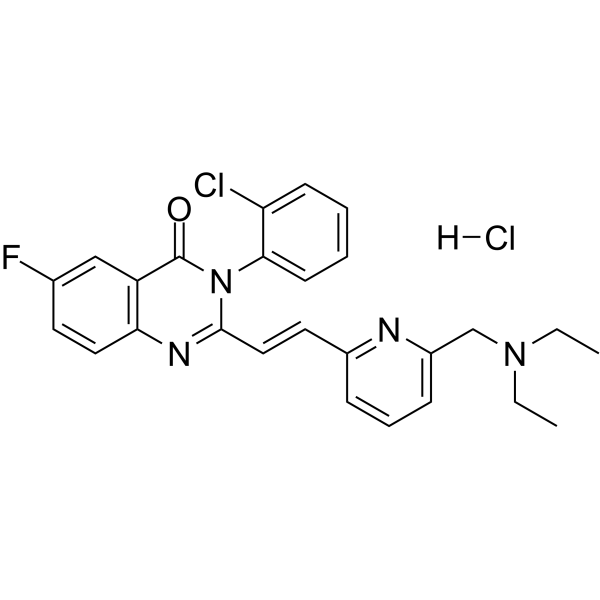
  • HY-18663B

    iGluR Neurological Disease
    CP-465022 hydrochloride is a potent, and selective noncompetitive AMPA receptor antagonist with anticonvulsant activity. CP-465022 is against Kainate-induced response with an IC50 of 25 nM in rat cortical neurons. CP-465022 provides a new tool to investigate the role of AMPA receptors in physiological and pathophysiological processes .
    CP-465022 hydrochloride
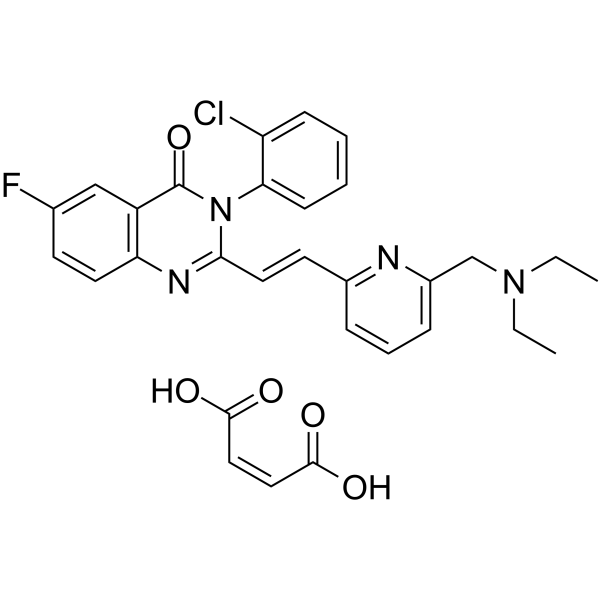
  • HY-18663A

    iGluR Neurological Disease
    CP-465022 Maleate is a potent, and selective noncompetitive AMPA receptor antagonist with anticonvulsant activity. CP-465022 is against Kainate-induced response with an IC50 of 25 nM in rat cortical neurons. CP-465022 provides a new tool to investigate the role of AMPA receptors in physiological and pathophysiological processes .
    CP-465022 maleate
  • HY-P1001A

    Caspase Apoptosis Neurological Disease Cancer
    Ac-DEVD-CHO TFA is a peptide inhibitor of caspase-3 (Ki=230 pM) and caspase-7. Ac-DEVD-CHO TFA reduces caspase-3 activity and apoptosis induced by Prostaglandin E2 (HY-101952) in rat cortical neurons. Ac-DEVD-CHO TFA is promising for research of neurodegenerative diseases and cancers .
    Ac-DEVD-CHO TFA
  • HY-103338

    Others Neurological Disease
    AM1172 is metabolically stable anandamide uptake inhibitor. AM1172 inhibits [ 3H] anandamide transport in rat cortical neurons and human CCF-STTG1 astrocytoma cells with IC50 values of 2.1 μM and 2.5 μM, respectively. AM1172 can significantly inhibit AEA hydrolysis and concurrently decrease AEA uptake. AM1172 can be used for the study of endocannabinoid system regulation .
    AM1172
  • HY-172455

    Potassium Channel Neurological Disease
    TREK inhibitor-3 (Cpd8l) is a selective and BBB-permeable TREK-1 inhibitor with an IC50 of 0.81 μM. TREK inhibitor-3 has neuroprotective effects, which can significantly reduce the death of cortical neurons induced by oxygen-glucose deprivation/reoxygenation (OGD/R) and improve brain injury in mice models of middle cerebral artery occlusion/reperfusion (MCAO/R). TREK inhibitor-3 can be used in the research of ischemic stroke .
    TREK inhibitor-3
  • HY-100458

    NO Synthase Neurological Disease
    SCR-4026 is a neuroprotective agent with blood-brain barrier penetration ability. SCR-4026 exerts neuroprotective effects by disrupting the interaction between neuronal nNOS and PSD9, with an IC50 of 6.3 μM. SCR-4026 alleviates N-methyl-D-aspartate (NMDA)-induced excitotoxic damage in primary cortical neurons, and also protects neurons in the oxygen-glucose deprivation (OGD) model. SCR-4026 can reduce the cerebral infarct volume in the rat middle cerebral artery occlusion (MCAO) reperfusion model. SCR-4026 can be used for the study of stroke .
    SCR-4026
  • HY-N0307R

    Reference Standards Bcl-2 Family NF-κB DNA/RNA Synthesis Apoptosis Cardiovascular Disease Neurological Disease
    Ciwujianoside B (Standard) is the analytical standard of Ciwujianoside B. This product is intended for research and analytical applications. Ciwujianoside B is an orally active, blood-brain barrier penetrable radioprotective agent and memory enhancer. Ciwujianoside B reduces radiation-induced DNA damage, cell cycle arrest and apoptosis, downregulates NF-κB and the Bax/Bcl-2 ratio, and enhances the proliferative capacity of bone marrow cells. Ciwujianoside B enhances object recognition memory in normal mice and induces dendritic extension in primary cultured cortical neurons. Ciwujianoside B can be used in studies related to hematopoietic system radiation injury and memory enhancement.
    Ciwujianoside B (Standard)
  • HY-15076

    NS-1209 sodium

    iGluR Neurological Disease
    SPD-502 sodium is a novel glutamate antagonist with potential neuroprotective properties, particularly in brain ischemia. It selectively targets the AMPA receptor, showing high affinity (IC50 = 0.043 μM) and competitive inhibition of AMPA-induced effects in rat cortical membranes and cultured mouse cortical neurons. In vivo, SPD-502 sodium effectively blocks AMPA-evoked spike activity in the hippocampus after intravenous administration, significantly increasing the seizure threshold in mice and demonstrating robust protection against ischemia-induced damage to hippocampal neurons in gerbils. These findings suggest SPD-502 sodium may be promising for studying neurodegenerative conditions associated with glutamate excitotoxicity .
    SPD-502 sodium
  • HY-15074

    NS-1209

    iGluR Neurological Disease
    SPD-502 is a novel glutamate antagonist with potential neuroprotective properties, particularly in brain ischemia. It selectively targets the AMPA receptor, showing high affinity (IC50 = 0.043 μM) and competitive inhibition of AMPA-induced effects in rat cortical membranes and cultured mouse cortical neurons. In vivo, SPD-502 effectively blocks AMPA-evoked spike activity in the hippocampus after intravenous administration, significantly increasing the seizure threshold in mice and demonstrating robust protection against ischemia-induced damage to hippocampal neurons in gerbils. These findings suggest SPD-502 may be promising for studying neurodegenerative conditions associated with glutamate excitotoxicity .
    SPD-502
  • HY-W005255R

    Reference Standards Endogenous Metabolite Cardiovascular Disease
    Citrinin (Standard) is the analytical standard of Citrinin. This product is intended for research and analytical applications. Citrinin (NSC 186) is a mycotoxin that causes food contamination and has different toxic effects. Citrinin is an effective oral anticancer agent. Citrinin has various regulatory effects on mouse immune system, including regulating the number of immune cells, inducing apoptosis and autophagy of immune cells, altering toll-like receptor expression and cytokine production. Citrinin can induce oxidative stress and lead to early apoptosis of oocytes. Low doses of Citrinin have neuroprotective effects against glutamate-induced excitotoxicity in rat cortical neurons. In addition, Citrinin also has antibacterial activity .
    3-(3-Hydroxyphenyl)propionic acid (Standard)
  • HY-N6746R

    NSC 186 (Standard)

    Reference Standards Bacterial Fungal Endogenous Metabolite Apoptosis Infection Neurological Disease Cancer
    Citrinin (Standard) is the analytical standard of Citrinin. This product is intended for research and analytical applications. Citrinin (NSC 186) is a mycotoxin that causes food contamination and has different toxic effects. Citrinin is an effective oral anticancer agent. Citrinin has various regulatory effects on mouse immune system, including regulating the number of immune cells, inducing apoptosis and autophagy of immune cells, altering toll-like receptor expression and cytokine production. Citrinin can induce oxidative stress and lead to early apoptosis of oocytes. Low doses of Citrinin have neuroprotective effects against glutamate-induced excitotoxicity in rat cortical neurons. In addition, Citrinin also has antibacterial activity .
    Citrinin (Standard)
  • HY-N6746S1

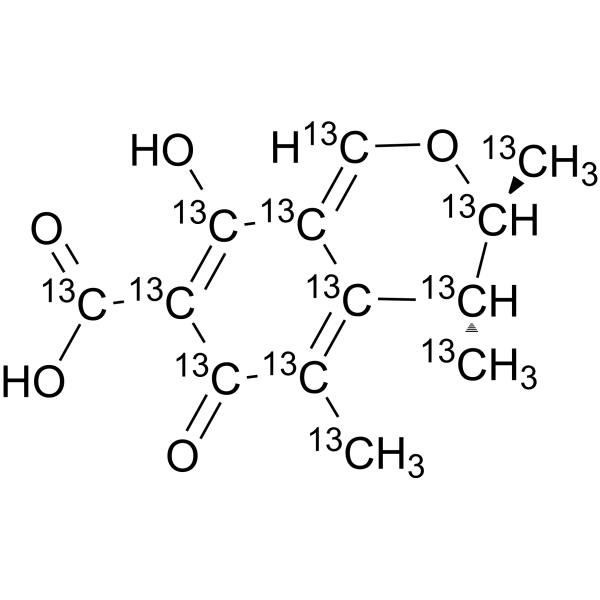
    NSC 186-13C13

    Isotope-Labeled Compounds Apoptosis Bacterial Autophagy Infection Neurological Disease Cancer
    Citrinin- 13C13 (NSC 186- 13C13) is the 13C labeled Citrinin (HY-N6746). Citrinin (NSC 186) is a mycotoxin that causes food contamination and has different toxic effects. Citrinin is an effective oral anticancer agent. Citrinin has various regulatory effects on mouse immune system, including regulating the number of immune cells, inducing apoptosis and autophagy of immune cells, altering toll-like receptor expression and cytokine production. Citrinin can induce oxidative stress and lead to early apoptosis of oocytes. Low doses of Citrinin have neuroprotective effects against glutamate-induced excitotoxicity in rat cortical neurons. In addition, Citrinin also has antibacterial activity .
    Citrinin-13C13
  • HY-N7368R

    Reference Standards Adenosine Deaminase Bacterial Caspase Neurological Disease Inflammation/Immunology Cancer
    Hibifolin (Standard) is the analytical standard of Hibifolin. This product is intended for research and analytical applications. Hibifolin is a flavonol glycoside that can be isolated from Helicteres isora. Hibifolin is an inhibitor of adenosine deaminase (ADA) (Ki = 49.92 μM). Hibifolin protects neurons against β-amyloid-induced neurotoxicity. Hibifolin possesses a potent protective activity against cell death induced by aggregated Aβ. Hibifolin can abolish Aβ-induced caspase-3 and caspase-7 activation. Hibifolin induces Akt phosphorylation in cortical neurons. Hibifolin is also a natural sortase A (SrtA) inhibitor (IC50 = 31.2 μM) through direct binding to SrtA protein. Hibifolin attenuates the pathogenic behavior of Staphylococcus aureus including adhesion, invasion, and biofilm formation. Hibifolin improves the survival of pneumonia induced by Staphylococcus aureus in mouse model and alleviates pathological damage. Hibifolin shows a synergistic antibacterial effect with Cefotaxime (HY-A0088A) .
    Hibifolin (Standard)
  • HY-186170A

    Drug Isomer Neurological Disease
    S-MDMA is an isomer of 4-methylenedioxymethamphetamine (MDMA) isomer. S-MDMA can promotes cortical neurons growth .
    S-MDMA
  • HY-15083

    BIIR-561-CL

    iGluR Sodium Channel Neurological Disease
    Irampanel hydrochloride (BIIR 561-CL) is an AMPA receptor and voltage-dependent sodium channel blocker. Irampanel hydrochloride inhibits Kainic acid (HY-N2309)-induced currents in rat cortical neurons .
    Irampanel hydrochloride
  • HY-182025

    Endogenous Metabolite Neurological Disease
    NAD+ potentiator-1 (Compound R-4b) is a NAD potentiator. NAD+ potentiator-1 increases NAD levels in primary cortical neurons. NAD+ potentiator-1 is used for the research of neurodegenerative diseases .
    NAD+ potentiator-1
  • HY-180345

    Prostaglandin Receptor Neurological Disease
    ND-7001 is an inhibitor of PDE2 with an IC50 of 0.05 μM. ND-7001 exhibits good selectivity agianst PDE3 and PDE4. ND-7001 increases cGMP levels in primary neuronal cultures of rat cerebral cortical neurons. ND-7001 displays anxiolytic effects .
    ND-7001
  • HY-126939

    Reactive Oxygen Species (ROS) Calcium Channel iGluR Neurological Disease
    MN-05 is a dual neuroprotective and vasodilatory NMDA receptor inhibitor.MN-05 blocks calcium influx, reduces free radical production, and maintains mitochondrial membrane potential in cortical neurons exposed to glutamate.MN-05 dilates aortic rings against phenylephrine-induced contraction.MN-05 protects neurons against glutamate-induced injury in vitro.MN-05 can be used for the research of neurodegenerative diseases .
    MN-05

Inquiry Online

Your information is safe with us. * Required Fields.

Salutation


Country or Region *

Applicant Name *


Organization Name *

Department *


Email Address *


Product Name *

Cat. No.


Requested quantity *

Phone Number *


Remarks

Inquiry Online

Inquiry Information

Product Name:
Cat. No.:
Quantity:
MCE Japan Authorized Agent: