1. Search Result
Search Result
Pathways Recommended: Membrane Transporter/Ion Channel
Results for "

cytoplasmic membrane

" in MedChemExpress (MCE) Product Catalog:

64

Inhibitors & Agonists

1

Screening Libraries

4

Fluorescent Dyes

2

Biochemical Assay Reagents

20

Peptides

2

MCE Kits

2

Inhibitory Antibodies

2

Natural
Products

1

Recombinant Proteins

Targets Recommended:
Cat. No. Product Name Target Research Areas Chemical Structure
  • HY-D0944
    Giemsa stain
    2 Publications Verification

    Fluorescent Dye Others
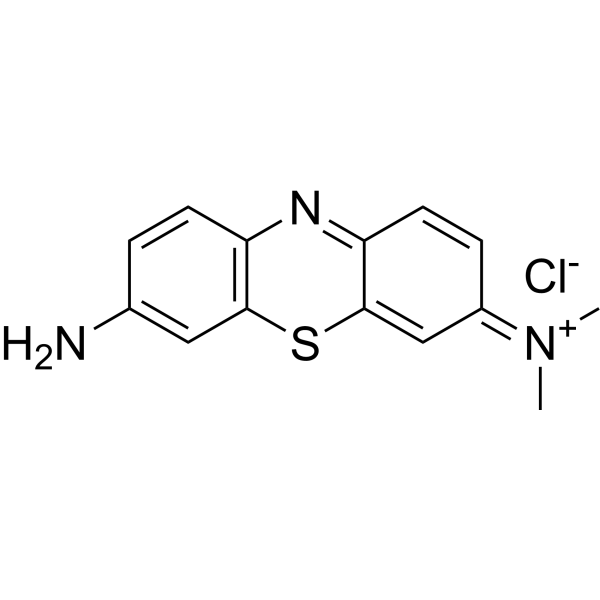
    Giemsa stain is a composite dye composed of methylene azure, methylene blue, eosin and other components. Giemsa stain stains chromatin, nuclear membranes, specific cytoplasmic components and microorganisms. Giemsa stain is used in research on cytological and parasitological staining .
    Giemsa stain
  • HY-NP181
    Testosterone/BSA
    1 Publications Verification

    Biochemical Assay Reagents Others
    Testosterone/BSA, a conjugate of Testosterone (HY-113415) and bovine serum albumin (BSA), acts as a nuclear transporter and cytoplasmic accumulator. Testosterone/BSA can enter the nuclei of rat testicular spermatocytes, spermatids and rat liver endothelial cells, while the antigenicity of BSA remains intact. Testosterone/BSA accumulates in the cytoplasm of rat hepatocytes in granular form. Testosterone/BSA can be used to investigate the membrane-initiated or non-genomic activities of steroid hormones .
    Testosterone/BSA
  • HY-P10352A

    Bacterial Infection
    Pediocin PA-1 TFA is a class IIa bacteriocin that specifically binds to membrane proteins of susceptible Gram-positive bacteria (such as Listeria monocytogenes) to form voltage-independent hydrophilic pores, leading to dissipation of proton motive force, ATP depletion and cell death. Pediocin PA-1 TFA shows no significant activity against intact Gram-negative bacteria, strains carrying immunity genes and obligate anaerobic commensal gut microbiota, and its bactericidal function depends on the integrity of disulfide bonds, with activity lost upon reduction. Pediocin PA-1 TFA can be used not only as a food biopreservative but also for research on listeriosis .
    Pediocin PA 1 TFA
  • HY-D2318

    Fluorescent Dye Others
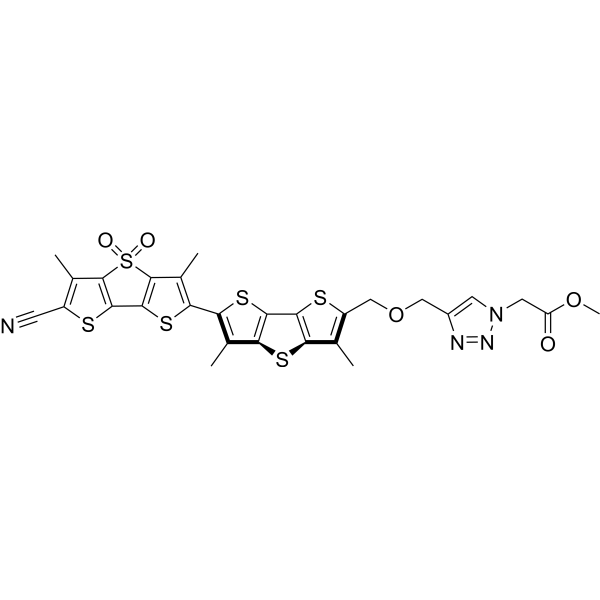
    Flipper-TR 5 is a Flipper probe containing a terminal carboxylate for retention on the plasma membrane. Flipper-TR 5 selectively labels the cytoplasmic membrane, and exhibits excellent mechanical sensitivity, negligible cytotoxicity and controllable phototoxicity .
    Flipper-TR 5
  • HY-P10285

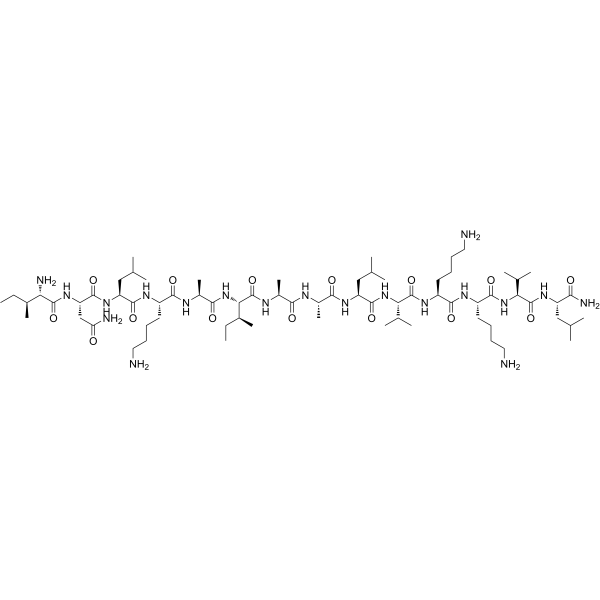
    D-(KLAKLAK)2

    Apoptosis Mitochondrial Metabolism Caspase Cancer
    d-KLA Peptide (D-(KLAKLAK)2), KLA peptide (HY-P5345) isomer, is a pro-apoptosis peptide. d-KLA Peptide can specifically target mitochondria and induce apoptosis by destroying the mitochondrial membrane. d-KLA Peptide increases caspase 3/7 activity, exerts proapoptotic activity and enhances antitumor efficacy in mouse melanoma models .
    d-KLA Peptide
  • HY-118563

    ICMT Apoptosis Ras Cancer
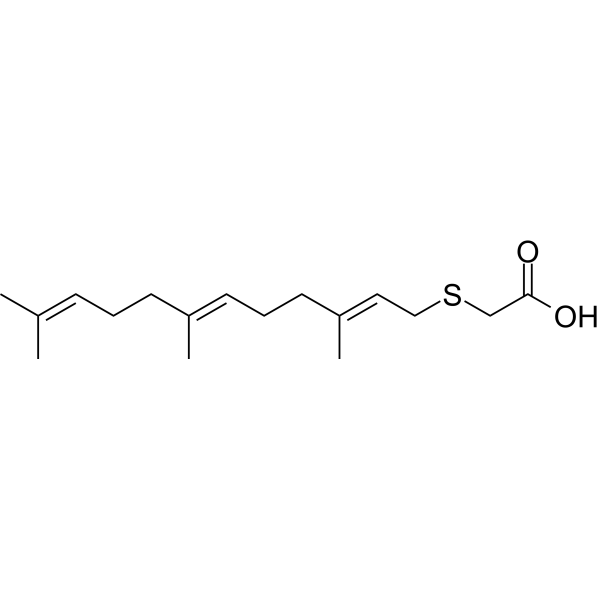
    Farnesylthioacetic acid is a competitive, non-substrate inhibitor of Prenylcysteine α-carboxyl methyltransferase. It acts as a non-substrate competitive inhibitor of Arabidopsis thaliana Prenylcysteine α-carboxyl methyltransferase and blocks methyltransferase activity. Farnesylthioacetic acid does not inhibit protein farnesyltransferase activity in Arabidopsis. It induces Apoptosis. Farnesylthioacetic acid regulates the subcellular localization of Ras protein, reducing the proportion of cytoplasmic Ras protein without disrupting membrane binding. It enhances ABA-induced seed dormancy, delays seed germination, and promotes maximum stomatal closure at lower exogenous ABA concentrations. Farnesylthioacetic acid can be used in studies related to promyelocytic leukemia .
    Farnesylthioacetic acid
  • HY-126810A

    Fungal Infection
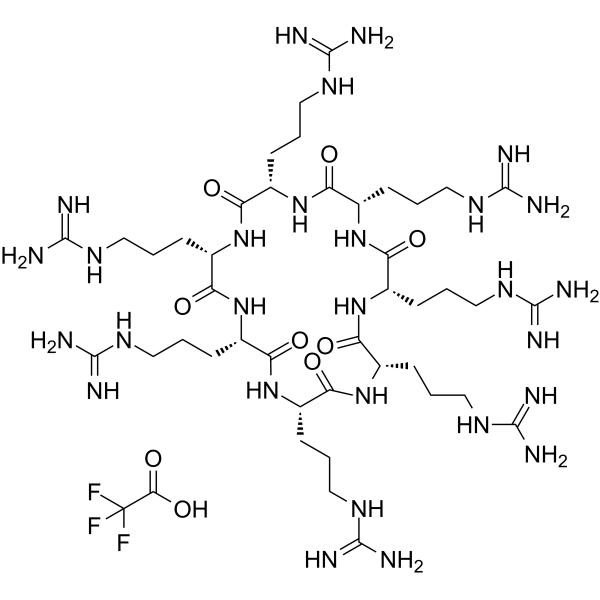
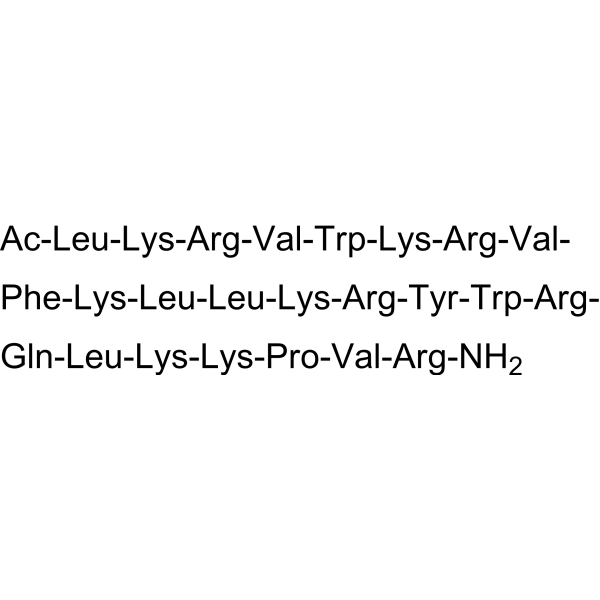
    NP213 TFA is a rapidly acting, novel, first-in-class synthetic antimicrobial peptide (AMP), has anti-fungal activities. NP213 TFA targets the fungal cytoplasmic membrane and plays it role via membrane perturbation and disruption. NP213 TFA is effective and well-tolerated in resolving nail fungal infections .
    NP213 TFA
  • HY-P10233A

    Bacterial Infection
    SAAP 148 TFA is a synthetic antimicrobial peptide (bacteria) that interacts with and disrupts the lipid bilayer of bacterial cytoplasmic membranes, thereby inducing changes in membrane permeability and bacterial death. SAAP 148 TFA kills drug-resistant, multidrug-resistant and persister bacterial strains, inhibits biofilm formation, eliminates established biofilms, and blocks bacterial colonization on implant surfaces. SAAP 148 TFA retains its activity after modification or immobilization, exhibits variable cytotoxicity in different human cell models, and shows reduced efficacy in protein-rich environments. SAAP 148 TFA can be used in infection-related research .
    SAAP 148 TFA
  • HY-P10352

    Bacterial Infection
    Pediocin PA 1 is a class IIa bacteriocin that specifically binds to membrane proteins of susceptible Gram-positive bacteria (such as Listeria monocytogenes) to form voltage-independent hydrophilic pores, leading to dissipation of proton motive force, ATP depletion and cell death. Pediocin PA 1 shows no significant activity against intact Gram-negative bacteria, strains carrying immunity genes and obligate anaerobic commensal gut microbiota, and its bactericidal function depends on the integrity of disulfide bonds, with activity lost upon reduction. Pediocin PA 1 can be used not only as a food biopreservative but also for research on listeriosis .
    Pediocin PA 1
  • HY-142117

    Calcium Channel Chloride Channel Others
    Adenophostin A is an IP3 receptor (inositol 1,4,5-trisphosphate receptors) modulator and Ca 2+ releaser, with an IC50 of 1.3 nM, an EC50 of 1.4 nM, and a Ki of 0.18 nM in rats, and an IC50 of 0.95 nM in humans. Adenophostin A activates IP3 receptors, stimulates Ca 2+ release from intracellular stores and microsomes, inhibits the binding of [ 3H]IP3 to plasma membrane receptors, and activates chloride channels. Adenophostin A resists phosphorylation and dephosphorylation by IP3 metabolic enzymes to maintain its activity, and increases cytoplasmic [Ca 2+] levels via calcium mobilization from the endoplasmic reticulum of vascular smooth muscle cells. Adenophostin A is applicable to research related to hemorrhagic shock .
    Adenophostin A
  • HY-P2997
    γ-glutamyltransferase, Porcine kidney
    1 Publications Verification

    GGT, Porcine kidney

    Endogenous Metabolite Cancer
    γ-glutamyltransferase, Porcine kidney (GGT, Porcine kidney) is an enzyme located on the outer surface of the cell membrane. γ-glutamyltransferase, Porcine kidney maintains the physiological concentration of cytoplasmic glutathione and the cell's defense against oxidative stress by cleaving extracellular glutathione and increasing the availability of amino acids. γ-glutamyltransferase, Porcine kidney is used for pancreatic cancer research .
    γ-glutamyltransferase, Porcine kidney
  • HY-D1746
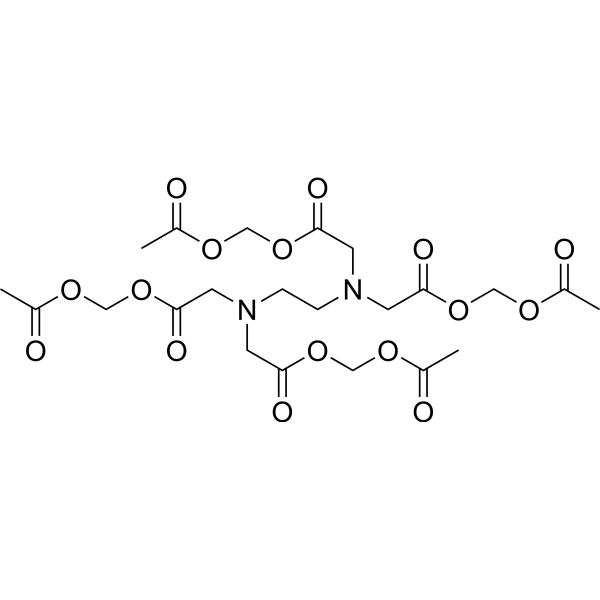
    EDTA-AM
    2 Publications Verification

    EDTA acetoxymethyl ester; Ethylenediaminetetraacetic acid acetoxymethyl ester

    Biochemical Assay Reagents Mitosis Others
    EDTA-AM (ethylenediaminetetraacetic acid, acetoxymethyl ester) is the membrane-permeant form of the metal chelator EDTA (HY-Y0682). Live cells passively load EDTA-AM by incubating with EDTA-AM. Once internalized, cytoplasmic esterase decomposes AM esters, releasing the active ligand EDTA, which isolates metal ions within the cell. EDTA-AM induces an arrest of mitotic progression and chromosome decondensation .
    EDTA-AM
  • HY-114457

    L-alpha-Phosphatidylinositol-4,5-bisphosphate; (PtdIns)-(4,5)-P2

    Phospholipase Inflammation/Immunology
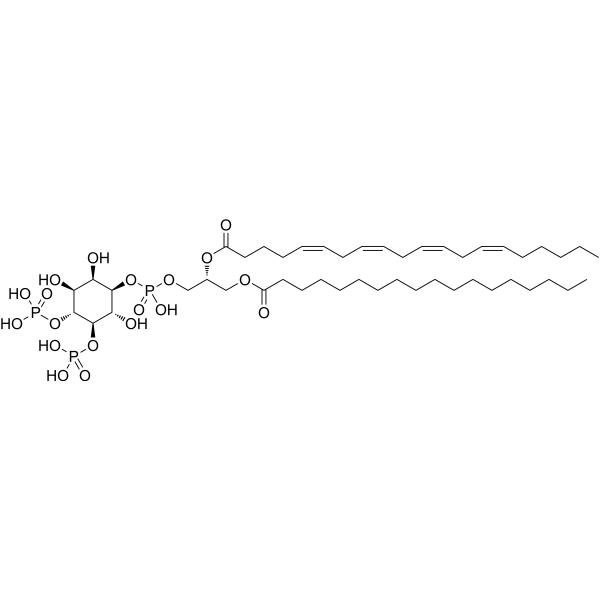
    Phosphatidylinositol 4,5-bisphosphate (L-alpha-Phosphatidylinositol-4,5-bisphosphate) is a plasma membrane lipid that is enriched in the cytoplasmic leaflet of the plasma membrane. Phosphatidylinositol 4,5-bisphosphate serves as a substrate for phospholipase C and class I PI3K, generating diacylglycerol, inositol (1,4,5)-trisphosphate, and phosphatidylinositol (3,4,5)-trisphosphate. Phosphatidylinositol 4,5-bisphosphate contributes to lamellipodial protrusion, directional cell migration, focal adhesion lipid generation, and trafficking of the GABAA receptor. Phosphatidylinositol 4,5-bisphosphate can be used in research related to acute lung injury and pulmonary edema .
    Phosphatidylinositol 4,5-bisphosphate
  • HY-126810

    Fungal Infection
    NP213 is a rapidly acting, novel, first-in-class synthetic antimicrobial peptide (AMP), has anti-fungal activities. NP213 targets the fungal cytoplasmic membrane and plays it role via membrane perturbation and disruption. NP213 is effective and well-tolerated in resolving nail fungal infections .
    NP213
  • HY-P10310A

    HIV Infection
    F9170 TFA is an amphipathic peptide with an activity of inactivate HIV-1 virions. F9170 TFA targets the conserved cytoplasmic tail of HIV-1 env and disrupts the integrity of the viral membrane. F9170 TFA is able to cross the blood-brain barrier (BBB) .
    F9170 TFA
  • HY-P10281

    Bacterial Infection Cardiovascular Disease
    RW3 (MP196) is a small cationic antimicrobial hexapeptide. RW3 targets the bacterial cytoplasmic membrane and inhibits cellular respiration and cell wall synthesis. RW3 exhibits high bioactivity against Gram-positive bacteria such as Bacillus subtilis 168 (MIC of 2 µg/mL). RW3 causes shrinking of murine erythrocytes. RW3 can be used in antimicrobial and antifungal research .
    RW3
  • HY-134963

    PKC Cancer
    SBI-0087702 promots the cytoplasmic localization of ATF2 in melanoma cells. SBI-0087702-induced translocation of ATF2 to the mitochondria results in increased apoptosis due to loss of mitochondrial membrane integrity. SBI-0087702 also inhibits growth and motility of melanoma cells. SBI-0087702 was shown to inhibit ATF2 phosphorylation on Thr52 by PKCε .
    SBI-0087702
  • HY-177120

    Autophagy Cancer
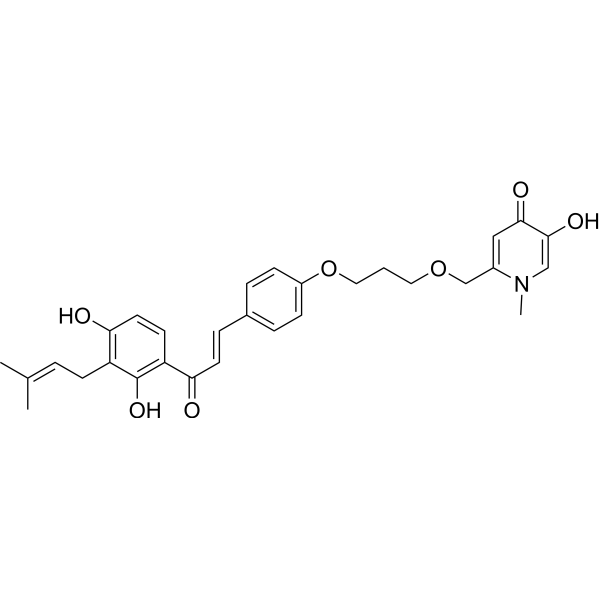
    DMBP is a VPS41 inhibitor. DMBP induces methuosis and inhibits autophagy in cancer cells. DMBP inhibits the fusion of late endosomes and autophagosomes with lysosomes. DMBP effectively inhibits metastasis in a mouse metastatic melanoma model. DMBP can be used for the study of melanoma .
    DMBP
  • HY-P10233

    Bacterial Infection
    SAAP 148 is a synthetic antimicrobial peptide (bacteria) that interacts with and disrupts the lipid bilayer of bacterial cytoplasmic membranes, thereby inducing changes in membrane permeability and bacterial death. SAAP 148 kills drug-resistant, multidrug-resistant and persister bacterial strains, inhibits biofilm formation, eliminates established biofilms, and blocks bacterial colonization on implant surfaces. SAAP 148 retains its activity after modification or immobilization, exhibits variable cytotoxicity in different human cell models, and shows reduced efficacy in protein-rich environments. SAAP 148 can be used in infection-related research .
    SAAP 148
  • HY-N15548

    Armeniaspirole A

    Bacterial Infection
    Armeniaspirol A (Armeniaspirole A) is an antibacterial agent targeting Helicobacter pylori cell membranes. Armeniaspirol A induces membrane permeabilization, cytoplasmic leakage, and biofilm inhibition/eradication. Armeniaspirol A is promising for research of H. pylori infection .
    Armeniaspirol A
  • HY-P5727

    Bacterial Infection
    HR1 is a mastoid protease. HR1 can increase the permeability of human erythrocyte membrane. HR1 can induce cytoplasmic membrane permeation in bacteria and mast cells .
    HR1
  • HY-P10310

    HIV Infection
    F9170 is an amphipathic peptide with an activity of inactivate HIV-1 virions. F9170 targets the conserved cytoplasmic tail of HIV-1 env and disrupts the integrity of the viral membrane. F9170 is able to cross the blood-brain barrier (BBB) .
    F9170
  • HY-175301

    Bacterial Reactive Oxygen Species (ROS) Infection
    TH16 is an antibacterial agent (MIC=2 μg/mL against methicillin-resistant Staphylococcus aureus, MRSA). TH16 disrupts bacterial cytoplasmic membrane integrity, elevating intracellular reactive oxygen species (ROS) levels to induce bacterial death. TH16 is promising for research of bacterial infection .
    TH16
  • HY-P11442

    Lycotoxin-Pa2a; TBIU041425

    Bacterial Toll-like Receptor (TLR) Inflammation/Immunology
    Lytx-Pa2a (Lycotoxin-Pa2a) is a peptide inhibitor against bacterial membranes and TLR4 receptor. Lytx-Pa2a exerts antimicrobial effects via non-competitive disruption of outer/cytoplasmic membranes and suppression of LPS-induced TLR4/NF-κB signaling. Lytx-Pa2a is promising for research of bacterial infection and inflammation-related disease (e.g., sepsis) .
    Lytx-Pa2a
  • HY-E70696

    EGFR Cancer
    EGFR is a driver of tumorigenesis. EGFR is mainly found in an auto-inhibited, dimerization-incompetent, state at the plasma membrane (PM). Ligand binding promotes receptor dimerization, which determines a series of structural rearrangements that are conveyed to the cytoplasmic domain allowing the formation of asymmetric dimers between the two juxtaposed catalytic domains. EGFR has multiple mutants. EGFR C797S/L858R Recombinant Human Active Protein Kinase is a recombinant EGFR C797S/L858R protein that can be used to study EGFR C797S/L858R-related functions .
    EGFR C797S/L858R Recombinant Human Active Protein Kinase
  • HY-P10970

    Bacterial Infection
    RT2 is a tryptophan-rich cationic amphipathic antibacterial peptide, with main targets including lipopolysaccharide (LPS) on the bacterial surface and intracellular DNA. RT2 binds to bacterial surface LPS, and interacts with cytoplasmic membrane phospholipids, enabling it to rapidly penetrate the bacterial cell membrane and enter the cell, and then bind to components such as DNA in the cytoplasmic membrane, thereby exerting antibacterial effects. RT2 is promising for research of acute and chronic infections caused by planktonic bacteria .
    RT2
  • HY-131899

    Potassium Channel Sodium Channel Others
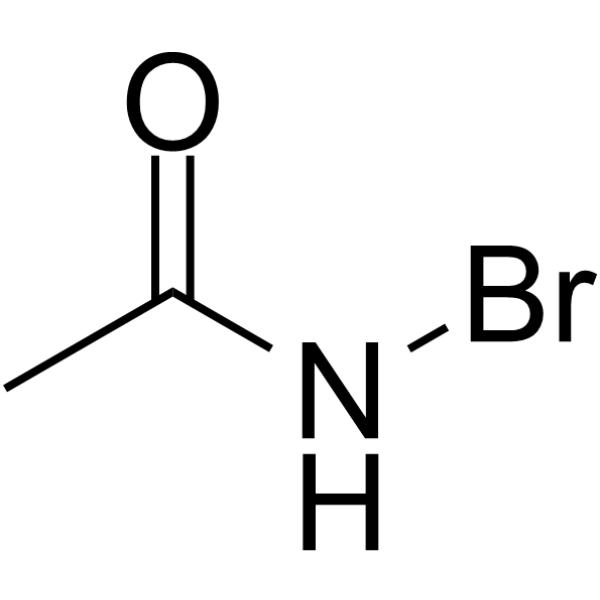
    N-Bromoacetamide can irreversibly remove sodium channel inactivation in the cytoplasmic face of the membrane, also decreasing K current rapid inactivation .
    N-Bromoacetamide
  • HY-P991273

    Antibiotic Bacterial Infection
    MP196 is a cationic hexapeptide antibiotic targeting the bacterial cytoplasmic membrane, which exerts rapid bactericidal activity by disrupting membrane integrity, inhibiting cell respiration and cell wall synthesis. MP196 is promising for research of drug-resistant bacterial infections .
    MP196
  • HY-149353

    Bacterial Infection
    Antibacterial agent 145 (compound 1b) is an antibacterial agent depending on bacterial iron uptake pathway. Antibacterial agent 145 disrupts cytoplasmic membrane integrity and inhibits cell metabolism but exhibits low cytotoxic effects to normal cells .
    Antibacterial agent 145
  • HY-P11095

    Bacterial Fungal Infection
    Pelteobagrin is a broad-spectrum antimicrobial peptide targeting Gram-positive bacteria, Gram-negative bacteria, and fungi (MIC=2-16 μg/mL). Pelteobagrin exerts bactericidal activity via non-competitive disruption of cell wall and cytoplasmic membrane integrity. Pelteobagrin is promising for research of infectious diseases .
    Pelteobagrin
  • HY-155064

    HSP Metabolic Disease
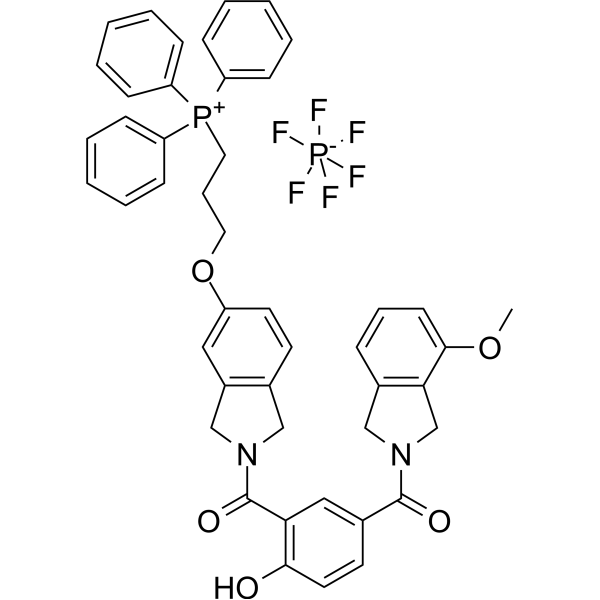
    TRAP1-IN-2 (compound 36) is a selective degrader of TRAP1 downstream proteins without affecting Hsp90's cytoplasmic downstream proteins. TRAP1-IN-2 also inhibits OXPHOS and alters cellular glycolysis metabolism. TRAP1-IN-2 destabilizes TRAP1 tetramers and disrupts mitochondrial membrane potential.
    TRAP1-IN-2
  • HY-170991

    Bacterial Reactive Oxygen Species (ROS) Infection
    C12-rrw-NH2 (Compound Lip7) is an antibacterial agent against gram-positive bacteria, especially against Methicillin (HY-121544)-resistant Staphylococcus aureus (MRSA). C12-rrw-NH2 induces bacterial death via depolarizing the bacterial cytoplasmic membrane, disrupting the integrity of the bacterial membrane, leading to leakage of nucleic acid and protein and promoting the generation of Reactive Oxygen Species. C12-rrw-NH2 is potential to be used for research of developing high-stability antimicrobial peptides .
    C12-rrw-NH2
  • HY-155060

    Bacterial DNA/RNA Synthesis Infection
    Antibacterial agent 144 (compound 8e) is an antibacterial agent,with better effect against multi-resistant Staphylococcus aureus than Chloromycin and Amoxicillin (HY-B0467A). Antibacterial agent 144 destroys the cytoplasmic membrane of bacteria,and inhibits the biofilms formation. Antibacterial agent 144 binds to HSA (Kd=13.2 μM),and exerts bactericidal efficacy. Antibacterial agent 144 also binds with DNA to for supramolecular complex to obstruct DNA replications .
    Antibacterial agent 144
  • HY-P10968

    Bacterial Antibiotic Infection
    KT2 is a cationic amphipathic antibacterial peptide. KT2 can completely kill cells of E. coli O157:H7. KT2 has potent anti-biofilm activity and prevents biofilm formation of E. coli O157:H7. KT2 significantly binds to bacterial surface LPS and interacts with the lipids of liposomes with great penetration capability into bacterial cells, followed by bond to DNA and other cytoplasmic membrane .
    KT2
  • HY-E70704

    EGFR Cancer
    EGFR is a driver of tumorigenesis. EGFR is mainly found in an auto-inhibited, dimerization-incompetent, state at the plasma membrane (PM). Ligand binding promotes receptor dimerization, which determines a series of structural rearrangements that are conveyed to the cytoplasmic domain allowing the formation of asymmetric dimers between the two juxtaposed catalytic domains. EGFR has multiple mutants. EGFR G719C Recombinant Human Active Protein Kinase is a recombinant EGFR G719C protein that can be used to study EGFR G719C-related functions .
    EGFR G719C Recombinant Human Active Protein Kinase
  • HY-E70706

    EGFR Cancer
    EGFR is a driver of tumorigenesis. EGFR is mainly found in an auto-inhibited, dimerization-incompetent, state at the plasma membrane (PM). Ligand binding promotes receptor dimerization, which determines a series of structural rearrangements that are conveyed to the cytoplasmic domain allowing the formation of asymmetric dimers between the two juxtaposed catalytic domains. EGFR has multiple mutants. EGFR L718Q Recombinant Human Active Protein Kinase is a recombinant EGFR L718Q protein that can be used to study EGFR L718Q-related functions .
    EGFR L718Q Recombinant Human Active Protein Kinase
  • HY-173356

    Parasite Reactive Oxygen Species (ROS) Infection Inflammation/Immunology
    Antiparasitic agent-26 (Compound 8) is an antiparasitic compound that potently inhibits the growth of Naegleria fowleri, with IC50 values of 22.87 μM (trophozoite stage) and 25.16 μM (cyst stage). Antiparasitic agent-26 exerts its antiparasitic activity by inducing programmed cell death, including cytoplasmic calcium accumulation, mitochondrial membrane potential collapse, ATP synthesis inhibition, ROS accumulation, and chromatin condensation. Antiparasitic agent-26 can be used in the research of primary amoebic meningoencephalitis (PAM) .
    Antiparasitic agent-26
  • HY-E70695

    EGFR Cancer
    EGFR is a driver of tumorigenesis. EGFR is mainly found in an auto-inhibited, dimerization-incompetent, state at the plasma membrane (PM). Ligand binding promotes receptor dimerization, which determines a series of structural rearrangements that are conveyed to the cytoplasmic domain allowing the formation of asymmetric dimers between the two juxtaposed catalytic domains. EGFR has multiple mutants. EGFR C797S Recombinant Human Active Protein Kinase is a recombinant EGFR C797S protein that can be used to study EGFR C797S-related functions .
    EGFR C797S Recombinant Human Active Protein Kinase
  • HY-E70707

    EGFR Cancer
    EGFR is a driver of tumorigenesis. EGFR is mainly found in an auto-inhibited, dimerization-incompetent, state at the plasma membrane (PM). Ligand binding promotes receptor dimerization, which determines a series of structural rearrangements that are conveyed to the cytoplasmic domain allowing the formation of asymmetric dimers between the two juxtaposed catalytic domains. EGFR has multiple mutants. EGFR L858R Recombinant Human Active Protein Kinase is a recombinant EGFR L858R protein that can be used to study EGFR L858R-related functions .
    EGFR L858R Recombinant Human Active Protein Kinase
  • HY-E70708

    EGFR Cancer
    EGFR is a driver of tumorigenesis. EGFR is mainly found in an auto-inhibited, dimerization-incompetent, state at the plasma membrane (PM). Ligand binding promotes receptor dimerization, which determines a series of structural rearrangements that are conveyed to the cytoplasmic domain allowing the formation of asymmetric dimers between the two juxtaposed catalytic domains. EGFR has multiple mutants. EGFR L861Q Recombinant Human Active Protein Kinase is a recombinant EGFR L861Q protein that can be used to study EGFR L861Q-related functions .
    EGFR L861Q Recombinant Human Active Protein Kinase
  • HY-E70705

    EGFR Cancer
    EGFR is a driver of tumorigenesis. EGFR is mainly found in an auto-inhibited, dimerization-incompetent, state at the plasma membrane (PM). Ligand binding promotes receptor dimerization, which determines a series of structural rearrangements that are conveyed to the cytoplasmic domain allowing the formation of asymmetric dimers between the two juxtaposed catalytic domains. EGFR has multiple mutants. EGFR G719S Recombinant Human Active Protein Kinase is a recombinant EGFR G719S protein that can be used to study EGFR G719S-related functions .
    EGFR G719S Recombinant Human Active Protein Kinase
  • HY-E70709

    EGFR Cancer
    EGFR is a driver of tumorigenesis. EGFR is mainly found in an auto-inhibited, dimerization-incompetent, state at the plasma membrane (PM). Ligand binding promotes receptor dimerization, which determines a series of structural rearrangements that are conveyed to the cytoplasmic domain allowing the formation of asymmetric dimers between the two juxtaposed catalytic domains. EGFR has multiple mutants. EGFR T790M Recombinant Human Active Protein Kinase is a recombinant EEGFR T790M protein that can be used to study EGFR T790M-related functions .
    EGFR T790M Recombinant Human Active Protein Kinase
  • HY-E70703

    EGFR Cancer
    EGFR is a driver of tumorigenesis. EGFR is mainly found in an auto-inhibited, dimerization-incompetent, state at the plasma membrane (PM). Ligand binding promotes receptor dimerization, which determines a series of structural rearrangements that are conveyed to the cytoplasmic domain allowing the formation of asymmetric dimers between the two juxtaposed catalytic domains. EGFR has multiple mutants. EGFR d752-759 Recombinant Human Active Protein Kinase is a recombinant EGFR d752-759 protein that can be used to study EGFR d752-759-related functions .
    EGFR d752-759 Recombinant Human Active Protein Kinase
  • HY-E70697

    EGFR Cancer
    EGFR is a driver of tumorigenesis. EGFR is mainly found in an auto-inhibited, dimerization-incompetent, state at the plasma membrane (PM). Ligand binding promotes receptor dimerization, which determines a series of structural rearrangements that are conveyed to the cytoplasmic domain allowing the formation of asymmetric dimers between the two juxtaposed catalytic domains. EGFR has multiple mutants. EGFR d746-750 Recombinant Human Active Protein Kinase is a recombinant EGFR d746-750 protein that can be used to study EGFR d746-750-related functions .
    EGFR d746-750 Recombinant Human Active Protein Kinase
  • HY-E70711

    EGFR Cancer
    EGFR is a driver of tumorigenesis. EGFR is mainly found in an auto-inhibited, dimerization-incompetent, state at the plasma membrane (PM). Ligand binding promotes receptor dimerization, which determines a series of structural rearrangements that are conveyed to the cytoplasmic domain allowing the formation of asymmetric dimers between the two juxtaposed catalytic domains. EGFR has multiple mutants. EGFR T790M/L858R Recombinant Human Active Protein Kinase is a recombinant EGFR T790M/L858R protein that can be used to study EGFR T790M/L858R-related functions .
    EGFR T790M/L858R Recombinant Human Active Protein Kinase
  • HY-E70701

    EGFR Cancer
    EGFR is a driver of tumorigenesis. EGFR is mainly found in an auto-inhibited, dimerization-incompetent, state at the plasma membrane (PM). Ligand binding promotes receptor dimerization, which determines a series of structural rearrangements that are conveyed to the cytoplasmic domain allowing the formation of asymmetric dimers between the two juxtaposed catalytic domains. EGFR has multiple mutants. EGFR d747-749/A750P Recombinant Human Active Protein Kinase is a recombinant EGFR d747-749/A750P protein that can be used to study EGFR d747-749/A750P-related functions .
    EGFR d747-749/A750P Recombinant Human Active Protein Kinase
  • HY-E70698

    EGFR Cancer
    EGFR is a driver of tumorigenesis. EGFR is mainly found in an auto-inhibited, dimerization-incompetent, state at the plasma membrane (PM). Ligand binding promotes receptor dimerization, which determines a series of structural rearrangements that are conveyed to the cytoplasmic domain allowing the formation of asymmetric dimers between the two juxtaposed catalytic domains. EGFR has multiple mutants. EGFR d746-750/C797S Recombinant Human Active Protein Kinase is a recombinant EGFR d746-750/C797S protein that can be used to study EGFR d746-750/C797S-related functions .
    EGFR d746-750/C797S Recombinant Human Active Protein Kinase
  • HY-E70702

    EGFR Cancer
    EGFR is a driver of tumorigenesis. EGFR is mainly found in an auto-inhibited, dimerization-incompetent, state at the plasma membrane (PM). Ligand binding promotes receptor dimerization, which determines a series of structural rearrangements that are conveyed to the cytoplasmic domain allowing the formation of asymmetric dimers between the two juxtaposed catalytic domains. EGFR has multiple mutants. EGFR d747-752/P753S Recombinant Human Active Protein Kinase is a recombinant EGFR d747-752/P753S protein that can be used to study EGFR d747-752/P753S-related functions .
    EGFR d747-752/P753S Recombinant Human Active Protein Kinase
  • HY-P11180A

    Antibiotic Bacterial Infection
    Clavanin A acetate is a peptide Antibiotic and membrane permeabilizer. Clavanin A acetate permeabilizes cytoplasmic membranes and unilamellar lipid bilayers, and dissipates membrane potential. Clavanin A acetate inserts into phospholipid monolayers via hydrophobic interactions under physiologically relevant surface pressures. Clavanin A acetate exhibits antibacterial activity against Micrococcus flavus. Clavanin A acetate can be used in studies related to Micrococcus flavus infection .
    Clavanin A acetate
  • HY-P11180

    Antibiotic Bacterial Infection
    Clavanin A is a peptide Antibiotic and membrane permeabilizer. Clavanin A permeabilizes cytoplasmic membranes and unilamellar lipid bilayers, and dissipates membrane potential. Clavanin A inserts into phospholipid monolayers via hydrophobic interactions under physiologically relevant surface pressures. Clavanin A exhibits antibacterial activity against Micrococcus flavus. Clavanin A can be used in studies related to Micrococcus flavus infection .
    Clavanin A

Inquiry Online

Your information is safe with us. * Required Fields.

Salutation


Country or Region *

Applicant Name *


Organization Name *

Department *


Email Address *


Product Name *

Cat. No.


Requested quantity *

Phone Number *


Remarks

Inquiry Online

Inquiry Information

Product Name:
Cat. No.:
Quantity:
MCE Japan Authorized Agent: