1. Search Result
Search Result
Results for "

degradation tag

" in MedChemExpress (MCE) Product Catalog:

40

Inhibitors & Agonists

1

Screening-Bibliotheken

3

Peptides

2

Click Chemistry

Art. -Nr. Produktname Target Forschungsgebiete Chemical Structure
  • HY-145514
    dTAGV-1 TFA
    5 Publications Verification

    PROTACs FKBP Cancer
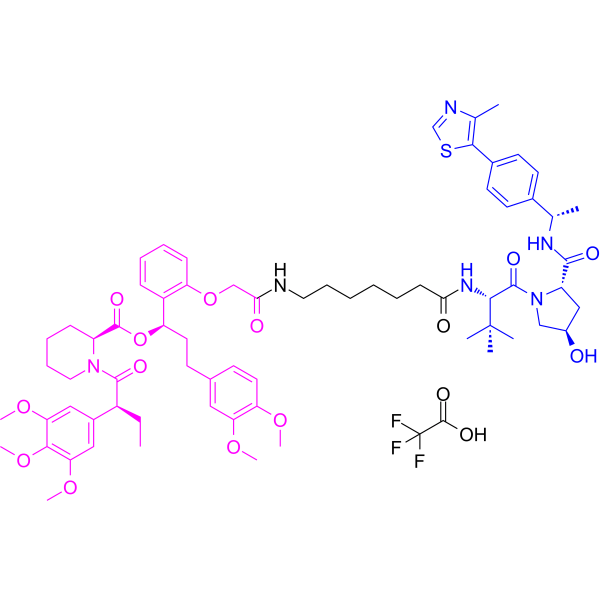
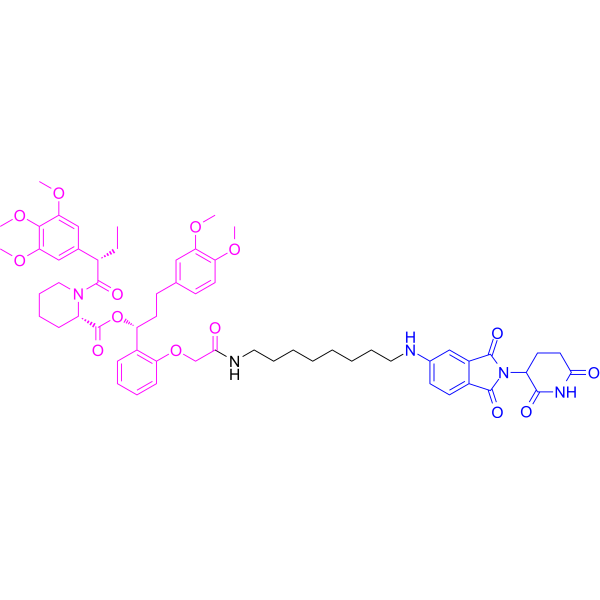
    dTAGV-1 TFA is a potent and selective degrader of FKBP12 F36V-tagged proteins PROTAC degrader. dTAGV-1 TFA can induce degradation of FKBP12 F36V-Nluc in vivo. (Pink: Target Protein Ligand (HY-114420); Black: Linker (HY-W012001); Blue: VHL Ligand (HY-112078); VHL Ligan+Linker (HY-173628A))
    dTAGV-1 TFA
  • HY-160695

    Ligands for E3 Ligase Molecular Glues Cancer
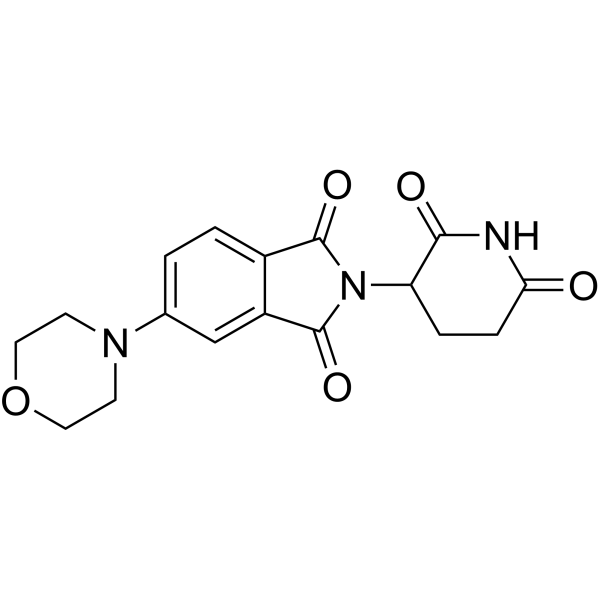
    PT-179 is an orthogonal Thalidomide (HY-14658) derivative that targets cereblon without causing off-target degradation effects. PT-179 is able to specifically bind CRBN, form a ternary complex with a target protein fused to a zinc finger (ZF) degron, and mediate the degradation of the tagged protein. For example, PT-179 binds to the ubiquitin ligase substrate receptor cereblon by forming a complex with SD40 and efficiently degrades proteins N- or C-terminally fused to SD40 or SD36 (DC50 for eGFP: 4.5 nM and 14.3 nM). PT-179 can be used to develop compact protein degradation tagging platforms .
    PT-179
  • HY-145514C
    dTAGV-1 hydrochloride
    5 Publications Verification

    FKBP PROTACs Cancer
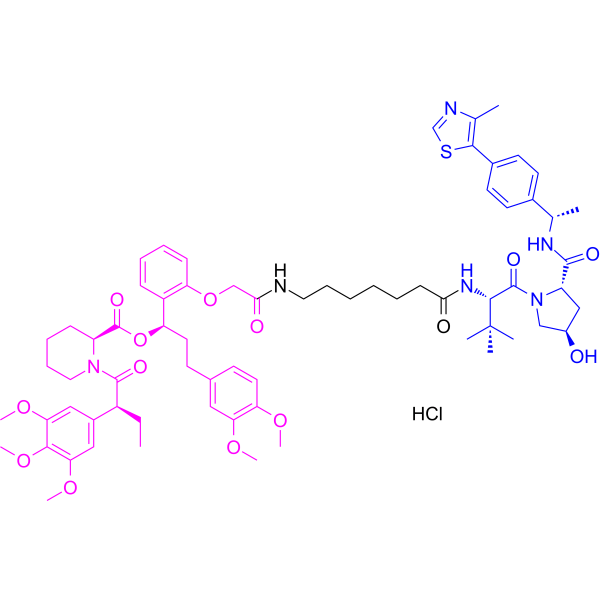
    dTAGV-1 hydrochloride is a potent and selective degrader of FKBP12 F36V-tagged proteins PROTAC degrader. dTAGV-1 hydrochloride can induce degradation of FKBP12 F36V-Nluc in vivo. (Pink: Target Protein Ligand (HY-114420); Black: Linker (HY-W012001); Blue: VHL Ligand (HY-112078); VHL Ligan+Linker (HY-173628A)) .
    dTAGV-1 hydrochloride
  • HY-145752
    HaloPROTAC-E
    1 Publications Verification

    PROTACs SGK Autophagy Cancer
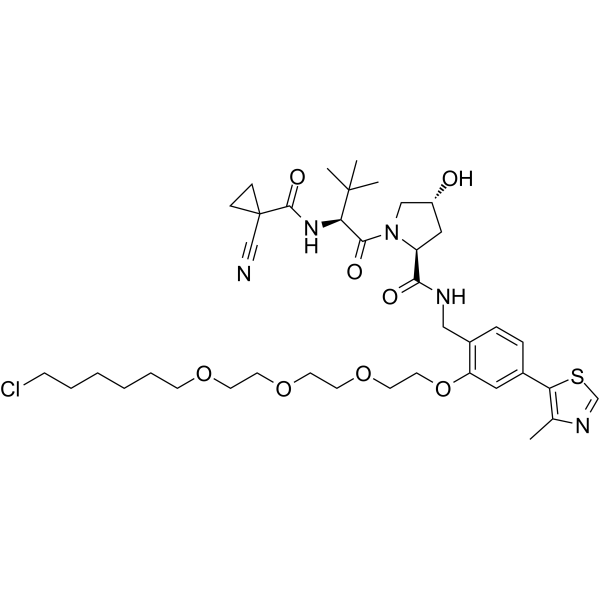
    HaloPROTAC-E is a potent Halo PROTAC degrader that reversibly induces degradation of two Halo-tagged endoplasmic reticulum-localized proteins, SGK3 and VPS34, with a DC50 of 3-10 nM. HaloPROTAC-E significantly and selectively induces degradation of endogenous VPS34 complexes (VPS34, VPS15, Beclin1, and ATG14) labeled with Halo and inhibits autophagy.
    HaloPROTAC-E
  • HY-147098
    dTAG-47
    1 Publications Verification

    PROTACs FKBP Cancer
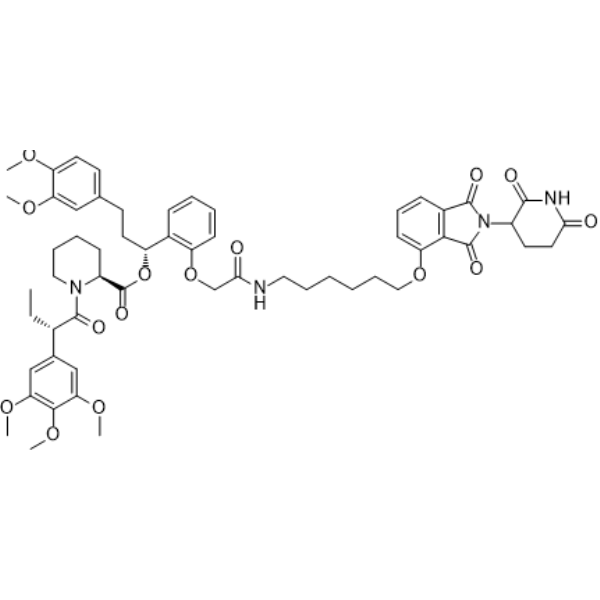
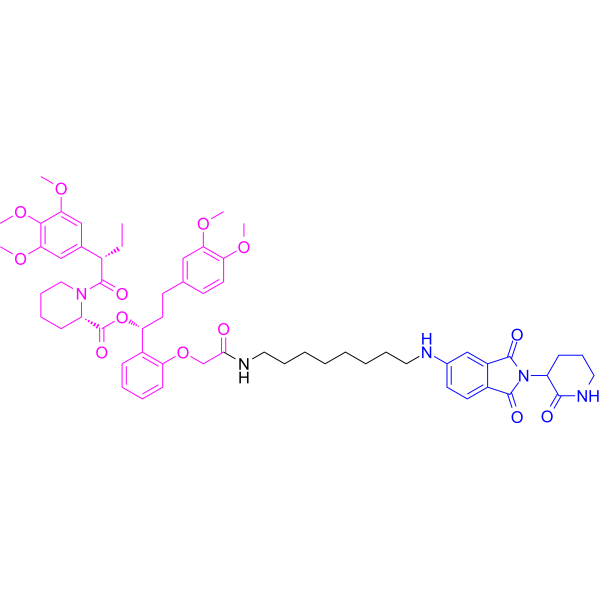
    dTAG-47 is a FKBP12F36V PROTAC degrader. dTAG-47 efficiently degrades FKBP12F36V-MELK(sg3R) in MELK ⁻/⁻ MDA-MB-468-FKBP12F36V-MELK(sg3R) cells. dTAG-47 can be used for the research of basal-like breast cancers (BBC). (Pink: FKBP12F36V ligand (HY-114420), Blue: CRBN Ligand (HY-W087383), Black: Linker (HY-42773), E3 ligase ligand-linker conjugate (HY-175952)) .
    dTAG-47
  • HY-141676

    EGFR Others
    HyT36 is a low molecular weight hydrophobic tag that promotes the degradation of fusion protein and pseudokinase Her3 .
    HyT36
  • HY-145514D
    dTAGV-1
    5 Publications Verification

    PROTACs FKBP Cancer
    dTAGV-1 is a potent and selective degrader of FKBP12 F36V-tagged proteins PROTAC degrader. dTAGV-1 can induce degradation of FKBP12 F36V-Nluc in vivo. (Pink: Target Protein Ligand (HY-114420); Black: Linker (HY-W012001); Blue: VHL Ligand (HY-112078); VHL Ligan+Linker (HY-173628A)) .
    dTAGV-1
  • HY-129652

    AUTACs Cancer
    HaloAUTAC tt15 is an autophagy-targeting chimera (AUTAC), that targets the Halo Tag carrying proteins, and degrades via the autophagy mechanism .
    HaloAUTAC tt15
  • HY-150408

    AUTACs Cancer
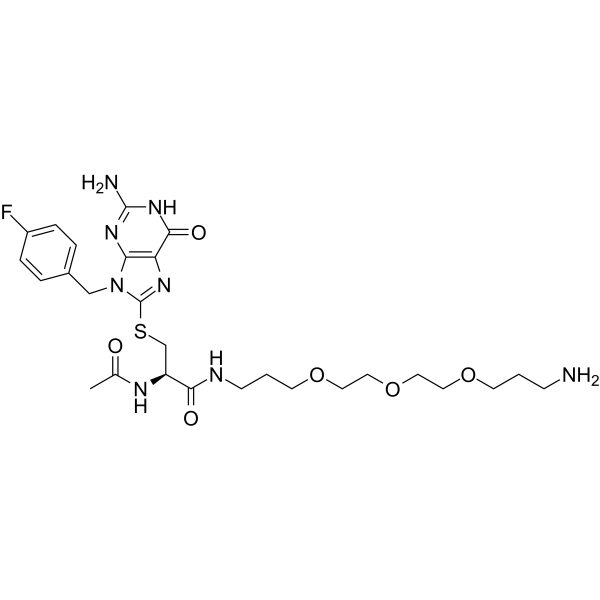
    FBnG-(Cys-acetamide)-CH2-PEG3-CH2-CH2-CH2-NH2 is a tag-linker conjugate of AUTAC4 (HY-134640) that incorporates a degradation tag FBnG (HY-W073762) and a glycol linker. AUTAC4 contains an p-fluorobenzylguanine (FBnG) and a phenylindole moiety, which can induce K63-linked polyubiquitination and degradation of mitochondria in HeLa cells .
    FBnG-(Cys-acetamide)-CH2-PEG3-CH2-CH2-CH2-NH2
  • HY-153738

    ERK Cancer
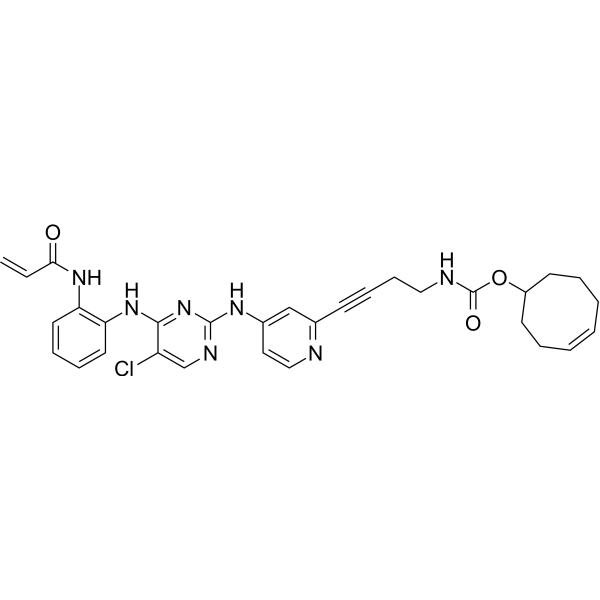
    ERK1/2 inhibitor 9 (Probe 1) is a covalent ERK1/2 inhibitor. ERK1/2 inhibitor 9 shows sub-micromolar activity in cells (A375 GI50=0.47 μM). ERK1/2 inhibitor 9 causes the downregulation of phospho-ERK1/2. ERK1/2 inhibitor 9 tagged trans-cyclo-octene (TCO) and Tz-Thalidomide (tetrazine tagged Thalidomide) can form the corresponding ERK-CLIPTAC to elicit degradation of ERK1/2 .
    ERK1/2 inhibitor 9
  • HY-101460

    E3 Ligase Ligand-Linker Conjugates Drug Derivative Cancer
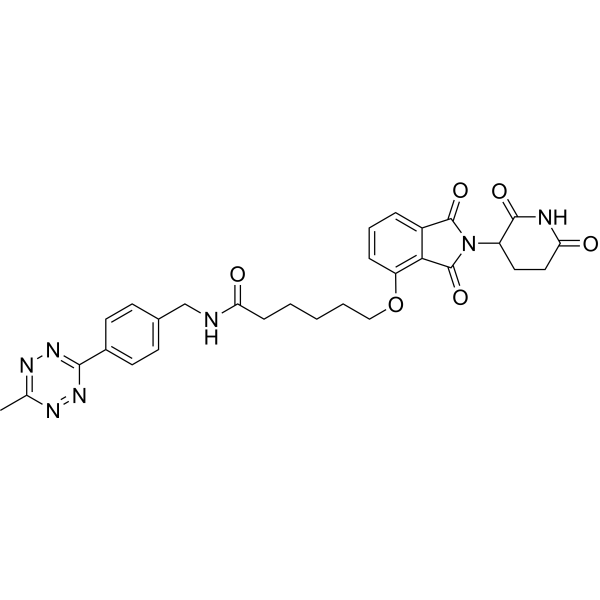
    Tz-Thalidomide is a tetrazine-tagged Thalidomide (HY-14658), an E3 ligase ligand. Tz-Thalidomide self-assembles with TCO-labeled target protein inhibitors, forming a CLIP-TAC (targeted protein degradation chimera) via click chemistry. This chimera recruits the E3 ubiquitin ligase CRBN to the target protein, thereby inducing ubiquitination and subsequent degradation of the target protein. When used in combination with JQ1-TCO (HY-148864), Tz-Thalidomide induces concentration-dependent degradation of BRD4 in cells. When combined with ERK-targeting protein inhibitors, Tz-Thalidomide induces degradation of ERK1/2 in cells. Tz-Thalidomide can be used in cancer-related research .
    Tz-Thalidomide
  • HY-P1047

    [Pro18, Asp21] β-Amyloid (17-21)

    Amyloid-β Neurological Disease
    β-Sheet Breaker Peptide iAβ5 is an effective brain amyloid-β (Abeta) degrader. Abeta deposits are associated with Alzheimer's disease (AD), and the related toxicity arises from its β-sheet conformation and aggregation. β-Sheet Breaker Peptide iAβ5 can repeatedly induce the degradation of fibrillary amyloid deposits in vivo. Therefore, β-Sheet Breaker Peptide iAβ5 can prevent and/or reverse neuronal contraction caused by Abeta and reduce the range of interleukin IL-1beta positive microglial-like cells around Abeta deposits. β-Sheet Breaker Peptide iAβ5 can reduce the size and/or number of brain amyloid plaques in AD. β-Sheet Breaker Peptide iAβ5 is labeled with a hydrophobic benzyl alcohol (HBA) tag and shows a bright blue color under acidic conditions, which can be used for quantitative determination.
    β-Sheet Breaker Peptide iAβ5
  • HY-23020

    Proteasome Cancer
    Boc3Arg is the tert-butyl carbamate-protected arginine. Boc3Arg is an efficient tag to induce degradation through directly localizing the protein to the 20S proteasome .
    Boc3Arg
  • HY-133869

    cGMP-Halotag-ligand

    Autophagy Cancer
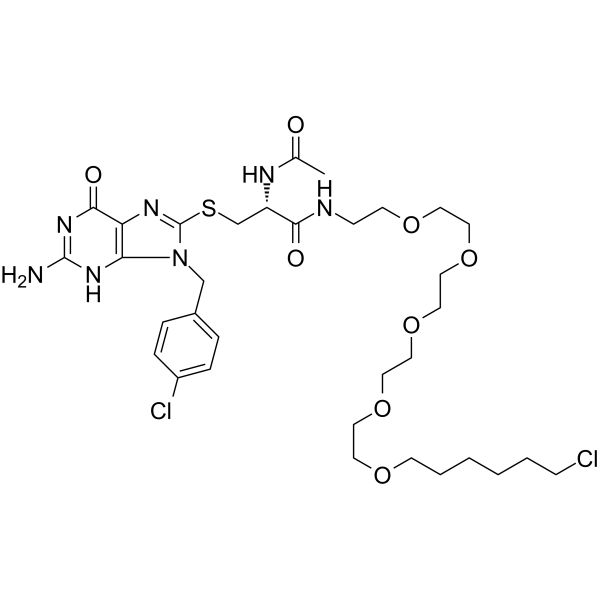
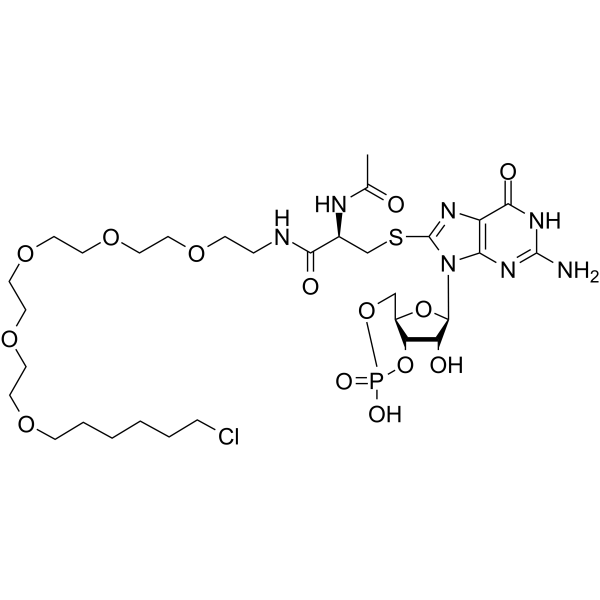
    cGMP-HTL contains a HT-ligand, a linker and the Cys-S-cGMP (autophagy tag). cGMP-HTL increases the K63-linked ubiquitination of mitochondria. AUTAC (autophagy-targeting chimera) is a novel targeted-clearance strategy that contains a degradation tag (guanine derivatives) and a warhead to provide target specificity .
    cGMP-HTL
  • HY-134183

    AUTACs Autophagy Metabolic Disease Cancer
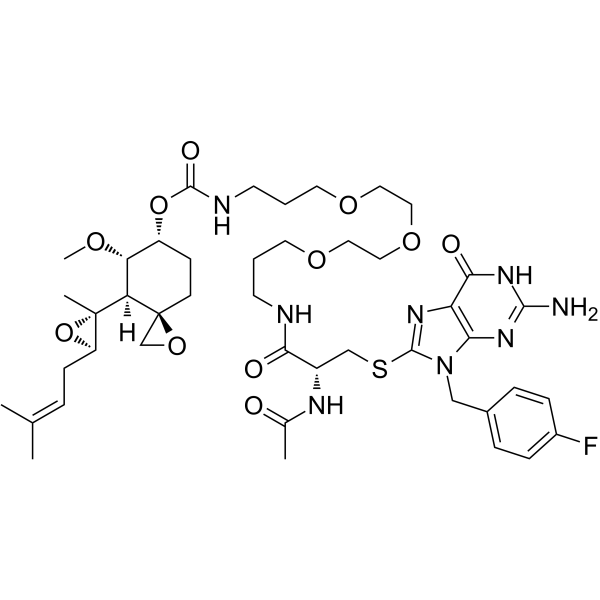
    AUTAC1 is a MetAP2-targeting autophagy-mediated degrader (AUTAC). AUTACs contain a degradation tag and a warhead to provide target specificity. AUTAC1 contains an FBnG (p-Fluorobenzyl Guanine) and a Fumagillol moiety. Fumagillol binds covalently to MetAP2 .
    AUTAC1
  • HY-158985A

    Autophagy AUTACs Cancer
    Amino-PEG3-2G degrader-1 hydrochloride is the hydrochloride salt form of Amino-PEG3-2G degrader-1 (HY-158985). Amino-PEG3-2G degrader-1 hydrochloride is a conjugate of a PEG Linker and a pyrazole-linked FBnG tag for ubiquitin-proteasome system (UPS) induction. Amino-PEG3-2G degrader-1 hydrochloride can be used to synthesize autophagy-targeting chimeras (AUTACs) .
    Amino-PEG3-2G degrader-1 hydrochloride
  • HY-172265

    PROTACs FKBP Cancer
    FKBP12 PROTAC FM4 is a PROTAC degrader of FKBP12, with a DC50 value of 0.09-0.22 nM. FKBP12 PROTAC FM4 inhibits global protein synthesis, induces apoptosis, and selectively reduces the viability of cervical cancer cells expressing MTH1-E6 and FKBP12 F36V-tagged SARS1. FKBP12 PROTAC FM4 is applicable to research related to HPV-positive cervical cancer .
    FKBP12 PROTAC FM4
  • HY-175417

    PROTACs Cancer
    VHL-SNAP2-5C is a SNAP-fusion protein PROTAC degrader basing on a self-labeling protein SNAP tag. VHL-SNAP2-5C by endogenous tagging enables the visualization and the selective depletion of a SNAP-fusion protein, such as CLCa andEGFP . Pink: SNAP-fusion protein ligand (HY-W128709); Blue: VHL ligase ligand (HY-112078); Black: linker (HY-Y1139)
    VHL-SNAP2-5C
  • HY-172769

    Histone Methyltransferase Cancer
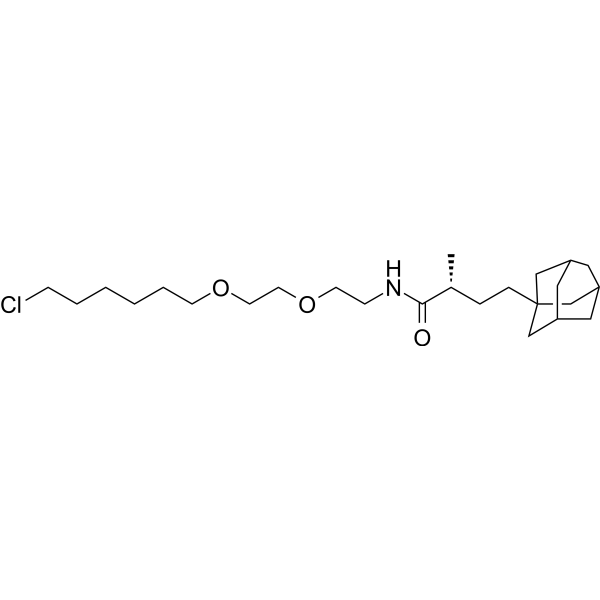
    CM112 is a selective protein arginine methyltransferase 1 (PRMT1) degrader by tethering hydrophobic tag, adamantane, to MS023 with a 5-PEG linker. CM112 induces the degradation of PRMT1 in various solid cancer cell lines. CM112 can also target the nonenzymatic function of PRMT1 by downregulating the stability of the orphan receptor TR3. CM112 is promising for research of cancers .
    CM112
  • HY-P10714

    Proteasome Apoptosis Deubiquitinase Cancer
    Ub4ix is a DUB/26S proteasome inhibitor. Ub4ix can protect K48-linked Ub chains from being chopped up by deubiquitinating enzymes (DUBs) and prevent the proteasomal degradation of Ub-tagged proteins. Ub4ix can reduce the viability of Hela cells and induce apoptosis, with an IC50 value of 1.6 μM .
    Ub4ix
  • HY-178043

    Epigenetic Reader Domain Others
    BTR2038 is a BRD9 degrader. BTR2038 consistis of a BRD9 bromodomain ligand (Bl-7273 analoag), a linker and BTR2000 (HY-172563). BTR2038 induces targeted degradation of V5-tagged human BRD9. BTR2038 can be used for the study of biological processes and diseases associated with abnormal BRD9 protein function .
    BTR2038
  • HY-158985

    AUTACs Autophagy Cancer
    Amino-PEG3-2G degrader-1 (compound ) is a conjugate of a PEG Linker and a pyrazole-linked FBnG tag for ubiquitin-proteasome system (UPS) induction. Amino-PEG3-2G degrader-1 can be used to synthesize autophagy-targeting chimeras (AUTACs) .
    Amino-PEG3-2G degrader-1
  • HY-175849

    HyT Anaplastic lymphoma kinase (ALK) Apoptosis STAT Cancer
    ALK degrader 1 is a potent, hydrophobic tag (HyT)-based degrader that induces ubiquitin-proteasome system (UPS)-dependent EML4-ALK degradation (DC50 = 0.13 μM). ALK degrader 1 demonstrates potent ALK degradation and antiproliferative effects in ALK-dependent cell lines, while showing minimal cytotoxicity in ALK fusion-negative cells. ALK degrader 1 triggers cell cycle arrest at the G0/G1 phase and stimulates apoptosis. ALK degrader 1 not only facilitates efficient degradation of the ALK protein but also disrupts key downstream effectors, including the STAT3 signaling axis. ALK degrader 1 mediates robust EML4-ALK degradation in vivo. ALK degrader 1 can be used for ALK-related diseases research .
    ALK degrader 1
  • HY-178114

    Histone Methyltransferase Apoptosis Cancer
    SKLB-0124 is a selective PRMT6 degrader with DC50s of 15.4 μM and a 16.4 μM in HCC827 and MDA-MB-435 cells. SKLB-0124 does not degrade PRMT1 or PRMT8. SKLB-0124 exhibits an IC50 on PRMT6 of 1.6 μM. SKLB-0124 induces proteasome dependent degradation of PRMT6 and significantly inhibits the proliferation. SKLB-0124 effectively induces apoptosis and cell cycle arrest. SKLB-0124 can be used for the studies of lung cancer and breast cancer .
    SKLB-0124
  • HY-129265

    Polo-like Kinase (PLK) Cancer
    Poloxin-2 is a small molecule Plk1 PBD inhibitor that can effectively induce cell mitotic arrest with an EC50 of approximately 15 μM in HeLa cells. Poloxin-2HT was developed by conjugating a hydrophobic tag (HT) to Poloxin-2, a new application of inhibitors targeting protein-protein interactions. Poloxin-2HT significantly enhanced the effects on cell viability and apoptosis by selectively degrading Plk1 protein, and its effect was stronger than that of untagged Poloxin-2. These data validate hydrophobic tags as a new strategy for targeting and disrupting disease-associated proteins.
    Poloxin-2
  • HY-176220

    AUTACs Autophagy Glutathione Peroxidase Ferroptosis Cancer
    GPX4-AUTAC is a GPX4-targeting autophagy-mediated degrader (AUTAC). GPX4-AUTAC consists of an inhibitor ML162-yne (HY-153748), a degradation tag FBnG (HY-W073762) and a glycol linker (HY-W021401). GPX4-AUTAC promotes the ubiquitination of GPX4 by E3 ligase TRAF6, and enhances the binding with GPX4 and p62, leading to the selective autophagy-dependent degradation of GPX4. GPX4-AUTAC significantly induces ferroptosis and shows a potent anti-cancer activity in breast cancer cells, breast cancer-derived organoids (PDOs) and MDA-MB-231 tumor xenograft mice model, with potent synergistic effects when combined with Sulfasalazine (SAS) (HY-14655) or chemotherapy drugs (Paclitaxel (HY-B0015) or Cisplatin (HY-17394)) .
    GPX4-AUTAC
  • HY-149679

    PROTACs Bacterial Cancer
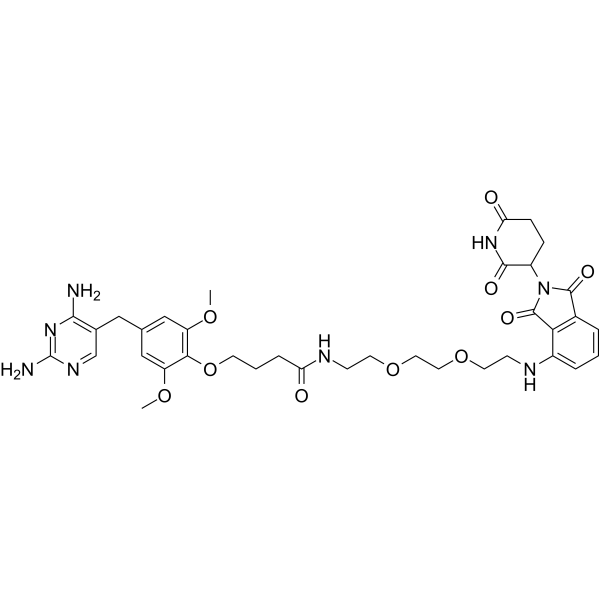
    PROTAC eDHFR Degrader-2 (compound 7b) is a potent degrader targeting Escherichia coli dihydrofolate reductase (eDHFR), enabling robust degradation of eDHFR-tagged proteins .
    PROTAC eDHFR Degrader-2
  • HY-163208

    (S,R,S)-AHPC-C9-NH2 hydrochloride

    PROTAC Linkers Others
    VH 032 amide-alkylC9-amine hydrochloride (Linker 33) is TRK ligand conjugated to the degradation tag .
    VH 032 amide-alkylC9-amine hydrochloride
  • HY-170989

    HyT Epigenetic Reader Domain Autophagy Cancer
    BRD4 degrader-5 (Compound 23) is a hydrophobic tag (HyTag)-based protein degrader for BRD4 (DC50 = 24.7 μM) through ER stress and autophagy-lysosome pathway. BRD4 degrader-5 inhibits the proliferation of cancer cell 4T1 with an IC50 of 20.6 μM .
    BRD4 degrader-5
  • HY-176240

    AUTACs Autophagy Cancer
    FBnG-amino-PEG3-C2-azido is a tag-linker conjugate that incorporates a degradation tag FBnG (HY-W073762) and a glycol linker (Amino-PEG3-C2-Azido) (HY-W021401). FBnG-amino-PEG3-C2-azido can be used for synthesis of GPX4-AUTAC (HY-176220) .
    FBnG-amino-PEG3-C2-azido
  • HY-174854

    HDAC Reactive Oxygen Species (ROS) Apoptosis Cancer
    PySAHA is a multifunctional HDAC inhibitor. PySAHA can degrade intracellular HDAC via a hydrophobic tagging mechanism. PySAHA also possesses photodynamic therapeutic activity and can generate reactive oxygen species under light irradiation. PySAHA can inhibit the proliferation, migration and induce cell apoptosis of breast cancer cells. PySAHA has antitumor activity and can be used in breast cancer research .
    PySAHA
  • HY-W1139353

    HyT Cancer
    Tetraasterane is a hydrophobic tag that promotes the degradation of ALK protein. Tetraasterane can be used for synthesis of ALK degrader 3 (HY-182087) .
    Tetraasterane
  • HY-W022007

    JBP

    Ligands for E3 Ligase Others
    5-Norbornene-2-methylamine (JBP) is a hydrophobic tag. 5-Norbornene-2-methylamine can be used for the synthesis of HyT degraders, such as PARP1 degrader-2 (HY-181460) .
    5-Norbornene-2-methylamine
  • HY-181895

    RET Cancer
    PROTAC HyTTD Degrader-1 (Compound B2) is a hydrophobic tag tethered degrader (HyTTD) targeting RET, as well as a degrader of the CCDC6-RET fusion protein. PROTAC HyTTD Degrader-1 induces the degradation of the CCDC6-RET fusion protein via the ubiquitin-proteasome pathway. PROTAC HyTTD Degrader-1 is applicable to the research of RET-driven cancers .
    PROTAC HyTTD Degrader-1
  • HY-180547

    PROTACs Neurological Disease
    MRC71 is a TRIMTAC degrader targeting Halo Tag, containing a PEG linker and chloroalkane. MRC71 selectively degrades oligomeric CAV1- and Cavin1-mEGFP-Halo over monomeric mEGFP-Halo and exhibits a characteristic hook effect concentration-dependence for degradation .
    MRC71
  • HY-181598

    HyT Glutathione Peroxidase Ferroptosis Reactive Oxygen Species (ROS) Cancer
    GPX4 degrader-1 (Compound RS-1) is a hydrophobic tagging (HyT)-mediated GPX4 degrader (DC50: 8.9 nM in HT1080 cells) GPX4 degrader-1 induces GPX4 degradation. GPX4 degrader-1 induces Ferroptosis. GPX4 degrader-1 increases lipid ROS. GPX4 degrader-1 demonstrates potent antitumor efficacy in a murine mammary carcinoma model .
    GPX4 degrader-1
  • HY-181460

    HyT PARP Cancer
    PARP1 degrader-2 (Compound 11e) is a potent, selective PARP1 HYT degrader (DC50: 2.16 μM). PARP1 degrader-2 selectively binds to and degrades PARP1 but not PARP2. PARP1 degrader-2 mediates the degradation of PARP1 via the ubiquitin-proteasome system (UPS). PARP1 degrader-2 exhibits anticancer activity against triple-negative breast cancer and colon cancer (hydrophobic tag: (HY-W022007); PARP1 ligand: (HY-75706); Linker: (HY-W015300)) .
    PARP1 degrader-2
  • HY-182057

    HyT Anaplastic lymphoma kinase (ALK) Cancer
    ALK degrader 4 is a ALK HyT degrader with an IC50 of 0.74 nM. ALK degrader 4 inhibits ALK kinase activity, increases the solvent-accessible surface area of hydrophobic residues near the ALK binding pocket, promotes ALK to form a partially unfolded conformation, and induces proteasomal degradation of ALK. ALK degrader 4 inhibits cancer cell proliferation. ALK degrader 4 can be used in research related to non-small cell lung cancer (ALK ligand: Brigatinib (HY-12857); hydrophobic tag: Norbornene (HY-W013021)) .
    ALK degrader 4
  • HY-182087

    HyT Anaplastic lymphoma kinase (ALK) Cancer
    ALK degrader 3 is a ALK HyT degrader with an IC50 of 1.2 nM. ALK degrader 3 inhibits ALK kinase activity, increases the solvent-accessible surface area of hydrophobic residues near the ALK binding pocket, promotes ALK to form a partially unfolded conformation, and drives ALK degradation via the proteasomal pathway. ALK degrader 3 inhibits the proliferation of tumor cells. ALK degrader 3 can be used for the research of non-small cell lung cancer. (ALK ligand: Brigatinib (HY-12857); hydrophobic tag: Tetraasterane (HY-W1139353)) .
    ALK degrader 3
  • HY-181907

    HyT Keap1-Nrf2 HSP Inflammation/Immunology
    NBE5 is an orally active hydrophobic tag-targeting (Hyt) degrader (HyTTD) that targets Keap1. NBE5 mimics protein misfolding and recruits the molecular chaperone Hsp90, while achieving targeted degradation of Keap1 through both the ubiquitin-proteasome system and the autophagy-lysosome system. Consequently, NBE5 relieves the inhibition of the transcription factor Nrf2 by Keap1, potently activates the Nrf2-mediated endogenous antioxidant pathway, and upregulates the expression of downstream antioxidant proteins such as HO-1 and GCLM. NBE5 effectively alleviates oxidative stress and inflammatory damage, and exhibits excellent in vivo activity in a mouse model of acute colitis induced by DSS (HY-116282C) .
    NBE5 consists of a hydrophobic tag (HY-W022007), a Keap1-Nrf2 ligand (HY-14909), and a linker (HY-W014831).
    NBE5

Online-Anfrage

Your information is safe with us. * Required Fields.

Anrede


Country or Region *

Name des Antragstellers *


Name der Organisation *

Department *


E-Mail-Addresse *


Produktname *

Art. -Nr.


Requested quantity *

Telefonnummer *


Bemerkungen

Online-Anfrage

Inquiry Information

Produktname:
Art. -Nr.:
Menge:
MCE Japan Authorized Agent:

