Search Result
Results for "
dopaminergic+neuron
" in MedChemExpress (MCE) Product Catalog:
-
- HY-W008719
-
|
|
Mitochondrial Metabolism
|
Neurological Disease
|
|
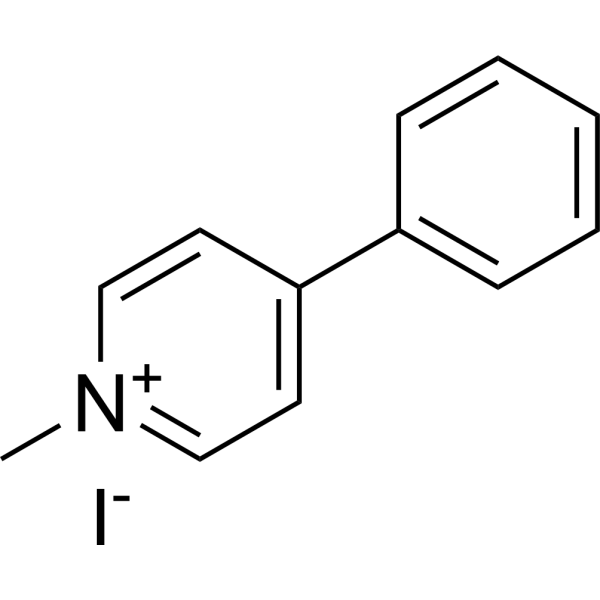
MPP+ iodide, a toxic metabolite of the neurotoxin MPTP, causes symptom of Parkinson's disease in animal models by selectively destroying dopaminergic neurons in substantia nigra. MPP+ iodide is taken up by the dopamine transporter into dopaminergic neurons where it exerts its neurotoxic action on mitochondria by affecting complex I of the respiratory chain. MPP+ iodide is also a high affinity substrate for the serotonin transporter (SERT) .
|
-
-
- HY-B1081A
-
|
6-Hydroxydopamine hydrobromide; 6-OHDA hydrobromide
|
Dopamine Receptor
Autophagy
Mitophagy
COX
PGE synthase
Interleukin Related
p38 MAPK
Apoptosis
Caspase
|
Neurological Disease
Cancer
|
|
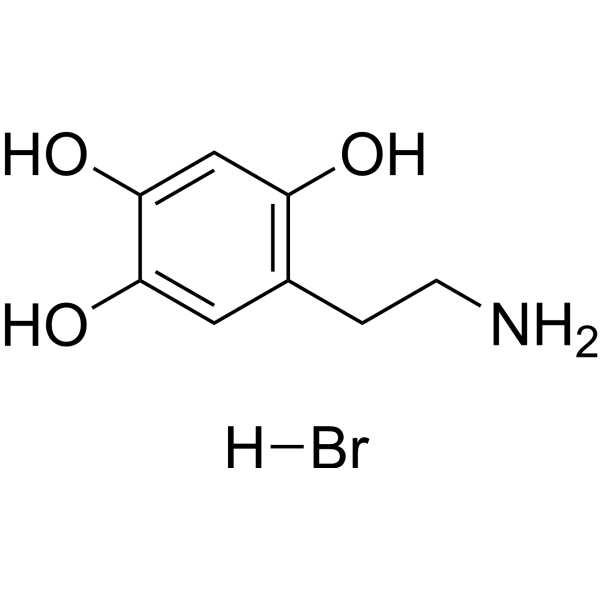
Oxidopamine (6-OHDA) hydrobromide is an antagonist of the neurotransmitter dopamine. Oxidopamine hydrobromide is a widely used neurotoxin and selectively destroys dopaminergic neurons. Oxidopamine hydrobromide promotes COX-2 activation, leading to PGE2 synthesis and pro-inflammatory cytokine IL-1β secretion. Oxidopamine hydrobromide can be used for the research of Parkinson’s disease (PD), attention-deficit hyperactivity disorder (ADHD), and Lesch-Nyhan syndrome .
|
-
-
- HY-B1081
-
|
6-Hydroxydopamine Hydrochloride
|
Dopamine Receptor
Autophagy
Mitophagy
COX
PGE synthase
Interleukin Related
p38 MAPK
Apoptosis
Caspase
|
Neurological Disease
Cancer
|
|
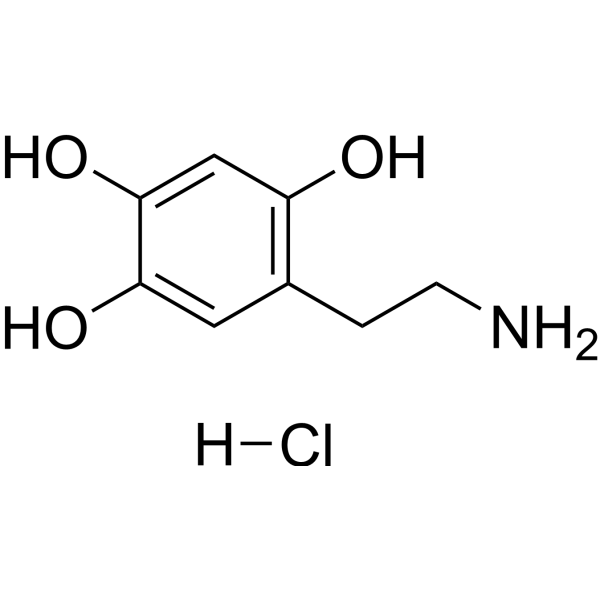
Oxidopamine (6-OHDA) hydrochloride is an antagonist of the neurotransmitter dopamine. Oxidopamine hydrochloride is a widely used neurotoxin and selectively destroys dopaminergic neurons. Oxidopamine hydrochloride promotes COX-2 activation, leading to PGE2 synthesis and pro-inflammatory cytokine IL-1β secretion. Oxidopamine hydrochloride can be used for the research of Parkinson’s disease (PD), attention-deficit hyperactivity disorder (ADHD), and Lesch-Nyhan syndrome .
|
-
-
- HY-N0109
-
Salidroside
Maximum Cited Publications
44 Publications Verification
Rhodioloside
|
PINK1/Parkin
mTOR
Apoptosis
Prolyl Endopeptidase (PREP)
|
Cancer
|
|
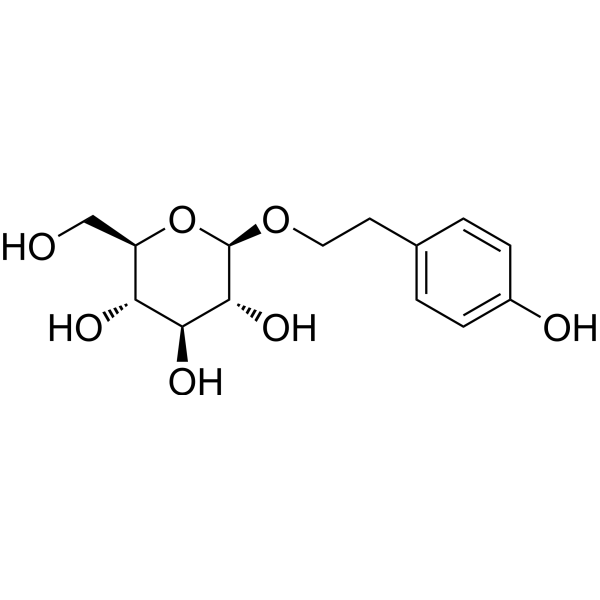
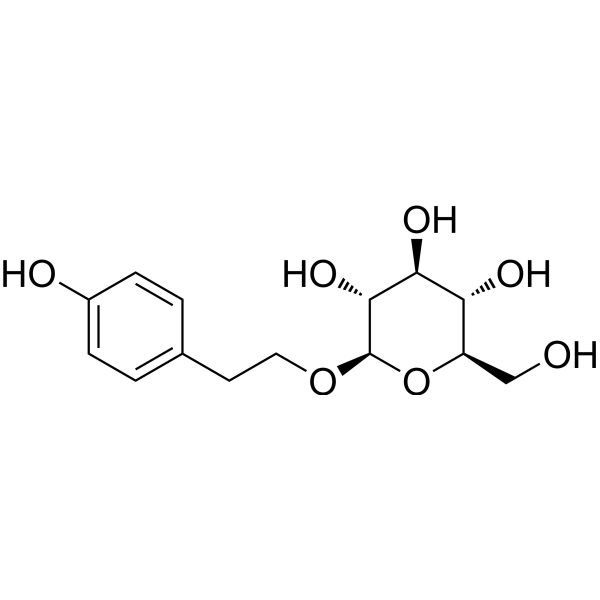
Salidroside (Rhodioloside) is a prolyl endopeptidase inhibitor. Salidroside alleviates cachexia symptoms in mouse models of cancer cachexia via activating mTOR signalling. Salidroside protects dopaminergic neurons by enhancing PINK1/Parkin-mediated mitophagy.
|
-
-
- HY-160019
-
|
|
Deubiquitinase
Mitophagy
|
Neurological Disease
|
|
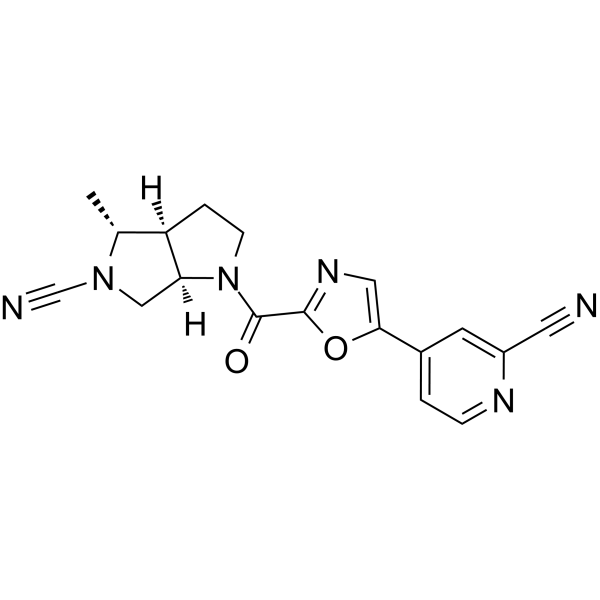
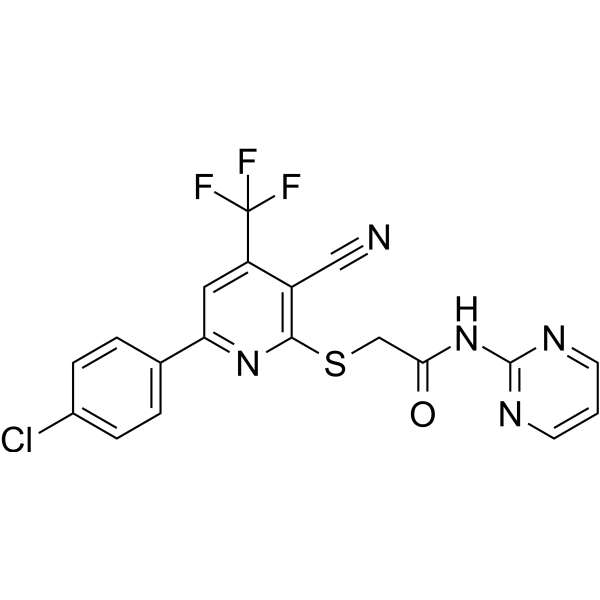
MTX115325 (Example 1) is an orally active, brain-penetrating USP30 inhibitor (IC50=12 nM) with neuroprotective activity. MTX115325 increases ubiquitination (EC50=32 nM) of the mitochondrial outer membrane protein TOM20 (a USP30 substrate), increasing mitophagy. MTX115325 prevents dopaminergic neuron loss and preserves striatal dopamine .
|
-
-
- HY-13409
-
|
|
5-HT Receptor
|
Neurological Disease
Metabolic Disease
|
|
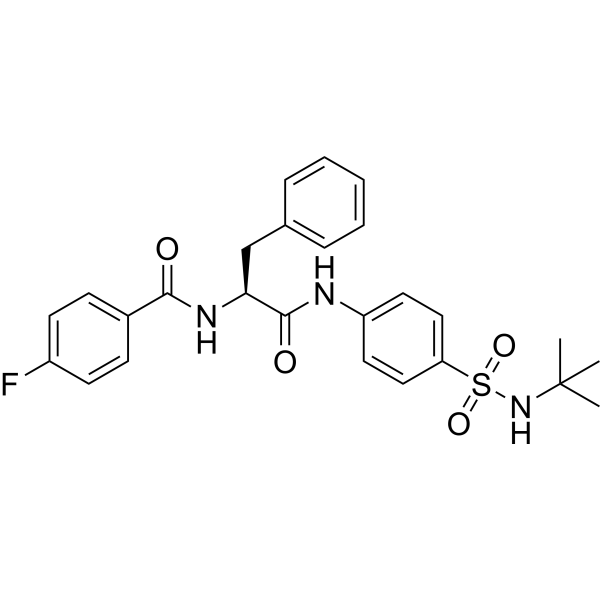
SB 242084 is a selective, competitive and high-affinity (pKi=9.0) 5-HT2C receptor antagonist (crosses the blood-brain barrier). SB 242084 increases basal activity of dopaminergic neurons in the ventral tegmental area (VTA) of the midbrain and dopamine release in the vomeronasal nucleus. SB 242084 also increases mitochondrial gene expression and oxidative metabolism via 5-HT2A receptor. SB 242084 has good research potential in the negative symptoms of anxiety, depression and schizophrenia, as well as in acute organ damage .
|
-
-
- HY-126436A
-
|
L-Ornithine homopolymer hydrobromide (MW 30000-70000)
|
Biochemical Assay Reagents
|
Neurological Disease
|
|
Poly-L-ornithine hydrobromide (MW 30000-70000) is a poly-lysine derivative with a molecular weight of 30000-70000. Poly-L-ornithine hydrobromide (MW 30000-70000) binds to the surface of cell culture vessels through positively charged amino acid residues to form a coating that promotes cell adhesion and provides cells with a matrix environment required for growth. Poly-L-ornithine hydrobromide (MW 30000-70000) is used as a coating agent in cell culture and can be used for the study of primary culture of neurons (such as dopaminergic neurons and oligodendrocytes) .
|
-

-
- HY-B1065
-
|
α-N-Acetyl-L-glutamine; N2-Acetylglutamine
|
Keap1-Nrf2
Akt
ASK1
Apoptosis
|
Neurological Disease
|
|
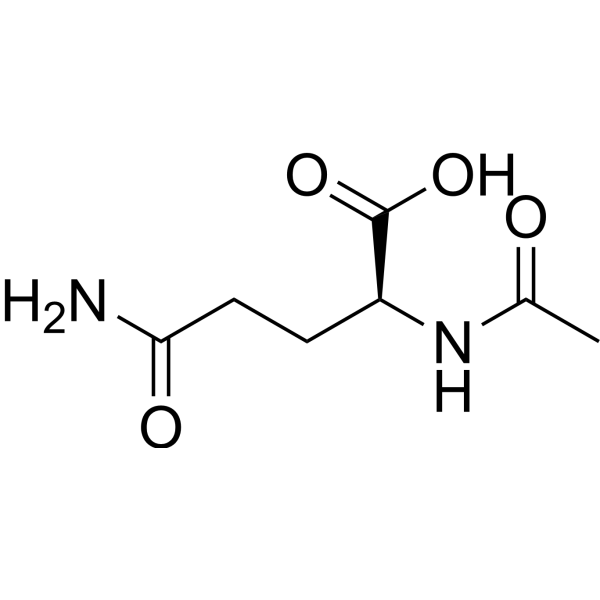
Aceglutamide (α-N-Acetyl-L-glutamine; N2-Acetylglutamine) is a neuroprotectant that can penetrate the blood-brain barrier. Aceglutamide can enhance the antioxidant systems of glutathione (GSH), thioredoxin (Trx) and Nrf2. Aceglutamide also inhibits ASK1 and TRAF1, activates the Akt/Bcl-2 anti-apoptotic pathway, enhances the activity of antioxidant enzymes and reduces oxidative damage. Aceglutamide can improve neurological deficits after cerebral ischemia, reduce infarct volume, and inhibit neuronal apoptosis, especially substantia nigra dopaminergic neurons. Aceglutamide can reduce cerebral ischemia/reperfusion injury, improve motor dysfunction, and is used in ischemic stroke-related research .
|
-
-
- HY-141659
-
CMPD-39
3 Publications Verification
|
Mitophagy
Deubiquitinase
|
Neurological Disease
|
|
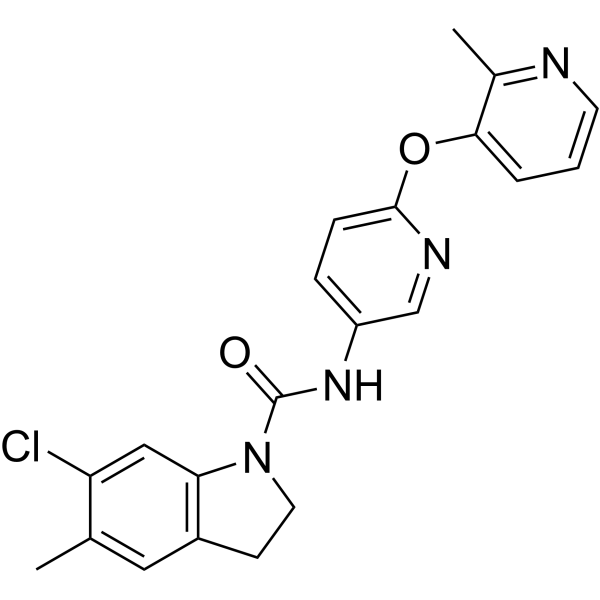
CMPD-39 is a selective non-covalent inhibitor of the ubiquitin-specific protease USP30 (IC50=~20 nM), with high selectivity over other DUB family members (1-100 μM). CMPD-39 inhibits the deubiquitinating activity of USP30, enhances the ubiquitination of mitochondrial proteins TOMM20 and SYNJ2BP; thus, CMPD-39 promotes phosphoubuitin accumulation, thereby accelerating mitochondrial autophagy (mitophagy) and peroxisomal autophagy (pexophagy). CMPD-39 significantly restores impaired mitochondrial function in dopaminergic neurons derived from Parkinson's disease patients .
|
-
-
- HY-W019599
-
|
L-PCPA
|
5-HT Receptor
Tryptophan Hydroxylase
|
Neurological Disease
|
|
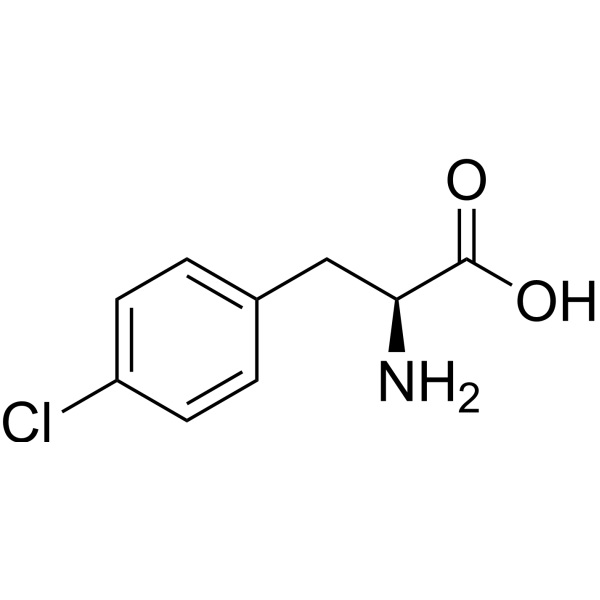
4-Chloro-L-phenylalanine (L-PCPA) is a tryptophan hydroxylase inhibitor targeting TPH1 and TPH2, with the activity of blocking serotonin biosynthesis. 4-Chloro-L-phenylalanine reduces the levels of serotonin and its metabolites in the brain without impairing the survival of serotonergic neurons. 4-Chloro-L-phenylalanine enhances anhedonic, depression-like and anxiety-like behaviors in mice with depleted noradrenergic and dopaminergic neurons. 4-Chloro-L-phenylalanine acts as a decarboxylation substrate for aromatic L-amino acid decarboxylase from Bacillus atrophaeus. 4-Chloro-L-phenylalanine can be used in studies related to Parkinson's disease .
|
-
-
- HY-135470
-
|
P-7138
|
Bacterial
|
Infection
|
|
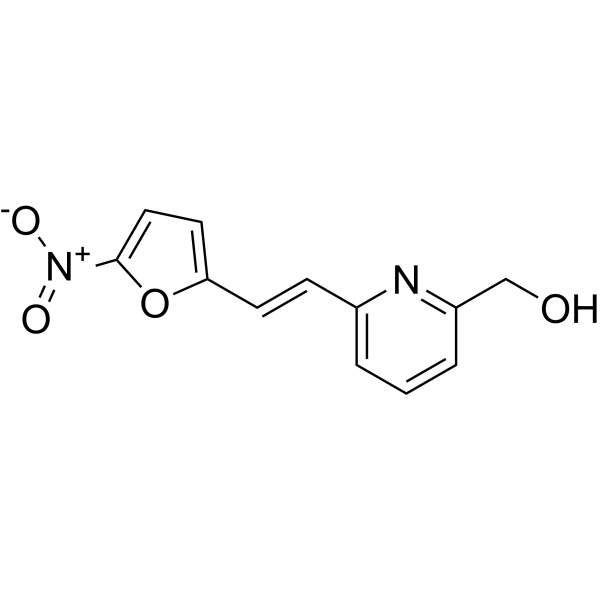
Nifurpirinol (P-7138) is a selective prosubstrate of bacterial nitroreductase (NTR). NTR catalyzes the reduction of nifurpirinol to generate cytotoxic metabolites that induce apoptosis in target cells. Nifurpirinol selectively ablates NTR-expressing cells such as pancreatic β cells, osteoblasts, dopaminergic neurons, and podocytes in transgenic zebrafish models. Nifurpirinol can be used in regeneration studies and disease modeling such as focal segmental glomerulosclerosis (FSGS) .
|
-
-
- HY-148794
-
|
IkT-148009
|
c-Met/HGFR
Bcr-Abl
|
Neurological Disease
Cancer
|
|
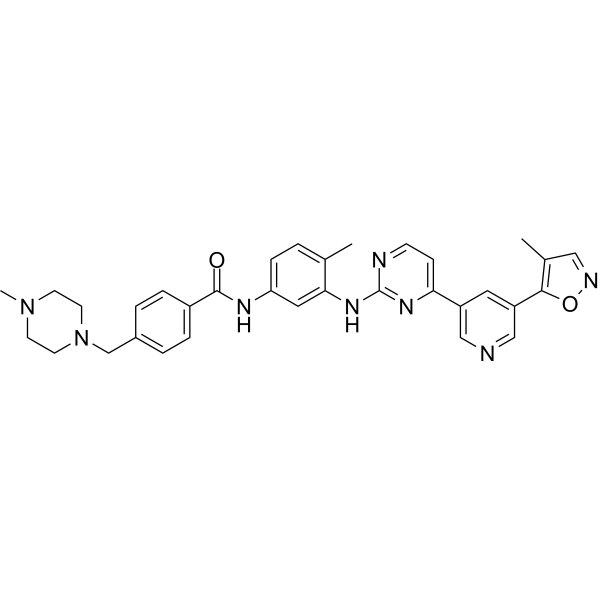
Risvodetinib (IkT-148009) is an orally active, selective and brain-penetrant protein tyrosine kinase inhibitor, displaying excellent target efficacy against c-Abl1, c-Abl2/Arg with IC50 values of 33 nM, 14 nM, respectively. Risvodetinib suppresses c-Abl activation and substantially protects dopaminergic neurons from degeneration in mouse models of both inherited and sporadic Parkinson’s disease (PD), which is promising for research in the field of PD .
|
-
-
- HY-121362
-
|
|
Bacterial
Endogenous Metabolite
TrxR
|
Infection
Neurological Disease
Inflammation/Immunology
Cancer
|
|
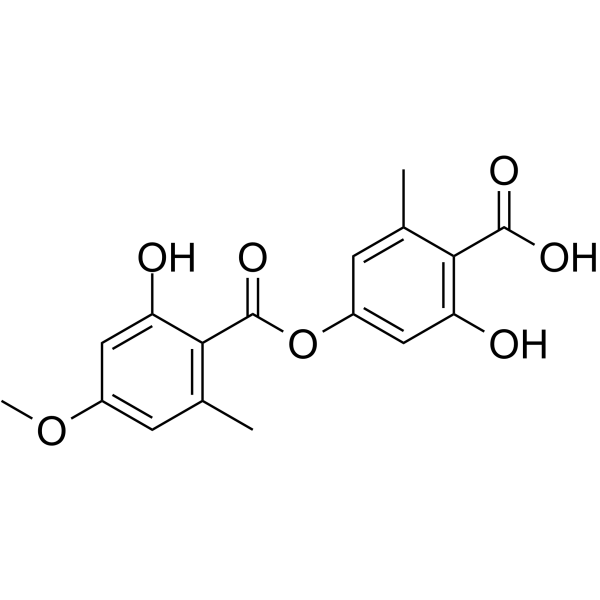
Evernic Acid is an orally active thioredoxin reductase 1 (TrxR1) inhibitor and antiproliferative agent. Evernic Acid inhibits the proliferation and migration of human breast cancer cells. Evernic Acid blocks the NF-κB pathway by inhibiting p65 nuclear translocation and IκBα phosphorylation, thereby suppressing downstream inflammatory mediators. Evernic Acid acts as an antioxidant, anti-inflammatory agent and neuroprotective agent, protects neurons from cell death, mitochondrial dysfunction and oxidative stress damage, reduces astrocyte activation, and ameliorates dopaminergic neuron loss and neuroinflammation. Evernic Acid inhibits enoyl reductases FabI and FabZ of Plasmodium falciparum. Evernic Acid downregulates the expression of lasB and rhlA genes in Pseudomonas aeruginosa, inhibits quorum sensing and biofilm formation, and exerts antibacterial activity against Gram-positive bacteria, Gram-negative bacteria and fungi. Evernic Acid is applicable to research related to breast cancer, Parkinson's disease, bacterial infections and fungal infections .
|
-
-
- HY-124876
-
|
SC-D
|
α-synuclein
|
Neurological Disease
|
|
SynuClean-D (SC-D) is an inhibitor of α-synuclein aggregation, disrupts mature amyloid fibrils, prevents fibril propagation, and abolishes the degeneration of dopaminergic neurons in an animal model of Parkinson’s disease .
|
-
-
- HY-172550
-
|
|
HCN Channel
|
Neurological Disease
|
|
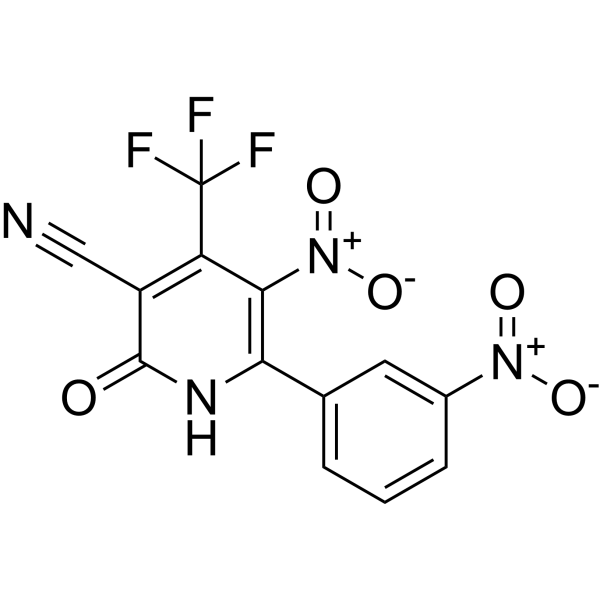
MS7710 is a hyperpolarization-activated cyclic nucleotide-gated (HCN) channel inhibitor with blood-brain barrier permeability and an excellent brain/plasma concentration ratio. MS7710 inhibits HCN channel-mediated Ih current, and reduces the firing frequency and burst activity of dopaminergic neurons in the ventral tegmental area. MS7710 ameliorates chronic social defeat stress-induced deficits in social interaction and impairments in reward-related cognitive flexibility in mice. MS7710 exerts only limited effects on ventral tegmental area dopaminergic neuron activity, social interaction, exploratory behavior, locomotor activity or sucrose preference in control mice. MS7710 is applicable to the research of major depressive disorder .
|
-

-
- HY-136390
-
ML417
1 Publications Verification
|
Dopamine Receptor
|
Neurological Disease
|
|
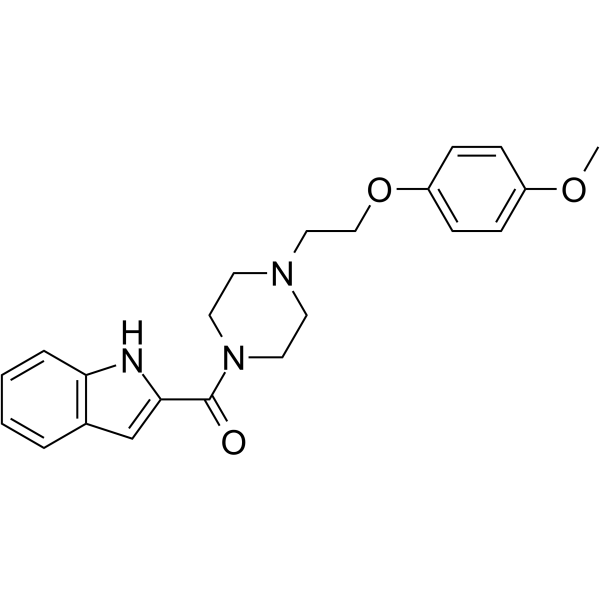
ML417 is a selective and brain penetrant D3 dopamine receptor (D3R) agonist, with an EC50 of 38 nM. ML417 potently promotes D3R-mediated β-arrestin translocation, G protein mediated signaling, and pERK phosphorylation with minimal effects on other GPCR-mediated signaling. ML417 exhibits neuroprotection against toxin-induced neurodegeneration of dopaminergic neurons .
|
-
-
- HY-122958
-
|
|
α-synuclein
|
Neurological Disease
|
|
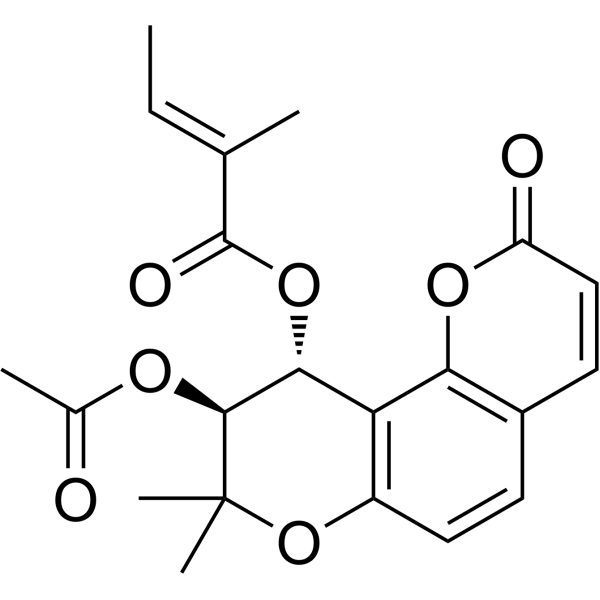
Peucedanocoumarin III is an α-synuclein fiber depolymerizer with blood-brain barrier permeability. Peucedanocoumarin III depolymerizes β-sheet aggregate structures, promotes aggregate clearance, inhibits β23-induced cytotoxicity, blocks the formation of Lewy body-like inclusions, and prevents dopaminergic neuron loss. Peucedanocoumarin III can be used in studies related to Parkinson's disease .
|
-
-
- HY-113468A
-
|
3-Methoxy-L-tyrosine; 3-O-Methyl-L-DOPA
|
Drug Derivative
Interleukin Related
|
Neurological Disease
Inflammation/Immunology
|
|
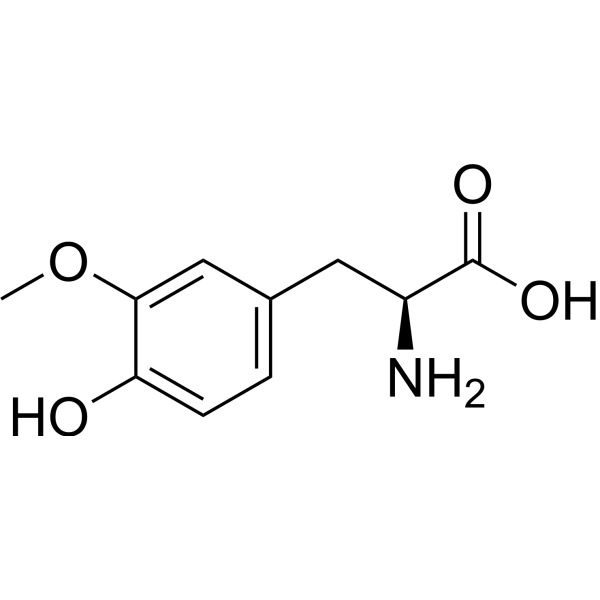
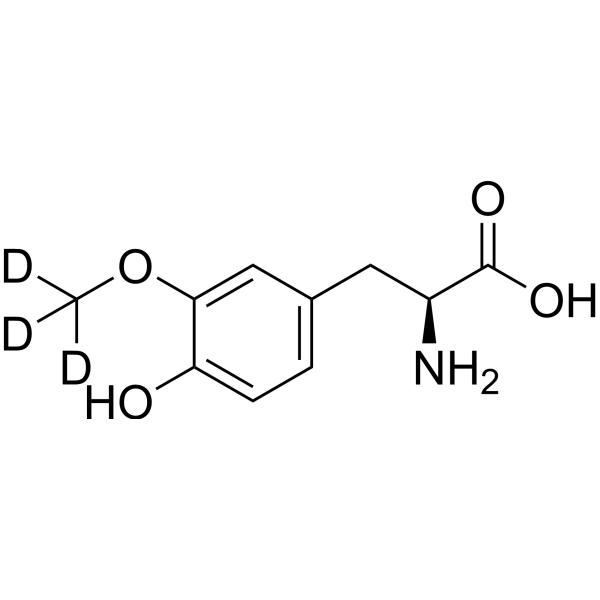
3-O-Methyldopa (3-Methoxy-L-tyrosine) is a metabolite of L-DOPA (HY-N0304) that can cross the blood-brain barrier (BBB). 3-O-Methyldopa inhibits the astrocyte-mediated protective effect of L-DOPA (HY-N0304) on dopaminergic neurons. In addition, 3-O-Methyldopa has certain antidepressant and neuroprotective activities. 3-O-Methyldopa can be used in the research of nervous system diseases such as depression and Parkinson's disease .
|
-
-
- HY-13409A
-
|
|
5-HT Receptor
|
Neurological Disease
Metabolic Disease
|
|
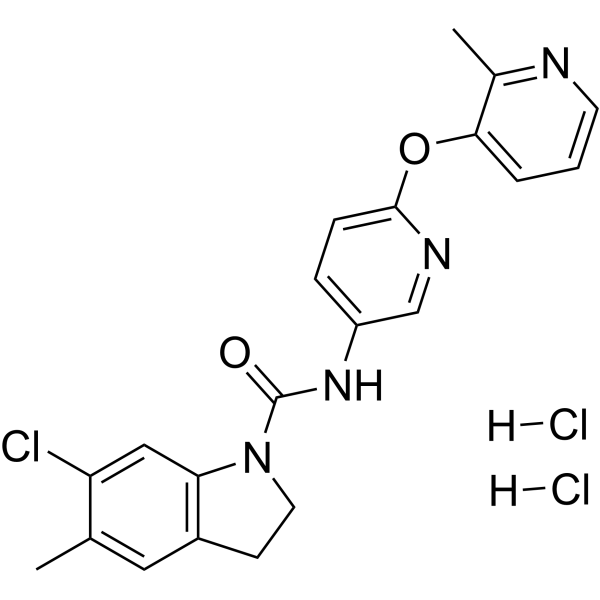
SB 242084 dihydrochloride is a selective, competitive and high-affinity (pKi=9.0) 5-HT2C receptor antagonist (crosses the blood-brain barrier). SB 242084 dihydrochloride increases basal activity of dopaminergic neurons in the ventral tegmental area (VTA) of the midbrain and dopamine release in the vomeronasal nucleus. SB 242084 dihydrochloride also increases mitochondrial gene expression and oxidative metabolism via 5-HT2A receptor. SB 242084 dihydrochloride has good research potential in the negative symptoms of anxiety, depression and schizophrenia, as well as in acute organ damage .
|
-
-
- HY-N0381
-
|
DL-Maackiain
|
Keap1-Nrf2
p38 MAPK
NOD-like Receptor (NLR)
NF-κB
mTOR
Monoamine Oxidase
Nuclear Factor of activated T Cells (NFAT)
PKC
Apoptosis
Pyroptosis
Autophagy
Dengue Virus
|
Infection
Neurological Disease
Metabolic Disease
|
|
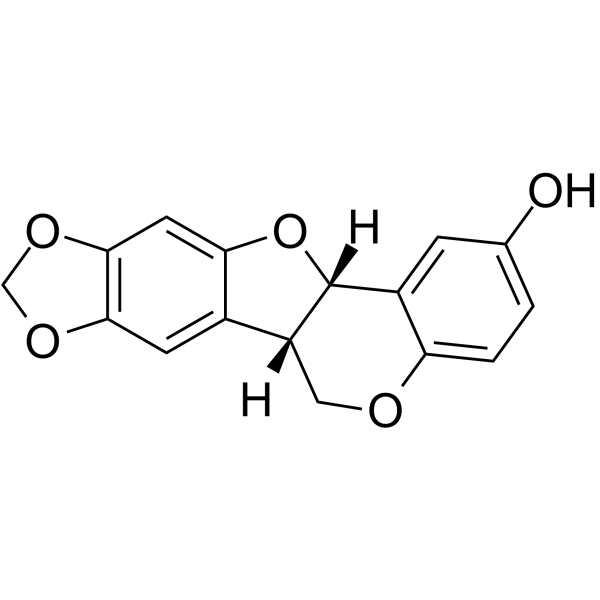
Maackiain (DL-Maackiain) is an orally active multi-target inhibitor with anti-tumor activity and neuroprotective effects. Maackiain activates the AMPK, NLRP3 and Nrf2/HO-1 pathways, and inhibits key targets such as NF-κB, mTOR, MAO-B, NFATc1 and PKCδ, thereby precisely regulating processes including apoptosis, autophagy and pyroptosis. Maackiain also effectively inhibits microglial activation, osteoclast formation, and proliferation and invasion of tumor cells, and protects dopaminergic neurons from damage. Maackiain is applicable to the research of various diseases such as Alzheimer's disease, osteoporosis, sepsis and dengue fever 。
|
-
-
- HY-112722
-
|
|
PINK1/Parkin
|
Neurological Disease
|
|
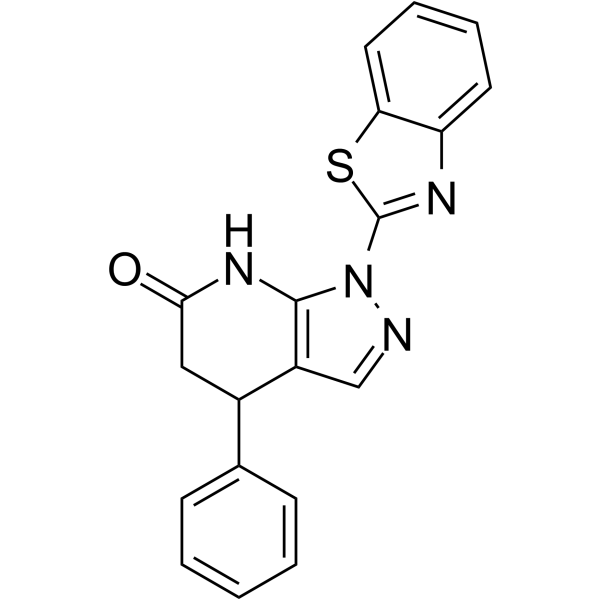
Neurotoxin Inhibitor is a neurotoxin inhibitor. Neurotoxin Inhibitor promotes the expression of DJ-1 protein, reduces the level of oxidative stress, and thereby protects dopaminergic neurons. Neurotoxin Inhibitor can be used for the study of Parkinson's disease .
|
-
-
- HY-171705
-
|
|
Keap1-Nrf2
AMPK
JNK
IKK
p38 MAPK
NO Synthase
α-synuclein
Interleukin Related
|
Neurological Disease
|
|
KMS99220 is an orally active, blood-brain barrier-permeable activator of the Nrf2 inhibitory protein Keap-1. KMS99220 enhances the activity of AMPK, activates the Nrf2 signaling pathway, and reduces the phosphorylation of IκB, nuclear translocation of NFκB, as well as the phosphorylation levels of JNK, IKK and p38 MAPK via HO-1. KMS99220 binds to Keap1 to trigger the nuclear translocation of Nrf2, induces the expression of HO-1, NQO1, GCLC, GCLM and proteasome subunits; enhances proteasomal enzymatic activity; inhibits iNOS expression, nitric oxide production and IL-1β generation; attenuates microglial activation; reduces α-synuclein aggregation; and prevents dopaminergic neuron degeneration and motor dysfunction. KMS99220 prevents the degeneration of dopaminergic neurons in the substantia nigra, induces the expression of Nrf2 downstream target genes, and effectively ameliorates associated motor dysfunction in a mouse model of Parkinson's disease. KMS99220 is applicable to research related to Parkinson's disease .
|
-

-
- HY-P6437A
-
|
|
Dynamin
|
Cardiovascular Disease
Neurological Disease
|
|
Drp1 peptide inhibitor P110 (Compound P110) TFA is a selective Drp1 peptide inhibitor with neuroprotective properties. Drp1 peptide inhibitor P110 TFA can inhibit the activation of Drp1, prevent MPTP (HY-15608)-induced Drp1 mitochondrial translocation, and alleviate MPTP-induced dopaminergic neuron loss, dopaminergic nerve terminal damage, and behavioral deficits, and can be used in the study of Alzheimer's disease. Additionally, Drp1 peptide inhibitor P110 TFA can reduce mitochondrial damage and organ injury in animal models of Huntington's disease, cerebral ischemic injury, and myocardial infarction .
|
-

-
- HY-100658
-
|
|
5-HT Receptor
Dopamine Receptor
|
Neurological Disease
|
|
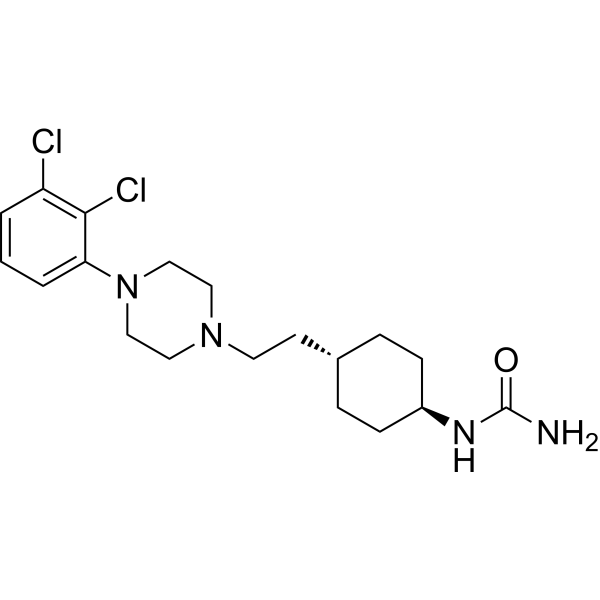
Didesmethyl cariprazine is an orally active, BBB-permeable metabolite of Cariprazine (HY-14763). Didesmethyl cariprazine is a partial agonist at the D2 and D3 receptors, full agonist at the 5-HT1A receptor, and antagonist at the human 5-HT2B receptor (Ki: 1.41 nM (human D2L), 0.056 nM (human D3), 1.7 nM (human 5-HT1A), 0.52 nM (human 5-HT2B)). Didesmethyl cariprazine dose-dependently inhibits the spontaneous activity of rat midbrain dopaminergic neurons .
|
-
-
- HY-113468AS
-
|
3-Methoxy-L-tyrosine-d3; 3-O-Methyl-L-DOPA-d3
|
Isotope-Labeled Compounds
Drug Metabolite
Interleukin Related
|
Neurological Disease
Inflammation/Immunology
|
|
3-O-Methyldopa-d3 (3-Methoxy-L-tyrosine-d3) is deuterium labeled 3-O-Methyldopa (HY-113468A). 3-O-Methyldopa (3-Methoxy-L-tyrosine) is a metabolite of L-DOPA (HY-N0304) that can cross the blood-brain barrier (BBB). 3-O-Methyldopa inhibits the astrocyte-mediated protective effect of L-DOPA (HY-N0304) on dopaminergic neurons. In addition, 3-O-Methyldopa has certain antidepressant and neuroprotective activities. 3-O-Methyldopa can be used in the research of nervous system diseases such as depression and Parkinson's disease .
|
-
-
- HY-139308
-
T0467
2 Publications Verification
|
PINK1/Parkin
Mitochondrial Metabolism
|
Neurological Disease
|
|
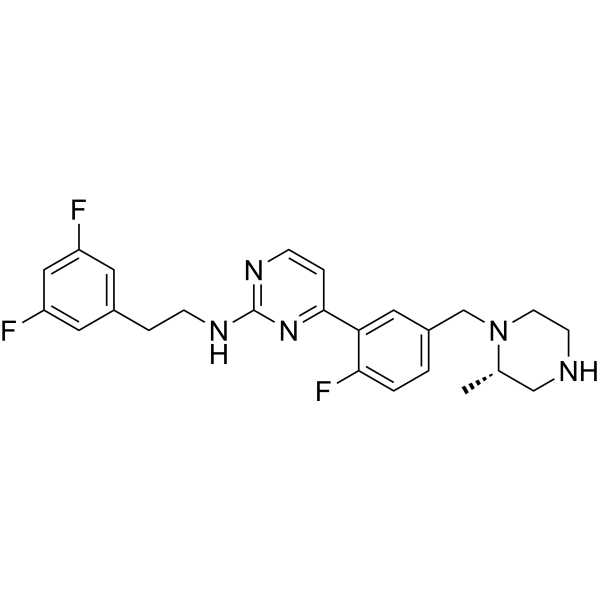
T0467 activates parkin mitochondrial translocation in a PINK1-dependent manner in vitro. T0467 do not induce mitochondrial accumulation of PINK1in dopaminergic neurons. T0467 is a potential compound for PINK1-Parkin signaling activation, and can be used for parkinson's disease and related disorders research .
|
-
-
- HY-P6437
-
|
|
Dynamin
|
Cardiovascular Disease
Neurological Disease
|
|
Drp1 peptide inhibitor P110 (Compound P110) is a selective Drp1 peptide inhibitor with neuroprotective properties. Drp1 peptide inhibitor P110 can inhibit the activation of Drp1, prevent MPTP-induced Drp1 mitochondrial translocation, and alleviate MPTP-induced dopaminergic neuron loss, dopaminergic nerve terminal damage, and behavioral deficits, and can be used in the study of Alzheimer's disease. Additionally, Drp1 peptide inhibitor P110 can reduce mitochondrial damage and organ injury in animal models of Huntington's disease, cerebral ischemic injury, and myocardial infarction .
|
-

-
- HY-147319
-
|
|
Trace Amine-associated Receptor (TAAR)
|
Neurological Disease
|
|
RTI-7470-44 is a potent, selective and blood-brain barrier (BBB) penetrant human trace amine-associated receptor subtype 1 (hTAAR1) antagonist with an IC50 value of 8.4 nM and a Ki value of 0.3 nM. RTI-7470-44 has moderate metabolic stability, and a favorable preliminary off-target profile. RTI-7470-44 can increase the spontaneous firing rate of mouse ventral tegmental area (VTA) dopaminergic neurons. RTI-7470-44 can be used for researching schizophrenia, agent addiction, and Parkinson’s disease (PD) .
|
-
-
- HY-P10019
-
|
NLY01
|
GCGR
|
Neurological Disease
Inflammation/Immunology
|
|
Pegsebrenatide (NLY01) is a blood-brain barrier-penetrant GLP-1R agonist. Pegsebrenatide alleviates retinal inflammation and neuronal death secondary to ocular hypertension . Pegsebrenatide significantly delays onset and reduces disease severity in experimental autoimmune encephalomyelitis . Pegsebrenatide inhibits the formation of A1 reactive astrocytes in nerve cells and reduces the loss of retinal ganglion cells and dopaminergic neurons. Pegsebrenatide exerts neuroprotective effects in a mouse model of Parkinson's disease by directly preventing microglia-mediated conversion of astrocytes to the A1 neurotoxic phenotype. Pegsebrenatide can be used for research on glaucoma, Parkinson's disease, and multiple sclerosis .
|
-

-
- HY-N0109R
-
|
Rhodioloside (Standard)
|
Prolyl Endopeptidase (PREP)
mTOR
Apoptosis
PINK1/Parkin
Reference Standards
|
Cancer
|
|
Salidroside (Standard) is the analytical standard of Salidroside. This product is intended for research and analytical applications. Salidroside (Rhodioloside) is a prolyl endopeptidase inhibitor. Salidroside alleviates cachexia symptoms in mouse models of cancer cachexia via activating mTOR signalling. Salidroside protects dopaminergic neurons by enhancing PINK1/Parkin-mediated mitophagy.
|
-
-
- HY-175352
-
|
|
Nuclear Hormone Receptor 4A/NR4A
SOD
IAP
Survivin
Calcium Channel
|
Neurological Disease
|
|
Nurr1 agonist 14 (Compound 32) is a Nurr1 agonist with an EC50 of 0.09 μM for Nurr1. Nurr1 agonist 14 has significant neuroprotective activity with no influence of residual DHODH inhibition. Nurr1 agonist 14 upregulates neuroprotective genes including SOD2, SESN3, BIRC5, XIAP, FLRT2 and CRMP4 in dopaminergic neurons. Nurr1 agonist 14 can be used for neurodegenerative diseases such as Alzheimer′s disease (AD), Parkinson′s disease (PD) and multiple sclerosis (MS) research .
|
-

-
- HY-W049881
-
|
|
Dopamine Receptor
PI3K
Monoamine Oxidase
|
Neurological Disease
|
|
9-Methyl-β-carboline is a monoamine oxidase inhibitor and dopaminergic modulator, with an IC50 of 1 μM against human MAO-A and an IC50 of 15.5 μM against human MAO-B. 9-Methyl-β-carboline possesses cognitive enhancement potential and can cross the blood-brain barrier. 9-Methyl-β-carboline increases dopamine levels by inhibiting monoamine oxidase activity and microglial proliferation. 9-Methyl-β-carboline activates PKA/PKC and mitochondrial respiratory chain complex I, promotes neurotrophic factor expression and reduces α-synuclein (α-synuclein) levels, thereby reversing neurotoxin-induced dopaminergic neuron damage. 9-Methyl-β-carboline also regulates the PI3K pathway and exerts an anti-proliferative effect on astrocytes. 9-Methyl-β-carboline is widely used in Parkinson's disease-related studies .
|
-

-
- HY-W008719S
-
|
|
Mitochondrial Metabolism
|
Neurological Disease
|
|
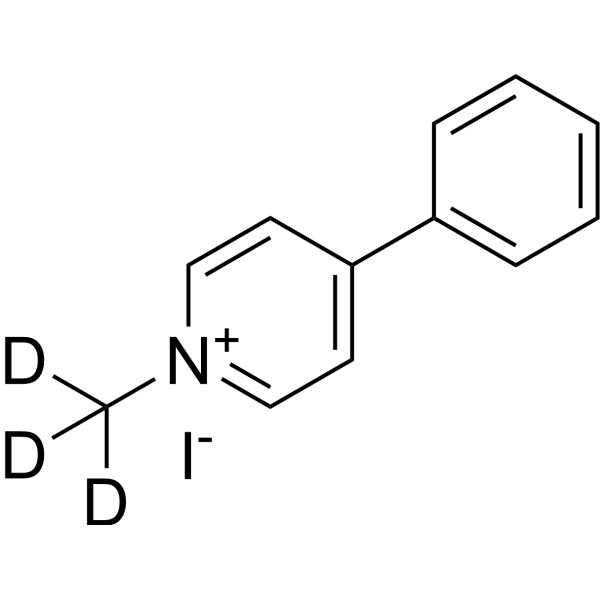
MPP+-d3 (iodide) is deuterium labeled MPP+ (iodide). MPP+ iodide, a toxic metabolite of the neurotoxin MPTP, causes symptom of Parkinson's disease in animal models by selectively destroying dopaminergic neurons in substantia nigra. MPP+ iodide is taken up by the dopamine transporter into dopaminergic neurons where it exerts its neurotoxic action on mitochondria by affecting complex I of the respiratory chain. MPP+ iodide is also a high affinity substrate for the serotonin transporter (SERT) .
|
-
-
- HY-141659A
-
|
|
Mitophagy
Deubiquitinase
|
Neurological Disease
|
|
(R)-CMPD-39 is the R enantiomer of CMPD-39 ( HY-141659 ). CMPD-39 is a selective non-covalent inhibitor of the ubiquitin-specific protease USP30 (IC50 =~20 nM), with high selectivity over other DUB family members (1-100 μM). CMPD-39 inhibits the deubiquitinating activity of USP30, enhances the ubiquitination of mitochondrial proteins TOMM20 and SYNJ2BP; thus, CMPD-39 promotes phosphoubuitin accumulation, thereby accelerating mitochondrial autophagy (mitophagy) and peroxisomal autophagy (pexophagy). CMPD-39 significantly restores impaired mitochondrial function in dopaminergic neurons derived from Parkinson's disease patients .
|
-

-
- HY-125693
-
|
|
Fungal
|
Infection
Neurological Disease
|
|
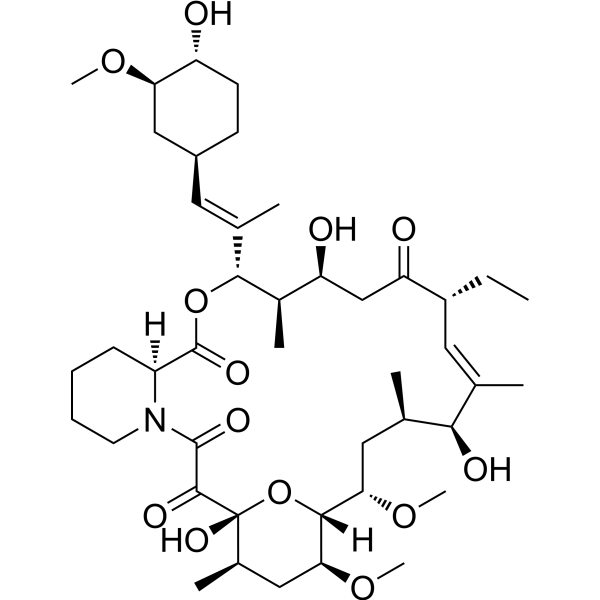
L685818 is a specific immunophilin ligand. L685818 was neuroregenerative and non-neuroprotective in primary brain cultures. L685818 protects dopaminergic neurons from toxic inhibition of MPP+ and 6-OHDA, reduces tyrosine hydroxylase (TH) loss, and promotes neuronal process regeneration. L685818 is also an antifungal reagent for Cryptococcus neoformans .
|
-
-
- HY-129448
-
|
|
Neurokinin Receptor
|
Neurological Disease
|
|
RO4583298 is a potent, orally active dual antagonist of NK1 (human and gerbil)/NK3 (human, cynomolgus monkey, gerbil and guinea-pig). RO4583298 inhibits senktide-induced potentiation of spontaneous activity of dopaminergic neurons. RO4583298 can block gerbil foot tapping response and inhibits mouse tail whips .
|
-

-
- HY-150038
-
|
NBS-1120
|
NF-κB
Apoptosis
|
Neurological Disease
Cancer
|
|
NOSH-aspirin (NBS-1120) is an orally active hybrid molecule that releases nitric oxide and hydrogen sulfide. NOSH-aspirin inhibits pancreatic cancer cell proliferation and induces apoptosis. NOSH-aspirin inhibits cancer cell growth and suppresses NF-κB and FoxM1 in a mouse model of pancreatic cancer. NOSH-aspirin also alleviates motor deficits and dopaminergic neuron degeneration in a rat model of Parkinson's disease. NOSH-aspirin reduces neuroinflammation caused by microglial and astrocytic activation. NOSH-aspirin can be used in research on cancers such as pancreatic cancer and neurological diseases such as Parkinson's disease .
|
-

-
- HY-P11124
-
|
|
Apoptosis
PKC
Keap1-Nrf2
Heme Oxygenase (HO)
Drug Derivative
|
Neurological Disease
|
|
MGF24 is a modified protease-resistant MGF derivative. MGF24 protects dopaminergic neurons from 6-Hydroxydopamine (6-OHDA) (HY-113028)-induced apoptosis by inducing Heme oxygenase-1 (HO-1). MGF24 activates PKC-ε, which in turn activates Nrf2, up-regulating HO-1. MGF24 has neuroprotective activity and reduces myocardial infarct size in sheep models of myocardial ischemia. MGF24 can be used for neurological diseases like stroke, nerve injury and amyotrophic lateral sclerosis research .
|
-

-
- HY-W709760
-
|
|
Endogenous Metabolite
|
Neurological Disease
|
|
7-Hydroxychlorpromazine is an active metabolite of Chlorpromazine (HY-12708). 7-Hydroxychlorpromazine reverses Amphetamine-induced depression of regional compact dopaminergic neurons .
|
-

-
- HY-123506
-
|
|
Src
|
Neurological Disease
Inflammation/Immunology
|
|
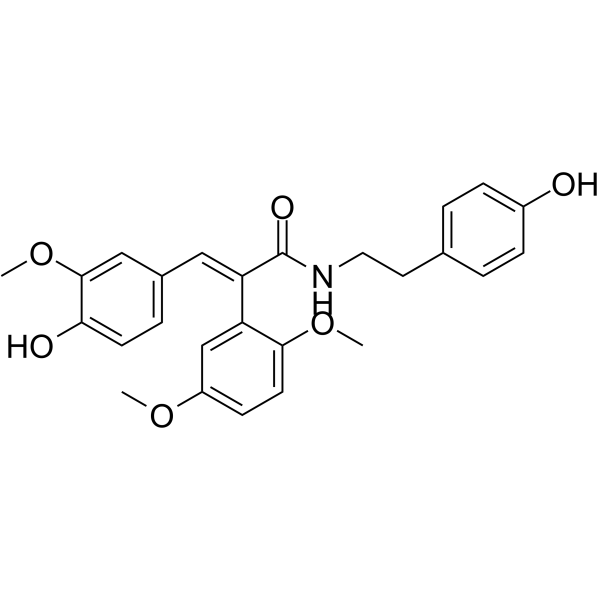
Fenlean, a natural squamosamide derivative, is a Src tyrosine kinase inhibitor. Fenlean can inhibit over-activated microglia and protect dopaminergic neurons. Fenlean can attenuate neuroinflammation in Parkinson's disease models .
|
-
-
- HY-174571
-
|
|
mRNA
|
Neurological Disease
|
|
Human NEUROG2 mRNA encodes a neural-specific basic helix-loop-helix (bHLH) transcription factor that can specify a neuronal fate on ectodermal cells. NEUROG2 plays a role in the differentiation and survival of midbrain dopaminergic neurons.
|
-

-
- HY-152171
-
|
|
Monoamine Transporter
|
Neurological Disease
|
|
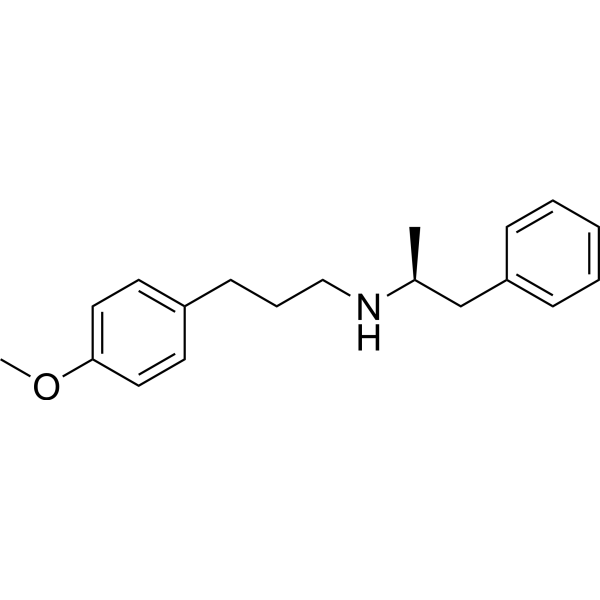
GZ-11608 is a potent and selective vesicular monoamine transporter-2 (VMAT2) inhibitor with high affinity (Ki = 25 nM). GZ-11608 decreases methamphetamine-induced dopamine release from isolated synaptic vesicles from brain dopaminergic neurons. GZ-11608 exhibits rapid brain penetration and without neurotoxicity. GZ-11608 can be used for the research of methamphetamine use disorder .
|
-
-
- HY-116202
-
|
|
Keap1-Nrf2
Reactive Oxygen Species (ROS)
|
Neurological Disease
|
|
PACA is an enhancer of nerve growth factor-induced neurite outgrowth, enhancing nerve growth factor (NGF)-induced neurite outgrowth and attenuating 6-hydroxydopamine (6-OHDA)-induced toxicity by activating the Nrf2/HO-1 pathway. PACA has neuroprotective and neurogenic activities. PACA can be used to improve dopaminergic neuron loss and motor dysfunction in MPTP mouse models of Parkinson's disease and MPP +-induced neurons .
|
-

-
- HY-135470R
-
|
P-7138 (Standard)
|
Reference Standards
Bacterial
|
Infection
|
|
Nifurpirinol (P-7138) (Standard) is the analytical standard of Nifurpirinol (HY-135470). This product is intended for research and analytical applications. Nifurpirinol (P-7138) is a selective prosubstrate of bacterial nitroreductase (NTR). NTR catalyzes the reduction of nifurpirinol to generate cytotoxic metabolites that induce apoptosis in target cells. Nifurpirinol selectively ablates NTR-expressing cells such as pancreatic β cells, osteoblasts, dopaminergic neurons, and podocytes in transgenic zebrafish models. Nifurpirinol can be used in regeneration studies and disease modeling such as focal segmental glomerulosclerosis (FSGS) .
|
-

-
- HY-P10404
-
|
|
α-synuclein
|
Others
Neurological Disease
|
|
PDpep1.3 is a peptide inhibitor of α-synuclein that disrupts the direct interaction between α-synuclein and CHarged Multivesicular body Protein 2B (CHMP2B). As a result, PDpep1.3 restores the degradation function of endosomes and lysosomes, reduces the protein level and aggregation of α-synuclei, and protects dopaminergic neurons from α-synuclei-mediated degeneration. PDpep1.3 can be used to study neurodegenerative diseases and protein-protein interactions .
|
-

-
- HY-13409B
-
|
|
5-HT Receptor
|
Neurological Disease
Metabolic Disease
|
|
SB 242084 monohydrochloride is a selective, competitive and high-affinity (pKi=9.0) 5-HT2C receptor antagonist (crosses the blood-brain barrier). SB 242084 monohydrochloride increases basal activity of dopaminergic neurons in the ventral tegmental area (VTA) of the midbrain and dopamine release in the vomeronasal nucleus. SB 242084 also increases mitochondrial gene expression and oxidative metabolism via 5-HT2A receptor. SB 242084 monohydrochloride has good research potential in the negative symptoms of anxiety, depression and schizophrenia, as well as in acute organ damage .
|
-

-
- HY-113468AS1
-
|
3-Methoxy-L-tyrosine-d3 hydrate; 3-O-Methyl-L-DOPA-d3 hydrate
|
Isotope-Labeled Compounds
Drug Metabolite
Interleukin Related
|
Neurological Disease
Inflammation/Immunology
|
|
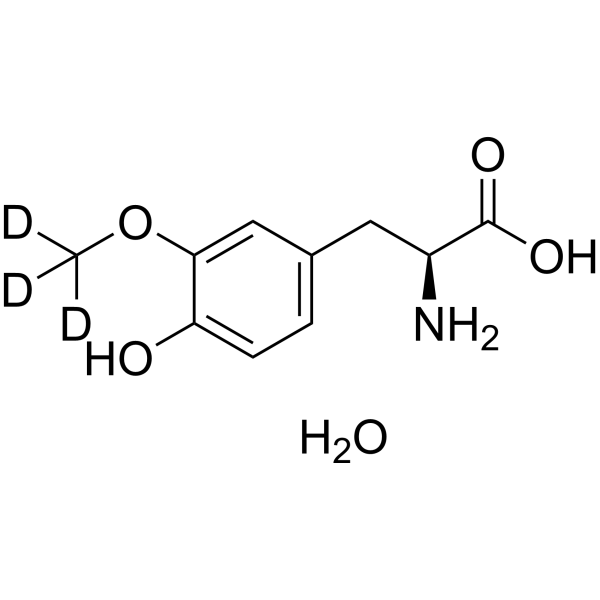
3-O-Methyldopa-d3 (hydrate) is the deuterium labeled 3-O-Methyldopa. 3-O-Methyldopa (3-Methoxy-L-tyrosine) hydrate is a metabolite of L-DOPA (HY-N0304) that can cross the blood-brain barrier (BBB). 3-O-Methyldopa hydrate inhibits the astrocyte-mediated protective effect of L-DOPA (HY-N0304) on dopaminergic neurons. In addition, 3-O-Methyldopa hydrate has certain antidepressant and neuroprotective activities. 3-O-Methyldopa hydrate can be used in the research of nervous system diseases such as depression and Parkinson's disease .
|
-
-
- HY-13409AR
-
|
|
5-HT Receptor
|
Neurological Disease
Metabolic Disease
|
|
SB 242084 (dihydrochloride) (Standard) is the analytical standard of SB 242084 (dihydrochloride). This product is intended for research and analytical applications. SB 242084 dihydrochloride is a selective, competitive and high-affinity (pKi=9.0) 5-HT2C receptor antagonist (crosses the blood-brain barrier). SB 242084 dihydrochloride increases basal activity of dopaminergic neurons in the ventral tegmental area (VTA) of the midbrain and dopamine release in the vomeronasal nucleus. SB 242084 dihydrochloride also increases mitochondrial gene expression and oxidative metabolism via 5-HT2A receptor. SB 242084 dihydrochloride has good research potential in the negative symptoms of anxiety, depression and schizophrenia, as well as in acute organ damage .
|
-

-
- HY-13409R
-
|
|
5-HT Receptor
|
Neurological Disease
Metabolic Disease
|
|
SB 242084 (Standard) is the analytical standard of SB 242084. This product is intended for research and analytical applications. SB 242084 is a selective, competitive and high-affinity (pKi=9.0) 5-HT2C receptor antagonist (crosses the blood-brain barrier). SB 242084 increases basal activity of dopaminergic neurons in the ventral tegmental area (VTA) of the midbrain and dopamine release in the vomeronasal nucleus. SB 242084 also increases mitochondrial gene expression and oxidative metabolism via 5-HT2A receptor. SB 242084 has good research potential in the negative symptoms of anxiety, depression and schizophrenia, as well as in acute organ damage .
|
-

-
- HY-B1065R
-
|
α-N-Acetyl-L-glutamine (Standard); N2-Acetylglutamine (Standard)
|
Reference Standards
Keap1-Nrf2
Akt
ASK1
Apoptosis
|
Neurological Disease
|
|
Aceglutamide (α-N-Acetyl-L-glutamine; N2-Acetylglutamine) (Standard) is the analytical standard of Aceglutamide (HY-B1065). This product is intended for research and analytical applications. Aceglutamide (α-N-Acetyl-L-glutamine; N2-Acetylglutamine) is a neuroprotectant that can penetrate the blood-brain barrier. Aceglutamide can enhance the antioxidant systems of glutathione (GSH), thioredoxin (Trx) and Nrf2. Aceglutamide also inhibits ASK1 and TRAF1, activates the Akt/Bcl-2 anti-apoptotic pathway, enhances the activity of antioxidant enzymes and reduces oxidative damage. Aceglutamide can improve neurological deficits after cerebral ischemia, reduce infarct volume, and inhibit neuronal apoptosis, especially substantia nigra dopaminergic neurons. Aceglutamide can reduce cerebral ischemia/reperfusion injury, improve motor dysfunction, and is used in ischemic stroke-related research .
|
-

- HY-183665
-
|
|
Dopamine Receptor
|
Neurological Disease
|
|
GBR-13119 is a blood-brain barrier-permeable inhibitor of the presynaptic dopamine uptake system. GBR-13119 binds to dopamine uptake sites with high selectivity, without being affected by other neurotransmitter reuptake inhibitors. GBR-13119 exhibits a lipophilic systemic distribution profile with extremely low defluorination in rats, while it shows a differential characteristic of slow striatal washout in the brain of primates. GBR-13119 can serve as a PET tracer to achieve visualized imaging of the striatum in primates, and can reflect MPTP-induced dopaminergic neuron degeneration through reduced uptake. GBR-13119 can be widely applied to studies related to Parkinson's disease and dopaminergic neuron degeneration .
|
-

- HY-P11504
-
|
|
Biochemical Assay Reagents
|
Others
|
|
Fmoc-Lys-Gly-Dopa-OH is a tripeptide. Fmoc-Lys-Gly-Dopa-OH forms coacervates in aqueous solution via phase separation. Fmoc-Lys-Gly-Dopa-OH coacervates, with the assistance of Fe 3+, provide a viable material to engineer the surface of mammalian cells .
|
-

- HY-181665
-
|
|
Ferroptosis
Glutathione Peroxidase
Reactive Oxygen Species (ROS)
Apoptosis
|
Neurological Disease
|
|
Ferroptosis-IN-23 is an inhibitor of ferroptosis. Ferroptosis-IN-23 exerts a synergistic effect by simultaneously activating Steap4 and glutathione peroxidase 4 (GPX4), thereby maintaining iron metabolism homeostasis. Ferroptosis-IN-23 reverses neuronal ferroptosis and inhibits lipid ROS accumulation in cells. Ferroptosis-IN-23 inhibits ferroptosis in zebrafish, alleviates neuronal apoptosis, ROS accumulation, and dopaminergic neuron damage in a zebrafish model of Parkinson's disease. Ferroptosis-IN-23 can be used for research on Parkinson's disease .
|
-

- HY-100658S
-
|
|
Isotope-Labeled Compounds
5-HT Receptor
Dopamine Receptor
|
Neurological Disease
|
|
Didesmethyl cariprazine-d8 is the deuterium labeled Didesmethyl cariprazine (HY-100658). Didesmethyl cariprazine is an orally active, BBB-permeable metabolite of Cariprazine (HY-14763). Didesmethyl cariprazine is a partial agonist at the D2 and D3 receptors, full agonist at the 5-HT1A receptor, and antagonist at the human 5-HT2B receptor (Ki: 1.41 nM (human D2L), 0.056 nM (human D3), 1.7 nM (human 5-HT1A), 0.52 nM (human 5-HT2B)). Didesmethyl cariprazine dose-dependently inhibits the spontaneous activity of rat midbrain dopaminergic neurons.
|
-

- HY-182893
-
|
|
α-synuclein
Reactive Oxygen Species (ROS)
Tyrosine Hydroxylase
|
Neurological Disease
|
|
SK-129 is a blood-brain barrier-permeable inhibitor of α-synuclein (αS) oligomers with a Kd of 221 nM. SK-129 preferentially binds to neurotoxic αS oligomers over physiological αS monomers, inhibits αS aggregation, blocks the interaction and co-aggregation of αS with tau protein, and prevents the maturation of αS-tau condensates into amyloid aggregates. SK-129 reduces ROS production, rescues dopaminergic neuron degeneration, improves motor function, restores endogenous dopamine synthesis, increases the number of Tyrosine Hydroxylase-positive neurons, prevents brain histopathological changes, alleviates neuroinflammation, and improves survival rates in relevant models. SK-129 can be used in research related to Parkinson's disease (PD) and Lewy body dementia (LBD) .
|
-

- HY-100658R
-
|
|
5-HT Receptor
Reference Standards
Dopamine Receptor
|
Neurological Disease
|
|
Didesmethyl cariprazine (Standard) is the analytical standard of Didesmethyl cariprazine (HY-100658). This product is intended for research and analytical applications. Didesmethyl cariprazine is an orally active, BBB-permeable metabolite of Cariprazine (HY-14763). Didesmethyl cariprazine is a partial agonist at the D2 and D3 receptors, full agonist at the 5-HT1A receptor, and antagonist at the human 5-HT2B receptor (Ki: 1.41 nM (human D2L), 0.056 nM (human D3), 1.7 nM (human 5-HT1A), 0.52 nM (human 5-HT2B)). Didesmethyl cariprazine dose-dependently inhibits the spontaneous activity of rat midbrain dopaminergic neurons .
|
-

- HY-182423
-
|
|
Neurokinin Receptor
|
Neurological Disease
|
|
RO5328673 is an orally active, blood-brain barrier permeable neurokinin receptor antagonist that effectively targets human NK3 receptors (Ki=0.4 nM, Ka=0.1 nM), human NK2 receptors (Ki=1.1 nM, Ka=0.9 nM), and guinea pig NK3 receptors (Ka=0.1 nM and 0.13 nM). RO5328673 acts as an insurmountable antagonist of NK3 receptors with a slow dissociation rate, while it shows rapid association and dissociation rates at human NK2 receptors. RO5328673 potently inhibits senktide (HY-P0187)-induced enhancement of spontaneous activity in dopaminergic neurons and reverses senktide-induced changes in motor activity of gerbils. RO5328673 is widely applicable to research related to schizophrenia .
|
-

- HY-186105A
-
|
|
Opioid Receptor
Apoptosis
|
Neurological Disease
|
|
(-)-P7C3-S243 is an orally active, blood-brain barrier permeable neuroprotective agent. (-)-P7C3-S243 binds to μ-opioid Receptor and TSPO. (-)-P7C3-S243 inhibits the premature apoptosis death of newborn hippocampal neurons, protects mature nigral dopaminergic neurons, promotes neuronal survival and prevents cognitive impairment. (-)-P7C3-S243 ameliorates depression-like behaviors in rat models. (-)-P7C3-S243 is applicable to research related to Parkinson's disease and Alzheimer's disease .
|
-

-
- HY-126436A
-
|
L-Ornithine homopolymer hydrobromide (MW 30000-70000)
|
生化学アッセイ試薬
|
|
Poly-L-ornithine hydrobromide (MW 30000-70000) is a poly-lysine derivative with a molecular weight of 30000-70000. Poly-L-ornithine hydrobromide (MW 30000-70000) binds to the surface of cell culture vessels through positively charged amino acid residues to form a coating that promotes cell adhesion and provides cells with a matrix environment required for growth. Poly-L-ornithine hydrobromide (MW 30000-70000) is used as a coating agent in cell culture and can be used for the study of primary culture of neurons (such as dopaminergic neurons and oligodendrocytes) .
|
-
- HY-W019599
-
|
L-PCPA
|
5-HT Receptor
Tryptophan Hydroxylase
|
Neurological Disease
|
|
4-Chloro-L-phenylalanine (L-PCPA) is a tryptophan hydroxylase inhibitor targeting TPH1 and TPH2, with the activity of blocking serotonin biosynthesis. 4-Chloro-L-phenylalanine reduces the levels of serotonin and its metabolites in the brain without impairing the survival of serotonergic neurons. 4-Chloro-L-phenylalanine enhances anhedonic, depression-like and anxiety-like behaviors in mice with depleted noradrenergic and dopaminergic neurons. 4-Chloro-L-phenylalanine acts as a decarboxylation substrate for aromatic L-amino acid decarboxylase from Bacillus atrophaeus. 4-Chloro-L-phenylalanine can be used in studies related to Parkinson's disease .
|
-
- HY-P6437A
-
|
|
Dynamin
|
Cardiovascular Disease
Neurological Disease
|
|
Drp1 peptide inhibitor P110 (Compound P110) TFA is a selective Drp1 peptide inhibitor with neuroprotective properties. Drp1 peptide inhibitor P110 TFA can inhibit the activation of Drp1, prevent MPTP (HY-15608)-induced Drp1 mitochondrial translocation, and alleviate MPTP-induced dopaminergic neuron loss, dopaminergic nerve terminal damage, and behavioral deficits, and can be used in the study of Alzheimer's disease. Additionally, Drp1 peptide inhibitor P110 TFA can reduce mitochondrial damage and organ injury in animal models of Huntington's disease, cerebral ischemic injury, and myocardial infarction .
|
-
- HY-P6437
-
|
|
Dynamin
|
Cardiovascular Disease
Neurological Disease
|
|
Drp1 peptide inhibitor P110 (Compound P110) is a selective Drp1 peptide inhibitor with neuroprotective properties. Drp1 peptide inhibitor P110 can inhibit the activation of Drp1, prevent MPTP-induced Drp1 mitochondrial translocation, and alleviate MPTP-induced dopaminergic neuron loss, dopaminergic nerve terminal damage, and behavioral deficits, and can be used in the study of Alzheimer's disease. Additionally, Drp1 peptide inhibitor P110 can reduce mitochondrial damage and organ injury in animal models of Huntington's disease, cerebral ischemic injury, and myocardial infarction .
|
-
- HY-P10019
-
|
NLY01
|
GCGR
|
Neurological Disease
Inflammation/Immunology
|
|
Pegsebrenatide (NLY01) is a blood-brain barrier-penetrant GLP-1R agonist. Pegsebrenatide alleviates retinal inflammation and neuronal death secondary to ocular hypertension . Pegsebrenatide significantly delays onset and reduces disease severity in experimental autoimmune encephalomyelitis . Pegsebrenatide inhibits the formation of A1 reactive astrocytes in nerve cells and reduces the loss of retinal ganglion cells and dopaminergic neurons. Pegsebrenatide exerts neuroprotective effects in a mouse model of Parkinson's disease by directly preventing microglia-mediated conversion of astrocytes to the A1 neurotoxic phenotype. Pegsebrenatide can be used for research on glaucoma, Parkinson's disease, and multiple sclerosis .
|
-
- HY-P11124
-
|
|
Apoptosis
PKC
Keap1-Nrf2
Heme Oxygenase (HO)
Drug Derivative
|
Neurological Disease
|
|
MGF24 is a modified protease-resistant MGF derivative. MGF24 protects dopaminergic neurons from 6-Hydroxydopamine (6-OHDA) (HY-113028)-induced apoptosis by inducing Heme oxygenase-1 (HO-1). MGF24 activates PKC-ε, which in turn activates Nrf2, up-regulating HO-1. MGF24 has neuroprotective activity and reduces myocardial infarct size in sheep models of myocardial ischemia. MGF24 can be used for neurological diseases like stroke, nerve injury and amyotrophic lateral sclerosis research .
|
-
- HY-P10404
-
|
|
α-synuclein
|
Others
Neurological Disease
|
|
PDpep1.3 is a peptide inhibitor of α-synuclein that disrupts the direct interaction between α-synuclein and CHarged Multivesicular body Protein 2B (CHMP2B). As a result, PDpep1.3 restores the degradation function of endosomes and lysosomes, reduces the protein level and aggregation of α-synuclei, and protects dopaminergic neurons from α-synuclei-mediated degeneration. PDpep1.3 can be used to study neurodegenerative diseases and protein-protein interactions .
|
-
- HY-P11504
-
|
|
Biochemical Assay Reagents
|
Others
|
|
Fmoc-Lys-Gly-Dopa-OH is a tripeptide. Fmoc-Lys-Gly-Dopa-OH forms coacervates in aqueous solution via phase separation. Fmoc-Lys-Gly-Dopa-OH coacervates, with the assistance of Fe 3+, provide a viable material to engineer the surface of mammalian cells .
|
| 製品番号 |
製品名 |
Category |
Target |
構造式 |
-
- HY-N0109
-
-
-
- HY-B1065
-
|
α-N-Acetyl-L-glutamine; N2-Acetylglutamine
|
Microorganisms
Ketones, Aldehydes, Acids
Endogenous metabolite
Source Classification
|
Keap1-Nrf2
Akt
ASK1
Apoptosis
|
|
Aceglutamide (α-N-Acetyl-L-glutamine; N2-Acetylglutamine) is a neuroprotectant that can penetrate the blood-brain barrier. Aceglutamide can enhance the antioxidant systems of glutathione (GSH), thioredoxin (Trx) and Nrf2. Aceglutamide also inhibits ASK1 and TRAF1, activates the Akt/Bcl-2 anti-apoptotic pathway, enhances the activity of antioxidant enzymes and reduces oxidative damage. Aceglutamide can improve neurological deficits after cerebral ischemia, reduce infarct volume, and inhibit neuronal apoptosis, especially substantia nigra dopaminergic neurons. Aceglutamide can reduce cerebral ischemia/reperfusion injury, improve motor dysfunction, and is used in ischemic stroke-related research .
|
-
-
- HY-121362
-
|
|
Structural Classification
other families
Classification of Application Fields
Ketones, Aldehydes, Acids
Plants
Inflammation/Immunology
Disease Research Fields
Source Classification
|
Bacterial
Endogenous Metabolite
TrxR
|
|
Evernic Acid is an orally active thioredoxin reductase 1 (TrxR1) inhibitor and antiproliferative agent. Evernic Acid inhibits the proliferation and migration of human breast cancer cells. Evernic Acid blocks the NF-κB pathway by inhibiting p65 nuclear translocation and IκBα phosphorylation, thereby suppressing downstream inflammatory mediators. Evernic Acid acts as an antioxidant, anti-inflammatory agent and neuroprotective agent, protects neurons from cell death, mitochondrial dysfunction and oxidative stress damage, reduces astrocyte activation, and ameliorates dopaminergic neuron loss and neuroinflammation. Evernic Acid inhibits enoyl reductases FabI and FabZ of Plasmodium falciparum. Evernic Acid downregulates the expression of lasB and rhlA genes in Pseudomonas aeruginosa, inhibits quorum sensing and biofilm formation, and exerts antibacterial activity against Gram-positive bacteria, Gram-negative bacteria and fungi. Evernic Acid is applicable to research related to breast cancer, Parkinson's disease, bacterial infections and fungal infections .
|
-
-
- HY-122958
-
-
-
- HY-113468A
-
|
3-Methoxy-L-tyrosine; 3-O-Methyl-L-DOPA
|
Monophenols
Ketones, Aldehydes, Acids
Phenols
Endogenous metabolite
Source Classification
|
Drug Derivative
Interleukin Related
|
|
3-O-Methyldopa (3-Methoxy-L-tyrosine) is a metabolite of L-DOPA (HY-N0304) that can cross the blood-brain barrier (BBB). 3-O-Methyldopa inhibits the astrocyte-mediated protective effect of L-DOPA (HY-N0304) on dopaminergic neurons. In addition, 3-O-Methyldopa has certain antidepressant and neuroprotective activities. 3-O-Methyldopa can be used in the research of nervous system diseases such as depression and Parkinson's disease .
|
-
-
- HY-N0381
-
|
DL-Maackiain
|
Infection
Structural Classification
天然物
Monophenols
other families
Classification of Application Fields
Phenols
Plants
Disease Research Fields
Source Classification
|
Keap1-Nrf2
p38 MAPK
NOD-like Receptor (NLR)
NF-κB
mTOR
Monoamine Oxidase
Nuclear Factor of activated T Cells (NFAT)
PKC
Apoptosis
Pyroptosis
Autophagy
Dengue Virus
|
|
Maackiain (DL-Maackiain) is an orally active multi-target inhibitor with anti-tumor activity and neuroprotective effects. Maackiain activates the AMPK, NLRP3 and Nrf2/HO-1 pathways, and inhibits key targets such as NF-κB, mTOR, MAO-B, NFATc1 and PKCδ, thereby precisely regulating processes including apoptosis, autophagy and pyroptosis. Maackiain also effectively inhibits microglial activation, osteoclast formation, and proliferation and invasion of tumor cells, and protects dopaminergic neurons from damage. Maackiain is applicable to the research of various diseases such as Alzheimer's disease, osteoporosis, sepsis and dengue fever 。
|
-
-
- HY-N0109R
-
-
-
- HY-B1065R
-
|
α-N-Acetyl-L-glutamine (Standard); N2-Acetylglutamine (Standard)
|
Structural Classification
Microorganisms
Ketones, Aldehydes, Acids
Endogenous metabolite
Source Classification
|
Reference Standards
Keap1-Nrf2
Akt
ASK1
Apoptosis
|
|
Aceglutamide (α-N-Acetyl-L-glutamine; N2-Acetylglutamine) (Standard) is the analytical standard of Aceglutamide (HY-B1065). This product is intended for research and analytical applications. Aceglutamide (α-N-Acetyl-L-glutamine; N2-Acetylglutamine) is a neuroprotectant that can penetrate the blood-brain barrier. Aceglutamide can enhance the antioxidant systems of glutathione (GSH), thioredoxin (Trx) and Nrf2. Aceglutamide also inhibits ASK1 and TRAF1, activates the Akt/Bcl-2 anti-apoptotic pathway, enhances the activity of antioxidant enzymes and reduces oxidative damage. Aceglutamide can improve neurological deficits after cerebral ischemia, reduce infarct volume, and inhibit neuronal apoptosis, especially substantia nigra dopaminergic neurons. Aceglutamide can reduce cerebral ischemia/reperfusion injury, improve motor dysfunction, and is used in ischemic stroke-related research .
|
-
-
- HY-113468AS
-
|
|
|
3-O-Methyldopa-d3 (3-Methoxy-L-tyrosine-d3) is deuterium labeled 3-O-Methyldopa (HY-113468A). 3-O-Methyldopa (3-Methoxy-L-tyrosine) is a metabolite of L-DOPA (HY-N0304) that can cross the blood-brain barrier (BBB). 3-O-Methyldopa inhibits the astrocyte-mediated protective effect of L-DOPA (HY-N0304) on dopaminergic neurons. In addition, 3-O-Methyldopa has certain antidepressant and neuroprotective activities. 3-O-Methyldopa can be used in the research of nervous system diseases such as depression and Parkinson's disease .
|
-
-
- HY-W008719S
-
|
|
|
MPP+-d3 (iodide) is deuterium labeled MPP+ (iodide). MPP+ iodide, a toxic metabolite of the neurotoxin MPTP, causes symptom of Parkinson's disease in animal models by selectively destroying dopaminergic neurons in substantia nigra. MPP+ iodide is taken up by the dopamine transporter into dopaminergic neurons where it exerts its neurotoxic action on mitochondria by affecting complex I of the respiratory chain. MPP+ iodide is also a high affinity substrate for the serotonin transporter (SERT) .
|
-
-
- HY-113468AS1
-
|
|
|
3-O-Methyldopa-d3 (hydrate) is the deuterium labeled 3-O-Methyldopa. 3-O-Methyldopa (3-Methoxy-L-tyrosine) hydrate is a metabolite of L-DOPA (HY-N0304) that can cross the blood-brain barrier (BBB). 3-O-Methyldopa hydrate inhibits the astrocyte-mediated protective effect of L-DOPA (HY-N0304) on dopaminergic neurons. In addition, 3-O-Methyldopa hydrate has certain antidepressant and neuroprotective activities. 3-O-Methyldopa hydrate can be used in the research of nervous system diseases such as depression and Parkinson's disease .
|
-
-
- HY-100658S
-
|
|
|
Didesmethyl cariprazine-d8 is the deuterium labeled Didesmethyl cariprazine (HY-100658). Didesmethyl cariprazine is an orally active, BBB-permeable metabolite of Cariprazine (HY-14763). Didesmethyl cariprazine is a partial agonist at the D2 and D3 receptors, full agonist at the 5-HT1A receptor, and antagonist at the human 5-HT2B receptor (Ki: 1.41 nM (human D2L), 0.056 nM (human D3), 1.7 nM (human 5-HT1A), 0.52 nM (human 5-HT2B)). Didesmethyl cariprazine dose-dependently inhibits the spontaneous activity of rat midbrain dopaminergic neurons.
|
-
-
- HY-174571
-
|
|
|
mRNA
Transcription Factors
|
|
Human NEUROG2 mRNA encodes a neural-specific basic helix-loop-helix (bHLH) transcription factor that can specify a neuronal fate on ectodermal cells. NEUROG2 plays a role in the differentiation and survival of midbrain dopaminergic neurons.
|
入力情報は安全に管理されます. ※ 必須入力項目.
Inquiry Information
- 製品名:
- 製品番号:
- 数量:
- MCE 日本正規代理店:





