

1. Search Result
Search Result
Results for "

gastrointestinal tumor

" in MedChemExpress (MCE) Product Catalog:

64

Inhibitors & Agonists

4

Biochemical Assay Reagents

1

Peptides

1

MCE Kits

5

Inhibitory Antibodies

4

Natural
Products

3

Recombinant Proteins

8

Isotope-Labeled Compounds

1

Oligonucleotides

Cat. No. 상품명 Target 연구분야 Chemical Structure
  • HY-13001
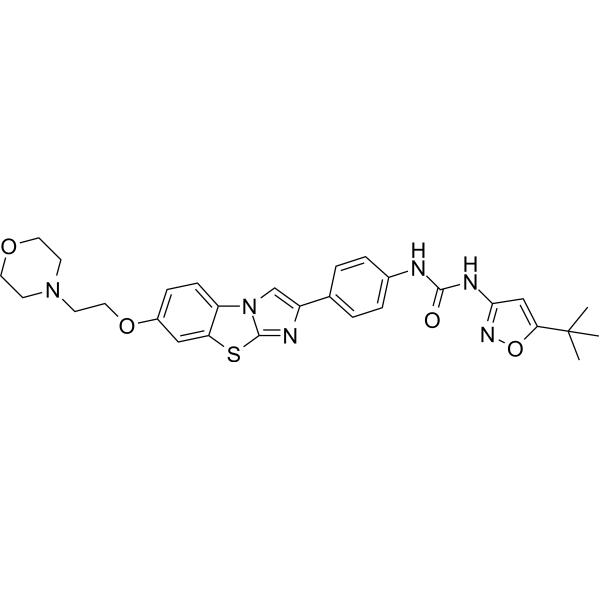
    Quizartinib
    Maximum Cited Publications
    45 Publications Verification

    AC220

    FLT3 Apoptosis PDGFR c-Kit Cancer
    Quizartinib (AC220) is an orally active, potent and selective FLT3 inhibitor. Quizartinib inhibits kinase activity of mutant-FLT3, -PDGFRA and -KIT isoforms and inhibits autophosphorylation. Quizartinib inhibits cellular proliferation, induces apoptosis in cancer cells. Quizartinib can be used for the research of cancer .
    Quizartinib
  • HY-A0061
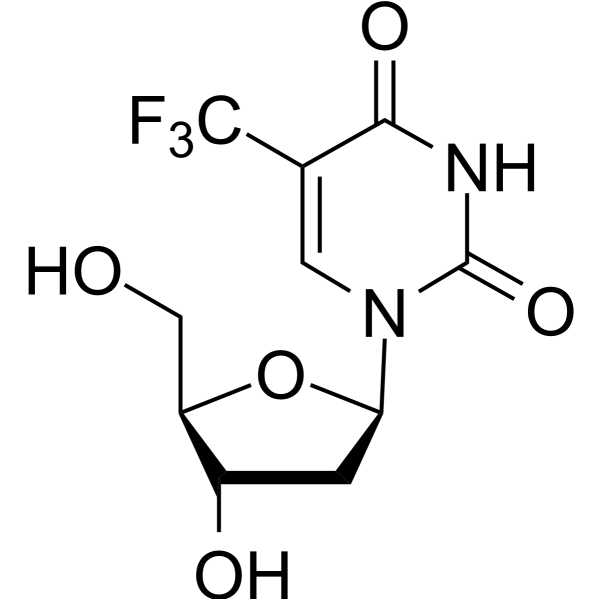
    Trifluridine
    3 Publications Verification

    Trifluorothymidine; 5-Trifluorothymidine; TFT

    Thymidylate Synthase HSV Nucleoside Antimetabolite/Analog Orthopoxvirus DNA/RNA Synthesis Apoptosis Autophagy Cancer
    Trifluridine (Trifluorothymidine) is an irreversible and orally active thymidylate synthase inhibitor, and thereby suppressing DNA synthesis. Trifluridine is an antiviral molecule used for research of HSV, rhabdovirus and orthopoxvirus infection. Trifluridine induces cell apoptosis and autophagy. Trifluridine is also an anticancer agent used in studies of metastatic colorectal cancer, gastrointestinal tumors .
    Trifluridine
  • HY-P99643

    UCB6114

    Dan family Cancer
    Ginisortamab (UCB6114) is a fully human IgG4P anti Gremlin-1 monoclonal antibody, with mean IC50 values of 8.2 nM and 9 nM against human and mouse gremlin-1, respectivly. Ginisortamab inhibits gremlin-1 antagonism of BMP signaling pathways. Ginisortamab has the potential for the research of gastrointestinal (GI) tumors .
    Ginisortamab
  • HY-W251598C

    Sodium hydrogen carbonate for cell culture; Soda bicarbonate for cell culture

    Environmental Pollutants Bacterial Inflammation/Immunology Cancer
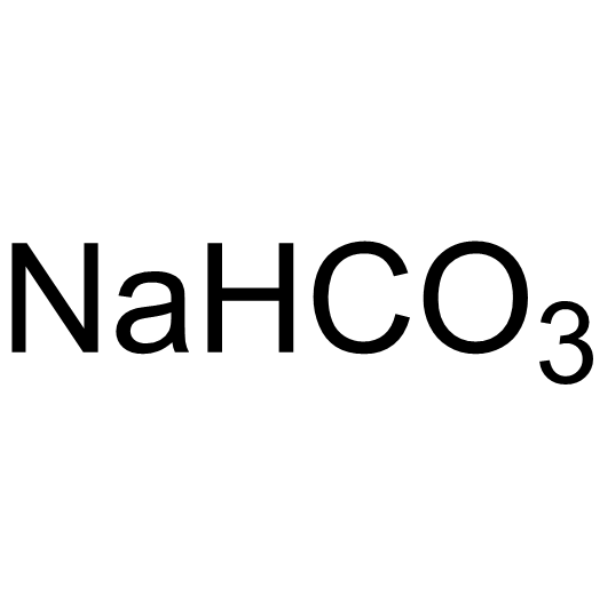
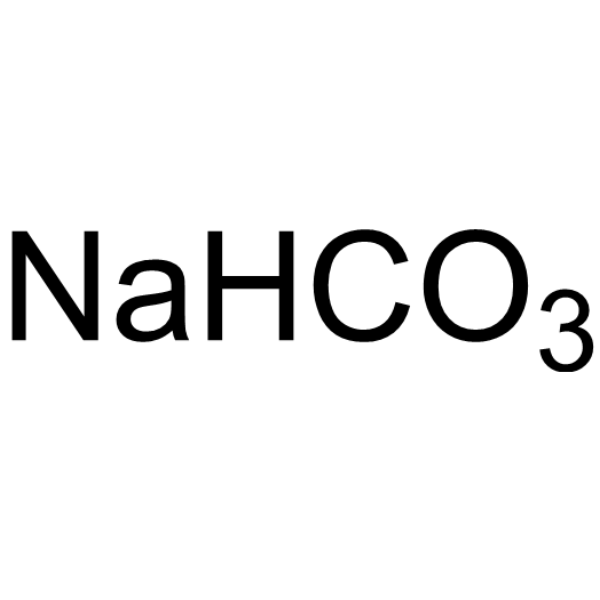
    Sodium bicarbonate, for cell culture (Sodium hydrogen carbonate for cell culture; Soda bicarbonate for cell culture) is an inorganic salt that is neutral to slightly alkaline and easily decomposes when exposed to moisture in the air. Sodium bicarbonate, for cell culture can maintain the pH of the culture medium, thereby affecting the expression of inducible nitric oxide synthase (iNOS) and nitric oxide (NO) production in macrophages and reversing the acidosis of the tumor microenvironment. Sodium bicarbonate is widely used in the fields of food, medicine, cosmetics, etc. Its main uses include buffers, flavoring agents, disinfectants, pharmaceuticals, and proton gradient regulators. Sodium bicarbonate is also commonly used as an antacid to inhibit gastrointestinal diseases, neutralize gastric acid, and reduce gastric discomfort .
    Sodium bicarbonate, for cell culture
  • HY-W614269

    Radionuclide-Drug Conjugates (RDCs) Cancer
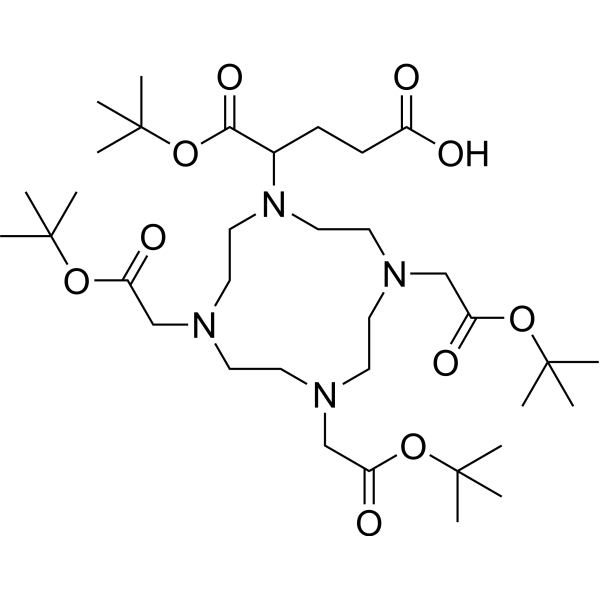
    DOTA-GA(tBu)4 stabilizes the attachment of radiometals to ligands. DOTA-GA(tBu)4 improves the biodistribution of radiolabeled second-generation Affibody molecules by increasing their net negative charge and reducing hepatic uptake, leading to enhanced tumor-to-blood and tumor-to-liver ratios. DOTA-GA(tBu)4 targets HER2>-expressing breast and gastrointestinal cancer .
    DOTA-GA(tBu)4
  • HY-108610A
    Edelfosine
    1 Publications Verification

    ET-18-OCH3

    Apoptosis Parasite Bcl-2 Family Cytochrome P450 Infection Inflammation/Immunology Cancer
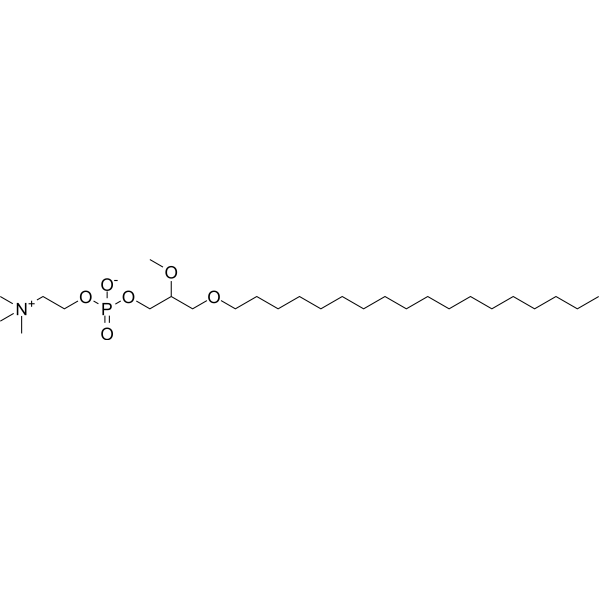
    Edelfosine (ET-18-OCH3) is an orally active lipid raft modulator and apoptosis inducer that alters membrane fluidity and preferentially inserts into tumor cell membranes. Edelfosine recruits death receptor ligands (FasL/CD95L, TRAIL) and Bid to lipid rafts to form death-inducing signaling complexes, thereby initiating mitochondria-dependent apoptosis and inducing cytochrome c release. Edelfosine also exerts anti-inflammatory effects, promotes L-Selectin shedding, and causes no gastrointestinal or organ toxicity. In addition, Edelfosine inhibits nucleic acid and protein synthesis in Leishmania donovani and exhibits antiproliferative activity. Edelfosine can be used in research on multiple myeloma, inflammatory bowel diseases (such as ulcerative colitis and Crohn's disease), and visceral leishmaniasis .
    Edelfosine
  • HY-W251598B

    Sodium hydrogen carbonate for molecular biology; Soda bicarbonate for molecular biology

    Bacterial NO Synthase Inflammation/Immunology Cancer
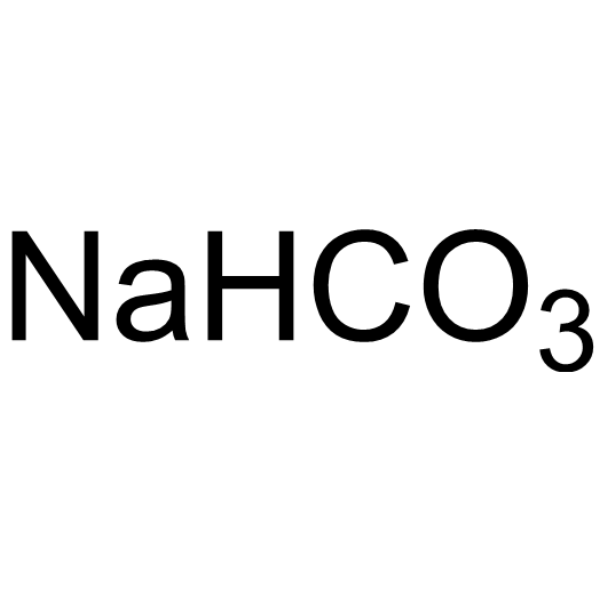
    Sodium bicarbonate, for molecular biology (Sodium hydrogen carbonate for molecular biolog; Soda bicarbonate for molecular biolog) is an inorganic salt. Sodium bicarbonate can maintain the pH of the culture medium, thereby affecting the expression of inducible nitric oxide synthase (iNOS) and nitric oxide (NO) production in macrophages and reversing the acidosis of the tumor microenvironment. Sodium bicarbonate is widely used in the fields of food, cosmetics, etc. Its main uses include buffers, flavoring agents, disinfectants, pharmaceuticals, and proton gradient regulators. Sodium bicarbonate is also commonly used as an antacid to inhibit gastrointestinal diseases, neutralize gastric acid, and reduce gastric discomfort .
    Sodium bicarbonate, for molecular biology
  • HY-156619

    EVT-8565072; THB335

    c-Kit PDGFR Metabolic Disease Inflammation/Immunology
    Labuxtinib (EVT-8565072; THB335) is a potent dual inhibitor of c-Kit and PDGFR. Labuxtinib exhibits potent inhibitory activity against wild-type c-Kit (IC50 = 0.005 μM). Labuxtinib inhibits SCF-dependent and PDGF-dependent cell proliferation, and blocks the proliferation of cells dependent on c-Kit or PDGFR signaling pathways. In animal models of skin allergy, Labuxtinib depletes skin mast cells and significantly alleviates anaphylactic shock responses. Labuxtinib can be used in research on mast cell-related diseases, respiratory diseases, inflammatory diseases, fibrotic diseases, metabolic diseases, and other related conditions .
    Labuxtinib
  • HY-B0523A
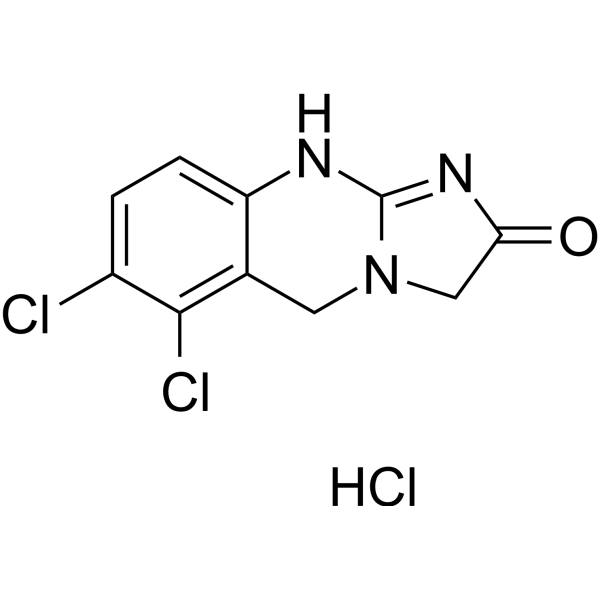
    Anagrelide hydrochloride
    3 Publications Verification

    BL4162A

    Phosphodiesterase (PDE) Apoptosis Cardiovascular Disease Cancer
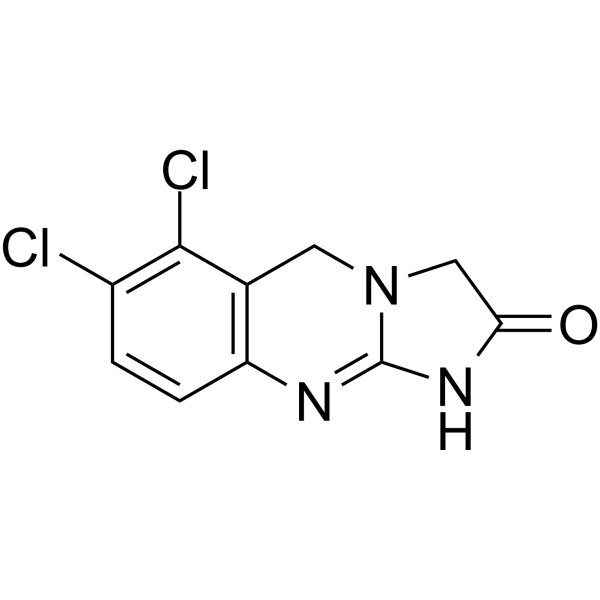
    Anagrelide hydrochloride (BL4162A) is a potent inhibitor of phosphodiesterase type III (PDE3) (IC50=36 nM). Anagrelide hydrochloride, an imidazoquinazoline derivative, acts as an inhibitor of platelet aggregation. Anagrelide hydrochloride inhibits bone marrow megakaryocytopoiesis. Anagrelide hydrochloride decreases gastrointestinal stromal tumor (GIST) cell proliferation and promotes their apoptosis in vitro. Anagrelide hydrochloride is a platelet-lowering agent and plays in the antithrombopoietic action .
    Anagrelide hydrochloride
  • HY-G0017
    N-Desmethyl imatinib
    1 Publications Verification

    Norimatinib; Imatinib metabolite N-Desmethyl imatinib; CGP 74588

    Drug Metabolite P-glycoprotein Apoptosis Neurological Disease Cancer
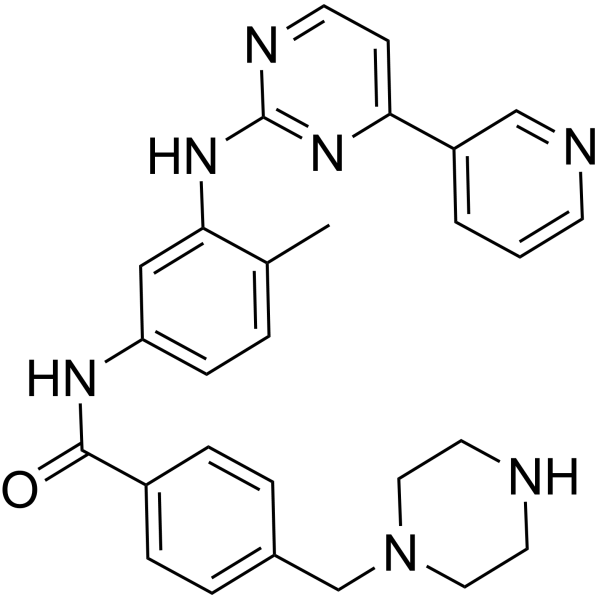
    N‑Desmethyl imatinib (Norimatinib) is an active metabolite of Imatinib (HY-15463), a selective c‑Abl inhibitor, and a substrate of P‑glycoprotein. N-Desmethyl imatinib binds to the c-Abl catalytic domain to prevent substrate phosphorylation, inhibits c-Abl-mediated α-synuclein activation and downstream inflammatory signaling pathways. N-Desmethyl imatinib induces apoptosis in K562 human leukemia cells. N-Desmethyl imatinib shows significantly elevated plasma levels in gastrointestinal stromal tumor (GIST) models with mild SARS-CoV-2 infection. N-Desmethyl imatinib can be used for the research of Parkinson’s disease, gastrointestinal stromal tumor, and chronic myeloid leukemia .
    N-Desmethyl imatinib
  • HY-B0523
    Anagrelide
    3 Publications Verification

    Phosphodiesterase (PDE) Apoptosis Cardiovascular Disease Cancer
    Anagrelide is a potent inhibitor of phosphodiesterase type III (PDE3) (IC50=36 nM). Anagrelide, an imidazoquinazoline derivative, acts as an inhibitor of platelet aggregation. Anagrelide inhibits bone marrow megakaryocytopoiesis. Anagrelide decreases gastrointestinal stromal tumor (GIST) cell proliferation and promotes their apoptosis in vitro. Anagrelide is a platelet-lowering agent and plays in the antithrombopoietic action .
    Anagrelide
  • HY-162730

    Molecular Glues Phosphodiesterase (PDE) Cancer
    OPB-171775 is an orally active molecular glue. OPB-171775 forms ternary complex with phosphodiesterase 3A (PDE3A) and schlafen family member 12 (SLFN12). OPB-171775 causes SLFN12 RNase-mediated cell death, activates SLFN12 RNase-associated GCN2 signaling pathway. OPB-171775 exhibits significant efficacy against gastrointestinal stromal tumor .
    OPB-171775
  • HY-112802

    c-Kit Cancer
    AZD3229 is a potent pan-KIT mutant inhibitor for the treatment of gastrointestinal stromal tumors. AZD3229 inhibits c-KIT with an IC50 value of 223.3 nM .
    AZD3229
  • HY-W251598S

    Reference Standards Bacterial NO Synthase Inflammation/Immunology Cancer
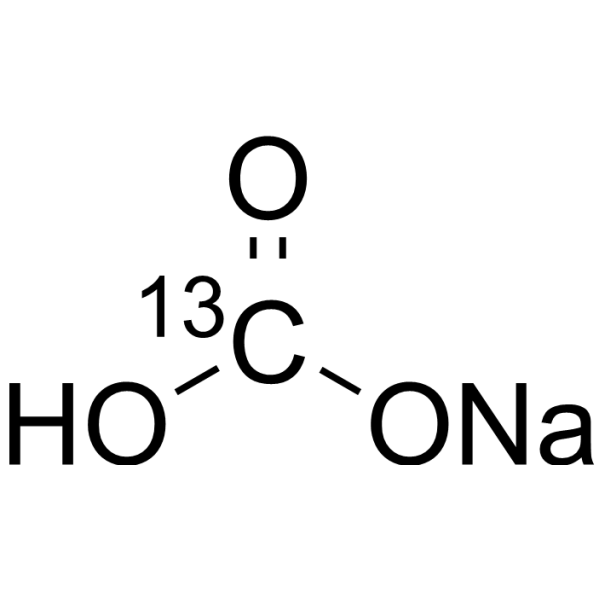
    Bicarbonate- 13C sodium is the 13C-labeled Sodium bicarbonate (HY-Y0756). Sodium bicarbonate is an inorganic salt that is neutral to slightly alkaline and easily decomposes when exposed to moisture in the air. Sodium bicarbonate can maintain the pH of the culture medium, thereby affecting the expression of inducible nitric oxide synthase (iNOS) and nitric oxide (NO) production in macrophages and reversing the acidosis of the tumor microenvironment. Sodium bicarbonate is widely used in the fields of food, medicine, cosmetics, etc. Its main uses include buffers, flavoring agents, disinfectants, pharmaceuticals, and proton gradient regulators. Sodium bicarbonate is also commonly used as an antacid to inhibit gastrointestinal diseases, neutralize gastric acid, and reduce gastric discomfort .
    Bicarbonate-13C sodium
  • HY-B0380A

    Opioid Receptor Toll-like Receptor (TLR) Calcium Channel Potassium Channel IRAK ERK JNK NF-κB Akt Apoptosis Neurological Disease Metabolic Disease Inflammation/Immunology Cancer
    Trimebutine maleate is a multi-target inhibitor and opioid receptor agonist with antimuscarinic activity. Trimebutine maleate inhibits L-type Ca 2+ channels and large-conductance calcium-activated potassium channels (BKCa channels), thereby inhibiting extracellular calcium influx and potassium ion efflux. Trimebutine maleate also targets Toll-like receptors, inhibits Toll-like receptor 2/4/7/8/9 signals, and inhibits LPS-induced IRAK1 activation, as well as ERK1/2, JNK and NF-κB activation, thereby exerting anti-inflammatory effects. Trimebutine maleate also induces tumor cell apoptosis by inhibiting the AKT/ERK pathway. Trimebutine maleate also inhibits excessive contraction of smooth muscle and can be used in the study of gastrointestinal disorders such as irritable bowel syndrome (IBS) .
    Trimebutine maleate
  • HY-B0380

    Opioid Receptor Toll-like Receptor (TLR) Calcium Channel Potassium Channel IRAK ERK JNK NF-κB Akt Apoptosis Neurological Disease Metabolic Disease Inflammation/Immunology Cancer
    Trimebutine is a multi-target inhibitor and opioid receptor agonist with antimuscarinic activity. Trimebutine inhibits L-type Ca 2+ channels and large-conductance calcium-activated potassium channels (BKCa channels), thereby inhibiting extracellular calcium influx and potassium ion efflux. Trimebutine also targets Toll-like receptors, inhibits Toll-like receptor 2/4/7/8/9 signals, and inhibits LPS-induced IRAK1 activation, as well as ERK1/2, JNK and NF-κB activation, thereby exerting anti-inflammatory effects. Trimebutine also induces tumor cell apoptosis by inhibiting the AKT/ERK pathway. Trimebutine also inhibits excessive contraction of smooth muscle and can be used in the study of gastrointestinal disorders such as irritable bowel syndrome (IBS) .
    Trimebutine
  • HY-15472

    5-HT Receptor p38 MAPK TGF-β Receptor FGFR Apoptosis Caspase Cardiovascular Disease Neurological Disease Cancer
    PRX-08066 is a selective and orally active 5-hydroxytryptamine receptor 2B (5-HT2BR) antagonist with a Ki of 3.4 nM. PRX-08066 inhibits the MAPK pathway, 5-HT release and fibrotic factor (TGFβ1, CTGF and FGF2) expression. PRX-08066 inhibits the proliferation of KRJ-I cells and induces apoptosis (caspase-3 activation). PRX-08066 inhibits pulmonary vascular remodeling. PRX-08066 can be used of pulmonary Arterial Hypertension (PAH) and neuroendocrine tumor (NET) .
    PRX-08066
  • HY-128878

    Cholecystokinin Receptor P-glycoprotein Metabolic Disease Endocrinology
    Dexloxiglumide is an orally active and selective cholecystokinin type A (CCKA) receptor antagonist. Dexloxiglumide is the active enantiomer of Loxiglumide, inhibits smooth muscle cell contractions induced by cholecystokinin-octapeptide (CCK-8). Dexloxiglumide exhibits moderate Caco-2 permeability that is polarized, concentration dependent, and pH dependent. Dexloxiglumide increases MRP1-substrate fluorescein uptake. Dexloxiglumide can be studied in research for gastrointestinal diseases and tumors .
    Dexloxiglumide
  • HY-P99643A

    Dan family Cancer
    Ginisortamab (Mouse IgG1) is the anti-Gremlin-1 monoclonal antibody with mouse IgG1. Ginisortamab (Mouse IgG1) can be used in research of gastrointestinal (GI) tumors .
    Ginisortamab (Mouse IgG1)
  • HY-177578

    Antibody-Drug Conjugates (ADCs) c-Kit Apoptosis Microtubule/Tubulin ERK Akt Caspase Cancer
    NN3201 is a c-Kit-targeting antibody-drug conjugate (ADC) with high affinity (KD = 0.19 pM). NN3201 is composed of 4-(3-Tosyl-2-(tosylmethyl)propanoyl)benzoic acid-glu(PEG24-Me)-val-cit-NH-benzyloxyformic acid-MMAE (HY-178219) and an anti-c-Kit human monoclonal antibody NN2101 (HY-P991293). NN3201 rapidly internalizes and inhibits stem cell factor (SCF)-driven signaling, thereby delivering its payload to induce cell cycle arrest and apoptosis. NN3201 exhibits no Fc-mediated effector functions antibody-dependent cell-mediated cytotoxicity (ADCC)/complement-dependent cytotoxicity (CDC) due to reduced FcγR binding. NN3201 exhibits significant c-Kit-dependent anti-tumor efficacies in various tumor models. NN3201 can be used in small cell lung cancer (SCLC) and gastrointestinal stromal tumor (GIST) and acute myeloid leukemia (AML) research [1][2].
    NN3201
  • HY-G0017S

    Norimatinib-d8; Imatinib metabolite N-Desmethyl imatinib-d8; CGP 74588-d8

    Isotope-Labeled Compounds Drug Metabolite P-glycoprotein Apoptosis Neurological Disease Cancer
    N-Desmethyl imatinib-d8 is a deuterium labeled Imatinib metabolite N-Desmethyl Imatinib (HY-G0017). N‑Desmethyl imatinib (Norimatinib) is an active metabolite of Imatinib (HY-15463), a selective c‑Abl inhibitor, and a substrate of P‑glycoprotein. N-Desmethyl imatinib binds to the c-Abl catalytic domain to prevent substrate phosphorylation, inhibits c-Abl-mediated α-synuclein activation and downstream inflammatory signaling pathways. N-Desmethyl imatinib induces apoptosis in K562 human leukemia cells. N-Desmethyl imatinib exhibits significantly elevated plasma levels in gastrointestinal stromal tumor (GIST) settings following mild SARS CoV 2 infection. N-Desmethyl imatinib can be used for the research of Parkinson’s disease, gastrointestinal stromal tumor, and chronic myeloid leukemia .
    N-Desmethyl imatinib-d8
  • HY-W251598I

    Sodium hydrogen carbonate, meets analytical specification of Ph. Eur., BP, USP, FCC, E500

    Bacterial NO Synthase Inflammation/Immunology Cancer
    Sodium bicarbonate, meets analytical specification of Ph. Eur., BP, USP, FCC, E500 is an inorganic salt that is neutral to slightly alkaline and easily decomposes when exposed to moisture in the air. Sodium bicarbonate can maintain the pH of the culture medium, thereby affecting the expression of inducible nitric oxide synthase (iNOS) and nitric oxide (NO) production in macrophages and reversing the acidosis of the tumor microenvironment. Sodium bicarbonate is widely used in the fields of food, medicine, cosmetics, etc. Its main uses include buffers, flavoring agents, disinfectants, pharmaceuticals, and proton gradient regulators. Sodium bicarbonate is also commonly used as an antacid to inhibit gastrointestinal diseases, neutralize gastric acid, and reduce gastric discomfort .
    Sodium bicarbonate, meets analytical specification of Ph. Eur., BP, USP, FCC, E500
  • HY-17509
    Deracoxib
    1 Publications Verification

    SC 046; SC 46; SC 59046

    COX Apoptosis Neurological Disease Inflammation/Immunology Cancer
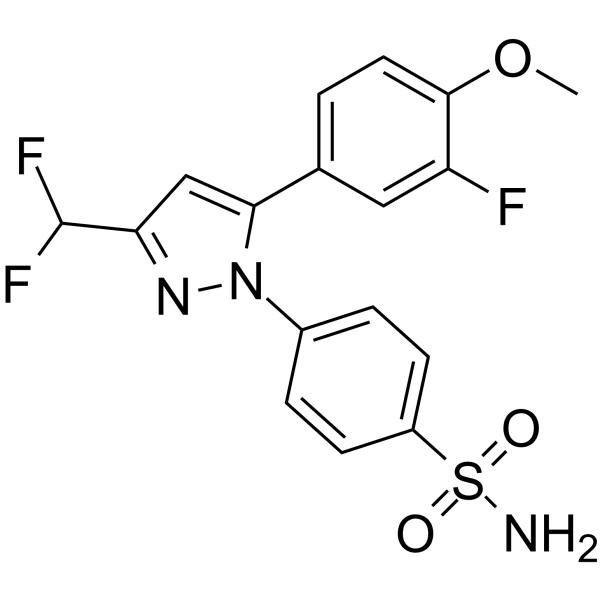
    Deracoxib (SC 046; SC 59046), an orally active COX-2 inhibitor, is a veterinary nonsteroidal anti-inflammatory agent used exclusively in dogs. Deracoxib inhibits the COX-2 enzyme to reduce the production of prostaglandins, effectively controlling pain and inflammation after canine soft tissue surgery. Deracoxib reduces the inhibition of COX-1 and lowers the risk of gastrointestinal side effects. Deracoxib induces tumor cell cycle arrest and apoptosis, and shows anti-tumor activity in canine osteosarcoma, breast tumors and bladder transitional cell carcinomas .
    Deracoxib
  • HY-B1514R

    Reference Standards Endogenous Metabolite Others
    Anagrelide (hydrochloride) (Standard) is the analytical standard of Anagrelide (hydrochloride). This product is intended for research and analytical applications. Anagrelide hydrochloride (BL4162A) is a potent inhibitor of phosphodiesterase type III (PDE3) (IC50=36 nM). Anagrelide hydrochloride, an imidazoquinazoline derivative, acts as an inhibitor of platelet aggregation. Anagrelide hydrochloride inhibits bone marrow megakaryocytopoiesis. Anagrelide hydrochloride decreases gastrointestinal stromal tumor (GIST) cell proliferation and promotes their apoptosis in vitro. Anagrelide hydrochloride is a platelet-lowering agent and plays in the antithrombopoietic action .
    Allantoic acid (Standard)
  • HY-178219

    Drug-Linker Conjugates for ADC Microtubule/Tubulin Apoptosis Cancer
    Bis-sulfone-(PEG24)-Glu-Val-Cit-PAB-MMAE is a drug-linker conjugate for ADC. Bis-sulfone-(PEG24)-Glu-Val-Cit-PAB-MMAE contains a linker and bioactive small molecule toxins MMAE (HY-15162). Bis-sulfone-(PEG24)-Glu-Val-Cit-PAB-MMAE can conjugate with NN2101 (HY-P991293) (anti c-Kit) for synthesizing NN3201. NN3201 rapidly internalizes and inhibits SCF-driven signaling, thereby delivering its payload to induce cell cycle arrest and apoptosis. NN3201 exhibits significant c-Kit-dependent anti-tumor efficacies in various tumor models, such as small cell lung cancer (SCLC) and gastrointestinal stromal tumor (GIST) .
    Bis-sulfone-(PEG24)-Glu-Val-Cit-PAB-MMAE
  • HY-17509S

    SC 046-d3; SC 46-d3; SC 59046-d3

    Isotope-Labeled Compounds COX Apoptosis Neurological Disease Inflammation/Immunology Cancer
    Deracoxib-d3 (SC 046-d3; SC 59046-d3) is the deuterium labeled Deracoxib (HY-17509). Deracoxib, an orally active COX-2 inhibitor, is a veterinary nonsteroidal anti-inflammatory agent used exclusively in dogs. Deracoxib inhibits the COX-2 enzyme to reduce the production of prostaglandins, effectively controlling pain and inflammation after canine soft tissue surgery. Deracoxib reduces the inhibition of COX-1 and lowers the risk of gastrointestinal side effects. Deracoxib induces tumor cell cycle arrest and apoptosis, and shows anti-tumor activity in canine osteosarcoma, breast tumors and bladder transitional cell carcinomas.
    Deracoxib-d3
  • HY-106509

    BW 12C; 12C79; BW 12C79

    Hemoglobin Cardiovascular Disease Cancer
    Velaresol (BW 12C) is a small molecule oxyhemoglobin stabilizer. Velaresol stabilizes hemoglobin’s oxy-conformation, shifts oxygen dissociation curves left, induces tumor hypoxia, alters radiosensitivity, protects normal tissues from radiation damage, and reduces sickled cell counts. Velaresol can be used for the research of cancer and sickle cell disease .
    Velaresol
  • HY-128589

    c-Kit Cancer
    CHMFL-KIT-033 is a potent and selective inhibitor of c-KIT T670I mutant for gastrointestinal stromal tumors (GISTs), with an IC50 of 0.045 μM .
    CHMFL-KIT-033
  • HY-177275

    c-Kit Cancer
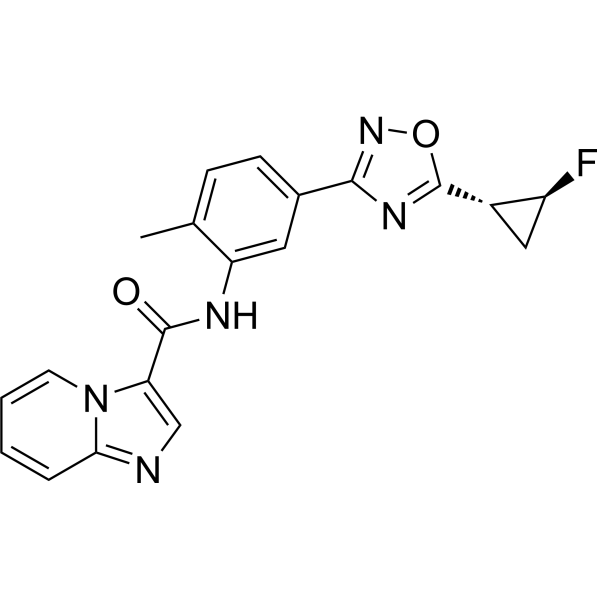
    c-Kit Receptor modulator-1 (Compound #22) is a c-Kit Receptor modulator. c-Kit Receptor modulator-1 can be used for malignant cancers such as canine mastocytoma, human gastrointestinal stromal tumor and small cell lung cancer research .
    c-Kit Receptor modulator-1
  • HY-170911

    PDGFR Cancer
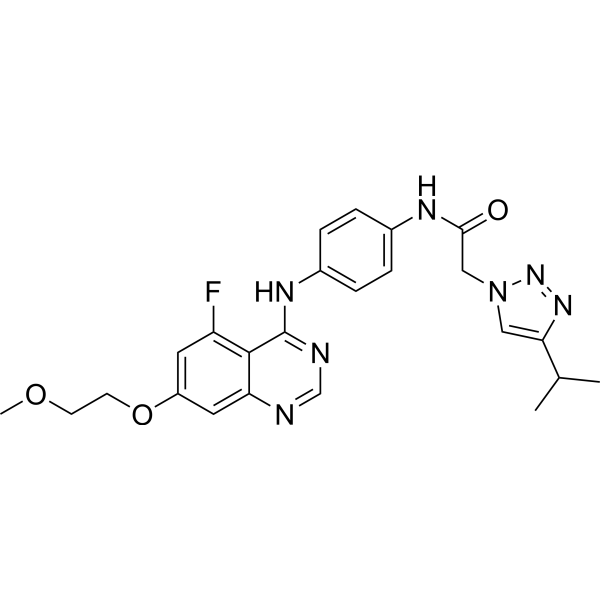
    KIT/PDGFRA-IN-1 (compound 19) is a stem cell growth factor receptor (KIT) and platelet-derived growth factor receptor alpha (PDGFRA) inhibitor. KIT/PDGFRA-IN-1 inhibits KIT-wt, KIT-D816H, KIT-T670I, PDGFRA-wt, PDGFRA-D842V, PDGFRA-T674I and PDGFRA-G680R with IC50s of 2.3, 12, 492, 0.8, 99.9, 42.3, and 4.3 μM, respectively. KIT/PDGFRA-IN-1 inhibits GIST-T1, T1-a-D842V and GIST-48B cells (PDGFR- and KIT-Mutant GIST cell Lines) with GR50s of 12, 8900, ≥10 000 nM, respectively .
    KIT/PDGFRA-IN-1
  • HY-173275

    PDGFR Cancer
    PDGFRα kinase inhibitor 3 (Compound L7) is a highly potent inhibitor targeting the PDGFRα D842V kinase with IC50s values of 23.8 nM and 2.1 nM in biochemical and cellular assays, respectively. PDGFRα kinase inhibitor 3 binds to the ATP-binding pocket of PDGFRα D842V to block its downstream signaling pathways and inhibit kinase activity. PDGFRα kinase inhibitor 3 can be used for gastrointestinal stromal tumors (GISTs) study .
    PDGFRα kinase inhibitor 3
  • HY-P990851

    c-Kit Inflammation/Immunology Cancer
    Anti-c-Kit/CD117 Antibody (SR-1) is a kind of mouse IgG2a κ chimeric antibody inhibitor, targeting to human c-Kit/CD117. Anti-c-Kit/CD117 Antibody (SR-1) binds to the extracellular domain of human c-Kit (also known as CD117) and blocks stem cell factor (SCF) binding to CD117. Anti-c-Kit/CD117 Antibody (SR-1) can be used for the researches of cancer and immunology, such as gastrointestinal stromal tumor (GIST) and xenograft .
    Anti-c-Kit/CD117 Antibody (SR-1)
  • HY-W251598J

    Sodium hydrogen carbonate (Pharmaceutical primary standard, USP); Soda bicarbonate (Pharmaceutical primary standard, USP)

    Bacterial NO Synthase Inflammation/Immunology Cancer
    Sodium bicarbonate, United States Pharmacopeia (USP) Reference Standard is an inorganic salt. Sodium bicarbonate, United States Pharmacopeia (USP) Reference Standard can maintain the pH of the culture medium, thereby affecting the expression of inducible nitric oxide synthase (iNOS) and nitric oxide (NO) production in macrophages and reversing the acidosis of the tumor microenvironment. Sodium bicarbonate, United States Pharmacopeia (USP) Reference Standard is widely used in the fields of food, cosmetics, etc. Its main uses include buffers, flavoring agents, disinfectants, pharmaceuticals, and proton gradient regulators. Sodium bicarbonate, United States Pharmacopeia (USP) Reference Standard is also commonly used as an antacid to inhibit gastrointestinal diseases, neutralize gastric acid, and reduce gastric discomfort .
    Sodium bicarbonate, United States Pharmacopeia (USP) Reference Standard
  • HY-W060417

    Interleukin Related Inflammation/Immunology Cancer
    iST2-1 is an Stimulation-2 (ST2) inhibitor with an IC50 value of 46.65 μM, blocks interaction between ST2 and IL-33, inhibits downstream signaling. iST2-1 functions as an immunomodulator, reduces proliferation of CD4 + and CD8 + T cells, increases regulatory T cell populations, reduces IFN-γ +CD4 + T cell populations, increases Foxp3 +CD4 + regulatory T cell populations in the gastrointestinal tract. iST2-1 reduces plasma soluble ST2 and IFN-γ levels, reduces graft-versus-host disease scores, improves survival in graft-versus-host disease animal models, preserves graft-versus-tumor effect. iST2-1 can be used for the research of graft-versus-host disease .
    iST2-1
  • HY-B0380S1

    Isotope-Labeled Compounds Opioid Receptor Toll-like Receptor (TLR) Calcium Channel Potassium Channel IRAK ERK JNK NF-κB Akt Apoptosis Neurological Disease Metabolic Disease Inflammation/Immunology Cancer
    Trimebutine-d5 fumarate is deuterium labeled Trimebutine fumarate. Trimebutine fumarate is a multi-target inhibitor and opioid receptor agonist with antimuscarinic activity. Trimebutine fumarate inhibits L-type Ca 2+ channels and large-conductance calcium-activated potassium channels (BKCa channels), thereby inhibiting extracellular calcium influx and potassium ion efflux. Trimebutine fumarate also targets Toll-like receptors, inhibits Toll-like receptor 2/4/7/8/9 signals, and inhibits LPS-induced IRAK1 activation, as well as ERK1/2, JNK and NF-κB activation, thereby exerting anti-inflammatory effects. Trimebutine fumarate also induces tumor cell apoptosis by inhibiting the AKT/ERK pathway. Trimebutine fumarate also inhibits excessive contraction of smooth muscle and can be used in the study of gastrointestinal disorders such as irritable bowel syndrome (IBS) .
    Trimebutine-d5 fumarate
  • HY-B0380AR

    Reference Standards Opioid Receptor Apoptosis Potassium Channel NF-κB Akt IRAK JNK Toll-like Receptor (TLR) ERK Calcium Channel Neurological Disease Metabolic Disease Inflammation/Immunology Cancer
    Trimebutine maleate (Standard) is the analytical standard of Trimebutine maleate (HY-B0380A). This product is intended for research and analytical applications. Trimebutine maleate is a multi-target inhibitor and opioid receptor agonist with antimuscarinic activity. Trimebutine maleate inhibits L-type Ca 2+ channels and large-conductance calcium-activated potassium channels (BKCa channels), thereby inhibiting extracellular calcium influx and potassium ion efflux. Trimebutine maleate also targets Toll-like receptors, inhibits Toll-like receptor 2/4/7/8/9 signals, and inhibits LPS-induced IRAK1 activation, as well as ERK1/2, JNK and NF-κB activation, thereby exerting anti-inflammatory effects. Trimebutine maleate also induces tumor cell apoptosis by inhibiting the AKT/ERK pathway. Trimebutine maleate also inhibits excessive contraction of smooth muscle and can be used in the study of gastrointestinal disorders such as irritable bowel syndrome (IBS) .
    Trimebutine maleate (Standard)
  • HY-A0061R

    Trifluorothymidine (Standard); 5-Trifluorothymidine (Standard); TFT (Standard)

    Reference Standards Thymidylate Synthase HSV Nucleoside Antimetabolite/Analog Orthopoxvirus DNA/RNA Synthesis Apoptosis Autophagy Cancer
    Trifluridine (Standard) is the analytical standard of Trifluridine. This product is intended for research and analytical applications. Trifluridine (Trifluorothymidine) is an irreversible and orally active thymidylate synthase inhibitor, and thereby suppressing DNA synthesis. Trifluridine is an antiviral molecule used for research of HSV, rhabdovirus and orthopoxvirus infection. Trifluridine induces cell apoptosis and autophagy. Trifluridine is also an anticancer agent used in studies of metastatic colorectal cancer, gastrointestinal tumors .
    Trifluridine (Standard)
  • HY-B0523B

    Phosphodiesterase (PDE) Apoptosis Cardiovascular Disease Cancer
    Anagrelide hydrochloride monohydrate is a potent inhibitor of phosphodiesterase type III (PDE3) (IC50=36 nM). Anagrelide hydrochloride monohydrate, an imidazoquinazoline derivative, acts as an inhibitor of platelet aggregation. Anagrelide hydrochloride monohydrate inhibits bone marrow megakaryocytopoiesis. Anagrelide hydrochloride monohydrate decreases gastrointestinal stromal tumor (GIST) cell proliferation and promotes their apoptosis in vitro. Anagrelide hydrochloride monohydrate is a platelet-lowering agent and plays in the antithrombopoietic action .
    Anagrelide hydrochloride monohydrate
  • HY-B0523AR

    BL4162A (Standard)

    Reference Standards Phosphodiesterase (PDE) Apoptosis Cardiovascular Disease Cancer
    Anagrelide (hydrochloride) (Standard) is the analytical standard of Anagrelide (hydrochloride). This product is intended for research and analytical applications. Anagrelide hydrochloride (BL4162A) is a potent inhibitor of phosphodiesterase type III (PDE3) (IC50=36 nM). Anagrelide hydrochloride, an imidazoquinazoline derivative, acts as an inhibitor of platelet aggregation. Anagrelide hydrochloride inhibits bone marrow megakaryocytopoiesis. Anagrelide hydrochloride decreases gastrointestinal stromal tumor (GIST) cell proliferation and promotes their apoptosis in vitro. Anagrelide hydrochloride is a platelet-lowering agent and plays in the antithrombopoietic action .
    Anagrelide hydrochloride (Standard)
  • HY-112802A

    AZD3229 tosylate

    c-Kit Cancer
    AZD3229 Tosylate is a potent pan-KIT mutant inhibitor for the treatment of gastrointestinal stromal tumors.
    Ubavitinib tosylate
  • HY-W591818

    Drug Derivative Cancer
    Sunitinib carboxylic acid is a carboxylic acid metabolite of Sunitinib (HY-10255A). Sunitinib is a multi-target tyrosine kinase inhibitor, mainly used to inhibit malignant tumors such as gastrointestinal stromal tumors, renal cell carcinoma, and pancreatic neuroendocrine tumors .
    Sunitinib carboxylic acid
  • HY-N8646

    Others Cancer
    Isodonal is a N-pentane diterpene compound with potential cytotoxic, antitumor, inhibitory oxidative phosphorylation and antiingestion activities. Isodonal can be isolated from the leaves of Isodon wikstroemioides and is used in the study of gastrointestinal diseases, anti-tumor and anti-inflammatory .
    Isodonal
  • HY-G0017A

    Norimatinib mesylate; Imatinib metabolite N-Desmethyl imatinib mesylate; CGP 74588 mesylate

    Drug Metabolite P-glycoprotein Apoptosis Neurological Disease Cancer
    N-Desmethyl imatinib mesylate (Norimatinib mesylate) is an active metabolite of Imatinib (HY-15463), a selective c‑Abl inhibitor, and a substrate of P‑glycoprotein. N-Desmethyl imatinib mesylate binds to the c-Abl catalytic domain to prevent substrate phosphorylation, inhibits c-Abl-mediated α-synuclein activation and downstream inflammatory signaling pathways. N-Desmethyl imatinib mesylate induces apoptosis in K562 human leukemia cells. N-Desmethyl imatinib mesylate exhibits significantly elevated plasma levels in gastrointestinal stromal tumor (GIST) settings following mild SARS CoV 2 infection. N-Desmethyl imatinib mesylate can be used for the research of Parkinson’s disease, gastrointestinal stromal tumor, and chronic myeloid leukemia .
    N-Desmethyl imatinib mesylate
  • HY-P2229

    SDZ CO 611

    Somatostatin Receptor Cancer
    Ilatreotide (SDZ CO61), glycated somatostatin derivative, is a highly potent glycated analog of somatostatin with improved oral activity. Ilatreotide can suppress the fasting level and postprandial release of several gastrointestinal and pancreatic hormones. Ilatreotide can be used for the research of gastroenteropancreatic tumors .
    Ilatreotide
  • HY-G0017S1

    Norimatinib-d4; Imatinib metabolite N-Desmethyl imatinib-d4; CGP 74588-d4

    Isotope-Labeled Compounds Drug Metabolite P-glycoprotein Apoptosis Neurological Disease Cancer
    N-Desmethyl imatinib-d4 is the deuterium-labeled N-Desmethyl imatinib (HY-G0017). N‑Desmethyl imatinib (Norimatinib) is an active metabolite of Imatinib (HY-15463), a selective c‑Abl inhibitor, and a substrate of P‑glycoprotein. N-Desmethyl imatinib binds to the c-Abl catalytic domain to prevent substrate phosphorylation, inhibits c-Abl-mediated α-synuclein activation and downstream inflammatory signaling pathways. N-Desmethyl imatinib induces apoptosis in K562 human leukemia cells. N-Desmethyl imatinib exhibits significantly elevated plasma levels in gastrointestinal stromal tumor (GIST) settings following mild SARS CoV 2 infection. N-Desmethyl imatinib can be used for the research of Parkinson’s disease, gastrointestinal stromal tumor, and chronic myeloid leukemia .
    N-Desmethyl imatinib-d4
  • HY-117253

    Drug Metabolite Cancer
    PHA-782584 is a metabolite of sunitinib. Sunitinib is an oral multitargeted tyrosine kinase inhibitor with antitumor activities .
    PHA-782584
  • HY-G0017R

    Norimatinib (Standard); Imatinib metabolite N-Desmethyl imatinib (Standard); CGP 74588 (Standard)

    Reference Standards Drug Metabolite P-glycoprotein Apoptosis Others
    N‑Desmethyl imatinib (Standard) is the analytical standard of N‑Desmethyl imatinib (Norimatinib) (HY-G0017R). This product is intended for research and analytical applications. N‑Desmethyl imatinib (Norimatinib) is an active metabolite of Imatinib (HY-15463), a selective c‑Abl inhibitor, and a substrate of P‑glycoprotein. N-Desmethyl imatinib binds to the c-Abl catalytic domain to prevent substrate phosphorylation, inhibits c-Abl-mediated α-synuclein activation and downstream inflammatory signaling pathways. N-Desmethyl imatinib induces apoptosis in K562 human leukemia cells. N-Desmethyl imatinib exhibits significantly elevated plasma levels in gastrointestinal stromal tumor (GIST) settings following mild SARS CoV 2 infection. N-Desmethyl imatinib can be used for the research of Parkinson’s disease, gastrointestinal stromal tumor, and chronic myeloid leukemia .
    N-Desmethyl imatinib (Standard)
  • HY-15472A

    5-HT Receptor p38 MAPK TGF-β Receptor FGFR Apoptosis Caspase Cardiovascular Disease Neurological Disease Cancer
    PRX-08066 maleate is a selective and orally active 5-hydroxytryptamine receptor 2B (5-HT2BR) antagonist with a Ki of 3.4 nM. PRX-08066 maleate inhibits the MAPK pathway, 5-HT release and fibrotic factor (TGFβ1, CTGF and FGF2) expression. PRX-08066 maleate inhibits the proliferation of KRJ-I cells and induces apoptosis (caspase-3 activation). PRX-08066 maleate inhibits pulmonary vascular remodeling. PRX-08066 maleate can be used of pulmonary Arterial Hypertension (PAH) and neuroendocrine tumor (NET) .
    PRX-08066 maleate
  • HY-17509R

    SC 046 (Standard); SC 46 (Standard); SC 59046 (Standard)

    Reference Standards COX Apoptosis Neurological Disease Inflammation/Immunology Cancer
    Deracoxib (SC 046; SC 59046) (Standard) is the analytical standard of Deracoxib (HY-17509). This product is intended for research and analytical applications. Deracoxib, an orally active COX-2 inhibitor, is a veterinary nonsteroidal anti-inflammatory agent used exclusively in dogs. Deracoxib inhibits the COX-2 enzyme to reduce the production of prostaglandins, effectively controlling pain and inflammation after canine soft tissue surgery. Deracoxib reduces the inhibition of COX-1 and lowers the risk of gastrointestinal side effects. Deracoxib induces tumor cell cycle arrest and apoptosis, and shows anti-tumor activity in canine osteosarcoma, breast tumors and bladder transitional cell carcinomas
    Deracoxib (Standard)
  • HY-146743

    Apoptosis Cancer
    Antitumor agent-53 is a potent antitumor agent. Antitumor agent-53 induces cell cycle arrest at the G2/M phase. Antitumor agent-53 inhibits the PI3K/AKT pathway to induce the apoptosis of HGC-27 cells. Antitumor agent-53 has the potential for the research of gastrointestinal tumors .
    Antitumor agent-53

온라인 문의

Your information is safe with us. * Required Fields.

호칭


Country or Region *

고객명 *


회사명 *

Department *


메일주소 *


상품명 *

Cat. No.


Requested quantity *

전화번호 *


비고

온라인 문의

Inquiry Information

상품명:
Cat. No.:
수량:
MCE Japan Authorized Agent:

