



Sodium bicarbonate, for cell culture

Based on 1 Customer Validation
Sodium bicarbonate, for cell culture (Sodium hydrogen carbonate for cell culture; Soda bicarbonate for cell culture) is an inorganic salt that is neutral to slightly alkaline and easily decomposes when exposed to moisture in the air. Sodium bicarbonate, for cell culture can maintain the pH of the culture medium, thereby affecting the expression of inducible nitric oxide synthase (iNOS) and nitric oxide (NO) production in macrophages and reversing the acidosis of the tumor microenvironment. Sodium bicarbonate is widely used in the fields of food, medicine, cosmetics, etc. Its main uses include buffers, flavoring agents, disinfectants, pharmaceuticals, and proton gradient regulators. Sodium bicarbonate is also commonly used as an antacid to inhibit gastrointestinal diseases, neutralize gastric acid, and reduce gastric discomfort.
For research use only. We do not sell to patients.
- Purity : 99.86%
- CAS No.: 144-55-8
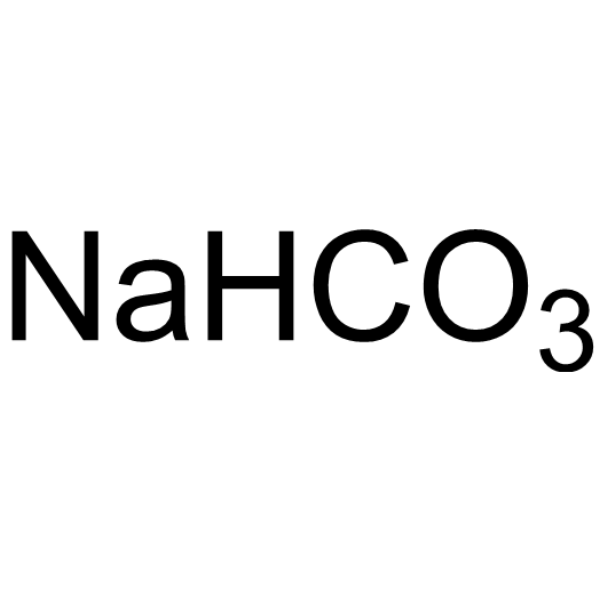
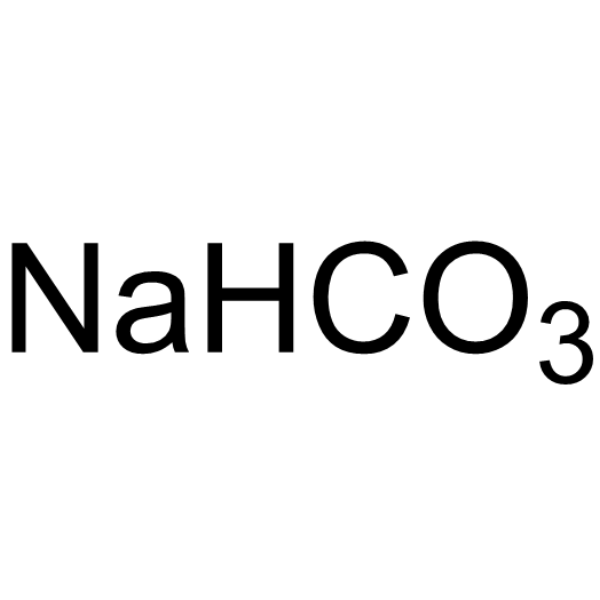
- Formula: NaHCO3
- Molecular Weight:84.01
-
Storage:
RT, protect from light.
In solvent -80°C, 1 year , -20°C, 6 months

To place orders, for customer services and technical support, please contact: MedChemExpress USA
Tel: 609-228-6898 E-mail: [email protected] [email protected]


-
 Biological Activity
-
Chemical Information
-
Solvent & Solubility
- Protocols
- Purity & Documentation
- References
-
 Help & FAQs


-
HY-Y0756
Sodium bicarbonateInorganic Salt -
HY-N0583
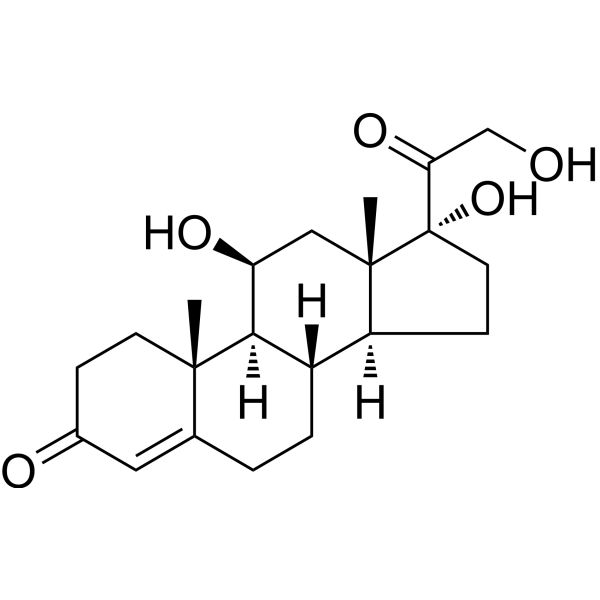
HydrocortisoneGlucocorticoid Receptor Agonist -
HY-Y0332K
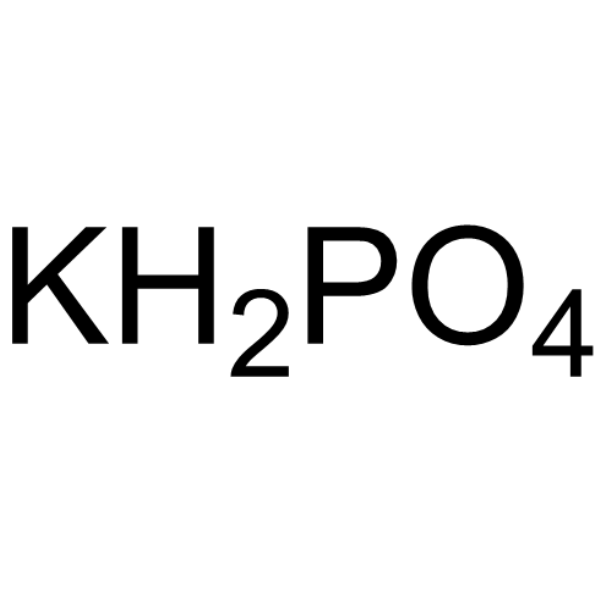
Potassium dihydrogen phosphate, for cell cultureCell Culture Reagent -
HY-B0389
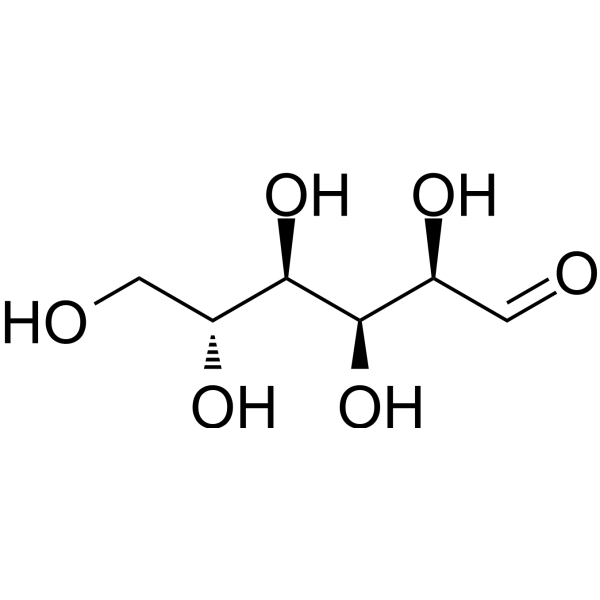
D-GlucoseMonosaccharide -
HY-Y0406E
Calcium chloride anhydrous, for cell cultureCalcium Chloride -
HY-W251598B
Sodium bicarbonate, for molecular biologyInorganic Salt -
HY-W019981C
Magnesium chloride hexahydrate, for cell cultureMagnesium Ion Source -
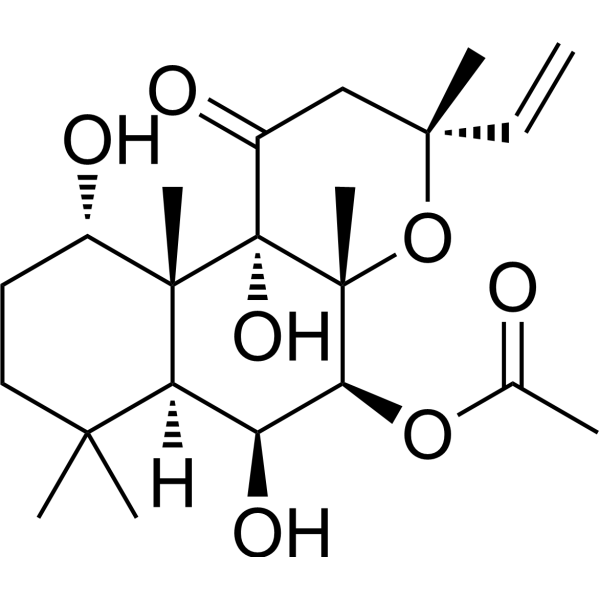
HY-15371
ForskolinAdenylate Cyclase Activator -
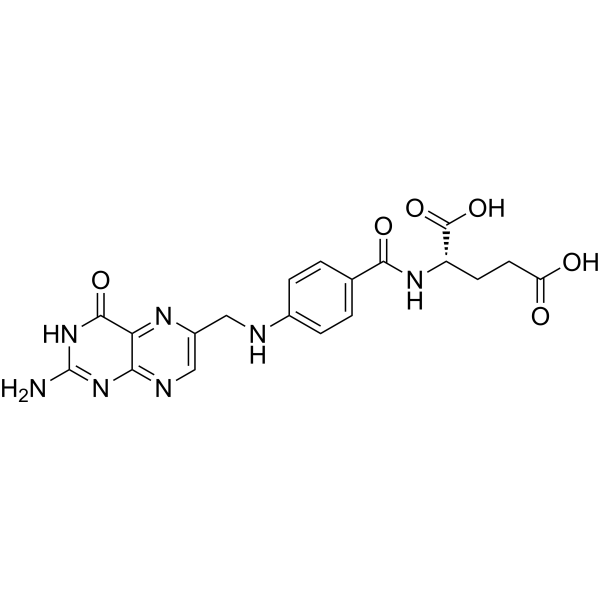
HY-16637
Folic acidB complex -
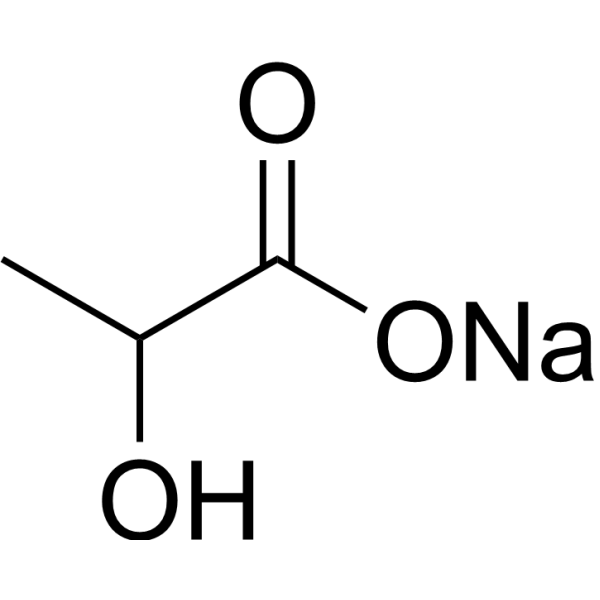
HY-B2227B
Lactic acid sodium (60% w/w in water)Glycolysis Production -

HY-P70311
Activin A Protein, Human/Mouse/Rat (HEK293) -
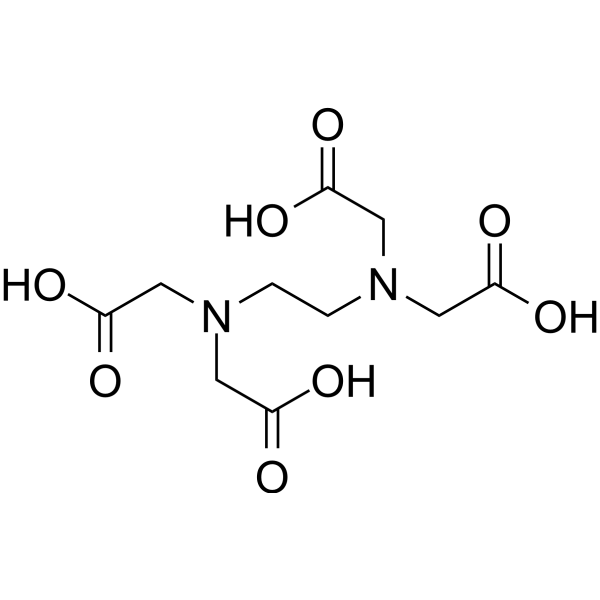
HY-Y0682
Ethylenediaminetetraacetic acidMetal Chelator


Biological Activity
Description
In Vitro
Sodium bicarbonate (0.06-0.12 M; 48 h) significantly inhibits the growth of bacteria such as Escherichia coli, Staphylococcus aureus, Pseudomonas aeruginosa, and Saccharomyces cerevisiae[2].
Sodium bicarbonate (14-44 mM; 20 h) enhances iNOS protein expression and NO production in LPS/IFNγ-stimulated J774.1/JA-4 and RAW264.7 macrophages in a concentration-dependent manner by regulating intracellular and extracellular pH. At 44 mM, NO production increased by 2.7 times[3].
Sodium bicarbonate (0.3 M; 6 d) inhibits breast cancer cell migration and enhances the toxicity of doxorubicin to triple-negative breast cancer cells by increasing the pH of the tumor microenvironment to 7.39, reducing cell viability to 12%[3].
MedChemExpress (MCE) has not independently confirmed the accuracy of these methods. They are for reference only. Further protocols information, click here.
In Vivo
Sodium bicarbonate (0.25 g/kg; oral gavage; single dose) reduces alcohol intake by 20% and significantly reduces alcohol preference by 20% in mice[6].
MedChemExpress (MCE) has not independently confirmed the accuracy of these methods. They are for reference only.


Chemical Information
-
CAS No. 144-55-8
-
Appearance Solid
-
Molecular Weight 84.01
-
Formula NaHCO3
-
Color White to off-white
-
SMILES
O=[C]OO[NaH]
-
Synonyms
Sodium hydrogen carbonate for cell culture; Soda bicarbonate for cell culture
-
Shipping
Room temperature in continental US; may vary elsewhere.
-
Storage
RT, protect from light
In solvent -80°C 1 year -20°C 6 months


Solvent & Solubility
In Vitro:
H2O : 100 mg/mL (1190.33 mM; Need ultrasonic)
Please refer to the solubility information to select the appropriate solvent. Once prepared, please aliquot and store the solution to prevent product inactivation from repeated freeze-thaw cycles.
Storage method and period of stock solution: -80°C, 1 year; -20°C, 6 months. When stored at -80°C, please use it within 1 year. When stored at -20°C, please use it within 6 months.
* Note: If you choose water as the stock solution, please dilute it to the working solution, then filter and sterilize it with a 0.22 μm filter before use.
Please refer to the solubility information to select the appropriate solvent. Once prepared, please aliquot and store the solution to prevent product inactivation from repeated freeze-thaw cycles.
Storage method and period of stock solution: -80°C, 1 year; -20°C, 6 months. When stored at -80°C, please use it within 1 year. When stored at -20°C, please use it within 6 months.
* Note: If you choose water as the stock solution, please dilute it to the working solution, then filter and sterilize it with a 0.22 μm filter before use.
Concentration (start) × Volume (start) = Concentration (final) × Volume (final)

Protocols
-
RNA extraction experimental
By lysing cells, releasing RNA, and removing impurities such as proteins and DNA, high-purity RNA products are finally obtained. The commonly used traditional method is the guanidine isothiocyanate/phenol/chloroform method (Trizol), which is suitable for a variety of animal materials including animal tissues, microorganisms, cultured cells, etc., and most plant materials.
-
Multiplex immunofluorescence IHC
Multiplex immunofluorescence IHC detects multiple protein biomarkers in one tissue section by sequential antibody staining, HRP-mediated tyramide fluorophore deposition, heat-mediated antibody stripping, nuclear counterstaining, multispectral imaging, spectral unmixing, and digital cell phenotyping; TSA deposits fluorophore near the antigen so the fluorescence signal remains after primary and secondary antibodies are removed, enabling repeated staining cycles, including with antibodies from the same host species. Classic FFPE tumor immune-profiling applications use panels such as CD3, CD8, CD68/CD163, FOXP3, PD-1, PD-L1, pancytokeratin, Ki67, and DAPI to identify tumor cells, immune-cell subsets, checkpoint-marker expression, co-expression phenotypes, cell density, and spatial relationships in the tumor microenvironment.
-
Multiplex immunohistochemistry
Multiplex immunohistochemistry (mIHC), also known as tyramide dignal amplification (TSA), is an enzymatic detection method that uses horseradish peroxidase (HRP) to perform high-density in-situ labeling of target proteins or nucleic acids.
-
Research Protocol for Cancer Immunology
Cancer immunology studies how the immune system recognizes, suppresses, edits, or fails to eliminate malignant cells through tumor antigen release, antigen presentation, T-cell priming, immune trafficking, tumor-cell killing, and feedback inhibition in the tumor microenvironment. The cancer-immunity cycle links tumor antigenicity, dendritic-cell priming, CD8+ T-cell infiltration, cytotoxic function, and immune-checkpoint regulation to tumor rejection or immune escape. Immune-checkpoint pathways such as PD-1/PD-L1 and CTLA-4 suppress antitumor T-cell activity and can be therapeutically blocked, but many tumors remain resistant because of poor antigen presentation, weak T-cell infiltration, suppressive myeloid cells, regulatory T cells, and tumor-intrinsic immune-exclusion programs. Unresolved questions include which immune-cell states predict response, how tumor-intrinsic pathways exclude immune cells, how myeloid suppression limits checkpoint blockade, and which combination strategies


Purity & Documentation
-
Data Sheet (275 KB)
-
SDS (396 KB)
- English - EN (396 KB)
- Français - FR (396 KB)
- Deutsch - DE (396 KB)
- Norwegian - NO (396 KB)
- Español - ES (396 KB)
- Swedish - SV (396 KB)
- Italian - IT (396 KB)
- Korean - KR (396 KB)
- Portuguese - PT (396 KB)
-
Handling Instructions (2659 KB)
References
[1]. Forsythe SM, et al. Sodium bicarbonate for the treatment of lactic acidosis. Chest. 2000 Jan;117(1):260-7. [Content Brief]
[3]. Kawakami T, et al. Sodium bicarbonate regulates nitric oxide production in mouse macrophage cell lines stimulated with lipopolysaccharide and interferon γ. Nitric Oxide. 2018 Sep 1;79:45-50. [Content Brief]
[4]. Robey IF, et al. Bicarbonate increases tumor pH and inhibits spontaneous metastases. Cancer Res. 2009 Mar 15;69(6):2260-8. [Content Brief]
[6]. Lin J, et al. Sodium Bicarbonate Decreases Alcohol Consumption in Mice. Int J Mol Sci. 2024 May 3;25(9):5006. [Content Brief]


Complete Stock Solution Preparation Table
Please refer to the solubility information to select the appropriate solvent. Once prepared, please aliquot and store the solution to prevent product inactivation from repeated freeze-thaw cycles.
Storage method and period of stock solution: -80°C, 1 year; -20°C, 6 months. When stored at -80°C, please use it within 1 year. When stored at -20°C, please use it within 6 months.
| Optional Solvent | Concentration Solvent Mass | 1 mg | 5 mg | 10 mg | 25 mg |
|---|---|---|---|---|---|
| H2O | 1 mM | 11.9033 mL | 59.5167 mL | 119.0334 mL | 297.5836 mL |
| 5 mM | 2.3807 mL | 11.9033 mL | 23.8067 mL | 59.5167 mL | |
| 10 mM | 1.1903 mL | 5.9517 mL | 11.9033 mL | 29.7584 mL | |
| 15 mM | 0.7936 mL | 3.9678 mL | 7.9356 mL | 19.8389 mL | |
| 20 mM | 0.5952 mL | 2.9758 mL | 5.9517 mL | 14.8792 mL | |
| 25 mM | 0.4761 mL | 2.3807 mL | 4.7613 mL | 11.9033 mL | |
| 30 mM | 0.3968 mL | 1.9839 mL | 3.9678 mL | 9.9195 mL | |
| 40 mM | 0.2976 mL | 1.4879 mL | 2.9758 mL | 7.4396 mL | |
| 50 mM | 0.2381 mL | 1.1903 mL | 2.3807 mL | 5.9517 mL | |
| 60 mM | 0.1984 mL | 0.9919 mL | 1.9839 mL | 4.9597 mL | |
| 80 mM | 0.1488 mL | 0.7440 mL | 1.4879 mL | 3.7198 mL | |
| 100 mM | 0.1190 mL | 0.5952 mL | 1.1903 mL | 2.9758 mL |
* Note: If you choose water as the stock solution, please dilute it to the working solution, then filter and sterilize it with a 0.22 μm filter before use.


Sodium bicarbonate, for cell culture Related Classifications
HY-W251598C Related Classifications
 Powered by Bioz