1. Search Result
Search Result
Results for "

hERG inhibition

" in MedChemExpress (MCE) Product Catalog:

54

Inhibitors & Agonists

1

Screening Libraries

1

Peptides

1

Natural
Products

1

Isotope-Labeled Compounds

Cat. No. 상품명 Target 연구분야 Chemical Structure
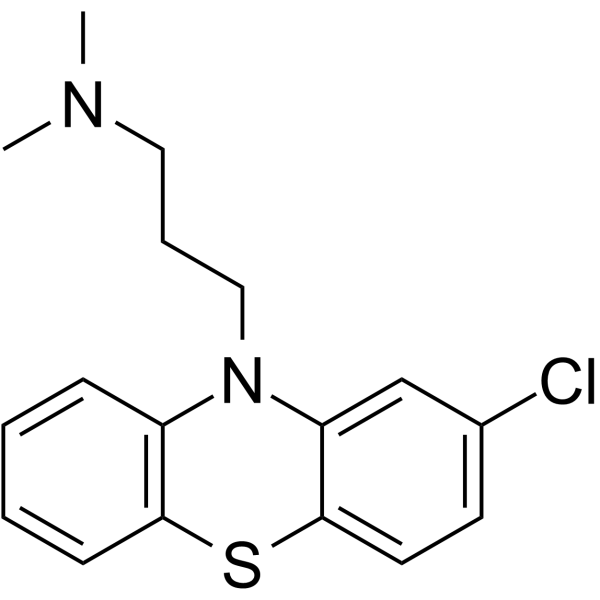
  • HY-12708
    Chlorpromazine
    Maximum Cited Publications
    128 Publications Verification

    Dopamine Receptor Cytochrome P450 Autophagy 5-HT Receptor Cardiovascular Disease Neurological Disease Cancer
    Chlorpromazine is an orally active, blood-brain barrier-transparent antipsychotic agent that effectively antagonises D2 dopamine receptors and 5-HT2A, which is widely used in schizophrenia and other psychiatric disorders. Chlorpromazine exerts anti-cancer activity through a variety of pathways, including anti-proliferation, induction of autophagy and cycle arrest (G2-M phase), inhibition of cytochrome c oxidase (CcO), inhibition of tumour growth and metastasis, and inhibition of tumour immune escape. Chlorpromazine also blocks hNav1.7 channels (IC50=25.9 μM; concentration-dependent) and HERG potassium channels (IC50=21.6 μM), which has potential for analgesic and cardiac arrhythmic studies. Chlorpromazine also can inhibit clathrin-mediated endocytosis .
    Chlorpromazine
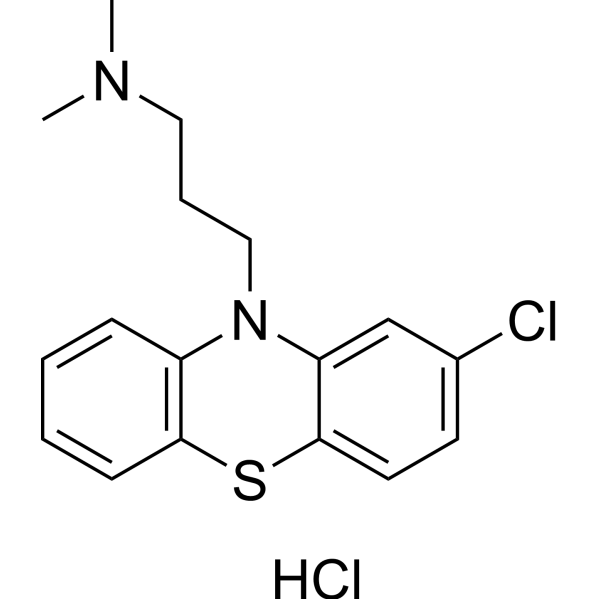
  • HY-B0407A
    Chlorpromazine hydrochloride
    Maximum Cited Publications
    128 Publications Verification

    Dopamine Receptor Autophagy Cytochrome P450 5-HT Receptor Cardiovascular Disease Neurological Disease Cancer
    Chlorpromazine hydrochloride is an orally active, blood-brain barrier-transparent antipsychotic agent that effectively antagonises D2 dopamine receptors and 5-HT2A, which is widely used in schizophrenia and other psychiatric disorders. Chlorpromazine hydrochloride exerts anti-cancer activity through a variety of pathways, including anti-proliferation, induction of autophagy and cycle arrest (G2-M phase), inhibition of cytochrome c oxidase (CcO), inhibition of tumour growth and metastasis, and inhibition of tumour immune escape. Chlorpromazine hydrochloride also blocks hNav1.7 channels (IC50=25.9 μM; concentration-dependent) and HERG potassium channels (IC50=21.6 μM), which has potential for analgesic and cardiac arrhythmic studies. Chlorpromazine hydrochloride also can inhibit clathrin-mediated endocytosis .
    Chlorpromazine hydrochloride
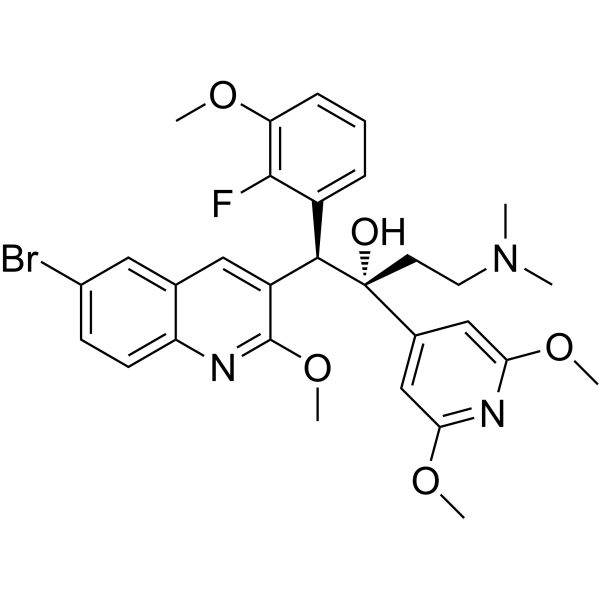
  • HY-111747
    TBAJ-587
    3 Publications Verification

    Bacterial Infection Cardiovascular Disease
    TBAJ-587, a potent anti-tuberculosis agent, inhibits M.tb strain H37Rv growth with MIC90s of 0.006 and <0.02 μg/mL in MABA and LORA assay, respectively. TBAJ-587 inhibits hERG channel minimally, attenuates inhibition of the cardiac potassium channel protein coded by the hERG, which is important for cardiac repolarization .
    TBAJ-587
  • HY-154980

    GPR52 Neurological Disease
    NXE0041178 is an orally active and BBB-penetrant full GPR52 agonist, with a pEC50 of 7.5 for human GPR52 and an EC50 of 27.5 nM (pEC50 = 7.55) for rat GPR52. NXE0041178 shows no significant inhibition on hERG, hNaV1.5 and cytochrome P450 isoforms. NXE0041178 can reduce d-amphetamine-induced hyperactivity in rats. NXE0041178 can be used for research of Neurological disease .
    NXE0041178
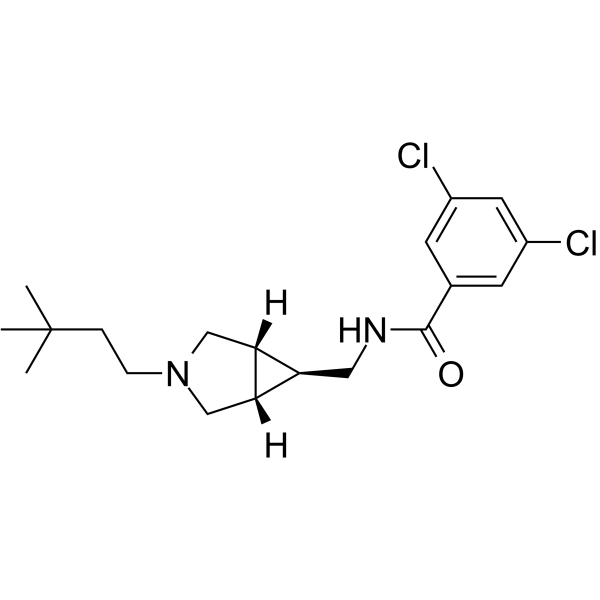
  • HY-103309
    ML218
    2 Publications Verification

    Calcium Channel Neurological Disease
    ML218 is a potent, selective and orally active T-type Ca 2+ channels (Cav3.1, Cav3.2, Cav3.3) inhibitor with IC50s of 310 nM and 270 nM for Cav3.2 and Cav3.3, respectively. ML218 inhibits the burst activity in subthalamic nucleus (STN) neurons. ML218 has no significant inhibition of L- or N-type calcium channels, KATP or hERG potassium channels. ML218 can penetrate the blood-brain barrier .
    ML218
  • HY-102037

    Somatostatin Receptor Metabolic Disease Endocrinology
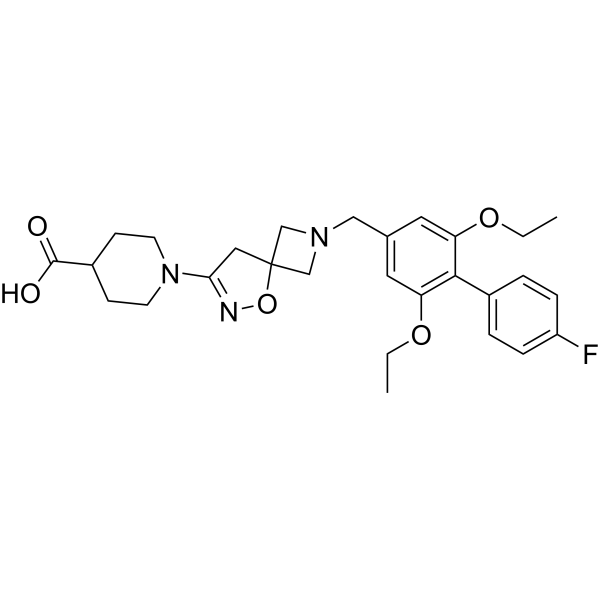
    SSTR5 antagonist 1 (compound 25a) is a selective and orally available somatostatin receptor subtype 5 (SSTR5) antagonist with IC50s of 9.6 and 57 nM for hSSTR5 and mSSTR5, respectively .
    SSTR5 antagonist 1
  • HY-175479

    Salt-inducible Kinase (SIK) TNF Receptor Interleukin Related Inflammation/Immunology
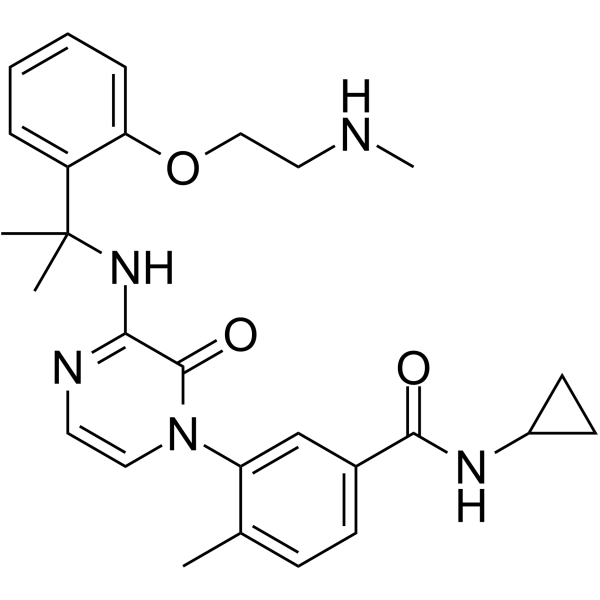
    GLPG4970 is a potent, selective and orally active salt-inducible kinase 2/3 (SIK2/SIK3) dual inhibitor with IC50 values of 0.3 nM and 0.7 nM. GLPG4970 has weak inhibition of hERG channel with an IC50 of 29 μM. GLPG4970 can decrease TNFα release and increase IL-10 release GLPG4970 can be used for the researches of inflammation and immunology, such as colitis .
    GLPG4970
  • HY-P5542

    SB-01; Peniel 2000

    Factor Xa TGF-beta/Smad Inflammation/Immunology
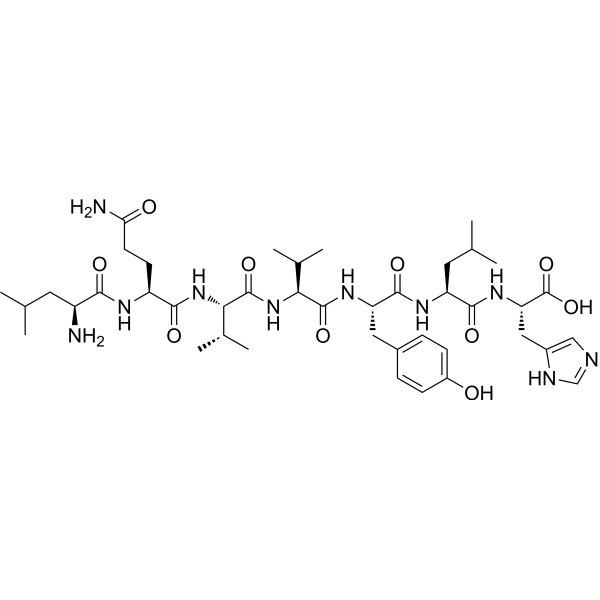
    Vicatertide (SB-01, Peniel 2000) is a polypeptide with both competitive inhibitory activity against TGF-β1 and selective inhibitory activity against human factor XIa (hFXIa, with a Ka of 80 nM for hFXIa). Vicatertide binds allosterically to the two binding sites of dimeric hFXI/hFXIa, while directly binding to activated TGF-β1, selectively blocking the Smad1/5/8 pathway and maintaining low-level activation of the Smad2 pathway to enhance the synthesis of type Ⅱ collagen and aggrecan. Vicatertide inhibits thrombus formation in arteriovenous thrombosis models, and also reduces thrombus weight and thrombus incidence in mouse lung cancer models. Vicatertide can be used for research on degenerative disc disease and thrombosis-related diseases .
    Vicatertide
  • HY-131335

    p38 MAPK Inflammation/Immunology
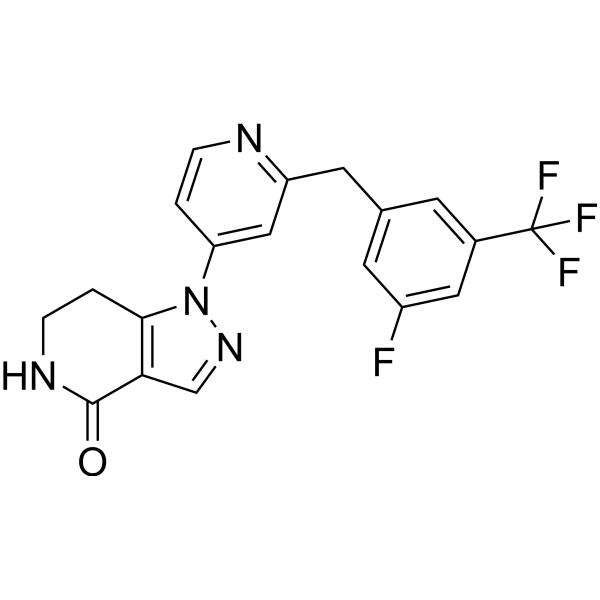
    p38α inhibitor 2 is a highly potent and selective p38α MAPK inhibitor, with a pIC50 of 9.6. p38α inhibitor 2 inhibits the hERG ion channel (IC50=27 μM) and shows a promising selectivity profile when tested in a panel of 51 other protein kinases (<30% inhibition at 10 μM concentration) and a panel of 141 other biological targets .
    p38α inhibitor 2
  • HY-163996

    GLP Receptor Potassium Channel Cytochrome P450 Metabolic Disease
    DD202-114 is a potent and selective GLP1R agonist. DD202-114 inhibits hERG with an IC50 of 15.9 μM. DD202-114 exhibits strong CYP2C8 inhibition with an IC50 of 0.22 μM. DD202-114 promotes cAMP accumulation. DD202-114 reduces blood glucose levels and food intake. DD202-114 has the potential to be used in the study of type 2 diabetes mellitus (T2DM) and obesity .
    DD202-114
  • HY-178494

    Sodium Channel Potassium Channel Neurological Disease
    Nav1.7-IN-19 is a potent, selective and orally active Nav1.7 inhibitor with an IC50 of 0.49 μM. Nav1.7-IN-19 shows high selectivity for Nav1.7, with selectivities of 312-fold and 662-fold against Nav1.1 and Nav1.5 in the inactivated state. Nav1.7-IN-19 exhibits weak inhibition on hERG potassium channels. Nav1.7-IN-19 exhibits analgesic effect and can be used for the research of neurological disease .
    Nav1.7-IN-19
  • HY-172930

    Molecular Glues IKZF Family Potassium Channel Inflammation/Immunology Cancer
    PVTX-405 is a selective and oral active IKZF2 molecular glue degrader with a DC50  of  0.7 nM and a Dmax of 91%. PVTX-405 enhances degradation efficiency, significantly reduces off-target degradation, and alleviates hERG inhibition with IC50 of 48 µM. PVTX-405 significantly inhibits the growth of MC38 tumors, with greater synergistic anti-cancer efficacy in combination with immune checkpoint therapies (ICTs) (anti-PD1 or anti-LAG3) in the MC38 mouse tumor xenograft model using Crbn 391V C57BL/6 mice .
    PVTX-405
  • HY-144341

    Bacterial Infection
    DprE1-IN-1 is a potent, orally active DprE1 inhibitor with favorable hepatocyte stability, low cytotoxicity and low hERG channel inhibition. DprE1-IN-1 displays potent activity against both agent-susceptible and clinically isolated drug-resistant Tuberculosis strains with MICs10 CFU reduction in macrophages.
    DprE1-IN-1
  • HY-175822

    5-HT Receptor Neurological Disease
    5-HT2A inverse agonist-1 is a 5-HT2A receptor inverse agonist with a IC50 of 5.5 nM. 5-HT2A inverse agonist-1 shows minimal hERG inhibition. 5-HT2A inverse agonist-1 can be used for the research of neurological disease, such as Parkinson’s disease .
    5-HT2A inverse agonist-1
  • HY-W064918

    Bacterial Infection
    NITD-304 is an orally active anti-tuberculosis agent. NITD-304 exerts inhibitory and bactericidal activities gainst Mycobacterium tuberculosis and multidrug-resistant Mycobacterium tuberculosis. NITD-304 inhibits mycobacterial cell wall biosynthesis and demonstrates synergistic or additive growth inhibitory activity with select antibacterial agents. NITD-304 shows low risk of cardiotoxicity and drug-drug interactions, with no inhibition of major cytochrome P-450 enzymes or hERG channel. NITD-304 can be used for the research of tuberculosis and multidrug-resistant tuberculosis .
    NITD-304
  • HY-146380

    Histone Demethylase Cancer
    S1427 is a tranylcypromine-derived LSD1 inhibitor with the IC50 of 390 nM and Ki of 80 nM. S1427 exhibits desirable hERG channel inhibition and microsomal stability profiles. Inhibition of LSD1 partially reduces the proliferation of cancer cells .
    S1427
  • HY-179447

    PD-1/PD-L1 Cancer
    PD-L1-IN-8 is a PD-L1 inhibitor (IC50 = 0.89 nM). PD-L1-IN-8 shows low CYP inhibition and minimal hERG activity. PD-L1-IN-8 can be used for the study of colon cancer .
    PD-L1-IN-8
  • HY-144437

    TGF-β Receptor Cancer
    ALK5-IN-9 (Compound 8h) is a potent and orally active inhibitor of TGFβRI (ALK5). ALK5-IN-9 inhibits ALK5 autophosphorylation and NIH3T3 cell activity with IC50 values of 25 nM and 74.6 nM, respectively. ALK5-IN-9 also shows favorable pharmacokinetic profile and ameliorated hERG inhibition. ALK5-IN-9 has the potential for the research of cancer disease .
    ALK5-IN-9
  • HY-B0407AR

    Reference Standards Dopamine Receptor Autophagy Cytochrome P450 5-HT Receptor Cardiovascular Disease Neurological Disease Cancer
    Chlorpromazine (hydrochloride) (Standard) is the analytical standard of Chlorpromazine (hydrochloride). This product is intended for research and analytical applications. Chlorpromazine hydrochloride is an orally active, blood-brain barrier-transparent antipsychotic agent that effectively antagonises D2 dopamine receptors and 5-HT2A, which is widely used in schizophrenia and other psychiatric disorders. Chlorpromazine hydrochloride exerts anti-cancer activity through a variety of pathways, including anti-proliferation, induction of autophagy and cycle arrest (G2-M phase), inhibition of cytochrome c oxidase (CcO), inhibition of tumour growth and metastasis, and inhibition of tumour immune escape. Chlorpromazine hydrochloride also blocks hNav1.7 channels (IC50=25.9 μM; concentration-dependent) and HERG potassium channels (IC50=21.6 μM), which has potential for analgesic and cardiac arrhythmic studies. Chlorpromazine hydrochloride also can inhibit clathrin-mediated endocytosis .
    Chlorpromazine hydrochloride (Standard)
  • HY-169001

    5-HT Receptor Neurological Disease
    5-HT2A/5-HT2C inverse agonist 1 is a potent and dual 5-HT2A and 5-HT2C receptor inverse agonist with a hERG inhibitions, thus avoiding cardiovascular risks. 5-HT2A/5-HT2C inverse agonist 1 shows significant antipsychotic efficacy in the MK-801 (HY-15084B)-induced mouse model. 5-HT2A/5-HT2C inverse agonist 1 is promising for research of psychosis .
    5-HT2A/5-HT2C inverse agonist 1
  • HY-178775

    PI4K Parasite MAP4K PI3K Infection
    PI4K-IN-3 (Compound 27) is an orally active PI4K inhibitor with an IC50 of 1.9  nM for Plasmodium vivax PI4K. PI4K-IN-3 has no hERG channel inhibition and mammalian cytotoxicity. PI4K-IN-3 has significant selectivity against the human MINK1 and MAP4K4 kinases but with low selectivity against human PI3Kα and PI4Kβ. PI4K-IN-3 has potent antimalarial activity and significantly reduces parasitaemia in NSG mice mouse models of Plasmodium falciparum malaria .
    PI4K-IN-3
  • HY-120713

    HCV Infection
    MK-8325 (dihydrochloride) is an inhibitor of HCV NS5A with oral activity. MK-8325 exhibits minimal inhibition on hERG at the concentration of 30 mM .
    MK-8325 dihydrochloride
  • HY-160658

    CCR Inflammation/Immunology
    AZ760 is a CCR8 antagonist. AZ760 shows excellent potency, good lipophilicity and high free fraction in blood. AZ760 exhibits unacceptable hERG inhibition .
    AZ760
  • HY-163718

    Ferroptosis Neurological Disease
    Ferroptosis-IN-9 (compound 23b) is a ferroptosis inhibitor with an IC50 value of >30uM for hERG inhibition. Ferroptosis-IN-9 is a ROS scavenger. Ferroptosis-IN-9 can be used in neurodegenerative disease research .
    Ferroptosis-IN-9
  • HY-169916

    Bacterial Estrogen Receptor/ERR Infection
    GuaB-IN-1 (Compound 15) exhibits high potency against M.tb with a MIC value of 0.25 μM. GuaB-IN-1 has a favorable 28% hERG inhibition profile at 10 μM. GuaB-IN-1 is promising for research of tuberculosis .
    GuaB-IN-1
  • HY-113701

    Androgen Receptor Cancer
    CH5137291 is an orally active pure antagonist of the androgen receptor (AR), without generating agonist metabolites. CCH5137291 directly blocks the transfer of AR from the cytoplasm to the nucleus. H5137291 can completely inhibit tumor growth in cells and mouse models of castration-resistant prostate cancer models. CH5137291 can be used for the study of castration-resistant prostate cancer (CRPC) .
    CH5137291
  • HY-147691

    Glutathione Peroxidase Potassium Channel Inflammation/Immunology
    MPO-IN-5 (compound 1) is a potent, irreversible MPO (myeloperoxidase) inhibitor. MPO-IN-5 inhibits MPO peroxidation and hERG binding, with IC50 values of 0.22 and 2.8 μM, respectively. MPO-IN-5 shows rapid kinetics of inhibition, with enzyme inactivation rate (kinact/Ki) of 23000 M −1s −1 .
    MPO-IN-5
  • HY-157303

    Somatostatin Receptor Cardiovascular Disease
    SSTR5 antagonist 3 (Compound 23) is an orally active somatostatin receptor subtype 5 (SSTR5) antagonist with low hERG inhibition. SSTR5 antagonist 3 exhibits potency with IC50 values of 2.8 nM and 1.4 nM in human and mouse, respectively. SSTR5 antagonist 3 can be used for the research of anti-gallstone .
    SSTR5 antagonist 3
  • HY-150562

    CDK Cancer
    CDK9-IN-19 is a highly potent and selective CDK9 inhibitor with an IC50 value of 2.0 nM. CDK9-IN-19 has excellent cellular antiproliferative activity, moderate pharmacokinetic property and low hERG inhibition. CDK9-IN-19 significantly induces tumour growth inhibition in an MV4-11 xenograft mice model. CDK9-IN-19 can be used for researching acute myeloid leukaemia (AML) .
    CDK9-IN-19
  • HY-130244

    Beta-secretase Neurological Disease
    BACE1-IN-5 (Compound 15) is a β-site amyloid precursor protein cleaving enzyme 1 (BACE1) inhibitor with an IC50 of 9.1 nM, and also inhibits cellular amyloid-β (Aβ) with an IC50 of 0.82 nM. BACE1-IN-5 has a medicinal chemistry that improves hERG inhibition and P-gp efflux .
    BACE1-IN-5
  • HY-160588

    Sodium Channel Potassium Channel Neurological Disease
    Nav1.8-IN-7 (Example 116) is a selective Nav1.8 inhibitor. Nav1.8-IN-7 shows an inhibition of >50% with 100 nM for Nav1.8. Nav1.8-IN-7 inhibits hERG with an IC50 of 15.6 μM. Nav1.8-IN-7 has the potential for pain research .
    Nav1.8-IN-7
  • HY-147841

    HIV Reverse Transcriptase Infection
    HIV-1 inhibitor-41 (Compound B23) is an orally active non-nucleoside HIV-1 reverse transcriptase inhibitor with EC50 values of 20.8 nM and 50 nM against HIV-1 WT and mutant E138K strain, respectively. HIV-1 inhibitor-41 shows low hERG, no apparent CYP enzymatic inhibition and no acute toxicity .
    HIV-1 inhibitor-41
  • HY-157929

    Keap1-Nrf2 Inflammation/Immunology Cancer
    Keap1-Nrf2-IN-19 (compound 33) is an oral active Keap1-Nrf2 protein–protein interaction (PPI) inhibitor with the Kd value of 0.0014 μM. Keap1-Nrf2-IN-19 exhibits less than 50% inhibition at 30 μM against hERG and 10 μM against CYPs .
    Keap1-Nrf2-IN-19
  • HY-170227

    Phosphodiesterase (PDE) TGF-β Receptor Inflammation/Immunology
    Autotaxin-IN-7 (45), a pyridine-2-carboxylic derivative, demonstrates subnanomolar ATX inhibition (IC50 = 0.086 nM), with a favorable heart safety profile (hERG > 30 μM) and minimal fibroblast toxicity. Autotaxin-IN-7 (45) suppresses the TGF-β/Smad signaling pathway, downregulating α-smooth muscle actin (α-SMA) and extracellular matrix components (ECM). Autotaxin-IN-7 (45) is used in the research for pulmonary fibrosis .
    Autotaxin-IN-7
  • HY-103309A

    Calcium Channel Neurological Disease
    ML218 hydrochloride is a potent, selective and orally active T-type Ca 2+ channels (Cav3.1, Cav3.2, Cav3.3) inhibitor with IC50s of 310 nM and 270 nM for Cav3.2 and Cav3.3, respectively. ML218 hydrochloride inhibits the burst activity in subthalamic nucleus (STN) neurons. ML218 hydrochloride has no significant inhibition of L- or N-type calcium channels, KATP or hERG potassium channels. ML218 hydrochloride can penetrate the blood-brain barrier .
    ML218 hydrochloride
  • HY-W041470R

    Reference Standards Endogenous Metabolite Metabolic Disease
    Chlorpromazine (hydrochloride) (Standard) is the analytical standard of Chlorpromazine (hydrochloride). This product is intended for research and analytical applications. Chlorpromazine hydrochloride is an orally active, blood-brain barrier-transparent antipsychotic agent that effectively antagonises D2 dopamine receptors and 5-HT2A, which is widely used in schizophrenia and other psychiatric disorders. Chlorpromazine hydrochloride exerts anti-cancer activity through a variety of pathways, including anti-proliferation, induction of autophagy and cycle arrest (G2-M phase), inhibition of cytochrome c oxidase (CcO), inhibition of tumour growth and metastasis, and inhibition of tumour immune escape. Chlorpromazine hydrochloride also blocks hNav1.7 channels (IC50=25.9 μM; concentration-dependent) and HERG potassium channels (IC50=21.6 μM), which has potential for analgesic and cardiac arrhythmic studies. Chlorpromazine hydrochloride also can inhibit clathrin-mediated endocytosis .
    4-Methyl-1-phenyl-2-pentanone (Standard)
  • HY-157425

    5-HT Receptor Neurological Disease
    5-HT2CR agonist 1 (compound 8), a 7-chloro analogue, is a selective 5-HT2CR partial agonist (Emax=71.09%) with an EC50 value of 121.5 nM and no observed activity toward 5-HT2AR or 5-HT2BR. 5-HT2CR agonist 1 exhibits no recruitment activity for β-arrestin and shows low inhibition of hERG at 10 μM .
    5-HT2CR agonist 1
  • HY-103309S

    Calcium Channel Neurological Disease
    ML218-d9 is the deuterium labeled ML218. ML218 is a potent, selective and orally active T-type Ca2+ channels (Cav3.1, Cav3.2, Cav3.3) inhibitor with IC50s of 310 nM and 270 nM for Cav3.2 and Cav3.3, respectively. ML218 inhibits the burst activity in subthalamic nucleus (STN) neurons. ML218 has no significant inhibition of L- or N-type calcium channels, KATP or hERG potassium channels. ML218 can penetrate the blood-brain barrier .
    ML218-d9
  • HY-163982

    NF-κB FOXO Inflammation/Immunology
    FOXJ1 agonist 1 (compound 16c) is an orally effective small molecule that can effectively enhance the expression of FOXJ1. Foxj1-IN-1 acts on the mammalian airway system composed of multiciliated cells (MCC) to prevent the development and onset of chronic obstructive pulmonary disease (COPD). Foxj1-IN-1 can induce the production of motile cilia in the respiratory system of zebrafish and mammals, and inhibit elastase-induced COPD mouse models. Foxj1-IN-1 has good liver microsomal stability, in vivo PK curve and AUC; it has no significant inhibition of CYP and hERG, and does not have significant cytotoxicity .
    FOXJ1 agonist 1
  • HY-146468

    Dipeptidyl Peptidase GPR119 Potassium Channel Metabolic Disease
    DPP-4/GPR119 modulator 1 (Compound 22) is an orally active dipeptidyl peptidase IV (DPP-IV) inhibitor and GPR119 agonist. DPP-4/GPR119 modulator 1 shows blood glucose-lowering effect and moderate inhibition on hERG channel with an IC50 of 4.9 μM. DPP-4/GPR119 modulator 1 can be used for diabetes research . DPP-4/GPR119 modulator 1 is a click chemistry reagent, it contains an Alkyne group and can undergo copper-catalyzed azide-alkyne cycloaddition (CuAAc) with molecules containing Azide groups.
    DPP-4/GPR119 modulator 1
  • HY-178471

    FABP Interleukin Related Metabolic Disease Inflammation/Immunology
    FABP4/5-IN-6 is an orally active, potent FABP4/5 inhibitor (Ki = 0.41/2.53 μM), showing low selectivity over FABP3 (Ki = 59.72 μM). FABP4/5-IN-6 inhibits the secretion of MCP-1 and IL-6 in Lipopolysaccharides (HY-D1056) (LPS)-induced THP-1 macrophage. FABP4/5-IN-6 exhibits significant anti-inflammatory effects and attenuates LPS-induced liver injury. FABP4/5-IN-6 has low hERG inhibition (LD50 > 2000 mg/kg). FABP4/5-IN-6 can be used for the study of Inflammation-related diseases .
    FABP4/5-IN-6
  • HY-102037R

    Reference Standards Somatostatin Receptor Metabolic Disease Endocrinology
    SSTR5 antagonist 1 (Standard) is the analytical standard of SSTR5 antagonist 1 (HY-102037). This product is intended for research and analytical applications. SSTR5 antagonist 1 (compound 25a) is a selective and orally available somatostatin receptor subtype 5 (SSTR5) antagonist with IC50s of 9.6 and 57 nM for hSSTR5 and mSSTR5, respectively .
    SSTR5 antagonist 1 (Standard)
  • HY-18176

    nAChR Potassium Channel Neurological Disease
    SEN 78702 is an orally active, selective, full α7 nAChR agonist, with a pEC50 of 6.13. SEN 78702 has an acceptable hERG inhibition (IC50: 15.8 μM). SEN 78702 induces memory enhancement .
    SEN 78702
  • HY-181745

    Bacterial Infection
    Pks13-IN-3 is a furo[2,3-b]isoquinoline derivative and Pks13 inhibitor with an IC50 of 1.12 μM. Pks13-IN-3 reduces inhibition of the hERG ion channel. Pks13-IN-3 can be used for the research of tuberculosis .
    Pks13-IN-3
  • HY-180790

    Bacterial Infection
    Antimycobacterial agent-15 (Compound 55) is a highly selective anti-mycobacterial agent that has an MIC99 of 8 μM against Mycobacterium tuberculosis H37Rv. Antimycobacterial agent-15 exhibits significant efficacy against multidrug-resistant and extensively drug-resistant isolates. This agent can be used in the research of tuberculosis .
    Antimycobacterial agent-15
  • HY-153047

    Ser/Thr Protease Inflammation/Immunology
    Trypsin-IN-2 (Compound 12) is an efficient and highly selective inhibitor of human trypsin, with an IC₅₀ of 8 nM. Trypsin-IN-2 can be used for research on pancreatic cancer .
    Trypsin-IN-2
  • HY-179580

    PPAR Phosphodiesterase (PDE) Inflammation/Immunology
    EL244 is a dua Autotaxin (ATX) (IC50 = 50 nM) inhibitor and PPARγ (IC50 = 1.3 μM; Kd = 1.3 μM) agonist. EL244 demonstrates low cytotoxicity in human HepG2 cells (EC50 = 81.2 μM) with minimal inhibition of the cardiac hERG potassium channel (12% at 25 μM). EL244 significantly reduces pulmonary Lysophosphatidic Acid (LPA) levels, attenuates fibrosis, and restores respiratory function with limited systemic absorption in vivo. EL244 can be used for idiopathic pulmonary fibrosis and interstitial lung disease (ILD) research .
    EL244
  • HY-180579

    IRAK TNF Receptor IFNAR Inflammation/Immunology
    IRAK4-IN-33 (Compound 22) is a selective, potent and orally active interleukin-1 receptor-associated kinase 4 (IRAK4) inhibitor with an IC50 0.36 nM. IRAK4-IN-33 can block the pro-inflammatory signaling pathway mediated by IRAK4 and inhibit the release of TNFα and IFNα. IRAK4-IN-33 shows weak inhibition for hERG channel (IC50 > 30 μM). IRAK4-IN-33 can be used for the research of inflammation and immunology, such as rheumatoid arthritis .
    IRAK4-IN-33
  • HY-182916

    HIV Reverse Transcriptase Infection
    NNRT-IN-16, Rilpivirin (HY-10574) analogue, is a non-nucleoside reverse transcriptase inhibitor (NNRTI). NNRT-IN-16 inhibits recombinant WT HIV-1 RT with an IC50 of 0.07 μM. NNRT-IN-16 exerts antiviral activity against wild-type and drug-resistant HIV-1 mutants, shows attenuated CYP isoenzyme and hERG inhibition, reduced cytotoxicity, and improved metabolic stability in human liver microsomes. NNRT-IN-16 can be used for the research of HIV-1 infection .
    NNRT-IN-16
  • HY-180919

    Potassium Channel Drug Metabolite Cancer
    ERG-IN-5 (Compound M1) is a metabolite of ERG-IN-4 (HY-180918), and it is a hERG potassium channel inhibitor with an IC50 of 1.5 μM. ERG-IN-5 is cytotoxic to MTAP del HCT116 and its CC50 is 28 nM. ERG-IN-5 can be used for the study of colon cancer .
    ERG-IN-5

온라인 문의

Your information is safe with us. * Required Fields.

호칭


Country or Region *

고객명 *


회사명 *

Department *


메일주소 *


상품명 *

Cat. No.


Requested quantity *

전화번호 *


비고

온라인 문의

Inquiry Information

상품명:
Cat. No.:
수량:
MCE Japan Authorized Agent:

