

From 11:00 pm to 12:00 pm EST ( 8:00 pm to 9:00 pm PST ) on January 6th, the website will be under maintenance. We are sorry for the inconvenience. Please arrange your schedule properly.
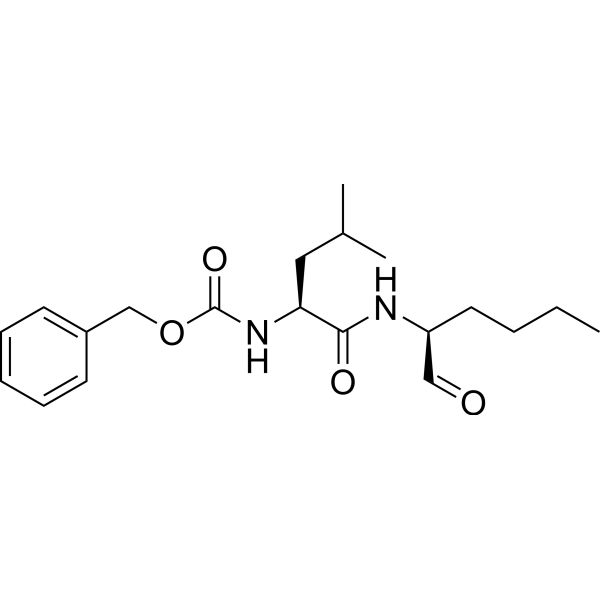
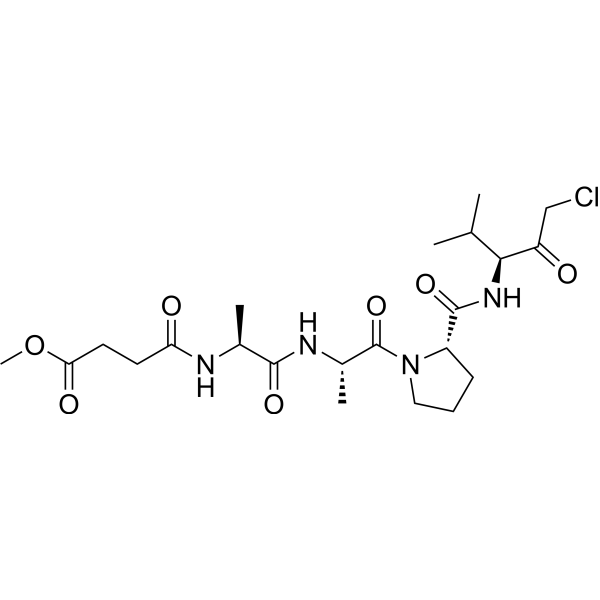
Calpeptin is a potent, cell penetrating calpain inhibitor, with an ID50 of 40 nM for Calpain I in human platelets . Calpeptin is also an inhibitor of cathepsin K .
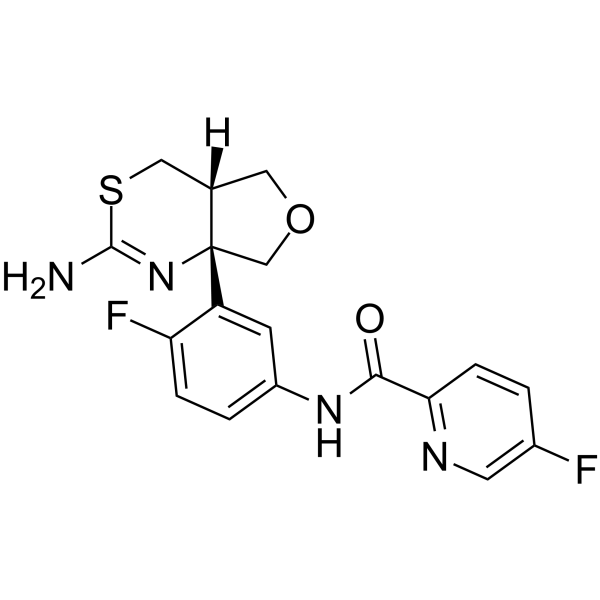
LY2886721 is a potent, selective and orally active beta-site amyloid precursor protein cleaving enzyme 1 (BACE1) inhibitor with an IC50 of 20.3 nM for recombinant humanBACE1. LY2886721 is selectivity against cathepsin D, pepsin, and renin, but lacking selectivity against BACE2 (IC50 of 10.2 nM). LY2886721 can across blood-brain barrier and has the potential for Alzheimer's disease treatment .
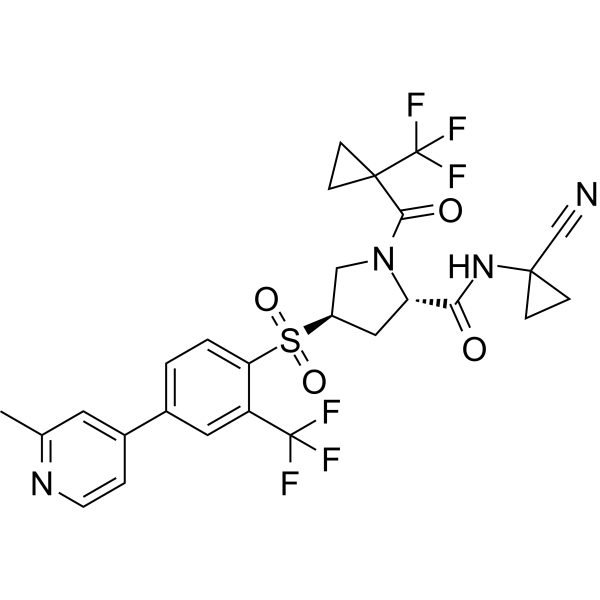
RO5461111 a highly specific and orally active antagonist of Cathepsin S with IC50s of 0.4 nM (humanCathepsin S) and 0.5 nM (murine Cathepsin S), respectively. RO5461111 can effectively inhibit the activation of antigen-specific T cells and B cells. RO5461111 can improve pulmonary inflammation and lupus nephritis .
FZ-AD005 is a DLL3-targeting antibody-drug conjugate (ADC) with high selectivity, composed of the anti-DLL3 antibody FZ-A038 (HY-P990896), a dipeptide linker (Val-Ala), and DXd (HY-13631D). The Kd value of FZ-AD005 for humanDLL3 ranges from 13.29 to 58.3 pmol/L. After binding to DLL3 on the cell surface, FZ-AD005 mediates endocytosis, and the payload DXd is released via cleavage by lysosomal cathepsins. DXd inhibits topoisomerase TopI to induce double-strand DNA breaks, cell cycle arrest and apoptosis, and FZ-AD005 exhibits bystander killing activity against adjacent DLL3-negative cells. FZ-AD005 shows stable circulation in vivo, has good tolerance and acceptable pharmacokinetic profiles in rats and cynomolgus monkeys, and effectively inhibits the growth of DLL3-expressing tumor cells. FZ-AD005 serves as a promising candidate molecule for research on small cell lung cancer and human neuroendocrine prostate cancer .
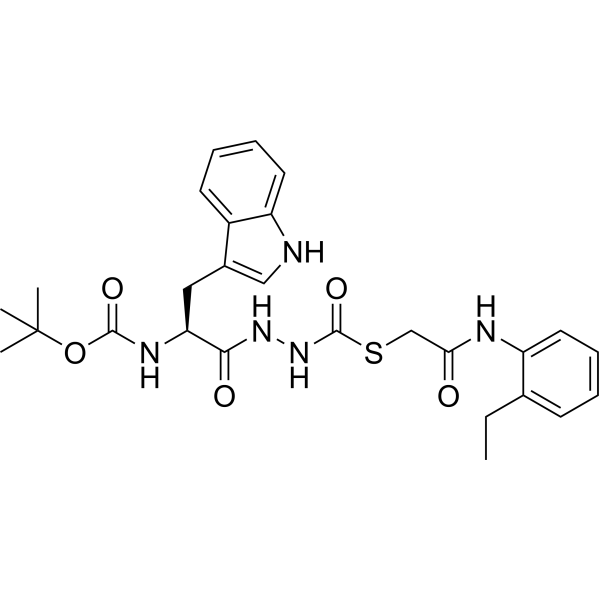
SID 26681509 is a potent, reversible, competitive, and selective inhibitor of humancathepsin L with an IC50 of 56 nM. SID 26681509 inhibits in vitro propagation of malaria parasite Plasmodium falciparum and inhibits Leishmania major with IC50s of 15.4 μM and 12.5 μM, respectively. SID 26681509 shows no inhibitory activity against cathepsin G .
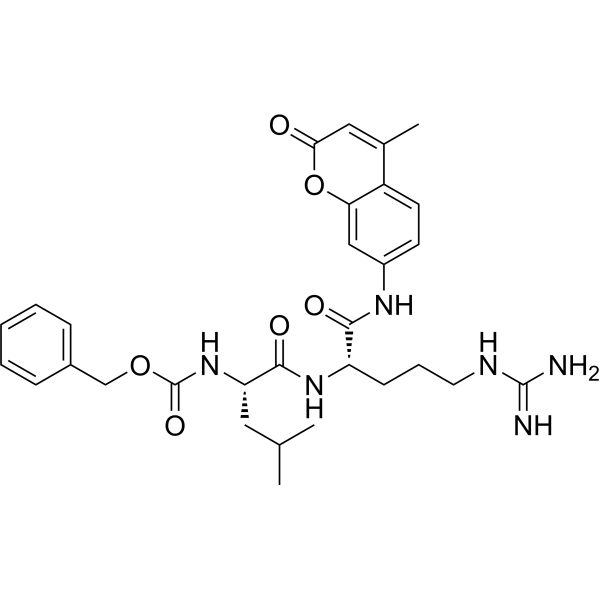
Z-Leu-Arg-AMC is a fluorogenic peptide substrate for cysteine proteases (e.g., Cathepsin) (Ex=350 nm,Em=460 nm). Z-Leu-Arg-AMC is preferentially cleaved by Cathepsin K and S under weakly acidic conditions, while its hydrolysis relies on residual Cathepsin S activity at neutral pH. Z-Leu-Arg-AMC serves as a substrate for recombinant Sphenophorus levis Cathepsin L, falcipain-2, falcipain-3, berghepain-2, knowlepain-2, vivapain-2, as well as falcipain-2 chimeras and constructs. It enables quantitative detection of cysteine protease activity in human inflammatory bronchoalveolar lavage fluid via fluorescence generation. Z-Leu-Arg-AMC can be used in research related to pulmonary inflammatory diseases and malaria .
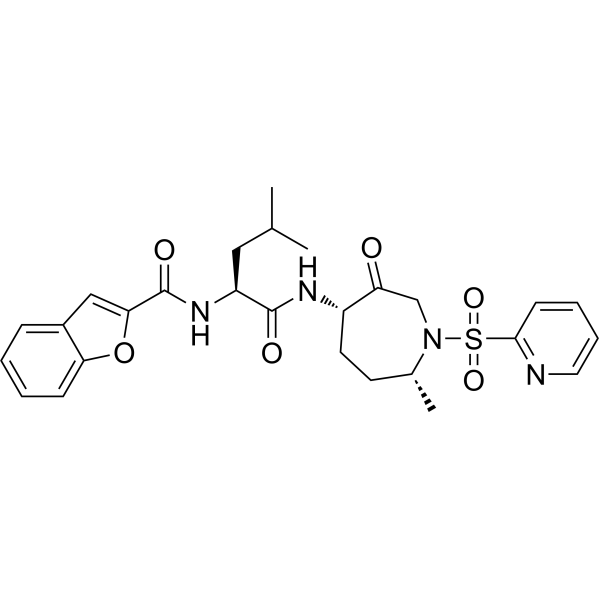
Relacatib (SB-462795) is a novel, potent, and orally active inhibitor of humancathepsins K, L, and V with Ki values of 41 pM, 68 pM, and 53 pM, respectively. Relacatib inhibits endogenous cathepsin K in situ in human osteoclasts and human osteoclast-mediated bone resorption with IC50 values of 45 nM and 70 nM, respectively. Relacatib inhibits bone resorption in vitro in human tissue as well as in cynomolgus monkeys in vivo .
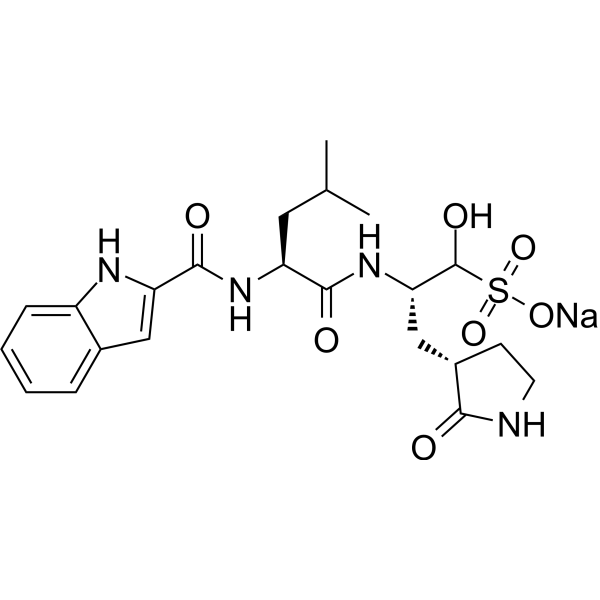
Olgotrelvir (STI-1558) sodium is an orally active dual inhibitor of coronavirus main protease (Mpro) and human cell cathepsin(Cathepsin L). Olgotrelvir sodium is readily converted to its active form, AC1115, in full blood and/or plasma. Olgotrelvir sodium can effectively inhibit both SARS-CoV-2 replication and entry into host cells .
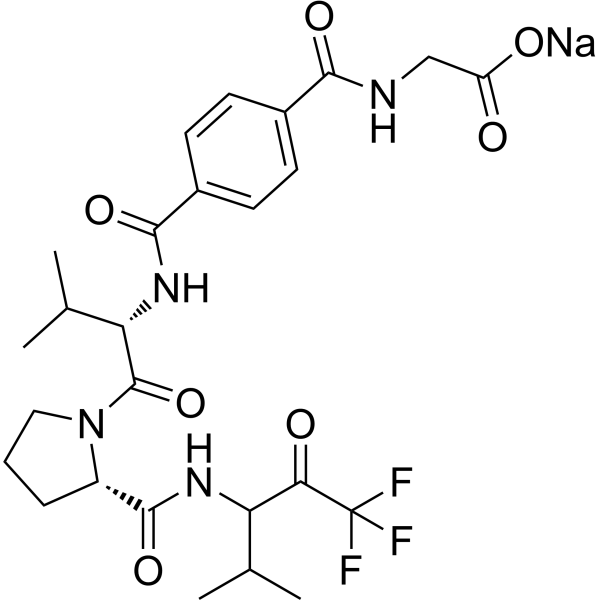
FK706 is a potent, slow-binding and competitive inhibitor of human neutrophil elastase with an IC50 of 83 nM and a Ki of 4.2 nM. FK706 also inhibits mouse neutrophil elastase and porcine pancreatic elastase with IC50s of 22 nM and 100 nM, respectively, and has no inhibitory activity against other serine proteinases such as human pancreatic trypsin, human pancreatic α-chymotrypsin and human leukocyte cathepsin G. FK706 has anti-inflammatory effect .
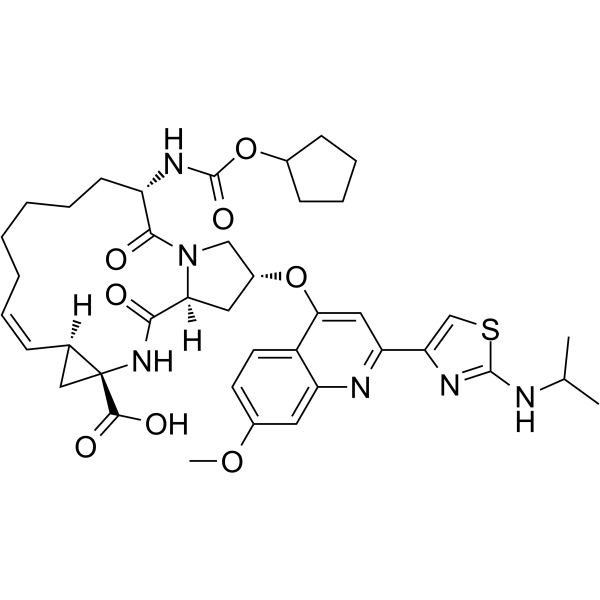
Ciluprevir (BILN 2061; BILN 2061ZW) is an orally active macrocyclic peptide inhibitor of hepatitis C virus (HCV)NS3 protease, with an IC50 of 3 nM. Ciluprevir has Kᵢ values of 0.66 nM and 0.30 nM against genotypes 1b and 1a, respectively. Ciluprevir inhibits HCV RNA replication with an EC50 of 1.2 nM, and its EC50 values against genotypes 1b and 1a are 3 nM and 4 nM, respectively. Ciluprevir shows no significant inhibition against human leukocyte elastase and hepatic cathepsin B. Ciluprevir can be used for genotype 1 HCV infection .
Cathepsin S, human, is a potent cysteine protease that promotes the degradation of damaged or harmful proteins in the endolysosomal pathway. Cathepsin S, human, is involved in multiple pathological processes, including arthritis, cancer, and cardiovascular disease .
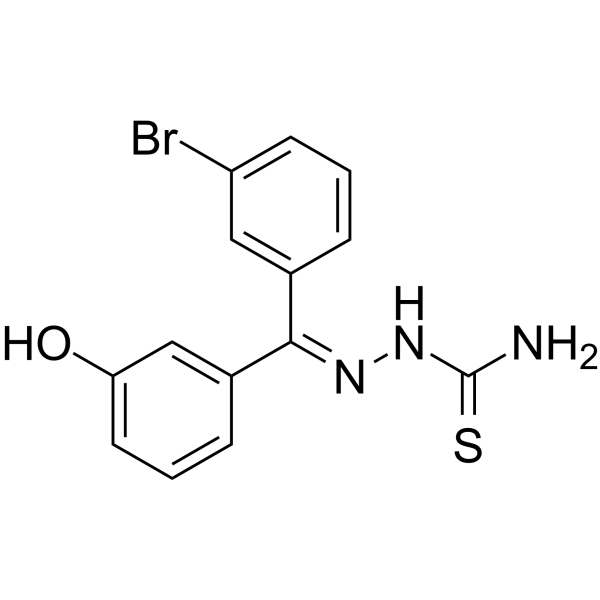
KGP94 is a selective inhibitor of cathepsin L with an IC50 of 189 nM . KGP94 inhibits migration and invasion of metastatic carcinoma and shows low cytotoxicity (GI50=26.9 µM) against various human cell lines .
Acetyl-Calpastatin(184-210)(human) is a potent, selective and reversible calpain inhibitor with Ki values of 0.2 nM and 6 μM for μ-calpain and cathepsin L, respectively .
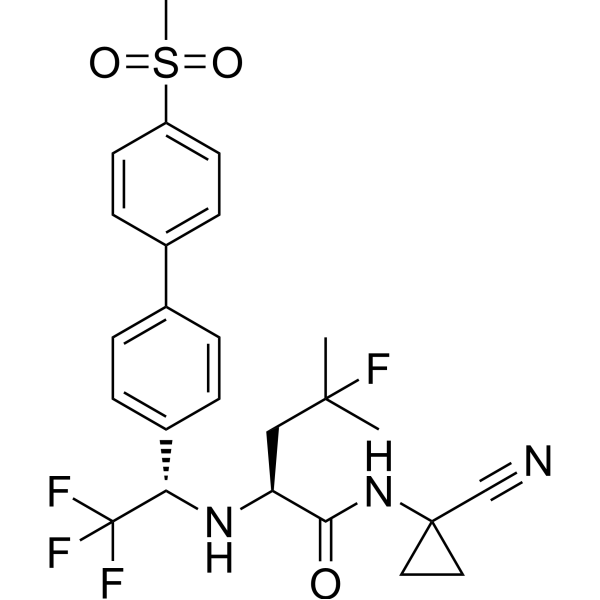
ONO-5334 is a potent, selective and orally active cathepsin K inhibitor with Ki values of 0.10 nM, 0.049 nM and 0.85 nM for human, rabbit and rat cathepsin K, respectively. ONO 5334 is an effective antiviral compound against SAR-COV-2 virus activity with an EC50 value of 500 nM. ONO-5334 has the potential for the study of osteoporosis and COVID-19 disease .
The Anti-CTSS/Cathepsin S Antibody (Fsn0503h) is a humanized antibody expressed in CHO cells, targeting CTSS/Cathepsin S. The Anti-CTSS/Cathepsin S Antibody (Fsn0503h) has a huIgG1 type heavy chain and a huκ type light chain, with a predicted molecular weight (MW) of 150 kDa. The isotype control for Anti-CTSS/Cathepsin S Antibody (Fsn0503h) can be referenced as Human IgG1 kappa, Isotype Control (HY-P99001).
Olgotrelvir (STI-1558) is an orally active dual inhibitor of coronavirus main protease (Mpro) and human cell cathepsin(Cathepsin L). Olgotrelvir is readily converted to its active form, AC1115, in full blood and/or plasma. Olgotrelvir can effectively inhibit both SARS-CoV-2 replication and entry into host cells .
SARS-CoV-2 Mpro-IN-6 is a covalent, irreversible and selective SARS-CoV-2 M pro inhibitor with an IC50 of 0.18 μM. SARS-CoV-2 Mpro-IN-6 does not inhibit humancathepsins B, F, K, and L, and caspase 3 .
Mpro/Cathepsin L-IN-2 (Compound 1) is a dual irreversible inhibitor of SARS-CoV-2 main protease (M pro, pIC50=8.61) and humancathepsin L (hCTSL, pIC50=7.64). Mpro/Cathepsin L-IN-2 is promising for research of COVID-19 and other coronavirus infections .
JNJ 10329670 is a potent and selective noncovalent cathepsin S inhibitor with a Ki value of 34 nM for humancathepsin S. JNJ 10329670 blocks invariant chain proteolysis in B cells and dendritic cells, as well as antigen-induced T cell proliferation .
FGA146 is a dual, selective inhibitor for M pro and humanCathepsin L, with Kis of 2.19 μM, 0.96 μM and 0.87 μM, for Mal-M pro, pET21-M pro and Cathepsin L, respectively. FGA146 reveals an antiviral activity against SARS-CoV-2 .
SmCB1-IN-1 (Compound 2h) is an inhibitor for S. mansonicathepsin B1 (SmCB1) with an Ki of 0.05 μM . SmCB1-IN-1 exhibits selectivity toward human off-target cathepsins (29% and 37% inhibition for CatB and CatL at 20 μM). SmCB1-IN-1 inhibits 68% Schistosoma mansoni at 1 μM .
TpD is a chimeric T-helper epitope. TpD has a special site that cathepsin can cut. Immunization with TpD produces a strong antibody response. TpD promotes long-term CD4 immune responses in animals and humans. TpD binds well to many humanMHC class II types, mainly HLA-DRB1. It also binds some other HLA alleles like DRB3, DRB4, DRB5, DP, and DQ. TpD can be used to improve the immune response of peptide vaccines .
Oxocarbazate is an inhibitor of humancathepsin L with the IC50 values of 6.9 nM (humanCathepsin L,0 h) 0.4 nM ((humanCathepsin L,4 h) and 5.07 μM (humancathepsin B), respectively. Oxocarbazate blockes both SARS-CoV (IC50 = 273 nM) and Ebola virus (IC50 = 193 nM) entry into 293T cells .
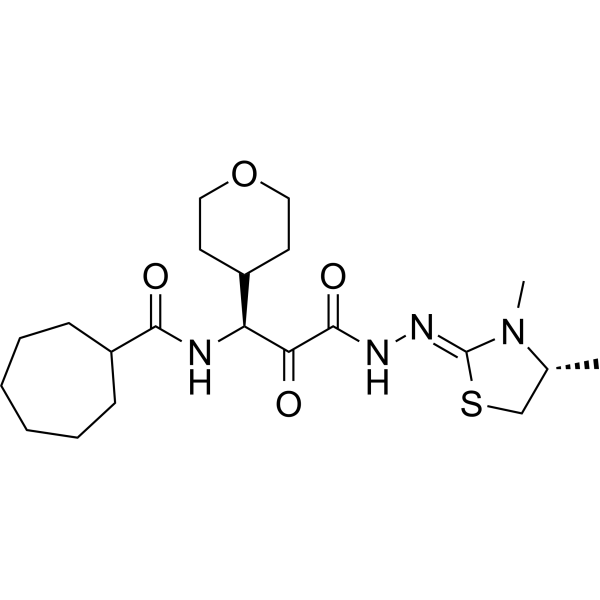
Cathepsin K inhibitor 4 is a potent carbohydrazide Cathepsin K inhibitor with IC50s of 13 nM, 269 nM, 296 nM for human, rat, mouse Cathepsin K, respectively .
Cathepsin H, human liver is an aminopeptidase and an endopeptidase. Involved in the catabolism of proteins in the lysosomal system. Cathepsin H, human liver has a key role in the regulation of the biological behavior of tumor cells and the pathological processes of brain diseases .
Odanacatib-d4 is the deuterium labeled Odanacatib (HY-10042). Odanacatib is a potent and selective inhibitor of cathepsin K, with an IC50 of 0.2 nM for humancathepsin K .
FGA145 is a dual, selective inhibitor for M pro and humanCathepsin L, with Kis of 3.71 μM, 9.82 μM and 53 nM, for Mal-M pro, pET21-M pro and Cathepsin L, respectively. FGA145 reveals a multitarget effects in the antiviral activity .
AM4299B is an inhibitor for thiol protease. AM4299B inhibits bovine spleen cathepsin B, human kidney cathepsin L and papain with IC50s of 0.7, 0.5 and 20 μM, respectively. AM4299B can be used in research in osteoporosis, and has potential to be used as an antiparasitic agent .
Acetyl-Calpastatin(184-210)(human) TFA is a potent, selective and reversible calpain inhibitor with Ki values of 0.2 nM and 6 μM for µ-calpain and cathepsin L, respectively .
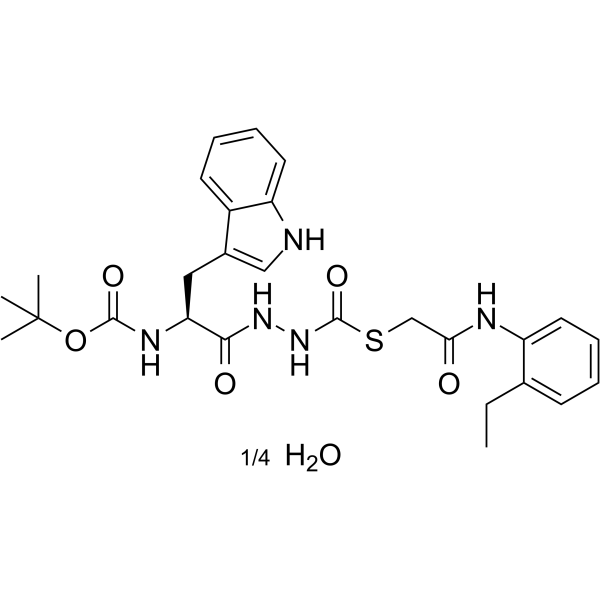
SID 26681509 quarterhydrate is a potent, reversible, competitive, and selective inhibitor of humancathepsin L with an IC50 of 56 nM. SID 26681509 quarterhydrate inhibits in vitro propagation of malaria parasite Plasmodium falciparum and inhibits Leishmania major with IC50s of 15.4 μM and 12.5 μM, respectively. SID 26681509 quarterhydrate shows no inhibitory activity against cathepsin G .
Calpeptin (Standard) is the analytical standard of Calpeptin. This product is intended for research and analytical applications. Calpeptin is a potent, cell penetrating calpain inhibitor, with an ID50 of 40 nM for Calpain I in human platelets . Calpeptin is also an inhibitor of cathepsin K .
SP-Chymostatin B (α-MAPI) is a strong inhibitor of many proteases, including chymotrypsin, papain, chymotrypsin-like serine proteinases, chymases, and lysosomal cysteine proteinases such as cathepsins A,B,C, H, and L. SP-Chymostatin B weakly inhibits human leucocyte elastase .
VK13 (Compound 6) is a potent inhibitor of humancathepsin L (hCatL) with a Ki value of 0.55 nM and SARS-CoV-2 3CL pro (3CL-PR) with a Ki value of 2.6 nM. VK13 exhibits anti-CoV-2 activity with an EC50 of 1.25 μM .
hCAXII-IN-10 (Compound 18b) is a dual inhibitor of human carbonic anhydrase isoform XII (hCAXII) and cathepsin B, with a Ki value of 2.2 nM. hCAXII-IN-10 can inhibit the role of hCAXII in providing tumors with a pH microenvironment conducive to tumor growth, and is expected to be used in the study of tumor diseases .
LY2886721 hydrochloride is a potent, selective and orally active beta-site amyloid precursor protein cleaving enzyme 1 (BACE1) inhibitor with an IC50 of 20.3 nM for recombinant humanBACE1. LY2886721 hydrochloride is selectivity against cathepsin D, pepsin, and renin, but lacking selectivity against BACE2 (IC50 of 10.2 nM). LY2886721 hydrochloride can across blood-brain barrier and has the potential for Alzheimer's disease treatment .
Cathepsin-IN-5 is a cathepsin inhibitor with IC50 values of 6.2 μM and 81 nM for cathepsin L and cathepsin S. Cathepsin-IN-5 inhibits cancer cells proliferation, induces apoptosis, reduces growth of hepatocellular tumors in mouse models, and modulates expression of genes linked to cell death, cell proliferation, and cellular processes. Cathepsin-IN-5 can be used for the research of hepatocellular carcinoma .
Odanacatib (Standard) is the analytical standard of Odanacatib (HY-10042). This product is intended for research and analytical applications. Odanacatib (MK-0822) is a potent and selective inhibitor of cathepsin K, with an IC50 of 0.2 nM for humancathepsin K.
Relacatib (Standard) is the analytical standard of Relacatib (HY-10294). This product is intended for research and analytical applications. Relacatib (SB-462795) is a novel, potent, and orally active inhibitor of humancathepsins K, L, and V with Ki values of 41 pM, 68 pM, and 53 pM, respectively. Relacatib inhibits endogenous cathepsin K in situ in human osteoclasts and human osteoclast-mediated bone resorption with IC50 values of 45 nM and 70 nM, respectively. Relacatib inhibits bone resorption in vitro in human tissue as well as in cynomolgus monkeys in vivo .
ONO-5334 (Standard) is the analytical standard of ONO-5334 (HY-108044). This product is intended for research and analytical applications. ONO-5334 is a potent, selective and orally active cathepsin K inhibitor with Ki values of 0.10 nM, 0.049 nM and 0.85 nM for human, rabbit and rat cathepsin K, respectively. ONO 5334 is an effective antiviral compound against SAR-COV-2 virus activity with an EC50 value of 500 nM. ONO-5334 has the potential for the study of osteoporosis and COVID-19 disease .
NB-533 is an orally active and brain-penetrant BACE-1 inhibitor with a humanIC50 of 0.002 μM. NB-533 also inhibits humancathepsin D with an IC50 of 0.001 μM. NB-533 inhibits amyloidogenic amyloid precursor protein (APP) processing and reduces Aβ40 release. NB-533 reduces brain levels of APP metabolite C99 and Aβ40 in transgenic mice. NB-533 can be used for the research of Alzheimer’s disease .
UAWJ9-36-3 is a M pro and cathepsin L (IC50: 1.81 μM) inhibitor. UAWJ9-36-3 shows potent binding and enzymatic inhibition against the M pros from SARS-CoV-2, SARS-CoV, MERS-CoV, HCoV-OC43, HCoV-NL63, HCoV-229E, and HCoV-HKU1. UAWJ9-36-3 demonstrates broad-spectrum antiviral activity against not only SARS-CoV-2, but also the common human coronaviruses HCoV-OC43, HCoV-NL63, and HCoV-229E .
FZ-AD005 is a DLL3-targeting antibody-drug conjugate (ADC) with high selectivity, composed of the anti-DLL3 antibody FZ-A038 (HY-P990896), a dipeptide linker (Val-Ala), and DXd (HY-13631D). The Kd value of FZ-AD005 for humanDLL3 ranges from 13.29 to 58.3 pmol/L. After binding to DLL3 on the cell surface, FZ-AD005 mediates endocytosis, and the payload DXd is released via cleavage by lysosomal cathepsins. DXd inhibits topoisomerase TopI to induce double-strand DNA breaks, cell cycle arrest and apoptosis, and FZ-AD005 exhibits bystander killing activity against adjacent DLL3-negative cells. FZ-AD005 shows stable circulation in vivo, has good tolerance and acceptable pharmacokinetic profiles in rats and cynomolgus monkeys, and effectively inhibits the growth of DLL3-expressing tumor cells. FZ-AD005 serves as a promising candidate molecule for research on small cell lung cancer and human neuroendocrine prostate cancer .
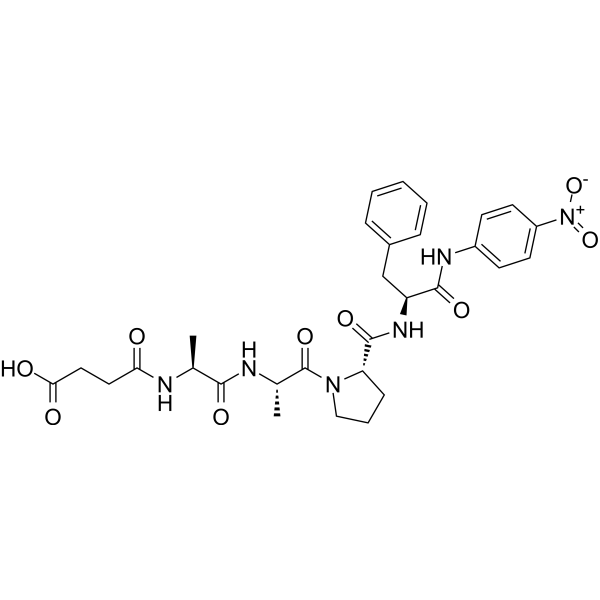
Suc-AAPF-pNA (Suc-Ala-Ala-Pro-Phe-pNA) is a chromogenic p-nitroanilide (pNA) substrate with the Km of 1.7 mM. Cleavage of Suc-AAPF-pNA releases 4-nitroaniline, which is yellow in colour and can be measured spectrophotometrically. Suc-AAPF-pNA can be used for the measurement of free and membrane-bound cathepsin G in human neutrophils .
Acetyl-Calpastatin(184-210)(human) is a potent, selective and reversible calpain inhibitor with Ki values of 0.2 nM and 6 μM for μ-calpain and cathepsin L, respectively .
TpD is a chimeric T-helper epitope. TpD has a special site that cathepsin can cut. Immunization with TpD produces a strong antibody response. TpD promotes long-term CD4 immune responses in animals and humans. TpD binds well to many humanMHC class II types, mainly HLA-DRB1. It also binds some other HLA alleles like DRB3, DRB4, DRB5, DP, and DQ. TpD can be used to improve the immune response of peptide vaccines .
Cathepsin K inhibitor 4 is a potent carbohydrazide Cathepsin K inhibitor with IC50s of 13 nM, 269 nM, 296 nM for human, rat, mouse Cathepsin K, respectively .
Acetyl-Calpastatin(184-210)(human) TFA is a potent, selective and reversible calpain inhibitor with Ki values of 0.2 nM and 6 μM for µ-calpain and cathepsin L, respectively .
The Anti-CTSS/Cathepsin S Antibody (Fsn0503h) is a humanized antibody expressed in CHO cells, targeting CTSS/Cathepsin S. The Anti-CTSS/Cathepsin S Antibody (Fsn0503h) has a huIgG1 type heavy chain and a huκ type light chain, with a predicted molecular weight (MW) of 150 kDa. The isotype control for Anti-CTSS/Cathepsin S Antibody (Fsn0503h) can be referenced as Human IgG1 kappa, Isotype Control (HY-P99001).
Cathepsin L2 is a cysteine protease thought to play a crucial role in corneal physiology, but its specific function and mechanism are still under investigation. The unique properties of cathepsin L2 suggest that it may be involved in important cellular and molecular events within the cornea, underscoring its importance in maintaining ocular tissue health. Cathepsin L2 Protein, Human (HEK293, His, solution) is the recombinant human-derived Cathepsin L2 protein, expressed by HEK293 , with C-His labeled tag.
Cathepsin L1 protein is a thiol protease that plays a key role in lysosomal protein degradation, affecting cellular functions such as turnover, antigen processing, and bone remodeling. It dissolves cross-linked TG/thyroglobulin, releasing the thyroid hormone thyroxine (T4) in the thyroid follicular cavity. Cathepsin L1 Protein, Human (HEK293) is the recombinant human-derived Cathepsin L1 protein, expressed by HEK293 .
Cathepsin L1 protein is a thiol protease that plays a key role in lysosomal protein degradation, affecting cellular functions such as turnover, antigen processing, and bone remodeling. It dissolves cross-linked TG/thyroglobulin, releasing the thyroid hormone thyroxine (T4) in the thyroid follicular cavity. Cathepsin L1 Protein, Human (HEK293, His) is the recombinant human-derived Cathepsin L1 protein, expressed by HEK293 , with C-6*His labeled tag.
Cathepsin A protein is an important protective factor for β-galactosidase and neuraminidase, maintaining their stability and optimizing enzyme activity. Its carboxypeptidase activity expands its functional repertoire and can deamid tachykinins and participate in a variety of biochemical processes. Cathepsin A Protein, Human (HEK293, His) is the recombinant human-derived Cathepsin A, expressed by HEK293, with C-6*His labeled tag. The total length of Cathepsin A Protein, Human (HEK293, His) is 452 a.a..
Cathepsin B Protein, a thiol protease, is crucial for intracellular protein degradation, cleaving matrix extracellular phosphoglycoprotein MEPE. It's implicated in solubilizing cross-linked TG/thyroglobulin in the thyroid follicle lumen. Associated with tumor invasion and metastasis, Cathepsin B signifies potential relevance in cancer-related pathways. Cathepsin B Protein, Human (L26V, HEK293) is the recombinant human-derived Cathepsin B protein, expressed by HEK293 , with L26V mutation.
Cathepsin A Protein, Human (HEK293, His, solution) is a 58-60 kDa human cathepsin A protein with a His-flag. Cathepsin A is a multicatalytic enzyme with carboxypeptidase activities.
Cathepsin B Protein, a thiol protease, is crucial for intracellular protein degradation, cleaving matrix extracellular phosphoglycoprotein MEPE. It's implicated in solubilizing cross-linked TG/thyroglobulin in the thyroid follicle lumen. Associated with tumor invasion and metastasis, Cathepsin B signifies potential relevance in cancer-related pathways. Cathepsin B Protein, Human (L26V, HEK293, His) is the recombinant human-derived Cathepsin B protein, expressed by HEK293 , with C-His labeled tag and L26V mutation.
Odanacatib-d4 is the deuterium labeled Odanacatib (HY-10042). Odanacatib is a potent and selective inhibitor of cathepsin K, with an IC50 of 0.2 nM for humancathepsin K .
hCAXII-IN-10 (Compound 18b) is a dual inhibitor of human carbonic anhydrase isoform XII (hCAXII) and cathepsin B, with a Ki value of 2.2 nM. hCAXII-IN-10 can inhibit the role of hCAXII in providing tumors with a pH microenvironment conducive to tumor growth, and is expected to be used in the study of tumor diseases .
Inquiry Online
Your information is safe with us. * Required Fields.
Western blot analysis of extracts from THP-1(lane 2(20μg), Jurkat (lane 3(20μg) and NIH3T3(lane 4(20μg) using FOXO1A (HY-P80132) Rabbit mAb. Proteins were transferred
to a PVDF membrane and blocked with 5% non-fat milk in TBST for 2 hour at room temperature. The primary antibody (1/1000) and Loading control antibody (Beta Actin, HY-P80438, 1/10000) was
used in 5% non-fat milk in TBST at 4°C overnight. Goat Anti-Mouse/Rabbit IgG-HRP Secondary Antibody (1/10000) was used for 1 hour at room temperature.
Western blot analysis of extracts from THP-1(lane 2(20μg), Jurkat (lane 3(20μg) and NIH3T3(lane 4(20μg) using FOXO1A (HY-P80132) Rabbit mAb. Proteins were transferred
to a PVDF membrane and blocked with 5% non-fat milk in TBST for 2 hour at room temperature. The primary antibody (1/1000) and Loading control antibody (Beta Actin, HY-P80438, 1/10000) was
used in 5% non-fat milk in TBST at 4°C overnight. Goat Anti-Mouse/Rabbit IgG-HRP Secondary Antibody (1/10000) was used for 1 hour at room temperature.
Western blot analysis of extracts from THP-1(lane 2(20μg), Jurkat (lane 3(20μg) and NIH3T3(lane 4(20μg) using FOXO1A (HY-P80132) Rabbit mAb. Proteins were transferred
to a PVDF membrane and blocked with 5% non-fat milk in TBST for 2 hour at room temperature. The primary antibody (1/1000) and Loading control antibody (Beta Actin, HY-P80438, 1/10000) was
used in 5% non-fat milk in TBST at 4°C overnight. Goat Anti-Mouse/Rabbit IgG-HRP Secondary Antibody (1/10000) was used for 1 hour at room temperature.
Western blot analysis of extracts from THP-1(lane 2(20μg), Jurkat (lane 3(20μg) and NIH3T3(lane 4(20μg) using FOXO1A (HY-P80132) Rabbit mAb. Proteins were transferred
to a PVDF membrane and blocked with 5% non-fat milk in TBST for 2 hour at room temperature. The primary antibody (1/1000) and Loading control antibody (Beta Actin, HY-P80438, 1/10000) was
MedchemExpress Validation 03
Western blot analysis of extracts from THP-1(lane 2(20μg), Jurkat (lane 3(20μg) and NIH3T3(lane 4(20μg) using FOXO1A (HY-P80132) Rabbit mAb. Proteins were transferred
MedchemExpress Validation 04
Western blot analysis of extracts from THP-1(lane 2(20μg), Jurkat (lane 3(20μg) and NIH3T3(lane 4(20μg) using FOXO1A (HY-P80132) Rabbit mAb. Proteins were transferred
to a PVDF membrane and blocked with 5% non-fat milk in TBST for 2 hour at room temperature. The primary antibody (1/1000) and Loading control antibody (Beta Actin, HY-P80438, 1/10000) was
used in 5% non-fat milk in TBST at 4°C overnight. Goat Anti-Mouse/Rabbit IgG-HRP Secondary Antibody (1/10000) was used for 1 hour at room temperature.
MedchemExpress Validation
Western blot analysis of extracts from THP-1(lane 2(20μg), Jurkat (lane 3(20μg) and NIH3T3(lane 4(20μg) using FOXO1A (HY-P80132) Rabbit mAb. Proteins were transferred
to a PVDF membrane and blocked with 5% non-fat milk in TBST for 2 hour at room temperature. The primary antibody (1/1000) and Loading control antibody (Beta Actin, HY-P80438, 1/10000) was
used in 5% non-fat milk in TBST at 4°C overnight. Goat Anti-Mouse/Rabbit IgG-HRP Secondary Antibody (1/10000) was used for 1 hour at room temperature.
Western blot analysis of extracts from THP-1(lane 2(20μg), Jurkat (lane 3(20μg) and NIH3T3(lane 4(20μg) using FOXO1A (HY-P80132) Rabbit mAb. Proteins were transferred
to a PVDF membrane and blocked with 5% non-fat milk in TBST for 2 hour at room temperature. The primary antibody (1/1000) and Loading control antibody (Beta Actin, HY-P80438, 1/10000) was
used in 5% non-fat milk in TBST at 4°C overnight. Goat Anti-Mouse/Rabbit IgG-HRP Secondary Antibody (1/10000) was used for 1 hour at room temperature.
MedchemExpress Validation
Western blot analysis of extracts from THP-1(lane 2(20μg), Jurkat (lane 3(20μg) and NIH3T3(lane 4(20μg) using FOXO1A (HY-P80132) Rabbit mAb. Proteins were transferred
to a PVDF membrane and blocked with 5% non-fat milk in TBST for 2 hour at room temperature. The primary antibody (1/1000) and Loading control antibody (Beta Actin, HY-P80438, 1/10000) was
used in 5% non-fat milk in TBST at 4°C overnight. Goat Anti-Mouse/Rabbit IgG-HRP Secondary Antibody (1/10000) was used for 1 hour at room temperature.
MedchemExpress Validation
Western blot analysis of extracts from THP-1(lane 2(20μg), Jurkat (lane 3(20μg) and NIH3T3(lane 4(20μg) using FOXO1A (HY-P80132) Rabbit mAb. Proteins were transferred
to a PVDF membrane and blocked with 5% non-fat milk in TBST for 2 hour at room temperature. The primary antibody (1/1000) and Loading control antibody (Beta Actin, HY-P80438, 1/10000) was
used in 5% non-fat milk in TBST at 4°C overnight. Goat Anti-Mouse/Rabbit IgG-HRP Secondary Antibody (1/10000) was used for 1 hour at room temperature.
MedchemExpress Validation
Western blot analysis of extracts from THP-1(lane 2(20μg), Jurkat (lane 3(20μg) and NIH3T3(lane 4(20μg) using FOXO1A (HY-P80132) Rabbit mAb. Proteins were transferred
to a PVDF membrane and blocked with 5% non-fat milk in TBST for 2 hour at room temperature. The primary antibody (1/1000) and Loading control antibody (Beta Actin, HY-P80438, 1/10000) was
used in 5% non-fat milk in TBST at 4°C overnight. Goat Anti-Mouse/Rabbit IgG-HRP Secondary Antibody (1/10000) was used for 1 hour at room temperature.
MedchemExpress Validation
Western blot analysis of extracts from THP-1(lane 2(20μg), Jurkat (lane 3(20μg) and NIH3T3(lane 4(20μg) using FOXO1A (HY-P80132) Rabbit mAb. Proteins were transferred
to a PVDF membrane and blocked with 5% non-fat milk in TBST for 2 hour at room temperature. The primary antibody (1/1000) and Loading control antibody (Beta Actin, HY-P80438, 1/10000) was
used in 5% non-fat milk in TBST at 4°C overnight. Goat Anti-Mouse/Rabbit IgG-HRP Secondary Antibody (1/10000) was used for 1 hour at room temperature.
MedchemExpress Validation
Western blot analysis of extracts from THP-1(lane 2(20μg), Jurkat (lane 3(20μg) and NIH3T3(lane 4(20μg) using FOXO1A (HY-P80132) Rabbit mAb. Proteins were transferred
to a PVDF membrane and blocked with 5% non-fat milk in TBST for 2 hour at room temperature. The primary antibody (1/1000) and Loading control antibody (Beta Actin, HY-P80438, 1/10000) was
used in 5% non-fat milk in TBST at 4°C overnight. Goat Anti-Mouse/Rabbit IgG-HRP Secondary Antibody (1/10000) was used for 1 hour at room temperature.
MedchemExpress Validation
Western blot analysis of extracts from THP-1(lane 2(20μg), Jurkat (lane 3(20μg) and NIH3T3(lane 4(20μg) using FOXO1A (HY-P80132) Rabbit mAb. Proteins were transferred
to a PVDF membrane and blocked with 5% non-fat milk in TBST for 2 hour at room temperature. The primary antibody (1/1000) and Loading control antibody (Beta Actin, HY-P80438, 1/10000) was
used in 5% non-fat milk in TBST at 4°C overnight. Goat Anti-Mouse/Rabbit IgG-HRP Secondary Antibody (1/10000) was used for 1 hour at room temperature.
MedChemExpress values your privacy and your trust is important to us. We use cookies to enhance your website experience. Some cookies are necessary to run the website.
Privacy and Cookie Policy

