


Delivery of temperature sensitive items including proteins and kits will be paused on 6/19 for the Juneteenth holiday. For urgent orders please contact customer service.
Human serum albumin (HSA) is the most abundant protein in plasma and is a major determinant of plasma oncotic pressure. Human serum albumin exhibits antioxidant, anticoagulant, anti-inflammatory, anti-platelet aggregation activities as well as colloid osmotic action. Human serum albumin can block the inhibitory effect of GML on human T cells, providing protective function for T cells. Human serum albumin is also associated with cardiovascular diseases and can partially prevent the LPS (HY-D1056) induced oxidative stress, as well as the upregulation of NF-κB, NF-κB, and peroxynitrite (ONOO −) in the vascular wall, contributing to the reduction of blood pressure . This product is recombinant Human Serum Albumin expressed in a microbial expression system.
Human serum albumin (Cell culture grade, Endotoxin<0.125 EU/mg) (HSA) is the most abundant protein in plasma and is a major determinant of plasma oncotic pressure. Human serum albumin (Cell culture grade, Endotoxin<0.125 EU/mg) exhibits antioxidant, anticoagulant, anti-inflammatory, anti-platelet aggregation activities as well as colloid osmotic action. Human serum albumin (Cell culture grade, Endotoxin<0.125 EU/mg) can block the inhibitory effect of GML on human T cells, providing protective function for T cells. Human serum albumin (Cell culture grade, Endotoxin<0.125 EU/mg) is also associated with cardiovascular diseases and can partially prevent the LPS (HY-D1056) induced oxidative stress, as well as the upregulation of NF-κB, iNOS, and peroxynitrite (ONOO −) in the vascular wall, contributing to the reduction of blood pressure. Human serum albumin (Cell culture grade, Endotoxin<0.125 EU/mg) can be used for in vitro cell culture . This product is human serum albumin recombinantly expressed in an Escherichia coli expression system.
Evinacumab (REGN1500) is a human anti-ANGPTL3 (angiopoietin-like protein 3) monoclonal antibody (IgG4 class antibody). Evinacumab reduces plasma lipids in dyslipidemic mice by blocking ANGPTL3. Evinacumab can be used in studies of homozygous familial hypercholesterolaemia (HoFH), refractory hypercholesterolaemia (both familial and non-familial) and severe hypertriglyceridaemia .
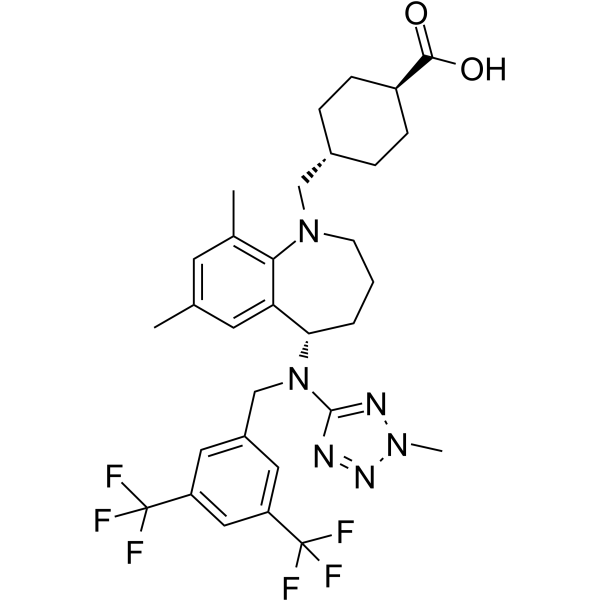
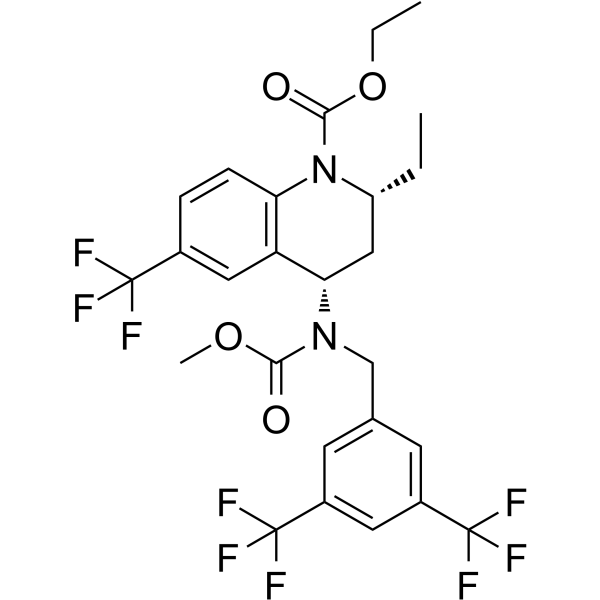
Evacetrapib is a potent and selective of CETP inhibitor, which inhibits human recombinant CETP protein (IC50 5.5 nM) and CETP activity in humanplasma (IC50 36 nM) in vitro.
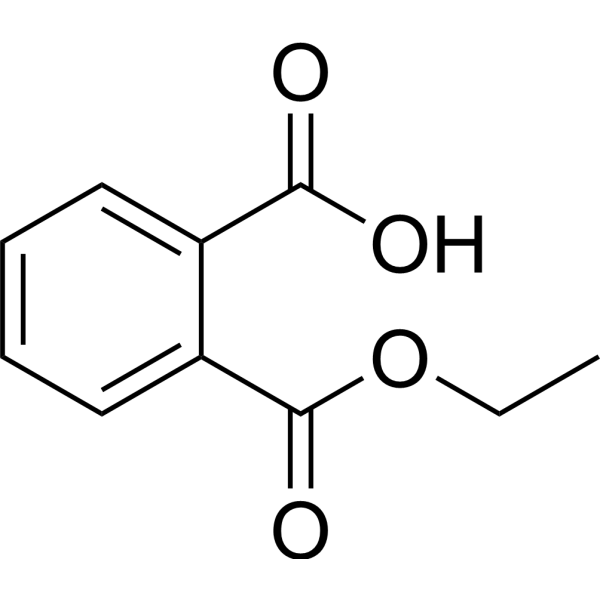
Monoethyl phthalate is an orally active PDX-1 activator and the major hydrolytic metabolite of Diethyl phthalate (HY-Y0284) in vivo, with reproductive toxicity. Monoethyl phthalate targets aromatase (aromatase/CYP19A1) and PPAR to induce cell proliferation. The plasmaprotein binding rate of Monoethyl phthalate in rats and humans is lower than that of Diethyl phthalate. It exhibits significant enterohepatic circulation in rats and mainly accumulates in liver tissues. Monoethyl phthalate shows no estrogenic activity in estrogen-dependent human breast cancer cells. Monoethyl phthalate can be used in studies of reproductive toxicity and related environmental endocrine disruption mechanisms .
Recombinant Human Serum Albumin (rHSA) is a non-glycosylated monomeric plasmaprotein that acts as a core factor for maintaining plasma colloid osmotic pressure. Recombinant Human Serum Albumin (rHSA) possesses multiple physiological functions including carrier, metabolic regulation, detoxification, antioxidation and enzyme mimicking. Recombinant Human Serum Albumin (rHSA) not only scavenges reactive oxygen and nitrogen species via specific residues and binds a variety of endogenous and exogenous compounds to maintain redox homeostasis, but also serves as a biomarker for multiple diseases such as cancer and inflammation. Recombinant Human Serum Albumin (rHSA) broadly supports the development of implantable materials, surgical adhesives and ligand capture, and can be used for research on critical illnesses including hypovolemia, liver failure, severe sepsis and various types of trauma resuscitation .
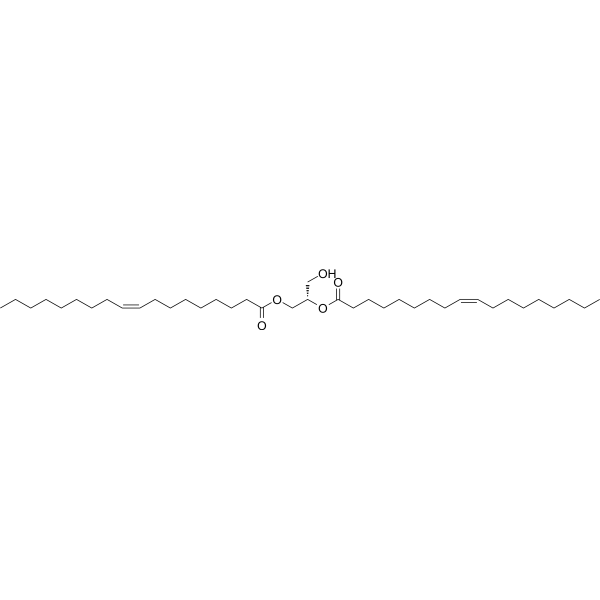
1,2-Dioleoyl-sn-glycerol (sn-1,2-Dioleoylglycerol; 18:1/18:1-DG) is a glycerolipid located on the plasma membrane. 1,2-Dioleoyl-sn-glycerol consists of two fatty acid chains covalently linked to a single glycerol molecule by means of an ester bond. 1,2-Dioleoyl-sn-glycerol is an analog of the protein kinase C-activating second messenger DAG. 1,2-Dioleoyl-sn-glycerol has been used as a source of diacylglycerol in the diacylglycerol O-acyltransferase 1 (DGAT1) assay. 1,2-Dioleoyl-sn-glycerol can induce acrosome reaction in human sperm .
Canine Serum Albumin is a plasmaprotein derived from dogs. Canine Serum Albumin exhibits greater flexibility than human serum albumin and bovine serum albumin. Serum albumin is a multifunctional protein with exceptional ligand-binding capacity, which enables it to act as a transport molecule for various metabolites, drugs, nutrients, metals and other molecules .
Horse Serum Albumin is an abundant, multifunctional mammalian plasma protein and transport molecule. Horse Serum Albumin acts as an allergen, exhibits high cross-reactivity with serum albumins from other mammals, and contains epitope regions recognizable by antibodies. Horse Serum Albumin binds a variety of metabolites, drugs, nutrients, metals and other molecules .
PFI-653 (Vanin-1-IN-1, compound 3), a chemical probe, is a vanin-1 inhibitor that binds to plasma vanin-1 from mouse, rat, dog, and human. Vanin-1 is a cell surface-associated inositol (GPi) -anchored protein that plays important roles in metabolism and inflammation. PFI-653 inhibits vanin-1 from different species with IC50s of 6.85 nM (human recombinant plasma vanin-1), 9.0 nM (humanplasma vanin-1), 24.5 nM (mouse recombinant vanin-1), and 53.4 nM (mouse plasma vanin-1) .
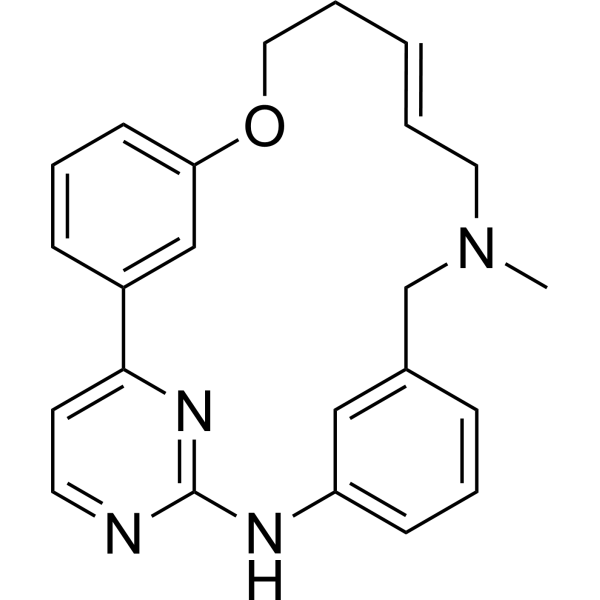
Zotiraciclib (TG02; SB1317) is an orally active JAK2/FLT3/CDK2 inhibitor with IC50 values of 13 nM, 73 nM and 56 nM , respectively. Zotiraciclib inhibits cancer cell proliferation, tumor growth and the activity of CYP2D6. Zotiraciclib exhibits high plasmaprotein binding rate, Caco-2 permeability and tissue distribution capacity, as well as metabolic stability in human and canine liver microsomes. Zotiraciclib achieves tumor growth inhibition in nude mouse models of colon cancer and lymphoma xenografts. Zotiraciclib can be used for research related to colon cancer, B-cell lymphoma, advanced leukemia, acute leukemia and multiple myeloma .
Torcetrapib (CP-529414) is a selective, potent cholesteryl ester transfer protein (CETP) inhibitor. A typical inhibition curve for whole humanplasma, having a CETP concentration of 37 nM .
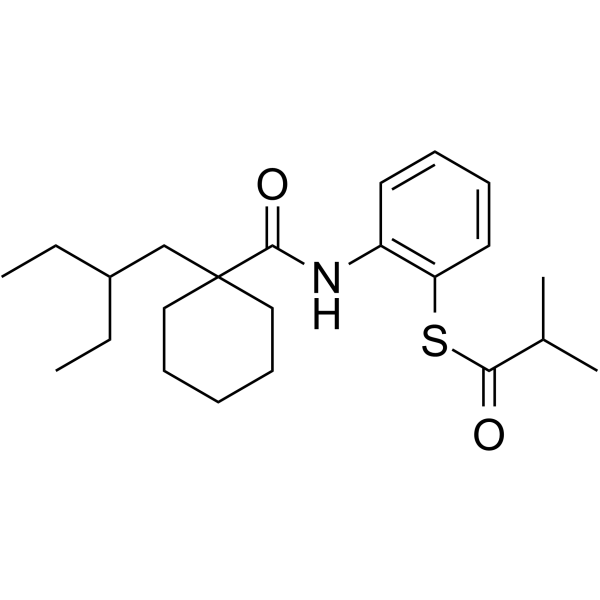
Dalcetrapib (JTT-705) is an orally active cholesteryl ester transfer protein (CETP) inhibitor with IC50s of 204.6 nM and 6 μM against recombinant human (rh) CETP and humanplasma CETP, respectively .
CP-346086 is a potent and orally active microsomal triglyceride transfer protein (MTP) inhibitor, with an IC50 of 2.0 nM for human and rodent MTP. CP-346086 can lower plasma cholesterol and triglycerides in vivo .
ARI-3099 is an oral fibroblast activation protein (FAP) inhibitor. ARI-3099 specifically inhibits the proteolytic activity of FAP and blocks the cleavage of human FGF-21 between residues P171 and S172. ARI-3099 extends the half-life of circulating human FGF-21 in mice. ARI-3099 can be used in the research of type 2 diabetes and metabolic disorders .
Azidocillin, a semi-synthetic Penicillin, is an orally active β-lactam antibiotic. Azidocillin bears an azide functionality and retains on-target activity within bacteria. Azidocillin can be used to research osteitis caused by dental surgery, otitis media, enterococcal septicemia and other bacterial infectious diseases . Azidocillin is a click chemistry reagent, it contains an Azide group and can undergo copper-catalyzed azide-alkyne cycloaddition reaction (CuAAc) with molecules containing Alkyne groups. It can also undergo strain-promoted alkyne-azide cycloaddition (SPAAC) reactions with molecules containing DBCO or BCN groups.
Progesterone/BSA is a conjugate of Progesterone (HY-N0437) and bovine serum albumin (BSA). Progesterone/BSA cannot penetrate the plasma membrane of human sperm, but still rapidly elevates intracellular free calcium and induces the acrosome reaction. Progesterone/BSA can also act as a probe to specifically bind to progesterone-binding proteins on the membrane of rat brain synaptosomes .
FKK6 is a selective agonist for pregnane X receptor (PXR) with an EC50 of 1.2 µM. FKK6 exhibits good affinity with plasmaproteins, and good metabolic metabolism in human microsomes. FKK6 inhibits PXR-related NF-κB signaling pathway, inhibits the expression of inflammatory factors, and exhibits anti-inflammatory activity against DSS (HY-116282)-induced colitis in mouse model .
CP-346086 dihydrate is a potent and orally active microsomal triglyceride transfer protein (MTP) inhibitor, with an IC50 of 2.0 nM for human and rodent MTP. CP-346086 dihydrate can lower plasma cholesterol and triglycerides in vivo .
C1 Esterase Inhibitor (Human) is a C1 Esterase inhibitor derived from humanplasma. C1 Esterase Inhibitor (Human), a glycoprotein, is a serum protease inhibitor (serpin) that binds covalently and inactivates C1r, C1s, and mannan-binding protein-associated proteases (MASPs). C1 Esterase Inhibitor (Human) has anti-inflammatory effects. C1 Esterase Inhibitor (Human) can be used to prevent angioedema attacks associated with hereditary angioedema .
Telinavir (SC-52151) is a potent and selective HIV protease inhibitor. Telinavir inhibits lymphotropic, monocytotropic strains and field isolates of HIV type 1 (HIV-1), HIV-2, and simian immunodeficiency virus with EC50s of 26 ng/mL (43 nM). Telinavir is highly protein bound in humanplasma and exhibits low partitioning into erythrocytes .
(Rac)-Telinavir ((Rac)-SC-52151) is a racemate of Telinavir (HY-106395A). Telinavir (SC-52151) is a potent and selective HIV protease inhibitor. Telinavir inhibits lymphotropic, monocytotropic strains and field isolates of HIV type 1 (HIV-1), HIV-2, and simian immunodeficiency virus with EC50s of 26 ng/mL (43 nM). Telinavir is highly protein bound in humanplasma and exhibits low partitioning into erythrocytes .
SPSB2-iNOS inhibitory cyclic peptide-1 is an inhibitor for the interaction of SPRY domain and SOCS-box protein 2 (SPSB2) and iNOS, through binding SPSB2 on iNOS site with KD of 4.4 nM. SPSB2-iNOS inhibitory cyclic peptide-1 is resistant to the proteases pepsin, trypsin and α-chymotrypsin. SPSB2-iNOS inhibitory cyclic peptide-1 is stable in humanplasma and in oxidative environment .
AGU661 is a Microsomal prostaglandin E2 synthase 1 (mPGES-1) inhibitor with an IC50 of 0.22 nM. AGU661 lowers PGE2 formation in human pro-inflammatory M1 macrophages and activated monocytes without affecting other lipid mediator pathways. AGU661 has unfavorable physicochemical properties with poor metabolic stability and strong plasmaprotein binding tendencies. AGU661 into PLGA-based NPs significantly enhances its bioactivity. AGU661 can be used for inflammatory disorders research .
BMS-795311 is a potent and orally bioavailable inhibitor of cholesteryl ester transfer protein (CETP), with IC50s of 4 nM in an enzyme-based scintillation proximity assay (SPA) and 0.22 μM in a human whole plasma assay (hWPA), respectively .
ML753286 is an orally active and selective BCRP (Breast cancer resistance protein) inhibitor with an IC50 of 0.6 μM. ML753286 has high permeability and low to medium clearance in rodent and human liver S9 fractions, and is stable in plasma cross species .
DMP 323 is a potent, nonpeptide cyclic urea inhibitor of HIV protease, effective against both HIV type 1 and type 2. Designed using structural information and database searching, it competitively inhibits the cleavage of both peptide and HIV-1 gag polyprotein substrates. DMP 323 shows comparable potency to other highly effective HIV protease inhibitors like A-80987 and Ro-31-8959. Importantly, its efficacy against HIV protease remains unaffected by humanplasma or serum, suggesting low affinity for plasmaproteins. Furthermore, DMP 323 demonstrates minimal inhibition of various mammalian proteases at concentrations much higher than those needed for HIV protease inhibition, highlighting its specificity for viral targets .
C18 LPA (PA(18:0e/0:0)) is a water-soluble phospholipid that functions as a signaling molecule, influencing various cellular responses through G protein-coupled receptors (GPCRs). It is known to promote smooth muscle contraction, cytoskeletal rearrangement, and chemotaxis, while also playing a role in neurotransmitter release, cell proliferation, platelet aggregation, and Ca2+ mobilization. Elevated levels of C18 LPA in humanplasma are associated with ovarian cancer and atherosclerosis, suggesting its potential as a biomarker for ovarian cancer.
EGFR is a driver of tumorigenesis. EGFR is mainly found in an auto-inhibited, dimerization-incompetent, state at the plasma membrane (PM). Ligand binding promotes receptor dimerization, which determines a series of structural rearrangements that are conveyed to the cytoplasmic domain allowing the formation of asymmetric dimers between the two juxtaposed catalytic domains. EGFR has multiple mutants. EGFR C797S/L858R Recombinant Human Active Protein Kinase is a recombinant EGFR C797S/L858R protein that can be used to study EGFR C797S/L858R-related functions .
Evacetrapib (Standard) is the analytical standard of Evacetrapib. This product is intended for research and analytical applications. Evacetrapib is a potent and selective of CETP inhibitor, which inhibits human recombinant CETP protein (IC50 5.5 nM) and CETP activity in humanplasma (IC50 36 nM) in vitro.
Namoxyrate (Xenbucin (2-dimethylaminoethanol)) is a compound with analgesic activity. It can be dissociated into different components in rats. Its absorption and excretion vary depending on the components, and it has different affinities in human and rat plasmaproteins.
Human IGFBP4 mRNA encodes the human insulin like growth factor binding protein 4 (IGFBP4) protein, a member of the insulin-like growth factor binding protein (IGFBP) family. IGFBP4 can bind both insulin-like growth factors (IGFs) I and II and circulates in the plasma in both glycosylated and non-glycosylated forms. Binding of this protein prolongs the half-life of the IGFs and alters their interaction with cell surface receptors.
Human IGFBP3 mRNA encodes the human insulin like growth factor binding protein 3 (IGFBP3) protein, a member of the insulin-like growth factor binding protein (IGFBP) family. IGFBP3 can form a ternary complex with insulin-like growth factor acid-labile subunit (IGFALS) and either insulin-like growth factor (IGF) I or II. In this form, it circulates in the plasma, prolonging the half-life of IGFs and altering their interaction with cell surface receptors.
Dalcetrapib (Standard) is the analytical standard of Dalcetrapib. This product is intended for research and analytical applications. Dalcetrapib (JTT-705) is an orally active cholesteryl ester transfer protein (CETP) inhibitor with IC50s of 204.6 nM and 6 μM against recombinant human (rh) CETP and humanplasma CETP, respectively .
L 743310 is a non-peptide, selective antagonist of the human neurokinin hNK1 receptor, with high affinity for primate and cloned human hNK1 receptors and lower affinity for rodent NK1 receptors. L 743310 inhibits resiniferatoxin-induced plasmaprotein extravasation in guinea pig esophagus. L 743310 has a dose-dependent inhibitory effect on cisplatin-induced emesis .
(6R)-ML753286 is an isomer of ML753286 (HY-116494). ML753286 is an orally active and selective BCRP (Breast cancer resistance protein) inhibitor with an IC50 of 0.6 μM. ML753286 has high permeability and low to medium clearance in rodent and human liver S9 fractions, and is stable in plasma cross species .
AMG-222 is a dipeptidyl peptidase IV (DPP-IV) inhibitor that exerts its inhibitory effect by tightly and reversibly binding to DPPIV. AMG 222 binds to humanplasmaproteins in a saturable and concentration-dependent manner, with a binding rate of 80.8% at 1 nM, while the binding rate decreases to 29.4% at concentrations above 100 nM. AMG-222 can be used in research related to diabetes .
EGFR is a driver of tumorigenesis. EGFR is mainly found in an auto-inhibited, dimerization-incompetent, state at the plasma membrane (PM). Ligand binding promotes receptor dimerization, which determines a series of structural rearrangements that are conveyed to the cytoplasmic domain allowing the formation of asymmetric dimers between the two juxtaposed catalytic domains. EGFR has multiple mutants. EGFR G719C Recombinant Human Active Protein Kinase is a recombinant EGFR G719C protein that can be used to study EGFR G719C-related functions .
EGFR is a driver of tumorigenesis. EGFR is mainly found in an auto-inhibited, dimerization-incompetent, state at the plasma membrane (PM). Ligand binding promotes receptor dimerization, which determines a series of structural rearrangements that are conveyed to the cytoplasmic domain allowing the formation of asymmetric dimers between the two juxtaposed catalytic domains. EGFR has multiple mutants. EGFR L718Q Recombinant Human Active Protein Kinase is a recombinant EGFR L718Q protein that can be used to study EGFR L718Q-related functions .
EGFR is a driver of tumorigenesis. EGFR is mainly found in an auto-inhibited, dimerization-incompetent, state at the plasma membrane (PM). Ligand binding promotes receptor dimerization, which determines a series of structural rearrangements that are conveyed to the cytoplasmic domain allowing the formation of asymmetric dimers between the two juxtaposed catalytic domains. EGFR has multiple mutants. EGFR C797S Recombinant Human Active Protein Kinase is a recombinant EGFR C797S protein that can be used to study EGFR C797S-related functions .
EGFR is a driver of tumorigenesis. EGFR is mainly found in an auto-inhibited, dimerization-incompetent, state at the plasma membrane (PM). Ligand binding promotes receptor dimerization, which determines a series of structural rearrangements that are conveyed to the cytoplasmic domain allowing the formation of asymmetric dimers between the two juxtaposed catalytic domains. EGFR has multiple mutants. EGFR L858R Recombinant Human Active Protein Kinase is a recombinant EGFR L858R protein that can be used to study EGFR L858R-related functions .
EGFR is a driver of tumorigenesis. EGFR is mainly found in an auto-inhibited, dimerization-incompetent, state at the plasma membrane (PM). Ligand binding promotes receptor dimerization, which determines a series of structural rearrangements that are conveyed to the cytoplasmic domain allowing the formation of asymmetric dimers between the two juxtaposed catalytic domains. EGFR has multiple mutants. EGFR L861Q Recombinant Human Active Protein Kinase is a recombinant EGFR L861Q protein that can be used to study EGFR L861Q-related functions .
EGFR is a driver of tumorigenesis. EGFR is mainly found in an auto-inhibited, dimerization-incompetent, state at the plasma membrane (PM). Ligand binding promotes receptor dimerization, which determines a series of structural rearrangements that are conveyed to the cytoplasmic domain allowing the formation of asymmetric dimers between the two juxtaposed catalytic domains. EGFR has multiple mutants. EGFR G719S Recombinant Human Active Protein Kinase is a recombinant EGFR G719S protein that can be used to study EGFR G719S-related functions .
EGFR is a driver of tumorigenesis. EGFR is mainly found in an auto-inhibited, dimerization-incompetent, state at the plasma membrane (PM). Ligand binding promotes receptor dimerization, which determines a series of structural rearrangements that are conveyed to the cytoplasmic domain allowing the formation of asymmetric dimers between the two juxtaposed catalytic domains. EGFR has multiple mutants. EGFR T790M Recombinant Human Active Protein Kinase is a recombinant EEGFR T790M protein that can be used to study EGFR T790M-related functions .
ZD6021 is an orally active Neurokinin 1 Receptor antagonist, with Ki values of 0.12 nM for NK1 and 0.62 nM for NK2. At a concentration of 100 nM, ZD6021 has a pKB value of 8.9 for human pulmonary artery NK1 receptors, and a pKB value of 7.3 for human bronchial NK2 receptors. ZD6021 effectively reduces ASMSP-induced plasmaprotein extravasation in guinea pigs, with an ED50 of 0.5 mg/kg, and also decreases NK2 mediated bronchoconstriction, with an ED50 of 13 mg/kg .
EGFR is a driver of tumorigenesis. EGFR is mainly found in an auto-inhibited, dimerization-incompetent, state at the plasma membrane (PM). Ligand binding promotes receptor dimerization, which determines a series of structural rearrangements that are conveyed to the cytoplasmic domain allowing the formation of asymmetric dimers between the two juxtaposed catalytic domains. EGFR has multiple mutants. EGFR d752-759 Recombinant Human Active Protein Kinase is a recombinant EGFR d752-759 protein that can be used to study EGFR d752-759-related functions .
EGFR is a driver of tumorigenesis. EGFR is mainly found in an auto-inhibited, dimerization-incompetent, state at the plasma membrane (PM). Ligand binding promotes receptor dimerization, which determines a series of structural rearrangements that are conveyed to the cytoplasmic domain allowing the formation of asymmetric dimers between the two juxtaposed catalytic domains. EGFR has multiple mutants. EGFR d746-750 Recombinant Human Active Protein Kinase is a recombinant EGFR d746-750 protein that can be used to study EGFR d746-750-related functions .
EGFR is a driver of tumorigenesis. EGFR is mainly found in an auto-inhibited, dimerization-incompetent, state at the plasma membrane (PM). Ligand binding promotes receptor dimerization, which determines a series of structural rearrangements that are conveyed to the cytoplasmic domain allowing the formation of asymmetric dimers between the two juxtaposed catalytic domains. EGFR has multiple mutants. EGFR T790M/L858R Recombinant Human Active Protein Kinase is a recombinant EGFR T790M/L858R protein that can be used to study EGFR T790M/L858R-related functions .
EGFR is a driver of tumorigenesis. EGFR is mainly found in an auto-inhibited, dimerization-incompetent, state at the plasma membrane (PM). Ligand binding promotes receptor dimerization, which determines a series of structural rearrangements that are conveyed to the cytoplasmic domain allowing the formation of asymmetric dimers between the two juxtaposed catalytic domains. EGFR has multiple mutants. EGFR d747-749/A750P Recombinant Human Active Protein Kinase is a recombinant EGFR d747-749/A750P protein that can be used to study EGFR d747-749/A750P-related functions .
EGFR is a driver of tumorigenesis. EGFR is mainly found in an auto-inhibited, dimerization-incompetent, state at the plasma membrane (PM). Ligand binding promotes receptor dimerization, which determines a series of structural rearrangements that are conveyed to the cytoplasmic domain allowing the formation of asymmetric dimers between the two juxtaposed catalytic domains. EGFR has multiple mutants. EGFR d746-750/C797S Recombinant Human Active Protein Kinase is a recombinant EGFR d746-750/C797S protein that can be used to study EGFR d746-750/C797S-related functions .
EGFR is a driver of tumorigenesis. EGFR is mainly found in an auto-inhibited, dimerization-incompetent, state at the plasma membrane (PM). Ligand binding promotes receptor dimerization, which determines a series of structural rearrangements that are conveyed to the cytoplasmic domain allowing the formation of asymmetric dimers between the two juxtaposed catalytic domains. EGFR has multiple mutants. EGFR d747-752/P753S Recombinant Human Active Protein Kinase is a recombinant EGFR d747-752/P753S protein that can be used to study EGFR d747-752/P753S-related functions .
ML350 (CYM50202) is a highly potent OPRK1 antagonist with selectivity and broad biological applications. With IC50 values of 9-16 nM, ML350 shows high selectivity for OPRK1, with selectivity of 219-382-fold and 20-35-fold relative to OPRD1 and OPRM1, respectively. ML350 exhibited favorable characteristics in in vivo pharmacokinetic analysis, including high passive membrane permeability and moderate humanplasmaprotein binding. Extensive screening of ML350 against multiple ion channels, receptors, and transporters showed that it does not have adverse off-target effects .
Monoethyl phthalate-d4 is the deuterium labeled Monoethyl phthalate. Monoethyl phthalate is an orally active PDX-1 activator and the major hydrolytic metabolite of Diethyl phthalate (HY-Y0284) in vivo, with reproductive toxicity. Monoethyl phthalate targets aromatase (aromatase/CYP19A1) and PPAR to induce cell proliferation. The plasmaprotein binding rate of Monoethyl phthalate in rats and humans is lower than that of Diethyl phthalate. It exhibits significant enterohepatic circulation in rats and mainly accumulates in liver tissues. Monoethyl phthalate shows no estrogenic activity in estrogen-dependent human breast cancer cells. Monoethyl phthalate can be used in studies of reproductive toxicity and related environmental endocrine disruption mechanisms .
SPSB2-iNOS inhibitory cyclic peptide-1 TFA is the TFA salt form of SPSB2-iNOS inhibitory cyclic peptide-1(HY-P10383). SPSB2-iNOS inhibitory cyclic peptide-1 is an inhibitor for the interaction of SPRY domain and SOCS-box protein 2 (SPSB2) and iNOS, through binding SPSB2 on iNOS site with KD of 4.4 nM. SPSB2-iNOS inhibitory cyclic peptide-1 is resistant to the proteases pepsin, trypsin and α-chymotrypsin. SPSB2-iNOS inhibitory cyclic peptide-1 is stable in humanplasma and in oxidative environment .
DENV-IN-15 is a sulfonyl anthranilic acid derivative and a pan-serotype anti-dengue virus (DENV) inhibitor with broad-spectrum anti-RNA virus activity. The EC50 value of DENV-IN-15 against DENV-2 in Huh-7 cells is 0.7 μM. DENV-IN-15 selectively regulates the translation of mRNAs encoding translation-related proteins and containing a 5'-oligopyrimidine tract. DENV-IN-15 reduces the expression of specific ribosomal proteins, thereby inhibiting viral replication. DENV-IN-15 exhibits enhanced membrane permeability, humanplasma stability and human liver microsomal metabolic stability. DENV-IN-15 is applicable to research related to dengue virus infection .
IACS-4619 (compound 4) is a highly selective 2-aminopyrimidine-based MTH1 (MutT homolog 1) inhibitor (IC50=0.2 nM). IACS-4619 inhibits MTH1 by blocking its hydrolysis of oxidized purine nucleotides such as 8-oxo-dGTP, thereby preventing MTH1 from inhibiting the incorporation of oxidized nucleotides into DNA. IACS-4619 significantly inhibits endogenous MTH1 activity in MTH1-overexpressing U2OS cells, but without antiproliferative or cytotoxic effects on various human cancer and normal cell lines. IACS-4619 can be used in oncology research related to the MTH1 target .
YM-254891 is a YM-254890 (HY-111557) analogue and Gαq/11 inhibitor. YM-254891 can be isolated from the fermentation broth of Chromobacterium sp. QS3666. YM-254891 inhibits ADP-induced platelet aggregation .
GSK461364 analogue 1 is a thiophene-based PLK1 inhibitor with a PLK1 IC50 of 2 nM and a PLK3 IC50 of 630 nM. GSK461364 analogue 1 also acts as an inhibitor of Nek2 kinase (IC50: 21 nM). GSK461364 analogue 1 has a solubility of ≥190 μM in pH 7.4 PBS and a humanplasmaprotein binding rate of 91.5%. GSK461364 analogue 1 can be used in studies related to colon cancer, lung cancer, breast cancer and ovarian cancer .
Z971169476 is a sulfonamide-based protein-RNA interaction inhibitor targeting the KH34 region of insulin-like growth factor 2 mRNA binding protein 2 (IGF2BP2/IMP2) .
EGFR is a driver of tumorigenesis. EGFR is mainly found in an auto-inhibited, dimerization-incompetent, state at the plasma membrane (PM). Ligand binding promotes receptor dimerization, which determines a series of structural rearrangements that are conveyed to the cytoplasmic domain allowing the formation of asymmetric dimers between the two juxtaposed catalytic domains. EGFR has multiple mutants. EGFR d746-750/T790M/C797S Recombinant Human Active Protein Kinase is a recombinant EGFR d746-750/T790M/C797S protein that can be used to study EGFR d746-750/T790M/C797S-related functions .
EGFR is a driver of tumorigenesis. EGFR is mainly found in an auto-inhibited, dimerization-incompetent, state at the plasma membrane (PM). Ligand binding promotes receptor dimerization, which determines a series of structural rearrangements that are conveyed to the cytoplasmic domain allowing the formation of asymmetric dimers between the two juxtaposed catalytic domains. EGFR has multiple mutants. EGFR d746-750/T790M/C797S/L858R Recombinant Human Active Protein Kinase is a recombinant EGFR d746-750/T790M/C797S/L858R protein that can be used to study EGFR d746-750/T790M/C797S/L858R-related functions .
N-Demethyldiltiazem is a metabolite of Diltiazem (HY-B0632). N-Demethyldiltiazem increases coronary blood flow, modulates cardiac function, decreases systemic blood pressure and heart rate, and alters papillary muscle developed tension .
Membrane receptors, also known cell surface receptors or transmembrane receptors, are transmembrane proteins embedded into the plasma membrane which play an essential role in maintaining communication between the internal processes within the cell and various types of extracellular signals. They act in cell signaling by receiving (binding to) extracellular molecules, which are also called ligands. These extracellular molecules include hormones, cytokines, growth factors, neurotransmitters, lipophilic signaling molecules such as prostaglandins, and cell recognition molecules.
There are three kinds of membrane receptors: ion channel-linked receptors, enzyme-linked receptors and G-protein-linked receptors. They play important roles in keeping human normal physiologic processes. GPCRs and ion channels are important drug targets in drug discovery.
MCE provides a unique collection of 6,917 compounds targeting a variety of membrane receptors. MCE Membrane reeptor-targeted Compound Library can be used for membrane receptor-focused screening and drug discovery.
Human serum albumin (HSA) is the most abundant protein in plasma and is a major determinant of plasma oncotic pressure. Human serum albumin exhibits antioxidant, anticoagulant, anti-inflammatory, anti-platelet aggregation activities as well as colloid osmotic action. Human serum albumin can block the inhibitory effect of GML on human T cells, providing protective function for T cells. Human serum albumin is also associated with cardiovascular diseases and can partially prevent the LPS (HY-D1056) induced oxidative stress, as well as the upregulation of NF-κB, NF-κB, and peroxynitrite (ONOO −) in the vascular wall, contributing to the reduction of blood pressure . This product is recombinant Human Serum Albumin expressed in a microbial expression system.
Human serum albumin (Cell culture grade, Endotoxin<0.125 EU/mg) (HSA) is the most abundant protein in plasma and is a major determinant of plasma oncotic pressure. Human serum albumin (Cell culture grade, Endotoxin<0.125 EU/mg) exhibits antioxidant, anticoagulant, anti-inflammatory, anti-platelet aggregation activities as well as colloid osmotic action. Human serum albumin (Cell culture grade, Endotoxin<0.125 EU/mg) can block the inhibitory effect of GML on human T cells, providing protective function for T cells. Human serum albumin (Cell culture grade, Endotoxin<0.125 EU/mg) is also associated with cardiovascular diseases and can partially prevent the LPS (HY-D1056) induced oxidative stress, as well as the upregulation of NF-κB, iNOS, and peroxynitrite (ONOO −) in the vascular wall, contributing to the reduction of blood pressure. Human serum albumin (Cell culture grade, Endotoxin<0.125 EU/mg) can be used for in vitro cell culture . This product is human serum albumin recombinantly expressed in an Escherichia coli expression system.
Recombinant Human Serum Albumin (rHSA) is a non-glycosylated monomeric plasmaprotein that acts as a core factor for maintaining plasma colloid osmotic pressure. Recombinant Human Serum Albumin (rHSA) possesses multiple physiological functions including carrier, metabolic regulation, detoxification, antioxidation and enzyme mimicking. Recombinant Human Serum Albumin (rHSA) not only scavenges reactive oxygen and nitrogen species via specific residues and binds a variety of endogenous and exogenous compounds to maintain redox homeostasis, but also serves as a biomarker for multiple diseases such as cancer and inflammation. Recombinant Human Serum Albumin (rHSA) broadly supports the development of implantable materials, surgical adhesives and ligand capture, and can be used for research on critical illnesses including hypovolemia, liver failure, severe sepsis and various types of trauma resuscitation .
1,2-Dioleoyl-sn-glycerol (sn-1,2-Dioleoylglycerol; 18:1/18:1-DG) is a glycerolipid located on the plasma membrane. 1,2-Dioleoyl-sn-glycerol consists of two fatty acid chains covalently linked to a single glycerol molecule by means of an ester bond. 1,2-Dioleoyl-sn-glycerol is an analog of the protein kinase C-activating second messenger DAG. 1,2-Dioleoyl-sn-glycerol has been used as a source of diacylglycerol in the diacylglycerol O-acyltransferase 1 (DGAT1) assay. 1,2-Dioleoyl-sn-glycerol can induce acrosome reaction in human sperm .
Canine Serum Albumin is a plasmaprotein derived from dogs. Canine Serum Albumin exhibits greater flexibility than human serum albumin and bovine serum albumin. Serum albumin is a multifunctional protein with exceptional ligand-binding capacity, which enables it to act as a transport molecule for various metabolites, drugs, nutrients, metals and other molecules .
Horse Serum Albumin is an abundant, multifunctional mammalian plasma protein and transport molecule. Horse Serum Albumin acts as an allergen, exhibits high cross-reactivity with serum albumins from other mammals, and contains epitope regions recognizable by antibodies. Horse Serum Albumin binds a variety of metabolites, drugs, nutrients, metals and other molecules .
Progesterone/BSA is a conjugate of Progesterone (HY-N0437) and bovine serum albumin (BSA). Progesterone/BSA cannot penetrate the plasma membrane of human sperm, but still rapidly elevates intracellular free calcium and induces the acrosome reaction. Progesterone/BSA can also act as a probe to specifically bind to progesterone-binding proteins on the membrane of rat brain synaptosomes .
SPSB2-iNOS inhibitory cyclic peptide-1 is an inhibitor for the interaction of SPRY domain and SOCS-box protein 2 (SPSB2) and iNOS, through binding SPSB2 on iNOS site with KD of 4.4 nM. SPSB2-iNOS inhibitory cyclic peptide-1 is resistant to the proteases pepsin, trypsin and α-chymotrypsin. SPSB2-iNOS inhibitory cyclic peptide-1 is stable in humanplasma and in oxidative environment .
SPSB2-iNOS inhibitory cyclic peptide-1 TFA is the TFA salt form of SPSB2-iNOS inhibitory cyclic peptide-1(HY-P10383). SPSB2-iNOS inhibitory cyclic peptide-1 is an inhibitor for the interaction of SPRY domain and SOCS-box protein 2 (SPSB2) and iNOS, through binding SPSB2 on iNOS site with KD of 4.4 nM. SPSB2-iNOS inhibitory cyclic peptide-1 is resistant to the proteases pepsin, trypsin and α-chymotrypsin. SPSB2-iNOS inhibitory cyclic peptide-1 is stable in humanplasma and in oxidative environment .
Evinacumab (REGN1500) is a human anti-ANGPTL3 (angiopoietin-like protein 3) monoclonal antibody (IgG4 class antibody). Evinacumab reduces plasma lipids in dyslipidemic mice by blocking ANGPTL3. Evinacumab can be used in studies of homozygous familial hypercholesterolaemia (HoFH), refractory hypercholesterolaemia (both familial and non-familial) and severe hypertriglyceridaemia .
C1 Esterase Inhibitor (Human) is a C1 Esterase inhibitor derived from humanplasma. C1 Esterase Inhibitor (Human), a glycoprotein, is a serum protease inhibitor (serpin) that binds covalently and inactivates C1r, C1s, and mannan-binding protein-associated proteases (MASPs). C1 Esterase Inhibitor (Human) has anti-inflammatory effects. C1 Esterase Inhibitor (Human) can be used to prevent angioedema attacks associated with hereditary angioedema .
Monoethyl phthalate is an orally active PDX-1 activator and the major hydrolytic metabolite of Diethyl phthalate (HY-Y0284) in vivo, with reproductive toxicity. Monoethyl phthalate targets aromatase (aromatase/CYP19A1) and PPAR to induce cell proliferation. The plasmaprotein binding rate of Monoethyl phthalate in rats and humans is lower than that of Diethyl phthalate. It exhibits significant enterohepatic circulation in rats and mainly accumulates in liver tissues. Monoethyl phthalate shows no estrogenic activity in estrogen-dependent human breast cancer cells. Monoethyl phthalate can be used in studies of reproductive toxicity and related environmental endocrine disruption mechanisms .
YM-254891 is a YM-254890 (HY-111557) analogue and Gαq/11 inhibitor. YM-254891 can be isolated from the fermentation broth of Chromobacterium sp. QS3666. YM-254891 inhibits ADP-induced platelet aggregation .
Plasma kallikrein (KLKB1) serves as an enzyme, cleaving Lys-Arg and Arg-Ser bonds to release bradykinin from HMW kininogen. It plays a crucial role in the reciprocal activation of factor XII, especially upon binding to a negatively charged surface. Besides its role in the kinin system, KLKB1 may contribute to the renin-angiotensin system by converting prorenin into renin. Plasma kallikrein/KLKB1 Protein, Human (HEK293, His, solution) is the recombinant human-derived Plasma kallikrein/KLKB1 protein, expressed by HEK293 , with C-His labeled tag.
Plasma kallikrein (KLKB1) serves as an enzyme, cleaving Lys-Arg and Arg-Ser bonds to release bradykinin from HMW kininogen. It plays a crucial role in the reciprocal activation of factor XII, especially upon binding to a negatively charged surface. Besides its role in the kinin system, KLKB1 may contribute to the renin-angiotensin system by converting prorenin into renin. Plasma kallikrein/KLKB1 Protein, Human (HEK293, His) is the recombinant human-derived Plasma kallikrein/KLKB1 protein, expressed by HEK293 , with C-His labeled tag.
RBP4 protein acts as a retinol-binding protein, essential for transporting retinol in blood plasma. It facilitates the delivery of retinol from the liver to peripheral tissues and likely transfers bound all-trans retinol to STRA6 for cell membrane transport. Interactions with TTR prevent kidney glomeruli filtration loss. Direct interaction with STRA6 underscores RBP4's role in intricate retinol transport and distribution processes in the body. RBP4 Protein, Human (HEK293, hFc) is the recombinant human-derived RBP4 protein, expressed by HEK293 , with C-hFc labeled tag.
RBP4 protein acts as a retinol-binding protein, essential for transporting retinol in blood plasma. It facilitates the delivery of retinol from the liver to peripheral tissues and likely transfers bound all-trans retinol to STRA6 for cell membrane transport. Interactions with TTR prevent kidney glomeruli filtration loss. Direct interaction with STRA6 underscores RBP4's role in intricate retinol transport and distribution processes in the body. RBP4 Protein, Human (HEK293, C-His) is the recombinant human-derived RBP4 protein, expressed by HEK293 , with C-6*His labeled tag.
CASK protein is a Mg(2+)-independent multidomain scaffold kinase that catalyzes phosphate transfer to proteins, including NRXN1, thereby contributing to synaptic transmembrane protein anchoring and ion channel trafficking. It plays a critical role in neural development, regulation of gene expression through TBR1 interactions, and mediates connections between the extracellular matrix, multiligands, and the actin cytoskeleton. CASK Protein, Human (sf9) is the recombinant human-derived CASK protein, expressed by Sf9 insect cells , with tag free.
RBP4 protein acts as a retinol-binding protein, essential for transporting retinol in blood plasma. It facilitates the delivery of retinol from the liver to peripheral tissues and likely transfers bound all-trans retinol to STRA6 for cell membrane transport. Interactions with TTR prevent kidney glomeruli filtration loss. Direct interaction with STRA6 underscores RBP4's role in intricate retinol transport and distribution processes in the body. RBP4 Protein, Human is the recombinant human-derived RBP4 protein, expressed by E. coli , with tag free.
PSP94/MSMB protein forms homodimers and interacts with PI16. PSP94/MSMB Protein, Human (His) is the recombinant human-derived PSP94/MSMB protein, expressed by E. coli , with C-His labeled tag.
HABP2 is a protein that cleaves the alpha chain of fibrinogen as well as the beta chain between "Lys-53" and "Lys-54" at multiple sites, preventing direct formation of a fibrin clot. It activates coagulation factor VII and converts prourokinase into its active form. HABP2 Protein, Human (HEK293, His) is the recombinant human-derived HABP2 protein, expressed by HEK293 , with C-6*His labeled tag.
Serpin G1, also known as C1 inhibitor, controls C1 complex activation by forming a proteolytically inactive complex with C1r or C1s proteases. Their interactions regulate physiological pathways such as complement activation, coagulation, fibrinolysis, and kinin production. Serpin G1 Protein, Human (HEK293, His) is the recombinant human-derived Serpin G1 protein, expressed by HEK293 , with C-10*His labeled tag.
Carboxypeptidase B2 Protein, Human (HEK293, His) is an approximately 47.0 kDa human carboxypeptidase B2 with a His-flag. Carboxypeptidase B2 is a enzyme belonging to the peptidase M14 family and hydrolyze C-terminal peptide bonds.
Plasma serine protease inhibitor (SERPINA5) is a glycoproteins that inhibit serine proteases. SERPINA5 is involved in the regulation of intravascular and extravascular proteolytic activities, controls the sperm motility and fertilization and protect components of the genital tract. SERPINA5 also inhibits urinary-type plasminogen activator-dependent tumor cell invasion and metastasis. Serpin A5 Protein, Human (HEK293, His) is the recombinant human-derived Serpin A5 protein, expressed by HEK293 , with C-6*His labeled tag.
Factor IX (F9) is a vitamin K-dependent plasma protein that plays a critical role in the intrinsic pathway of coagulation. Factor IX coordinates the conversion of factor X to its active form in the presence of Ca(2+) ions, phospholipids, and factor VIIIa. Coagulation factor IX/F9 Protein, Human (HEK293, His) is the recombinant human-derived Coagulation factor IX/F9 protein, expressed by HEK293 , with C-6*His labeled tag.
Monoethyl phthalate-d4 is the deuterium labeled Monoethyl phthalate. Monoethyl phthalate is an orally active PDX-1 activator and the major hydrolytic metabolite of Diethyl phthalate (HY-Y0284) in vivo, with reproductive toxicity. Monoethyl phthalate targets aromatase (aromatase/CYP19A1) and PPAR to induce cell proliferation. The plasmaprotein binding rate of Monoethyl phthalate in rats and humans is lower than that of Diethyl phthalate. It exhibits significant enterohepatic circulation in rats and mainly accumulates in liver tissues. Monoethyl phthalate shows no estrogenic activity in estrogen-dependent human breast cancer cells. Monoethyl phthalate can be used in studies of reproductive toxicity and related environmental endocrine disruption mechanisms .
Azidocillin, a semi-synthetic Penicillin, is an orally active β-lactam antibiotic. Azidocillin bears an azide functionality and retains on-target activity within bacteria. Azidocillin can be used to research osteitis caused by dental surgery, otitis media, enterococcal septicemia and other bacterial infectious diseases . Azidocillin is a click chemistry reagent, it contains an Azide group and can undergo copper-catalyzed azide-alkyne cycloaddition reaction (CuAAc) with molecules containing Alkyne groups. It can also undergo strain-promoted alkyne-azide cycloaddition (SPAAC) reactions with molecules containing DBCO or BCN groups.
FKK6 is a selective agonist for pregnane X receptor (PXR) with an EC50 of 1.2 µM. FKK6 exhibits good affinity with plasmaproteins, and good metabolic metabolism in human microsomes. FKK6 inhibits PXR-related NF-κB signaling pathway, inhibits the expression of inflammatory factors, and exhibits anti-inflammatory activity against DSS (HY-116282)-induced colitis in mouse model .
C18 LPA (PA(18:0e/0:0)) is a water-soluble phospholipid that functions as a signaling molecule, influencing various cellular responses through G protein-coupled receptors (GPCRs). It is known to promote smooth muscle contraction, cytoskeletal rearrangement, and chemotaxis, while also playing a role in neurotransmitter release, cell proliferation, platelet aggregation, and Ca2+ mobilization. Elevated levels of C18 LPA in humanplasma are associated with ovarian cancer and atherosclerosis, suggesting its potential as a biomarker for ovarian cancer.
Human IGFBP4 mRNA encodes the human insulin like growth factor binding protein 4 (IGFBP4) protein, a member of the insulin-like growth factor binding protein (IGFBP) family. IGFBP4 can bind both insulin-like growth factors (IGFs) I and II and circulates in the plasma in both glycosylated and non-glycosylated forms. Binding of this protein prolongs the half-life of the IGFs and alters their interaction with cell surface receptors.
Human IGFBP3 mRNA encodes the human insulin like growth factor binding protein 3 (IGFBP3) protein, a member of the insulin-like growth factor binding protein (IGFBP) family. IGFBP3 can form a ternary complex with insulin-like growth factor acid-labile subunit (IGFALS) and either insulin-like growth factor (IGF) I or II. In this form, it circulates in the plasma, prolonging the half-life of IGFs and altering their interaction with cell surface receptors.
Inquiry Online
Your information is safe with us. * Required Fields.
Western blot analysis of extracts from THP-1(lane 2(20μg), Jurkat (lane 3(20μg) and NIH3T3(lane 4(20μg) using FOXO1A (HY-P80132) Rabbit mAb. Proteins were transferred
to a PVDF membrane and blocked with 5% non-fat milk in TBST for 2 hour at room temperature. The primary antibody (1/1000) and Loading control antibody (Beta Actin, HY-P80438, 1/10000) was
used in 5% non-fat milk in TBST at 4°C overnight. Goat Anti-Mouse/Rabbit IgG-HRP Secondary Antibody (1/10000) was used for 1 hour at room temperature.
Western blot analysis of extracts from THP-1(lane 2(20μg), Jurkat (lane 3(20μg) and NIH3T3(lane 4(20μg) using FOXO1A (HY-P80132) Rabbit mAb. Proteins were transferred
to a PVDF membrane and blocked with 5% non-fat milk in TBST for 2 hour at room temperature. The primary antibody (1/1000) and Loading control antibody (Beta Actin, HY-P80438, 1/10000) was
used in 5% non-fat milk in TBST at 4°C overnight. Goat Anti-Mouse/Rabbit IgG-HRP Secondary Antibody (1/10000) was used for 1 hour at room temperature.
Western blot analysis of extracts from THP-1(lane 2(20μg), Jurkat (lane 3(20μg) and NIH3T3(lane 4(20μg) using FOXO1A (HY-P80132) Rabbit mAb. Proteins were transferred
to a PVDF membrane and blocked with 5% non-fat milk in TBST for 2 hour at room temperature. The primary antibody (1/1000) and Loading control antibody (Beta Actin, HY-P80438, 1/10000) was
used in 5% non-fat milk in TBST at 4°C overnight. Goat Anti-Mouse/Rabbit IgG-HRP Secondary Antibody (1/10000) was used for 1 hour at room temperature.
Western blot analysis of extracts from THP-1(lane 2(20μg), Jurkat (lane 3(20μg) and NIH3T3(lane 4(20μg) using FOXO1A (HY-P80132) Rabbit mAb. Proteins were transferred
to a PVDF membrane and blocked with 5% non-fat milk in TBST for 2 hour at room temperature. The primary antibody (1/1000) and Loading control antibody (Beta Actin, HY-P80438, 1/10000) was
MedchemExpress Validation 03
Western blot analysis of extracts from THP-1(lane 2(20μg), Jurkat (lane 3(20μg) and NIH3T3(lane 4(20μg) using FOXO1A (HY-P80132) Rabbit mAb. Proteins were transferred
MedchemExpress Validation 04
Western blot analysis of extracts from THP-1(lane 2(20μg), Jurkat (lane 3(20μg) and NIH3T3(lane 4(20μg) using FOXO1A (HY-P80132) Rabbit mAb. Proteins were transferred
to a PVDF membrane and blocked with 5% non-fat milk in TBST for 2 hour at room temperature. The primary antibody (1/1000) and Loading control antibody (Beta Actin, HY-P80438, 1/10000) was
used in 5% non-fat milk in TBST at 4°C overnight. Goat Anti-Mouse/Rabbit IgG-HRP Secondary Antibody (1/10000) was used for 1 hour at room temperature.
MedchemExpress Validation
Western blot analysis of extracts from THP-1(lane 2(20μg), Jurkat (lane 3(20μg) and NIH3T3(lane 4(20μg) using FOXO1A (HY-P80132) Rabbit mAb. Proteins were transferred
to a PVDF membrane and blocked with 5% non-fat milk in TBST for 2 hour at room temperature. The primary antibody (1/1000) and Loading control antibody (Beta Actin, HY-P80438, 1/10000) was
used in 5% non-fat milk in TBST at 4°C overnight. Goat Anti-Mouse/Rabbit IgG-HRP Secondary Antibody (1/10000) was used for 1 hour at room temperature.
Western blot analysis of extracts from THP-1(lane 2(20μg), Jurkat (lane 3(20μg) and NIH3T3(lane 4(20μg) using FOXO1A (HY-P80132) Rabbit mAb. Proteins were transferred
to a PVDF membrane and blocked with 5% non-fat milk in TBST for 2 hour at room temperature. The primary antibody (1/1000) and Loading control antibody (Beta Actin, HY-P80438, 1/10000) was
used in 5% non-fat milk in TBST at 4°C overnight. Goat Anti-Mouse/Rabbit IgG-HRP Secondary Antibody (1/10000) was used for 1 hour at room temperature.
MedchemExpress Validation
Western blot analysis of extracts from THP-1(lane 2(20μg), Jurkat (lane 3(20μg) and NIH3T3(lane 4(20μg) using FOXO1A (HY-P80132) Rabbit mAb. Proteins were transferred
to a PVDF membrane and blocked with 5% non-fat milk in TBST for 2 hour at room temperature. The primary antibody (1/1000) and Loading control antibody (Beta Actin, HY-P80438, 1/10000) was
used in 5% non-fat milk in TBST at 4°C overnight. Goat Anti-Mouse/Rabbit IgG-HRP Secondary Antibody (1/10000) was used for 1 hour at room temperature.
MedchemExpress Validation
Western blot analysis of extracts from THP-1(lane 2(20μg), Jurkat (lane 3(20μg) and NIH3T3(lane 4(20μg) using FOXO1A (HY-P80132) Rabbit mAb. Proteins were transferred
to a PVDF membrane and blocked with 5% non-fat milk in TBST for 2 hour at room temperature. The primary antibody (1/1000) and Loading control antibody (Beta Actin, HY-P80438, 1/10000) was
used in 5% non-fat milk in TBST at 4°C overnight. Goat Anti-Mouse/Rabbit IgG-HRP Secondary Antibody (1/10000) was used for 1 hour at room temperature.
MedchemExpress Validation
Western blot analysis of extracts from THP-1(lane 2(20μg), Jurkat (lane 3(20μg) and NIH3T3(lane 4(20μg) using FOXO1A (HY-P80132) Rabbit mAb. Proteins were transferred
to a PVDF membrane and blocked with 5% non-fat milk in TBST for 2 hour at room temperature. The primary antibody (1/1000) and Loading control antibody (Beta Actin, HY-P80438, 1/10000) was
used in 5% non-fat milk in TBST at 4°C overnight. Goat Anti-Mouse/Rabbit IgG-HRP Secondary Antibody (1/10000) was used for 1 hour at room temperature.
MedchemExpress Validation
Western blot analysis of extracts from THP-1(lane 2(20μg), Jurkat (lane 3(20μg) and NIH3T3(lane 4(20μg) using FOXO1A (HY-P80132) Rabbit mAb. Proteins were transferred
to a PVDF membrane and blocked with 5% non-fat milk in TBST for 2 hour at room temperature. The primary antibody (1/1000) and Loading control antibody (Beta Actin, HY-P80438, 1/10000) was
used in 5% non-fat milk in TBST at 4°C overnight. Goat Anti-Mouse/Rabbit IgG-HRP Secondary Antibody (1/10000) was used for 1 hour at room temperature.
MedchemExpress Validation
Western blot analysis of extracts from THP-1(lane 2(20μg), Jurkat (lane 3(20μg) and NIH3T3(lane 4(20μg) using FOXO1A (HY-P80132) Rabbit mAb. Proteins were transferred
to a PVDF membrane and blocked with 5% non-fat milk in TBST for 2 hour at room temperature. The primary antibody (1/1000) and Loading control antibody (Beta Actin, HY-P80438, 1/10000) was
used in 5% non-fat milk in TBST at 4°C overnight. Goat Anti-Mouse/Rabbit IgG-HRP Secondary Antibody (1/10000) was used for 1 hour at room temperature.
MedchemExpress Validation
Western blot analysis of extracts from THP-1(lane 2(20μg), Jurkat (lane 3(20μg) and NIH3T3(lane 4(20μg) using FOXO1A (HY-P80132) Rabbit mAb. Proteins were transferred
to a PVDF membrane and blocked with 5% non-fat milk in TBST for 2 hour at room temperature. The primary antibody (1/1000) and Loading control antibody (Beta Actin, HY-P80438, 1/10000) was
used in 5% non-fat milk in TBST at 4°C overnight. Goat Anti-Mouse/Rabbit IgG-HRP Secondary Antibody (1/10000) was used for 1 hour at room temperature.
MedChemExpress values your privacy and your trust is important to us. We use cookies to enhance your website experience. Some cookies are necessary to run the website.
Privacy and Cookie Policy

