


1. Search Result
Search Result
Results for "

important stress

" in MedChemExpress (MCE) Product Catalog:

63

Inhibitors & Agonists

5

Screening Libraries

1

Fluorescent Dyes

2

Biochemical Assay Reagents

7

Peptides

17

Natural
Products

24

Isotope-Labeled Compounds

Cat. No. Product Name Target Research Areas Chemical Structure
  • HY-B0075
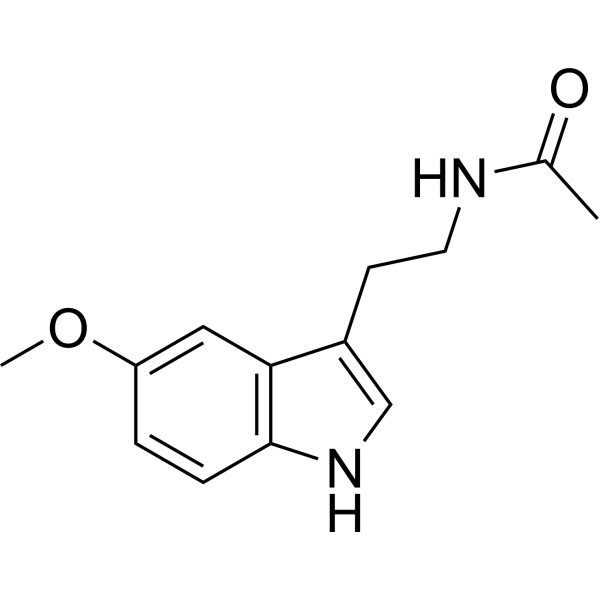
    Melatonin
    Maximum Cited Publications
    137 Publications Verification

    N-Acetyl-5-methoxytryptamine

    Melatonin Receptor Autophagy Mitophagy Endogenous Metabolite Apoptosis PANoptosis Infection Neurological Disease Inflammation/Immunology Cancer
    Melatonin is a hormone made by the pineal gland that can activate melatonin receptor and inhibit PANoptosis. Melatonin plays a role in sleep and possesses important antioxidative and anti-inflammatory properties . Melatonin is a novel selective ATF-6 inhibitor and induces human hepatoma cell apoptosis through COX-2 downregulation . Melatonin attenuates palmitic acid-induced (HY-N0830) mouse granulosa cells apoptosis via endoplasmic reticulum stress .
    Melatonin
  • HY-113466
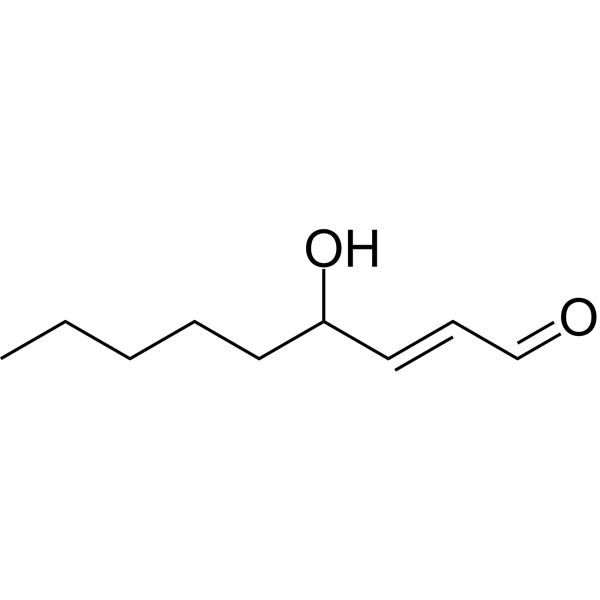
    4-Hydroxynonenal
    15+ Cited Publications

    4-HNE

    Aldehyde Dehydrogenase (ALDH) Endogenous Metabolite Cardiovascular Disease Neurological Disease Cancer
    4-Hydroxynonenal (4-HNE) is an α,β unsaturated hydroxyalkenal and an oxidative/nitrosative stress biomarker. 4-Hydroxynonenal is a substrate and an inhibitor of acetaldehyde dehydrogenase 2 (ALDH2). 4-Hydroxynonenal can modulate a number of signaling processes mainly through forming covalent adducts with nucleophilic functional groups in proteins, nucleic acids, and membrane lipids. 4-Hydroxynonenal plays an important role in cancer through mitochondria .
    4-Hydroxynonenal
  • HY-B2130
    Uric acid
    20+ Cited Publications

    Environmental Pollutants Endogenous Metabolite Reactive Oxygen Species (ROS) Cardiovascular Disease Inflammation/Immunology
    Uric acid, scavenger of oxygen radical, is a very important antioxidant that help maintains the stability of blood pressure and antioxidant stress. Uric acid can remove reactive oxygen species (ROS) such as singlet oxygen and peroxynitrite, inhibiting lipid peroxidation .
    Uric acid
  • HY-B2130A
    Uric acid sodium
    20+ Cited Publications

    Monosodium urate

    Reactive Oxygen Species (ROS) Endogenous Metabolite Cardiovascular Disease Metabolic Disease
    Uric acid sodium (Monosodium urate), scavenger of oxygen radical, is a very important antioxidant that help maintains the stability of blood pressure and antioxidant stress. Uric acid sodium can remove reactive oxygen species (ROS) such as singlet oxygen and peroxynitrite, inhibiting lipid peroxidation .
    Uric acid sodium
  • HY-128730

    Endogenous Metabolite Bacterial Metabolic Disease
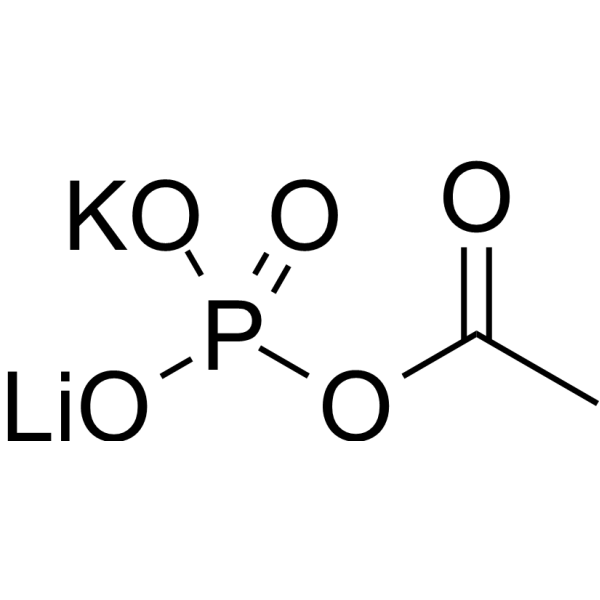
    Acetyl phosphate lithium potassium is an endogenous metabolic product. Acetyl phosphate lithium potassium is a key substance in bacterial metabolic regulation, particularly in Lysine acetylation, and plays an important role in bacterial responses to environmental stress and adaptive reactions .
    Acetyl phosphate lithium potassium
  • HY-B0389S10
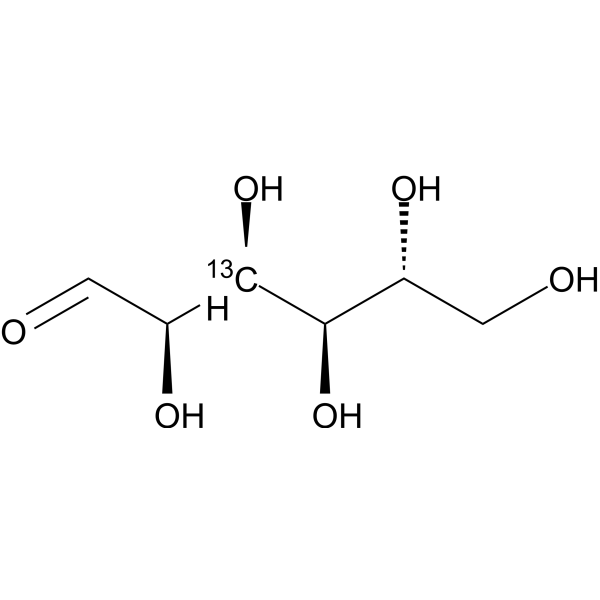
    D-Glucose-13C
    1 Publications Verification

    Glucose-13C; D-(+)-Glucose-13C; Dextrose-13C

    Endogenous Metabolite Metabolic Disease
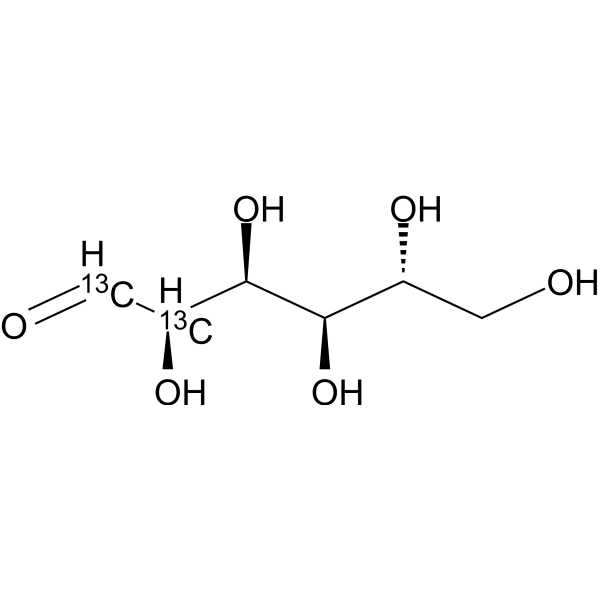
    D-Glucose- 13C is the 13C labeled D-Glucose. D-Glucose (Glucose), a monosaccharide, is an important carbohydrate in biology. D-Glucose is a carbohydrate sweetener and critical components of the general metabolism, and serve as critical signaling molecules in relation to both cellular metabolic status and biotic and abiotic stress response .
    D-Glucose-13C
  • HY-W040143

    Reactive Oxygen Species (ROS) Fluorescent Dye Inflammation/Immunology
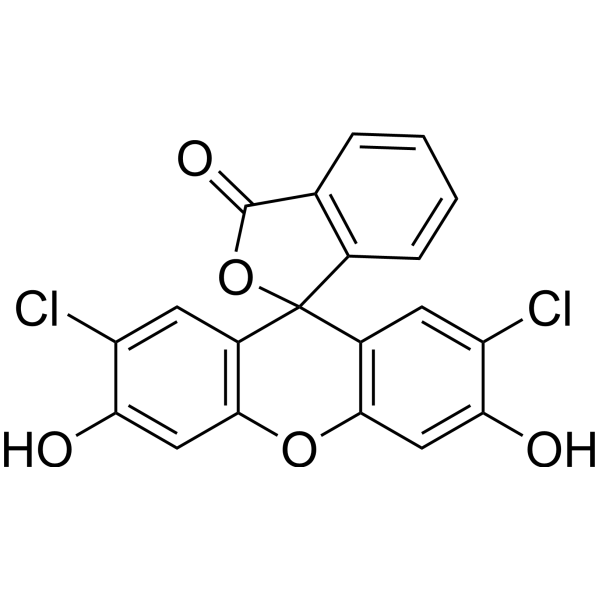
    2',7'-Dichlorofluorescein is an important fluorescent product in the detection of oxidative stress and can be used to measure reactive oxygen species (ROS) (Ex=503 nm and Em=523 nm) .
    2',7'-Dichlorofluorescein
  • HY-113283

    Amyloid-β Natriuretic Peptide Receptor (NPR) α-synuclein Transthyretin (TTR) Claudin Neurological Disease Metabolic Disease Cancer
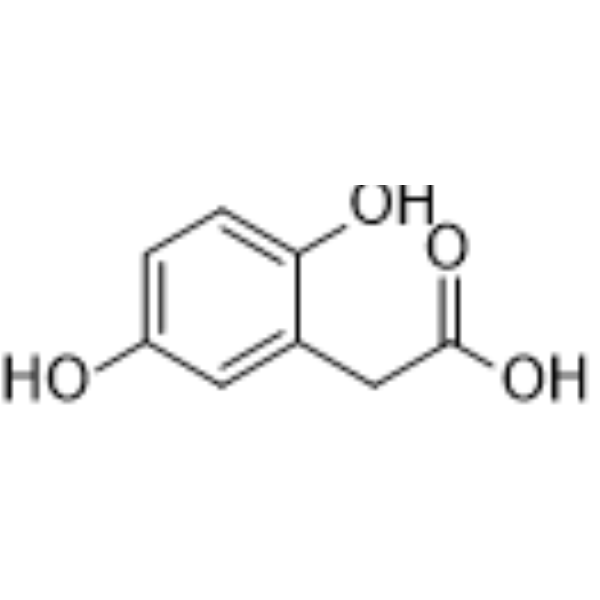
    Homogentisic acid is an orally active, blood-brain barrier-permeable amyloidogenic compound that functions as both an amyloid component and a pigment precursor. Accumulation of homogentisic acid downregulates tight junction proteins (such as claudin-5, occludin, ZO-1) and impairs blood-brain barrier integrity. Homogentisic acid and its oxidation product benzoquinone acetic acid not only induce the aggregation and fibrosis of multiple proteins (such as 1-42, α-synuclein, SAA, Transthyretin (TTR), atrial natriuretic peptide), but also trigger oxidative stress, damage to the Wnt/β-catenin pathway, and neurotoxicity, leading to ochronosis pigment deposition and synaptic dysfunction. At specific concentrations, homogentisic acid exerts no cytotoxicity or genotoxicity on human peripheral blood lymphocytes, and even counteracts the genotoxicity induced by Irinotecan (HY-16562). Homogentisic acid serves as an important tool molecule for investigating the mechanisms of diseases including ochronosis, secondary amyloidosis, Alzheimer's disease, and colorectal cancer .
    Homogentisic acid
  • HY-N16308

    Fluorescent Dye Others
    ER-Laurdan is a derivative of the membrane-permeable fluorescent probe Laurdan (HY-D0080) that targets the endoplasmic reticulum (ER). As a membrane fluidity reporter, ER-Laurdan specifically localizes to the ER luminal membrane, and exhibits a prominent solvatochromic response to fluidity changes caused by membrane packing and exogenous saturated fatty acid stress. ER-Laurdan shows no overlapping localization with mitochondria, enables quantitative analysis of ER membrane fluidity via generalized polarization ratio measurement, and allows automatic signal masking with the help of ER markers. With high specificity and quantitative capability, ER-Laurdan serves as an important tool for investigating metabolic disorders and associated changes in the physical properties of cell membranes .
    ER-Laurdan
  • HY-N9497

    Galectin Fungal Infection
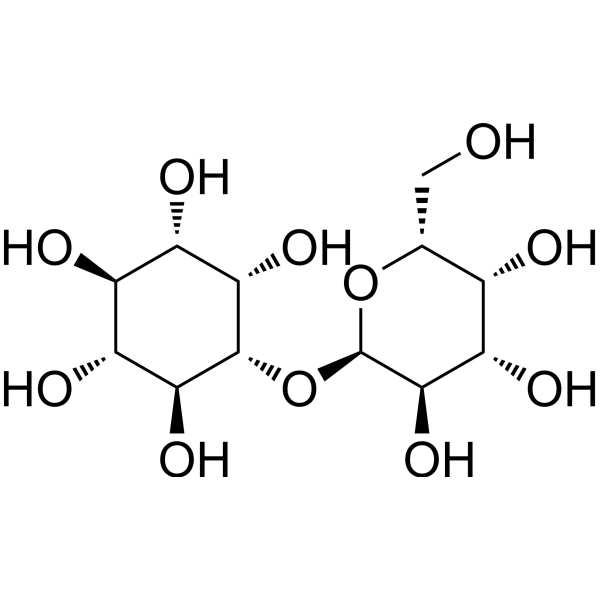
    Galactinol is a disaccharide carbohydrate serving as a galactosyl donor, which belongs to the raffinose family oligosaccharide pathway and acts as an important osmoprotectant. Galactinol not only induces disease resistance in plants against fungal and bacterial pathogens, but also significantly enhances plant tolerance to abiotic stresses such as drought, high salinity, low temperature and oxidative damage. In addition, Galactinol has the ability to scavenge hydroxyl radicals, can act as a signaling component for root colonization-induced systemic resistance, and is positively correlated with seed longevity in various crops, making it a potential biomarker for evaluating seed vigor. Therefore, Galactinol can be used in the research of various plant diseases including fungal leaf spot, bacterial angular leaf spot, gray mold and soft rot .
    Galactinol
  • HY-N0245

    Apoptosis MDM-2/p53 ATM/ATR Checkpoint Kinase (Chk) Cancer
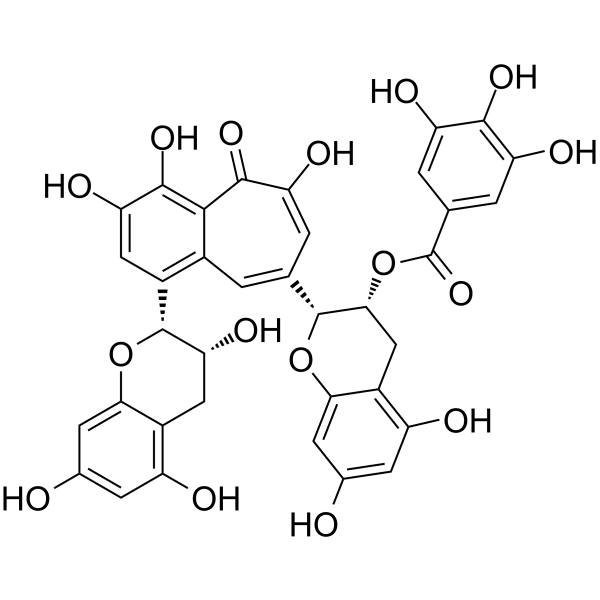
    Theaflavin-3-gallate, a black tea theaflavin monomer, is regarded as the biologically important active component of black tea and provides health benefits. Theaflavin-3-gallate acts as prooxidants and induces oxidative stress in the carcinoma cells. Theaflavin-3-gallate reacts directly with reduced glutathione (GSH) in a time- and concentration-dependent manner. Theaflavin-3-gallate induces apoptosis and G1 cell cycle arrest in ovarian cancer A2780/CP70 cells through p53-dependent pathways. Theaflavin-3-gallate induces DNA damage through ATM/Chk/p53 pathway .
    Theaflavin-3-gallate
  • HY-B2130S1

    Endogenous Metabolite Reactive Oxygen Species (ROS) Inflammation/Immunology
    Uric acid- 15N2 is the 15N labeled Uric acid . Uric acid, scavenger of oxygen radical, is a very important antioxidant that help maintains the stability of blood pressure and antioxidant stress. Uric acid can remove reactive oxygen species (ROS) such as singlet oxygen and peroxynitrite, inhibiting lipid peroxidation .
    Uric acid-15N2
  • HY-B0389S16

    Glucose-1-13C; D-(+)-Glucose-1-13C; Dextrose-1-13C

    Endogenous Metabolite Metabolic Disease
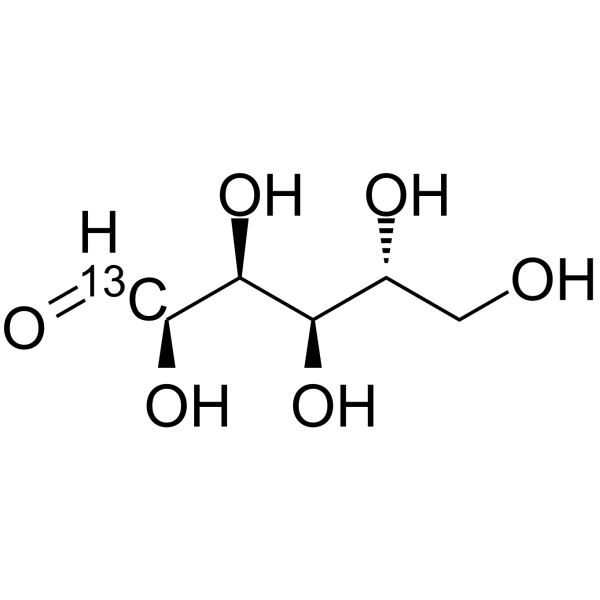
    D-Glucose-1- 13C is the 13C labeled D-Glucose. D-Glucose (Glucose), a monosaccharide, is an important carbohydrate in biology. D-Glucose is a carbohydrate sweetener and critical components of the general metabolism, and serve as critical signaling molecules in relation to both cellular metabolic status and biotic and abiotic stress response .
    D-Glucose-1-13C
  • HY-B0075S1

    N-Acetyl-5-methoxytryptamine-d3

    Isotope-Labeled Compounds Melatonin Receptor Autophagy Mitophagy Endogenous Metabolite Apoptosis Neurological Disease Inflammation/Immunology Cancer
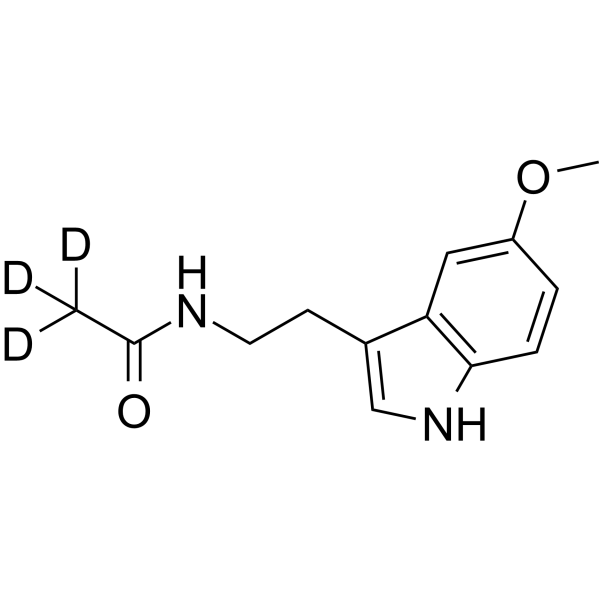
    Melatonin-d3 is the deuterium labeled Melatonin. Melatonin is a hormone made by the pineal gland that can activates melatonin receptor. Melatonin plays a role in sleep and possesses important antioxidative and anti-inflammatory properties . Melatonin is a novel selective ATF-6 inhibitor and induces human hepatoma cell apoptosis through COX-2 downregulation . Melatonin attenuates palmitic acid-induced (HY-N0830) mouse granulosa cells apoptosis via endoplasmic reticulum stress .
    Melatonin-d3
  • HY-B0075R
    Melatonin (standard)
    Maximum Cited Publications
    137 Publications Verification

    N-Acetyl-5-methoxytryptamine (standard); Melatonin

    Reference Standards Melatonin Receptor Autophagy Mitophagy Endogenous Metabolite Apoptosis Neurological Disease Inflammation/Immunology Cancer
    Melatonin (Standard) is the analytical standard of Melatonin. This product is intended for research and analytical applications. Melatonin is a hormone made by the pineal gland that can activates melatonin receptor. Melatonin plays a role in sleep and possesses important antioxidative and anti-inflammatory properties . Melatonin is a novel selective ATF-6 inhibitor and induces human hepatoma cell apoptosis through COX-2 downregulation . Melatonin attenuates palmitic acid-induced (HY-N0830) mouse granulosa cells apoptosis via endoplasmic reticulum stress .
    Melatonin (standard)
  • HY-P1108
    Astressin 2B
    1 Publications Verification

    CRFR Neurological Disease Inflammation/Immunology
    Astressin 2B is a blood-brain barrier-impermeable, highly selective CRFR2 antagonist (rCRFR2, IC50=0.57 nM). Astressin 2B blocks the protective effects mediated by CRFR2, thereby exacerbating indomethacin (HY-14397)-induced hemorrhagic intestinal injury in rats. Astressin 2B reverses the protective effects of Urocortin 1 against intestinal hypermotility, bacterial invasion and upregulation of inflammatory mediators. Astressin 2B also blocks the anxiogenic effect of Urocortin 2 and attenuates stress-induced anxiety-related behaviors. In the Clostridioides difficile toxin A (C. difficile toxin A)-mediated enteritis model, Astressin 2B mimics the phenotype of CRFR2-deficient mice, significantly exacerbating intestinal epithelial damage, edema, neutrophil migration and the expression of multiple proinflammatory cytokines. Astressin 2B is an important tool molecule for investigating the intestinal protective mechanisms of CRFR2 .
    Astressin 2B
  • HY-P1108A
    Astressin 2B TFA
    1 Publications Verification

    CRFR Neurological Disease Inflammation/Immunology
    Astressin 2B TFA is a blood-brain barrier-impermeable, highly selective CRFR2 antagonist (rCRFR2, IC50=0.57 nM). Astressin 2B TFA blocks the protective effects mediated by CRFR2, thereby exacerbating indomethacin (HY-14397)-induced hemorrhagic intestinal injury in rats. Astressin 2B TFA reverses the protective effects of Urocortin 1 against intestinal hypermotility, bacterial invasion and upregulation of inflammatory mediators. Astressin 2B TFA also blocks the anxiogenic effect of Urocortin 2 and attenuates stress-induced anxiety-related behaviors. In the Clostridioides difficile toxin A (C. difficile toxin A)-mediated enteritis model, Astressin 2B TFA mimics the phenotype of CRFR2-deficient mice, significantly exacerbating intestinal epithelial damage, edema, neutrophil migration and the expression of multiple proinflammatory cytokines. Astressin 2B TFA is an important tool molecule for investigating the intestinal protective mechanisms of CRFR2 .
    Astressin 2B TFA
  • HY-W040262

    Environmental Pollutants Herbicide Others
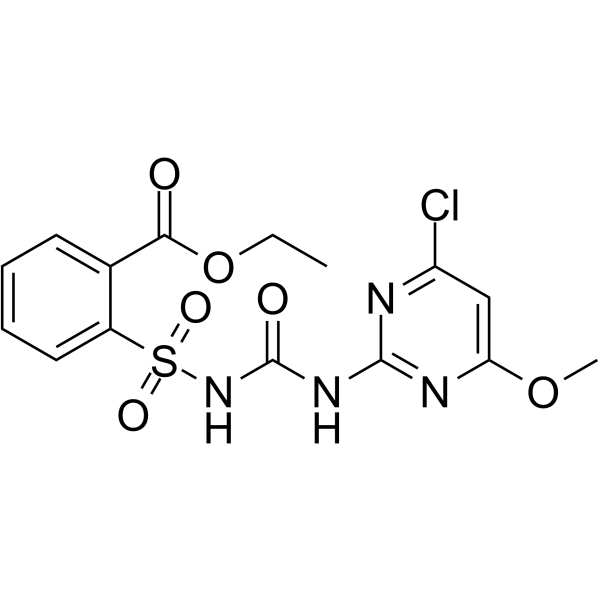
    Chlorimuron-ethyl induces oxidative stress. Chlorimuron-ethyl is an important herbicide that has been widely used in soybean production .
    Chlorimuron-ethyl
  • HY-108860

    PEG-L-asparaginase; Pegasparaginase

    FGFR Interleukin Related Inflammation/Immunology
    Oncaspar (PEG-L-asparaginase; Pegasparaginase), a pegylated form of native Escherichia coli-derived L-asparaginase, breaks down the amino acid asparagine that are circulating in the bloodstream. Oncaspar plays an important role in acute lymphoblastic leukemia (ALL) through asparagine hydrolysis and activation of the integrated stress response (ISR) pathway .
    Oncaspar
  • HY-B0389S6

    Glucose-d7; D-(+)-Glucose-d7; Dextrose-d7

    Isotope-Labeled Compounds Endogenous Metabolite Metabolic Disease
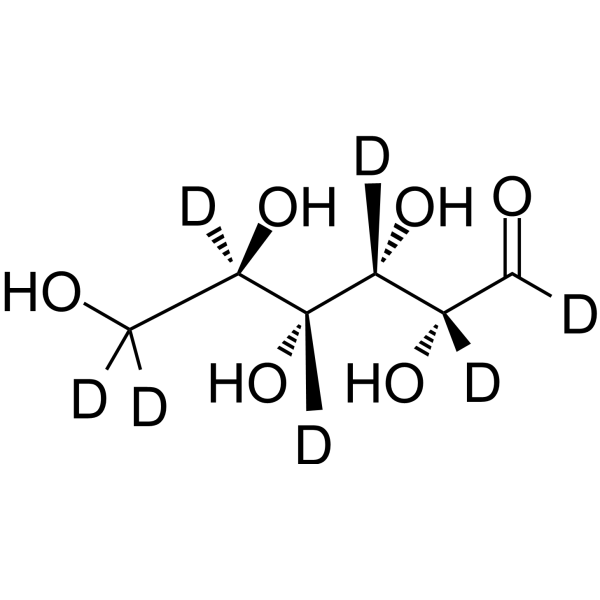
    D-Glucose-d77 is the deuterium labeled D-Glucose. D-Glucose (Glucose), a monosaccharide, is an important carbohydrate in biology. D-Glucose is a carbohydrate sweetener and critical components of the general metabolism, and serve as critical signaling molecules in relation to both cellular metabolic status and biotic and abiotic stress response .
    D-Glucose-d7
  • HY-B0389S5

    Glucose-d2; D-(+)-Glucose-d2; Dextrose-d2

    Isotope-Labeled Compounds Endogenous Metabolite Metabolic Disease
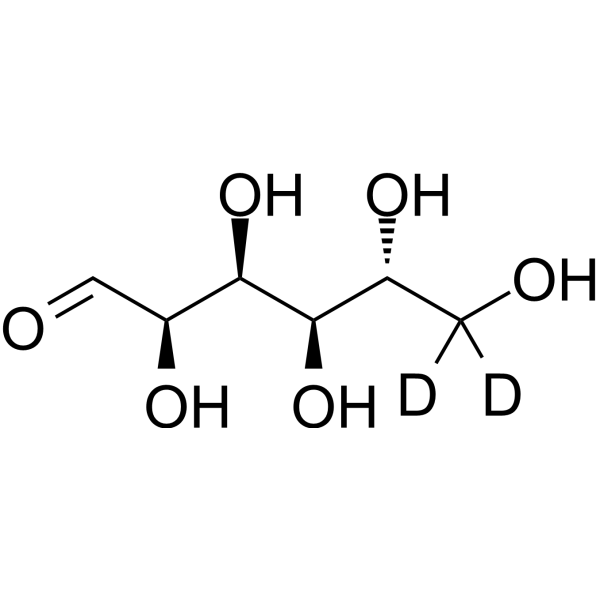
    D-Glucose-d2 is the deuterium labeled D-Glucose. D-Glucose (Glucose), a monosaccharide, is an important carbohydrate in biology. D-Glucose is a carbohydrate sweetener and critical components of the general metabolism, and serve as critical signaling molecules in relation to both cellular metabolic status and biotic and abiotic stress response .
    D-Glucose-d2
  • HY-B0389S15
    D-Glucose-13C2-4
    1 Publications Verification

    Glucose-13C2-4; D-(+)-Glucose-13C2-4; Dextrose-13C2-4

    Endogenous Metabolite Metabolic Disease
    D-Glucose- 13C2-4 is the 13C labeled D-Glucose. D-Glucose (Glucose), a monosaccharide, is an important carbohydrate in biology. D-Glucose is a carbohydrate sweetener and critical components of the general metabolism, and serve as critical signaling molecules in relation to both cellular metabolic status and biotic and abiotic stress response .
    D-Glucose-13C2-4
  • HY-B2130S

    Reactive Oxygen Species (ROS) Endogenous Metabolite Inflammation/Immunology
    Uric acid- 13C, 15N3 is the 13C-labeled and 15N-labeled Uric acid. Uric acid, scavenger of oxygen radical, is a very important antioxidant that help maintains the stability of blood pressure and antioxidant stress. Uric acid can remove reactive oxygen species (ROS) such as singlet oxygen and peroxynitrite, inhibiting lipid peroxidation .
    Uric acid-13C,15N3
  • HY-113466S

    4-HNE-d3

    Isotope-Labeled Compounds Aldehyde Dehydrogenase (ALDH) Endogenous Metabolite Cardiovascular Disease Neurological Disease Cancer
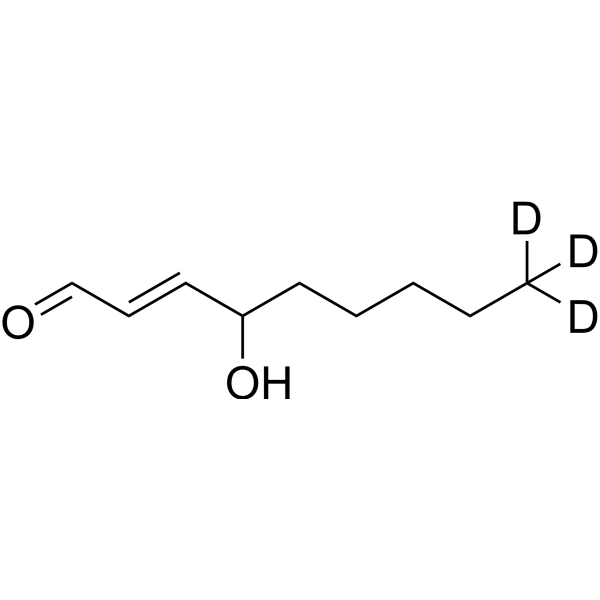
    4-Hydroxynonenal-d3 is the deuterium labeled 4-Hydroxynonenal. 4-Hydroxynonenal (4-HNE) is an α,β unsaturated hydroxyalkenal and an oxidative/nitrosative stress biomarker. 4-Hydroxynonenal is a substrate and an inhibitor of acetaldehyde dehydrogenase 2 (ALDH2). 4-Hydroxynonenal can modulate a number of signaling processes mainly through forming covalent adducts with nucleophilic functional groups in proteins, nucleic acids, and membrane lipids. 4-Hydroxynonenal plays an important role in cancer through mitochondria .
    4-Hydroxynonenal-d3
  • HY-B0075S2

    N-Acetyl-5-methoxytryptamine-d7

    Isotope-Labeled Compounds Melatonin Receptor Autophagy Mitophagy Endogenous Metabolite Apoptosis Neurological Disease Inflammation/Immunology Cancer
    Melatonin-d7 is the deuterium labeled Melatonin (HY-B0075). Melatonin is a hormone made by the pineal gland that can activates melatonin receptor. Melatonin plays a role in sleep and possesses important antioxidative and anti-inflammatory properties . Melatonin is a novel selective ATF-6 inhibitor and induces human hepatoma cell apoptosis through COX-2 downregulation . Melatonin attenuates palmitic acid-induced (HY-N0830) mouse granulosa cells apoptosis via endoplasmic reticulum stress .
    Melatonin-d7
  • HY-P1238A

    Neuromedin U (rat) TFA; Rat neuromedin U-23 TFA

    Neuromedin U Receptor (NMUR) Neurological Disease
    Neuromedin U, rat TFA is a 23-amino acid brain-gut peptide. Neuromedin U (NMU), through its cognate receptor NMUR2 in the central nervous system, regulates several important physiological functions, including energy balance, stress response, and nociception.
    Neuromedin U, rat TFA
  • HY-W041831

    Ethanedioic acid ammonium

    Environmental Pollutants Biochemical Assay Reagents Others
    Oxalic acid (ammonium) is a oxalic acid bound to ammonium. Oxalic acid has high acidity, reducibility, and chelation ability. Oxalic acid plays important roles in the regulation of plant growth and development, the response to both biotic and abiotic stresses such as plant defense and heavy metals detoxification, and food quality .
    Oxalic acid ammonium
  • HY-110146

    mGluR Neurological Disease
    XAP044 is a potent and selective antagonist of mGlu7. The metabotropic glutamate receptor subtype 7 (mGlu7) is an important presynaptic regulator of neurotransmission in the mammalian CNS. XAP044 demonstrates good brain exposure and wide spectrum anti-stress and antidepressant- and anxiolytic-like efficacy in rodent behavioral paradigms .
    XAP044
  • HY-B2130R

    Reference Standards Reactive Oxygen Species (ROS) Endogenous Metabolite Inflammation/Immunology
    Uric acid (Standard) is the analytical standard of Uric acid. This product is intended for research and analytical applications. Uric acid, scavenger of oxygen radical, is a very important antioxidant that help maintains the stability of blood pressure and antioxidant stress. Uric acid can remove reactive oxygen species (ROS) such as singlet oxygen and peroxynitrite, inhibiting lipid peroxidation .
    Uric acid (Standard)
  • HY-B0389S8

    Glucose-d1-4; D-(+)-Glucose-d1-4; Dextrose-d1-4

    Isotope-Labeled Compounds Endogenous Metabolite Metabolic Disease
    D-Glucose-d-44 is the deuterium labeled D-Glucose. D-Glucose (Glucose), a monosaccharide, is an important carbohydrate in biology. D-Glucose is a carbohydrate sweetener and critical components of the general metabolism, and serve as critical signaling molecules in relation to both cellular metabolic status and biotic and abiotic stress response .
    D-Glucose-d1-4
  • HY-B0389S2

    Glucose-d12-1; D-(+)-Glucose-d12-1; Dextrose-d12-1

    Isotope-Labeled Compounds Endogenous Metabolite Metabolic Disease
    D-Glucose-d12-12 is the deuterium labeled D-Glucose. D-Glucose (Glucose), a monosaccharide, is an important carbohydrate in biology. D-Glucose is a carbohydrate sweetener and critical components of the general metabolism, and serve as critical signaling molecules in relation to both cellular metabolic status and biotic and abiotic stress response .
    D-Glucose-d12-1
  • HY-135258

    Galectin Fungal Others
    Galactinol dihydrate is a disaccharide carbohydrate serving as a galactosyl donor, which belongs to the raffinose family oligosaccharide pathway and acts as an important osmoprotectant. Galactinol dihydrate not only induces disease resistance in plants against fungal and bacterial pathogens, but also significantly enhances plant tolerance to abiotic stresses such as drought, high salinity, low temperature and oxidative damage. In addition, Galactinol dihydrate has the ability to scavenge hydroxyl radicals, can act as a signaling component for root colonization-induced systemic resistance, and is positively correlated with seed longevity in various crops, making it a potential biomarker for evaluating seed vigor. Therefore, Galactinol dihydrate can be used in the research of various plant diseases including fungal leaf spot, bacterial angular leaf spot, gray mold and soft rot .
    Galactinol dihydrate
  • HY-P1238

    Neuromedin U (rat); Rat neuromedin U-23

    Neuromedin U Receptor (NMUR) Neurological Disease
    Neuromedin U, rat is a 23-amino acid brain-gut peptide. Neuromedin U (NMU), through its cognate receptor NMUR2 in the central nervous system, regulates several important physiological functions, including energy balance, stress response, and nociception.
    Neuromedin U, rat
  • HY-B0389S4

    Glucose-d1-2; D-(+)-Glucose-d1-2; Dextrose-d1-2

    Isotope-Labeled Compounds Endogenous Metabolite Metabolic Disease
    D-Glucose-d1-2 is the deuterium labeled D-Glucose. D-Glucose (Glucose), a monosaccharide, is an important carbohydrate in biology. D-Glucose is a carbohydrate sweetener and critical components of the general metabolism, and serve as critical signaling molecules in relation to both cellular metabolic status and biotic and abiotic stress response .
    D-Glucose-d1-2
  • HY-B0389S13

    Glucose-2-13C; D-(+)-Glucose-2-13C; Dextrose-2-13C

    Isotope-Labeled Compounds Endogenous Metabolite Metabolic Disease
    D-Glucose-2- 13C is the 13C labeled D-Glucose. D-Glucose (Glucose), a monosaccharide, is an important carbohydrate in biology. D-Glucose is a carbohydrate sweetener and critical components of the general metabolism, and serve as critical signaling molecules in relation to both cellular metabolic status and biotic and abiotic stress response .
    D-Glucose-2-13C
  • HY-B0389S11

    Glucose-4-13C; D-(+)-Glucose-4-13C; Dextrose-4-13C

    Endogenous Metabolite Metabolic Disease
    D-Glucose-4- 13C is the 13C labeled D-Glucose. D-Glucose (Glucose), a monosaccharide, is an important carbohydrate in biology. D-Glucose is a carbohydrate sweetener and critical components of the general metabolism, and serve as critical signaling molecules in relation to both cellular metabolic status and biotic and abiotic stress response .
    D-Glucose-4-13C
  • HY-B0389S14

    Glucose-13C2; D-(+)-Glucose-13C2; Dextrose-13C2

    Isotope-Labeled Compounds Endogenous Metabolite Metabolic Disease
    D-Glucose- 13C2 is the 13C labeled D-Glucose. D-Glucose (Glucose), a monosaccharide, is an important carbohydrate in biology. D-Glucose is a carbohydrate sweetener and critical components of the general metabolism, and serve as critical signaling molecules in relation to both cellular metabolic status and biotic and abiotic stress response[1].
    D-Glucose-13C2
  • HY-B0389S12

    Glucose-5-13C; D-(+)-Glucose-5-13C; Dextrose-5-13C

    Isotope-Labeled Compounds Endogenous Metabolite Metabolic Disease
    D-Glucose-5- 13C is the 13C labeled D-Glucose. D-Glucose (Glucose), a monosaccharide, is an important carbohydrate in biology. D-Glucose is a carbohydrate sweetener and critical components of the general metabolism, and serve as critical signaling molecules in relation to both cellular metabolic status and biotic and abiotic stress response[1].
    D-Glucose-5-13C
  • HY-B0389S9

    Glucose-13C3-2; D-(+)-Glucose-13C3-2; Dextrose-13C3-2

    Isotope-Labeled Compounds Endogenous Metabolite Metabolic Disease
    D-Glucose- 13C3-2 is the 13C labeled D-Glucose. D-Glucose (Glucose), a monosaccharide, is an important carbohydrate in biology. D-Glucose is a carbohydrate sweetener and critical components of the general metabolism, and serve as critical signaling molecules in relation to both cellular metabolic status and biotic and abiotic stress response .
    D-Glucose-13C3-2
  • HY-P10289A

    NPW30, rat acetate

    Neuropeptide B/W Receptor Neurological Disease
    Neuropeptide W-30 (rat) is an important stress mediator in the central nervous system that modulates the hypothalamus-pituitary-adrenal (HPA) axis and sympathetic outflow. Neuropeptide W-30 (rat) is an endogenous ligand for the two structurally related orphan G-protein-coupled receptors (GPCRs) GPR7 and GPR8. NPW-30 activates and binds to both GPR7 and GPR8 at similar effective doses .
    Neuropeptide W-30 (rat) acetate
  • HY-B0389S17

    Glucose-6-13C; D-(+)-Glucose-6-13C; Dextrose-6-13C

    Isotope-Labeled Compounds Endogenous Metabolite Metabolic Disease
    D-Glucose-6- 13C is the 13C labeled D-Glucose. D-Glucose (Glucose), a monosaccharide, is an important carbohydrate in biology. D-Glucose is a carbohydrate sweetener and critical components of the general metabolism, and serve as critical signaling molecules in relation to both cellular metabolic status and biotic and abiotic stress response .
    D-Glucose-6-13C
  • HY-P10287

    NPW30, human

    Neuropeptide B/W Receptor Neurological Disease
    Neuropeptide W-30 (human) is an important stress mediator in the central nervous system that modulates the hypothalamus-pituitary-adrenal (HPA) axis and sympathetic outflow. Neuropeptide W-30 (human) is an endogenous ligand for the two structurally related orphan G-protein-coupled receptors (GPCRs) GPR7 and GPR8. Neuropeptide W-30 (human) activates and binds to both GPR7 and GPR8 at similar effective doses .
    Neuropeptide W-30 (human)
  • HY-154857

    Scavenger Receptor Class B type I (SR-BI) Cancer
    1-Palmitoyl-2-succinyl-sn-glycerophosphorylcholine is a glycerophosphorylcholine, consisting of glycerol phosphate, choline and palmitic acid. It accumulates in vivo at sites of oxidative stress. 1-Palmitoyl-2-succinyl-sn-glycerophosphorylcholine may be a ligand of scavenger receptors class B, while oxidized phospholipids oxPC(CD36) are potent ligands of scavenger receptors class B (CD36 and SR-BI). Oxidized phospholipids (oxPLs) also play an important role in tumor apoptosis, may be elevated in malignant biliary strictures .
    1-Palmitoyl-2-succinyl-sn-glycerophosphorylcholine
  • HY-B2195

    Adrenergic Receptor Metabolic Disease
    Aidioxa has the ability to improve delayed gastric emptying in rats. It can partially improve delayed gastric emptying caused by clonidine or restraint stress. The allyltoin part of Aidioxa restores gastric emptying activity by antagonizing α-2 adrenergic receptors. Its aluminum hydroxide part is involved in restoring gastric compliance. Aidioxa can improve both delayed gastric emptying and impaired gastric compliance, both of which play an important role in functional dyspepsia (FD). Aidioxa is a candidate agent for inhibiting FD.
    Aldioxa
  • HY-100460

    ROCK Cancer
    BIPM is a potent ROCK2 inhibitor. BIPM leads to significant changes in neurite length, cell migration and actin stress fibers. BIPM plays an important role in anti-cancer metastasis .
    BIPM
  • HY-B0389S7

    Glucose-d1-3; D-(+)-Glucose-d1-3; Dextrose-d1-3

    Endogenous Metabolite Metabolic Disease
    D-Glucose-d-33 is the deuterium labeled D-Glucose. D-Glucose (Glucose), a monosaccharide, is an important carbohydrate in biology. D-Glucose is a carbohydrate sweetener and critical components of the general metabolism, and serve as critical signaling molecules in relation to both cellular metabolic status and biotic and abiotic stress response .
    D-Glucose-d1-3
  • HY-B2130AR

    Monosodium urate (Standard)

    Reactive Oxygen Species (ROS) Endogenous Metabolite Reference Standards Cardiovascular Disease Metabolic Disease
    Uric acid (sodium) (Standard) is the analytical standard of Uric acid (sodium). This product is intended for research and analytical applications. Uric acid sodium (Monosodium urate), scavenger of oxygen radical, is a very important antioxidant that help maintains the stability of blood pressure and antioxidant stress. Uric acid sodium can remove reactive oxygen species (ROS) such as singlet oxygen and peroxynitrite, inhibiting lipid peroxidation .
    Uric acid sodium (Standard)
  • HY-W780166

    Reactive Oxygen Species (ROS) Cardiovascular Disease
    Uric acid- 13C is the 13C-labeled Uric acid (HY-B2130). Uric acid, scavenger of oxygen radical, is a very important antioxidant that help maintains the stability of blood pressure and antioxidant stress. Uric acid can remove reactive oxygen species (ROS) such as singlet oxygen and peroxynitrite, inhibiting lipid peroxidation .
    Uric acid-13C
  • HY-B0389S18

    Glucose-13C3-1; D-(+)-Glucose-13C3-1; Dextrose-13C3-1

    Isotope-Labeled Compounds Endogenous Metabolite Metabolic Disease
    D-Glucose- 13C3-1 is the 13C labeled D-Glucose. D-Glucose (Glucose), a monosaccharide, is an important carbohydrate in biology. D-Glucose is a carbohydrate sweetener and critical components of the general metabolism, and serve as critical signaling molecules in relation to both cellular metabolic status and biotic and abiotic stress response .
    D-Glucose-13C3-1
  • HY-169957

    Reactive Oxygen Species (ROS) Cancer
    ROS-ERS inducer 2 (Complex 3f) triggers intracellular ROS generation and affect the function of mitochondria. promote the release of damage-associated molecular patterns (DAMPs), induce immunogenic cell death (ICD) and activates endoplasmic reticulum stress (ERS). ROS-ERS inducer 2 plays an important role in anti-liver cancer research .
    ROS-ERS inducer 2

Inquiry Online

Your information is safe with us. * Required Fields.

Salutation


Country or Region *

Applicant Name *


Organization Name *

Department *


Email Address *


Product Name *

Cat. No.


Requested quantity *

Phone Number *


Remarks

Inquiry Online

Inquiry Information

Product Name:
Cat. No.:
Quantity:
MCE Japan Authorized Agent:

