

Search Result
Results for "
kinase assay
" in MedChemExpress (MCE) Product Catalog:
1
Biochemical Assay Reagents
1
Isotope-Labeled Compounds
| Cat. No. |
Product Name |
Target |
Research Areas |
Chemical Structure |
-
- HY-19569
-
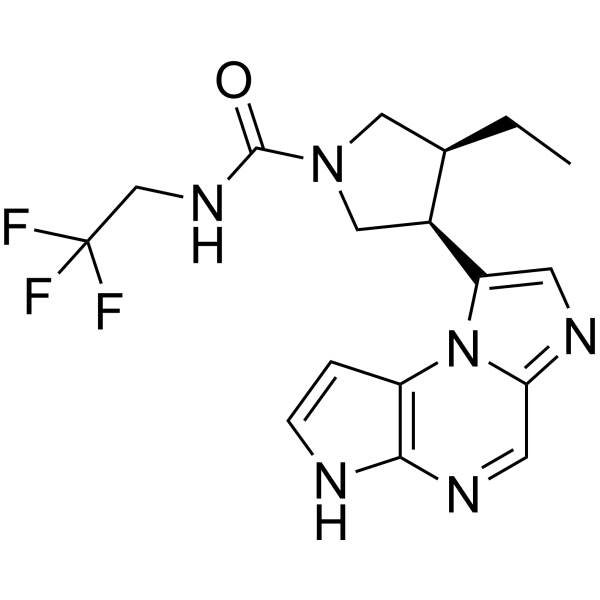
Upadacitinib
Maximum Cited Publications
26 Publications Verification
ABT-494
|
JAK
|
Inflammation/Immunology
|
|
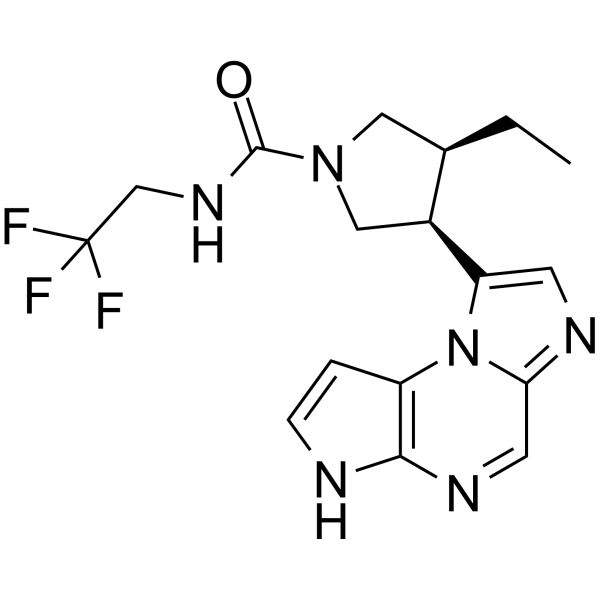
Upadacitinib (ABT-494) is a potent, orally active and selective Janus kinase 1 (JAK1) inhibitor (IC50=43 nM). Upadacitinib (ABT-494) displays approximately 74 fold selective for JAK1 over JAK2 (200 nM) in cellular assays dependent on specific, relevant cytokines. Upadacitinib (ABT-494) can be used for several autoimmune disorders research .
|
-
-
- HY-145817A
-
|
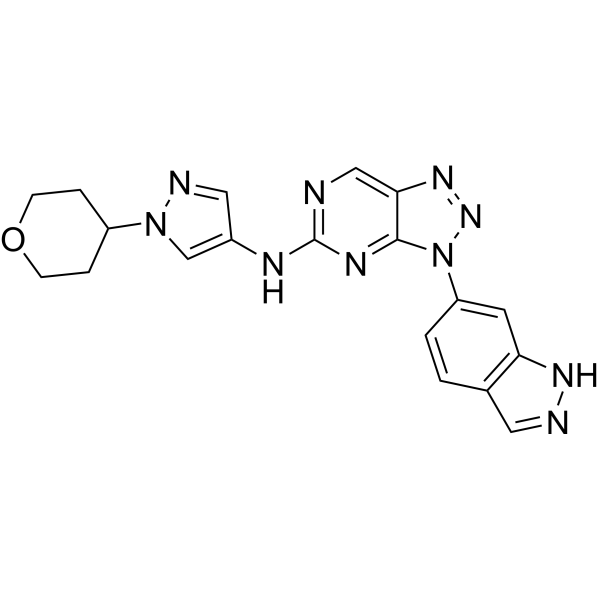
RP-6306
|
Wee1
|
Cancer
|
|
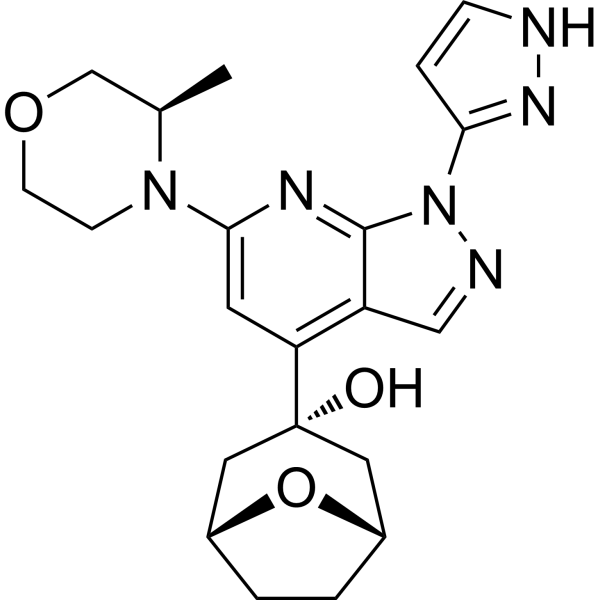
lunresertib (RP-6306) is a potent, selective and orally active PKMYT1 inhibitor with an IC50 of 14 nM. lunresertib shows a high degree of selectivity over other kinases in cellular binding assays. lunresertib shows anticancer effects .
|
-
-
- HY-19836
-
|
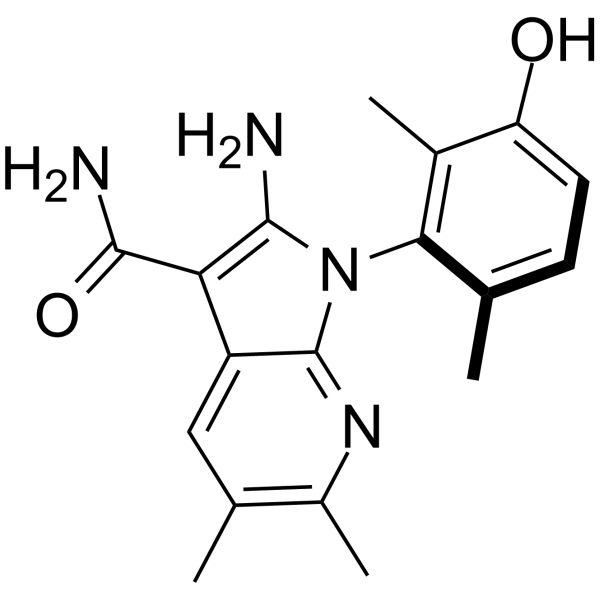
PF-06650833
|
IRAK
|
Inflammation/Immunology
|
|
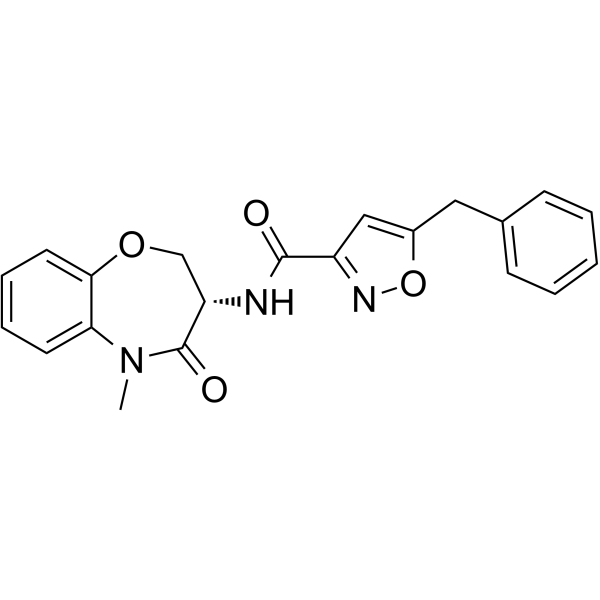
Zimlovisertib (PF-06650833) is a potent, selective and orally active inhibitor of interleukin-1 receptor associated kinase 4 (IRAK4) with IC50s of 0.2 and 2.4 nM in the cell and PBMC assay, respectively. Zimlovisertib is used to treat diseases such as rheumatoid arthritis, lupus, and lymphomas .
|
-
-
- HY-139609
-
|
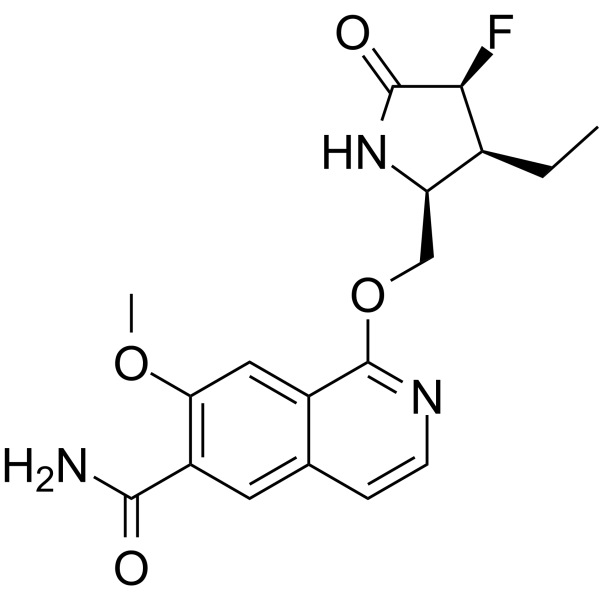
RP-3500; ATR inhibitor 4
|
ATM/ATR
mTOR
|
Cancer
|
|
Camonsertib (RP-3500) is an orally active, selective ATR kinase inhibitor (ATRi) with an IC50 of 1.00 nM in biochemical assays. Camonsertib shows 30-fold selectivity for ATR over mTOR (IC50=120 nM) and >2,000-fold selectivity over ATM, DNA-PK, and PI3Kα kinases. Camonsertib has potent antitumor activity .
|
-
-
- HY-138696
-
|
XL092
|
TAM Receptor
c-Met/HGFR
VEGFR
|
Cancer
|
|
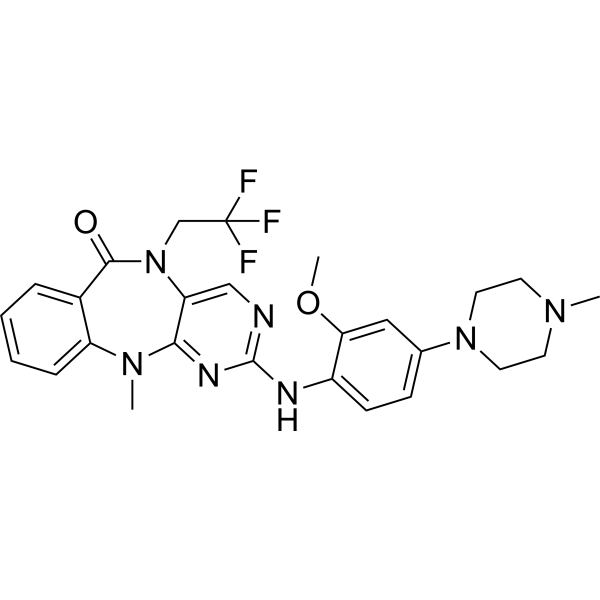
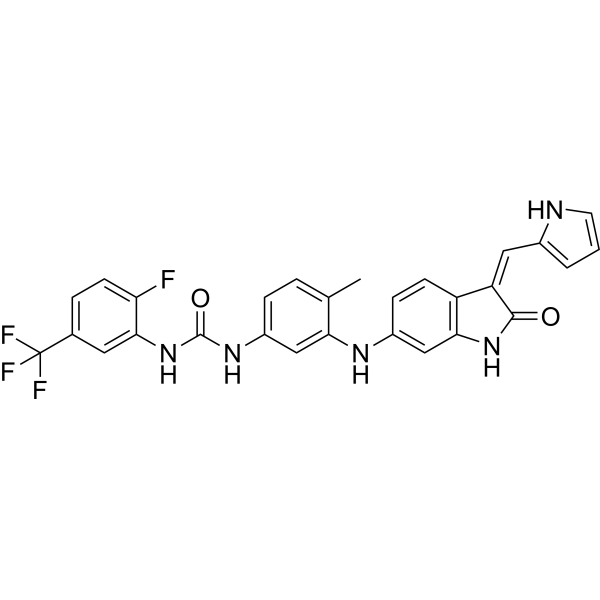
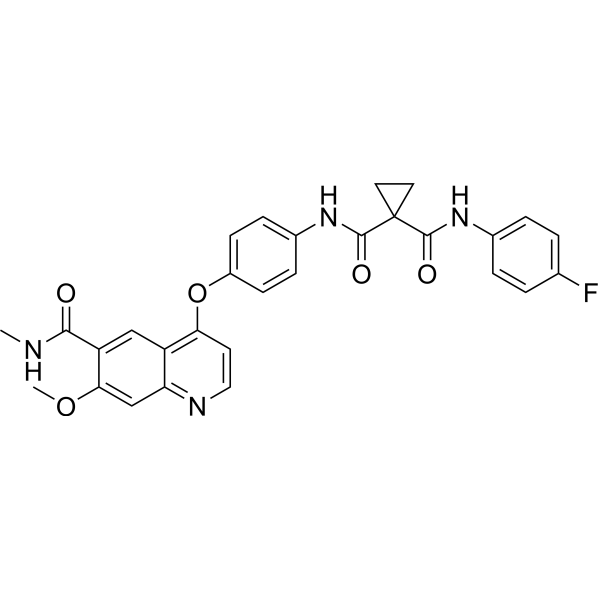
Zanzalintinib (XL092) is an orally active, ATP-competitive inhibitor of multiple receptor tyrosine kinases (RTKs) including MET, VEGFR2, AXL and MER, with IC50s in cell-based assays of 15 nM, 1.6 nM, 3.4 nM, 7.2 nM respectively. Zanzalintinib exhibits anti-tumor activity. Zanzalintinib has the potential for kinase-dependent diseases and conditions research .
|
-
-
- HY-13491
-
|
|
Trk Receptor
|
Cancer
|
|
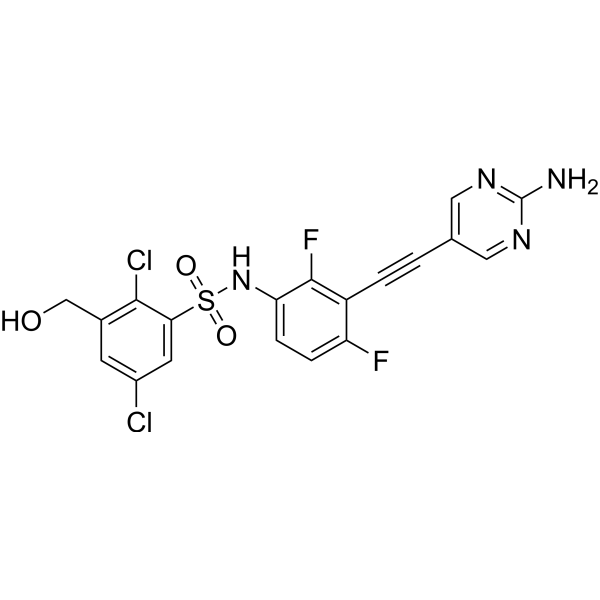
GNF-5837 is a potent, selective, and orally bioavailable pan-tropomyosin receptor kinase (TRK) inhibitor which display antiproliferative effects in cellular Ba/F3 assays ( IC50 values of 7 nM, 9 nM and 11 nM for cells containing the fusion proteins Tel-TrkC, Tel-TrkB and Tel-TrkA, respectively) .
|
-
-
- HY-100877
-
|
|
Eukaryotic Initiation Factor (eIF)
|
Cancer
|
|
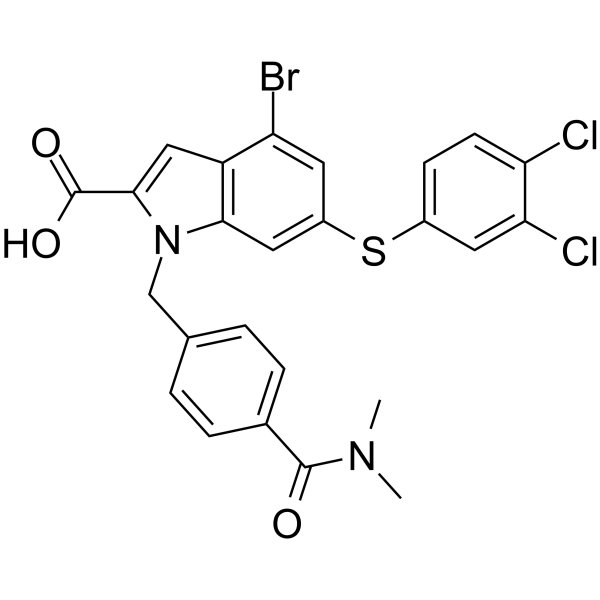
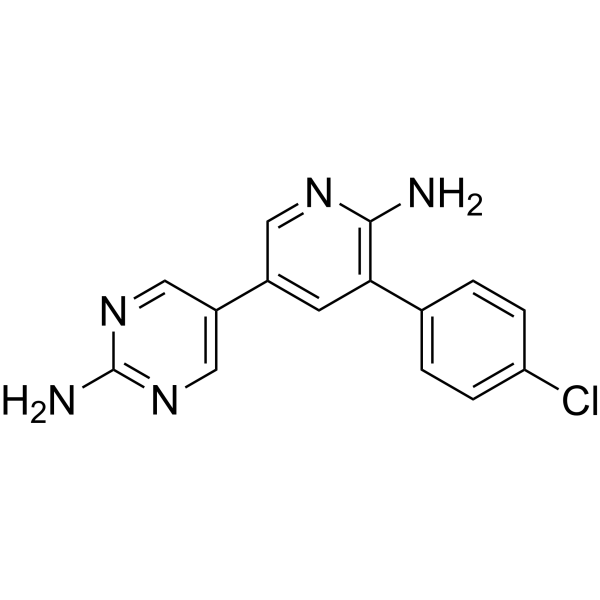
GCN2-IN-1 is a potent general control nonderepressible 2 kinase (GCN2) inhibitor with an IC50 of <0.3 μM in the enzyme assay and an IC50 of 0.3-3 μM in the cell assay .
|
-
-
- HY-135985
-
|
|
Fluorescent Dye
|
Cancer
|
|
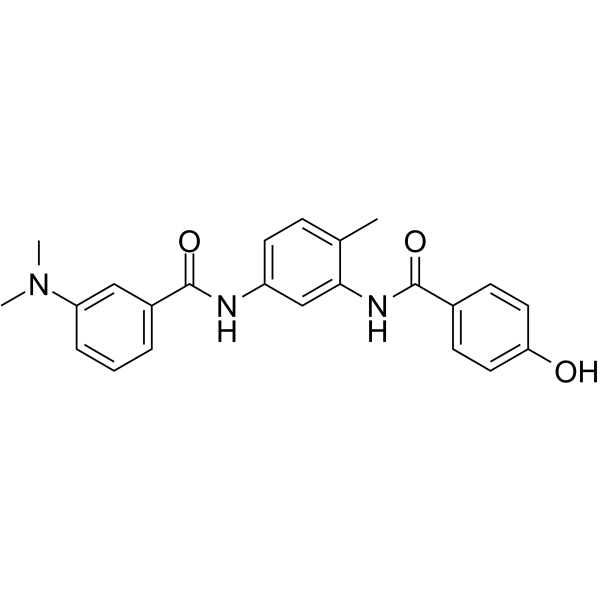
DCLK1-IN-1 is a selective, oral bioavailability in vivo-compatible chemical probe of the doublecortin like kinase 1 (DCLK1 kinase) domain. DCLK1-IN-1 inhibits DCLK1 and DCLK2 kinases (IC50: DCLK1=9.5/57.2 nM and DCLK2=31/103 nM in binding and kinase assay, respectively). DCLK1-IN-1 shows low toxicity, and can investigate DCLK1 biology and establish its role in cancer, like DCLK1 + pancreatic ductal adenocarcinoma (PDAC) .
|
-
-
- HY-122051
-
AC1903
1 Publications Verification
|
TRP Channel
|
Metabolic Disease
|
|
AC1903 is a specific and selective inhibitor of TRPC5 and has podocyte-protective properties. AC1903 does no effects on TRPC4 or TRPC6 currents and shows no off-target effects in kinase profiling assays. AC1903 suppresses severe proteinuria and prevents podocyte loss in focal segmental glomerulosclerosis (FSGS) rat model .
|
-
-
- HY-124798
-
|
|
mTOR
|
Neurological Disease
Inflammation/Immunology
Cancer
|
Rheb inhibitor NR1 is a Rheb inhibitor with an IC50 of 2.1 µM in the Rheb-IVK assay. Rheb inhibitor NR1 can directly bind Rheb in the switch II domain and selectively inhibit the activation of mechanistic target of rapamycin complex 1 (mTORC1). Rheb inhibitor NR1 inhibits the phosphorylation of mTORC1 driven T389pS6K1 and increases the phosphorylation of S473pAKT in a dose-dependent manner. Rheb inhibitor NR1 does not influence mTORC2 activity .
(Rheb-IVK: Rheb-dependent mTORC1 kinase activity)
|
-
-
- HY-P1821
-
|
MHP4-14
|
PKC
|
Neurological Disease
|
|
Myelin Basic Protein (MHP4-14), a synthetic peptide comprising residues 4-14 of myelin basic protein, is a very selective PKC substrate (Km=7 μM). Myelin Basic Protein is not phosphorylated by cyclic AMP-dependent protein kinase, casein kinases I and II, Ca 2+/calmodulin-dependent protein kinase II, or phosphorylase kinase, and can be routinely used for the assay of protein kinase C with low background in the crude tissue extracts .
|
-
-
- HY-141572
-
|
sn-1,2-Dioleoylglycerol; 18:1/18:1-DG
|
Drug Derivative
|
Metabolic Disease
|
|
1,2-Dioleoyl-sn-glycerol (sn-1,2-Dioleoylglycerol; 18:1/18:1-DG) is a glycerolipid located on the plasma membrane. 1,2-Dioleoyl-sn-glycerol consists of two fatty acid chains covalently linked to a single glycerol molecule by means of an ester bond. 1,2-Dioleoyl-sn-glycerol is an analog of the protein kinase C-activating second messenger DAG. 1,2-Dioleoyl-sn-glycerol has been used as a source of diacylglycerol in the diacylglycerol O-acyltransferase 1 (DGAT1) assay. 1,2-Dioleoyl-sn-glycerol can induce acrosome reaction in human sperm .
|
-
-
- HY-139504
-
|
CC-99677
|
MAPKAPK2 (MK2)
|
Inflammation/Immunology
|
|
Gamcemetinib (CC-99677) is a potent, covalent, and irreversible inhibitor of the mitogen-activated protein (MAP) kinase-activated protein kinase-2 (MK2) pathway in both biochemical (IC50=156.3 nM) and cell based assays (EC50=89 nM). Gamcemetinib is extracted from patent WO2020236636, compound 1 .
|
-
-
- HY-130254
-
|
|
Src
|
Inflammation/Immunology
Cancer
|
|
CSK-IN-1 (compound 13) is a potent, orally active c-terminal Src kinase (CSK) with IC50 values below 3 nM and 4 nM in CSK HTRF and Caliper assay, respectively. CSK-IN-1 shows the ability to increase T cell proliferation induced by T cell receptor signaling .
|
-
-
- HY-19569R
-
|
ABT-494 (Standard)
|
Reference Standards
JAK
|
Inflammation/Immunology
|
|
Upadacitinib (Standard) is the analytical standard of Upadacitinib. This product is intended for research and analytical applications. Upadacitinib (ABT-494) is a potent, orally active and selective Janus kinase 1 (JAK1) inhibitor (IC50=43 nM). Upadacitinib (ABT-494) displays approximately 74 fold selective for JAK1 over JAK2 (200 nM) in cellular assays dependent on specific, relevant cytokines. Upadacitinib (ABT-494) can be used for several autoimmune disorders research .
|
-
-
- HY-13343
-
|
|
Raf
Apoptosis
|
Cancer
|
|
ZM 336372 is a potent inhibitor of the protein kinase c-Raf. The IC50 value is 0.07 μM in the standard assay, which contains 0.1 mM ATP.
|
-
-
- HY-108606
-
PI-828
2 Publications Verification
|
PI3K
Casein Kinase
|
Cancer
|
|
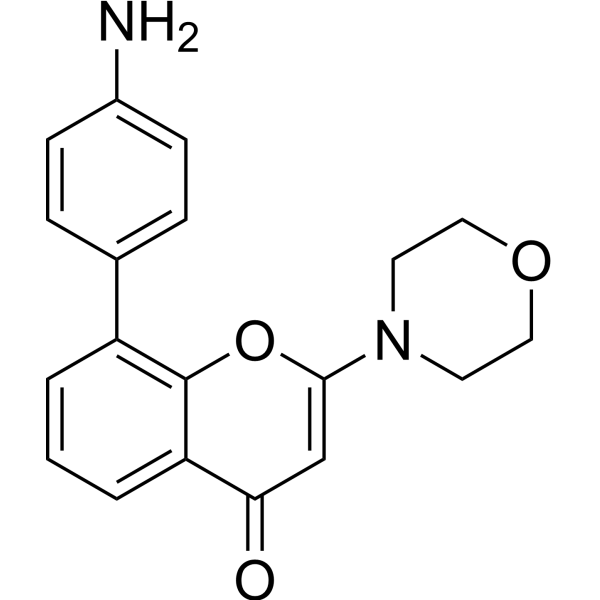
PI-828 is a dual PI3K and casein kinase 2 (CK2) inhibitor with IC50s of 173 nM, 149 nM, and 1127 nM for p110α, CK2, and CK2α2 in lipid kinase assay, respectively .
|
-
-
- HY-122700
-
|
|
Complement System
|
Inflammation/Immunology
|
|
Factor D inhibitor 6 is a potent, highly selective and orally active factor D (FD) inhibitor with an IC50 of 30 nM and a Kd of 6 nM. Factor D inhibitor 6 is inactive against factor B, lassical and lectin complement-pathway activation, and a broad assay panel of receptors, ion channels, kinases and proteases .
|
-
-
- HY-130240
-
|
|
Eukaryotic Initiation Factor (eIF)
|
Cancer
|
|
GCN2-IN-6 (Compound 6d) is a potent, and orally available GCN2 inhibitor confirmed by in-house enzymatic (IC50 of 1.8 nM) and cellular assays (IC50 of 9.3 nM). GCN2-IN-6 is also a eIF2α kinase PERK inhibitor with an IC50 of 0.26 nM (in enzymatic assay) and 230 nM (in cells) . GCN2-IN-6 is a click chemistry reagent, it contains an Alkyne group and can undergo copper-catalyzed azide-alkyne cycloaddition (CuAAc) with molecules containing Azide groups.
|
-
-
- HY-100131
-
GSK481
1 Publications Verification
|
RIP kinase
|
Inflammation/Immunology
|
|
GSK481 is a highly potent, selective, and specific receptor interacting protein 1 (RIP1) kinase inhibitor with an IC50 of 1.3 nM, which inhibits Ser 166 phosphorylation in wild-type human RIP1 (IC50=2.8 nM). GSK481 also exhibits excellent translation in the U937 cellular assay with an IC50 of 10 nM .
|
-
-
- HY-178129
-
|
|
Syk
|
Inflammation/Immunology
|
|
MRL-SYKi is a chemical probe for gain-of-function variants of spleen tyrosine kinase (SYK). MRL-SYKi reduces the catalytic activity of SYK S550Y, SYK S550F and SYK P342T, and downregulates the phosphorylation level of SYK S550Y. MRL-SYKi serves as a template for developing NanoBRET tracers targeting SYK, enabling NanoBRET cellular target engagement assays for gain-of-function variants of SYK. MRL-SYKi is applicable to research related to inflammatory and immune diseases .
|
-
-
- HY-125012
-
|
|
MAP4K
|
Metabolic Disease
|
|
MAP4K4-IN-3 (Compound 17) is a potent and selective MAP4K4 inhibitor with an IC50 of 14.9 nM in kinase assay, an IC50 of 470 nM in cell assay. Antidiabetic agent .
|
-
-
- HY-112362
-
|
Rockout; 3-(4-Pyridinyl)-1H-indole; Rho kinase Inhibitor III, Rockout
|
ROCK
|
Inflammation/Immunology
|
|
3-(4-Pyridyl)indole (Rockout) is a Rho-kinase (ROCK) inhibitor, with an IC50 of 25 μM. 3-(4-Pyridyl)indole can inhibit blebbing and cause dissolution of actin stress fibers in a wound healing assay .
|
-
-
- HY-131972
-
|
|
PI3K
|
Cancer
|
|
PF-06843195 is a highly selective PI3Kα inhibitor with an IC50 of 18 nM in Rat1 fibroblasts. The Kis of PF-06843195 for PI3Kα and PI3Kδ in biochemical kinase assay are less than 0.018 nM and 0.28 nM, respectively. PF-06843195 has great suppression of the PI3K/mTOR signaling pathway and durable antitumor efficacy .
|
-
-
- HY-P0225
-
|
Autocamtide II
|
CaMK
Autophagy
|
Neurological Disease
|
|
Autocamtide 2 is a highly selective peptide substrate of calcium/calmodulin-dependent protein kinase II (CaMKII). It can be used in the CaMKII activity assay.
|
-
-
- HY-D2415
-
|
|
Fluorescent Dye
|
Others
|
|
BODIPY-FL staurosporine (Compound 8a) is a fluorescence probe based on staurosporine, exhibiting high specificity towards tyrosine kinases (TK) and tyrosine kinase-like (TKL) family kinases. BODIPY-FL staurosporine has the potential to develop binding assays for kinases that are not recommended for use with Kinase Tracer 236, such as PIM3, CDC42BPG, MAP2K7, TXK, and SIK3. BODIPY-FL staurosporine can be a powerful tool for analyzing kinase selectivity in kinase drug discovery .
|
-
-
- HY-129634
-
|
|
Trk Receptor
|
Neurological Disease
|
|
TrkA-IN-1 is a potent and selective Tropomyosin-related kinase A (TrkA) inhibitor with an IC50 of 99 nM in a cell-based assay. TrkA-IN-1 has analgesic activity .
|
-
-
- HY-112622
-
|
DDD-853651
|
Parasite
|
Cancer
|
|
GSK3186899 (DDD-853651) is an inhibitor of cdc-2-related kinase 12 (CRK12), with an EC50 of 1.4 μM for L. donovani in an intra-macrophage assay.
|
-
-
- HY-18302
-
|
|
c-Kit
|
Inflammation/Immunology
|
|
c-Kit-IN-5 is potent inhibitor of c-Kit, with IC50s of 22 nM and 16 nM in kinase assay and cell assay, respectively. c-Kit-IN-5 shows more than 200-fold selectivity for c-Kit over KDR, p38, Lck, and Src. c-Kit-IN-5 also exhibits desirable pharmacokinetic properties .
|
-
-
- HY-120179
-
|
|
AAK1
|
Neurological Disease
|
|
LP-922761 is a potent, selective and orally active adapter protein-2 associated kinase 1 (AAK1) inhibitor with IC50s of 4.8 nM and 7.6 nM in enzyme and cell assays, respectively. LP-922761 also inhibits BMP-2-inducible protein kinase (BIKE) with an IC50 of 24 nM. LP-922761 exhibits no significant activity at cyclin G-associated kinase (GAK), opioid, adrenergic α2 or GABAa receptors .
|
-
-
- HY-115570
-
|
GW108X
|
Kinesin
ULK
Autophagy
|
Cancer
|
|
GW406108X is a specific Kif15 (Kinesin-12) inhibitor with an IC50 of 0.82 uM in ATPase assays. GW406108X, a potent autophagy inhibitor, shows ATP competitive inhibition against ULK1 with a pIC50 of 6.37 (427 nM). GW406108X inhibits ULK1 kinase activity and blocks autophagic flux, without affecting the upstream signaling kinases mTORC1 and AMPK .
|
-
-
- HY-177416
-
|
|
DYRK
|
Cancer
|
|
MU1787 is a highly selective homeodomain-interacting protein kinase (HIPK) inhibitor with a furopyridine core, and shows improved selectivity against CLKs, with inactivity against DYRK1B, DYRK2, and MLK2/3 in in vitro cellular assays. MU1787 can be used for the research of malignancies .
|
-
-
- HY-149006
-
|
|
DAPK
|
Inflammation/Immunology
Cancer
|
|
CK156, a chemical probe, is a highly selective death-associated protein kinase (DAPK) inhibitor with IC50s of 182 nM,34 μM, and 39 μM in the DRAK1 NanoBRET assay for DRAK1, CK2a1, and CK2a2, respectively. CK156 can be used for the research of autoimmune and inflammatory diseases .
|
-
-
- HY-W727879
-
|
ABT-494-15N,d2
|
Isotope-Labeled Compounds
|
Others
|
|
Upadacitinib- 15N,d2 (ABT-494- 15N,d2) is the deuterium-labeled Upadacitinib (HY-19569). Upadacitinib- 15N,d2 (ABT-494) is a potent, orally active and selective Janus kinase 1 (JAK1) inhibitor (IC50=43 nM). Upadacitinib- 15N,d2 (ABT-494) displays approximately 74 fold selective for JAK1 over JAK2 (200 nM) in cellular assays dependent on specific, relevant cytokines. Upadacitinib- 15N,d2 (ABT-494) can be used for several autoimmune disorders research .
|
-
-
- HY-130433
-
|
|
Fluorescent Dye
|
Others
|
|
NBD Sphingosine (NBD-Sph), a fluorochrome, is a fluorescence-labeled sphingosine. NBD Sphingosine can be uesd for fluorescence assay for sphingosine kinases .
|
-
-
- HY-P10044
-
|
|
RET
|
Others
|
|
IGF1Rtide can be used as a RET kinase substrate for RET kinase assays .
|
-
-
- HY-P5426
-
|
|
Bcr-Abl
|
Others
|
|
Abl protein tyrosine kinase substrate is a biological active peptide. (Abltide is a peptide substrate for Abl Kinase (Abl protein tyrosine kinase), a partner in the gag-Abl fusion protein of the Abelson murine leukemia virus. Used in Western blot and kinase assay.)
|
-
-
- HY-136567
-
|
|
Raf
|
Cancer
|
|
TBAP-001 (Synthesis 13), extracted from patent WO2015075483A1, is a pan-RAF kinase inhibitor, with an IC50 of 62 nM in BRAF V600E kinase assay .
|
-
-
- HY-18179
-
|
|
PDGFR
VEGFR
FLT3
c-Kit
|
Cancer
|
|
AZD2932 is a potent and multi-targeted kinase inhibitor VEGFR2, PDGFβ, Flt-3 and c-Kit with IC50s of 8, 4, 7 and 9 nM in cell assay, respectively.
|
-
-
- HY-10515
-
|
|
PDK-1
|
Cancer
|
|
BX-320 is a selective, ATP-competitive, orally acitive, and direct PDK1 inhibitor with an IC50 of 30 nM in a direct kinase assay format. BX-320 also induces apoptosis. Anticancer effect .
|
-
-
- HY-170805
-
|
|
Choline Kinase
|
Cancer
|
|
UNC0737 is an orthosteric choline kinase inhibitor. UNC0737 is also a poor inhibitor of G9a (IC50 = 5000 nM) and GLP (IC50 > 10000 nM) in the SAHH-coupled assays .
|
-
-
- HY-P1821A
-
|
MHP4-14 TFA
|
PKC
|
Neurological Disease
|
|
Myelin Basic Protein (MHP4-14) TFA, a synthetic peptide comprising residues 4-14 of myelin basic protein, is a very selective PKC substrate (Km=7 μM). Myelin Basic Protein TFA is not phosphorylated by cyclic AMP-dependent protein kinase, casein kinases I and II, Ca 2+/calmodulin-dependent protein kinase II, or phosphorylase kinase, and can be routinely used for the assay of protein kinase C with low background in the crude tissue extracts .
|
-
-
- HY-19569A
-
|
ABT-494 tartrate tetrahydrate
|
JAK
|
Inflammation/Immunology
|
|
Upadacitinib (ABT-494) tartrate tetrahydrate is a potent, orally active and selective Janus kinase 1 (JAK1) inhibitor (IC50=43 nM). Upadacitinib tartrate tetrahydrate displays approximately 74 fold selective for JAK1 over JAK2 (200 nM) in cellular assays dependent on specific, relevant cytokines. Upadacitinib tartrate tetrahydrate can be used for several autoimmune disorders research .
|
-
-
- HY-P3940
-
|
|
PKC
|
Others
|
|
Ac-MBP (4-14) Peptide is an acetylated MBP (4-14) peptide. MBP (4-14) Peptide is a very selective (protein kinase C) PKC substrate. Ac-MBP (4-14) Peptide can be used for PKC assay in extracts without prior purification to eliminate interfering protein kinases or phosphatases .
|
-
-
- HY-160686
-
|
|
VEGFR
|
Others
|
|
GSK248233A is a dual inhibitor of Fluc and VEGFR2 with IC50 of 1.03 μM and 2 nM, respectively. GSK248233A also shows activity against the AGC family. GSK248233A acts as a protein kinase inhibitor across ATP-dependent and -independent luciferases with potential implications for Fluc reporter assays .
|
-
-
- HY-P5961
-
-
-
- HY-13232
-
|
|
Itk
|
Inflammation/Immunology
|
|
ITK antagonist (compound 10 n) is a potent, orally active and selective ITK (Interleukin-2 inducible T-cell kinase) antagonist (IC50=1 and 20 nM in different assays). ITK antagonist inhibits insulin receptor kinase (IRK) with an IC50 of 160 nM .
|
-
-
- HY-173275
-
|
|
PDGFR
|
Cancer
|
|
PDGFRα kinase inhibitor 3 (Compound L7) is a highly potent inhibitor targeting the PDGFRα D842V kinase with IC50s values of 23.8 nM and 2.1 nM in biochemical and cellular assays, respectively. PDGFRα kinase inhibitor 3 binds to the ATP-binding pocket of PDGFRα D842V to block its downstream signaling pathways and inhibit kinase activity. PDGFRα kinase inhibitor 3 can be used for gastrointestinal stromal tumors (GISTs) study .
|
-
-
- HY-115869
-
|
|
mTOR
|
Cancer
|
|
RMC-4529 has an IC50 value of 1.0 nM against p-4E-BP1-(T37/46) in mTOR kinase cellular assay.
|
-
-
- HY-P5434
-
|
JAK3 Peptide substrate
|
JAK
|
Others
|
|
Jak3tide (JAK3 Peptide substrate) is a biological active peptide. (This peptide is a substrate for Jak3. It may be used used in kinase assays. Jak3tide contains the phosphorylation site at Tyr7.)
|
-
- HY-153437
-
|
|
RIP kinase
|
Cancer
|
|
PB830 (compound 41) is a potent receptor interacting protein 1 kinase (RIP1) Inhibitor with an IC50 of <100 nM for human RIP1. PB830 has an EC50 of 1-100 nM in the cell necrosis assay .
|
-
- HY-178150
-
|
|
Wee1
|
Cancer
|
|
WEE1-IN-14 (Compound 14) is a selective WEE1 inhibitor (IC50: 0.5 nM in L-RB-FEP calculations, 1.0 nM in ADP-Glo kinase assay). Inhibition of Wee1 in cancer cells disrupts the G2-M checkpoint, removes the regulatory controls on the cell cycle, and leads to early onset of mitotic failure followed by apoptosis of tumor cells. Therefore, WEE1-IN-14 is a useful tool for studying cancer biology .
|
-
- HY-P10609
-
|
|
Btk
|
Others
|
|
Btk substrate peptide is a peptide substrate corresponding to residues 217-229 of human Bruton’s tyrosine kinase (Btk), of which the tyrosine at residue 223 is the major autophosphorylation site of Btk. Btk substrate peptide is used as a substrate in in vitro kinase assays to evaluate the activity of Btk or other tyrosine kinases .
|
-
- HY-P2547A
-
|
|
Src
|
Others
|
|
Tyrosine Kinase Peptide 1 (acetate) is a control substrate peptide for c-Src assay .
|
-
- HY-P2547
-
|
|
Src
|
Others
|
|
Tyrosine Kinase Peptide 1 is a control substrate peptide for c-Src assay .
|
-
- HY-153436
-
|
|
RIP kinase
|
Cancer
|
|
RIP1 kinase inhibitor 6 is a potent and selective RIP1 kinase inhibitor with an IC50 of < 100 nM in human R1P1 kinase assay. RIP1 kinase inhibitor 6 is extracted from patent WO2020103884, example 80 .
|
-
- HY-P3904
-
|
|
Biochemical Assay Reagents
|
Others
|
|
P34cdc2 Kinase Substrate Peptide is a synthetic peptide substrates for P34 cdc2 kinase, with a Km of 74 μM for the purified human enzyme. P34cdc2 Kinase Substrate Peptide can be used in a rapid assay of P34 cdc2 phosphorylation in vitro. P34 cdc2, a protein serinehhreonine kinase, is a cell division cycle-regulated protein kinase .
|
-
- HY-160691
-
|
|
Aurora Kinase
|
Others
|
|
GW814408X is a kinase chemical genome group (KCGS) compound that inhibits the AURKC kinase involved in cell cycle progression, checkpoint regulation, and cell division. GW814408X exhibits cell line-dependent toxicity, e.g., cytotoxic effects on HeLa cells. GW814408X acts as a protein kinase inhibitor across ATP-dependent and -independent luciferases with potential implications for Fluc reporter assays .
|
-
- HY-162237
-
|
|
RIP kinase
|
Inflammation/Immunology
|
|
RIPK1-IN-13 (compound 28) is a selective inhibitor for receptor-interacting serine/threonine-protein kinase 1 (RIPK1), the inhibitory activity is measured by ADP-Glo Kinase Assay with a pKi of 7.66. RIPK1-IN-13 inhibits human leukaemia cells U937 with a pIC50 of 7.2 .
|
-
- HY-P10574
-
|
|
Checkpoint Kinase (Chk)
|
Cancer
|
|
Phosphorylated CHKtide is a synthetic peptide substrate derived from CDC25C, which is phosphorylated by CHK1/CHK2 in one of the DNA repair pathways. Phosphorylated CHKtide is used in the assays of cell cycle checkpoint kinases 1 and 2 (CHK1/CHK2) and salt-inducible kinases (SIKs) .
|
-
- HY-160685
-
|
|
VEGFR
|
Others
|
|
GW809897X is a dual inhibitor of Fluc and VEGFR with IC50 of 0.58 μM and 65 nM, respectively. GW809897X is a protein kinase inhibitor across ATP-dependent and -independent luciferases with potential impact on Fluc reporter assays .
|
-
- HY-160684
-
|
|
VEGFR
|
Others
|
|
GW701427A is a dual inhibitor of Fluc and VEGFR2 with IC50 of 0.12 μM and 603 nM, respectively. GW701427A acts as a protein kinase inhibitor across ATP-dependent and -independent luciferases with potential implications for Fluc reporter assays .
|
-
- HY-120179A
-
|
|
AAK1
|
Neurological Disease
|
|
LP-922761 hydrate is a potent, selective and orally active adapter protein-2 associated kinase 1 (AAK1) inhibitor with IC50s of 4.8 nM and 7.6 nM in enzyme and cell assays, respectively. LP-922761 hydrate also inhibits BMP-2-inducible protein kinase (BIKE) with an IC50 of 24 nM. LP-922761 hydrate shows less activity at cyclin G-associated kinase (GAK), opioid, adrenergic α2 or GABAa receptors .
|
-
- HY-18012A
-
|
AVL-292 benzenesulfonate; CC-292 besylate
|
Btk
|
Cancer
|
|
Spebrutinib besylate (AVL-292 benzenesulfonate; CC-292 besylate) is a potent inhibitor of Btk kinase activity (IC50<0.5 nM, Kinact/Ki=7.69×10 4 M -1s -1s) in biochemical assays.
|
-
- HY-14243
-
|
|
Anaplastic lymphoma kinase (ALK)
Insulin Receptor
VEGFR
Tie
|
Cancer
|
|
CEP-14083 is a ATP-competitive ALK kinase inhibitor with an IC50 value in enzymatic assays of 2 nM. CEP-14083 also inhibits other kinases, such as insulin receptor (IR), vascular endothelial growth factor receptor 2 (VEGFR2), angiopoietin-1 receptor (TIE2) and dual leucine zipper kinase (DLK). CEP-14083 suppresses CD274 mRNA expression and the NPM/ALK function in the NPM/ALK-carrying T cell lymphoma (ALK+TCL) cells. CEP-14083 is promising for research of lymphoma .
|
-
- HY-155151
-
|
|
RIP kinase
|
Inflammation/Immunology
|
|
RIPK2/3-IN-1 is a potent dual RIPK2/3 kinases inhibitor with IC50 values of 3 nM and 117 nM, respectively. RIPK2/3-IN-1 is against RIPK2 with IC50 value 14 nM in 14-TriLAN-Gly/NOD1 THP-1 cell-based NF-κB reporter assay .
|
-
- HY-121708
-
|
|
c-Kit
|
Cancer
|
|
KI-328 is a novel inhibitor targeting KIT kinase that has selective activity against some KIT mutant kinases commonly found in acute myeloid leukemia (AML). KI-328 showed specificity for KIT kinase in in vitro kinase assays and inhibited the growth of wild-type (Wt) and mutant KIT-expressing cells, but had lower activity against D816V-KIT. Comparative analysis of the inhibitory effects of several potent KIT inhibitors on the growth of multiple mutant KIT-expressing cells showed that the multi-kinase inhibitors had comparable activity against D816V-KIT as against other mutant KITs; however, heat shock protein 90 (HSP90) inhibitors showed significant activity against D816V-KIT, inhibiting the growth of D816V-KIT-expressing cells at concentrations that did not affect the growth of other mutant KIT-expressing cells. These results suggest that potent KIT inhibitors have different activities against different types of KIT mutant kinases. Therefore, in clinical development, KIT inhibitors need to validate their activity against multiple types of KIT mutant kinases.
|
-
- HY-160687
-
|
|
VEGFR
|
Others
|
|
GW549390X is a dual inhibitor of Fluc and VEGFR2 with IC50 of 0.26 μM and 1.2 μM, respectively. GW549390X can bind to the ATP pocket of FLuc through the aniline side chain and is an ATP-competitive inhibitor of Fluc. GW549390X acts as a protein kinase inhibitor across ATP-dependent and -independent luciferases, with potential implications for Fluc reporter assays .
|
-
- HY-151279
-
-
- HY-123597
-
|
DDUG; NCI C04808
|
Autophagy
Checkpoint Kinase (Chk)
|
Cancer
|
|
NSC 109555 is an ATP-competitive inhibitor of checkpoint kinase 2 (Chk2; IC50=200 nM in a cell-free kinase assay). It is selective for Chk2 over Chk1 and 16 kinases in a panel but does inhibit Brk, c-Met, IGFR, and LCK with IC50 values of 210, 6,000, 7,400, and 7,100 nM, respectively. NSC 109555 inhibits Chk2 autophosphorylation and phosphorylation of the Chk2 substrate histone H1 in vitro (IC50=240 nM). It inhibits the growth of, and induces autophagy in, L1210 leukemia cells in vitro.2 NSC 109555 (1,250 nM) potentiates gemcitabine-induced cytotoxicity in MIA PaCa-2, CFPAC-1, PANC-1, and BxPC-3 pancreatic cancer cells, as well as reduces gemcitabine-induced increases in Chk2 phosphorylation and enhances gemcitabine-induced production of reactive oxygen species (ROS) in MIA PaCa-2 cells.
|
-
- HY-162103
-
|
|
TAM Receptor
Apoptosis
|
Cancer
|
|
Axl-IN-18 (compound 25c) is a potent and selective type II AXL inhibitor. Axl-IN-18 shows excellent AXL inhibitory activity (IC50=1.1 nM) and 343-fold selectivity over the highly homologous kinase MET in biochemical assays (IC50=377 nM). Axl-IN-18 significantly inhibits AXL-driven cell proliferation, dose-dependently suppresses 4T1 cell migration and invasion, and induces apoptosis. Axl-IN-18 shows noticeable antitumor efficacy in a BaF3/TEL-AXL xenograft model .
|
-
- HY-N19037
-
|
|
PI4P5K
|
Others
|
|
1,2-Dilinoleoyl phosphatidylinositol is a phosphatidylinositol. 1,2-Dilinoleoyl phosphatidylinositol acts as a substrate for phosphorylation by Phosphatidylinositol-4-phosphate 5-kinase (PI4P5K) isoforms α, β, and γ in in vitro assays .
|
-
- HY-125500
-
|
|
p38 MAPK
Syk
Src
|
Neurological Disease
|
|
TOP1362 is a narrow spectrum kinase inhibitor. TOP1362 is a potent inhibitor of P38-α and Syk kinases with Kd values of 26 and 18 nM, respectively and an IC50 of 14 nM in the Src kinase activity assay. TOP1362 potently inhibits P38-α, Src and Syk. TOP1362 can be used in the research of dry eye syndrome .
|
-
- HY-167877
-
|
|
p38 MAPK
|
Inflammation/Immunology
|
|
PS-166276 is a highly potent and less cytotoxic inhibitor of p38. PS166276 has an IC50 of 28 nM at p38 kinase and 170 nM in the THP-1 TNFα assay .
|
-
- HY-183960
-
|
|
ASK1
|
Metabolic Disease
Inflammation/Immunology
Cancer
|
|
BPyO-34 is a selective inhibitor of apoptosis signal-regulating kinase 1 (ASK1), with an IC50 of 0.52 μM against human targets. BPyO-34 inhibits the activity of ASK1 in in vitro kinase assays. BPyO-34 can be used in research related to various diseases such as diabetes and cancer .
|
-
- HY-108606R
-
|
|
Reference Standards
PI3K
Casein Kinase
|
Cancer
|
|
PI-828 (Standard) is the analytical standard of PI-828 (HY-108606). This product is intended for research and analytical applications. PI-828 is a dual PI3K and casein Kinase 2 (CK2) inhibitor with IC50s of 173 nM, 149 nM, and 1127 nM for p110α, CK2, and CK2α2 in lipid Kinase assay, respectively .
|
-
- HY-183534
-
|
|
CDK
|
Cancer
|
|
CDK2-IN-58 is a selective cyclin-dependent kinase 2 (CDK2) inhibitor with an IC50 of 0.21 μM. CDK2-IN-58 can be used for cancer research .
|
-
- HY-100131R
-
|
|
RIP kinase
Reference Standards
|
Inflammation/Immunology
|
|
GSK481 (Standard) is the analytical standard of GSK481 (HY-100131). This product is intended for research and analytical applications. GSK481 is a highly potent, selective, and specific receptor interacting protein 1 (RIP1) kinase inhibitor with an IC50 of 1.3 nM, which inhibits Ser166 phosphorylation in wild-type human RIP1 (IC50=2.8 nM). GSK481 also exhibits excellent translation in the U937 cellular assay with an IC50 of 10 nM .
|
-
- HY-183672
-
|
|
c-Met/HGFR
|
Cancer
|
|
c-Met-IN-28 is a type III allosteric inhibitor of c-MET, with pKi values of 7.4 (WT) and 7.1 (D1228V), and IC50 values of 37 nM (WT) and 72 nM (D1228V) against human c-MET. c-Met-IN-28 can be used for research on c-MET-driven cancers .
|
-
- HY-116153
-
|
|
Cholinesterase (ChE)
|
Neurological Disease
|
|
HUHS2002 is a free fatty acid derivative with the ability to enhance α7 cholinergic receptor activity. HUHS2002 enhances whole-cell membrane currents of α7 ACh receptors expressed in Xenopus oocytes in a concentration-dependent manner. The effects of HUHS2002 were blocked in the presence of the Ca2 /calmodulin-dependent protein kinase II (CaMKII) inhibitor KN-93. HUHS2002 activated CaMKII in cultured rodent hippocampal neurons, and this activation was abolished by KN-93. HUHS2002 also partially inhibited the activity of protein phosphatase 1 (PP1) in a cell-free PP1 activity assay .
|
-
- HY-179400
-
|
|
Anaplastic lymphoma kinase (ALK)
TGF-beta/Smad
|
Others
|
LDN-193688 (Compound 26) is a ALK2 inhibitor, with IC₅₀ values of 104, 18, 235, 1530, and 1080 nM against ALK1, ALK2, ALK3, ALK4, and ALK5, respectively. LDN-193688 inhibits bone morphogenetic protein 4 (BMP4)-induced phosphorylation of SMAD1/5/8, with an IC₅₀ of 2.6 μM .
|
-
- HY-182547
-
|
|
Anaplastic lymphoma kinase (ALK)
|
Cancer
|
|
LY580276 is an ATP-competitive ALK5 inhibitor with an IC50 of 175 nM. LY580276 inhibits transforming growth factor-β-induced epithelial-mesenchymal transition. LY580276 can be used for cancer research .
|
-
- HY-119396
-
|
|
Endogenous Metabolite
|
Cancer
|
|
DY3002 is a selective and highly potent EGFR inhibitor with activity in overcoming T790M-mediated drug resistance in non-small cell lung cancer. DY3002 exhibited superior inhibitory effects against EGFR T790M mutants in kinase assays (IC50 = 0.71 nM), compared to weaker inhibitory effects against wild-type EGFR (IC50 = 448.7 nM). DY3002 was significantly superior to rociletinib and osimertinib in selectivity, showing an extremely high selectivity index (SI = 632.0). In cell experiments, DY3002 had an IC50 value of 0.037 μM against H1975 cells, showing enhanced inhibitory potency. In addition, DY3002 was superior to other alternative compounds in terms of biological properties and did not cause hyperglycemia .
|
-
| Cat. No. |
Product Name |
Type |
-
- HY-D2415
-
|
|
Fluorescent Dyes
|
|
BODIPY-FL staurosporine (Compound 8a) is a fluorescence probe based on staurosporine, exhibiting high specificity towards tyrosine kinases (TK) and tyrosine kinase-like (TKL) family kinases. BODIPY-FL staurosporine has the potential to develop binding assays for kinases that are not recommended for use with Kinase Tracer 236, such as PIM3, CDC42BPG, MAP2K7, TXK, and SIK3. BODIPY-FL staurosporine can be a powerful tool for analyzing kinase selectivity in kinase drug discovery .
|
-
- HY-130433
-
|
|
Fluorescent Dyes
|
|
NBD Sphingosine (NBD-Sph), a fluorochrome, is a fluorescence-labeled sphingosine. NBD Sphingosine can be uesd for fluorescence assay for sphingosine kinases .
|
| Cat. No. |
Product Name |
Type |
-
- HY-141572
-
|
sn-1,2-Dioleoylglycerol; 18:1/18:1-DG
|
Biochemical Assay Reagents
|
|
1,2-Dioleoyl-sn-glycerol (sn-1,2-Dioleoylglycerol; 18:1/18:1-DG) is a glycerolipid located on the plasma membrane. 1,2-Dioleoyl-sn-glycerol consists of two fatty acid chains covalently linked to a single glycerol molecule by means of an ester bond. 1,2-Dioleoyl-sn-glycerol is an analog of the protein kinase C-activating second messenger DAG. 1,2-Dioleoyl-sn-glycerol has been used as a source of diacylglycerol in the diacylglycerol O-acyltransferase 1 (DGAT1) assay. 1,2-Dioleoyl-sn-glycerol can induce acrosome reaction in human sperm .
|
| Cat. No. |
Product Name |
Target |
Research Area |
-
- HY-P1821
-
|
MHP4-14
|
PKC
|
Neurological Disease
|
|
Myelin Basic Protein (MHP4-14), a synthetic peptide comprising residues 4-14 of myelin basic protein, is a very selective PKC substrate (Km=7 μM). Myelin Basic Protein is not phosphorylated by cyclic AMP-dependent protein kinase, casein kinases I and II, Ca 2+/calmodulin-dependent protein kinase II, or phosphorylase kinase, and can be routinely used for the assay of protein kinase C with low background in the crude tissue extracts .
|
-
- HY-P0225
-
|
Autocamtide II
|
CaMK
Autophagy
|
Neurological Disease
|
|
Autocamtide 2 is a highly selective peptide substrate of calcium/calmodulin-dependent protein kinase II (CaMKII). It can be used in the CaMKII activity assay.
|
-
- HY-P10044
-
|
|
RET
|
Others
|
|
IGF1Rtide can be used as a RET kinase substrate for RET kinase assays .
|
-
- HY-P5426
-
|
|
Bcr-Abl
|
Others
|
|
Abl protein tyrosine kinase substrate is a biological active peptide. (Abltide is a peptide substrate for Abl Kinase (Abl protein tyrosine kinase), a partner in the gag-Abl fusion protein of the Abelson murine leukemia virus. Used in Western blot and kinase assay.)
|
-
- HY-P1821A
-
|
MHP4-14 TFA
|
PKC
|
Neurological Disease
|
|
Myelin Basic Protein (MHP4-14) TFA, a synthetic peptide comprising residues 4-14 of myelin basic protein, is a very selective PKC substrate (Km=7 μM). Myelin Basic Protein TFA is not phosphorylated by cyclic AMP-dependent protein kinase, casein kinases I and II, Ca 2+/calmodulin-dependent protein kinase II, or phosphorylase kinase, and can be routinely used for the assay of protein kinase C with low background in the crude tissue extracts .
|
-
- HY-P5429
-
|
|
Peptides
|
Others
|
|
DNA-PK Substrate is a biological active peptide. (A substrate for DNA-dependent protein kinase (DNA-PK), phosphorylation. DNA-PK is essential for the repair of DNA double-strand breaks. This peptide corresponding to 11–24 amino acids of human p53 with threonine 18 and serine 20 changed to alanine is used as a substrate for the assay of DNA-PK activityPyroglutamyl (pGlu) peptides may spontaneously form when either Glutamine (Q) or Glutamic acid (E) is located at the sequence N-terminus. The conversion of Q or E to pGlu is a natural occurrence and in general it is believed that the hydrophobic γ-lactam ring of pGlu may play a role in peptide stability against gastrointestinal proteases. Pyroglutamyl peptides are therefore considered a normal subset of such peptides and are included as part of the peptide purity during HPLC analysis.)
|
-
- HY-P1797A
-
|
|
Peptides
|
Others
|
|
Sakamototide substrate peptide TFA is a peptide substrate for members of the AMPK family of kinases, used in kinase activity assays .
|
-
- HY-P3940
-
|
|
PKC
|
Others
|
|
Ac-MBP (4-14) Peptide is an acetylated MBP (4-14) peptide. MBP (4-14) Peptide is a very selective (protein kinase C) PKC substrate. Ac-MBP (4-14) Peptide can be used for PKC assay in extracts without prior purification to eliminate interfering protein kinases or phosphatases .
|
-
- HY-P5961
-
-
- HY-P5434
-
|
JAK3 Peptide substrate
|
JAK
|
Others
|
|
Jak3tide (JAK3 Peptide substrate) is a biological active peptide. (This peptide is a substrate for Jak3. It may be used used in kinase assays. Jak3tide contains the phosphorylation site at Tyr7.)
|
-
- HY-P10609
-
|
|
Btk
|
Others
|
|
Btk substrate peptide is a peptide substrate corresponding to residues 217-229 of human Bruton’s tyrosine kinase (Btk), of which the tyrosine at residue 223 is the major autophosphorylation site of Btk. Btk substrate peptide is used as a substrate in in vitro kinase assays to evaluate the activity of Btk or other tyrosine kinases .
|
-
- HY-P2547A
-
|
|
Src
|
Others
|
|
Tyrosine Kinase Peptide 1 (acetate) is a control substrate peptide for c-Src assay .
|
-
- HY-P2547
-
|
|
Src
|
Others
|
|
Tyrosine Kinase Peptide 1 is a control substrate peptide for c-Src assay .
|
-
- HY-P3904
-
|
|
Biochemical Assay Reagents
|
Others
|
|
P34cdc2 Kinase Substrate Peptide is a synthetic peptide substrates for P34 cdc2 kinase, with a Km of 74 μM for the purified human enzyme. P34cdc2 Kinase Substrate Peptide can be used in a rapid assay of P34 cdc2 phosphorylation in vitro. P34 cdc2, a protein serinehhreonine kinase, is a cell division cycle-regulated protein kinase .
|
-
- HY-P10574
-
|
|
Checkpoint Kinase (Chk)
|
Cancer
|
|
Phosphorylated CHKtide is a synthetic peptide substrate derived from CDC25C, which is phosphorylated by CHK1/CHK2 in one of the DNA repair pathways. Phosphorylated CHKtide is used in the assays of cell cycle checkpoint kinases 1 and 2 (CHK1/CHK2) and salt-inducible kinases (SIKs) .
|
-
- HY-K0016
-
3 Publications Verification
|
|
MCE Kinase Assay Buffer can be used for assaying kinase protein. The 1 mL volume is defined as the base specification. All larger sizes correspond to incremental volumes of this base.
|
| Cat. No. |
Product Name |
Category |
Target |
Chemical Structure |
| Cat. No. |
Product Name |
Chemical Structure |
-
- HY-W727879
-
1 Publications Verification
|
|
Upadacitinib- 15N,d2 (ABT-494- 15N,d2) is the deuterium-labeled Upadacitinib (HY-19569). Upadacitinib- 15N,d2 (ABT-494) is a potent, orally active and selective Janus kinase 1 (JAK1) inhibitor (IC50=43 nM). Upadacitinib- 15N,d2 (ABT-494) displays approximately 74 fold selective for JAK1 over JAK2 (200 nM) in cellular assays dependent on specific, relevant cytokines. Upadacitinib- 15N,d2 (ABT-494) can be used for several autoimmune disorders research .
|
-
Your information is safe with us. * Required Fields.
Inquiry Information
- Product Name:
- Cat. No.:
- Quantity:
- MCE Japan Authorized Agent:

