
From 11:00 pm to 12:00 pm EST ( 8:00 pm to 9:00 pm PST ) on January 6th, the website will be under maintenance. We are sorry for the inconvenience. Please arrange your schedule properly.
DSPE-PEG 2000-Mannose is a mannose-containing lipid. DSPE-PEG 2000-Mannose is used to prepare mannose-conjugated Liposome (Man-lipo) for siRNA delivery. Mannose-modified liposomes encapsulating IDO siRNA (Man-lipo-siIDO) preferentially knock down IDO expression in the draining lymph nodes and spleens of melanoma-bearing mice. Man-lipo-siIDO delays the onset time of melanoma and reduces tumor volume .
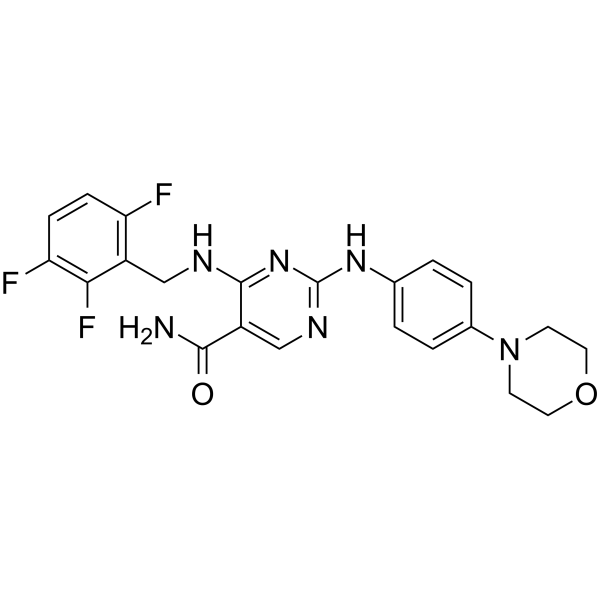
YM-341619 (AS1617612) is a potent and orally active STAT6 inhibitor with an IC50 of 0.70 nM. YM-341619 inhibits Th2 differentiation in mousespleen T cells induced by IL-4 (IC50=0.28 nM) without affecting Th1 cell differentiation . YM-341619 is a promising compound for the the research of allergic diseases, such as allergic asthma .
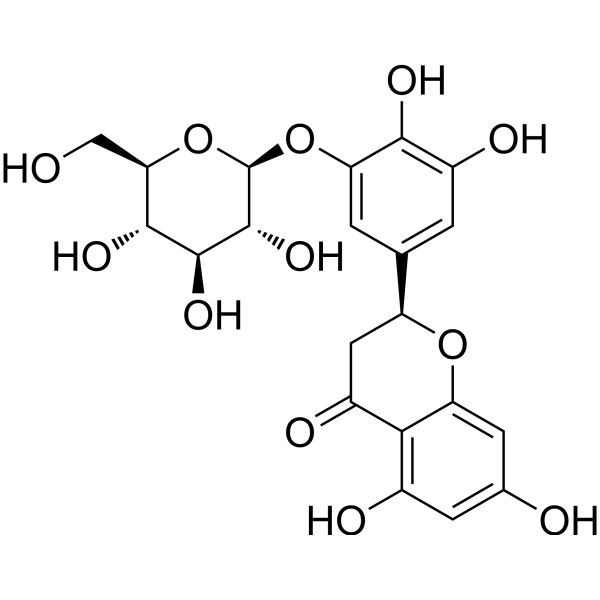
Plantagoside is a flavanone glucoside found in Plantago asiatica seeds, acting as a specific non-competitive α-mannosidase inhibitor with IC50 values of 5 μM and a Ki of 2.7 μM (jack bean). Plantagoside suppresses antibody response and Concanavalin A (HY-P2149)-induced lymphocyte proliferation in mousespleen cells. Plantagoside inhibits the Maillard reaction, advanced glycation end product formation, and glycation-dependent protein-protein cross-link formation. Plantagoside can be used for the research of diabetes .
Anti-Mouse CD38 Antibody (NIMR5) is an anti-mouseCD38 IgG2a monoclonal antibody. Anti-Mouse CD38 Antibody (NIMR5) can activate the ERK signaling pathway and promote cell apoptosis. Anti-Mouse CD38 Antibody (NIMR5) can restore T cell function. Anti-Mouse CD38 Antibody (NIMR5) upregulates the expression of CD1d protein and enhances spleen cell proliferation, dendritic cell (DC) and natural killer T cell (NKT) expansion. Anti-Mouse CD38 Antibody (NIMR5) can be used for researches on cancer and immunology such as melanoma and colon cancer .
INI-4001 is a TLR7/8 agonist and vaccine adjuvant. INI-4001 regulates innate and adaptive immune responses by activating murine TLR7 and human TLR7/TLR8. INI-4001 enhances IgG and neutralizing antibody responses against Powassan virus (POWV), reduces viral loads in the brain, liver and spleen, provides complete protection against lethal POWV challenge, and skews immune responses toward a Th1 phenotype. When INI-4001 is used in combination with Al (OH)3 and SARS-CoV-2 RBD antigen, it efficiently adsorbs to Al (OH)3, promotes Th1 immunity and enhances SARS-CoV-2 neutralizing antibody responses. INI-4001 is applicable to research related to Powassan virus infection and COVID-19 .
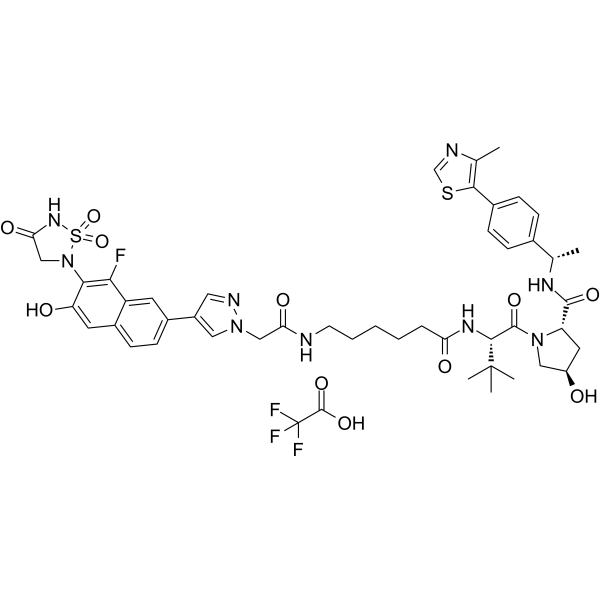
PVD-06 is a selective PROTACPTPN2 degrader with a DC50 of 217 nM (selectivity index >60-fold over PTP1B). PVD-06 induces PTPN2 degradation via a VHL-, ubiquitin, and proteasome-dependent pathway. PVD-06 can promote T cell activation and amplify IFN-γ-mediated anticancer activity. PVD-06 can be used to further investigate PTPN2 in diseases such as leukemia and melanoma . (Pink: PTPN2 ligand (HY-168691), Black: linker (HY-B0236), Blue: VHL ligand (HY-112078)).
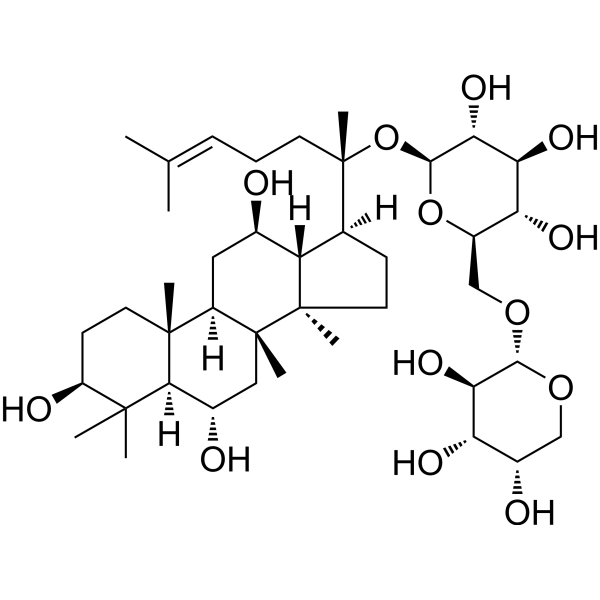
Ginsenoside F3 is a saponin extracted from the leaves of Panax ginseng with immunoenhancing and antitumor immunostimulatory activities. Ginsenoside F3 upregulates RIPOR2 with a Kd value of 3.77 μM. Ginsenoside F3 enhances NF‑κB activation, upregulates T‑bet and downregulates GATA‑3, increases the production of IL‑2 and IFN‑γ, decreases the production of IL‑4 and IL‑10, reverses CD8⁺ T‑cell exhaustion, restores cytokine secretion, and enhances antitumor immunity in a mouse non‑small cell lung cancer model. Ginsenoside F3 can be used for the research of non-small cell lung cancer .
GalNAc-NAG37 phosphoramidite is an N-acetylgalactosamine (GalNAc) derivative that acts as a ligand for the asialoglycoprotein receptor (ASGPR). GalNAc-NAG37 phosphoramidite can be used to synthesize GalNAc-siRNA and for oligonucleotide delivery .
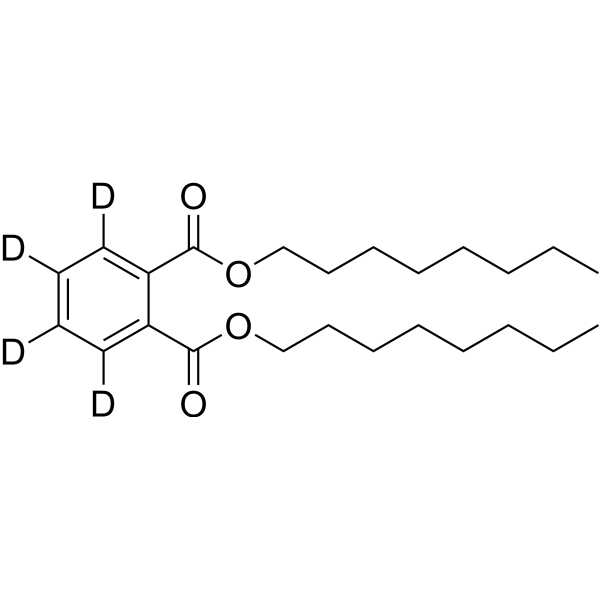
Dioctyl phthalate (DNOP) is a plasticizer. Dioctyl phthalate increases the activities of alanine aminotransferase (ALT) and alkaline phosphatase (ALP) in the liver, as well as the levels of creatinine and urea in the kidney. Exposure to Dioctyl phthalate disrupts the homeostasis of the intestinal microbial community, increases the abundance of pathogenic bacteria, and reduces the abundance of beneficial bacteria such as Lactobacillus. Dioctyl phthalate induces significant and dose-dependent inflammatory responses in the liver, spleen and kidney of mice .
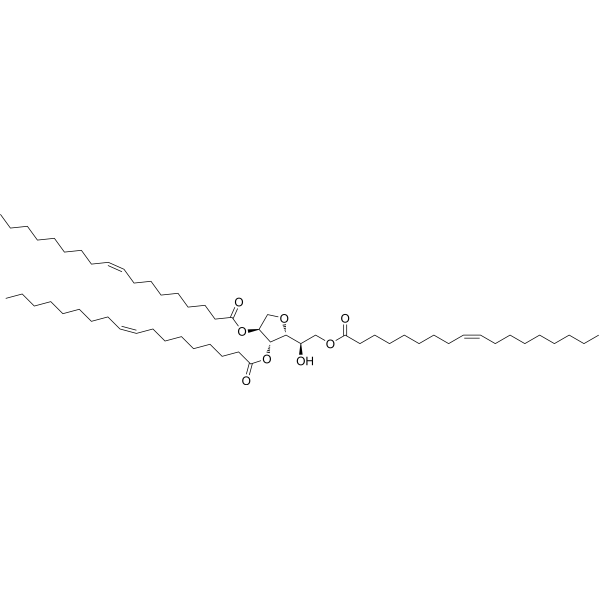
Sorbitan trioleate (Span 85) is an orally active non-ionic surface active agent. Sorbitan trioleate can be used as an excipient, such as surfactant, emulsifier, lubricant, wetting agent, dispersant, thickener, defoamer .
Ferrichrome is a hydroxamate siderophore produced by various fungi, including U. sphaerogena, that facilitates iron chelation and uptake by these organisms. It can be used as a heterosiderophore by bacteria, including Pseudomonas aeruginosa and Vibrio parahaemolyticus. Ferrichrome (0.8 μM) inhibits concanavalin A-induced proliferation of mousespleen monocytes and reduces the number of concanavalin A-stimulated CD4+ T cells expressing IL-2 receptor. It also inhibits the heme-catalyzed oxidation of LDL by hydrogen peroxide in a concentration-dependent manner.
Anti-Mouse/Human VLA-4/CD49d Antibody (PS/2) is an anti-mouse/human VLA-4/CD49d IgG2b monoclonal antibody. Anti-Mouse/Human VLA-4/CD49d Antibody (PS/2) can reduce VLA-4 positive cells. Anti-Mouse/Human VLA-4/CD49d Antibody (PS/2) can inhibit the migration of Tc1 cells to tumors. Anti-Mouse/Human VLA-4/CD49d Antibody (PS/2) inhibits the retention of leukemia cells in the spleen and bone marrow by blocking VLA-4. Anti-Mouse/Human VLA-4/CD49d Antibody (PS/2) can be used for research on inflammation conditions and cancer such as experimental autoimmune encephalomyelitis (EAE), melanoma and leukemia .
Anti-Mouse CD8α Antibody (YTS169.4) is an IgG2 monoclonal antibody targeting mouseCD8α. Anti-Mouse CD8α Antibody (YTS169.4) rapidly depletes or downregulates CD8 + T cells in the spleens of Biozzi AB/H mice. Anti-Mouse CD8α Antibody (YTS169.4) is applicable to research related to hepatitis B virus infection . Recommended isotype control: Rat IgG2b kappa, Isotype Control (HY-P990682).
Anti-Mouse Thy1/CD90 Antibody (M5/49.4.1) is an anti-mouseThy1/CD90 IgG2a monoclonal antibody. Anti-Mouse Thy1/CD90 Antibody (M5/49.4.1) can clear T cells from the spleen and bone marrow. Anti-Mouse Thy1/CD90 Antibody (M5/49.4.1) can be used for researches on immunology and inflammation conditions such as colitis .
Pisum sativum Agglutinin (PSA) FITC is a plant lectin conjugated with FITC (HY-66019). Pisum sativum Agglutinin FITC serves as an acrosome stain for detecting the acrosomal status of sperm. Pisum sativum Agglutinin exhibits lymphocyte mitogenic and immunomodulatory activities .
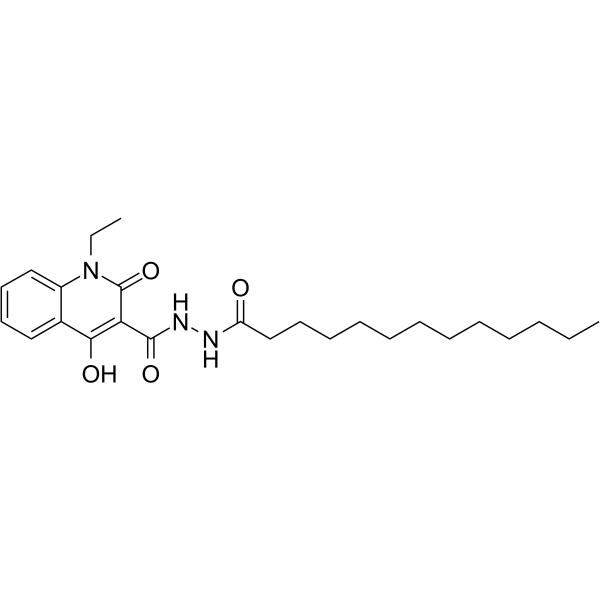
I2906 is an orally active isocitrate lyase (ICL) inhibitor with a Mycobacterium tuberculosisIC50 of 134.3 μg/mL. I2906 inhibits the growth of Mycobacterium tuberculosis. I2906 can be used for the research of tuberculosis .
RORγt modulator 4 is a RORγt modulator. RORγt modulator 4 has an activity to modulate IL-17A production in cells derived from mousespleen (WO2018030550A1; compound 146) .
Cy3-Ova (323-339) is an Cy3 labled OVA Peptide (323-339) (HY-P0286). Cy3 is a fluorescent dye belonging to the Cyanine family and is a fluorescent light product of Cy5. Cyanine is commonly used in fluorescence microscopy, cell imaging, and molecular biology experiments. OVA Peptide (323-339) represents the T and B cell epitopes of ovalbumin (OVA). OVA Peptide (323-339) has limited immunogenic efficacy in activating OVA-sensitized and attacked mousespleen cells .
Cucumarioside H is a novel triterpene glycoside isolated from the Far Eastern sea cucumber Eupentacta fraudatrix, including H2, H3 and H4. These glycosides have a branched pentasyl structure with a rare 3-O-methyl-D-xylose as the terminal monosaccharide. H2 contains 23,24,25,26,27-pentanolone sterols and has an 18(16)-lactone, which is not common in sea cucumbers. The glycoside portion of H3 contains an extremely rare ethoxyl radical at the 25 position, which may be an artifact formed during the long ethanol extraction process. Studies have shown that H1-3 are cytotoxic to mousespleen lymphocytes, hemolytic to mouse erythrocytes, and cytotoxic to Ehrlich carcinoma cells. The presence of a 25-hydroxyl group in the glycoside portion significantly reduces these activities.
IKZF2-degrader 5 is a highly efficient, highly selective, rapidly acting, and orally active IKZF2 molecular glue degrader. IKZF2-degrader 5 induces IKZF2 degradation via the Cullin-CRBN-dependent pathway. IKZF2-degrader 5 promotes the production of pro-inflammatory IL-2. IKZF2-degrader 5 attenuates the immunosuppressive function of regulatory T cells (Tregs). IKZF2-degrader 5 triggers rapid, significant, and sustained IKZF2 degradation in the spleen and thymus of mice. IKZF2-degrader 5 inhibits tumor growth. IKZF2-degrader 5 can be used for the research of B16F melanoma .
Plantagoside (Standard) is the analytical standard of Plantagoside (HY-N1470). This product is intended for research and analytical applications. Plantagoside is a flavanone glucoside found in Plantago asiatica seeds, acting as a specific non-competitive α-mannosidase inhibitor with IC50 values of 5 μM and a Ki of 2.7 μM (jack bean). Plantagoside suppresses antibody response and Concanavalin A (HY-P2149)-induced lymphocyte proliferation in mousespleen cells. Plantagoside inhibits the Maillard reaction, advanced glycation end product formation, and glycation-dependent protein-protein cross-link formation. Plantagoside can be used for the research of diabetes .
MNK1/2-IN-10 is an orally active, selective MNK1/MNK2 inhibitor, with an IC50 of 10.84 nM for MNK1 and an IC50 of 12.81 nM for MNK2. MNK1/2-IN-10 inhibits eIF4E phosphorylation, the NF-κB signaling pathway, macrophage polarization, oxidative stress and the production of pro-inflammatory cytokines. MNK1/2-IN-10 alleviates kidney and spleen damage in LPS (HY-D1056)-induced inflammatory mouse models. Anti-inflammatory agent 115 is applicable for research related to acute inflammation .
LG190155 is a nonsteroidal vitamin D receptor (VDR) agonist. LG190155 activates VDR in mesenchymal stem cells, thereby upregulating the BMP6-IL6 autocrine axis. Pretreatment of mesenchymal stem cells with LG190155 significantly enhances their ability to induce differentiation of acute myeloid leukemia cells, without inducing hypercalcemia. LG190155 is applicable to research related to acute myeloid leukemia (AML) .
GalNAc-NAG37 phosphoramidite is an N-acetylgalactosamine (GalNAc) derivative that acts as a ligand for the asialoglycoprotein receptor (ASGPR). GalNAc-NAG37 phosphoramidite can be used to synthesize GalNAc-siRNA and for oligonucleotide delivery .
Pisum sativum Agglutinin (PSA) FITC is a plant lectin conjugated with FITC (HY-66019). Pisum sativum Agglutinin FITC serves as an acrosome stain for detecting the acrosomal status of sperm. Pisum sativum Agglutinin exhibits lymphocyte mitogenic and immunomodulatory activities .
Ferrichrome is a hydroxamate siderophore produced by various fungi, including U. sphaerogena, that facilitates iron chelation and uptake by these organisms. It can be used as a heterosiderophore by bacteria, including Pseudomonas aeruginosa and Vibrio parahaemolyticus. Ferrichrome (0.8 μM) inhibits concanavalin A-induced proliferation of mousespleen monocytes and reduces the number of concanavalin A-stimulated CD4+ T cells expressing IL-2 receptor. It also inhibits the heme-catalyzed oxidation of LDL by hydrogen peroxide in a concentration-dependent manner.
Cy3-Ova (323-339) is an Cy3 labled OVA Peptide (323-339) (HY-P0286). Cy3 is a fluorescent dye belonging to the Cyanine family and is a fluorescent light product of Cy5. Cyanine is commonly used in fluorescence microscopy, cell imaging, and molecular biology experiments. OVA Peptide (323-339) represents the T and B cell epitopes of ovalbumin (OVA). OVA Peptide (323-339) has limited immunogenic efficacy in activating OVA-sensitized and attacked mousespleen cells .
MCE Mouse CD8+ Cells Positive Selection Kit is designed for the isolation of CD8+ cells from single cell suspensions of mousespleen cells, lymph nodes or other tissues.
MCE Mouse CD4+ T Cells Negative Selection Kit is designed for the isolation of CD4+ T cells from single cell suspensions of mousespleen cells and lymph nodes.
MCE Mouse CD3+ T Cells Negative Selection Kit is designed for the isolation of CD3+ T cells from single cell suspensions of mousespleen cells and lymph nodes.
MCE Mouse CD4+ Cells Positive Selection Kit is designed for the isolation of CD4+ cells from single cell suspensions of mousespleen cells, lymph nodes or other tissues.
MCE Mouse CD8+ T Cells Negative Selection Kit is designed for the isolation of CD8+ T cells from single cell suspensions of mousespleen cells and lymph nodes.
Anti-Mouse CD38 Antibody (NIMR5) is an anti-mouseCD38 IgG2a monoclonal antibody. Anti-Mouse CD38 Antibody (NIMR5) can activate the ERK signaling pathway and promote cell apoptosis. Anti-Mouse CD38 Antibody (NIMR5) can restore T cell function. Anti-Mouse CD38 Antibody (NIMR5) upregulates the expression of CD1d protein and enhances spleen cell proliferation, dendritic cell (DC) and natural killer T cell (NKT) expansion. Anti-Mouse CD38 Antibody (NIMR5) can be used for researches on cancer and immunology such as melanoma and colon cancer .
Anti-Mouse/Human VLA-4/CD49d Antibody (PS/2) is an anti-mouse/human VLA-4/CD49d IgG2b monoclonal antibody. Anti-Mouse/Human VLA-4/CD49d Antibody (PS/2) can reduce VLA-4 positive cells. Anti-Mouse/Human VLA-4/CD49d Antibody (PS/2) can inhibit the migration of Tc1 cells to tumors. Anti-Mouse/Human VLA-4/CD49d Antibody (PS/2) inhibits the retention of leukemia cells in the spleen and bone marrow by blocking VLA-4. Anti-Mouse/Human VLA-4/CD49d Antibody (PS/2) can be used for research on inflammation conditions and cancer such as experimental autoimmune encephalomyelitis (EAE), melanoma and leukemia .
Anti-Mouse CD8α Antibody (YTS169.4) is an IgG2 monoclonal antibody targeting mouseCD8α. Anti-Mouse CD8α Antibody (YTS169.4) rapidly depletes or downregulates CD8 + T cells in the spleens of Biozzi AB/H mice. Anti-Mouse CD8α Antibody (YTS169.4) is applicable to research related to hepatitis B virus infection . Recommended isotype control: Rat IgG2b kappa, Isotype Control (HY-P990682).
Anti-Mouse Thy1/CD90 Antibody (M5/49.4.1) is an anti-mouseThy1/CD90 IgG2a monoclonal antibody. Anti-Mouse Thy1/CD90 Antibody (M5/49.4.1) can clear T cells from the spleen and bone marrow. Anti-Mouse Thy1/CD90 Antibody (M5/49.4.1) can be used for researches on immunology and inflammation conditions such as colitis .
Plantagoside is a flavanone glucoside found in Plantago asiatica seeds, acting as a specific non-competitive α-mannosidase inhibitor with IC50 values of 5 μM and a Ki of 2.7 μM (jack bean). Plantagoside suppresses antibody response and Concanavalin A (HY-P2149)-induced lymphocyte proliferation in mousespleen cells. Plantagoside inhibits the Maillard reaction, advanced glycation end product formation, and glycation-dependent protein-protein cross-link formation. Plantagoside can be used for the research of diabetes .
Ginsenoside F3 is a saponin extracted from the leaves of Panax ginseng with immunoenhancing and antitumor immunostimulatory activities. Ginsenoside F3 upregulates RIPOR2 with a Kd value of 3.77 μM. Ginsenoside F3 enhances NF‑κB activation, upregulates T‑bet and downregulates GATA‑3, increases the production of IL‑2 and IFN‑γ, decreases the production of IL‑4 and IL‑10, reverses CD8⁺ T‑cell exhaustion, restores cytokine secretion, and enhances antitumor immunity in a mouse non‑small cell lung cancer model. Ginsenoside F3 can be used for the research of non-small cell lung cancer .
Cucumarioside H is a novel triterpene glycoside isolated from the Far Eastern sea cucumber Eupentacta fraudatrix, including H2, H3 and H4. These glycosides have a branched pentasyl structure with a rare 3-O-methyl-D-xylose as the terminal monosaccharide. H2 contains 23,24,25,26,27-pentanolone sterols and has an 18(16)-lactone, which is not common in sea cucumbers. The glycoside portion of H3 contains an extremely rare ethoxyl radical at the 25 position, which may be an artifact formed during the long ethanol extraction process. Studies have shown that H1-3 are cytotoxic to mousespleen lymphocytes, hemolytic to mouse erythrocytes, and cytotoxic to Ehrlich carcinoma cells. The presence of a 25-hydroxyl group in the glycoside portion significantly reduces these activities.
Plantagoside (Standard) is the analytical standard of Plantagoside (HY-N1470). This product is intended for research and analytical applications. Plantagoside is a flavanone glucoside found in Plantago asiatica seeds, acting as a specific non-competitive α-mannosidase inhibitor with IC50 values of 5 μM and a Ki of 2.7 μM (jack bean). Plantagoside suppresses antibody response and Concanavalin A (HY-P2149)-induced lymphocyte proliferation in mousespleen cells. Plantagoside inhibits the Maillard reaction, advanced glycation end product formation, and glycation-dependent protein-protein cross-link formation. Plantagoside can be used for the research of diabetes .
DNase1L3 protein has DNA hydrolytic activity and can effectively cleave single-stranded and double-stranded DNA to generate 3'-OH terminal fragments. It cleaves chromatin into nucleosomal units and participates in internucleosomal DNA fragmentation during apoptosis and necrosis. DNase1L3 Protein, Mouse (His) is the recombinant mouse-derived DNase1L3 protein, expressed by E. coli , with C-6*His labeled tag.
DSPE-PEG 2000-Mannose is a mannose-containing lipid. DSPE-PEG 2000-Mannose is used to prepare mannose-conjugated Liposome (Man-lipo) for siRNA delivery. Mannose-modified liposomes encapsulating IDO siRNA (Man-lipo-siIDO) preferentially knock down IDO expression in the draining lymph nodes and spleens of melanoma-bearing mice. Man-lipo-siIDO delays the onset time of melanoma and reduces tumor volume .
Sorbitan trioleate (Span 85) is an orally active non-ionic surface active agent. Sorbitan trioleate can be used as an excipient, such as surfactant, emulsifier, lubricant, wetting agent, dispersant, thickener, defoamer .
Inquiry Online
Your information is safe with us. * Required Fields.
Western blot analysis of extracts from THP-1(lane 2(20μg), Jurkat (lane 3(20μg) and NIH3T3(lane 4(20μg) using FOXO1A (HY-P80132) Rabbit mAb. Proteins were transferred
to a PVDF membrane and blocked with 5% non-fat milk in TBST for 2 hour at room temperature. The primary antibody (1/1000) and Loading control antibody (Beta Actin, HY-P80438, 1/10000) was
used in 5% non-fat milk in TBST at 4°C overnight. Goat Anti-Mouse/Rabbit IgG-HRP Secondary Antibody (1/10000) was used for 1 hour at room temperature.
Western blot analysis of extracts from THP-1(lane 2(20μg), Jurkat (lane 3(20μg) and NIH3T3(lane 4(20μg) using FOXO1A (HY-P80132) Rabbit mAb. Proteins were transferred
to a PVDF membrane and blocked with 5% non-fat milk in TBST for 2 hour at room temperature. The primary antibody (1/1000) and Loading control antibody (Beta Actin, HY-P80438, 1/10000) was
used in 5% non-fat milk in TBST at 4°C overnight. Goat Anti-Mouse/Rabbit IgG-HRP Secondary Antibody (1/10000) was used for 1 hour at room temperature.
Western blot analysis of extracts from THP-1(lane 2(20μg), Jurkat (lane 3(20μg) and NIH3T3(lane 4(20μg) using FOXO1A (HY-P80132) Rabbit mAb. Proteins were transferred
to a PVDF membrane and blocked with 5% non-fat milk in TBST for 2 hour at room temperature. The primary antibody (1/1000) and Loading control antibody (Beta Actin, HY-P80438, 1/10000) was
used in 5% non-fat milk in TBST at 4°C overnight. Goat Anti-Mouse/Rabbit IgG-HRP Secondary Antibody (1/10000) was used for 1 hour at room temperature.
Western blot analysis of extracts from THP-1(lane 2(20μg), Jurkat (lane 3(20μg) and NIH3T3(lane 4(20μg) using FOXO1A (HY-P80132) Rabbit mAb. Proteins were transferred
to a PVDF membrane and blocked with 5% non-fat milk in TBST for 2 hour at room temperature. The primary antibody (1/1000) and Loading control antibody (Beta Actin, HY-P80438, 1/10000) was
MedchemExpress Validation 03
Western blot analysis of extracts from THP-1(lane 2(20μg), Jurkat (lane 3(20μg) and NIH3T3(lane 4(20μg) using FOXO1A (HY-P80132) Rabbit mAb. Proteins were transferred
MedchemExpress Validation 04
Western blot analysis of extracts from THP-1(lane 2(20μg), Jurkat (lane 3(20μg) and NIH3T3(lane 4(20μg) using FOXO1A (HY-P80132) Rabbit mAb. Proteins were transferred
to a PVDF membrane and blocked with 5% non-fat milk in TBST for 2 hour at room temperature. The primary antibody (1/1000) and Loading control antibody (Beta Actin, HY-P80438, 1/10000) was
used in 5% non-fat milk in TBST at 4°C overnight. Goat Anti-Mouse/Rabbit IgG-HRP Secondary Antibody (1/10000) was used for 1 hour at room temperature.
MedchemExpress Validation
Western blot analysis of extracts from THP-1(lane 2(20μg), Jurkat (lane 3(20μg) and NIH3T3(lane 4(20μg) using FOXO1A (HY-P80132) Rabbit mAb. Proteins were transferred
to a PVDF membrane and blocked with 5% non-fat milk in TBST for 2 hour at room temperature. The primary antibody (1/1000) and Loading control antibody (Beta Actin, HY-P80438, 1/10000) was
used in 5% non-fat milk in TBST at 4°C overnight. Goat Anti-Mouse/Rabbit IgG-HRP Secondary Antibody (1/10000) was used for 1 hour at room temperature.
Western blot analysis of extracts from THP-1(lane 2(20μg), Jurkat (lane 3(20μg) and NIH3T3(lane 4(20μg) using FOXO1A (HY-P80132) Rabbit mAb. Proteins were transferred
to a PVDF membrane and blocked with 5% non-fat milk in TBST for 2 hour at room temperature. The primary antibody (1/1000) and Loading control antibody (Beta Actin, HY-P80438, 1/10000) was
used in 5% non-fat milk in TBST at 4°C overnight. Goat Anti-Mouse/Rabbit IgG-HRP Secondary Antibody (1/10000) was used for 1 hour at room temperature.
MedchemExpress Validation
Western blot analysis of extracts from THP-1(lane 2(20μg), Jurkat (lane 3(20μg) and NIH3T3(lane 4(20μg) using FOXO1A (HY-P80132) Rabbit mAb. Proteins were transferred
to a PVDF membrane and blocked with 5% non-fat milk in TBST for 2 hour at room temperature. The primary antibody (1/1000) and Loading control antibody (Beta Actin, HY-P80438, 1/10000) was
used in 5% non-fat milk in TBST at 4°C overnight. Goat Anti-Mouse/Rabbit IgG-HRP Secondary Antibody (1/10000) was used for 1 hour at room temperature.
MedchemExpress Validation
Western blot analysis of extracts from THP-1(lane 2(20μg), Jurkat (lane 3(20μg) and NIH3T3(lane 4(20μg) using FOXO1A (HY-P80132) Rabbit mAb. Proteins were transferred
to a PVDF membrane and blocked with 5% non-fat milk in TBST for 2 hour at room temperature. The primary antibody (1/1000) and Loading control antibody (Beta Actin, HY-P80438, 1/10000) was
used in 5% non-fat milk in TBST at 4°C overnight. Goat Anti-Mouse/Rabbit IgG-HRP Secondary Antibody (1/10000) was used for 1 hour at room temperature.
MedchemExpress Validation
Western blot analysis of extracts from THP-1(lane 2(20μg), Jurkat (lane 3(20μg) and NIH3T3(lane 4(20μg) using FOXO1A (HY-P80132) Rabbit mAb. Proteins were transferred
to a PVDF membrane and blocked with 5% non-fat milk in TBST for 2 hour at room temperature. The primary antibody (1/1000) and Loading control antibody (Beta Actin, HY-P80438, 1/10000) was
used in 5% non-fat milk in TBST at 4°C overnight. Goat Anti-Mouse/Rabbit IgG-HRP Secondary Antibody (1/10000) was used for 1 hour at room temperature.
MedchemExpress Validation
Western blot analysis of extracts from THP-1(lane 2(20μg), Jurkat (lane 3(20μg) and NIH3T3(lane 4(20μg) using FOXO1A (HY-P80132) Rabbit mAb. Proteins were transferred
to a PVDF membrane and blocked with 5% non-fat milk in TBST for 2 hour at room temperature. The primary antibody (1/1000) and Loading control antibody (Beta Actin, HY-P80438, 1/10000) was
used in 5% non-fat milk in TBST at 4°C overnight. Goat Anti-Mouse/Rabbit IgG-HRP Secondary Antibody (1/10000) was used for 1 hour at room temperature.
MedchemExpress Validation
Western blot analysis of extracts from THP-1(lane 2(20μg), Jurkat (lane 3(20μg) and NIH3T3(lane 4(20μg) using FOXO1A (HY-P80132) Rabbit mAb. Proteins were transferred
to a PVDF membrane and blocked with 5% non-fat milk in TBST for 2 hour at room temperature. The primary antibody (1/1000) and Loading control antibody (Beta Actin, HY-P80438, 1/10000) was
used in 5% non-fat milk in TBST at 4°C overnight. Goat Anti-Mouse/Rabbit IgG-HRP Secondary Antibody (1/10000) was used for 1 hour at room temperature.
MedchemExpress Validation
Western blot analysis of extracts from THP-1(lane 2(20μg), Jurkat (lane 3(20μg) and NIH3T3(lane 4(20μg) using FOXO1A (HY-P80132) Rabbit mAb. Proteins were transferred
to a PVDF membrane and blocked with 5% non-fat milk in TBST for 2 hour at room temperature. The primary antibody (1/1000) and Loading control antibody (Beta Actin, HY-P80438, 1/10000) was
used in 5% non-fat milk in TBST at 4°C overnight. Goat Anti-Mouse/Rabbit IgG-HRP Secondary Antibody (1/10000) was used for 1 hour at room temperature.
MedChemExpress values your privacy and your trust is important to us. We use cookies to enhance your website experience. Some cookies are necessary to run the website.
Privacy and Cookie Policy

