Search Result
Results for "
multidrug-resistant strains
" in MedChemExpress (MCE) Product Catalog:
| Cat. No. |
Product Name |
Target |
Research Areas |
Chemical Structure |
-
- HY-128914
-
|
|
ADC Payload
Microtubule/Tubulin
Apoptosis
|
Cancer
|
|
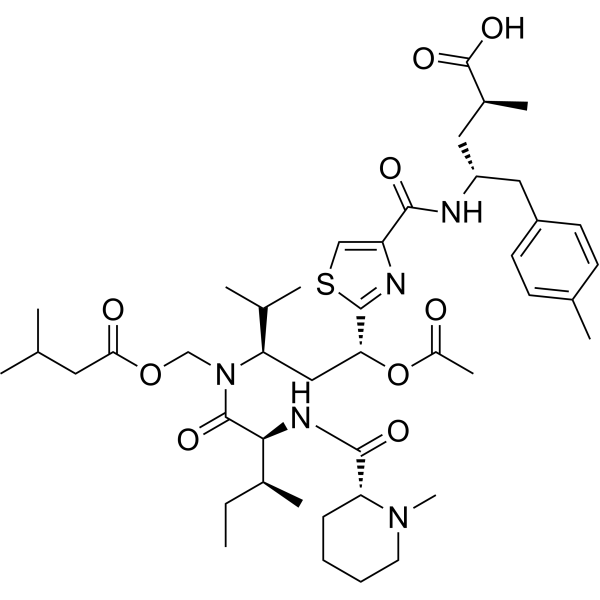
Tubulysin is a microtubule destabilizer that binds to the β-tubulin peptide site adjacent to the vinca alkaloid binding site and inhibits tubulin polymerization. Tubulysin induces apoptosis and exhibits antiproliferative activity against a variety of human cancer cells, including multidrug-resistant strains. Tubulysin can be conjugated to antibodies via a disulfide-containing quaternary ammonium linker for ADC synthesis . Tubulysin is applicable to tumor-related research .
|
-
-
- HY-15975
-
|
|
Parasite
|
Infection
|
|
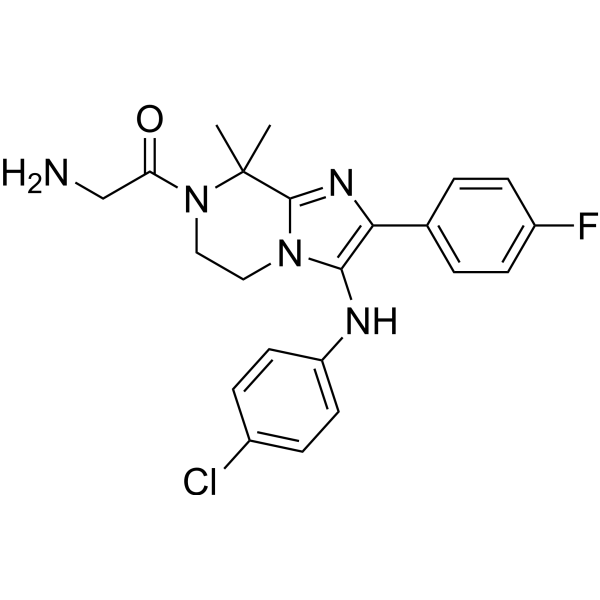
GNF179 is an optimized 8,8-dimethyl imidazolopiperazine analog that exhibits antimalarial potency (IC50 of 4.8 nM against the multidrug resistant strain W2). GNF179 is orally active .
|
-
-
- HY-Y0191
-
|
2-Pyridone
|
Endogenous Metabolite
Bacterial
|
Infection
|
|
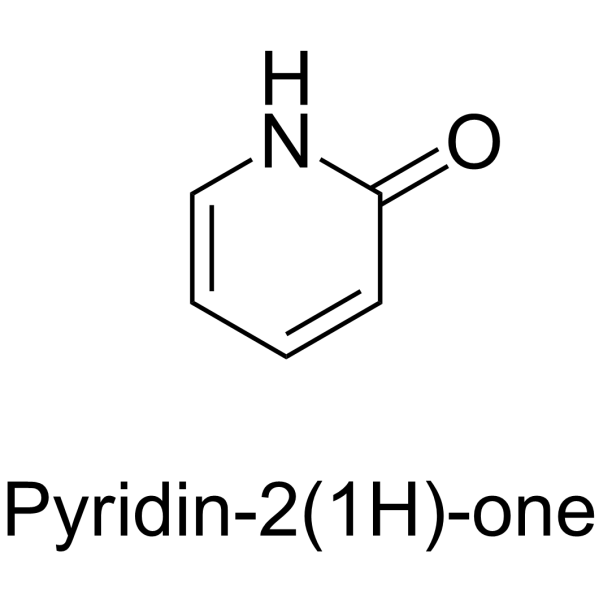
α-Pyridone (2-Pyridone) is an antibacterial agent that plays an important role in the field of biochemical research. α-Pyridone can serve as a scaffold compound to synthesize a variety of active compounds .
|
-
-
- HY-135813
-
|
|
Bacterial
|
Infection
|
|
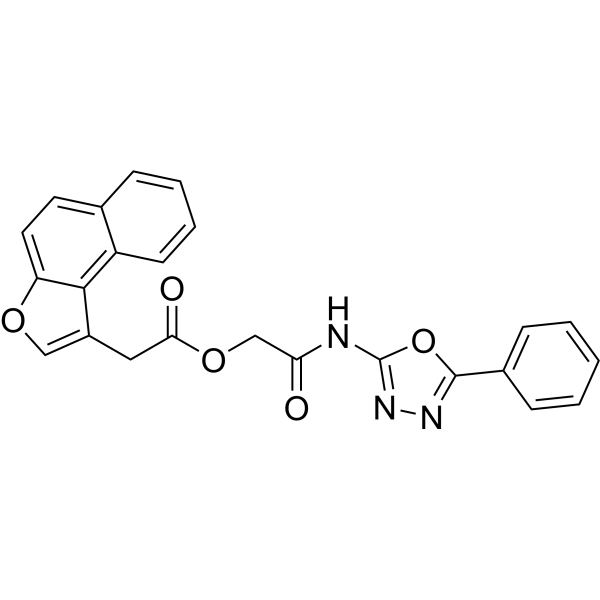
LtaS-IN-1 (compound 1771) is a potent small-molecule inhibitor of Lipoteichoic acid (LTA) synthesis in multidrug-resistant (MDR) E. faecium and by altering the cell wall morphology. LtaS-IN-1 alone inhibits Enterococcus.spp 28 strains with varying MIC values ranging from 0.5 μg/mL to 64 μg/mL. LtaS-IN-1 combination with antibiotics abolishs multidrug-resistant E. faecium growth almost completely .
|
-
-
- HY-P10233A
-
|
|
Bacterial
|
Infection
|
|
SAAP 148 TFA is a synthetic antimicrobial peptide (bacteria) that interacts with and disrupts the lipid bilayer of bacterial cytoplasmic membranes, thereby inducing changes in membrane permeability and bacterial death. SAAP 148 TFA kills drug-resistant, multidrug-resistant and persister bacterial strains, inhibits biofilm formation, eliminates established biofilms, and blocks bacterial colonization on implant surfaces. SAAP 148 TFA retains its activity after modification or immobilization, exhibits variable cytotoxicity in different human cell models, and shows reduced efficacy in protein-rich environments. SAAP 148 TFA can be used in infection-related research .
|
-

-
- HY-N5109
-
|
|
Parasite
|
Infection
|
|
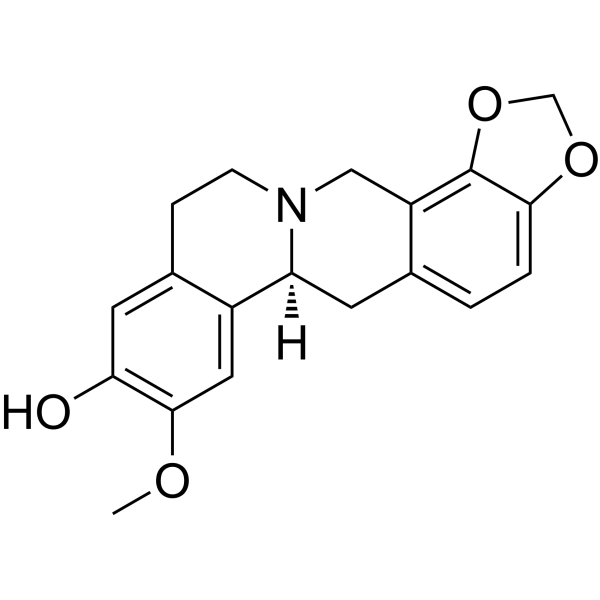
Cheilanthifoline, an alkaloid, is isolated from Corydalis calliantha. Cheilanthifoline exhibits antiplasmodial activities against Plasmodium falciparum, with IC50s of 0.90 μg/mL and 1.22 μg/mL for wild type (TM4) and multidrug resistant (K1) strains, respectively .
|
-
-
- HY-135578
-
|
|
Parasite
|
Infection
|
|
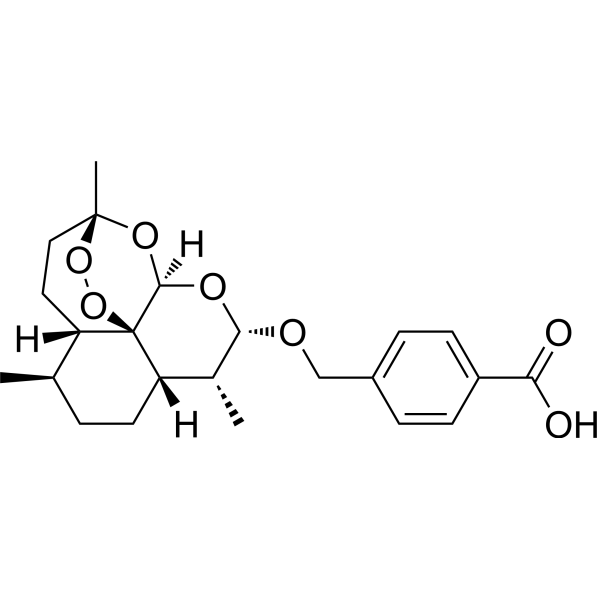
Artelinic acid, a derivative of Artemisinin, is an antimalarial agent for the treatment of multidrug resistant strains of Plasmodium falciparum. Artelinic acid can be administered by various routes of administration, including intravenous, intramuscular and oral routes .
|
-
-
- HY-P3328A
-
|
|
Bacterial
|
Infection
|
|
MDP1 acetate, a Melittin-derived peptide, alters the integrity of both Gram-positive and Gram-negative bacterial membranes and kills the bacteria via membrane damages. MDP1 acetate has a high-antibacterial activity against multidrug resistant (MDR) and reference strains of S. aureus, E. coli, and P. aeruginosa .
|
-

-
- HY-P10233
-
|
|
Bacterial
|
Infection
|
|
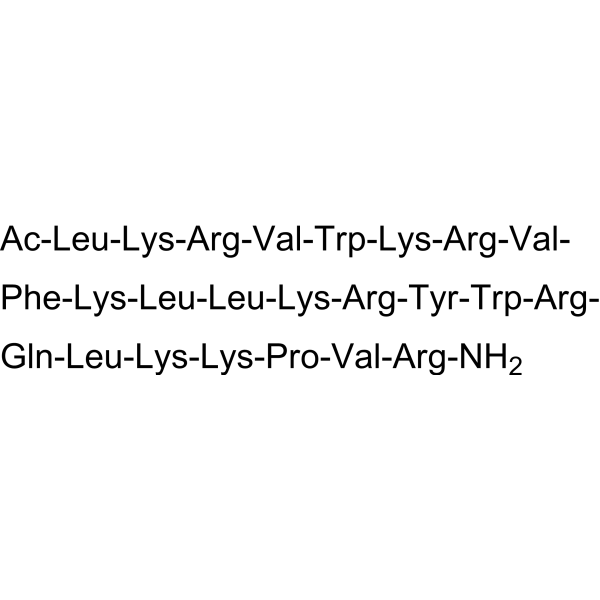
SAAP 148 is a synthetic antimicrobial peptide (bacteria) that interacts with and disrupts the lipid bilayer of bacterial cytoplasmic membranes, thereby inducing changes in membrane permeability and bacterial death. SAAP 148 kills drug-resistant, multidrug-resistant and persister bacterial strains, inhibits biofilm formation, eliminates established biofilms, and blocks bacterial colonization on implant surfaces. SAAP 148 retains its activity after modification or immobilization, exhibits variable cytotoxicity in different human cell models, and shows reduced efficacy in protein-rich environments. SAAP 148 can be used in infection-related research .
|
-
-
- HY-170219
-
|
|
Parasite
Epigenetic Reader Domain
|
Infection
|
|
RMM23 is an inhibitor targeting PfBDP1 with a Kd value of 1.24 μM. RMM23 against the wild-type strains 3D7 and NF54, and the multidrug-resistant K1 strain in vitro blood stage, with EC50 values of 18 μM, 14 μM, 20 μM, respectively .
|
-

-
- HY-146158
-
|
WX-081
|
Bacterial
Potassium Channel
Antibiotic
|
Infection
|
|
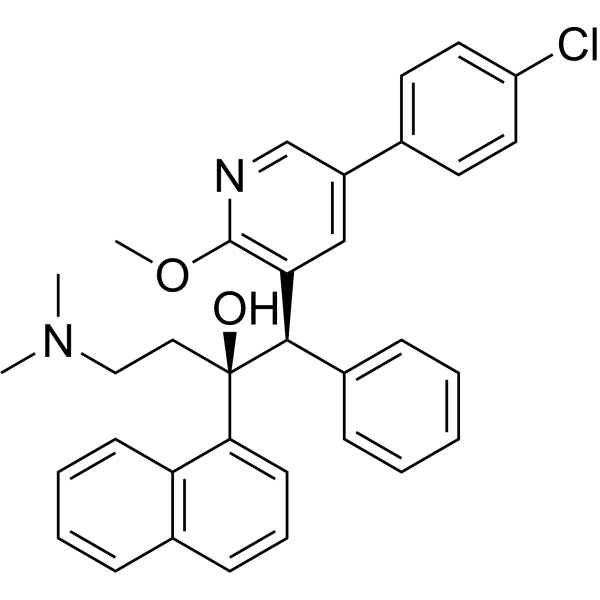
Fudapirine, an anti-tuberculosis agent, displays excellent anti-mycobacterial activity against M. tuberculosis H37Rv and low cytotoxicity. Fudapirine exhibits potent activity with MIC50s of 0.083 and 0.11 μg/mL for agent susceptible tuberculosis (DS-TB) and multidrug resistant tuberculosis (MDR-TB) strains. Fudapirine also inhibits hERG channel with the IC50 of 1.89 μM.
|
-
-
- HY-179415
-
|
|
Dihydrofolate reductase (DHFR)
Bacterial
|
Infection
|
|
DHFR-IN-24, a benzothiazole derivative, is a dihydrofolate reductase (DHFR) inhibitor. DHFR-IN-24 has intrinsic antibacterial activity against both Gram-positive and Gram-negative strains. DHFR-IN-24 synergistically combines DHFR inhibition with photodynamic therapy (PDT) for enhanced antibacterial activity against multidrug-resistant pathogens .
|
-

-
- HY-178436
-
|
|
Bacterial
|
Infection
|
|
Antituberculosis agent-16 is an orally active antituberculosis agent. Antituberculosis agent-16 exhibits stable antituberculosis activity with a MIC of 0.48 μg/mL against Mycobacterium tuberculosis H37Rv sensitive strain and 0.49 μg/mL against multidrug-resistant strain 14862. Antituberculosis agent-16 shows high Caco-2 permeability. Antituberculosis agent-16 can be used for the research of infection .
|
-

-
- HY-126640
-
|
|
Parasite
|
Infection
Cancer
|
|
Phomoxanthone A is a xanthone dimer, which can be isolated from Phomopsis. Phomoxanthone A exhibits antimalarial and antitubercular activities against Plasmodium falciparum (K1, multidrug-resistant strain, IC50 is 0.11 µg/mL) and Mycobacterium tuberculosis (H37Ra strain, MIC is 0.50 µg/mL). Phomoxanthone A exhibits cytotoxicity in cells KB, BC-1 and Vero, IC50 is 0.99, 0.51 and 1.4 µg/mL, respectively .
|
-

-
- HY-121348
-
|
U-47929
|
Antibiotic
Bacterial
DNA/RNA Synthesis
|
Infection
|
Ficellomycin is a nitrogen-containing bicyclic antibiotic with strong activity against Gram-positive bacteria, including multidrug-resistant strains of Staphylococcus aureus. Ficellomycin works by inducing the formation of defective 34S DNA fragments, which interfere with the semi-conservative DNA replication process. These fragments lack the ability to integrate into larger DNA segments and eventually form a complete bacterial chromosome. Ficellomycin can be used in research for various bacterial diseases .
|
-

-
- HY-103250
-
|
|
Antibiotic
|
Infection
|
|
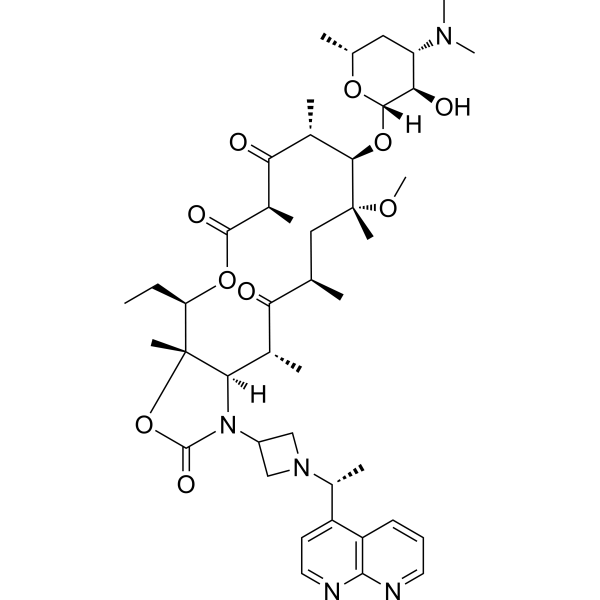
PF-945863 is an orally active macrolide antibiotic that can be used for the research of multidrug resistant respiratory tract bacterial strains .
|
-
-
- HY-116736
-
|
|
Dihydroorotate Dehydrogenase
Parasite
|
Infection
|
|
BRD7539 is a PfDHODH inhibitor (IC50 = 0.033 μM). BRD7539 has potent activity against both multidrug-resistant asexual blood-stage (P. falciparum, Dd2 strain, EC50 = 0.010 μM) and liver-stage (P. berghei, EC50 = 0.015 μM) parasites .
|
-

-
- HY-N8388
-
|
|
Bacterial
|
Infection
|
|
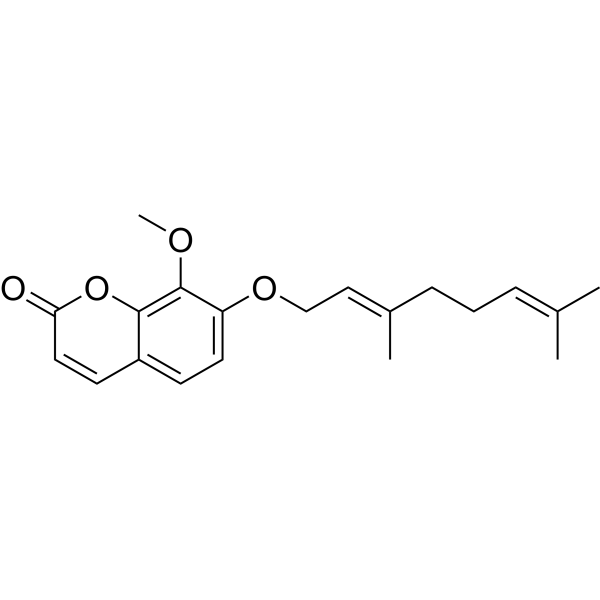
Collinin is a anti-tubercular agent, it can be isolated from leaves of Z. schinifolium. Collinin has an excellent anti-tuberculosis effect against multidrug-resistant (MDR), extensively drug-resistant (XDR) strains .
|
-
-
- HY-10845
-
|
|
Bacterial
|
Others
|
|
CGI-17341 is a 5-nitroimidazole antibacterial agent that has the activity of inhibiting sensitive and multidrug-resistant strains of Mycobacterium tuberculosis in vitro and prolonging the survival time of mice infected with Mycobacterium tuberculosis in vivo in a dose-dependent manner.
|
-

-
- HY-N15374
-
|
|
Bacterial
|
Infection
|
|
Hypercalin B is an antibacterial agent that can be isolated from the hexane and chloroform extracts of the plant Hypericum acmosepalum. Hypercalin B exhibits inhibitory activity against multidrug-resistant strains of Staphylococcus aureus, with a MIC range of 0.5-128 mg/L .
|
-

-
- HY-163984
-
|
|
Bacterial
|
Infection
|
|
Antibacterial agent 240 (compound 62-7c) is an antibacterial agent that can target multidrug-resistant (MDR) MRSA strains. Antibacterial agent 240 showed high biosafety and potent anti-infection activity in mouse pneumonia and mouse wound models of MRSA infection .
|
-

-
- HY-162261
-
|
|
Bacterial
|
Infection
|
|
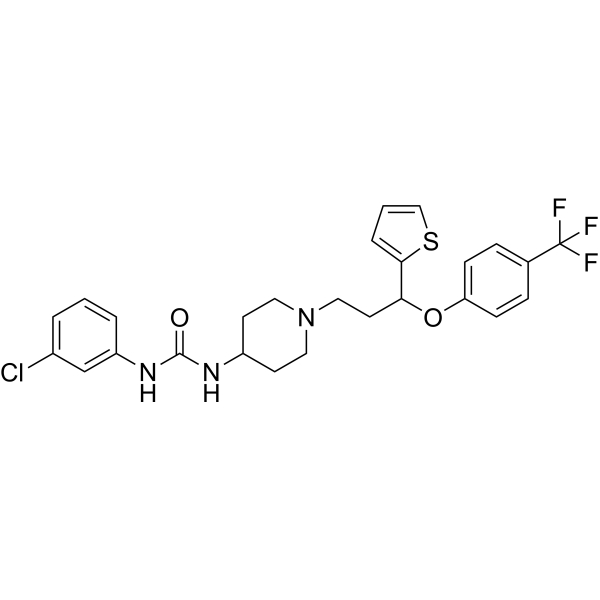
Antibacterial agent 186 (compound 25) is a potent antibacterial agent. Antibacterial agent 186 shows antibiofilm-forming properties against clinical Staphylococcus epidermidis strains and demonstrates the capacity to eliminate existing biofilm layers. Antibacterial agent 186 has the potential for the research of multidrug-resistant Staphylococcus epidermidis .
|
-
-
- HY-144297
-
|
|
HDAC
Parasite
|
Infection
|
|
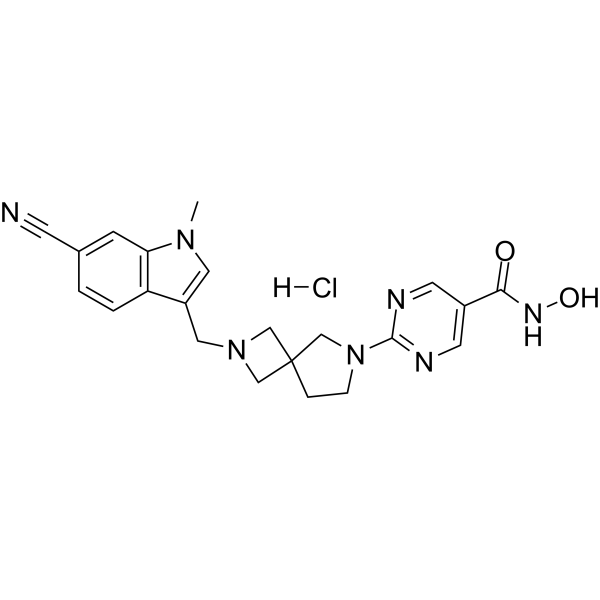
HDAC1-IN-3 is a potent Pf HDAC1 inhibitor. HDAC1-IN-3 shows antimalarial activity in wild-type and multidrug-resistant parasite strains. HDAC1-IN-3 shows a significant in vivo killing effect against all life cycles of parasites .
|
-
-
- HY-N11879
-
|
|
Bacterial
Antibiotic
|
Others
|
|
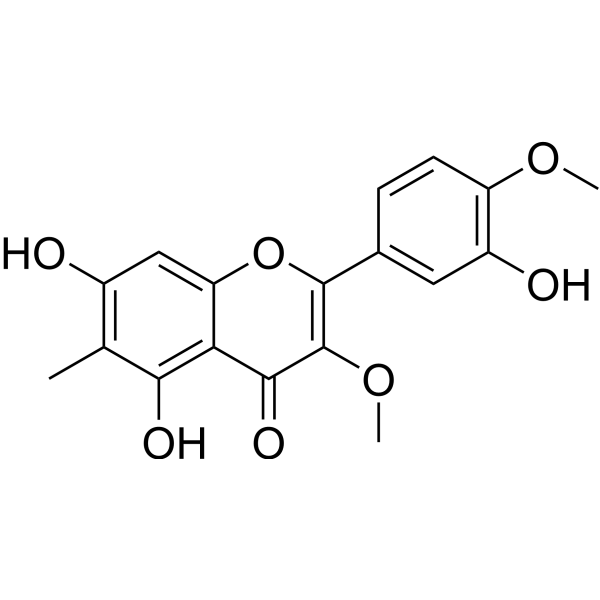
6-C-Methylquercetin-3,4'-dimethyl etheris a flavonol derivative isolated from the leaves of Bauhinia thonningii Schum. 6-C-Methylquercetin-3,4'-dimethyl ether has antibacterial activity against Gram-negative multidrug-resistant bacteria and against methicillin-resistant Staphylococcus aureus (MRSA) strains .
|
-
-
- HY-175262
-
|
|
Bacterial
Cytochrome P450
|
Infection
|
|
Mtb-IN-12 (Compound 5m) is a dual-target inhibitor that can target the CYP125 (KD: 40 nM; KI: 0.1 μM) and CYP142 (KD: 160 nM; KI: 0.05 μM) enzymes of Mycobacterium tuberculosis. Mtb-IN-12 exhibits good inhibitory activity against both drug-sensitive strains and multidrug-resistant tuberculosis strains, with low toxicity to macrophages. Mtb-IN-12 can be used in the research of anti-tuberculosis drugs .
|
-

-
- HY-149333
-
|
|
Bacterial
|
Infection
|
|
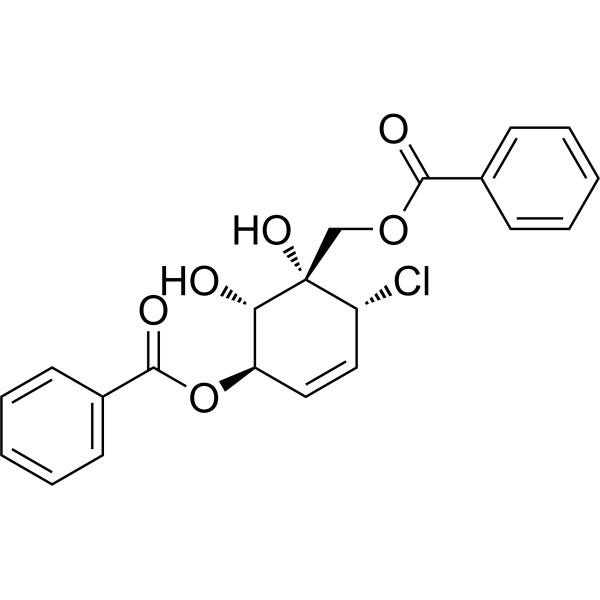
BO-1 is a benzoate ester with antibacterial activity. BO-1 inhibits multidrug-resistant Staphylococcus aureus, and acts function synergistically with antibiotic, such as Ciprofloxacin (HY-B0356). BO-1 can reverse the resistance of antibiotic-resistant S. aureus strains, and decreases the level of inflammatory factors IL-6 and C-reactive protein in vivo in mice .
|
-
-
- HY-119387
-
|
|
Bacterial
|
Infection
|
|
Chevalone B was isolated from the ethyl acetate extract of the marine sponge-associated fungus Aspergillus similanensis. The structure of Chevalone B was confirmed by 1D and 2D NMR spectroscopy. Chevalone B showed antimicrobial activity against Gram-positive and Gram-negative bacteria, Candida albicans, and multidrug-resistant strains from the environment. Studies on Chevalone B have shown its potential value in antimicrobial applications.
|
-

-
- HY-178147
-
|
|
Parasite
|
Infection
|
|
Antimalarial agent 52 is an orally active formation of synthetic hemozoin (β-hematin) inhibitor with an IC50 of 6.6 μM. Antimalarial agent 52 exhibits in vitro antiplasmodial activity against P. falciparum Pf3D7, PfDd2 strains and P. knowlesi with IC50s of 6.1, 6.4 and 3.3 nM. Antimalarial agent 52 remain highly effective against multidrug-resistant strains and demonstrates curative activity in the P. berghei mouse model .
|
-

-
- HY-130004
-
|
|
Antibiotic
Bacterial
|
Infection
|
|
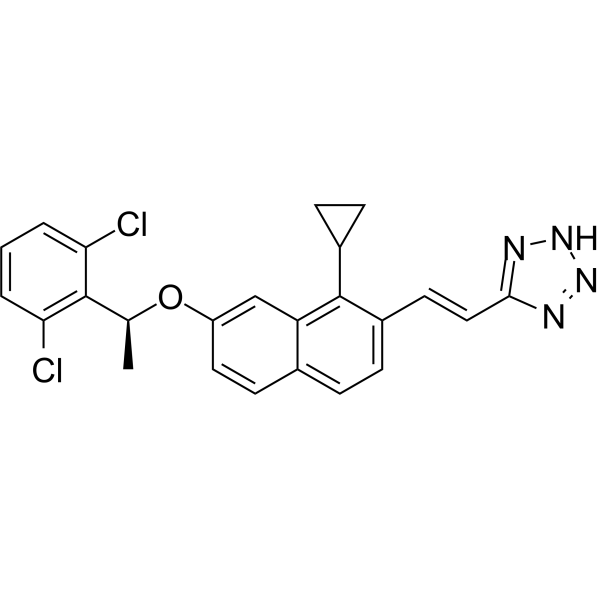
MsbA-IN-6 is a potent inhibitor of MsbA. MsbA-IN-6 is an antibiotic. Gram-negative ATP-binding cassette (ABC) transporter MsbA, an essential inner membrane protein, transports lipopolysaccharide from the inner leaflet to the periplasmic face of the inner membrane. MsbA-IN-6 kills Escherichia coli through inhibition of its ATPase and transport activity, with no loss of activity against clinical multidrug-resistant strains .
|
-
-
- HY-P5484
-
|
|
Bacterial
|
Others
|
|
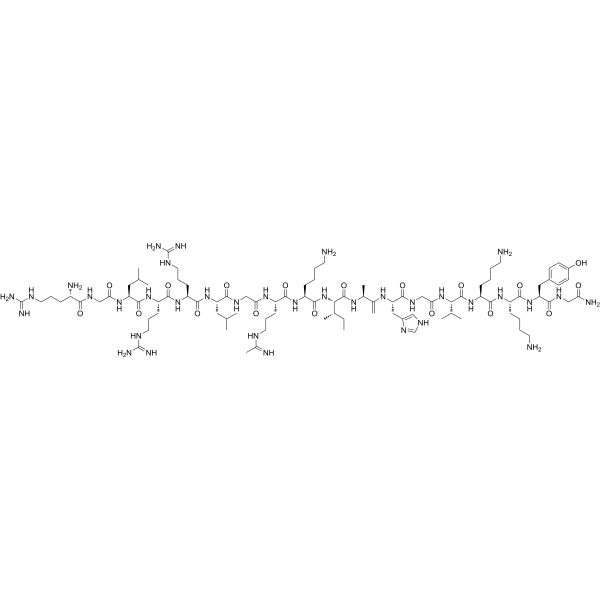
SMAP-18 is a biological active peptide. (SMAP-18 is a 18-amino acid residue peptide amide which is a truncated form of SMAP-29. Sheep myeloid antimicrobial peptide-29 (SMAP-29) displays extremely high antimicrobial activity against Pseudomonas strains, other Gram-negative bacteria, and multidrug-resistant pathogens. SMAP-18 displays much higher cell selectivity as compared to parental SMAP-29 because of its decreased hemolytic activity and retained antimicrobial activity.)
|
-
-
- HY-151599
-
|
|
Bacterial
|
Infection
|
|
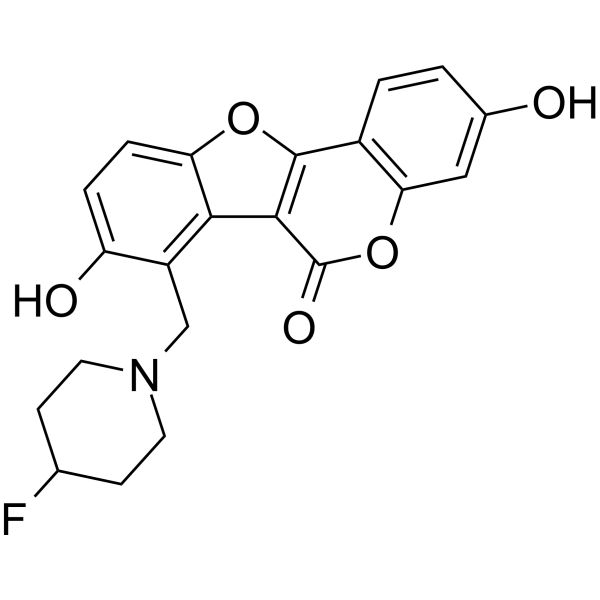
Pks13-TE inhibitor 3 (compound 23) is a 13-Thioesterase (Pks13-TE) inhibitor (IC50=1.55 μM). Pks13-TE inhibitor 3 shows good anti-tuberculosis activity against both agent-sensitive and drug-resistant Mtb strains (MIC=0.0625-0.25 μg/mL). Pks13-TE inhibitor 3 can be used in studies of multidrug-resistant TB and extensively drug-resistant TB .
|
-
-
- HY-151598
-
|
|
Bacterial
|
Infection
|
|
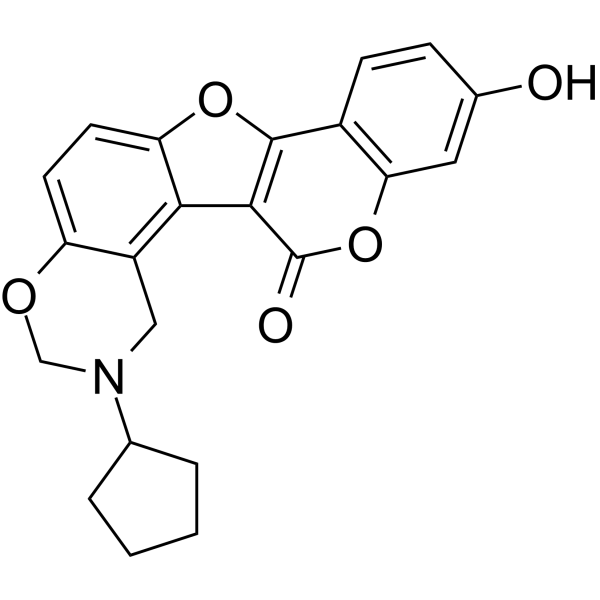
Pks13-TE inhibitor 2 (compound 32) is a 13-Thioesterase (Pks13-TE) inhibitor (IC50=1.30 μM). Pks13-TE inhibitor 2 shows good anti-tuberculosis activity against both agent-sensitive and drug-resistant Mtb strains (MIC=0.0039-0.0078 μg/mL). Pks13-TE inhibitor 2 can be used in studies of multidrug-resistant TB and extensively drug-resistant TB .
|
-
-
- HY-15980
-
|
|
Parasite
|
Infection
|
|
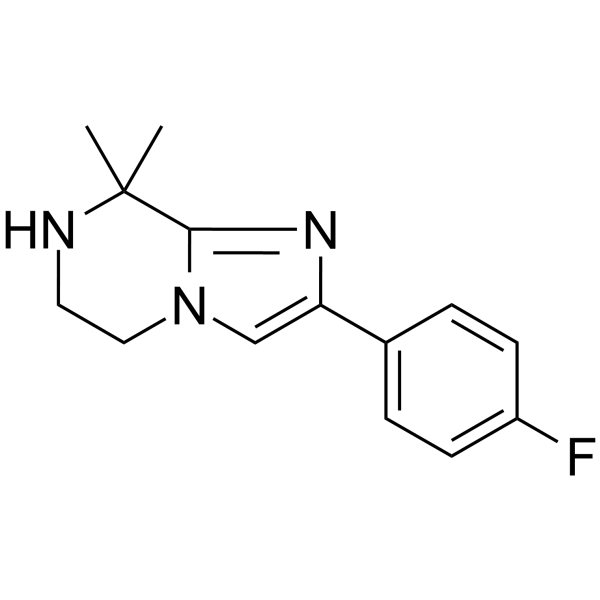
GNF179 metabolite is the metabolite of GNF179, which is an optimized 8,8-dimethyl IP analog that exhibited the potency(4.8 nM against the multidrug resistant strain W2) in vitro metabolic stability and in vivo oral bioavailability.
|
-
-
- HY-170970
-
|
|
Bacterial
|
Infection
|
|
Mtb-IN-10 (Compound P15) is a Rv1625c/Cya activator that regulates cAMP metabolism to influence the growth of Mycobacterium tuberculosis (Mtb). Mtb-IN-10 exhibits an EC50 of 1.96 µM in an Mtb-infected macrophage model and demonstrates 58.0% oral bioavailability in mice at a 20 mg/kg dose. It may regulate intracellular signaling and disrupt cholesterol metabolism in Mtb, thereby inhibiting bacterial proliferation. Mtb-IN-10 holds potential for tuberculosis (TB) research, particularly for combating multidrug-resistant (MDR-TB) and extensively drug-resistant (XDR-TB) Mtb strains .
|
-

-
- HY-P3328
-
|
|
Bacterial
|
Infection
|
|
MDP1, a Melittin-derived peptide, alters the integrity of both Gram-positive and Gram-negative bacterial membranes and kills the bacteria via membrane damages. MDP1 has a high-antibacterial activity against multidrug resistant (MDR) and reference strains of S. aureus, E. coli, and P. aeruginosa .
|
-

-
- HY-174323
-
|
|
Bacterial
DNA/RNA Synthesis
|
Infection
|
|
Anti-MRSA agent 28 is an antibacterial agent against multidrug resistant (MDR) gram-positive strains with MICs of 0.06-0.125 μg/mL. Anti-MRSA agent 28 can target DNA polymerase IIIC to reduce the amount of genomic DNA with the IC50 of 3.80 μg/mL. Anti-MRSA agent 28 has good antibacterial activity and reduces inflammation. Anti-MRSA agent 28 can be used against gram-positive strains and infectious conditions.
|
-

-
- HY-137985
-
|
Stachybotrydial; F 1839M; Stachybotrydial
|
HSV
Virus Protease
|
Infection
|
|
Mer-NF5003F (Stachybotrydial; F 1839M), a sesquiterpene isolated from Stachybotrys, inhibits avian medulloblastoma virus (AMV) protease (IC50=7.8 μM). Mer-NF5003F inhibits sialyltransferase 6N (ST6N), ST3O, and ST3N (IC50=0.61, 6.7, and 10 μg/mL, respectively), and fucosyltransferase (IC50=11.3 μg/mL). Mer-NF5003F has in vitro activity against herpes simplex virus HSV-1 (IC50=4.32 μg/mL) and multidrug-resistant Plasmodium falciparum K1 strain (IC50=0.85 μg/mL).
|
-

-
- HY-118962
-
|
|
CCR
HIV
|
Infection
|
|
E913 is a CCR5 antagonist that competes with the binding of antibodies to CCR5 which recognize the C-terminal half of the second extracellular loop (ECL2B) of CCR5. E913 can specifically block the binding of macrophage inflammatory protein-1alpha (MIP-1alpha) to CCR5 (IC50 = 0.002 μM) and MIP-1alpha-elicited cellular Ca 2+ mobilization (IC50 = 0.02 μM). E913 inhibits the replication of laboratory and primary R5 HIV-1 strains as well as various multidrug-resistant monocyte/macrophage tropic (R5) HIV-1 (IC50 = 0.03-0.06 μM). E913 can be used for the research of infection, such as HIV-1 infection .
|
-

-
- HY-124195
-
|
|
Bacterial
|
Infection
|
|
Antitubercular agent-57 is a selective antimycobacterial agent with low in vitro toxicity against mammalian cell lines including hepatocyte cell lines. Antitubercular agent-57 exhibits activity against drug-sensitive, multidrug-resistant and extensively drug-resistant Mycobacterium tuberculosis strains, and shows no cross-resistance with first-line or second-line antitubercular agents. Antitubercular agent-57 has no activity against Gram-positive bacteria, Gram-negative bacteria and fungal strains. Antitubercular agent-57 can be used in the research of tuberculosis and multidrug-resistant tuberculosis .
|
-

-
- HY-N18102
-
|
|
Bacterial
|
Infection
|
|
3,4-Seco-mansumbinoic acid (Compound 2) is an Antibacterial agent. 3,4-Seco-mansumbinoic acid can be isolated from the oleo-resin of Commiphora molmol. 3,4-Seco-mansumbinoic acid exhibits in vitro anti-staphylococcal activity, with the strongest activity against the multidrug-resistant Staphylococcus aureus strain SA-1199B (MIC 4 μg/mL) 3,4-Seco-mansumbinoic acid displays weak potentiation of Ciprofloxacin (HY-B0356) and Tetracycline (HY-A0107) activity against strains of Salmonella enterica serovar Typhimurium SL1344 and L10. 3,4-Seco-mansumbinoic acid can be used for the research of multidrug-resistant bacterial infection (Staphylococcus aureus, Salmonella enterica serovar Typhimurium) .
|
-

-
- HY-W277771
-
|
|
Parasite
|
Infection
|
|
4-(3-Phenylpropoxy)aniline (Compound 3g) is an antimalarial agent targeting Plasmodium. 4-(3-Phenylpropoxy)aniline is promising for research of multidrug-resistant Plasmodium strains .
|
-

-
- HY-182347
-
|
|
Parasite
|
Infection
|
|
LSPN954 (compound 4i) is an indole-based peptidomimetic antiplasmodial agent that exhibits submicromolar activity against both sensitive and multidrug-resistant *Plasmodium falciparum* strains, with low cytotoxicity to human cells and a high selectivity index. LSPN954 shows slow-acting inhibitory activity, allowing the initial development of *Plasmodium* followed by morphological changes, and its activity is independent of the inhibition of plastid-dependent isoprenoid biosynthesis. LSPN954 can be used in malaria research .
|
-

-
- HY-181419
-
|
|
Bacterial
|
Infection
|
|
Antimycobacterial agent-16 is a pyrazinamide derivative and antimycobacterial agent with a selectivity index >25 against HepG2 cells.Antimycobacterial agent-16 does not undergo hydrolysis by mycobacterial pyrazinamidase.Antimycobacterial agent-16 exerts activity against Mycobacterium tuberculosis H37Rv, multidrug-resistant Mycobacterium tuberculosis strains, and Mycobacterium kansasii.Antimycobacterial agent-16 shows no inhibitory activity against mycobacterial enoyl-ACP reductase (InhA).Antimycobacterial agent-16 has low cytotoxicity against HepG2 cells.Antimycobacterial agent-16 can be used for the research of tuberculosis .
|
-

-
- HY-181888
-
|
|
HIV
HIV Protease
|
Infection
|
GRL-142 is a potent HIV-1 protease inhibitor capable of crossing the blood-brain barrier. GRL-142 exhibits extremely high inhibitory activity against both wild-type and multidrug-resistant strains (IC50=0.0094 nM). GRL-142 acts synergistically with the P2/P2' segments via a unique scaffold binding mechanism, utilizes fluorine-mediated stable interactions to maintain its bioactive conformation, adapts to p51 HIV-1 protease mutants, and maintains the flap-closed state by directly acting on the flap tip residues. GRL-142 disrupts the flap-water hydrogen bond network of wild-type protease, thereby effectively blocking viral replication. GRL-142 can be used to study HIV-1 infection and the associated neurocognitive disorder (HAND) .
|
-

-
- HY-180854
-
|
|
Bacterial
|
Infection
|
|
Antitubercular agent-55 (Compound 2e) is an anti-tuberculous agent. Antitubercular agent-55 exhibits significant inhibitory activity against the standard strain of Mycobacterium tuberculosis H37Rv and also has moderate inhibitory activity against multidrug-resistant TB (MDR-TB). Antitubercular agent-55 has a strong affinity for the key enzyme InhA involved in the biosynthesis of mycotic acids. Antitubercular agent-55 can be used for research on tuberculosis infection caused by Mycobacterium tuberculosis.
|
-

-
- HY-180324
-
|
|
Bcl-2 Family
Caspase
p38 MAPK
MMP
Apoptosis
Bacterial
DNA/RNA Synthesis
Survivin
|
Infection
Cancer
|
|
Candidone is a type of flavanone phenolic compound with anti-cancer and antibacterial activities. Candidone inhibits the proliferation of hepatoblastoma and cholangiocarcinoma cells and induces their apoptosis by up-regulating p21, Bax, and caspase 3/9, and down-regulating Bcl-2 and survivin. It reduces the metastatic ability of cancer cells by inhibiting the expression of phosphorylated p38 and matrix metalloproteinase MMP-9. Candidone has inhibitory effects on multidrug-resistant bacterial strains. Candidone binds to the base pairs of DNA in a groove-binding manner, thereby slightly altering the conformation of DNA .
|
-

-
- HY-P11592
-
|
|
Bacterial
|
Infection
|
|
KIKIKPWWWPKIKIK-NH2 is a β-turn antimicrobial peptide. KIKIKPWWWPKIKIK-NH2 can inhibit bacterial biofilm formation and bind to lipopolysaccharid. KIKIKPWWWPKIKIK-NH2 shows wound-healing ability in mice bacteria-infected full-thickness wound models. KIKIKPWWWPKIKIK-NH2 can be used for the research of bacterial infection .
|
-

-
- HY-181100
-
|
|
Dihydrofolate reductase (DHFR)
Bacterial
|
Infection
|
|
DHFR-IN-26 is an Escherichia coli dihydrofolate reductase (ecDHFR) inhibitor with an IC50 of 0.75 nM. DHFR-IN-26 exerts broad-spectrum antibacterial activity. DHFR-IN-26 disrupts folate metabolism, nucleotide synthesis, and bacterial amino acid metabolic pathways. DHFR-IN-26 disrupts bacterial inner membranes, inhibited biofilm formation, and attenuated phage-related processes. DHFR-IN-26 shows lower toxicity to non-cancerous cells. DHFR-IN-26 can be used for the research of bacterial infections (including infections caused by methicillin-resistant Staphylococcus aureus, multidrug-resistant Escherichia coli, multidrug-resistant Pseudomonas aeruginosa, and lysogenic bacteria) .
|
-

-
- HY-183782
-
|
|
Antibiotic
Bacterial
|
Infection
|
|
SA1103064 is a potent antibiotic with antibacterial activity against multiple resistant bacterial strains. SA1103064 binds to the bacterial ribosome's nascent peptide exit tunnel. SA1103064 can be used for the research of bacterial infections .
|
-

-
- HY-181010
-
|
|
HDAC
Parasite
|
Infection
|
|
HDAC1-IN-12 is a Plasmodium falciparum HDAC1 (PfHDAC1) inhibitor with an IC50 of 4.1 nM against Pf3D7. HDAC1-IN-12 inhibits PfHDAC1, upregulates histone H3 acetylation in P. falciparum parasites, downregulates malaria invasion-related gene expression, and exhibits favorable safety profiles, improved physicochemical properties, and potent in vivo antimalarial activity. HDAC1-IN-12 can be used for the research of malaria .
|
-

| Cat. No. |
Product Name |
Target |
Research Area |
-
- HY-P10233A
-
|
|
Bacterial
|
Infection
|
|
SAAP 148 TFA is a synthetic antimicrobial peptide (bacteria) that interacts with and disrupts the lipid bilayer of bacterial cytoplasmic membranes, thereby inducing changes in membrane permeability and bacterial death. SAAP 148 TFA kills drug-resistant, multidrug-resistant and persister bacterial strains, inhibits biofilm formation, eliminates established biofilms, and blocks bacterial colonization on implant surfaces. SAAP 148 TFA retains its activity after modification or immobilization, exhibits variable cytotoxicity in different human cell models, and shows reduced efficacy in protein-rich environments. SAAP 148 TFA can be used in infection-related research .
|
-
- HY-P3328A
-
|
|
Bacterial
|
Infection
|
|
MDP1 acetate, a Melittin-derived peptide, alters the integrity of both Gram-positive and Gram-negative bacterial membranes and kills the bacteria via membrane damages. MDP1 acetate has a high-antibacterial activity against multidrug resistant (MDR) and reference strains of S. aureus, E. coli, and P. aeruginosa .
|
-
- HY-P10233
-
|
|
Bacterial
|
Infection
|
|
SAAP 148 is a synthetic antimicrobial peptide (bacteria) that interacts with and disrupts the lipid bilayer of bacterial cytoplasmic membranes, thereby inducing changes in membrane permeability and bacterial death. SAAP 148 kills drug-resistant, multidrug-resistant and persister bacterial strains, inhibits biofilm formation, eliminates established biofilms, and blocks bacterial colonization on implant surfaces. SAAP 148 retains its activity after modification or immobilization, exhibits variable cytotoxicity in different human cell models, and shows reduced efficacy in protein-rich environments. SAAP 148 can be used in infection-related research .
|
-
- HY-P5484
-
|
|
Bacterial
|
Others
|
|
SMAP-18 is a biological active peptide. (SMAP-18 is a 18-amino acid residue peptide amide which is a truncated form of SMAP-29. Sheep myeloid antimicrobial peptide-29 (SMAP-29) displays extremely high antimicrobial activity against Pseudomonas strains, other Gram-negative bacteria, and multidrug-resistant pathogens. SMAP-18 displays much higher cell selectivity as compared to parental SMAP-29 because of its decreased hemolytic activity and retained antimicrobial activity.)
|
-
- HY-P3328
-
|
|
Bacterial
|
Infection
|
|
MDP1, a Melittin-derived peptide, alters the integrity of both Gram-positive and Gram-negative bacterial membranes and kills the bacteria via membrane damages. MDP1 has a high-antibacterial activity against multidrug resistant (MDR) and reference strains of S. aureus, E. coli, and P. aeruginosa .
|
-
- HY-P11592
-
|
|
Bacterial
|
Infection
|
|
KIKIKPWWWPKIKIK-NH2 is a β-turn antimicrobial peptide. KIKIKPWWWPKIKIK-NH2 can inhibit bacterial biofilm formation and bind to lipopolysaccharid. KIKIKPWWWPKIKIK-NH2 shows wound-healing ability in mice bacteria-infected full-thickness wound models. KIKIKPWWWPKIKIK-NH2 can be used for the research of bacterial infection .
|
| Cat. No. |
Product Name |
Category |
Target |
Chemical Structure |
-
- HY-Y0191
-
-
-
- HY-N5109
-
-
-
- HY-126640
-
|
|
Quinones
Microorganisms
Anthraquinones
Source Classification
|
Parasite
|
|
Phomoxanthone A is a xanthone dimer, which can be isolated from Phomopsis. Phomoxanthone A exhibits antimalarial and antitubercular activities against Plasmodium falciparum (K1, multidrug-resistant strain, IC50 is 0.11 µg/mL) and Mycobacterium tuberculosis (H37Ra strain, MIC is 0.50 µg/mL). Phomoxanthone A exhibits cytotoxicity in cells KB, BC-1 and Vero, IC50 is 0.99, 0.51 and 1.4 µg/mL, respectively .
|
-
-
- HY-121348
-
|
U-47929
|
Microorganisms
Antibiotics
Other Antibiotics
Source Classification
|
Antibiotic
Bacterial
DNA/RNA Synthesis
|
Ficellomycin is a nitrogen-containing bicyclic antibiotic with strong activity against Gram-positive bacteria, including multidrug-resistant strains of Staphylococcus aureus. Ficellomycin works by inducing the formation of defective 34S DNA fragments, which interfere with the semi-conservative DNA replication process. These fragments lack the ability to integrate into larger DNA segments and eventually form a complete bacterial chromosome. Ficellomycin can be used in research for various bacterial diseases .
|
-
-
- HY-N8388
-
-
-
- HY-N15374
-
-
-
- HY-N11879
-
-
-
- HY-119387
-
|
|
Other Terpenoids
Microorganisms
Terpenoids
Source Classification
|
Bacterial
|
|
Chevalone B was isolated from the ethyl acetate extract of the marine sponge-associated fungus Aspergillus similanensis. The structure of Chevalone B was confirmed by 1D and 2D NMR spectroscopy. Chevalone B showed antimicrobial activity against Gram-positive and Gram-negative bacteria, Candida albicans, and multidrug-resistant strains from the environment. Studies on Chevalone B have shown its potential value in antimicrobial applications.
|
-
-
- HY-N18102
-
|
|
Structural Classification
Commiphora myrrha (Nees) Engl.
Ketones, Aldehydes, Acids
Plants
Burseraceae
Source Classification
|
Bacterial
|
|
3,4-Seco-mansumbinoic acid (Compound 2) is an Antibacterial agent. 3,4-Seco-mansumbinoic acid can be isolated from the oleo-resin of Commiphora molmol. 3,4-Seco-mansumbinoic acid exhibits in vitro anti-staphylococcal activity, with the strongest activity against the multidrug-resistant Staphylococcus aureus strain SA-1199B (MIC 4 μg/mL) 3,4-Seco-mansumbinoic acid displays weak potentiation of Ciprofloxacin (HY-B0356) and Tetracycline (HY-A0107) activity against strains of Salmonella enterica serovar Typhimurium SL1344 and L10. 3,4-Seco-mansumbinoic acid can be used for the research of multidrug-resistant bacterial infection (Staphylococcus aureus, Salmonella enterica serovar Typhimurium) .
|
-
Your information is safe with us. * Required Fields.
Inquiry Information
- Product Name:
- Cat. No.:
- Quantity:
- MCE Japan Authorized Agent:








