Search Result
Results for "
narrow
" in MedChemExpress (MCE) Product Catalog:
-
- HY-A0083
-
|
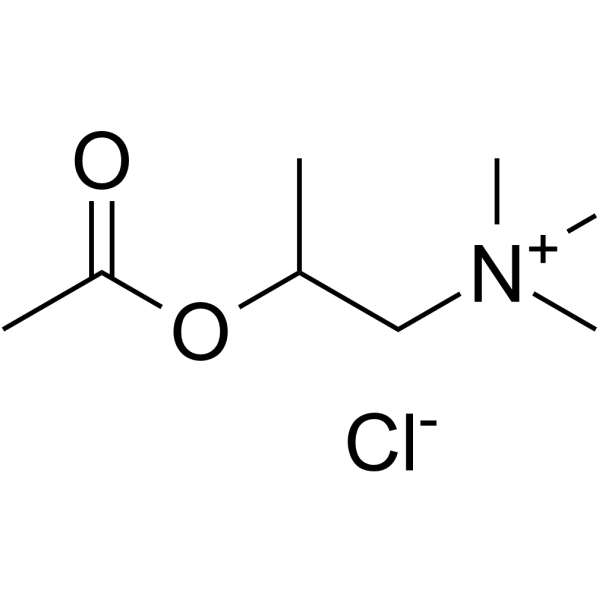
Acetyl-β-methylcholine chloride
|
mAChR
|
Others
|
|
Methacholine (Acetyl-β-methylcholine) choride is a potent muscarinic-3 (M3) agonist. Methacholine choride acts directly on acetylcholine receptors on smooth muscle causing bronchoconstriction and airway narrowing. Methacholine choride shows a high sensitivity to identify bronchial hyperresponsiveness (BHR). Methacholine choride can be used to measure airway hyperresponsiveness (AHR) as a diagnostic aid in the assessment of individuals with asthma-like symptoms and normal resting expiratory flow rates .
|
-
-
- HY-17580
-
|
OPT-80; PAR-101
|
DNA/RNA Synthesis
Bacterial
Apoptosis
Antibiotic
|
Infection
|
|
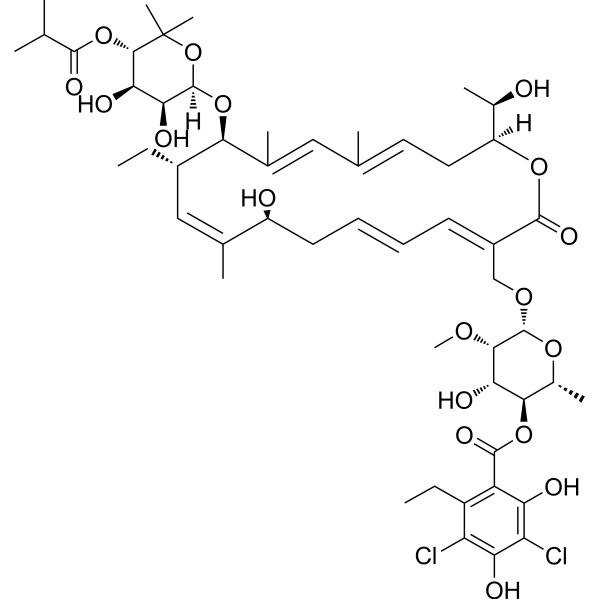
Fidaxomicin (OPT-80), a macrocyclic antibiotic, is an orally active and potent RNA polymerase inhibitor. Fidaxomicin has a narrow spectrum of antibacterial activity and a good anti-Clostridium difficile activity (MIC90=0.12 μg/mL). Fidaxomicin can be used for Clostridium difficile infection (CDI) research .
|
-
-
- HY-13858A
-
|
P-005672 hydrochloride
|
Antibiotic
Bacterial
DNA/RNA Synthesis
|
Infection
|
|
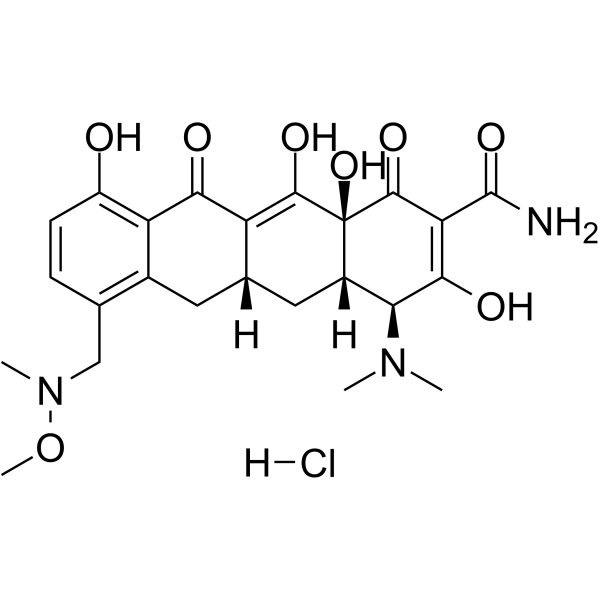
Sarecycline hydrochloride is an orally active narrow-spectrum tetracycline derivative antibiotic. Sarecycline hydrochloride has anti-inflammatory activity. Sarecycline hydrochloride inhibits the activity of Gram-positive bacteria and several types of keratobacterium acnes. Sarecycline hydrochloride interferes with tRNA accommodation and tethers mRNA to the 70S ribosome. Sarecycline hydrochloride can be used to study moderate to severe acne
.
|
-
-
- HY-B0977
-
|
Dicloxacillin sodium salt monohydrate
|
Bacterial
Antibiotic
|
Infection
Inflammation/Immunology
|
|
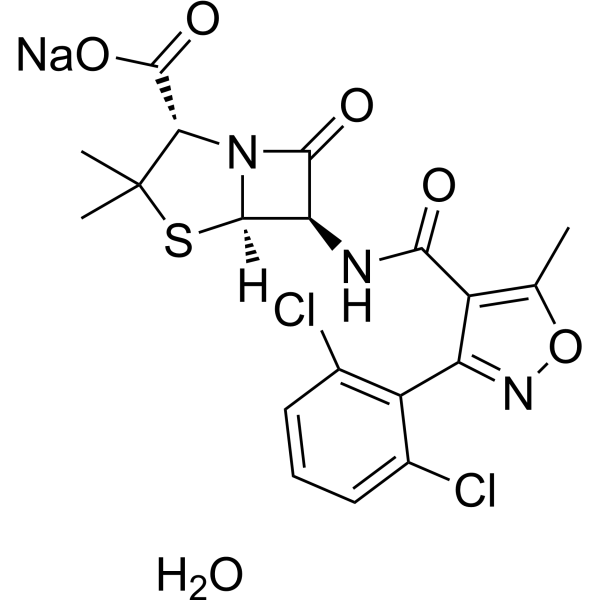
Dicloxacillin Sodium hydrate (Dicloxacillin sodium salt monohydrate) is a narrow-spectrum β-Lactam antibiotic of the penicillin class, is used to treat infections caused by susceptible Gram-positive bacteria, active against beta-lactamase-producing organisms such as Staphylococcus aureus .
|
-
-
- HY-D1040
-
|
Cyanine 5.5 carboxylic acid
|
Fluorescent Dye
|
Others
|
|
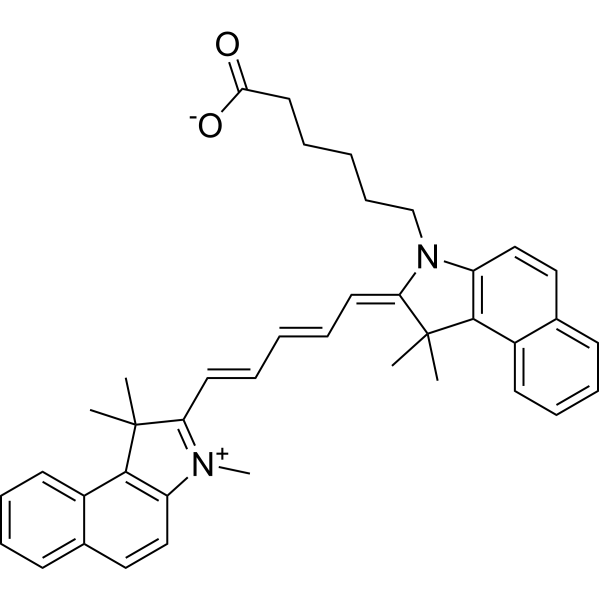
Cy5.5-COOH (Cyanine 5.5 carboxylic acid) is a fluorescent dye that emits fluorescence at 710 nm upon excitation at 650 nm. Cy5.5-COOH possesses excellent spectral properties, including a narrow absorption spectrum, high sensitivity, and stability. Cy5.5-COOH can be used for bioimaging and disease diagnosis .
|
-
-
- HY-146248B
-
|
|
Poly(ADP-ribose) Glycohydrolase (PARG)
SARS-CoV
Protease Activated Receptor (PAR)
|
Metabolic Disease
|
|
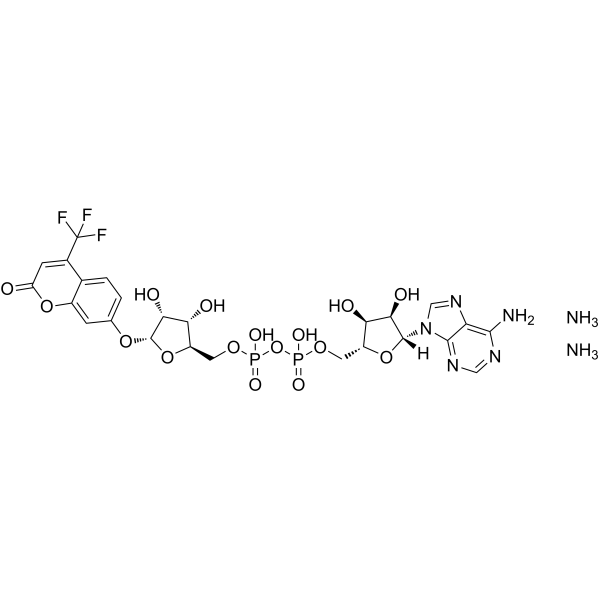
TFMU-ADPr diammonium is a selective reporter substrate of SARS-CoV-2 Macro1 (IC50=0.59 μM), with an excitation wavelength (λEx) of 385 nm, and an emission wavelength (λEm) of 502 nm (or 495 nm). TFMU-ADPr diammonium can also undergo enzymatic hydrolysis with Poly(ADP-ribose) Glycohydrolase (PARG) sourced from human, Tetrahymena thermophila and ADP-ribosylhydrolase 3 from human to release fluorophores, thereby directly reporting total poly (ADP-ribose) hydrolase activity. TFMU-ADPr diammonium binds to the ADPr-binding site of SARS-CoV-2 Macro1, and its TFMU moiety inserts into the narrow hydrophobic groove of this protein. TFMU-ADPr diammonium can thus be used to evaluate small-molecule inhibitors targeting PAR hydrolases under in vitro conditions, to investigate the regulatory mechanisms of ADP-ribosyl catabolic enzymes, or to detect PAR hydrolase activity in whole-cell lysate assays. TFMU-ADPr diammonium is also applicable to COVID-19-related research .
|
-
-
- HY-18324
-
CRS3123
1 Publications Verification
REP-3123
|
Antibiotic
|
Inflammation/Immunology
|
|
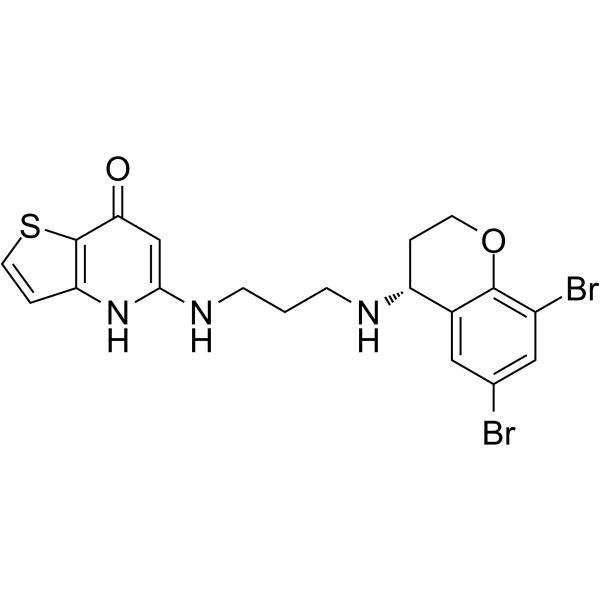
CRS3123 is a potent and orally active narrow-spectrum antibiotic. CRS3123 inhibits bacterial methionyl-tRNA synthetase. CRS3123 has potent activity against Clostridium difficile (C. difficile) and aerobic Gram-positive bacteria but little activity against Gram-negative bacteria, including anaerobes. CRS3123 has the potential for the research of C. difficile infections .
|
-
-
- HY-17580S
-
|
|
Isotope-Labeled Compounds
DNA/RNA Synthesis
Bacterial
Apoptosis
Antibiotic
|
Infection
|
|
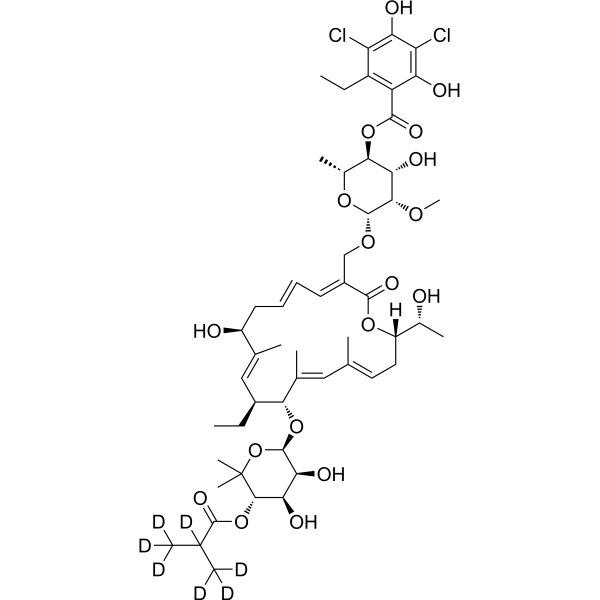
Fidaxomicin-d7 (OPT-80-D7) is the deuterium labeled Fidaxomicin. Fidaxomicin (OPT-80), a macrocyclic RNA polymerase inhibitor, has a narrow spectrum of activity. Fidaxomicin selectively eradicates pathogenic Clostridium difficile with minimal disruption to the multiple species of bacteria that make up the normal, healthy intestinal flora .
|
-
-
- HY-D2264
-
|
|
Fluorescent Dye
|
Others
|
|
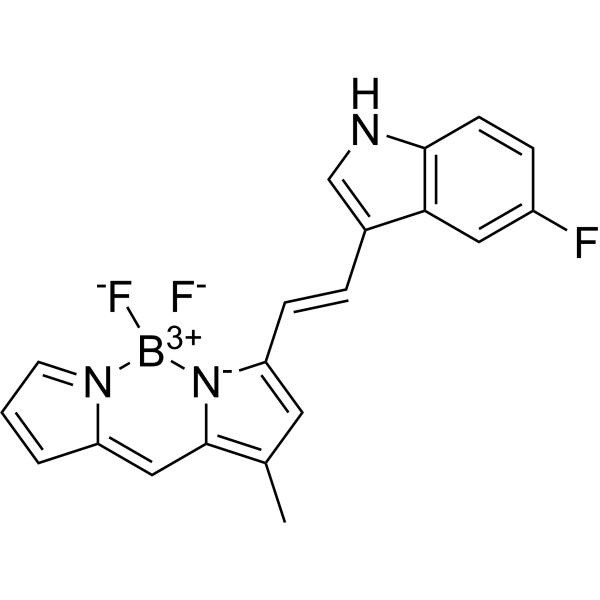
Caffeine orange (Compound 1) is an aqueous-phase fluorescence turn-on sensor for caffeine that is highly selective to caffeine. Caffeine orange makes caffeinated coffee appear orange when exposed to 532 nM of green excitation light. Caffeine orange has excellent photophysical properties such as high extinction coefficient, high light stability and narrow emission bandwidth, which can be used in the research of caffeine detection devices .
|
-
-
- HY-141715
-
|
|
Antibiotic
|
Infection
|
|
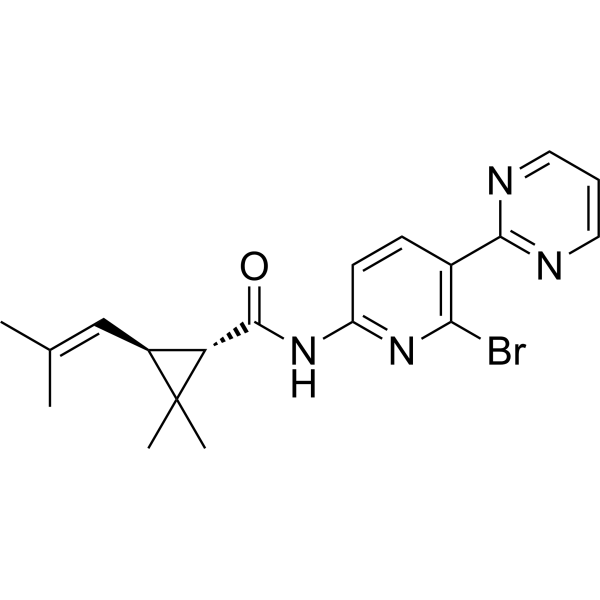
BRD-8000.3, as a specific EfpA inhibitor, is a narrow-spectrum, bactericidal antimycobacterial agent with good wild-type activity. BRD-8000.3 can be used for the research of tuberculosis .
|
-
-
- HY-121544
-
|
|
Penicillin-binding protein (PBP)
Bacterial
Antibiotic
Histamine Receptor
|
Infection
|
|
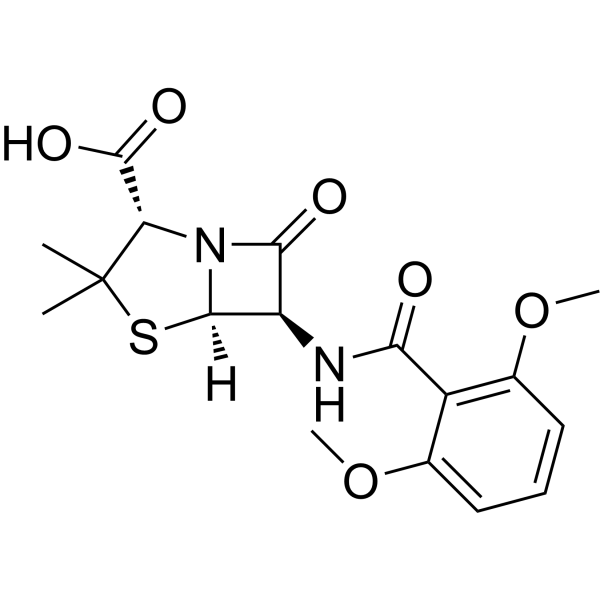
Methicillin is a narrow-spectrum β-lactam antibiotic, acts by inhibiting penicillin-binding proteins (PBPs). Methicillin is active against Staphylococcus aureus and Staphylococcus epidermidis that are resistant to other penicillins.Methicillin can be used for the research of skin infections, osteomyelitis, and endocarditis .
|
-
-
- HY-146248
-
|
|
SARS-CoV
Poly(ADP-ribose) Glycohydrolase (PARG)
Protease Activated Receptor (PAR)
|
Infection
|
|
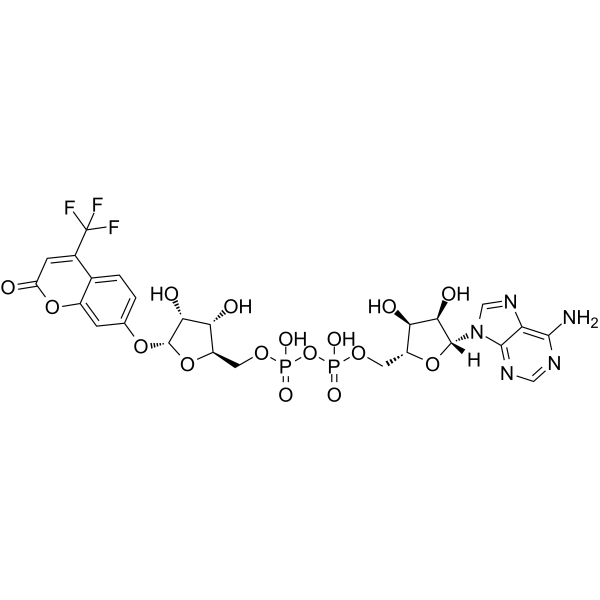
TFMU-ADPr is a selective reporter substrate of SARS-CoV-2 Macro1 (IC50=0.59 μM), with an excitation wavelength (λEx) of 385 nm, and an emission wavelength (λEm) of 502 nm (or 495 nm). TFMU-ADPr can also undergo enzymatic hydrolysis with Poly(ADP-ribose) Glycohydrolase (PARG) sourced from human, Tetrahymena thermophila and ADP-ribosylhydrolase 3 from human to release fluorophores, thereby directly reporting total poly (ADP-ribose) hydrolase activity. TFMU-ADPr binds to the ADPr-binding site of SARS-CoV-2 Macro1, and its TFMU moiety inserts into the narrow hydrophobic groove of this protein. TFMU-ADPr can thus be used to evaluate small-molecule inhibitors targeting PAR hydrolases under in vitro conditions, to investigate the regulatory mechanisms of ADP-ribosyl catabolic enzymes, or to detect PAR hydrolase activity in whole-cell lysate assays. TFMU-ADPr is also applicable to COVID-19-related research .
|
-
-
- HY-108909
-
|
|
Endogenous Metabolite
|
Neurological Disease
Inflammation/Immunology
|
|
Chymopapain is a non-specific proteo-glycanase derived from the papaya plant. Chymopapain has neurotoxicity when injected into nerve bundles. Chymopapain directly into the intervertebral disc caused disc narrowing due to dissolution of the extruded material. Chymopapain has the potential for the research of herniated lumbar discs .
|
-

-
- HY-120595
-
|
RV568
|
p38 MAPK
Src
|
Inflammation/Immunology
|
|
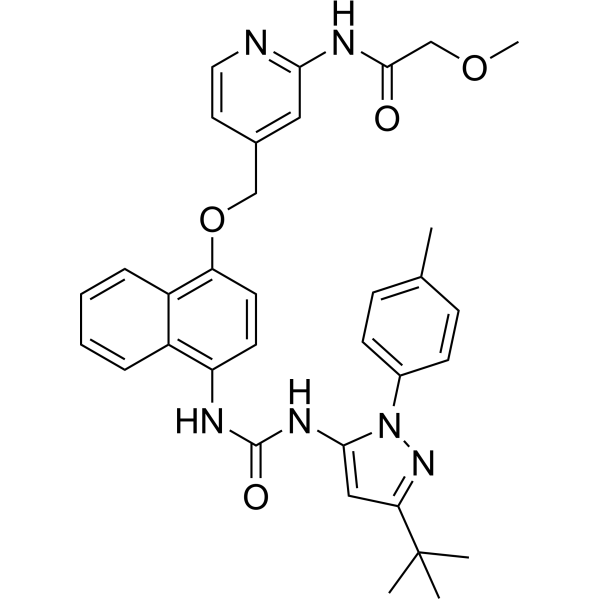
JNJ-49095397 (RV568) is an inhaled narrow-spectrum kinase inhibitor (NSKI) against both the α and γ isoforms of p38 MAPK. JNJ-49095397 also inhibits SRC kinase family, specifically haematopoietic kinase (HCK) JNJ-49095397 shows potent anti-inflammatory effects and can be used for the research of chronic obstructive pulmonary disease (COPD) and asthma .
|
-
-
- HY-115440
-
|
REP-3123 dihydrochloride
|
Bacterial
Antibiotic
|
Infection
|
|
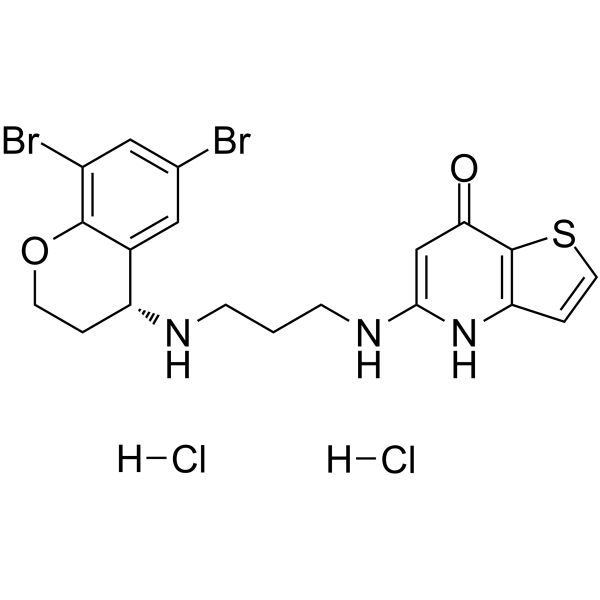
CRS3123 (REP-3123) dihydrochloride, a fully synthetic antibacterial agent, potently inhibits methionyl-tRNA synthetase (MetRS) of Clostridioides difficile, inhibiting Clostridioides difficile toxin production and spore formation. CRS3123 dihydrochloride is an oral agent for the research of Clostridioides difficile infection (CDI) .
|
-
-
- HY-21170B
-
|
Triflate lithium; Trifluoromethylsulfonate lithium; Trifluoromethanesulphonic acid lithium
|
Biochemical Assay Reagents
Herbicide
|
Others
|
|
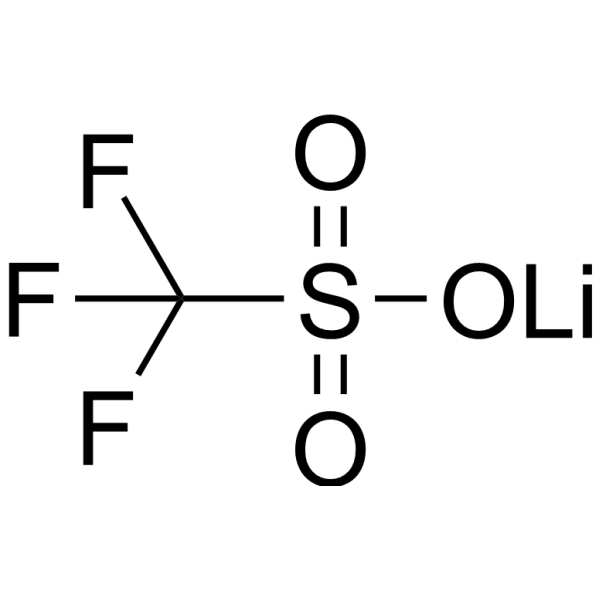
Trifluoromethanesulfonate (Triflate;Trifluoromethylsulfonate) lithium is a stable lithium salt and dopant with four resonance states, which is commonly used as an electrolyte component in polymer light-emitting electrochemical cells and primary lithium batteries. Trifluoromethanesulfonate lithiumalso acts as a catalyst for the preparation of the herbicide Imazapyr. In MEH-PPV-based light-emitting electrochemical cells, Trifluoromethanesulfonate lithium promotes electrochemical p-type doping at the anode interface under applied bias, thereby facilitating the formation of p-i-n junctions, exciton generation, and light emission. Trifluoromethanesulfonate lithiumexhibits strong ion pairing in non-aqueous electrolytes, but its electrochemical stability window is narrower than that of lithium bistrifluoromethylsulfonyl imidee .
|
-
-
- HY-B0925S
-
-
-
- HY-W654157
-
|
|
Antibiotic
Isotope-Labeled Compounds
Bacterial
|
Infection
|
|
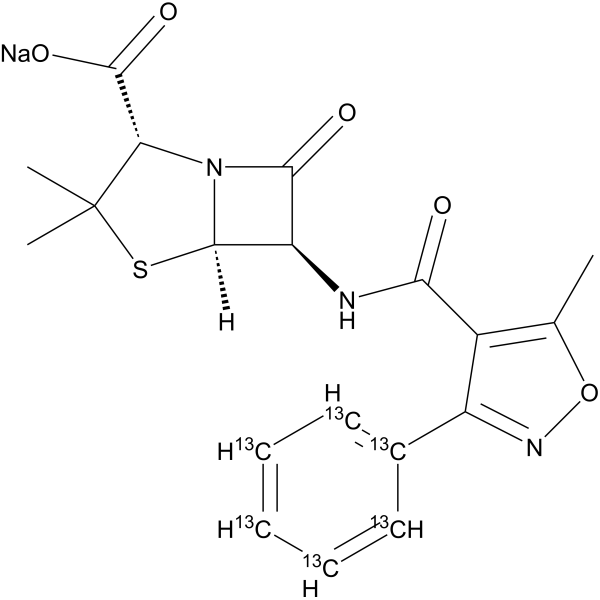
Dicloxacillin- 13C4 sodium hydrate is the 13C-labeled Dicloxacillin Sodium hydrate (HY-B0977). Dicloxacillin Sodium hydrate (Dicloxacillin sodium salt monohydrate) is a narrow-spectrum β-Lactam antibiotic of the penicillin class, is used to study infections caused by susceptible Gram-positive bacteria, active against beta-lactamase-producing organisms such as Staphylococcus aureus .
|
-

-
- HY-146248A
-
|
|
Poly(ADP-ribose) Glycohydrolase (PARG)
SARS-CoV
Protease Activated Receptor (PAR)
|
Others
|
|
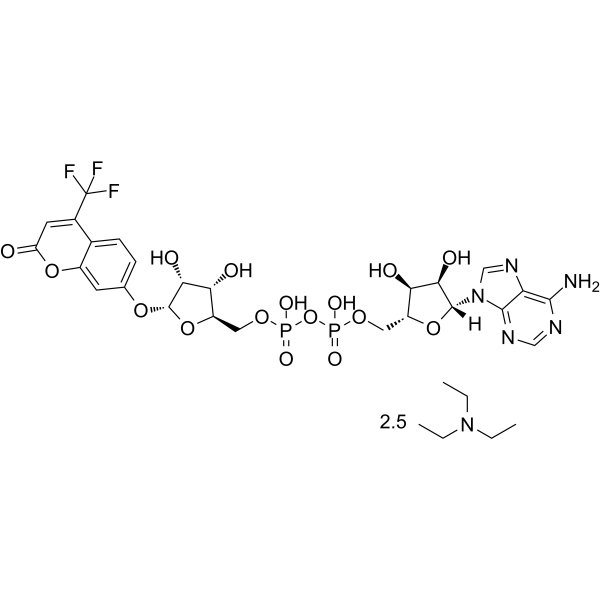
TFMU-ADPr triethylamine is a selective reporter substrate of SARS-CoV-2 Macro1 (IC50=0.59 μM), with an excitation wavelength (λEx) of 385 nm, and an emission wavelength (λEm) of 502 nm (or 495 nm). TFMU-ADPr triethylamine can also undergo enzymatic hydrolysis with Poly(ADP-ribose) Glycohydrolase (PARG) sourced from human, Tetrahymena thermophila and ADP-ribosylhydrolase 3 from human to release fluorophores, thereby directly reporting total poly (ADP-ribose) hydrolase activity. TFMU-ADPr triethylamine binds to the ADPr-binding site of SARS-CoV-2 Macro1, and its TFMU moiety inserts into the narrow hydrophobic groove of this protein. TFMU-ADPr triethylamine can thus be used to evaluate small-molecule inhibitors targeting PAR hydrolases under in vitro conditions, to investigate the regulatory mechanisms of ADP-ribosyl catabolic enzymes, or to detect PAR hydrolase activity in whole-cell lysate assays. TFMU-ADPr triethylamine is also applicable to COVID-19-related research .
|
-
-
- HY-W110781
-
|
|
DNA Stain
|
Others
|
|
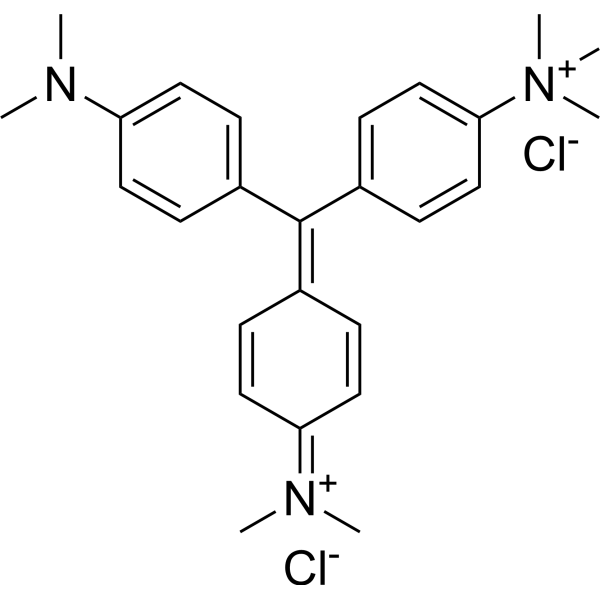
Basic Blue 20 is a very convenient red-emitting DNA stains. Basic Blue 20 has relatively narrow excitation and emission spectra, with peaks at 633 and 677 nm, respectively. Basic Blue 20 also has a very high resistance to photobleaching .
|
-
-
- HY-160930
-
|
|
p38 MAPK
Src
Syk
|
Inflammation/Immunology
|
|
TOP1288 is a narrow spectrum kinase inhibitor for P38α, Src and Syk kinase, with IC50 of 116nM, 24nM and 659nM, respectively. TOP1288 inhibits inflammatory cytokine release from inflamed biopsies and myofibroblasts .
|
-

-
- HY-121544A
-
|
|
Penicillin-binding protein (PBP)
Bacterial
Antibiotic
Histamine Receptor
|
Infection
|
|
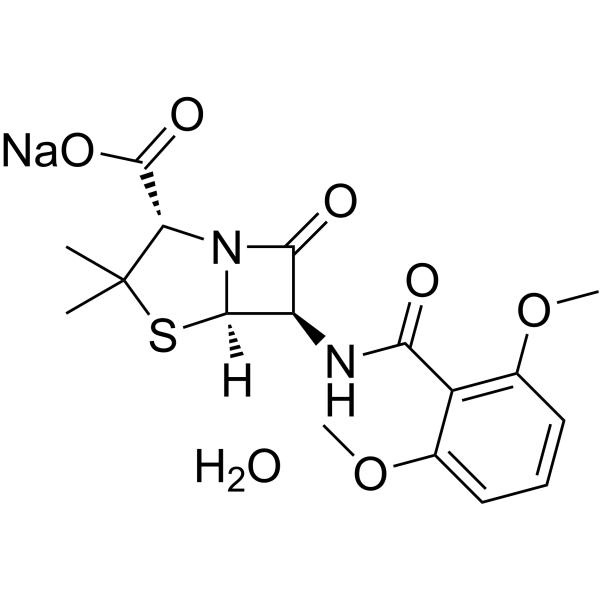
Methicillin sodium hydrate is a narrow-spectrum β-lactam antibiotic, acts by inhibiting penicillin-binding proteins (PBPs). Methicillin sodium hydrate is active against Staphylococcus aureus and Staphylococcus epidermidis that are resistant to other penicillins. Methicillin sodium hydrate can be used for the research of skin infections, osteomyelitis, and endocarditis .
|
-
-
- HY-16770
-
|
P-005672
|
Antibiotic
Bacterial
DNA/RNA Synthesis
|
Infection
|
|
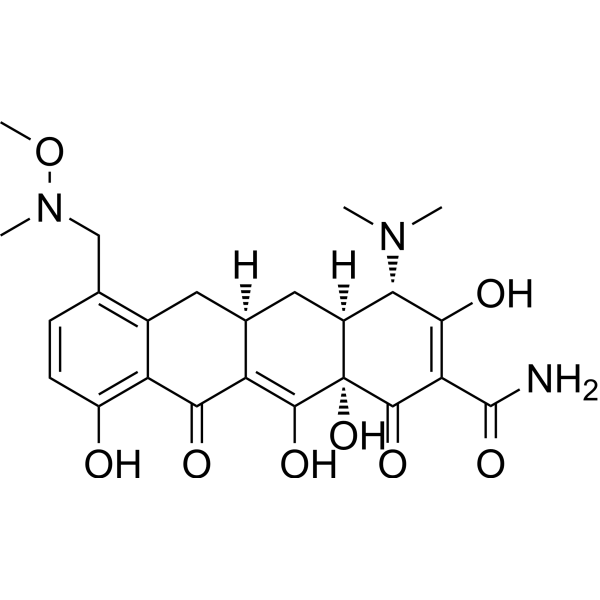
Sarecycline is an orally effective narrow-spectrum tetracycline derivative antibiotic. Sarecycline has anti-inflammatory activity. Sarecycline inhibits the activity of Gram-positive bacteria and several types of keratobacterium acnes. Sarecycline interferes with tRNA accommodation and tethers mRNA to the 70S ribosome. Sarecycline can be used to study moderate to severe acne .
|
-
-
- HY-17580R
-
|
OPT-80 (Standard); PAR-101 (Standard)
|
Reference Standards
DNA/RNA Synthesis
Bacterial
Apoptosis
Antibiotic
|
Infection
|
|
Fidaxomicin (Standard) is the analytical standard of Fidaxomicin. This product is intended for research and analytical applications. Fidaxomicin (OPT-80), a macrocyclic antibiotic, is an orally active and potent RNA polymerase inhibitor. Fidaxomicin has a narrow spectrum of antibacterial activity and a good anti-Clostridium difficile activity (MIC90=0.12 μg/mL). Fidaxomicin can be used for Clostridium difficile infection (CDI) research .
|
-

-
- HY-A0083B
-
|
Acetyl-β-methylcholine bromide
|
mAChR
|
Cardiovascular Disease
|
|
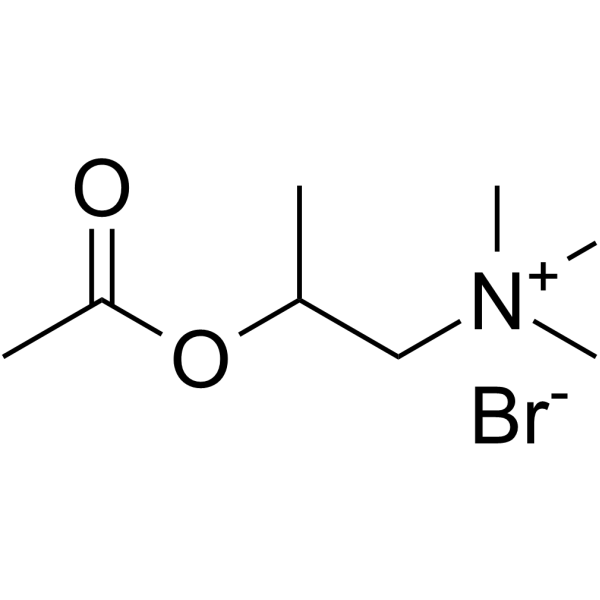
Methacholine (Acetyl-β-methylcholine) bromide is a potent muscarinic-3 (M3) agonist. Methacholine bromide acts directly on acetylcholine receptors on smooth muscle causing bronchoconstriction and airway narrowing. Methacholine bromide shows a high sensitivity to identify bronchial hyperresponsiveness (BHR). Methacholine bromide can be used to measure airway hyperresponsiveness (AHR) as a diagnostic aid in the assessment of individuals with asthma-like symptoms and normal resting expiratory flow rates .
|
-
-
- HY-A0083R
-
|
Acetyl-β-methylcholine chloride (Standard)
|
Reference Standards
mAChR
|
Others
|
|
Methacholine (chloride) (Standard) is the analytical standard of Methacholine (chloride). This product is intended for research and analytical applications. Methacholine (Acetyl-β-methylcholine) choride is a potent muscarinic-3 (M3) agonist. Methacholine choride acts directly on acetylcholine receptors on smooth muscle causing bronchoconstriction and airway narrowing. Methacholine choride shows a high sensitivity to identify bronchial hyperresponsiveness (BHR). Methacholine choride can be used to measure airway hyperresponsiveness (AHR) as a diagnostic aid in the assessment of individuals with asthma-like symptoms and normal resting expiratory flow rates .
|
-

-
- HY-N14985
-
|
|
Fungal
Bacterial
|
Infection
|
|
Dictyopanine A is found in the strain of Dictylpanus sp. Hki 0181. The antibacterial spectrum is narrow, and it has moderate antibacterial activity only against some filamentous fungi and Gram-positive bacteria .
|
-

-
- HY-165514
-
|
|
Sodium Channel
|
Neurological Disease
|
|
Nafimidone is a stable and brain-penetrant antiepileptic compound Nafimidone shows effective anticonvulsant effects in kindled amygdaloid seizure model. However, The effective window of Nafimidone is narrow, and has obvious epileptogenic effects at high doses. Nafimidone can be used for the study of epilepsy .
|
-

-
- HY-151437
-
|
|
Fungal
|
Infection
|
|
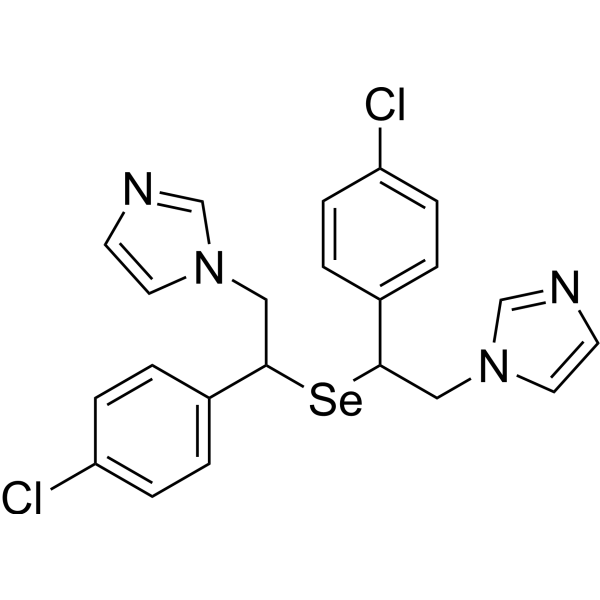
Antifungal agent 40 is an antifungal agent which extends into the narrow hydrophobic pocket II of C.alb. CYP51. Antifungal agent 40 has an inhibitory effect on lanosterol 14α-demethylase (CYP51). Antifungal agent 40 inhibits biofilm formation .
|
-
-
- HY-157808
-
|
|
Bacterial
|
Infection
|
|
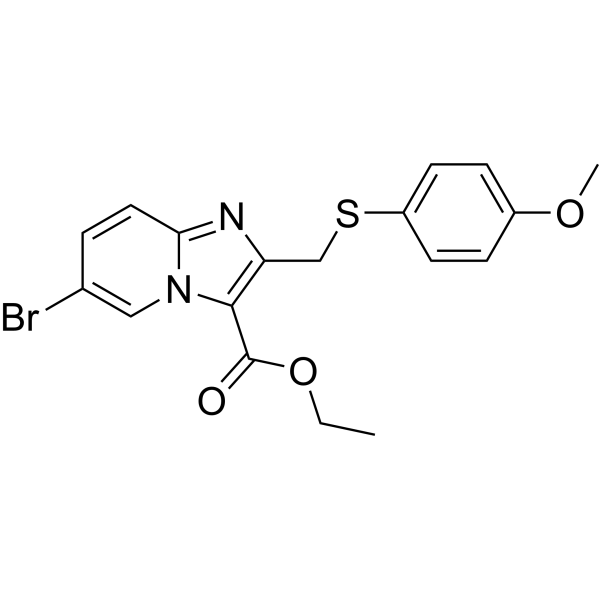
Antibacterial agent 185 (compound IP-01) is a potent antibacterial agent. Antibacterial agent 185 inhibits filamentous temperature-sensitive mutant Z (FtsZ) polymerization and bundling by increasing GTP hydrolysis. Antibacterial agent 185 inhibits Streptococcus pneumoniae and shows narrow-spectrum activity .
|
-
-
- HY-B0977R
-
|
Dicloxacillin sodium salt monohydrate (Standard)
|
Reference Standards
Bacterial
Antibiotic
|
Infection
Inflammation/Immunology
|
|
Dicloxacillin (Sodium hydrate) (Standard) is the analytical standard of Dicloxacillin (Sodium hydrate). This product is intended for research and analytical applications. Dicloxacillin Sodium hydrate (Dicloxacillin sodium salt monohydrate) is a narrow-spectrum β-Lactam antibiotic of the penicillin class, is used to treat infections caused by susceptible Gram-positive bacteria, active against beta-lactamase-producing organisms such as Staphylococcus aureus .
|
-

-
- HY-121544AR
-
|
|
Penicillin-binding protein (PBP)
Reference Standards
Bacterial
Antibiotic
Histamine Receptor
|
Infection
|
|
Methicillin (sodium hydrate) (Standard) is the analytical standard of Methicillin (sodium hydrate). This product is intended for research and analytical applications. Methicillin sodium hydrate is a narrow-spectrum β-lactam antibiotic, acts by inhibiting penicillin-binding proteins (PBPs). Methicillin sodium hydrate is active against Staphylococcus aureus and Staphylococcus epidermidis that are resistant to other penicillins. Methicillin sodium hydrate can be used for the research of skin infections, osteomyelitis, and endocarditis .
|
-

-
- HY-18719ER
-
|
|
Cytochrome P450
Reference Standards
Estrogen Receptor/ERR
Drug Metabolite
Parasite
|
Cancer
|
|
Methicillin (sodium hydrate) (Standard) is the analytical standard of Methicillin (sodium hydrate). This product is intended for research and analytical applications. Methicillin sodium hydrate is a narrow-spectrum β-lactam antibiotic, acts by inhibiting penicillin-binding proteins (PBPs). Methicillin sodium hydrate is active against Staphylococcus aureus and Staphylococcus epidermidis that are resistant to other penicillins. Methicillin sodium hydrate can be used for the research of skin infections, osteomyelitis, and endocarditis .
|
-

-
- HY-D2194
-
|
|
Fluorescent Dye
|
Others
|
|
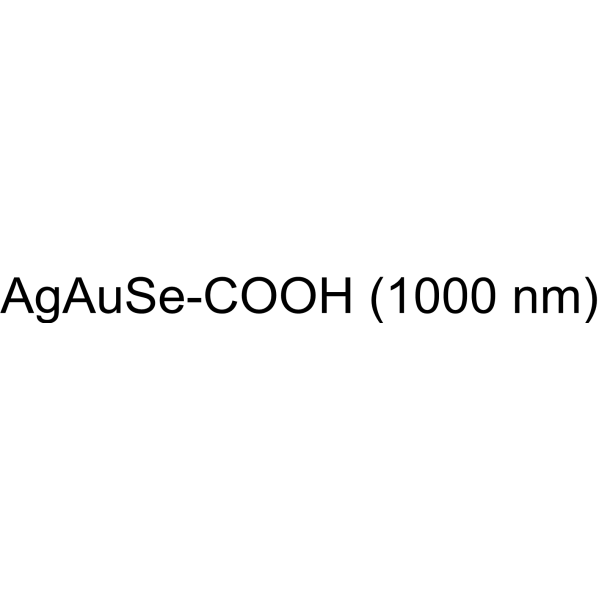
AgAuSe-COOH (1000 nm) is a fluorescent quantum dot that emits fluorescence in the near-infrared II region, with an emission peak reaching 1000 nm. AgAuSe-COOH (1000 nm) has the advantages of narrow band gap, large Stokes shift, and good photostability. AgAuSe-COOH (1000 nm) can bind proteins, antibodies, peptides, PEG, etc., and can be widely used in the field of biological imaging.
|
-
-
- HY-150781
-
|
|
EGFR
|
Cancer
|
|
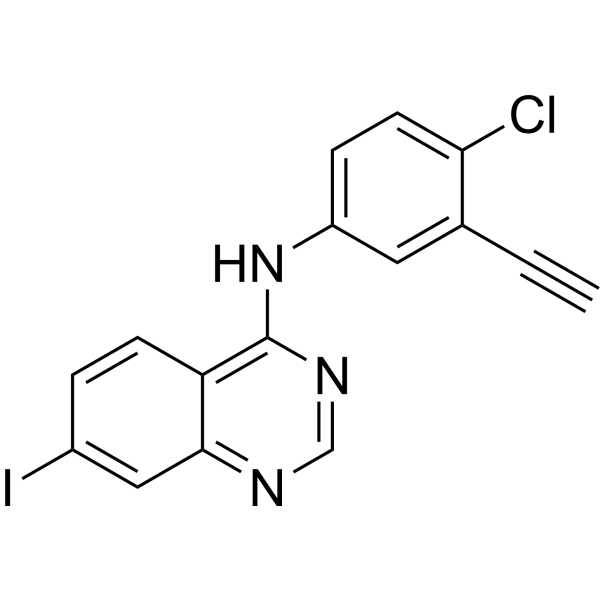
EGFR-IN-71 is a potent narrow spectrum epidermal growth factor receptor (EGFR) inhibitor with IC50 values of 3.7 μM. EGFR-IN-71 can be used for researching chordoma . EGFR-IN-71 is a click chemistry reagent, it contains an Alkyne group and can undergo copper-catalyzed azide-alkyne cycloaddition (CuAAc) with molecules containing Azide groups.
|
-
-
- HY-W250168B
-
|
Polyethylene glycol oleyl ether, average Mn~357; Polyethylene glycol monooleyl ether, n~2
|
Biochemical Assay Reagents
|
Others
|
|
Polyoxyethylene(2) oleyl ether (Polyethylene glycol oleyl ether, average Mn~357; Polyethylene glycol monooleyl ether, n~2) is a nonionic surfactant. Polyoxyethylene(2) oleyl ether promoting the formation of spherical-shaped nanosystems with a narrow size distribution. Polyoxyethylene(2) oleyl ether can be used for the delivery of several active compounds .
|
-

-
- HY-D1040A
-
|
Cyanine 5.5 carboxylic acid chloride
|
Fluorescent Dye
|
Others
|
|
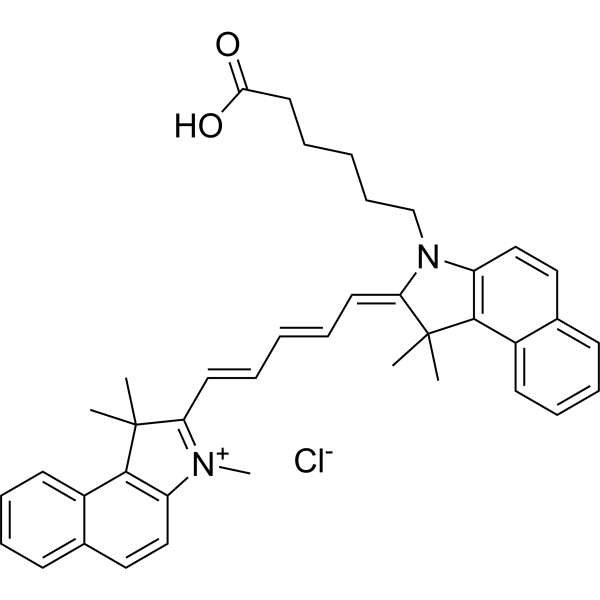
Cy5.5-COOH (Cyanine 5.5 carboxylic acid) chloride is a fluorescent dye that emits fluorescence at 710 nm upon excitation at 650 nm. Cy5.5-COOH chloride possesses excellent spectral properties, including a narrow absorption spectrum, high sensitivity, and stability. Cy5.5-COOH chloride can be used for bioimaging and disease diagnosis .
|
-
-
- HY-157232
-
|
|
Biochemical Assay Reagents
|
Others
|
AC Antibody purification resin 2 is based on spherical, highly cross-linked agarose beads with a narrow size distribution and high mechanical stability. Used for the separation and purification of complex antibodies such as monoclonal antibody, double antibody, multi-antibody and Fc fusion protein
.
Substrate: highly crosslinked agarose microspheres; Particle size: 65μm; Ligand: alkali-resistant recombinant Protein A; ADC purified resin.
|
-
-
- HY-A0083C
-
|
Acetyl-β-methylcholine iodide
|
mAChR
|
Cardiovascular Disease
|
|
Methacholine iodide is a potent muscarinic-3 (M3) agonist. Methacholine iodide acts directly on acetylcholine receptors on smooth muscle causing bronchoconstriction and airway narrowing. Methacholine iodide shows a high sensitivity to identify bronchial hyperresponsiveness (BHR). Methacholine iodide can be used to measure airway hyperresponsiveness (AHR) as a diagnostic aid in the assessment of individuals with asthma-like symptoms and normal resting expiratory flow rates .
|
-

-
- HY-13858AR
-
|
P-005672 hydrochloride (Standard)
|
Reference Standards
Antibiotic
Bacterial
DNA/RNA Synthesis
|
Infection
|
|
Sarecycline (hydrochloride) (Standard) is the analytical standard of Sarecycline (hydrochloride). This product is intended for research and analytical applications. Sarecycline hydrochloride is an orally active narrow-spectrum tetracycline derivative antibiotic. Sarecycline hydrochloride has anti-inflammatory activity. Sarecycline hydrochloride inhibits the activity of Gram-positive bacteria and several types of keratobacterium acnes. Sarecycline hydrochloride interferes with tRNA accommodation and tethers mRNA to the 70S ribosome. Sarecycline hydrochloride can be used to study moderate to severe acne .
|
-

-
- HY-115440R
-
|
REP-3123 dihydrochloride (Standard)
|
Reference Standards
Bacterial
Antibiotic
|
Infection
|
|
Selegiline (Standard) is the analytical standard of Selegiline. This product is intended for research and analytical applications. Selegiline (Deprenyl) is a potent, selective and irreversible inhibitor of MAO-B, with an IC50 of 51 nM. Selegiline exhibits 450-flod selectivity for MAO-B over MAO-A (IC50=23 μM). Selegiline can be used for the research of Parkinson's disease, Alzheimer's disease and major depressive disorder .
|
-

-
- HY-125387
-
|
|
Src
|
Inflammation/Immunology
|
|
TOP1210 is a narrow-spectrum tyrosine kinase inhibitor with potent inhibitory activity against P38α, Src, and Syk kinases. TOP1210 effectively reduced proinflammatory cytokines released by peripheral blood monocytes, primary macrophages, HT29 cells, inflammatory cells in ulcerative colitis (UC) biopsies, and myofibroblasts isolated from inflamed colonic UC mucosa. TOP1210 showed significant anti-inflammatory effects in cell experiments and UC biopsies, superior to some selective kinase inhibitors. The multi-kinase inhibition of TOP1210 provides the possibility of obtaining a wider range of therapeutic effects, especially in the regulation of autoimmune responses .
|
-

-
- HY-162926
-
|
|
Bacterial
|
Infection
|
|
Antituberculosis agent-12 (compound 3408) is a narrow-spectrum antituberculosis prodrug phosphate that has the ability to inhibit drug-resistant tuberculosis infection .
|
-

-
- HY-165514A
-
|
|
Cholinesterase (ChE)
|
Neurological Disease
|
|
Nafimidone is a stable and brain-penetrant antiepileptic compound. Nafimidone shows effective anticonvulsant effects in kindled amygdaloid seizure model. Nafimidone exhibits the narrow effective window, and has obvious epileptogenic effects at high doses. Nafimidone can be used for the study of epilepsy .
|
-

-
- HY-125500
-
|
|
p38 MAPK
Syk
Src
|
Neurological Disease
|
|
TOP1362 is a narrow spectrum kinase inhibitor. TOP1362 is a potent inhibitor of P38-α and Syk kinases with Kd values of 26 and 18 nM, respectively and an IC50 of 14 nM in the Src kinase activity assay. TOP1362 potently inhibits P38-α, Src and Syk. TOP1362 can be used in the research of dry eye syndrome .
|
-

-
- HY-175731
-
|
|
Bacterial
|
Infection
|
|
FabX-IN-1 (Compound 47) is a selective FabX inhibitor with an IC50 of 0.128 μM. FabX-IN-1 has a narrow-spectrum antibacterial activity against Helicobacter pylori with a MIC of 64 μg/mL, but significantly enhances synergistic inhibitory efficacy combined with membrane permeabilizers, efflux pump inhibitors, and Clarithromycin (HY-17508). FabX-IN-1 can be used for bacterial infections research .
|
-

-
- HY-180542
-
|
|
Carbonic Anhydrase
Bacterial
Drug Derivative
|
Infection
|
|
CAI0019 is an orally active α-carbonic anhydrase inhibitor based on the Acetazolamide (HY-B0782) framework. CAI0019 exhibits narrow-spectrum antibiofilm activity, with its MIC50 being 0.094 μM and MIC90 being 0.39 μM. CAI0019 selectively inhibits Enterococcus in a septic peritonitis mouse model, without affecting most intestinal commensal bacteria .
|
-

-
- HY-17580S1
-
|
OPT-80-d6; PAR-101-d6
|
Isotope-Labeled Compounds
Antibiotic
Apoptosis
DNA/RNA Synthesis
Bacterial
|
Infection
|
|
Fidaxomicin-d6 (OPT-80-d6) is the deuterium labeled Fidaxomicin (HY-17580). Fidaxomicin (OPT-80), a macrocyclic antibiotic, is an orally active and potent RNA polymerase inhibitor. Fidaxomicin has a narrow spectrum of antibacterial activity and a good anti-Clostridium difficile activity (MIC90=0.12 μg/mL). Fidaxomicin can be used for Clostridium difficile infection (CDI) research .
|
-

-
- HY-181282
-
|
|
Bacterial
|
Infection
|
|
MSU-44147 is an inhibitor and antimicrobial agent targeting MmpL3 in Mycobacterium abscessus, with low eukaryotic cytotoxicity, a narrow antimicrobial spectrum that is specific only to mycobacteria, and low drug resistance frequency. MSU-44147 reduces trehalose dimycolate levels by inhibiting MmpL3 function, disrupts biofilm formation and reduces the viability of related bacteria, while exerting bactericidal effects on intracellular Mycobacterium abscessus. MSU-44147 exhibits additive or synergistic effects with antibiotics and can be used in research on multidrug-resistant isolates and infections of Mycobacterium abscessus .
|
-

-
- HY-L052
-
|
|
1,384 compounds
|
|
COVID-19 poses a serious threat to people's health, and it is urgent to develop drugs to treat COVID-19 quickly. The screening of anti-COVID-19 drugs by using the clinical and approved compounds can greatly shorten the research and development cycle. In addition, the virtual screening technology can effectively narrow the scope of screening and improve the screening efficiency in the pre-screening of new drugs.
Taking advantage of our virtual screening, we conduct virtual screening of approved compound library and clinical compound library based on the 3CL protease (PDB ID: 6LU7), Spike Glycoprotein (PDB ID: 6VSB), NSP15 (PDB ID: 6VWW), RDRP, PLPro and ACE2 (Angiotensin Converting Enzyme 2) structure. We design a unique collection of 1,384 compounds which may have anti-COVID-19 activity. Anti-COVID-19 Compound Library will be a powerful tool for screening new anti-COVID-19 activity drugs.
|
-
- HY-D1040
-
|
Cyanine 5.5 carboxylic acid
|
蛍光色素
|
|
Cy5.5-COOH (Cyanine 5.5 carboxylic acid) is a fluorescent dye that emits fluorescence at 710 nm upon excitation at 650 nm. Cy5.5-COOH possesses excellent spectral properties, including a narrow absorption spectrum, high sensitivity, and stability. Cy5.5-COOH can be used for bioimaging and disease diagnosis .
|
-
- HY-D2264
-
|
|
蛍光色素
|
|
Caffeine orange (Compound 1) is an aqueous-phase fluorescence turn-on sensor for caffeine that is highly selective to caffeine. Caffeine orange makes caffeinated coffee appear orange when exposed to 532 nM of green excitation light. Caffeine orange has excellent photophysical properties such as high extinction coefficient, high light stability and narrow emission bandwidth, which can be used in the research of caffeine detection devices .
|
-
- HY-146248
-
|
|
蛍光色素
|
|
TFMU-ADPr is a selective reporter substrate of SARS-CoV-2 Macro1 (IC50=0.59 μM), with an excitation wavelength (λEx) of 385 nm, and an emission wavelength (λEm) of 502 nm (or 495 nm). TFMU-ADPr can also undergo enzymatic hydrolysis with Poly(ADP-ribose) Glycohydrolase (PARG) sourced from human, Tetrahymena thermophila and ADP-ribosylhydrolase 3 from human to release fluorophores, thereby directly reporting total poly (ADP-ribose) hydrolase activity. TFMU-ADPr binds to the ADPr-binding site of SARS-CoV-2 Macro1, and its TFMU moiety inserts into the narrow hydrophobic groove of this protein. TFMU-ADPr can thus be used to evaluate small-molecule inhibitors targeting PAR hydrolases under in vitro conditions, to investigate the regulatory mechanisms of ADP-ribosyl catabolic enzymes, or to detect PAR hydrolase activity in whole-cell lysate assays. TFMU-ADPr is also applicable to COVID-19-related research .
|
-
- HY-D2194
-
|
|
蛍光色素
|
|
AgAuSe-COOH (1000 nm) is a fluorescent quantum dot that emits fluorescence in the near-infrared II region, with an emission peak reaching 1000 nm. AgAuSe-COOH (1000 nm) has the advantages of narrow band gap, large Stokes shift, and good photostability. AgAuSe-COOH (1000 nm) can bind proteins, antibodies, peptides, PEG, etc., and can be widely used in the field of biological imaging.
|
-
- HY-D1040A
-
|
Cyanine 5.5 carboxylic acid chloride
|
蛍光色素
|
|
Cy5.5-COOH (Cyanine 5.5 carboxylic acid) chloride is a fluorescent dye that emits fluorescence at 710 nm upon excitation at 650 nm. Cy5.5-COOH chloride possesses excellent spectral properties, including a narrow absorption spectrum, high sensitivity, and stability. Cy5.5-COOH chloride can be used for bioimaging and disease diagnosis .
|
-
- HY-21170B
-
|
Triflate lithium; Trifluoromethylsulfonate lithium; Trifluoromethanesulphonic acid lithium
|
生化学アッセイ試薬
|
|
Trifluoromethanesulfonate (Triflate;Trifluoromethylsulfonate) lithium is a stable lithium salt and dopant with four resonance states, which is commonly used as an electrolyte component in polymer light-emitting electrochemical cells and primary lithium batteries. Trifluoromethanesulfonate lithiumalso acts as a catalyst for the preparation of the herbicide Imazapyr. In MEH-PPV-based light-emitting electrochemical cells, Trifluoromethanesulfonate lithium promotes electrochemical p-type doping at the anode interface under applied bias, thereby facilitating the formation of p-i-n junctions, exciton generation, and light emission. Trifluoromethanesulfonate lithiumexhibits strong ion pairing in non-aqueous electrolytes, but its electrochemical stability window is narrower than that of lithium bistrifluoromethylsulfonyl imidee .
|
-
- HY-W250168B
-
|
Polyethylene glycol oleyl ether, average Mn~357; Polyethylene glycol monooleyl ether, n~2
|
生化学アッセイ試薬
|
|
Polyoxyethylene(2) oleyl ether (Polyethylene glycol oleyl ether, average Mn~357; Polyethylene glycol monooleyl ether, n~2) is a nonionic surfactant. Polyoxyethylene(2) oleyl ether promoting the formation of spherical-shaped nanosystems with a narrow size distribution. Polyoxyethylene(2) oleyl ether can be used for the delivery of several active compounds .
|
| 製品番号 |
製品名 |
Category |
Target |
構造式 |
-
- HY-17580S
-
|
|
|
Fidaxomicin-d7 (OPT-80-D7) is the deuterium labeled Fidaxomicin. Fidaxomicin (OPT-80), a macrocyclic RNA polymerase inhibitor, has a narrow spectrum of activity. Fidaxomicin selectively eradicates pathogenic Clostridium difficile with minimal disruption to the multiple species of bacteria that make up the normal, healthy intestinal flora .
|
-
-
- HY-B0925S
-
|
|
|
Oxacillin- 13C6 (sodium) is the 13C6 labeled Oxacillin (sodium). Oxacillin sodium salt is a narrow-spectrum β-lactam antibiotic of the penicillin class.
|
-
-
- HY-W654157
-
|
|
|
Dicloxacillin- 13C4 sodium hydrate is the 13C-labeled Dicloxacillin Sodium hydrate (HY-B0977). Dicloxacillin Sodium hydrate (Dicloxacillin sodium salt monohydrate) is a narrow-spectrum β-Lactam antibiotic of the penicillin class, is used to study infections caused by susceptible Gram-positive bacteria, active against beta-lactamase-producing organisms such as Staphylococcus aureus .
|
-
-
- HY-17580S1
-
|
|
|
Fidaxomicin-d6 (OPT-80-d6) is the deuterium labeled Fidaxomicin (HY-17580). Fidaxomicin (OPT-80), a macrocyclic antibiotic, is an orally active and potent RNA polymerase inhibitor. Fidaxomicin has a narrow spectrum of antibacterial activity and a good anti-Clostridium difficile activity (MIC90=0.12 μg/mL). Fidaxomicin can be used for Clostridium difficile infection (CDI) research .
|
-
-
- HY-150781
-
|
|
|
Alkynes
|
|
EGFR-IN-71 is a potent narrow spectrum epidermal growth factor receptor (EGFR) inhibitor with IC50 values of 3.7 μM. EGFR-IN-71 can be used for researching chordoma . EGFR-IN-71 is a click chemistry reagent, it contains an Alkyne group and can undergo copper-catalyzed azide-alkyne cycloaddition (CuAAc) with molecules containing Azide groups.
|
-
- HY-125387
-
|
|
|
Alkynes
|
|
TOP1210 is a narrow-spectrum tyrosine kinase inhibitor with potent inhibitory activity against P38α, Src, and Syk kinases. TOP1210 effectively reduced proinflammatory cytokines released by peripheral blood monocytes, primary macrophages, HT29 cells, inflammatory cells in ulcerative colitis (UC) biopsies, and myofibroblasts isolated from inflamed colonic UC mucosa. TOP1210 showed significant anti-inflammatory effects in cell experiments and UC biopsies, superior to some selective kinase inhibitors. The multi-kinase inhibition of TOP1210 provides the possibility of obtaining a wider range of therapeutic effects, especially in the regulation of autoimmune responses .
|
入力情報は安全に管理されます. ※ 必須入力項目.
Inquiry Information
- 製品名:
- 製品番号:
- 数量:
- MCE 日本正規代理店:





