



Sarecycline hydrochloride
Based on 4 publication(s) in Google Scholar
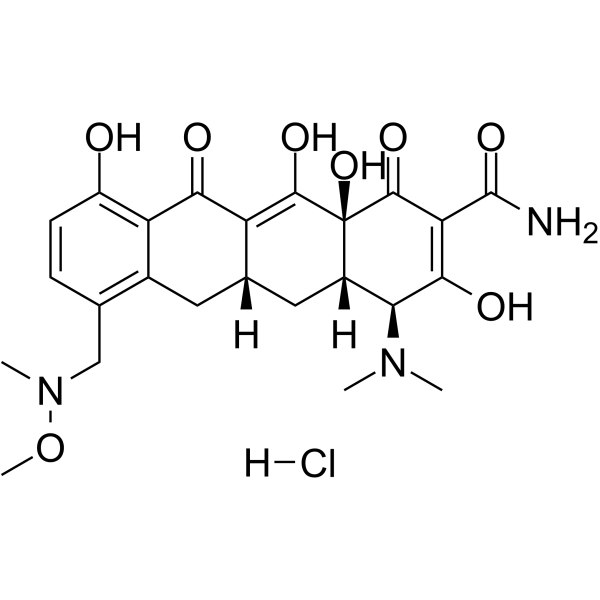
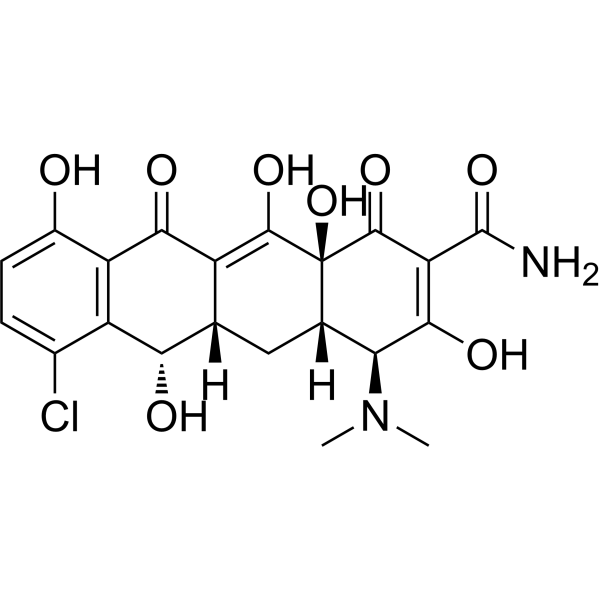
Sarecycline hydrochloride is an orally active narrow-spectrum tetracycline derivative antibiotic. Sarecycline hydrochloride has anti-inflammatory activity. Sarecycline hydrochloride inhibits the activity of Gram-positive bacteria and several types of keratobacterium acnes. Sarecycline hydrochloride interferes with tRNA accommodation and tethers mRNA to the 70S ribosome. Sarecycline hydrochloride can be used to study moderate to severe acne .
For research use only. We do not sell to patients.
- Purity : 99.78%
- CAS No.: 1035979-44-2
- Formula: C24H30ClN3O8
- Molecular Weight:523.96
-
Storage:
Please store the product under the recommended conditions in the Certificate of Analysis.

To place orders, for customer services and technical support, please contact: MedChemExpress USA
Tel: 609-228-6898 E-mail: [email protected] [email protected]


-
 Biological Activity
-
Chemical Information
-
Solvent & Solubility
- Protocols
- Purity & Documentation
- References
-
 Help & FAQs


-
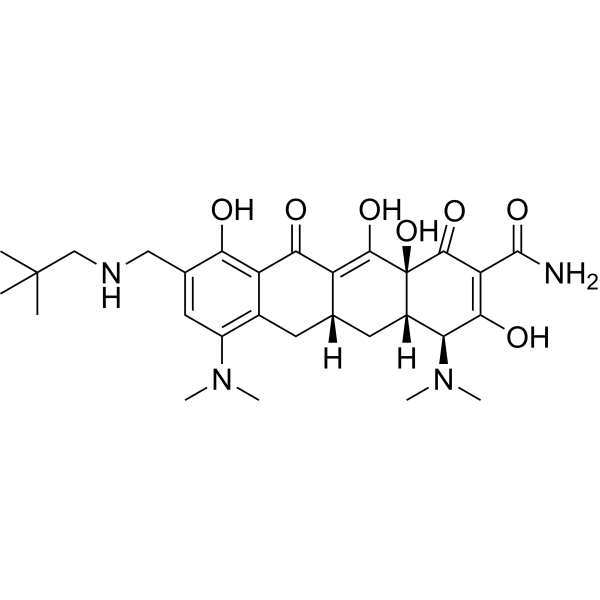
HY-14865
OmadacyclineAntimicrobial Agent -
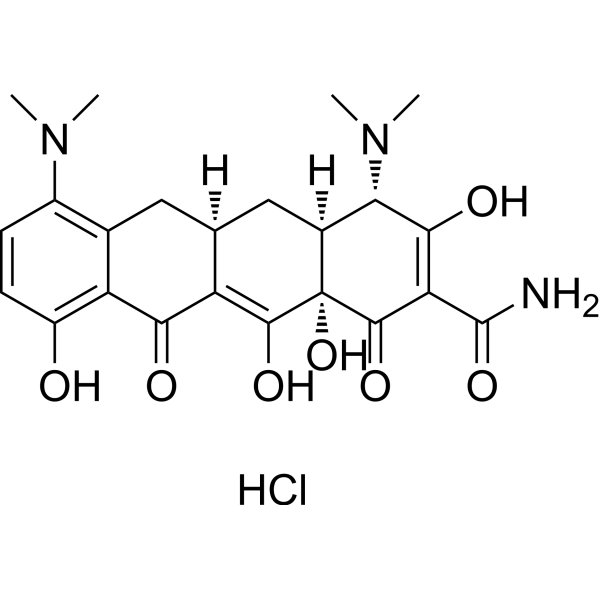
HY-17412
Minocycline hydrochlorideHIF-1α/Glutamate Inhibitor -
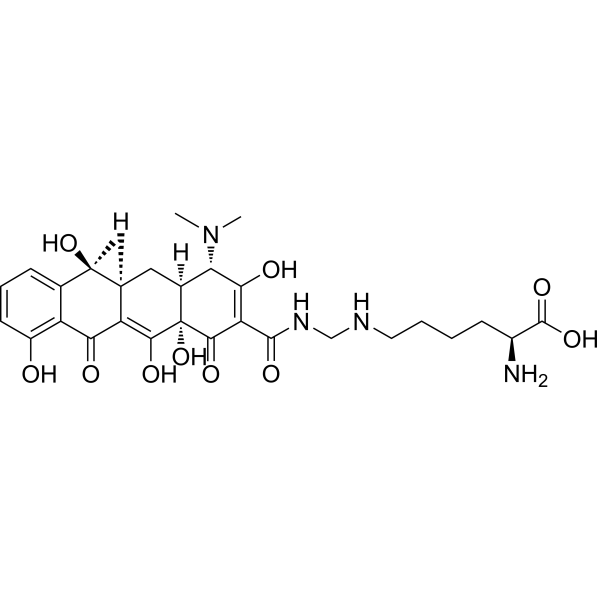
HY-106339
Lymecycline -
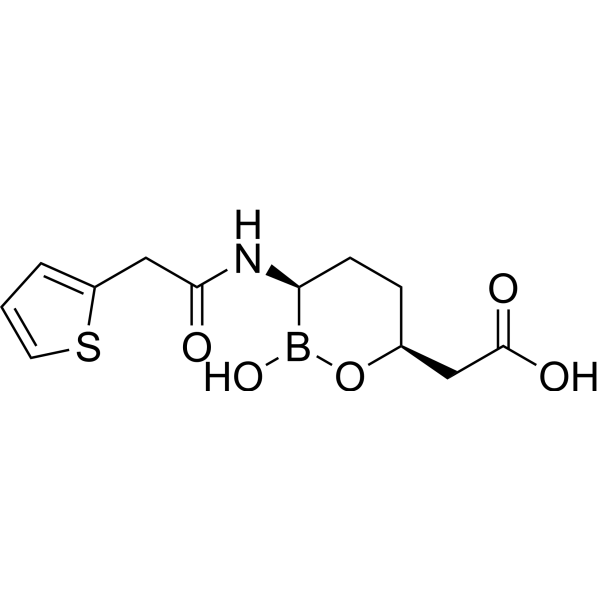
HY-19930
Vaborbactamβ-lactamase Inhibitor -
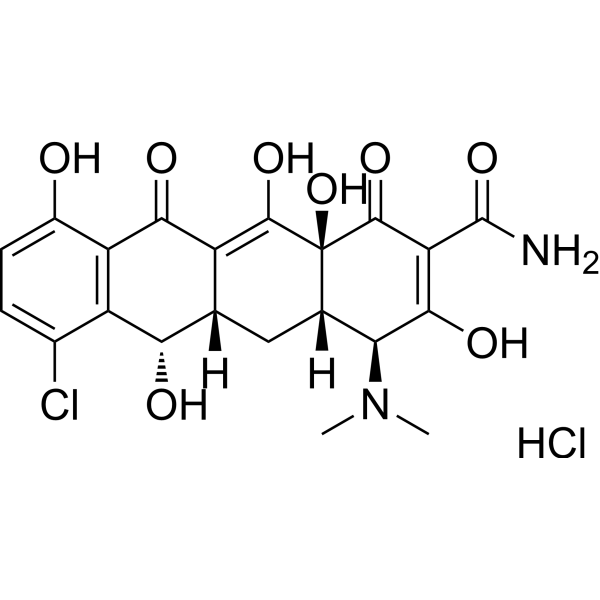
HY-17560
Demeclocycline hydrochlorideTetracycline Antibiotic -
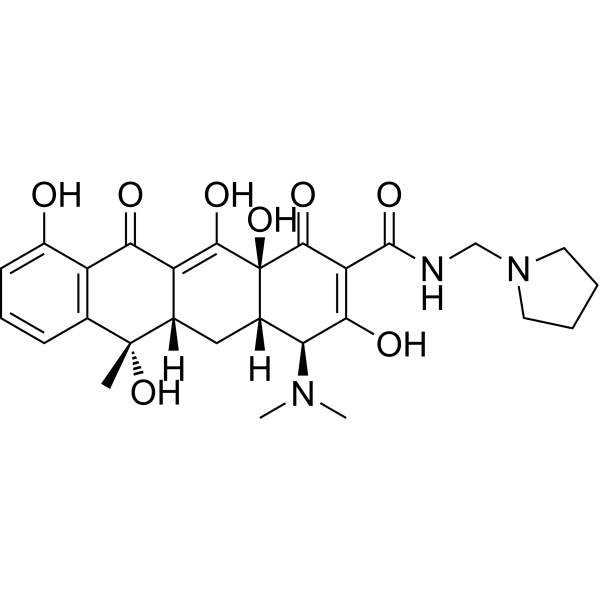
HY-18257
RolitetracyclineAntibiotic -
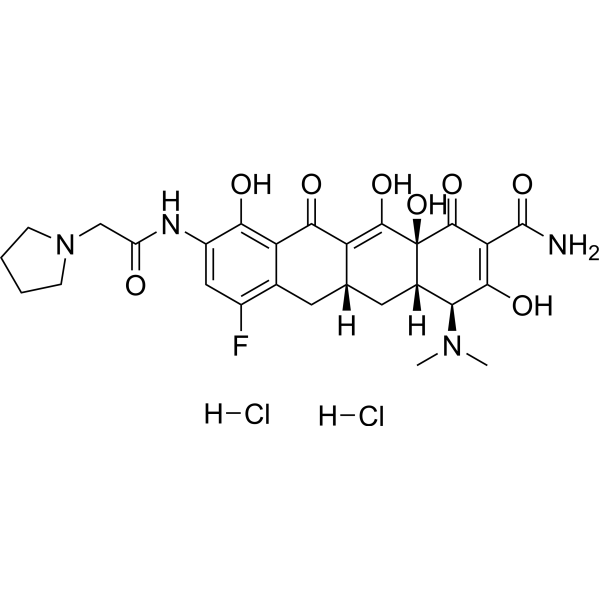
HY-16980A
Eravacycline dihydrochlorideAnti-Bacterial Agent -
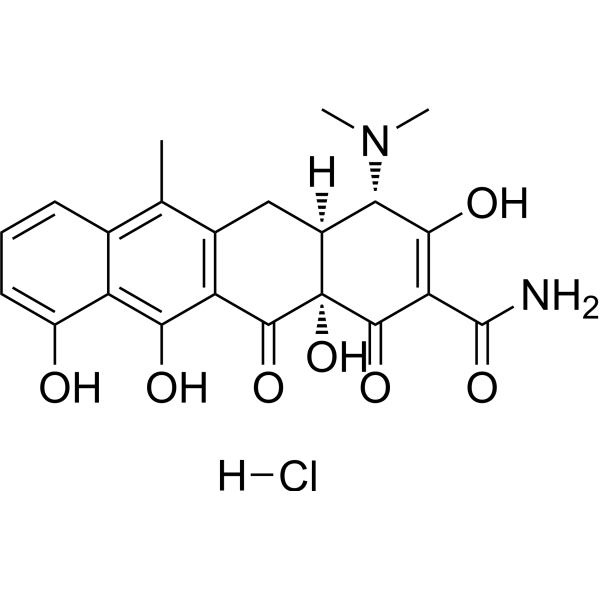
HY-118660
Anhydrotetracycline hydrochlorideTetracycline Destructase Enzymes Inhibitor -
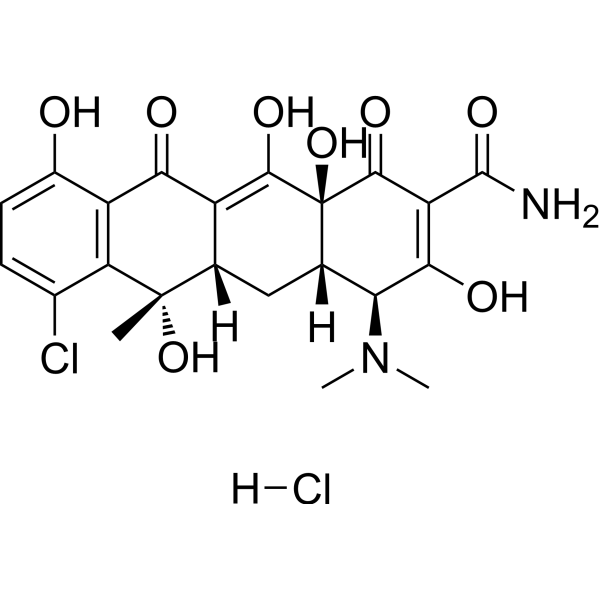
HY-B1327
Chlortetracycline hydrochlorideCalcium Ionophore Antibiotic, Methanogenic Bacteria Inhibitor -
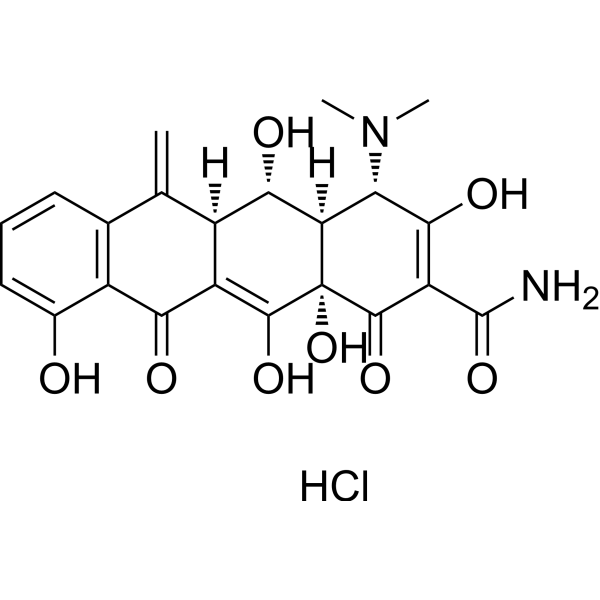
HY-B0449
Methacycline hydrochlorideBacterial Inhibitor -
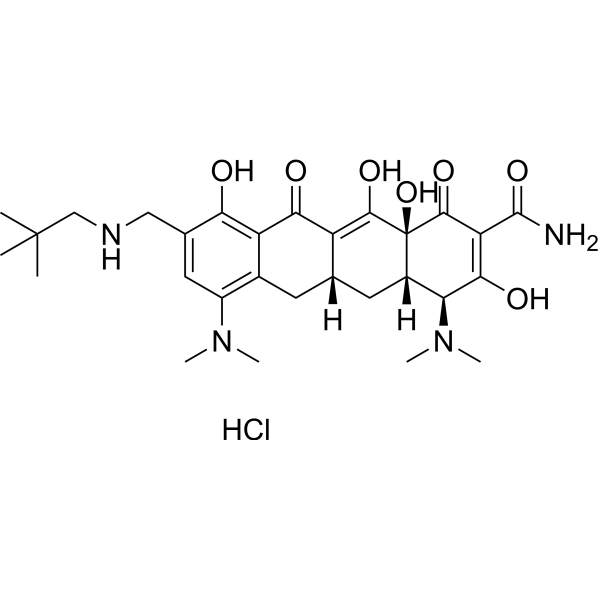
HY-14865C
Omadacycline hydrochlorideAntimicrobial Agent -
HY-121268
DemeclocyclineTetracycline Antibiotic
Publications Citing Use of MedChemExpress (MCE) Sarecycline hydrochloride
More Customer Validation & Images

-
Cell Proliferation/Viability Assay
All Antibiotic Isoforms
MoreAll DNA/RNA Synthesis Isoforms
More

Biological Activity
Description
IC50 & Target
|
Tetracycline |
In Vitro
Sarecycline inhibits 55 clinical isolates of C. acnes, and the MIC values for Sarecycline ranged from 0.5 to 16 µg/ml; the MIC50 was 0.5 µg/ml, and the MIC90 was 4 µg/ml.[1]
Sarecycline, exhibits activity against the macrolide-resistant organisms[1].
Sarecycline hydrochloride exhibits minimal activity against enteric aerobic Gram-negative bacteria[2].
MedChemExpress (MCE) has not independently confirmed the accuracy of these methods. They are for reference only. Further protocols information, click here.
In Vivo
Sarecycline can inhibit S. aureus (PD50=0.25 mg/kg), but has no significant effect on E. coli even at the highest dose (>40 mg/kg) in CD-1 mice model of systemic (intraperitoneal) infection[6].
Sarecycline (1-150mg/kg; Intraperitoneal injection; Single dose) shows anti-inflammatory activity in Sprague Dawley rats model[6].
MedChemExpress (MCE) has not independently confirmed the accuracy of these methods. They are for reference only.
-
Animal Model:Female SD-1 mice (A murine neutropenic thigh wound infection model)[1]
-
Dosage:0.33, 1, 3, or 9 mg/kg
-
Administration:Intravenously
-
Result:Achieved a 2-log10 reduction in the bacterial burden in the thigh at a dose comparable to that of doxycycline, with ED50s of 8.23 and 8.32 mg/kg, respectively.
-
Animal Model:Carrageenan-induced footpad edema male Sprague Dawley rats model[6]
-
Dosage:1 mg/kg, 5 mg/kg ,10 mg/kg, 25 mg/kg, 50 mg/kg, 75 mg/kg,100 mg/kg, 150 mg/kg
-
Administration:Intraperitoneal injection (i.p.); Single dose. Before a subplantar injection of sterile 1 mg/0.1 mL carrageenan solution in the right hind paw.
-
Result:Reduced inflammation to 55.7% and 53.1%, respectively, at doses of 75 mg/kg and 100 mg/kg compared to baseline.
Clinical Trial
| NCT Number | Sponsor | Condition | Start Date |
Phase

|
|---|---|---|---|---|
| NCT01329991 | Plexxikon| | 2011-05 | PHASE1 |


Chemical Information
-
CAS No. 1035979-44-2
-
Appearance Solid
-
Molecular Weight 523.96
-
Formula C24H30ClN3O8
-
Color Light yellow to yellow
-
SMILES
[H]Cl.O[C@]12[C@](C[C@@]3([H])C(C(C4=C(O)C=CC(CN(C)OC)=C4C3)=O)=C2O)([H])[C@@H](C(O)=C(C1=O)C(N)=O)N(C)C
-
Synonyms
P-005672 hydrochloride
-
Shipping
Room temperature in continental US; may vary elsewhere.
-
Storage
Please store the product under the recommended conditions in the Certificate of Analysis.


Publications (4)
-
Journal Impact Factor
-
Most Recent
-
Pharmaceutics
2021 Dec 5;13(12):2085. PMID: 34959366 -
Microbiol Spectr
Omadacycline, Eravacycline, and Tigecycline Express Anti-Mycobacterium abscessus Activity In Vitro. [Abstract]2023 Jun 15;11(3):e0071823. PMID: 37140428 -
Microbiol Spectr
In Vitro Antimicrobial Activities of Tigecycline, Eravacycline, Omadacycline, and Sarecycline against Rapidly Growing Mycobacteria. [Abstract]2023 Feb 14;11(1):e0323822. PMID: 36475850
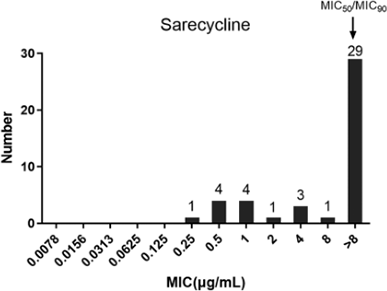
Sarecycline hydrochloride purchased from MedChemExpress. Usage Cited in: Microbiol Spectr. 2023 Feb 14;11(1):e0323822. [Abstract]
The MIC distributions of Sarecycline against 43 M. fortuitum isolates. The y axis shows the number of strains with each MIC value, with the specific numbers shown above the bars.
-
Clin Exp Pharmacol Physiol
In vitro susceptibility testing of tetracycline-class antibiotics against slowly growing non-tuberculous mycobacteria. [Abstract]2023 Jul;50(7):604-609. PMID: 37086075


Solvent & Solubility
In Vitro:
DMSO : 100 mg/mL (190.85 mM; Need ultrasonic; Hygroscopic DMSO has a significant impact on the solubility of product, please use newly opened DMSO)
Concentration (start) × Volume (start) = Concentration (final) × Volume (final)

Protocols
-
RNA extraction experimental
By lysing cells, releasing RNA, and removing impurities such as proteins and DNA, high-purity RNA products are finally obtained. The commonly used traditional method is the guanidine isothiocyanate/phenol/chloroform method (Trizol), which is suitable for a variety of animal materials including animal tissues, microorganisms, cultured cells, etc., and most plant materials.
-
Cotton Pellet Granuloma
Cotton pellet granuloma is a classical in vivo chronic inflammation model used to evaluate the anti-inflammatory potential of test substances by measuring their ability to inhibit granuloma tissue formation around an implanted foreign body (cotton pellet) in rodents. The method is based on the biological response to a sterile implanted material, which induces proliferative phase inflammation characterized by fibroblast proliferation and collagen-rich granuloma formation, and the final readout reflects the extent of chronic inflammatory tissue growth surrounding the pellet. In multiple preclinical pharmacological evaluations, inhibition of cotton pellet-induced granuloma formation has been used as an indicator of anti-inflammatory activity in both synthetic and natural product screening contexts.
-
Carrageenan-Induced Paw Edema
Carrageenan-induced paw edema is an acute inflammation model in which intraplantar injection of carrageenan induces localized inflammatory swelling characterized by vascular permeability, leukocyte infiltration, and production of inflammatory mediators such as prostaglandins and cytokines, making it widely used to evaluate anti-inflammatory agents in vivo. The resulting paw volume or thickness increase is quantified over time as a direct readout of inflammatory intensity and drug efficacy, typically reflecting cyclooxygenase-mediated prostaglandin-driven edema formation and immune cell recruitment in peripheral tissue[20].
-
Research Protocol for Inflammation-related Diseases
The NLRP3 inflammasome is a cytosolic innate immune signaling platform that integrates priming signals and danger-signal activation to promote caspase-1 activation, maturation of IL-1β and IL-18, and gasdermin D-mediated pyroptotic cell death. The core experimental logic is to determine whether inflammatory disease phenotypes are driven by increased NLRP3 expression, ASC-containing inflammasome assembly, caspase-1 cleavage, GSDMD cleavage, and extracellular release of IL-1β/IL-18 rather than by nonspecific cell injury alone. The pathway is strongly linked to inflammation-related disease phenotypes because monosodium urate crystals activate NALP3/NLRP3 inflammasome signaling in gout-like crystal inflammation, cholesterol crystals activate NLRP3 inflammasomes in atherogenesis models, and DSS-induced intestinal inflammation has been reported to involve NLRP3 inflammasome activity. However, experimental colitis studies also show context-dependent protective effects of NLRP3 inflammasome co
-
Gram Staining of Tissue Sections
Gram staining of tissue sections is a histochemical technique used to differentiate Gram-positive and Gram-negative bacteria within histological specimens based on differences in bacterial cell wall structure and dye retention, adapted from classical bacteriological Gram staining into tissue-compatible “histological Gram stain” variants. In tissue applications, modifications of the Brown-Hopps and Brown-Brenn methods are commonly used to improve differentiation of microorganisms embedded within host connective tissue and to reduce overstaining or loss of Gram-negative signal, which are known limitations of earlier approaches. The principle relies on crystal violet-iodine complex retention in Gram-positive organisms and subsequent decolorization and counterstaining steps that allow contrast visualization of Gram-negative organisms against tissue background.


Purity & Documentation
-
Data Sheet (282 KB)
-
SDS (419 KB)
- English - EN (419 KB)
- Français - FR (419 KB)
- Deutsch - DE (419 KB)
- Norwegian - NO (419 KB)
- Español - ES (419 KB)
- Swedish - SV (419 KB)
- Italian - IT (419 KB)
- Korean - KR (419 KB)
- Portuguese - PT (419 KB)
-
Handling Instructions (2659 KB)
References
[1]. Zhanel G, Critchley I, Lin LY, Alvandi N. Microbiological Profile of Sarecycline, a Novel Targeted Spectrum Tetracycline for the Treatment of Acne Vulgaris. Antimicrob Agents Chemother. 2018;63(1):e01297-18. Published 2018 Dec 21. [Content Brief]
[2]. Moore AY, Charles JEM, Moore S. Sarecycline: a narrow spectrum tetracycline for the treatment of moderate-to-severe acne vulgaris. Future Microbiol. 2019;14(14):1235-1242. [Content Brief]
[3]. Batool Z, et al. Sarecycline interferes with tRNA accommodation and tethers mRNA to the 70S ribosome. Proc Natl Acad Sci U S A. 2020;117(34):20530-20537. [Content Brief]
[4]. Butler MS, et al. Antibiotics in the clinical pipeline in 2013. J Antibiot (Tokyo). 2013 Oct;66(10):571-91. [Content Brief]
[5]. Moore AY, et al. Sarecycline: a narrow spectrum tetracycline for the treatment of moderate-to-severe acne vulgaris. Future Microbiol. 2019 Sep;14(14):1235-1242. [Content Brief]
[6]. Bunick CG, et al. Antibacterial Mechanisms and Efficacy of Sarecycline in Animal Models of Infection and Inflammation. Antibiotics (Basel). 2021 Apr 15;10(4):439. [Content Brief]


Complete Stock Solution Preparation Table
| Optional Solvent | Concentration Solvent Mass | 1 mg | 5 mg | 10 mg | 25 mg |
|---|---|---|---|---|---|
| DMSO | 1 mM | 1.9085 mL | 9.5427 mL | 19.0854 mL | 47.7136 mL |
| 5 mM | 0.3817 mL | 1.9085 mL | 3.8171 mL | 9.5427 mL | |
| 10 mM | 0.1909 mL | 0.9543 mL | 1.9085 mL | 4.7714 mL | |
| 15 mM | 0.1272 mL | 0.6362 mL | 1.2724 mL | 3.1809 mL | |
| 20 mM | 0.0954 mL | 0.4771 mL | 0.9543 mL | 2.3857 mL | |
| 25 mM | 0.0763 mL | 0.3817 mL | 0.7634 mL | 1.9085 mL | |
| 30 mM | 0.0636 mL | 0.3181 mL | 0.6362 mL | 1.5905 mL | |
| 40 mM | 0.0477 mL | 0.2386 mL | 0.4771 mL | 1.1928 mL | |
| 50 mM | 0.0382 mL | 0.1909 mL | 0.3817 mL | 0.9543 mL | |
| 60 mM | 0.0318 mL | 0.1590 mL | 0.3181 mL | 0.7952 mL | |
| 80 mM | 0.0239 mL | 0.1193 mL | 0.2386 mL | 0.5964 mL | |
| 100 mM | 0.0191 mL | 0.0954 mL | 0.1909 mL | 0.4771 mL |


Sarecycline hydrochloride Related Classifications
HY-13858A Related Classifications
 Powered by Bioz